Empanadas

LP Argentina (23)

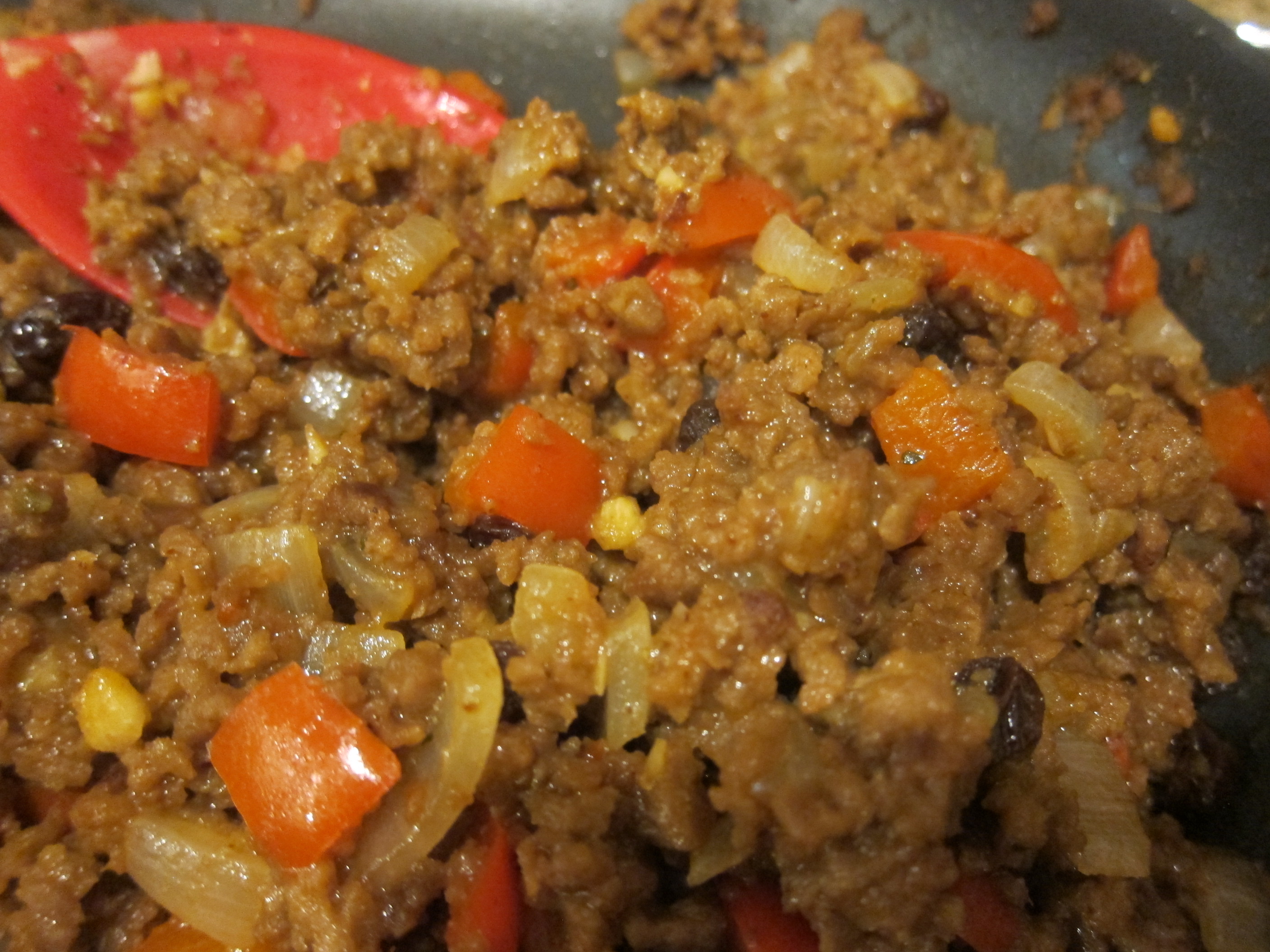
Frozen pie crust means these empanadas are easy enough for even a busy night!
LP Argentina (20)

Ingredients:

  • 2 tablespoons olive oil
  • 1 (12-ounce) package meatless crumbles
  • 1 chopped onion
  • 1 chopped red bell pepper
  • 3 minced garlic cloves
  • 1/2 teaspoon oregano
  • 1 teaspoon cumin
  • 1 teaspoon paprika
  • 1 teaspoon chili powder
  • 1 cup vegetable broth
  • 1 tablespoon brown sugar
  • 1/4 cup raisins
  • 2 (9-inch) prepared vegan pie crusts (Such as Wholly Wholesome)
  1. To prepare the filling, heat the olive oil in a large skillet over medium-high heat. Add the meatless crumbles and cook for 6 minutes.
  2. Add the onion, bell pepper, and garlic to the pan; continue to cook for about 5 minutes, until the onion is soft.
  3. Add the oregano, cumin, paprika, and chili powder; cook for 1 minute, then stir in the broth and brown sugar. Continue to cook for about 5 minutes, or until the liquid is nearly all evaporated.
  4. Stir in the raisins and remove from heat.
  5. Meanwhile, use a 4-inch round cookie cutter to cut circles from the pie dough. (Note: you’ll need to gather and re-roll your scraps several times).
  6. Spoon a heaping tablespoon filling into the center of each circle. Fold the dough over the filling and crimp the edges with a fork to seal.
  7. Transfer to a baking sheet and repeat with the remaining dough and filling. Bake at 375 degrees F for 20 minutes.

LP Argentina (22)

Seasons in the Hemispheres

Hemispheres (4).JPG

This very simply lesson from Raddish Kids was informative, though it lacked the “wow” factor of other lessons from the company. Still, Travis was intrigued and stuck with it from start to finish.

First, I asked him to name the four seasons. Chart your child’s answers, and then make a list of different aspects of the seasons. Travis came up with things like: cold versus hot; snow versus sun; and different colors, like white versus green.

Now time for a little lesson; the world is divided into northern and southern hemispheres, separated by an imaginary line called the Equator. When it it is summer in the north, it is winter in the south, and vice versa.

Hemispheres (1)

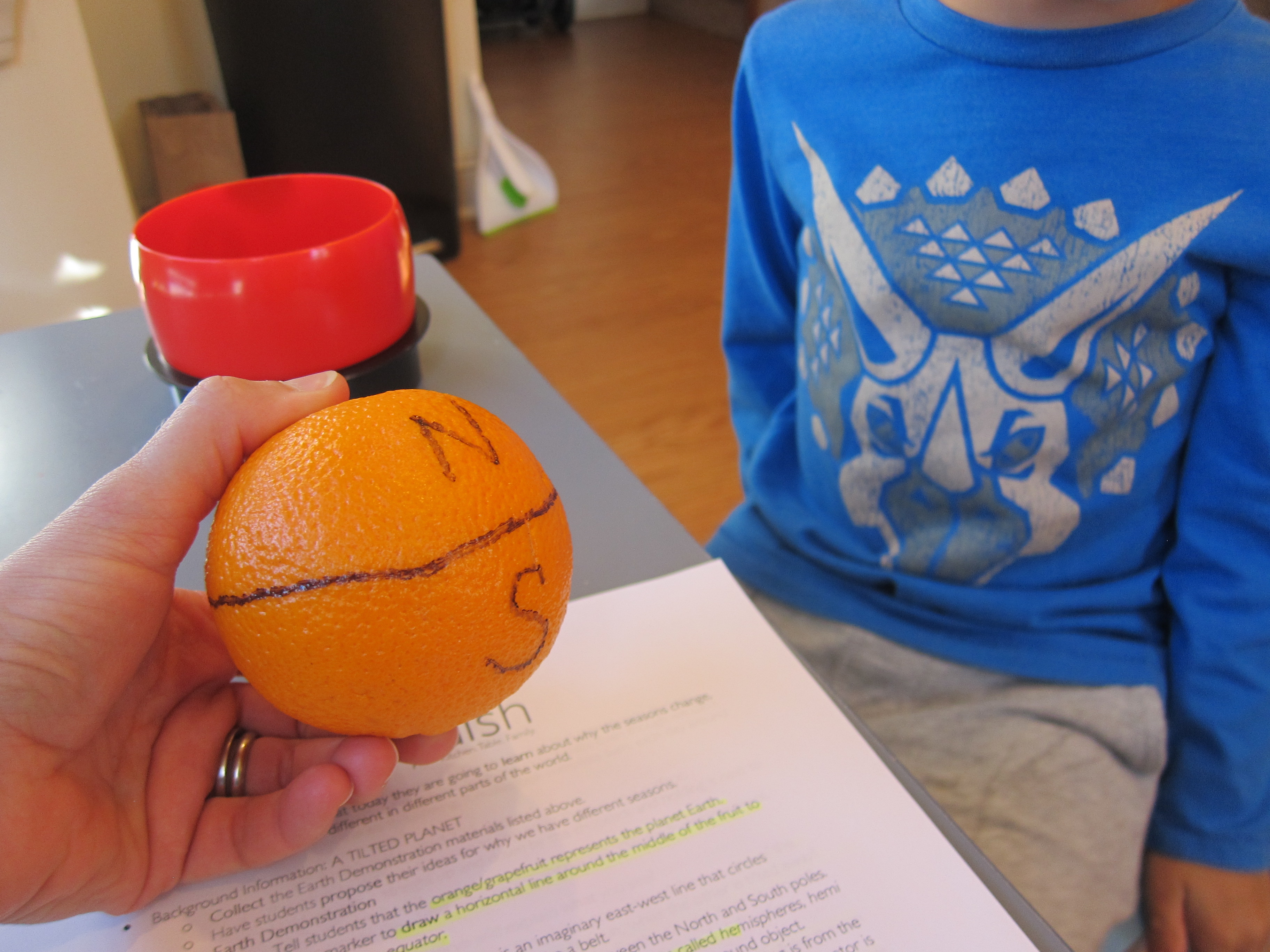
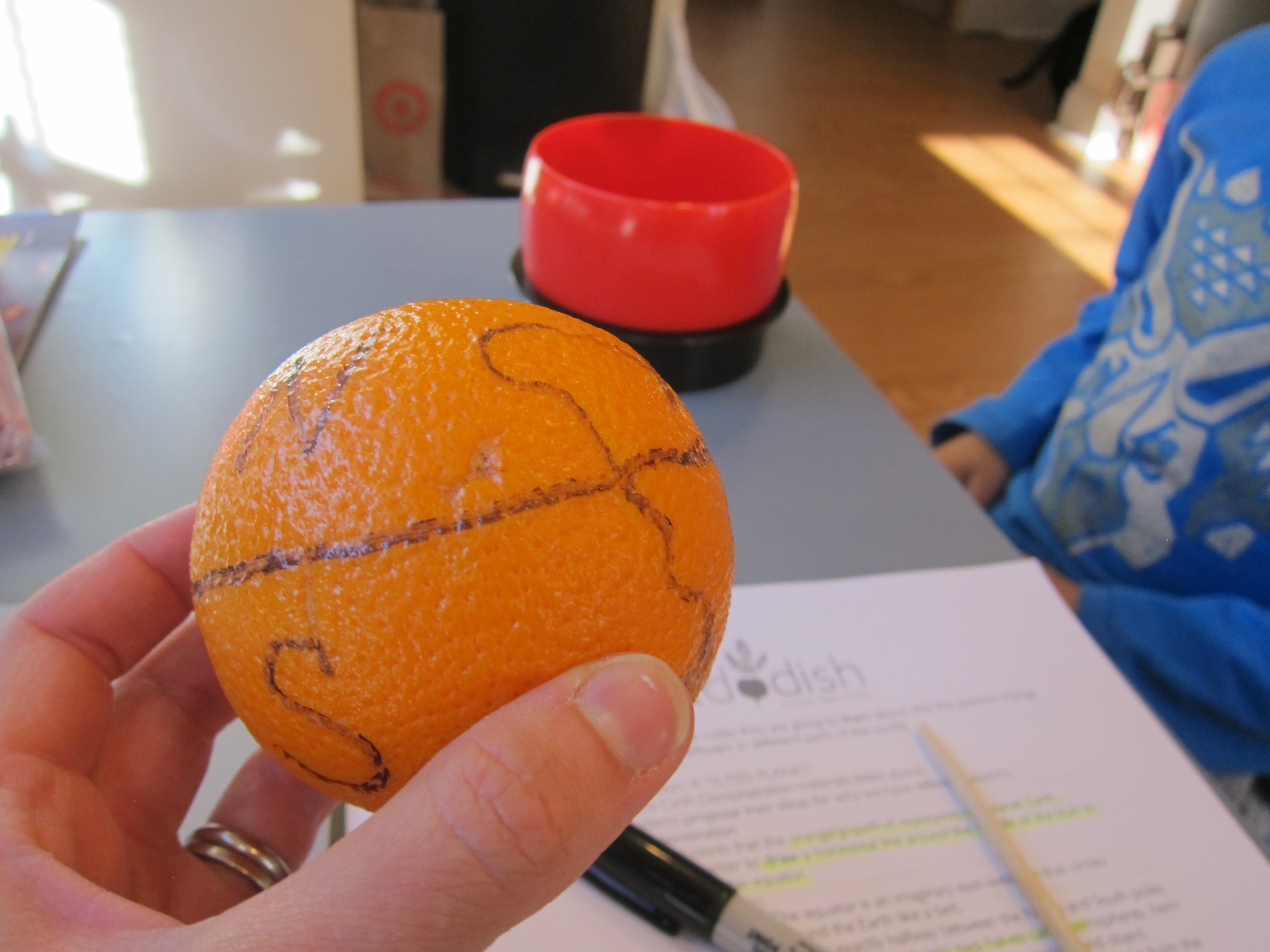
To illustrate this point in a tangible way, draw a line around an orange. We labeled the top N and the bottom S. I had him point out where we lived, and we drew a simple outline for North America. An outline of Argentina, where our recipes came from, went into the south.

Hemispheres (2)

Spear the orange with a chopstick from “north pole to south pole” to show Earth’s axis. Now hold up a soccer ball as your sun. As you rotate the “Earth” around at a slight tilt (fun fact, Earth’s axis is tilted 23.5 degrees), your child will start to see why sometimes it is summer and sometimes winter.

Hemispheres (3)

We watched two suggested videos for a slightly more in depth explanation.

Hemispheres (5)

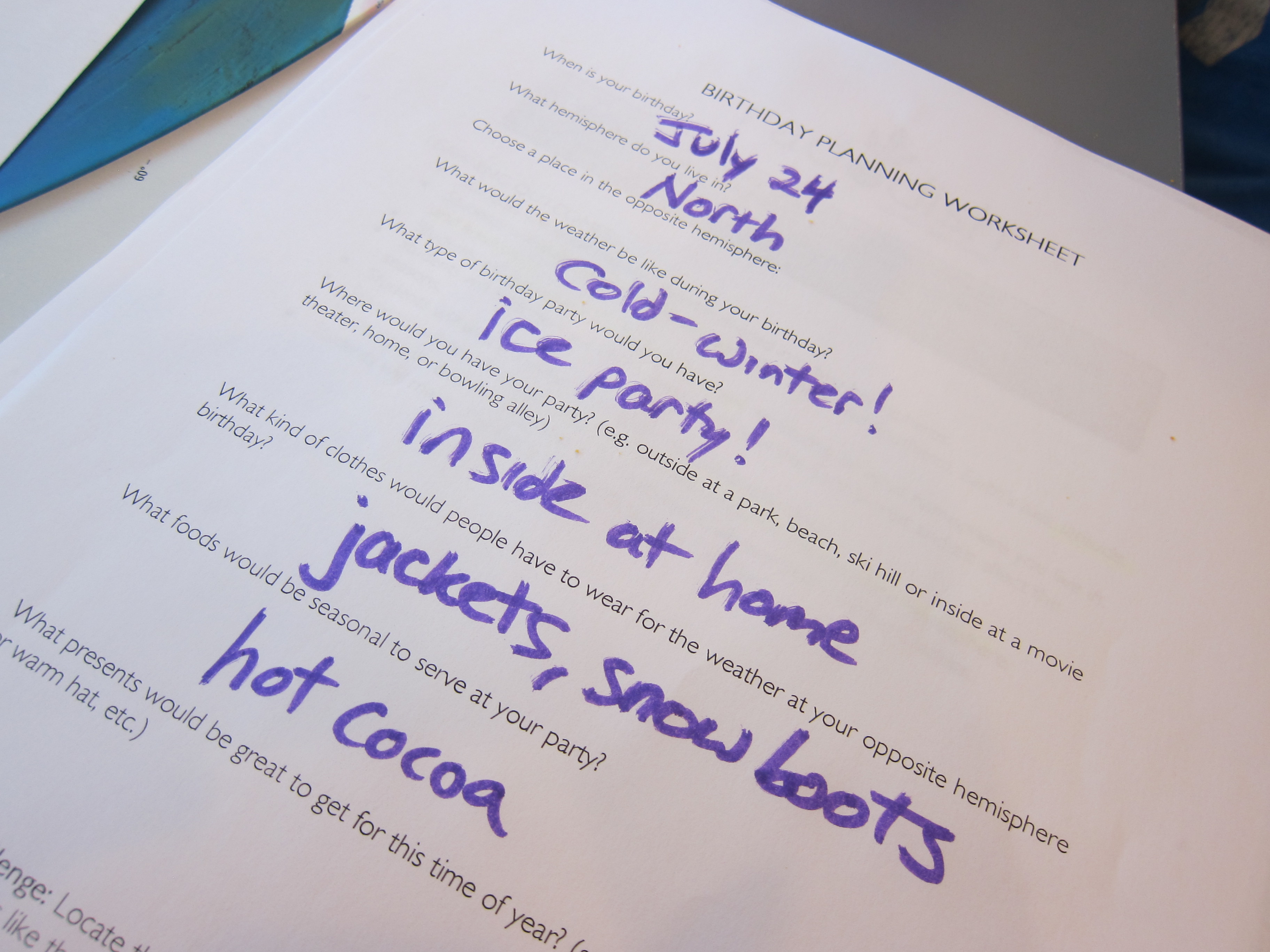
Now it was time for Travis to plan his winter birthday party! As a summer baby, I had him imagine what it would be like to live in a southern continent. He decided it would be an ice party, where everyone drank hot cocoa and came in snow boots.

Hemispheres (7)

If you really wanted to go all out for this lesson plan, you could recreate a mini birthday celebration of opposite seasons for your kids! At the very least, celebrate with some dulce de leche cookies.

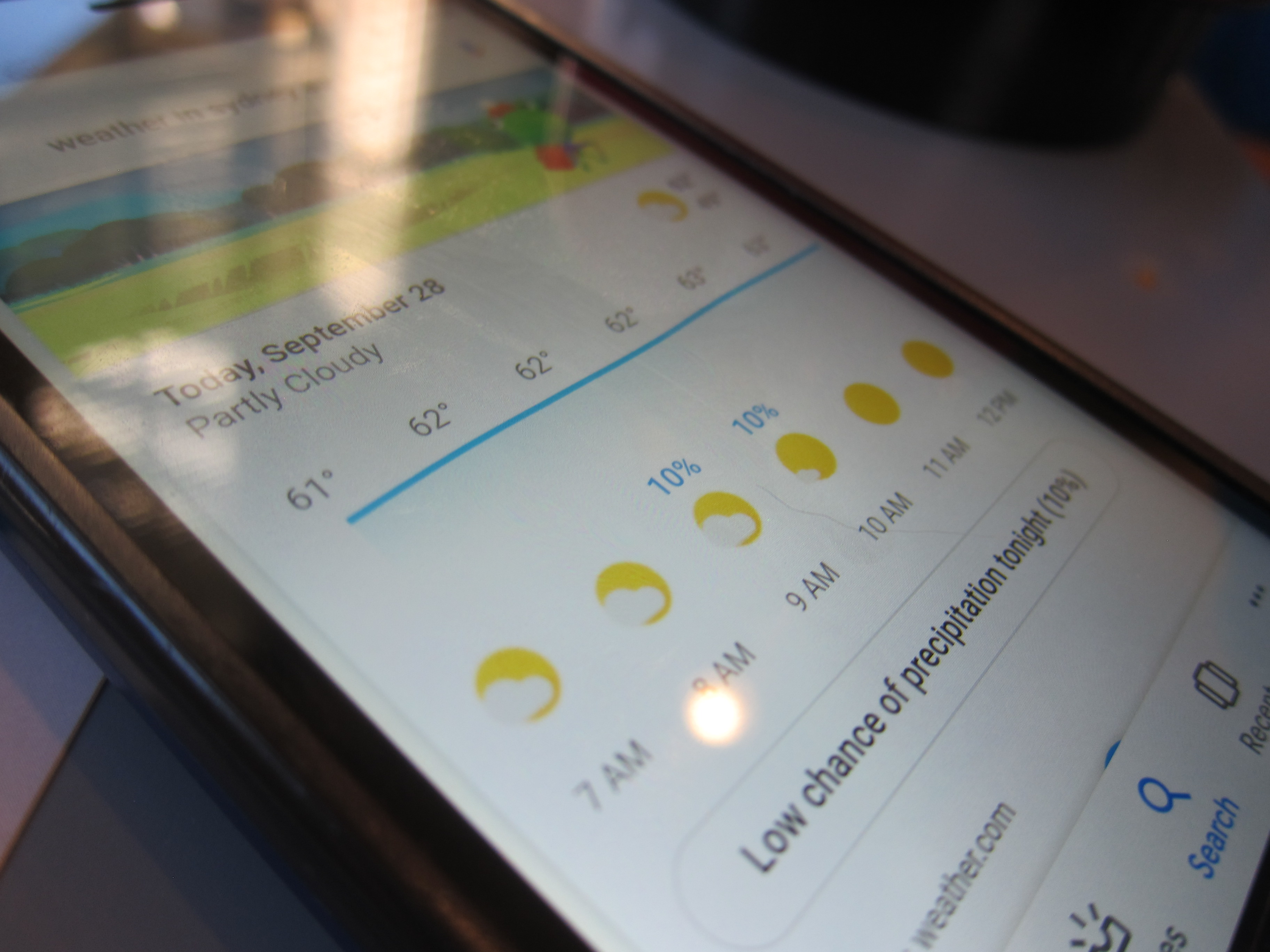
Finally, we checked out the difference in temperature in the hemispheres today. Because it is fall/spring, the difference wasn’t thrillingly obvious. Older kids may want to pick a city in the opposite hemisphere and chart the differences in temp over a whole week.

Hemispheres (8)