
Kiwi Co dubs Travis’s latest kit the Kaleidoscope Puzzles crate, but more broadly, it was all about symmetry. It was more helpful for me to present it to Travis that way, and he loved the projects and lessons involved!
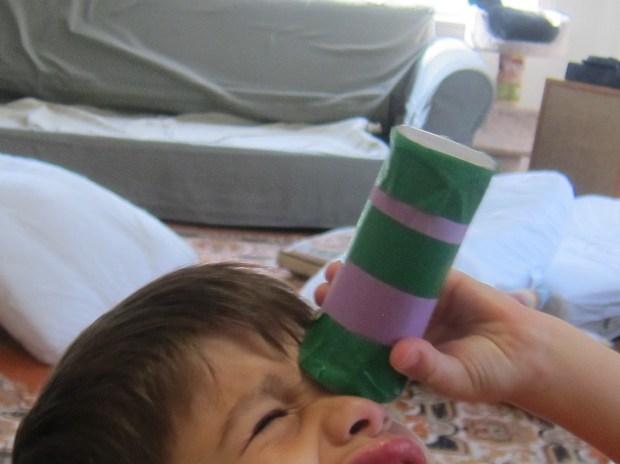
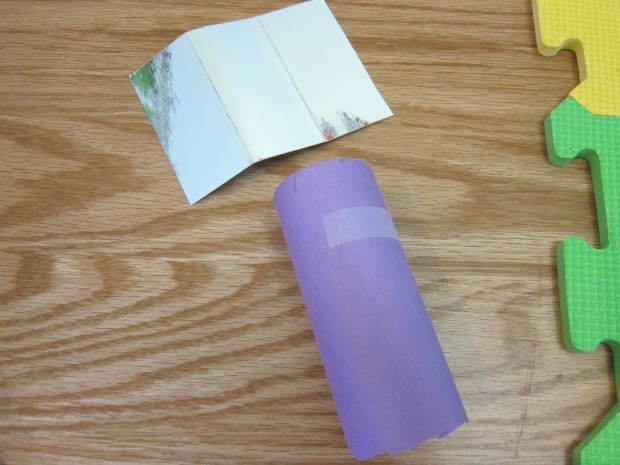
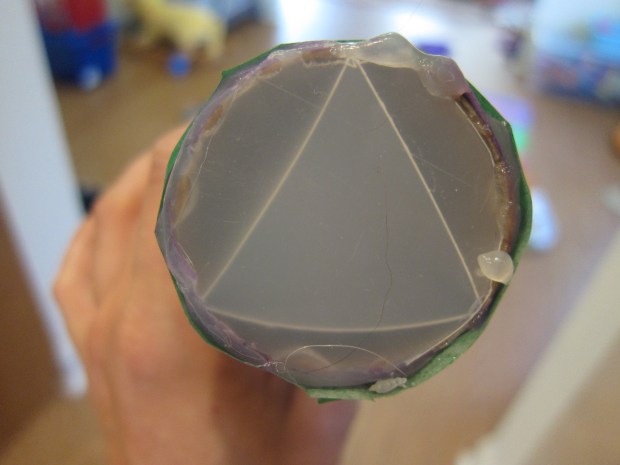
First, there were two versions of a kaleidoscope to make (which, I explained to him, is a devise that reflects materials in a pattern). The standard Spinning Kaleidoscope was up first. Travis peeled the backing from the rectangular mirrors, folded up the provided cardboard tube, and inserted the mirrors.
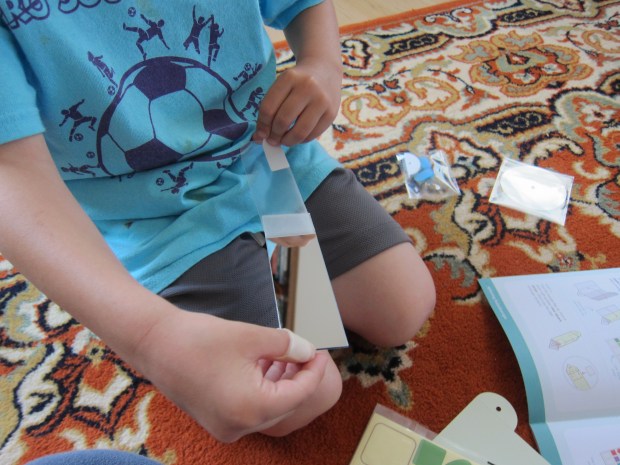
I helped him to make sure that the three mirrors were angled the right way and he peeked inside – it already had a cool effect!

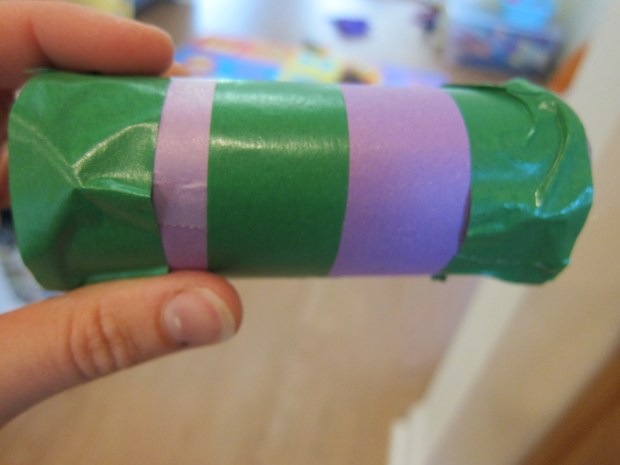
Next we covered the provided clear wheels with stickers, and saved a few stickers to decorate the outside of the tube.
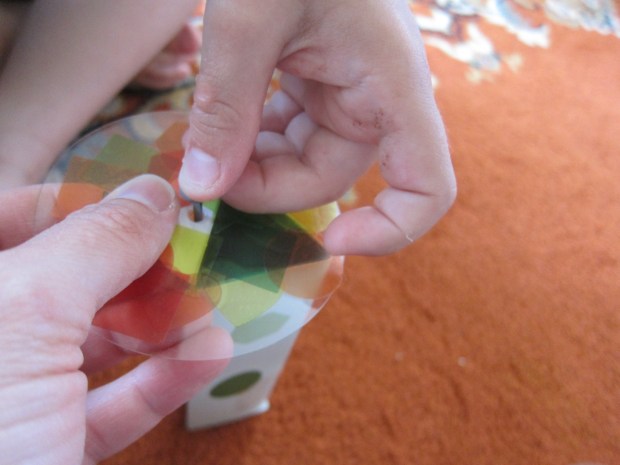
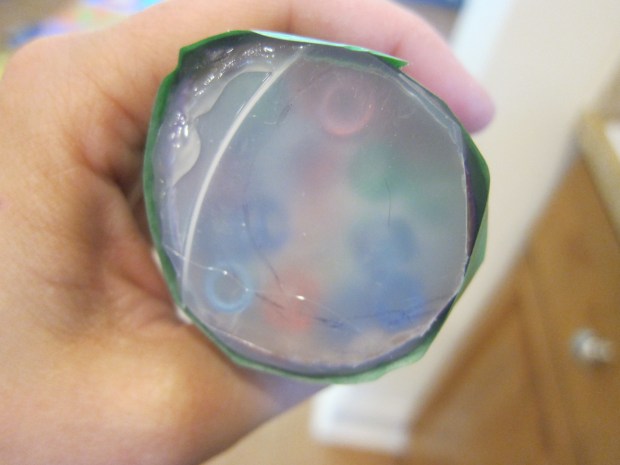
Line up one of the sticker-covered circles with the hole in the viewing tube, then insert a brad and a foam bumper to hold it all together.

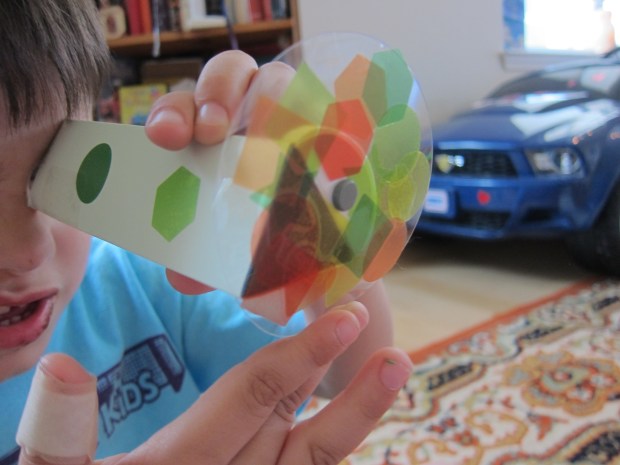
Travis peeked inside and was awe struck!

We had fun spinning it and handing it to each other for quite some time. “Look at this pattern, Mom!” he said in excitement, handing it over. Because the brad easily unfastens, you can switch back and forth between your two sticker-covered wheels.
Next we tackled the Standing Kaleidoscope. This relies on a mirror placed at different angles to make patterns from whatever is reflected below. Travis again peeled the backing from the mirrors (square ones this time) and inserted them into the mirror book.

This book then slots into the mirror base, which is helpfully labeled with the number of the angle – good math practice!
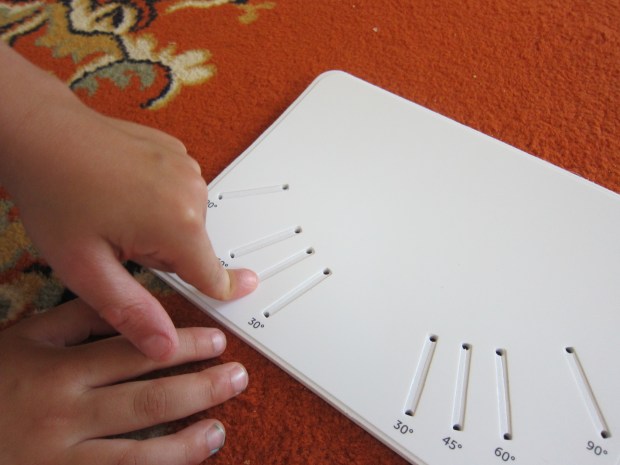
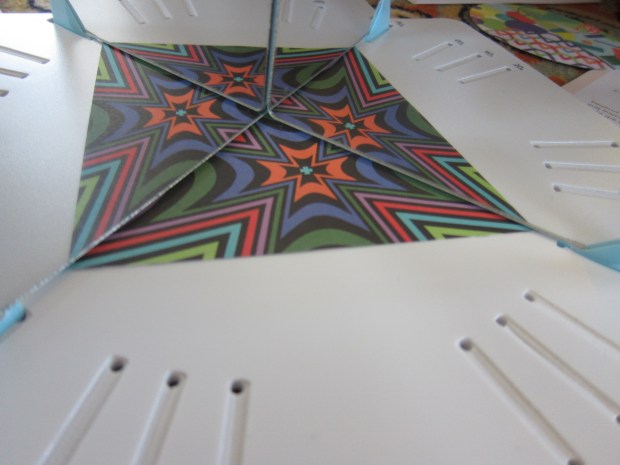
We slipped one of the provided pieces of patterned paper under the mirror book and immediately saw that it turned into a six-figured reflection.

Moving it out to 90 degree angle meant we only saw the pattern repeat 4 times – neat!
We tried it with a toy just for fun. “There are three cars!” Travis laughed with delight.
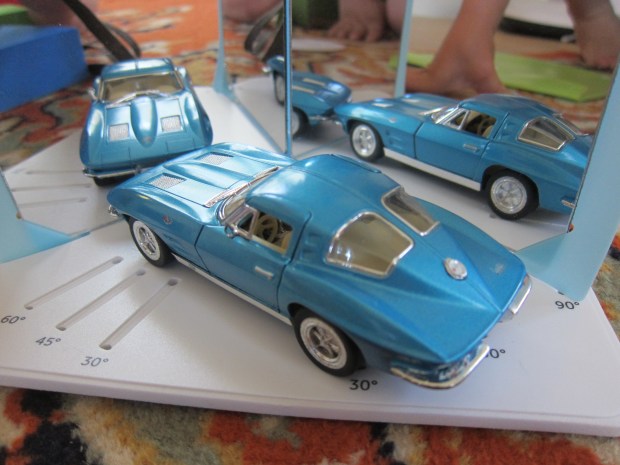
Your child might enjoy doing this with any number of small toys or coins, and playing around with various angles. The kit also includes lots of extra paper to color in your own patterns, which kept Travis happy for quite some time.

I reminded him to use lots of color for maximum effect.
The third project was to put it all together in Kaleidoscope Puzzle Games. The kit included foam shapes and puzzle cards, with the challenge to match the design on the card.
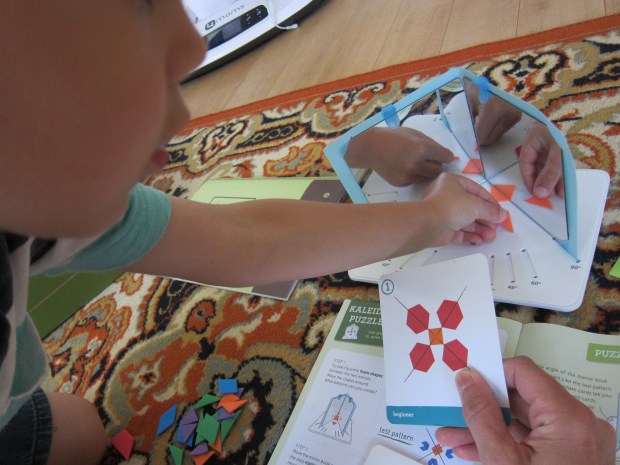
Travis being on the very young age-range for Kiwi Crate needed my assistance with this, but he definitely got the concept. It was easiest for him to think in terms of color, since the shapes were doubled on the puzzle cards (a triangle becomes a diamond, a trapezoid becomes a hexagon etc). But if I prompted him by color, he realized where he needed to lay down an orange piece, a blue piece, etc.
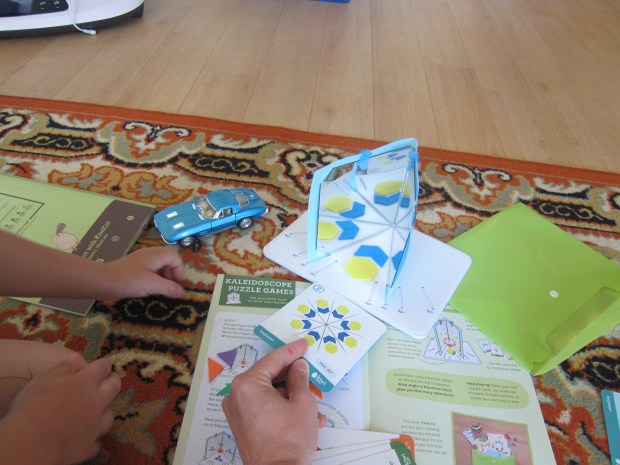
He was thrilled each time we flipped over the card to reveal the solution. Parents take note: some of these are tricky even for grown-ups!

Finally, there is a handy travel pouch to store all the pieces, meaning this would make a great game for car trips or vacations! The Explore magazine was full of fascinating tidbits about symmetry in nature (butterflies, zebra stripes).
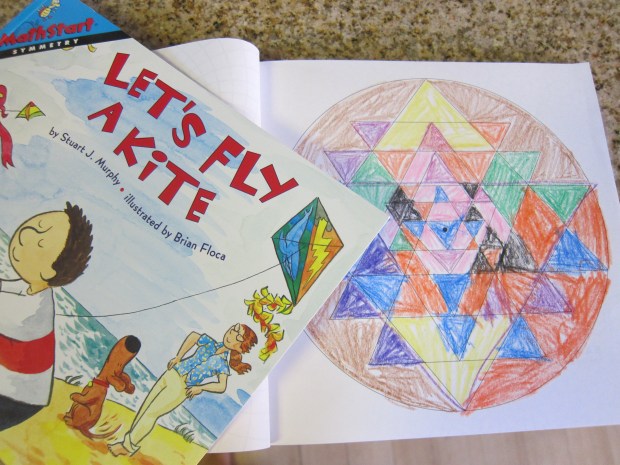
We also checked out the suggested books, Let’s Fly a Kite by Stuart J. Murphy, and a coloring book on math and patterns (Patterns of the Universe) that he has been incredibly into, insisting we color one page before bed each night!
I was so proud of Travis tackling this intro to a tricky math concept.



 joyful parenting