Engineer with Water

Engineer Legos (6)

Children’s museums are closed for coronavirus, so today we recreated one of Travis’s favorite exhibits here at home! The museum version involves a large base where kids can dam water with Duplo pieces. We recreated that on a smaller scale with Legos!

Ideally you’ll need one of the large Lego baseplates for this project. Technically it would work on any small Lego base, too, but your results will be in miniature.

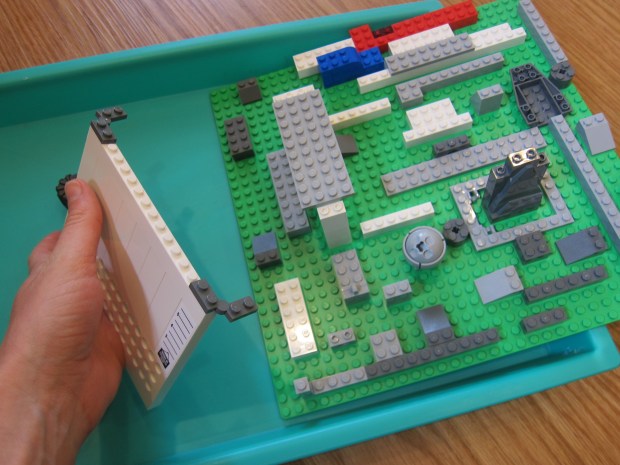
First we built a high wall of interlocking bricks so our baseplate could stand upright. Attach this to your Lego base with any Lego hinges.
Engineer Legos (3)

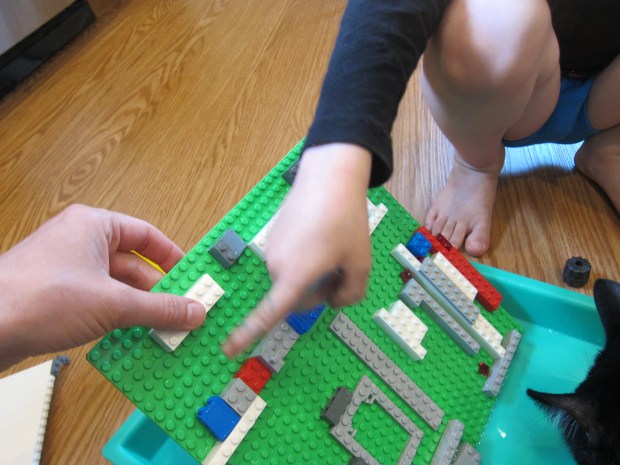
Next Travis began adding paths for the water. On the first round, I gave him no guidance and he designed a very complicated set of Legos that were vertical and horizontal and all over the place. He thought he was being tricky leaving tall openings.
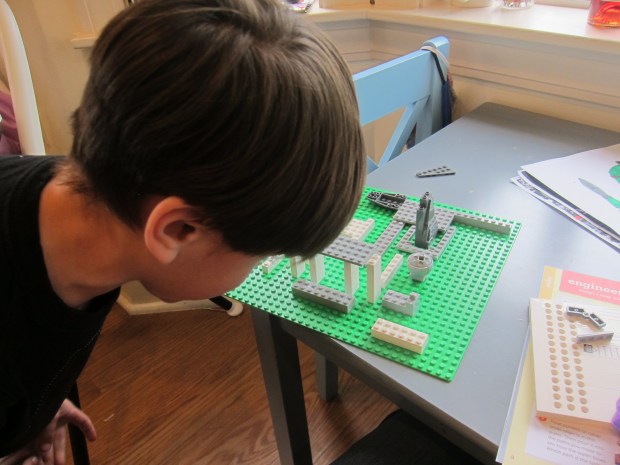
Engineer Legos (2)

We set the whole apparatus in a shallow tray and poured in a cup of water. Of course it pretty much ran straight down over everything.
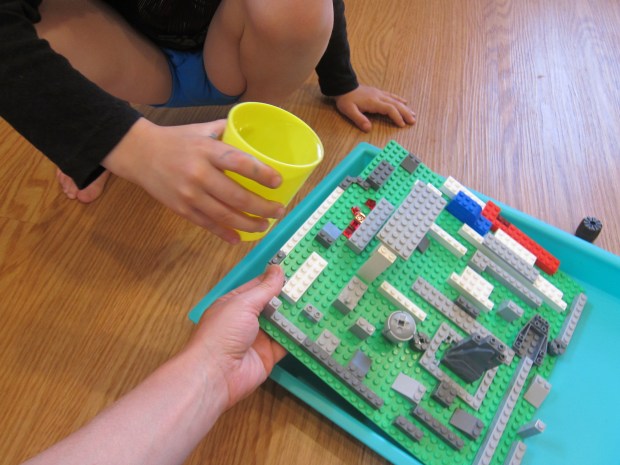
Engineer Legos (4)

After we poured, he realized that he needed to be much more deliberate in his placement. We removed any vertical Legos except those on the very edges, and soon had horizontal walls. He loved the idea that we were “tricking” the water.
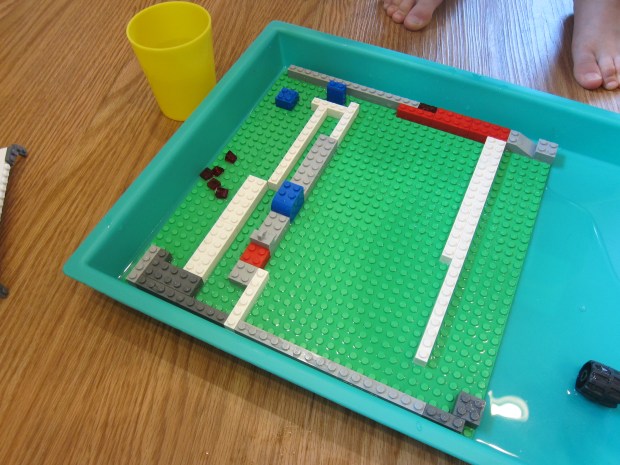
Engineer Legos (7)

To visualize our results, we added small red Lego pieces that could run through this “maze”. You could also use glitter or any other tiny object for this part. Now he could really see the flow of water. Check it out!

Then he wanted to try blocking the water entirely. It sort of worked, although his walls  needed to be higher to truly block any flow.
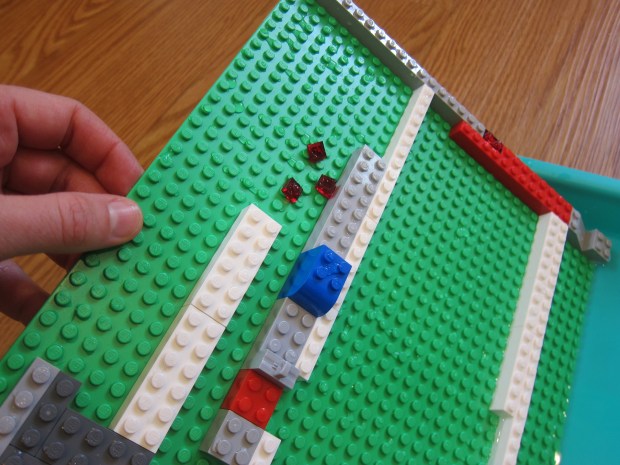
Engineer Legos (8)

There are so many ways to play with variations on this, and your child will be engineering all the while!
Engineer Legos (6)

Build Science Skills

Build Up Science (4)

The title of this post is meant quite literally; to build your child’s science and engineering skills, help them… Build! For a long time, Travis has enjoyed playing with Lego figures, but preferred to leave the actual building to me. I’ve been thrilled then to see a difference in his Lego play lately, insisting he do each step himself and learning to read and follow the diagrams in each instruction booklet.

Build Science (2)

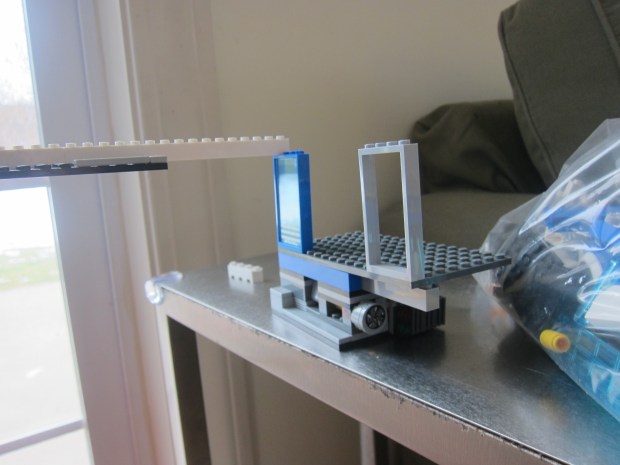
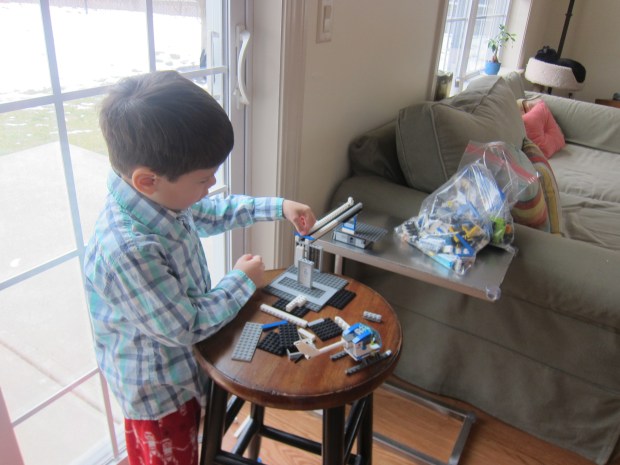
Yet while there’s nothing wrong with building a Lego exactly according to plan, you can give things a STEM twist by building off-book. I set out a bunch of Travis’s Lego pieces and challenged him to make a bridge. How wide could he make it go?

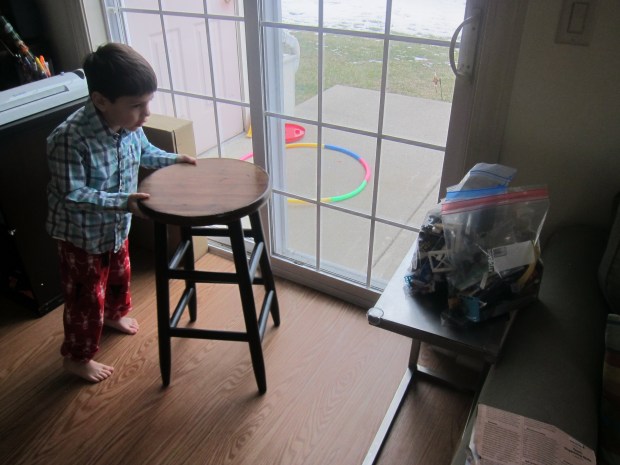
At first he wanted it to span from a stool to a side table, but he quickly realized that the distance was too great.

Build Up Science (1)

Dialing back expectations, he moved them closer together an next puzzled out how to build up supports, then started laying the longest pieces across the gap. Black rectangles helped piece it all together.

Build Up Science (2)

We encountered a glitch when the table was lower than the stool. Thinking quickly, I helped him build up a base for extra height on that end. Success!

Build Up Science (3)

He was so proud of this construction, and continued to build a structure around the base of the bridge. When it tumbled to the ground at one point, I was so proud that he didn’t grow frustrated and used it as a chance for improvements.

Build Up Science (5)

Any Lego engineering challenge like this will work those STEM skills. Consider asking your child to build the tallest tower he or she can, or seeing if a bridge or roof can support a weight like a toy ball. Happy building!