Waffle Rover

Waffle Rover (7)

What’s better than a little Mars Rover your kids can steer around the house? One they can eat, of course!

Waffle Rover (1)

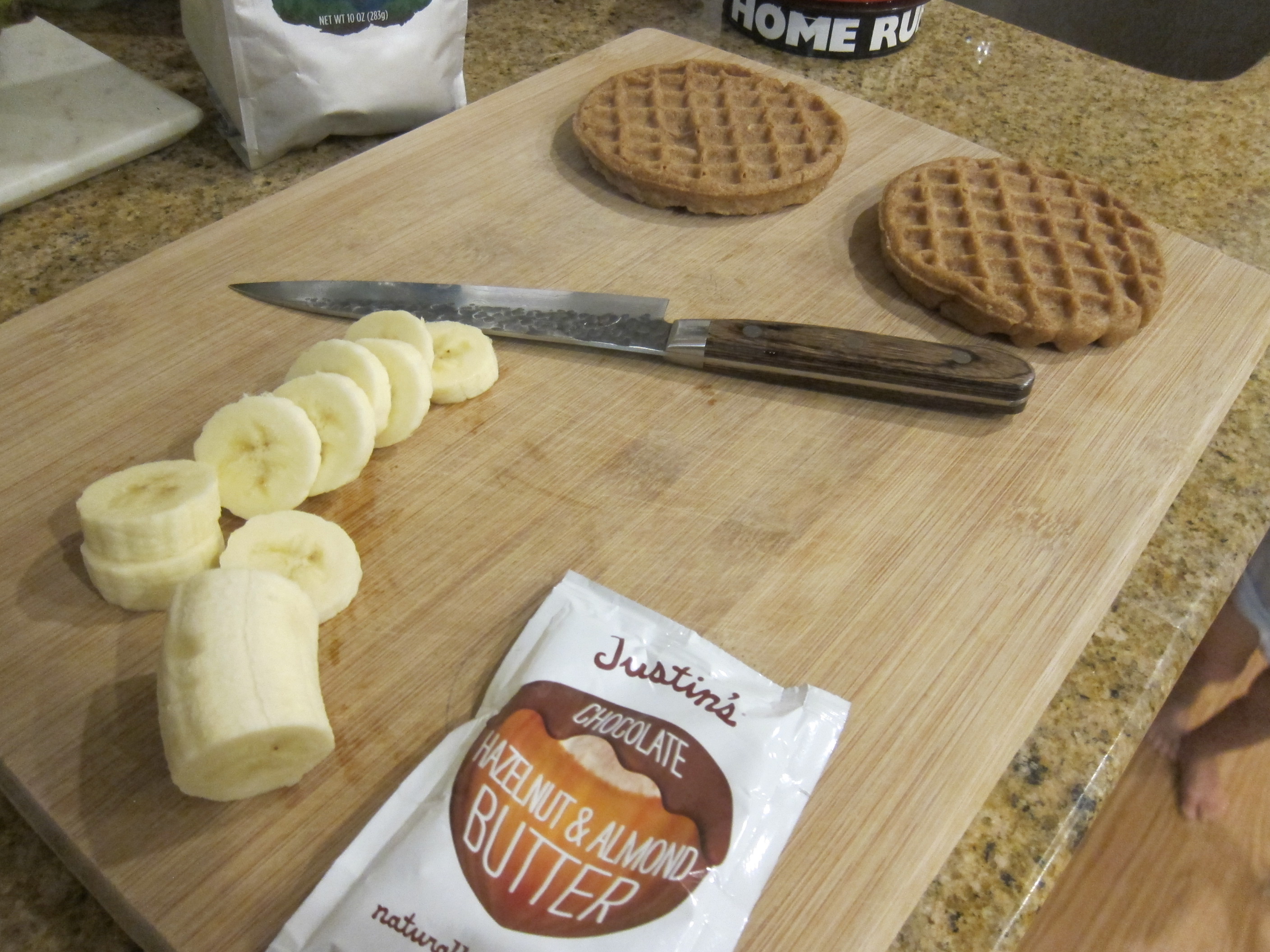
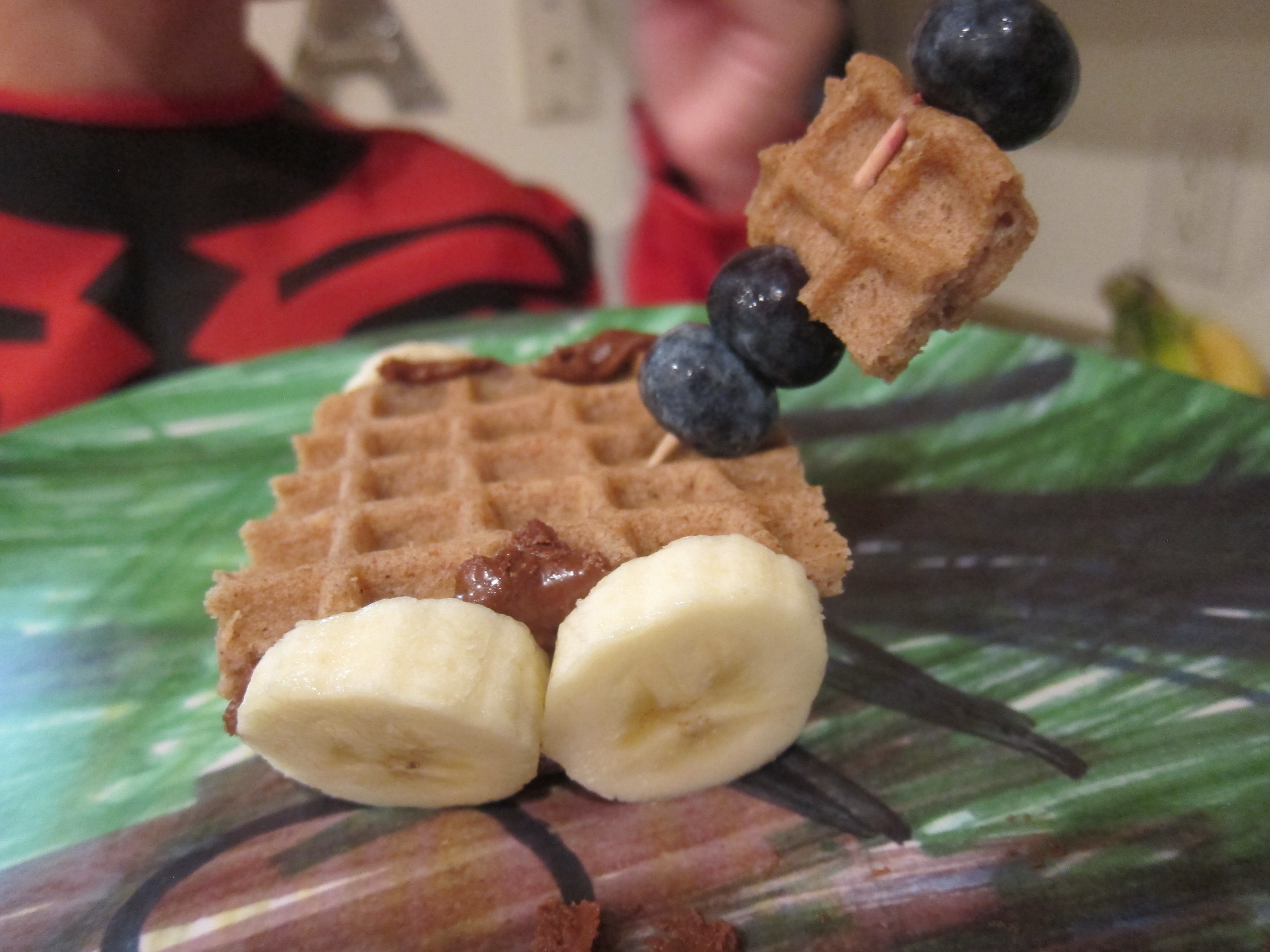
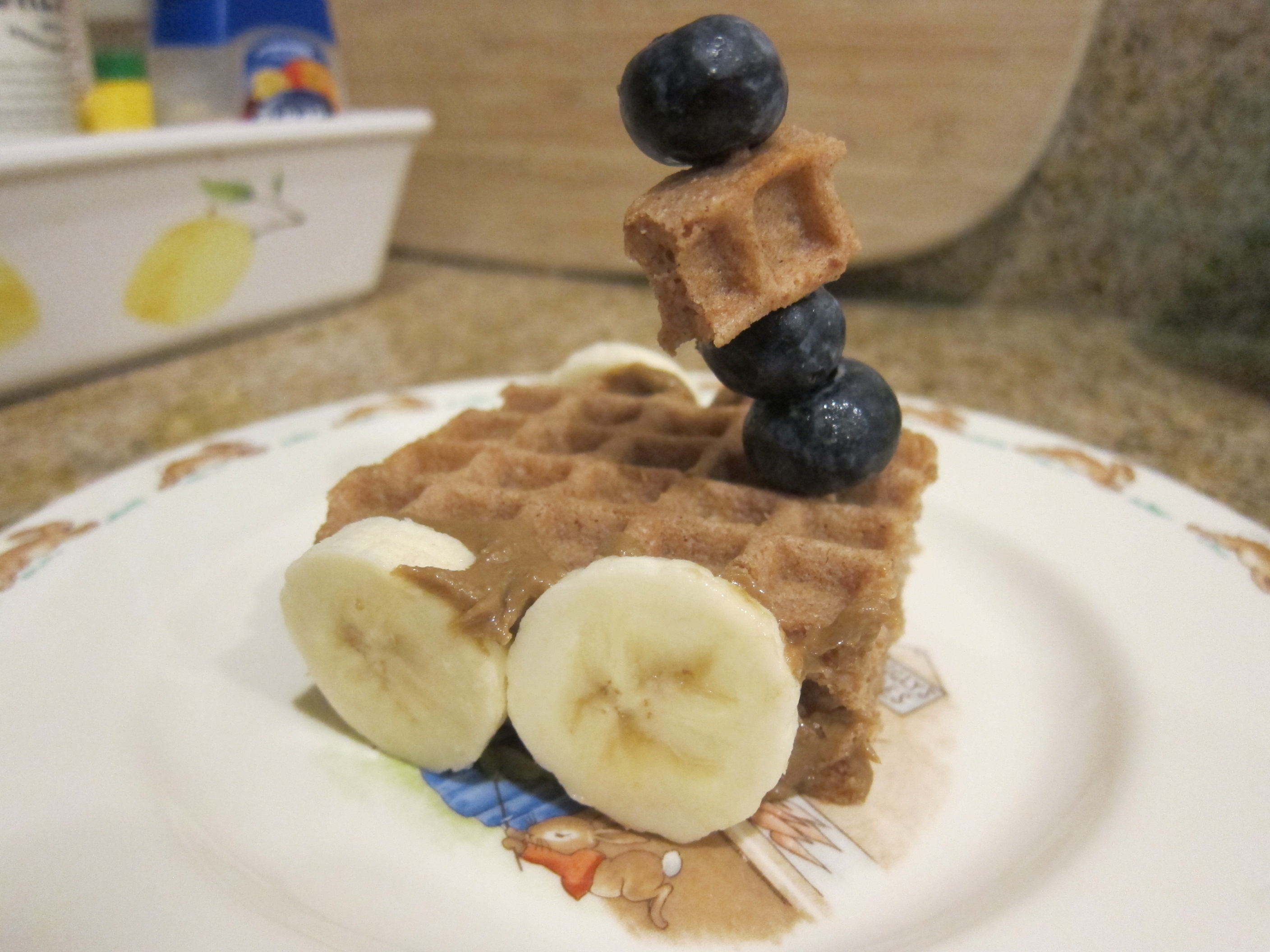
This cute recipe comes together in mere moments. Toast two waffles and then trim the edges so you have 2 squares instead of 2 circles. Reserve one of the cut pieces and trim into a small rectangle (this will later be the rover’s head).

Waffle Rover (3)

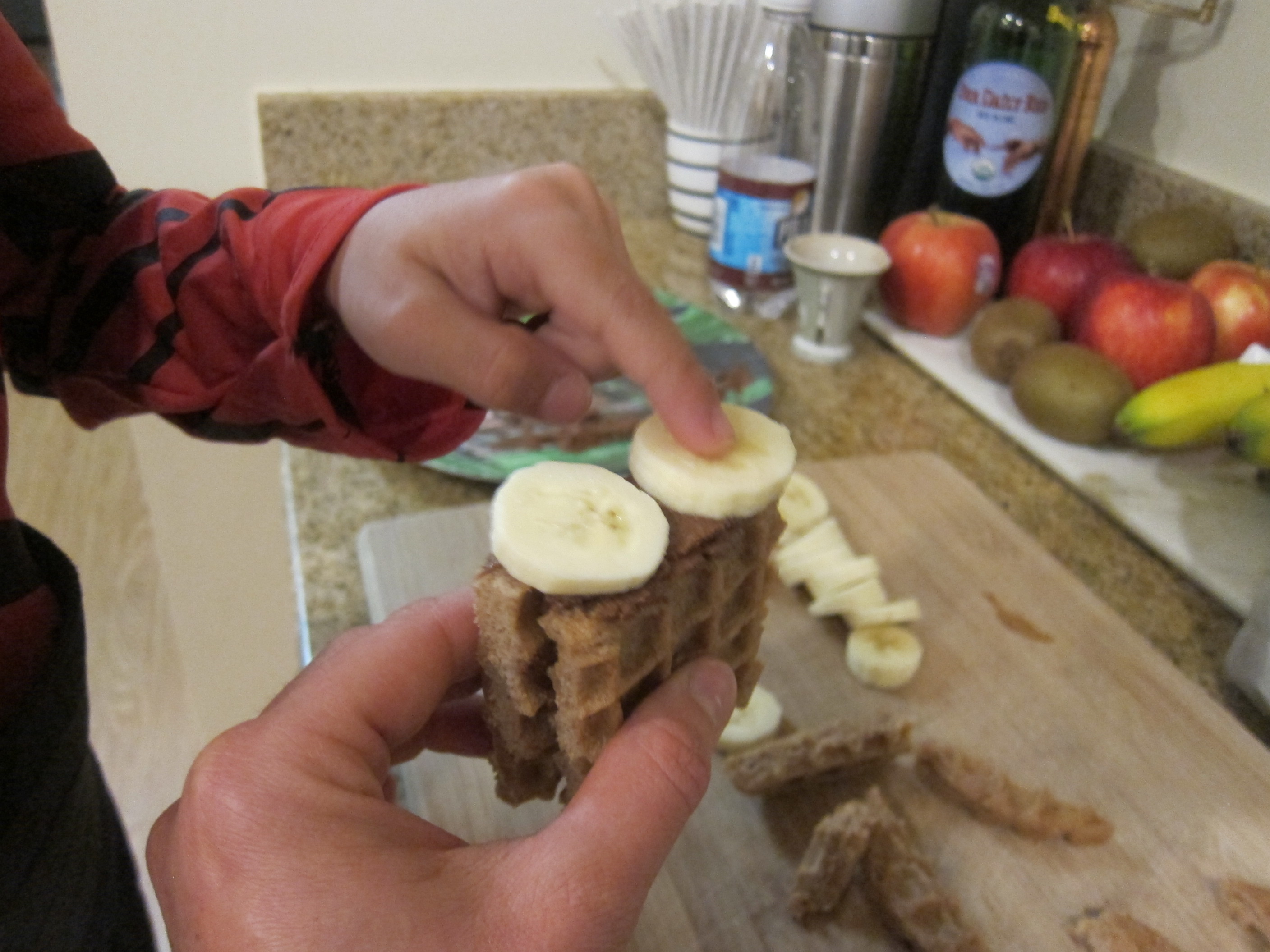
Spread one waffle square with any sweet sticky spread. We tried one version with chocolate-hazelnut butter and a second with sunflower seed butter. Place the second waffle square on top. Spread additional sticky spread along two sides of the square and attach banana slices as wheels.

Waffle Rover (4)

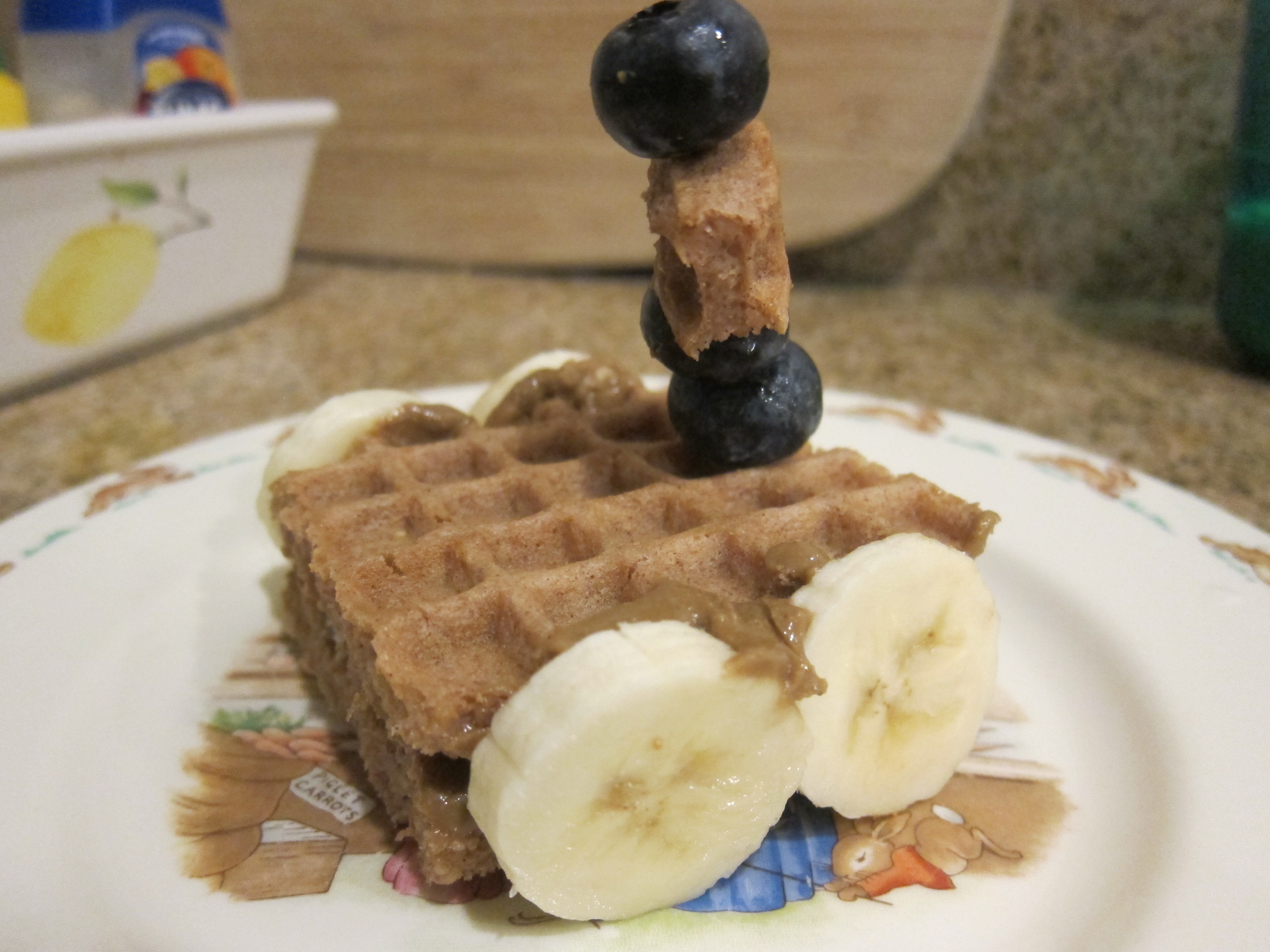
To build the head of the rover, thread 2 blueberries onto a toothpick, followed by the small waffle rectangle and a final blueberry.

Waffle Rover (5)

We found that our rover head stood up better if we used two toothpicks instead of one.

Waffle Rover (6)

Chances are your rovers won’t have long to explore before they’re gobbled up!

Mars Rover Kiwi Crate

Kiwi Mars (9)

Travis has long had a fascination with Mars and the NASA rovers, so he was thrilled to discover this month’s crate from Kiwi Co. A chance to make his own rover! He wanted to know if it could really go to Mars, and although the answer was sadly no, there was lots of fun to be had.

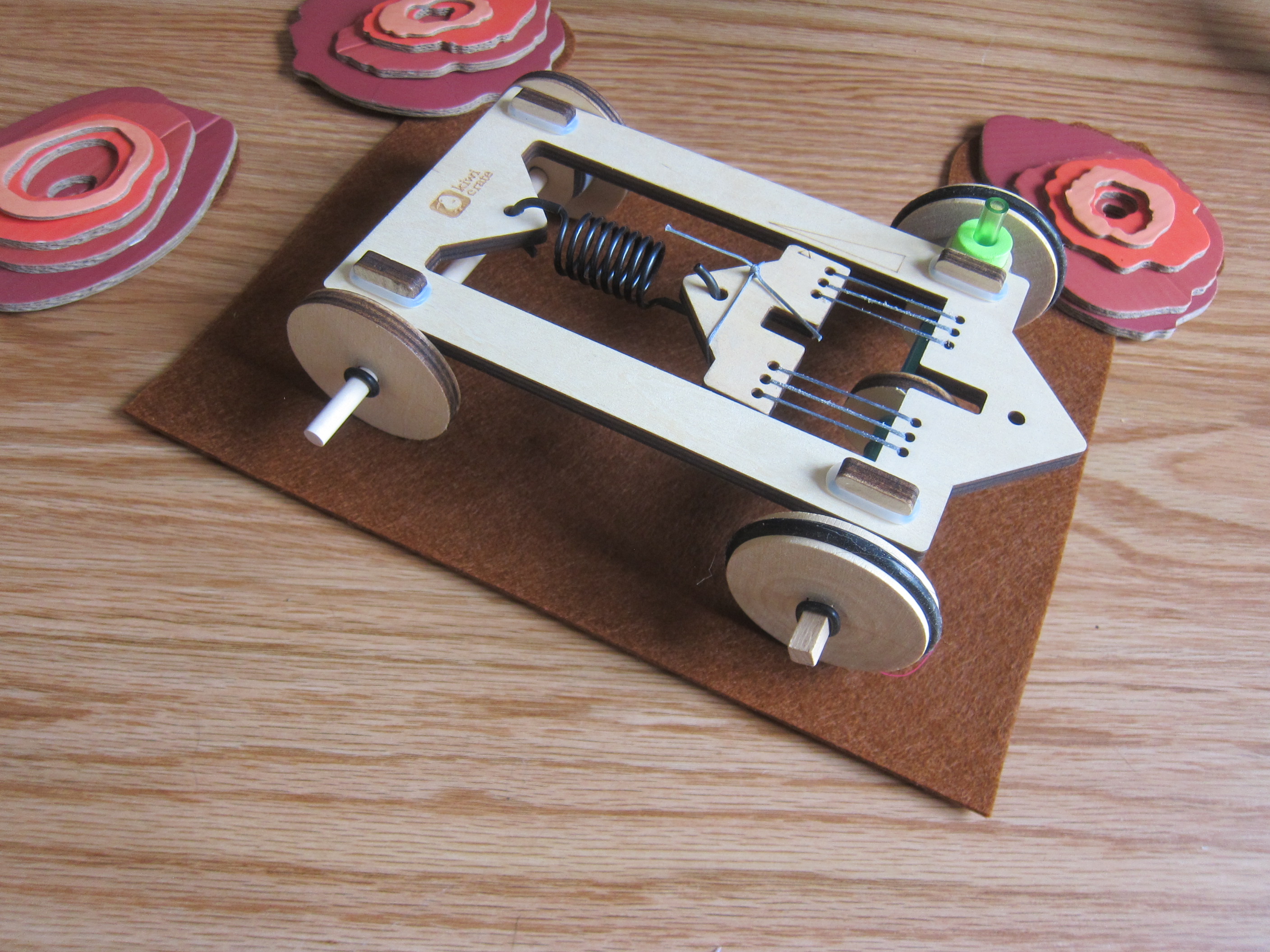
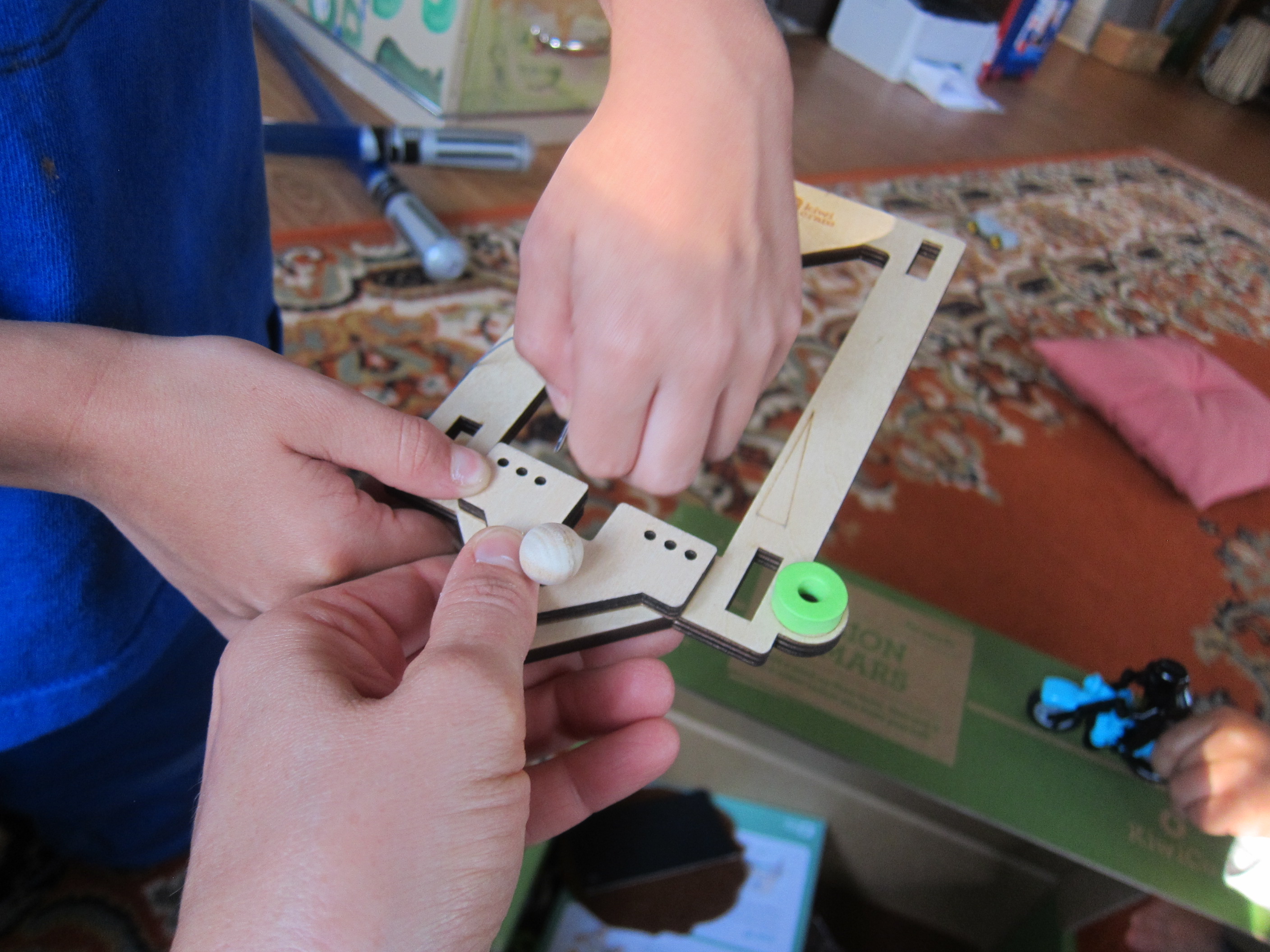
We jumped right in to making the Mars Rover: Travis enjoyed helping with the axles, one featuring square holes and one round so kids can tell them apart.

Kiwi Mars (1)

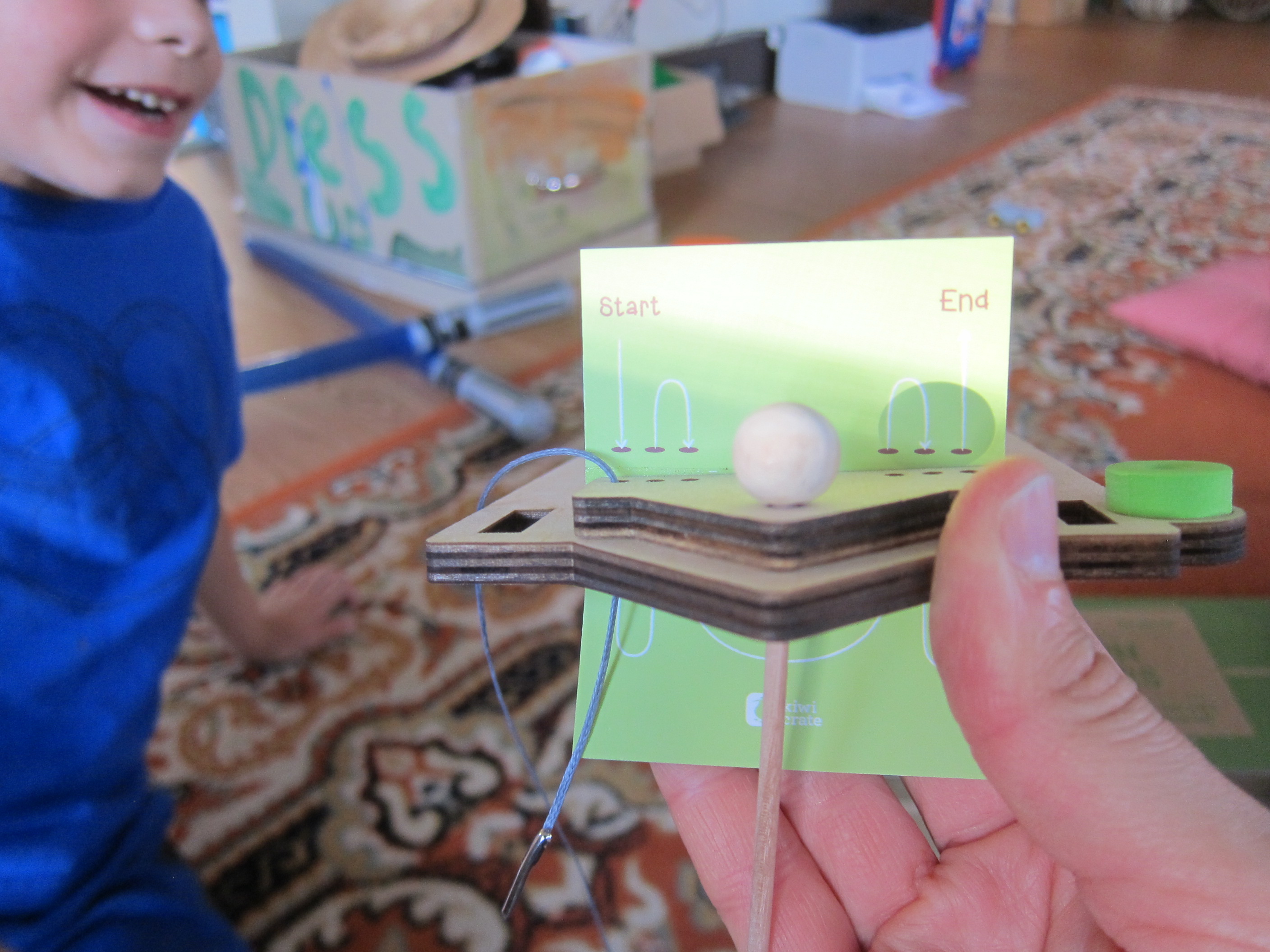
The base of the rover is made from a wood frame, but Travis grew frustrated with the following step to thread through string that attaches the spring.

Kiwi Mars (3)

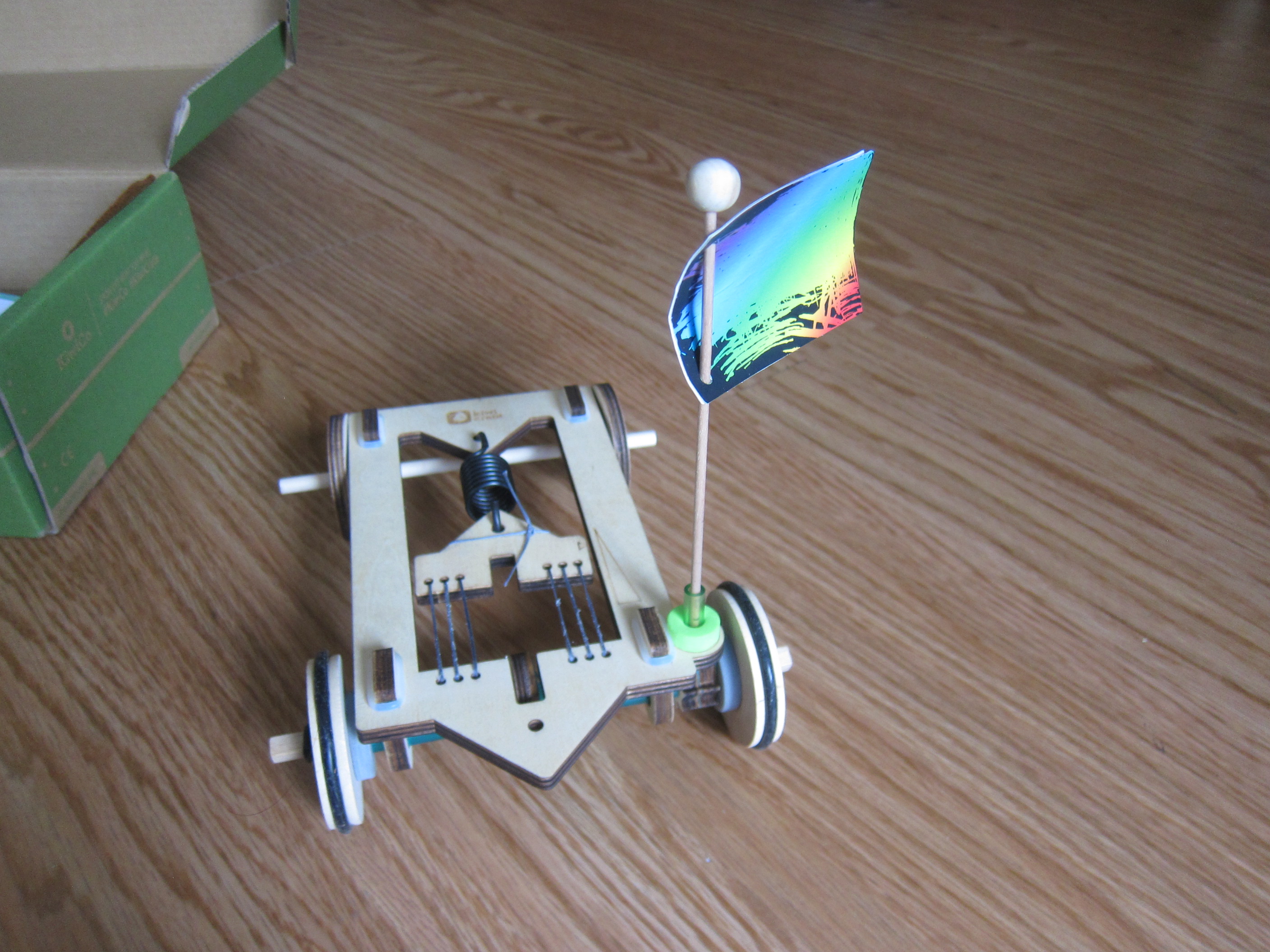
The tension of this spring is what makes the rover move forward, similar to a pull-back car toy. With a little grown-up assistance, the rover was complete.

Kiwi Mars (4)

He loved the second part of the project: Make the Flag. Using the wooden flagpole as a scratching tool, kids can scratch off the black surface of the flag to reveal rainbow paper underneath.

Kiwi Mars (5)

The sky’s the limit for what design to put on the flag, but Travis just loved revealing the color underneath and spent such careful time on this.

Kiwi Mars (6)

Once my artist declared his flag done, we threaded it onto the wooden flagpole. Insert the flagpole into the stand on the rover, and then i’s time to wind up and give it a test.

Alas, I can’t say any of us were wowed by the results. Yes, the rover moves forward, but neither very fast nor very far. Perhaps our strings or spring weren’t taut enough?

Still, we forged ahead to make the Crater Course. Layers of cardboard are piled up and put on a felt “Mars” surface. Send your rover over them and see if it can make it across the bumpy ground.

Kiwi Mars (7)

There were lots of suggested ways to vary the course: Space the craters further apart, arrange them in different ways, or pile them on top of each other.

Kiwi Mars (8)

After that, there was still more experimentation to try! We turned to the crate’s suggestion of rubbing cooking oil over the strings, to see if this resulted in a faster rover. Well, no, but the kids thought it was funny!

Kiwi Mars (10)

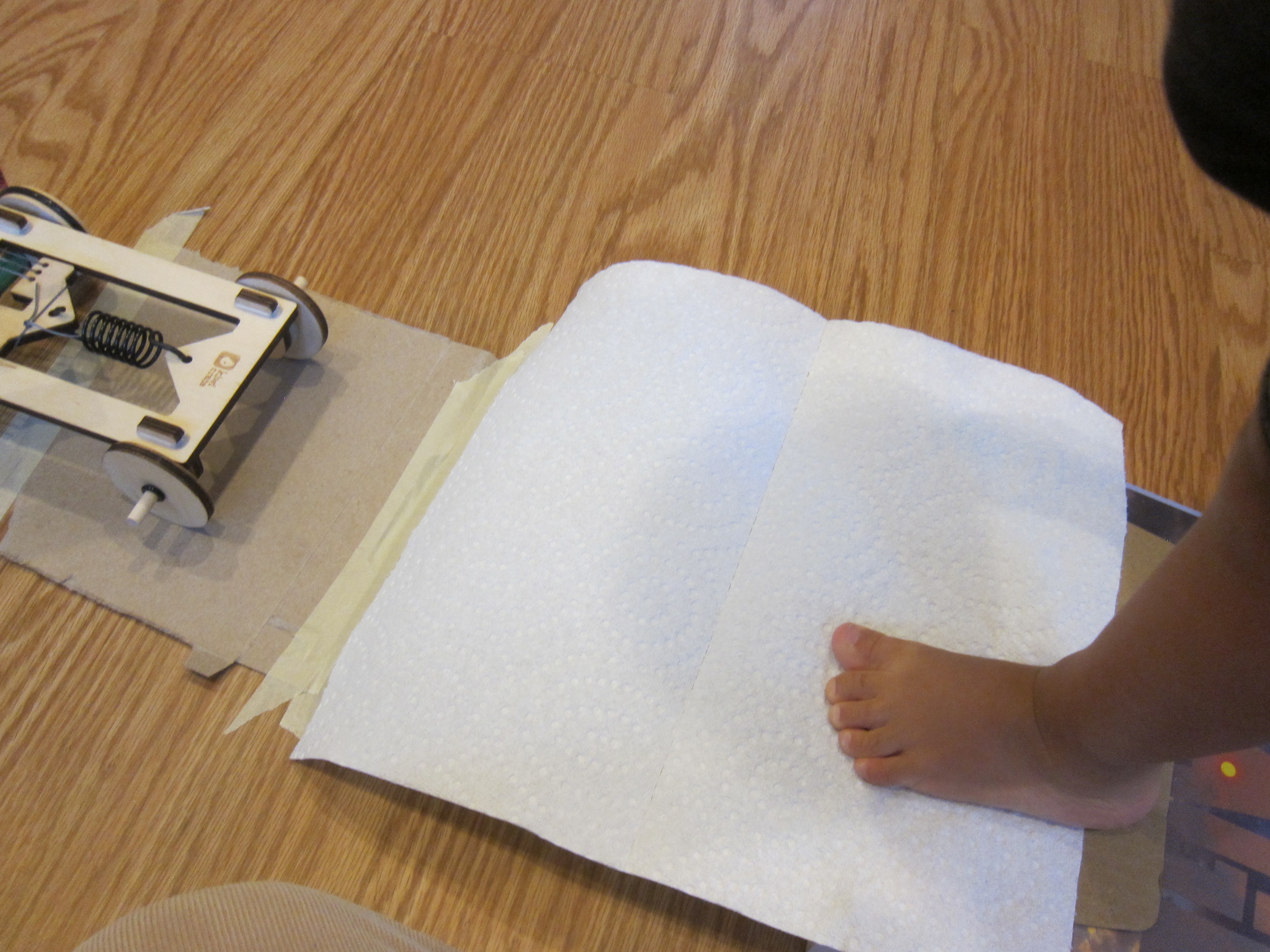
Then we set up a little course for the rover, with a piece of cardboard angled off two books. Could the rover make it up?

Kiwi Mars (11)

Alas, still no, even when we added other items (a paper towel, a fluffy towel) to give it more traction. Well, at least it could zoom down!

Kiwi Mars (12)

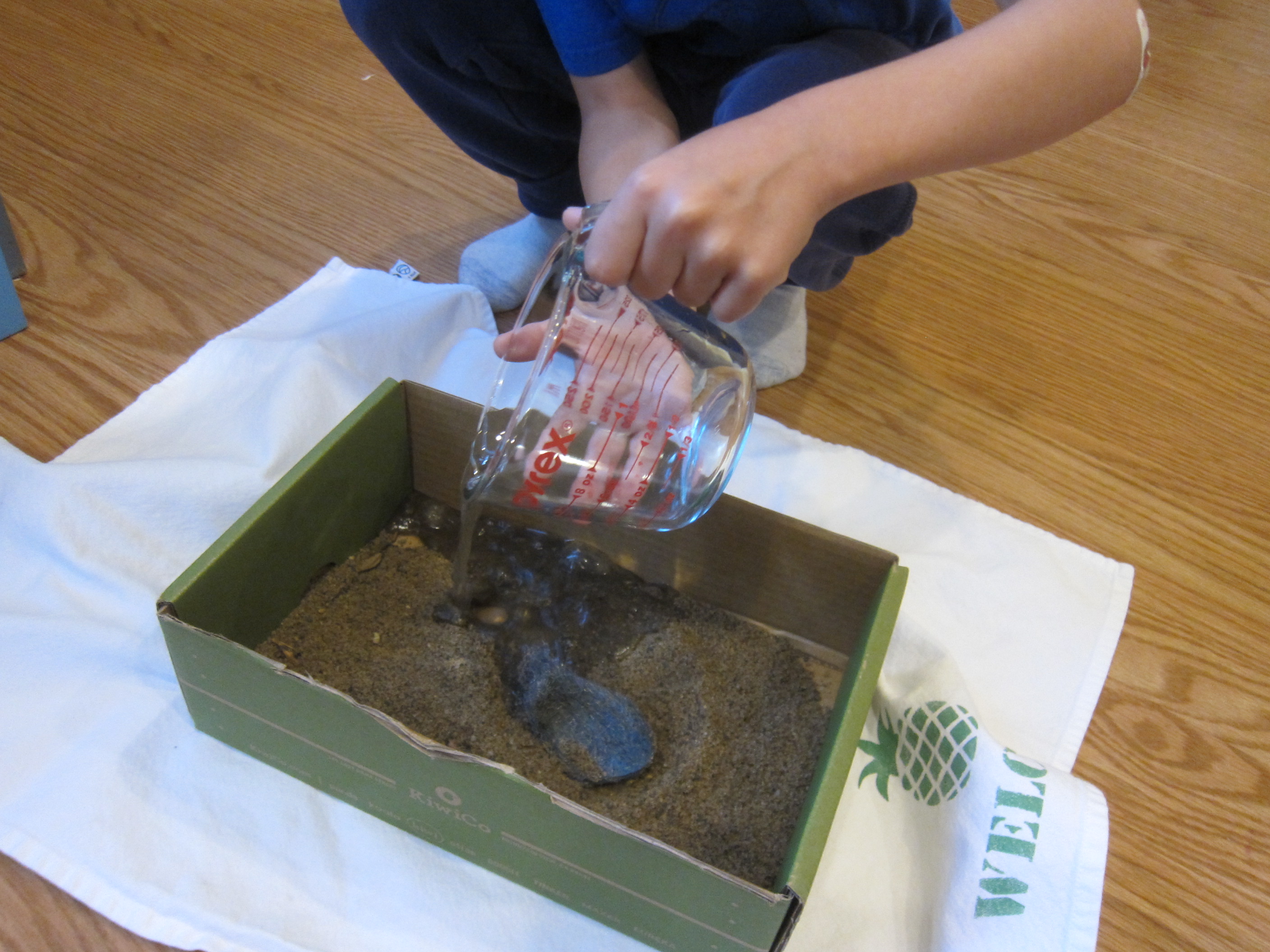
As a final experiment, it was time to make our own Mars sand. We filched some from the playground, then poured it into the Kiwi box.

Mars Sand (2)

Add a little bit of water, along with a steel-wool scrubber. Ideally we’ll see the sand take on a reddish hue in a few days as it turns rusty from the iron, just like the sand on the Red Planet!

Mars Sand (3)

Early Explorers Space

LP Space alt.JPG

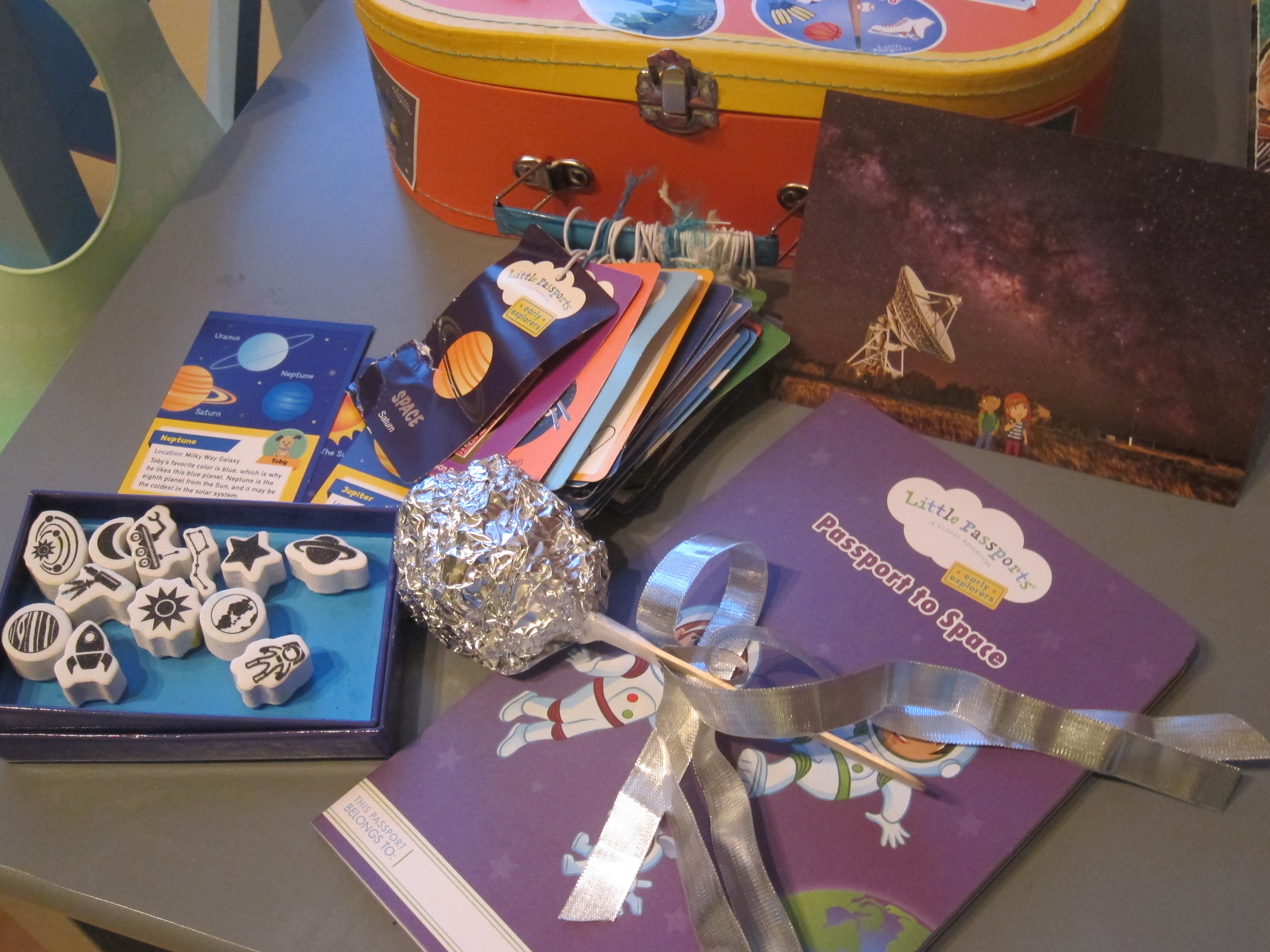
Travis’s penultimate package from his Early Explorers subscription was all about space and – forgive me for saying it – he had a blast with this one!

LP Space (9)

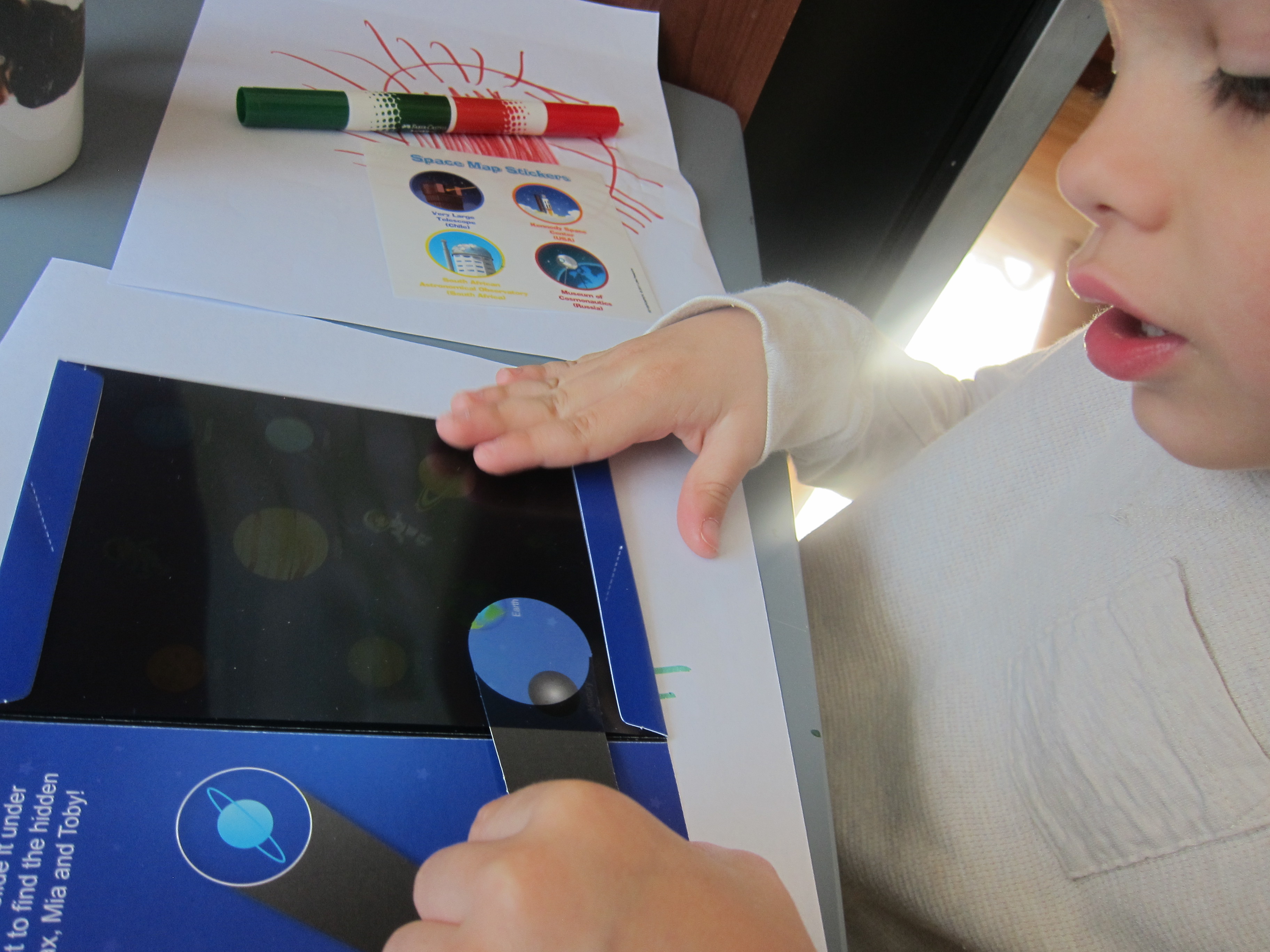
The activity booklet this month was heavy on tracing (letters, shapes, names of planets), but I considered that a good thing, since it reinforces lessons Travis is getting in preschool. We might have liked to see a more detailed space craft or science project, though, since the topic lends itself so easily to both.
LP Space (7)

Space Craft:

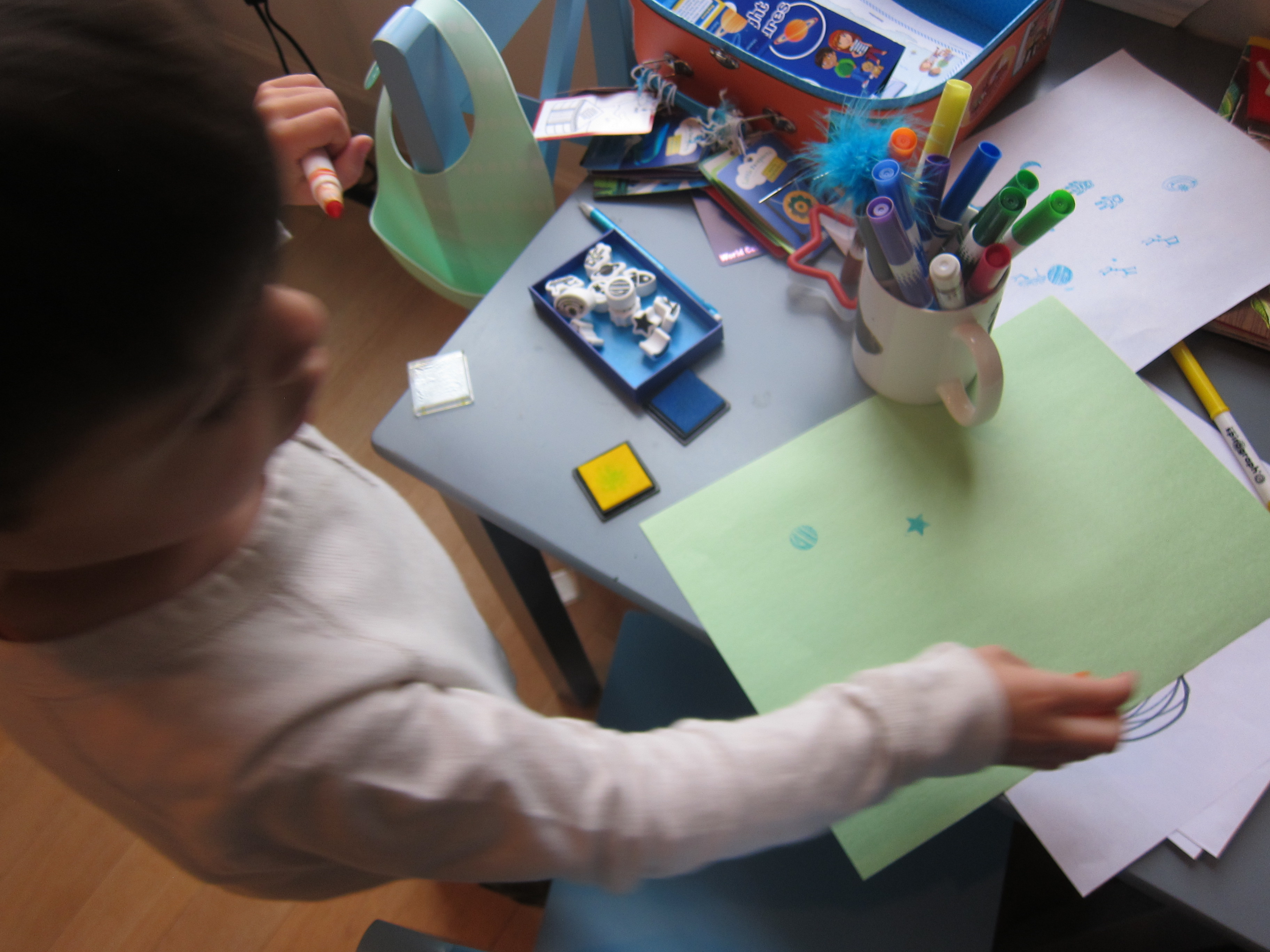
The craft was actually playing with the included keepsake this month (see below), a set of space-themed stamps and ink pads. The activity booklet included a blank page simply for “stamp fun.” Travis was thrilled seeing the images, including Jupiter, an astronaut, a solar system model, and more.

LP Space (1)

Once that page was filled, he needed more paper!

LP Space (2)

I loved watching his creativity as he stamped and then cut some of them out to play with.
LP Space (25)

Space Science:

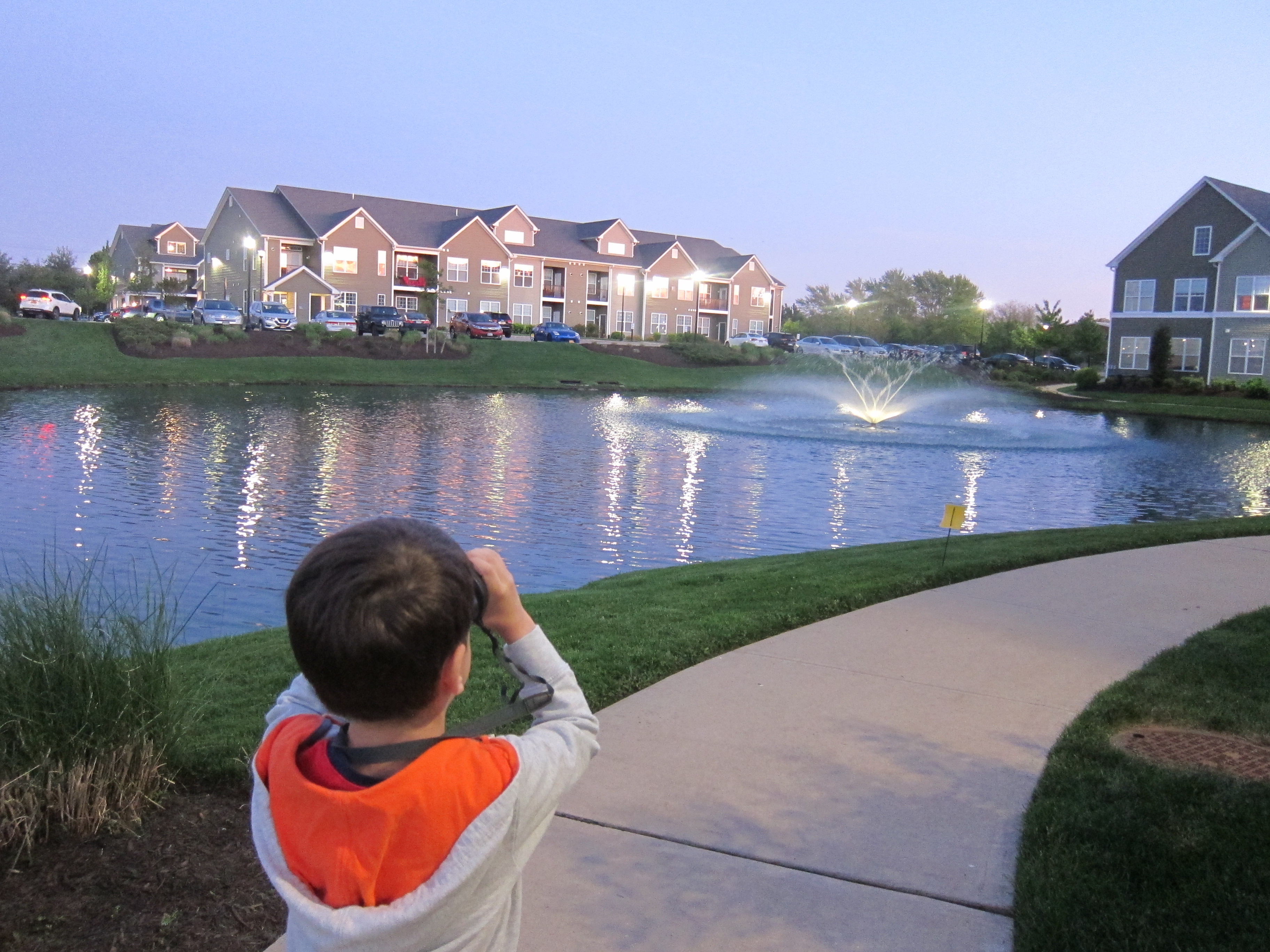
As mentioned, it was a bit of a disappointment that the booklet didn’t feature a scientific experiment. But for “science,” we headed out to look at constellations. We also headed out one night to glimpse the International Space Station, You can check out when it will be in your area here. Travis got to stay up late (a treat!) so we could catch an 8.34 fly by. Looking, looking…
space station (1)

We think we saw it!

space station (2)

Space Keepsake:

These were the space stamps, of course! See my notes above in the craft section.

Space Field Trip:

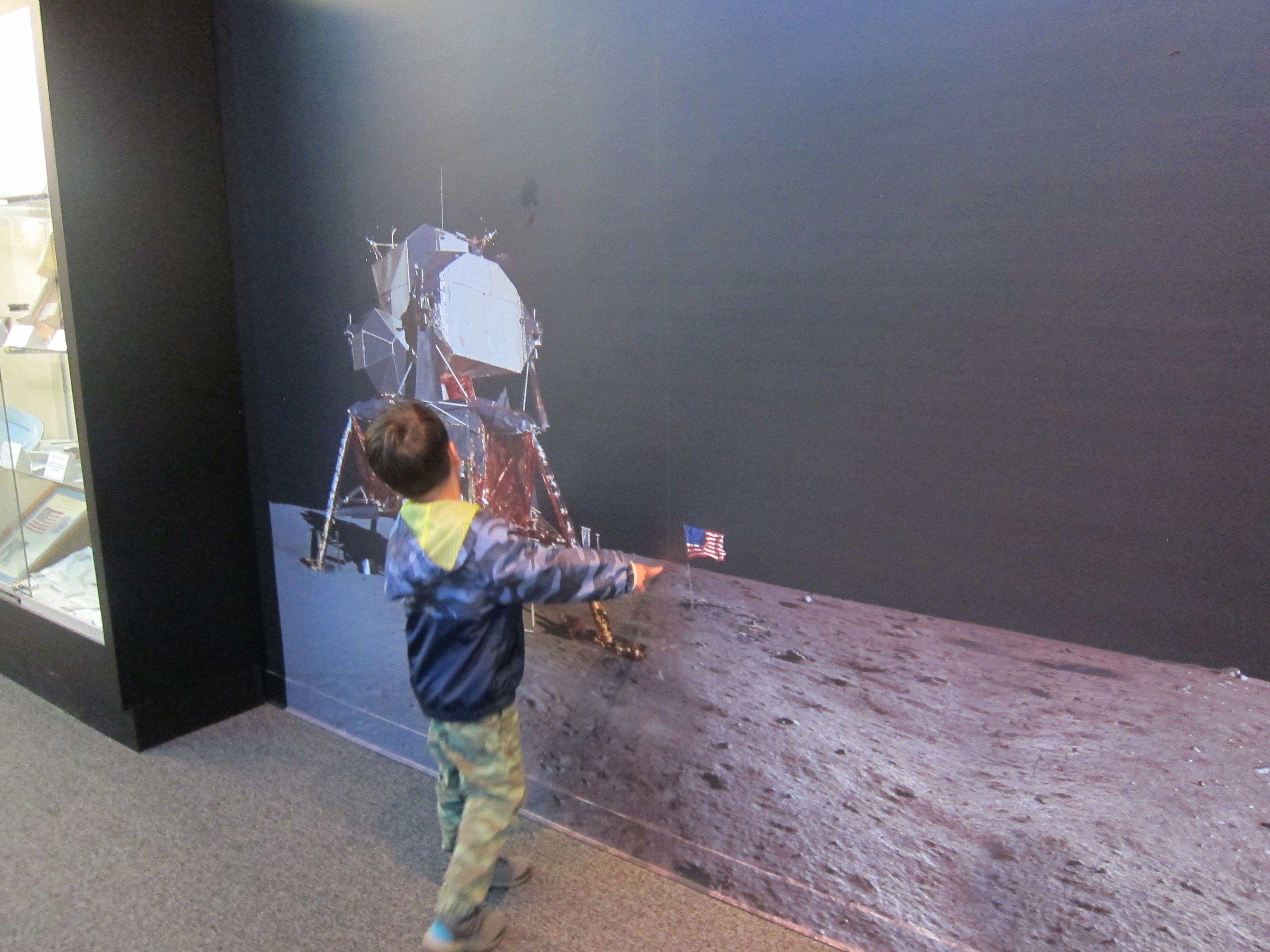
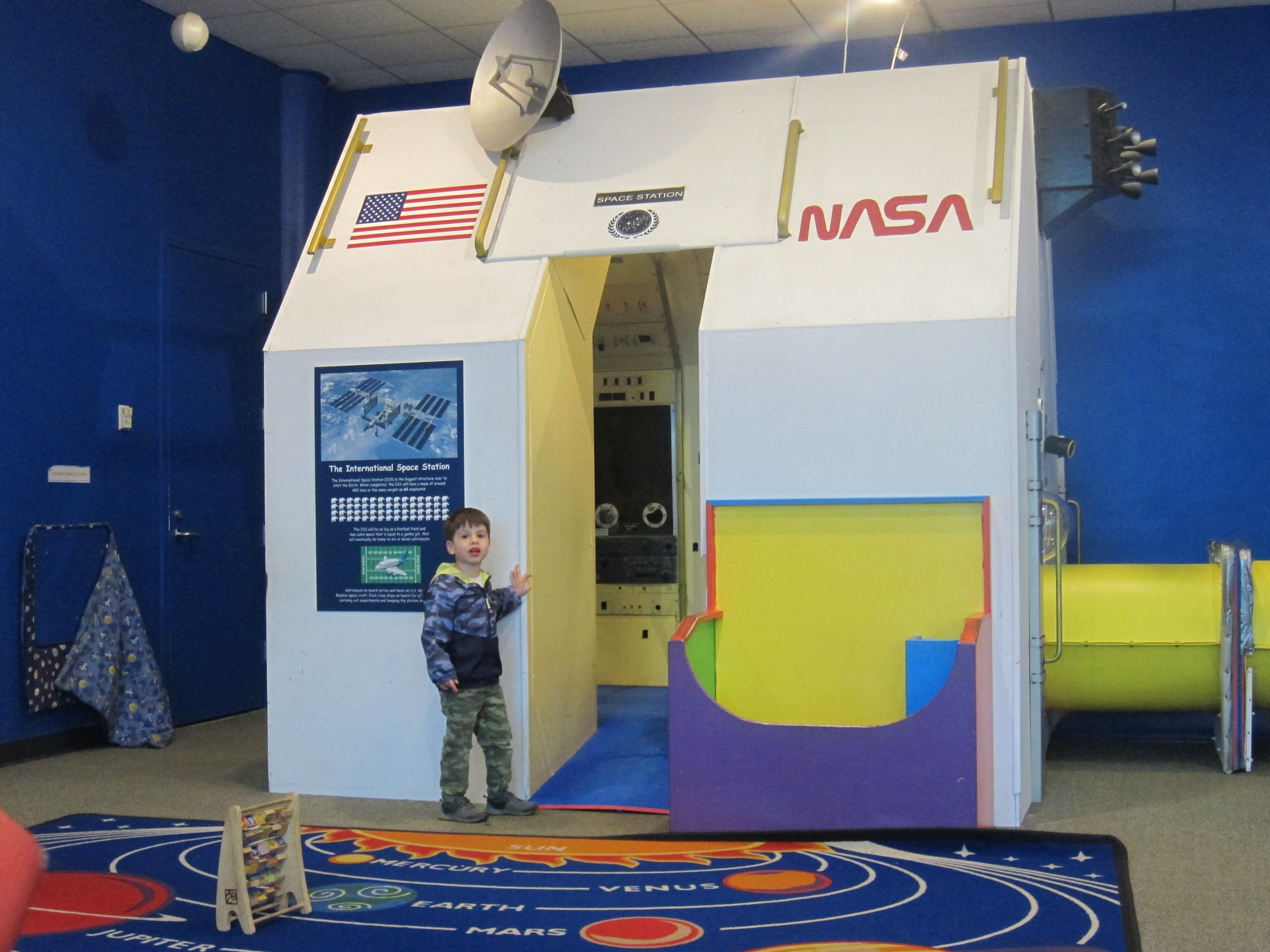
Although not recommended as a further activity, it seems only natural to visit a planetarium near you during this unit. Since Travis had done so recently on a school field trip, though, we headed to a fantastic local museum all about aviation, and focused on the final stretch of the museum: space travel.
LP Space (11)

Travis has never shown much interest in this section before, but now he was enthralled. He got to simulate landing a space shuttle, see a real moon lander, explore a model of a future space station on Mars, and more.
LP Space (17)

Space Further Activities:

First, we checked out NASA’s website to see what astronauts are currently up to. Travis is captivated by the rovers on Mars!

LP Space (26)

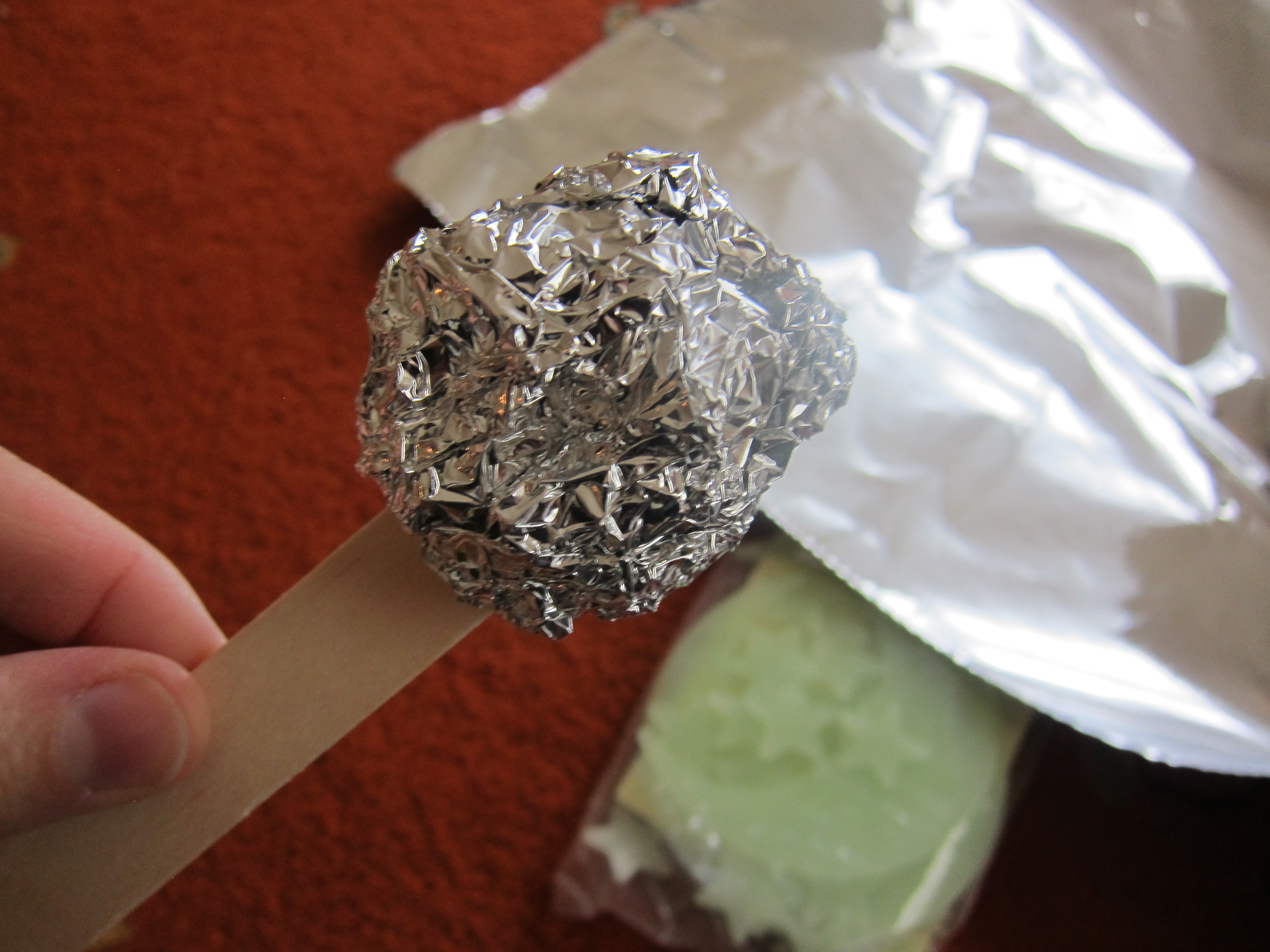
Then, we found a blog post on Little Passport’s website about World Space Week. First we made a comet: attach aluminum foil around the tip of a craft stick to form a ball.
LP Space (18)

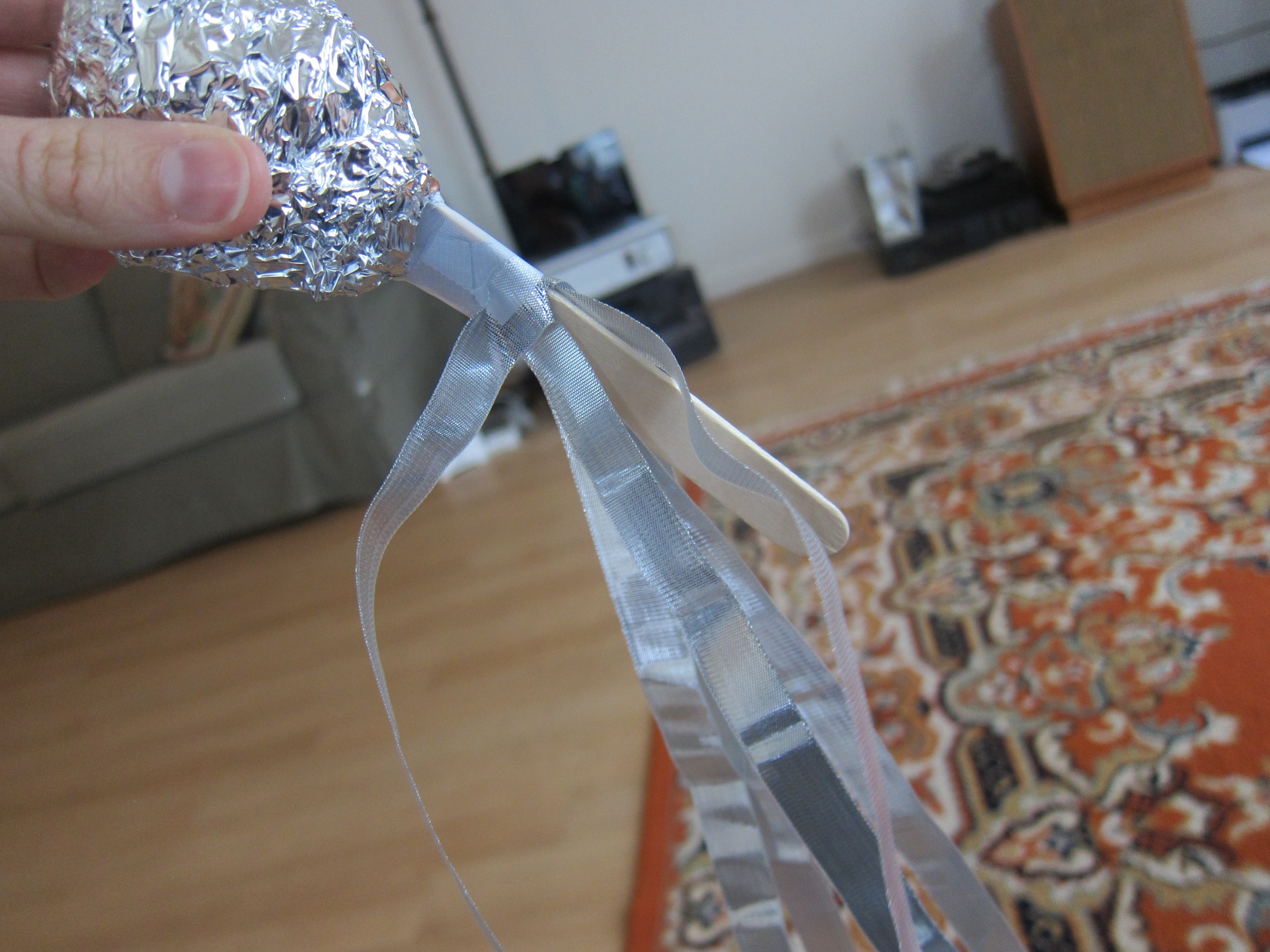
Cut metallic-colored ribbon into pieces about 6 inches long; attach to the stick.
LP Space (20)

Travis loved making his comet soar!

LP Space (24)

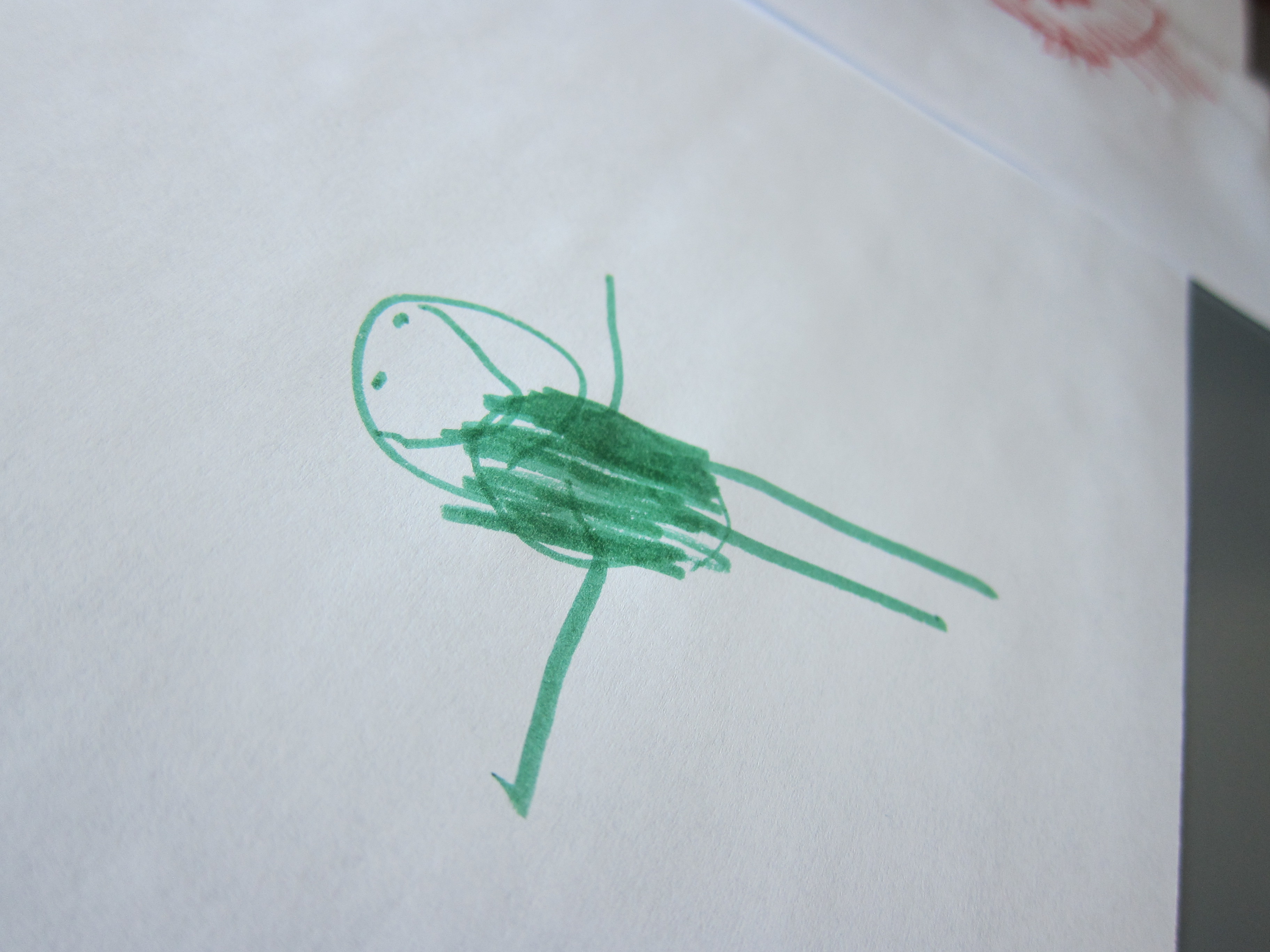
Then we designed an alien. Let your kid’s imagination run wild here!

LP Space (5)

Travis’s alien was green; he started with its belly, and said it had a belly ache which made it a mean alien – oh no!
LP Space (6)

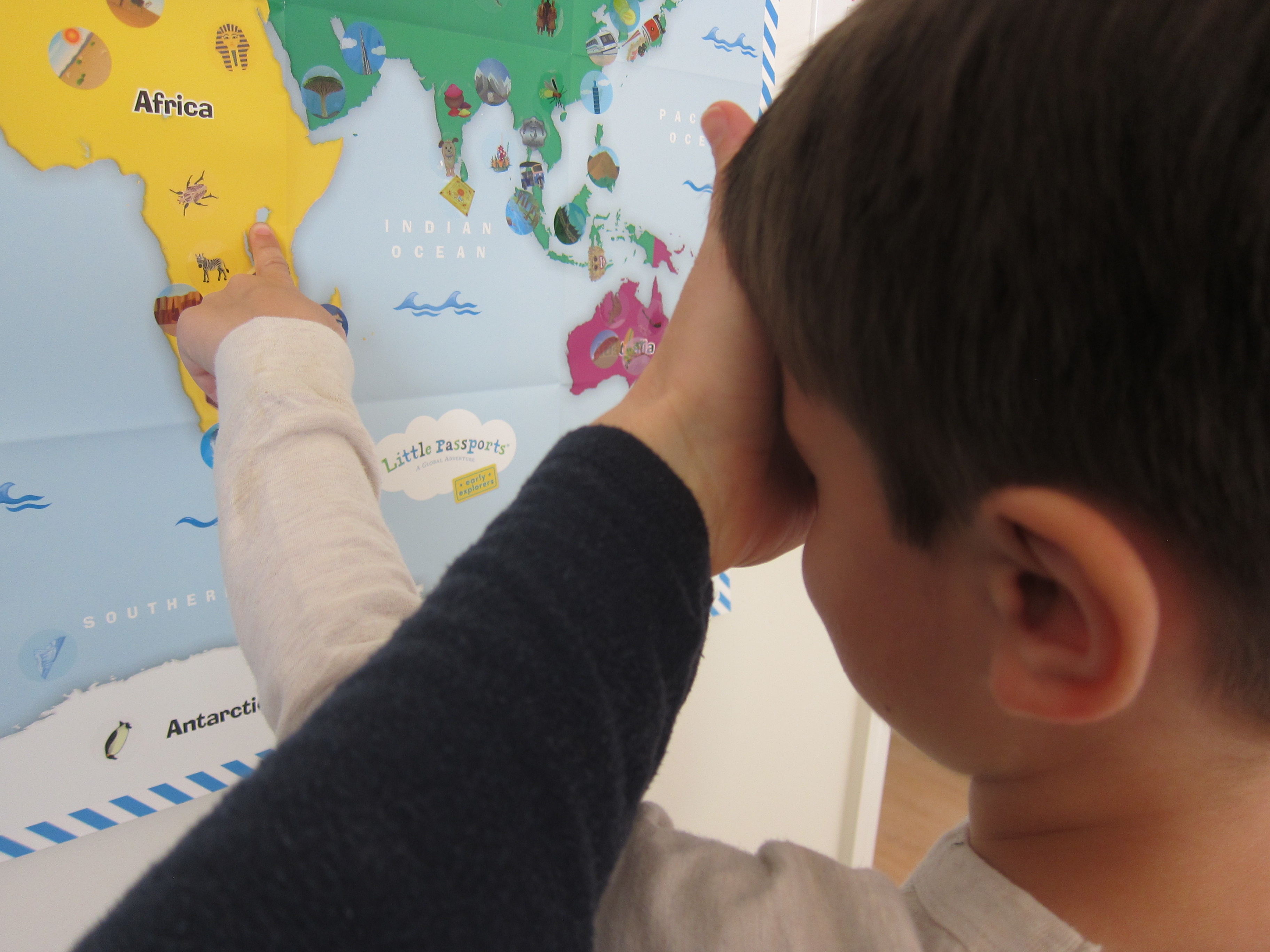
I took him in front of his Little Passport’s map and had him close his eyes and point (you could also do this with a spinning globe). His finger landed on Africa, and his challenge was to describe Africa to an alien who’d never been to Earth. This might be easier for younger kids if you default to having them describe their hometown.
LP Space (8)

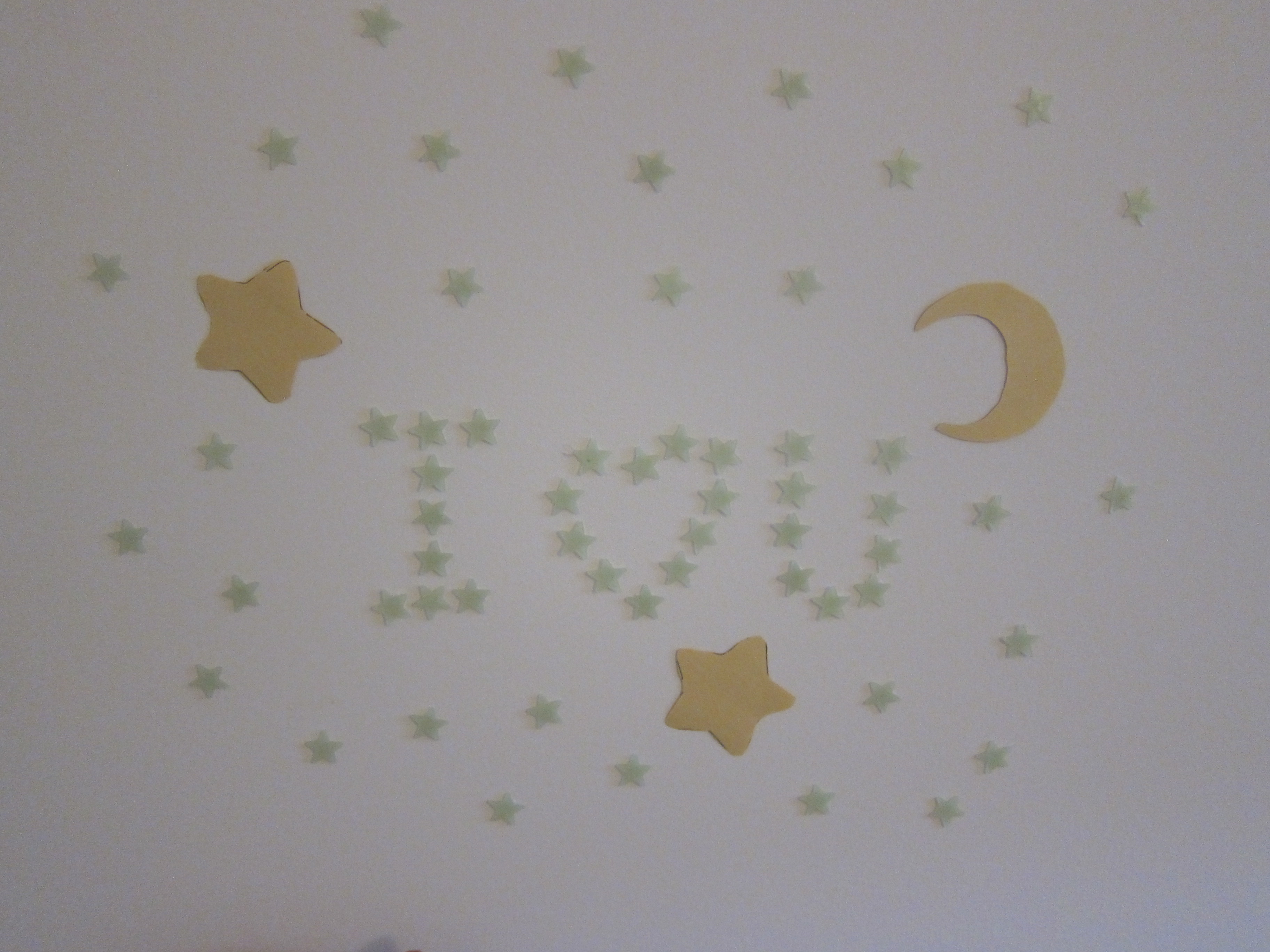
You can also bring space into your home with fun decorations. We traced stars and moons using a cookie cutter on construction paper, and also added glow-in-the-dark stars.
LP Space (22)

I sent a secret loving message on one section of wall. Travis made a “comet” and the “big dipper” in his area!

LP Space (23)

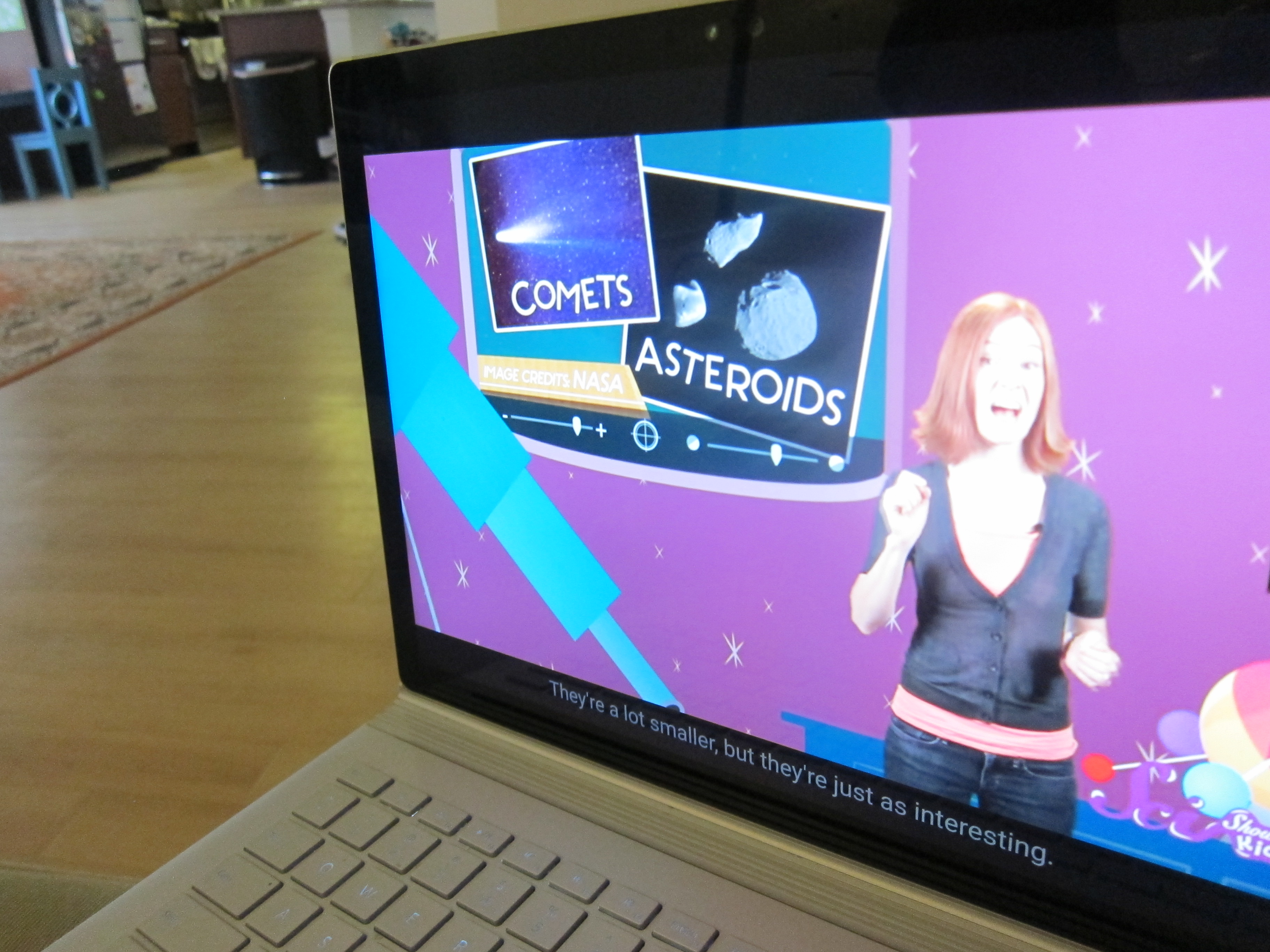
For some final learning, we went to the library for a books about space (he loved one about Mars, and another about the gas giants), and also found links online to learn more about comets and meteors, including this kid-friendly video.
LP Space (21)

As I said, what a blast!

LP Space (3)