Cardboard Tube Coiled Snakes

Cardboard Snakes (8)

This is a fun craft to put together, and the adorable final product can be used either to play with or to occupy a cute space in your garden!

First, paint toilet paper tubes with paint on the insides and out. We liked selecting fun bright colors for this project!

Cardboard Snakes (1)

If you intend to set the snakes outside in the garden, be sure to use acrylic paint. Painting the inside was a bit tricky for Travis, so I did that part and neatened up the outside of his blue one. Let dry completely.

Cardboard Snakes (2)

Cut each tube into a coil shape. I confess that I found this step tricky, so our snakes only have about 4 loops each. I saw others online that were cut into very thin little spirals – by all means go ahead if it doesn’t hurt your wrists as it hurt mine!

Cardboard Snakes (4)

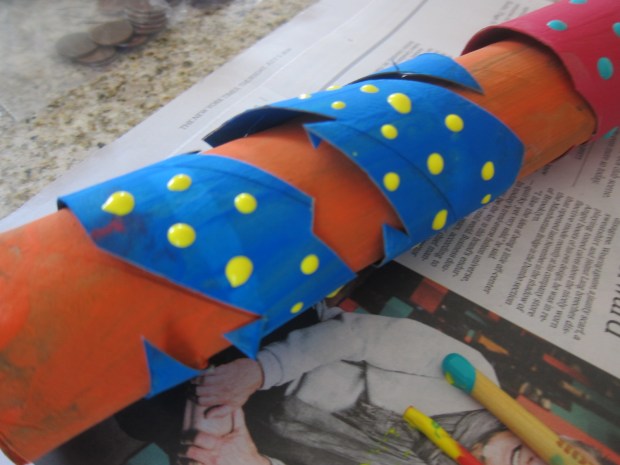
Coil your snakes around a longer tube (like an old paper towel roll) to hold them steady and add colorful dots using the handle of a paintbrush rather than the bristles – a novelty!

Cardboard Snakes (5)

Let one side dry completely before you flip the tubes and dot the other side.

Cardboard Snakes (6)

For a final touch, we glued on triangle “tongues” made from red paper and two googly eyes.

Cardboard Snakes (7)

Travis was so excited by the way the snakes stretched out! Great for imaginative games.

Cardboard Snakes (9)

When it’s time to find your snake a place in the rainforest (er, I mean garden), choose a cozy spot and nestle them in.

Rainforest Crate!


koala rainforest (14)

Coinciding with the hot, humid summer weather, our latest offering from Koala Crate was all about the rainforest.

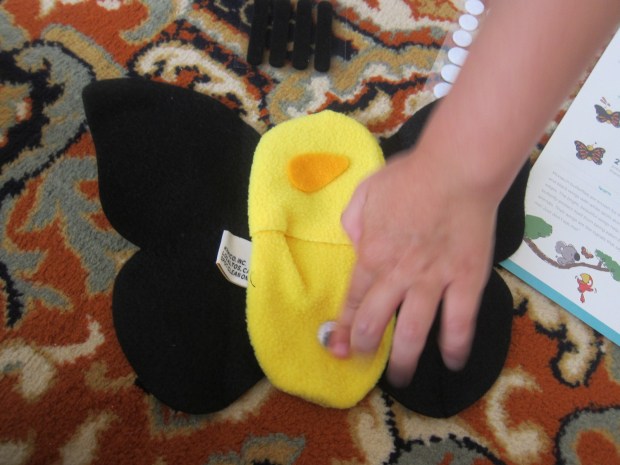
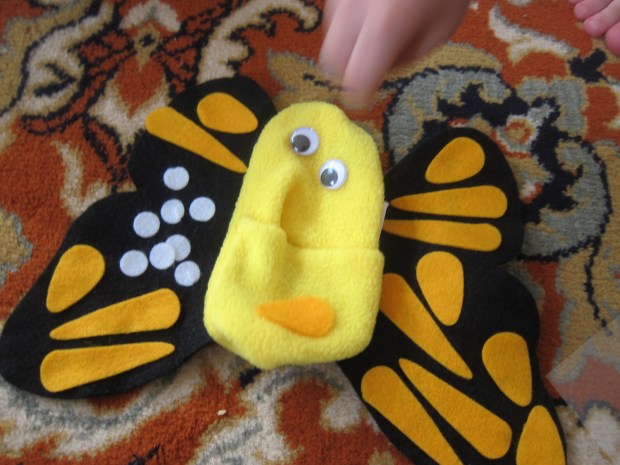
The first project, a Butterfly Puppet, as actually quite a bit like a butterfly craft we put together recently from Ranger Rick magazine, illustrating how caterpillars morph into butterflies. The one in this crate simplified things greatly, providing us with a felt butterfly puppet body that we needed only to decorate.
koala rainforest (1)

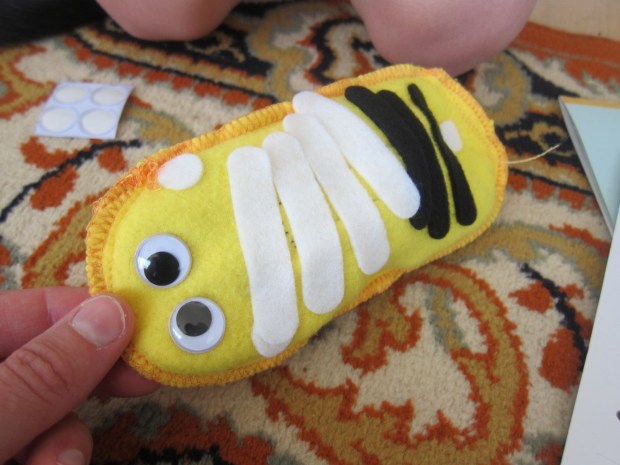
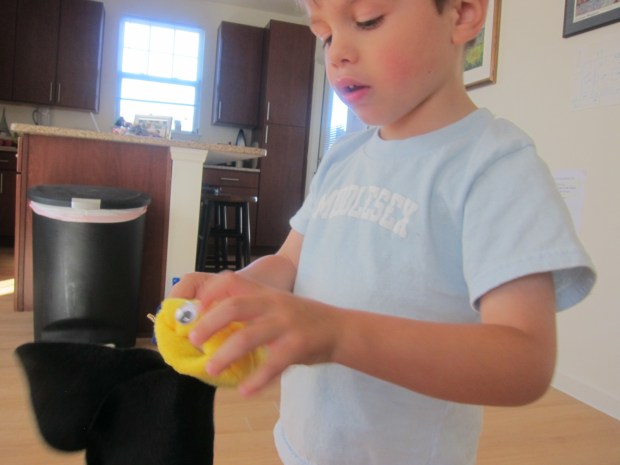
Travis really took charge on this one with his own vision of how the caterpillar and butterfly should look. We didn’t end up with a version that matched the sample, therefore, but I loved his final caterpillar creation.

koala rainforest (2)

You can talk with your child about symmetry as you decorate the butterfly portion, but rather than insist on a symmetrical orientation to our stickers, I let Travis design it the way he wanted.
koala rainforest (5)

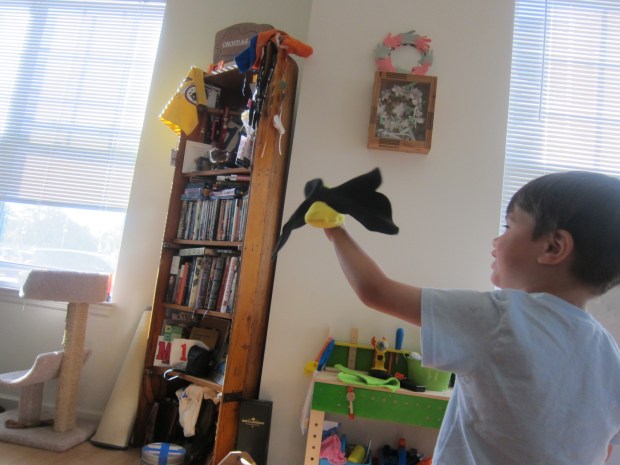
Folding the wings in and out of the puppet’s body for the transformation was a delight every time.

koala rainforest (3)

Flutter flutter!

koala rainforest (4)

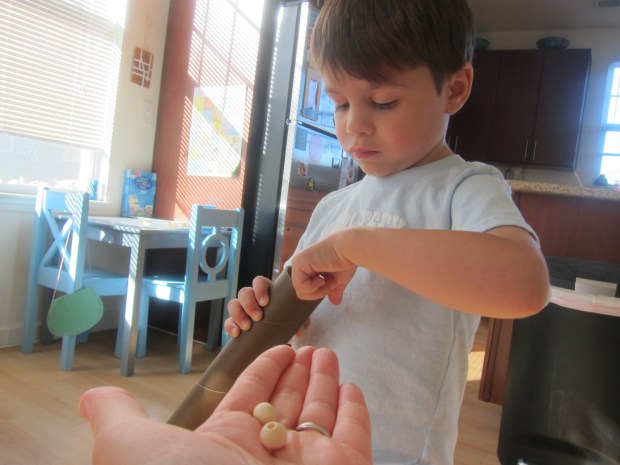
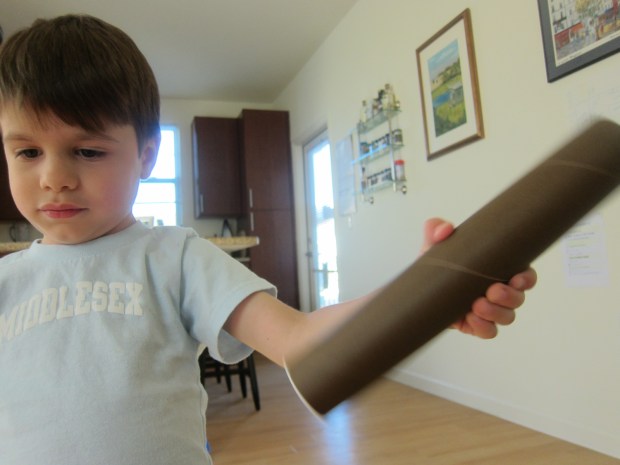
Next up as the Musical Rainstick. Cap one end of the provided cardboard tube with a provided plastic cap. Next fold up the indents in the provided cardboard insert; this will help the beads fall at a slower “rainy” rate. Here we are very seriously adding the wooden beads:

koala rainforest (6)

Time to shake shake shake! This was so fun that it was a little while before we decorated the rainstick with the rainforest stickers.

koala rainforest (7)

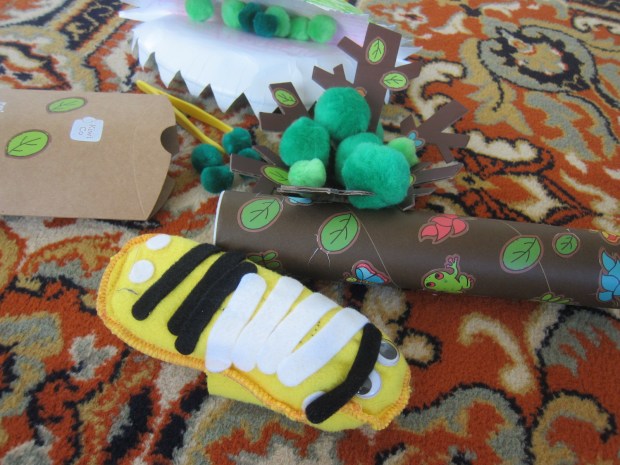
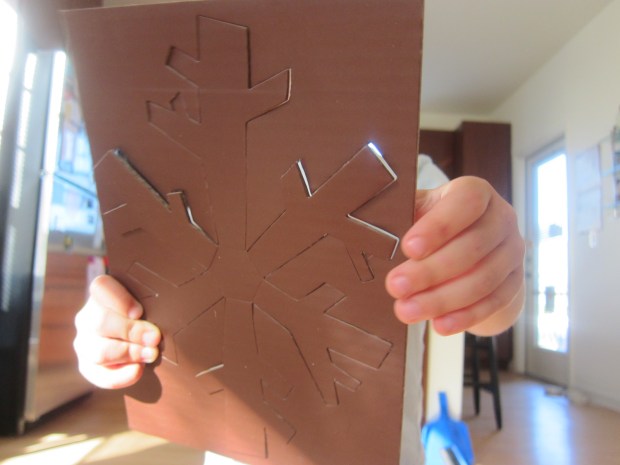
The rainstick gets used again in the final project, a Balancing Tree Game. Punch out the cardboard branches, and fold the ends up.

koala rainforest (8)

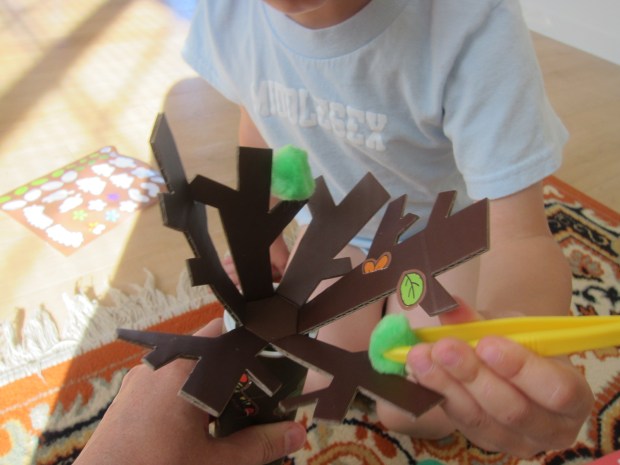
Use a Velcro dot to adhere these branches to one end of the rainstick. You can also add a few more of the rainforest stickers.

Now the challenge was to fill the rainforest tree with pom-pom leaves using the provided tweezers. This was great fine motor skill practice.

koala rainforest (10)

A note of caution: The game is hard, even for grown-ups, so be prepared to ease some preschooler frustration.

koala rainforest (13)

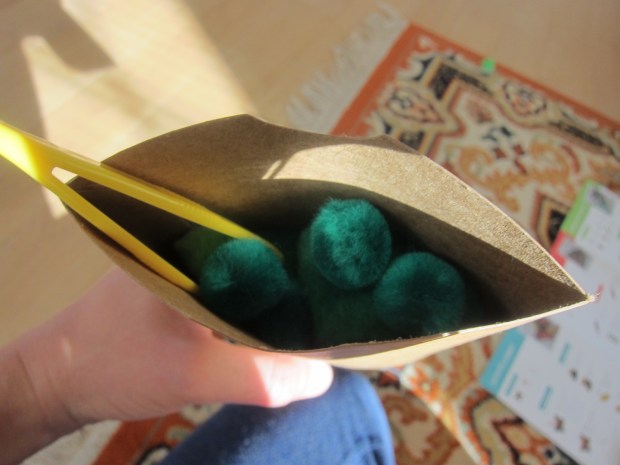
As a nice touch, the pom-poms store handily in a provided pouch when you’re done with play.

koala rainforest (11)

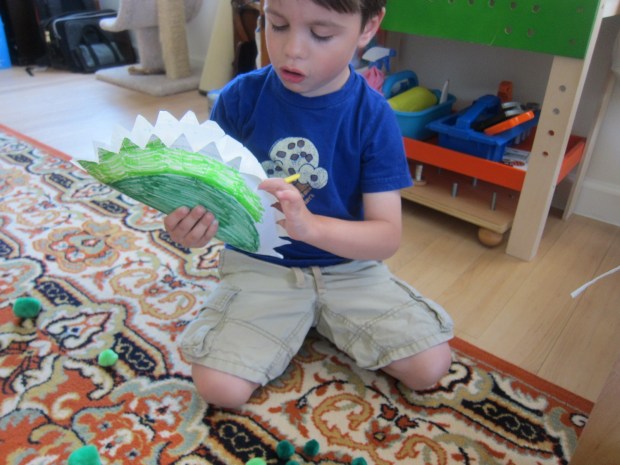
As a final craft, we put together a suggested Venus flytrap. Parents, cut little triangles all along the edges of a paper plate. Use markers to color the inside of the plate red and the outside green.

Venus Fly (1)

We didn’t even finish coloring before Travis eagerly made his flytrap chomp on some pom-pom flies!

Venus Fly (3)

Oh no, can a Venus flytrap eat a whole caterpillar?

Venus Fly (2)

I loved seeing Travis’s imagination at work with this one.


Early Explorers Habitats

LP Habitats (24).JPG

This month’s offering from our Early Explorers subscription was quite different than past kits. The booklet features many preschool readiness activities – mazes, matching, counting – but no suggested crafts or projects. As a result, we supplemented from Little Passport’s blog to add some additional fun.

LP Habitats (5)

The booklet featured great information, though, introducing children to habitats such as mountains, deserts, forests, and more. Travis loved the usual finds like the flashlight page and affixing his sticker on his luggage.

LP Habitats (4)

Habitats Art:

First up, we needed a craft! Papier-mâché mountains were perfect for the habitat theme – and so neat that they merited their own blog post!

LP Habitats (13)

The craft turned into a great way to supplement the info in Travis’s booklet about animals that live in the Himalayas and other mountain ranges.

Habitat Science:

We also snagged the perfect science project off Little Passport’s blog – a rainforest in a jar! To recreate this warm, humid environment (one canopy tree can produce 200 gallons of water in a year!), we first added about 1/2 cup potting soil to a large mason jar, then filled with 1/4 cup water. I rather zealously added a little extra water, which may have been a mistake.

Rainforest Jar (1)

Next we rubbed flower seeds with sandpaper to break them up slightly, then added to the jar.

Rainforest Jar (3)

We also added some moss (I bought the moss at the craft store; I hate to disturb moss from nature).

Rainforest Jar (4)

Seal the jar and set it some place sunny.

Rainforest Jar (5)

Within a day or so you’ll see the condensation on the inside of the jar – neat! Keep a record of any changes you see, and make a note of how long it takes for your flowers to bud.

Rainforest Jar (6)

Habitats Keepsake:

This month’s keepsake was an instant hit, and I think the highest quality one we’ve received: a sticker book with four different habitats and reusable animal stickers to go in each setting.

LP Habitats (3)

As far as reusable stickers go, these are the best I’ve ever come across! Thick and durable, easy to peel off, and they match right back up on the sheets they came from when you’re done with play. Travis loved how floppy the stickers were!

LP Habitats (1)

He had to put every animal in a home before he tired of the game.

Habitats Field Trip:

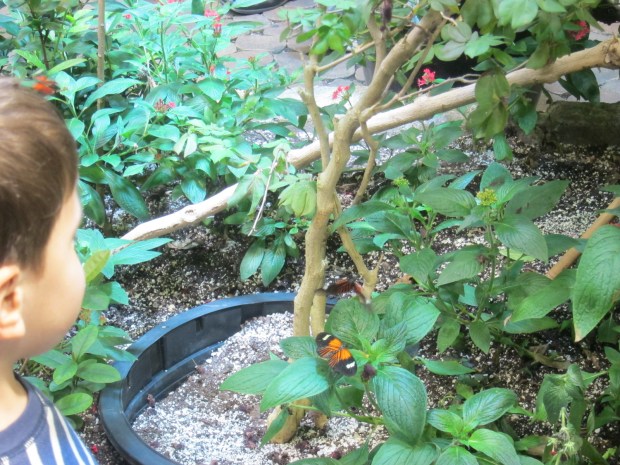
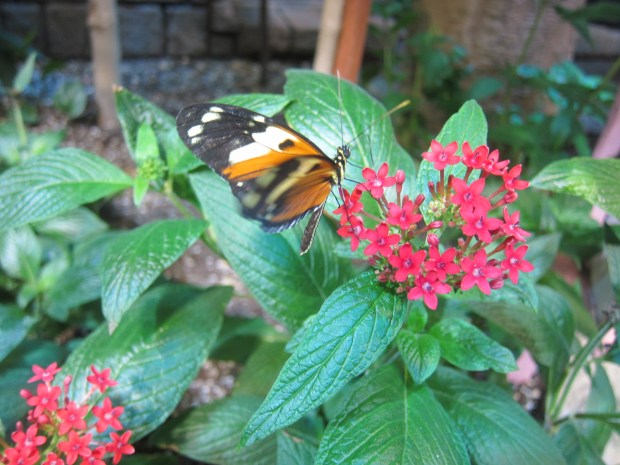
We decided to get as close to a tropical rainforest as we could here in the northeast – by visiting a butterfly exhibit! The humid room lives up to the name, and the butterflies are truly amazing, perching on fresh fruit…

butterflies (6)

hovering on leaves right before you….
butterflies (7)

and staying still enough to marvel at their curled tongues.
butterflies (2)

Habitats Further Activities:

Further activity suggestions this month really were about sitting down, talking and thinking together. I worried I might lose a preschooler’s attention, but Travis was quite engaged. First, we made a list of possible habitats, and he did great remembering – arctic, mountains, rainforests, etc.

LP Habitats (19)

I asked which was his favorite animal and he surprised me with polar bears, so we watched some online clips for kids about polar bears and their arctic habitat.

LP Habitats (20)

He also said that this is where he’d like to live, and to be a polar bear. (Brr!)

Since Travis’s drawing is still a little, well, abstract, I also set out coloring book pages of various animals and habitats that he could color.

LP Habitats (23)

Finally, we headed off to research and check out our local habitat. We take lots of nature walks anyway, so to capture what’s truly unique about our area, we went to where forest gives way immediately to the shore of Long Island Sound.

LP Habitats (26)

The only animals we saw on this cold snowy morning though were geese!

LP Habitats (27)