Puzzle Pail

Puzzle Pail (1)

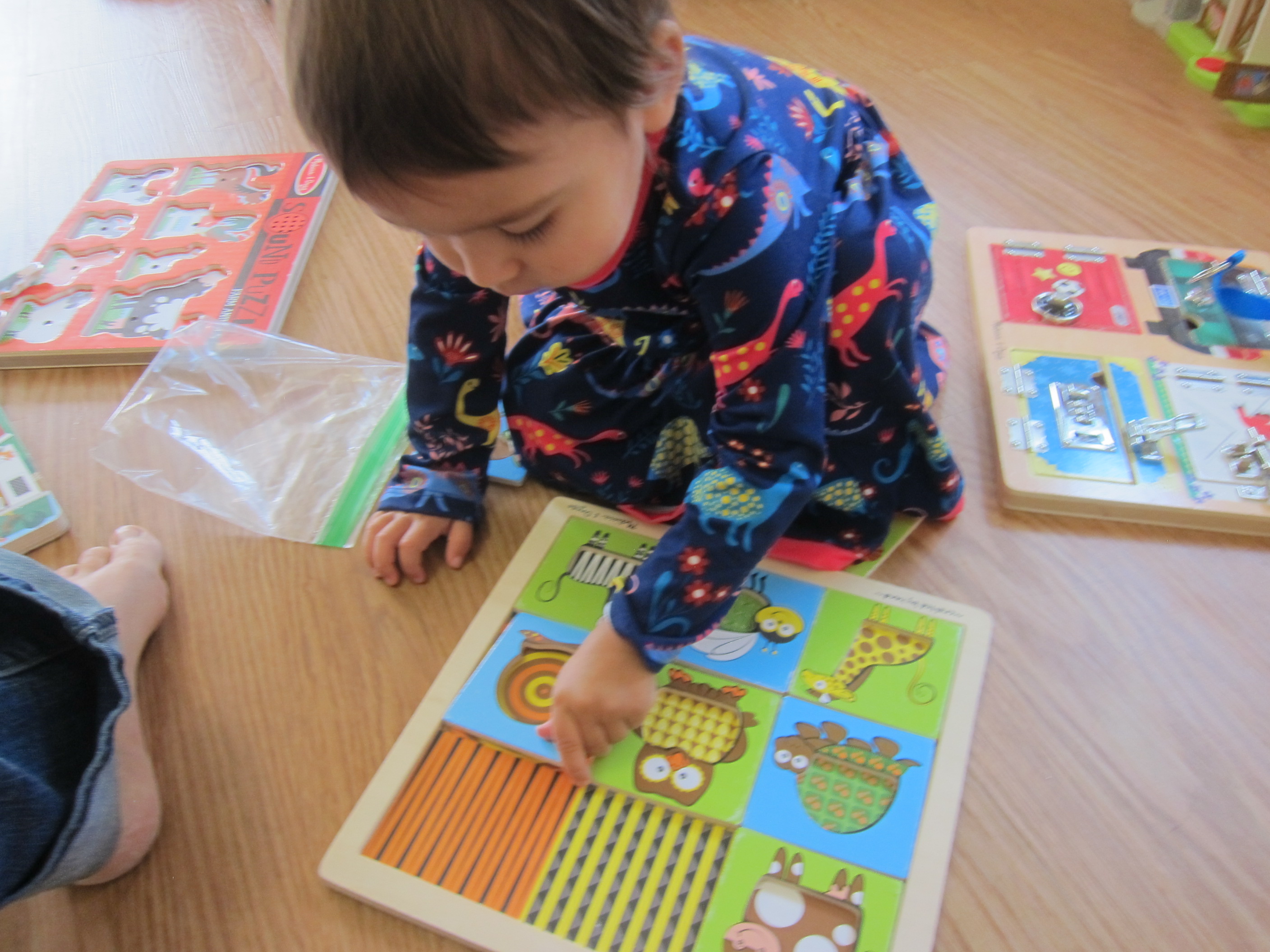
What do you give your toddler to play with after a Building Bin? A Puzzle Pail of course! Today’s “invitation” for Veronika was a pail (from our beach toy collection) appropriately filled with puzzles. I liked the alteration here, but of course any container would work, not necessarily a sand pail.

I set out the puzzles in a few different ways. Bulky ones (including one with latches and another with farm animals behind flaps), I simply set out on the ground.

But for more standard puzzles, I separated them into pieces and each puzzle got its own zip-top baggie. I then put these baggies into the pail. Veronika immediately grabbed at all the bags, emptying her pail out.

Puzzle Pail (3)

She wanted to tackle the shape puzzle first. There must have been a leap in her brain, because she solved the entire puzzle without any help!

Puzzle Pail (4)

All I had to ask was a prompt (“Where does the rectangle go?” and she immediately knew.

Puzzle Pail (5)

When it was complete, it was fun for her to load the pieces back into their zip-top baggie.

Puzzle Pail (8)

In fact, your child might find the bags and pieces the most interesting part of this activity, rather than solving any puzzles.

Puzzle Pail (7)

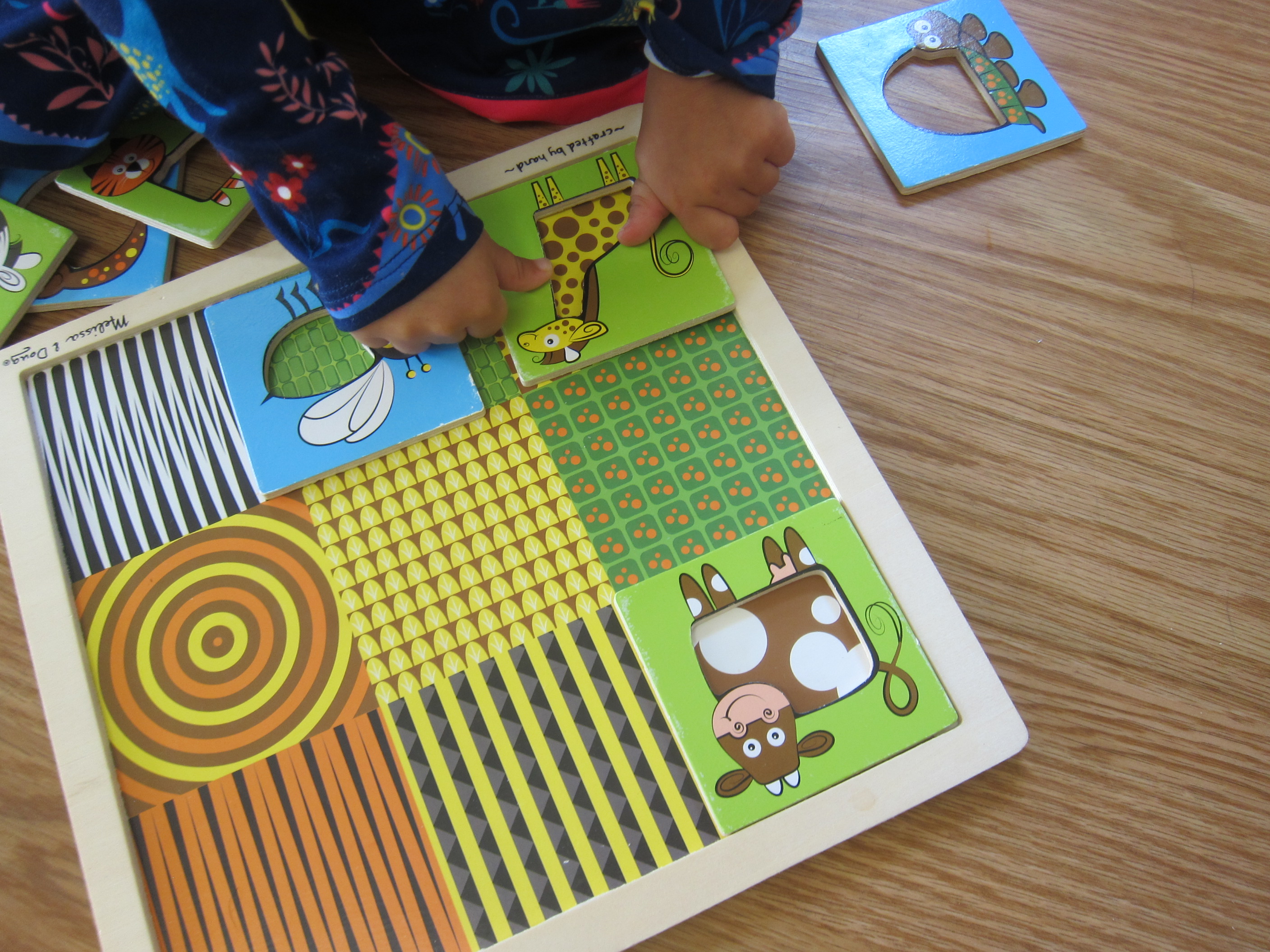
Next up was an animal puzzle. And she solved this one without any assistance, too!

Puzzle Pail (12)

I guess my girl has earned her animal stripes (and spots).

Puzzle Pail (11)

I also included an animal sound puzzle to add a fun auditory element.

Puzzle Pail (9)

I loved seeing her busy with all the different puzzle varieties throughout the day, and only occasionally needed to jump in for assistance. This one truly lived up to its intention as a solo activity.

Puzzle Pail (13)

Building Bin

Building Bin (1)

On the heels of a Book Box, today I kept Veronika busy during big brother’s school Zoom with a building bin! I kept this one very simple, initially filling a basket with three types of blocks: Duplo, alphabet blocks, and foam shape blocks.

Building Bin (2)

Although she frequently plays with all of these, she hasn’t ever combined them. I was curious to see how she might mix and match.

Building Bin (4)

Of course there were standard towers to build…

Building Bin (7)

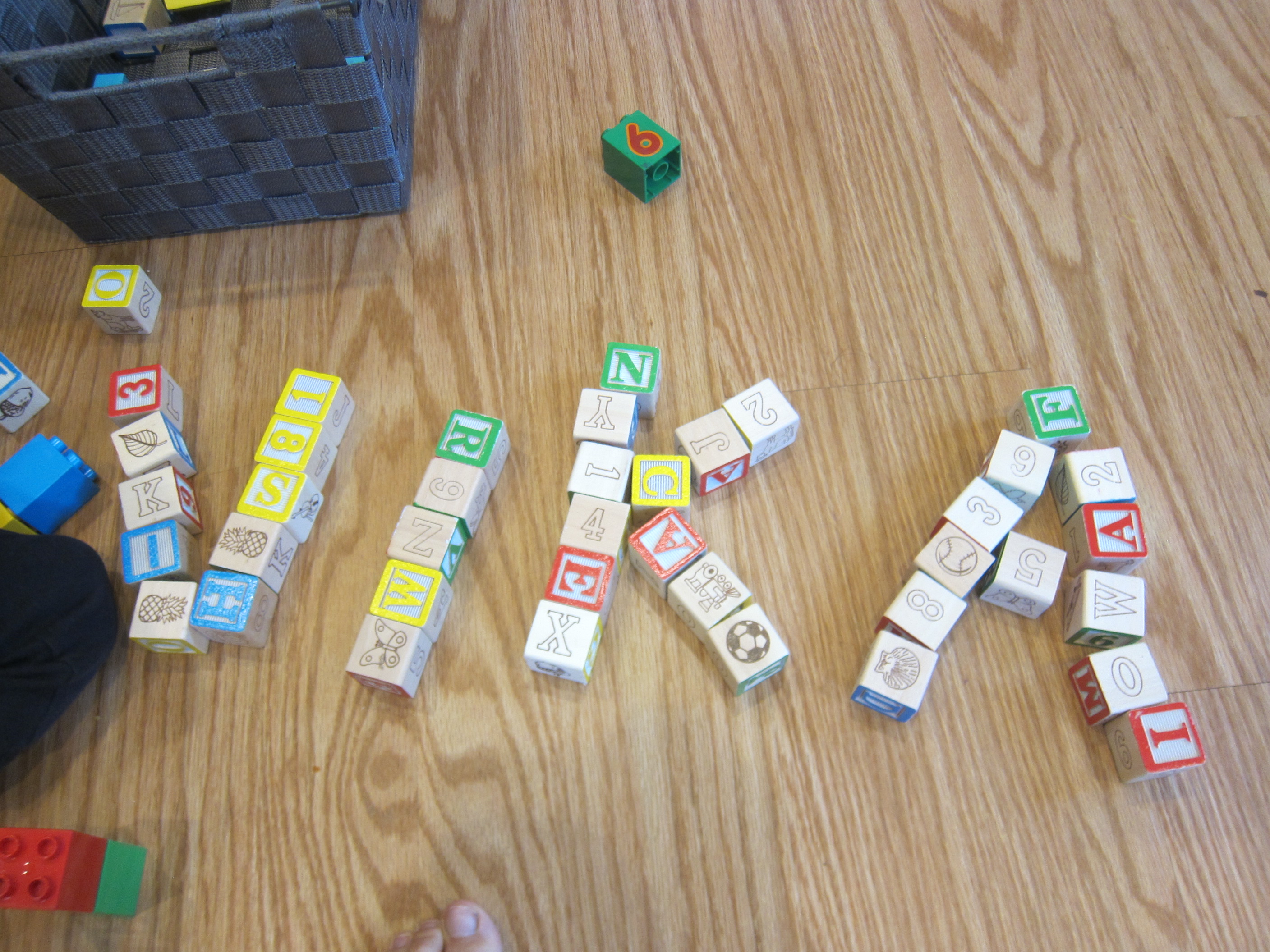
…but I also helped her form her name from the alphabet blocks. We could do this in two ways, either finding a block for each letter, or making a big version of her nickname.

Building Bin (5)

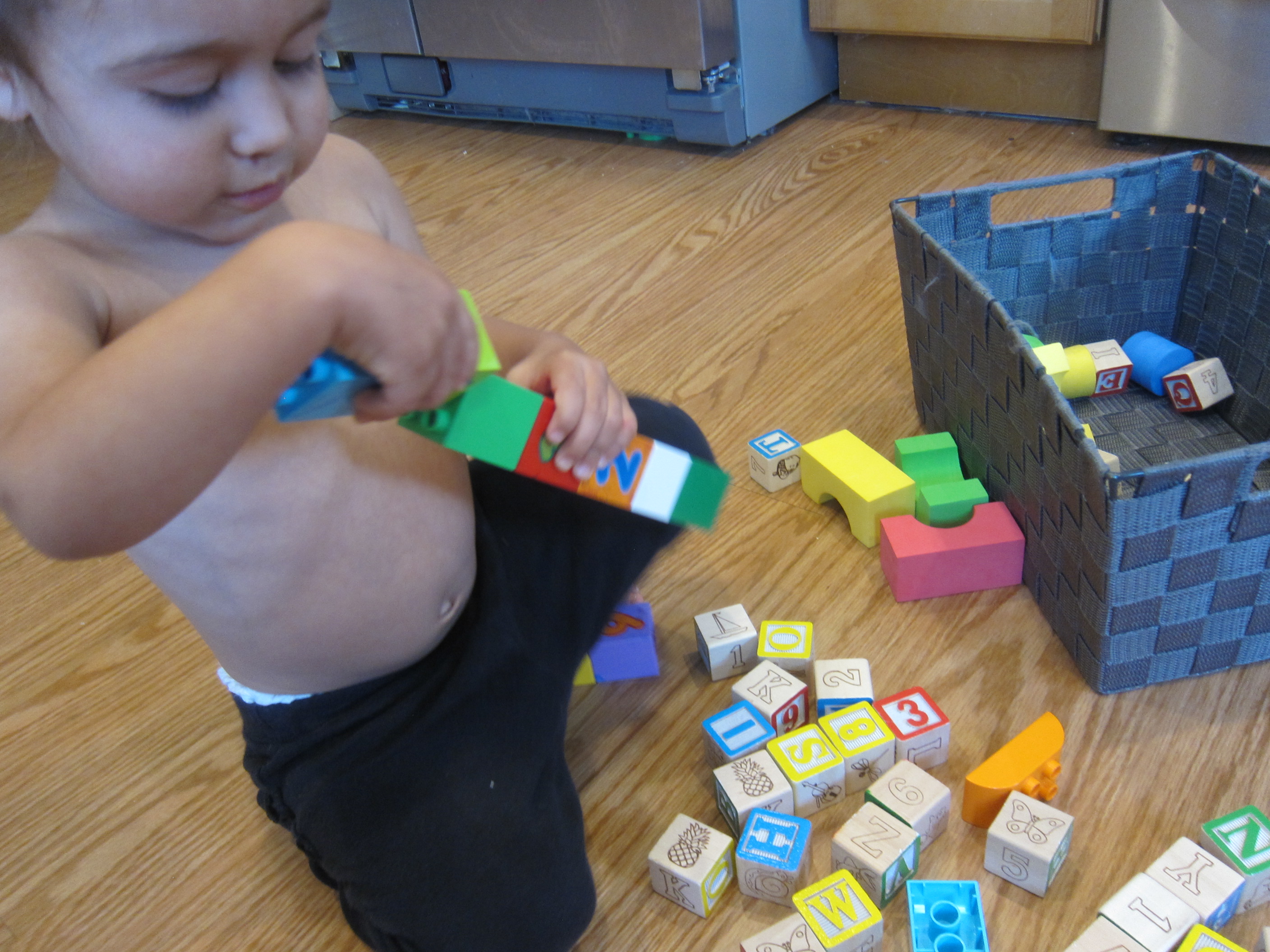
She was most interested in discovering that block towers easily toppled, but not so her Duplo towers, because she could link the pieces.

Building Bin (9)

She loved waving her big stack of Duplo around, almost marveling at how it didn’t break like other block towers do.

Building Bin (8)

“Look what I made,” she proudly ran to tell me a few times. Of course she also just loved making little block castles in a more classic manner, and I gave her a “king” and “queen” to play with in her creations.

Building Bin (12)

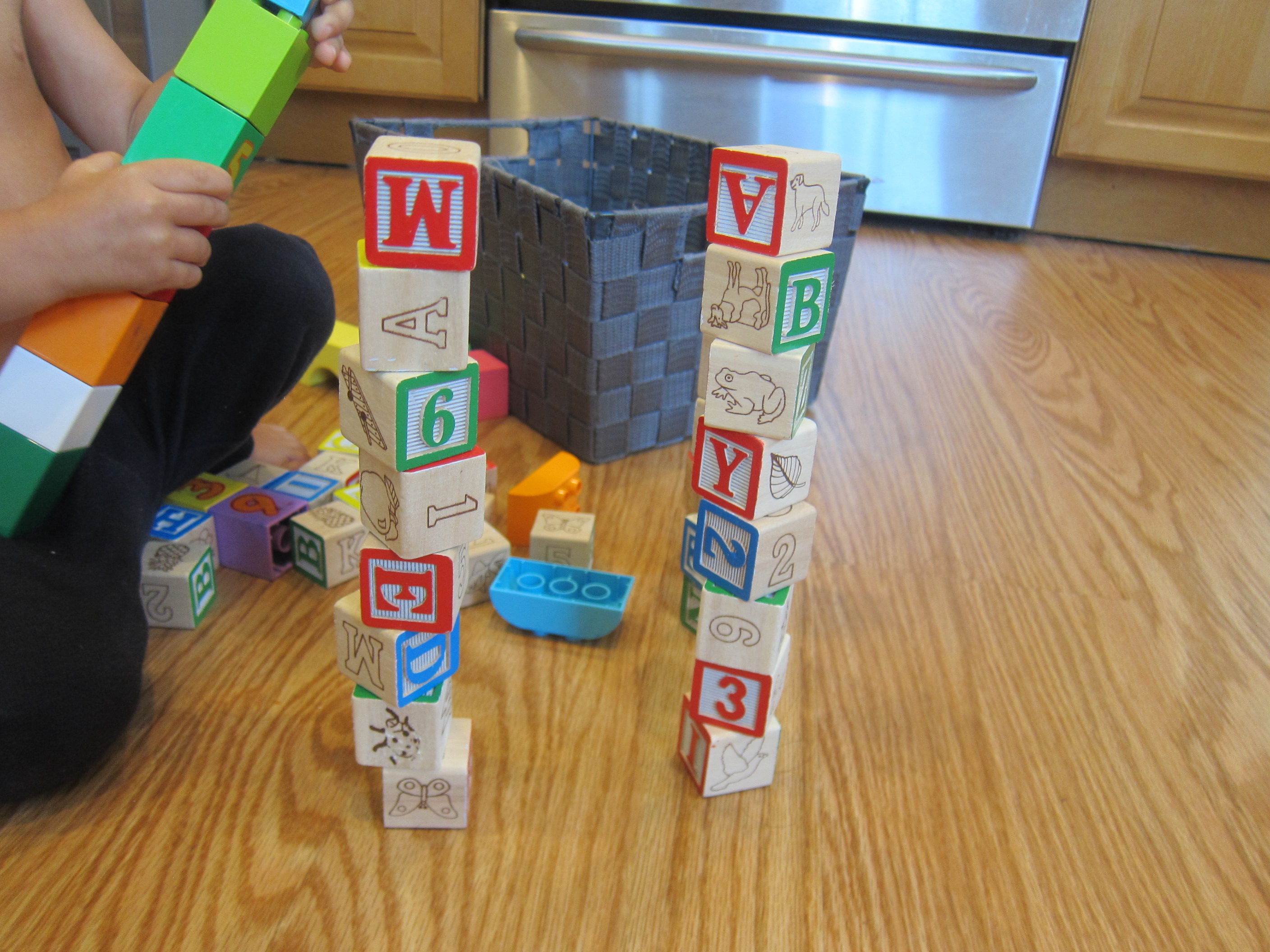
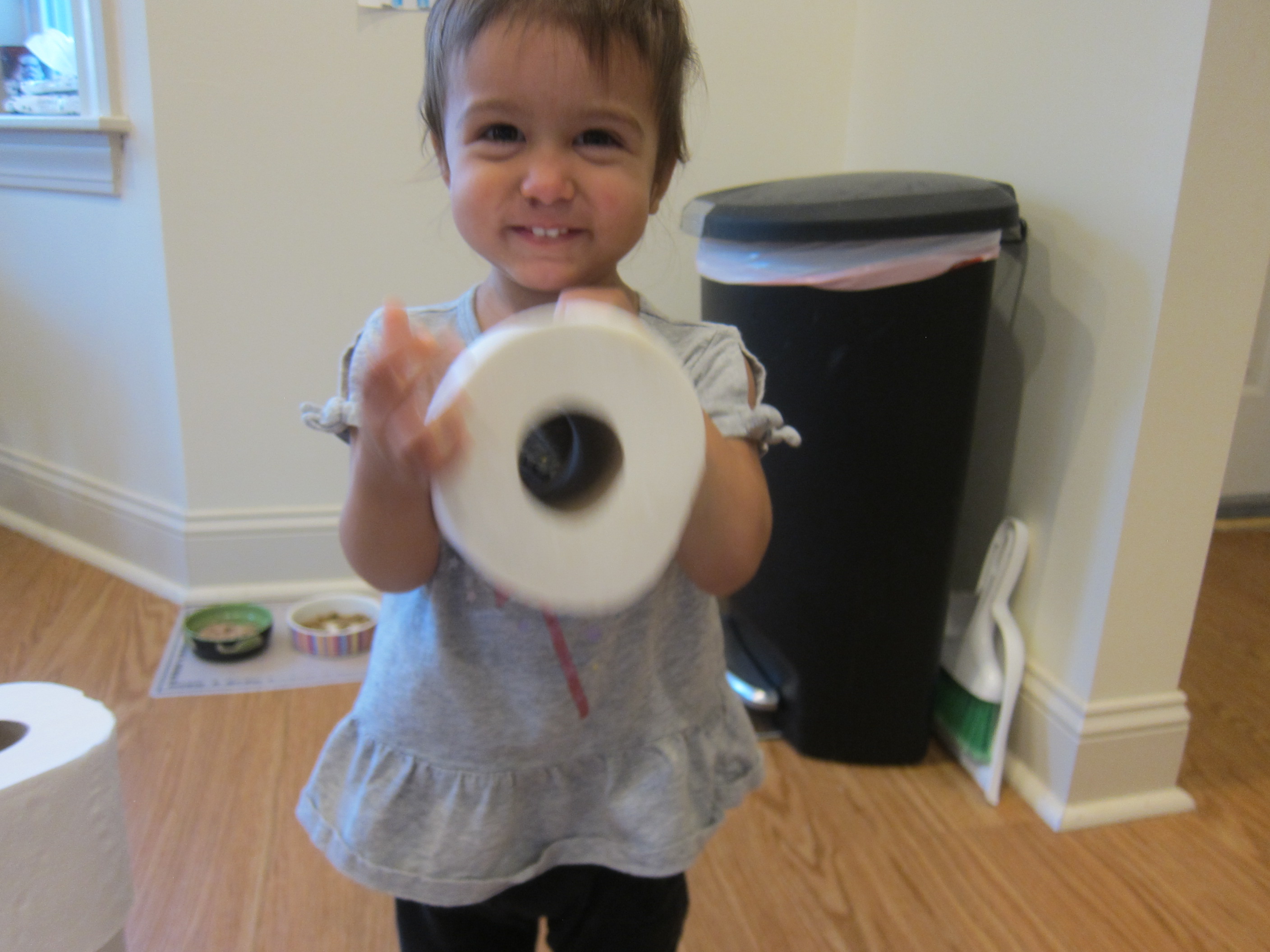
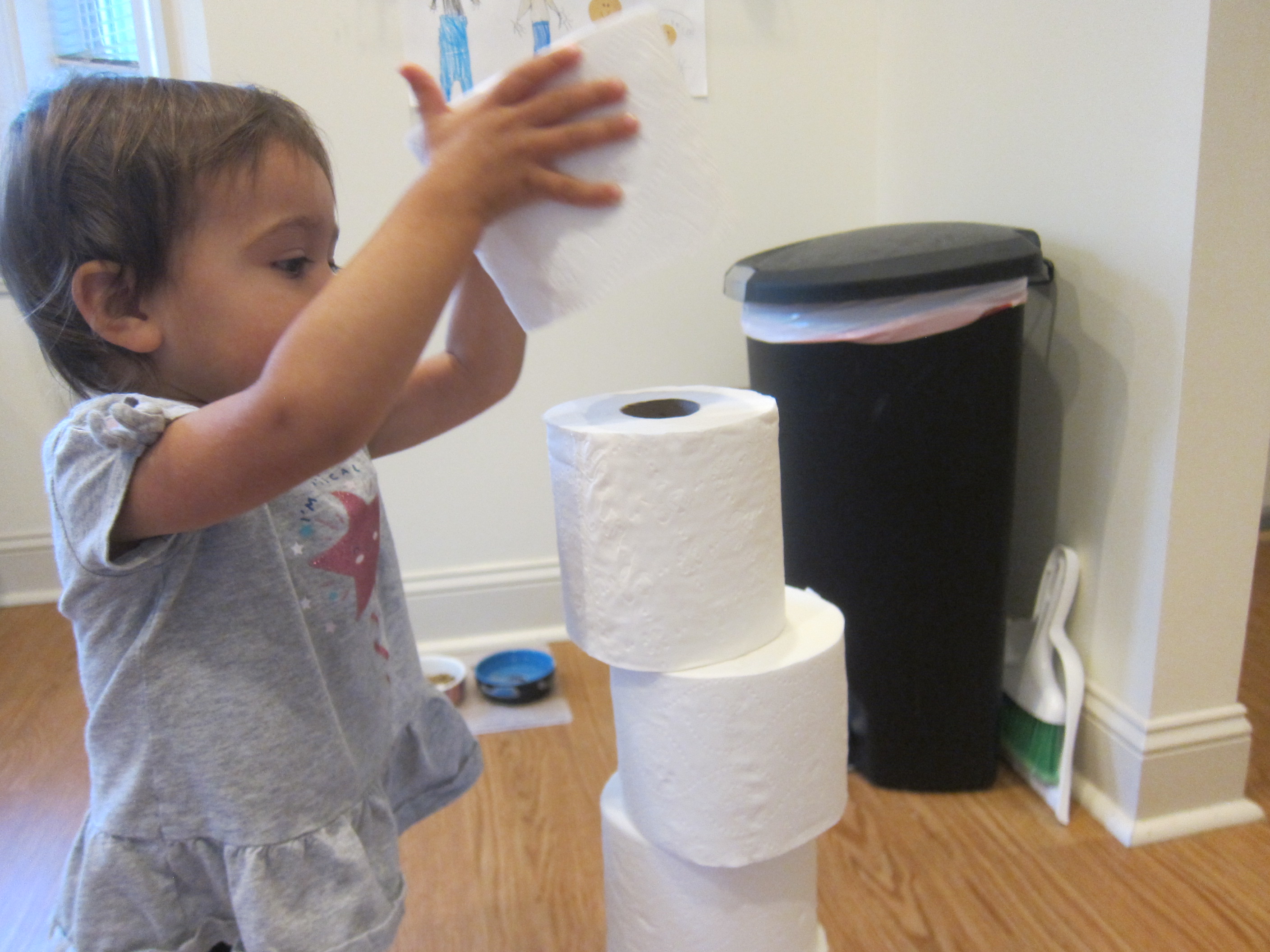
Later in the day, I did a quick rearrangement, this time filling the bin with a creative interpretation of “blocks”: individual toilet paper rolls and cans of cat food. Both of these make great toddler blocks because they’re small enough and/or soft enough not to hurt little toes.

Stacking Game (3)

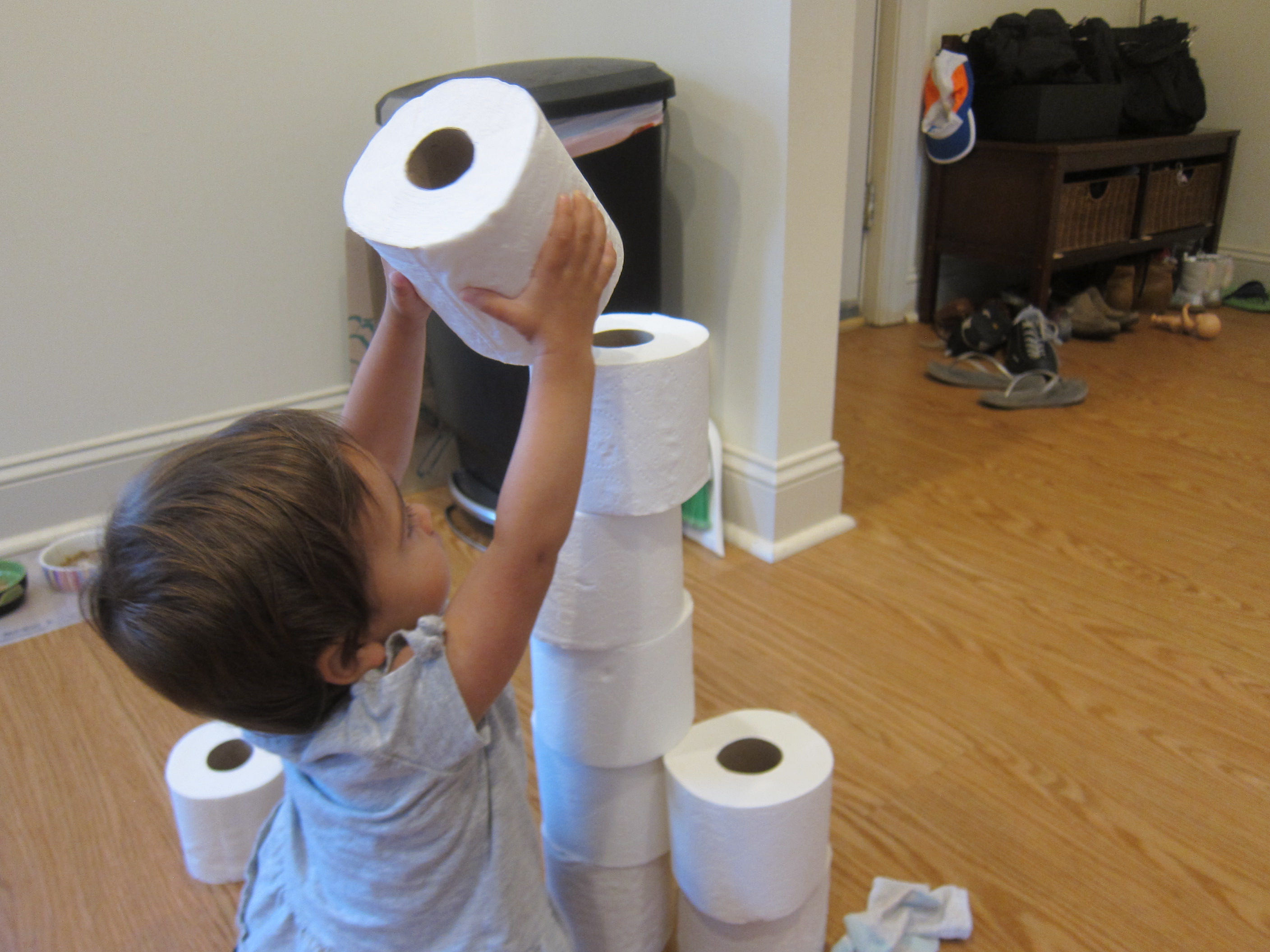
At first she just stacked the toilet paper rolls. I showed her how to do this standing instead of sitting, so the tower grew taller than her head.

Stacking Game (2)

What a reach!

Stacking Game (1)

Then I demonstrated how she could alternate cat food tins with toilet paper.

Stacking Game (6)

She loved decorating the tops of her towers with cat food, almost like little castle decorations.

Stacking Game (8)

This version of the Building Bin kept her busy solo for quite some time.

Stacking Game (5)

Mission accomplished!

Stacking Game (4)

Painting the Driveway with Water

Paint the Driveway with Water (9)

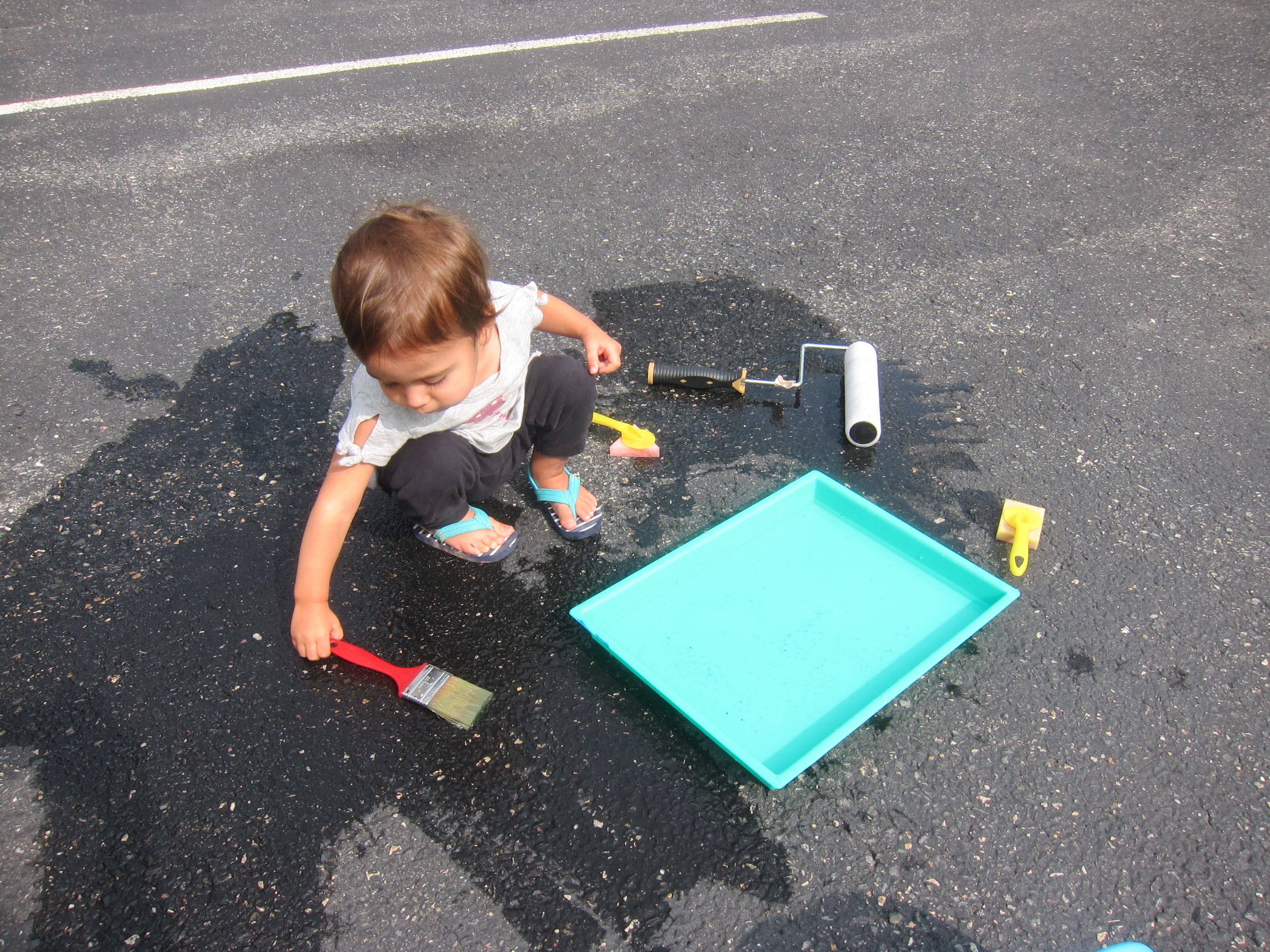
The season for outdoor water play is nearly at an end, so we’re taking advantage while we still can! Veronika has painted with water on a small scale this summer, but today we went big. Driveway-sized big, that is!

I have a paint roller which I thought would be novel for spreading water around, so we headed out to the driveway with the roller, a tray, and a few smaller paint brushes and sponges.

Paint the Driveway with Water (1)

I filled the tray with water from our watering can and Veronika instantly wanted to dip the sponges in.

Paint the Driveway with Water (3)

She liked pressing down and watching triangles and rectangles appear.

Paint the Driveway with Water (4)

I then showed her how to dip the paint roller in the tray and transfer to the pavement for big streaks of water “paint”. She gave it a few experimental sweeps, but it wasn’t her favorite. 

Paint the Driveway with Water (5)

She much preferred a wide bristle paint brush. “I’m sweeping!” she told me, as she dipped it in the tray of water and then brushed over the driveway.

Paint the Driveway with Water (7)

Kids love the instant gratification of watching pavement turn from light to dark with this activity.

Paint the Driveway with Water (6)

What a big bold canvas for making art!

Paint the Driveway with Water (10)

Flying Balloon

Flying Balloon (9)

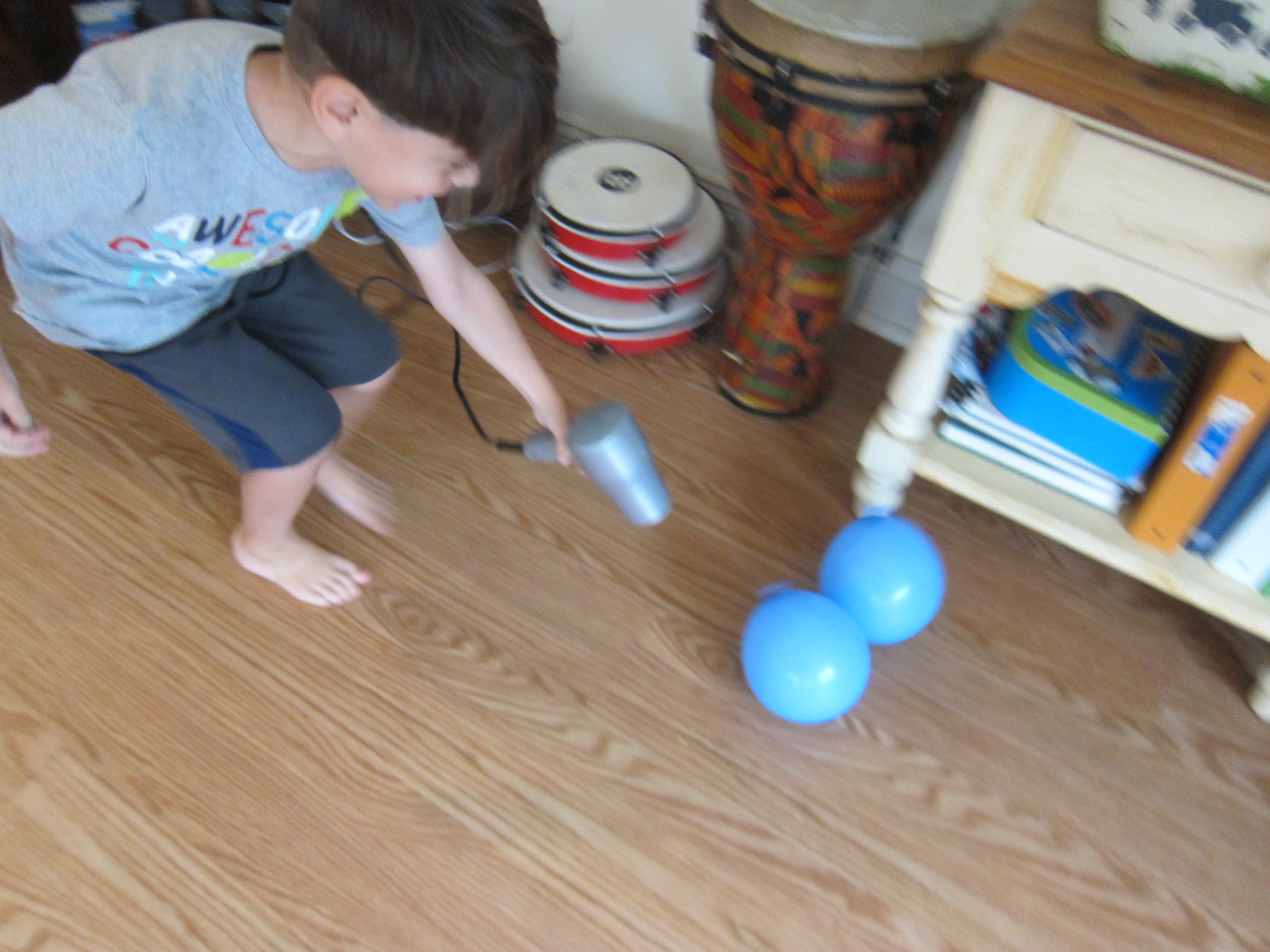
There’s some neat science behind making a balloon fly with a hair dryer, whether the push of the air on the balloon that directs it up, or using “fins” to catch the air and make the balloon hover and spin. But truth be told, Travis and I went light on the science this morning, and more just had fun because, well, balloons + hair dryers = excitement!

Travis was stoked when he saw me pull out the hair dryer for an experiment. After I inflated two balloons, he just liked scooting them along the floor with a flow of air.

Flying Balloon (1)

Meanwhile, I rolled two pieces of construction paper into tubes, securing with tape. Cut the bottom into fringe and then tape onto the balloons. These will act as weights for the balloons.

Flying Balloon (3)

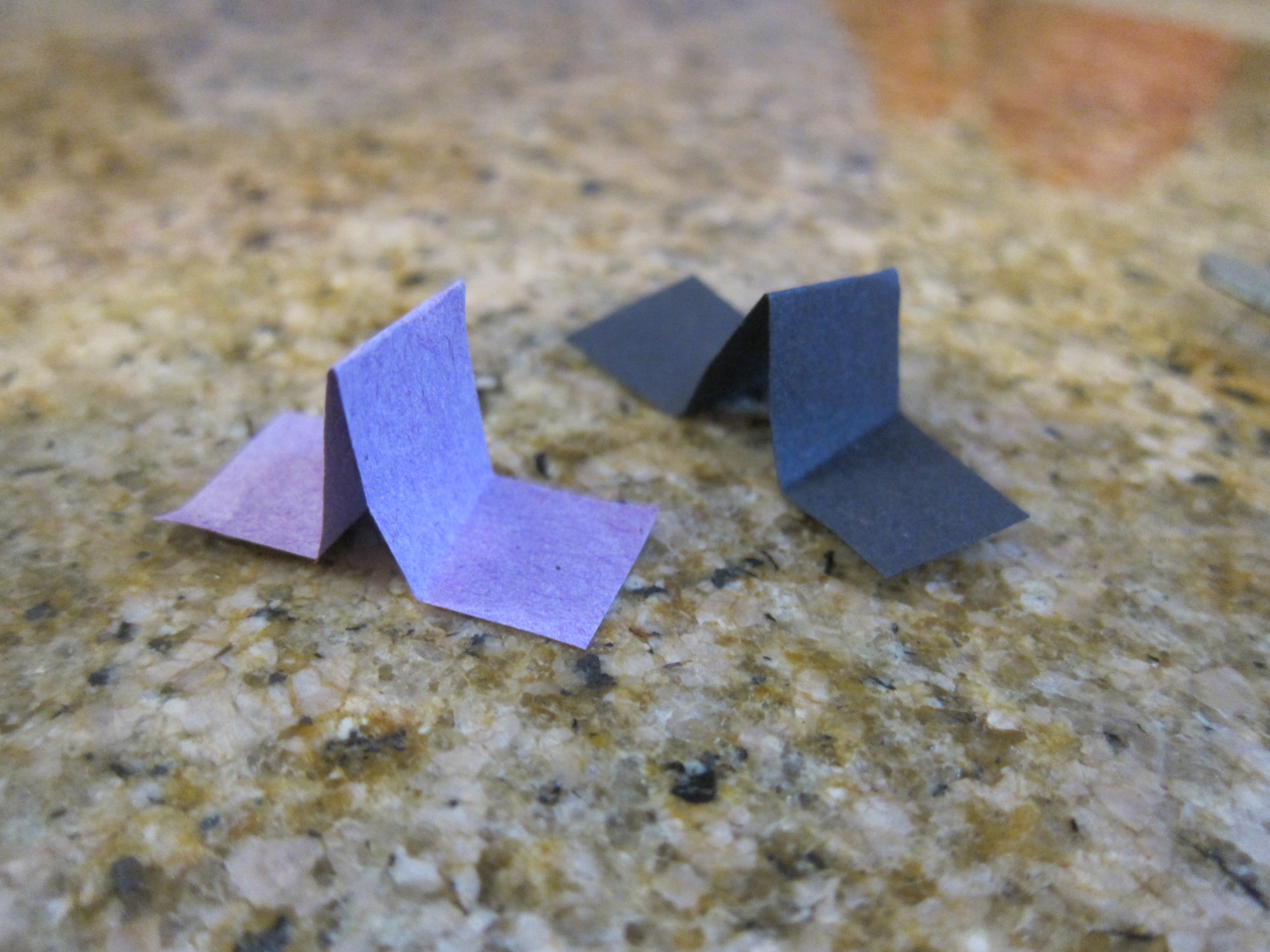
If you want the balloon to spin as well as fly, you’ll need to add fins. Cut strips of construction paper, then fold in half. Bend the ends, so they make little tabs.

Flying Balloon (5)

If you’re going for exact science, you’ll need to wind string around the center of the balloon to mark the equator, then draw two meridians (the horizontal and vertical lines that intersect the equator) with a sharpie. Glue your fins along this equator at a 45 degree angle.

Well, we weren’t that exact. We just used double-sided tape to add the fins in a circle roughly near the balloon’s center.

Flying Balloon (6)

So… it wasn’t perfect, but it did get some spin and some air. It was unfortunately difficult to hold the camera and the hair dryer and launch the balloon, so we never got great photos or videos.

Flying Balloon (7)

But we did have fun!

Flying Balloon (8)

Spoon Match

Spoon Match (4)

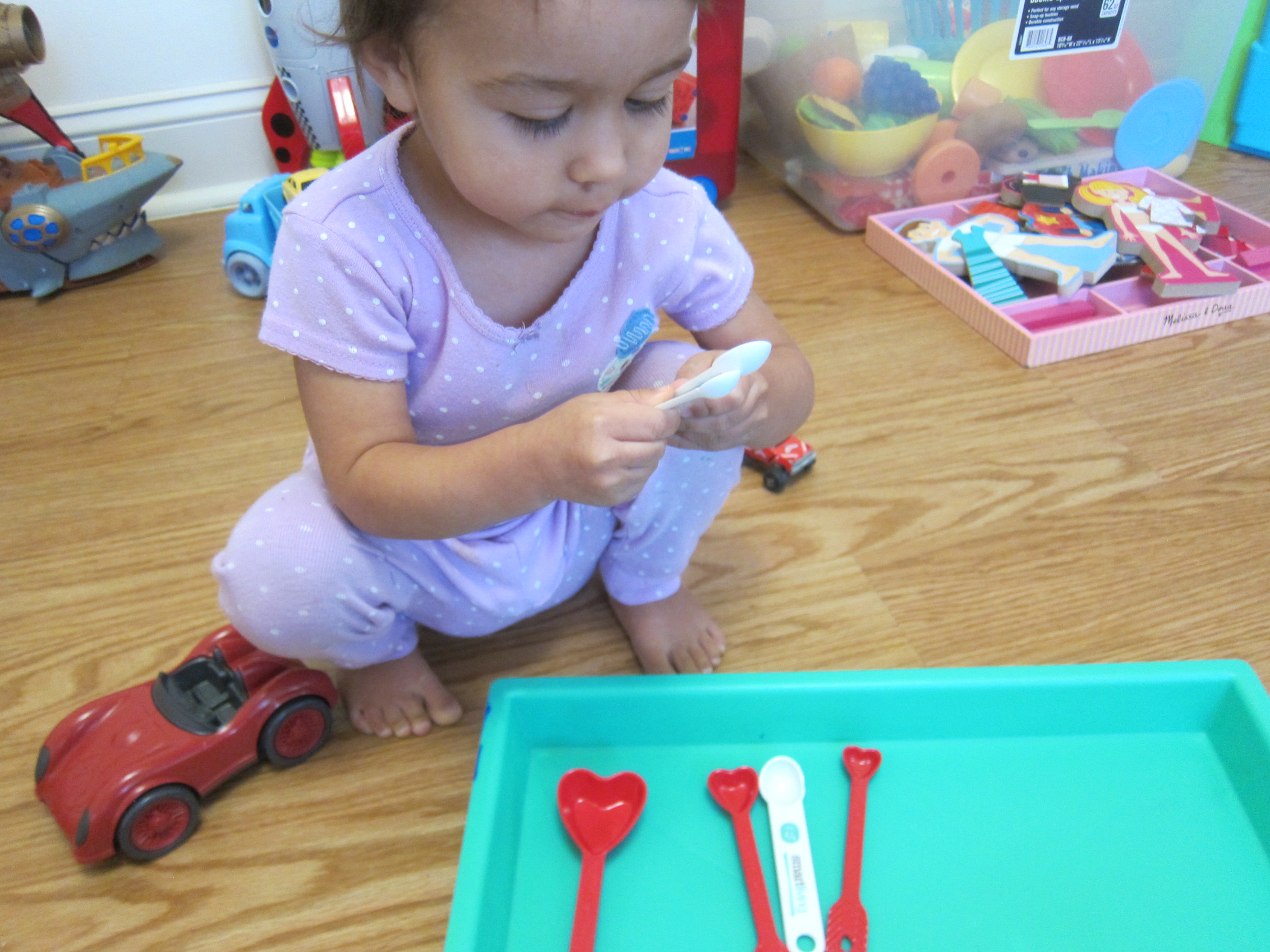
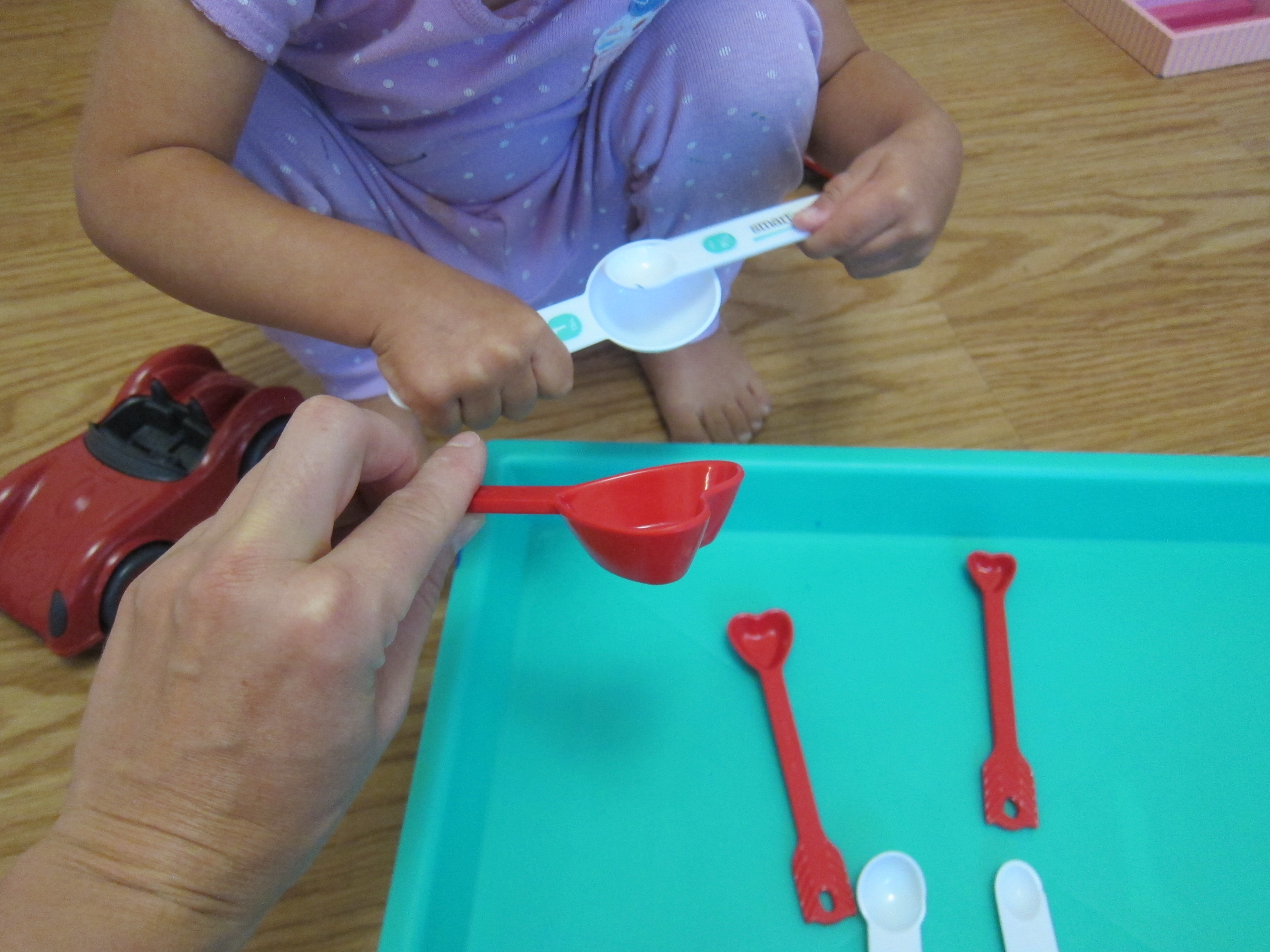
Veronika loves playing with spoons, whether little measuring spoons or big cooking spoons. I decided to sneak a little learning in while she had them out as a toy today.

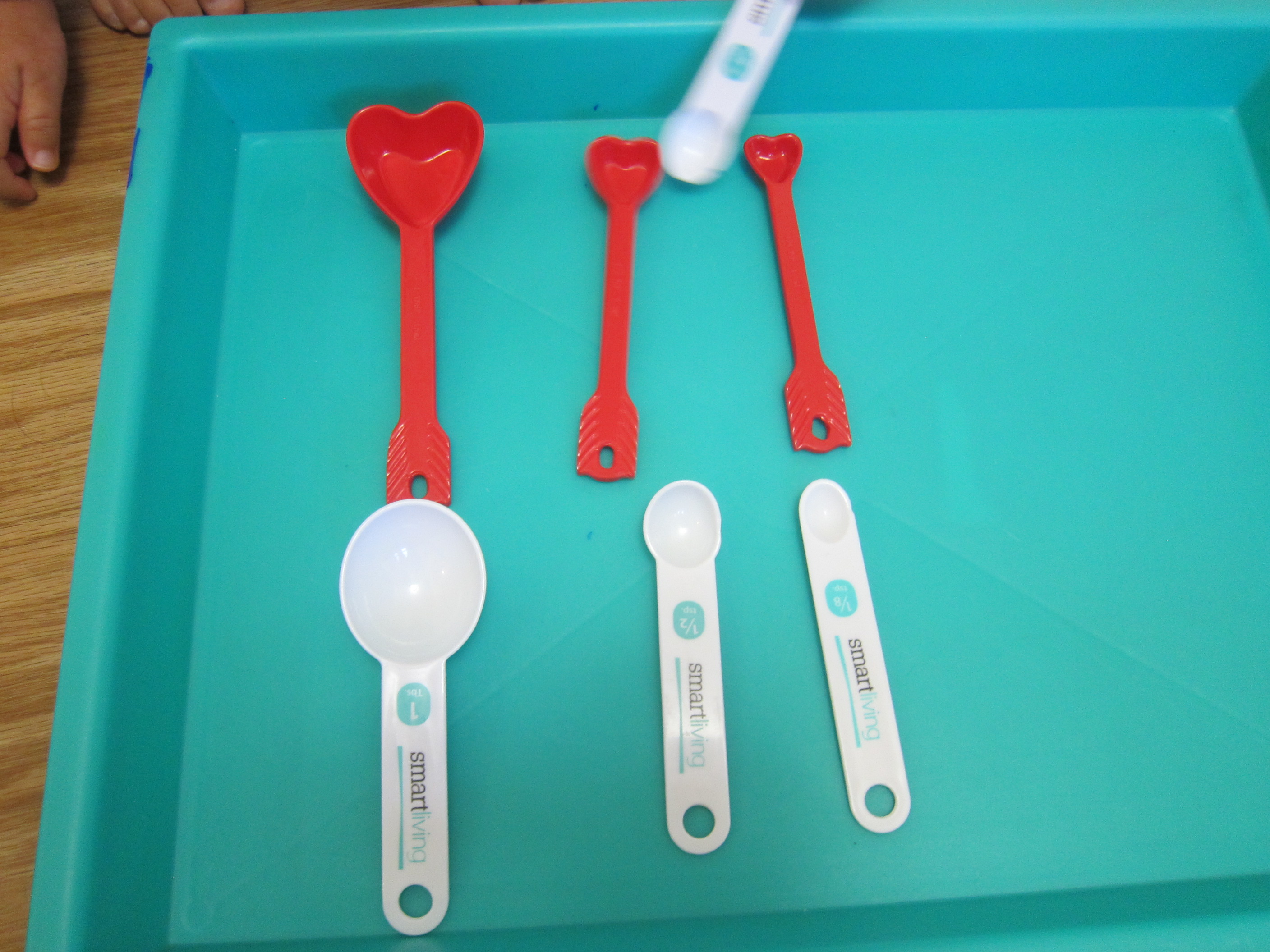
I broke apart two sets of measuring spoons and lined them up as large (tablespoon), medium (teaspoon), and small (1/4 teaspoon). Then I encouraged Veronika to match big with big, little with little, etc.

Spoon Match (1)

Grated this task was tricky because one set was heart-shaped and the other a standard oval, so they weren’t necessarily intuitive as a “match”. But she sort of got the idea, especially with the two small ones.

Spoon Match (3)

She fairly quickly returned to just playing with the spoons, but it never hurts to sneak in some quick learning!

Spoon Match (2)

Monkey, Monkey

Monkey Monkey (6)

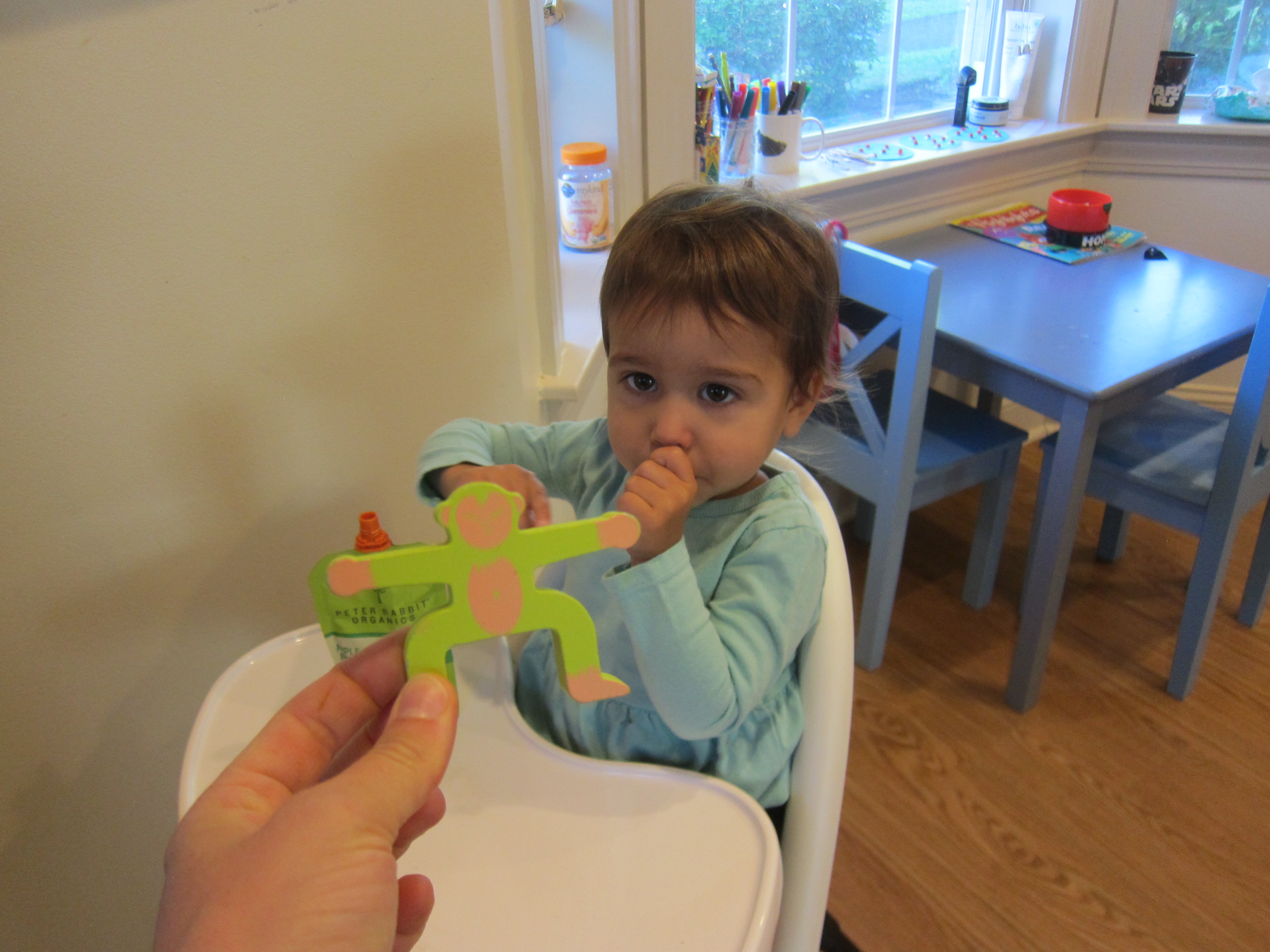
Thanks to the influence of a certain big brother, Veronika has learned to say, “I want [fill-in-the-blank], gimme!” When I then remind her, “Say please, not gimme,” she becomes impish, doubling down on the “gimme”. So I came up with this incentive to guide her back towards the magic word of please!

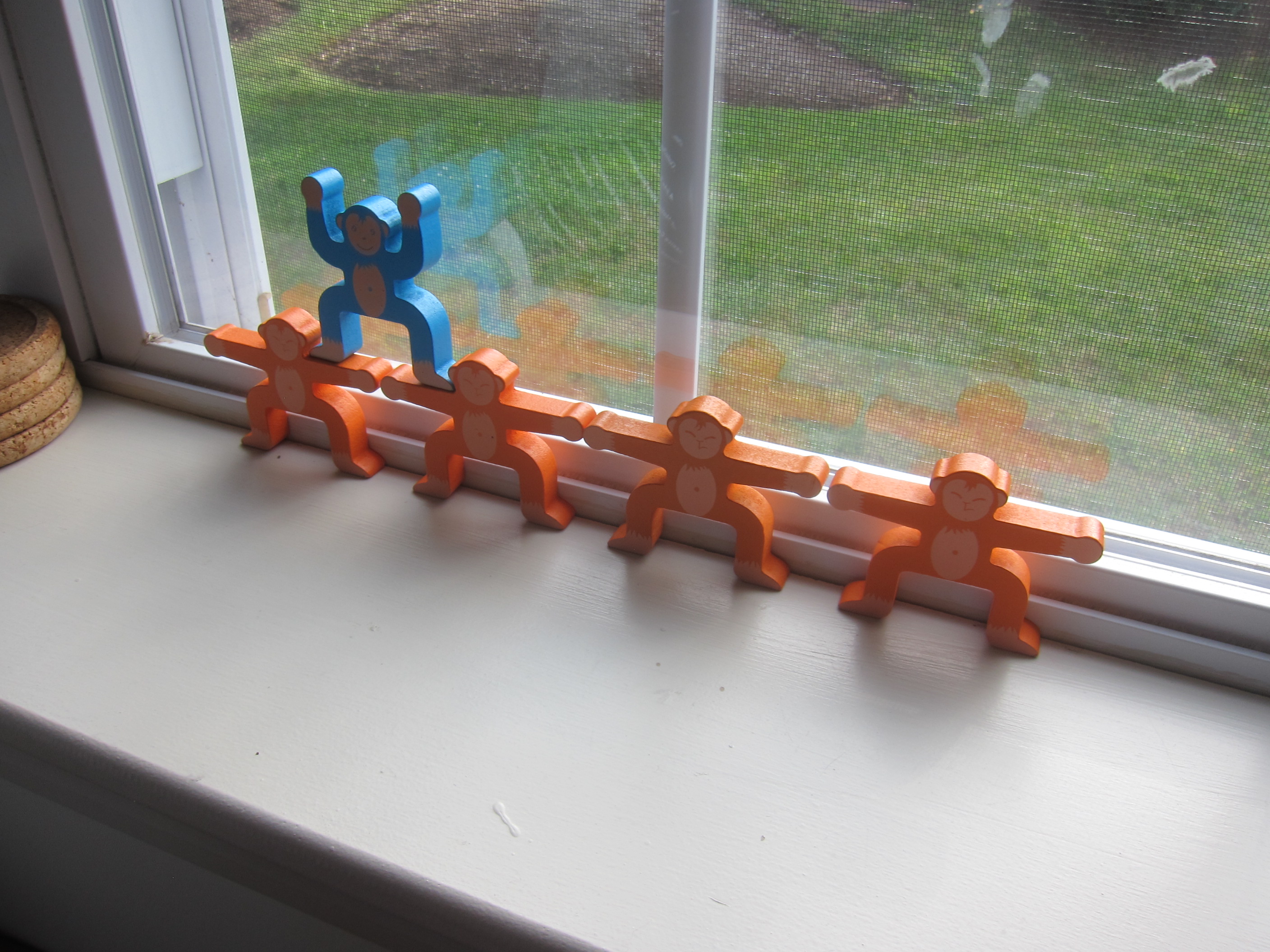
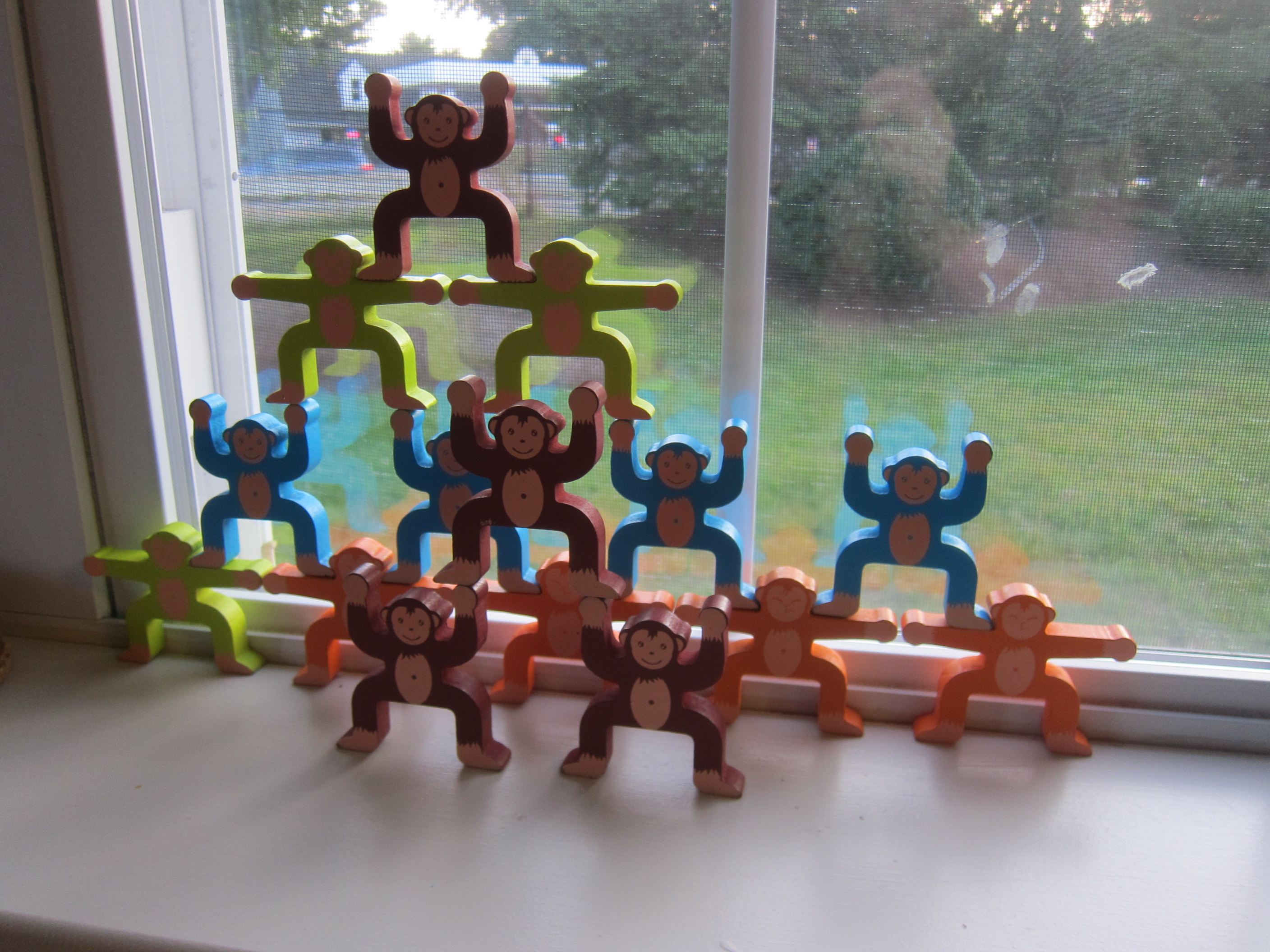
We have a set of stacking monkeys that the kids love. I told them that every time Veronika says please instead of “gimme”, a monkey gets added to a tower. Travis’s job is to help remind her that “please” is the word to use. Once the monkeys are all in a pyramid, the kids get a reward.

Monkey Monkey (1)

To incentivize Travis a bit more, a monkey also gets added when he does a kind deed for his sister.

Monkey Monkey (4)

I love that this added an element of sibling cooperation to the game. Part of the issue, I realized, is that I taught Veronika to say “please” using sign language. Reminding her of the sign prompted her to start using it, rather than “gimme”.

Monkey Monkey (2)

By the end of the first day, the monkey pyramid was growing. Travis was so proud when he could add one for his good behavior.

Monkey Monkey (5)

After two days, the monkeys had all been stacked – success! The kids decided they wanted hot chocolate from a cafe as a reward, a rare treat. And well earned!

Monkey Monkey alt

Little Passports: England

LP England alt

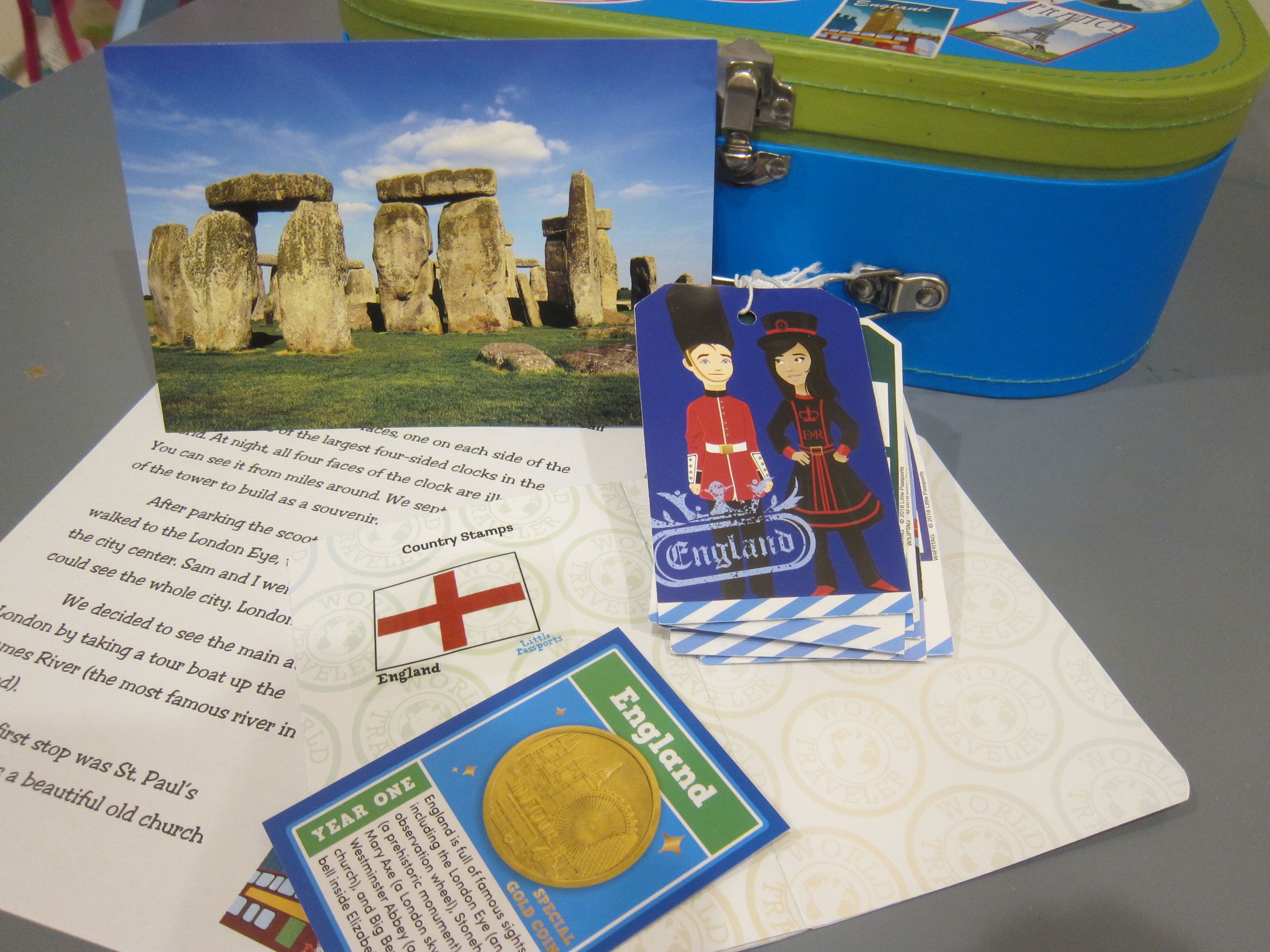
Travis enjoyed learning about England in this month’s kit from Little Passports, not least of all because it involved lots of puzzles (and I mean lots!). As with the India package, he had a personal interest, too, because he has some English heritage.

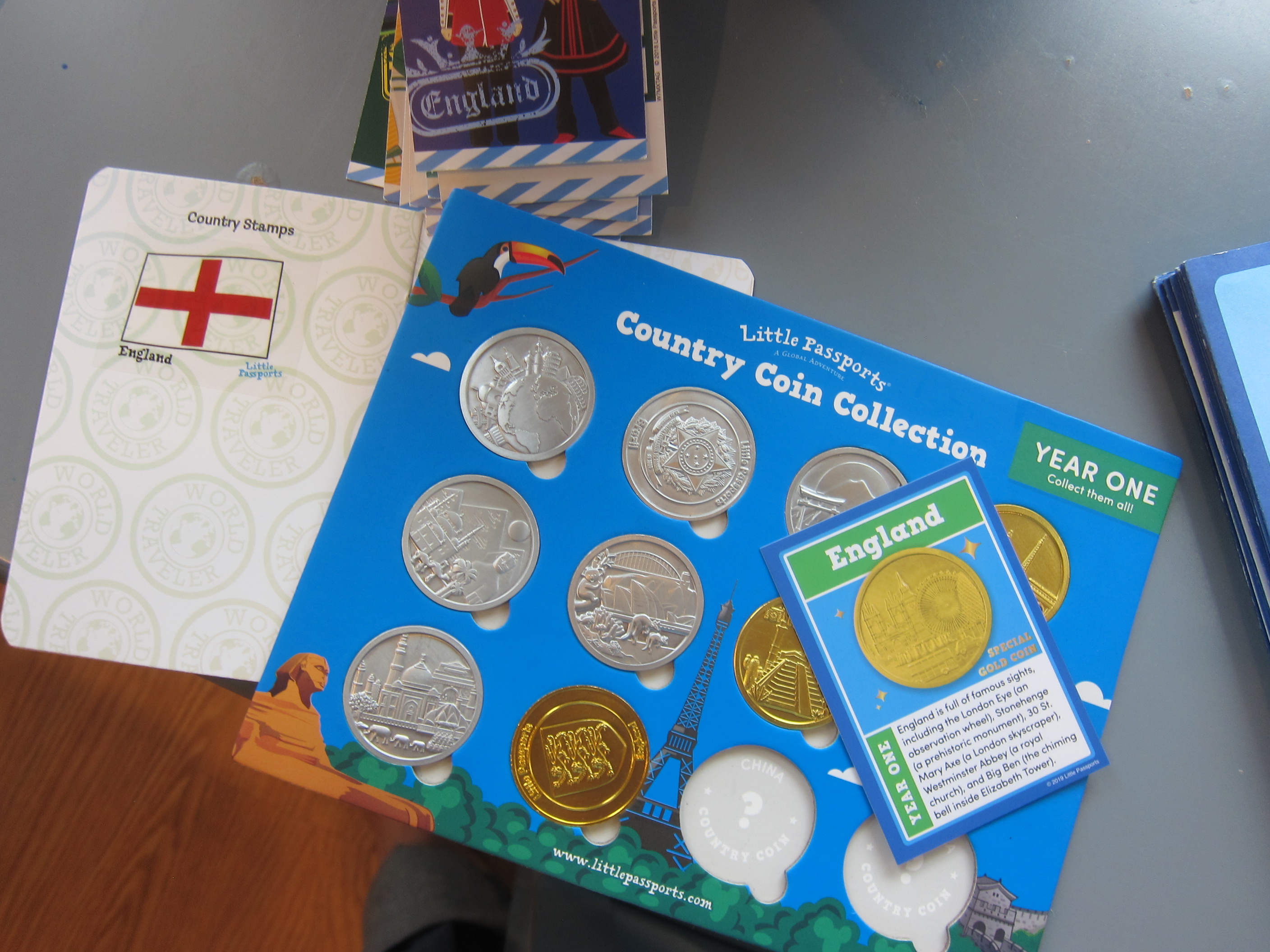
After familiar finds in his package like a world coin and stickers for his map, passport, and suitcase, we turned to the booklet.

LP England (7)

This month’s booklet allowed him to tackle a crossword puzzle, spot four-of-a-kind images, and do a mapping activity.

LP England (12)

That last is the only one I would say was beyond his grade level.

LP England (11)

Souvenir:

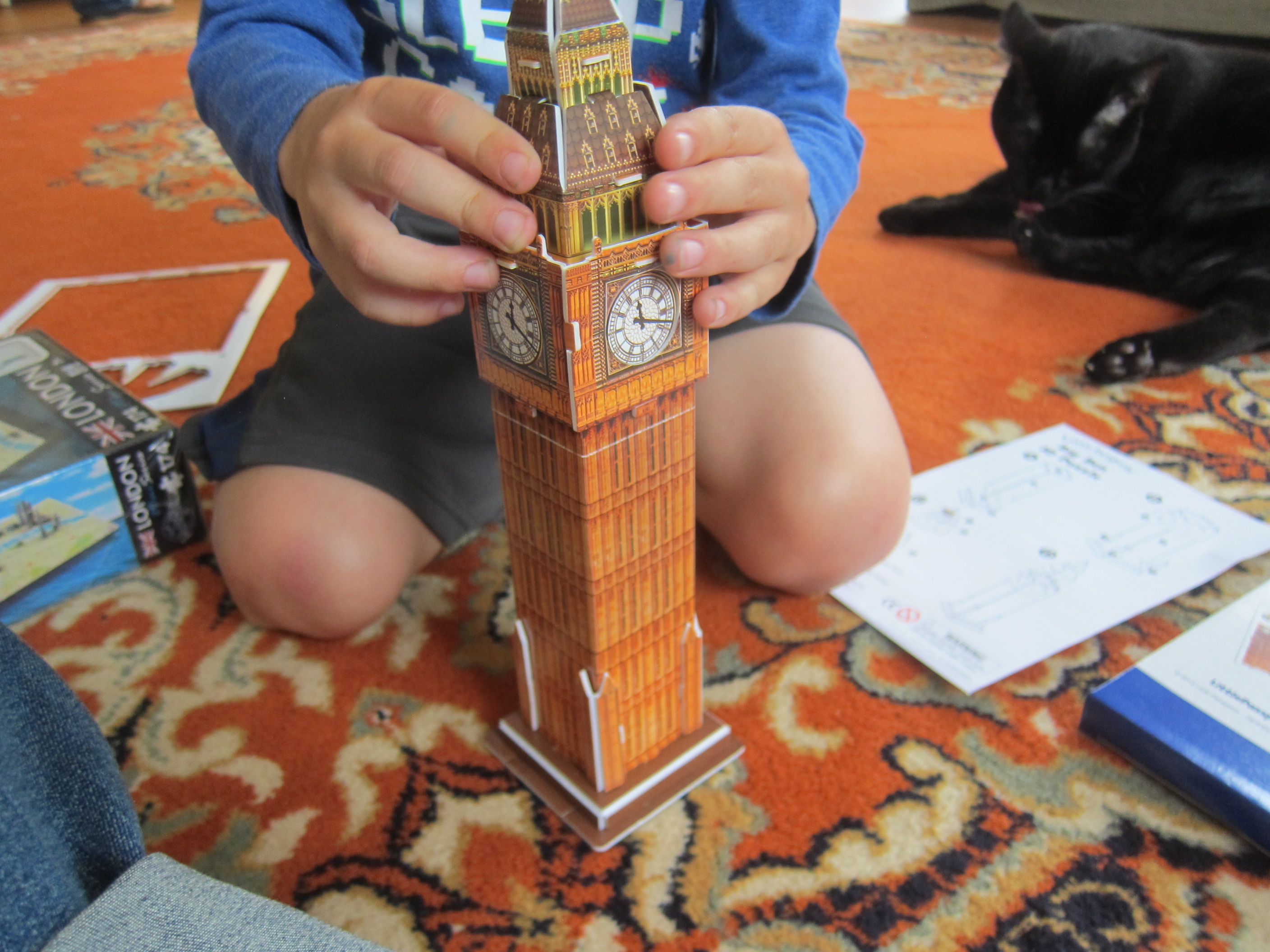
The souvenir was a 3-D puzzle of Big Ben, a huge hit because Travis once had an obsession with this clock tower (yes, we used to watch videos of it chiming). Now we could build it!

LP England (8)

The puzzle slots together easily, but a parental note of caution: it didn’t last long because Travis wanted to play with it more like an action figure.

Further Activities:

I was happy to see a wide variety of activities this month, both in the booklet and continued online. For science, we printed out a template for Newton’s color wheel. After learning briefly who Newton was, Travis colored in the provided circle in a rainbow.

LP England (17)

Glue onto cardboard for sturdiness and then thread onto a string that is 30 inches long. Wind the string up and then let it spin until unwound; it rotates fast enough that the colors blur back to white.

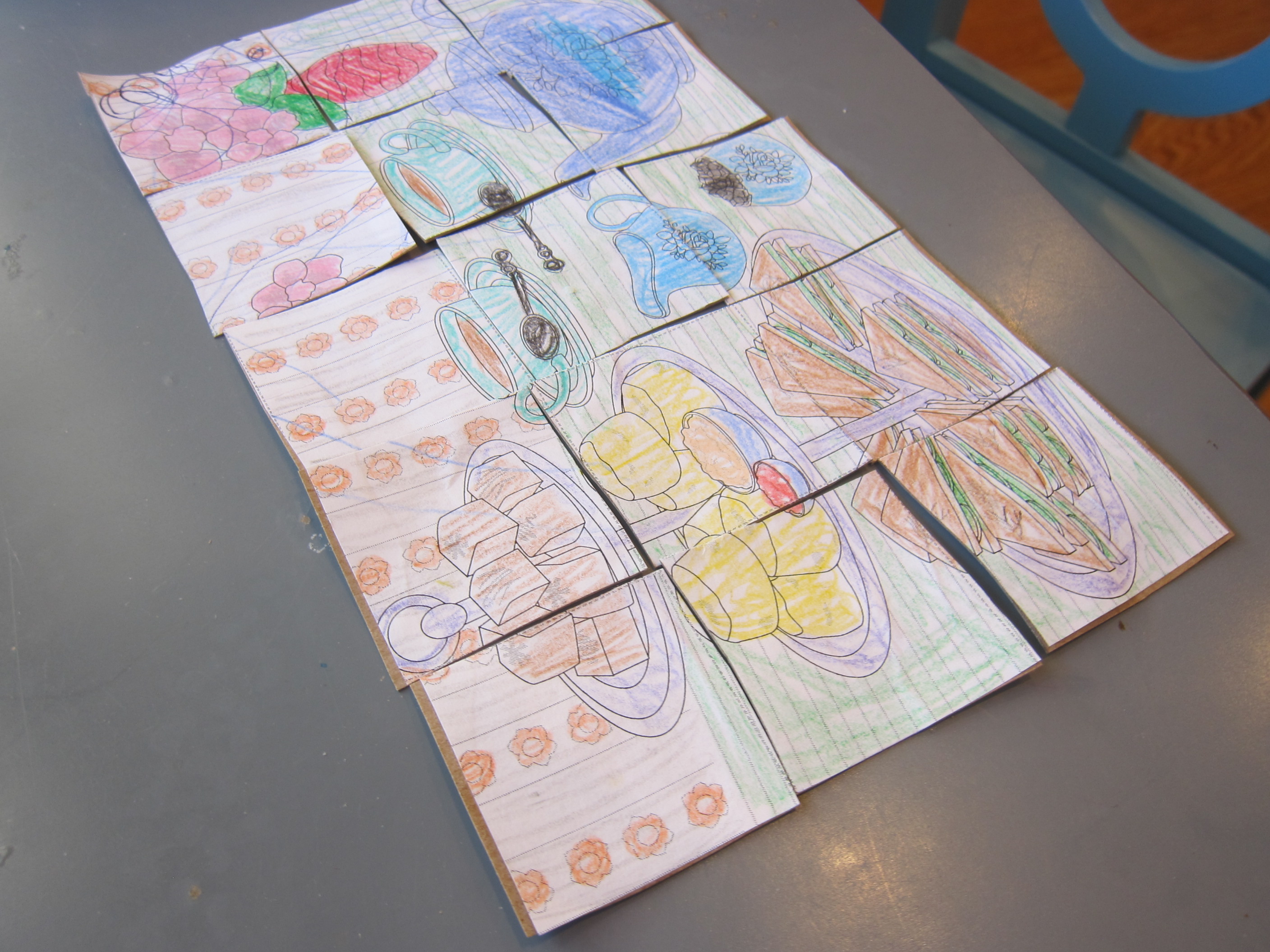
The website also had a printout of a British afternoon tea spread to color, which you can then cut apart and re-do as a puzzle.

LP England (18)

Travis wasn’t terribly interested, but it was nice to color side by side.

LP England (19)

There were two available add-ons from the company with the England kit, and we opted for both. To extrapolate on the theme of Shakespeare and the theater, Travis made shadow puppets. He loved slotting together and decorating the cardboard theater first.

LP England (1)

Turn on the battery-operated lights, and then it’s time for felt puppets to take center stage! This is sure to be a great toy to play with even completely separate from this Little Passport’s package.

LP England (4)

The second add-on circled back to themes of mapping and puzzles: a 3-D puzzle of London.

LP England (10)

The puzzle was far beyond my 6 year old’s ability, but he loved slotting the landmarks into their spaces, and we read about each one in the provided insert.

LP England (6)

And after all that, the neatest project by far was to make Stonehenge from homemade play dough! We mixed 2 cups flour and 1 cup salt in a large bowl. We wanted to make it black, so added red, blue, and green food coloring to 1/2 cup water. It turned our mixture more gray than black, but that’s probably closer to Stonehenge’s hue anyway. Stir until the color is incorporated, then add an additional 1/4 cup water. Knead until you have a workable play dough.

LP England (14)

We arranged the plinths and monoliths on a piece of cardboard and left it to dry for about 1 day. Not only did this look awesome, but it was a great background for his Lego figures to play in, too!

LP England (15)

Recipe:

We always end these country kits in the kitchen. This month’s recipe was for Awesome Apple Crumble, which lived up to its name!

Awesome Apple Crumble (4)

Ingredients:

For the topping:

  • 1 and 1/2 cups flour
  • 3/4 cup brown sugar
  • Pinch of salt
  • 3/4 cup Earth Balance butter, cubed

For the filling:

  • 1 pound Granny Smith apples, peeled, cored, and sliced
  • 1/4 cup brown sugar
  • 1 tablespoon flour
  • Pinch of cinnamon
  1. To prepare the topping, combine 1 and 1/2 cups flour, 3/4 cup brown sugar, and the salt in a bowl. Add the Earth Balance butter and use your fingers to mix until the mixture looks like breadcrumbs; set aside.
  2. To prepare the apples, place the slices in a large bowl. Add the remaining 1/4 cup brown sugar, 1 tablespoon flour, and the cinnamon, stirring to coat.
  3. Spoon the apples into a 9×9-inch baking dish. Sprinkle the topping over the apples and bake at 350 degrees F for 45 minutes.
  4. Serve warm and drizzle with a little non-dairy creamer, which is closer to how the Brits would serve it than serving American-style with ice cream.

Awesome Apple Crumble (5)


Clothespin Apple Trees

Clothespin Apple Tree (8)

Autumn is by far my favorite season (apple trees! pumpkin spice! fall foliage!) and although Veronika is a bit young for it, there are so many apple crafts I want to make with her once her fingers become more dexterous and her understanding of the season increases.

But it’s never too early to throw in a cute craft about the changing seasons. So today was her first apple craft!

Clothespin Apple Tree (1)

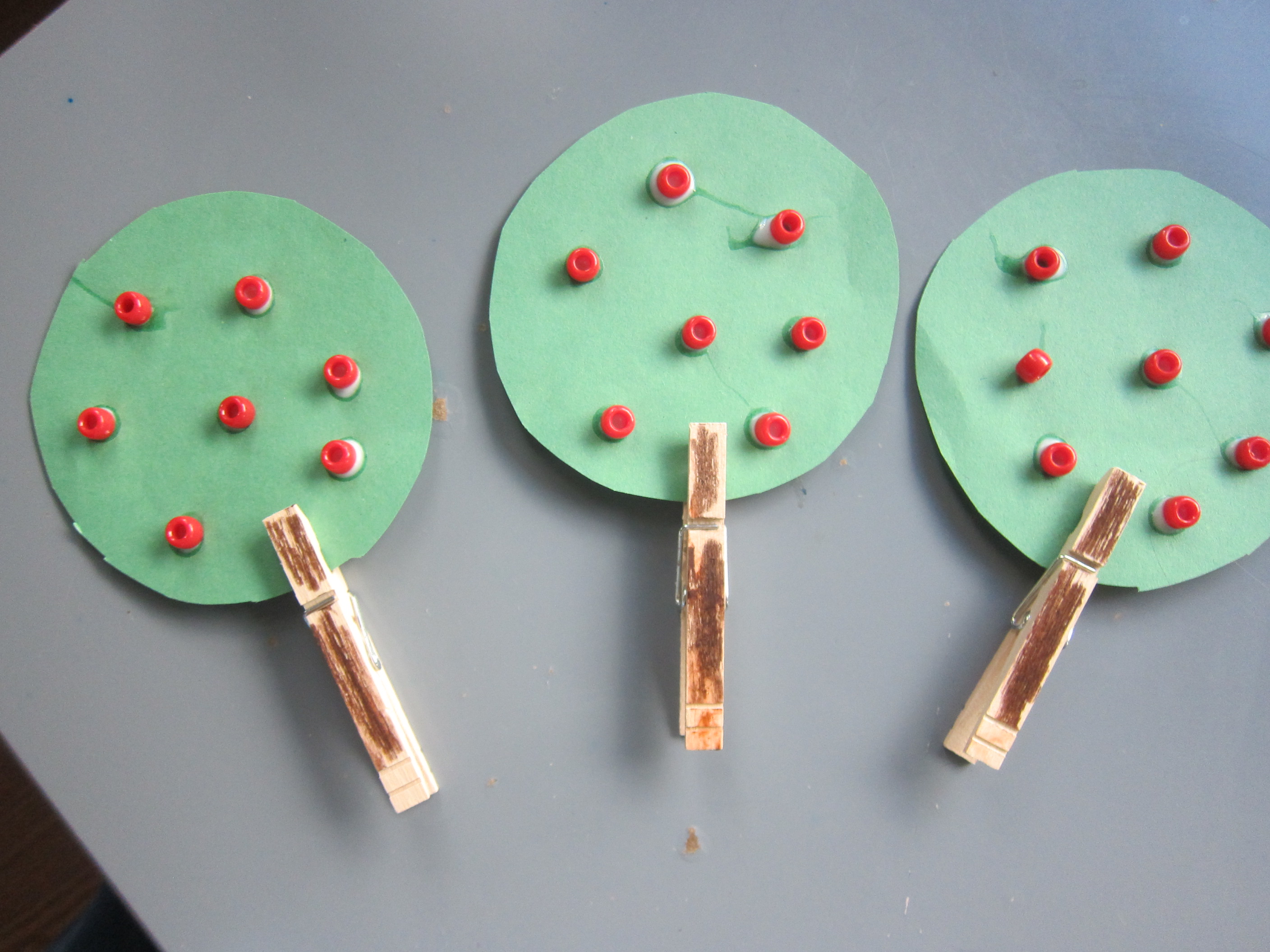
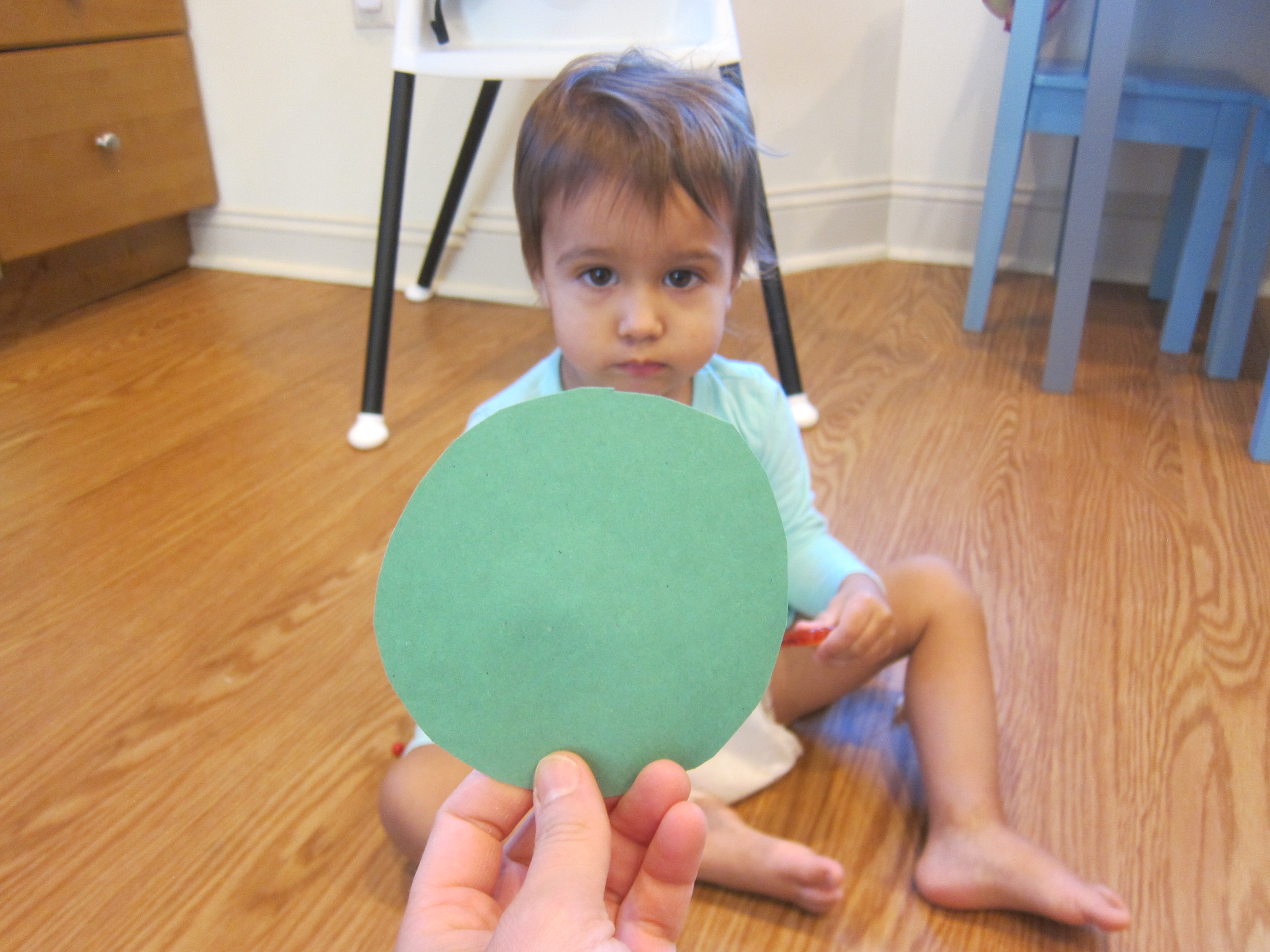
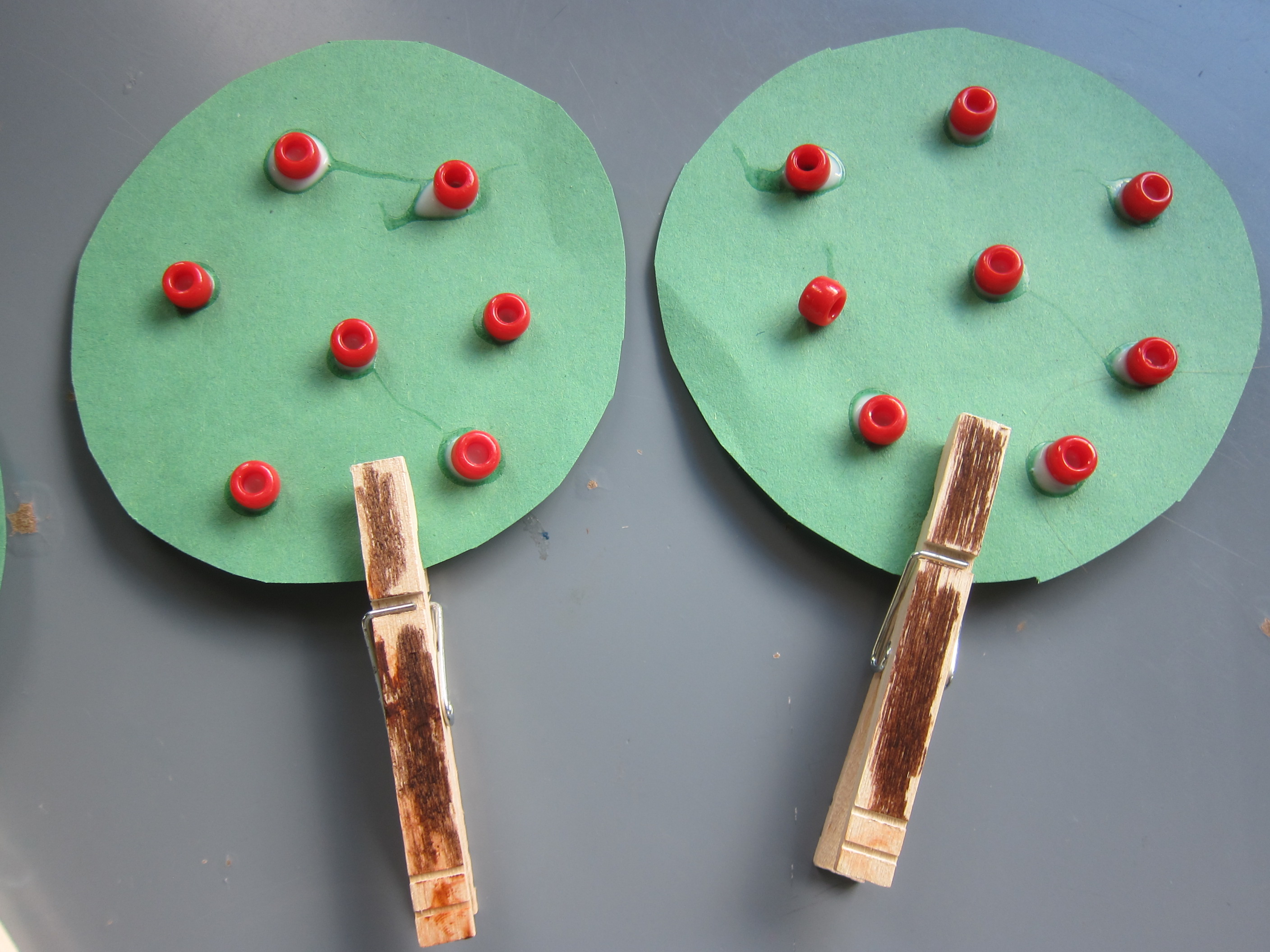
We cut green circles from construction paper for the leaves. Older toddlers can practice tracing around any round item to make these and can also practice with safety scissors to cut them out. Meanwhile Veronika loved pointing out to me that these were circles.

Clothespin Apple Tree (2)

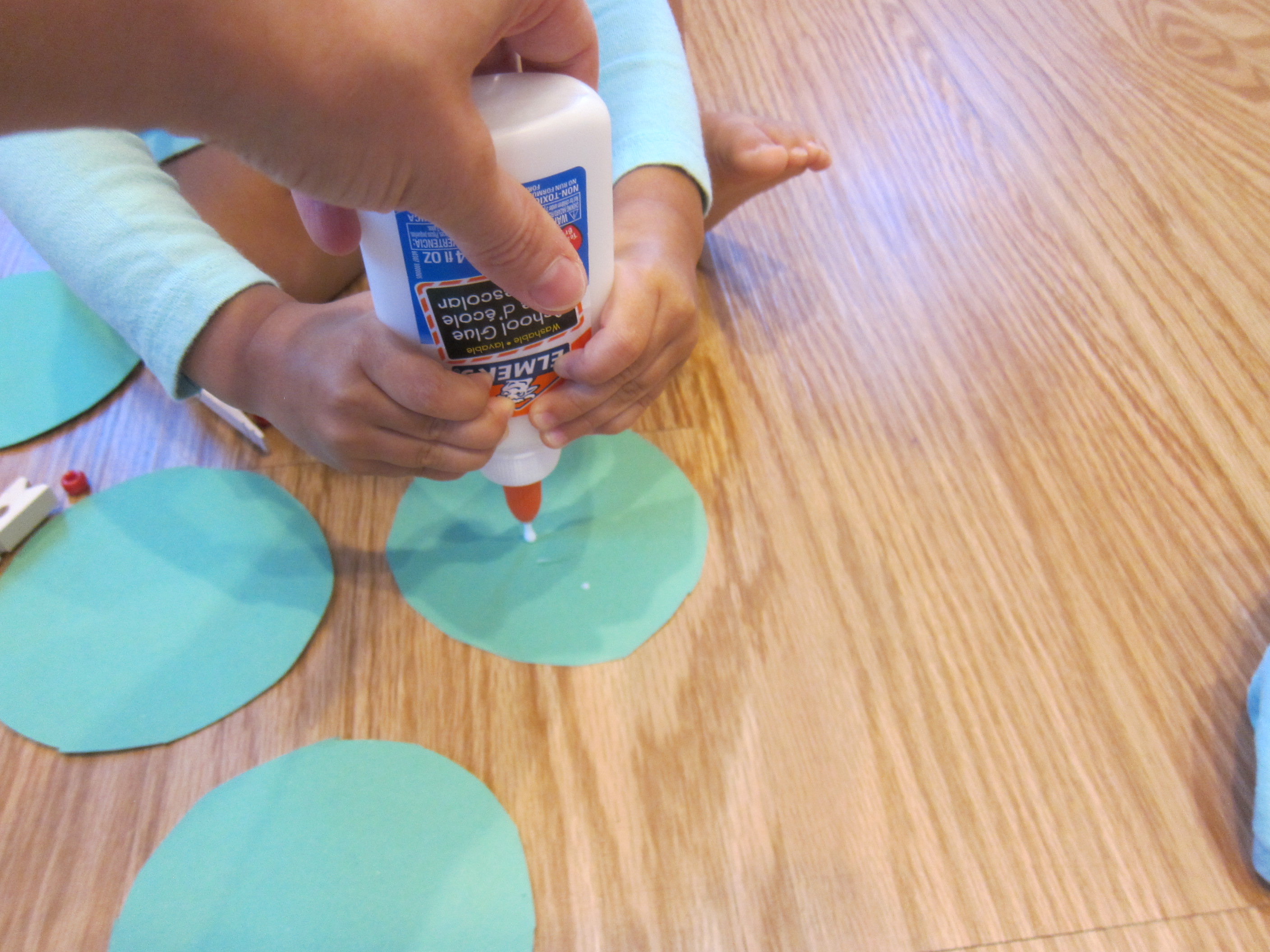
She then helped dot white glue onto the paper. Dotting glue is fantastic for strengthening little fingers!

Clothespin Apple Tree (3)

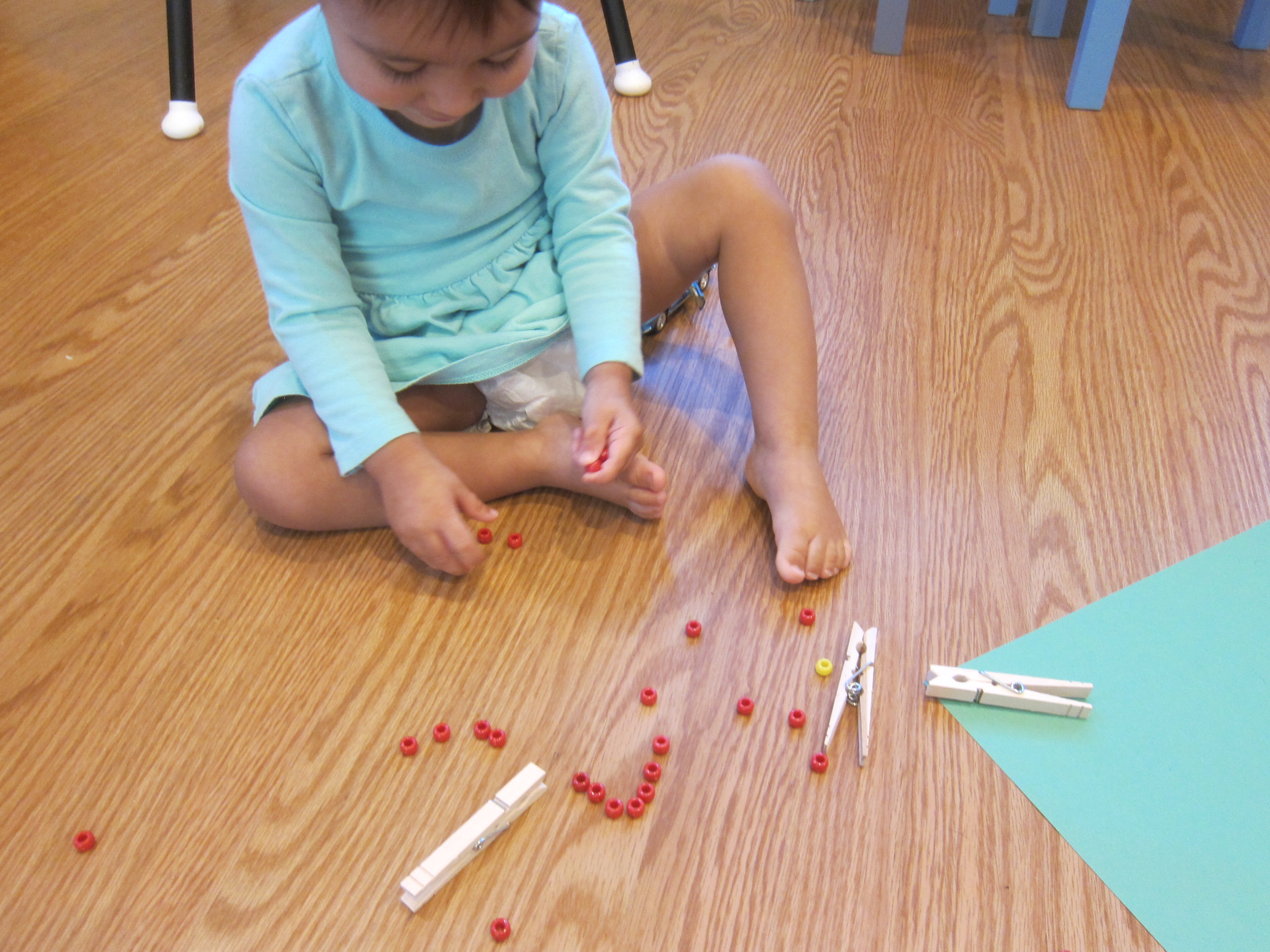
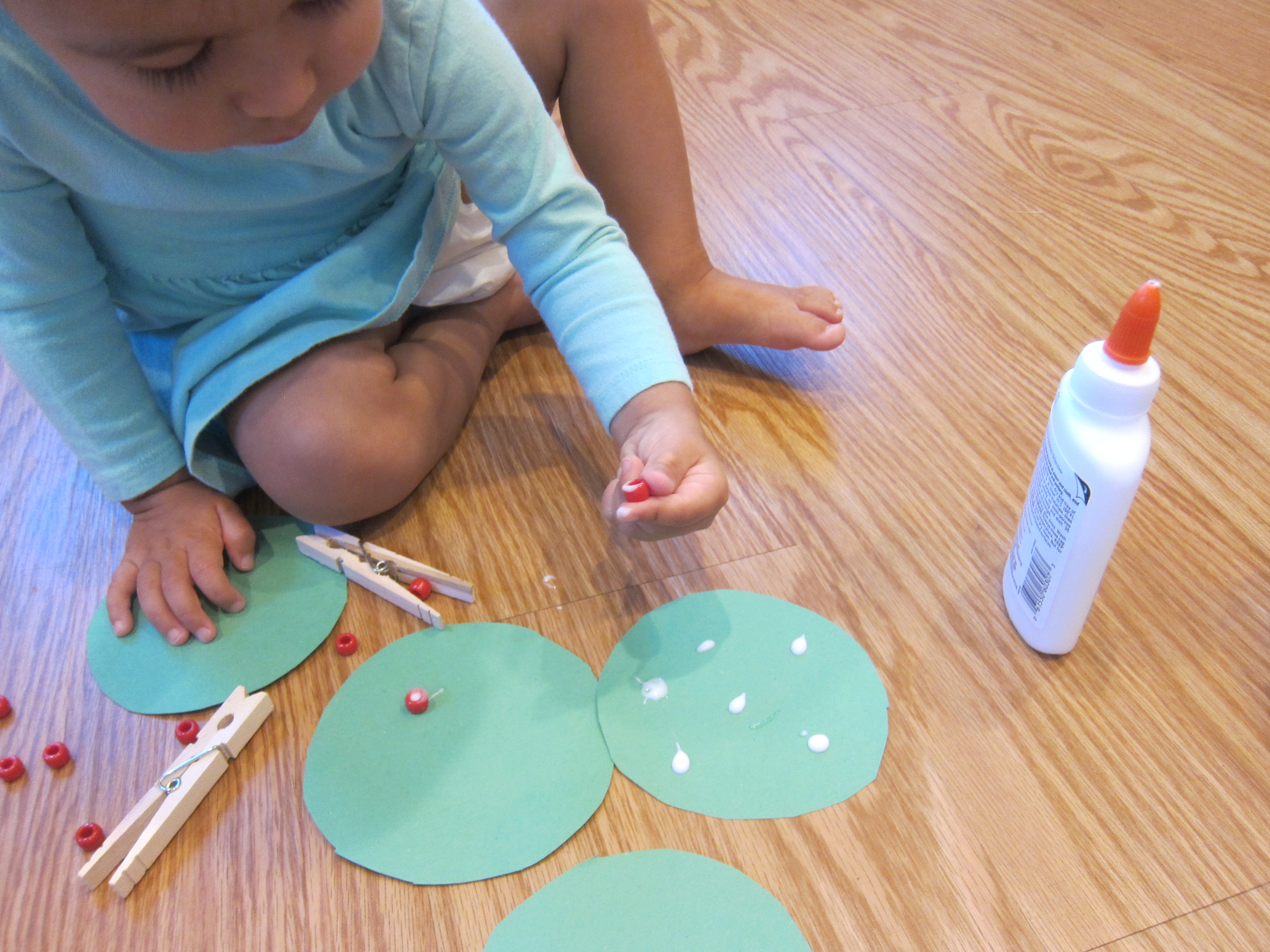
We added a red bead to each dot of glue. Red sequins would work, too!

Clothespin Apple Tree (4)

Of course, Veronika had just as much tendency to pull a red bead off the glue as to leave it on, but we managed to get a few finished trees.

Clothespin Apple Tree (5)

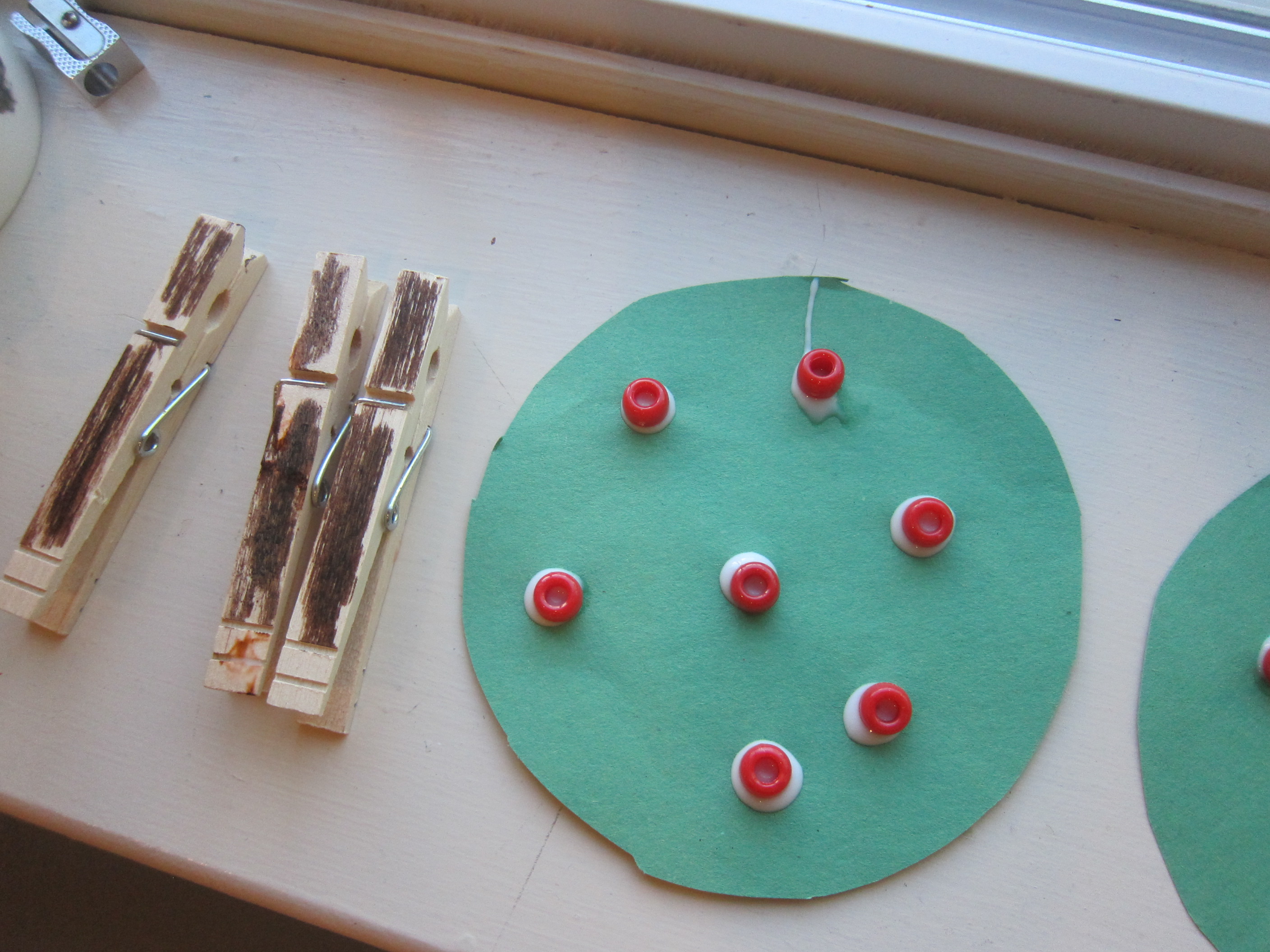
For the trunks, use brown marker to color on spring-type clothespins.

Clothespin Apple Tree (6)

Clip one on to each green circle once the glue dries.

Clothespin Apple Tree (7)

This would be a fantastic activity to do either before or after a trip to a real apple orchard.

Clothespin Apple Tree (9)

Back to School Week

Back to School (8)

180 days after COVID-19 upended everything, Travis walked back into a school building this week. Ahead of the first day, we brainstormed a list of goals for the first week. Then we added in a few fun activities (and eats!) each day to make the week feel truly special.

Goals:

  • To make a new friend
  • To make a fresh start/improvement
  • To start a new activity
  • To learn something new

Meanwhile, each day we tried to include something fun to eat, something to do, and something to make. Our week started on Tuesday, so here is how the four days went down.

Day 1

To eat: An A is for Apple Smoothie!

To do: Have a treasure hunt! I scattered school supplies (new pencils, new highlighters) as well as candy (Twizzlers) around the apartment, and Travis got to find them the moment he woke up. It made it feel almost like Christmas!

Back to School (1)

To make: A self-portrait! Travis drew a very small version of himself, which wasn’t exactly what I was imagining. But oh well, the idea is to see where your child is at with regards to art, here in September. It will be interesting to repeat this activity on the last day of school!

Back to School (4)

Day 2

To eat: Double-Pumpkin Muffins!

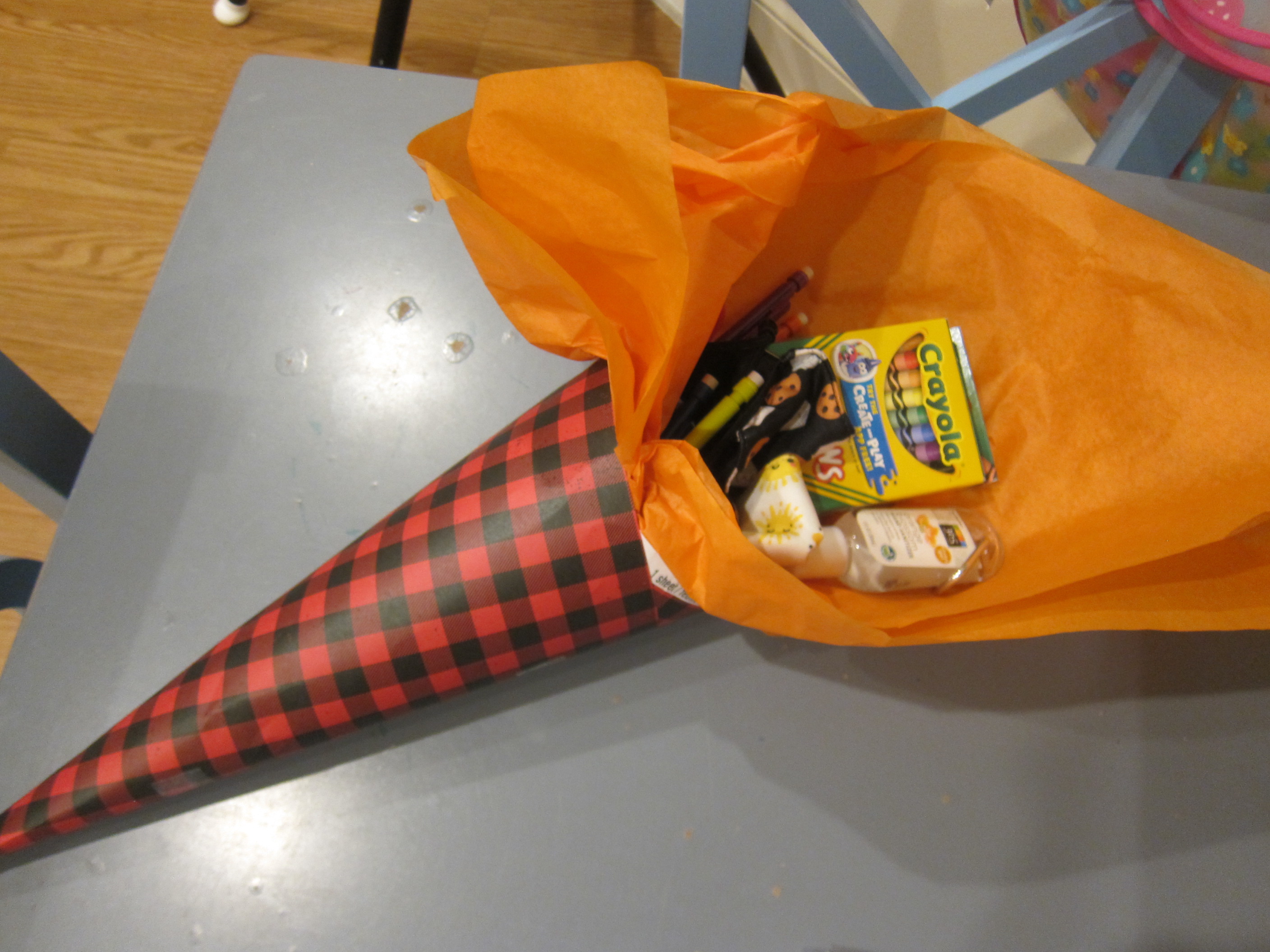
To do: Receive a schultute. I put together a simplified version of this German tradition by wrapping a piece of sturdy decorative paper into a cone. Tape shut and then trim the edge so the top rim is an even circle. Stuff with tissue paper, and then with school treats.

Back to School (9)

We included supplies he’ll need (crayons, pencils), COVID-era extras (his favorite mask, hand sanitizers), and treats – Twizzlers that is!

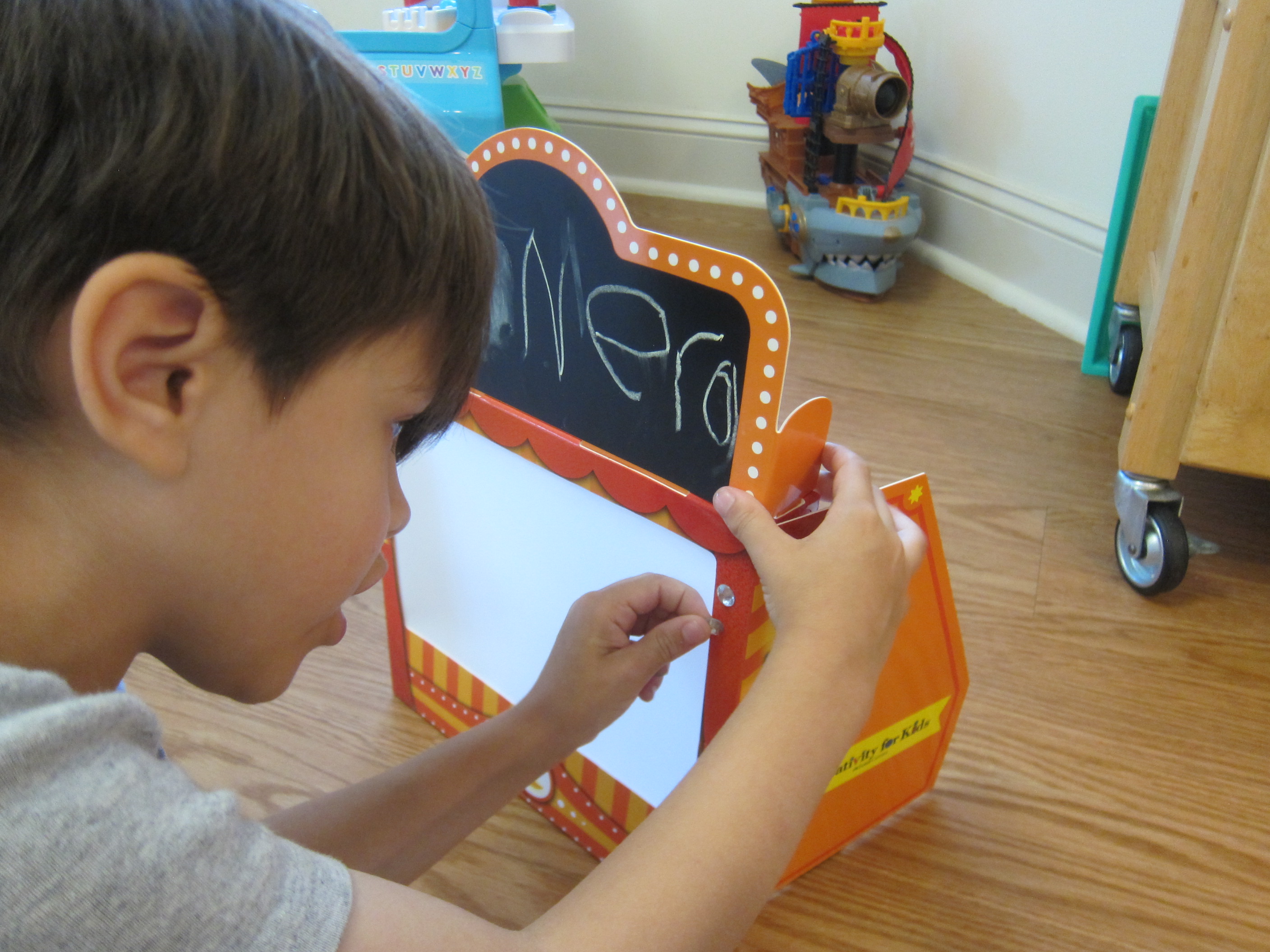
To make: Decorate a chalkboard with school-themed stickers. Write in your child’s new grade, and pose for pictures of course!

Back to School (6)

Day 3

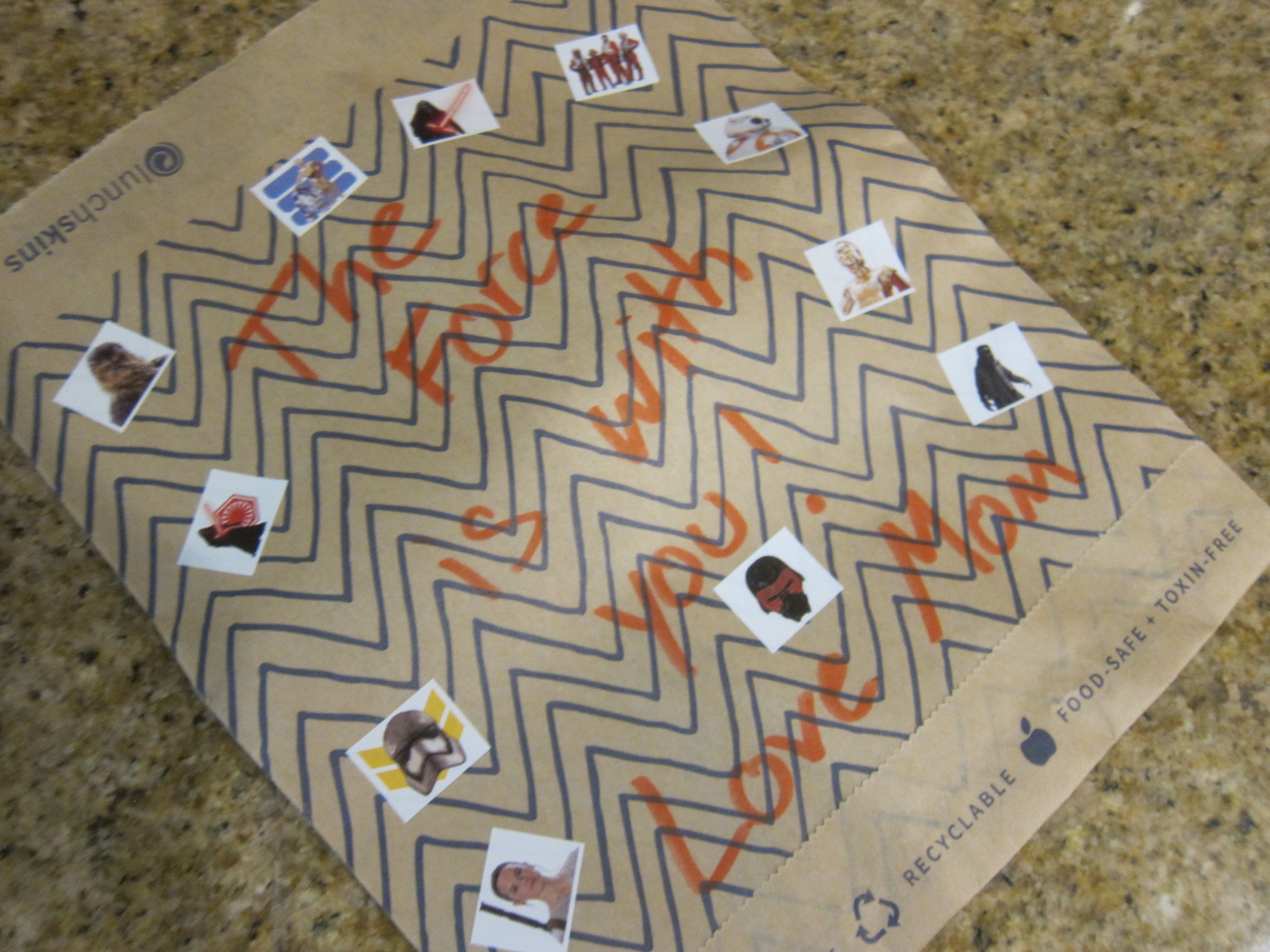
To eat: A special snack! Decorate your child’s snack bag with stickers from a favorite show or movie. Don’t forget to add a little note of encouragement.
Back to School (10)

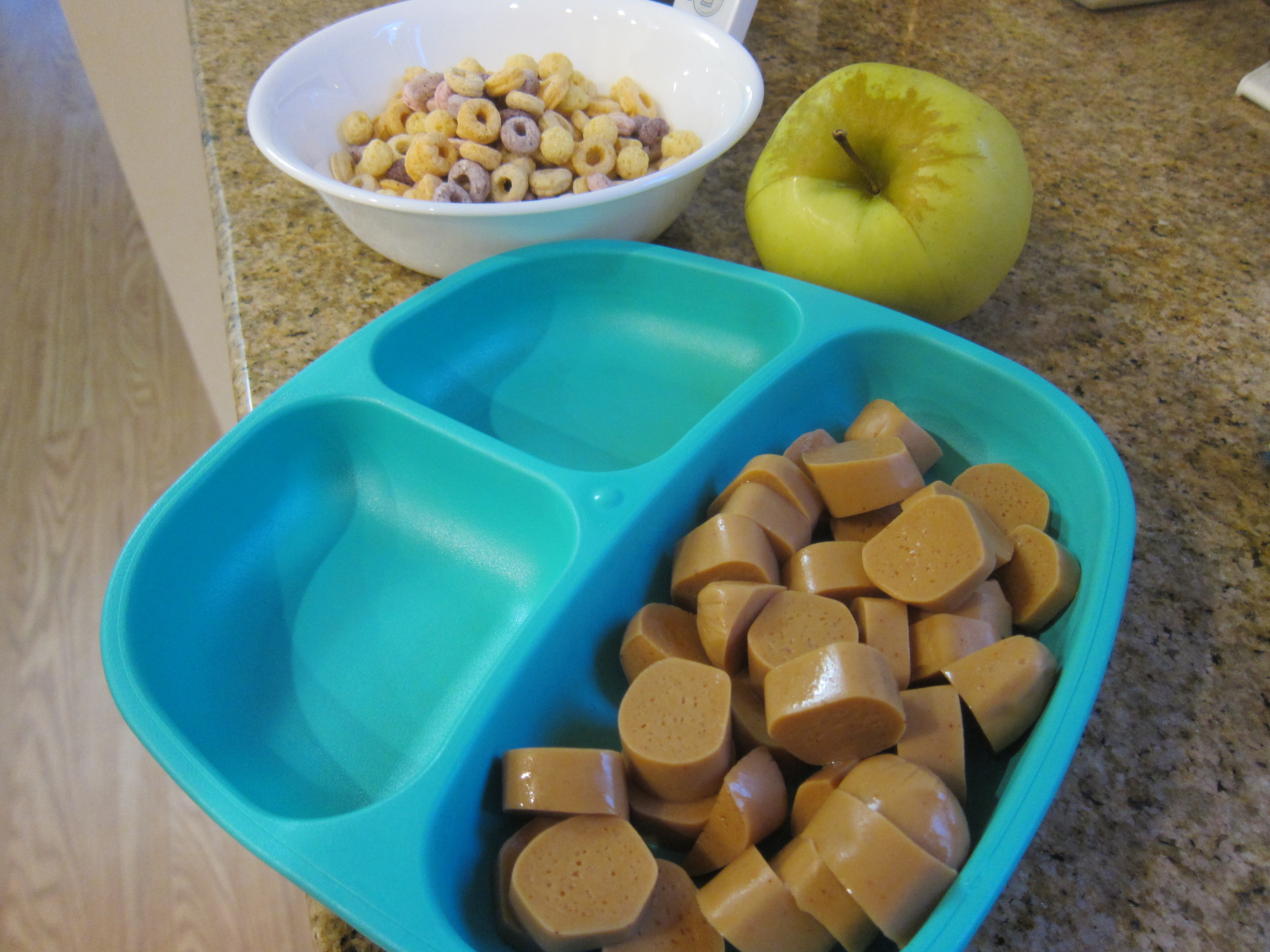
To do: Make it Backwards Day! Whether you extend this theme all day long (like wearing clothing backwards or doing a silly activity backwards) or just add a few backwards points here and there, it’s a great way to keep kids positive and playful mid-way through the week. To wit, Travis was about to turn grumpy about school until I told him we were having dinner for breakfast and vice versa. He started the day with a favorite meal: hot dogs!
Back to School (13)

To make: A vision board! Flip through magazines and have your child cut out pictures that provide inspiration or goals for the year ahead. We were a touch limited with only a few doll catalogs on hand, but actually this worked out well. Travis selected images to go with: making new friends, having his own locker, playing sports, and taking care for our cat. Your child could also draw their goals if you don’t want to be limited by magazines.

Back to School (5)

Day 4

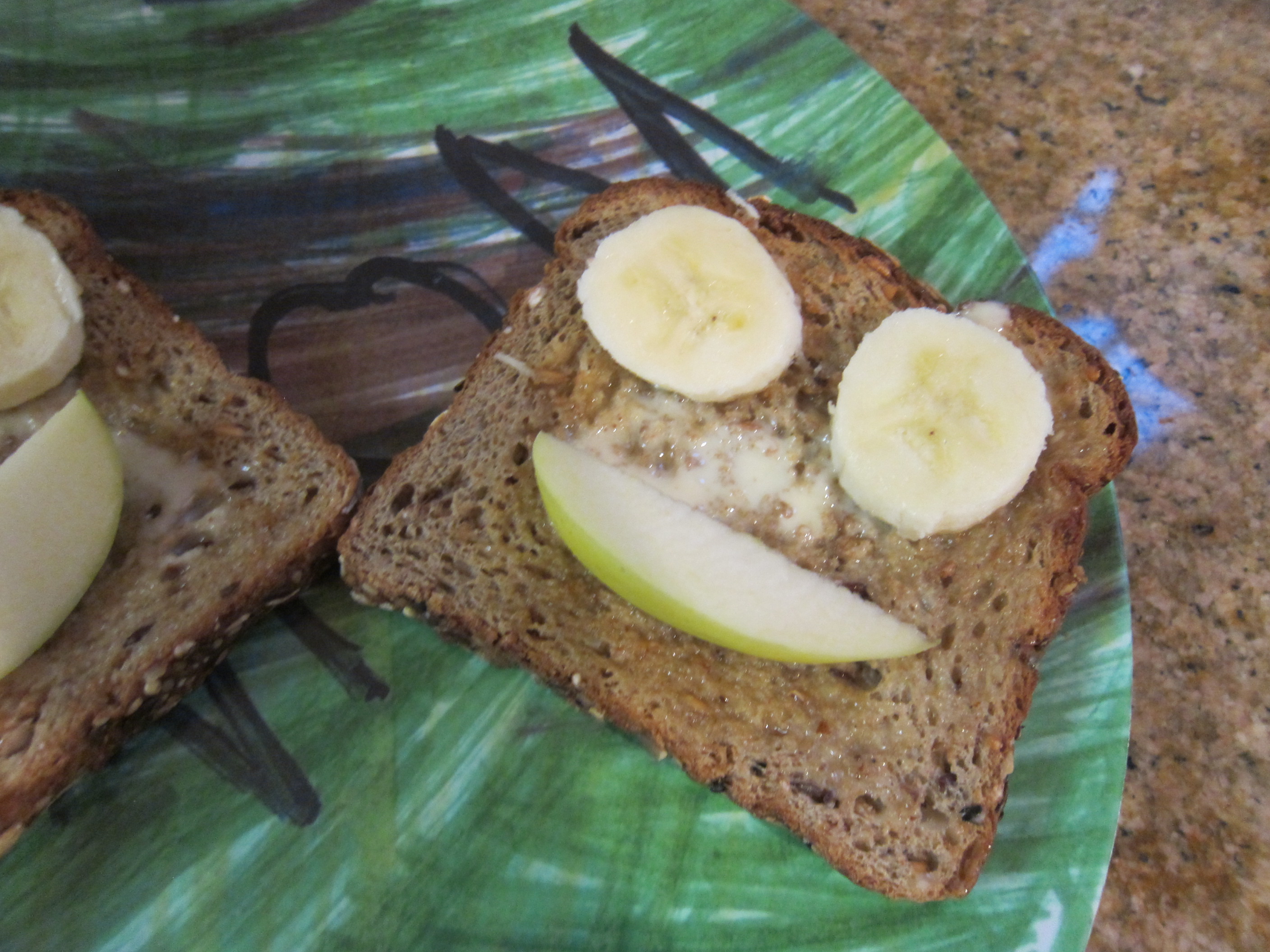
To eat: Fruit Faces! This can be as simple as banana slice eyes and an apple wedge smile on a piece of toast, but it’s sure to make kids wake with a smile even after a groggy start.
Back to School (12)

To do: Make it Spirit Day! Even if no one else in school is doing so, get rah rah and show school spirit by dressing in school colors.

Back to School (14)

To make: Start a video! Capture these moments of first-week-back excitement with little video clips. You can then take several mini clips and edit them together into one longer video, if you have access to the right app or software.

Recap:

At the end of the week, I checked in with him on his goals.

Regarding a new friend, he’s already bonded further with a girl he only knew from the cafeteria last year, who is now a classmate.

For a fresh start, he’s improved on his Zoom behavior markedly!

For a new activity, he’s all signed up to join our local Cub Scouts.

For learning something new, the class has already learned a new math game.

Happy Back to School!

Marshmallow Treats

Marshmallow Treat (1)

Okay, so this treat isn’t healthy and it’s only redeemable value is that your toddler will have an absolute blast with it. But sometimes that’s what snacktime calls for on a cloudy day!

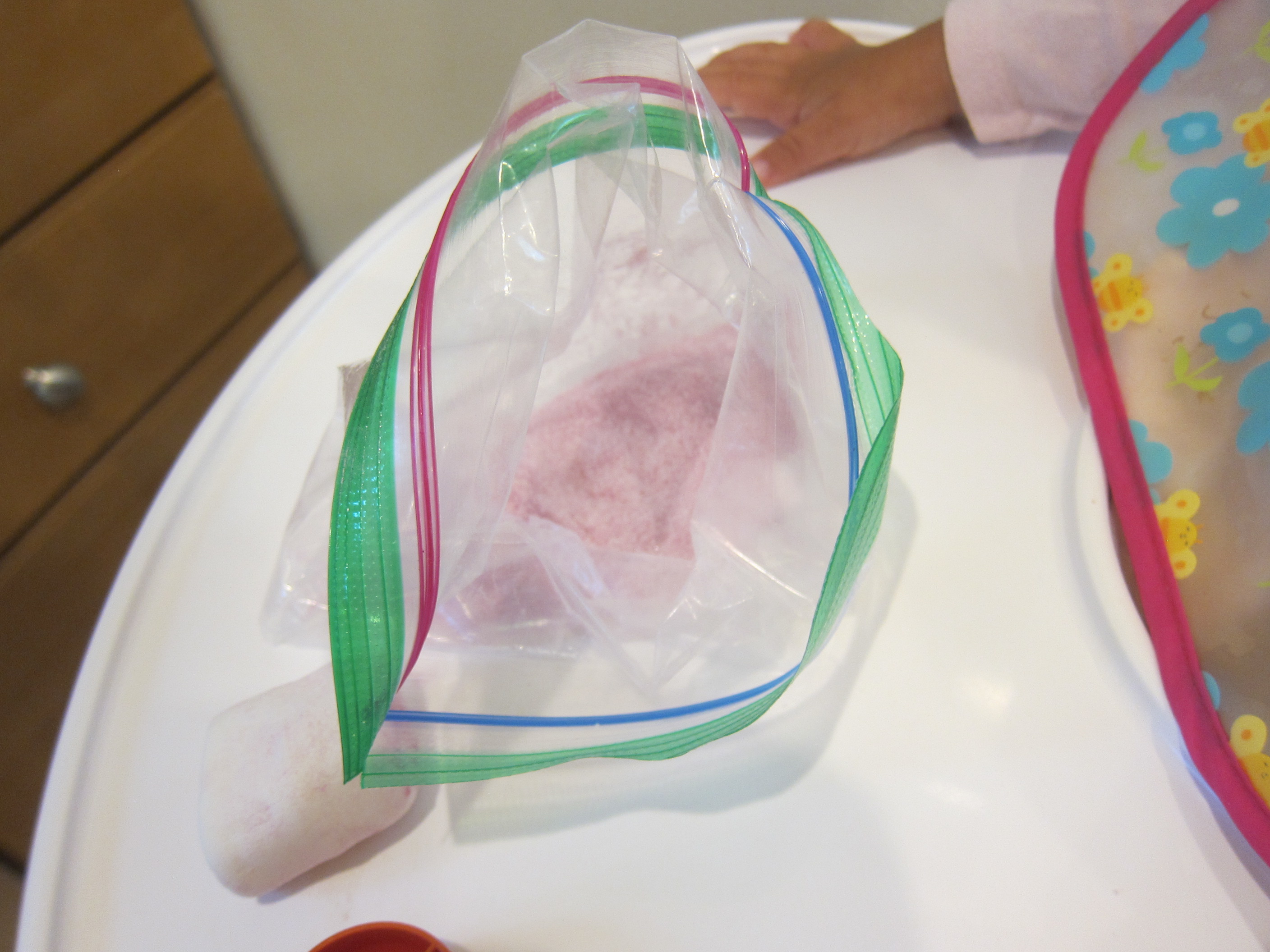
I sprinkled the powder from raspberry-flavored vegan jel dessert (try Simply Delish) into a zip-top bag, and folded the edge down slightly so  Veronika could reach inside more easily.

Marshmallow Treat (3)

Then I handed her big marshmallows!

These were a novelty, since she’s only eaten the minis before. I showed her how to dip a marshmallow into the powder and then take a taste. On the first dip, your child won’t be terribly rewarded. But once the marshmallow is sticky, each dip means more dessert powder in the next bite.

Marshmallow Treat (2)

Yum!