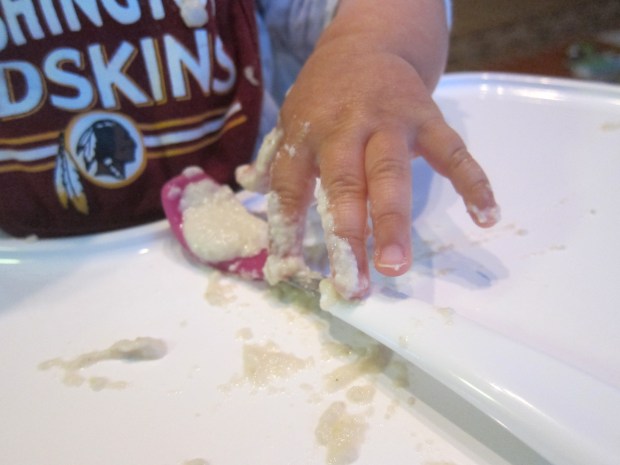
Starting at five months old, I began introducing Veronika to… food! It quickly became apparent she preferred Baby Led Weaning; this girl wanted to be in charge of her spoon and hold food with her hands! But I am still supplementing with purees, to help her learn the fine arts of pushing food back with the tongue and swallowing. A baby’s nutrition at five or six months should still come almost entirely from breast milk or formula anyway, to the tune of about 24 to 32 ounces a day, so I consider all the recipes below to be “practice.”
Travis’s first meal was mushy peas, but for Veronika, I went with bananas.
Banana Mash
Peel one ripe organic banana and cut in half (reserve the other half for another use, or a hungry sibling!). Mash until very smooth with a fork.
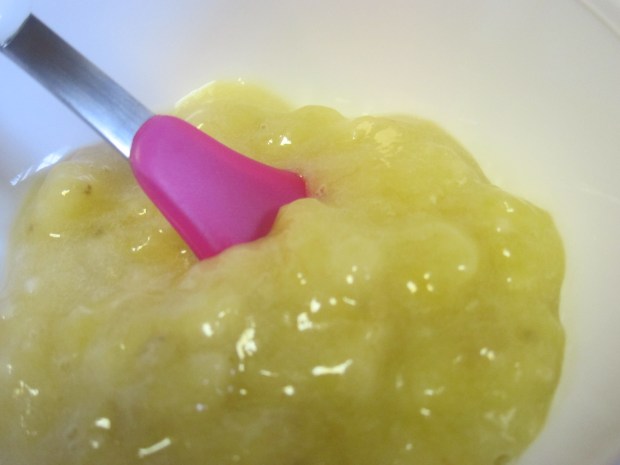
Squash Puree
Peel, seed, and chop one organic butternut squash to yield 1 cup cubes. Steam in a steamer basket for 10 minutes, until very soft. Puree in a food processor, adding additional cooking liquid until very smooth.

Baby’s First Rice Cereal
Mix 1 tablespoon of a store-bought prepared rice cereal with 4 tablespoons breast milk (or formula). This makes a very soupy mixture. Once baby seems to like it, make the mixture thicker by using less milk.
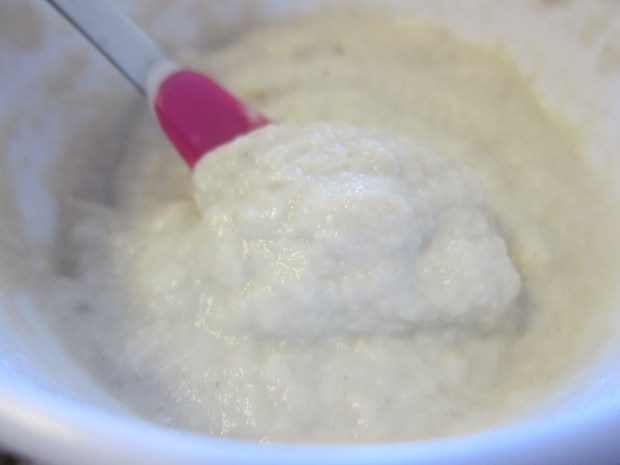
After the first few tries, I began making the cereal with hemp milk, since this is the milk I hope Veronika will graduate to once she weans. My preference for a rice cereal? Earth’s Best Organic.

Sweet Potato Puree
Peel and cube 1 medium organic sweet potato. Bring a pot of water to a boil and add the potato; cook for 10 minutes, until tender. Transfer the sweet potato to a food processor and process until smooth, adding enough reserved cooking liquid to make a thin puree.

Note: Of all the veggies she tried in her first month, this was Veronika’s favorite!
Sweet Pea Puree
Steam 1 cup frozen organic peas in about 1/4 cup water for 10 minutes. Transfer the mixture to a food processor and process until smooth. I recommend straining this one through a fine-mesh sieve before serving.
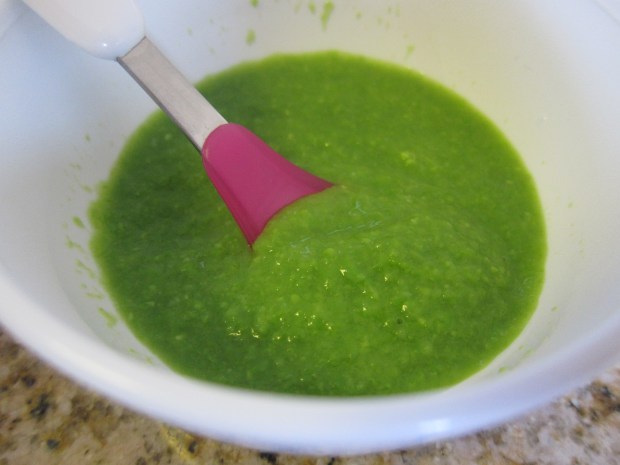
Apple Puree
Peel and chop 2 organic apples. We tried this recipe with Red Delicious, Braeburn, and Gala apples – all are nicely sweet!
Place the apples in a saucepan with 2 tablespoons water; cover and cook over medium-low heat for 10 minutes. Transfer to a food processor and puree until smooth

Avocado Mash
This is the easiest “recipe” of all time! Halve 1 organic avocado. Scoop the flesh from one side, reserving the other half for another use (or tomorrow’s mash). Mash with a fork until very smooth.

Green Bean Puree
Steam 1 cup organic green beans in 1/4 cup water for 10 minutes. Transfer the mixture to a food processor and process until smooth. As with the peas, strain this one through a fine-mesh sieve before serving.

Pear Puree
Peel and chop 2 organic pears. Place in a saucepan with about 1/4 cup water and cook for 5 minutes, until tender. Transfer to a food processor and process until smooth.

Dried Plum Puree
Combine 2/3 cup pitted prunes in a food processor with 3 tablespoons water; process until smooth.

If they are in season, use fresh plums instead! Just peel and chop before adding to the food processor.
 Peach Puree
I recommend using frozen peaches, since the season for stone fruits is so fleeting, unless you happen to be making this for your baby in the early summer months. Otherwise, thaw 1 cup frozen organic peaches. Combine in a food processor with 2 tablespoons water and process until smooth.

Apricot Puree
Peel and pit 4 apricots. Combine the apricots in a food processor with 2 tablespoons water, and process until smooth. If apricots are out of season, use dried ones instead; just simmer for about 8 minutes before adding to the food processor.

Mango Puree
Peel 1 mango, and cut the halves from the pit. Chop and transfer to a blender, along with about 2 tablespoons water; process until smooth. Note: Frozen (thawed) mango slices work in a pinch!

Papaya Puree
Cut a papaya in half, and scoop out the seeds. Spoon the flesh out from one half, reserving the other papaya half for another use. Transfer to a bowl along with 2 tablespoons breast milk or other milk of choice; mash with a fork until very smooth.

For her first combo food, we made:
Apricot and Apple Puree
Soak 1/2 cup organic dried apricots in water overnight. Transfer to a saucepan and simmer in the same liquid for 25 minutes. Let cool. Meanwhile, peel and chop 2 sweet apples. Simmer in a little water for 10 minutes.
Puree the apricots and apples in a food processor, working in batches if necessary.

It’s a good idea to wait about 3 days after introducing each food, to make sure your little one has no allergies. But after that, it’s time to mix and match! For all the recipes below, stir together 2 tablespoons from each recipe. Where pumpkin is listed, I simply crack open a can of organic pumpkin puree from the store! Just make sure you’re using pure pumpkin and not pumpkin pie mix, which is loaded with sugar.
Here are a few ideas:
2 tablespoons prepared Rice Cereal with…
- 2 tablespoons pumpkin and 2 tablespoons Pear Puree

- 2 tablespoons Green Bean Puree

- 2 tablespoons Mango Puree and 2 tablespoons Peach Puree

- 2 tablespoons Green Bean Puree and 2 tablespoons Mango Puree

- 2 tablespoons Banana Mash and 2 tablespoons Sweet Pea Puree

2 tablespoons prepared infant Oatmeal (such as Earth’s Best Organic) with…
- 2 tablespoons Banana Mash

- 2 tablespoons Papaya Puree and 2 tablespoons Pear Puree

- 2 tablespoons Banana Mash and 2 tablespoons Apricot Puree

- 2 tablespoons Apple Puree

- 2 tablespoons pumpkin and 2 tablespoons Peach Puree
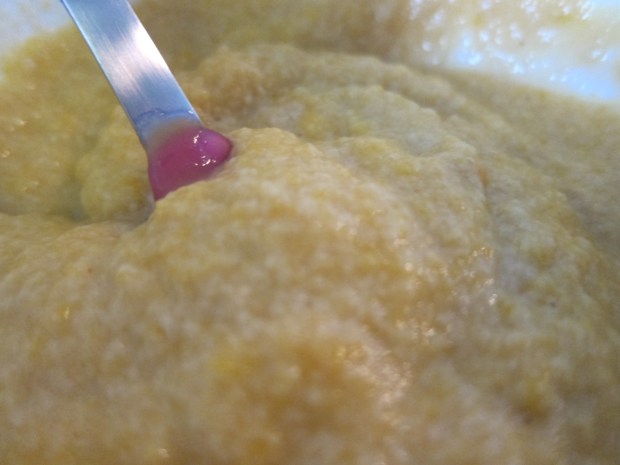
- 2 tablespoons Papaya Puree and 2 tablespoons Apple Puree

2 tablespoons prepared barley cereal (for this one I like Earth’s Best Multigrain, or you can puree your own barely until it is about as fine as barley flour) with…
- 2 tablespoons Avocado Mash

- 2 tablespoons Dried Plum Puree

- 2 tablespoons Apricot Puree and 2 tablespoons Dried Plum Puree

- 2 tablespoons Apple Puree and 2 tablespoons pumpkin

A few further ideas to mix and match. Use 2 tablespoons of each ingredient:
- Avocado Mash with Banana Mash

- Pear Puree with Mango Puree

- Papaya Puree with Banana Mash

- Apricot Puree with Pear Puree

- Sweet Pea Puree with Apple Puree
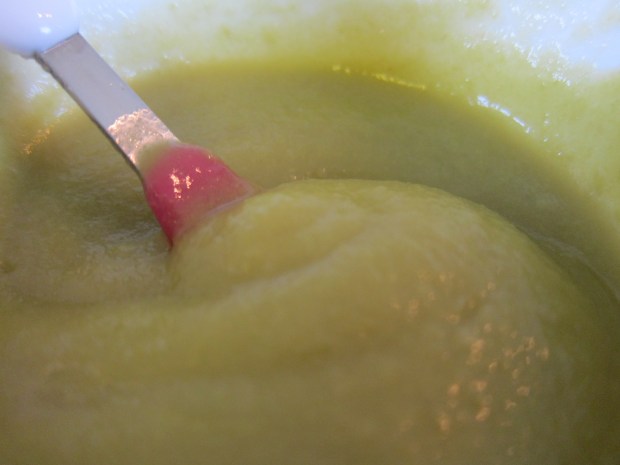
- Peach Puree with Avocado Mash

- Mango Puree with Apricot Puree

- Avocado Mash with pumpkin

- Dried Plum Puree with Pear Puree

- Peach Puree with Pear Puree

- Banana Mash with pumpkin

- Green Bean Puree with Avocado Mash

- Sweet Pea Puree with Mango Puree
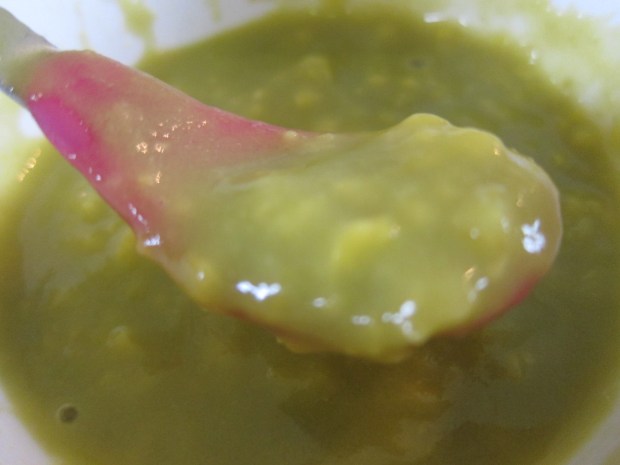
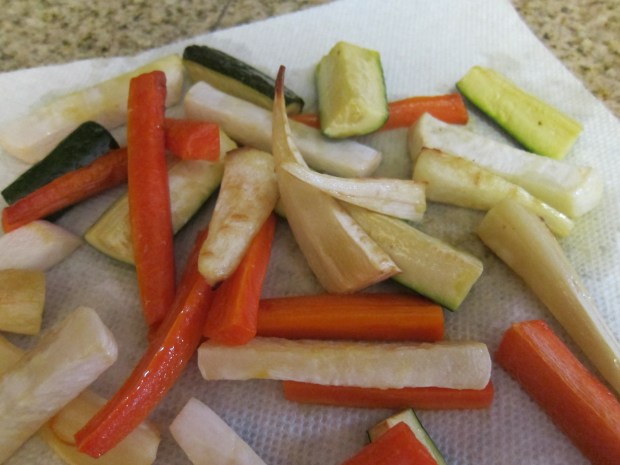
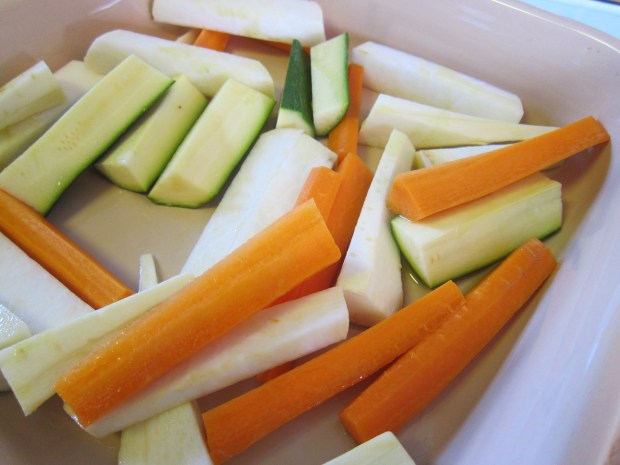


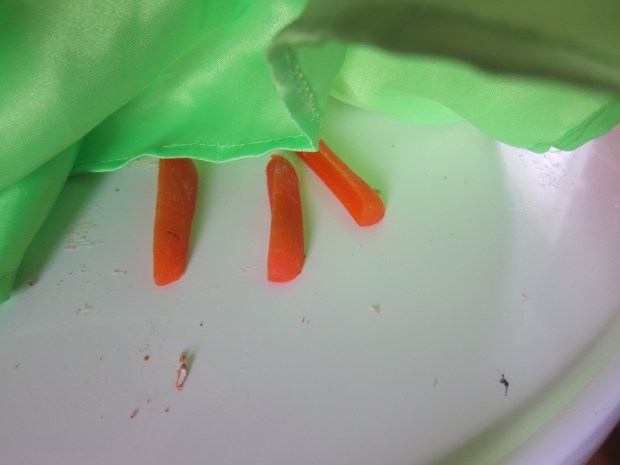
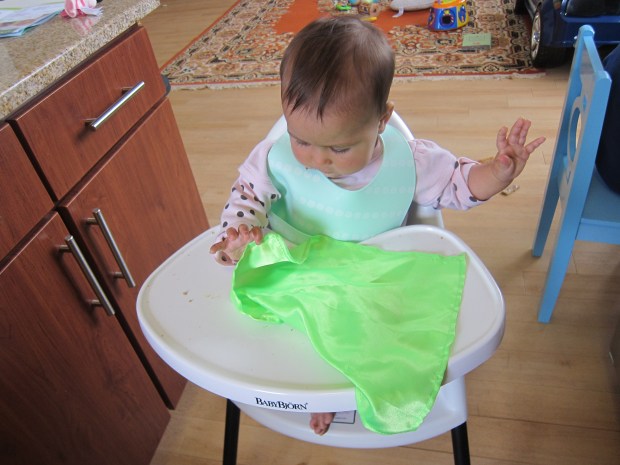
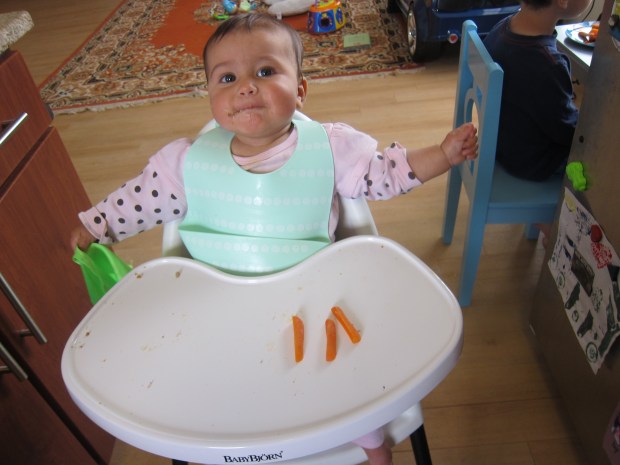

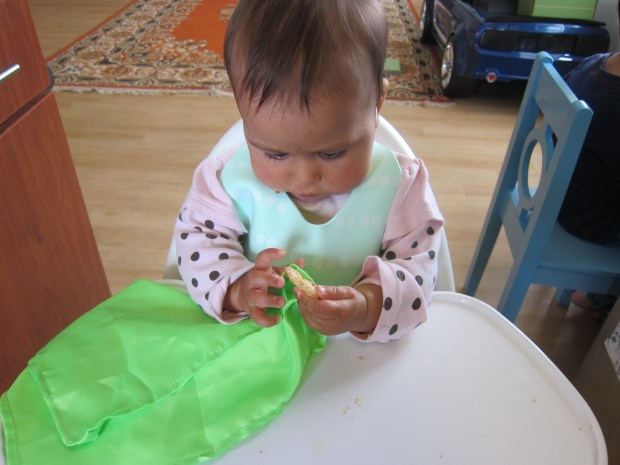


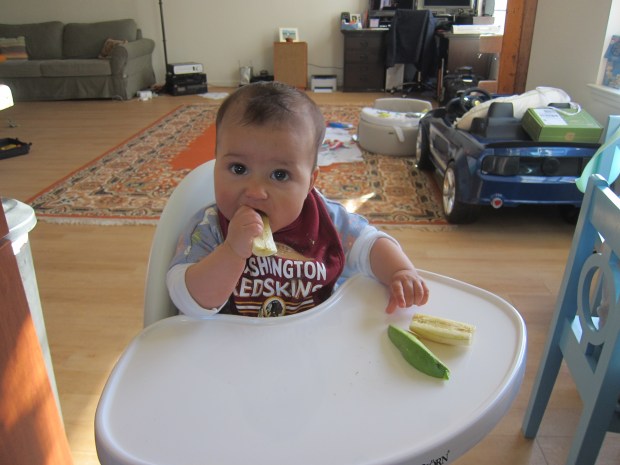
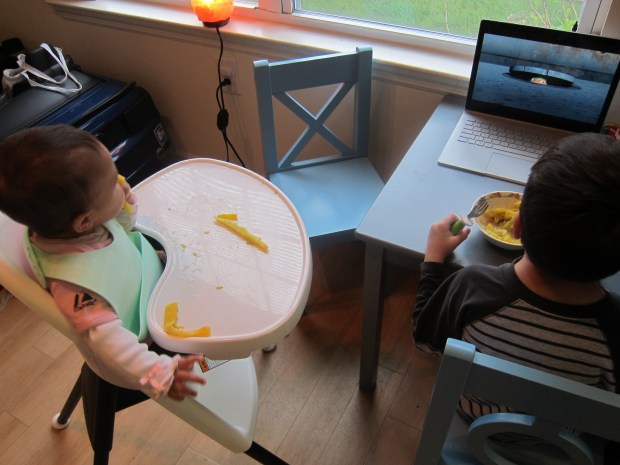
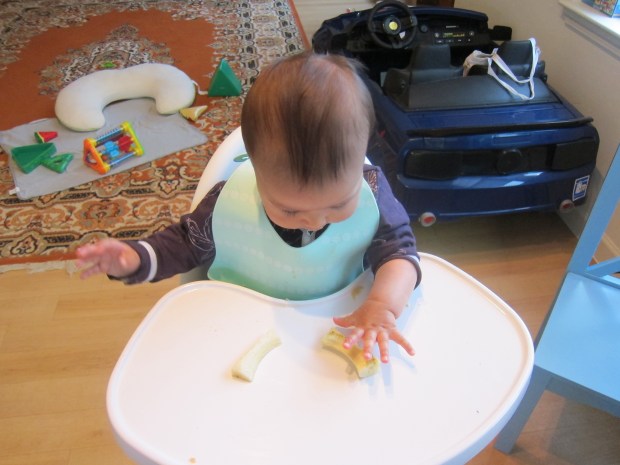 Veronika loves avocado slices, banana slices, roasted sweet potato wedges, rice cakes, teething biscuits, steamed yellow squash strips, and long strips of honeydew or watermelon.


 joyful parenting