Pollinators for Every Flower

Pollinators (11).JPG

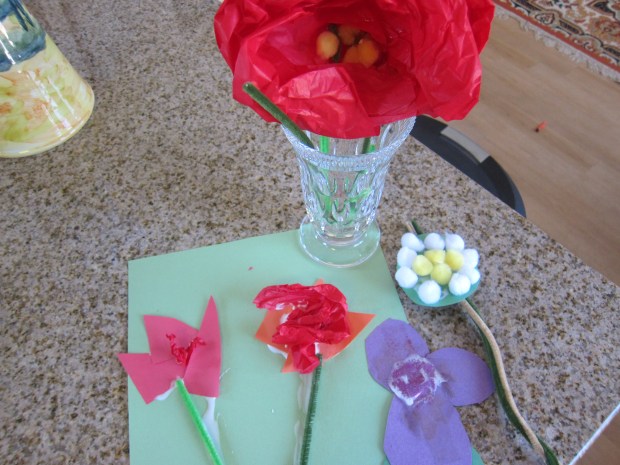
The final lesson plan for the Garden Party kit from Raddish Kids was a huge hit, since Travis loves bugs and everything about them. He was a whiz already at much of this topic, but enjoyed the hands-on and artistic aspects of it!

When he came to the table for our lesson, he was surprised to find a flower waiting.

Pollinators (1)

We explored the flower in detail, including: rolling the leaves between his fingers to see how that changed the texture; smelling it; feeling the fluffy petals; and looking closely with his eyes.

Pollinators (3)

As he explored the flower, I read to him from a provided chart about plant anatomy. Much of it was a bit over a preschooler’s head, so focus on the bits your child will grasp. He liked the rather astounding fact that while people and animals are either a man (male) or woman (female), a plant is both!

Pollinators (10)

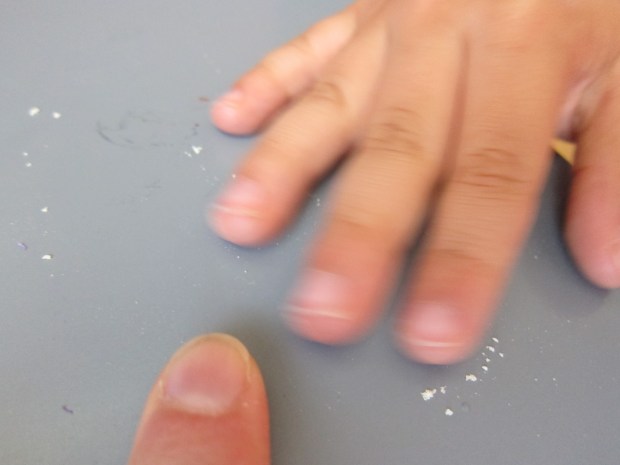
Some pollen ended up on the table… the perfect segue-way!
Pollinators (2)

I asked him to name pollinators he knew and he quickly rattled off butterflies and bees. After some prompting, he also guessed birds. I told him he was correct, especially hummingbirds, and then named a few surprises: bats, beetles, and the wind!

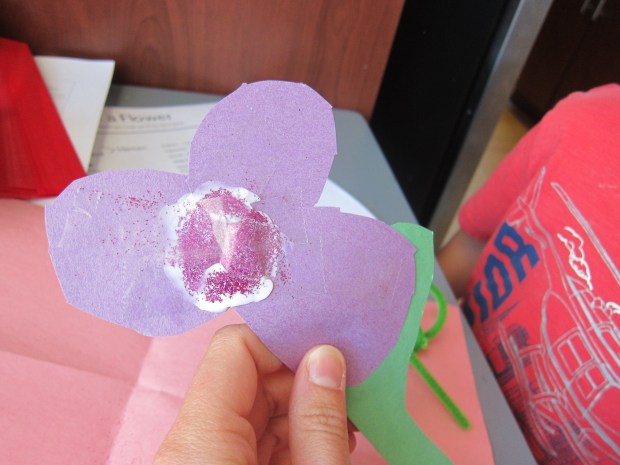
The next challenge was to pick a pollinator and make a flower with art supplies that was specific to that pollinator. First up was a bee! Thanks to the provided pollinator profile cards from Raddish, we learned that bees like flowers that smell sweet and in bright colors like yellow and purple.

Travis chose construction paper for this flower, and added glittery “pollen” in the center. To make it smell sweet, we dabbed a vanilla extract-scented pom pom around the petals. Travis loved this!
Pollinators (6)

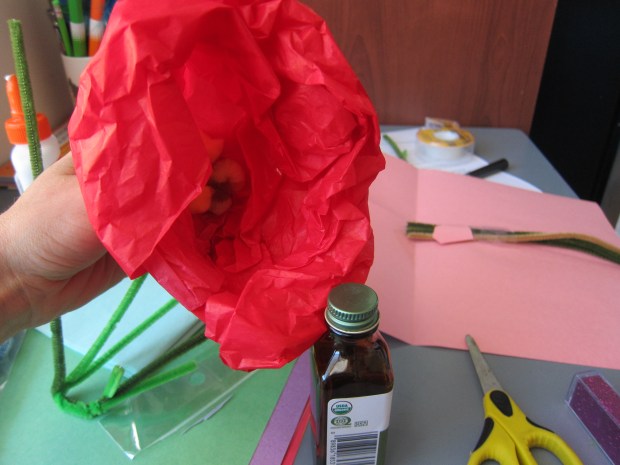
Next he wanted to make one for a hummingbird. Our card said the birds don’t land on the petals but instead dip in their beaks, so I helped him fashion a tube-shaped flower from tissue paper (we used red, since the birds like the bright colors). It was fun to add vanilla to the “pollen” pom poms in this one, too, even though the profile card said the birds had good vision but a poor sense of smell.
Pollinators (5)

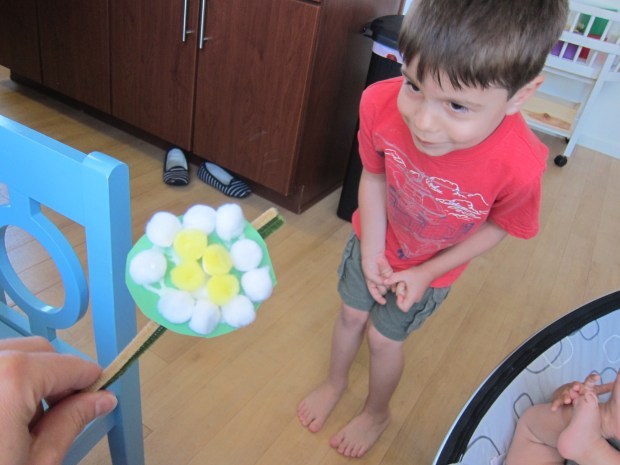
Travis next wanted beetles, delighting in the notes on the card that they like “unpleasant” smelling flowers or ones with no scent. We used white pom poms, since beetles prefer pale or dull colors, and added lots of yellow pollen in the center, which the beetle eats.
Pollinators (7)

He was so proud! I loved watching him think carefully about each pollinator, as well as use different materials each time.

Finally, he wanted a flower for butterflies! This one needed petals for the butterfly to rest on, bright reds and oranges, and no vanilla extract since the butterfly has good eyesight but a poor sense of smell.

Pollinators (9)

Overall, a fantastic lesson, with a little bit of art, a little bit of science, and important information about the role pollinators play in food crops thrown in there.

Spring Flower Arrangements

Spring Flower (7)

We’re only one week away from the end of spring and the spring flowers are fading, making room for summer counterparts. It’s the perfect time to put together a floral arrangement for someone special – perhaps a graduate in your life, or a dad you’re celebrating this weekend!

Travis wanted to put together this bouquet for dad; we skipped the store-bought stuff, and opted instead for a wildflower hunt! (Okay, maybe a hunt around our apartment complex).

Spring Flower (1)

Travis loved gathering an assortment of greenery and different colored blossoms, as we took care to take only one flower from each bush.

Spring Flower (2)

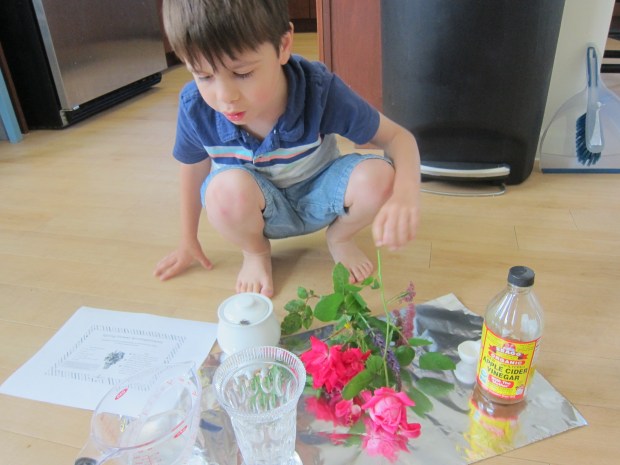
Once home, we laid out the flowers and a pretty vase. Fill the vase 2/3 of the way with water – a good little fraction lesson!

Spring Flower (3)

To help our flowers stay healthy and strong, we added 1/2 teaspoon sugar and 1 tablespoon cider vinegar.

Spring Flower (4)

Travis was then in charge of arranging our blooms. Any that were too long, he seriously and carefully snipped shorter.

Spring Flower (5)

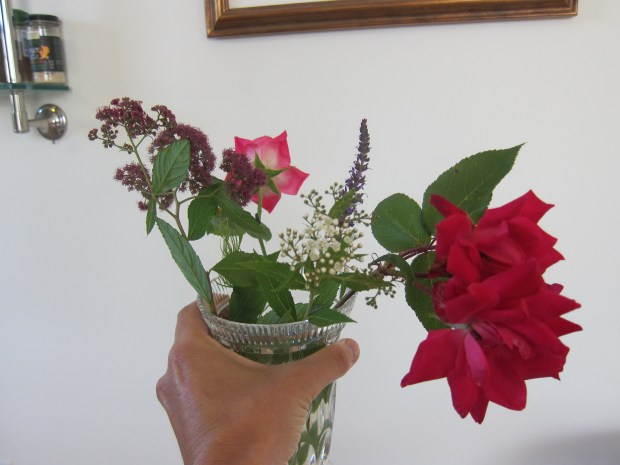
Teach your child to hold the stem of each flower on the outside of the vase to assess if it is too long or too short.

Spring Flower (6)

Tada! A beautiful spring bouquet.

Spring Flower (8)

For more flower fun, check out our recent ikebana craft. And for garden recipes to go with these garden blooms, check out our strawberry shortcakes!

Japanese Flower Art

Japanese Flower (8)

Travis has been very into all things Japanese these days, starting with ninjas and moving on through sushi, taiko drumming, and more. So we were psyched to see a project in his latest Highlights magazine that detailed how to make Japanese flower art (ikebana), a practice that goes back 500 years!

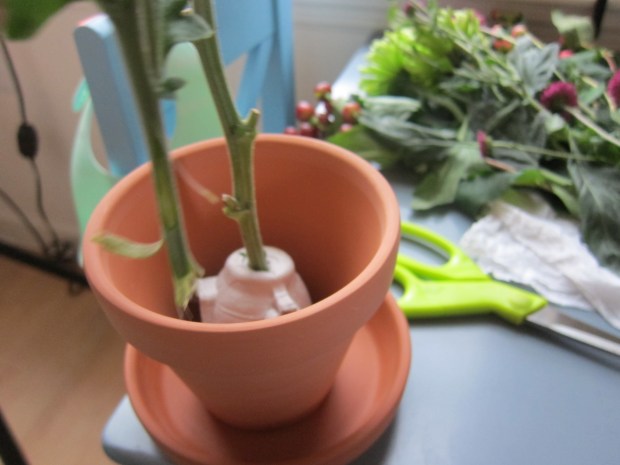
First, cut two cups from an upcycled egg carton. Poke a hole through the cups, and stack them together. Flip them so they are bottom side up and place in a flower pot or small bowl.

Japanese Flower (1)

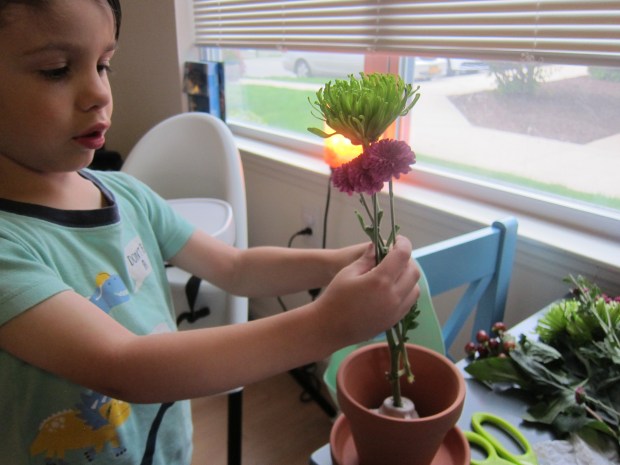
Begin adding flowers, one at a time. Keep space between each flower in the arrangement, tilting them if needed.
Japanese Flower (3)

It was absolutely beautiful to watch Travis work, so deliberate and careful.

Japanese Flower (2)

I had purchased a few different types of flowers and greenery at the supermarket, and Travis loved selecting which should go next, especially the berries that were laid out.

Japanese Flower (4)

We could start to see why ikebana is a form of meditation!

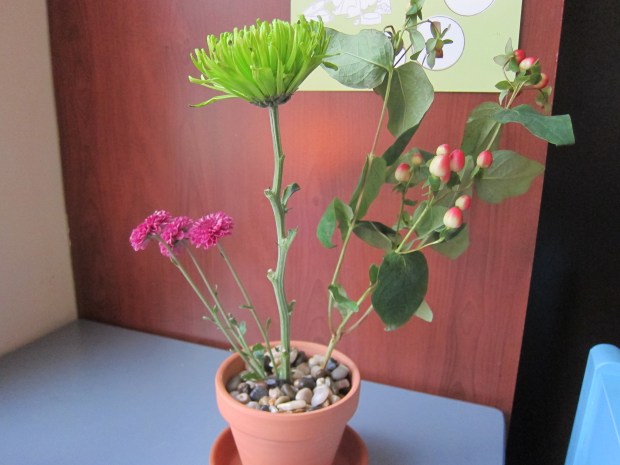
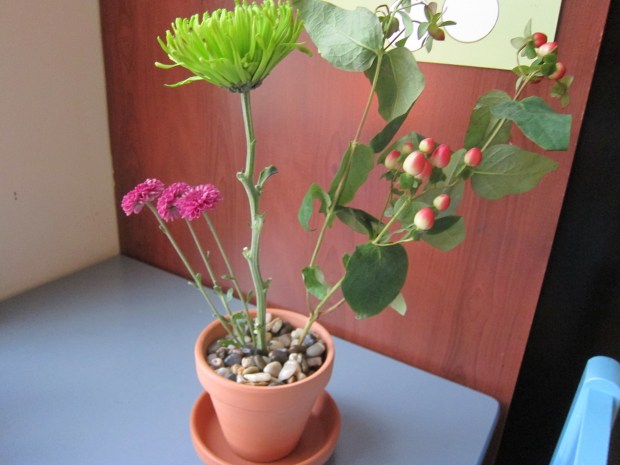
Once the arrangement was to his satisfaction, we filled our flower pot with small stones (you can purchase these at a craft store), which heightened the beauty.

Japanese Flower (5)

Fill your container with water, and enjoy your flowers!

Japanese Flower (6)

Invisible Ink

Invisible Ink (8)

A few weeks back, Travis and I had fun exploring different ways to hide messages, including revealing lemon juice with a hot iron and exposing white crayon with paint. Today we found an even cooler method; did you know you can reveal a secret message with a flower?

Invisible Ink (4)

First, we wrote messages in two kinds of “ink.” The first was plain lemon juice, and the second was baking soda mixed with a bit of water.

Invisible Ink (1)

Travis made scribbles, but to help illustrate the results better for him, I wrote his name on one piece of paper and a secret map on the other.

Invisible Ink (2)

Be sure to use slightly thick paper, such as construction paper or watercolor paper, or it might tear during the reveal. Let dry.

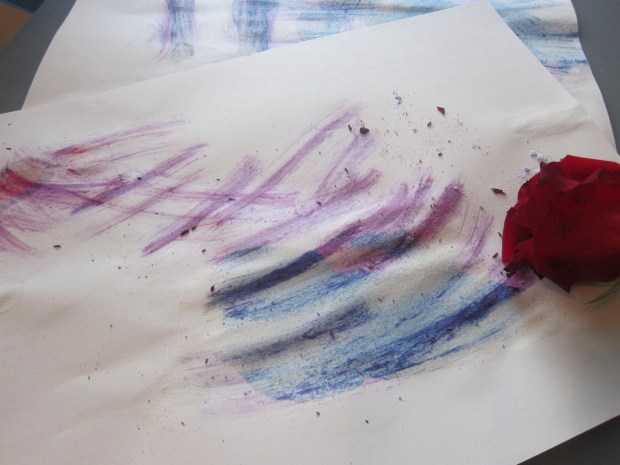
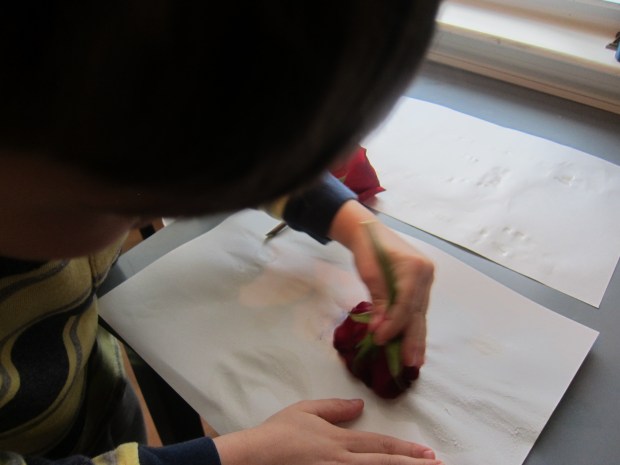
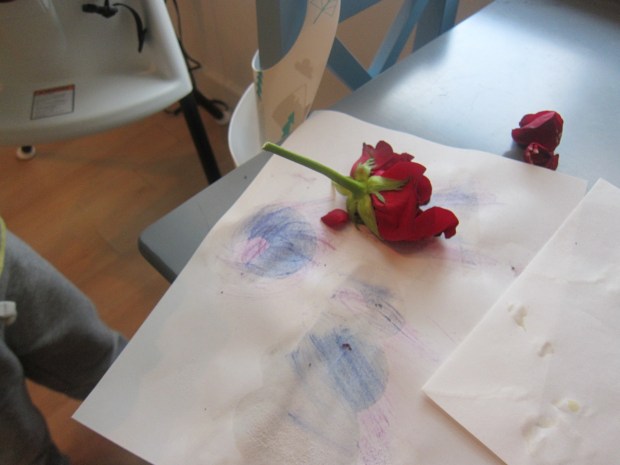
Once dry, we rubbed over the paper with a red rose. Travis loved the forensic feel to the project!

Invisible Ink (10)

This worked significantly better with the baking soda than with the lemon juice, and we also found that the results are much clearer on on large letters or drawings than small ones.

Invisible Ink (9)

Perhaps the most interesting takeaway was that the baking soda was revealed in blue, and the lemon juice comes out red.

Invisible Ink (7)

In sum, a fun little project for any budding detectives, with results that are both pretty and scientific.

Invisible Ink (6)

Glow in the Dark Flower

glow flower (7)

Get ready: There is some serious wow factor to this project. You will need a few special supplies for it, including a black light, which you can purchase from sellers like Amazon, as well as a highlighter pen you don’t mind sacrificing (hint: you’re going to cut it open). But armed with those items, kids will adore this project!

First, I showed Travis the black light, and how it works. Keep exposure to a minimum, because as a reminder, black lights use UV rays.

glow flower (1)

Next, we filled a clear vase with water, and set aside a few white flowers from a bouquet we’d purchased.

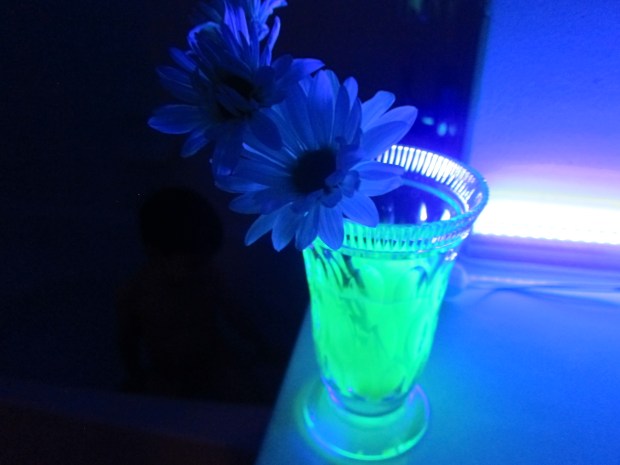
I showed Travis how the highlighter pen would look in the black light. He couldn’t believe the way the yellow streaks glowed!

glow flower (6)

We returned to regular light, where I very carefully cut open the highlighter crosswise using a sharp knife; any box cutter should work; just go slowly and carefully.

Inside will be a strip of fibers that contain the highlighter ink. This was so neat to see!

glow flower (3)

We added the fibers to our vase of water, where the highlighter color seeped down.

glow flower (4)

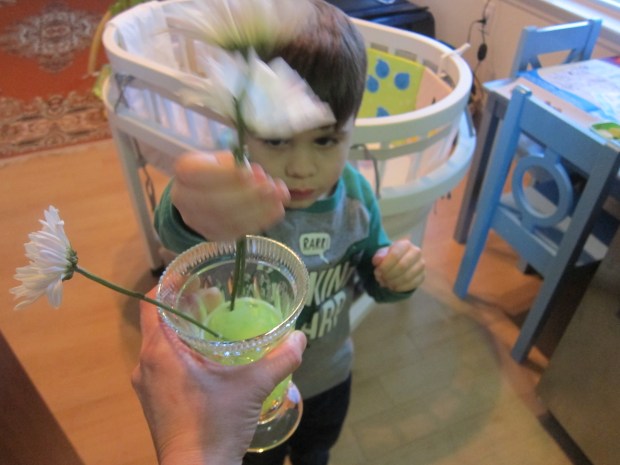
Travis very seriously added our flowers. Now we had to wait, but were rewarded with glowing flowers a few hours later!

glow flower (5)

DIY Chalkboard Planters

Chalkboard Planters (4)

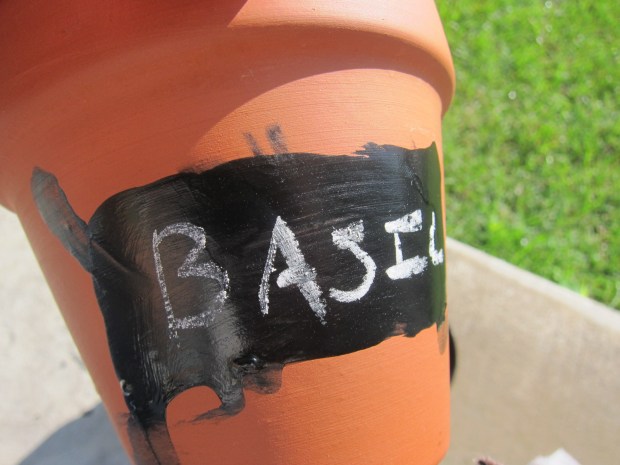
Chalkboard paint is practically like magic – paint a coat over just about anything, and soon you have a chalkboard surface.

We had plans to plant flowers and herbs in pots on our back patio, so it was the perfect excuse to break out the chalkboard paint!

You could either make a big stripe to be the label…

Chalkboard Planters (1)

…or do as Travis did and paint the whole pot.

Chalkboard Planters (2)

We decided this large surface would be great for drawing in pictures of the plants with chalk, in addition to simply writing their names.

Chalkboard Planters (3)

Let dry overnight, then use chalk to write in the name of whatever will be in your pots. Happy planting!

Chalkboard Planters (5)

Science… Meets Art

Science Meets Art (3)

This project (from our latest High Five issue) exemplifies the STEAM acronym: a little bit of scientific discovery paired with a nifty art creation at the end. You can do both components of the project, or just the science part, or just the art part… but I recommend the whole thing because we enjoyed it from start to finish!

First up, use some science (the S part of STEAM) to make at-home paints. Fill 6 large muffin cups with 1/4 cup baking soda each.

Science Meets Art (1)

Next, add about 15 drops of food coloring to each muffin cup. We only had powdered food coloring at home (from Color Kitchen), so sprinkled about a 1/2 packet of powder per compartment.

Science Meets Art (2)

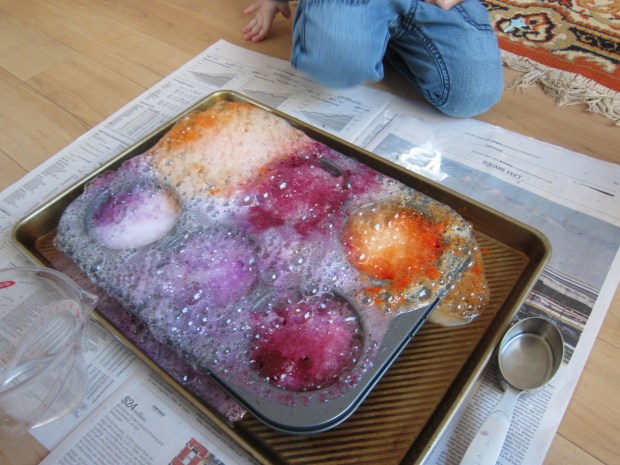
Now you’re going to quickly pour vinegar into each muffin cup, and watch the colorful explosion!

Science Meets Art (4)

Of course this is similar to many baking soda and vinegar projects we’ve done in the past, talking about how the gas created when the two substances touch makes all that foam and bubbles. But this time, we were left with a new product… paint!

Science Meets Art (5)

Now it was time to use the paint for the A part of STEAM. We painted white coffee filters, and Travis had a blast, mixing colors and stirring each paint very carefully – a petit artiste!

Science Meets Art (7)

Set the filters aside to dry; these are going to be your flower blossoms.

Science Meets Art (8)

As a small gripe, you’re going to have undissolved baking soda left in each paint mixture, which leaves the coffee filters a bit grainy after they dry. I found it helpful to rub off the excess baking soda over the trash can before Travis and I moved on to the final steps of the project.

Meanwhile, make the flower stems by painting jumbo craft sticks green. The only green paint we had in the house was a dot marker, but this worked in a pinch. Let dry.

Science Meets Art (9)

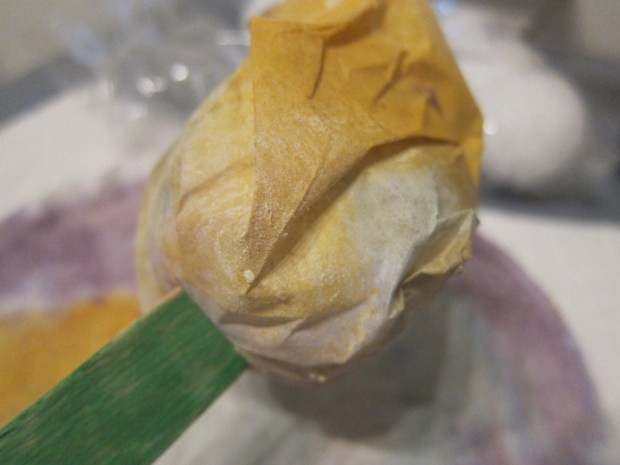
To finish the flowers, wrap each painted filter around a medium-sized Styrofoam ball. Poke one of the green “stems” up through the filter and into the Styrofoam.

Science Meets Art (12)

Glue the tips of the filter together so the ball inside is no longer visible and voila – flowers!

Science Meets Art (11)

We set them in a vase, where we got to enjoy the fruits of our labor: beautiful flowers in the middle of a snowy winter.

Science Meets Art (13)

Thanks High Five!

Science Meets Art (6)

Flower Prints

Flower Prints (6)

As summer draws to a close, I’m working through a bucket list of warm weather projects before we move on to fall and autumnal activities! This fun idea from Barefoot Books Kids’ Garden kit lets you bring flowers indoors as a keepsake that will last all winter!

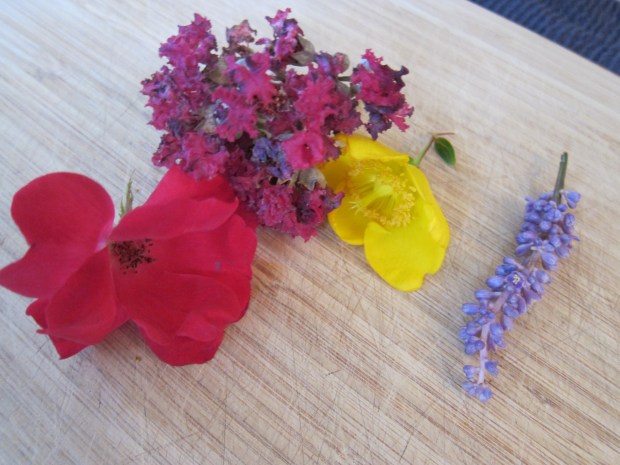
The first step of course was to gather our flowers. If you don’t have your own garden, find any pretty blossoms on a stroll through your neighborhood or a local park. Flowers that lie flat will work best, but we picked a variety just to test the results.

Flower Prints (1)

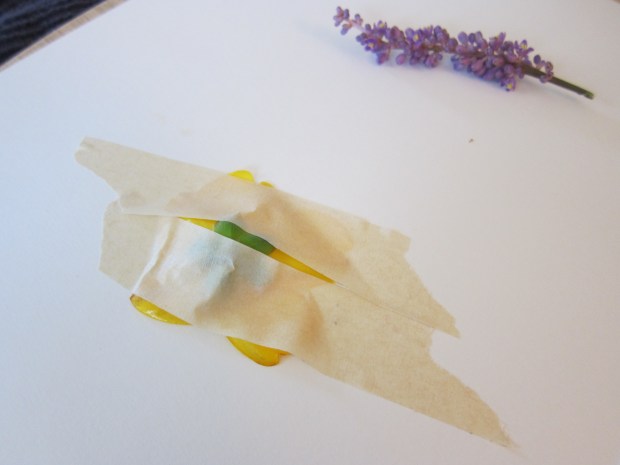
Travis was very intrigued by the set up when we returned home. On the floor, place an old dish towel for traction, followed by a cutting board and then watercolor paper.  Place your flowers, petals down, on the watercolor paper after removing as much of the stems and leaves as possible. Finally, cover your petals with painter’s tape, being sure to cover the flower completely, but trying not to let pieces of tape overlap.

Flower Prints (2)

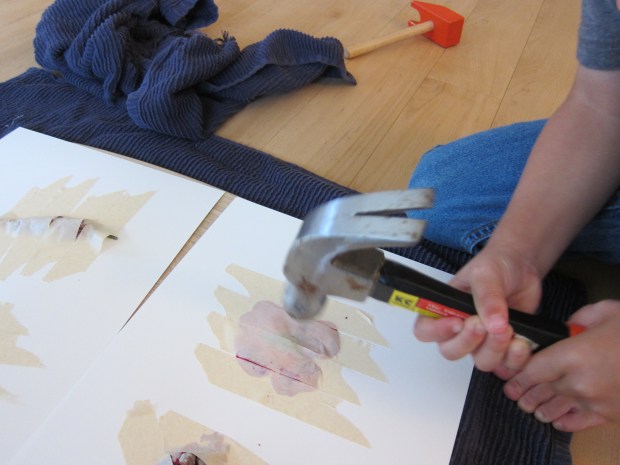
And now for the fun part! Although adults will need to do most of the hammering, Travis got to take a few swings at the flowers under careful supervision.

Flower Prints (3)

He then played along with his toy hammer while I finished the real work. You may want to peel back your painters tape a few times to make sure the color of the flower has transferred over to the paper, before removing the tape completely.

Flower Prints (5)

Peeling off the tape was great fun, too, of course.

Flower Prints (4)

Once the hammering was complete, Travis lost interest fairly quickly, but I loved the old-fashioned Victorian feel to the result. In a whimsical nod to the method by which we had obtained our prints, I “framed” them in additional painter’s tape in Travis’s room – a beautiful reminder of the fleeting beauty of summer’s blooms!

Flower Prints (7)

Plantable Paper

Plantable Paper (9).JPG

There’s a little bit of magic to this craft, the idea that flowers can sprout from paper. It’s a multi-day project, but you only need a little time each day to make the magic bloom.

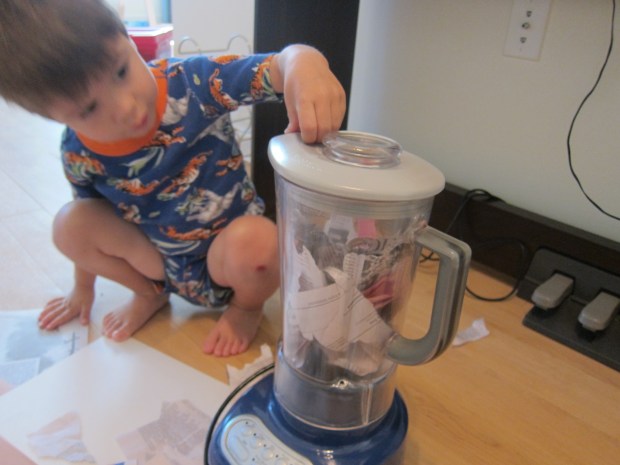
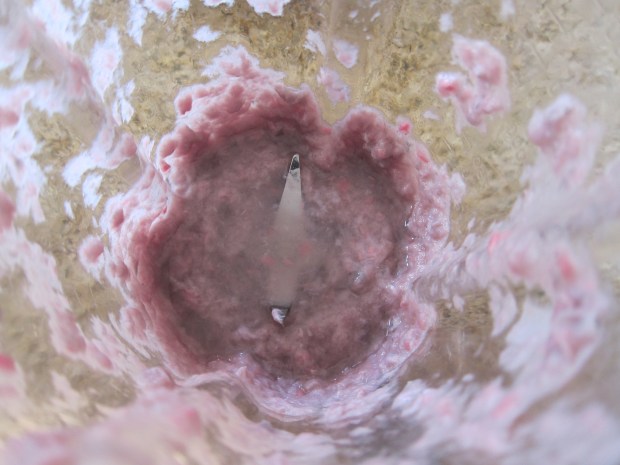
The instructions I had found online for making the paper mush were a bit vague, but worked just fine, so here’s all you do: Fill a blender about halfway with torn newspaper and scrap paper (we used pink construction paper scraps, which gave our final product a nice pink hue). Cover the paper mixture with hot water, then process until you have a mush. Travis loved the novelty of paper in a blender instead of food!

Plantable Paper (1)

Caution: Make sure to remove the center piece of your blender’s lid and cover with a paper towel while blending so steam can escape, otherwise you’ll end up with hot water splatters. Let the mixture stand for about 15 minutes.

Plantable Paper (2)

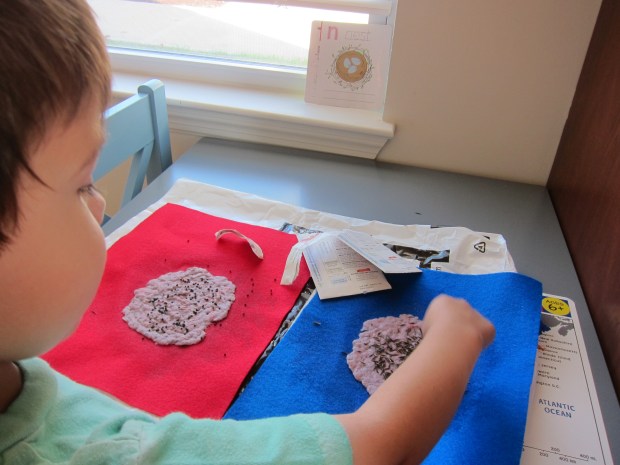
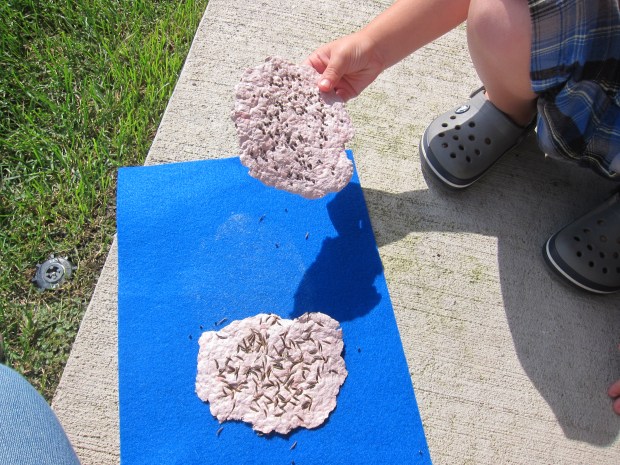
The next step is messy, so cover your work surface (I used a large shopping bag). Place two pieces of felt on top of the bag. Scoop the mush onto the felt, and have your child help you smoosh it into a very thin layer.

Plantable Paper (3)

Then it was time to sprinkle on our flower seeds! We had two very different kinds – cosmos which looked almost like large cumin seeds, and larkspur, which looked more like hard black poppy seeds. I don’t do much gardening, so examining the seeds was fun for Travis and me both!

Plantable Paper (4)

Leave the mixture to dry on the felt. After the first day, I carefully flipped each piece over, then left them to dry some more. By now I could consolidate onto one piece of felt.

After two days, the mushy paper will be completely dry. Remove it from the felt and cut into shapes if desired – hearts felt just right!

Plantable Paper (8)

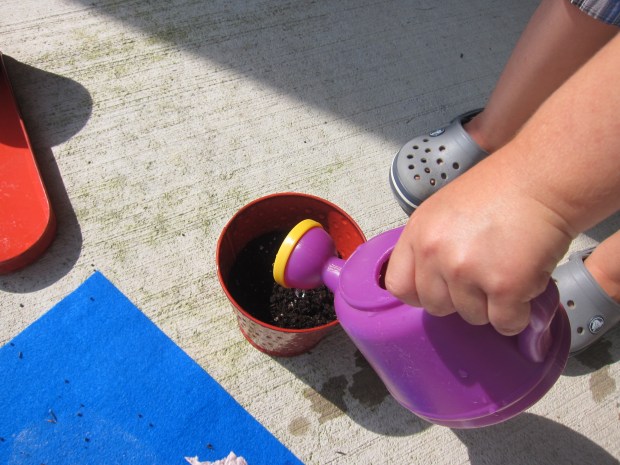
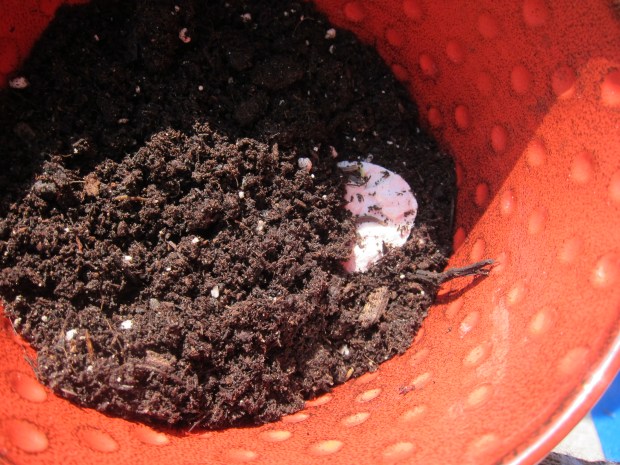
We headed outside with pots and soil, and planted our paper. Travis loved watering them!

Plantable Paper (12)

Now we just need to sit back and wait for the flowers to grow.

Plantable Paper (11)

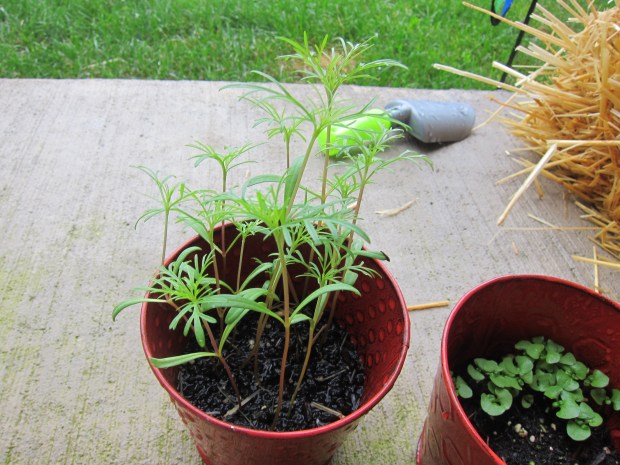
Update: It worked! Here are some beautiful shoots at day 5.

Plantable Paper (12)

Here is the growth after a couple of weeks:

Plantable Paper alt.JPG


Painted Hydrangeas

Painted Hydrangea (7)

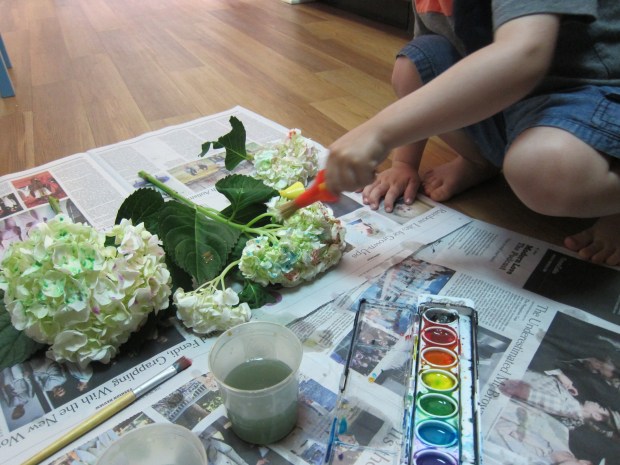
We needed a quick craft pick-me-up for the afternoon, and just about all I had on hand was a bouquet of white hydrangeas. They turned out to be the perfect canvas!

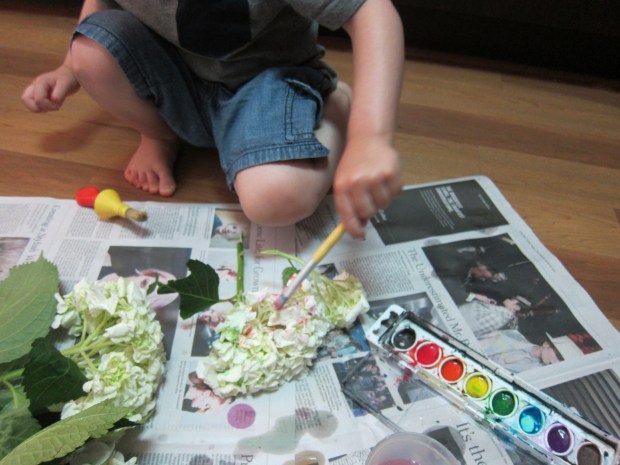
Simply set out the blossoms, along with watercolors.

Painted Hydrangea (5)

Liquid watercolors will provide the most vibrant color, but after this mama tipped over a cup of a very bright pink (and this stuff stains, folks), we decided to play it safe with Crayola’s watercolor paints!

Painted Hydrangea (3)

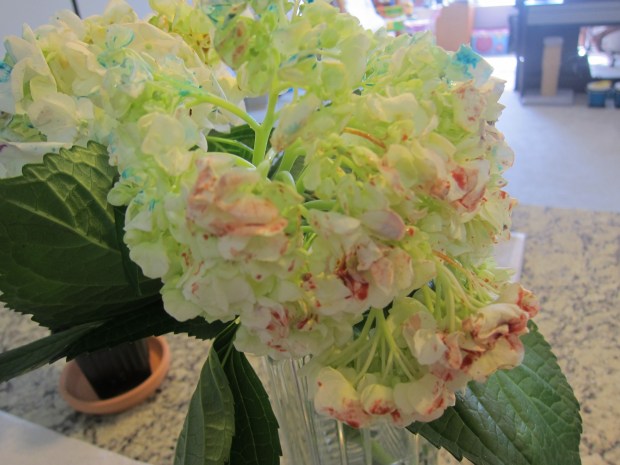
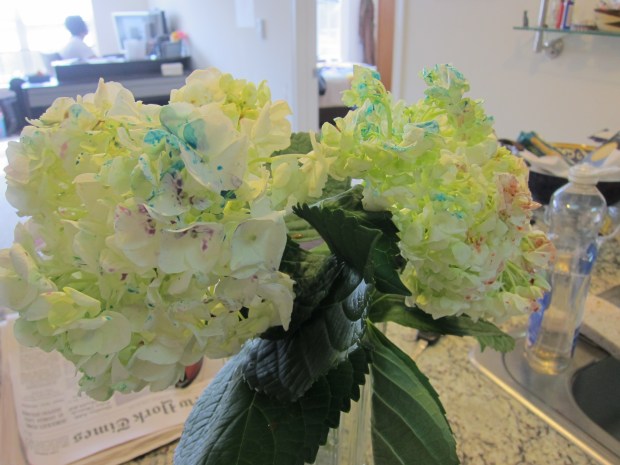
Travis liked seeing all the different colors appear on our white flowers.

Painted Hydrangea (6)

These would make a great centerpiece for a summer dinner al fresco!

Painted Hydrangea (8)