Chocolate Empanadas

Empanada (8).JPG

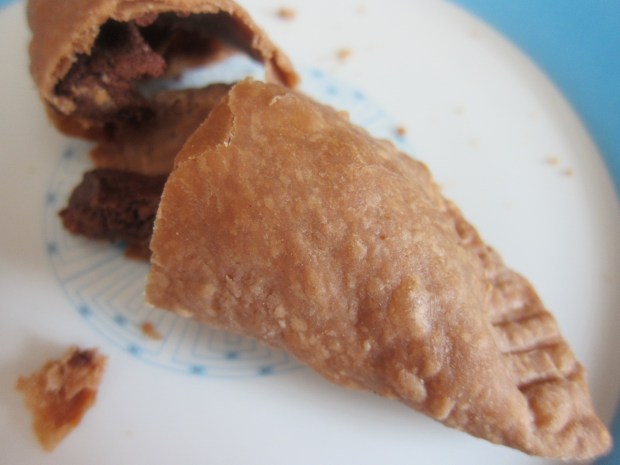
Just in time for Cinco de Mayo, here’s a messy flour-filled project that will have your little chef loving time in the kitchen!

Ingredients:

For the dough:

  • 2 and 1/4 cups flour
  • 1/2 teaspoon salt
  • 1 tablespoon cocoa powder
  • 8 tablespoons Earth Balance butter
  • 1 Ener-G egg
  • 1/2 cup milk

For the filling:

  • Chocolate-hazelnut butter, warmed*
  1. To prepare the dough, combine the flour, salt, and cocoa powder in a large bowl.Empanada (1)
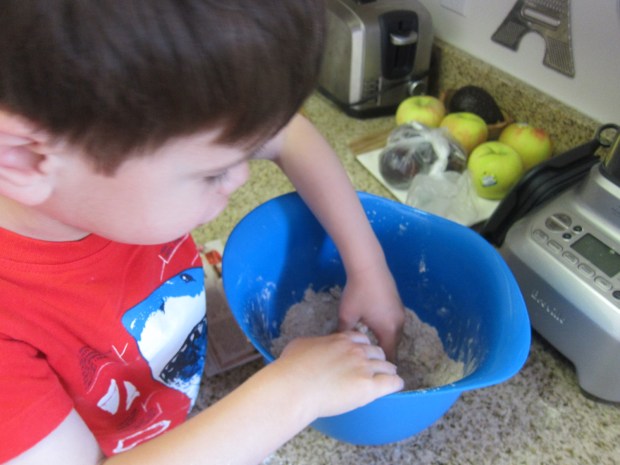
  2. Add the butter in small pieces, and mix into the four mixture with your fingers until it looks like cornmeal. I was so proud of my son for getting his hands right in there!Empanada (2)
  3. Add the Ener-G egg and milk, stirring until a soft dough forms. Wrap in plastic wrap and chill for 1 hour.
  4. Divide the dough into 16 portions, and roll into balls.Empanada (3)
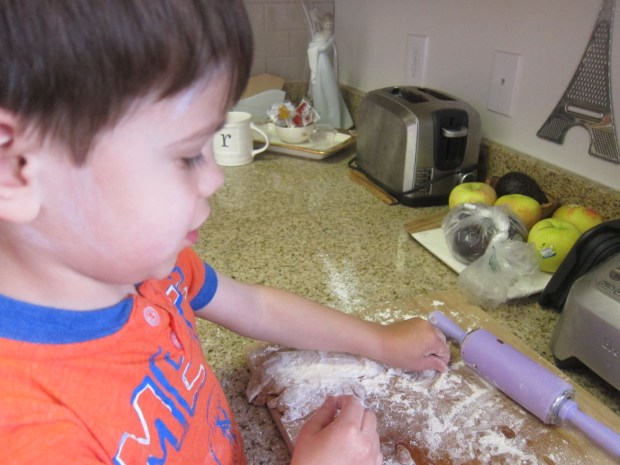
  5. Working with one portion at a time (cover the remaining dough with plastic wrap), roll out into a 6-inch circle. Spoon about 1 tablespoon of the chocolate hazelnut butter into the center. Rub water gently around the edges of the dough with water and fold in half, pressing to seal. Transfer to a baking sheet lined with parchment paper, and repeat with the remaining dough. Here’s my son having a blast with his play portion as I worked!Empanada (4)
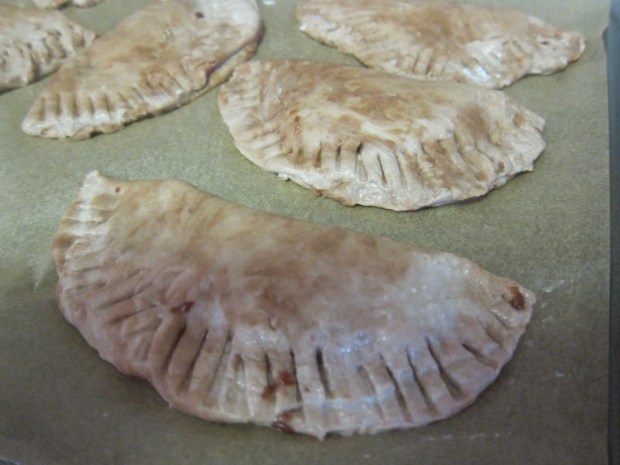
  6. Use a fork to crimp the edges of the empanadas, then bake at 400 degrees F for 20 minutes.Empanada (5)

These are best served warm!

Empanada (9)

*For the best results, order a vegan Nutella from a retailer like Vegan Essentials. I didn’t have time for an online order, but chocolate hazelnut spread from Justin’s peanut butter company (widely available) worked in a pinch.

Sombrero Station

Sombrero (8)

This adorable craft will keep kids busy if you have Cinco de Mayo plans for tomorrow! Travis and I made ours early, but the craft easily multiplies to keep kids of various ages entertained.

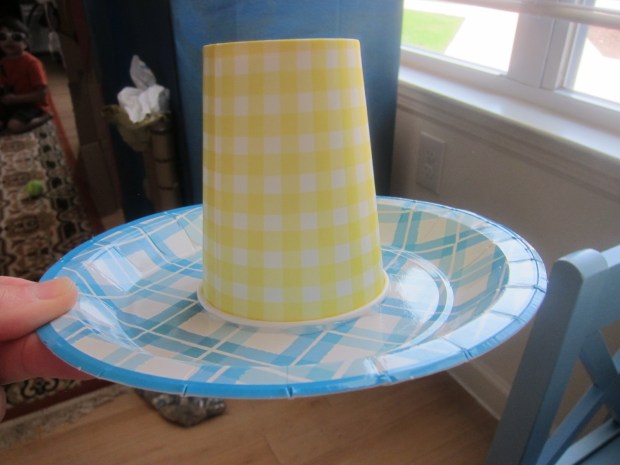
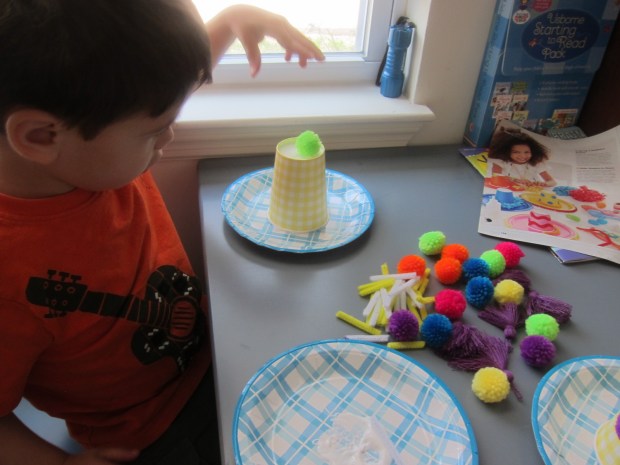
First, I hot glued one paper cup upside down onto a paper plate for each sombrero. Pretty, colorful plates work best, although you could use white if kids will want to decorate them with markers.

Sombrero (2)

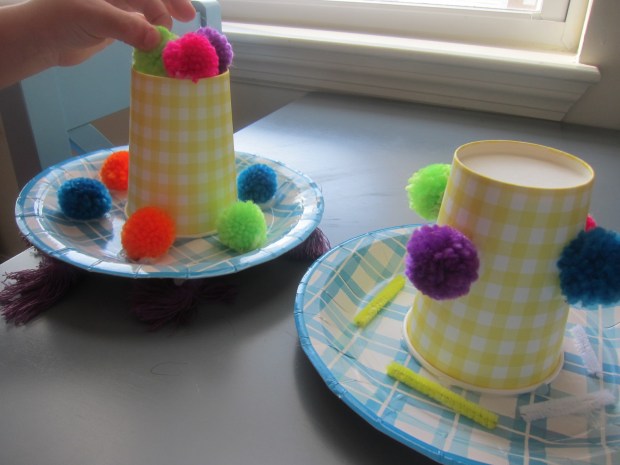
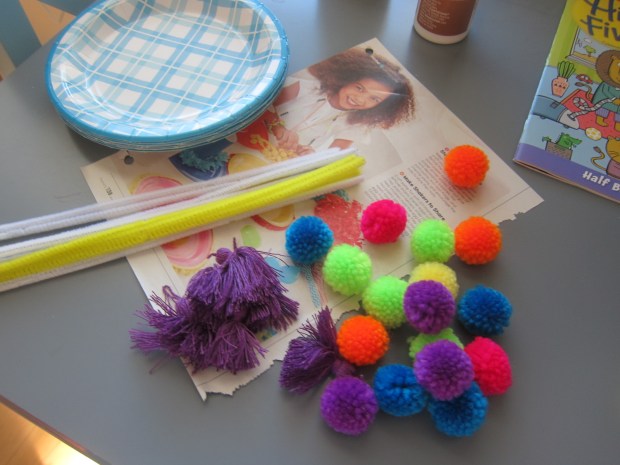
We set out an assortment of decorations, including tassels, pom poms, pipe cleaner pieces, and a big dish of glue.

Sombrero (1)

Travis’s favorite decoration by far was to dip a pom pom in glue before finding the perfect spot for it on his sombrero.

Sombrero (4)

Ole!

Sombrero (3)

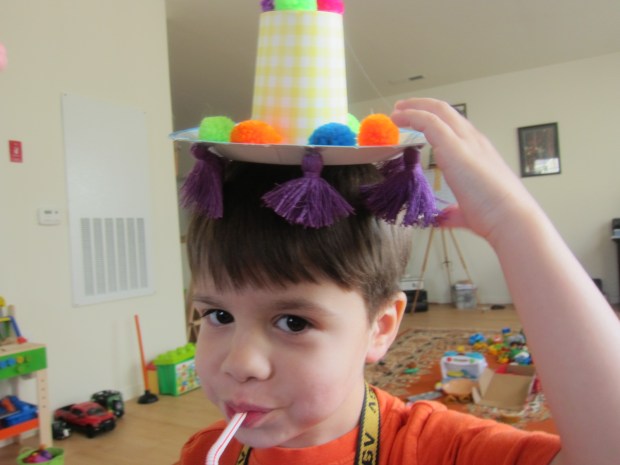
To attach tassels to the brim of the sombrero required more hot glue, so that was another grown up step.

Sombrero (6)

Now place atop your head and celebrate (glass of leche optional)!

Sombrero (7)

Alphabet Rocks

Alphabet Rocks (3)

I’ve been wanting to make these adorable letter-learning rocks for Travis for weeks now, but it required finding 26 relatively smooth stones, and we simply hadn’t had a chance to get to the beach. Finally on a sunny spring weekend we headed to the shore, perfect for collecting rocks.

Sands (3).JPG

Travis adored the collection process, finding rocks and shells and other treasures along the way. Do take care in selecting your rocks. You need them to be large enough and flat enough to paint the letters of the alphabet. Ultimately some of mine worked better than others!

Alphabet Rocks (1)

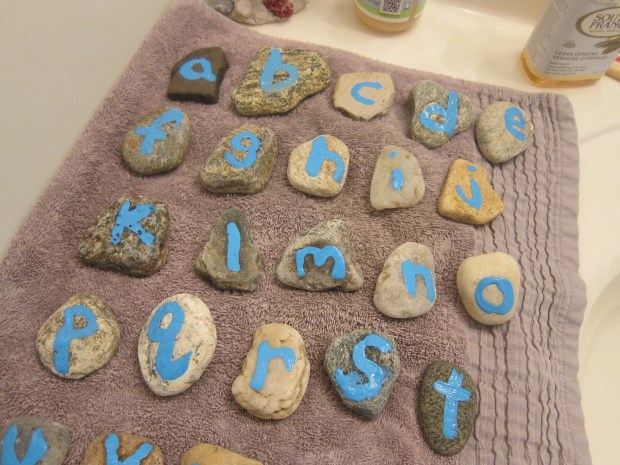
Once home, we washed the rocks and left them to dry overnight. The next day I painted them with lower case letters using acrylic paints. You can alternate several colors if you prefer. My original plan was to alternate blue and gold paint, but the gold didn’t show up well on several rocks, so all blue it was!

For a decorative touch, add dots of white paint around each letter. Once dry, make a black dot in the center with a sharpie.

Alphabet Rocks (2)

Now the rocks were ready for play!

Alphabet Rocks (4)

There’s so much you can do with these. In addition to just spelling sight words (your child’s name, go, stop etc.) we used the rocks for two specific purposes.

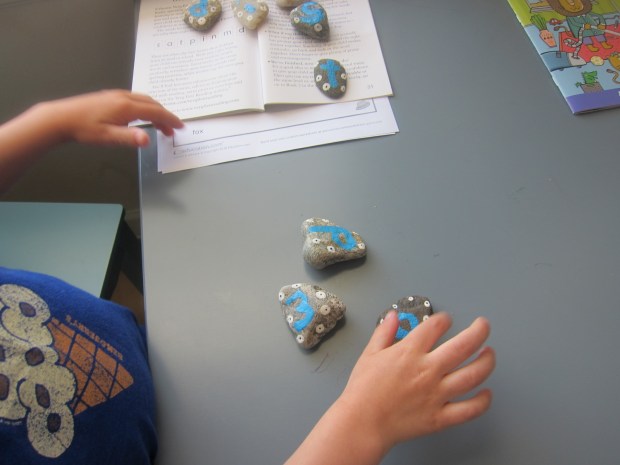
The first was as a learning aid to our Usborne Starting to Read Pack.

Alphabet Rocks (5)

Travis is very tactile, so having to select the rocks that went with each word on the page helped reinforce what he was seeing.

Alphabet Rocks (6)

We also loved using the rocks as a supplement to activity worksheets from Education.com. If you’re not familiar with the site, it’s full of activities and lesson plans for children, ages preschool through middle school. For example, kids will love to discover and learn new words with reading-to-picture match up sheets. Be sure and check out Education.com more learning resources just like the one we used.

For our purposes, Travis first found the alphabet rocks that corresponded with each word before we matched it with its picture.

Alphabet Rocks (8)

This made it so much more tactile and engaging for him than a two-dimensional activity.

Alphabet Rocks (9)

Overall, these rocks are a fantastic tool to reinforce letter learning and early reading. How do you plan to use the rocks? Please share in the comments!

Cheesy Baked Potatoes

Cheesy Potato (2)

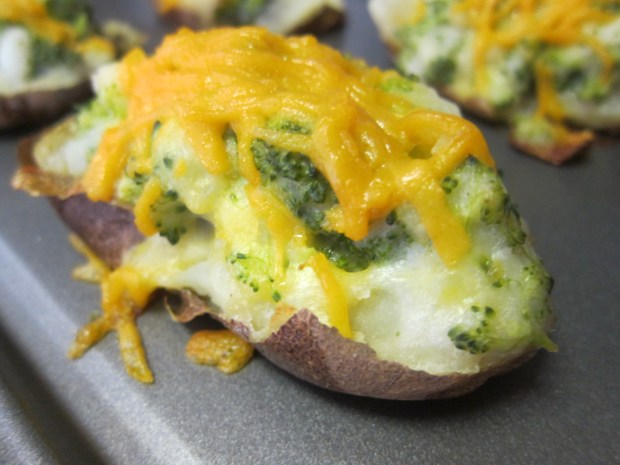
Potatoes have been a hard sell for my three-year-old… until this recipe, that is!

Ingredients:

  • 4 russet potatoes
  • 1 bunch broccoli (about 2 cups florets)
  • 1/3 cup plain non-dairy milk
  • 1/4 cup vegan mayonnaise
  • 2 tablespoons Earth Balance butter
  • 1/2 teaspoon salt
  • 8 tablespoons shredded Daiya cheddar
  1. Cook the potatoes in the microwave or oven until very soft. Let cool, then cut in half and scoop out the flesh into a bowl, leaving 1/4-inch thick shells. Set aside.
  2. Meanwhile, steam the broccoli for 5 minutes, until tender. Drain.
  3. Add the broccoli to the bowl with the potato flesh, along with the milk, mayonnaise, butter, and salt.
  4. Divide the broccoli mixture evenly among the 8 potato halves. Top each half with 1 tablespoon cheddar.
  5. Bake at 350 degrees F for 25 minutes. Let cool slightly before serving.

Cheesy Potato (1)


A Gift for Grandma

Mother's Boxes (4)

Happy May! We’re starting to think about Mother’s Day around here, and if you’re looking for a sweet little gift that your child can put together for Grandma, this jewelry box fits the bill. It comes together in just a few easy steps, meaning even the littlest grandkids can help out.

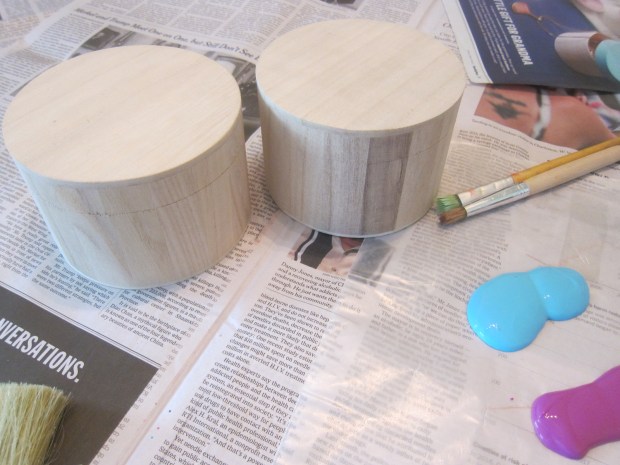
I purchased two wooden boxes from the craft store to start, so don’t worry: there’s no woodworking required!

Mother's Boxes (1)

Paint the lids of the boxes in whatever colors your children want. We thought pastel shades would be nice for this project. Don’t worry if a little paint goes over past the lid of the box.

Mother's Boxes (2)

We had originally hoped to find decorative nautical knot buttons as the tops of the boxes, but couldn’t locate them in craft or furniture stores. Instead, Travis loved these decorative buttons.

Mother's Boxes (3)

Drill a hole in the center of each lid (grown-up step!), then hot glue the buttons in.

The perfect spot for a grammy to store her jewelry!


Nature Hide and Seek Game

Nature Hide (5).JPG

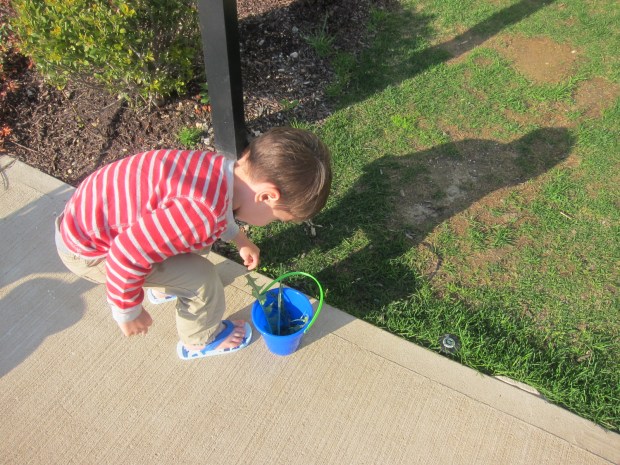
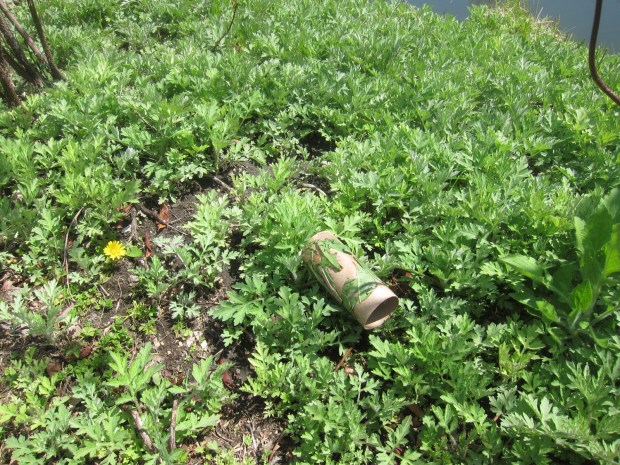
I love activities that combine a nature walk with a later project or game, and this one does precisely that. We set off to find brown and green items from nature that would camouflage two empty toilet paper tubes.

Okay, maybe walking around our apartment complex doesn’t quite count as a nature walk… But there’s always green things to find!

Nature Hide (1)

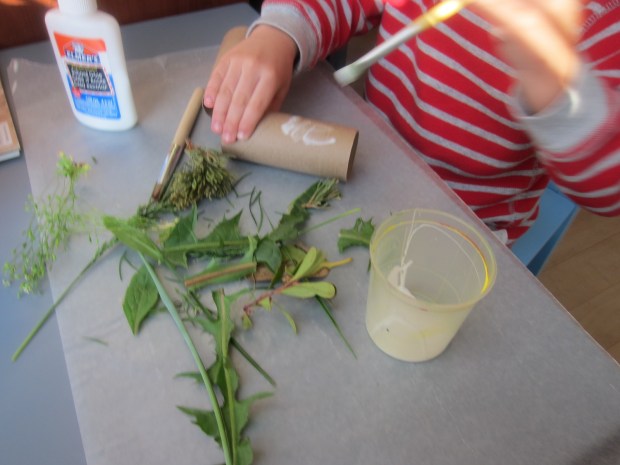
We returned with a bucket full of treasures, and I laid them out on the table so Travis could take stock.

Nature Hide (2)

He loved using glue and deciding which leaves should go where.

Nature Hide (3)

We left our little camo tubes to dry overnight, then headed off on a walk the next afternoon.

Nature Hide (4)

Travis was the hider first… Perhaps he didn’t find the most secretive hiding place, but it was adorable to watch him try.

Nature Hide (6)

Mommy hid the treasures next, and Travis set off to find them.

Nature Hide (8)

Gotcha!

Nature Hide (7)

Overall this was simple, fun, and a neat way to throw in a little lesson about how animals and insects use camouflage to hide in the wild, too.

Little Artist Crate

IMG_0001.JPG

Travis has not been very into fine arts crafts lately, so I worried our latest kit from Koala Crate might not hold his interest… To my great surprise, he was the one insisting we do each project, and mama was happy to comply! As far as Koala goes, this was a great crate to get kids simply, well, making art; in other words, heavy emphasis on the A in STEAM.

A quick note: You’ll need the provided paint markers for all three projects, so make sure you use them sparingly in each.

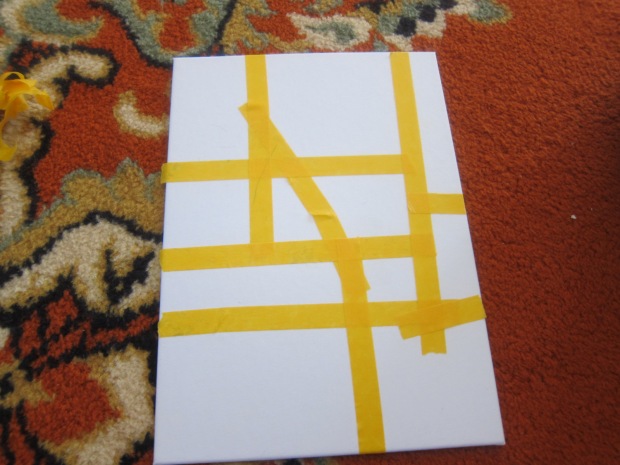
The first project is a nod to Piet Mondrian: a Color Block Painting using a provided canvas, paint, and washi tape. That name won’t mean much to your kids, but you can show them some of his canvases online! For Travis, the biggest thrill by far was the washi tape, which he impishly loves unwinding.

Koala artist (2)

We managed to get a few strips down onto the provided small canvas – don’t worry if you don’t wind up with exact rectangles or squares.
Koala artist (3)

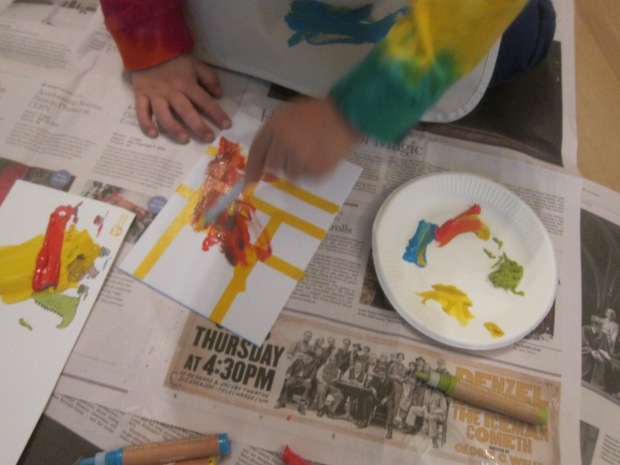
The provided paint markers are good fun to squeeze onto the provided paper plate for a little artist’s palette. Needless to say, Travis didn’t exactly color block his paints into each of the washi tape squares…
Koala artist (6)

…but he loved mixing his colors all over.

Koala artist (7)

Once the paint is dry comes the big reveal, peeling back the layers of tape. Neat!

Koala artist (8)

The kit comes with a piece of cord and a sticky tab so you can mount your child’s masterpiece on the wall, a nice little touch that is sure to make them proud.

Koala artist (21)

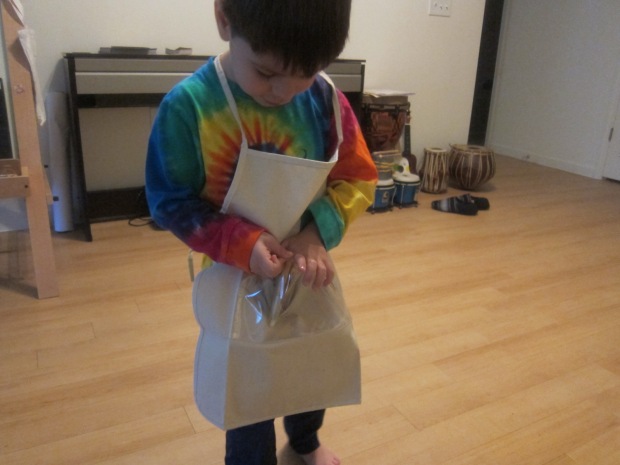
The next project, the Art Smock, looked so exciting to Travis that he had to try it on right away.
Koala artist (4)

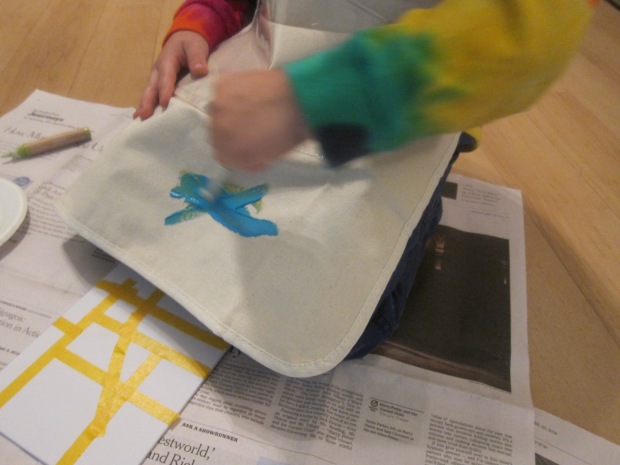
And then wanted to paint it at 7 o’clock at night, right before bath. I nearly said no, until remembering how much trouble I’ve had getting him to paint recently… If he was into it, then so was I! It was an important reminder to seize the right moment for your child’s creativity.
Koala artist (5)

He loved not only using the paint markers on the provided paper for his name, but also directly on the smock. Smears by Travis, slightly-smeared name by mama:

Koala artist (10)

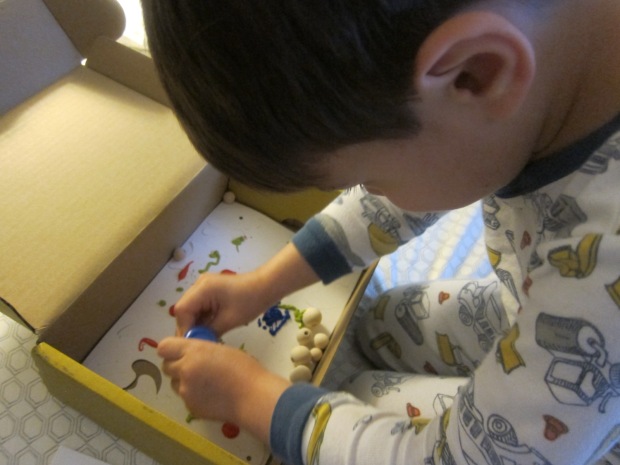
Next up was the Abstract Sculpture, which started with the thrill of ball painting. Travis was delighted we did this on the bed – how taboo! Place the sheet of provided shapes in the Koala Crate (or other shoebox with lid); add the provided wooden beads, then squirt in the paints. We were nearly out of our paint markers (see my cautionary note above), but luckily I had some puffy paints on hand to supplement.
Koala artist (11)

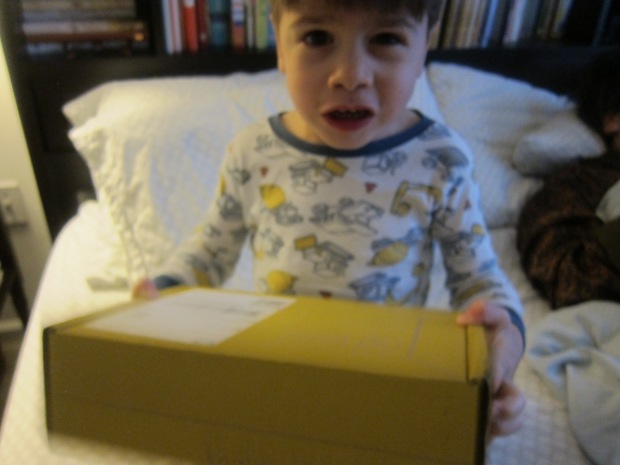
Close the box. Now ready, set, shake! Pardon the mid-shake expression.
Koala artist (12)

Now we were looking at a cool Jackson Pollock result!
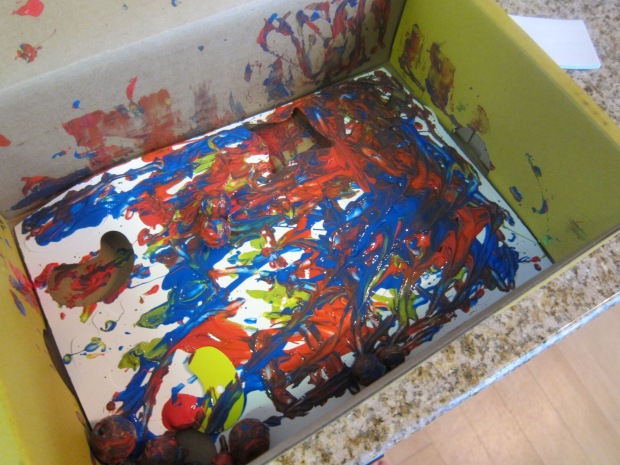
Koala artist (13)

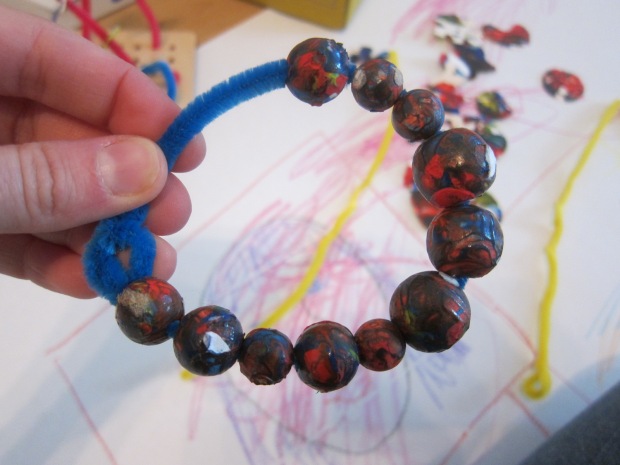
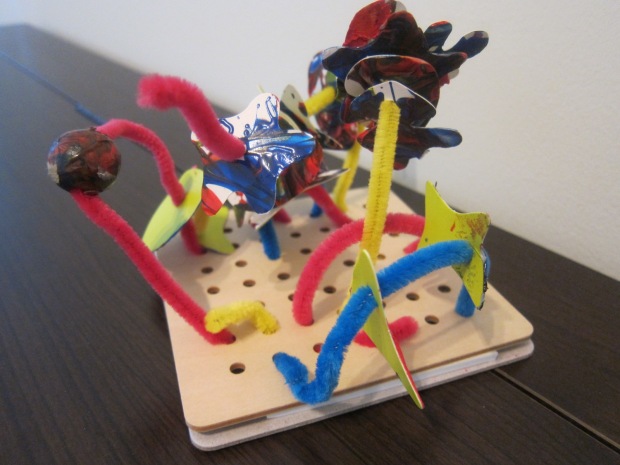
Once the paint is dry, pop out the shapes. Now you can build a 3-D sculpture using the provided base full of holes; pipe cleaners; and painted beads and paper pieces.
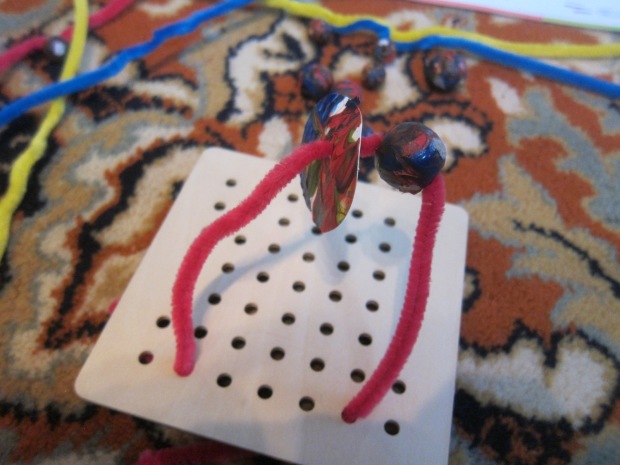
Koala artist (14)

Travis preferred to bead me a full bracelet.
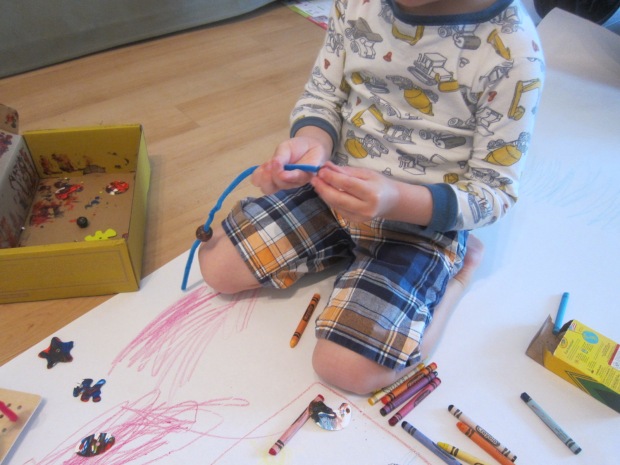
Koala artist (16)

No complaints from me!

Koala artist (17)

I showed him ideas for how to make the rest of the sculpture, but he wasn’t very interested. Finally, use the provided sticky foam to attach onto a cardboard base; this will keep your pipe cleaner pieces in place.
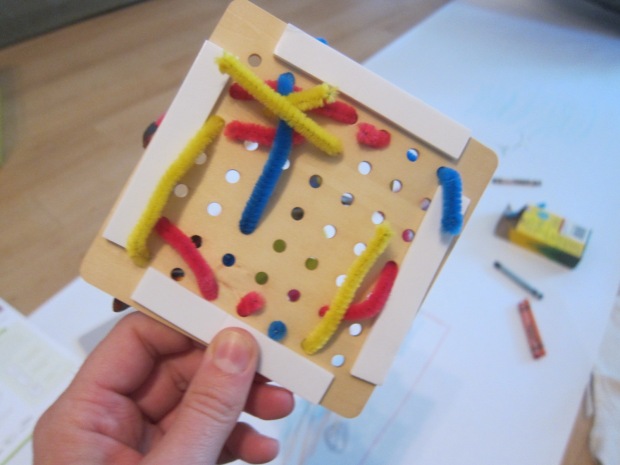
Koala artist (18)

You’ll end up with something very haphazard, like so:
Koala artist (19)


The kit didn’t end there! As befitting a crate that was all about art, there were suggestions for projects galore in the provided booklet.

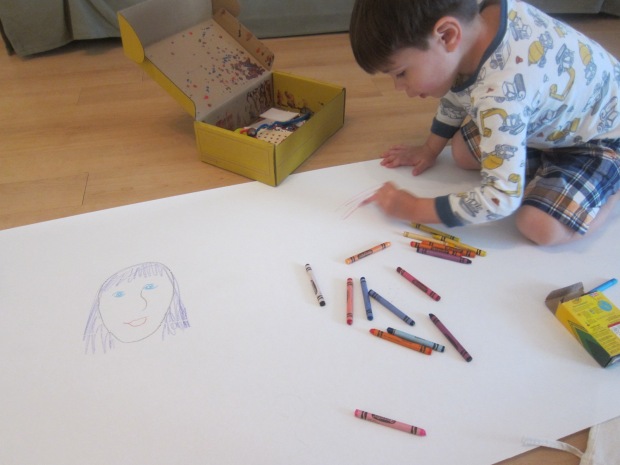
First, we put on an art show. Travis and I talked about different kinds of pictures – portraits, landscapes, still lifes – as he scribbled with crayons and mama made some, er, inexpert drawings.
Koala artist (15)

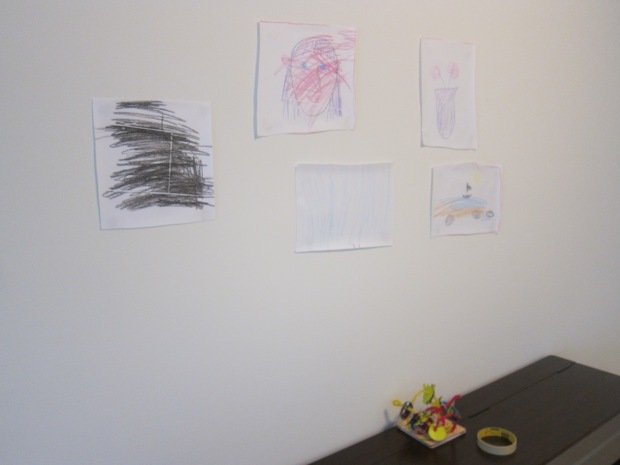
He was very proud to see the art mounted on the wall and displayed for a “show.”
Koala artist (20)

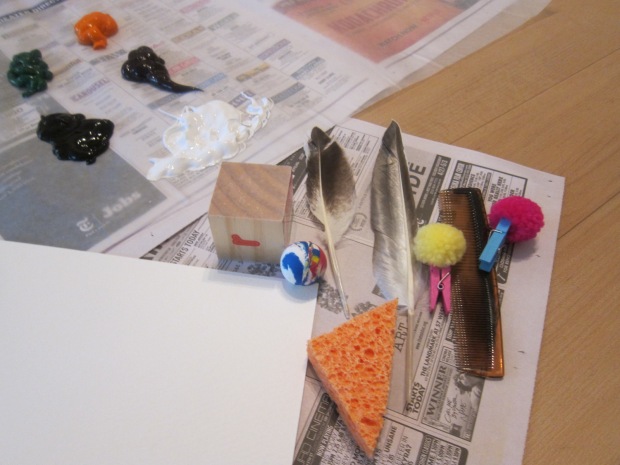
The booklet also suggested several ways to explore painting, using everything but… a paintbrush!
Koala artist (25)

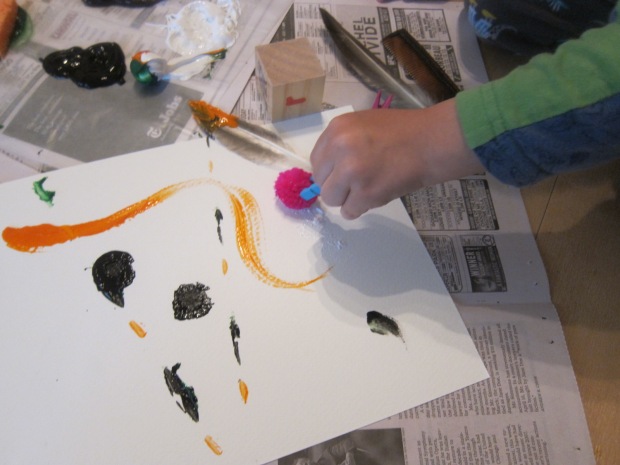
I set up a station for Travis with a feather, wooden block, sponge, pom poms (clip them with a clothespin for easy handling), comb, and ball.
Koala artist (26)

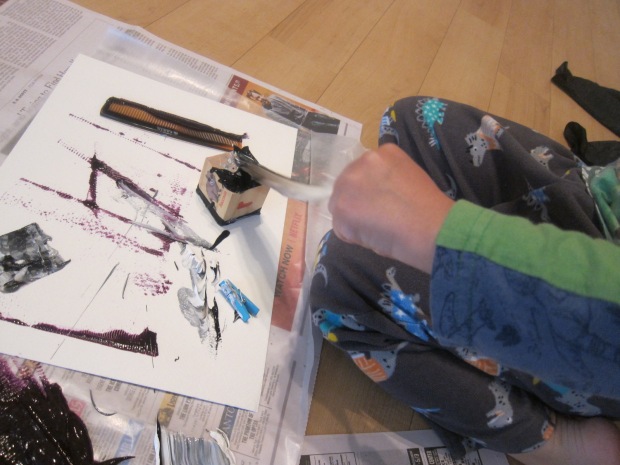
Travis loved the pom pom best, and then painted the block… with the feather!
Koala artist (28)

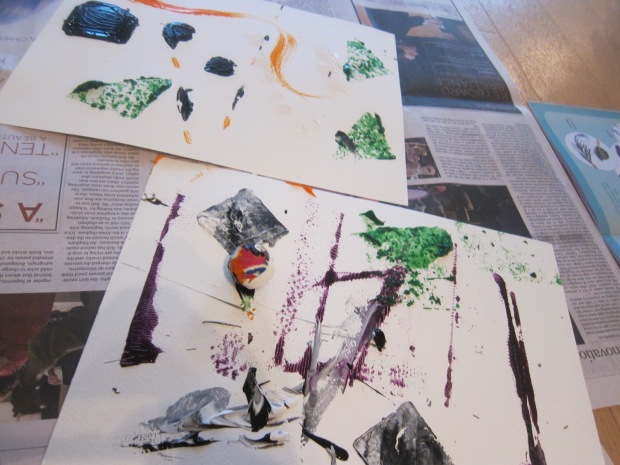
Use the ball at your own risk, ha. We didn’t even get around to painting with a q-tip or leaf, two other suggested items.
Koala artist (29)

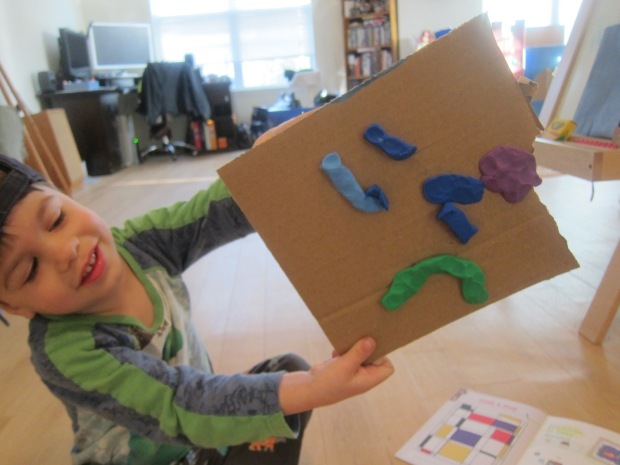
Next we put together clay pictures. It was novel to use cardboard as a background, pressing pieces on. Travis said he had made a propeller plane, proudly wielded here.
Koala artist (23)

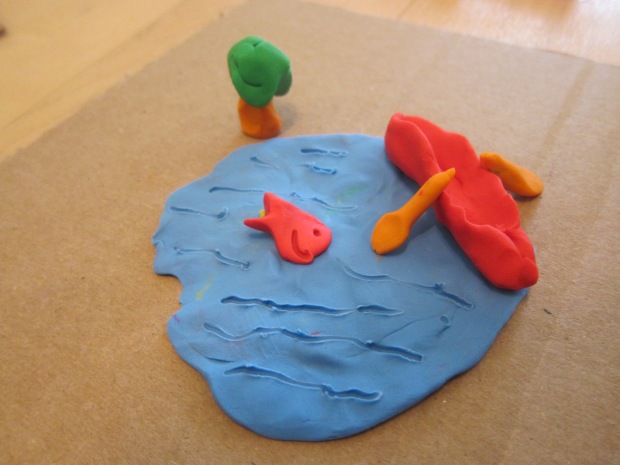
Mama showed him how to add texture to the clay with a pencil in this little pond scene.
Koala artist (24)

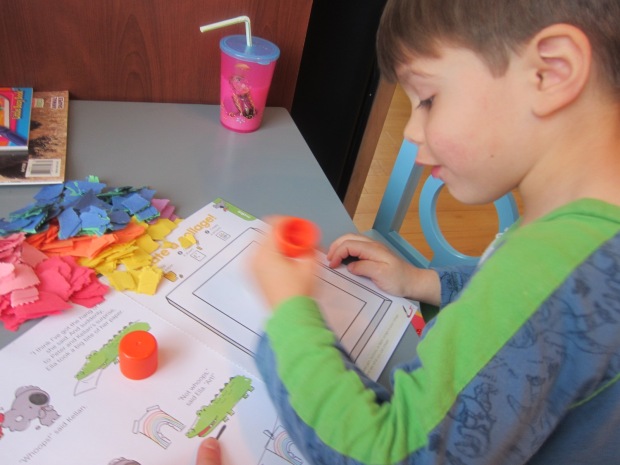
Finally, we ripped up tons of colored construction paper for a collage.
Koala artist (31)

I thought Travis might find this ho hum, but he had so much fun that soon he’d filled up all the space provided…

Koala artist (32)

…and we migrated over to the next page!

Koala artist (33)

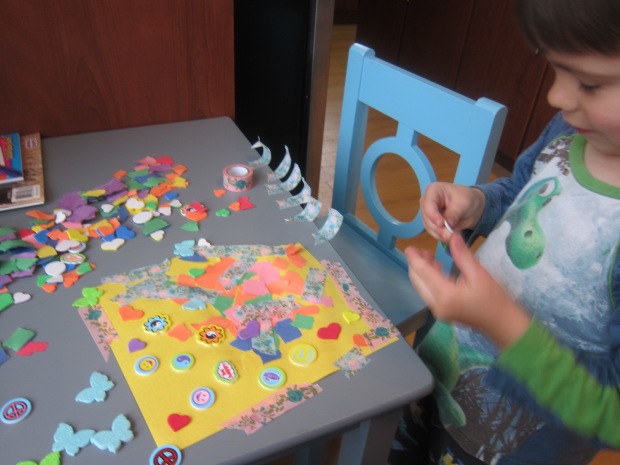
He wanted to make a second collage, and we added bits like stickers, washi tape, and beads. Other good collage items include yarn, buttons, and fabric scraps.
Koala artist (35)

Overall, super high marks for this crate. All 3 activities were engaging and relevant, and we loved the suggestions for further exploration.


Truck Stop

Truck Stop (3)

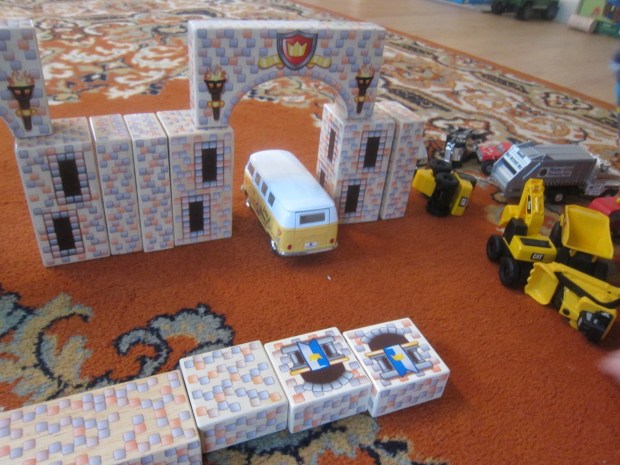
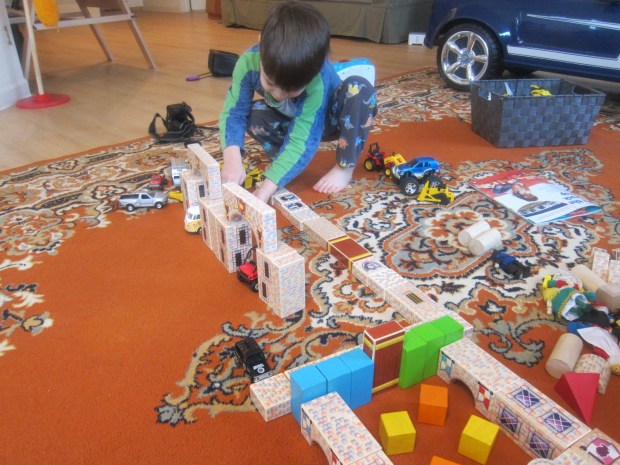
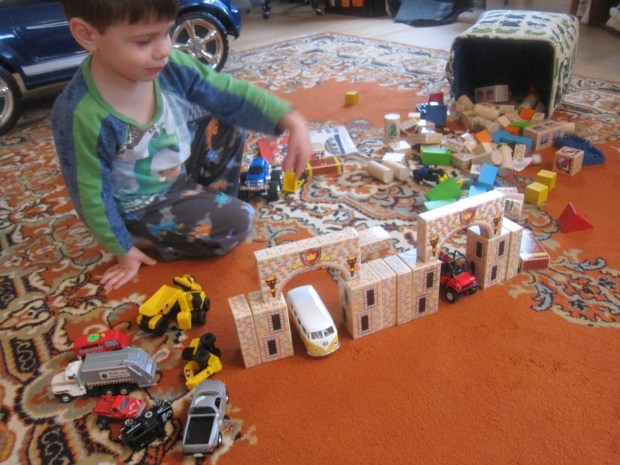
Just a super quick post today! We haven’t played with blocks in a while, and needed a way to make them novel. Enter this cute “truck stop” idea from High Five magazine.

Travis added a fueling station first of course, where the trucks and buses could gas up.

Truck Stop (1)

Then he decided we needed a diner for the truckers to eat at!

Truck Stop (4)

What novel way has your child played with blocks recently? Please share in the comments!

Truck Stop (2)


Chalk Bullseye

Chalk Bullseye (4)

We’ve been having fun with chalk this week, whether traditional chalk or our own homemade version. For this game, we simply grabbed a piece of chalk and got drawing! You’ll combine a little exercise with a little math – always a bonus.
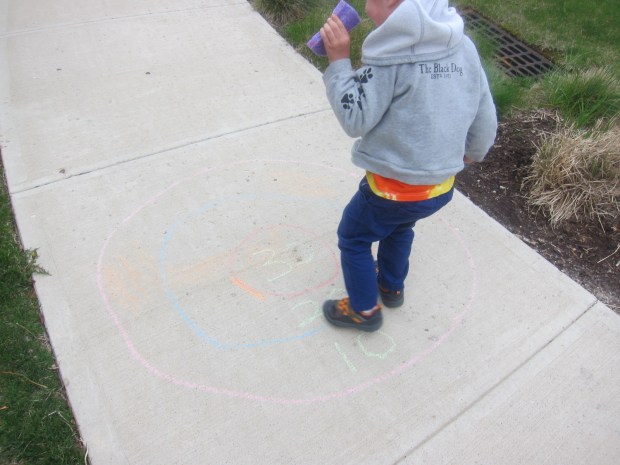
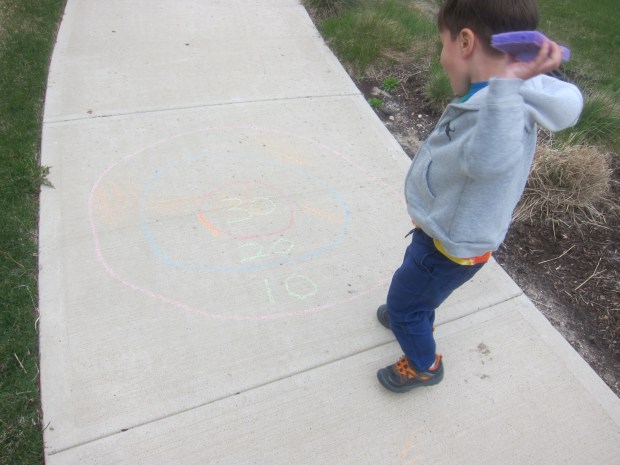
For the first variation, I drew a traditional bullseye, and labeled each inner circle ten points higher than the last. This is great for kids who are learning to count by tens.

Chalk Bullseye (2)

Dip a sponge in a bucket of water, than take your best shot at the bullseye. Bigger kids can even keep score over multiple rounds (make the sidewalk your scoresheet!) for addition practice.

Chalk Bullseye (3)

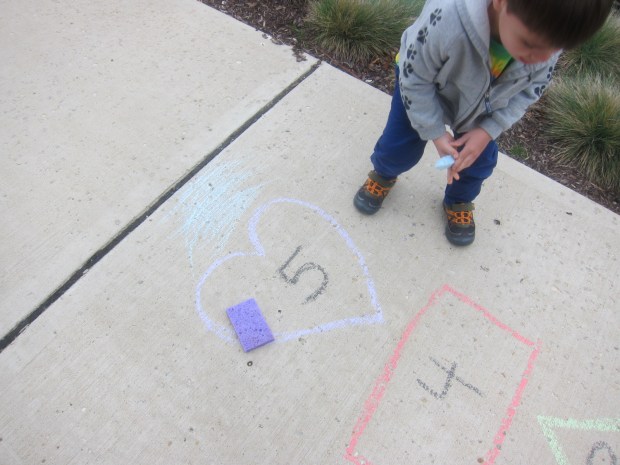
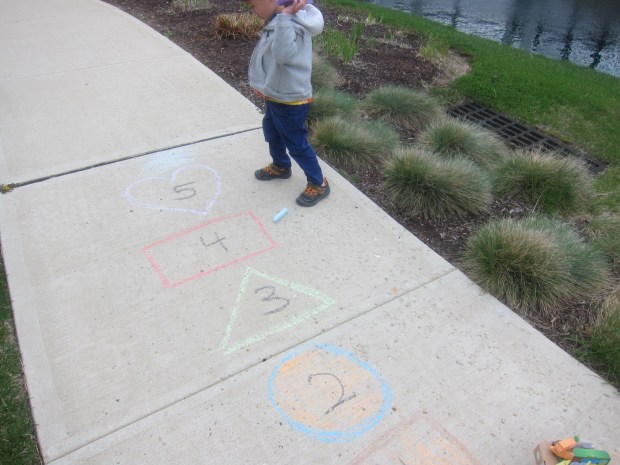
For something a little simpler, we also set up a shape and number review.  Write down numbers 1 through 5, each inside a different shape.

Chalk Bullseye (5)

As he threw, I had Travis shout out which one he was aiming for, i.e. rectangle 4 or heart 5.

Chalk Bullseye (6)

We lost our sunshine before we had very much time to play with these games, but we still had fun while the warm weather lasted!

Chalk Bullseye (7)

Homemade Sidewalk Chalk Paint

Chalk Paint (9)

Are your kids bored of regular chalk? Mix up a batch of this easy homemade paint and they’ll have a blast applying it with paintbrushes all over the pavement.

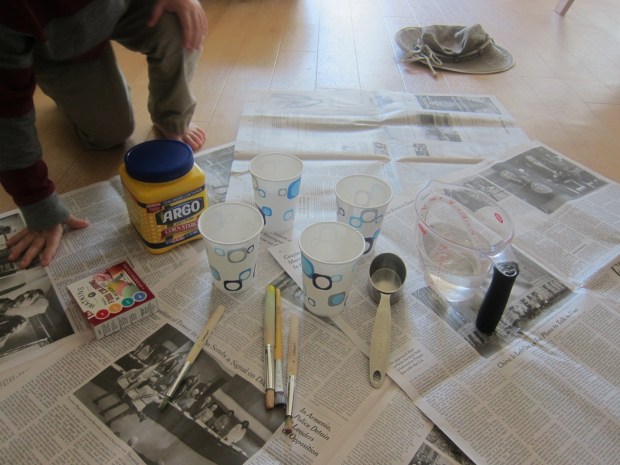
To make the paint was good messy fun… So make sure you set down some newspaper!

Chalk Paint (1)

First, have your child add 1/4 cup cornstarch to a cup for each color desired.

Chalk Paint (2)

Add 1/4 cup water to each cup.

Chalk Paint (3)

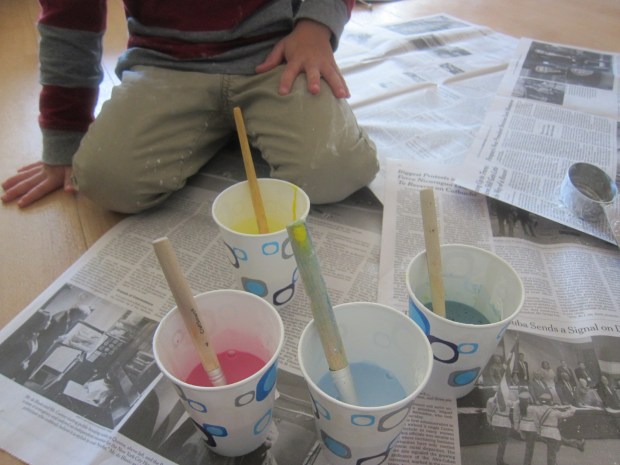
Stir with a paintbrush, and then stir in about 8 drops of food coloring. We like the all-natural colors from Watkins.

Chalk Paint (4)

Travis had so much fun with the mixing that he wanted to make a few extra batches just for fun – good thing I had a big bin of cornstarch on hand!

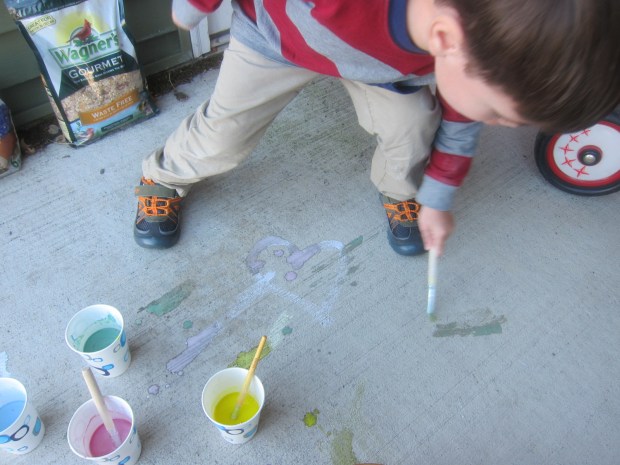
Then it was time to take the paints outside. The colors weren’t as vivid as they looked in the cups, but we still managed to make pretty flowers…

Chalk Paint (8)

….sunshine…

Chalk Paint (6)

…and general squiggles.

Chalk Paint (5)

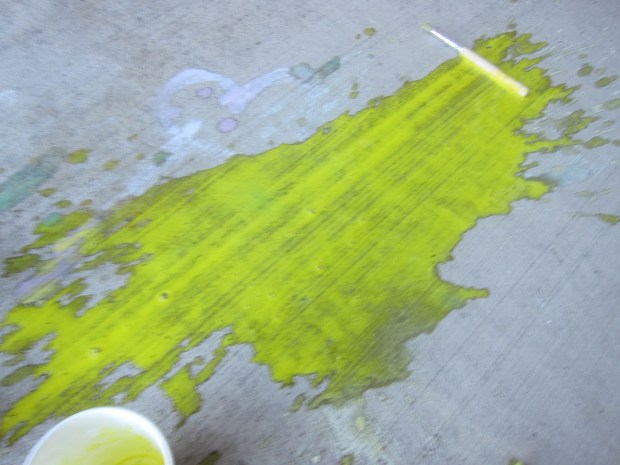
Whoops, a spill! Luckily, this stuff will rinse off easily with a hose or in the rain.
Chalk Paint (7)

What are you doing outside with the kiddos now that the weather is warm? Please share in the comments!