Spring Flowers Craft

Spring Flowers (7)

These sweet handmade flowers make the perfect bouquet for Mother’s Day, whether to give to a mom or grandma in person, or to share over Zoom!

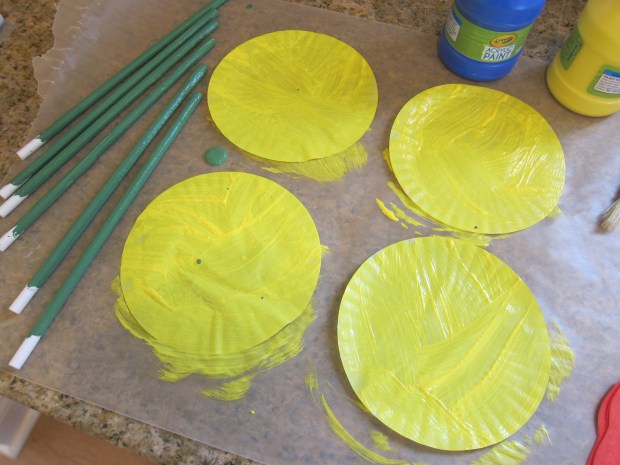
Ideally, we would have used green straws as flower stems, but because we’re a bit limited on craft supplies (thanks coronavirus), we settled for painting white straws green. I also painted white cupcake liners yellow.

Spring Flowers (1)

Once the paint dried, we were ready to assemble our flowers! Travis helped make four kinds:

Daffodil: Trace a three-pointed petal shape on each of 3 yellow cupcake liners. Align them so they make a 9-pointed circle and glue together. Trim a fourth (white) cupcake liner down, and glue into the center. Glue a small yellow pom pom in the middle, then tape to a green straw as the stem.

Spring Flowers (4)

Calla Lily: Cut blue construction paper into an equilateral triangle. Tape a green straw so that it points up at one of the triangle corners. Wrap the other sides of the triangle tightly around the straw, and tape into place. Fold a yellow pipe cleaner in half, and insert down through the “flower” into the straw.

Spring Flowers (5)

Daisy: Cut three strips out of white construction paper. Glue each in half to form loops, then glue the loops one atop another.

Spring Flowers (3)

Cut a circle from yellow construction paper and glue in the center. Tape to a green straw for a stem.

Poppy: Cut six circles from red tissue paper, then trim around the edges to resemble the petals of a flower. Glue the pieces one atop another.

Spring Flowers (2)

Cut a circle from black construction paper and glue in the center of the tissue paper. Poke the end of a yellow pipe cleaner through the black circle and then all the way through the tissue paper layers; thread the pipe cleaner down into a green straw.

Spring Flowers (6)

Gift your flowers to someone special. Happy Mother’s Day!

Spring Flowers (8)

Improv Games, 3 Ways

Improv Games (2)

Travis and Veronika were playing dress-up this afternoon and I seized on the opportunity to introduce a few improv games. It was a reminder that Travis is missing out on such play, now that his acting class is cancelled for the season, and it felt good to have silly fun!

First, we warmed up with a round of “Zip Zap Zop”. Point your hands at another person (ideally you’ll want three or more people, although Travis and I made do just the two of us) and slide them against each other, saying “Zip!” The next person says “Zap!” and then on to a third person (or back to the original first), who says “Zop!” Repeat and get faster and faster until everyone is hopelessly giggling.

Improv Games (1)

You’re warmed up!

Next we played “Yes, Let’s!” I demonstrated for Travis how to say, “Hey everyone, let’s all…” after which you choose an action. First we rode on broomsticks! Travis predictably had us marching like Darth Vader.  We also hopped like frogs, at which point baby sister wanted to join in.

Improv Games (3)

For the final game, we played “World’s Worst”, i.e. a firefighter who decided to chill out instead of fighting a fire.

Improv Games (7)

We were world’s worst construction workers dropping things or world’s worst weight lifter, too weak to lift a beach ball. Travis really got into these!

Improv Games (6)

It was great to have pure silly fun together.

Flapjack Octopus

Flapjack Octopus (6)

This suggestion from Kiwi Crate was both a way to upcycle Travis’s latest package from the company and an extension on the theme of the deep sea. Winding yarn around a piece of cardboard is also a method you can use for making pom poms, but we found this project to be even easier.

Cut the top off of a Kiwi crate box (or any shoe box), and cut off any flaps, leaving a rectangle. Begin winding yarn around the middle of the rectangle, wrapping about 100 times. This was great practice for counting to 100, something Travis has been working on for home school!

Flapjack Octopus (1)

When we reached 100, we slipped a piece of yarn through the loops at the bottom of the rectangle, and double-knotted securely. Now slip the whole bunch of yarn off the cardboard. Find the middle of the yarn bundle, and tie another piece of yarn there in a double-knot to form the octopus’s waist.

Flapjack Octopus (3)

Snip the loops at the bottom of the octopus. Divide into eight portions (these will be the eight legs) and secure each bundle with a piece of yarn.

Flapjack Octopus (4)

For ears, slip a pipe cleaner through the yarn at the top of the head, and twist down into cute little ear shapes, trimming any extra pipe cleaner.

Flapjack Octopus (5)

As a final touch, glue on wiggle eyes. Once the glue dries, your flapjack octopus is ready to be discovered in the deep sea!

Watercolor Ocean Scene

Watercolor Ocean Scene (3)

Travis had so much fun drawing a squid for a project yesterday that I wanted to expand upon it today. This time, the assignment was to draw a full ocean!

For this project, it’s really up to your child to draw whatever ocean scene he or she envisions. Make sure to use thick watercolor paper for the best results. Travis started out with a big red octopus, but he was dissatisfied with it. He changed it into a crab, but was still displeased. So then he decided he wanted to start over!

Watercolor Ocean Scene (1)

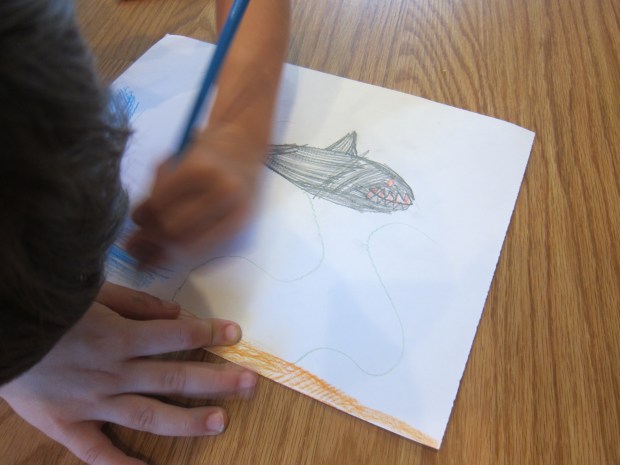
On his second sheet of paper, I could tell he was really thinking about how the world might look under the waves. He drew sand at the bottom, green seaweed growing up, a crab, and a big toothy shark.

Watercolor Ocean Scene (4)

He added blue water all around as background. I worked beside him on a second scene with similar animals.

Watercolor Ocean Scene (2)

When we were done drawing with art pencils, the real watery fun began. Brush over your pencil marks with just a light layer of water. It will smear the colors somewhat, and make it took like you are scuba divers exploring beneath the waves!

Watercolor Ocean Scene (5)

Helpers and Heroes

Helpers and Heroes (5)

This activity gives purpose to any walk in your town, perfect if your family is outside getting a daily quotient of sunshine during social distancing!

We set off downtown and I assigned Travis the goal of finding signs of any community helpers. The trick here was not necessarily to spot the helpers themselves, which Travis can readily identify (police offices, firemen) but rather signs of them.

First up was a fire hydrant! That was used by the firemen, and Travis gave it a big thumbs up.

Helpers and Heroes (3)

Next we spotted a recycling bin. I pointed out how the bin doesn’t empty itself; we need sanitation workers!

Helpers and Heroes (2)

Now that he had the idea, he began to notice subtler signs, posing by an ATM for bankers, and ladders for construction workers. We also walked past the library, representing the librarians.

Helpers and Heroes (7)

Once we reached the town green, Travis spotted the memorial to local war heroes, which was a moving and apropos moment.

Helpers and Heroes (4)

This would be a great outdoor extension to any school lesson plan on “community helpers”!

Porthole Scratch Art

Porthole Scratch Art (4)

This ocean-themed art project didn’t quite work as intended, but it still led to great artistic and creative play for Travis today!

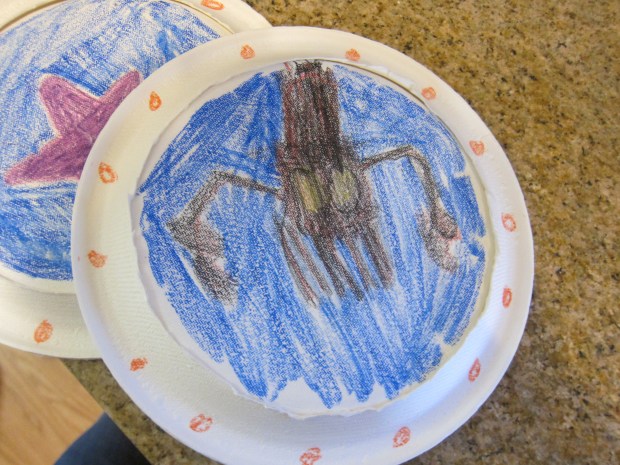
The goal with scratch art is to have two layers of color, scratching off the top layer to reveal the shade underneath. To start, cut the center circle from two paper plates and set aside; these will be the rims of your submarine “portholes”.

On a second set of paper plates, I asked Travis to draw his favorite sea creature. He chose a big red squid, and I was so proud of his drawing even though it wasn’t exactly easy to scratch off, as intended.

Porthole Scratch Art (1)

I made a nice fat starfish in the center of another plate as an easier option.

Porthole Scratch Art (2)

We then colored all around the sea creatures with white crayon. Layer a second color of crayon over everything, choosing a dark color to go over the sea animals and then blue crayon over your layer of white.

Using a penny, you now should be able to scratch off the top layer of crayon. If this works, you can make animal details like fins or scales, as well as water details like swirls and seaweed.

Unfortunately, our two colors of crayon just smudged together! Well, we were undeterred. Tape these plates underneath the first set of plates, and add details like bolts with more crayon.

Porthole Scratch Art (3)

Then we got inventive and played deep-sea diver on the couch! Travis loved pretending to be the squid outside my submarine.

Porthole Scratch Art (5)

We might try this again on a different brand of paper plates next time and see if we have more success.

Porthole Scratch Art (6)

Floating Fish

Floating Fish (4)

This little balloon project is a fun way to teach kids about buoyancy, and more specifically about how fish can swim in the water without either floating to the top or sinking to the bottom. As a bonus, it starts out as science and ends as a bath toy!

To set up, first insert a marble into each of three uninflated balloons. You’ll have to open the neck of the balloon wide to do this, which can be a bit tricky.

Floating Fish (1)

Using a funnel, fill one balloon with 1/3 cup vegetable oil. Fill the second ballon with 1/3 cup water. Blow up the final balloon with air until it’s roughly the same size as the balloons with liquid.

Floating Fish (2)

You can add fishy faces or fins with permanent marker, if desired! Next, fill a craft bin with water, and set your fish loose. Travis’s hypothesis was that the oil-filled “fish” would be the one to neither sink nor float, and he was so proud to be correct!

Floating Fish (3)

As you can probably guess, the water + marble sinks to the bottom. The oil + marble manages to be midway in the water, just like a fish swimming. The air + marble floats on top…not where a fish wants to be!

Floating Fish (5)

Once the science was done, we brought the fish upstairs at bath time, where they made for extra fun!

Little Passports: Australia

LP Australia (29)

Strangely, I feel as though Travis’s packages from Little Passports are arriving closer together than one month apart… but during home school, we’re not complaining! Travis couldn’t wait to read “Sam and Sofia’s” letter and do all the usual activities: a sticker for his passport, a pin on his map, a coin for his chart, and a tag on his suitcase.

LP Australia (2)

The booklet had a fun coloring activity about a coral reef, color-coded in such a way that my kindergartner could easily follow along.

LP Australia (3)

The word find, on the other hand, was tough even for this mama! Online featured great extras; Travis particularly enjoyed the photos and clips of Australian music. Australian phrases like “rug up” and “ankle biter” got quite a laugh.

Souvenir:

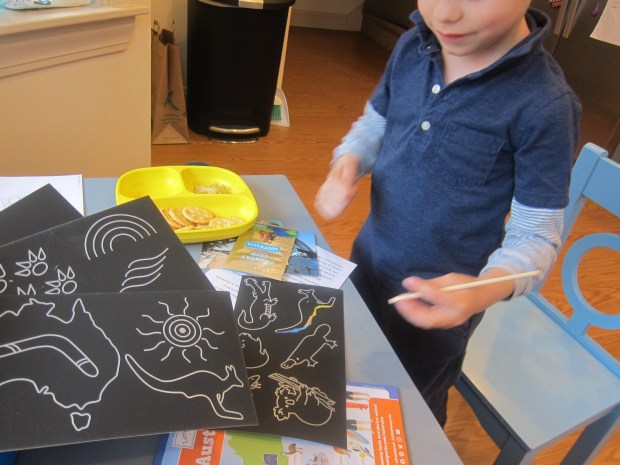
No sooner was the envelope open than Travis was testing out the scratch art kit. The idea is to introduce kids to Aboriginal dreamtime symbols, and Travis loved the rainbow colors that appeared.
LP Australia (1)

He learned a few symbols (“I get it, because a kangaroo jumps up!” he noted, spotting that one), and then designed his own, which had us veering off in a Star Wars direction.

LP Australia (10)

Further Activities:

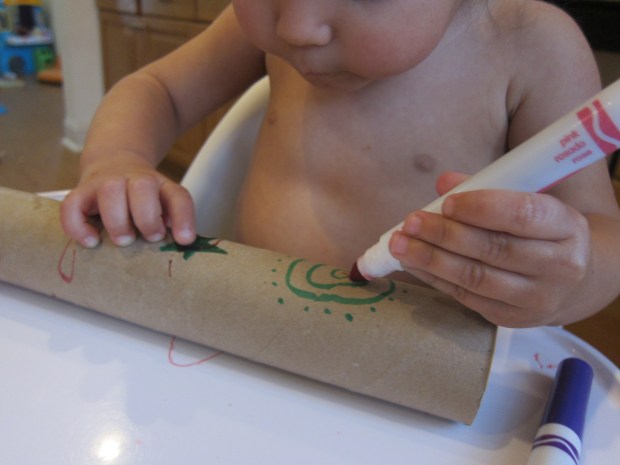
First up was a Didgeridoo Kazoo. Both kids enjoyed decorating an empty paper towel tube with markers.
LP Australia (21)

A lot of it was their own inventive scribbles, but we worked in some dreamtime symbols, too.

LP Australia (20)

As they colored, I read about how the didgeridoo dates back thousands of years. Place a square of wax paper over one end of the tube, and secure with a rubber band.

LP Australia (19)

Hum down into it for a deep, warbling sound. We put on some didgeridoo music to play along too!

LP Australia (18)

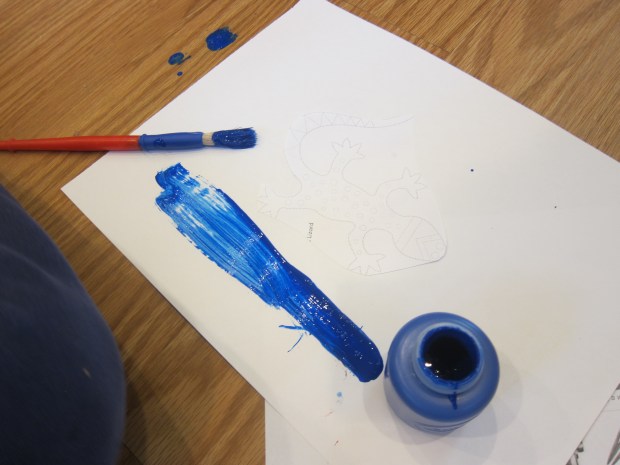
Next up was Animal Art. This project aimed to show the way indigenous Australian art shares stories about animals and nature. First, we cut out the provided animal templates and glued these onto thicker art paper. Travis chose the lizard.
LP Australia (12)

I encouraged him to use paints and markers to make a landscape for his animal. First he just painted water, and declared it done, but then he got more into the idea of adding traditional symbols (swirls, dots, stripes), and filling in the background.

LP Australia (22)

You can use cotton swabs for the dots for extra fun!

LP Australia (16)

Little sister wanted in on this project too, although her kangaroo was soon a bit of a mess!

LP Australia (14)

The add-on with this package was to grow a coral reef, similar in science to a crystal tree we made around the holidays. We read about coral reefs and what makes them so important as an ecosystem, and then Travis helped set up the provided absorbent paper in the stands.

LP Australia (4)

Mix the provided powder into warm water, then pour into the bottom of each tray. Whoops! One of corals collapsed right away, although perhaps this was a perfect illustration of how delicate these ecosystems are. Within an hour, we saw the first little crystals forming.

LP Australia (6)

By morning, they were a riotous display of crystal! We almost thought they looked like cauliflower.

LP Australia (8)

As the final touch, Travis colored in the Australian flag and we added it to the growing collection above his world map.

LP Australia (28)

Recipe:

To finish our journey, we baked a popular Australian dessert called Lamingtons, a cake coated in chocolate and coconut. I should note that Little Passport’s recipes aren’t as easy to follow as, say, those from Raddish Kids. As a result, a lot of them become mommy projects after a little help from my sous-chef.

LP Australia (23)

Ingredients:

For the cake:

  • 1 and 1/2 cups flour
  • 1 and 1/2 teaspoons baking powder
  • 1/4 teaspoon salt
  • 1/2 cup Earth Balance butter, softened
  • 3/4 cup sugar
  • 2 Ener-G eggs
  • 1 teaspoon vanilla extract
  • 1/2 cup plain almond milk

For the frosting:

  • 2 tablespoons melted Earth Balance butter
  • 1/2 cup plain almond milk
  • 4 cups powdered sugar
  • 1/3 cup cocoa powder
  • 2 cups shredded coconut
  1. To prepare the cake, sift together the flour, baking powder, and salt into a bowl; set aside.
  2. Beat 1/2 cup butter and the sugar in a stand mixer until creamy. Add the Ener-G eggs and vanilla. Alternate adding the flour mixture and 1/2 cup almond milk, beating until combined.
  3. Pour the batter into a 9×13-inch baking dish lined with foil. Bake at 350 degrees F for 28 minutes; a wooden pick inserted into the center should come out clean. Let cool for 10 minutes in the pan, then lift out the foil and cool the cake completely on a wire rack. Cover with plastic wrap and chill in the fridge.
  4. Once the cake is chilled, make the frosting: whisk together the melted butter and 1/2 cup almond milk in a large bowl. Whisk in the cocoa powder. Add the powdered sugar, stirring until smooth.
  5. Cut the cake into 2-inch squares. Working with one square at a time, dip in the chocolate frosting, then immediately coat in the coconut. Transfer to a wire rack or pan to set.

Because the frosting was thick and the cake was very delicate, I found it easier to work by hand instead of dipping pieces in on a fork. This got messy, but sure was yummy!

LP Australia (26)

Deep-Sea Discovery Kiwi Crate

Kiwi Deep Sea (4)

Travis’s subscription to Kiwi Crate is more welcome then ever these days, providing doses of science and art to our home school lessons. Travis couldn’t wait to dive into his deep-sea discovery crate.

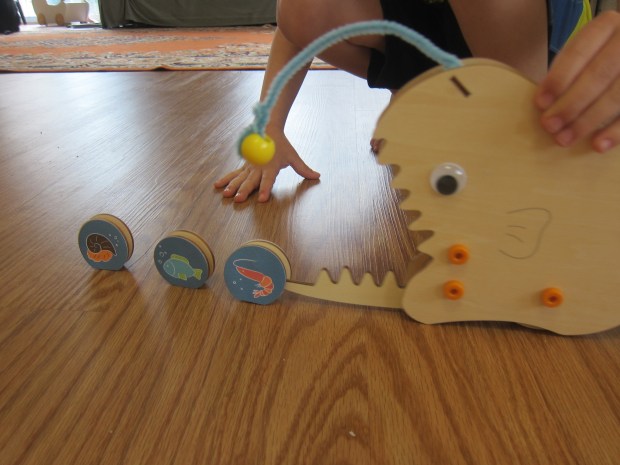
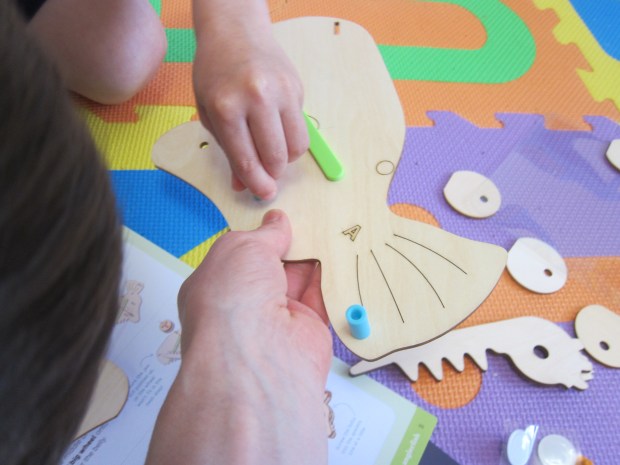
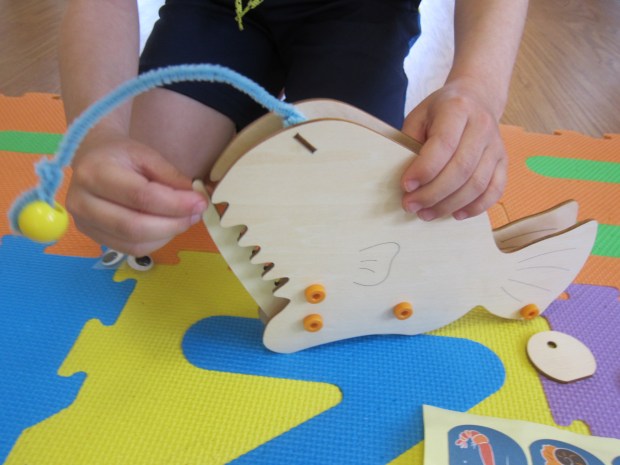
First up was to make the Chomping Anglerfish. Travis has learned about these deep-sea fish before, with their fascinating attached lantern, and this project was big on engineering. He helped work through the steps of assembling a wooden wheel then attaching this to the frame of a wooden fish with bolts and screws.

Kiwi Deep Sea (1)

He felt absolute glee when he realized the jaw could move (thanks to the cogs lining up with those in the wooden wheel), and even more so when he realized this meant the jaw could now eat…

Kiwi Deep Sea (2)

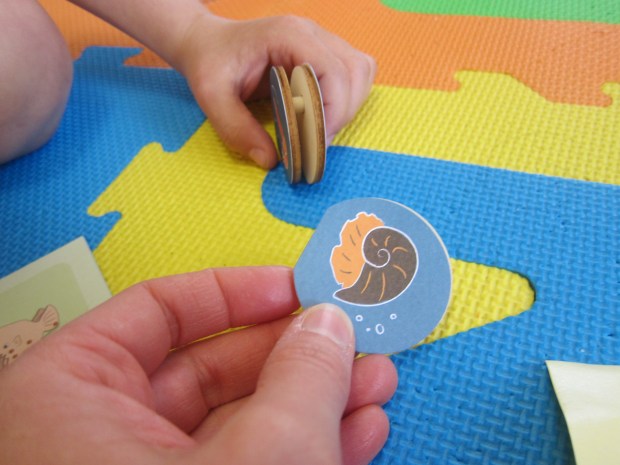
…the prey. Activity number two, to Make the Prey was very simple, just adhering stickers to wooden disks with a peg in between. The wooden jaw hooks onto these pegs so that as the fish scoots along the floor, the jaw lifts up and “swallows” the prey. Just as a cautionary note, the whole apparatus is a bit temperamental and won’t work if the wheel isn’t properly rolling along the floor or if the jaw gets slightly stuck.

Kiwi Deep Sea (3)

But needless to say, it soon turned into a game of chomping up other toys around the house, like Legos!

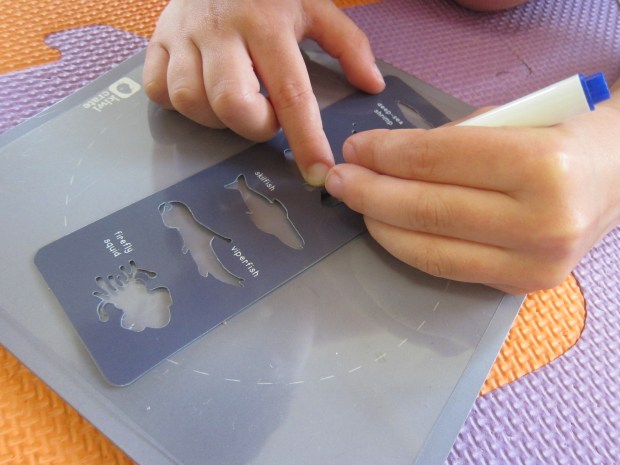
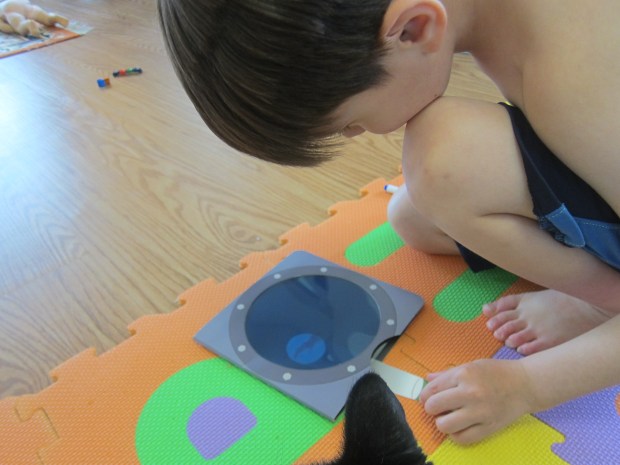
The third project was a Submarine Seek-and-Find. Using the provided stencil, Travis colored in fish shapes onto the provided plastic sheet. A paper “flashlight” then uncovers these creatures lurking behind the dark submarine window.

Kiwi Deep Sea (5)

We had fun “hiding” fish for each other among drawings of bubbles, or making up our own creatures. Travis was so proud surprising me with a giant sea monster. The booklet explains the science of how the finder works, when the white light of the “flashlight” makes your drawings appear even under the dark window.

Kiwi Deep Sea (7)

For some final fun, Travis dressed up as an anglerfish for a game of “hide-and-glow seek”! To make the costume, twist a black pipe cleaner onto a glow stick, and attach to any dark-colored baseball cape with masking tape. Have your child dress in dark clothing and don the cap, and they are ready to be a lurking deep-sea fish!

Hide and Glow Seek (3)

We cracked additional small glow sticks to be the “prey” and took turns hiding these around the house. Travis got quite creative with his hiding places! The goal is to find all the sticks in the dark before the “anglerfish” tags the other player.

Hide and Glow Seek alt

Obviously this game will work best after full dark, as you can see from Travis in the picture above, although we did also play a round before the sun went down.

Hide and Glow Seek (5)

If you want to extend the learning, check out two fun books: How Deep is the Sea from Usborne Books or Super Submarines, by Tony Mitton.

Shadow Chalk Experiment

Shadow Chalk Experiment (5)

Travis has made sundials before, but never before has he used his whole body for the activity! This might be the coolest version we’ve tried yet.

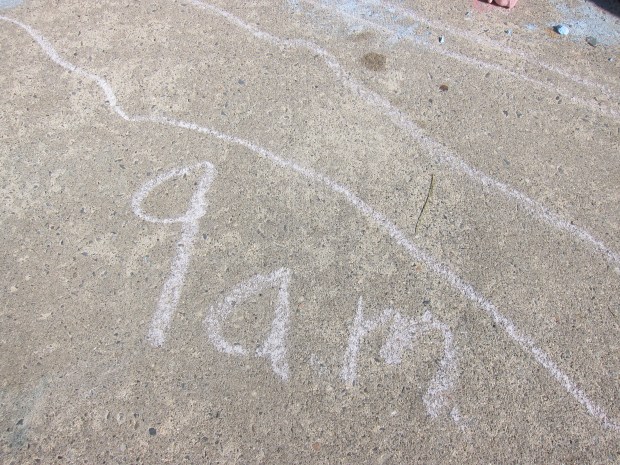
Okay, so it wasn’t as precise as past versions, since the measurement (your body!) is big and you have to remember to pop outside. But at 9 a.m., 1 p.m., and 4 p.m. intervals, Travis stood with his feet in the same spot on our patio. He held a big stick for extra effect and struck a dramatic pose.

Shadow Chalk Experiment (1)

Each time, I traced his outline and marked the time.

Shadow Chalk Experiment (2)

Sure enough, it was long and aimed to the south in the morning, short and stubby at 1 p.m, and long and to the north by late afternoon.

Shadow Chalk Experiment (4)

If your kids want to, have them color in their shape each time with fun patterns or colors! Travis preferred to leave his blank, but we still had a neat record of the sun’s passing by the end of the day.

Shadow Chalk Experiment (6)