Levitating Slinky

Levitating Slinky (1)

Slinky play is such pure childhood fun. We have a new slinky from the dollar store, and mostly Travis just had a free-for-all with it today. But we threw in a tiny bit of science, too.

First Travis simply wanted to check out all the ways this toy can wobble, wiggle, and stretch. He loved turning it into a stretched-out U shape and calling it a smile.

Levitating Slinky (2)

And of course we gave it the classic try down the stairs.

But what’s really going on in a slinky? To investigate, we needed a smartphone with a slo-mo video camera. Stand in a clear space and hold the slinky still, then drop it.

Ideally, what you’ll capture is that the bottom coil doesn’t move until the upper ones catch up to it. That’s because the tension of the coils is holding them together, even as gravity is pushing the slinky down. This makes the slinky appear to levitate just for a moment before it falls to the ground.

Our slo-mo camera wasn’t great at capturing this. I’d love to hear your results in the comments if you get a great shot!

Start a Tree

Start a Tree (6)

Unlike a tree sapling we planted earlier in the summer, today Travis conducted more of a science experiment; could he start a tree sapling from seeds we collected outside?

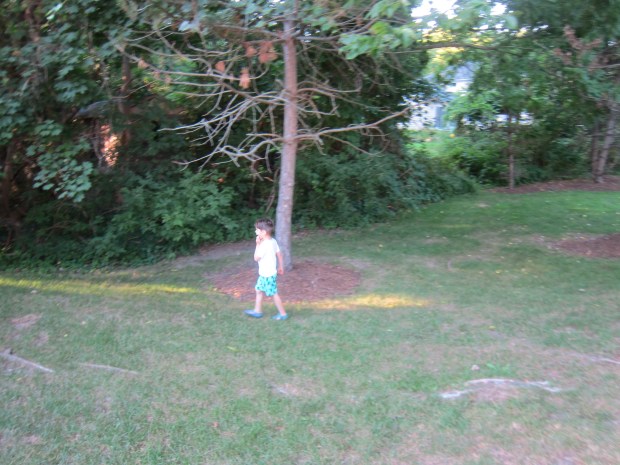
After dinner, we headed off on a pajama walk (one of the best parts of these long summer nights!) in hunt of seeds. You’ll want ones that you can easily plant in a cup, so think maple keys, acorns, or walnut seeds.

Start a Tree (1)

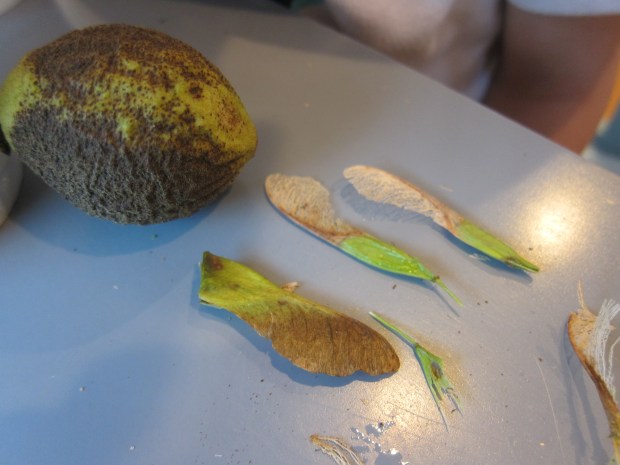
Once home, we investigated all of our finds, talking about their similarities and differences. Travis was especially fascinated by the black walnut pod we brought home, and then cracking it open to get to the seeds inside!

Start a Tree (2)

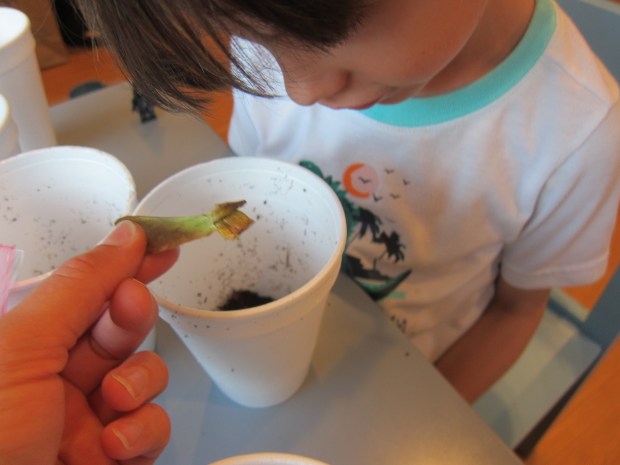
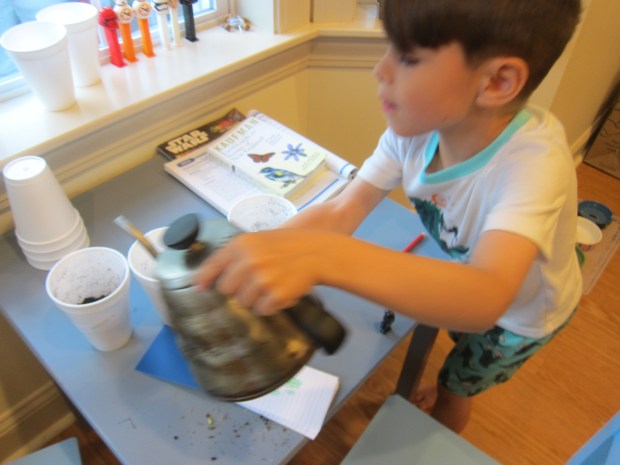
We then spooned a little potting soil into each of 3 foam cups, and added our tree seeds. Cover with a little more soil and water.

Start a Tree (3)

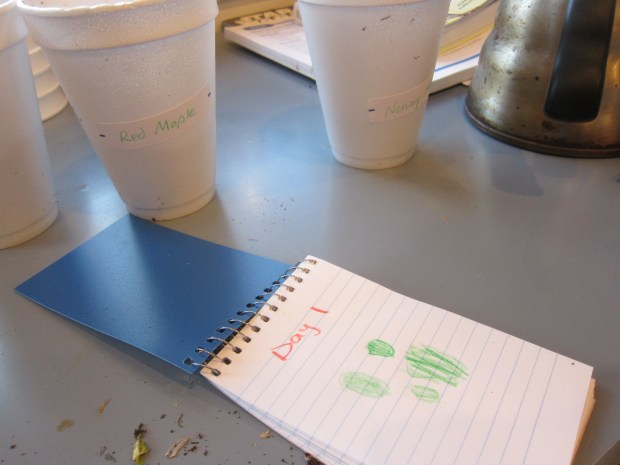
We labeled the cups and Travis sat down to begin a nature notebook, jotting down how the seed pods had looked on Day 1. The goal is to continue until we see little saplings grow!

Start a Tree (4)

To conclude the project, be sure to talk about the various ways that seeds can move to a new place. Travis laughed imagining seeds that could get up and walk, but then we reviewed some of the real methods (like wind, rain, or hitchhiking on animals!).

Constellations

Constellations (1)

Who didn’t love staying up late as a kid to see the stars on summer nights? Tonight, Travis got to do just that, and to learn a little about constellations, too!

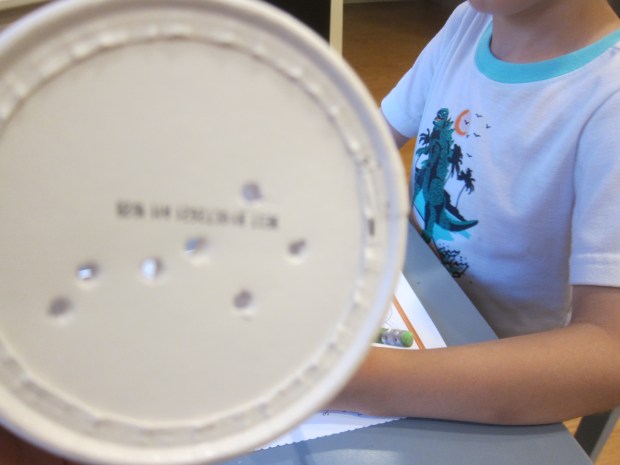
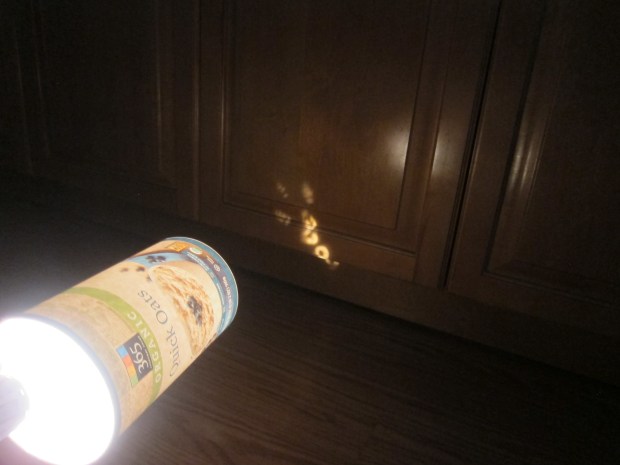
As night was falling, we fit in a refresher course on constellations, talking about what they are and then projecting a familiar one (The Big Dipper) against the wall. For this, simply poke holes in the constellation’s pattern in the bottom of an empty oatmeal container with a pen or pencil. Shine a flashlight into the container, and your stars appear!

Constellations (2)

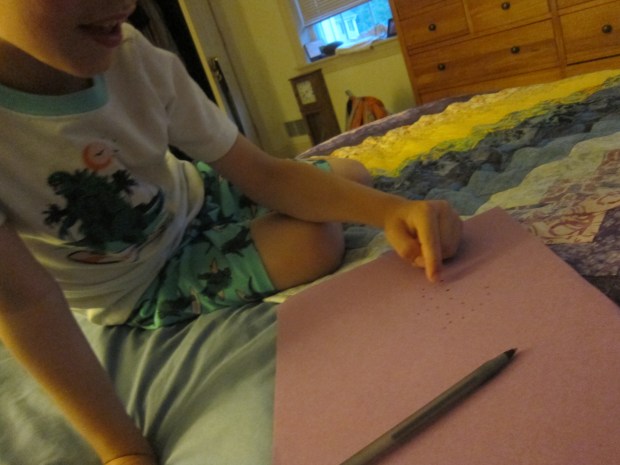
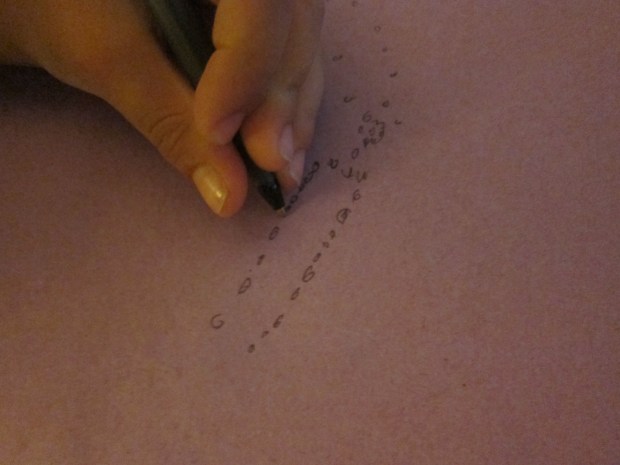
Now it was almost dark enough, but still not quite. I challenged Travis to make up his own constellation, to name it, and then to make up a story about it. The idea was to highlight the long tradition of oral folklore that accompanies the patterns in the stars, among so many cultures.

Constellations (3)

After my example of a cat constellation, he drew a dot-to-dot boy and we wove a tale of how the boy had ended up in the stars. Next he drew a smile! I loved this childlike but beautiful idea of what images we can see among the stars.

Constellations (4)

Now it was time to spot the real thing. We headed out to the back patio and waited for final dark to fall. And then it was right to bed!

Constellations (5)

Earth Science Pudding

Earth Puddings (11)

Is this project a healthy snack for your kids? Absolutely not. But when Travis declared mid-way through the activity that he was in paradise, I knew I’d brought some magic into a summer morning.

The idea was to show all the layers of the earth, using just about the most amount of sugar imaginable.

Earth Puddings (1)

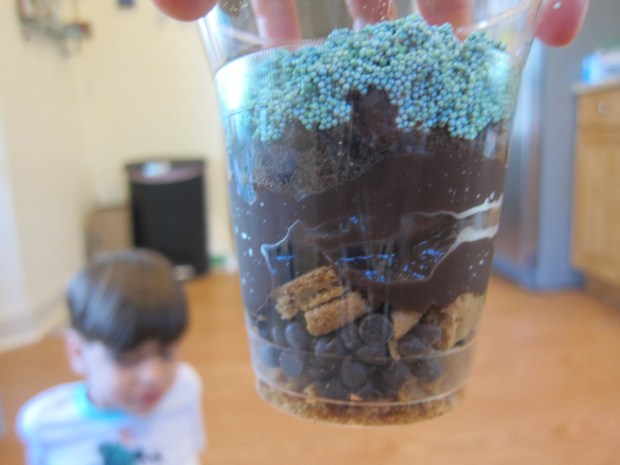
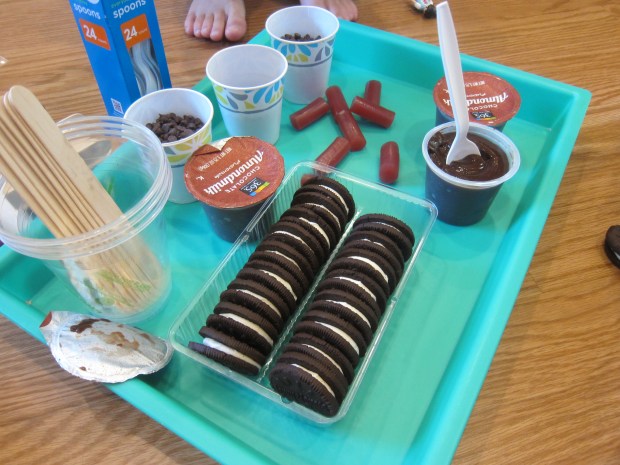
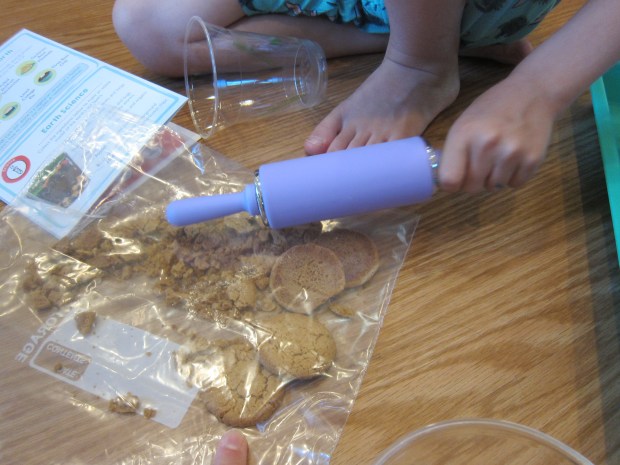
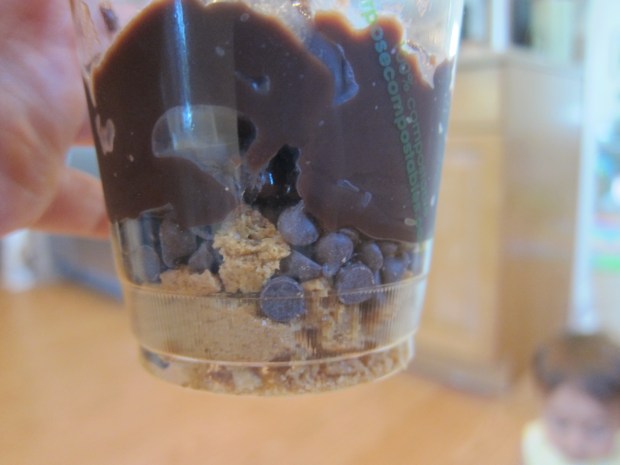
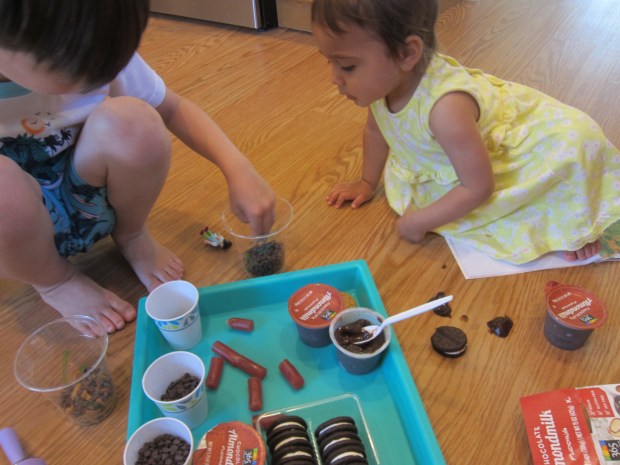
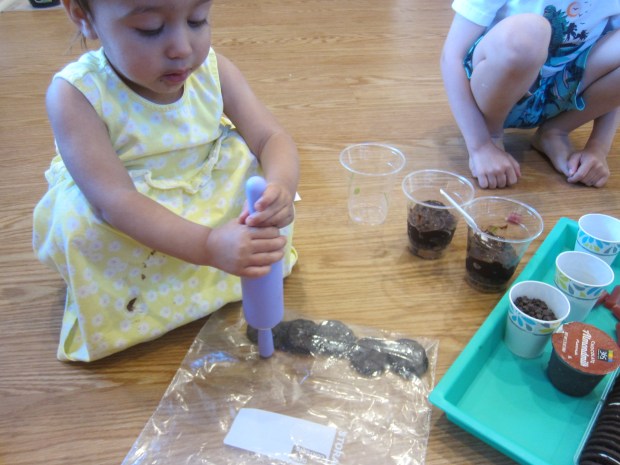
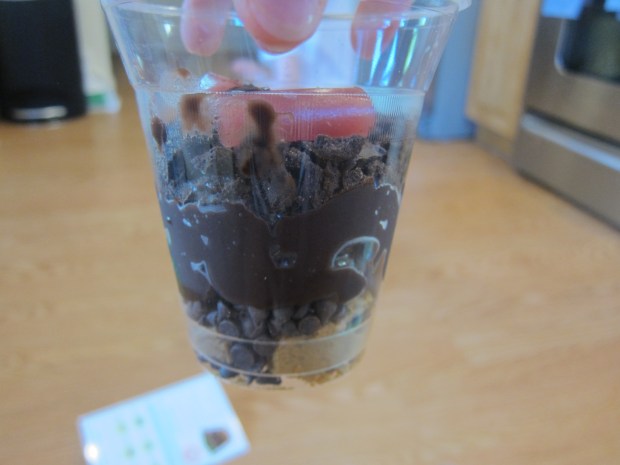
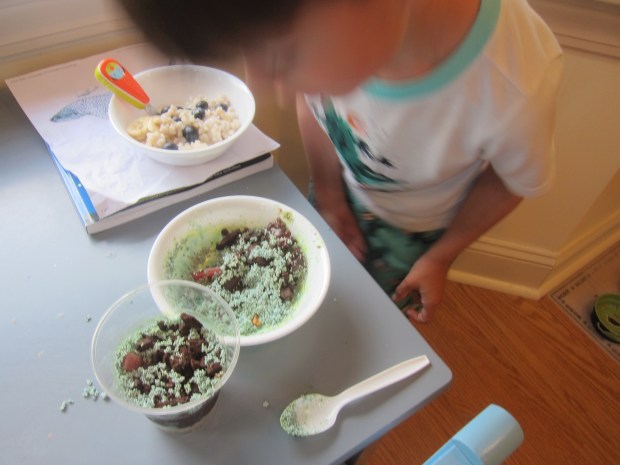
I laid out a tray with all of the supplies, and we talked about each layer of the earth as we worked, filling clear plastic cups with each step. First up, we needed bedrock, which I explained was the solid rock deep underground. We used a mix of mini chocolate chips and crushed ginger cookies. The crushing is half the fun; place the cookies in a zip-top bag and smash with a rolling pin until you have big crumbs.

Earth Puddings (2)

On top of this, we spooned the “subsoil” (a dense layer of clay and and iron). Chocolate pudding was perfect of course.

Earth Puddings (4)

You’ll notice my taste testers had wasted no time and were busily crunching into cookies and spooning into pudding. They couldn’t believe I was letting them have this free-for-all!

Earth Puddings (3)

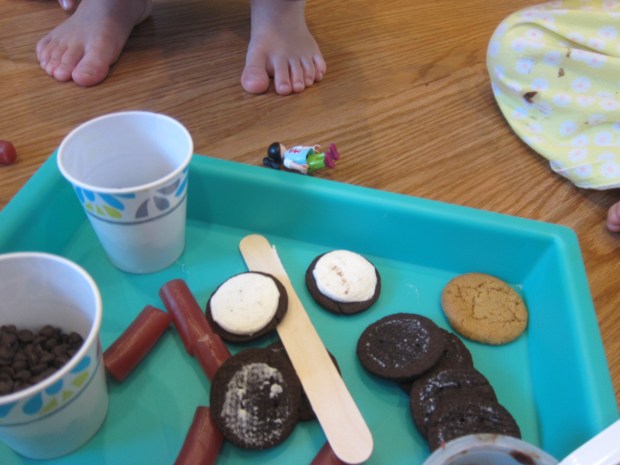
Next we needed topsoil. I explained that this is the dirt we see as we play: dirt, bugs, and minerals. Now we needed oreo cookies, but not the creme filling. I showed the kids how to scrape out the creme with a craft stick so we could crush the chocolate cookies.

Earth Puddings (7)

“Can I eat the frosting?” Travis asked. I nodded. “Plain??” This is when he declared the activity paradise.

Earth Puddings (5)

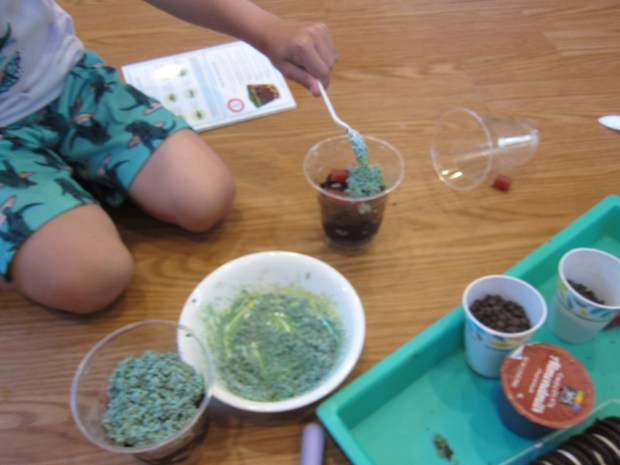
We sprinkled on our crushed “topsoil” and then added a few “worms”. It’s easy to find gummy worms at the store but most contain gelatin. Instead, we sliced pieces of licorice in half to be our worms.

Earth Puddings (9)

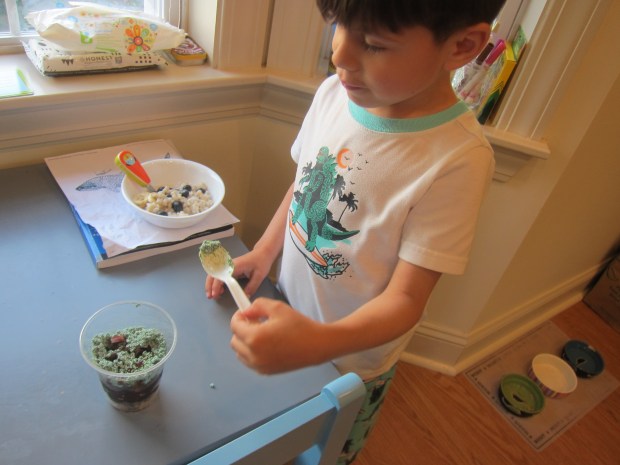
Finally, top with green sprinkles for grass, twigs, and leaves. I wasn’t able to find green sprinkles at the store, but a few drops of food coloring on white sprinkles was a quick fix.

Earth Puddings (10)

Now it was time to dig into the Earth.

Earth Puddings (12)

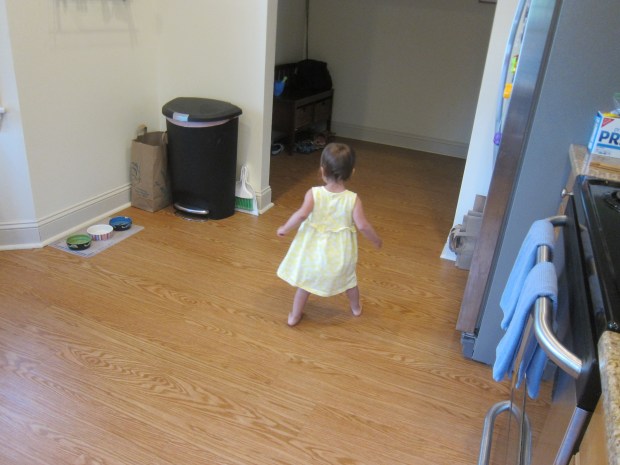
Veronika plunged her spoon right in and began snacking. It made her so happy she began to do a sugar-fueled dance around the kitchen.

Earth Puddings (13)

Travis loved working his way carefully down the layers, almost like he was excavating. He wanted to stop and talk about which strata we were in, and carefully selected which bite should come next. He was ecstatic when he’d gone deep enough to reveal the pudding under the topsoil!

Earth Puddings (14)

Welcome to paradise on Earth, and thanks to Raddish Kids for this great lesson.


Create a Compass

Create a Compass (3)

This quick hands-on experience lets kids make their own compass with just a few household objects!

Cut a circle from a piece of craft foam, just a bit bigger than a paper clip. Set aside.

Create a Compass (1)

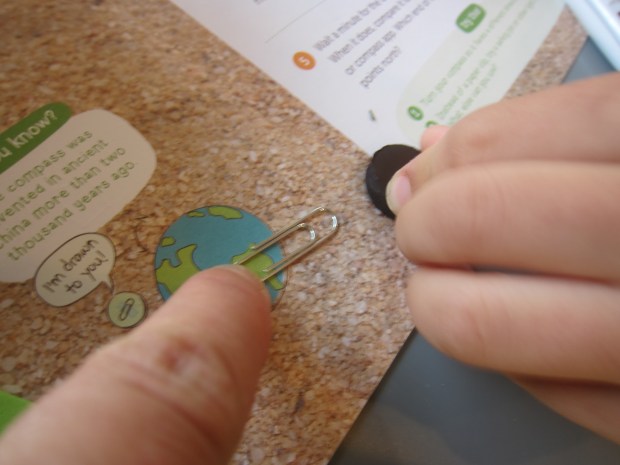
Rub a metal paperclip with a magnet about 20 times, being sure to scrape in the same direction each time. Travis proudly counted this out! This step will charge your paper clip with a magnetic charge.

Create a Compass (2)

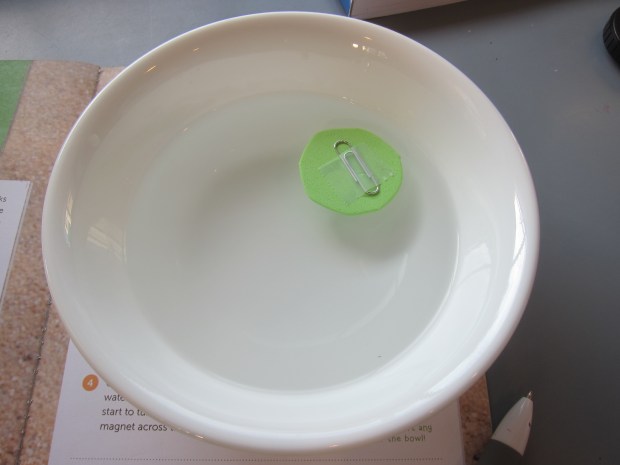
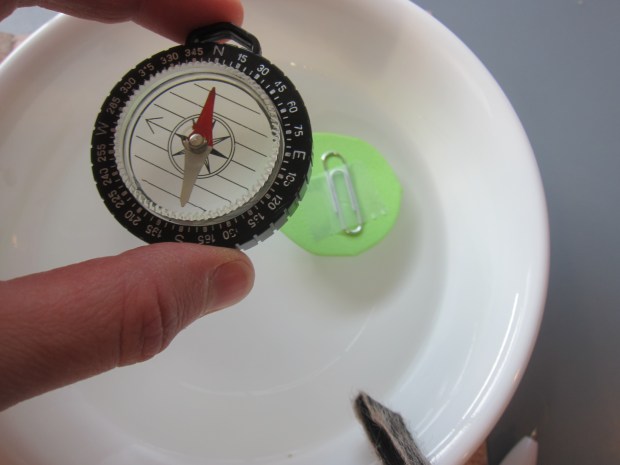
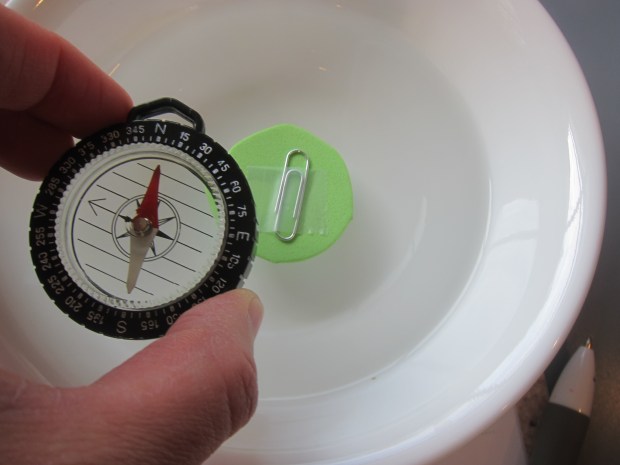
Tape the paper clip to the foam circle, then place in a dish of shallow water. You’ll notice it wobble at first as the water settles, but slowly it will come to point true north. Test it against a real compass for the official results. Getting there…

Create a Compass (4)

….North!

Create a Compass (5)

Travis was thrilled this worked, all the more so because it stayed oriented north even hours after we left the dish on the windowsill. A simple but great way to show off the pull of magnetism.


Circuit Workout

Circuit Exercise (3)

Travis needed to get his wiggles out today, so I knew he needed a game that would get him moving. This was a fun suggestion from Kiwi Co., where instead of building a battery circuit, your kid gets to be the the electricity zipping around the “wires”.

To set up a life-sized electrical circuit, choose a round object to be a light bulb and a rectangular object to be the battery. Make a rectangle on the floor from painter’s tape to connect them, being sure to leave a little gap along the top.

Circuit Exercise (1)

For the switch, we used a book. When the book is open, the circuit is complete. But if it’s closed… Oh no, the electricity can’t zip through!

Circuit Exercise (2)

Travis laughed at this little role-play. He started out at the “battery” and ran to the “switch” book.

Circuit Exercise (4)

Finding it open meant hopping across, running a circle around the light bulb, and then dashing back to the battery.

Circuit Exercise (5)

If the book was closed, he had to freeze. Keep playing until you’ve worn out your kid-sized battery of course!

Lemon Battery

Lemon Battery (4)

Travis has enjoyed learning about circuits lately, and today we tried to make our own battery! This is a bit of a spin on the old potato battery experiment you might remember from elementary school.

For the set up, first we washed a penny in warm soapy water to make sure it was clean.

Lemon Battery (1)

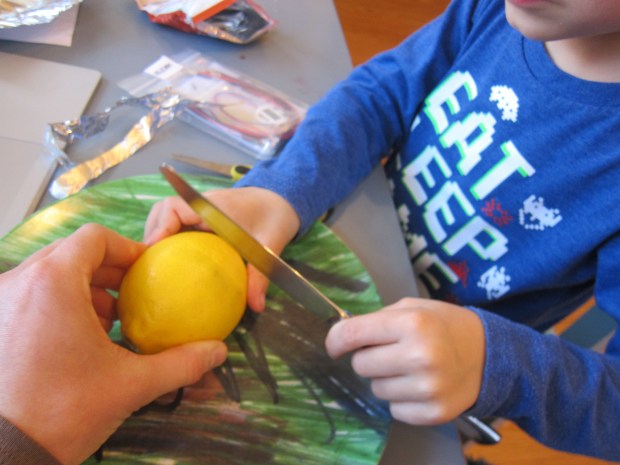
Cut two small slits in a lemon, about 3/4-inch wide and deep enough to reach the lemon juice under the pith. The juice is key!

Lemon Battery (2)

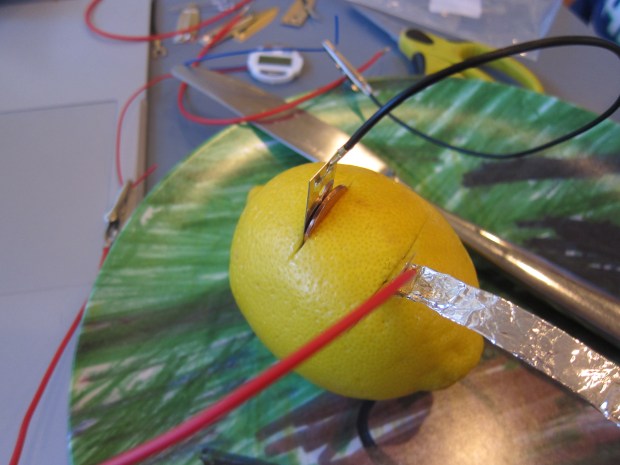
Fold a square of aluminum foil in half and then half again, so that it makes a sturdy strip. Insert the penny into one slit of the lemon and the foil into the other, making sure both touch the lemon juice.

Lemon Battery (3)

Now you can test your battery! The easiest way is to do a reading against the two nodes of a multimeter. Alternatively, try attaching alligator clips and wires to an LED light, and see if you’re able to power it up.

Lemon Battery (5)

We didn’t have fantastic success with our “battery”, which might have been because our aluminum strip was too long, or perhaps was due to a slightly faulty multimeter. If you do the project, please share your results in the comments!

Lemon Battery (6)

Circuit Science Kiwi Crate

Kiwi Circuits (9)

Travis’s Kiwi Crate has never been so welcome as during this period of home school and social distancing, particularly on a rainy day when we couldn’t get outside for a spring nature walk. The package literally saved the day! Sometimes Travis wants to spread out the projects, but this time he insisted we dive into the crate right away and do all three projects start to finish.

The big concept this month was electric circuits, which Travis has grown to understand recently from a few at-home projects, so I was glad the concept wasn’t foreign to him.

First up was the Lamp: A simple set-up involved attaching a lamp base and LED light holder onto a cardboard base, then inserting batteries into the provided battery pack. Travis connected red wire to red wire and black to black, and his lamp turned on!

Kiwi Circuits (1)

The second project, the Lampshade, was really the only “A” component of STEAM for this crate.

Kiwi Circuits (3)

Travis loved punching the holes along the lines of a Steve the Kiwi template, with a sheet of black paper underneath, since it was similar to punch art he does at school.

Kiwi Circuits (2)

The black paper then slips easily inside the lamp, and Steve glows!

Kiwi Circuits (4)

We put it all together with the Electric Bowler Game. This was definitely complicated, but Travis was determined to put together a circuit board that involved four brads against a wooden plate and wires that slip over the outer brads.

Kiwi Circuits (5)

He slotted the wooden frame together and held it all together with provided rubber bands.

Kiwi Circuits (7)

A wooden dowel in the middle is the switch to deactivate the circuit when needed. 3 silver balls then trigger the circuit; these need to be scuffed with scratchy pads first, although to our disappointment, the booklet did not explain why.

Kiwi Circuits (10)

To complete the game, a wooden board sits on top with a foam bumper. Take turns rolling the three metal balls towards the holes at the end. Once all three metal balls fall into place between the brads on the circuit board below, the circuit is complete, and the lantern turns on!

Kiwi Circuits (11)

Definitely play in a dim room, for the best effect.

Kiwi Circuits (13)

Travis enjoyed the Explore magazine that delved deeper, including an experiment called Let It Flow. What else could complete the circuit in our set-up, other than the three metal balls?

Kiwi Circuits (14)

Three plastic beads failed, as did three marbles. But three strips of aluminum foil did the trick!

Kiwi Circuits (15)

There was no suggested further reading this month, but I recommend Oscar and the Bird: A Book About Electricity.

Kiwi Circuits alt

We also plan to check out I Am Benjamin Franklin when the title is released in October, as there’s sure to be some fun bits about electricity in there!
Baking Soda and Vinegar with Color Fun

Baking Soda Colors (8)

This activity was intended for my toddler, but it turned out to be my kindergartner’s favorite part of the day. Since there’s some STEM involved, keep it in mind if you find yourself home schooling!

For set up, I wanted Veronika to have the option of color mixing, so I filled three cups with vinegar. I left one clear, added yellow food coloring to the second, and blue food coloring to the third.

Baking Soda Colors (1)

I then sprinkled a box of baking soda into a shallow tray. Veronika instantly liked making lines through it with the pipettes I had left out. It was sort of like an indoor sandbox for a moment.

Baking Soda Colors (2)

Then it was time to start squeezing in vinegar! I used the clear cup first, knowing the bubbly reaction was enough to get a “wow” even before we added color.

Baking Soda Colors (4)

Then we started piping in the colored vinegar. I had hoped Veronika might get in some fine motor practice with the pipettes, but that was too much for 16-month-old fingers. Big brother Travis loved using a pipette and baster, though! Then the kids poured the cups of vinegar instead, for even bigger reactions.

Baking Soda Colors (5)

The blue and yellow turned into a nice green, of course, which I’d also hoped to demonstrate.

Baking Soda Colors (9)

After that we just had a big pile of green bubbly “lava” that the kids loved scooping through with pipettes and cups for ages.

Baking Soda Colors (7)

Eventually they wanted to drip in other colors from the food coloring set, which was fine, although it didn’t look so pretty.

Baking Soda Colors (10)

A great afternoon activity!

Baking Soda Colors (6)

Ice-Cream Snowballs

Ice Cream Snowballs (7)

The weather hit an unseasonable 75 degrees F today, so we celebrated with homemade ice cream!

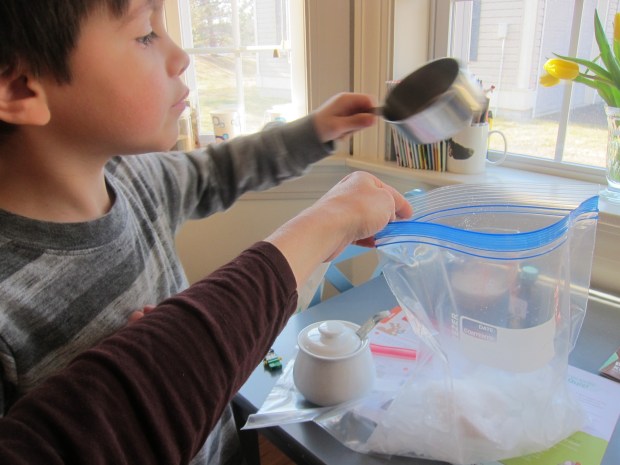
This project was a fantastic (edible!) addendum to Travis’s recent exploration of crystallization. To start, fill a large zip-top plastic bag about halfway with ice. Add 6 tablespoons coarse salt.

Ice Cream Snowballs (1)

In a sandwich-sized zip-top bag, combine 1/2 cup plain non-dairy creamer, 1 tablespoon sugar, and 1/2 teaspoon vanilla extract. Seal tightly.

Ice Cream Snowballs (2)

Place the creamer mixture in the larger bag, making sure it’s covered by the ice cubes. Now shake!

Ice Cream Snowballs (3)

Travis and I took turns, as the recommended shake time was 7 minutes.

Ice Cream Snowballs (4)

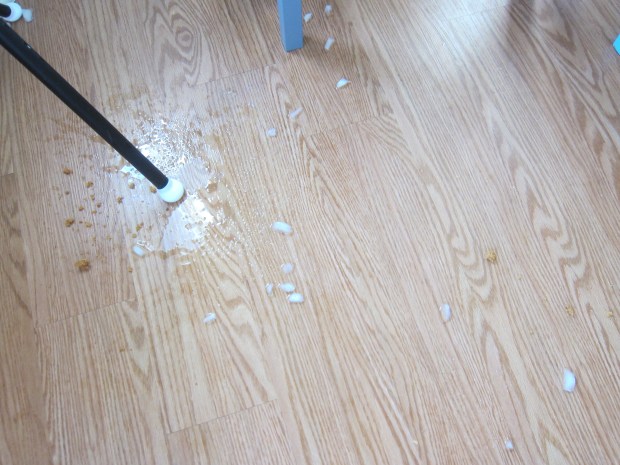
Whoops, a spill at about the 4 minute mark! But we were undaunted and kept going.

Ice Cream Snowballs (5)

At 5 minutes, we declared our ice cream done (and our arms exhausted).

Ice Cream Snowballs (6)

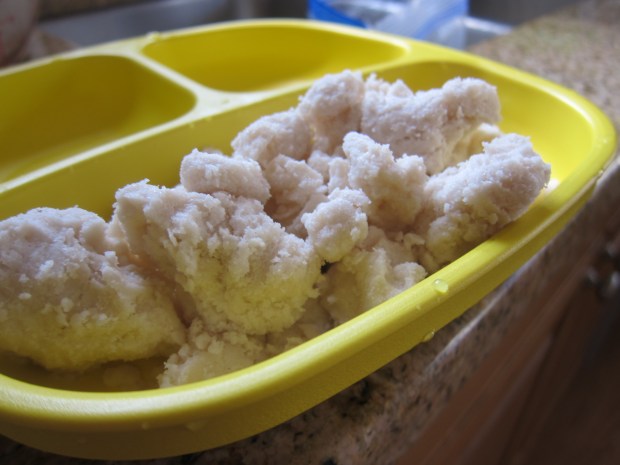
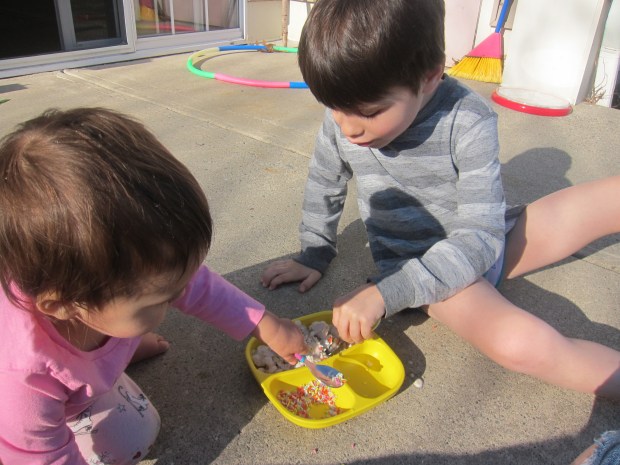
The ice cream turned out amazing! It looked crumbly at first, but after a few minutes it softened up just enough and was just like store-bought ice cream. Rainbow sprinkles were a must of course.

Ice Cream Snowballs (8)

Wow, ice cream on the back patio in March!

Ice Cream Snowballs (9)

What a treat this was for the kids.

Ice Cream Snowballs (10)