
After a bit of holiday hiatus, we’re back with a new phoneme, this time not a letter pair but the soft C sound as in cinnamon. We focused on just a handful of words, with lots of enjoyable games and crafts in the process. I also put much more emphasis on reviewing flash cards of our theme words this time around. Travis isn’t reading yet, but he could sight read most of the words by the end of our unit, and is learning to sound out a word that’s placed in front of him. So without further ado…
Words of the Week:
- Circus: We kicked things off by staging a grand old circus of course! Stuffed animal friends walked a high wire act and did acrobatic flips into a ring.
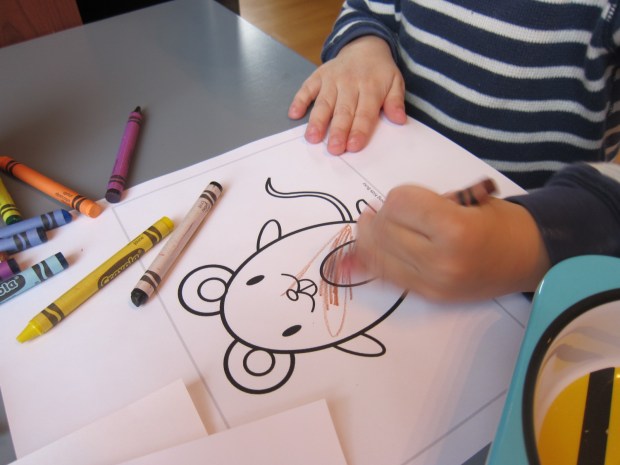
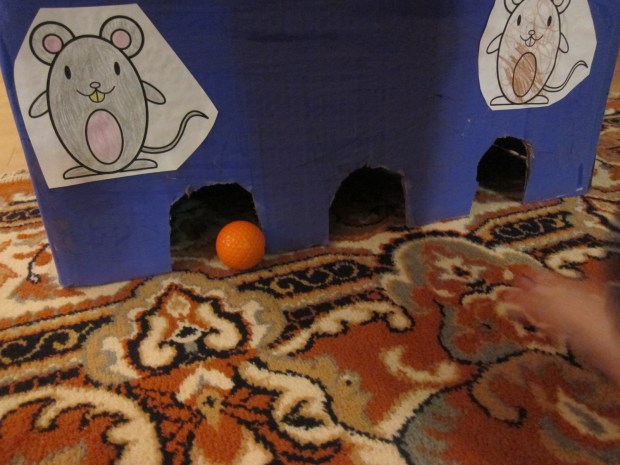
 Then we made two circus games, a mouse hole roll and a penny toss.
 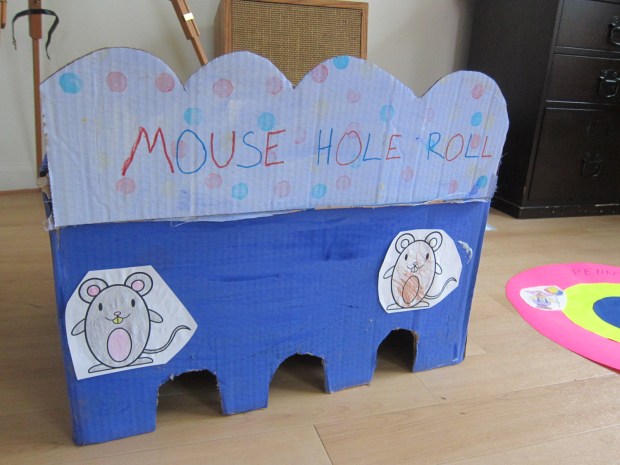 It’s too bad the circus wasn’t in town, or we would have taken in a show as our field trip. As always, we love circuses that feature human performers, not animals.
 - Circle: You can tailor this word to your child’s age and ability. Little ones just learning their shapes will benefit from a hunt for circular items around the house. That idea is a bit old hat for Travis, so we turned it into a “pirate treasure hunt” for circles. When I phrased it that way, he raced around with glee!
 My intention was to gather items we could put in a pile, but he spotted some I wouldn’t have thought of, including the knobs on the dresser and other circular furniture or decorations.
  Once we’d finished, he exuberantly asked for a triangle treasure hunt – why not? For fine motor skills, trace some of the circle objects you found.
- Cinderella: This was a new story for Travis, so we read a version of the fairy tale, and watched the movie as well. It was a fun opportunity to introduce Travis to a classic!

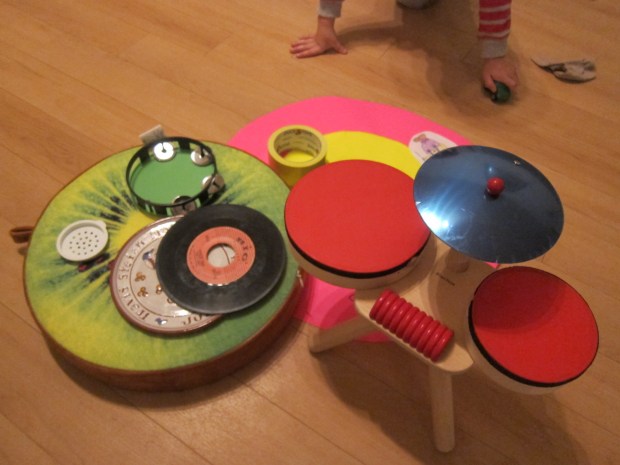
- Cymbals: We have a miniature drum set with a cymbal attached, and Travis loved learning to do rimshots and bashing out favorite songs.
 We also scooped up a pair of tiny hand cymbals from the toy store, perfect for smashing together. Conveniently, the cymbals are circles too!
 - Cent: I always like when our alphabet or phoneme play brings us back to coins, since Travis learns more about the idea of money at each interval. To play with our cents, we cracked open his piggy bank and talked about the four denominations of cents in U.S. currency, and then sorted them out into pennies, nickels, dimes, and quarters.
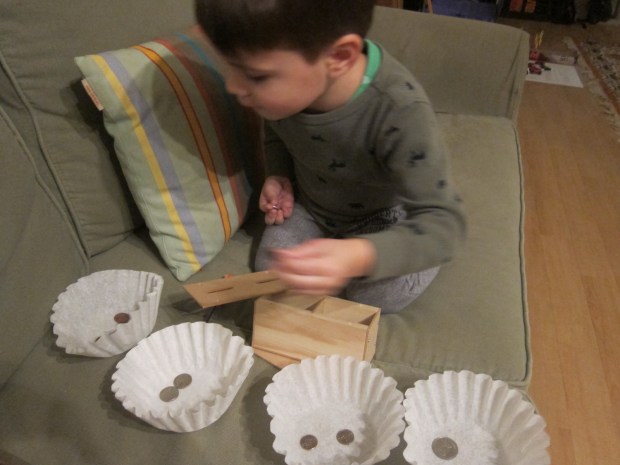 He then turned it into a game of store, telling me in cents how much each item cost. A great little math and currency lesson.
 - Centipede: It wasn’t the right time of year to seek out these little critters outside, but we read about their hundred (or 30, or 300) legs in several books, such as The Big Book of Bugs by Yuval Zommer and Usborne’s Beginners Non-Fiction Bugs book.

- Ceiling: What better way to remember to look up and pay attention to the ceiling than to adorn it with glow-in-the-dark constellations?

- Cereal: Don’t stop at just eating the stuff – we had a whole cereal-themed afternoon one cold day! First, we tested out magnetic cereal. The instructions in the game said we’d need a cereal with a high iron content (100% RDA or more). This concept sounded completely bizarre since our cereals from the health food store tend to be about 4 to 10% daily iron. Well sure enough, cereal from the regular grocery store went as high as 100% iron, so I thought it would be fun to show Travis the difference.
 Unfortunately the game didn’t work for us: even using our strongest magnet wand, the high iron cereal didn’t budge!
 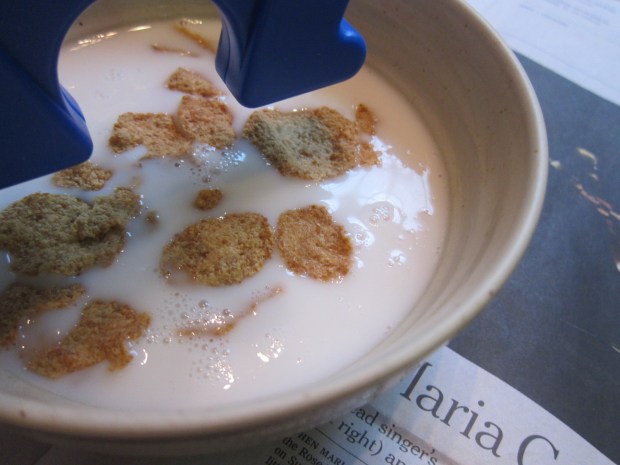 I would be very curious what cereal the online testers had used. Ah well, leftover cereal made for a great sensory bin.
 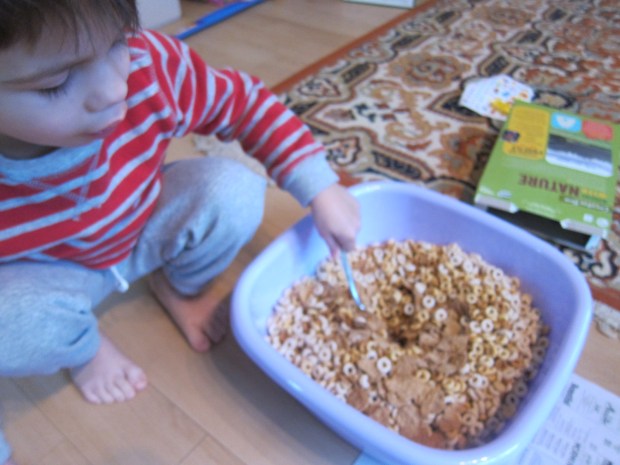 Then we used the boxes for cereal race tracks and recycled jet packs.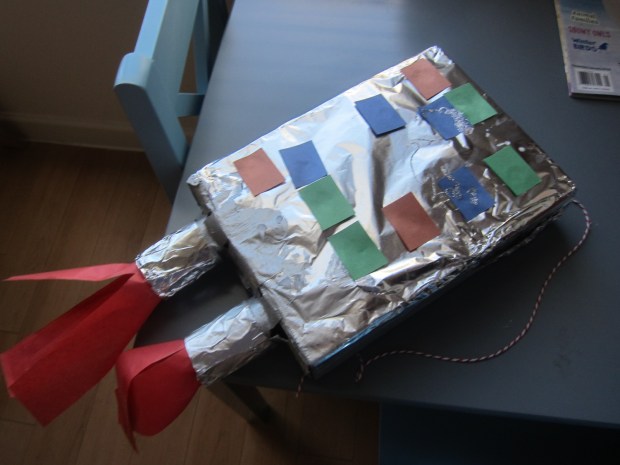
- City: We started off building a city with skyscrapers from Travis’s blocks.
 Later we decided that our city needed a parking lot for all the cars – which turned into a letter match parking lot activity that was a huge hit.
  If you’re able, follow up with a field trip to a real city, whichever is closest to you!




 joyful parenting