DIY Chalkboard Planters

Chalkboard Planters (4)

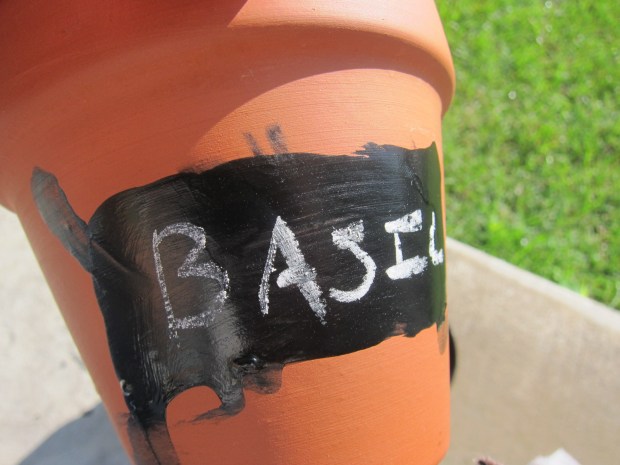
Chalkboard paint is practically like magic – paint a coat over just about anything, and soon you have a chalkboard surface.

We had plans to plant flowers and herbs in pots on our back patio, so it was the perfect excuse to break out the chalkboard paint!

You could either make a big stripe to be the label…

Chalkboard Planters (1)

…or do as Travis did and paint the whole pot.

Chalkboard Planters (2)

We decided this large surface would be great for drawing in pictures of the plants with chalk, in addition to simply writing their names.

Chalkboard Planters (3)

Let dry overnight, then use chalk to write in the name of whatever will be in your pots. Happy planting!

Chalkboard Planters (5)

Grow a Science Garden

Grow Garden alt.JPG

This indoor way to show your kids how vegetables grow is almost trippy! All you need is a head of romaine and a small glass jar. Then watch the magic happen.

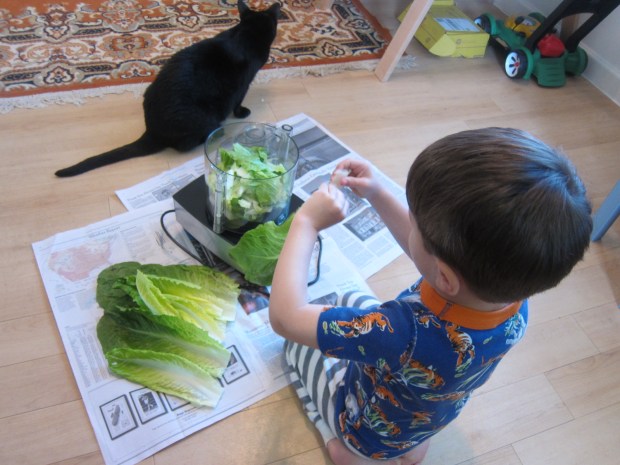
Cut the leaves from the base of the romaine. Use the leaves for a big salad of course. I also gave my budding chef some of the leaves to play with in his set of pots and pans.
Grow Garden (4)

Meanwhile, trim the very bottom of the romaine head off thinly – this will help it absorb more water.

Here is a slightly skeptical Travis checking out the early stage of our experiment.

Grow Garden (2)

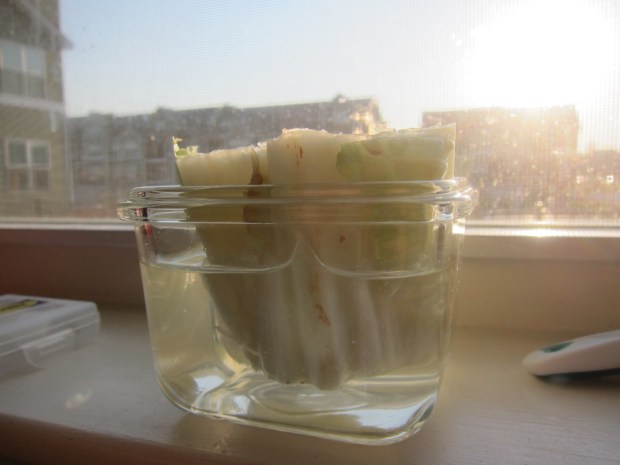
Place in a glass of water, making sure the base is completely covered, and place somewhere sunny. Change the water every day and watch your romaine sprout!
Grow Garden (3)

Within a day we had a few little leaves.

Grow Garden (6)

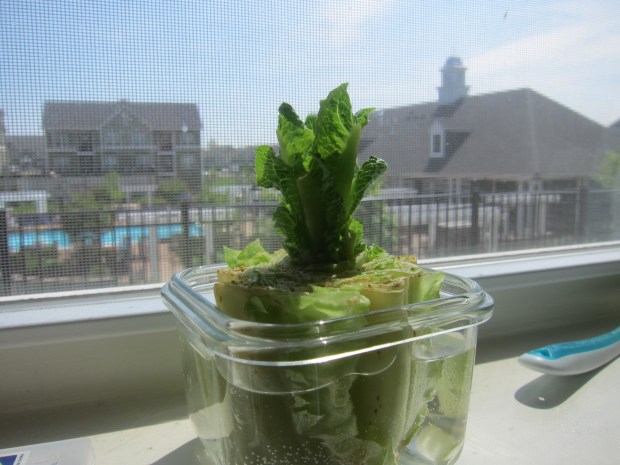
The picture at the top of this post shows growth after about 4 days. We can’t wait until we have enough for a fresh salad!

If you want to continue the fun, try the same experiment with a fennel bulb. You can also save the tops of carrots or radishes, place in a shallow dish with water, and watch for fresh greens to emerge. Thanks to Parents magazine for the idea!

Update: Here’s the lettuce about a week in, as tall as we let it grow. Honestly it was beginning to brown slightly around the edges, so I’m not sure I’d recommend growing it longer.
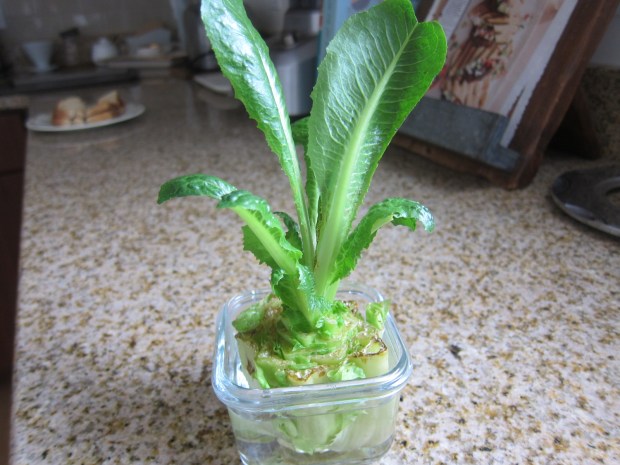
Grow Garden alt

But needless to say, Travis was thrilled!

Grow Garden var


Wooden Spoon Garden Stakes

Garden Stakes (4)

Several weeks back, we got ambitious and planted a shoebox vegetable garden. I had little hope that our garden would yield real results, without deeper soil to transplant into, but that hasn’t stopped Travis from loving the vegetable stalks and leaves that managed to sprout!

We started to forgot what was what, so decided to make these cute garden stakes to label the veggies. If you have a real vegetable garden, make as many as you need to label all your plants!

I encouraged Travis to think about what each veggie really looked like, so he proudly painted up and down with orange for carrots:

Garden Stakes (1)

And with green for zucchini.

Garden Stakes (6)

On the other side of each spoon, I painted a slightly more recognizable version of each veggie. We had no red paint, or I would have added tomatoes as well.

Garden Stakes (3)

Travis very proudly planted the stakes in our small “garden”, which we continue to water. As always, it’s great to teach kids where their food comes from!

Garden Stakes (5)


Rainbow Hunt

Rainbow Hunt (10)

The next time you’re at a paint store, stock up on paint chip samples (free) in every color of the rainbow. Then you can turn your next walk in a garden into a magical rainbow hunt!

Rainbow Hunt (1)

If you don’t have a garden of your own, find the nearest botanical garden or arboretum and enjoy this game on a summer’s afternoon.

Most paint samples come in strips of 4 or 5, so I cut them into individual squares and then placed all our “rainbow chips” in a bucket.

Rainbow Hunt (6)

There are two ways to play and we tried both. First, Travis selected a paint chip at random and we hunted until we found just the right shade…

Rainbow Hunt (13)

Aha!

Rainbow Hunt (5)

Or, we spotted a flower that we liked and then found the paint chip that was nearest in color in our bucket.

Rainbow Hunt (9)

Travis loved crossing every color of the rainbow off the list!

Rainbow Hunt (12)

This game was a fantastic prompt for stopping to appreciate a garden on another level…

Rainbow Hunt (11)

for paying attention to flowers we otherwise might have missed….

Rainbow Hunt (7)

and for enjoying all the scents and textures around us.

Rainbow Hunt (4)

Another great hit from Barefoot Books Kids’ Garden cards.

Rainbow Hunt (3)

Mud Pies

Mud Pies (7).JPG

Kids usually don’t need any excuse to play with dirt, but at least with this project you get a lovely result! This game was yet another beautiful suggestion from our Barefoot Books Kids’ Garden kit.

To start, fill a pie plate or paper plate with soil using a hand trowel, leaving room on top. We’re new to having a backyard of our own, so Travis is loving all the play with shovels and dirt lately!

Mud Pies (1)

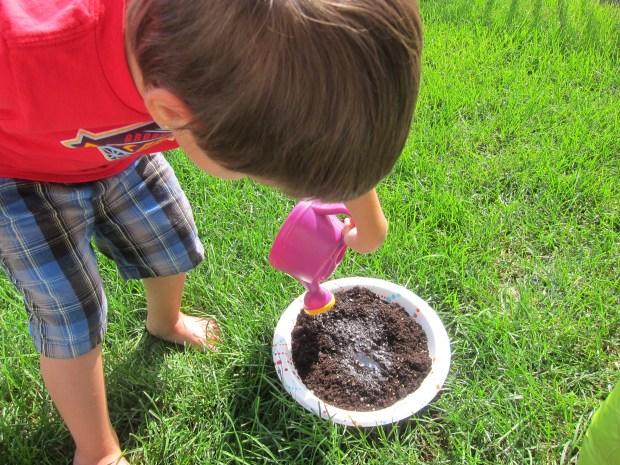
Slowly add water to the soil, stirring until you have a wonderful goopy mud. Travis loved this step of course.

Mud Pies (2)

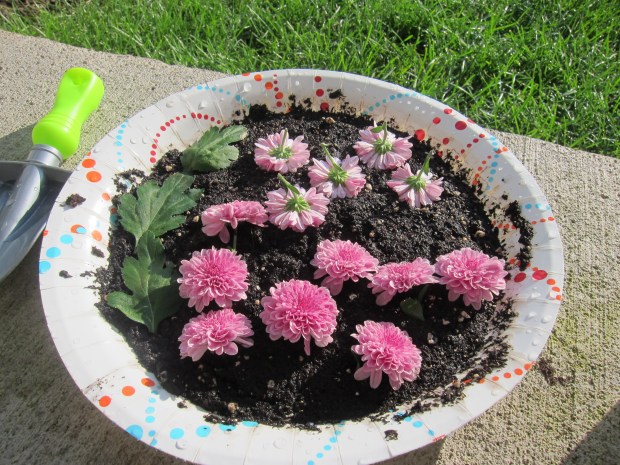
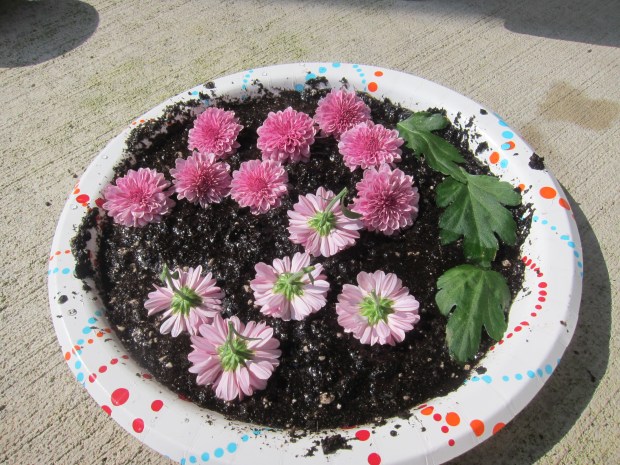
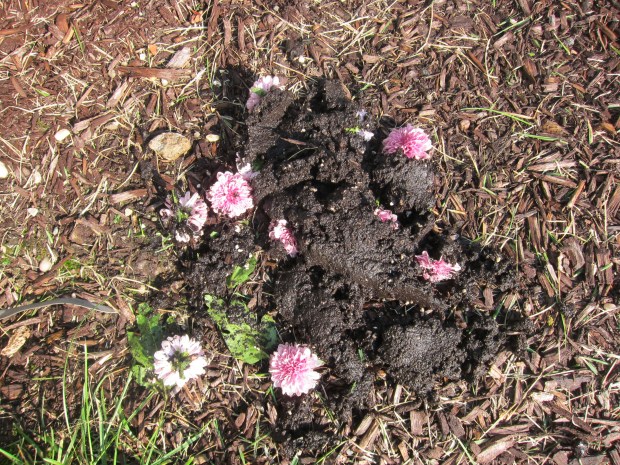
Now we needed to decorate our “pies.” Add any pretty flower clippings, leaves, or petals, and let your “baker” decorate to his or her heart’s content. I placed a few flowers facing up, but Travis preferred his facing down – a whimsical little element.

Mud Pies (4)

Leave your mud pie to bake in a sunny spot. We checked it again after 4 hours, but since the day had clouded over, it was mostly set, but still a bit mushy.

Mud Pies (6)

Continue checking on your mud pie for about a week to observe any changes. It might turn to mud again if you get a rainy day!

Mud Pies alt

At the end of the week, simply tip it into your garden as compost. How’s that for easy clean up?

Mud Pies (9).JPG