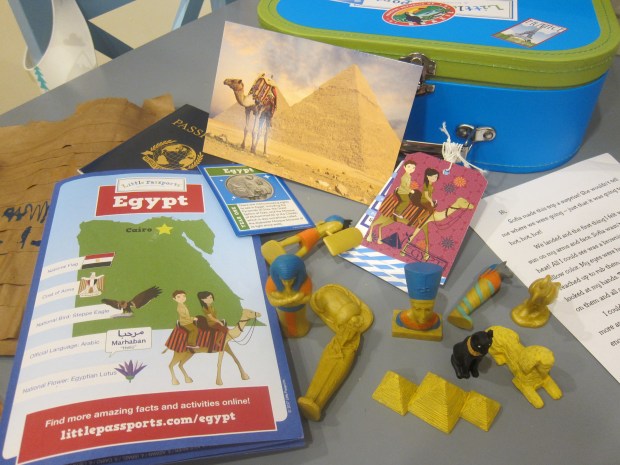
Little Passports: Egypt

LP Egypt (17)

Once again Little Passports saved the day here during Covid-19 home school. At a moment when Travis balked against assigned lessons this week, the latest package from “Sam and Sofia” proved far more interesting.

LP Egypt (7)

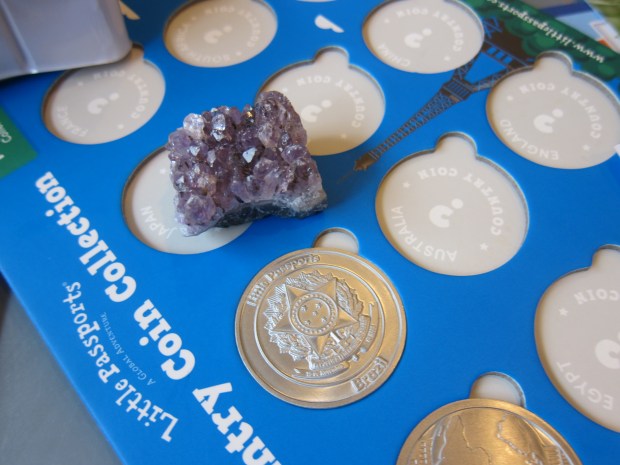
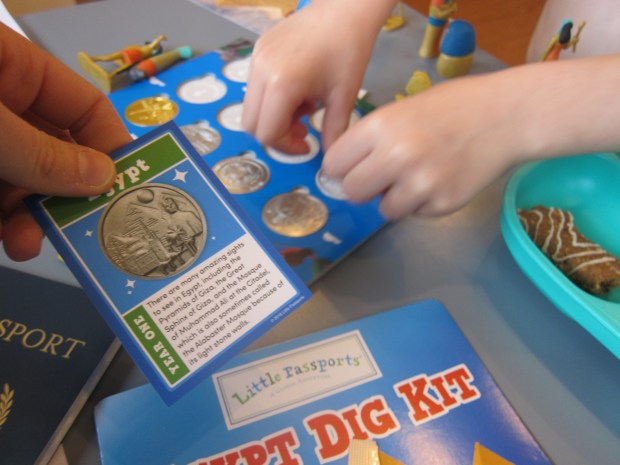
As always, he started off by putting the latest country coin in with his collection, and we added Egypt’s flag to his passport.
LP Egypt (2)

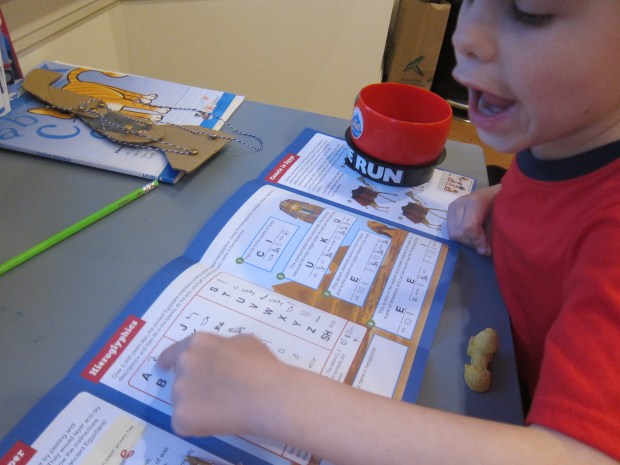
The booklet this month was fantastic for a kindergartner; I was so proud of (and amazed at!) his speed with a hieroglyph decoding activity. There was also a spot-the-difference page about camels, a geographic word scramble, and neat information on ancient headdresses. I would rate this booklet much more approachable for a five-year-old than the one from France.
LP Egypt (6)

Souvenir:

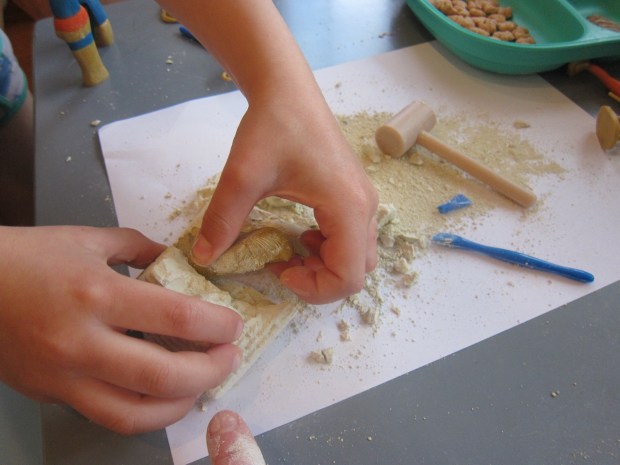
This month’s gift was an Excavation Kit and Travis needed to start digging the moment he saw it.

LP Egypt (3)

We chipped and chiseled and cleared the dust until he’d uncovered a little mummy figure. Travis was ecstatic and played with it all afternoon.
LP Egypt (4)

Further Activities:

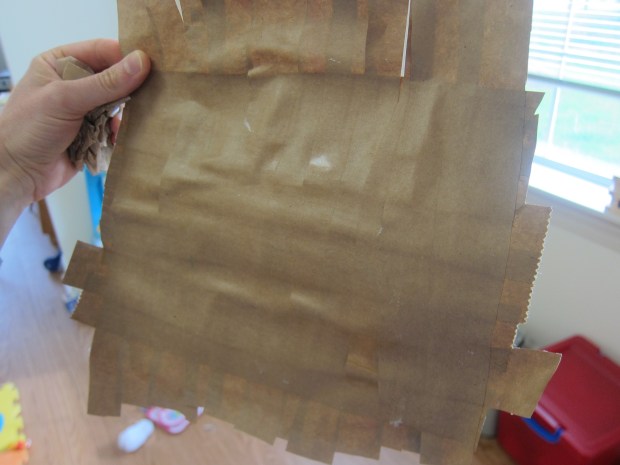
After checking out extras online like photos, Arabic phrases, and silly jokes, we started in on a few additional activities. First up was making “papyrus paper”, much as the Egyptians used to overlap stalks of papyrus plant. This one was a little messy so lay down one or two sheets of wax paper to cover your surface. In a cup, mix together equal parts white glue and water (about 1/4 cup each) and stir with a craft stick.

LP Egypt (12)

Cut a brown paper shopping bag into strips that are about 8 inches long. Begin laying these down on the wax paper, brushing over each with the glue. (Alternatively, you can dip each strip in the glue mixture and then smooth it down, but this sounded too messy to Travis). Let dry completely.
LP Egypt (15)

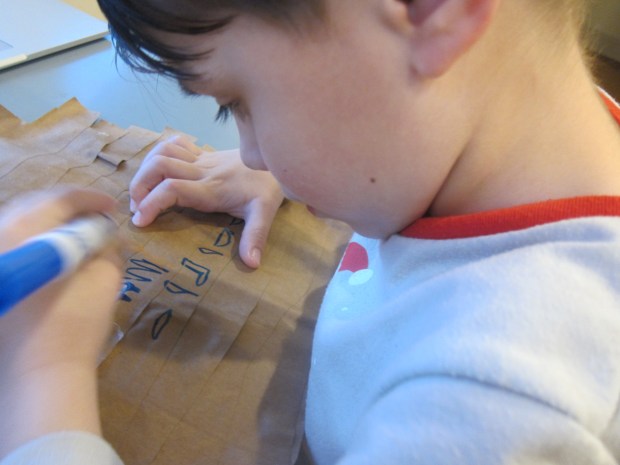
It will lift off the wax paper once dry, and does indeed have a neat feel and texture. Travis practiced writing his hieroglyphs!
LP Egypt (16)

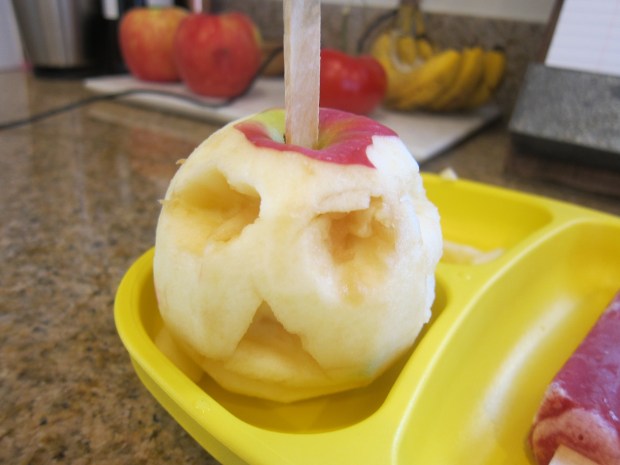
Next up, we mummified an apple! This will definitely appeal to kids interested in the mummy aspect of Egyptian history. Pour 1 and 1/2 cups baking soda and 3/4 cup salt into a large zip-top bag. Peel an apple and carve into a desired mummy face. We tried to make the lines of King Tut’s headpiece along the sides, although admittedly with limited art skills.
LP Egypt (10)

Insert a Popsicle stick into the apple and submerge in the baking soda mixture. Now let it stand for one week – or even two! I’ll update this post once our mummification is complete.

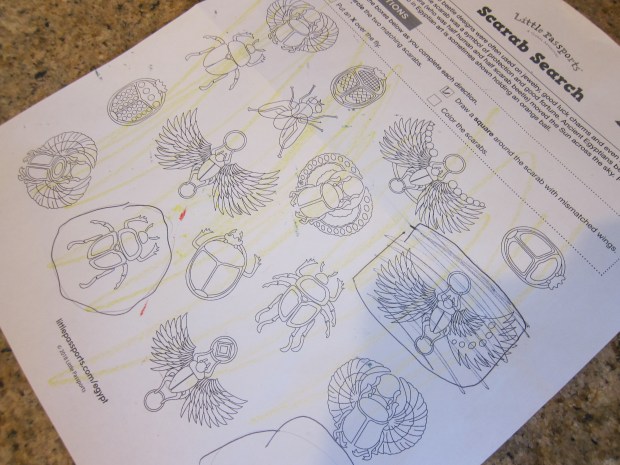
There were a few other suggestions online, although Travis was only mildly interested in a scarab beetle coloring page and coloring in the Egyptian flag.
LP Egypt (14)

I did, however, purchase the optional add-on of Egyptian mini-figures and these were a huge hit! The tube included fun toys of King Tut, Nefertiti, the Sphinx, and more.

Recipe:

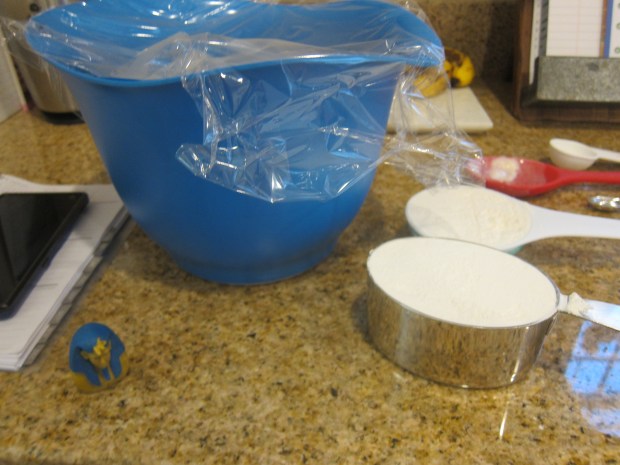
We finished the voyage with a recipe for the popular Egyptian flatbread called aish baladi, similar to pita bread. The recipe was too complicated for Travis; he helped with the initial few steps, but then I was left to finish the project. Tastewise, it was a huge hit! Travis enjoyed it plain, but you can dip it in hummus, too, or stuff it with a filling. King Tut watched us bake, of course:
Aish Baladi (2)

Ingredients:

  • 1 and 1/2 teaspoons instant yeast
  • 1 and 1/4 cups warm water
  • 2 and 1/2 cups flour
  • 1/2 teaspoons salt
  • 1 tablespoon canola oil
  • 1/4 cup wheat germ
  1. Combine the yeast and warm water in a large bowl, whisking until the yeast is dissolved. Add 1 cup flour to the mixture. Cover the bowl with plastic wrap and let rest for 20 minutes or so.
  2. Uncover the dough and mix in the salt, oil, and remaining flour. Transfer to a lightly floured surface and knead the dough, then place in a bowl and let rise for 1 hour.
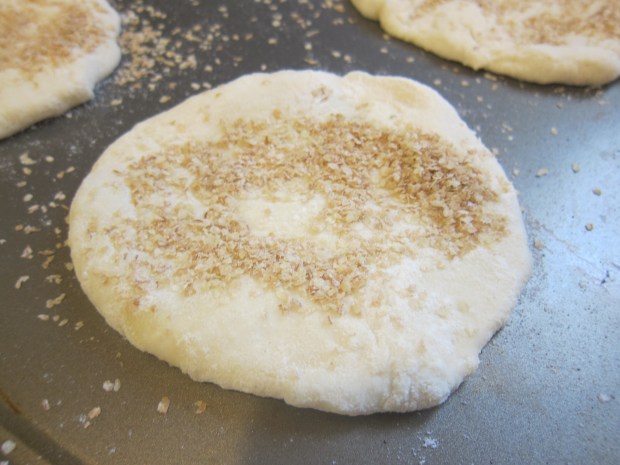
  3. Divide the dough into 8 portions, and roll each into about a 5-inch circle. Place on a baking sheet and sprinkle with some of the wheat germ. Repeat with the remaining dough portions. Cover and let rise for about 30 minutes, while the oven preheats.Aish Baladi (3)
  4. Bake at 500 degrees F for 7 minutes.

Aish Baladi (4)

Update: The apple mummy came out so neat! One week later it had shriveled and shrunk, but felt smooth and soft like a dried apple. There was no rotten smell or aspect to it, which was quite cool.

Apple Mummy

What a neat way to see a “mummy”!
Little Passports: France

LP France (13)

I’ve never been so glad to have a Little Passports subscription as I am now, perfect during this era of home schooling. Travis’s latest package took him to France. The booklet felt a little too advanced this time, reminding me that Travis is on the youngest end of the age spectrum for World Edition. The maze was hard (even for mommy!) and activities like being an art critic and following a landmark hunt involved lots of reading that was too advanced.

LP France (11)

Still, he enjoyed the extras on the web like seeing vibrant pictures of monuments and landscapes in France, learning a few French words, and selecting his favorite French dessert. And he proudly added the flag to his passport and the “push pin” to his map.

LP France (3)

Souvenir:

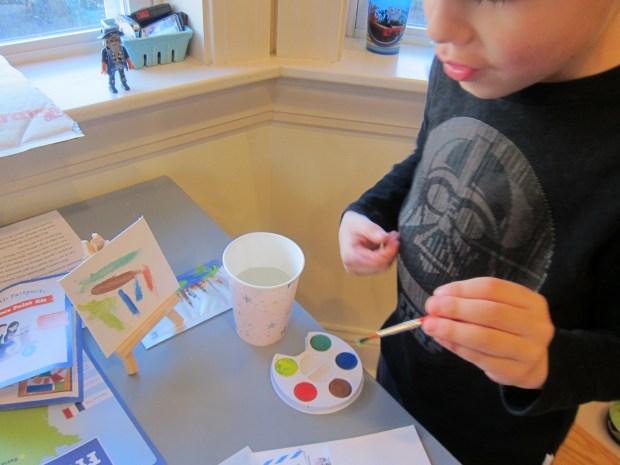
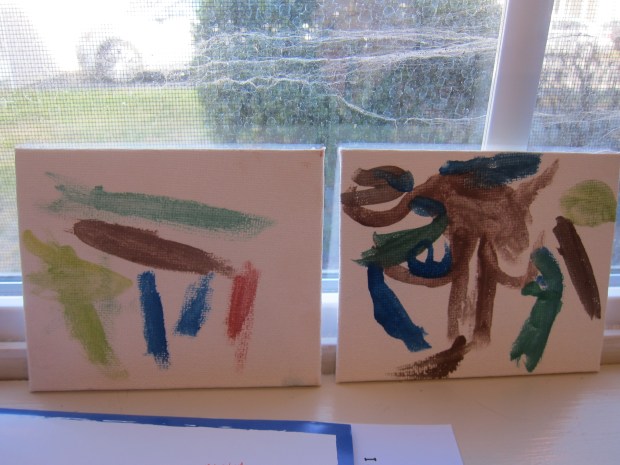
The mini easel and watercolor palette, complete with two tiny canvases, was a huge hit!
LP France (1)

Travis was immediately making masterpieces after we looked at a few examples from Monet and Matisse for inspiration. He even corrected me, pointing out that one of his canvases was meant to be viewed horizontally and the other vertically.

LP France (2)

Activities:

We opened this package on April 1 which turned out to be perfect because one activity was to color in a fish for the “poisson d’avril“.

LP France (5)

This French variation on April Fool’s Day is to tape the fish to the back of a friend or family member and declare that person the “Fish of April!” Travis got a big kick out of doing this to daddy.

LP France (6)

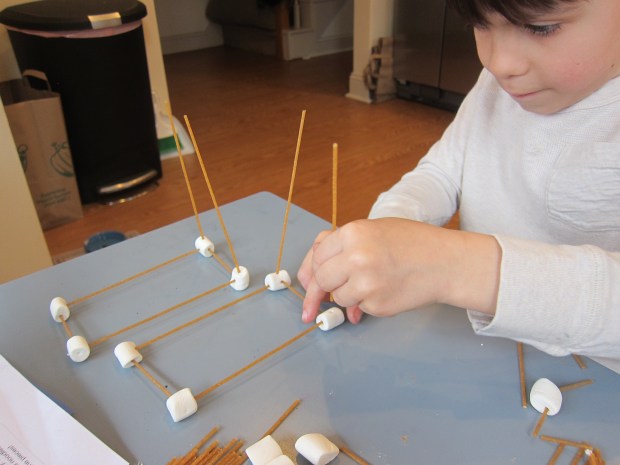
Next up was making an Eiffel Tower out of Dandies marshmallows and dry spaghetti!
LP France (7)

This was STEM at its best: thinking spatially about how to engineer the tower; using shapes (rectangles, triangles); dividing spaghetti pieces into halves or quarters; and of course eating marshmallows along the way for sticky fingers and lots of laughs.

LP France (8)

Look how it turned out!

LP France (9)

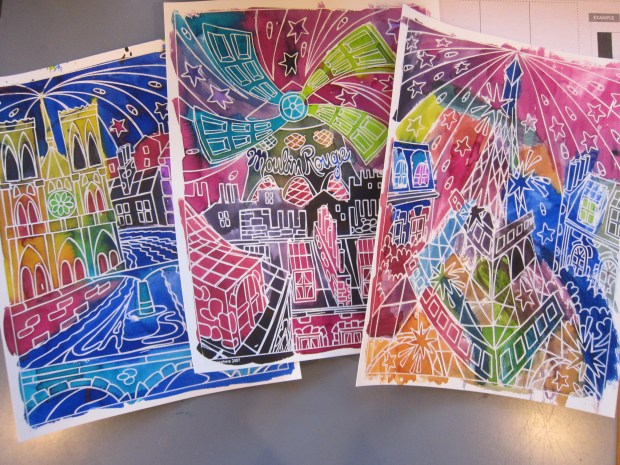
I had also purchased the optional add-on, an Aquarellum Parisian Painting Kit. This included 9 watercolors and three scenes of Paris on absorbent paper. Travis loved that he could use the provided eye dropper to mix colors.

LP France (10)

The scenes turned out beautiful. My petite artiste!

LP France (12)

Finally, we colored in the French flag to add to our garland.

Recipe:

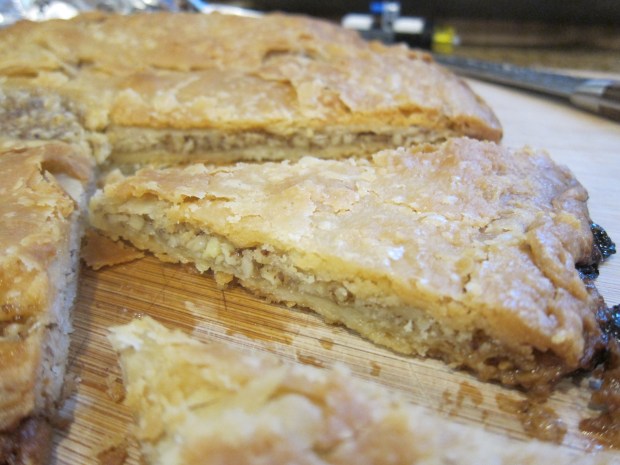
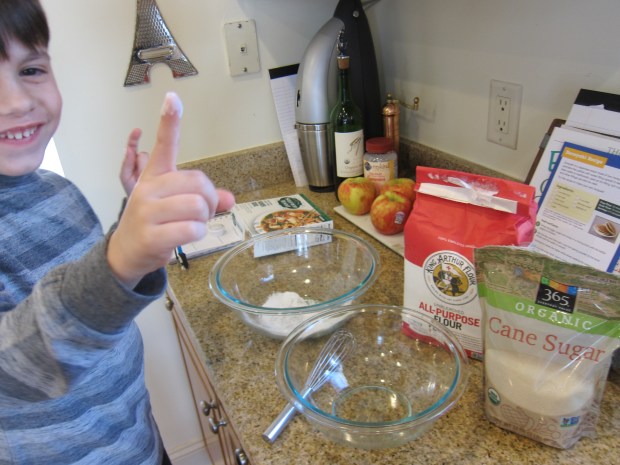
Of course we weren’t done until we’d taken our culinary voyage. This time we turned our kitchen into a French bakery, plus learned a little cultural background for the galette des rois (Kings Cake).

Galette des Rois (3)

We had to improvise a little, since the recipe called for puff pastry which is hard to find vegan. We used store-bought pie crusts instead, which means our cake didn’t puff up like a traditional version, but it sure still came out yummy!

Ingredients:

  • 1/2 cup sugar
  • 1/2 cup ground almonds
  • 1 teaspoon almond extract
  • 1/2 cup Earth Balance butter, softened
  • 1 tablespoon ground flaxseed
  • 3 tablespoons water
  • 2 (9-inch) pie crusts
  • 1 tablespoon melted Earth Balance butter
  1. To prepare the filling, mix together the sugar, almonds, almond extract, and 1/2 cup butter.
  2. Whisk the flaxseed into the water to make 1 flax egg. Add to the sugar mixture and stir until mixed. Chill in the fridge.
  3. Meanwhile, turn one dough circle out onto a baking sheet lined with foil. Spread the chilled filling evenly over the dough, leaving a 1-inch border.
  4. Top with the remaining dough circle, pressing the edges of the dough to seal. Brush with the melted butter. Bake at 450 degrees F for 15 minutes, then reduce heat to 350 degrees F and bake an additional 20 minutes.

Galette des Rois (4)

Note: If your kids want to, hide a dried bean inside in keeping with the French tradition of this cake around Epiphany.

Galette des Rois (1)

Whoever finds the bean or a toy figurine in their slice is the king for the day and gets good luck! Skip that step if you are worried about choking hazards.

Galette des Rois (2)

Little Passports: Japan

LP Japan (23)

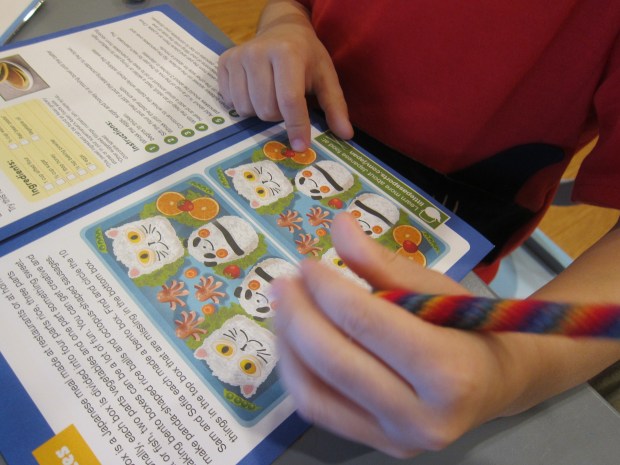
Travis’s envelope this month from Little Passports took him to… Japan! There was lots to learn and great hands-on activities in this particular kit. First up was the booklet, full of inventive activities like how to write a Haiku (spoiler: Travis’s was about eating a cookie), and a pictorial three-in-a-row search that was a fantastic alternative to a word search for non-readers.

LP Japan (2)

Of course there was also a country coin for his coin chart, a stamp for his passport, and a push pin for his world map. Bonus features online included gorgeous photos of Japan, audio recordings of common Japanese words, and a Q&A with a Japanese “pen pal”.

Souvenir:

The adorable sushi erasers that came with the package were a big hit, particularly the fact that they could be disassembled and reassembled. Travis became a mini sushi chef!

LP Japan (3)

Activities:

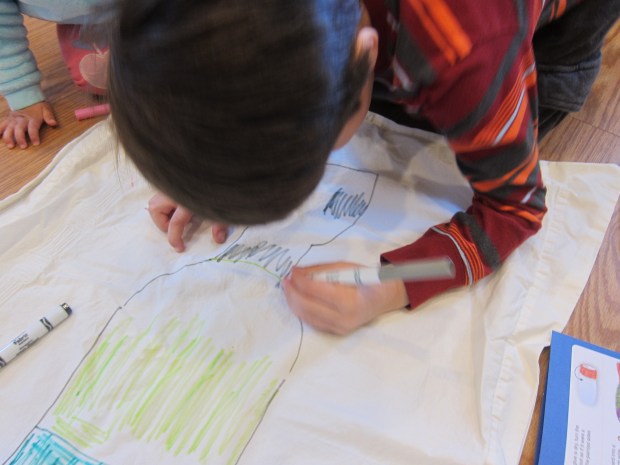
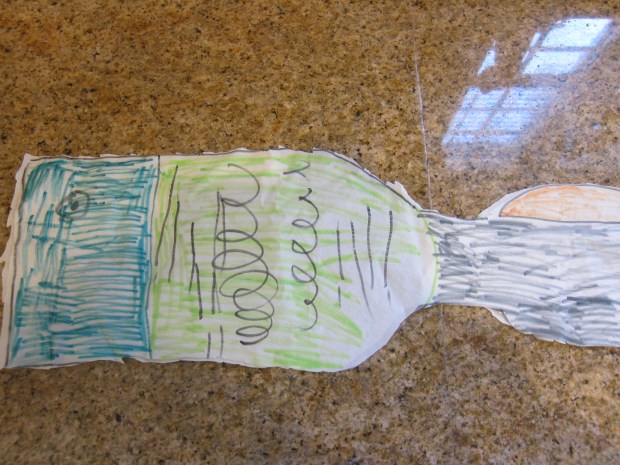
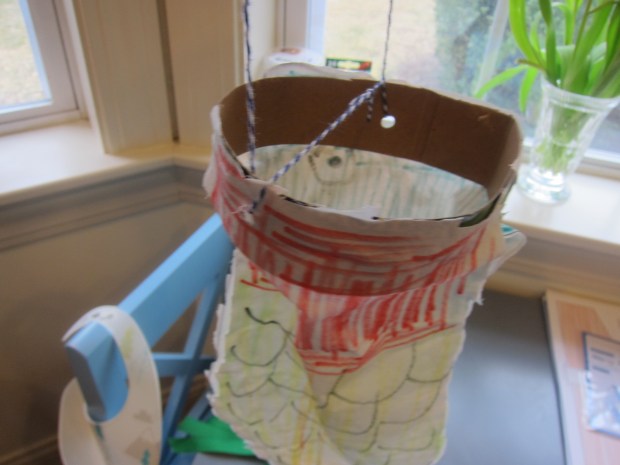
The most involved project with this kit was to make a koinobari, a kite in the shape of a carp fish traditionally hung on homes during Japan’s Children’s Day holiday (which falls in May).

LP Japan (5)

Rather than use the suggested fabric pants, which I worried would be messy, I had Travis use fabric markers.

LP Japan (6)

We first drew two fish outlines on an old pillow case and colored with the markers, after which I cut them out and hot-glued together on three sides, leaving the top open (alternatively, use fabric glue).

Cut a piece of cardboard from an old cereal box and glue into a loop; attach this at the mouth of the fish with more glue. Punch two holes through the pillow and cardboard, and loop a string through.

LP Japan (8)

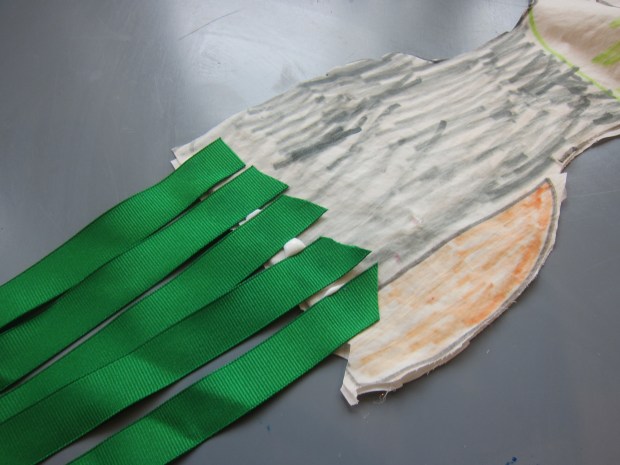
Finally, we glued on ribbons as tail streamers.

LP Japan (7)

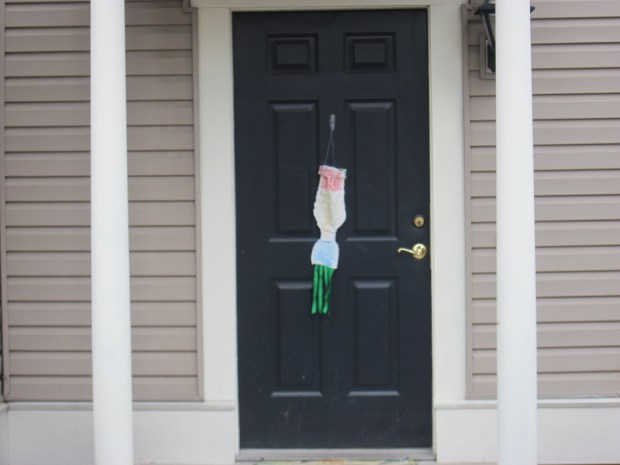
It looked beautiful on our front door.

LP Japan (9)

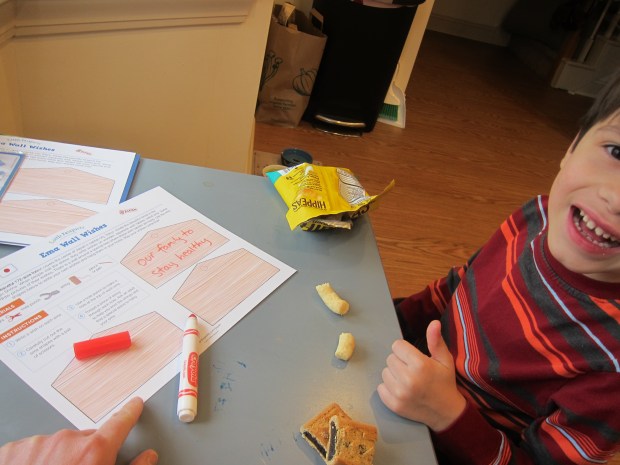
Next up was to write in ema wishes on the provided template.

LP Japan (10)

These wooden tablets, traditionally hung at a Japanese shrine, came just in time for our new era COVID-19. We strung them up along our kitchen window for good luck!

LP Japan (17)

Of course we had to make origami, too. The package included fun instructions for penguins and jumping frogs.

LP Japan (12)

The frog could really jump!

LP Japan (15)

Travis wanted to make a whole army of penguins.

LP Japan (14)

Finally, he did a cute food match-up game which highlighted all four islands of Japan, and he colored in the flag for the garland begun with his Brazil package.

LP Japan (11)

Recipe:

The journey is never complete without a recipe, of course. Travis got to make dorayaki, a sweet Japanese pancake.

Ingredients:

  • 2 Ener-G eggs
  • 1/2 cup sugar
  • 1 tablespoon agave nectar
  • 1 cup sifted flour
  • 1/2 teaspoon baking powder
  • 1/2 cup water
  • Canola oil
  • Red bean paste
  • Jam
  1. To start, whisk together the Ener-G eggs, sugar, and agave in a bowl.LP Japan (18)
  2. Add the flour and baking powder to the bowl, stirring until smooth. Continue to stir while adding the water slowly.LP Japan (19)
  3. Heat a large skillet coated with a little canola oil over medium-high heat. Spoon 1/8 cup batter into the skillet per pancake and cook for about 2 minutes, until bubbles cover the tops. Flip and cook for an additional minute. Transfer cooked pancakes to a plate and repeat with the remaining batter.
  4. To serve, spread bean paste between two pancakes and eat sandwich-style! If the bean paste isn’t to your kids’ liking, try jam instead.

LP Japan (22)

Travis loved eating the dorayaki with a ramen noodle bowl, for a full Japanese meal.

LP Japan (21)

Little Passports: Brazil

LP Brazil (9)

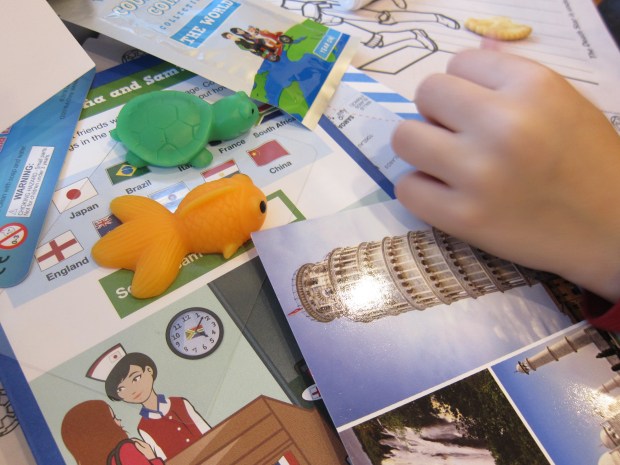
On the heels of his welcome package from Little Passports, Travis was thrilled to receive his first country package in the mail, all about… Brazil!

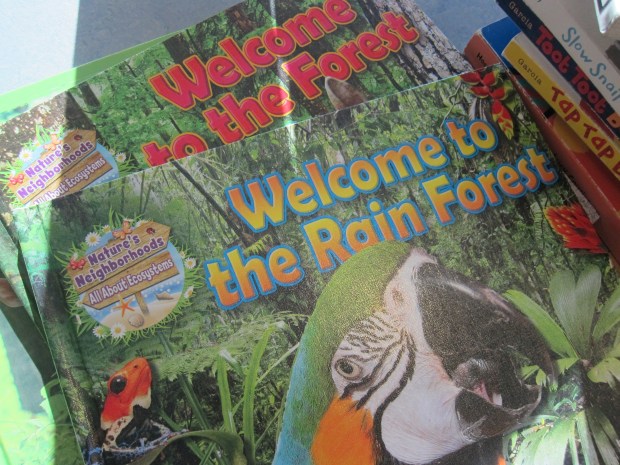
There was lots of similarity to the format of his Early Explorer’s envelopes, making me glad I started him off with that subscription. But it was immediately evident that now he’s in a higher age bracket (ages 5 to 8), particularly with the booklet activities. The booklet was chock full of interesting facts about Brazil, and the Amazon Rainforest in particular.

LP Brazil (1)

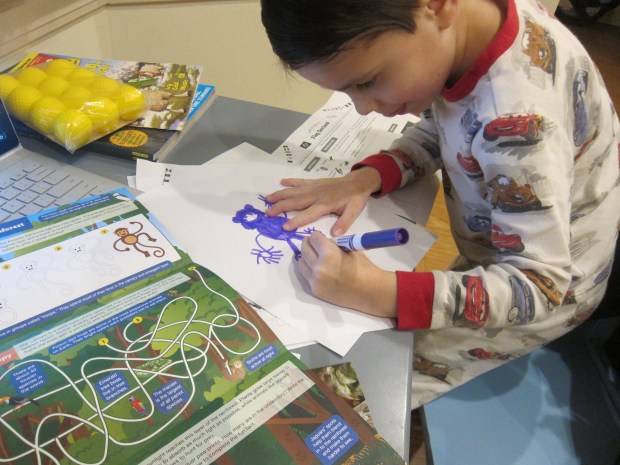
Although he needed some help with the more word-heavy activities (a word scramble, a word find), he gamely wrote all the letters and loved the art activities, including drawing a spider monkey, following mazes, and uncovering hidden animals among blue morpho butterflies.

LP Brazil (5)

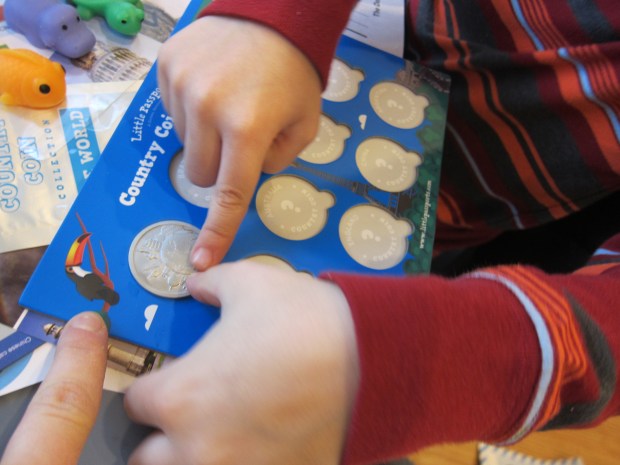
There was a new coin to add to his coin chart, a new sticker and luggage tag for his suitcase, a stamp for his passport, and a “push pin” for his world map.

LP Brazil (2)

We were quick to discover that Little Passports has many bonus features online. Travis loved the vibrant photographs of Brazil to scroll through, 3 samples of Brazilian music to hear, and Portuguese words to learn.

Souvenir:

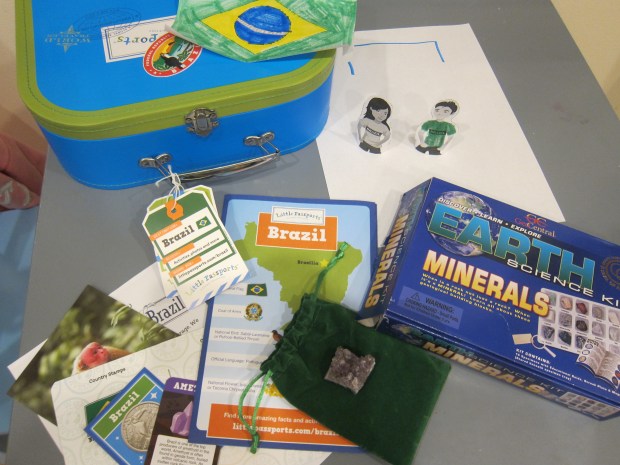
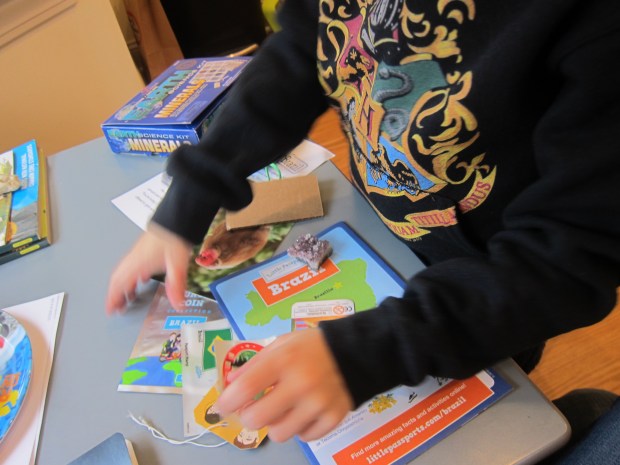
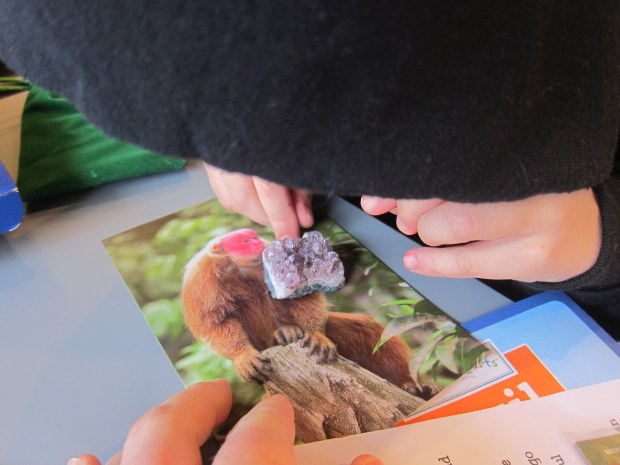
The gift this month was an amethyst, with a card explaining how Brazil is one of the top producing countries for amethyst worldwide. I knew he would love it, and for this reason had opted for a full Mineral Kit add-on. Travis adored peering at all of the minerals with the provided magnifying glass.

LP Brazil (3)

Activities:

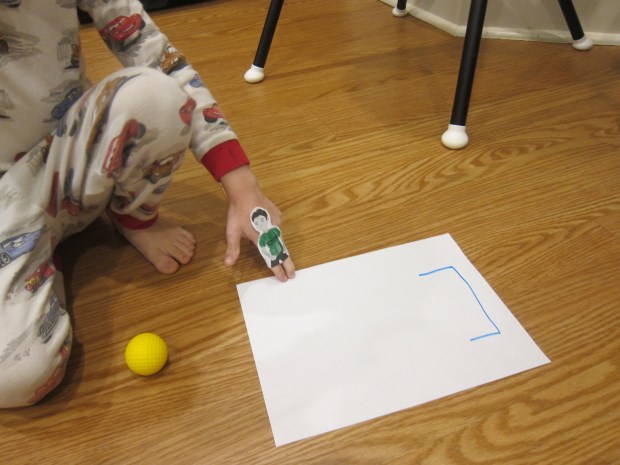
First up, futebol puppets! This adorable game was to highlight the popularity of Brazil’s favorite pastime: soccer. We printed out the template of a boy and girl soccer player. Cut these out and secure the strap with tape. Your pointer finger and middle finger become the legs.

LP Brazil (7)

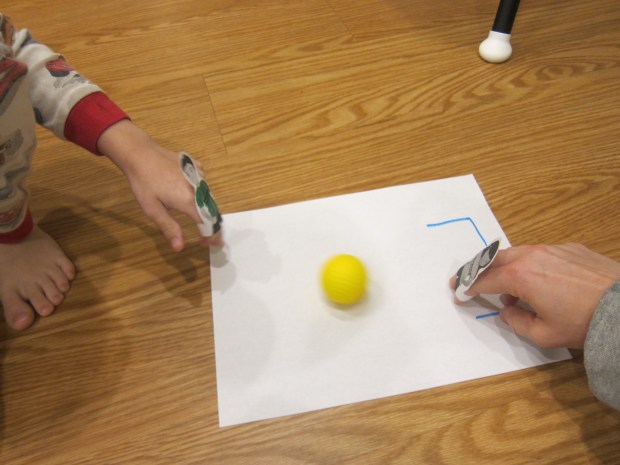
It was Travis versus mommy for a shoot-out!

LP Brazil (8)

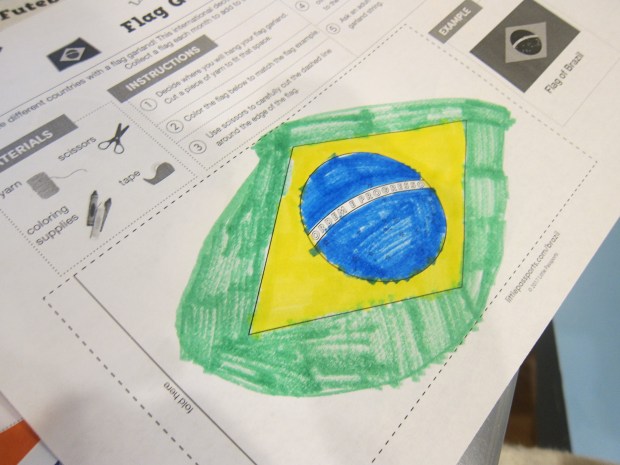
He also loved coloring in a Brazilian flag for a flag garland (we’ll be adding to this in the future with later countries!), very carefully following an image online.

LP Brazil (6)

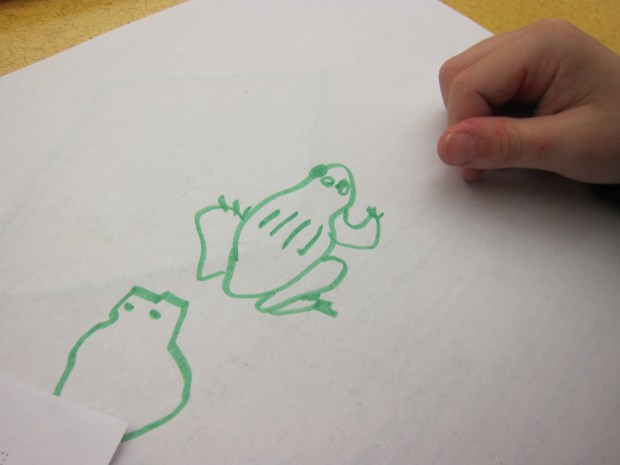
Finally, he followed the online instructions to draw more rainforest creatures. He was so proud of his tree frog!

LP Brazil (4)

Recipe:

A trip to a new country isn’t complete without sampling the food of course. This month’s recipe was for brigadeiros, a Brazilian sweet popular at parties. Both Nature’s Charm and Let’s Do Organic make canned condensed coconut milk; look for it in the baking aisle.

Ingredients:

  • 1 tablespoon Earth Balance butter
  • 1 (11-ounce) can sweetened condensed coconut milk
  • 3 tablespoons cocoa powder
  • Shredded coconut to taste
  • Chocolate sprinkles to taste
  1. Melt the butter in a saucepan over medium heat.LP Brazil (10)
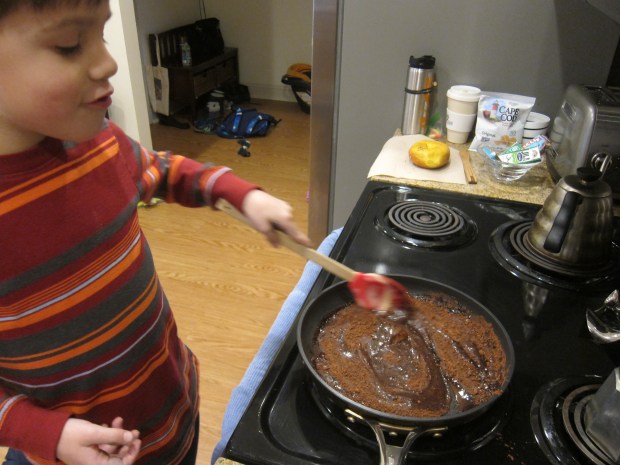
  2. Add the coconut milk and cocoa powder. Cook for 10 to 15 minutes, stirring frequently, until the mixture is thick. If you drag a spoon through it, the mixture should take a moment before it runs together again.
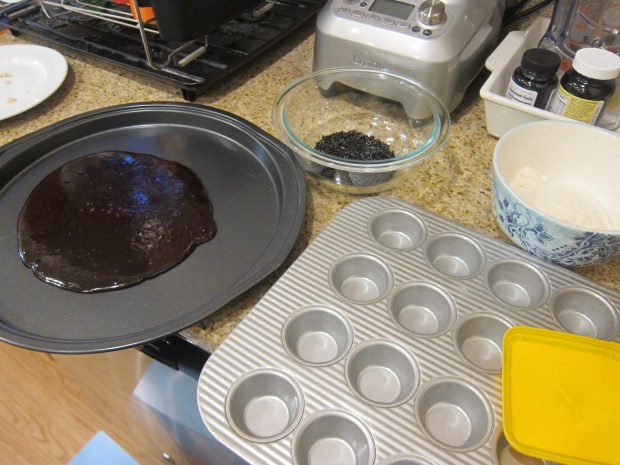
  3. Pour onto a cookie sheet and let cool for about 20 minutes.
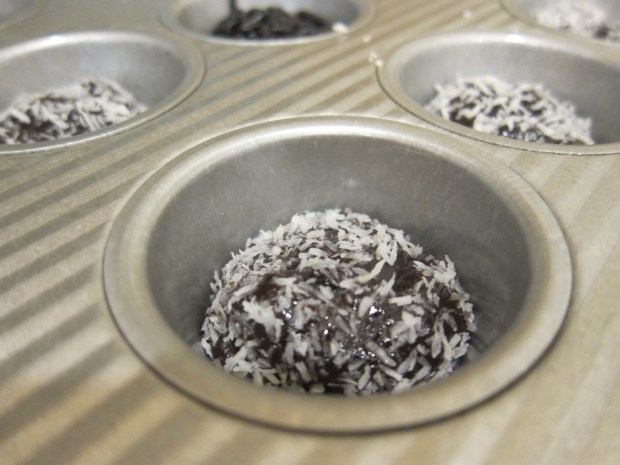
  4. Now scoop up the “dough” and roll it into small balls. Having buttered fingers helps! LP Brazil (11)
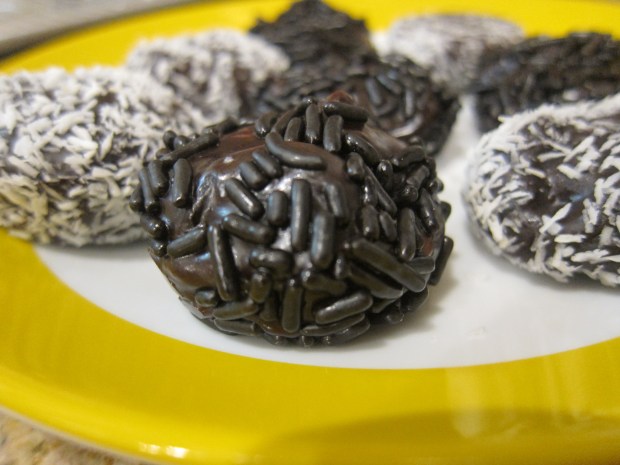
  5. Alternate rolling the balls in the coconut and chocolate sprinkles. Transfer to the cups of a mini muffin tin and chill for at least 15 minutes before serving.

LP Brazil (12)

These were a big hit for dessert. And Travis can now proudly say, “Obrigado“.

LP Brazil (15)

Continent Cookies and Pen Pals

Passports World (1)

Travis has a new subscription to the World Edition of Little Passports, having graduated from Early Explorers. With this big kid subscription, he’ll now get to explore a specific country each month instead of a worldwide theme.

The starter kit contained everything he’ll need moving forward, including: a suitcase; a letter from our guides “Sam and Sofia”; a first luggage tag; a passport; a world map; and a coin chart that he’ll fill in each month.

Passports World (2)

The activities in his first booklet are great for early elementary school age, including simple addition, mazes, and word scrambles.

As an activity to kick start things, we made the suggested Continent Cookies. Prepare sugar cookies according to your favorite recipe (full disclosure: we used a mix!).

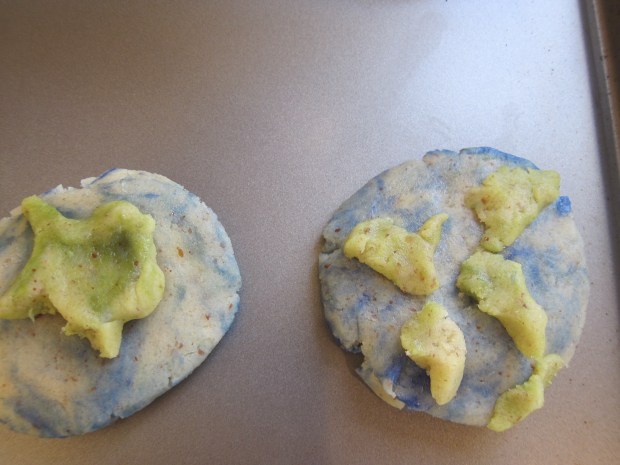
Divide the dough into thirds. Tint one third with about 10 drops of green food coloring; this will be your land. Tint the remaining two-thirds dough with about 10 drops of blue food coloring; this will be your ocean.

World Passports (4)

Pull off about 2 tablespoons of the blue dough and press into a disk. We followed along with Little Passport’s handy instruction sheet and tried to shape pinches of the green dough into the shapes of the continents. Travis enjoyed this challenge, and also made up his own pretend continents.

World Passports (5)

Our full world didn’t turn out too badly!

World Passports (6)

Bake according to recipe instructions, then enjoy a taste of the world – literally!

For some final fun, we checked out extras online like how to say hello in multiple languages.

World Passports (8)

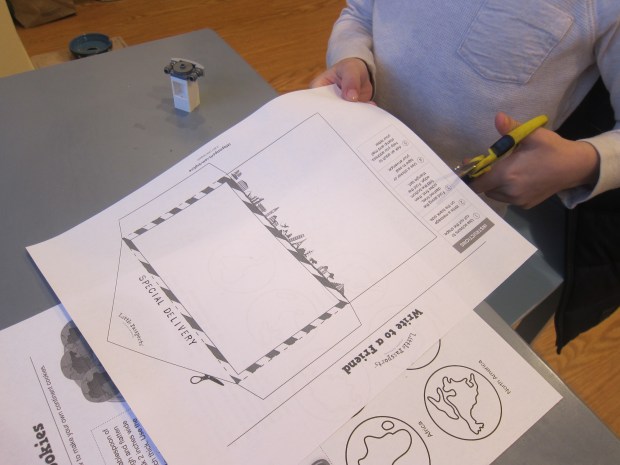
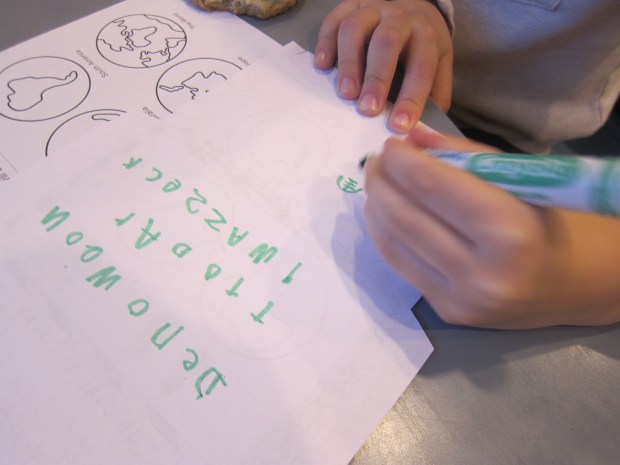
We also printed out a pen pal template and decided to start a correspondence with his cousin, who lives a few states away.

World Passports (9)

Your kids might even have friends or relatives in another country to write to! We’re excited to see what arrives in the first country kit next month.

Early Explorers Space

LP Space alt.JPG

Travis’s penultimate package from his Early Explorers subscription was all about space and – forgive me for saying it – he had a blast with this one!

LP Space (9)

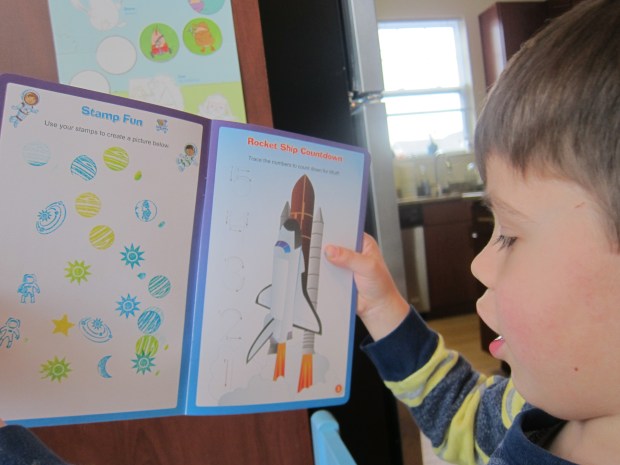
The activity booklet this month was heavy on tracing (letters, shapes, names of planets), but I considered that a good thing, since it reinforces lessons Travis is getting in preschool. We might have liked to see a more detailed space craft or science project, though, since the topic lends itself so easily to both.

LP Space (7)

Space Craft:

The craft was actually playing with the included keepsake this month (see below), a set of space-themed stamps and ink pads. The activity booklet included a blank page simply for “stamp fun.” Travis was thrilled seeing the images, including Jupiter, an astronaut, a solar system model, and more.

LP Space (1)

Once that page was filled, he needed more paper!

LP Space (2)

I loved watching his creativity as he stamped and then cut some of them out to play with.

LP Space (25)

Space Science:

As mentioned, it was a bit of a disappointment that the booklet didn’t feature a scientific experiment. But for “science,” we headed out to look at constellations. We also headed out one night to glimpse the International Space Station, You can check out when it will be in your area here. Travis got to stay up late (a treat!) so we could catch an 8.34 fly by. Looking, looking…

space station (1)

We think we saw it!

space station (2)

Space Keepsake:

These were the space stamps, of course! See my notes above in the craft section.

Space Field Trip:

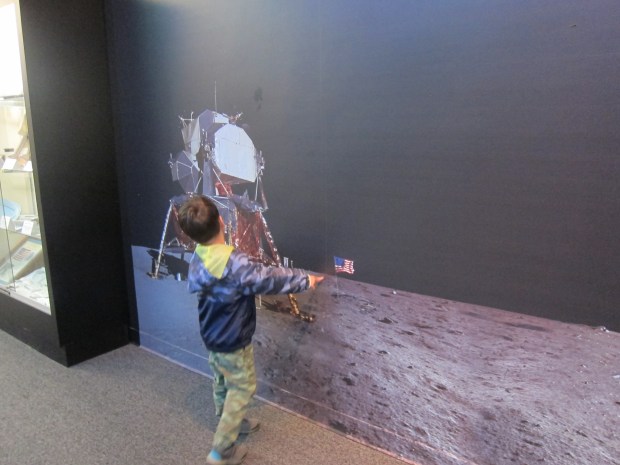
Although not recommended as a further activity, it seems only natural to visit a planetarium near you during this unit. Since Travis had done so recently on a school field trip, though, we headed to a fantastic local museum all about aviation, and focused on the final stretch of the museum: space travel.

LP Space (11)

Travis has never shown much interest in this section before, but now he was enthralled. He got to simulate landing a space shuttle, see a real moon lander, explore a model of a future space station on Mars, and more.

LP Space (17)

Space Further Activities:

First, we checked out NASA’s website to see what astronauts are currently up to. Travis is captivated by the rovers on Mars!

LP Space (26)

Then, we found a blog post on Little Passport’s website about World Space Week. First we made a comet: attach aluminum foil around the tip of a craft stick to form a ball.

LP Space (18)

Cut metallic-colored ribbon into pieces about 6 inches long; attach to the stick.

LP Space (20)

Travis loved making his comet soar!

LP Space (24)

Then we designed an alien. Let your kid’s imagination run wild here!

LP Space (5)

Travis’s alien was green; he started with its belly, and said it had a belly ache which made it a mean alien – oh no!

LP Space (6)

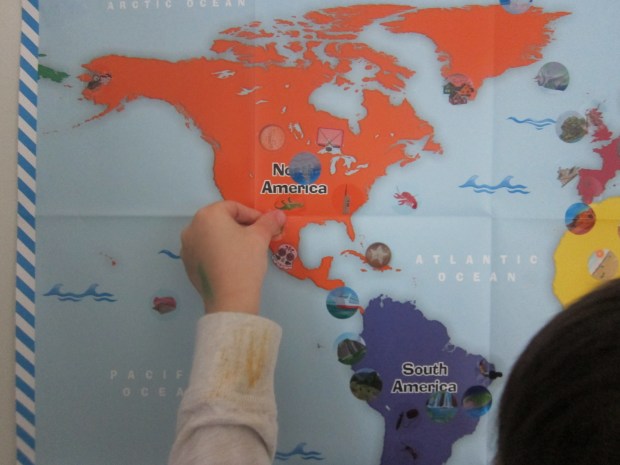
I took him in front of his Little Passport’s map and had him close his eyes and point (you could also do this with a spinning globe). His finger landed on Africa, and his challenge was to describe Africa to an alien who’d never been to Earth. This might be easier for younger kids if you default to having them describe their hometown.

LP Space (8)

You can also bring space into your home with fun decorations. We traced stars and moons using a cookie cutter on construction paper, and also added glow-in-the-dark stars.

LP Space (22)

I sent a secret loving message on one section of wall. Travis made a “comet” and the “big dipper” in his area!

LP Space (23)

For some final learning, we went to the library for a books about space (he loved one about Mars, and another about the gas giants), and also found links online to learn more about comets and meteors, including this kid-friendly video.

LP Space (21)

As I said, what a blast!

LP Space (3)

Early Explorers Art

LP Art (28)

Travis’s latest package from Early Explorers was, in a word, fantastic. Based on art around the world, this month’s kit was so full of ways to craft, create, explore, and learn. As always, he was excited about the usual finds like stickers for his map, flash cards, the activity booklet, and a new tag for his suitcase.

LP Art (4)

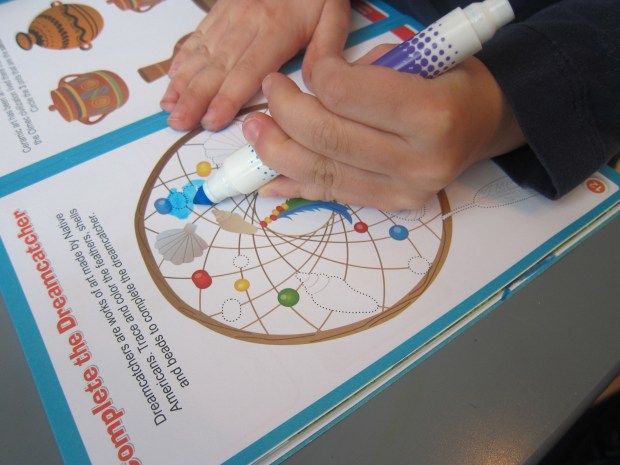
He especially loved coloring in images of Australian rock paintings and filling in the shapes on a Native American dream catcher.

LP Art (5)

Art Craft:

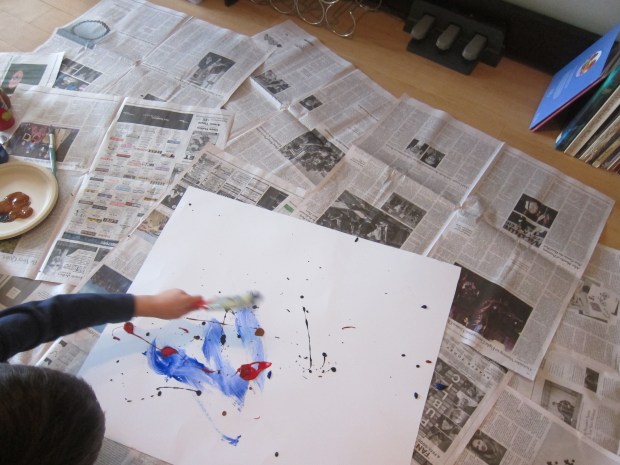
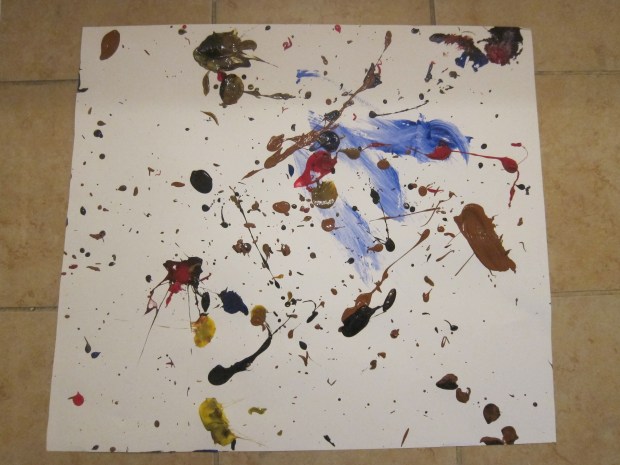
We couldn’t wait to try the booklet’s first activity: Paint Like Pollock. Wow did this make a splash, pun intended, of course. At first Travis seemed skeptical when he saw that I’d layered nearly the entire living room floor with newspapers. But when I told him we’d be splattering paint, he was intrigued.

LP Art (6)

Lay a large piece of poster board in the center of your newspapers, and set out plates with at least 2 or 3 colors of paint. A wide paintbrush will work best. Dip the brush in one color, and show your child how to flick their wrist so the paint splatters.

LP Art (8)

After a moment of smearing paint on normally, Travis understood, and was delighted. “Again!” he insisted, dipping in another color. We tried a few Pollock-esque tricks, like flicking the paint in a circle, seeing what happened if we flicked with more or less paint on the brush, and moving around the canvas.

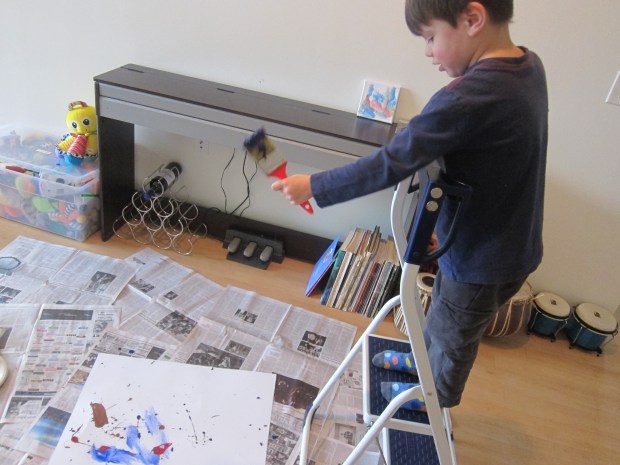
The most fun though was getting up high!

LP Art (9)

Travis climbed our step ladder, and I handed him the paint brush. Splat! He did almost the entire painting from up here.

LP Art (10)

Messy but so worth it!

LP Art (11)

Art Science:

For wont of an actual “science” this month, I’m using this section for the suggested sculpture project. I simply set Travis loose with a bunch of air-dry clay, a few sculpting tools, and his imagination. Soon we were etching baleen onto clay whales.

LP Art (13)

Then: “Look mom, a three-legged turtle!” he declared, leaving this present for me on our counter.

LP Art (14)

Art Keepsake:

This was actually what we did first, since Travis couldn’t wait to find out what his present was from “Max and Mia”. The included canvas, mini watercolor palette, and mini paintbrush did not disappoint. Instantly he became my little Monet, painting in the three landmarks depicted on the canvas.

LP Art (1)

He loved learning a few new color combos to mix, like blue + brown = black. When the canvas was finished, he didn’t stop there.

LP Art (2)

He immediately painted another picture which he decided was a gift for a friend, and a third which became a map. I loved that he was off and running with art, no doubt exactly the kind of play Early Explorers hopes to inspire with their kits.

Art Field Trip:

Head to your nearest museum or art gallery, of course. This doesn’t need to be anywhere big or fancy, but do challenge your child to find their three favorite pieces in the museum.

We were just in time for an exhibit featuring the best of local youth art, mostly by 11th and 12th graders. Travis enjoyed seeking out the one that had won first prize.

LP Art final.jpg

And we couldn’t believe this one was done with yarn!

LP Art var

Art Further Activities:

Unlike last month’s topic on food, which felt a touch one-note, this topic lent itself easily to so many activities! First, we did an imitation of French “pointillism.” After looking at paintings by Seurat, we set out to make dot pictures. Inflate a balloon just slightly, and set out a paper plate with a few colors of paint.

LP Art (16)

Dip the balloon in the paint, then dab on the paper. I showed Travis how to make small dots by pressing the balloon on lightly, but he liked pressing hard for big dots. A very cool result! If you don’t have balloons, you could always just illustrate pointillism with some dot markers.

LP Art (18)

Next, we became photographers! I set Travis loose with the instant camera, and challenged him to find interesting scenes or to get right up close to patterns in the apartment, like those on the carpet or fabrics.

LP Art (21)

Then we glued them all down in a collage!

LP Art (22)

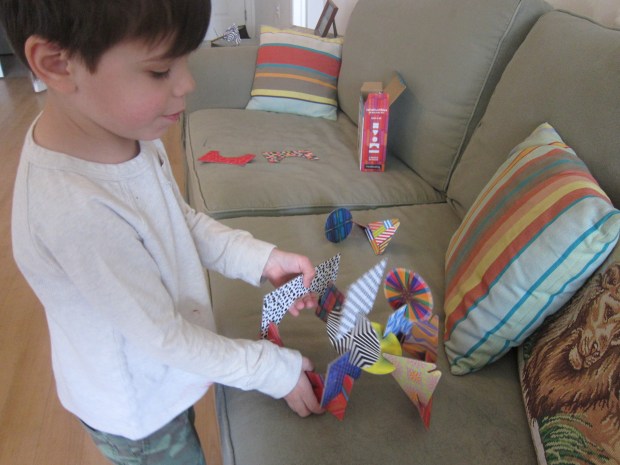
Next up, he played with the art Constructibles set from Little Passport’s online shop.

LP Art (17)

Travis immediately began slotting them together (each is based upon a specific textile pattern, for those interested in the designs), and soon he was building detailed creations.

LP Art (20)

These could be buildings, animals, sculptures – whatever your child thinks they are!

You can expand the fun with research online. We followed a link from Little Passport’s blog to the Google Art Project. I was so impressed when Travis immediately recognized a painting from a magnet on our fridge!

LP Art (25)

This is a great way to learn in depth about a specific artwork, theme, or artist.

LP Art (26)

The library had ample offerings on art to further our learning, almost too many. We particularly liked the projects in a book about Impressionism.

LP Art (29)

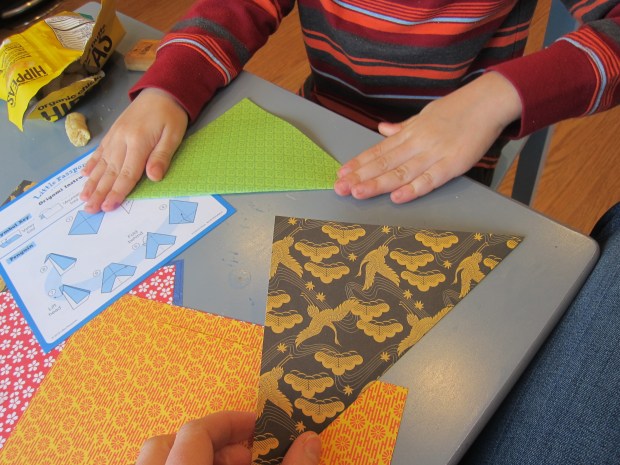
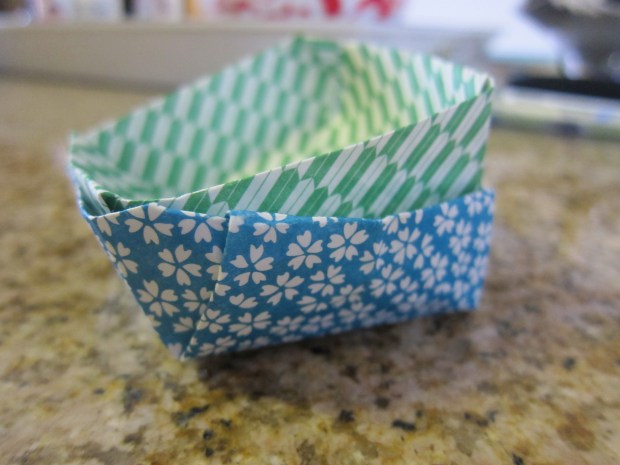
Surprisingly, the booklet said nothing about origami, which surely merits a place in any discussion of art around the world. So we thought we’d round out the lesson with some origami fun, and this origami easter basket from the blog was timely and cute.

LP Art (27)

Early Explorers Food

LP Food final

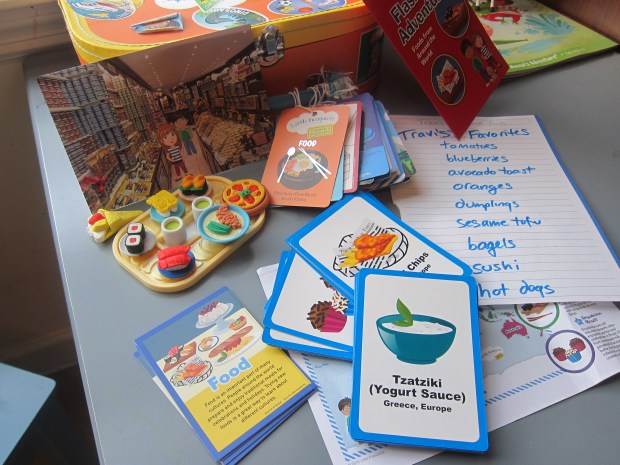
Travis’s latest kit from Early Explorers was about food around the world. It’s not that the information was disappointing (quite the opposite!), only that it was a bit redundant since Travis and I cook together frequently, whether simply for fun or with our Raddish Kids subscription. So while the packet was full of fun facts, projects, and suggestions, it didn’t grab Travis’s interest like previous topics from “Max and Mia” have. Also, because the projects were all culinary, my usual categories of “craft” and “science” didn’t exactly apply here, so I use the terms loosely.

First we went through our usual packet goodies, including stickers for the map, and enjoyed the activities in the booklet

LP Food (5)

Food Craft:

For a craft, we made the booklet’s frittata recipe (a culinary journey to Italy), but we needed to adapt it significantly for a vegan version!

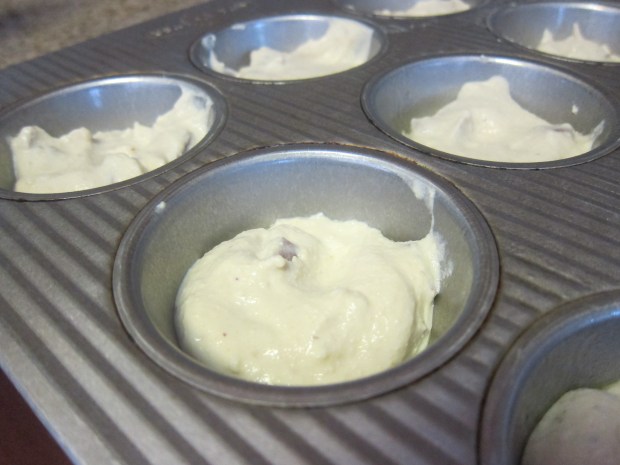
I helped Travis blend up what I know works as a vegan frittata base: In a blender, combine 1 package firm tofu, 1/2 cup non-dairy milk, 2 teaspoons cornstarch, 3 tablespoons nutritional yeast, 1 teaspoon mustard, and 1/2 teaspoon garlic powder. Blend until smooth. Stir in 3 slices chopped vegan ham (we used Yves Veggie Canadian bacon) and 1/4 cup shredded Daiya mozzarella. Divide the batter evenly among 12 muffin cups coated with cooking spray.

LP Food (9)

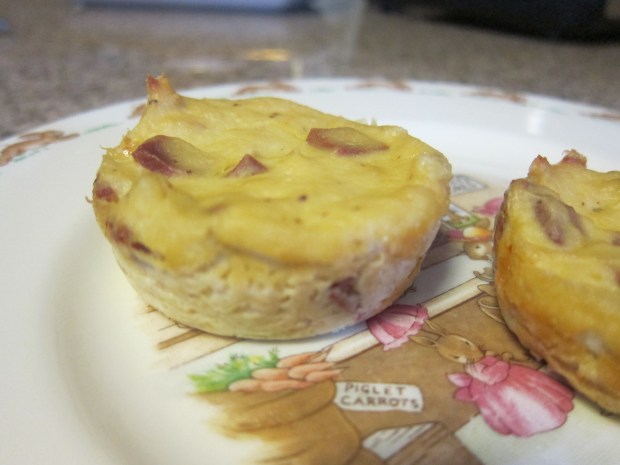
Bake at 375 degrees F for 25 minutes, until set. These were a huge hit with a very proud Travis!

LP Food (11)

Food Science:

Again, I’m using the term “science” loosely; this activity is more of a social science. Pick a country you love, and cook a meal! We chose India, since Travis is one-quarter Indian and wants to learn more about the country. Little Passport’s website featured this easy dahl recipe.

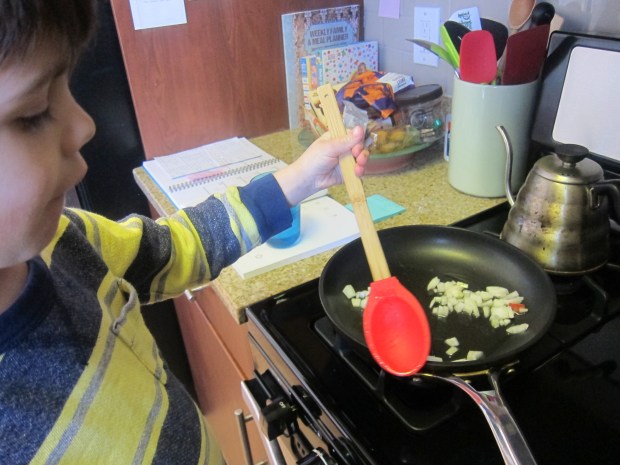
Sizzling the onions was Travis’s favorite part; he loved watching the onion pieces change color over time. I couldn’t drag him away from the stove!

LP Food (13)

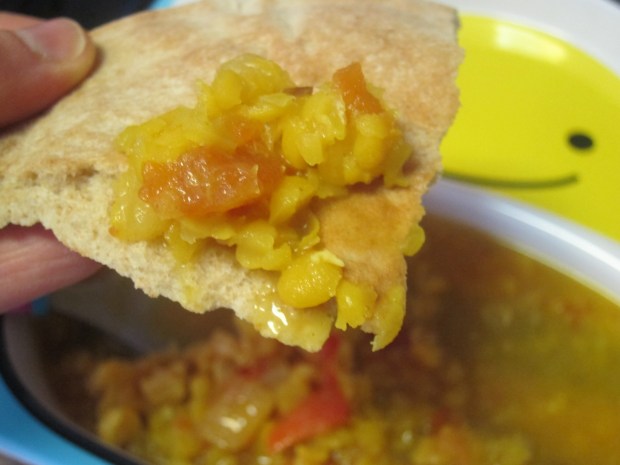
We enjoyed serving the dahl with pita bread.

LP Food (24)

Food Keepsake:

The little gift inside Travis’s package this month was a delight: mini erasers in the shape of food! Way more fun than erasing, he loved just playing with them.

LP Food (4)

Food Field Trip:

We visited a new restaurant of course! This was a special treat, heading downtown after school instead of straight home for lunch. We selected an Indian restaurant in town.

LP Food (15)

Travis loved the adventure. He got to sip mango juice…

LP Food (16)

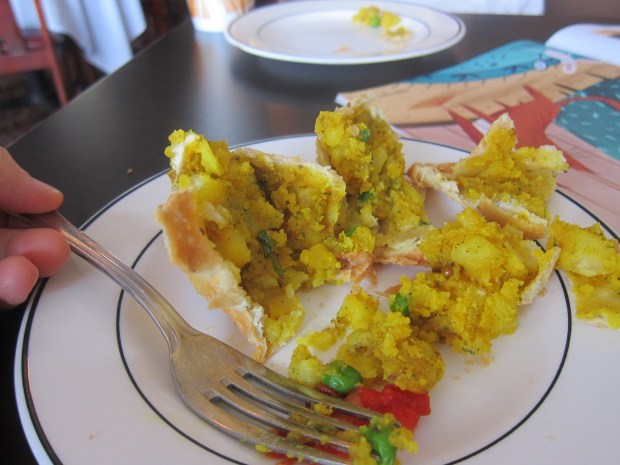
…and dine on samosas and aloo gobi. This was possibly the best lunch date I’ve ever had, and certainly the cutest.

LP Food (17)

Food Further Activities:

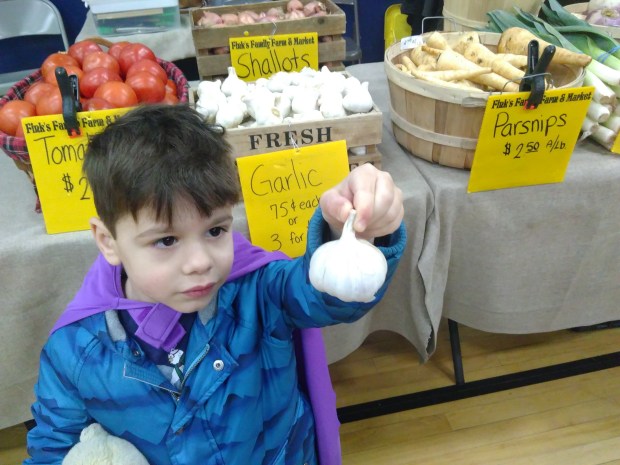
As always, we didn’t stop there. Next up we went to our local farmer’s market, where Travis loved learning about local food and tasting samples.

LP Food (7)

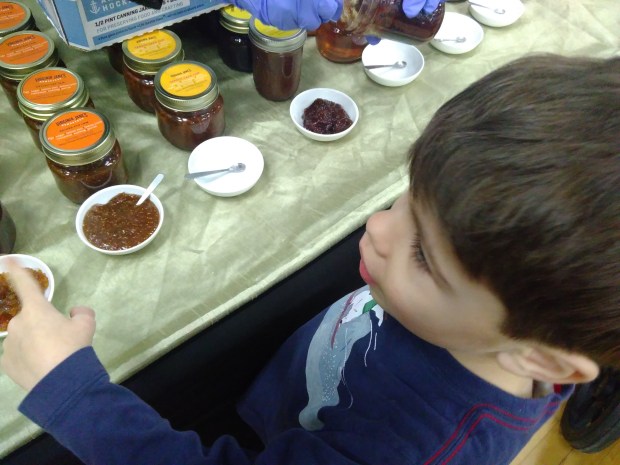
He was particular intrigued by a local homesteader who made jellies!

LP Food (6)

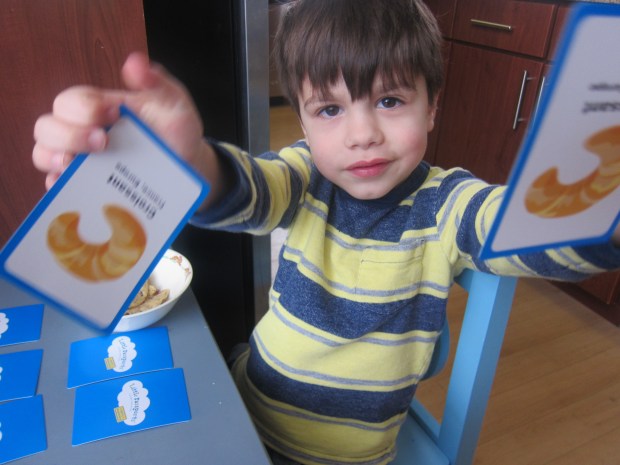
There was also a card game in his package, a food-themed riff on classic Memory. It was fun both to play, and to sneak in some learning. A match!

LP Food (3)

We also made a list of his favorite foods, including avocado toast and sesame tofu. Wanting further exploration, we headed over to Little Passport’s blog to learn more about what people eat in other countries on specific occasions. Travis got a kick out of some of the world lunches.

Finally, I had ordered the sushi kit (and sushi erasers!) from Little Passport’s shop as an extra, which let us have a Japanese sushi night at home. This was easily Travis’s favorite; he was intrigued when we opened up the box, especially by the rolling mat!

LP Food (25).jpg

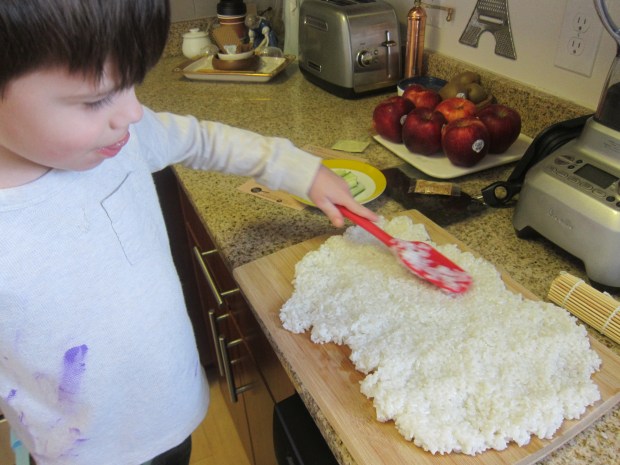
The kit had us mixing up a rice vinegar sauce, simmering the provided rice, and then spreading it out to cool off.

LP Food (21)

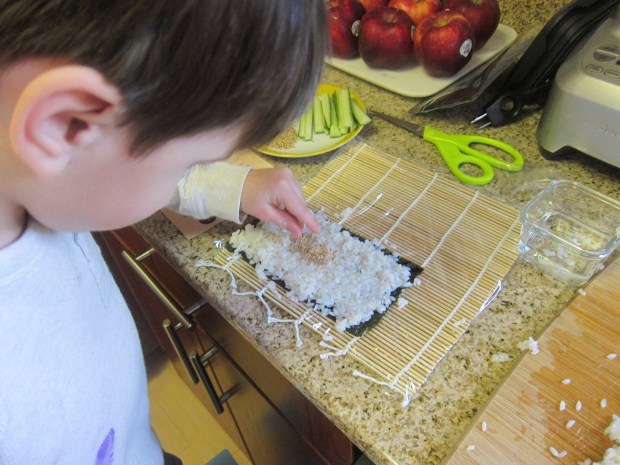
Place a sheet of nori on the rolling mat, and top with rice and sesame seeds.

LP Food (22)

We added California roll fillings (avocado and cuke), then rolled!

LP Food (23)

I was so proud of how adventurous he was eating these, and he was so curious about where they eat sushi, and where the seaweed was from.

So yes, it took us nearly a month to work our way through all these activities, but it ended up being good fun.


Early Explorers Music

lp music final

What did Max and Mia send from Early Explorers this month? Travis was eager to see when he found the envelope waiting at his lunch table. We instantly were doing the flashlight find-it, and he trotted off to put the stickers on his map (for region-specific instruments like didgeridoos and bagpipes) without my help!

lp music (22)

The activity book contained great examples of more than/less than, counting, mazes, and other favorites we’ve come to expect.

lp music (5)

Music Craft:

The craft in the booklet was a rainstick – a simple project similar to those we’ve put together in the past. But it featured a neat aluminum foil coil on the inside!

lp music (6)

Tear off a piece of aluminum foil about twice as long as a paper towel tube. Compress with your hands into a long snake.

lp music (8)

Now twist the snake, almost into a double helix shape.

lp music (7)

Cut a circle of construction paper larger than the end of the tube, and glue around the edge. I recommend a rubber band or two as extra security, especially if your child will want to shake the rainstick before the glue dries!

lp music (9)

Now slip in the aluminum helix. Spoon in a few spoonfuls of rice – you don’t want it to be too full. Now seal the other edge of the tube.

lp music (10)

Shake up a rainstorm! The booklet contained information on the history of this instrument, notably that they are traditionally made of bamboo tubes filled with stones, which Travis thought was neat.

Music Science:

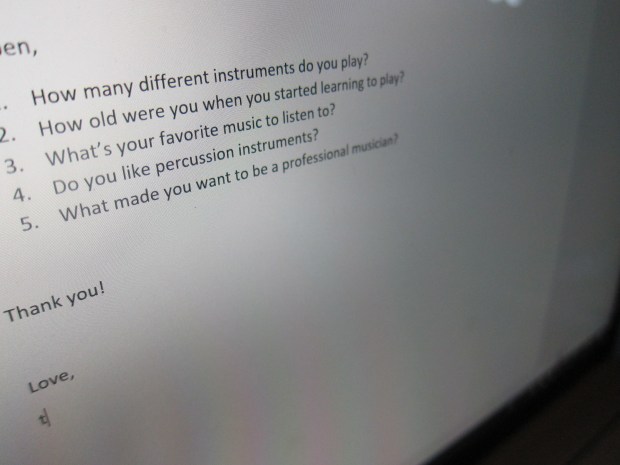
Ok, there wasn’t anything in the booklet that could classify as STEM this time around, so we explored a social science… Interviewing a musician! This is a great way for kids to delve further into what it’s like to live surrounded by music. I connected with a man we’d heard play at a local festival last spring, and he was happy to answer a few questions Travis typed up.

lp music (21)

Music Keepsake:

The treasure inside for Travis this month was a little music box to wind. He was thrilled to have his own, since he loves an old music box from my childhood. This one is great because kids can watch and understand the mechanism of dots and moving metal bars that produce each note. It plays Twinkle Twinkle, which will be a familiar and comforting tune.

lp music (1)

Music Field Trip:

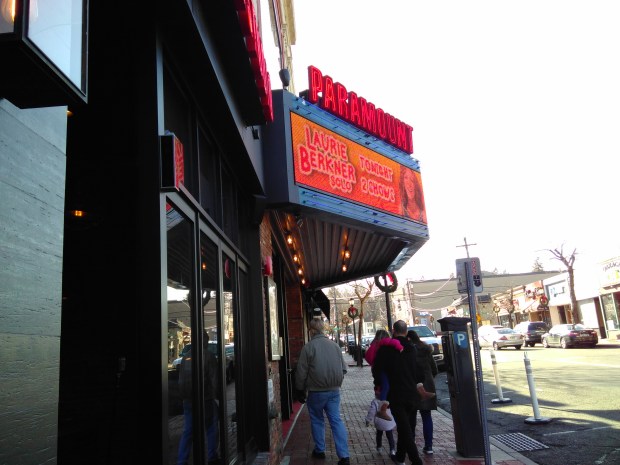
Check out a local concert, of course! This can be anything from a small, kid-friendly show at a venue near you, to a blockbuster show. We were lucky enough to have a big name in town – Laurie Berkner!

LP Music (25).jpg

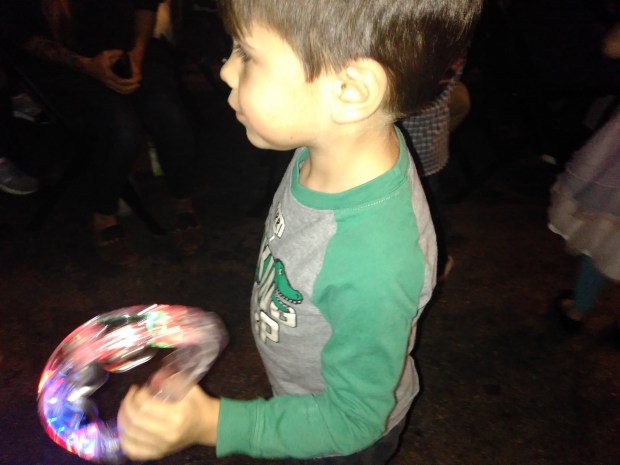
Travis loved dancing in the aisles with his tambourine.

lp music (24)

It was a fantastic opportunity to see a real musician strumming a guitar on a big stage.

LP Music (23).jpg

Music Further Activities:

First, we had to have a family sing-along. I loved that this crate got us pulling out our old bag of musical instruments. For a toddler who loved music, Travis plays instruments surprisingly rarely now, and it was a great chance to jam and sing to old favorites.

lp music (15)

Next, we headed to a local music shop, hoping to find some neat instruments. A few were familiar of course, but Travis loved this huge rainstick…

lp music (20)

…and could listen to a plethora of sounds by spinning the knob on a synthesizer.

lp music (17)

Check out the mandolin and banjo!

lp music (18)

We also looked up world music online, finding a great library of clips at allaroundthisworld.com.

lp music (14)

Travis also has a chime toy from Little Passport’s shop. We spent some time with it, a great early intro to a piano and playing notes. Children can play along by color to classics like London Bridge and Jingle Bells.

lp music (13)

We also were inspired to learn lyrics to favorite songs that we’ve heard, but might have misheard (otherwise known as a mondegreen). Aha, so that’s what they’ve been saying…

lp music (12)

Early Explorers Plants

LP Plants (28)

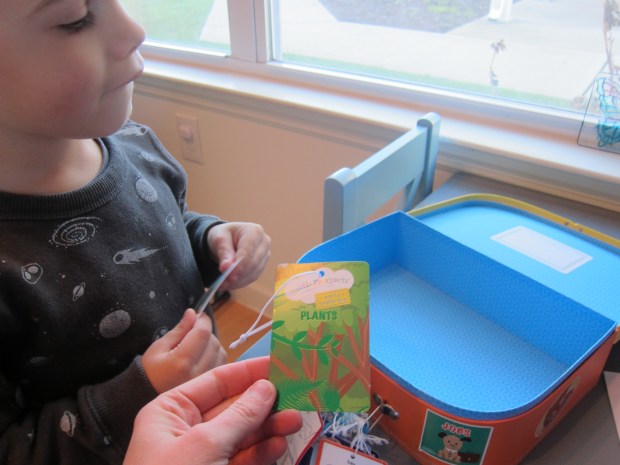
Travis’s mailing from Early Explorers this month was all about… Plants! I worried this topic might be dry for a four-year-old, but as always, Little Passports made it approachable and, well, great!

LP Plants (1)

Travis continues to take to the booklet and its exercises with alacrity now, eagerly telling his dad or friends what unit “Max and Mia” have sent us. To wit, the last time we had a traceable alphabet in our booklet, he did one or two letters grudgingly. This time he wouldn’t let me stop until we’d filled the page.

LP Plants (5)

Plus we had great mazes, coloring, counting, and even early spelling.

LP Plants (16)

And of course the mailing included stickers for his wall map, the flashlight find it, and flash cards with more info. Here’s what else we delved into…

Plants Craft:

The suggested art project was very simple: gather leaves and come home to trace them. Unfortunately it’s not the right time of year where we live! I was able to find a few withered oak leaves and a leaf from a holly plant, which at least showed Travis that different plant leaves have very different shapes.

LP Plants (11)

If it’s spring or fall, you can have a blast with this, and likely make a beautiful collage!

Plants Science:

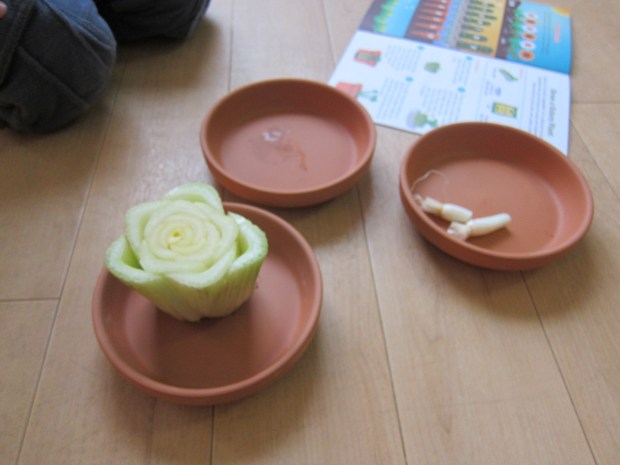
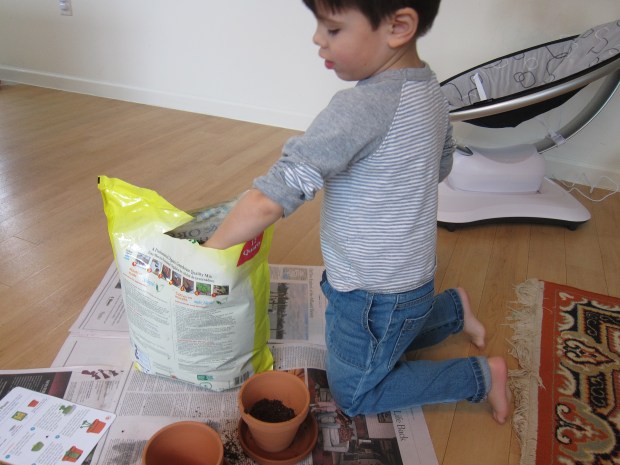
Here’s where the kit really got hands-on, with instructions on how to grow your own celery plant. Travis returned from school to find pots and dirt, and couldn’t wait. First, help your child cut the base off a full stalk of celery. Place the base in a dish of shallow water.

LP Plants (9)

Change the water every few days, and dribble a few drops of water on the top daily. You should start to see new celery growth within a few days.

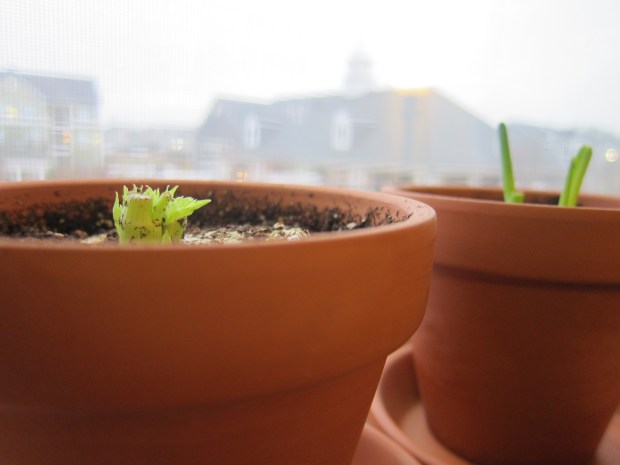
We waited about five days, then placed the celery in a pot, and covered with soil. The fresh leaf tips should stick up from the dirt. Place in a sunny spot, and water every 3 days or so (I watered daily, which seemed to work fine).

LP Plants (18)

It will continued to grow! You can actually use this celery for soups, salads, or snacks. This is a great way to teach kids where food comes from, and we can’t wait to harvest our little plant!

LP Plants update

Plants Keepsake:

The very first thing Travis wanted this month was his “present”, and he was thrilled to find puffy stickers and a garden background in which to place them, and even more thrilled to learn the stickers are reusable.

LP Plants (2)

He insisted each sticker smelled differently, too. I couldn’t tell a difference, but if so, that is a very clever trick on the part of Little Passports!

LP Plants (3)

As a parental aside, I was a touch disappointed by the repeat keepsake. Perhaps a flower pot or seeds might have been more novel.

Plants Field Trip:

Head off to a botanical garden of course! Since it’s winter here, we visited a favorite local garden, but concentrated on the greenhouse instead of the grounds.

LP Plants (20)

Travis loved the hibiscus room, ready for Christmas! And the cacti were a fast favorite.

LP Plants (23)

It was hard work to convince him that he really couldn’t touch any of the prickles, but I managed. Our garden also had a wonderful find-it hunt for kids.

LP Plants (22)

Your children might also enjoy drawing some of their favorite plants, though Travis opted out of this suggestion.

Plants Further Activities:

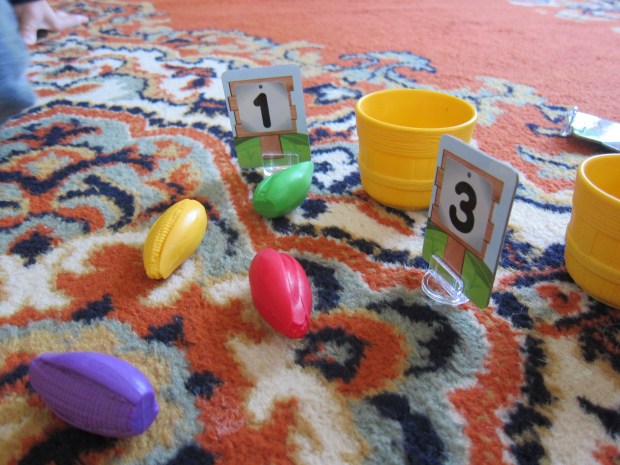
I had previously purchased a game from Little Passport’s website on veggie sorting, and this was the perfect time to trot it out; Travis was delighted by the vegetables he could “plant.”

LP Plants (14)

He loved to play with it, and as a parent, i appreciated the various math concepts we could explore, such as counting out by type or color, or simple math equations.

LP Plants (13)

When that fun was done, we also tried out the celery experiment with potatoes and green onions. It turns out the green onions worked best!

LP Plants (17)

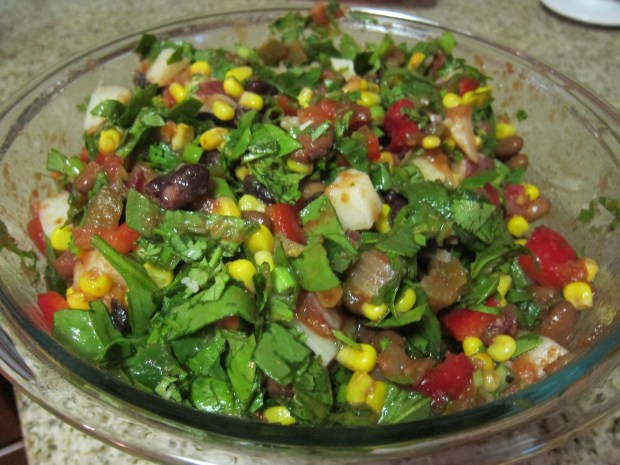
A vibrant bright bean salad was the perfect chance to count the plant-based foods on our plate, especially because it contained multiple plant parts – spinach leaves, corn seeds, potato roots, and more!

Bright Bean Salad (6)

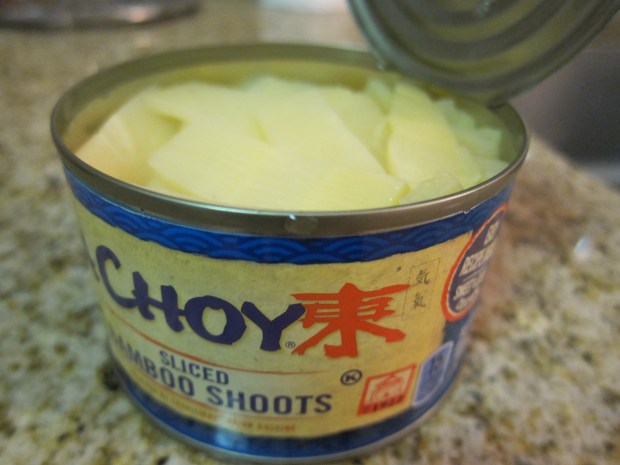
Travis was also eager to try some of the foods he’d read about in the booklet, so this week I picked up bamboo and corn pupusas at the market.

LP Plants alt.JPG

We also took the suggestion to count the plants in our neighborhood. This was interesting for mom, too! Our apartment complex is lined with low bushes, and it turns out there are so many varieties we lost count!

LP Plants (29)

Finally, we headed to the library for a few books on plants. Check your non-fiction section, and see what you find!

LP PLants var