Colorful Butterflies

We spotted our first butterlfy of spring today, a lovely white one fluttering by! It felt only right to celebrate with a little butterfly craft. This was a riff on coffee filter butterflies, and was great for helping Travis hone some skills from art class this year.

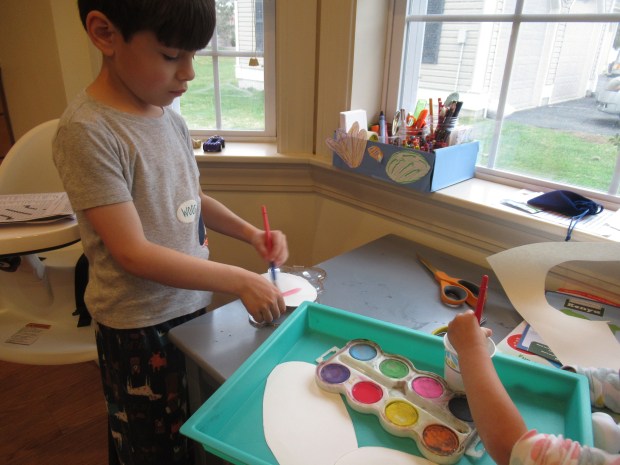
First, I challenged him to cut out an oval. He decided it would be best to draw it first, then cut.

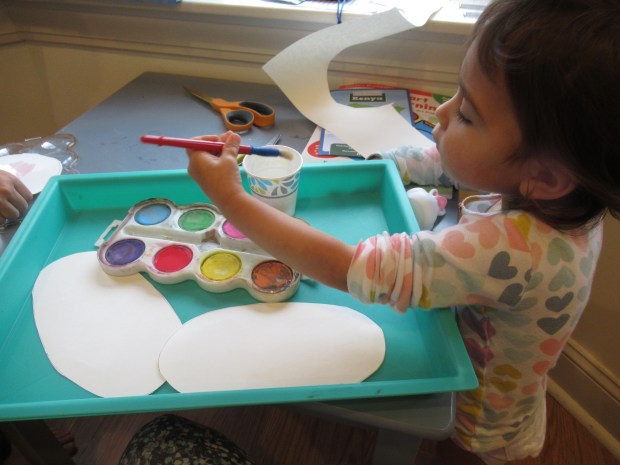
I made a few additional ovals so everyone could paint one with watercolor.

Little sister included!

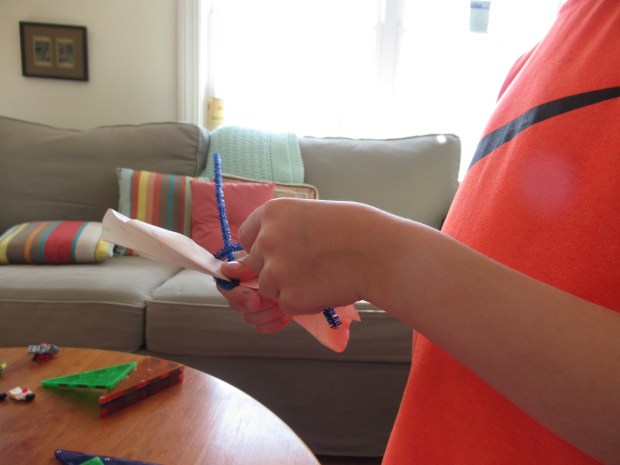
Once the butterflies were dry, I showed Travis how to fold them accordion-style, back and forth until pleated.

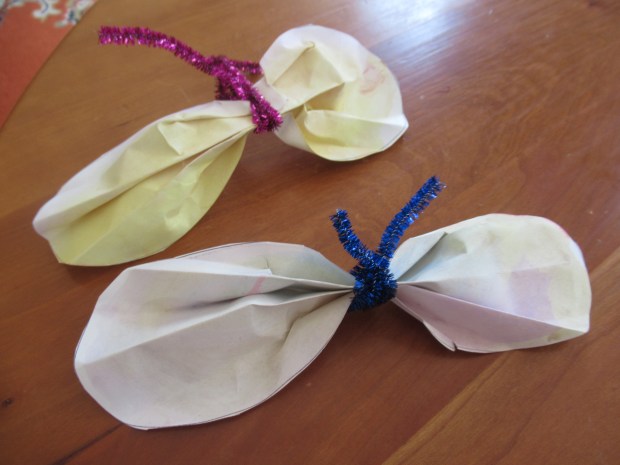
Finally, we wrapped shiny pipe cleaners around the middle of each one as the bodies, leaving the tips sticking up for two antennae on each.

Fan out the wings, then add string or ribbon and let your butterflies flutter in a pretty window. Fun fact: tell your child that a group of butterflies is actually called a flutter, and see if they can guess why!

Water Cycle Bags

Travis has been learning about the water cycle in school, so here was a fun way to make the lesson hands-on at home.

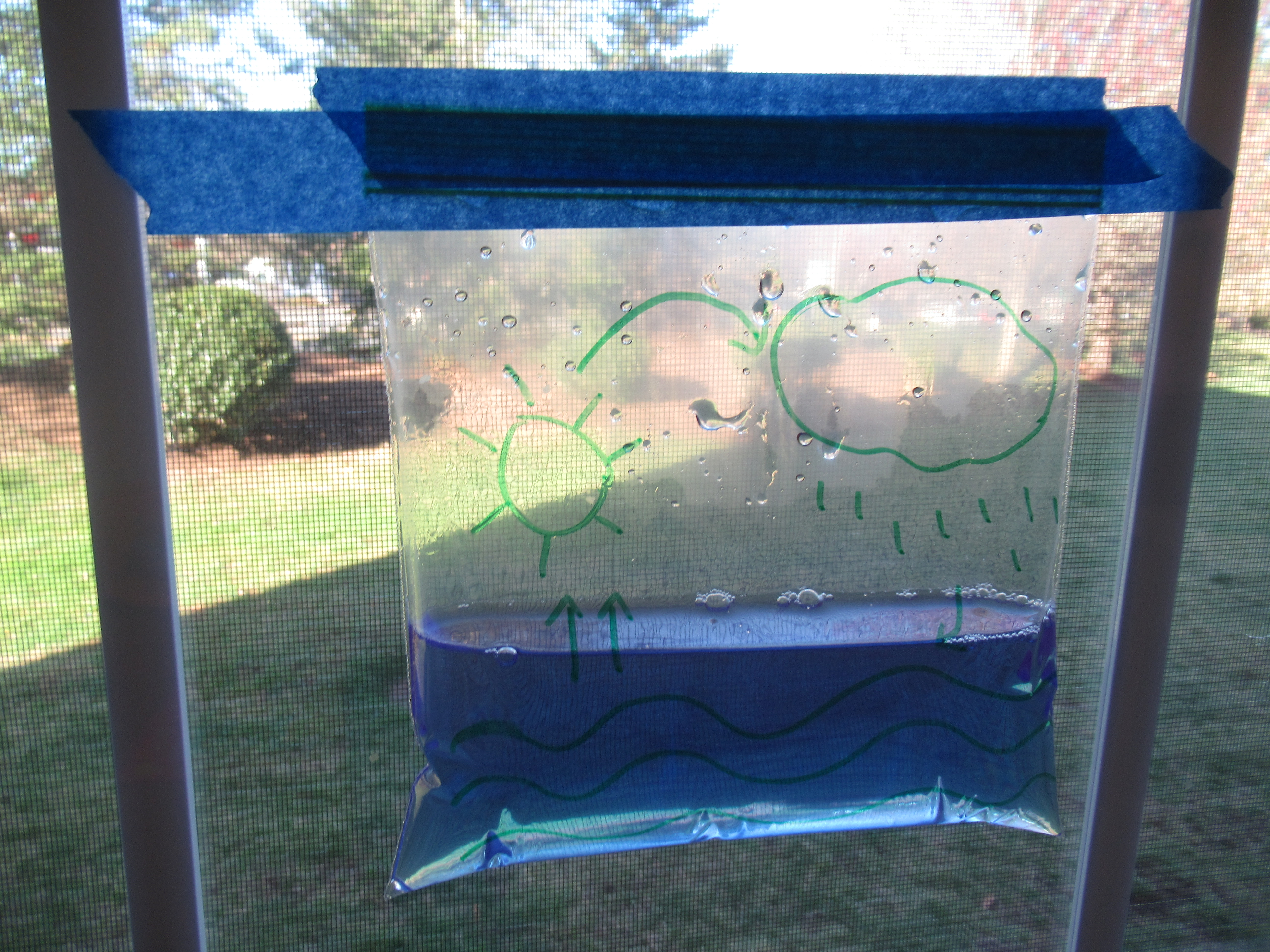
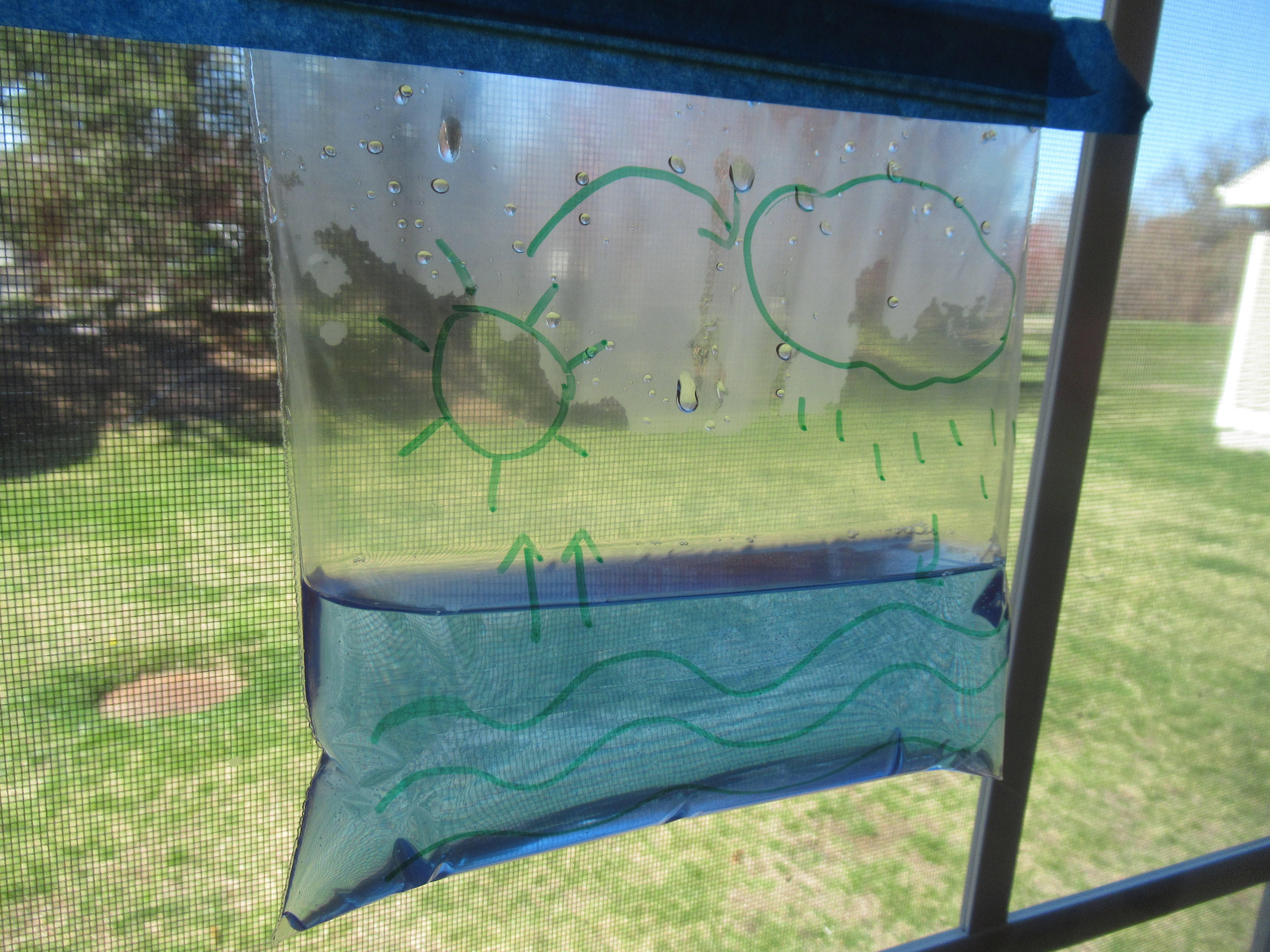
In the morning before school, we each copied a template onto sandwich-sized zip-top plastic bags with Sharpies. Travis insisted that his sun have sunglasses and a smile! Make sure to draw the arrows showing evaporation, condensation, and precipitation, the three main movements of the water cycle.

We then added a little water to each bag (filling them about half way) and added a few drops of blue food coloring. Now it was time for a test! Travis’s bag went in a sunny window. Mine went in a window on the shady side of the house. The idea was to observe them for a few days and spot any differences.

After school, Travis could scope out the differences. The condensation was noticeably more apparent in the sunny bag. Obviously since the bags are a closed system, it won’t mimic a perfect water cycle, but kids can observe any changes over a few days and even take notes!

Toddler Ball

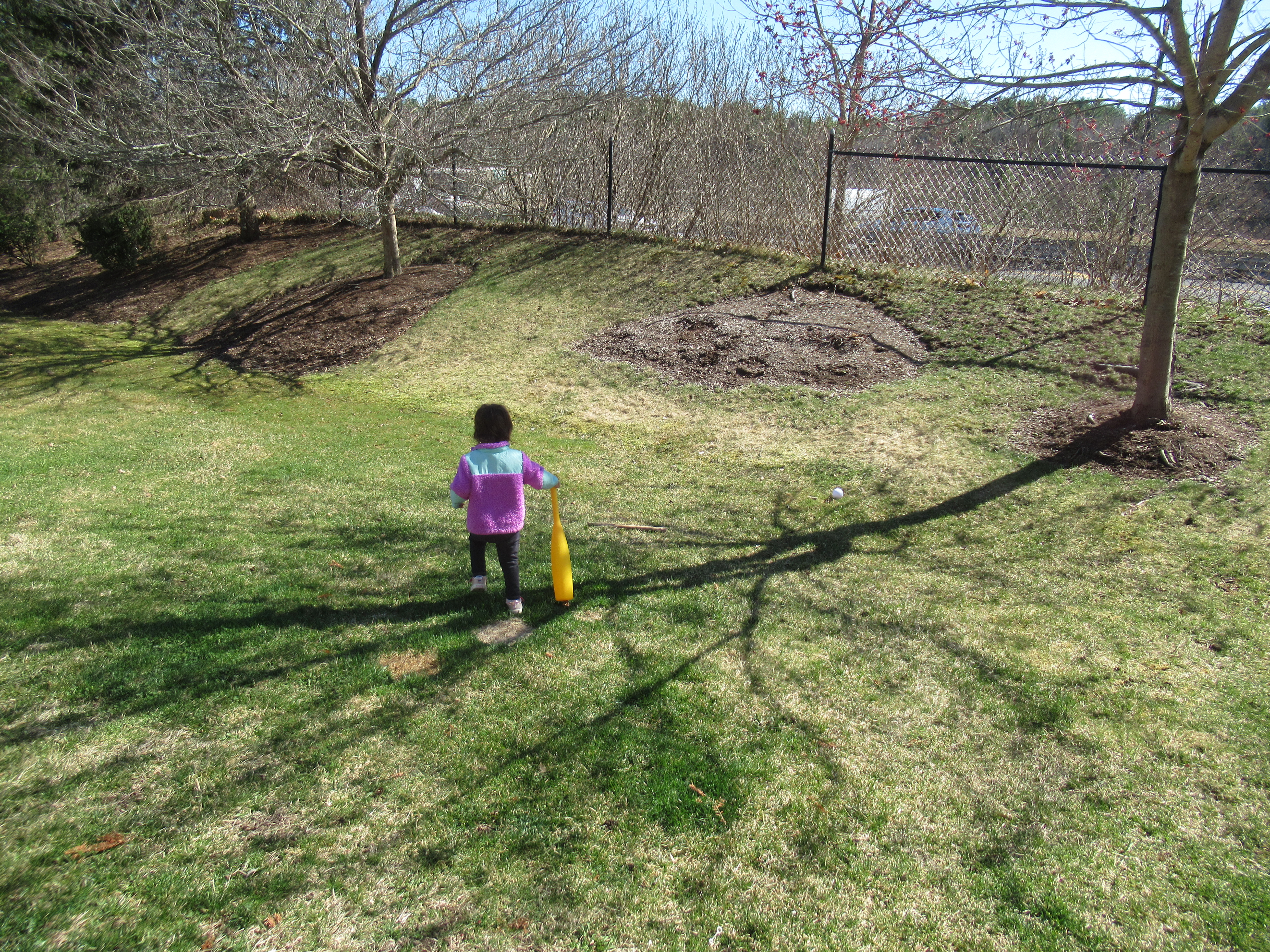
Spring weather and spring sports are calling us outside! It seemed like the perfect time to finally invest in a wiffle ball bat and tee set for Veronika. These sets are great because they work so many gross motor skills for kids. Batting, of course, was the first step. But then we mimicked a full game of baseball!

Whenever one of us whacked a ball off the tee, we ran to the nearest tree as a “base”. She might not have understood, but my excited modeling of the behavior and cheering of “Go go go!” had her running and grinning.

Pretend to try and tag each other “out” on the way back to home base.

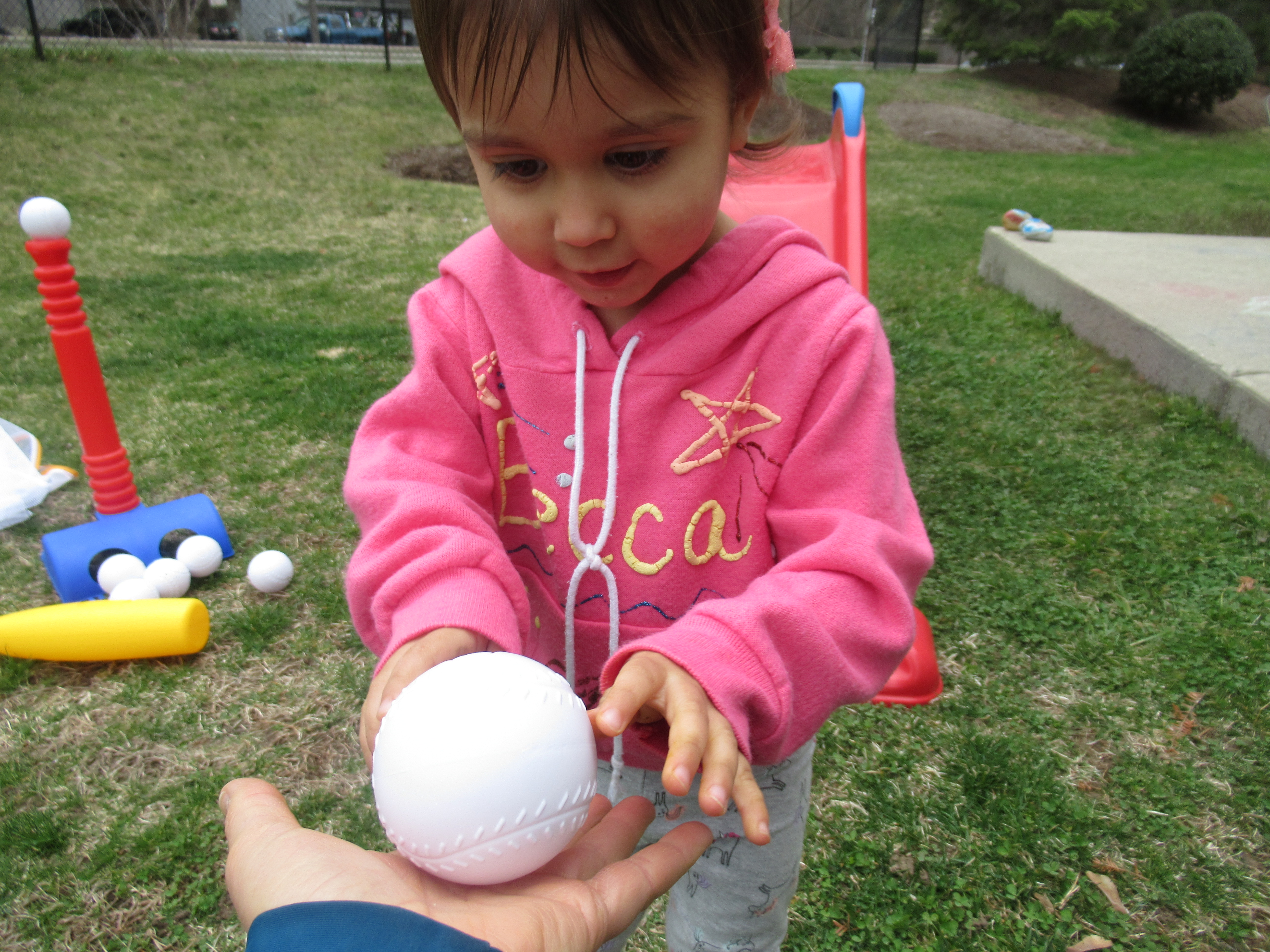
Of course enext you can work on tossing skills (i.e. fielding the ball). She loved passing a ball back and forth.

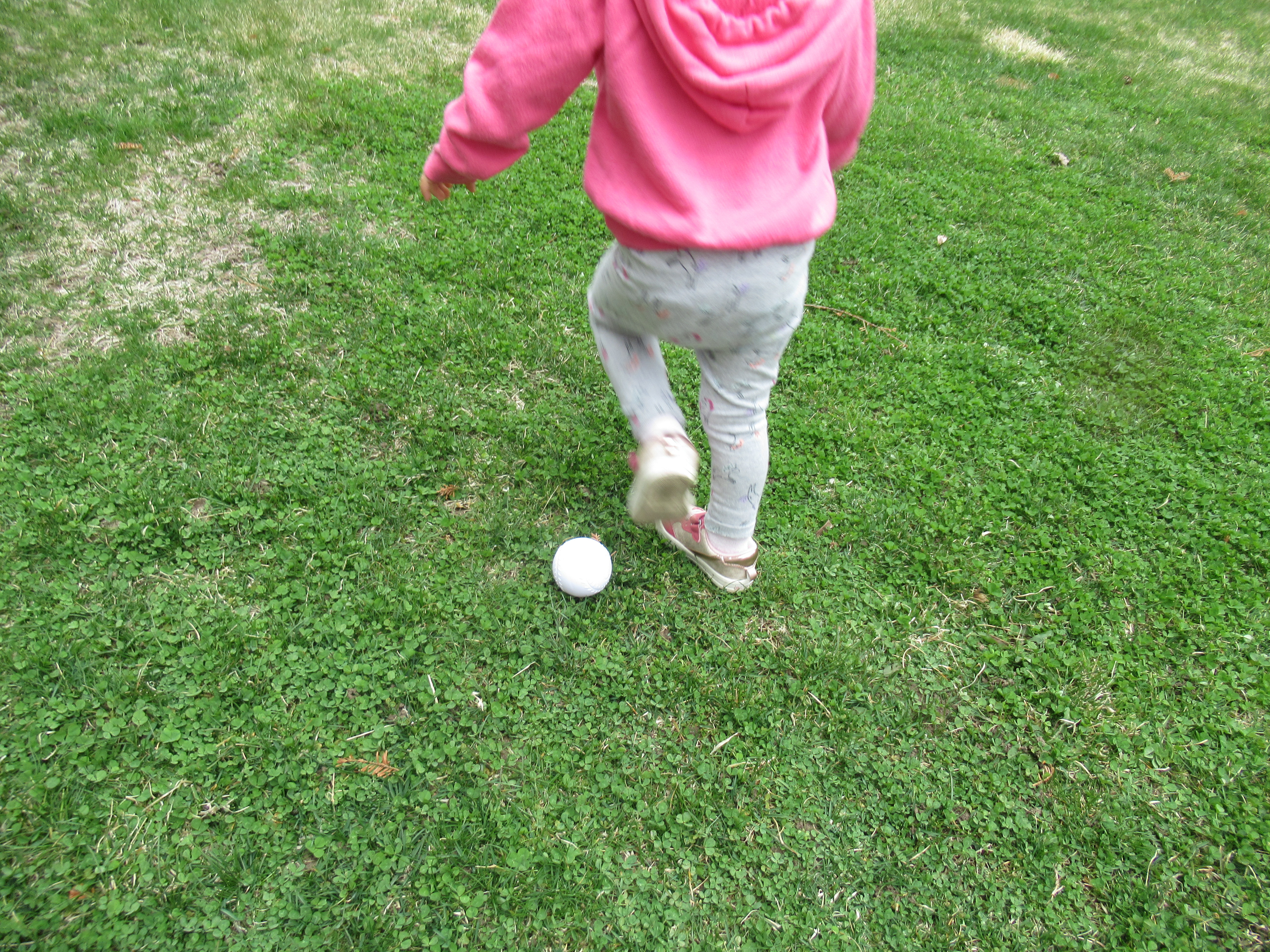
For fun, I also had her kick the balls a few times, which is always good practice even if these balls were not meant for soccer. That meant we tackled three sports skills with one set: batting, throwing, and kicking.

It all looked like so much fun that big brother Travis ran out to play!

He even hit a few home runs out of the park!

Simple Origami Jumping Frogs

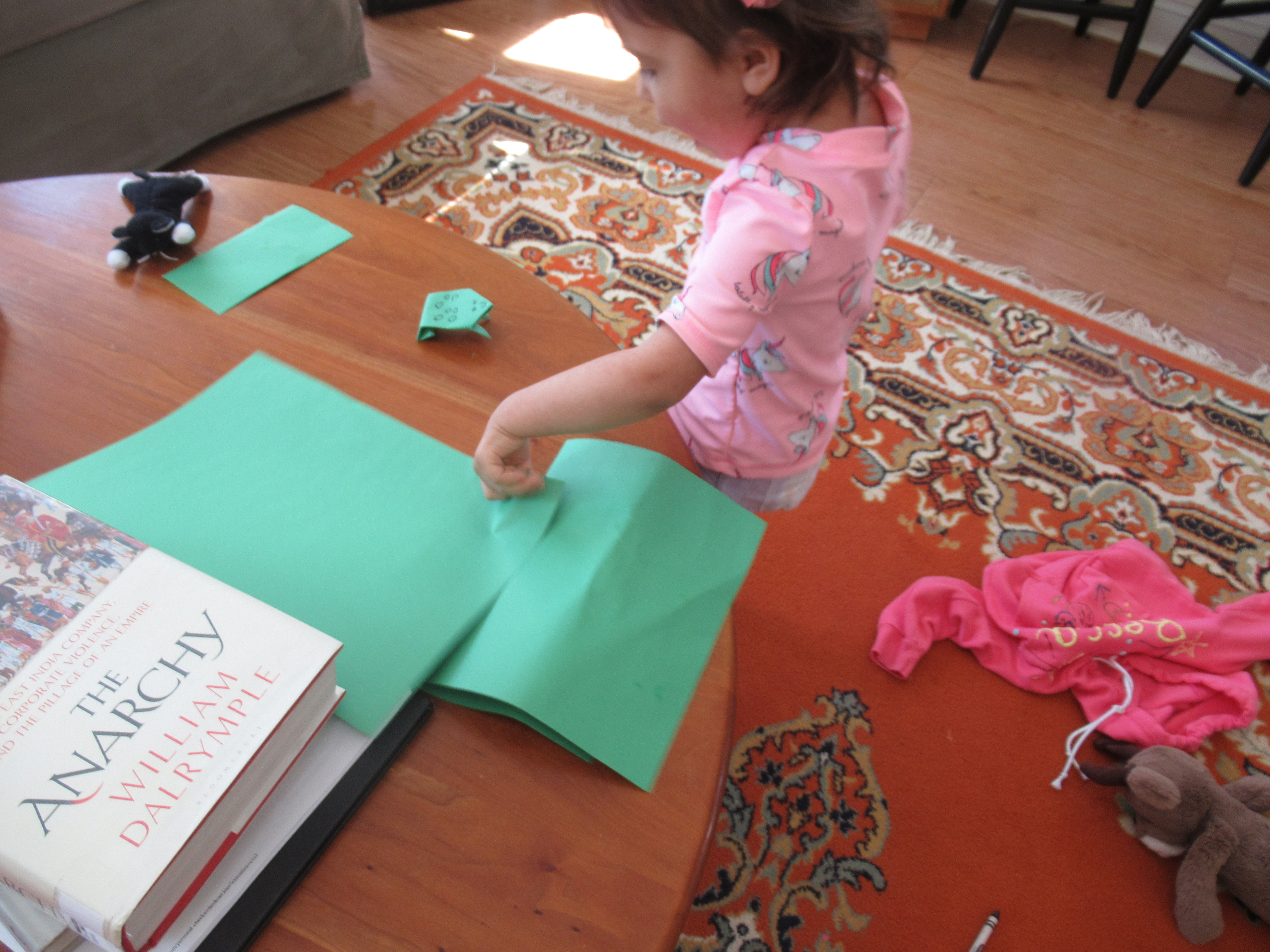
These little folded frogs were too complicated for my kids to follow along with the steps, but they loved leaping about the final product!

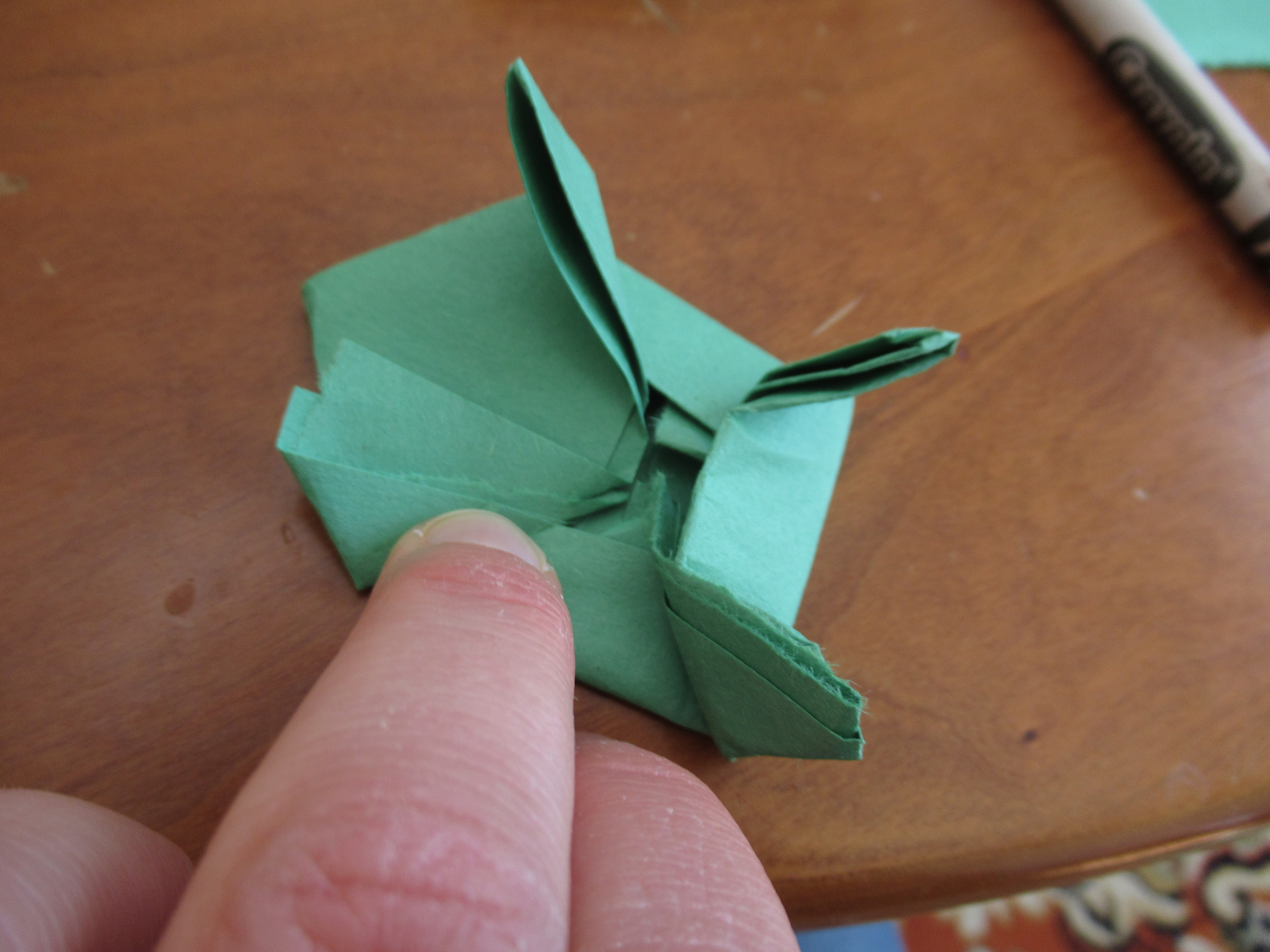
Rather than attempt to explain instructions for folding, simply check out the step-by-step tutorial here. I cut green construction paper into squares to start, but you can also use standard origami paper. By the end it should look something like this from the bottom:

And like this from the top:

Once the little frogs were folded up, we drew on eyes and black spots. Kids can decorate however they choose, or even add long paper tongues!

Place a finger near the back legs, then release to watch the frogs hop hop hop.

The kids loved watching the frogs leap, making this well worth the folding effort.

Density Tower

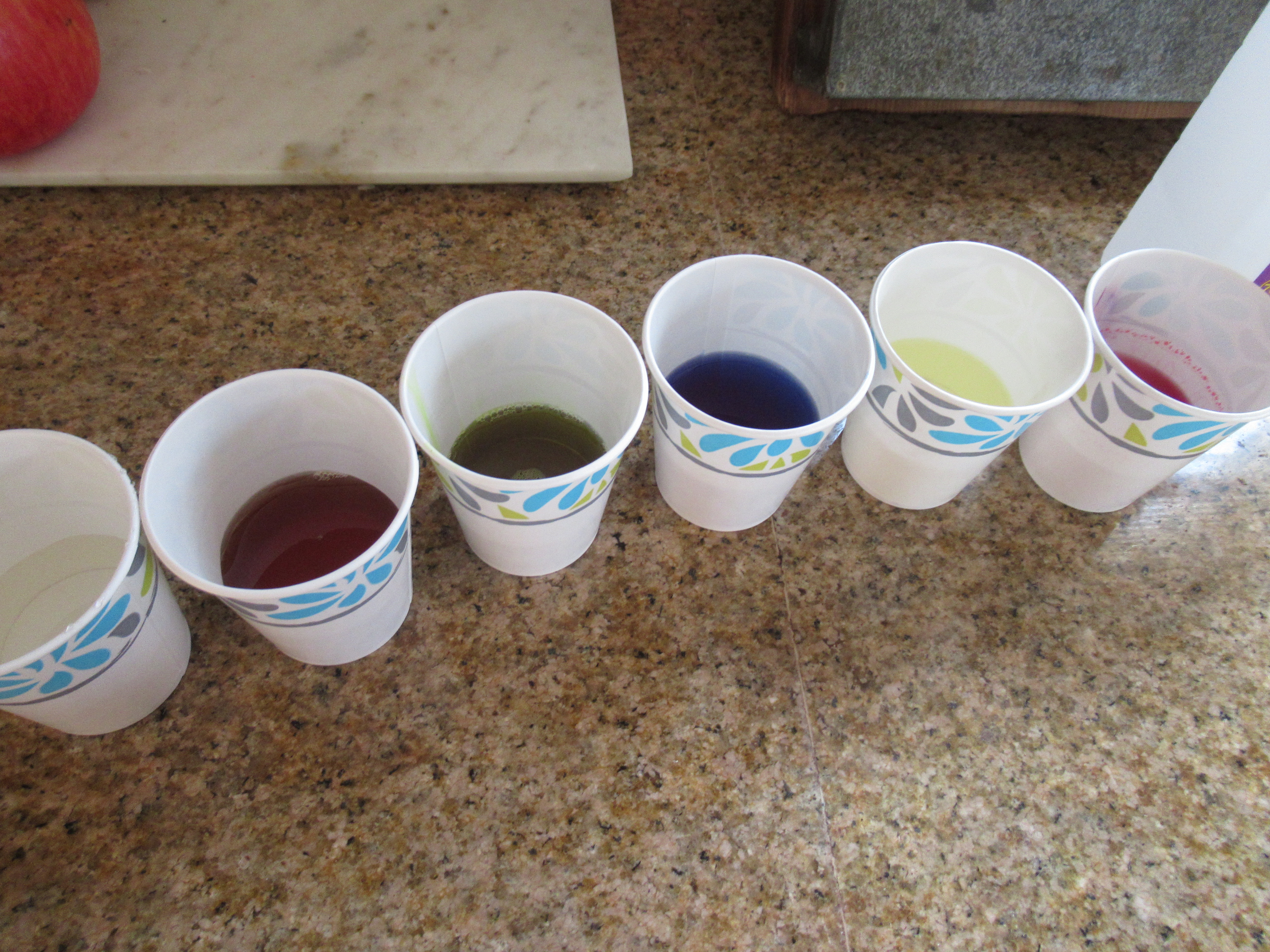
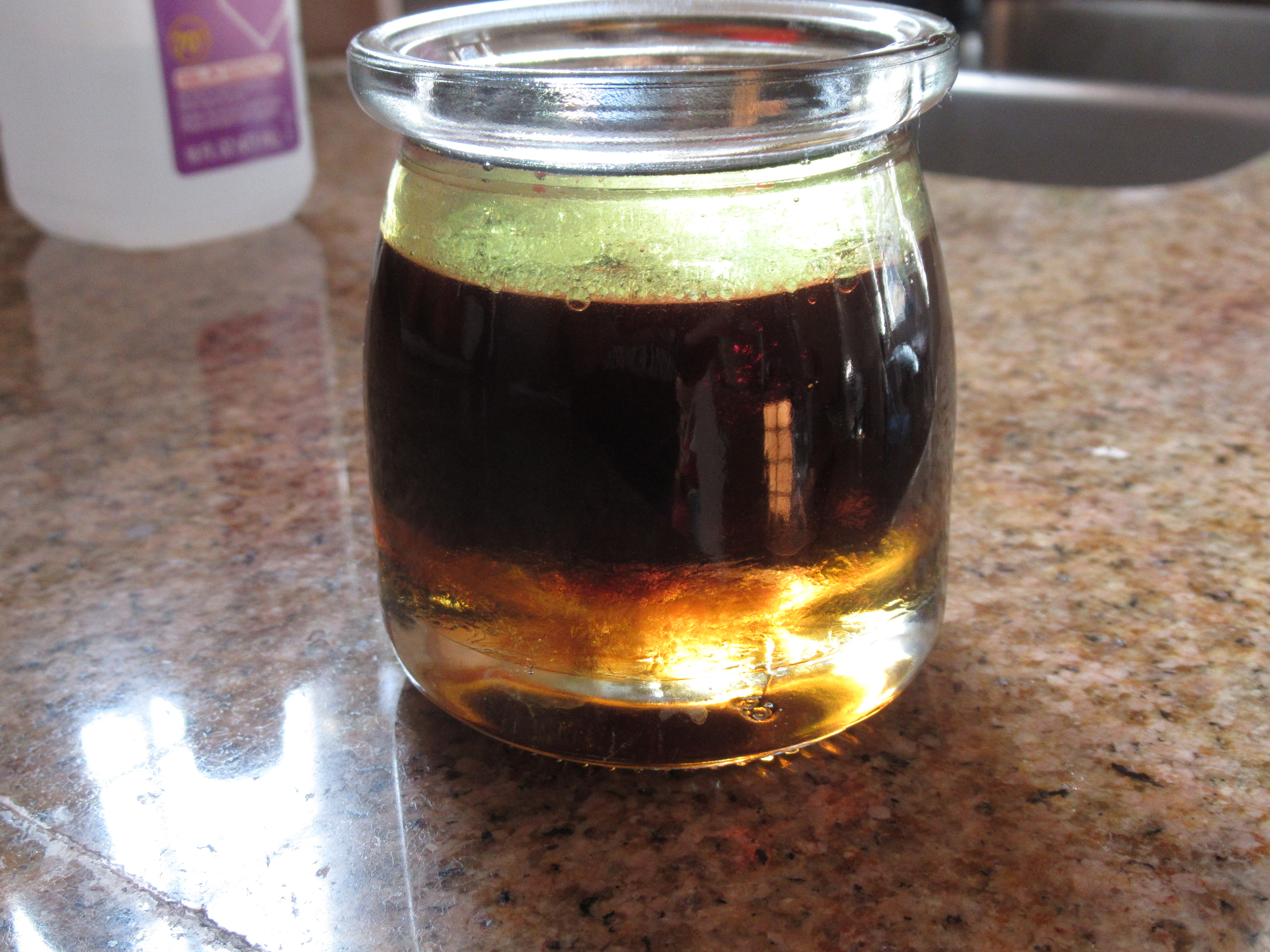
Travis and I have explored density with a jar like this in the past, but our layers haven’t always mixed quite right. Using our past experience as a guide, Travis helped set up the following 6 liquids today:

Corn Syrup

Maple Syrup

Water – tinted blue

Dish Soap – tinted green

Vegetable Oil

Rubbing Alcohol – tinted red

A few of the liquids were left their natural color but for those that would otherwise be confusingly clear, we added a little all-natural food coloring.

Travis and I talked briefly about our hypothesis (the day’s fancy word!) for the order they should go in. The only one we got wrong was water and dish soap, having thought water would float atop the soap, but it turned out to be the opposite.

As our layers took shape, Travis loved bending down to see the strata.

The red alcohol on top was hard to see, but the rest of the layers were quite well demarcated. Overall, this was a neat little STEM experiment in a jar.

Easter Magic

Here are a few ideas to make Easter magic happen and the holiday feel special, even though this year isn’t quite back to normal or extended family gatherings, yet.

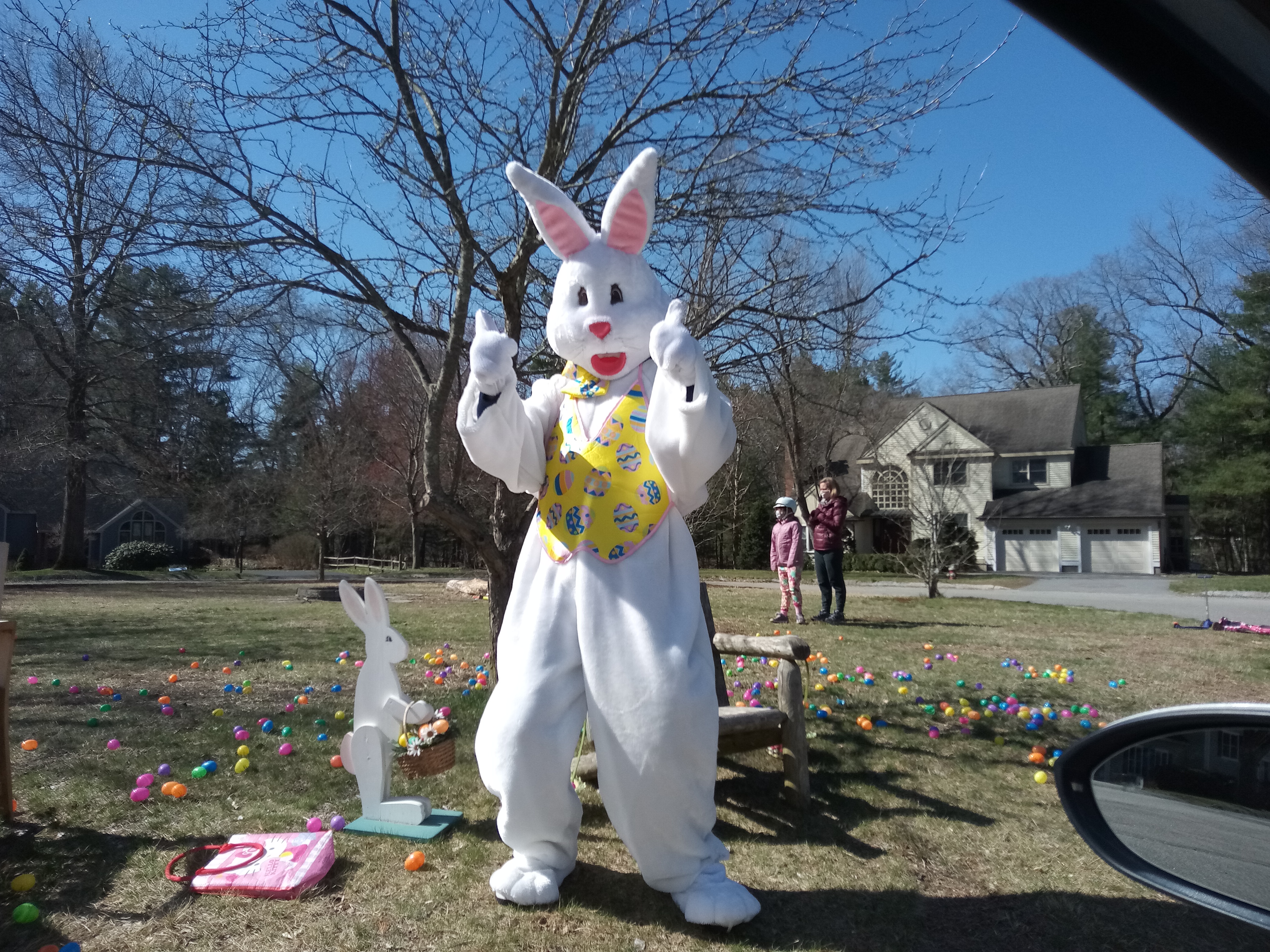
Go to a Drive-By Easter Bunny

Sitting on the bunny’s lap is out, but check if your town has a local Easter bunny photo opportunity from a safe distance, even if that just means waving to him out the window. Included goody bags were a definite bonus!

Turn Jelly Beans into Lollipops

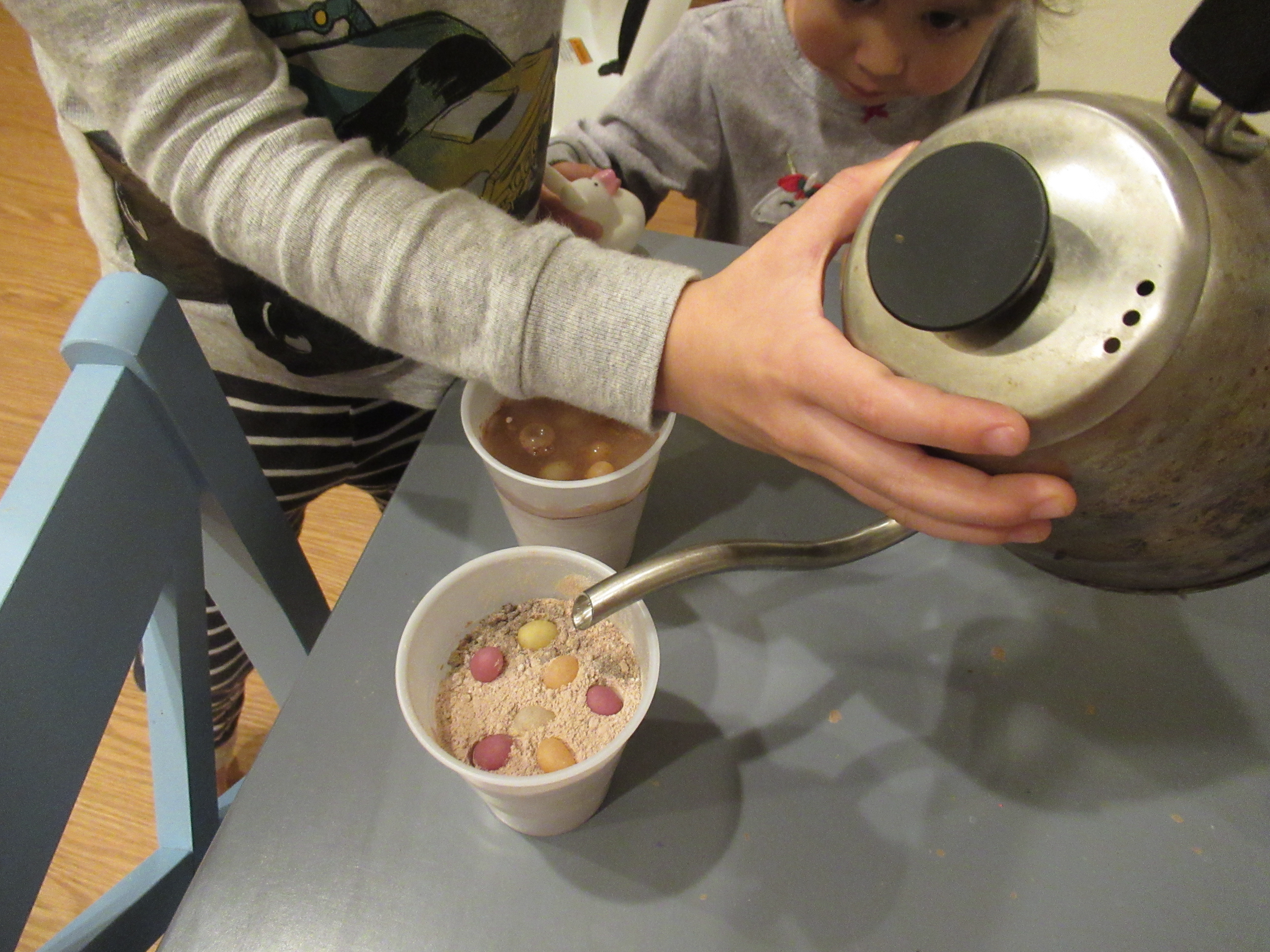
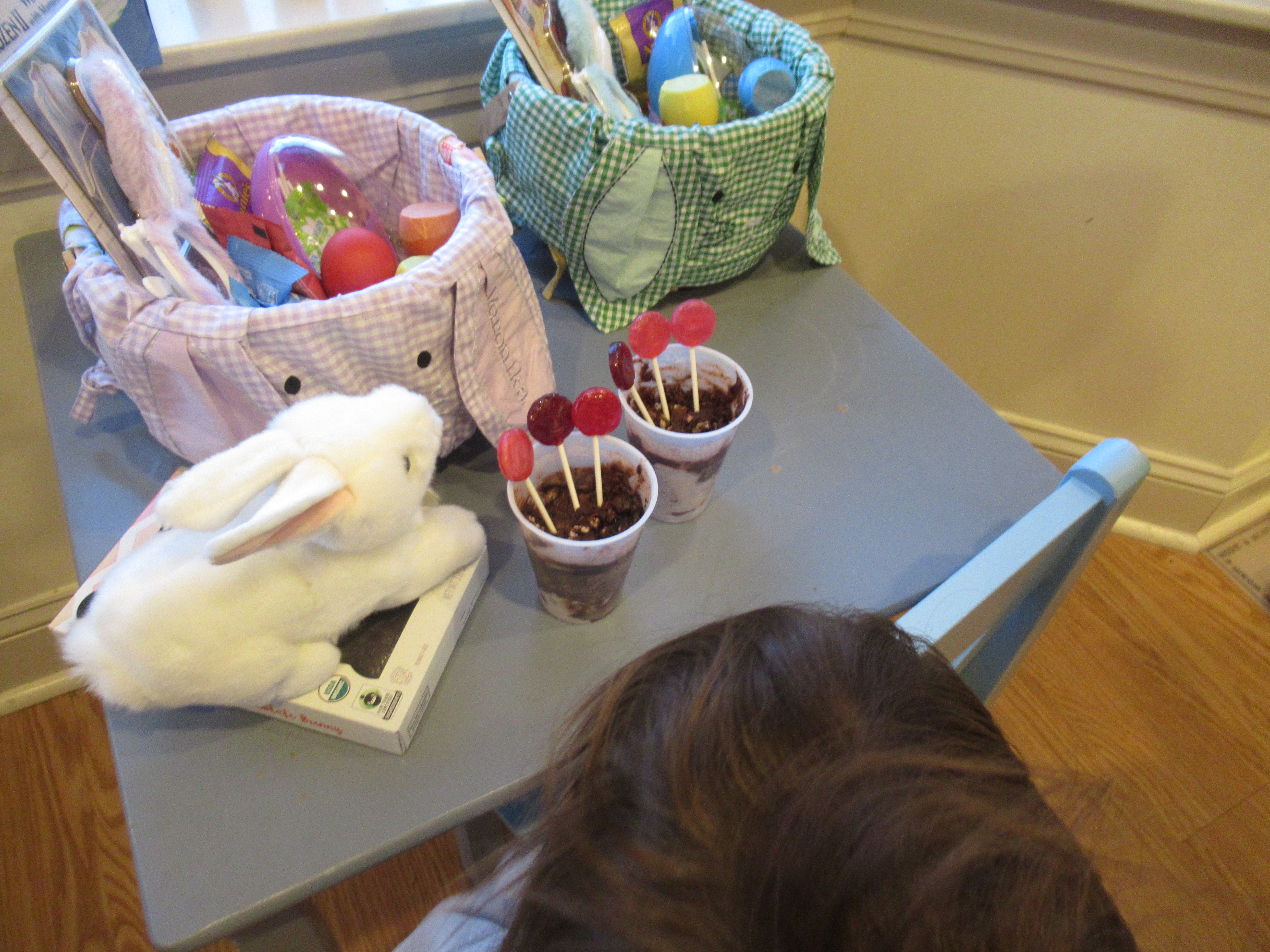
On Easter Eve, we “planted” jelly beans in a cup of dirt (a.k.a. a mix of chocolate cookie crumbs and chocolate cake mix).

Add a little water and tell the kids that the Easter Bunny’s magic will make them grow into lollipops overnight.

Imagine Travis and Veronika’s delight when they came down and saw that the lollipops had “sprouted”!

Easter Egg Hunt

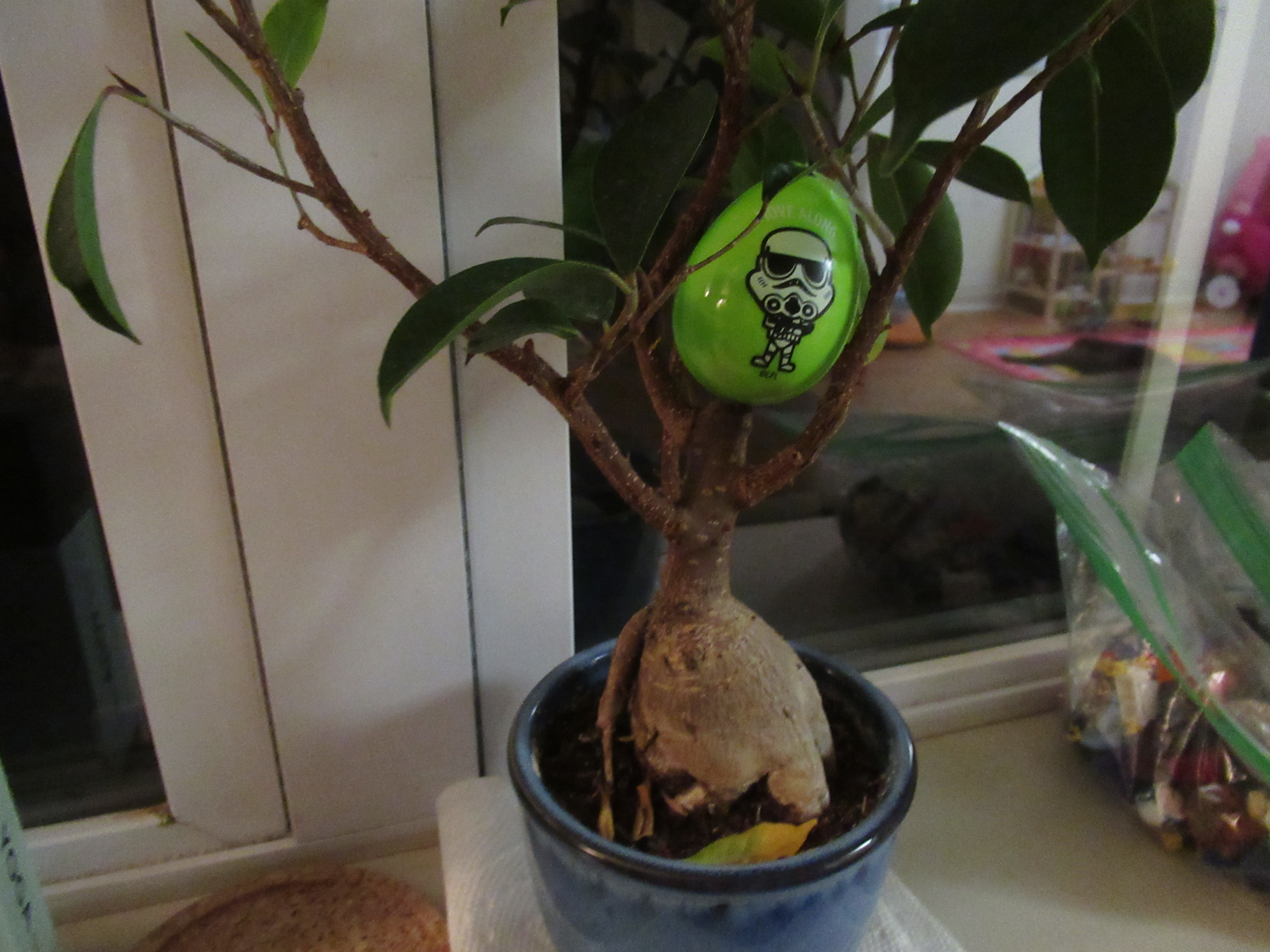
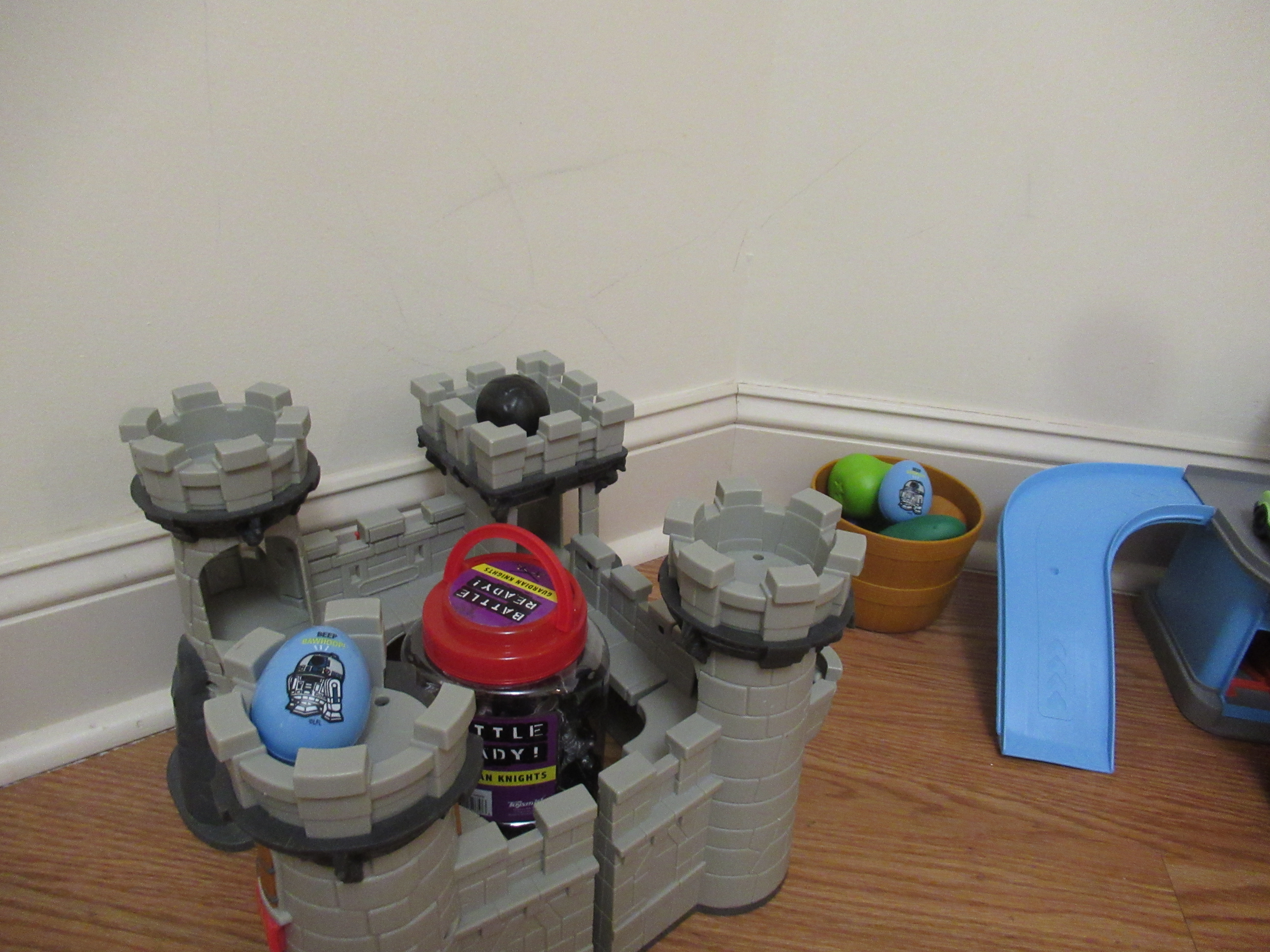
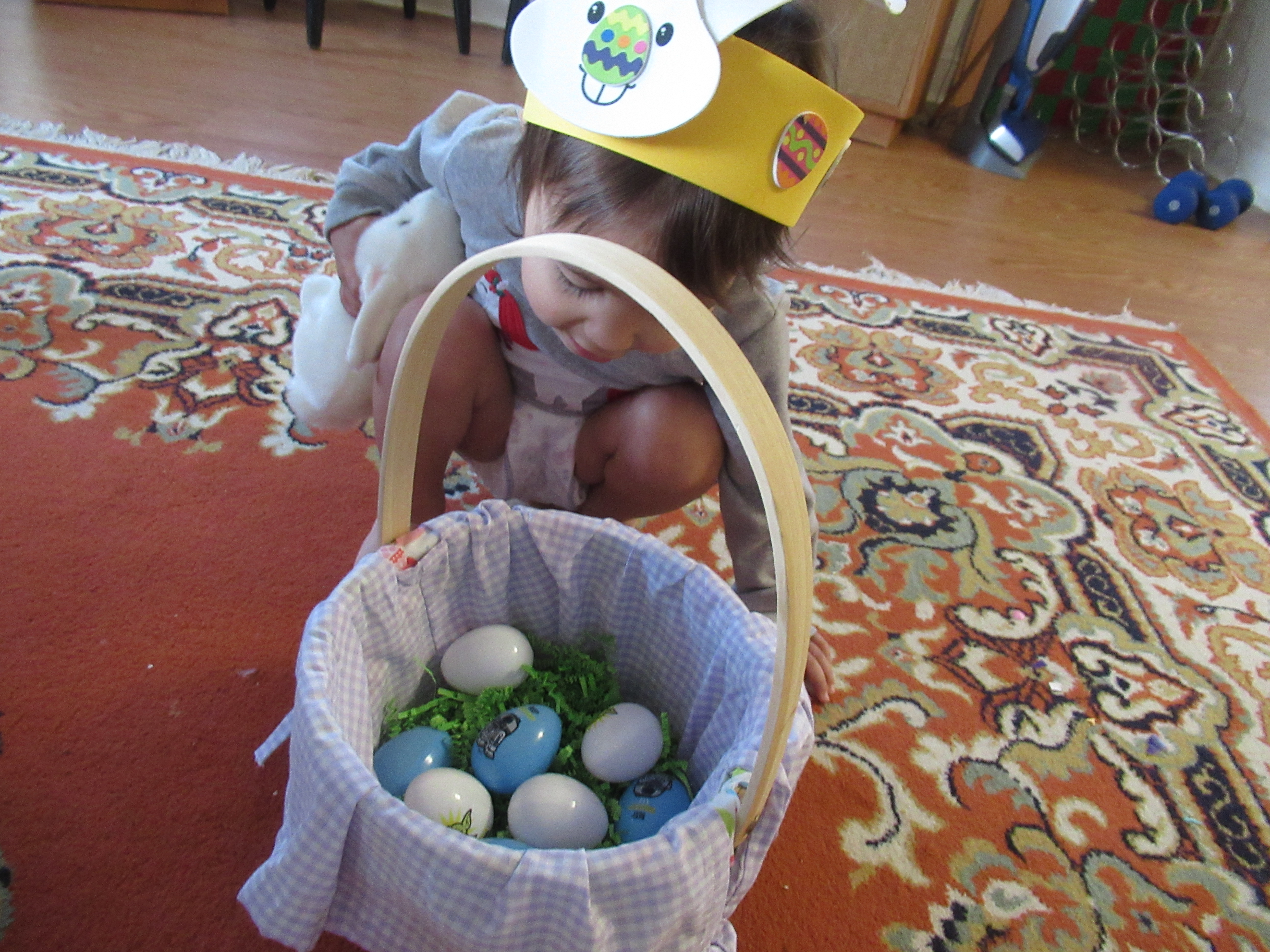
I had a few extra tricks this year to make sure the kids’ egg hunt was their best one yet. First, I color-coded the eggs for the first time, to cut down on squabbling. Travis got green and yellow, and Veronika’s were blue and white.

As double insurance against any egg fights, Veronika’s were all hidden down low…

…and Travis’s were up high, corresponding to their relative heights. Toddler and big kid both could hunt at their own pace, with no grabbing for the same eggs.

What were your favorite Easter extras this year? Please share in the comments!

Pond Ecology Kiwi Crate

Here’s our unboxing review of Travis’s latest from Kiwi Co, all about the ecosystem of pond life. This was a neat divergence from past crates, in that it focused on a place rather than one scientific principal. There was lots to learn about frogs, fish, and more!

The first project was the most creative of the lot: making Chalk-Art Frogs. The process relied on surface tension (floating chalk) to color in the provided paper frog shapes. Travis helped put together the provided chalk grater and loved carefully grating a mix of chalk colors into it.
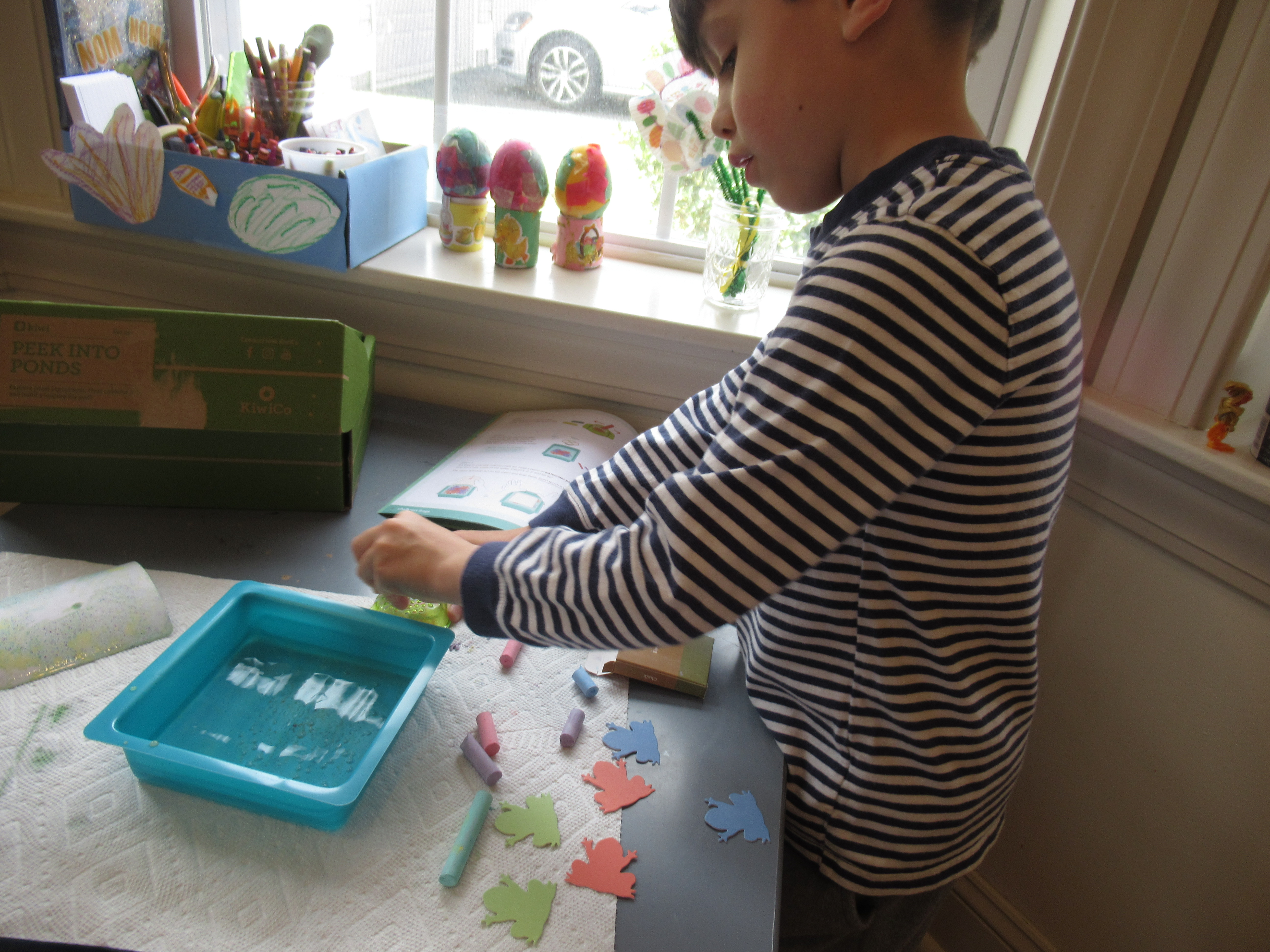
Tip over the provided tray of water and gently tap out the chalk. We did a test run on a provided square of paper first.
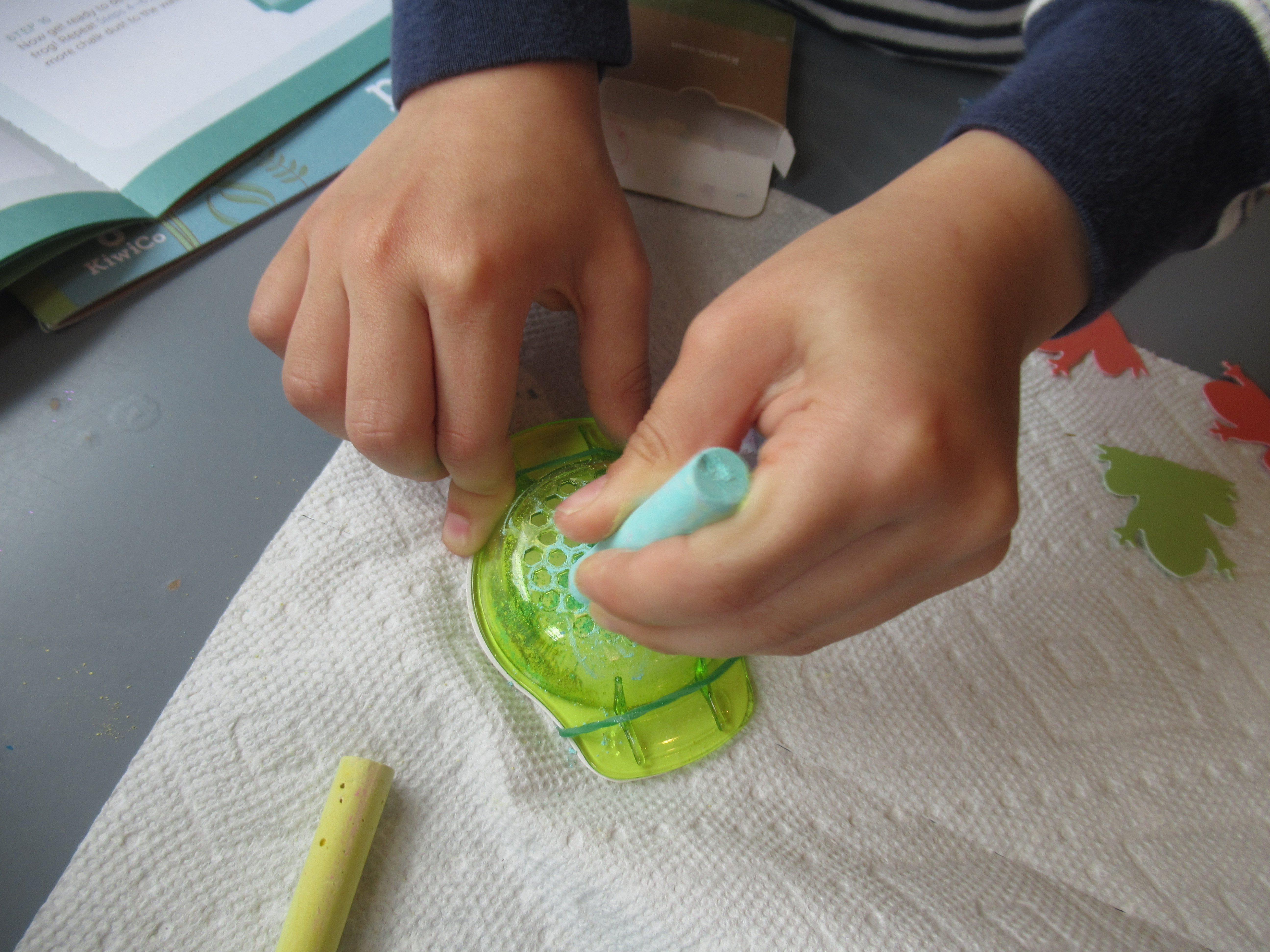
Lift up gently for the big reveal!
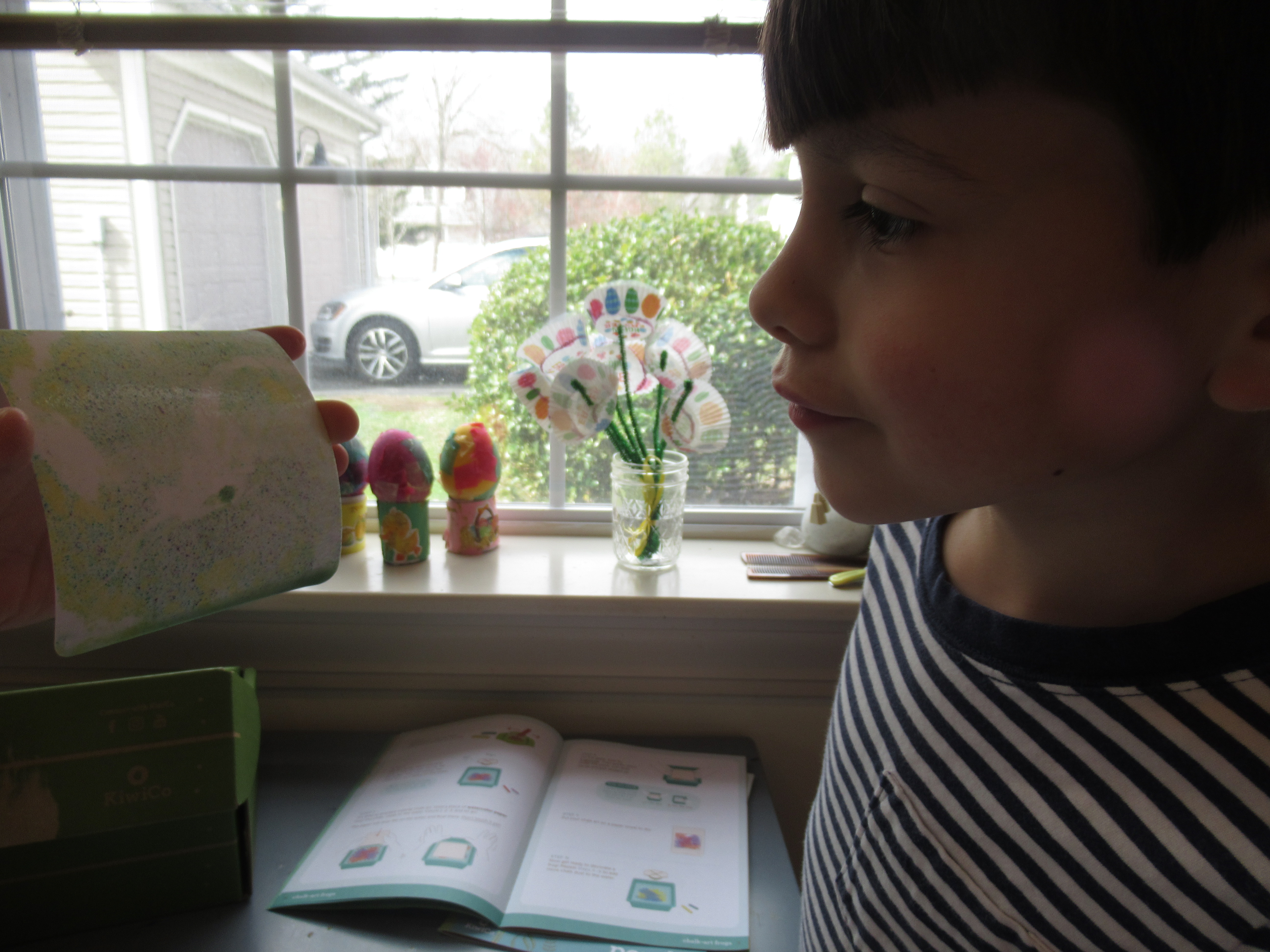
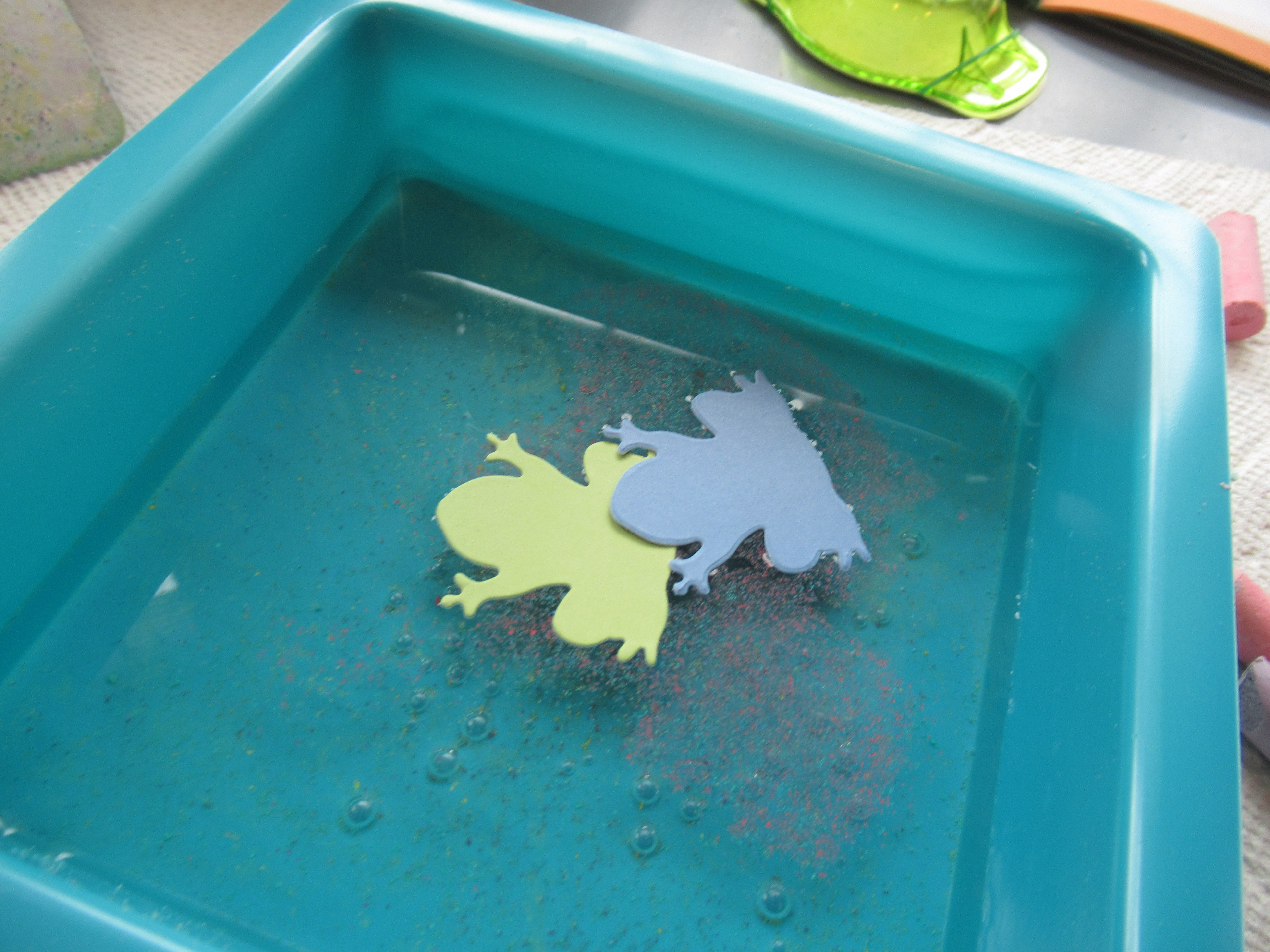
Next Travis carefully added the frogs, which didn’t pick up the chalk as clearly as the white paper, but were still neat. Let dry completely, then move on to…
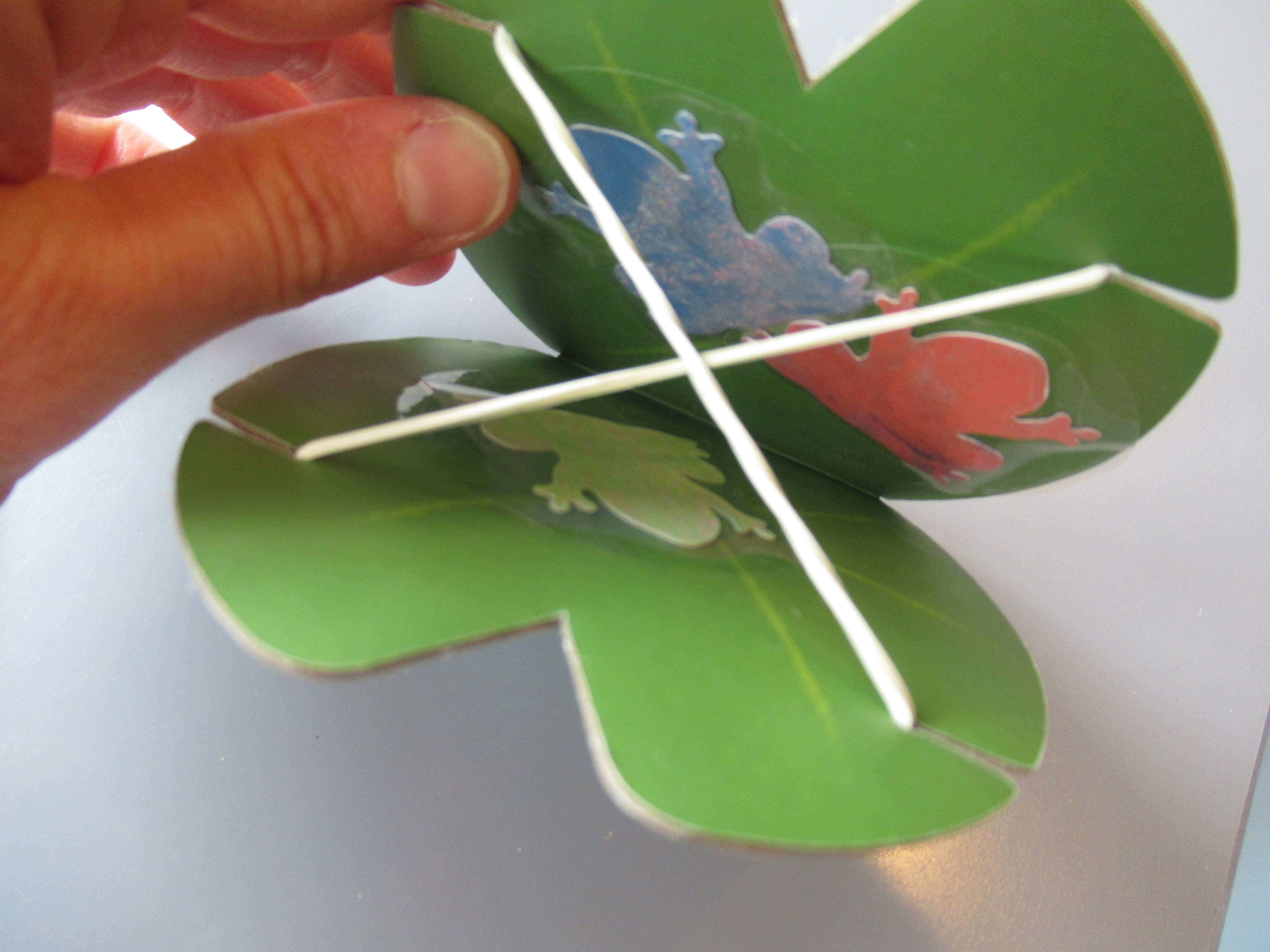
…project two, a Leaping Lily Pad. The scientific principal in action this time was energy, as in a spring (or a frog’s legs). Travis decorated the provided cardboard lily pad with a few of his completed frogs, then it was just a matter of wrapping it with the provided rubber band to create tension.

Release, and…. Pop!

We found that this only worked if we used both provided elastics, not just one.
Now it was time to peer under the pond water and make an Aquarium in a Bottle, with the scientific concept of density at play. Travis mixed the provided salt into warm water, and filled three small plastic cups. For a fun way to color them, Kiwi instructs kids to scribble marker over thin paper squares. Place the paper in the cups, one each for red, yellow, and blue, and the water immediately changes color.
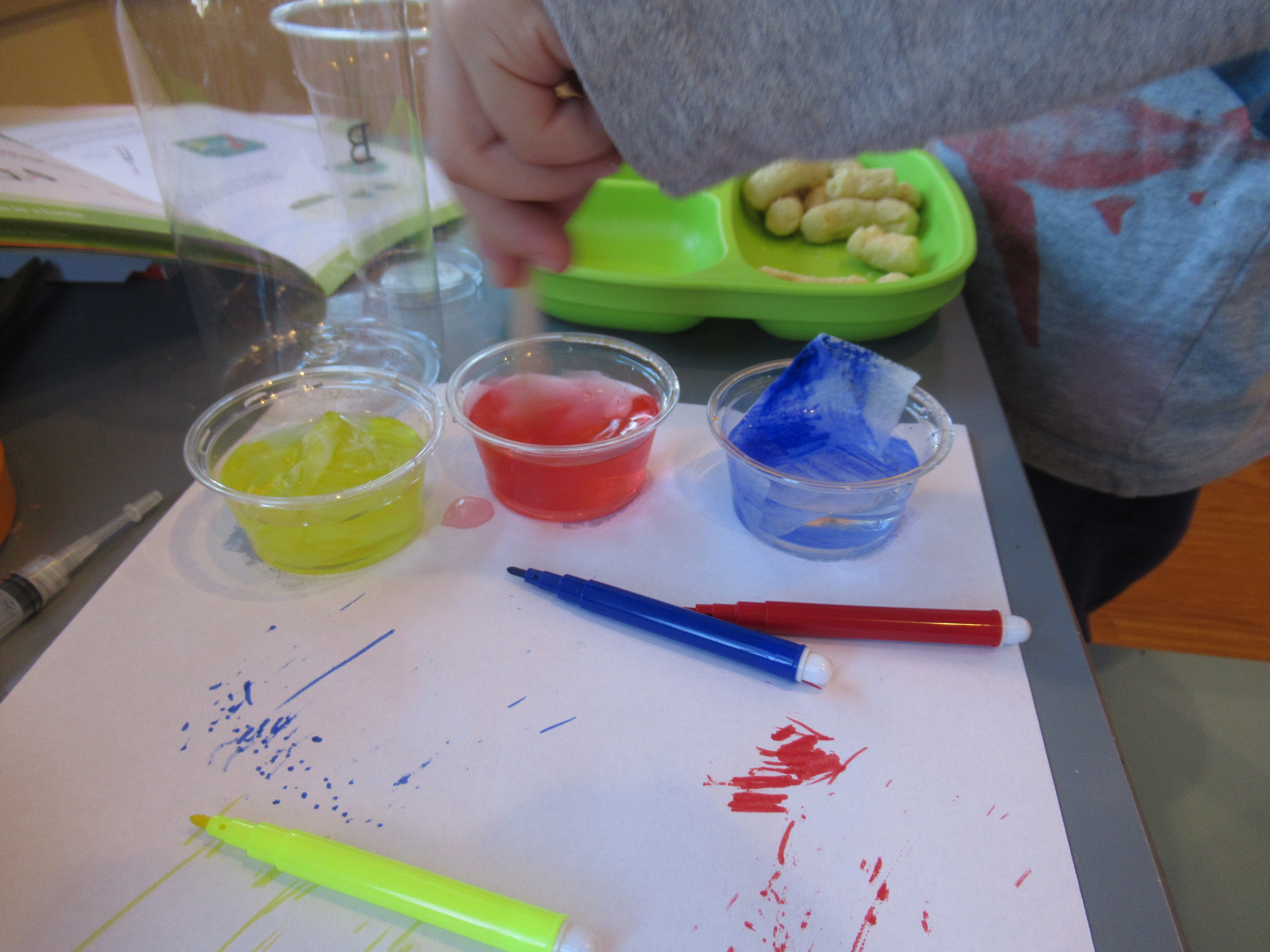
Next, he used the provided syringe to fill plastic fish with this colored salty water. The booklet contained helpful tips for testing the buoyancy of each fish. If there was too much water and not enough air, it sank; squirt out a little. If it floated on the top, there was too much air and not enough water; add a little more from the syringe!
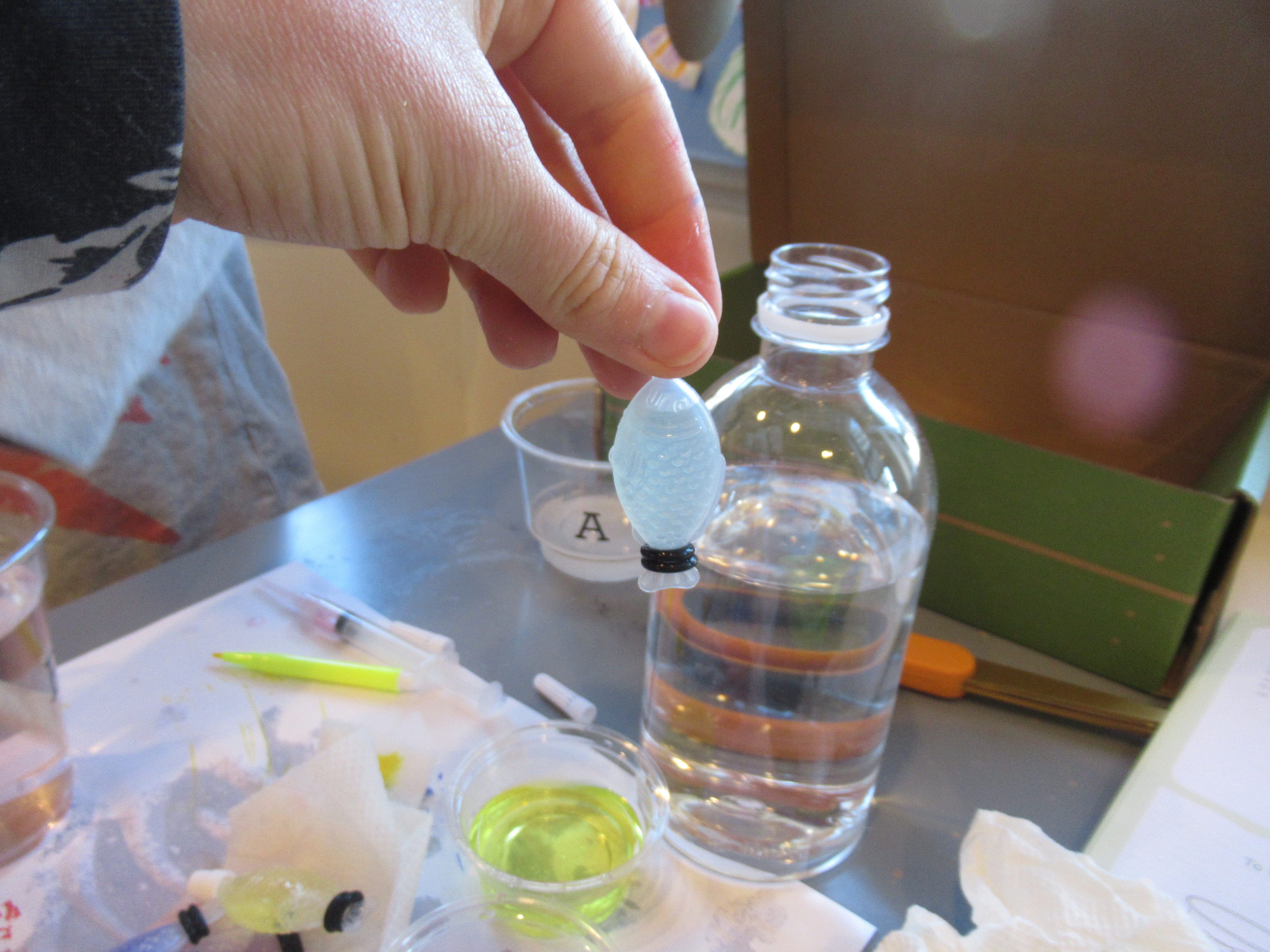
When all our fish were just right, Travis added them to the provided clear bottle for a little “aquarium” he can keep on display.

Kiwi often provides ways to upcycle the crate itself, and this month was no exception, with a suggestion to make another “leaping” project: Lively Leaper frogs.

Cut the front flap from the crate (or a similar box) that measures 7 inches long x 2 inches tall. Make notches at 1.5 inches and 3.5 inches. Fold in half at the 3.5 inch mark, then fold again at the 1.5 inch mark, down in the opposite direction.
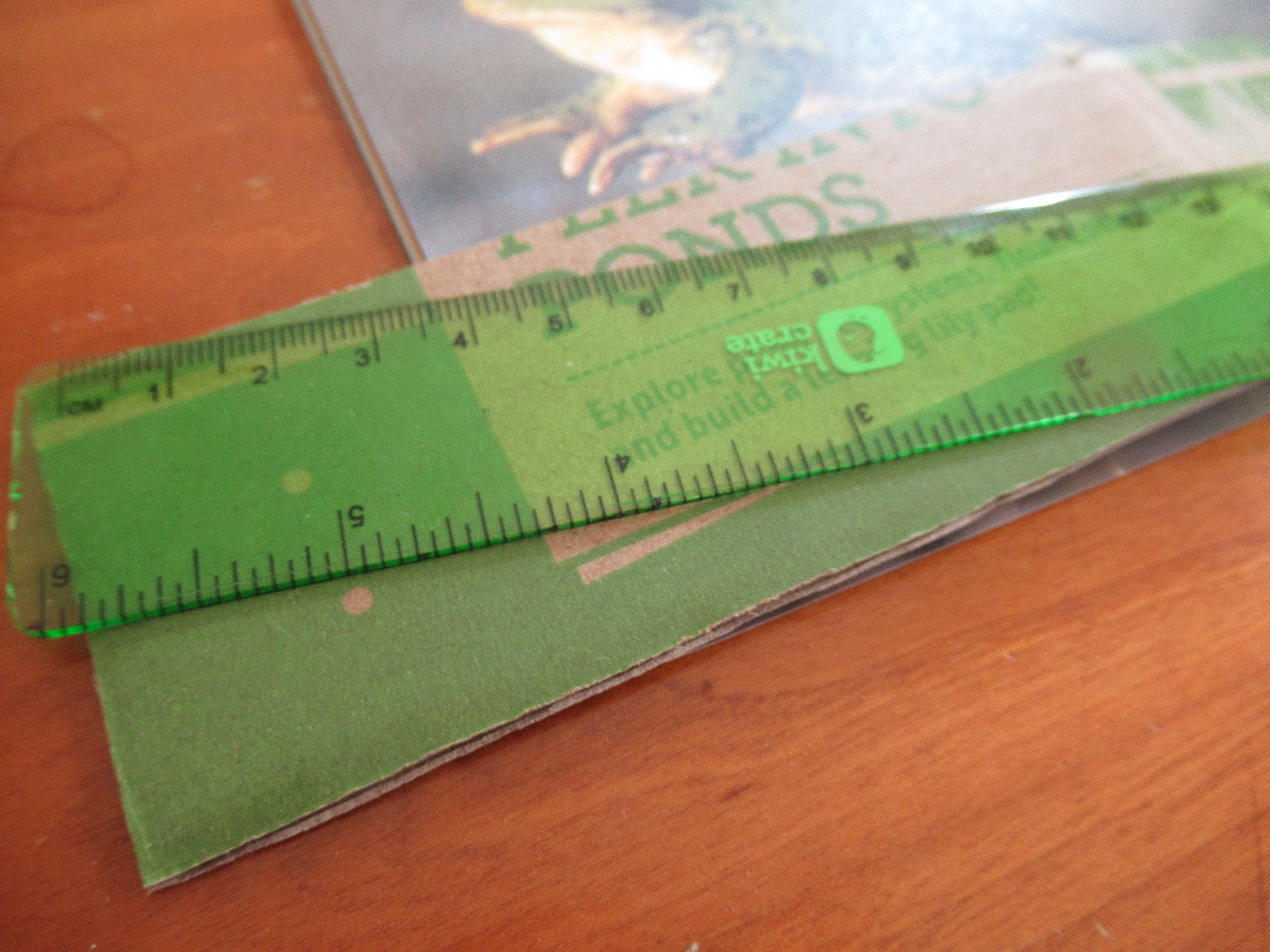
Just like the lily pad, hold your finger on it, then release and the frog “jumps”. We added a little green frog with marker for extra effect.

Overall, Travis liked that this crate explored lots of scientific concepts instead of just one topic in depth.

Sidewalk Chalk Jokes

Travis was recently inspired when he read a Highlights magazine article about a boy who started a “joke stand” during the COVID-19 pandemic (as opposed to a lemonade stand). The idea was to bring cheer to customers while avoiding physical contact. Even better, the boy told his jokes for free, simply out of good will!
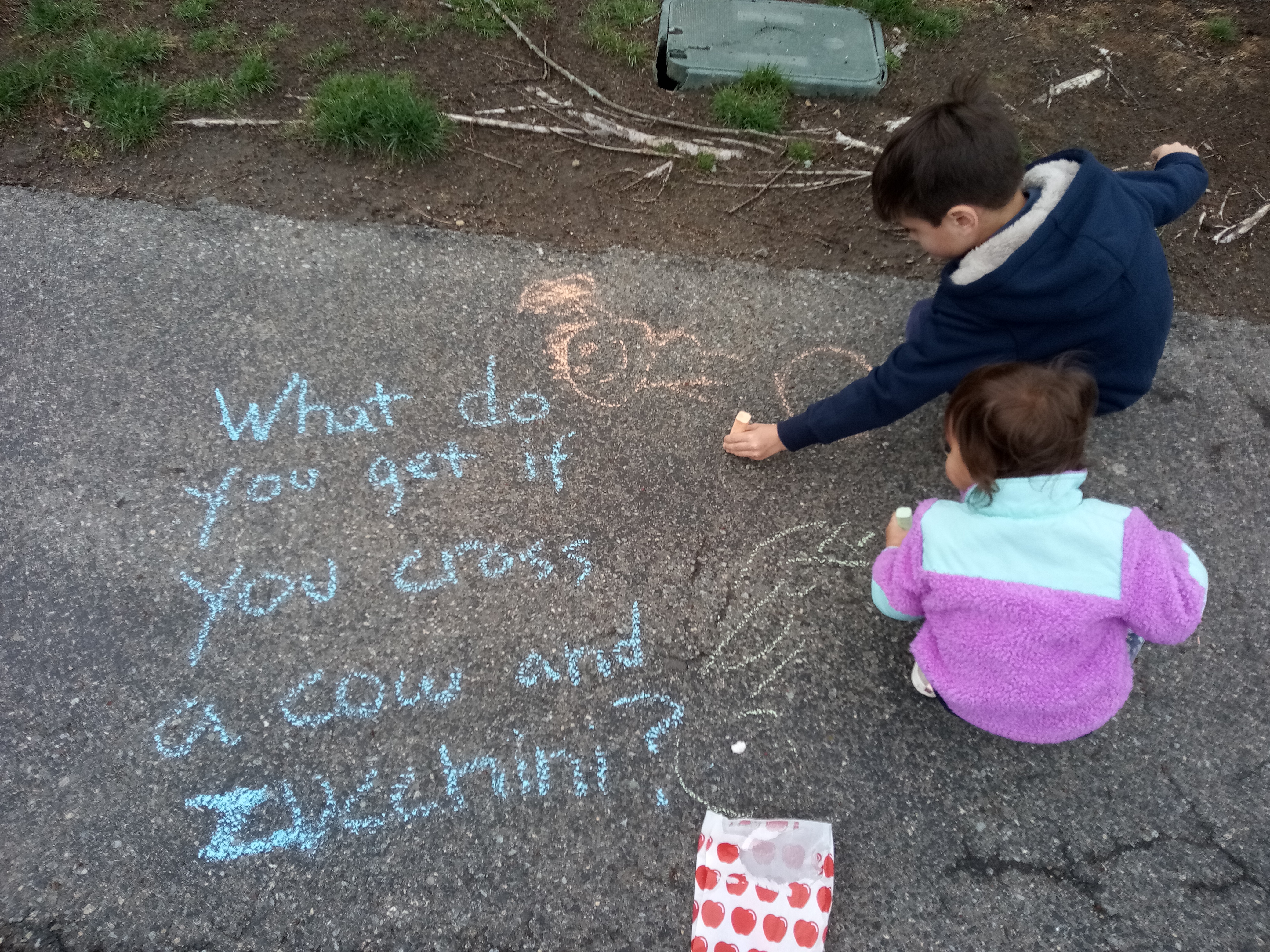
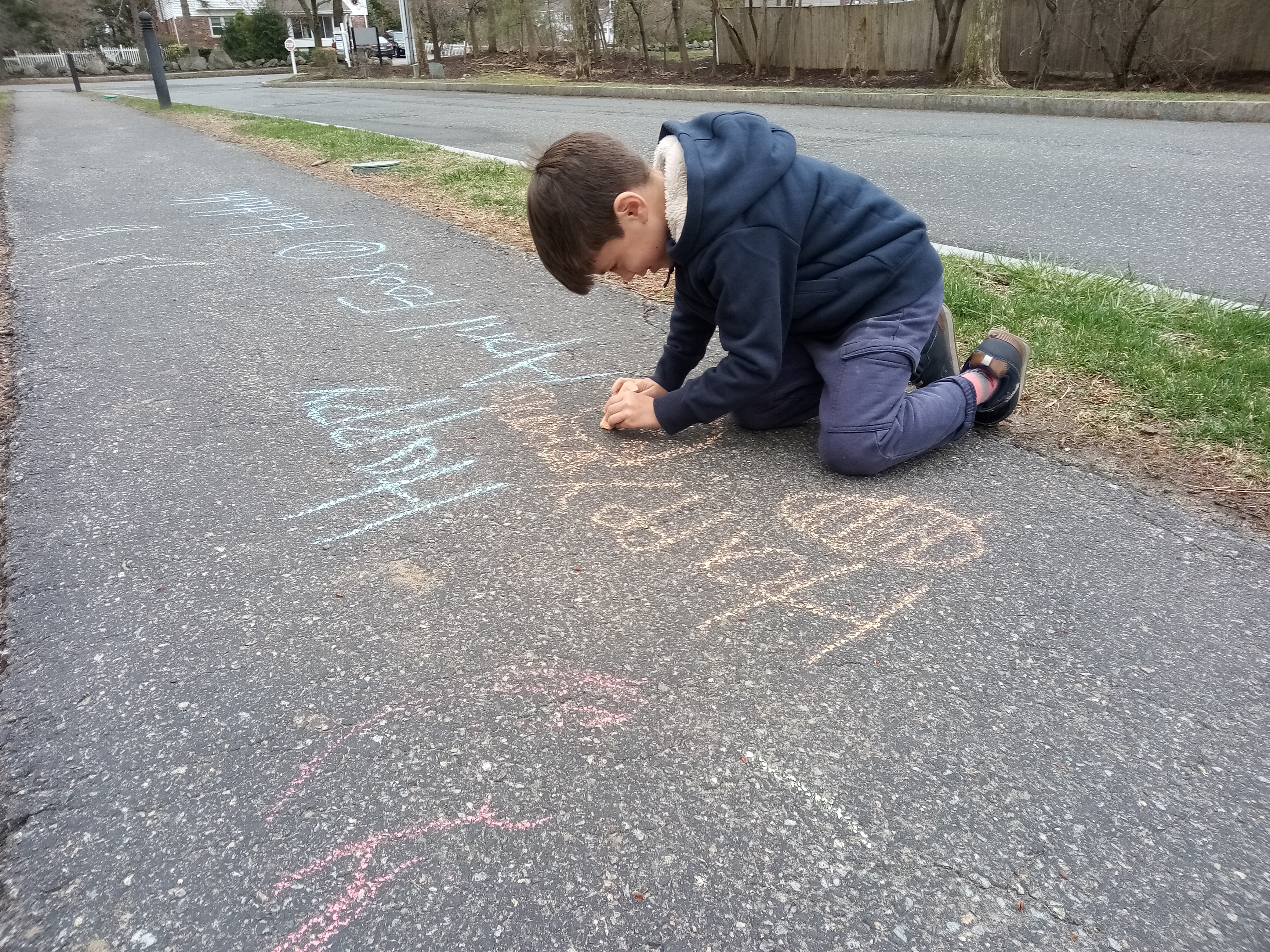
Travis loved the idea, but intuitively knew he’d be too shy to hold a Joke Stand of his own. Still, we wanted some way to impart laughter and joy to the neighbors, since the world still isn’t quite back to normal. What better day than April Fools’ Day for some laughs? We headed outside armed with chalk and a joke book. Travis loved helping write some of his favorites on the sidewalk.

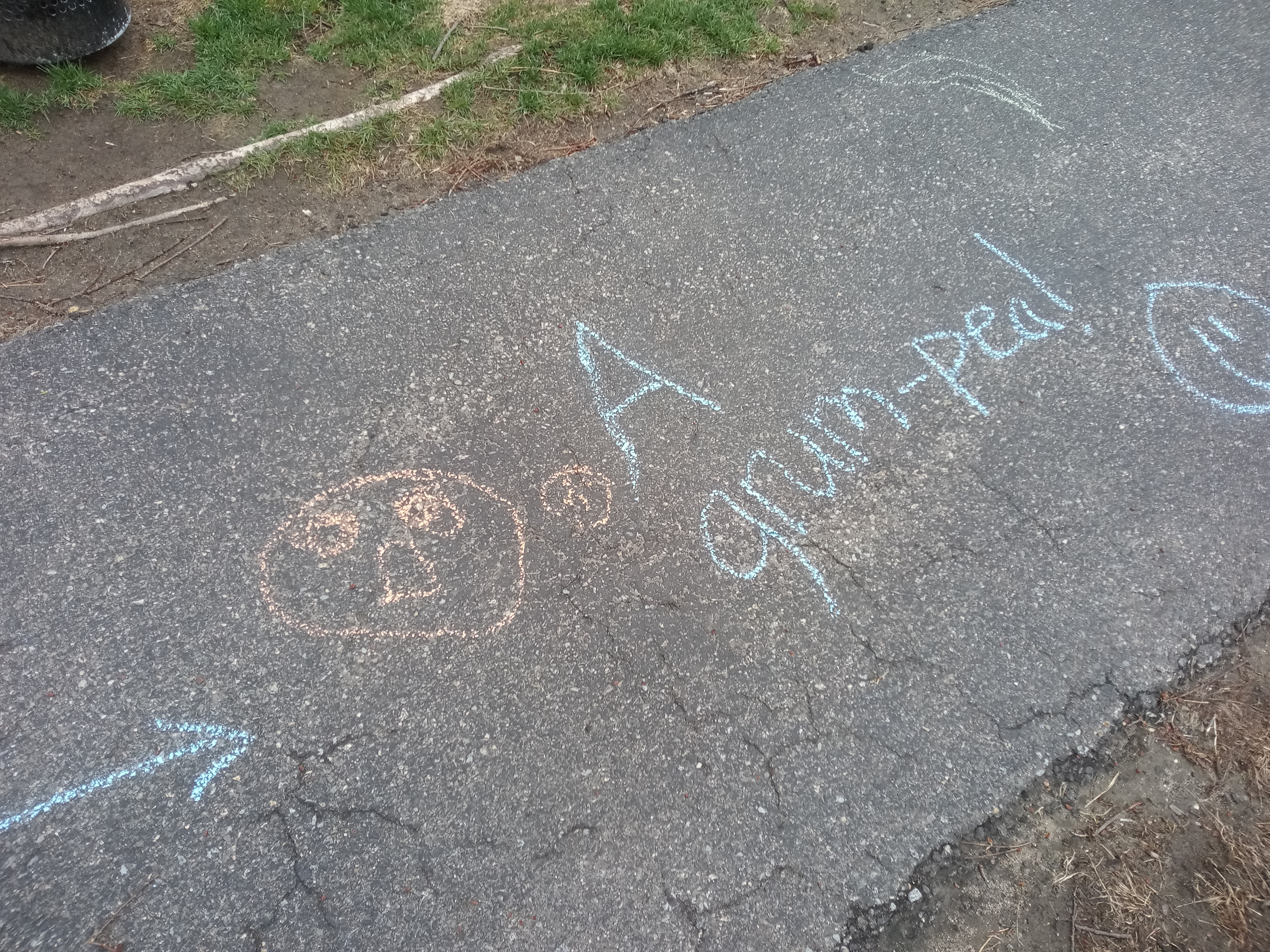
As I wrote the words, the kids helped add decorations, smiley faces, and squiggles.

The hope is that anyone walking down this well-trodden path would have a big smile.

Here’s hoping all those April fools feel fantastic after getting a few belly laughs.

Note: All jokes are courtesy of Rob Elliott’s Laugh-Out-Loud Easter Jokes.

Spring Chick Card

Easter Chick Card (4)

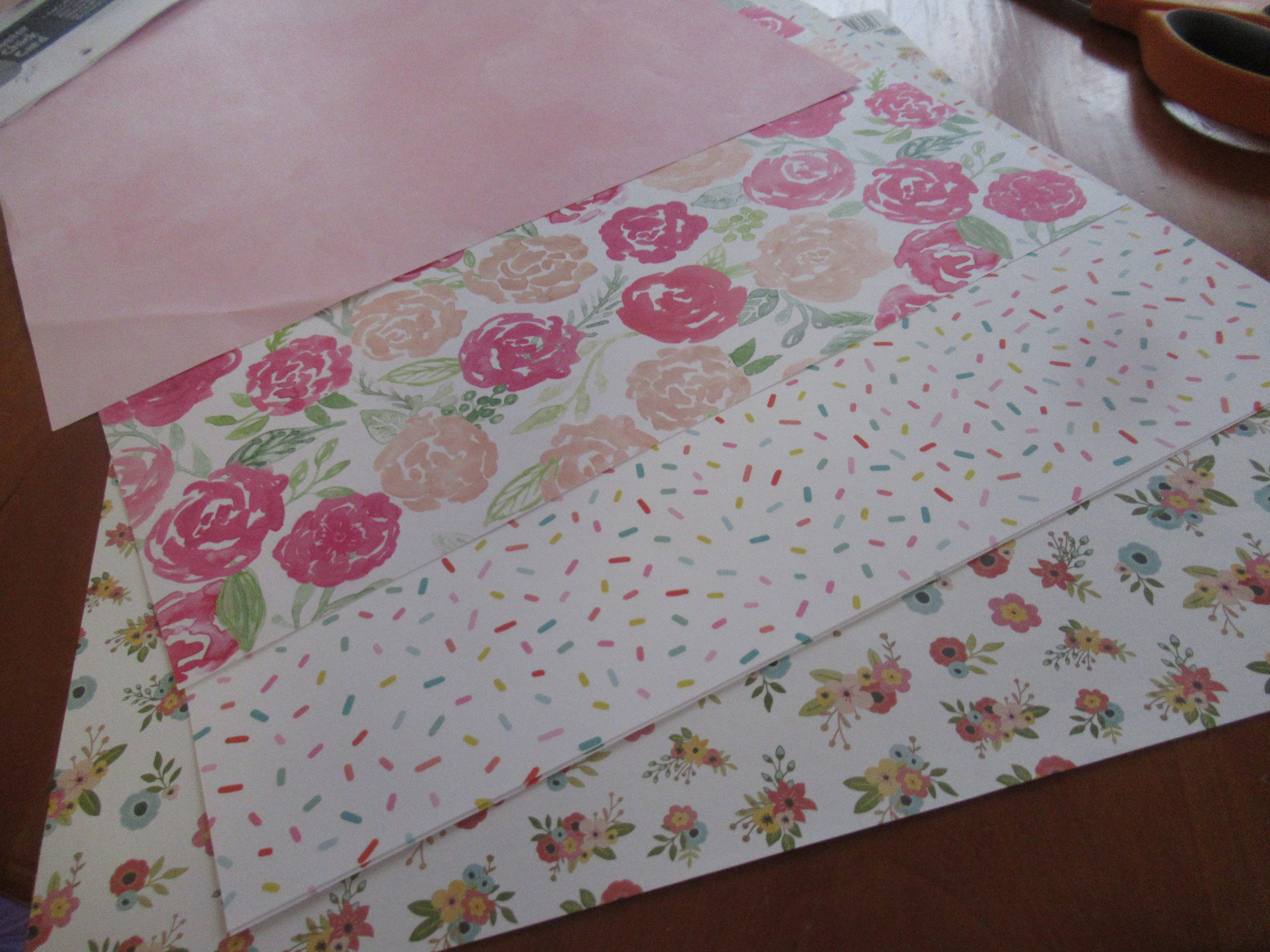
This cute card is the perfect seasonal greeting for family or friends. To start, Travis helped pick out four different patterns of scrapbook paper. Any patterns will work, though you may want to stick within one color family or theme.

Easter Chick Card (1)

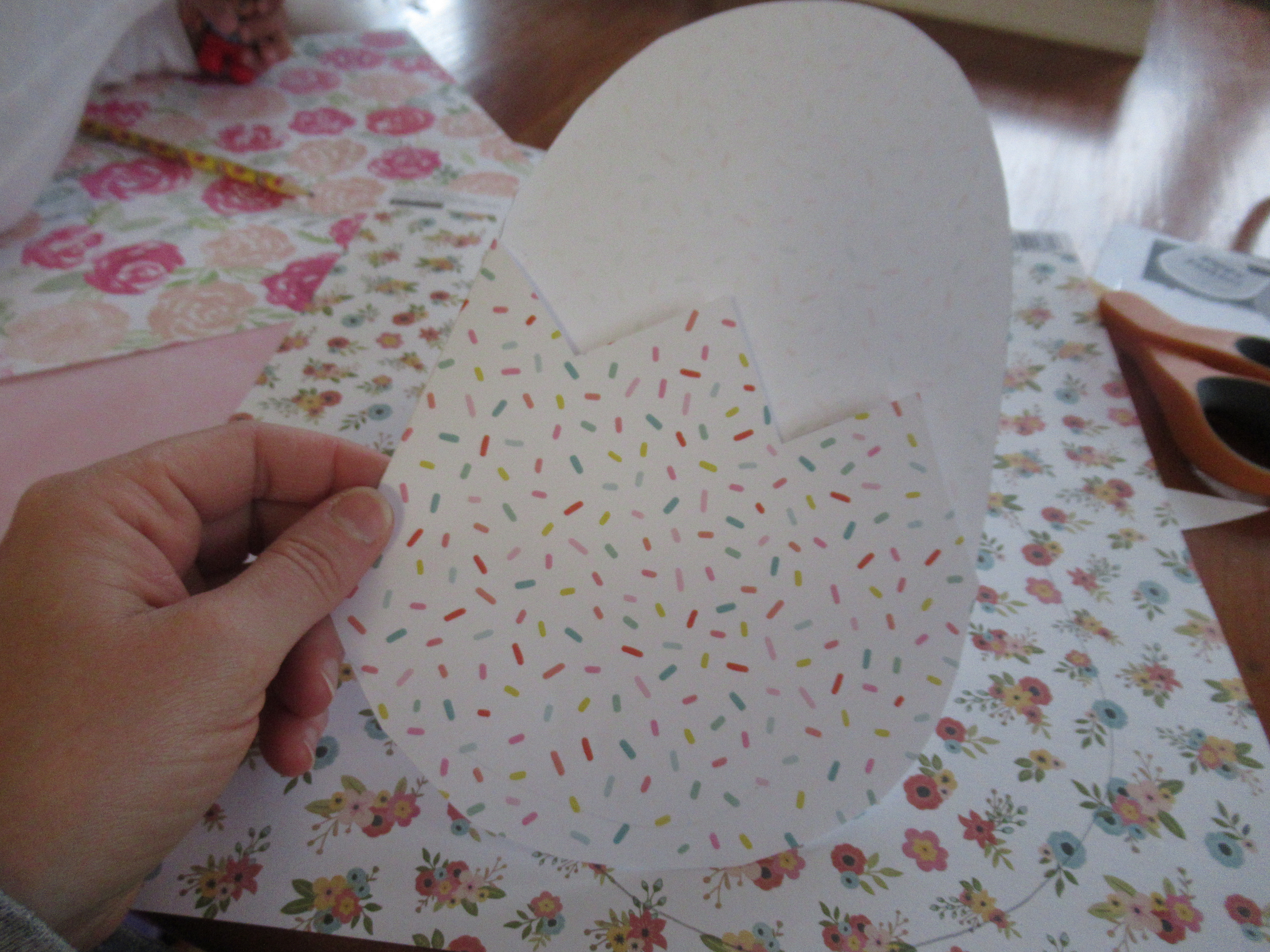
Fold one sheet in half and draw an egg shape along the crease. Cut out and then cut the top piece in half with a zigzag shape.

Easter Chick Card (2)

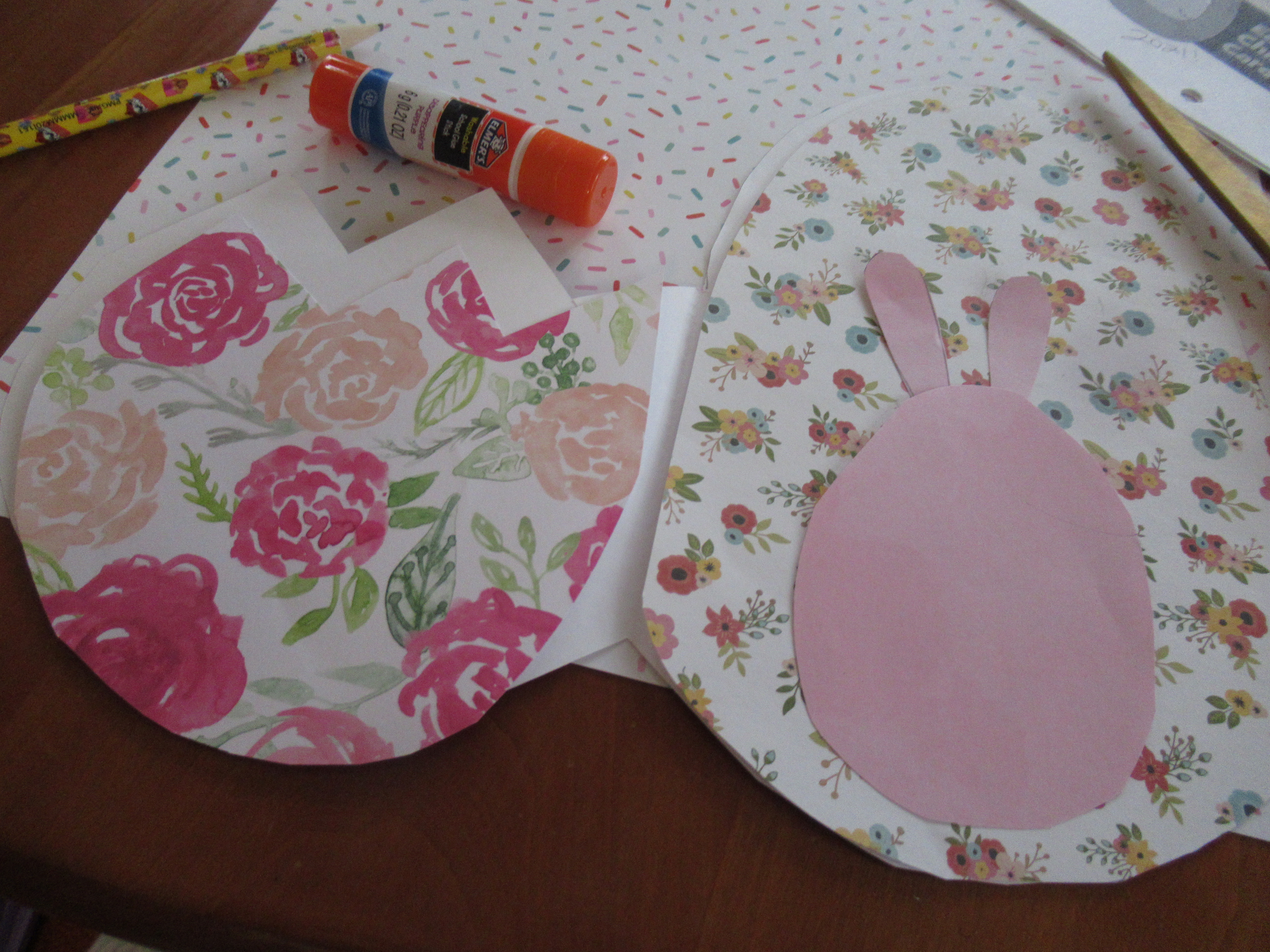
Cut out additional patterns of paper in the same shape so they fit the inside of the card, and then glue down. Cut a small oval from a final paper pattern to be the body of a chick. Add bunny ears and a beak with scraps of paper, then draw on eyes, wings, and feet.

Easter Chick Card (3)

It’s not the Easter bunny, it’s an Easter chick!

Easter Chick Card (5)

This adorable card works perfectly as an Easter gift, of course, but also makes a great birthday card or note simply to say happy spring. Travis was in charge of writing in a sweet message before we mailed it off!

Earth Hour

Earth Hour (4)

We learned last minute that Earth Hour is tonight, an hour to turn off the lights in honor of our planet. We started the hour on a serious note, watching this important video about the impact humans have on Earth, ways we can save resources, and how it all links to the pandemic that has had the entire globe reeling for a year now.

I didn’t want the activity to feel too heavy for my six-year-old, though, so knew we’d have to have some fun in that dark hour, too. Luckily, Travis’s Highlights magazine had us covered with 5 ideas once the lights went out!

One: Paint glow-in-the-dark self portraits. I pulled out a few tubes of glow-in-the dark paint and we each made silly cartoon depictions of ourselves. Travis loved activating the paint with a flashlight, then turning it off to see the glow!

Earth Hour (1)

Two: Write in the dark. Along the same lines, next we tried writing then turned on a flashlight to see how we’d done. Older kids can write lines of poetry or stories. Travis was so proud just to spell out his little sister’s name!

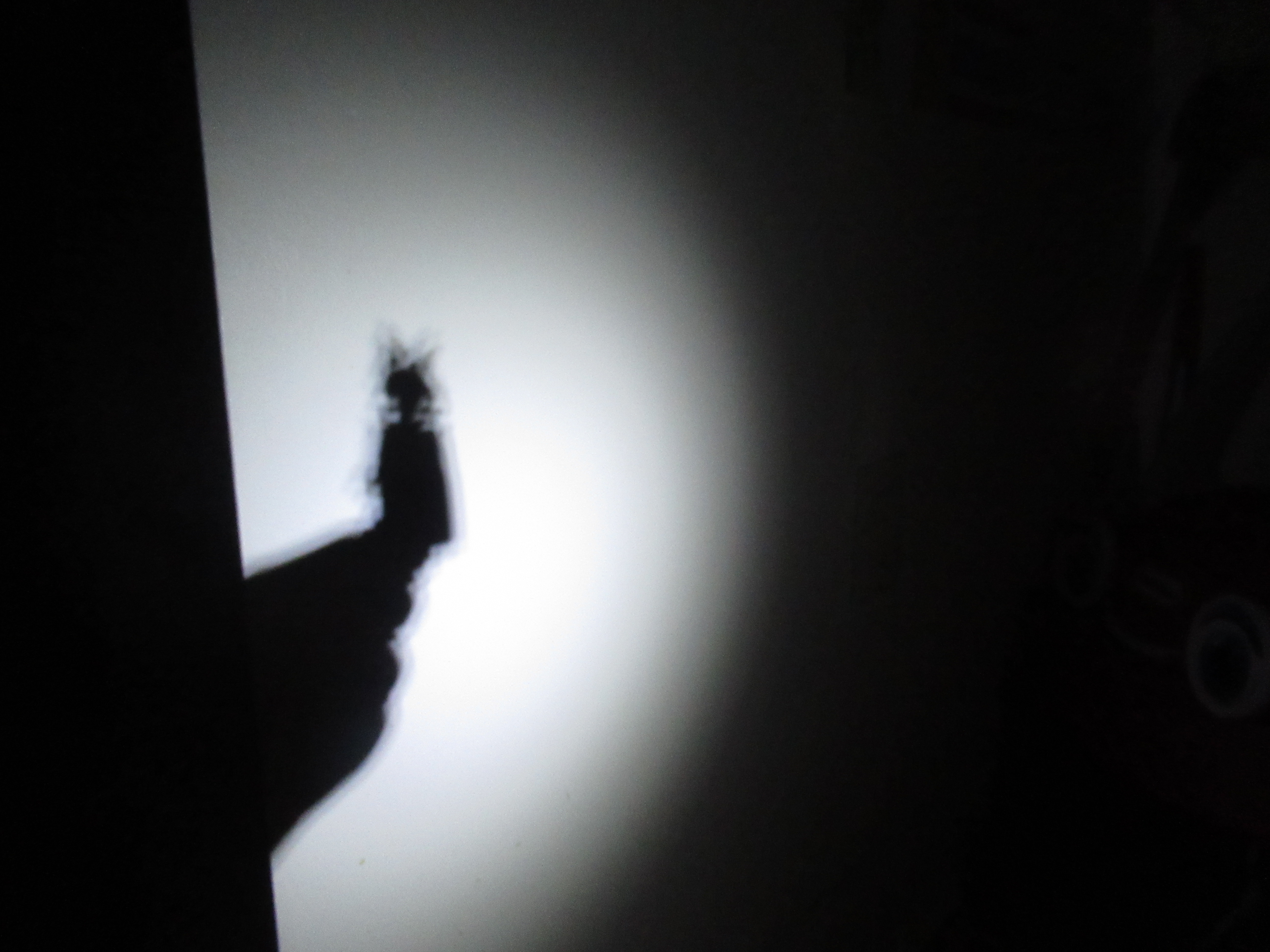
Three: Put on a shadow play. You could do this with your hands or bodies, but Travis thought it was best with Lego figures. One person shines a light and the other holds the toys to reenact favorite scenes. It was fun to see how small or big he could make the shadow, depending on the distance he stood from the Lego.

Earth Hour (6)

Four: Have a flashlight battle. Easily the favorite, everyone switches on a flashlight and lightsaber action ensues. Bonus points for the best “zzzzz-oooom” sound effect.

Earth Hour (5)

Five: Dance party time! We couldn’t end things without same flashlight-lit dance moves. Whatever your family’s favorite tune, crank it up and dance for the Earth.