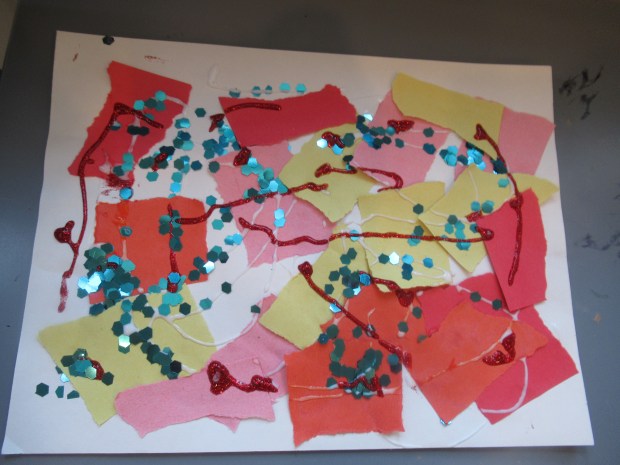
Mixed Media Collage

We spent the morning tucked inside from a heatwave, and a simple art collage felt like the perfect way to pass the time. This activity relies on items already in your craft bin, especially any scraps left over from other art projects.

To start, I set out a tray of materials, including torn pieces of paper. I chose hot oranges, reds, and yellows to fit our 90 degree day! I also added blue sequins, a tube of glitter glue, and regular white glue.
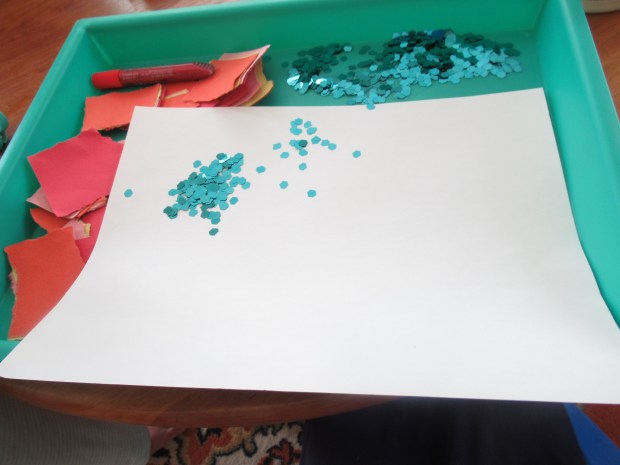
Veronika immediately wanted to stick the sequins on the page, but we needed something else to make them stick – the glue! Together we squirted white glue pretty much all over the page so that wherever she placed an item, it now would be sure to stick. First she pressed on pieces of the paper. Once we had a layer of paper, we added a second layer of glue.

Now she could sprinkle down handfuls of sequins. (Note: Just tilt the paper to shake off any excess).
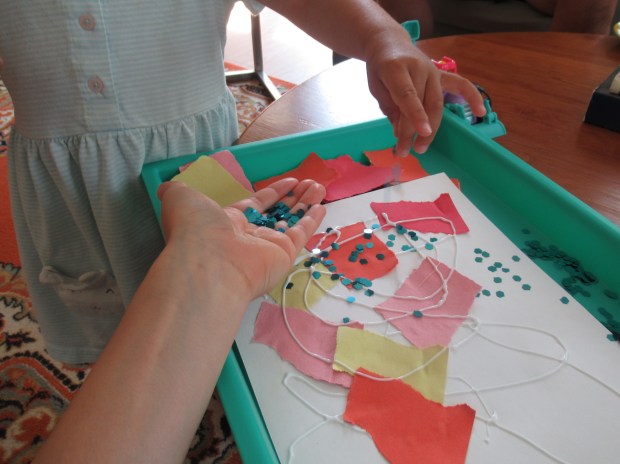
Next she wanted to try squeezing out the red glitter glue and was so proud she could do this all by herself. And then of course she needed to squeeze out more white glue.

Pretty soon we had a vibrant summertime collage. She had so much fun that we immediately filled up a second sheet of paper!

What materials will go on your child’s collage? Please share in the comments!
Tin Foil Constellations

Children love the glow of the stars, and here’s a beautiful way to bring that glow inside! This activity doubles as a quick lesson on constellations and a D.I.Y. nightlight.

To start, I set out a sheet of tin foil and showed Veronika how to prick it with a toothpick to make dots. We did this step over a yoga mat, so the toothpicks wouldn’t scratch a tabletop or other surface; you could also place a sheet of felt underneath.

While she made holes at random, I made more deliberate constellation shapes, such as the Big Dipper. Older kids can follow along with pictures of real constellations, too. For a toddler, this was a great first chance to talk with Veronika about how some of the stars make shapes in the sky.

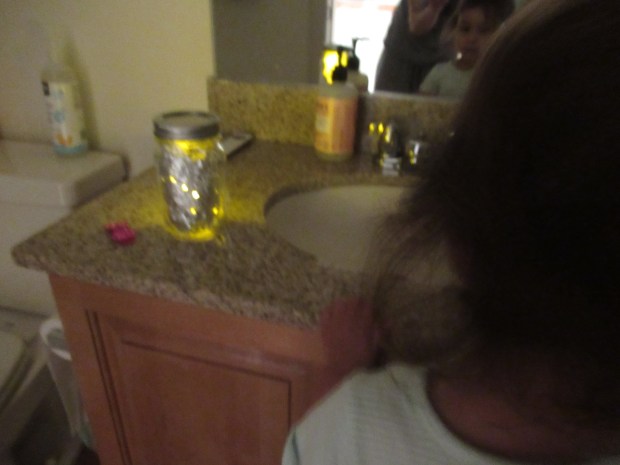
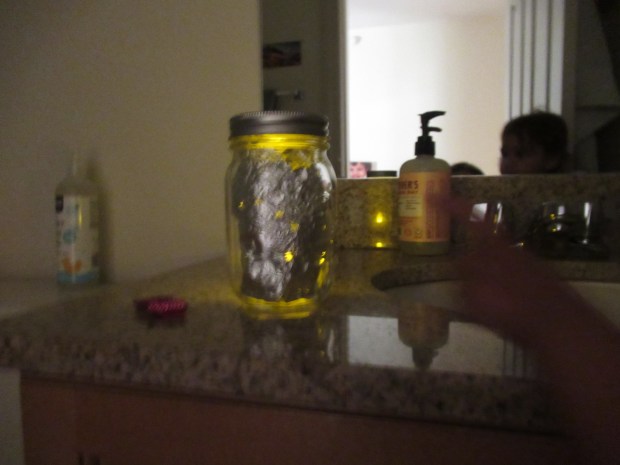
Next, we fit the dotted sheet of foil inside a mason jar. This was trickier than I thought, with the foil crumpling on the first round, so we quickly made a second sheet and inserted it more smoothly. It helps to make the holes a bit wider than the point of the toothpick, too, so they show up better.

Finally, we needed to light up the night sky! Veronika helped turn on a tea light, which we then inserted into the jar.

She marveled at the twinkle as soon as we were in a darkened room! Even better, the stars will twinkle in her bedroom all night long.

Sunny-Day Clay

We’ve made homemade playdough before, but haven’t ever tried our hand at homemade clay! This version comes together fairly easily and has a fantastic texture.

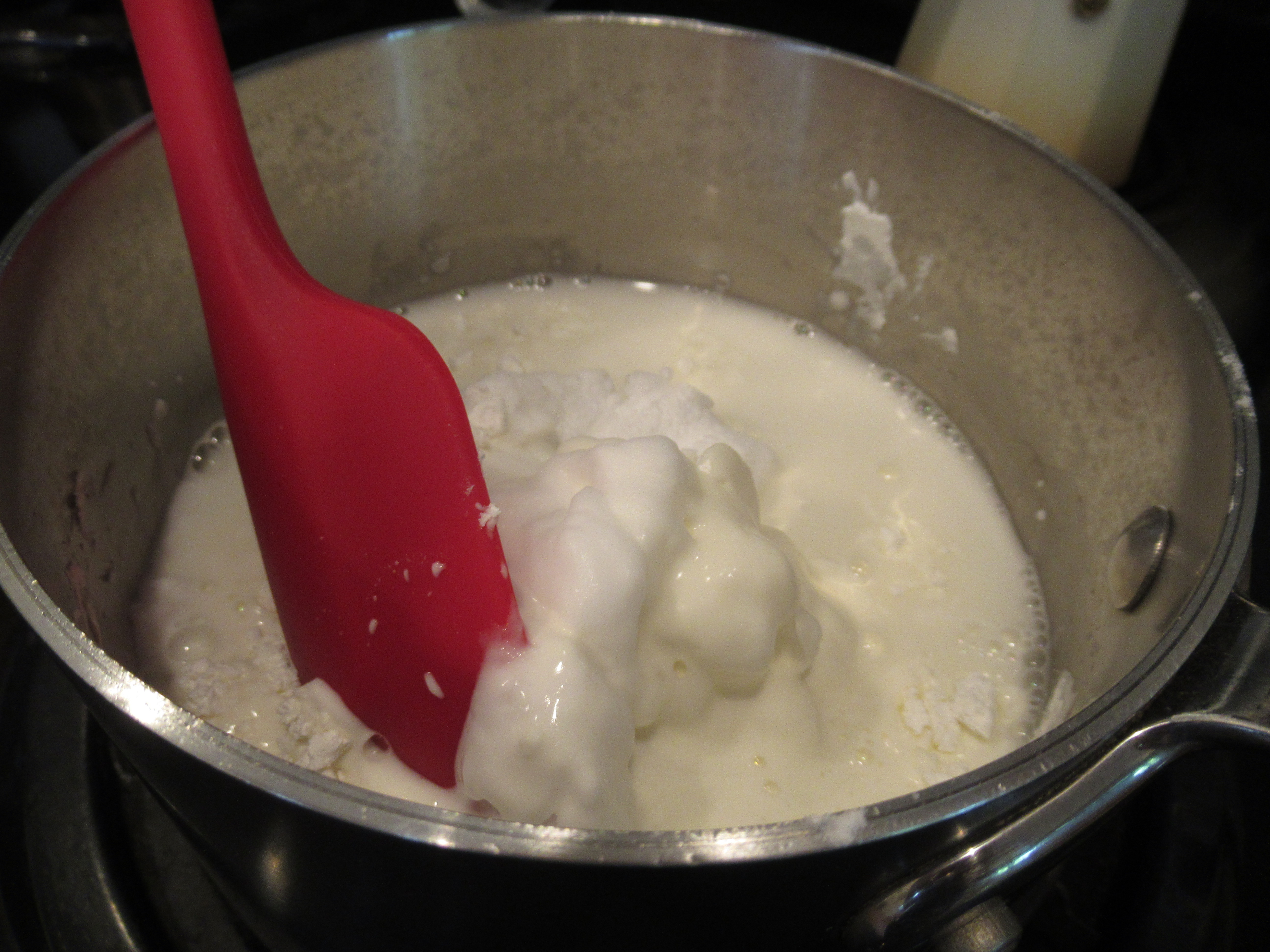
To start, have your kids squeeze in some quick math by helping measure out 2 cups baking soda, 1 cup cornstarch, and 1 and 1/4 cups water into a saucepan.

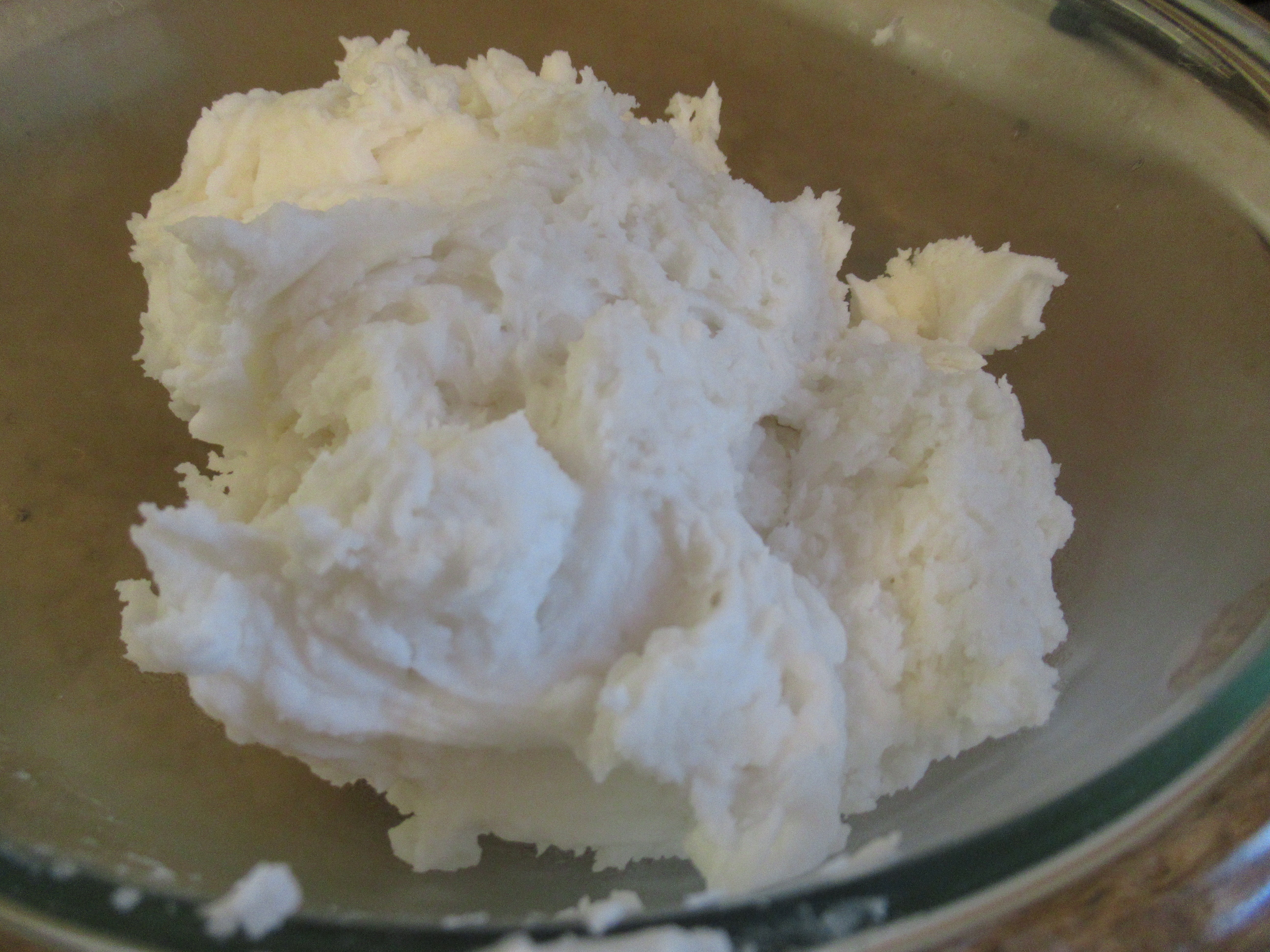
Cook the mixture over medium heat for about 5 to 10 minutes. By the end, it should pull away from the sides of the pan and look almost like mashed potatoes. Let cool completely.

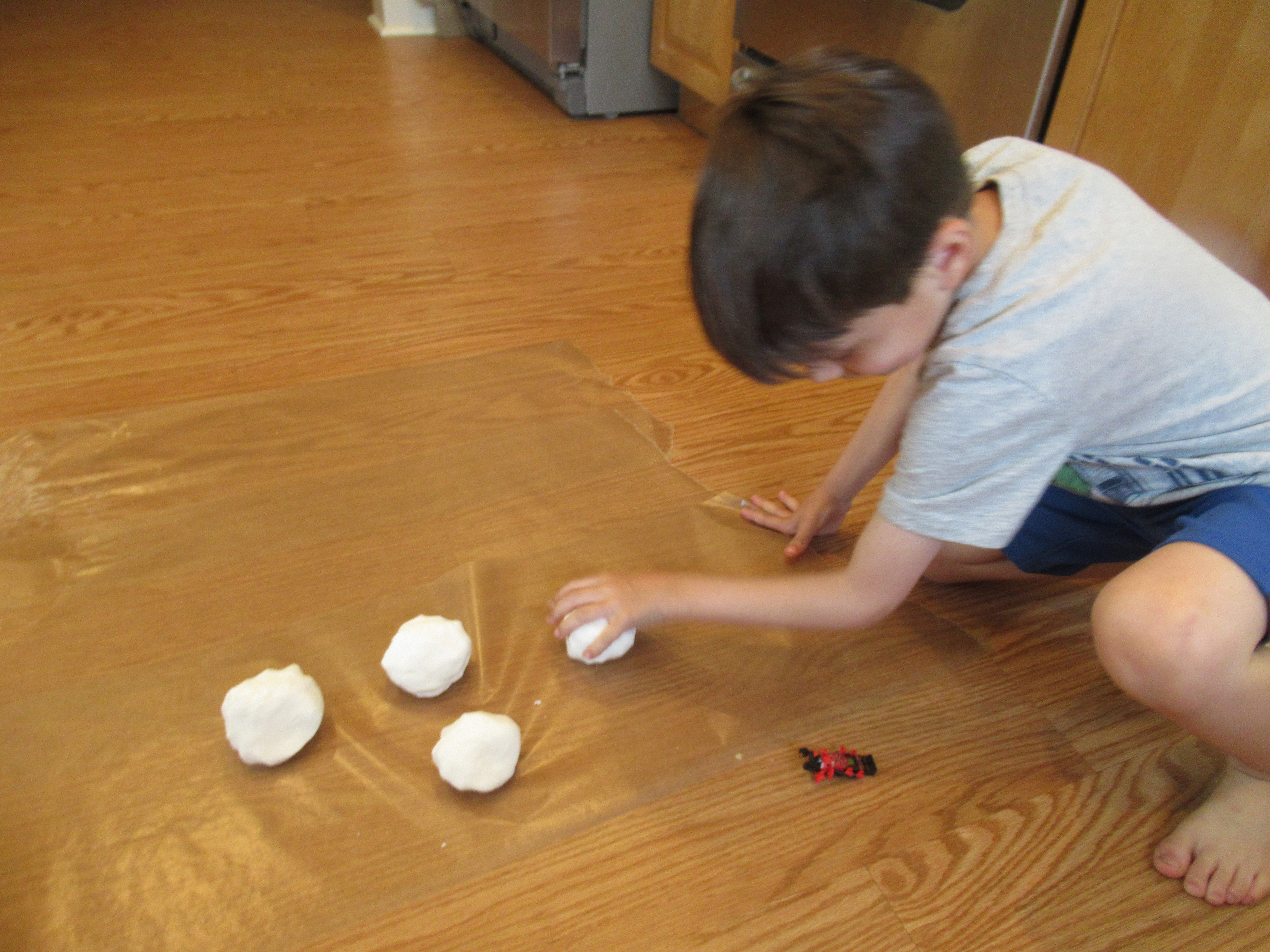
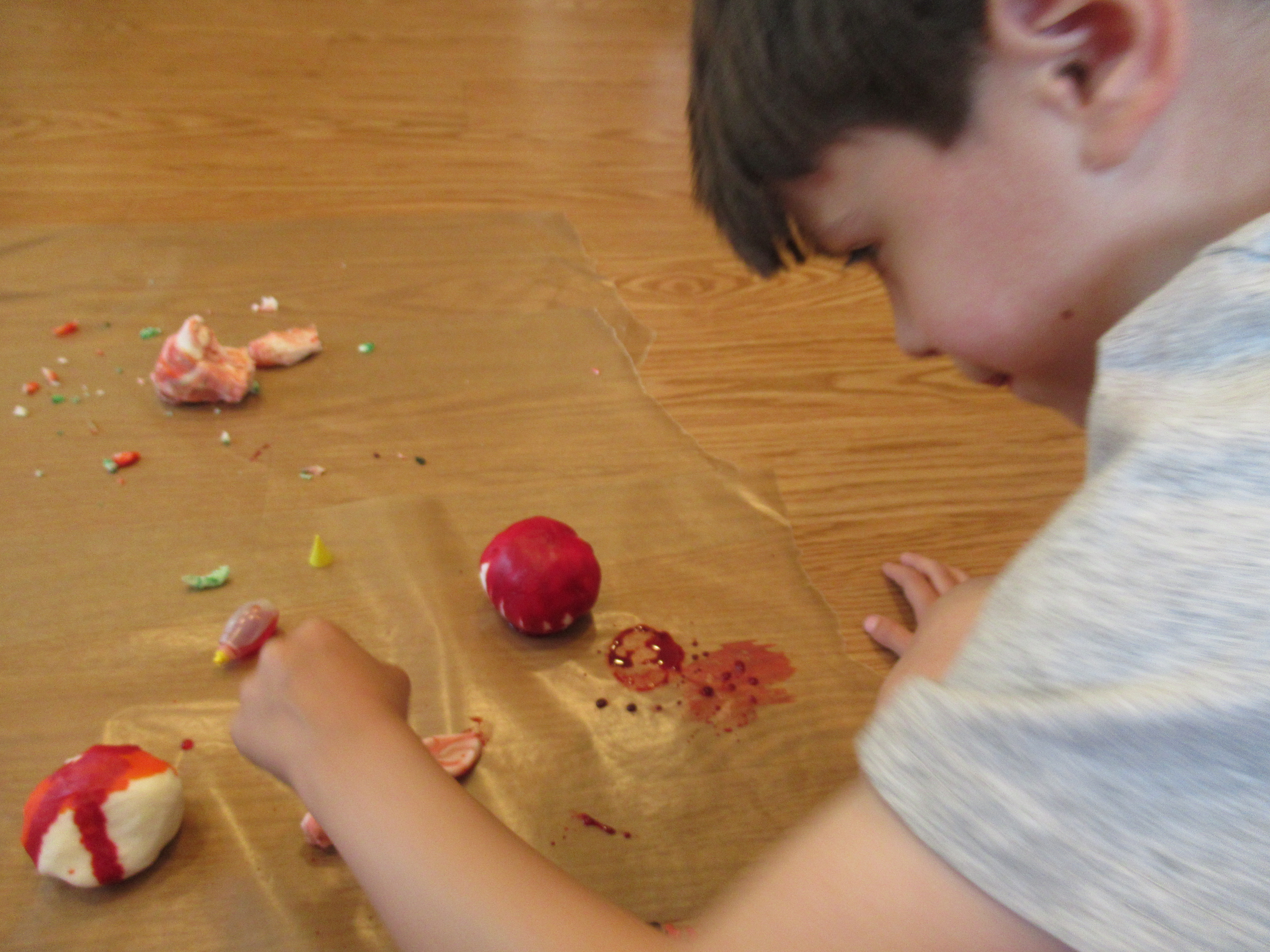
We divided the clay into 4 portions, with the intention of adding a different color to each portion before starting to roll out sculptures.

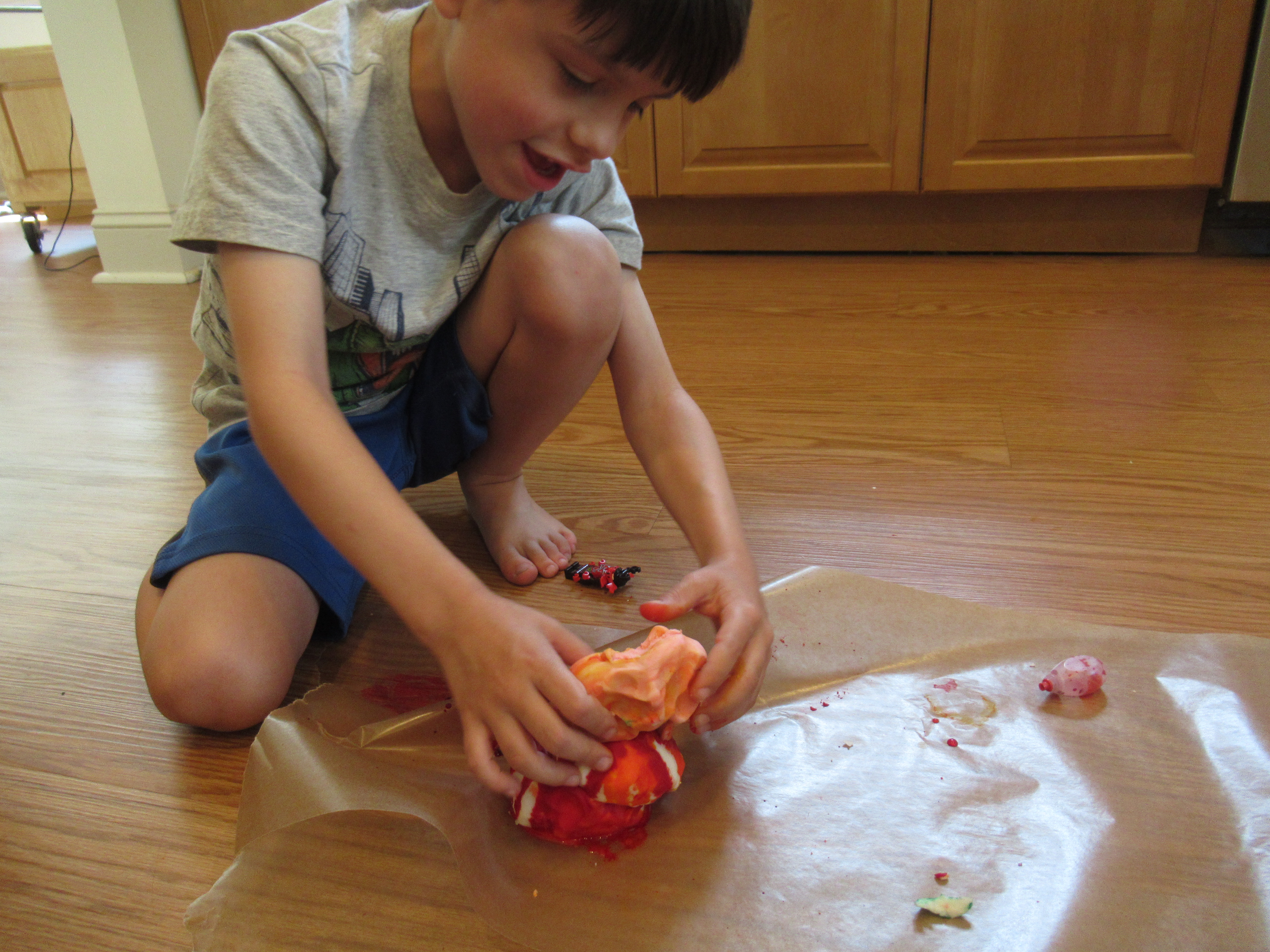
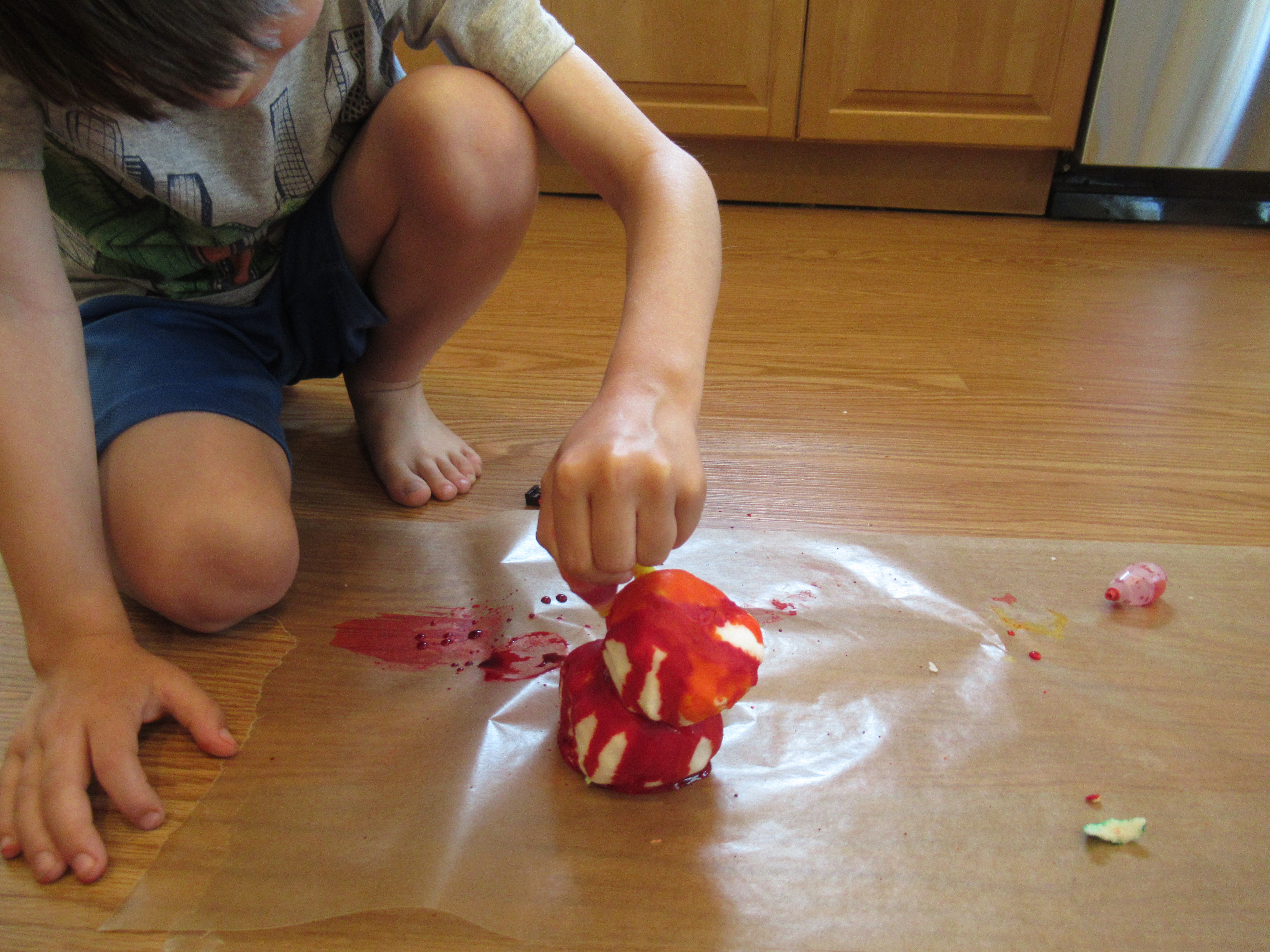
Travis thought it was much more fantastic fun to squeeze tons of food coloring onto the white clay, however, which meant soon we had a goopy mess!

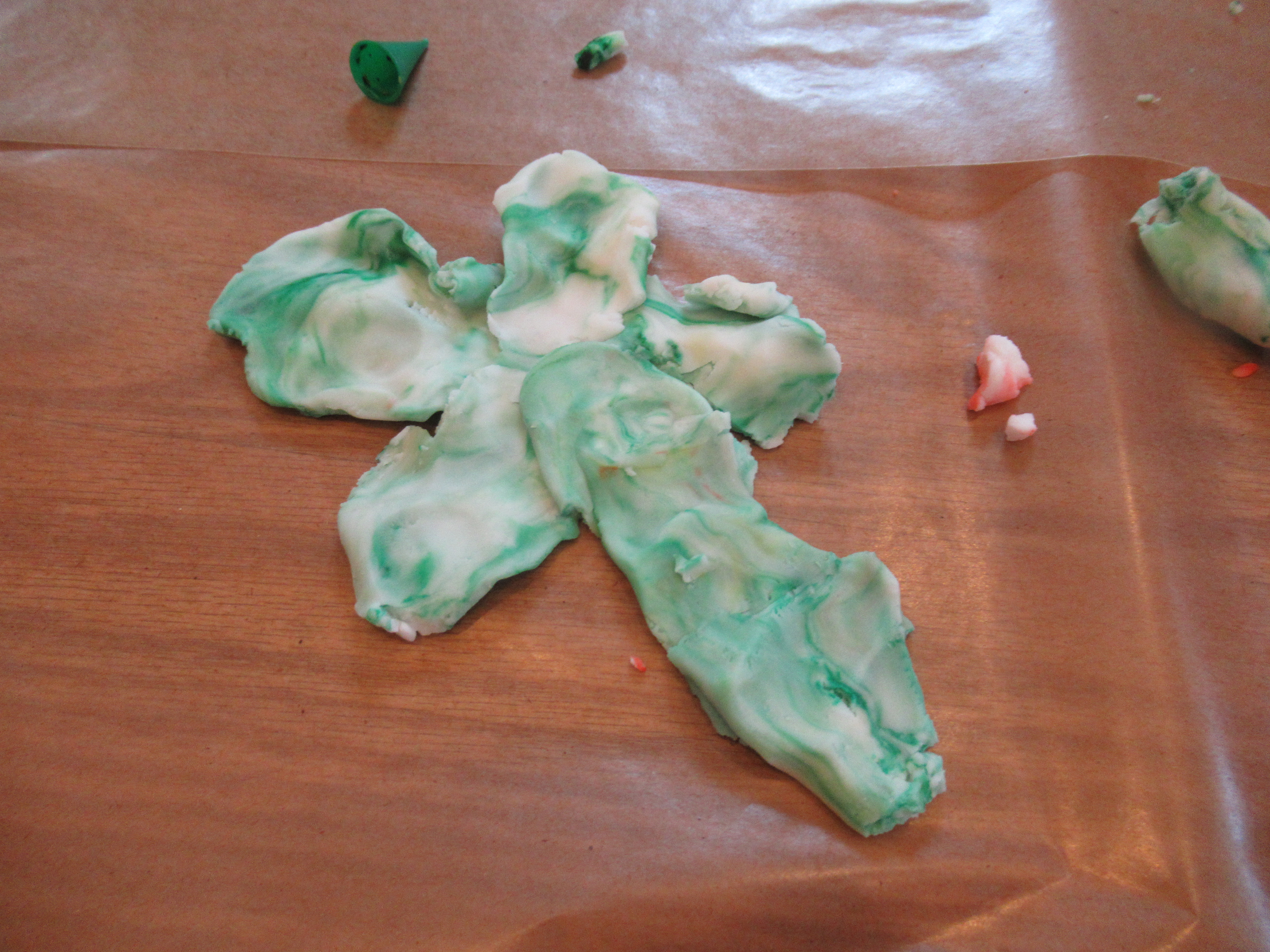
There was a brief moment where the subtle color in the clay was just right…

(I managed to snap a quick pick of this shamrock)

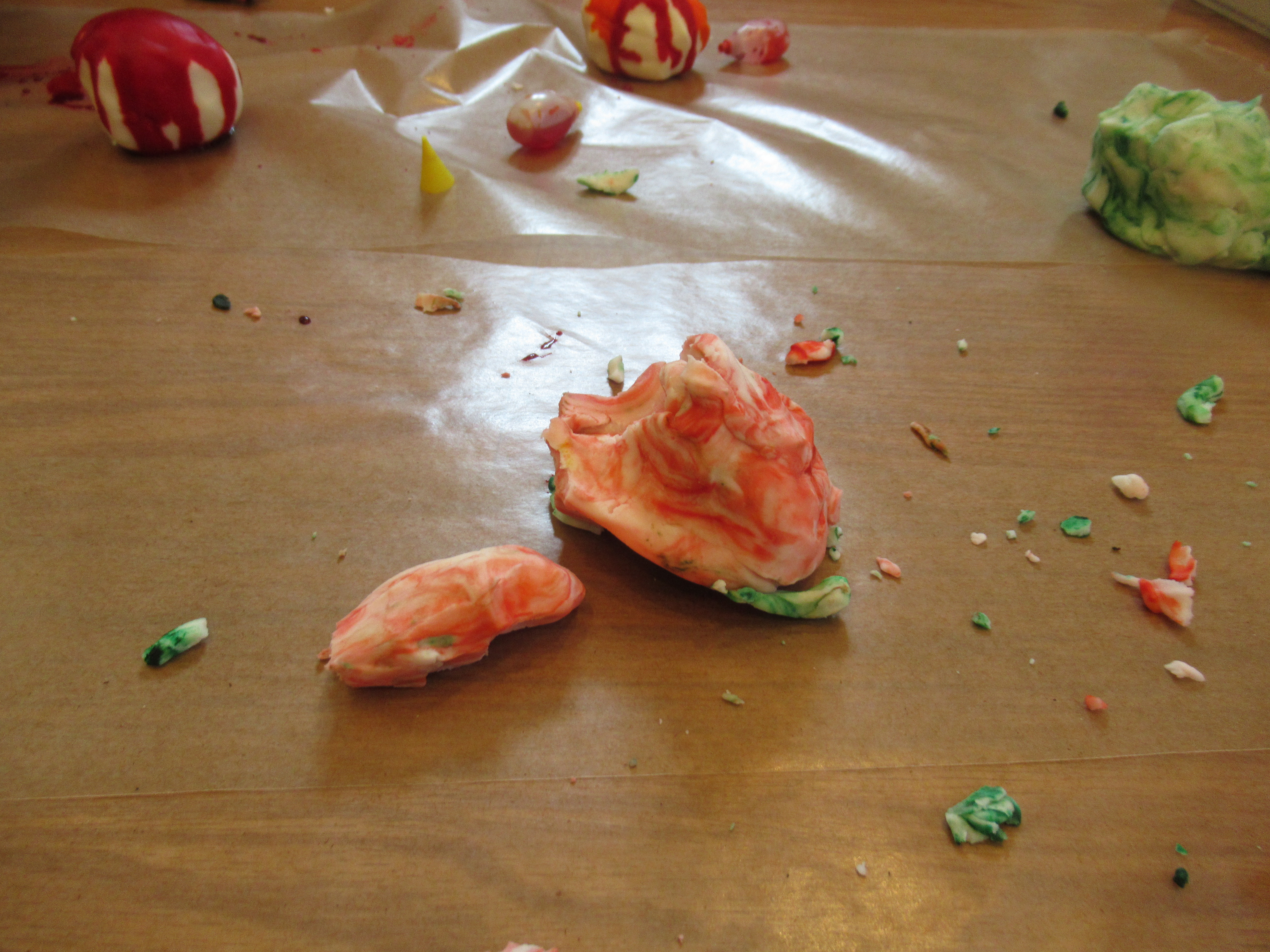
…before there was so much food coloring that the clay became a squishy mess. This thrilled Travis of course, but for actual sculpting and building purposes, I rather wish we’d left it white!

As a side note, the texture of this homemade clay is wonderful. I find that store-bought clay has a tacky feeling and sticky residue, whereas this was silky smooth.

Sensory Paint, Inside and Outside

Lately, Veronika has loved sensory play where we begin with a material contained in some way (a bottle, a zip-top plastic bag) but then take it out of the container for something much messier! To wit, today we started with paint in the bag and then moved it out.

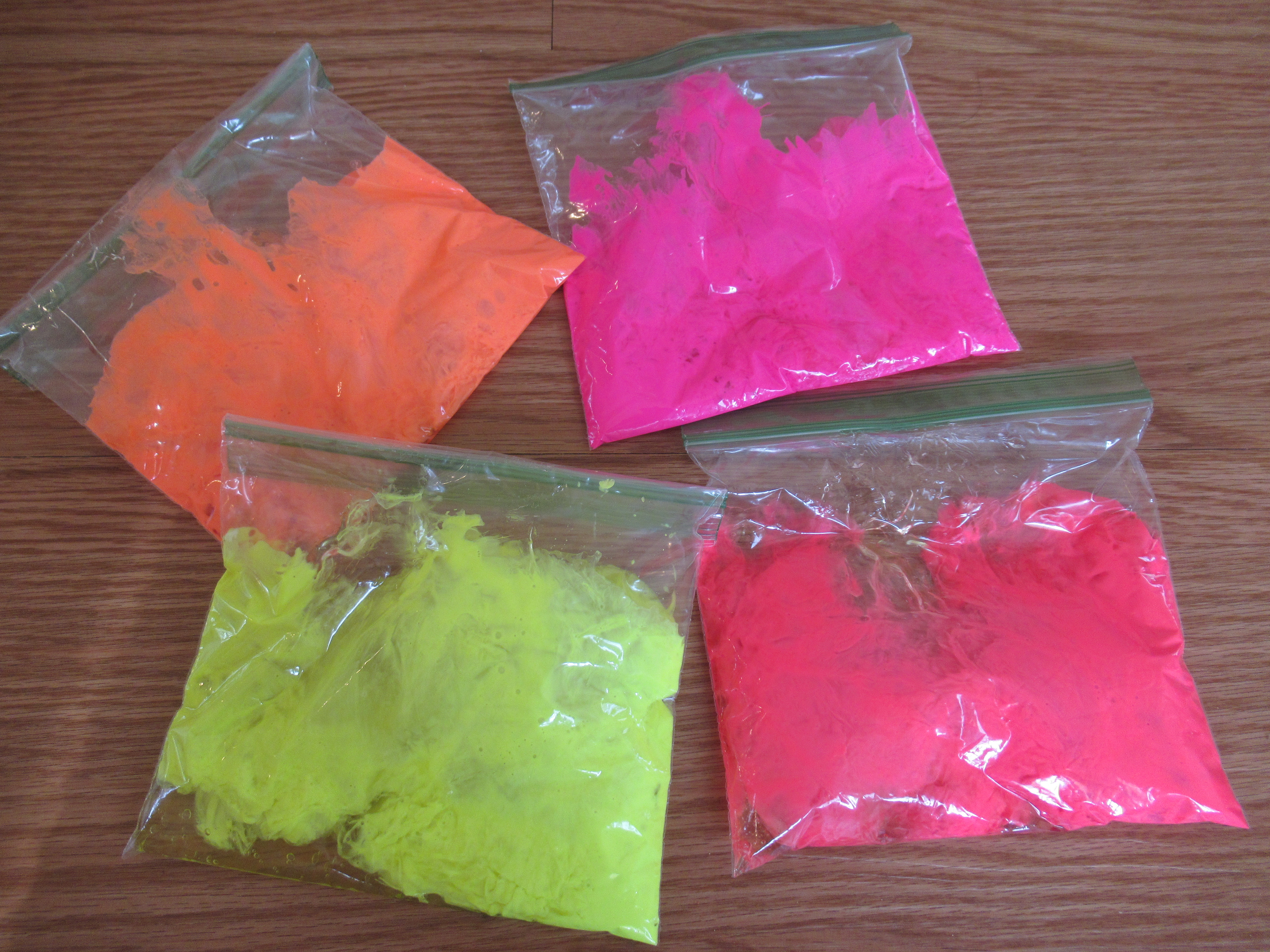
For the inside version, I squirted a generous amount of hair gel into sandwich-sized zip-top plastic bags, then added bright neon colors of tempera paint to each. Bright food coloring gel would work, too. I deliberately chose colors that felt just right for a hot sunny day: think neon oranges, pinks, and yellows. Press out most of the air, then seal the bags. You can add a little duct tape at the top if you’re worried about curious fingers opening the bag.

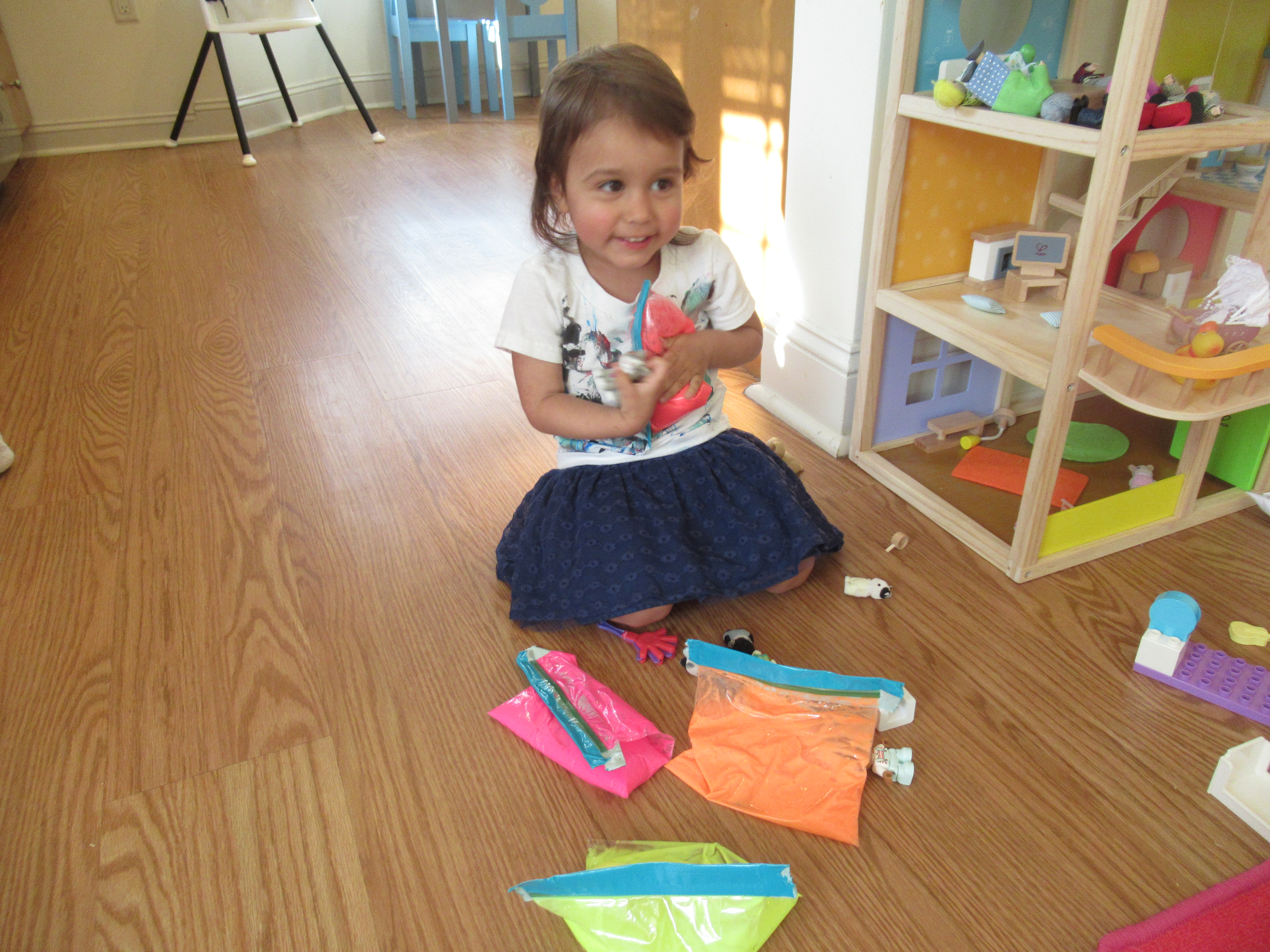
Veronika briefly squished the vibrant colors all around, and liked tossing them to the floor with a splat.

They were also fun to stomp on with bare toes! But, as I anticipated, they didn’t hold her interest long.

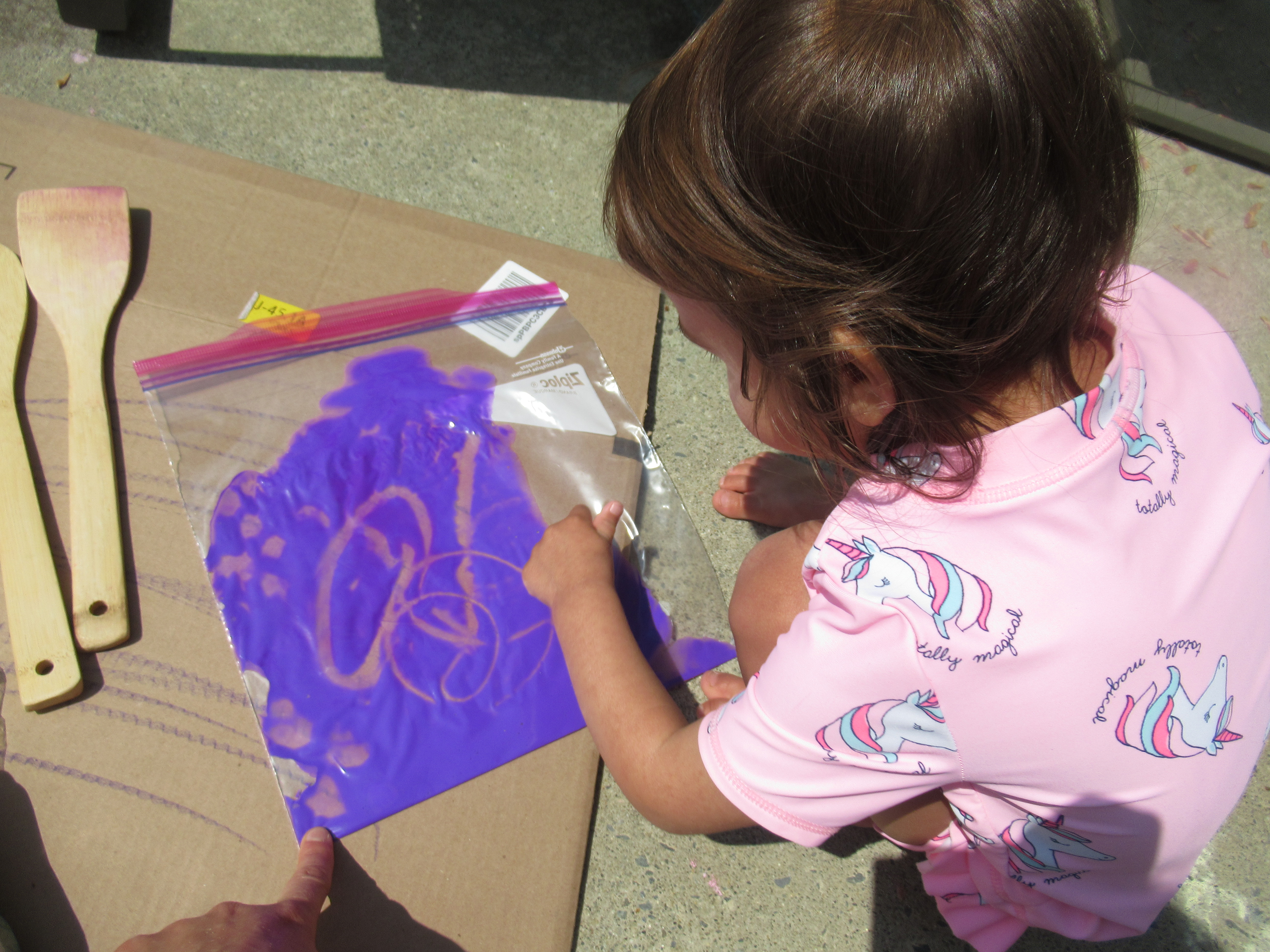
Neither did a second sensory bag for writing practice. For this one, I used a gallon-sized zip-top bag and only a thin layer of paint so that the squiggles and shapes she made would show up clearly.

I showed her a few letters like V for Veronika, and we even could make hand prints. Still, she lost interest after a few swirly lines.

It was time for something decidedly messier. Lay down a piece of cardboard to protect your patio or lawn, and place sheets of white paper on top.

We made blobs of paint on the paper and then covered each with a cotton pad. (Note: You could also apply the paint directly to the cotton pad, and then set down on the paper). Now whack with a wooden spoon!

Similar to fly swatter painting, whacking the paper is sure to be irresistible for kids. The clear winner once more? The outside messy way!

Berry Basket Printing

There are many items around the house for making perfect circles, but it can be harder to find an item that’s just right for dipping in paint to make perfect squares. The solution? Berry baskets! Because the market is bursting with fresh berries right now, this activity had a nice seasonal feel, too.

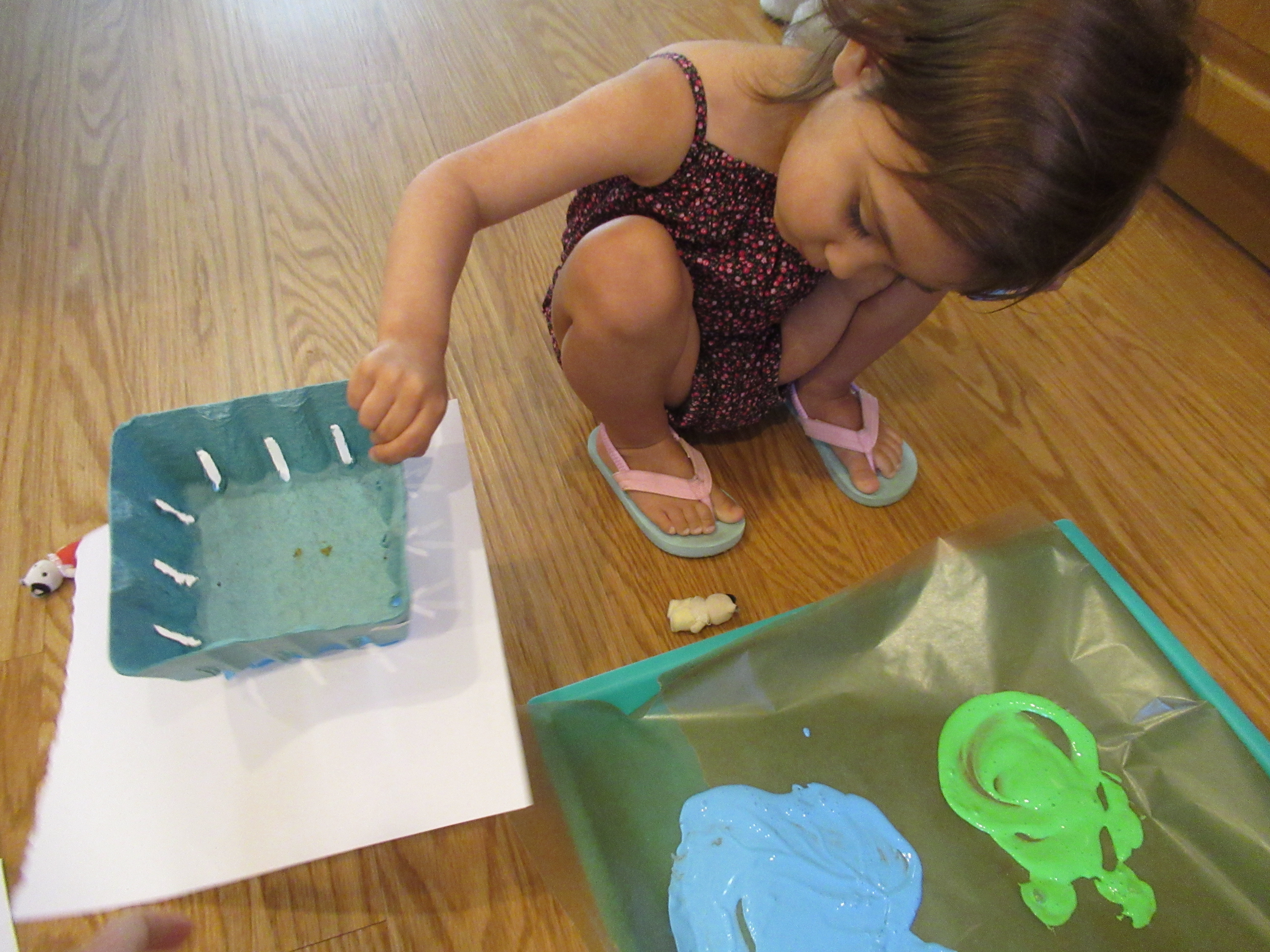
To start, I poured out several colors of paint directly onto a tray so we had a surface large enough to dip in our pint-sized berry basket.

I showed Veronika how to press the basket into the paint, then lift up and transfer to paper. A perfect square!

She loved mixing colors, too, for a beautiful blue-green hue on some of them.

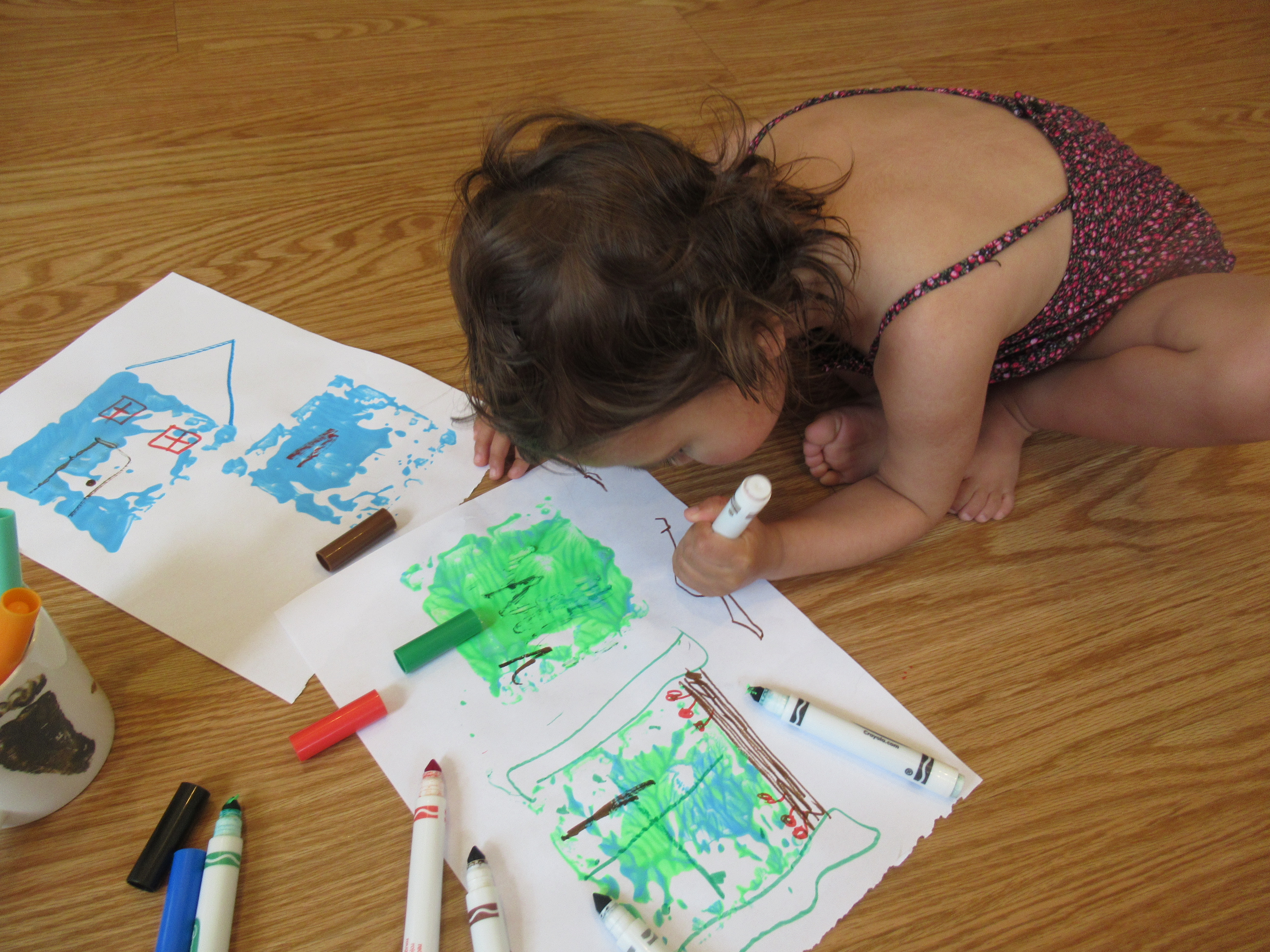
We let the paint dry, then finished the fun with markers. I challenged her to think about what we could turn our squares into. While I drew a house and a window box as examples, Veronika loved scribbling beside me.  Overall, this is a berry cute craft in the merry month of May.

Fishy Necklace

Fishy Necklace (7)

It was our first beach day of the season, and Veronika loved spotting fish in the water. At home, we decided to continue the fishy fun with this cute necklace, which counted towards the day’s arts & crafts, plus worked her fine motor skills!

To start, I cut simple fish shapes from construction paper and Veronika helped punch a hole near the top of each as the “eye”.

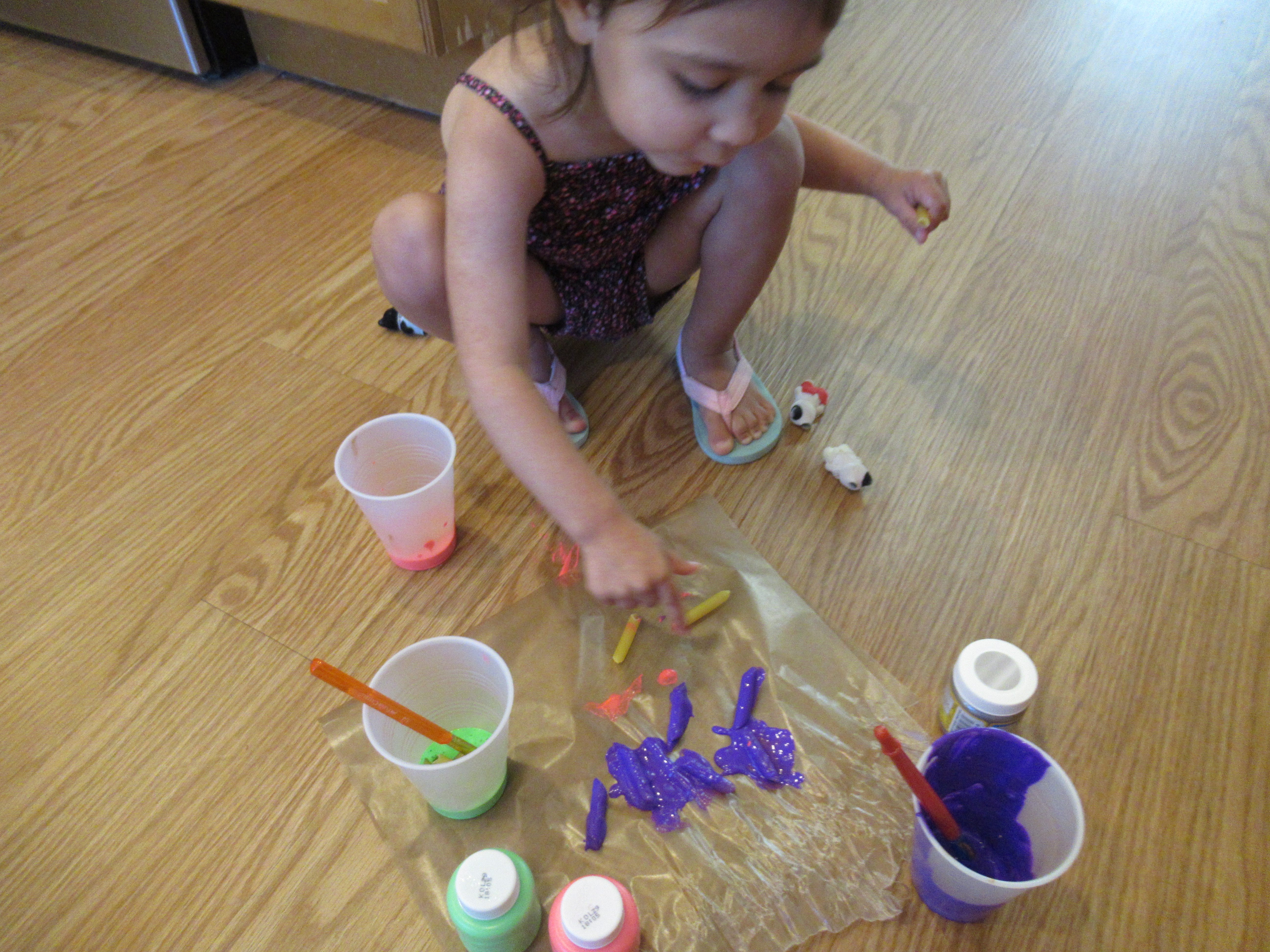
For a few extra necklace beads, we painted penne pasta. I expected Veronika to brush the paint on, but she loved dunking the pasta right in cups of paint! This gave us great saturated colors, although it did mean they took longer to dry.

Fishy Necklace (2)

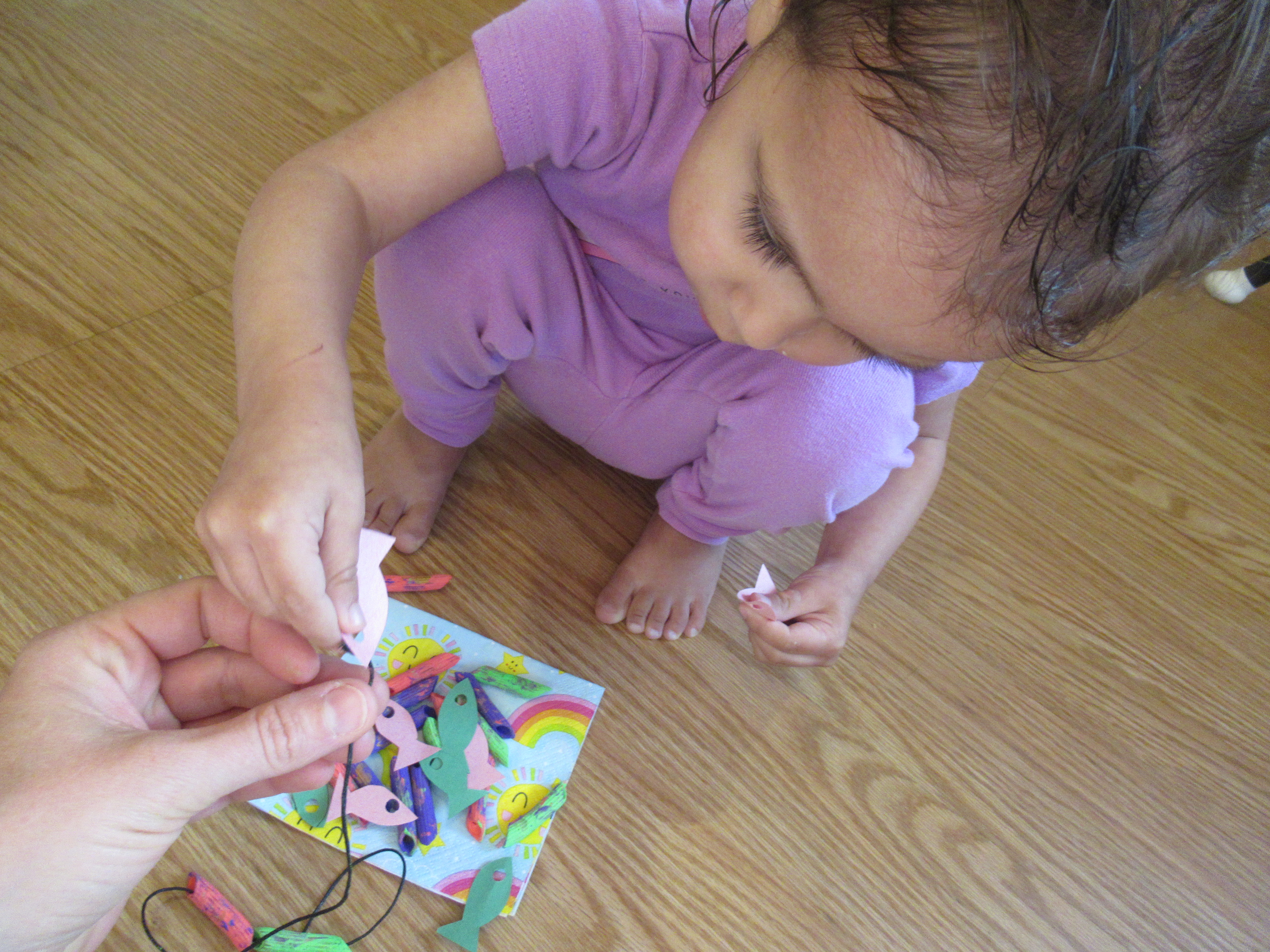
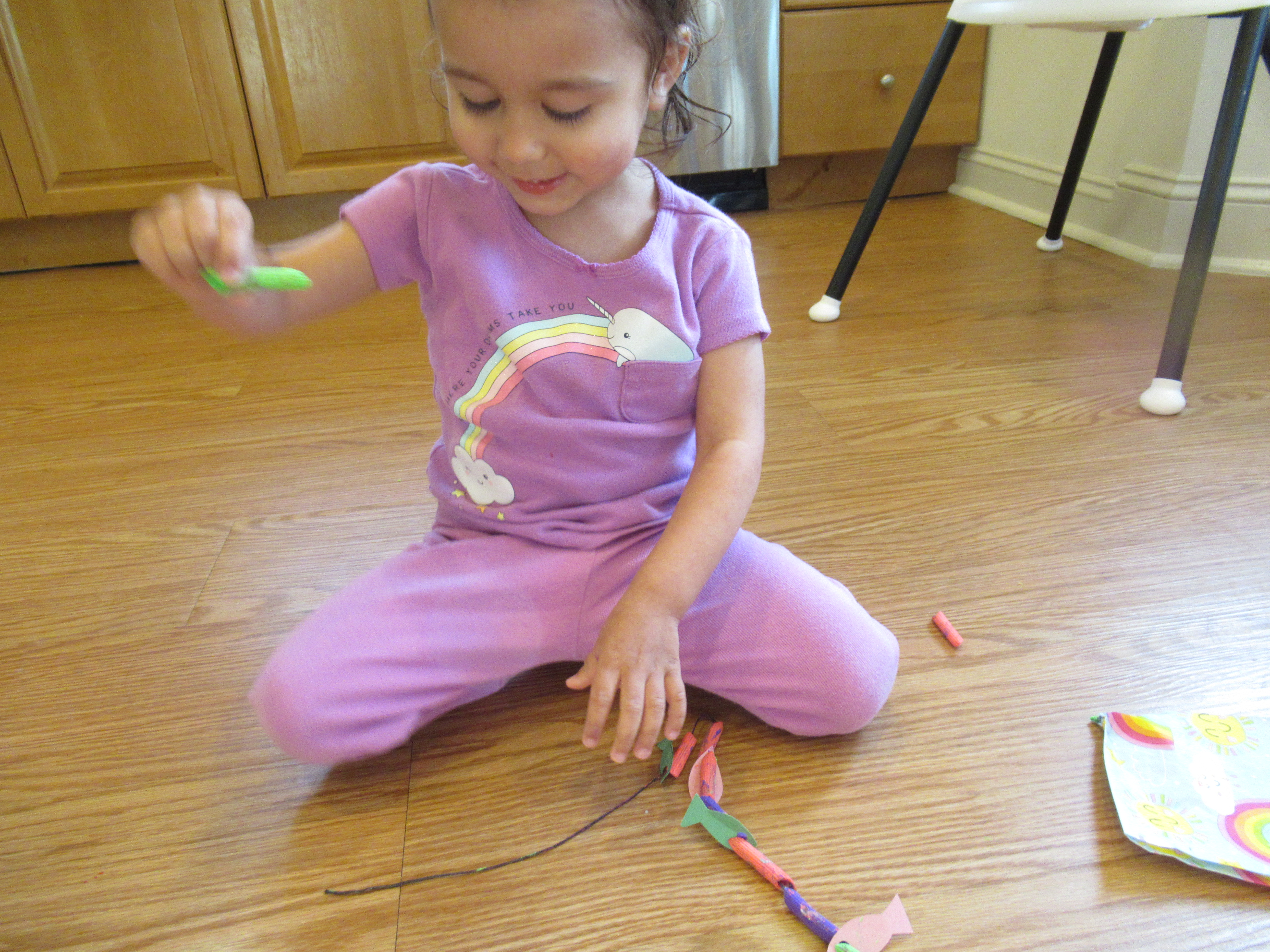
Once the pasta was dry, it as time to thread. I showed Veronika how to alternate adding a fish and then a pasta “bead” onto a lacing string, working in this way until the lace was full.

Fishy Necklace (3)

She absolutely loved the process, picking each color bead to add, delighting in the way we could pull the thread through, and eagerly selecting what item should go on next. Then we knotted it off for a fashion show!

Fishy Necklace (4)

She loved it so much that we made a second version; this time, I didn’t knot the lace so she could remove the beads and put them on again to her heart’s content.

Fishy Necklace (6)

In sum, there was nothing fishy about this craft, just lots of good fun!

Block Printing

Veronika has been uncharacteristically hesitant to get her hands messy lately, so today I made chunky stamps she could paint with instead, no risk of painted fingers!

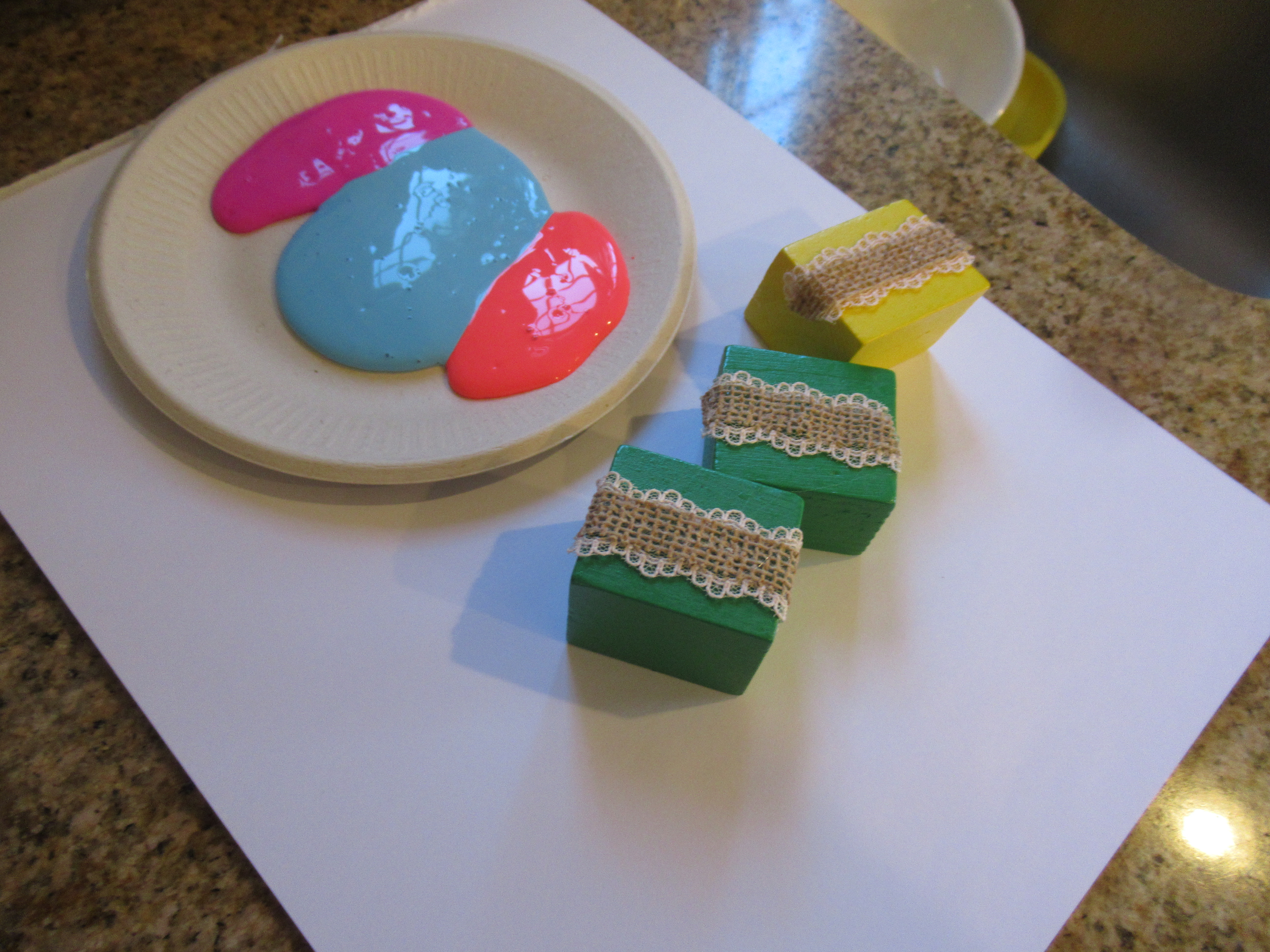
To start, I used hot glue to attach a strip of textured ribbon onto old wooden blocks. Any raised ribbon or rickrack would work well for this particular purpose.

I then poured a little paint into a shallow plate, and set it out with the “stamps” and thick paper.

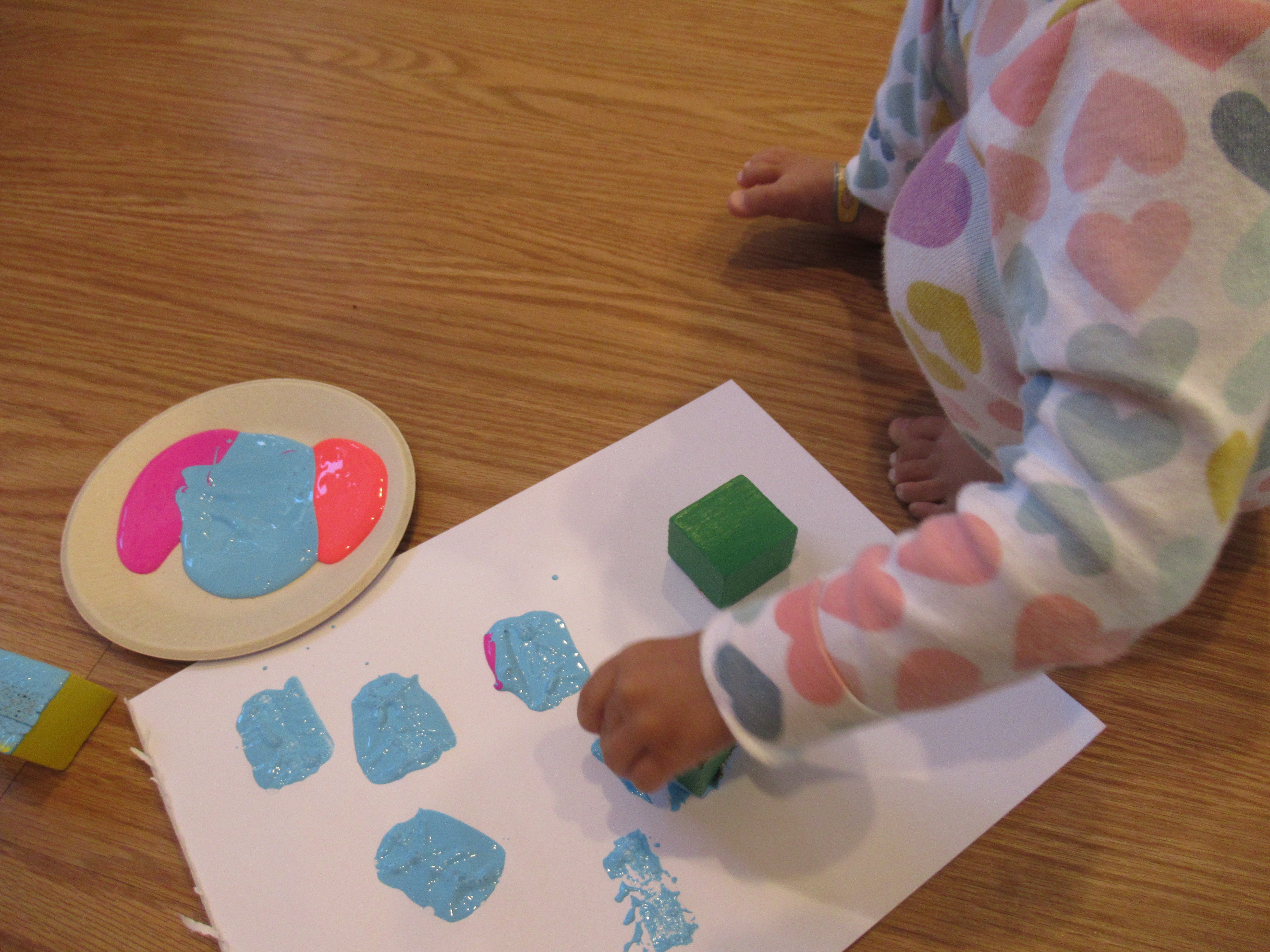
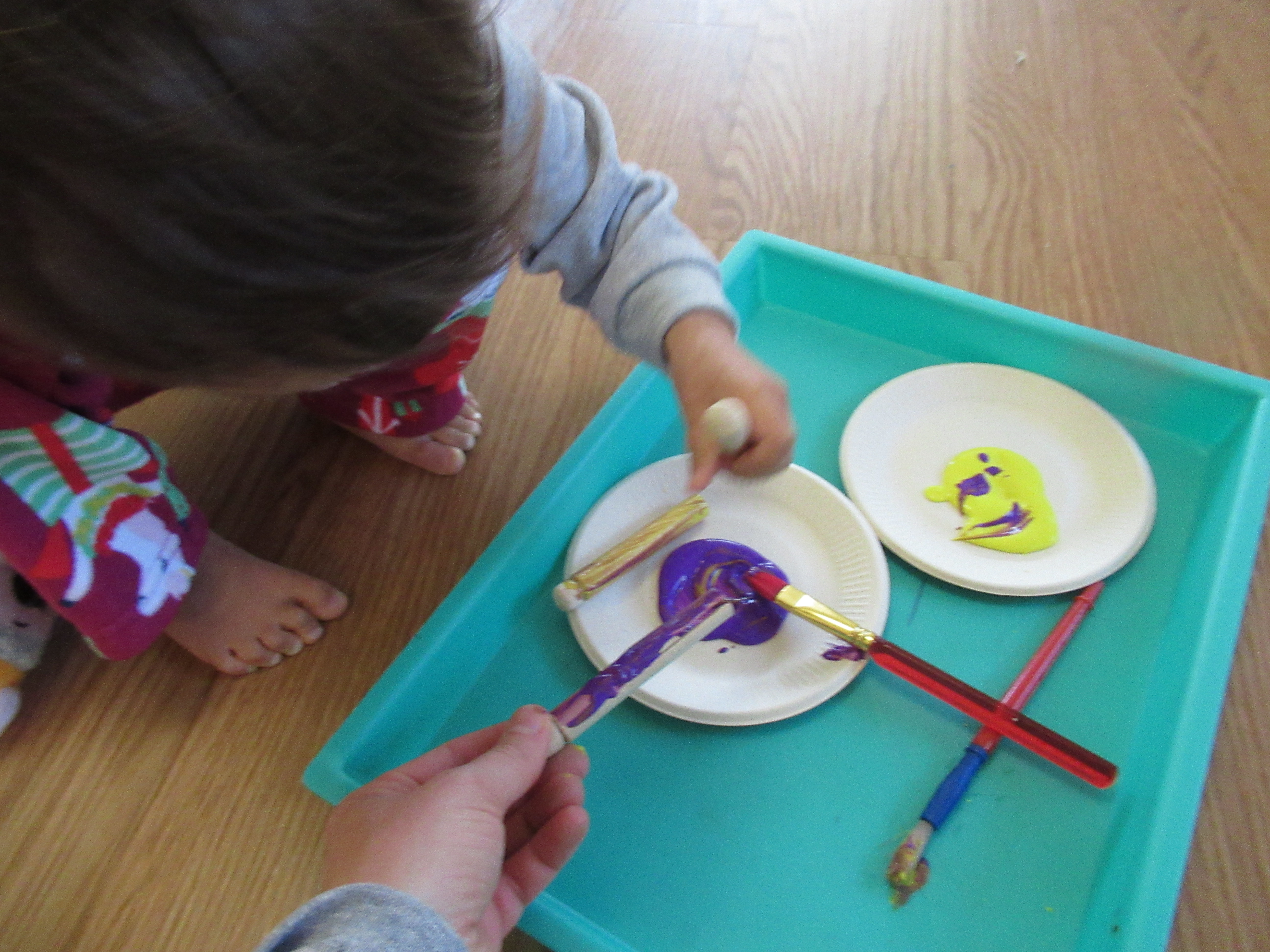
Veronika loved the colors, and experimented with dipping the blocks in the paint and pressing down.

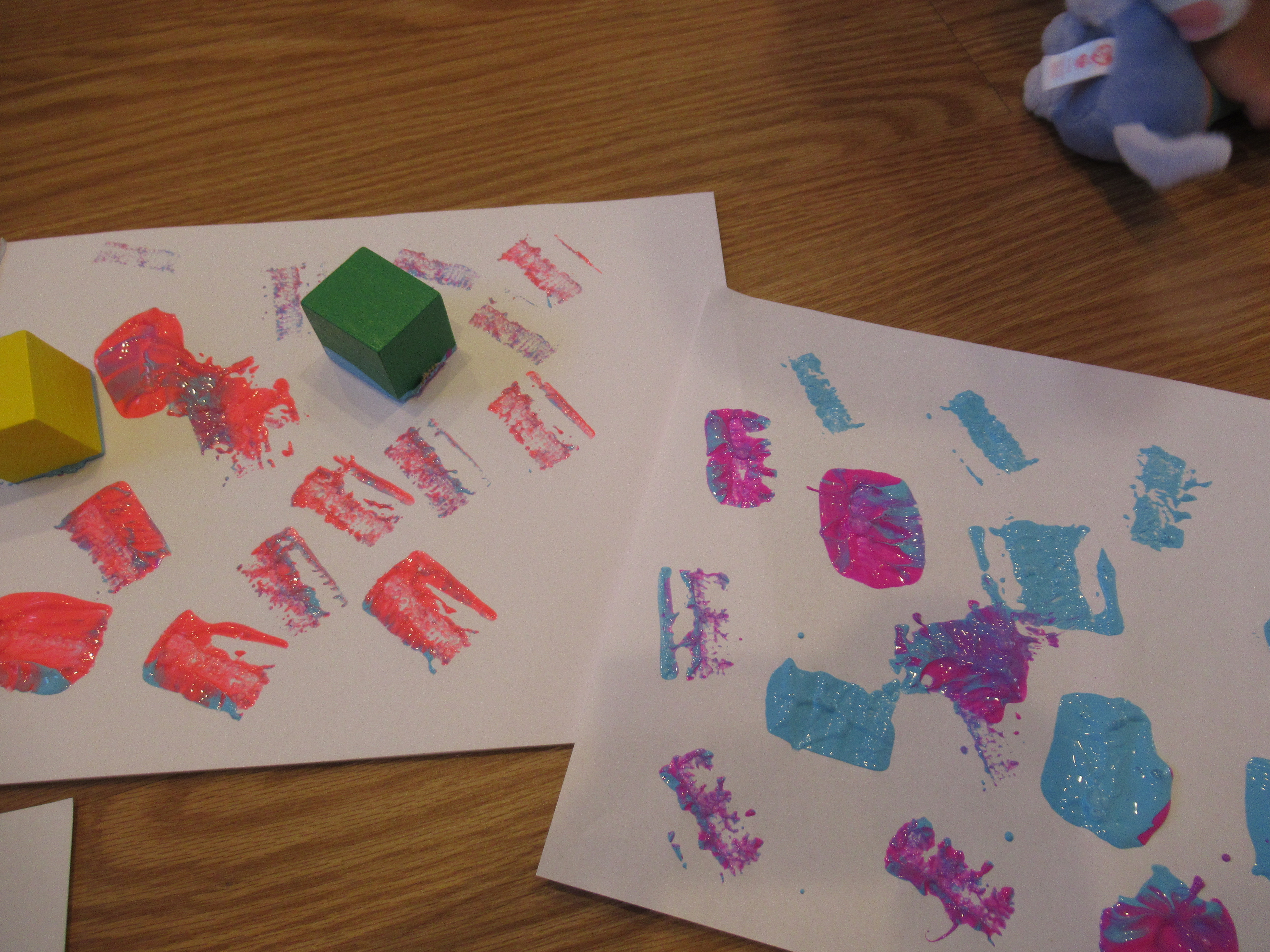
Our blocks tended to make muddled prints at first, but as the paint thinned out, the texture of the ribbon would become ever more apparent.

This led to such a nice variety of shapes and prints for her to explore on her paper!

I think the results would have been even better with rickrack. If you make your blocks with rickrack, we’d love to hear how it goes in the comments!
Fingerpainting Fun

Fingerpainting (5)

Equipped with a new set of fingerpaints, Veronika tested a whole variety of methods to use them today!

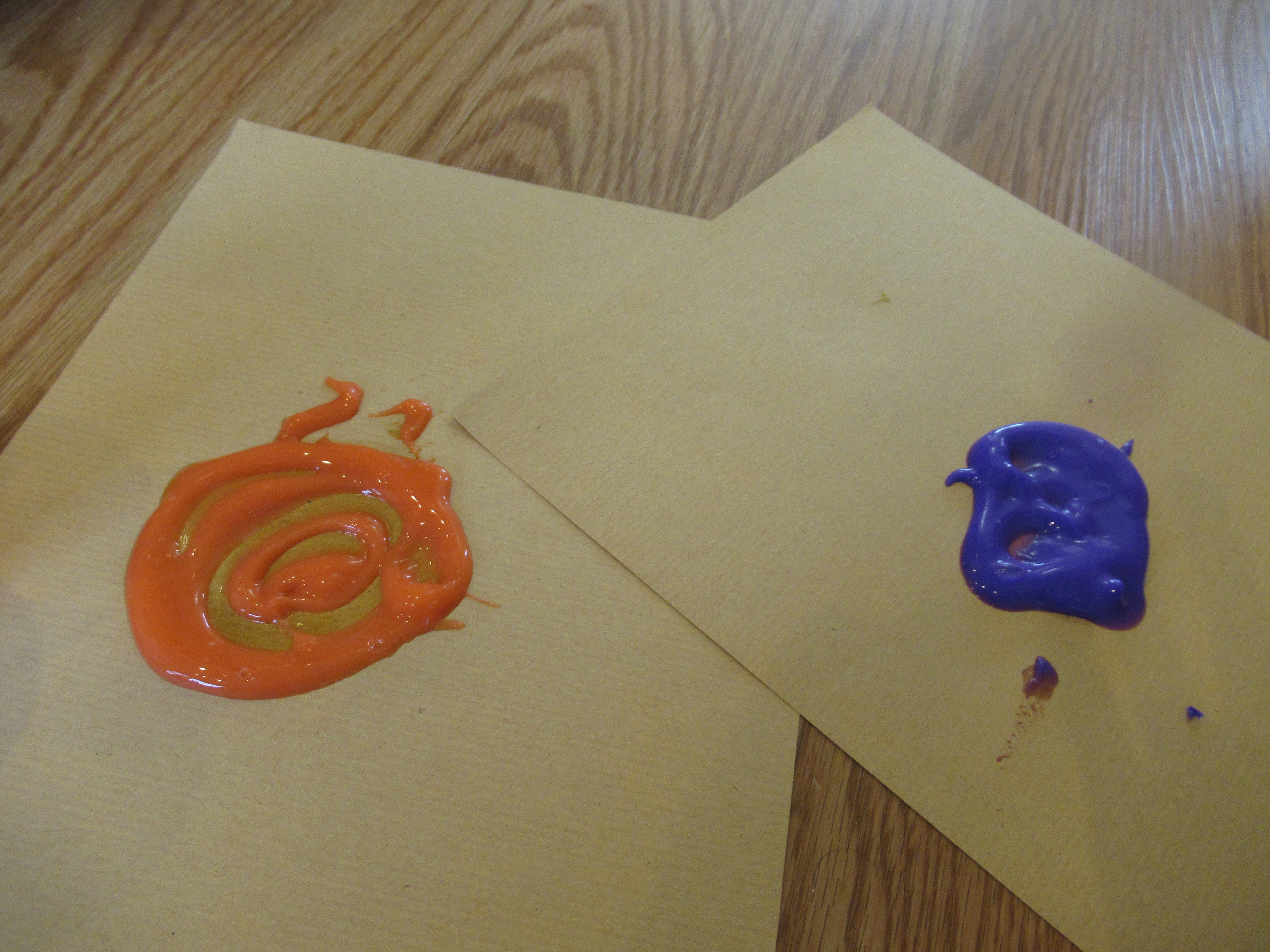
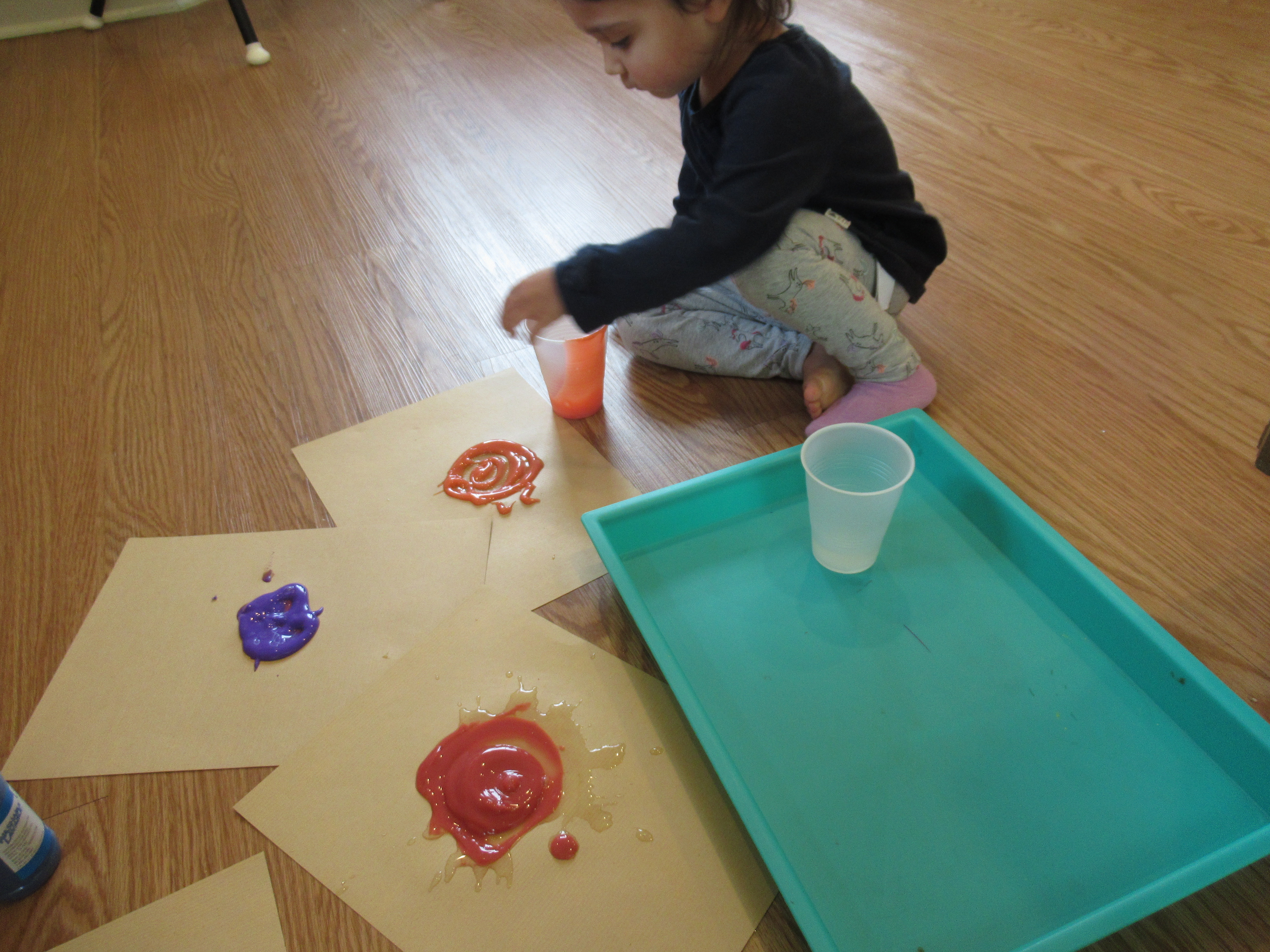
Of course fingerpaints are always fun, even if all you do is dollop a blob of paint onto thick paper and let your toddler go to town. But for some novelty, we tried the following. First, I chilled one color in the fridge (purple) and briefly warmed a second color (orange) in the microwave, for about 10 seconds.

Fingerpainting (1)

Now she could dip in her fingers, alternating between the warm and the cold for a neat sensory element to the painting!

Fingerpainting (2)

Next, I dribbled some water onto a sheet of paper, then added fingerpaint (this time red). The water makes the paint seize up into little blobs, swirl around, and act in all sorts of funny ways. The slippery sliding definitely adds to the enjoyment!

Fingerpainting (6)

I poured out another color (blue) and this time poured a little salt on top. This makes the paint not only have a different texture, but also gives it a bit of sparkle. Veronika particularly loved this variation, preferring to smear it around with a craft stick instead of her fingers.

Fingerpainting (3)

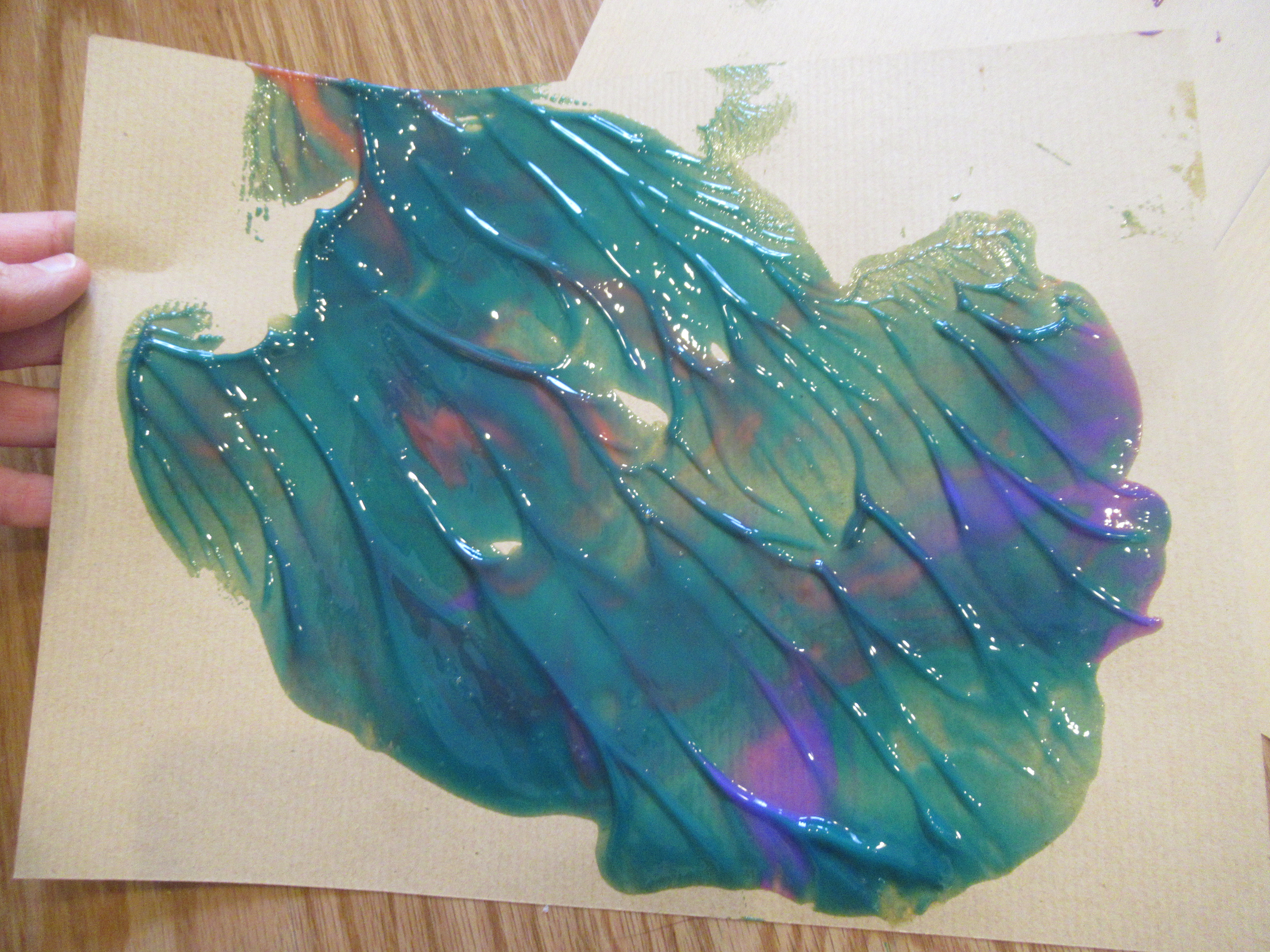
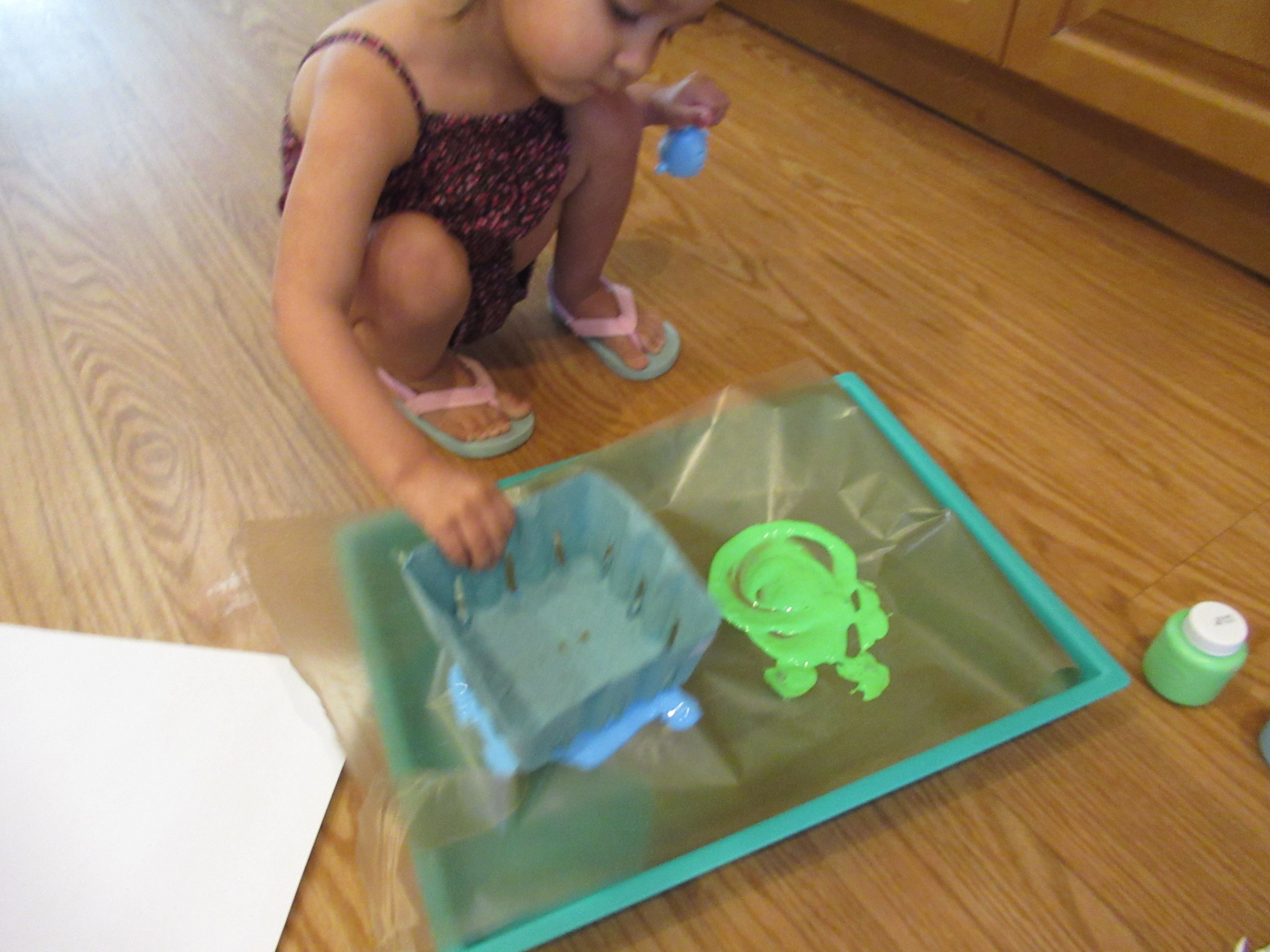
Finally, we poured some paint (green) directly onto a craft tray. This thick paint was just begging to be swirled through, and we mixed in other colors too. When she was done, I pressed a sheet of paper on top, then lifted up to reveal a neat print.

Fingerpainting (7)

For something slightly more artistic, we made a fingerpaint pineapple! On a plate, we mixed a few neon colors (yellow, blue, and orange) for a tropical vibe. I showed Veronika how to dip her thumb in, then press it at intervals on paper to form a pineapple shape. Needless to say, her toddler version didn’t come out as a recognizable pineapple, but she loved looking at my mommy version. We added green fronds on top with our thumbs, too.

Fingerpainting (9)

If all that isn’t enough fingerpaint exploration, don’t forget your toddler can always paint right on the windows.

Fingerpainting (10)

Springtime Coffee Filter Art


With some leftover coffee filters in our craft bin, Veronika was able to make two lovely crafts today, both of which felt just right for springtime!

The first was a riff on classic butterfly art. Big brother Travis recently made a version involving lots of fine motor skills… All well and good for big kids, but I kept this toddler version simpler. First, Veronika covered the white filters with dot markers. Dot dot dot!

Once they were mostly covered, I handed over a spritz bottle for her favorite part. Veronika loved spritzing and watching the colors run together. Make sure to saturate completely, then set aside to dry.

Meanwhile, we painted old-fashioned clothespins for the butterfly bodies. I thought purple and yellow would be nice springtime colors, but hadn’t bargained on her mixing them together. The color ended up a bit muddied, as a result, but they were still pretty. Set those aside to dry as well.

To assemble, carefully slide a coffee filter onto each clothespin, scrunching as you go, then fan out the wings. What a pretty flutter of butterflies!

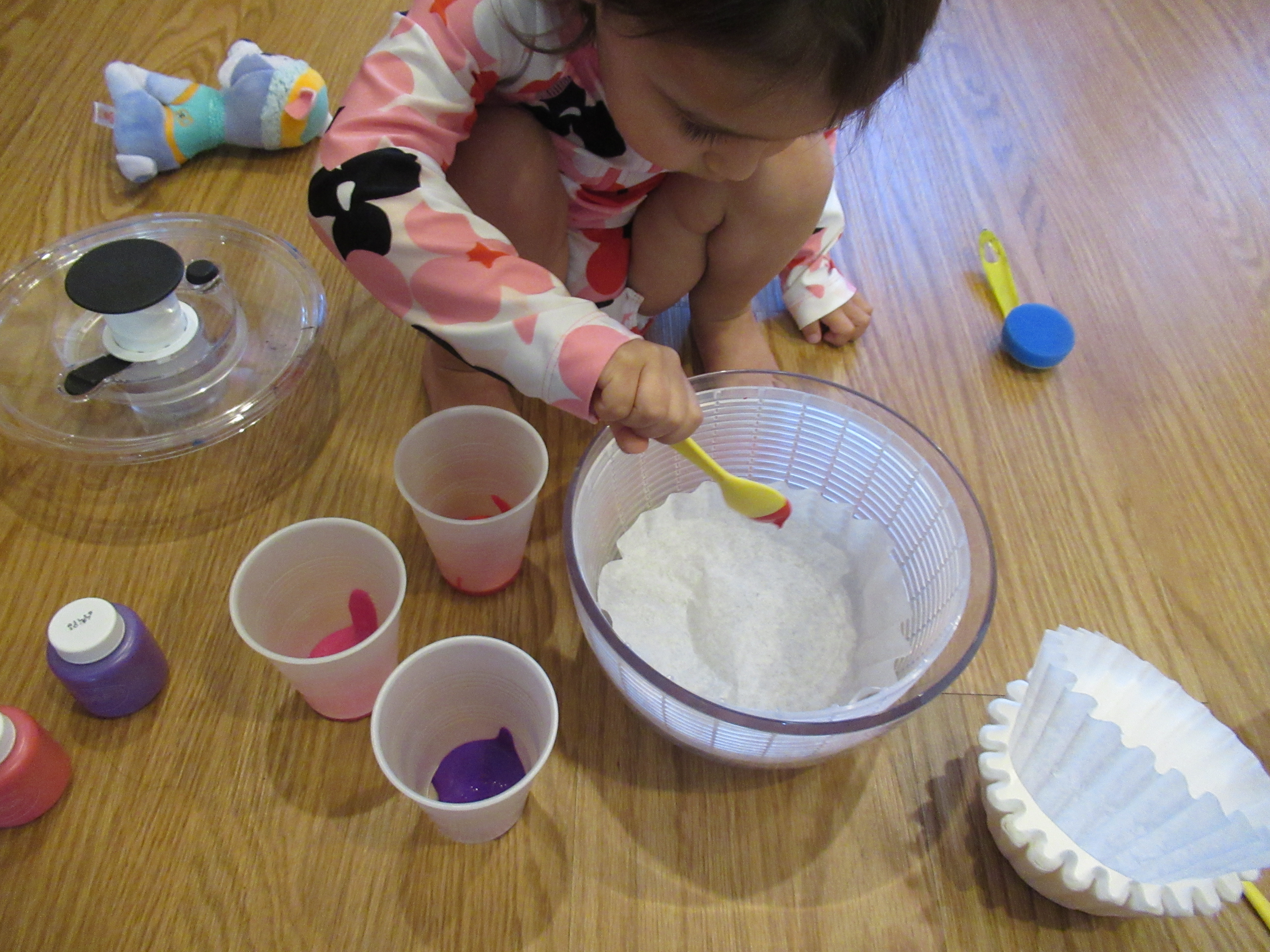
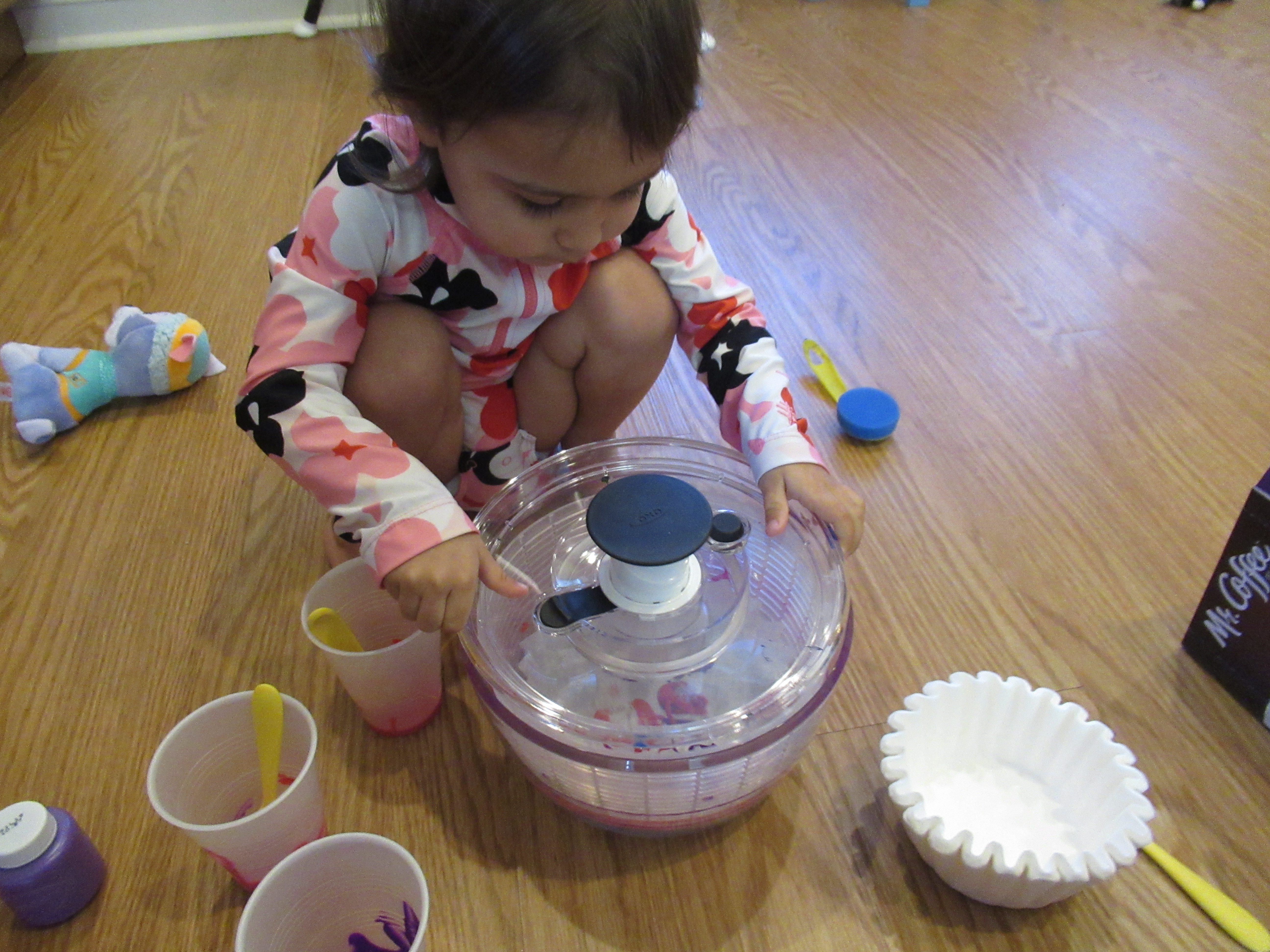
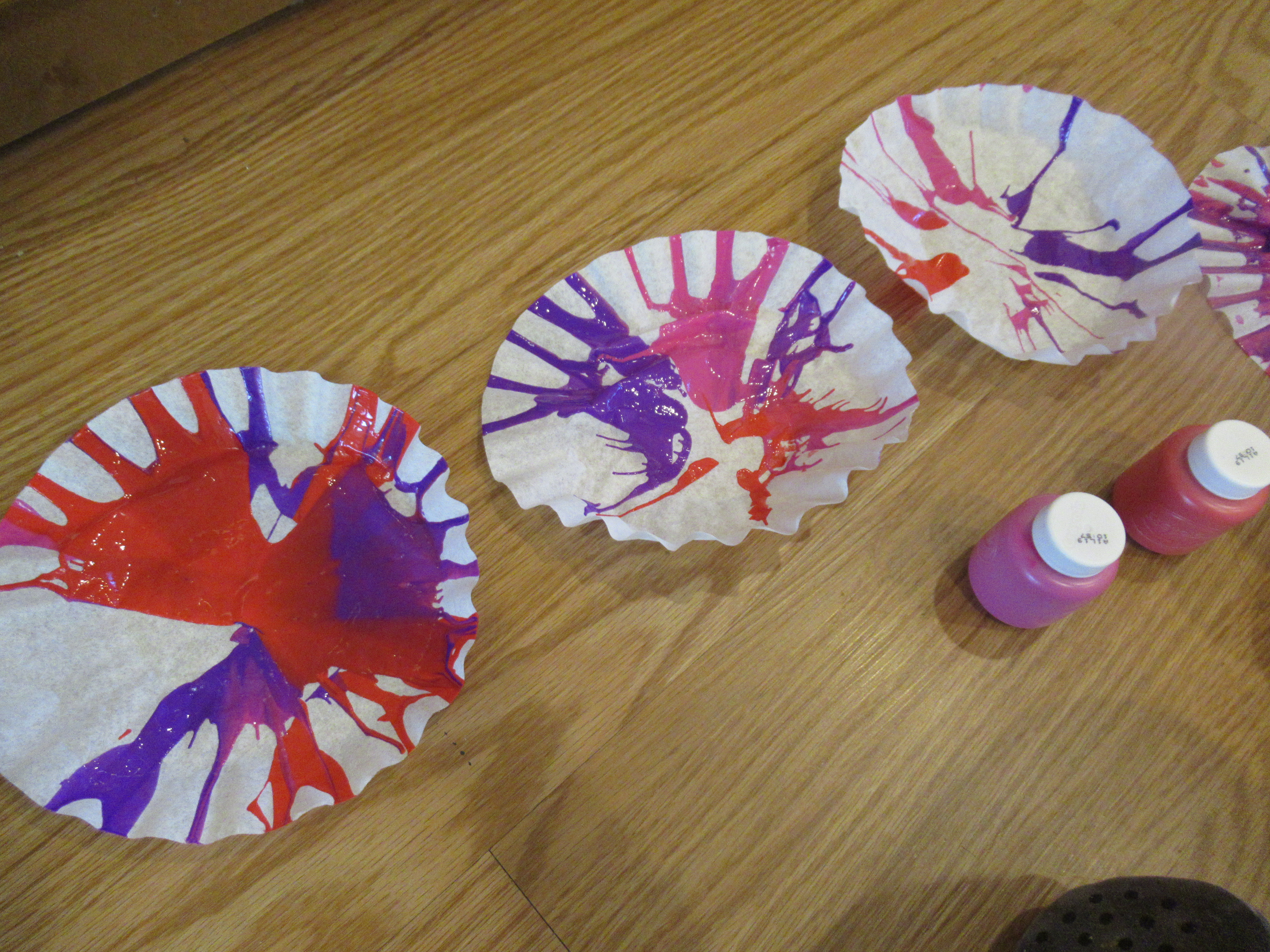
The second project was a bit more involved: coffee filter flowers! This time, we started with spin art, an old favorite. Place one filter in the bottom of a salad spinner and dribble a little paint on with a plastic spoon. We used a mix of purple, pink, and red paints.

Close the lid and let the spinner spin! Veronika loved being charge of making the spinner go and then stop with the brake button.

Lift up for the lovely reveal! We repeated to make four flowers, then set these aside to dry.

To help mold them into the shape of flower petals, we used this neat trick from Hands on as We Grow: press each filter over an empty soda can, then spray with liquid starch. Although not an item I’d normally use for a craft, it worked quite nicely.

Let dry, then glue down onto a construction paper background. We painted craft sticks green for flower stems and added a few green button leaves and a pom pom in the center of each.

April showers brought May flowers!

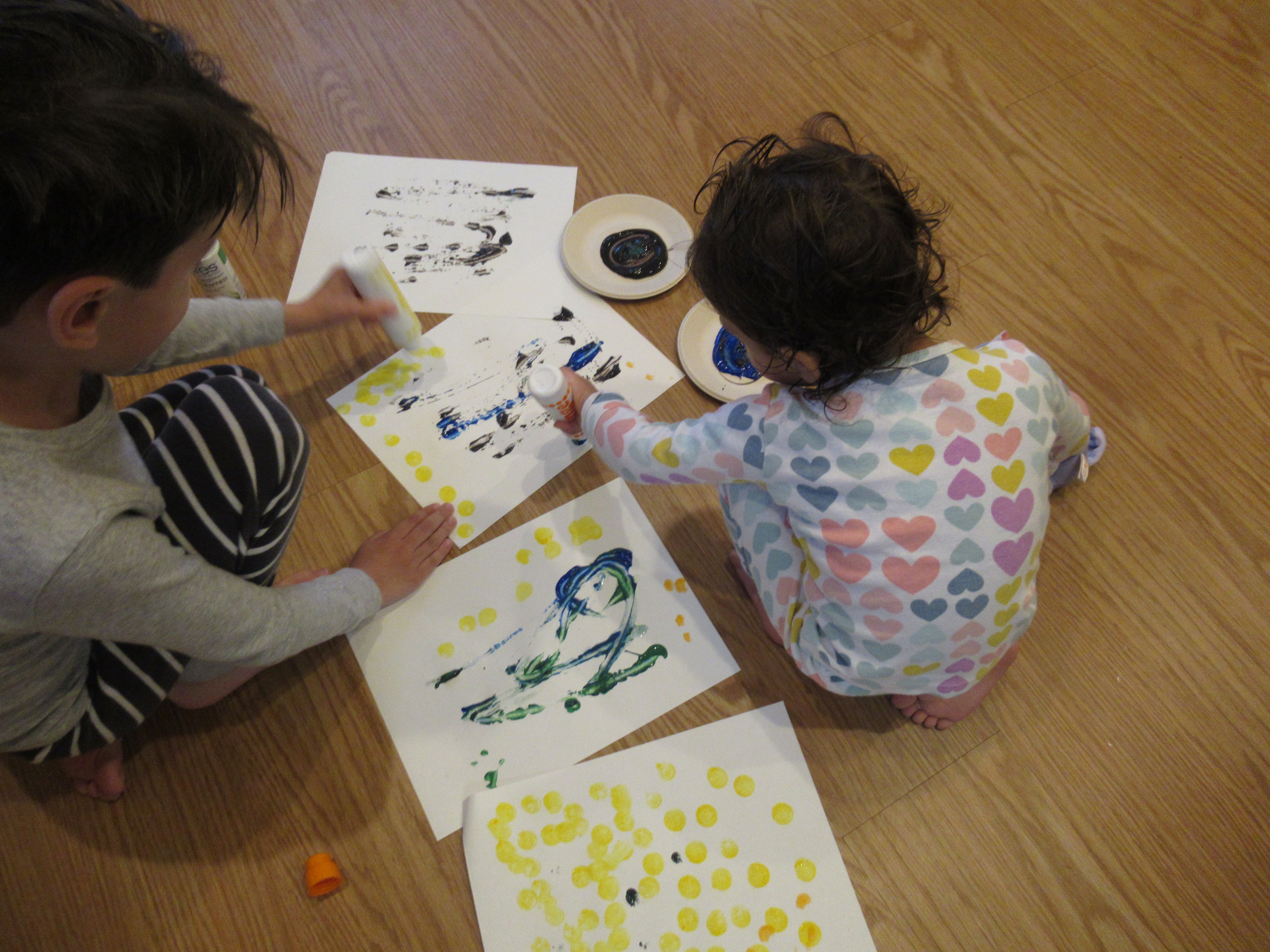
Paint Pen

Veronika loves the way dot markers fit into her hand, but sometimes grows frustrated when she wants to sweep them across paper (more like a brush) than dot them. Here’s a quick hack for a “paint pen” to use instead, based on a suggestion from the Toddler’s Busy Book.

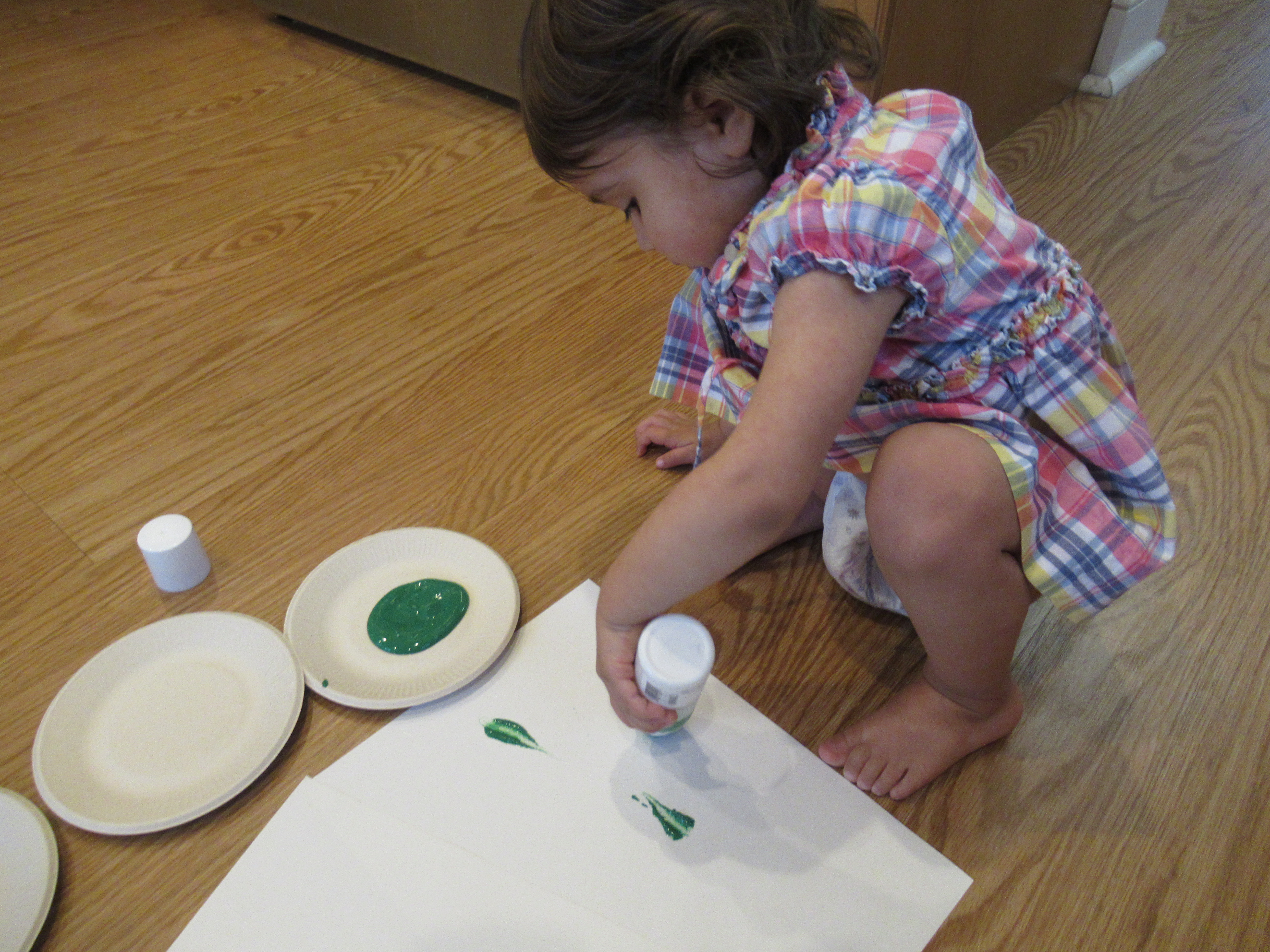
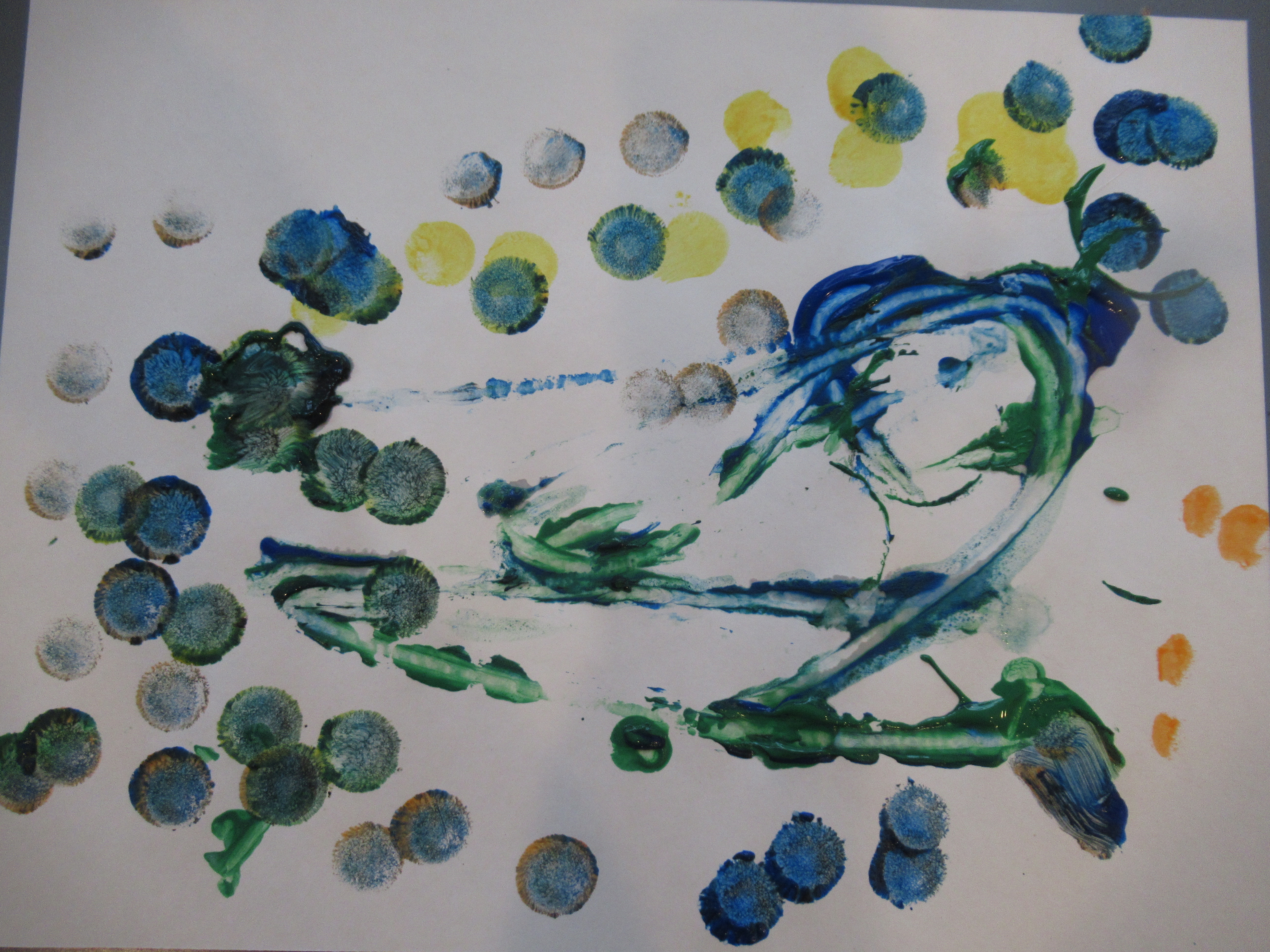
The book actually suggests prying the top off an empty roll-on deodorant tube, and filling it with paint that can be squeezed out. Our version was a little simpler. Instead, I set out thick white paper and a few paper plates filled with paint, then gave Veronika the empty deodorant tube. All she had to do was dip and roll!

She liked that she could make fun lines with this, and she also loved mixing colors by dipping the tip in several different paint plates before rolling across the paper.

And wouldn’t you know, after all that the kids decided to finish off these paintings with dots from actual dot markers! All in all, this was a novel suggestion with a pretty result.