Art and Science of Leonardo da Vinci

Da Vinci (9)

Travis did a series of projects this weekend to learn all about inventor and artists Leonardo da Vinci, a lesson to go alongside an Italian culinary journey from Raddish Kids. Here’s what he uncovered!

First up he needed some basic background info on who da Vinci was. Travis watched a silly YouTube clip, as well as a read-aloud of Leonardo and the Flying Boy. Now he knew that Leonardo made early inventions of flying machines, mixed up his own paints, and more!

Time to act like da Vinci! First up was drawing from multiple perspectives, just like the artist. I encouraged Travis to first draw a toy that he loves… and then to draw it upside down! The most amazing thing happened during this exercise: this remarkable stillness descended on both kids as they concentrated so hard on their work.

Da Vinci (3)

And Travis was so proud of the resulting side by side drawings!

Da Vinci (5)

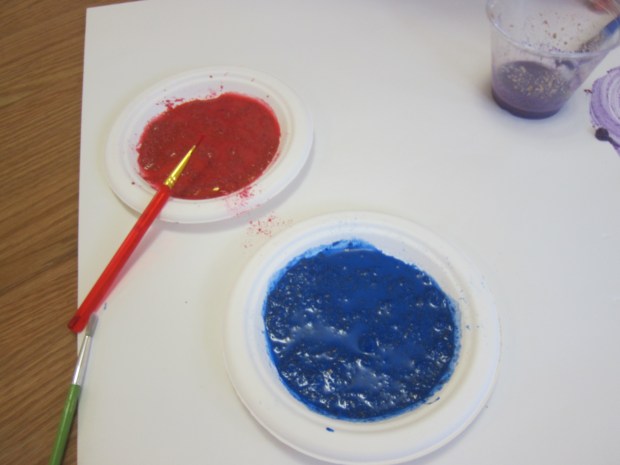
Next we wanted to see if we, too, could make our own paint! Obviously we couldn’t use chicken’s eggs like da Vinci, but we tested out a flax “egg” paint. I whisked 1 tablespoon flaxseed into 3 tablespoons warm water. Then we ground up chalk powder! Place a piece of chalk in a zip-top plastic bag and seal; whack with a mallet until finely ground.
Da Vinci (6)

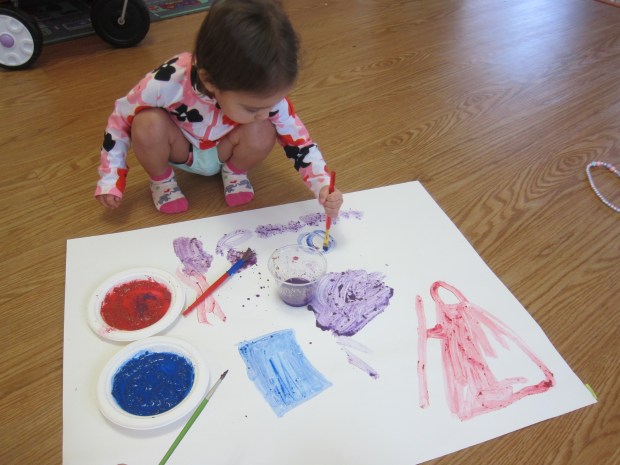
We mixed each chalk pigment with about 1 tablespoon of the flax mixture. It wasn’t as smooth as tempera, but it did make a rather neat paint. Little sister Veronika in particular loved using this all over a piece of poster board.
Da Vinci (7)

Next up was a closer look at arguably da Vinci’s most famous work, The Mona Lisa. Travis watched a video about this enigmatic painting before we followed a step-by-step tutorial. This was fun for mama, too!

Da Vinci (8)

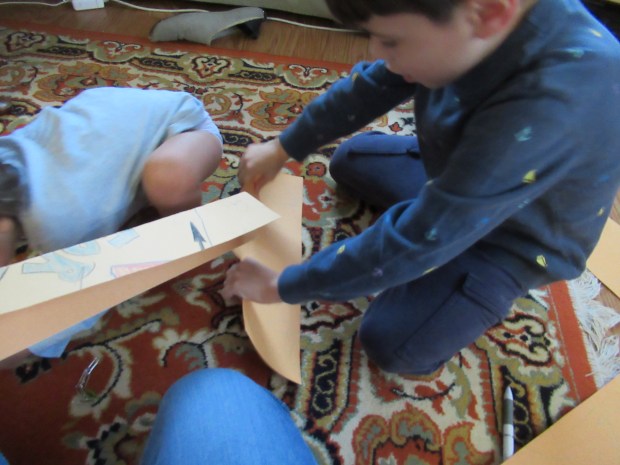
We then turned back to da Vinci’s scientific side, learning more about some of his flying machines. Travis watched a video on the engineering of flight before we tested out our own: fold a rectangular piece of poster board in half, then fold each side in toward the half crease so it now folds up into a triangle. Tape shut.
Da Vinci (10)

Add wings and a tail of any design, and see how your machine flies! Travis chose triangular wings, which might not have been the most aerodynamic, but he liked that this was bigger than a standard paper airplane!

Da Vinci (12)

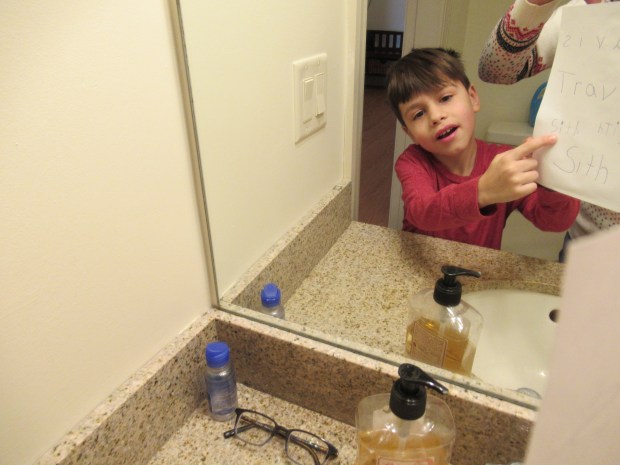
Travis was also intrigued with da Vinci’s left-handedness and backwards writing, particularly as a lefty himself. We turned this into a game of making secret codes for each other, and he loved checking them out in the mirror!
Da Vinci (14)

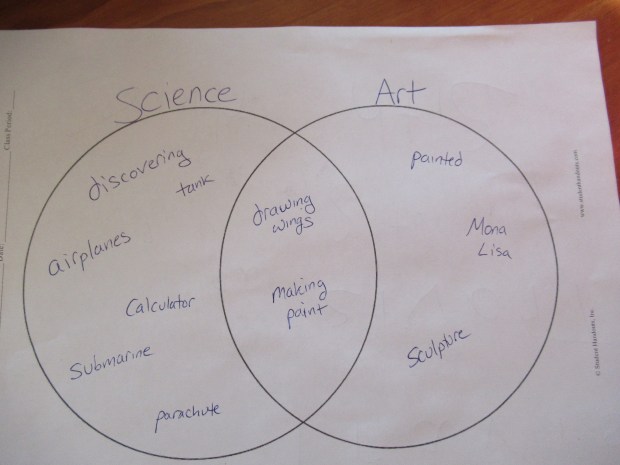
To cap it all off, we filled out the provided Venn diagram, labeling one side Science, and the other side Art. Now Travis knew lots about da Vinci, including what fell in the overlap in the middle.
Da Vinci (15)

There is so much more that older children can do with this lesson (learning more about the idea of the “Renaissance Man”, researching other Renaissance figures like Isabella d’Este, creating an art gallery slide show presentation, just to name a few!). But this was a great “first bite” of da Vinci for my 1st grader.

Exploding Soap

Exploding Soap (4)

Veronika was a bit bored as I was cleaning the kitchen this morning, and I wanted an activity that could occupy her quickly. Luckily, a bar of soap and a microwave are all you need for some quick STEM exploration!

I placed a bar of soap on a paper plate and then popped it in the microwave. Veronika helped me set the timer for 2 minutes.

Exploding Soap (2)

Stand back and watch it explode! Monitor closely, because you don’t want a messy microwave, but the soap will begin to bubble up and expand and do all kinds of exciting things. I’ve heard this activity described online using both Ivory Coast and Dial, but I don’t think it matters which brand you use.

Exploding Soap (3)

We removed the bubbly soap from the microwave and then began some careful exploration. Within moments, it will be cool enough to explore safely, but still soft enough that it no longer resembles a hard bar of soap. I placed the soap in a craft tray with a shallow layer of water and Veronika loved stirring around the soap flakes.

Exploding Soap (6)

Or mashing at the remaining cake of soap with craft sticks.

Exploding Soap (5)

She even washed her hands! So you can definitely say this turned out to be good clean fun.

Exploding Soap (7)

Water Flow Experiment in a Bag

Water Bag Experiment (7)

This experiment was a bit of a repeat from a recent Kiwi Crate on surface tension, but so cool it was worth a re-do with materials from home. The “wow” factor of it wasn’t lost the second time around!

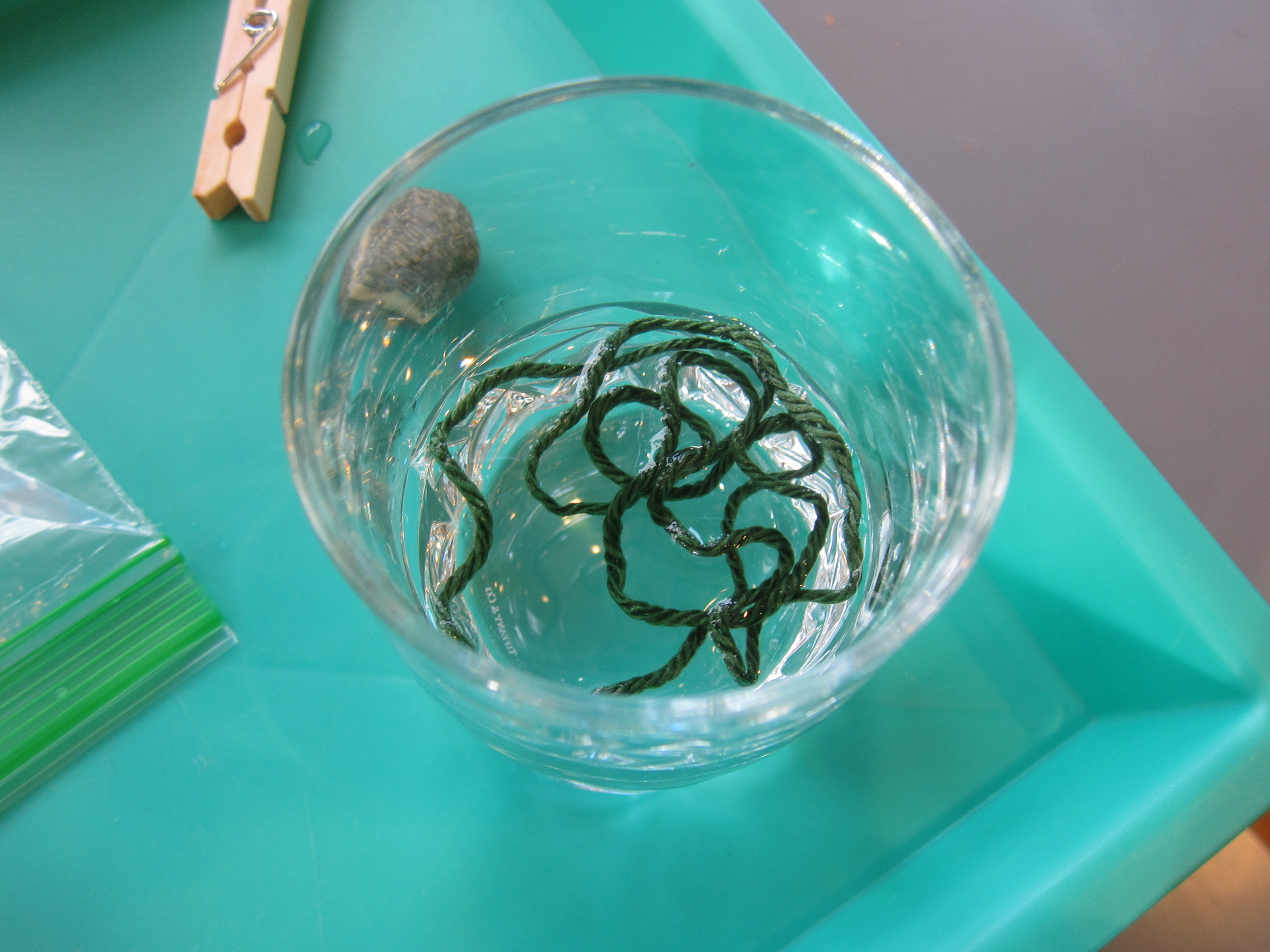
First, soak a length of yarn in a cup of water for about 2 minutes, until completely saturated.

Water Bag Experiment (1)

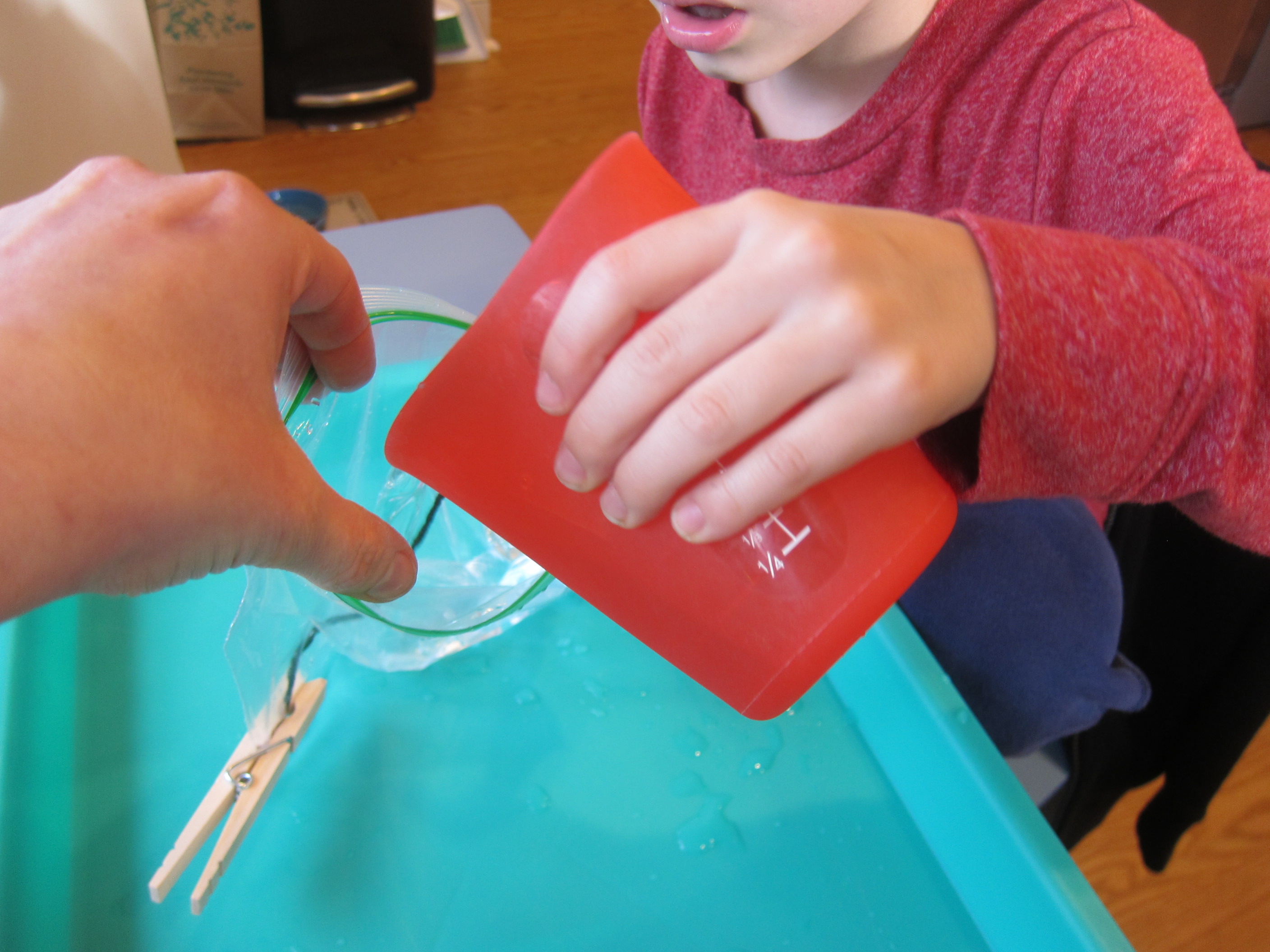
Insert one end of the yarn into a sandwich-sized zip-top bag and use a clothespin to pinch the yarn securely in place in the bottom left corner.
Water Bag Experiment (2)

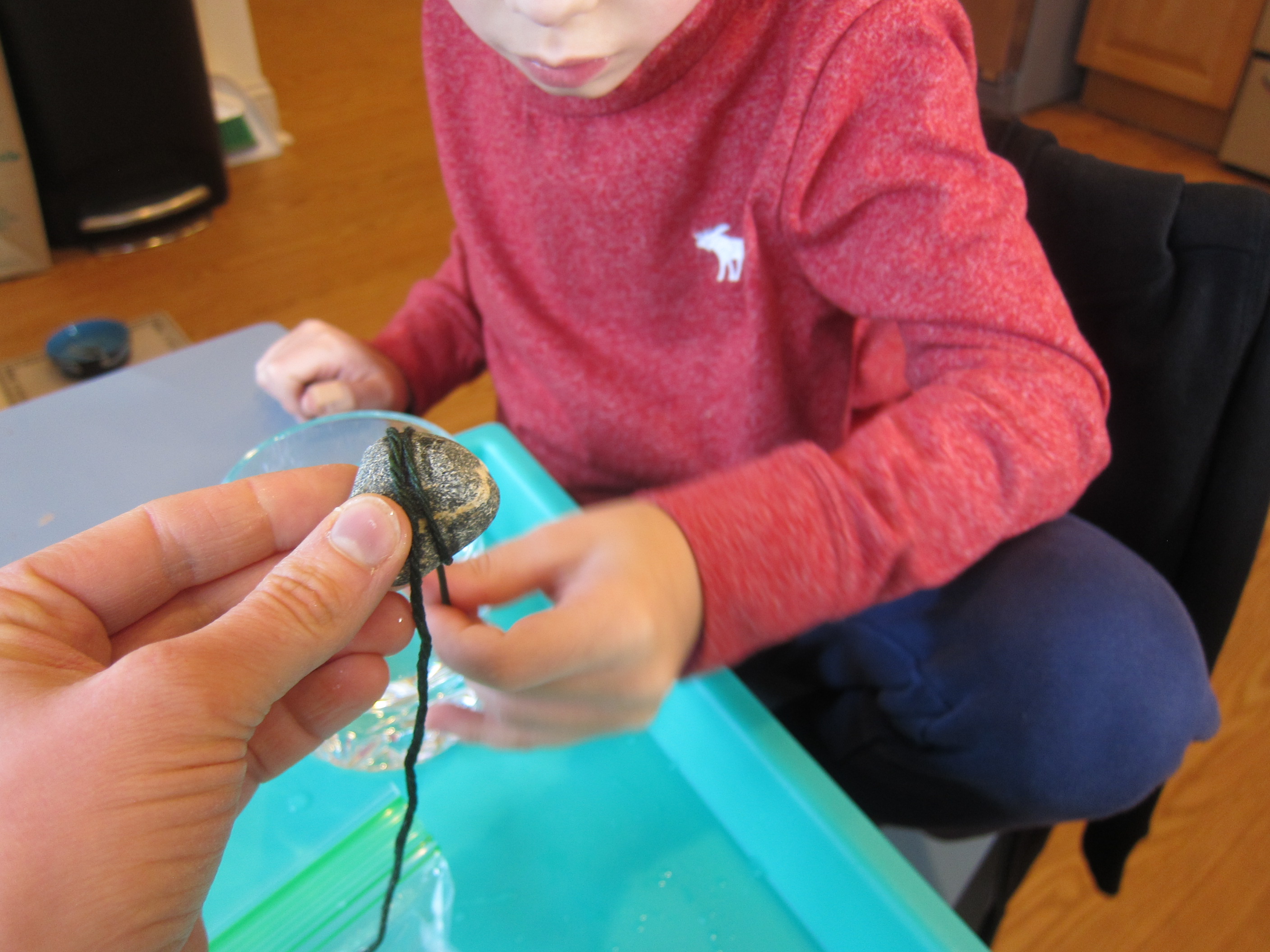
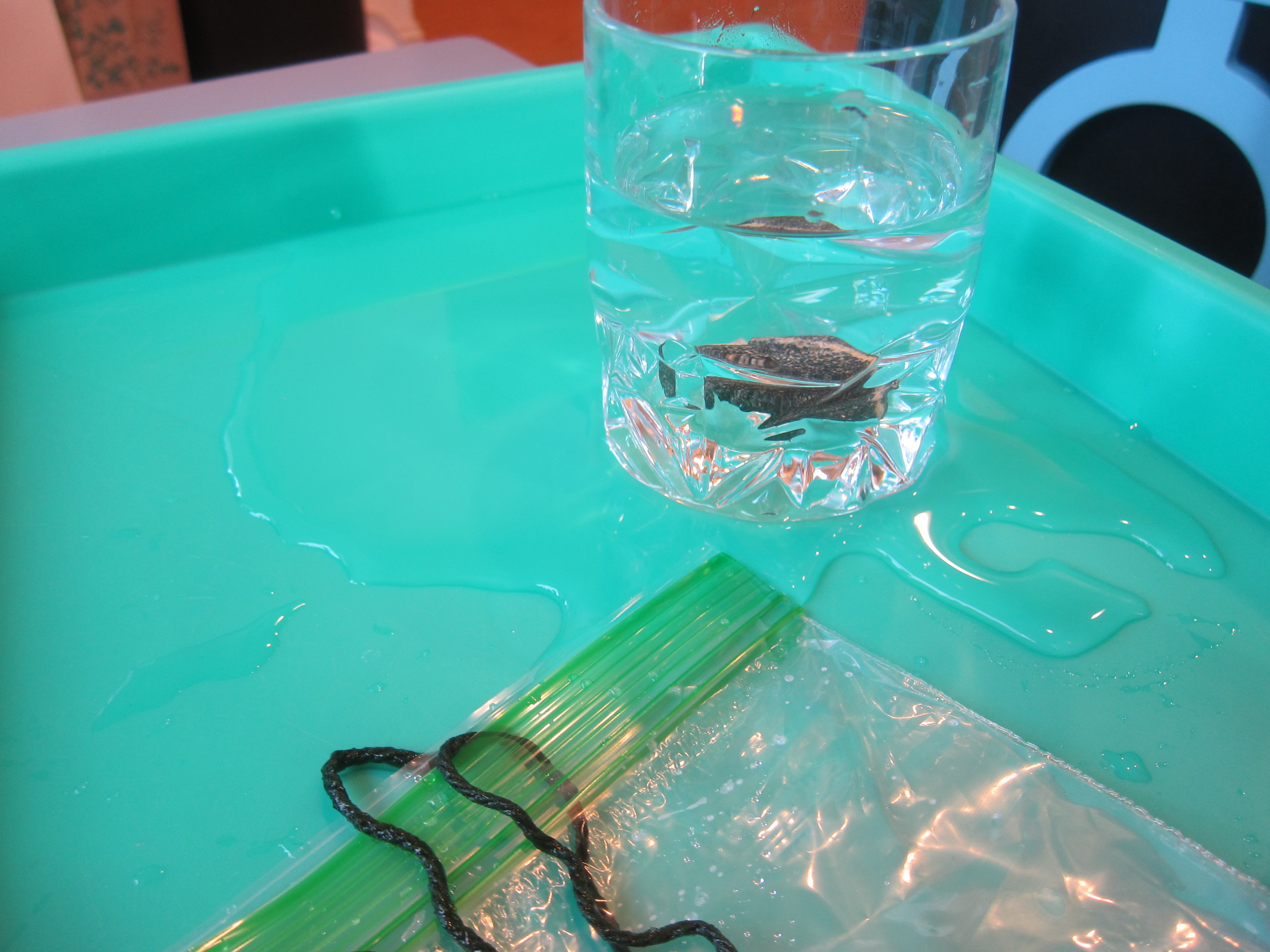
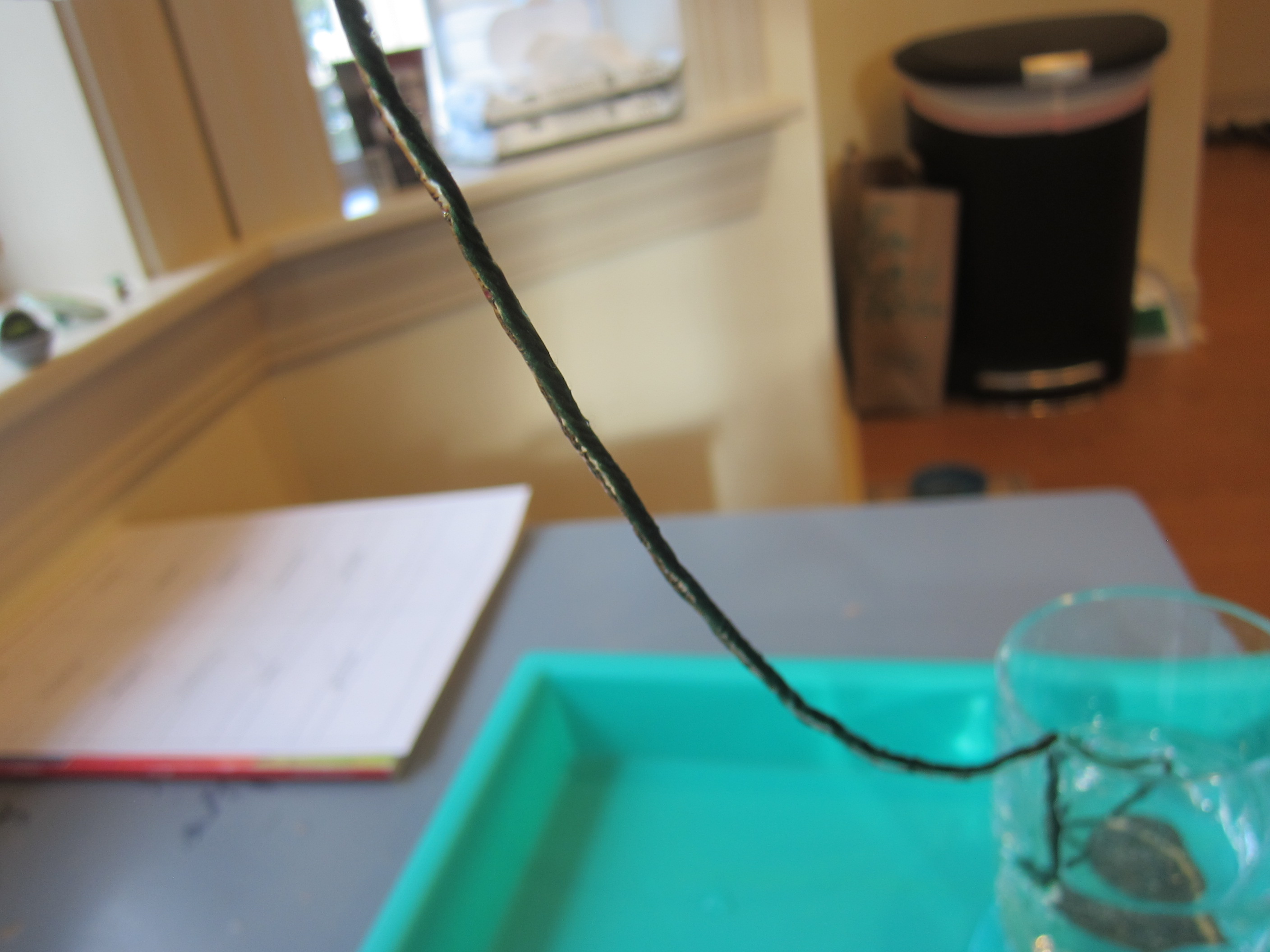
Wrap the opposite end of the yarn around a small rock and place the rock in a glass over a tray (to catch any spills…just in case!).

Water Bag Experiment (3)

Fill the plastic baggie with a little water.
Water Bag Experiment (4)

Now tilt and begin pouring!

Water Bag Experiment (5)

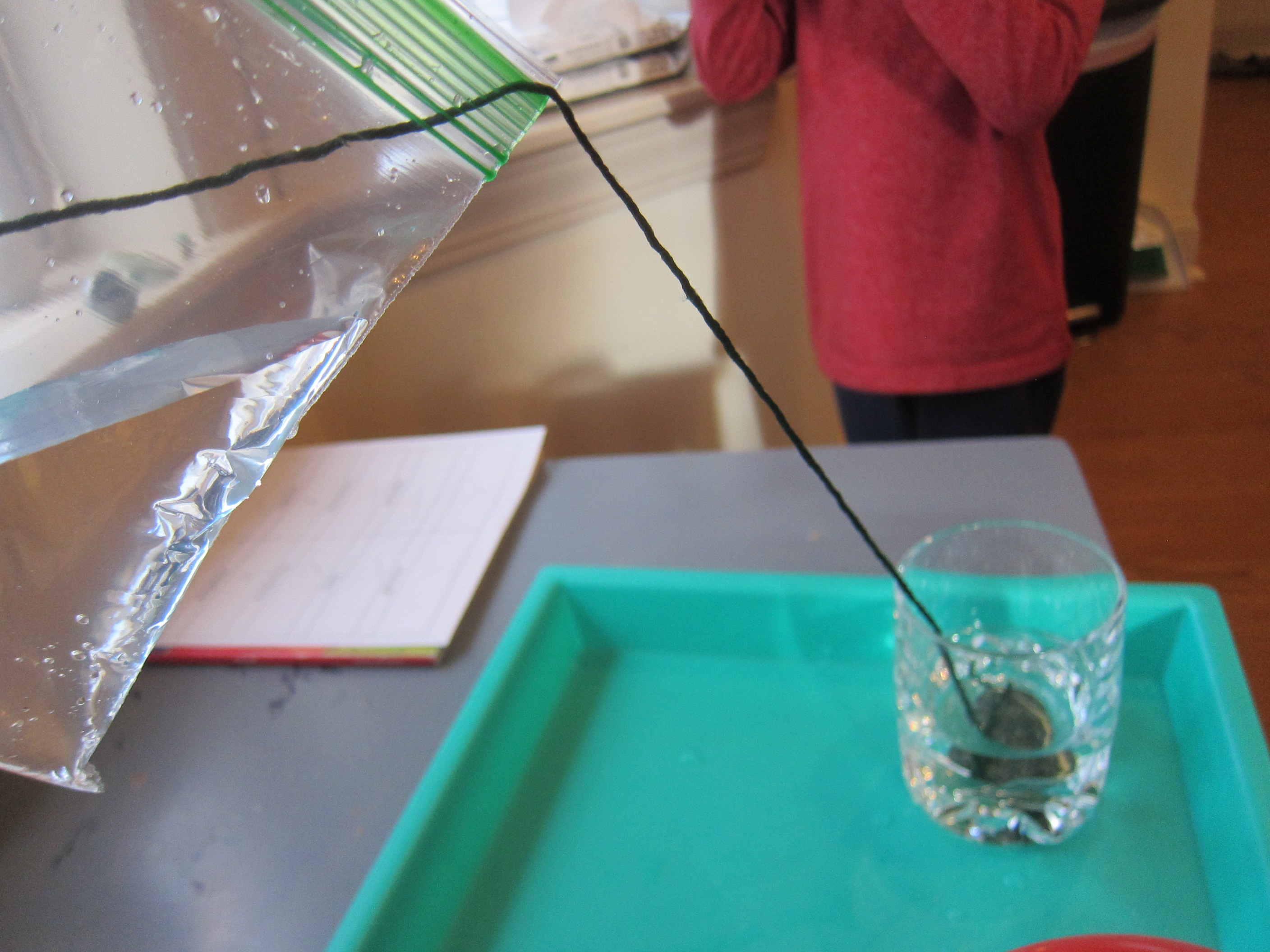
Thanks to surface tension, the water flows directly along the wet yarn into the cup, as long as you keep the yarn taut. Ours wasn’t always exact, so we were glad we had the tray underneath to catch a few inevitable spills. But for the most part we got the experiment to work great.
Water Bag Experiment (8)

This homemade version of the Kiwi Crate suggestion was definitely worth it a second time around.

Water Bag Experiment (6)

Winter Star Sensory Ice

Winter Star Sensory Ice (3)

This ice activity is really just good old-fashioned ice exploration, but with a winter twist to give it the guise of something new!

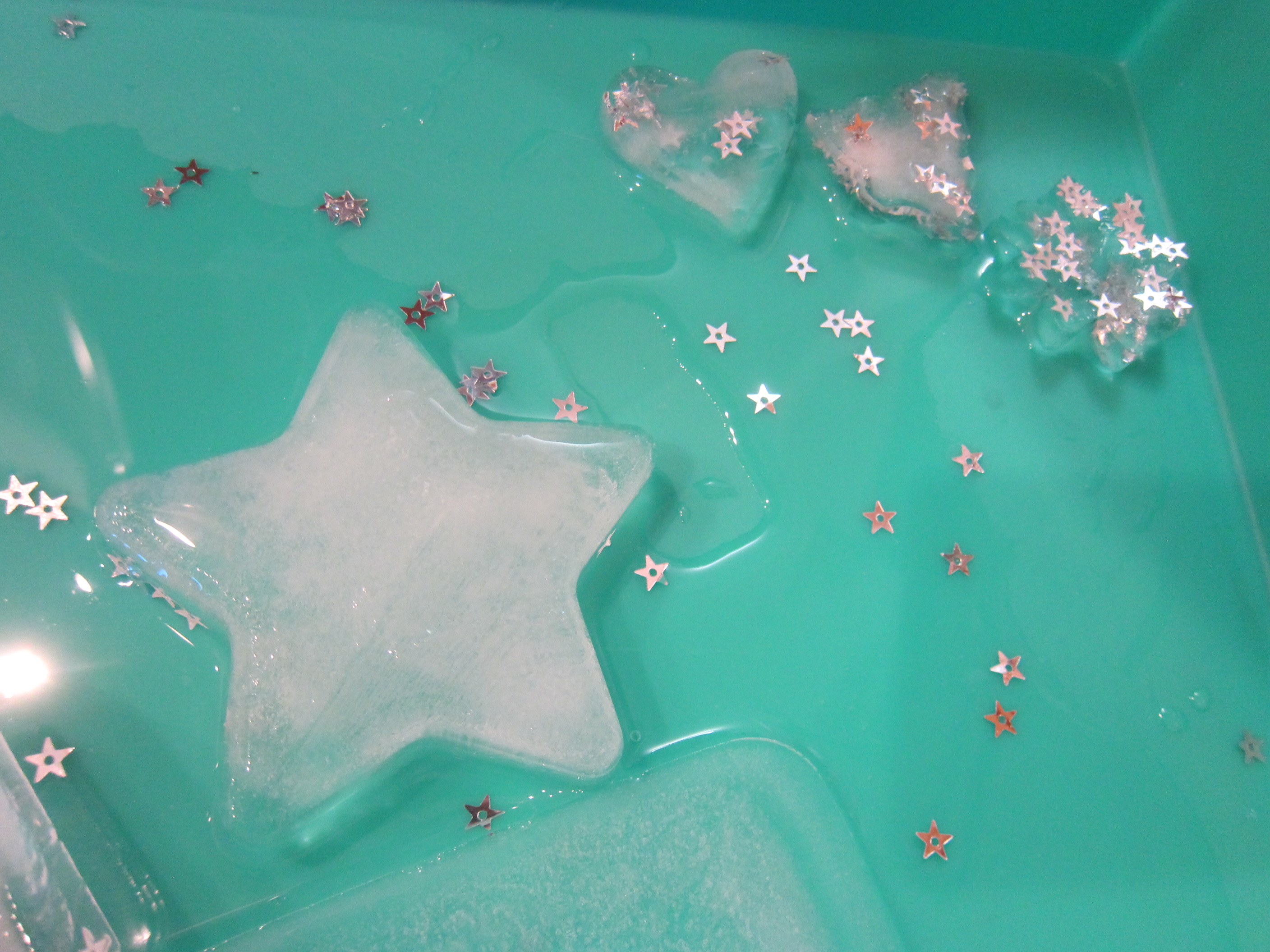
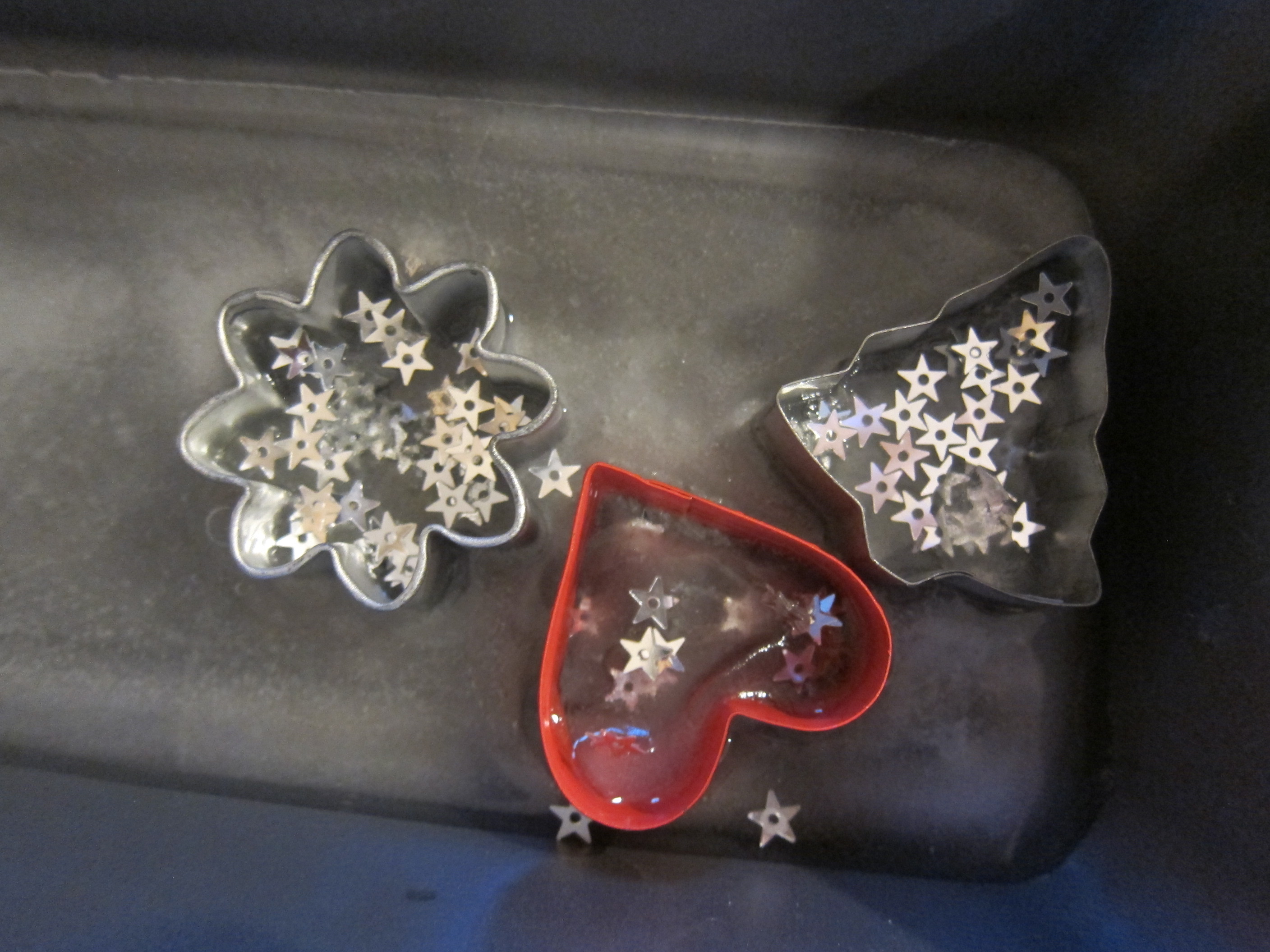
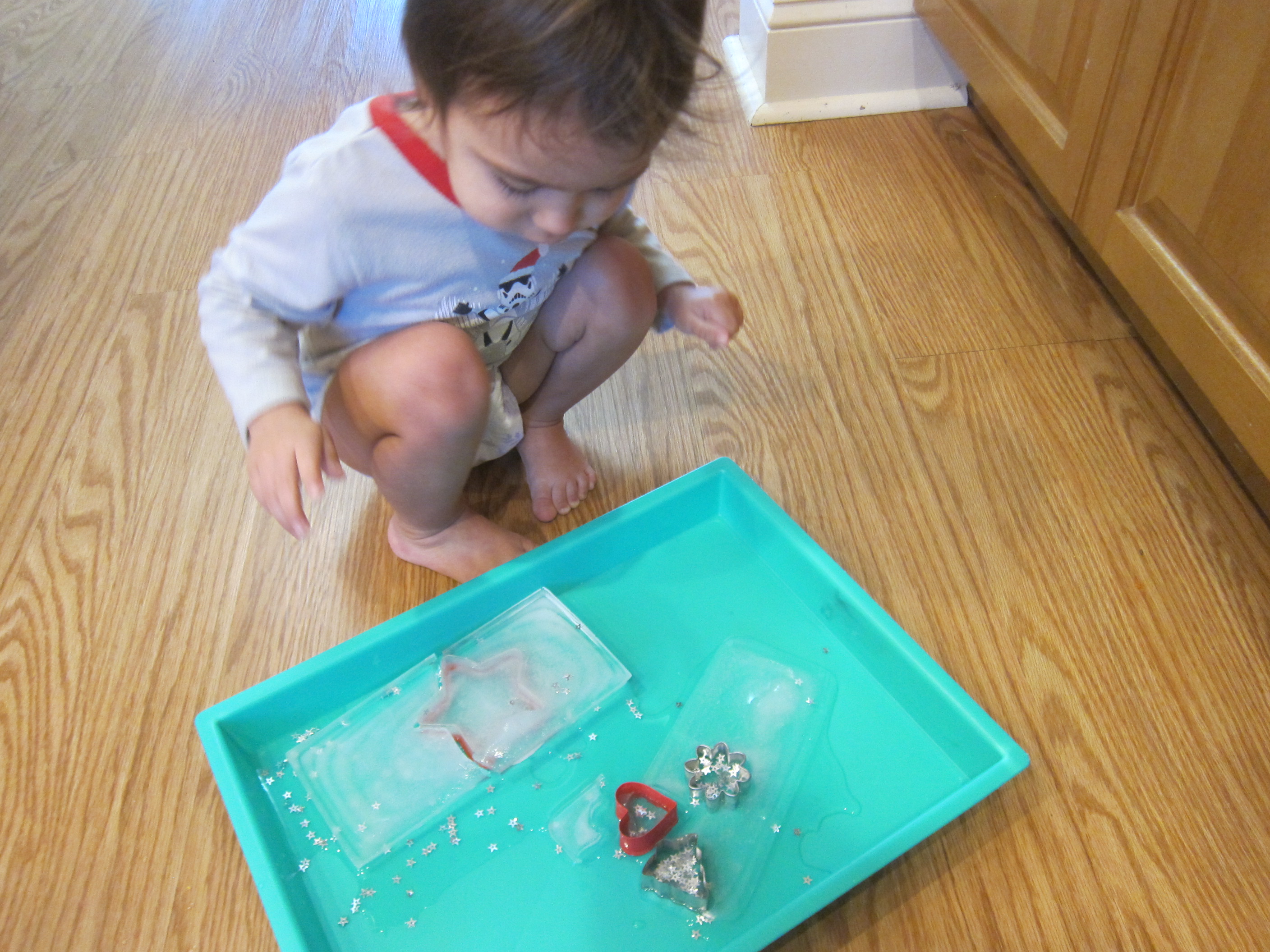
To make our sparkly “winter” ice, ideally use a star or snowflake ice cube mold and freeze overnight. Lacking such a mold, I used winter-themed cookie cutters instead (a pine tree, snowflake, star, and heart). This was a bit trickier because I had to lift the cookie cutters from a larger dish after the water started to freeze, but before the cookie cutters were frozen solid! I also sprinkled star-shaped glitter into the water before freezing for extra winter sparkle.

Winter Star Sensory Ice (1)

When we took the ice out of the freezer the next morning, Veronika was delighted. “It’s a little snowflake!” she said, spotting this shape.

Winter Star Sensory Ice (2)

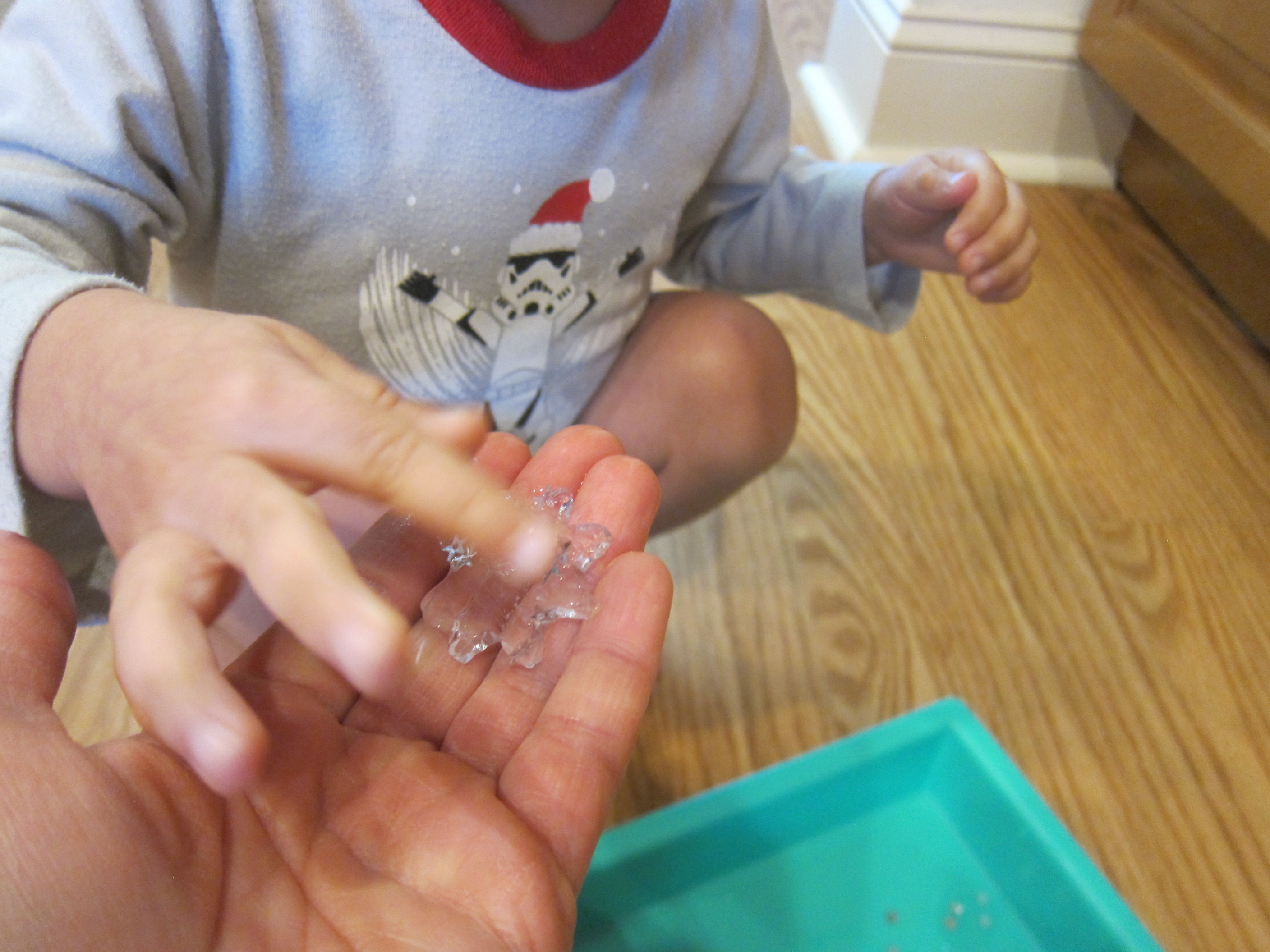
We used our senses to explore them, and she carefully touched her fingers to the ice. “Ooh, that’s cold!” she said.

Winter Star Sensory Ice (6)

Then we placed them in a little dish of water to see what would happen. The small shapes melted almost instantly. Good thing our larger star shape lasted much longer.

Winter Star Sensory Ice (5)

She loved picking this one up and transferring it in and out of the water, testing how cold it was each time.

Winter Star Sensory Ice (8)

This was a fun winter twist on early STEM exploration of liquids vs. solids. With older toddlers, you can delve more into how water can come in three states (solid, liquid, and gas); test sprinkling salt on the ice cubes to melt them faster; or see if the ice shapes melt faster inside or outside.

Winter Star Sensory Ice (4)

Soap-Powered Boat

Soap-Powered Boats (6)

Here was a neat and quick experiment to continue Travis’s recent exploration of surface tension. Or more properly, breaking the bonds that create surface tension!

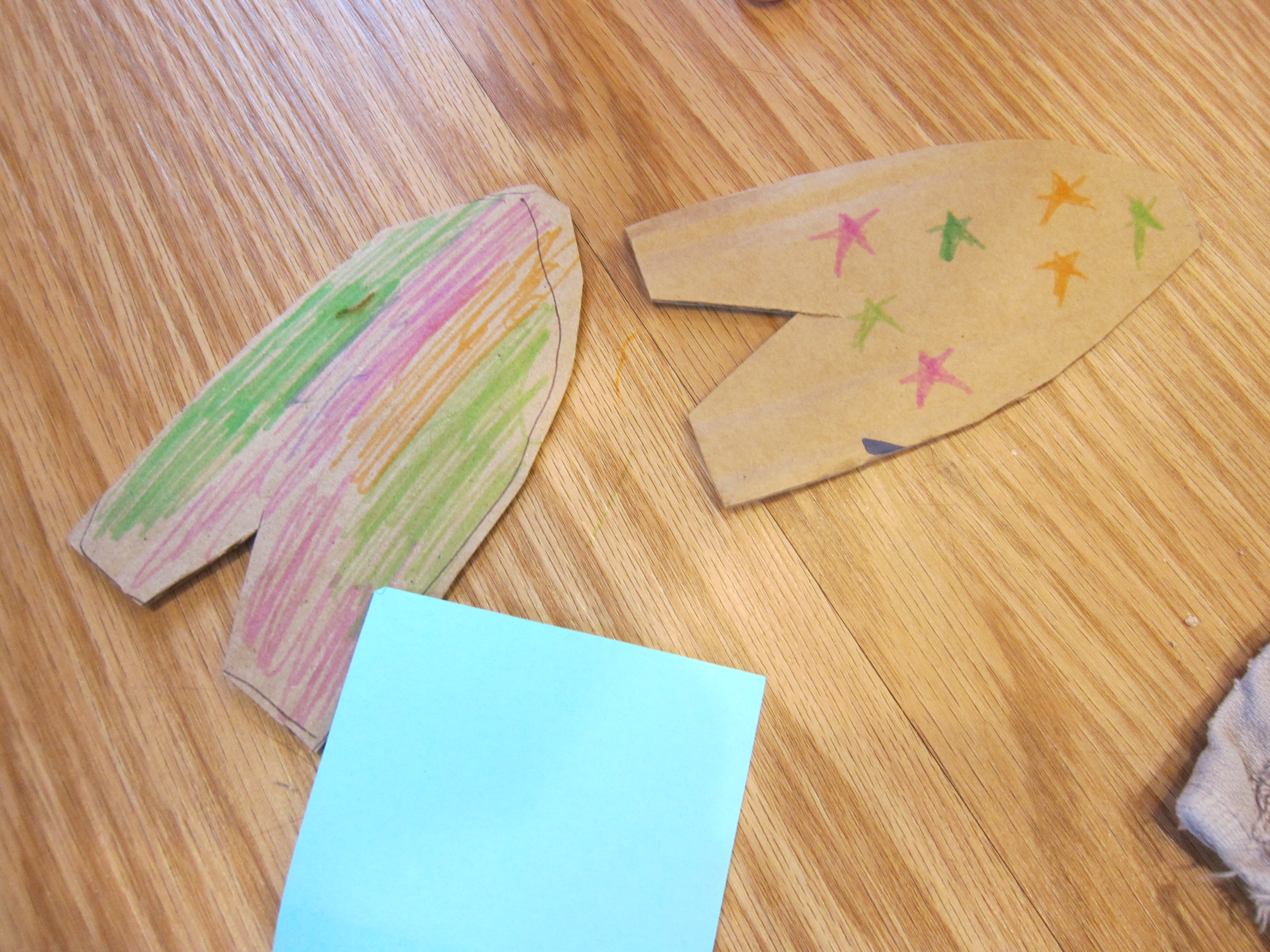
First, we crafted two cardboard boats. Cut boat shapes from old cardboard or the lid of a shoebox, then cut a deep V notch in the back of each.

Soap-Powered Boats (1)

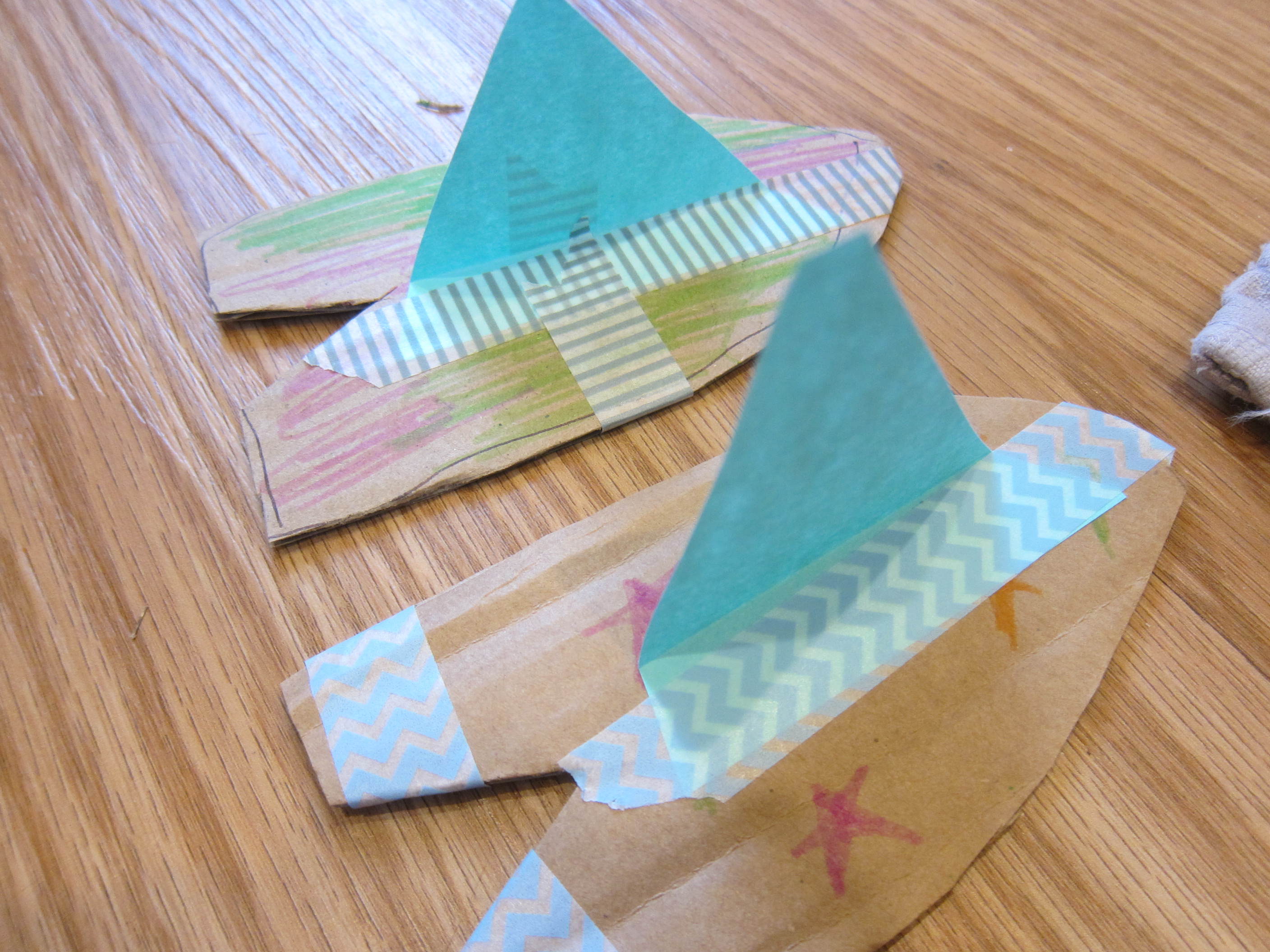
Decorate with any favorite art supplies! We used markers, washi tape, and little triangles cut from paper for sails.

Soap-Powered Boats (2)

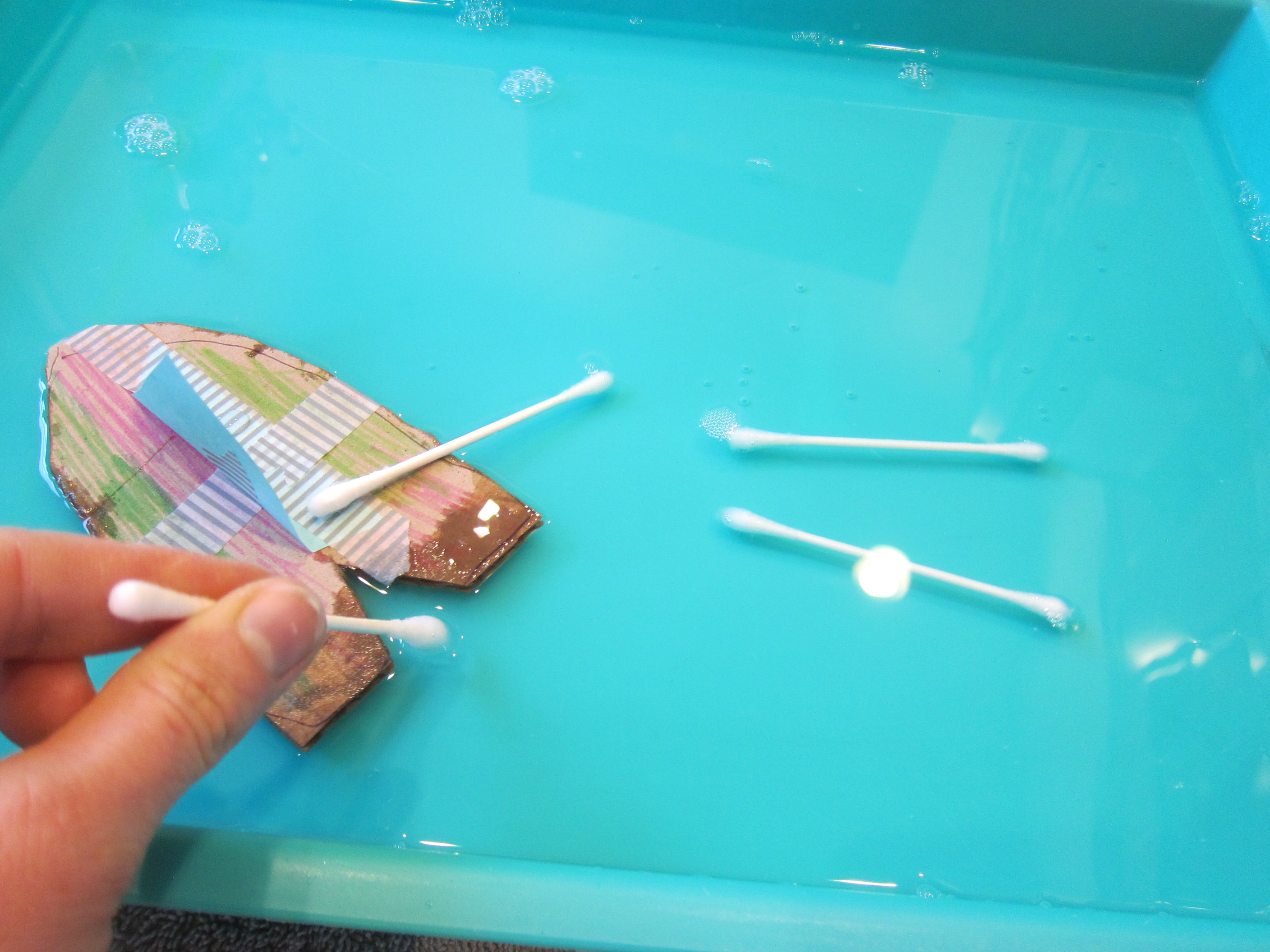
To power your boats, place them in a shallow bin of clean water. Then, dip a q-tip in a little bit of dish soap and touch it right behind the V in the back of the boat. As the surface tension of the water breaks, the boats propel forward!

Soap-Powered Boats (5)

Unfortunately this experiment isn’t easy to do repeatedly. We had hoped to race our two boats, but once the soap hits the water you can’t repeat it unless you dump, fill with clean water, and start all over.

Soap-Powered Boats (4)

But the boats were fun as Lego rafts once the STEM experiment was done!

Soap-Powered Boats (3)

Catching Snowflakes

Catching Snowflakes (4)

We learned about this neat trick for catching snowflakes from Parents magazine and had a chance to test it out today when we looked outside and saw snow flurries!

Ahead of time, place a few sheets of black construction paper in the freezer. Just leave them there if you live some place that’s bound to get snow during the winter, because you’ll want to have them at the ready.

When we saw the snow, we bundled up, grabbed the frozen black paper and a magnifying glass, and headed outside.

Catching Snowflakes (1)

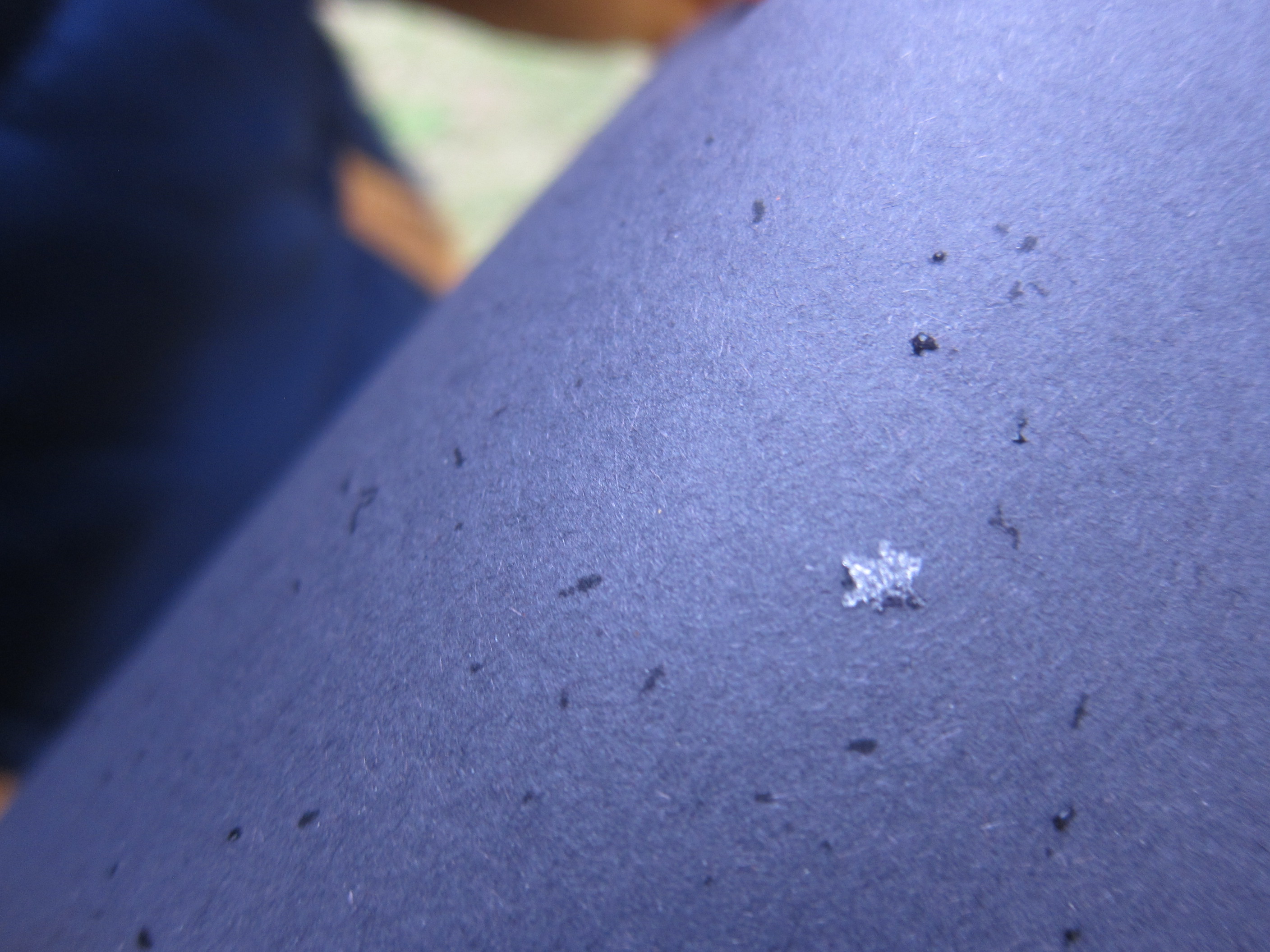
When the snowflakes hit the icy cold paper, they won’t melt. That gave Travis and Veronika the chance to peer at them with a magnifying glass. Travis marveled at how we could see the six points of each flake.

Catching Snowflakes (6)

Veronika just loved the beauty of it, and kept eagerly holding out her paper for more.

Catching Snowflakes (5)

What a simple but wonderful way to experience winter.

Catching Snowflakes (2)

Go, Car, Go!

Go Car Go (2)

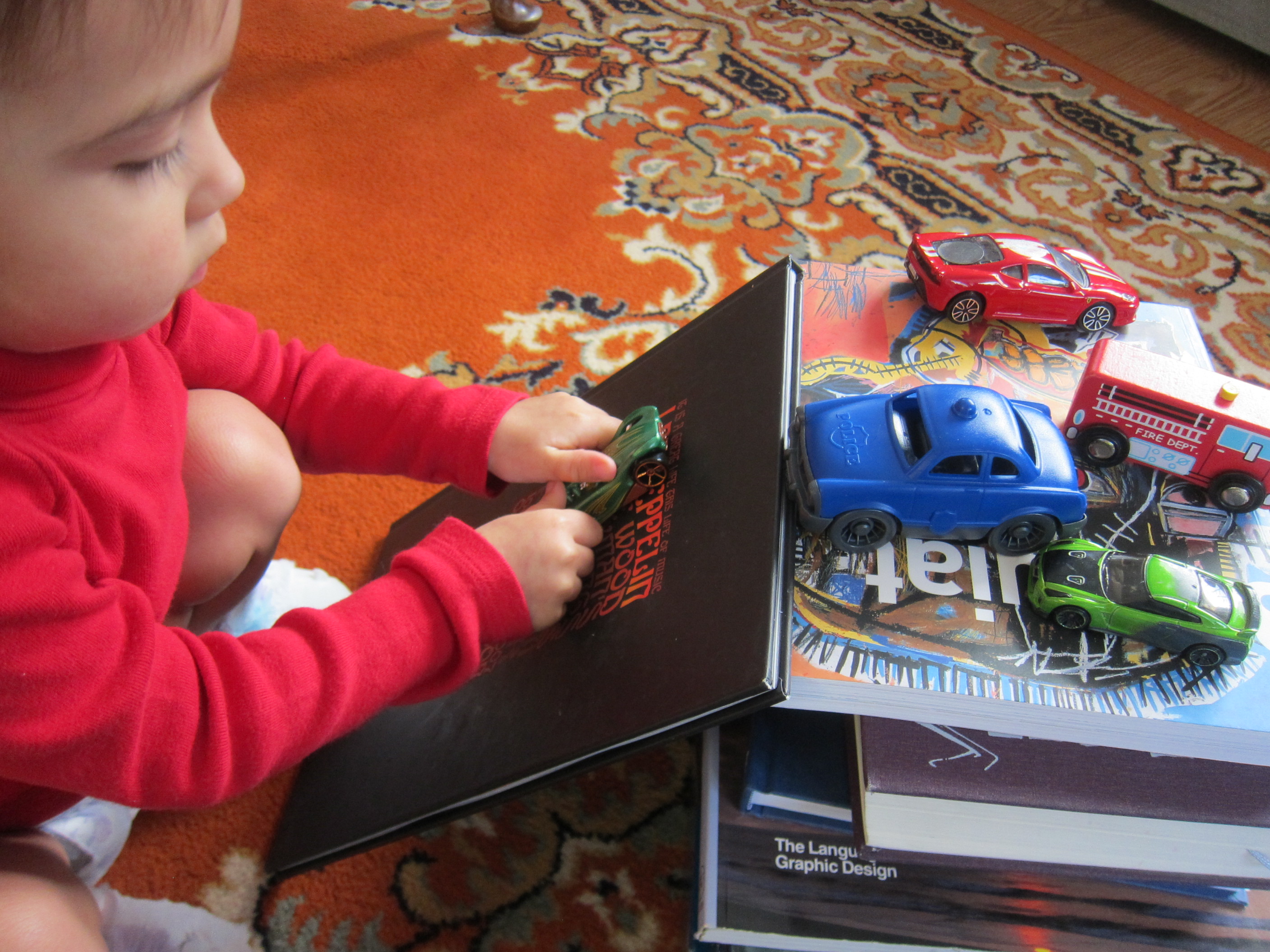
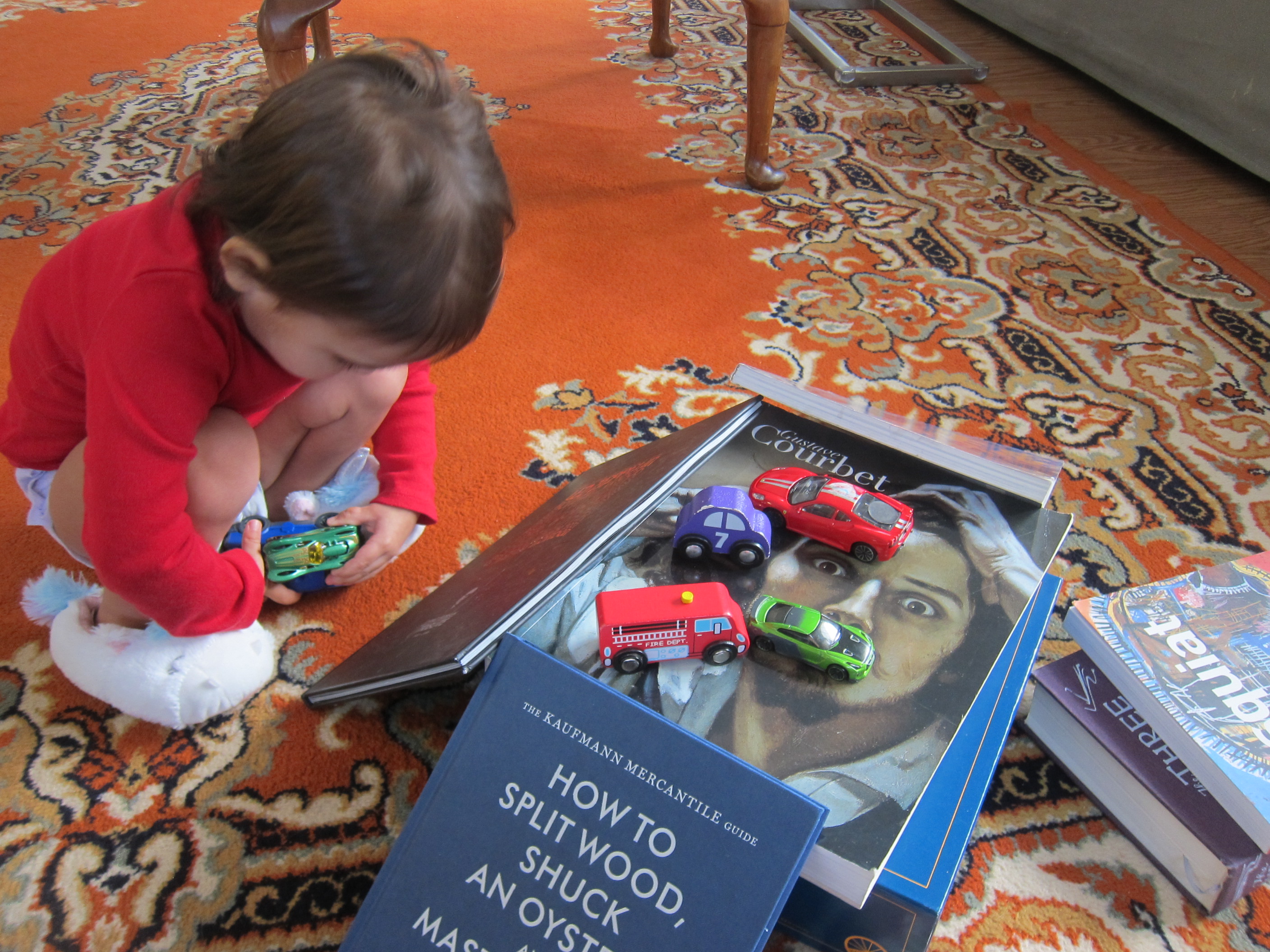
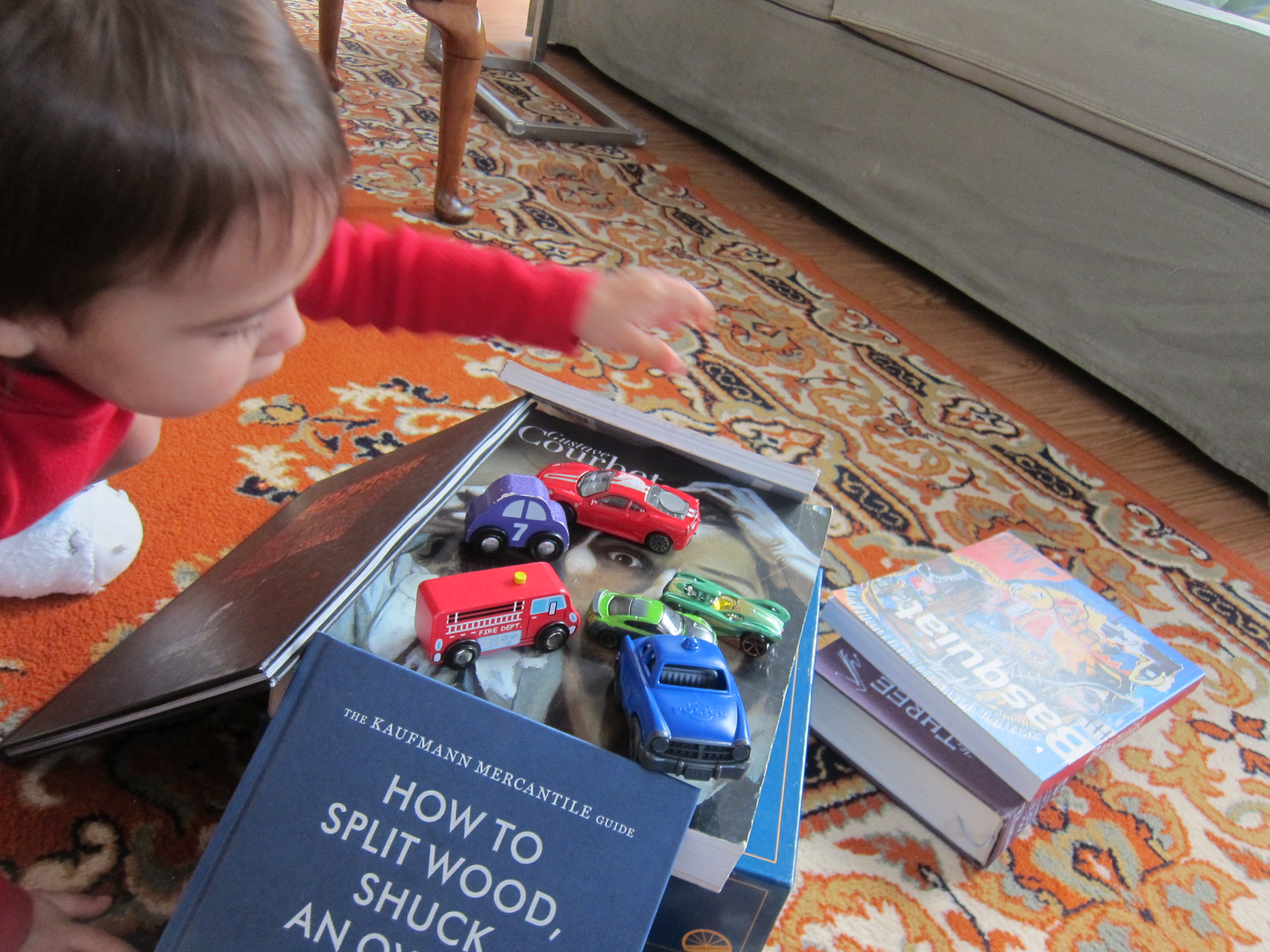
Today seemed ripe for a little cause-and-effect play with Veronika. We built a series of “ramps” out of books or board game boxes for her cars, and then experimented with them in multiple ways!

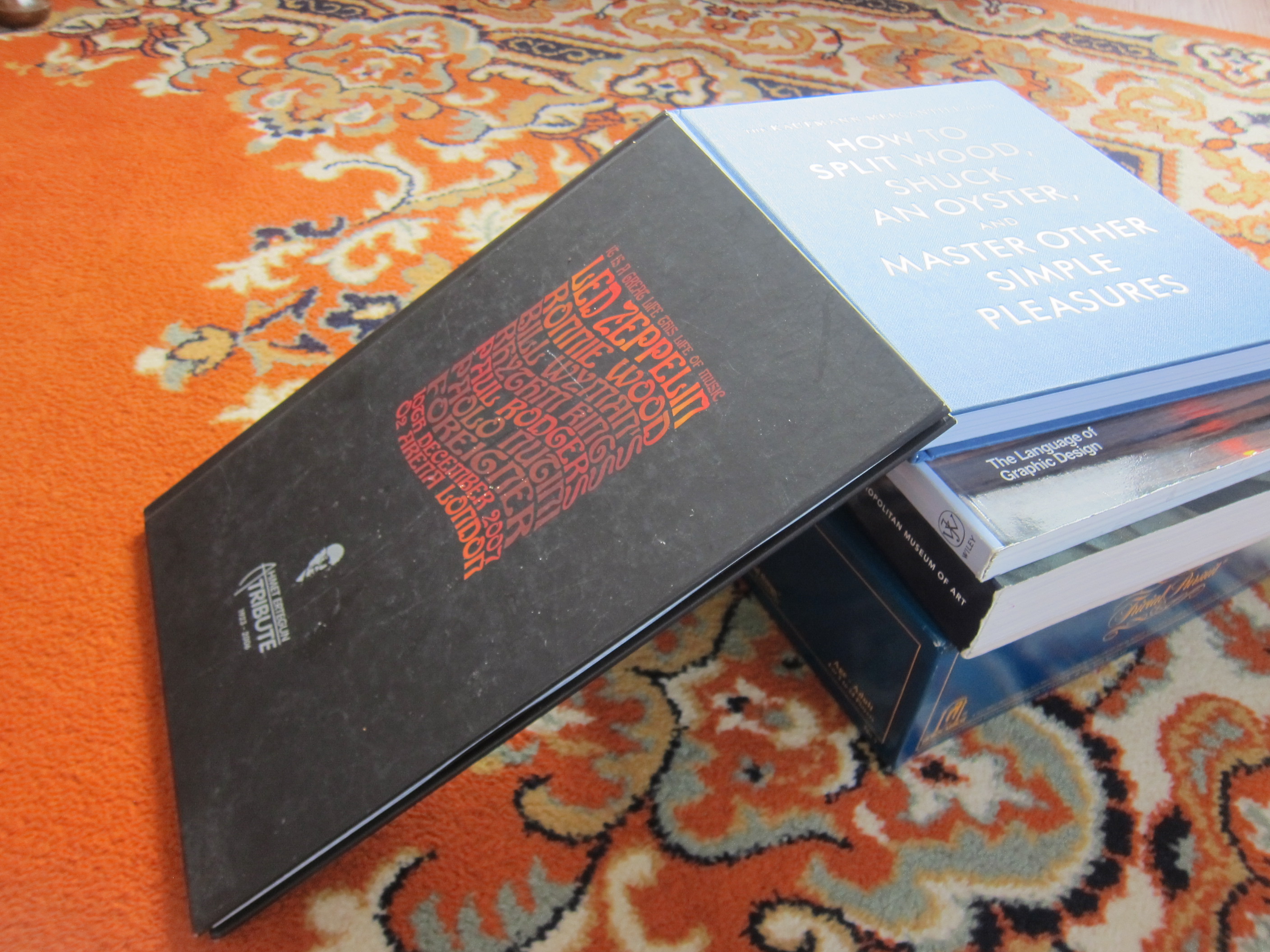
To start, I stacked up a few books and then set one at an angle as a ramp. I aimed for a medium incline with this first round, and showed her how to set a car at the top and give it a push. Gravity does the rest of course!

Go Car Go (1)

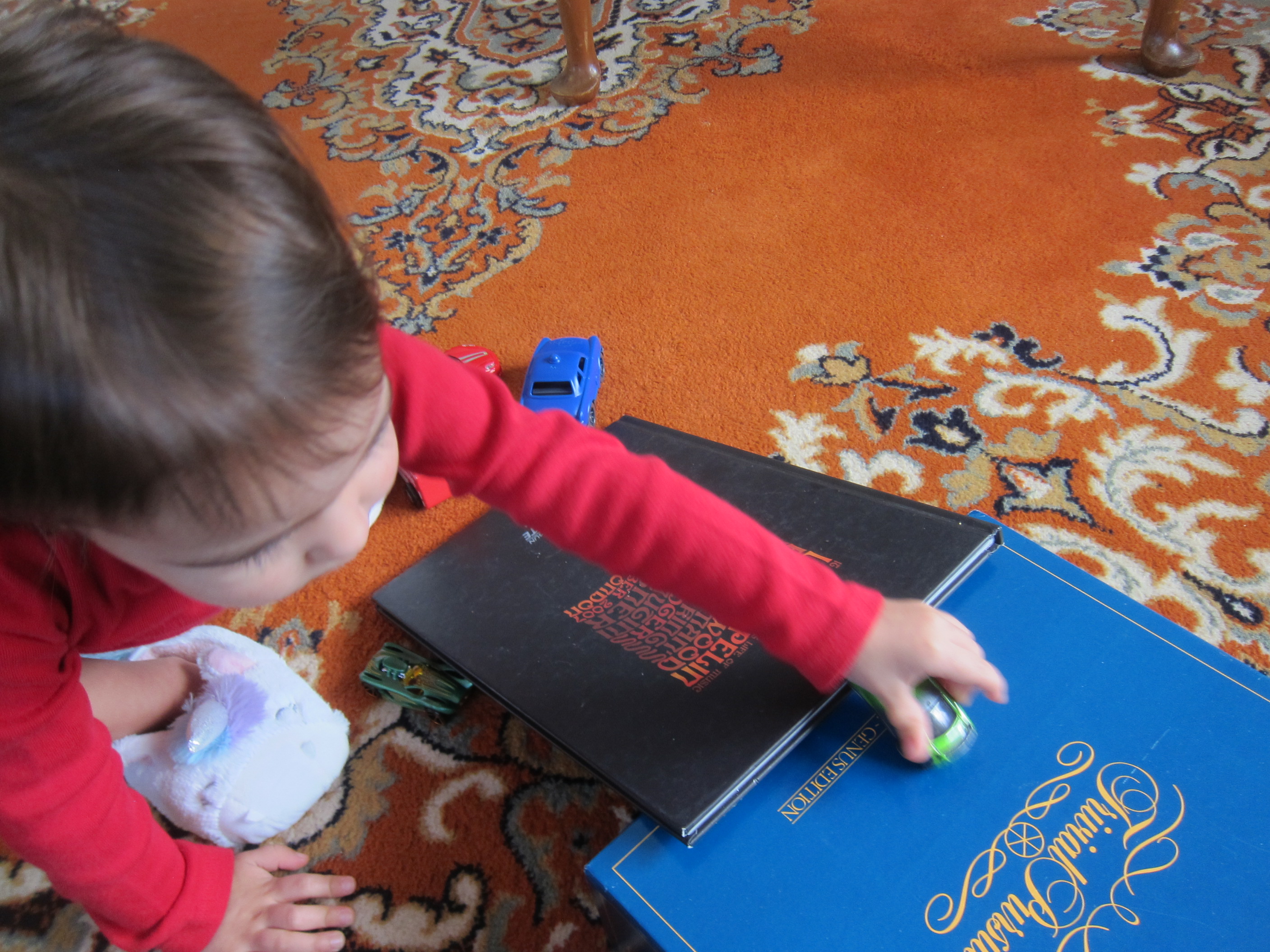
First, she simply experimented with driving the car up and then letting it go. She tended to let go in the middle of the ramp, not the top, but it was great for a toddler effort!

Go Car Go (3)

Now to add a little early STEM to the lesson. What if the stack was very low and our tilted book wasn’t steep at all?

Go Car Go (4)

She seemed more confused by this set-up than anything else, so I quickly changed the slope again. Now we had a really steep incline! She loved when we set two cars at once down the slide and made it a race.

Go Car Go (6)

From here, it turned into more of an engineering project, with a stack of books in the middle and multiple books angling down as ramps from all sides.

Go Car Go (7)

I let her explore any way she wanted, whether driving cars up the ramps, letting them race down, or sometimes just gathering them all near the top in a little parking garage.

Go Car Go (9)

Sink or Float Toys

Sink or Float (2)

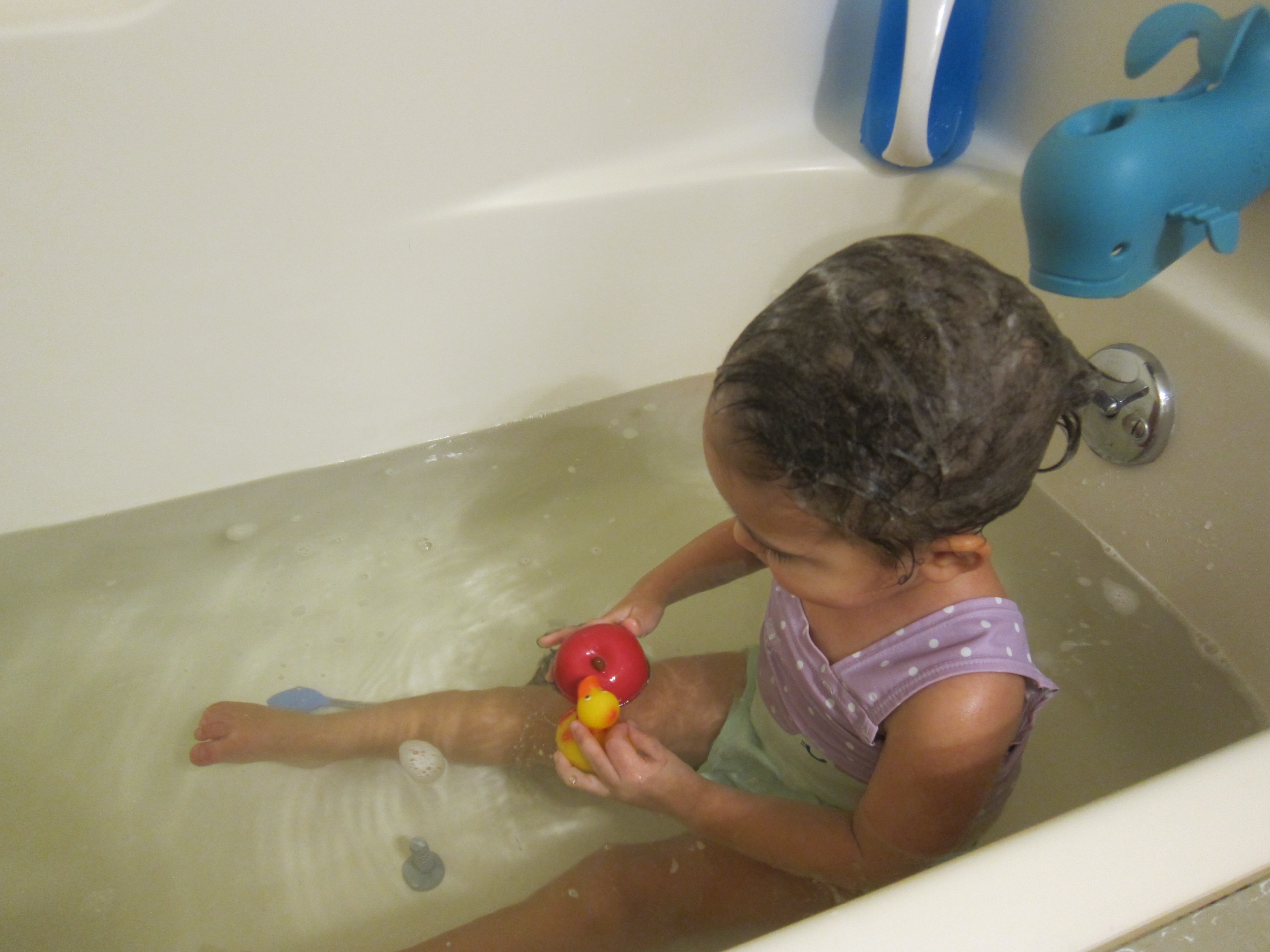
There are many ways to teach the notion of what sinks and what floats to a toddler, but I loved that this one could be done right before bath time without any special materials needed.

I lined up a variety of objects on the side of Veronika’s bath, some I knew would sink (toy cars, a spoon) and others I knew would float (her rubber ducky, toy boats).

Sink or Float (1)

It was up to her to toss them all in from the line-up and see how they landed in the water.

Sink or Float (3)

Some, like a plastic apple or the rubber duck gave a splash and and a bounce before bobbing along on the surface. Others made a big plunk (the car!) and sank to the bottom. We stopped to talk about each of these different ways that the objects had made the water move.

It was the first time I saw a spark in Veronika’s eyes as I repeated the words “sink” and “float” deliberately.

Sink or Float (4)

By the time she was sitting in the tub and playing with all the items, she was using the words in full sentences. “The spoon sinks! The boat floats!” A great first lesson on this everyday scientific concept.

Sink or Float (5)

Surface Tension Kiwi Crate

Kiwi Surface Tension (4)

Travis was delighted with his latest from Kiwi Crate, a kit all about surface tension with truly delightful projects. It turns out that surface tension, the property of water molecules to want to stick to themselves, makes for both science and laughs. Here’s why!

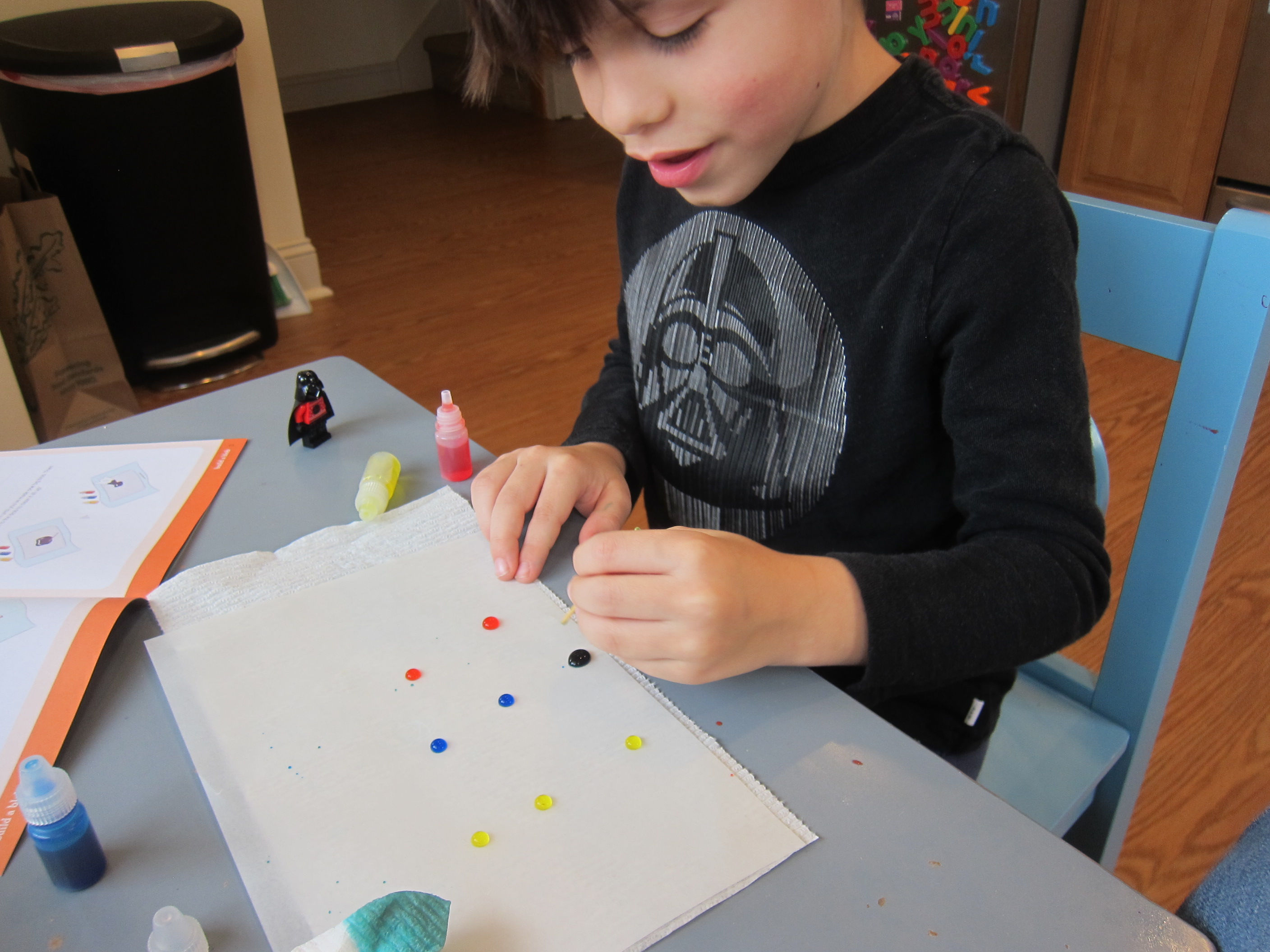
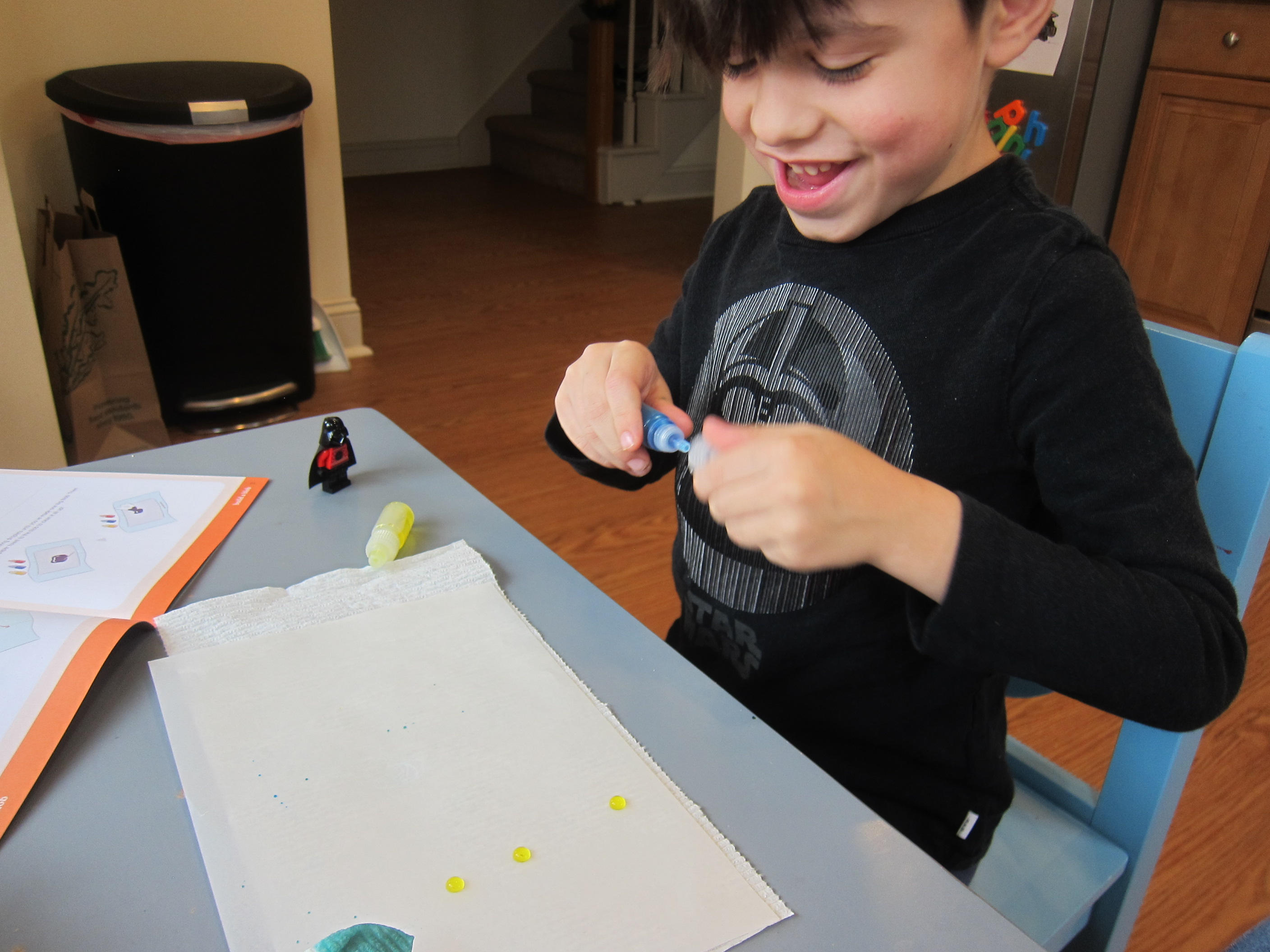
The first experiment was to Build a Blob. Simply squirt three drops of each provided liquid watercolor onto a sheet of wax paper.

Kiwi Surface Tension (1)

Now use the mixing stick to pull them towards each other. The little beads are adorable skittering across the wax paper and then – slurp! They merge. This was entertaining for grown-up and kid alike to watch each time our blob grew bigger, and it had Travis in fits of laughter. When all 9 drops have merged, suck it up with the tip of a paper towel.

Kiwi Surface Tension (2)

Needless to say, Travis needed to repeat until the liquid watercolors were gone, including inventive games of evil empire blobs that were sucking up enemy planets.

Kiwi Surface Tension (5)

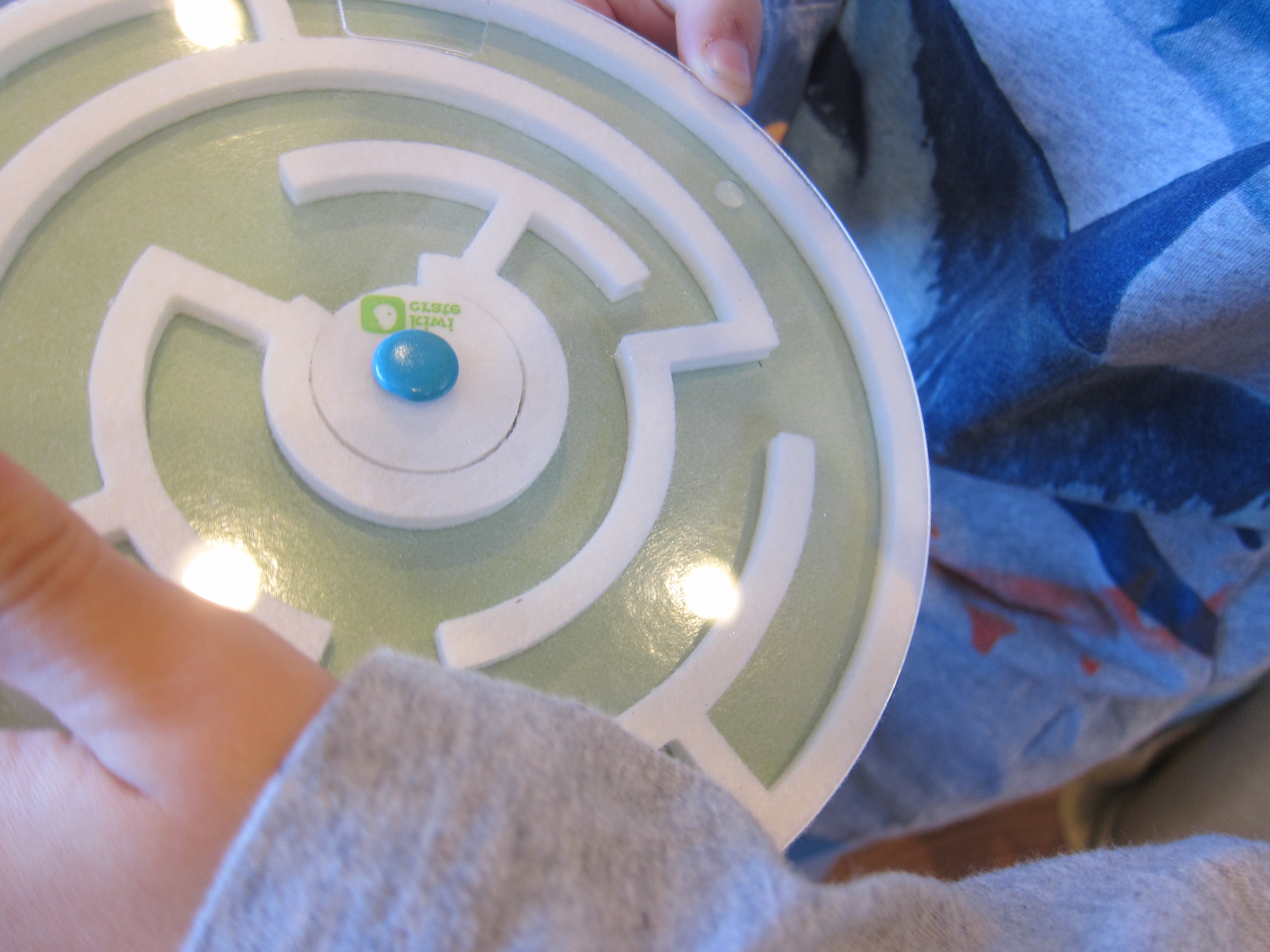
The second experiment was equally a delight, this time a Water Maze. Attach the felt maze outline between a cardboard base and a plastic cover with a brad. Then we filled the provided bottle with water and used the eye dropper to squeeze one little drop through the hole in the cover.

Kiwi Surface Tension (12)

Tilt – carefully! – and the little blob slides along (resisting the material of the base) until it reaches the center. But if we ran into a felt wall…Oh no! The felt slurps it up. This was also an absolute delight, and Travis got so silly with it. We tested big blobs and small blobs, pretended they were running away from the enemy, and more. Could they reach the center before disaster struck?

Kiwi Surface Tension (11)

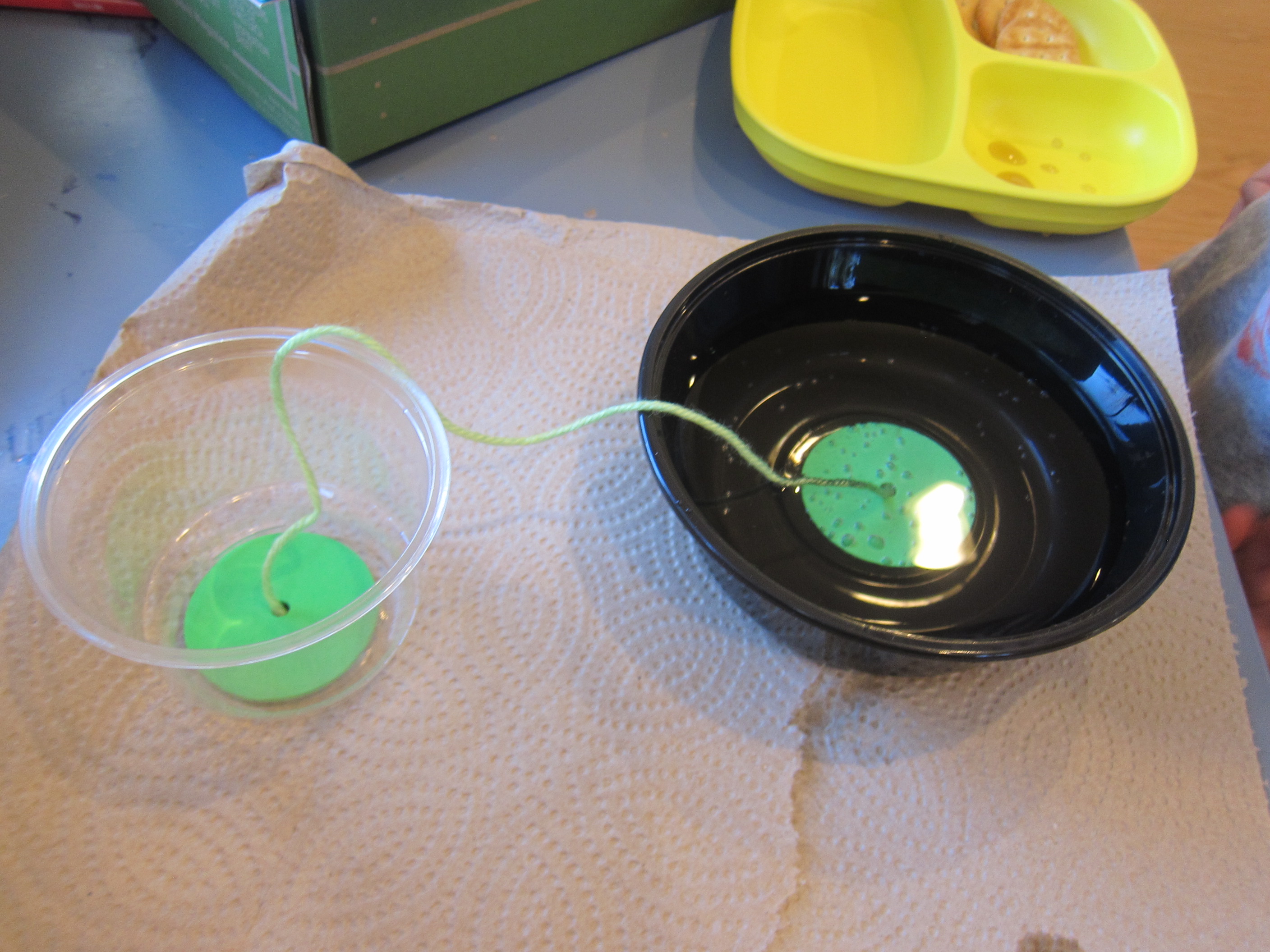
The third project was Sticky Yarn, and had definite ‘wow’ factor. Using two sticky foam donuts, Travis attached the ends of a provided strand of yarn between a bowl and a plastic cup.

Kiwi Surface Tension (14)

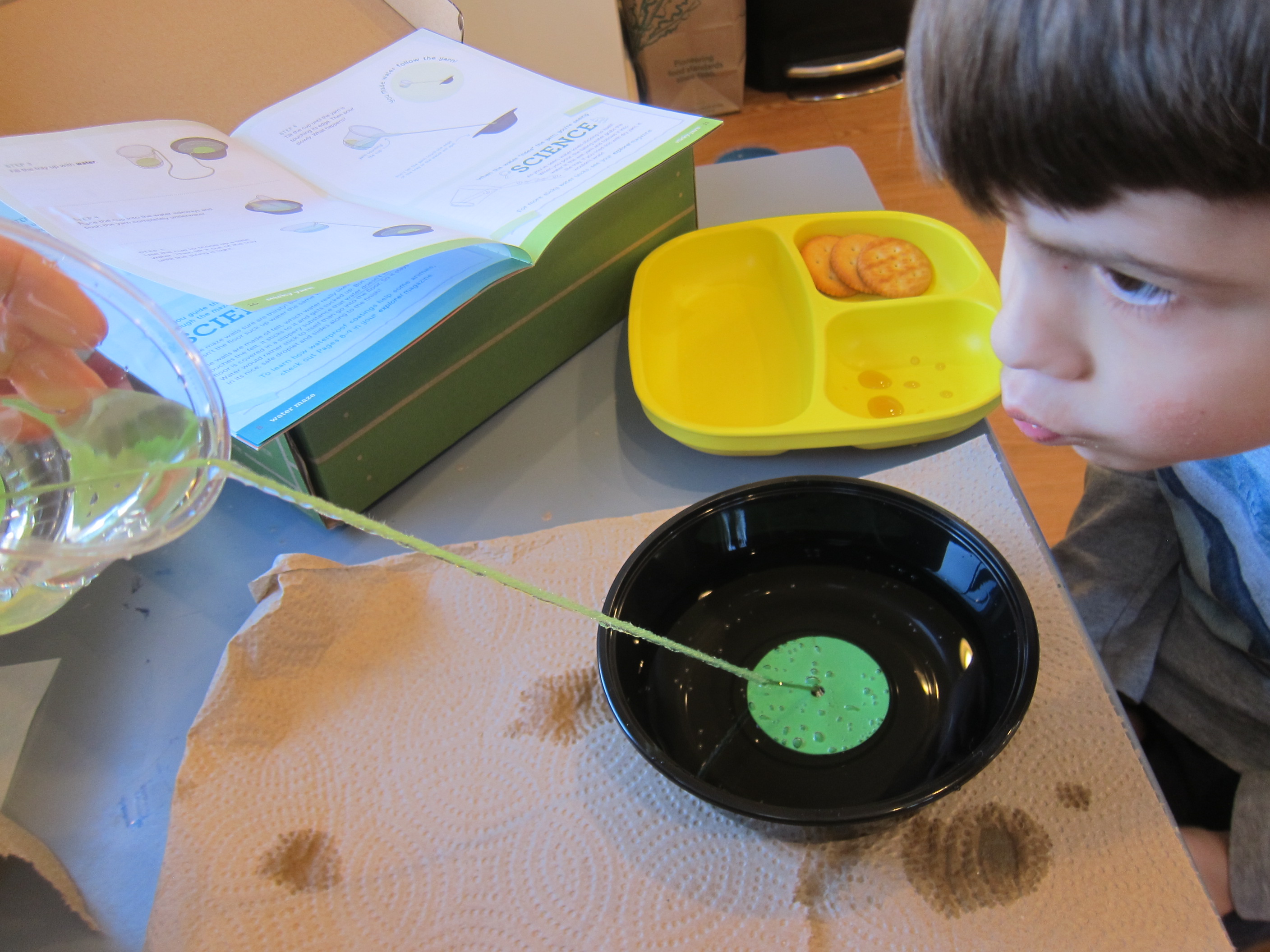
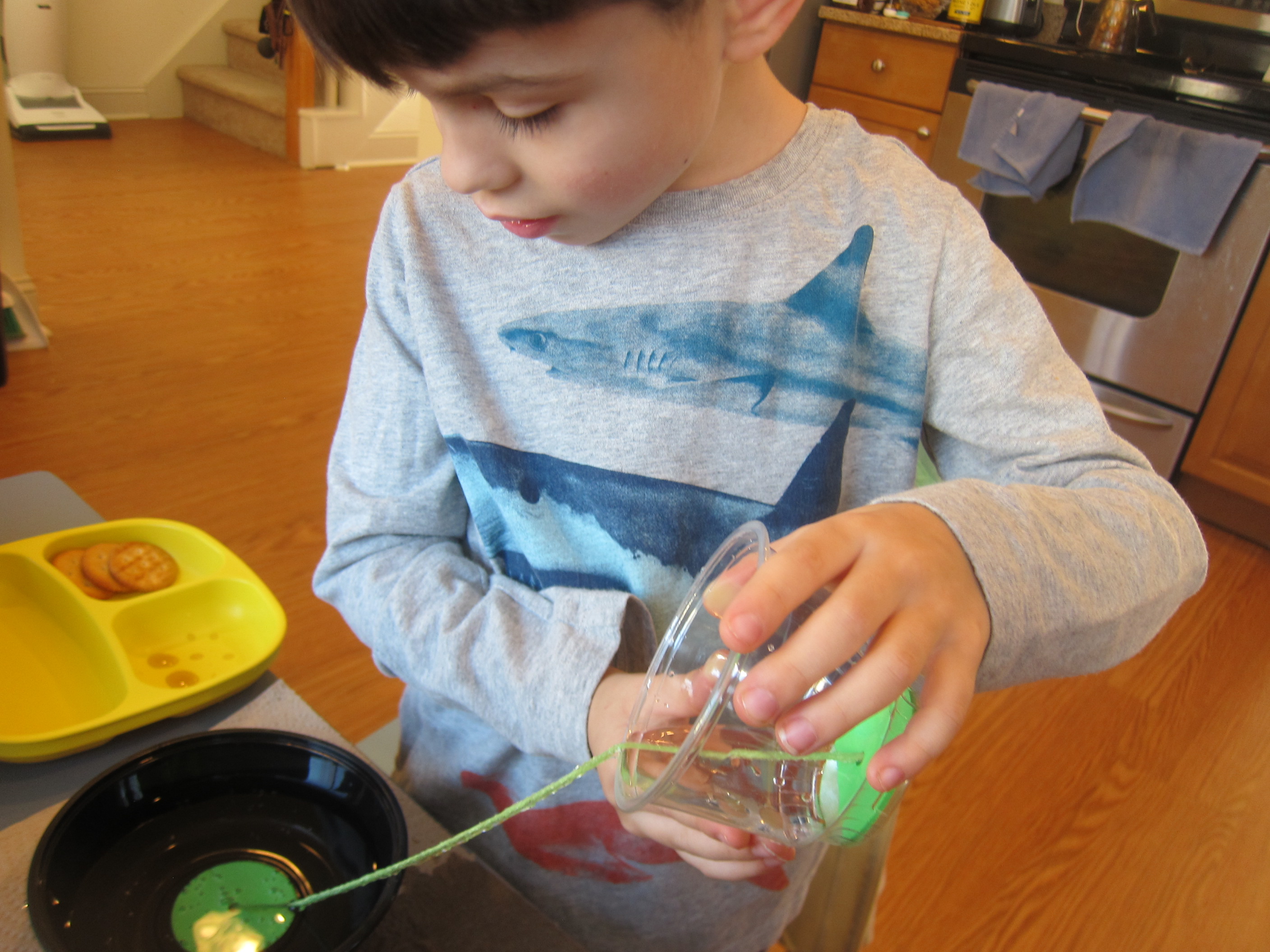
Thoroughly saturate the yarn, then fill the cup with a little water and begin pouring toward the bowl, making sure the yarn is taut. The water “walks” along the yarn, preferring to stick to itself.

Kiwi Surface Tension (15)

Travis quickly learned that if the yarn wasn’t taut or if he poured too quickly, the water would spill down. Slow and steady won the race, and it was so fun to watch!

Kiwi Surface Tension (16)

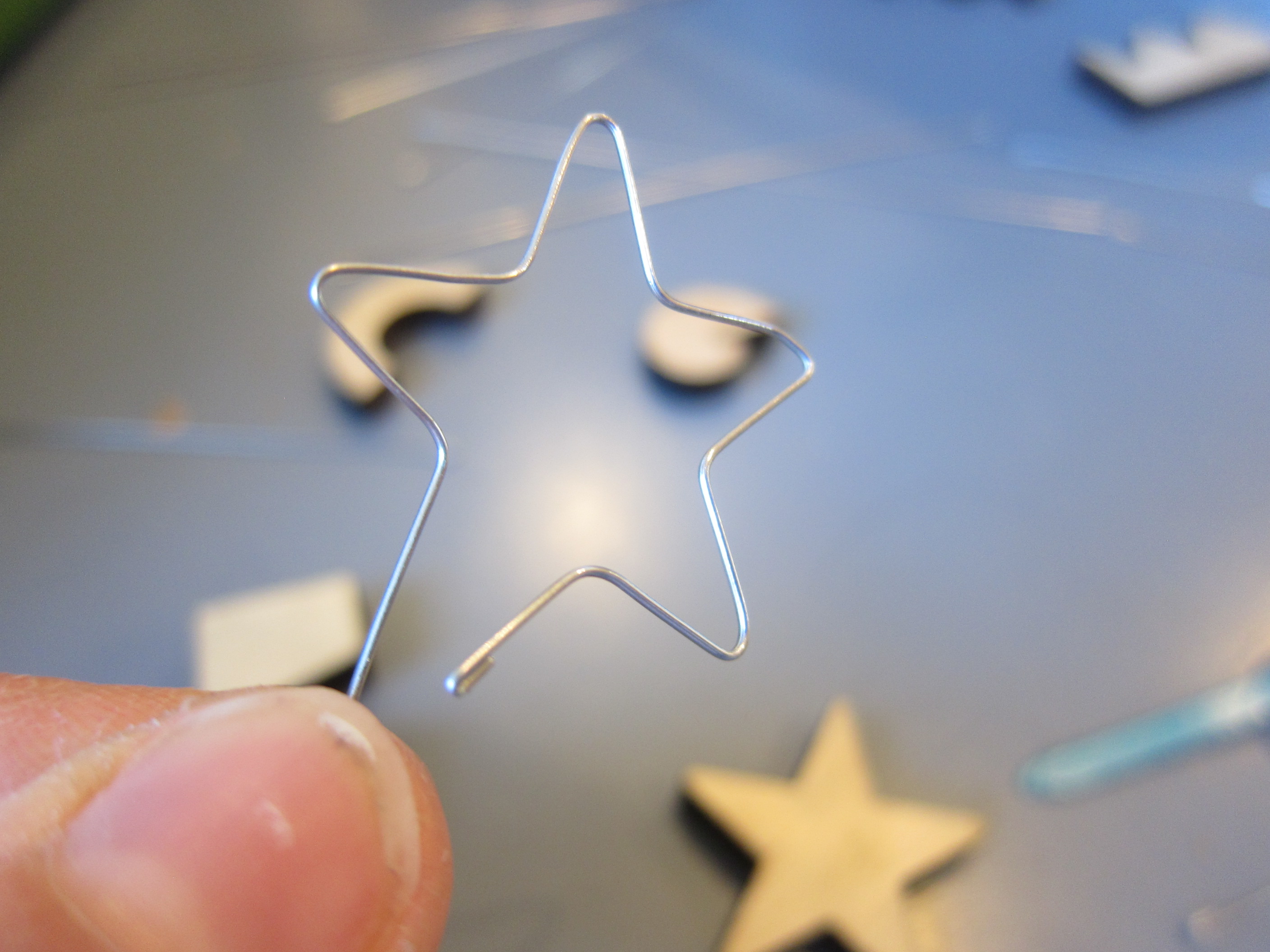
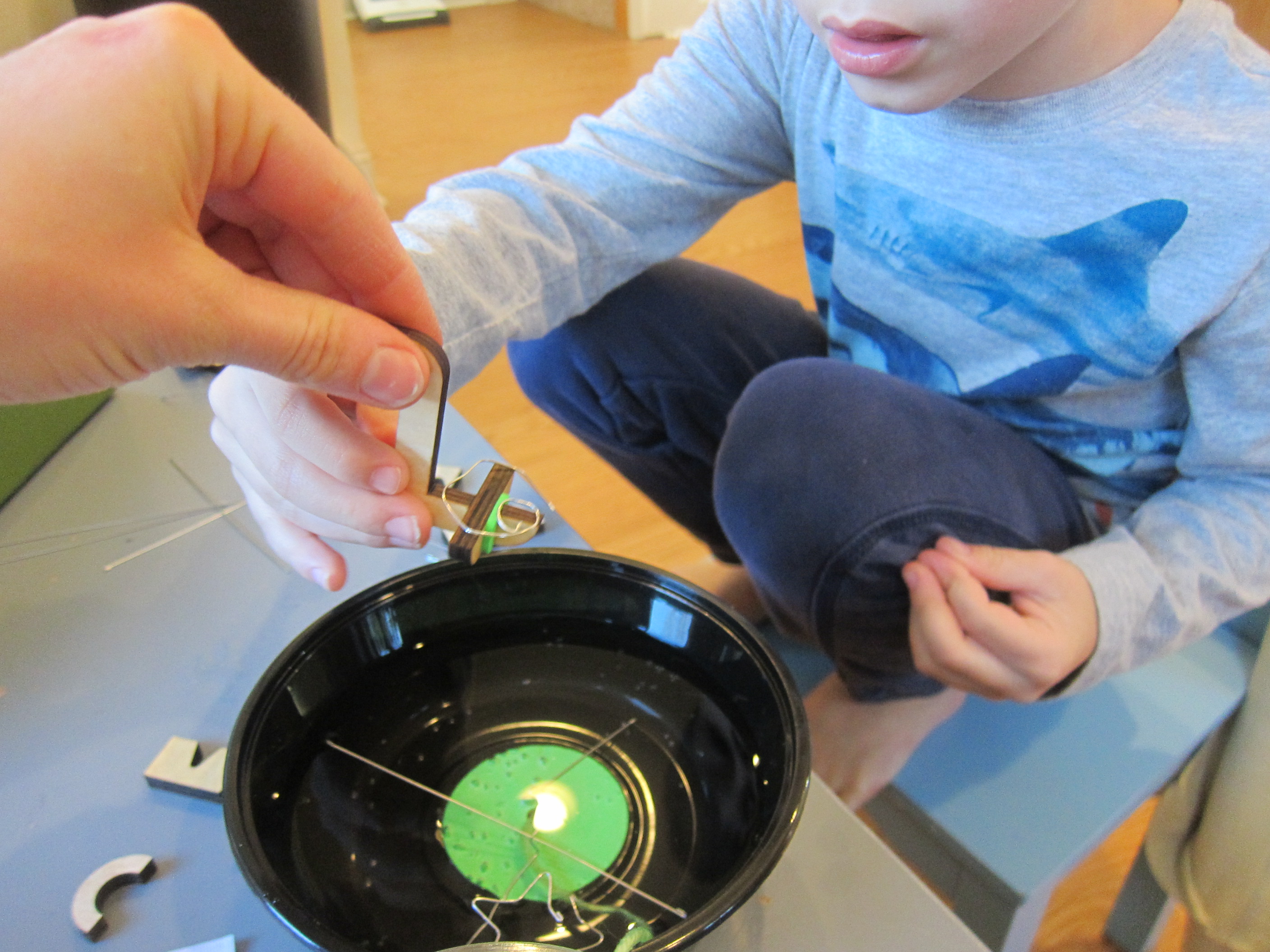
Finally, it was time to make a Water Strider, a lesson about real-life creatures like this insect that manage to not break surface tension. First we experimented with the provided wires using the provided molds to bend them into waves…

Kiwi Surface Tension (17)

…or even stars!

Kiwi Surface Tension (19)

He practiced lowering these into the bowl of water with the provided wooden dipper so they rest on the water and don’t sink.

Kiwi Surface Tension (20)

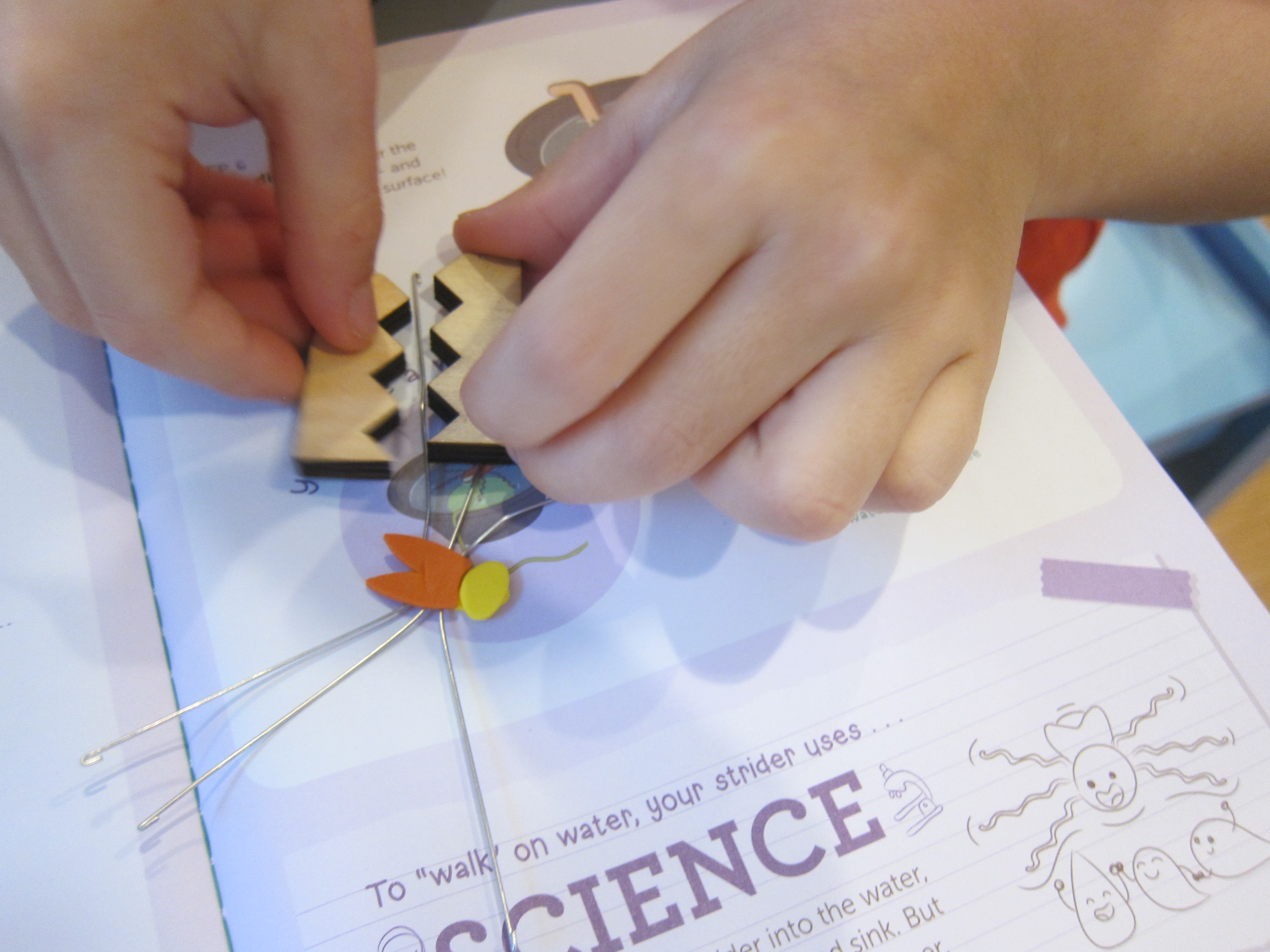
Making the little “water strider” required very deft finger work, pinching three wires between two tiny bits of sticky foam. Travis crimped the legs with the wooden presses and then we lowered it down into the water bowl with the dipper.

Kiwi Surface Tension (22)

The bug walked on water all right! Travis tested out pressing on it with a finger to make sure we were really seeing surface tension at play, and at that point the bug sinks.

Kiwi Surface Tension (25)

There were a couple quick experiments in his Explore magazine for further fun. First we tried The Unspillable Bottle, an old activity that failed for us in the past, but today we got it right! Place mesh netting from an onion bag over the top of an empty water bottle and secure with a rubber band.

Kiwi Surface Tension (28)

Now fill the bottle with water. Place an index card over the top and flip the bottle over. Slowly remove the index card… and the bottle won’t leak!

Kiwi Surface Tension (29)

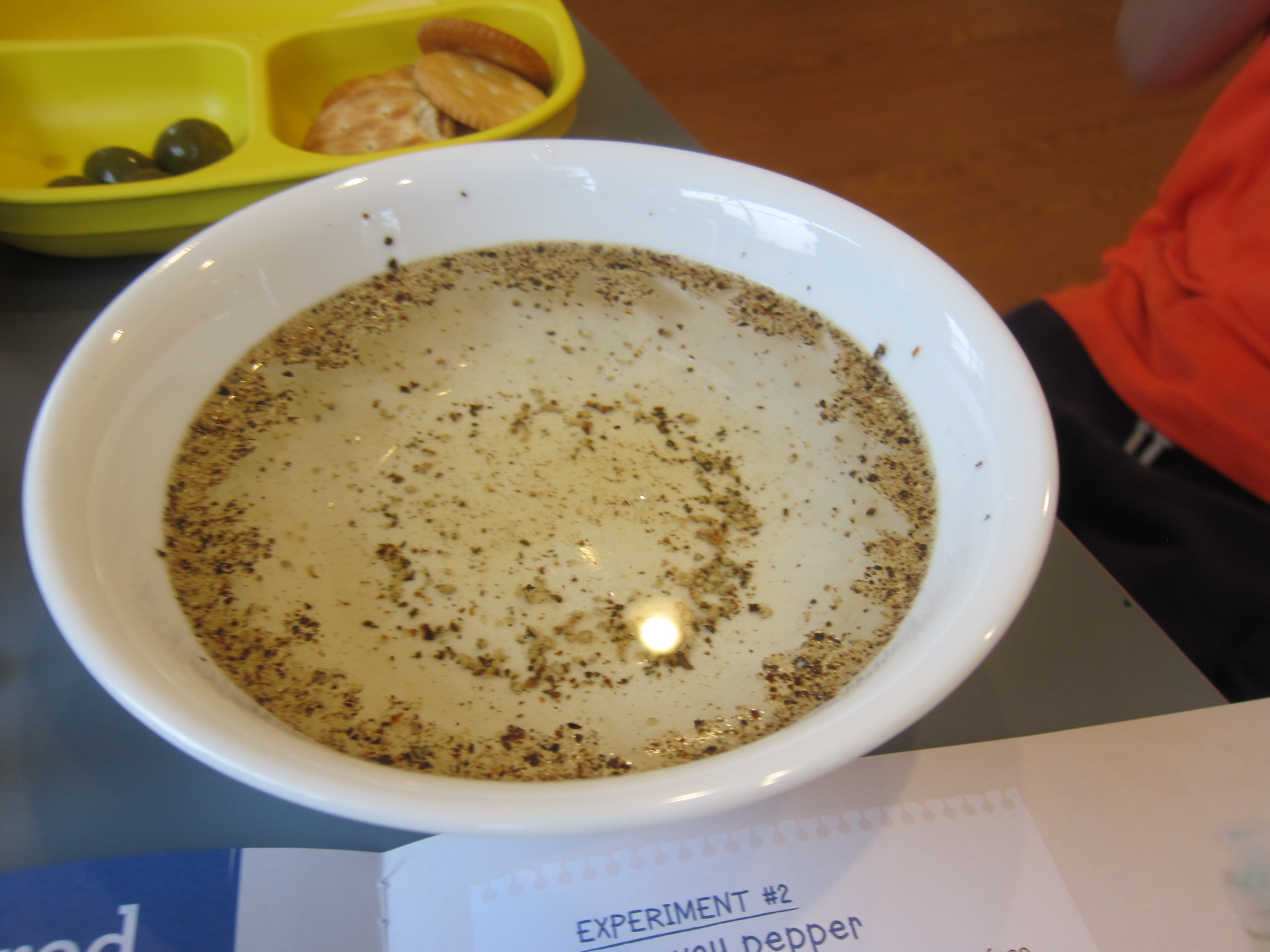
Travis loved the Runaway Pepper experiment the followed. Simply crank your pepper mill a few times over a bowl of water, then add one drop of dish soap in the middle.

Kiwi Surface Tension (27)

The pepper runs away! We leave you with this clip of it in action:

Cheesy Soup Skimmers

Cheesy Soup Skimmers (3)

This quick kid-friendly cooking project makes a tasty lunch and has a little science lesson thrown in, too!

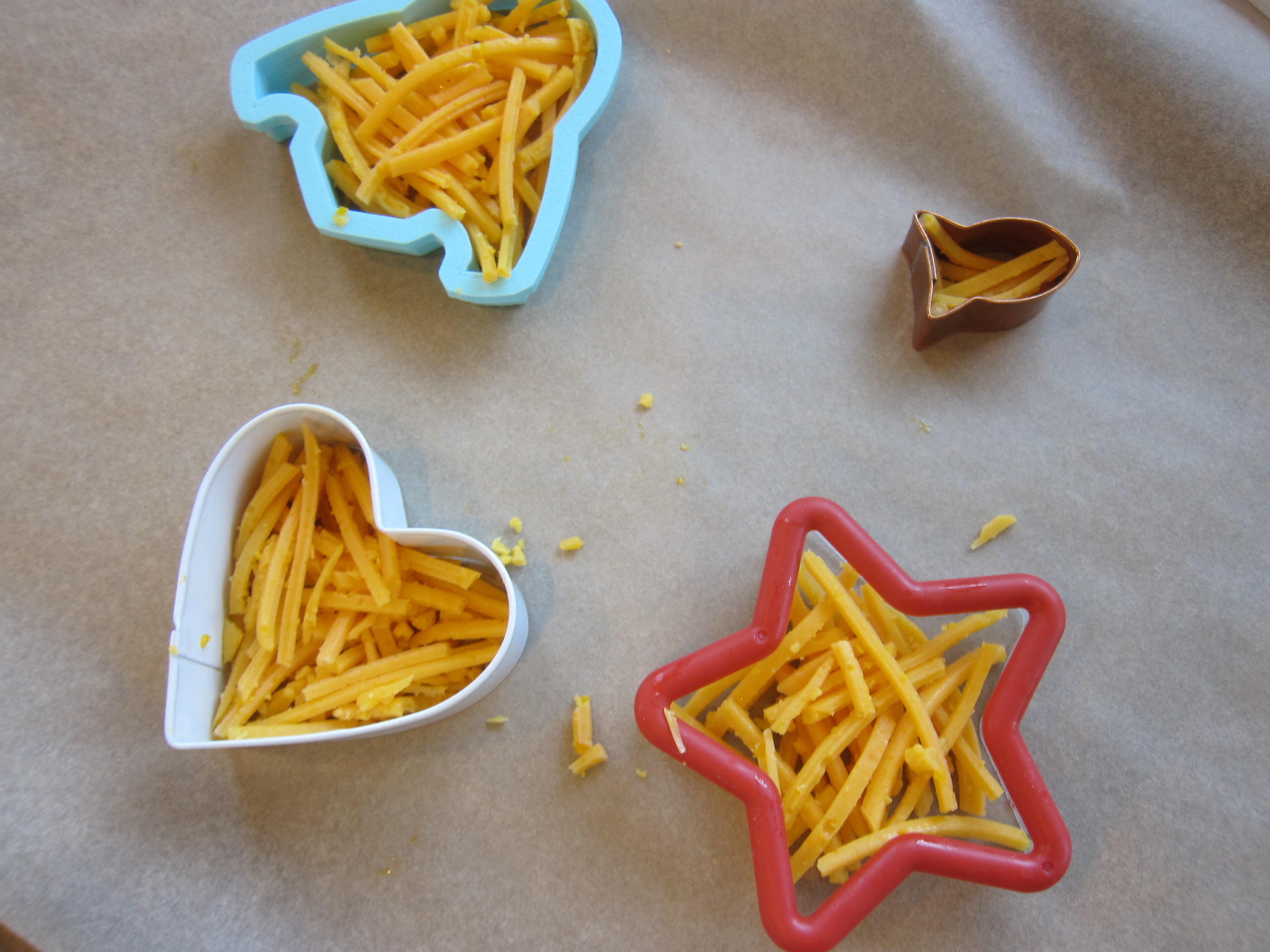
We wanted to test what could float in a bowl of soup, and decided to make cheesy “crackers”. (Note: I used Daiya’s shredded non-dairy cheddar for the experiment, which worked great. Other non-dairy cheese will most likely work, too, but I can’t say for sure).

Travis picked a few fun cookie cutter shapes, including hearts, stars…and Darth Vader’s helmet! Sprinkle a thin layer of the non-dairy cheddar into each cookie cutter over a baking sheet lined with parchment paper. We also made a few free-form shapes for comparison on the side.

Cheesy Soup Skimmers (1)

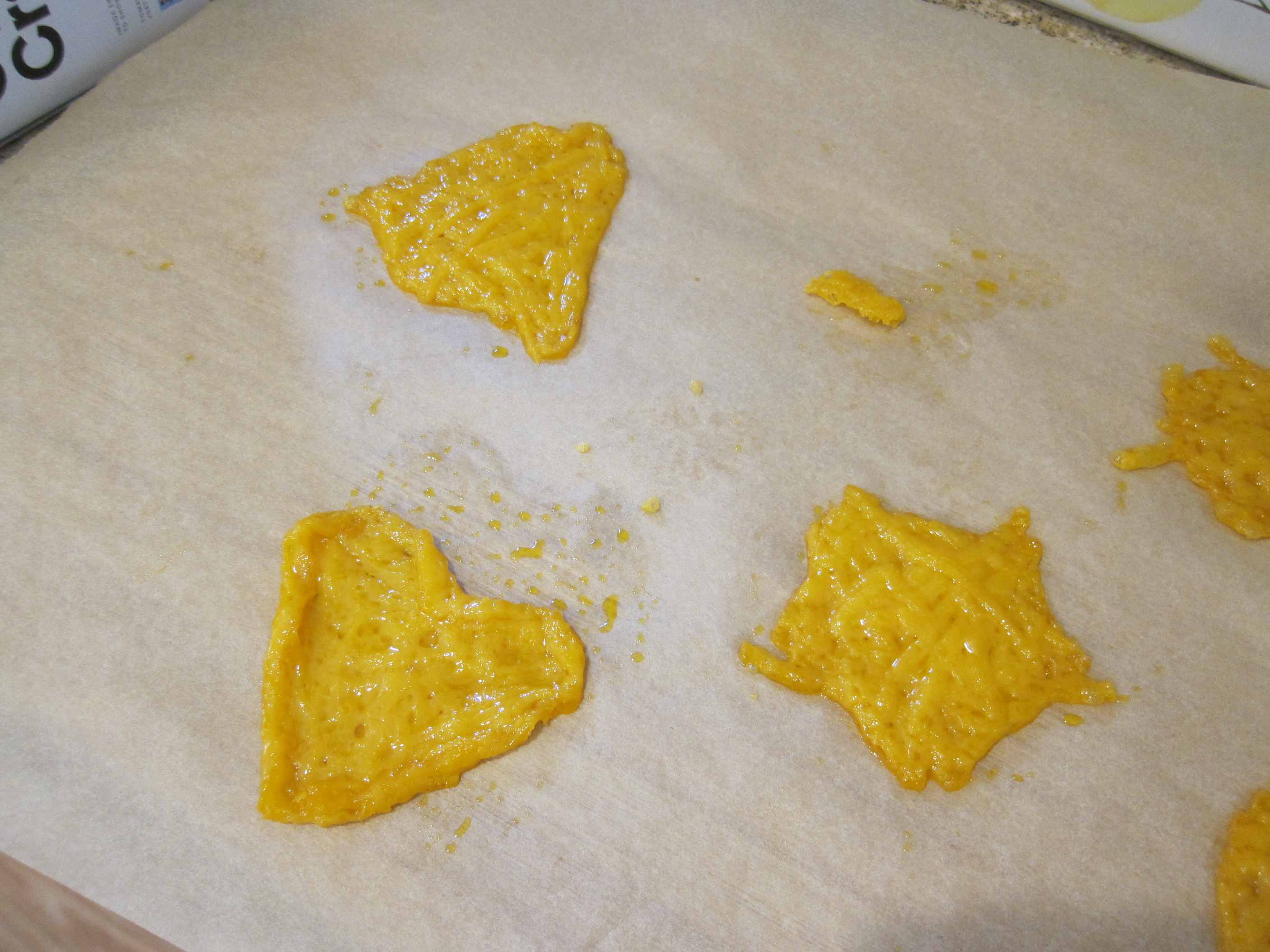
Be sure to lift off the cookie cutters before baking! Bake at 350 degrees F for 8 minutes, just until the cheese sets.

Cheesy Soup Skimmers (2)

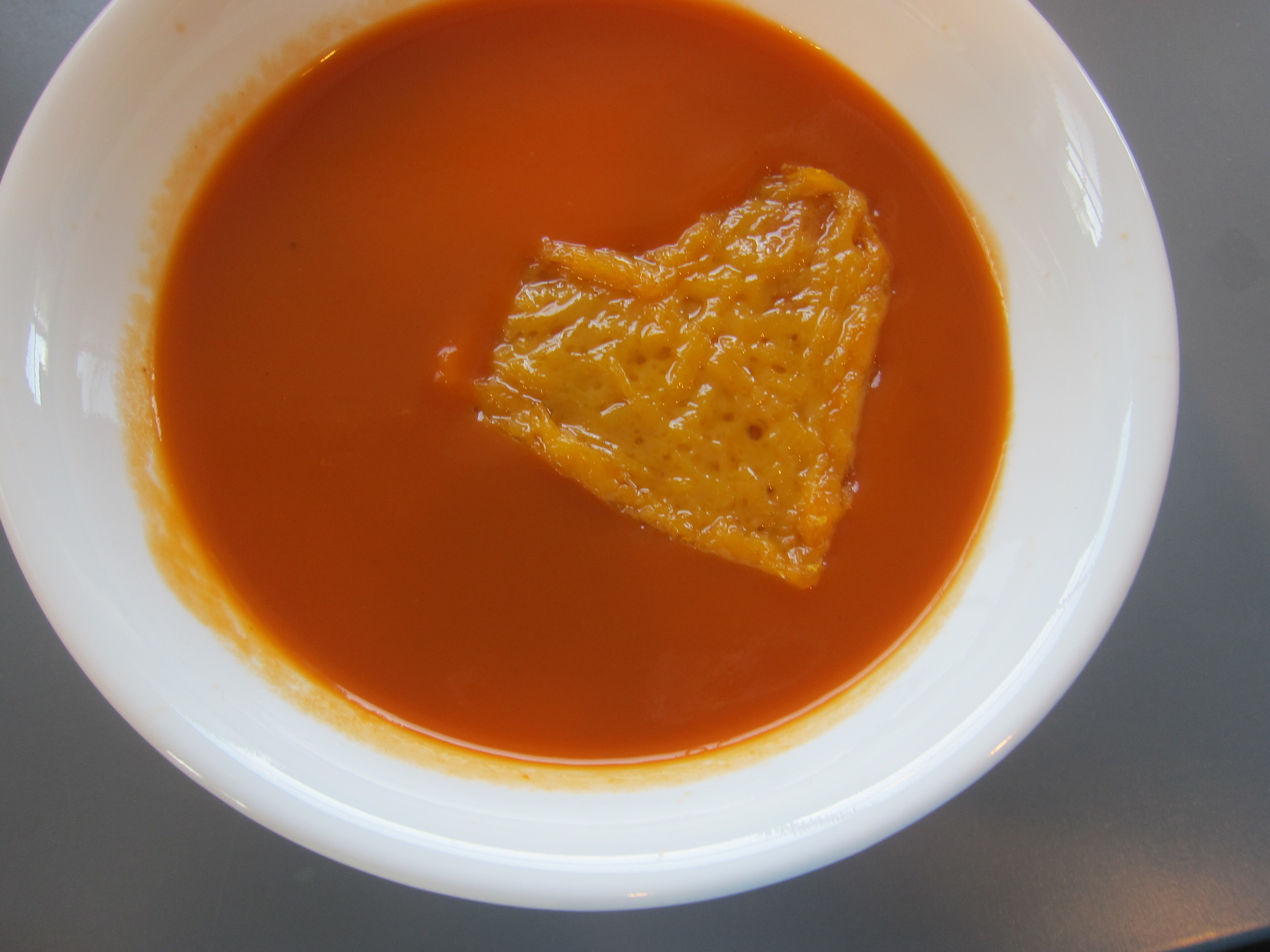
Let cool completely, then carefully peel the cheese shapes off the parchment paper and slip on top of a bowl of soup. We particularly liked these with tomato soup.

Cheesy Soup Skimmers (4)

The kids loved seeing the cheese float. And then they tested out a few oyster crackers, too! That’s where the science comes in: if you press on the cheese skimmers, they will break the surface tension of the soup and sink to the bottom of the bowl. The crackers will always float for a different reason, though, namely density!

Cheesy Soup Skimmers (5)