Solar Energy and Water

Solar Power (1)

This quick experiment seemed like a good way to illustrate the power of the sun for Travis, especially as he learns about how solar energy can power homes and more. Unfortunately our results weren’t spectacular, but perhaps you’ll have a more clear-cut outcome!

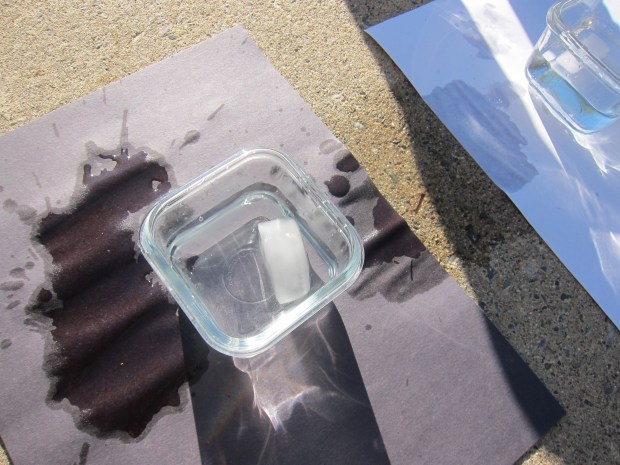
Set two cups of water on 2 pieces of paper, one white, and one black, somewhere that receives direct sunlight. Theoretically, the water on the black paper should warm up more quickly, as the black absorbs the sun’s heat, while the white reflects it.

Travis helped test this in two ways.

First, we tried ice cubes, expecting the one on the black paper’s water to melt faster.

Solar Power (2)

But oh no, our ice cubes might not have been the same size, because the white side melted more quickly!

Solar Power (3)

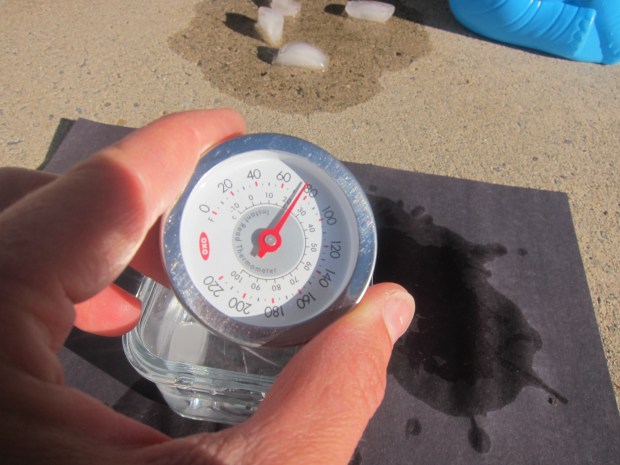
Next we tried a thermometer. We left the two cups of water to heat up in the sun for a few hours, then headed out with a thermometer to check.

Again, sadly, the results weren’t very pronounced. The black water might have been a degree or two warmer, but on our small dial, that was hard for Travis to appreciate.

Solar Power (4)

Either way, at least the experiment got him thinking, and he got a dose of science and a little sunshine in the morning!

Melted Crayon Suncatchers

Crayon Suncatcher (8).JPG

It’s so fun to harness the power of the sun when you make art in the summertime. Travis and I used melted crayons in a project once before, but that one relied on the indoor heat of a hairdryer. This time, we put the sun’s heat to work!

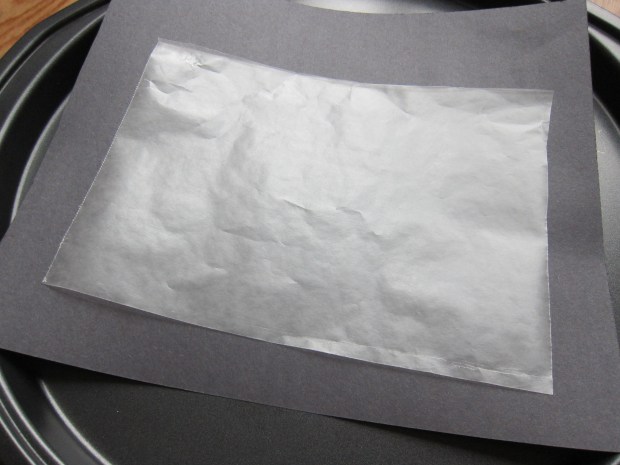
To set up, lay a piece of black construction paper on a baking sheet. The dark surface and the metal will help absorb as much of the sun’s heat as possible. Cut two equal sheets of wax paper, and place one on the black paper.

Crayon Suncatcher (1)

The next step was a bit tricky: remove the paper wrapper from crayons and use the edge of a craft stick to shave off bits of wax. Travis found this to be quite difficult, and in all honesty, I did too.

Crayon Suncatcher (2)

After he’d tried for a bit, I made sure our wax paper was covered with enough shavings. Cover that with the second piece of wax paper.

Crayon Suncatcher (3)

Now place in direct sunlight (just like we did with a solar oven a few days ago)! Depending how hot the day is, your crayons may need anywhere from 1 hour to several in order to melt. You can press down, on occasion, to help the process along.

Crayon Suncatcher (5)

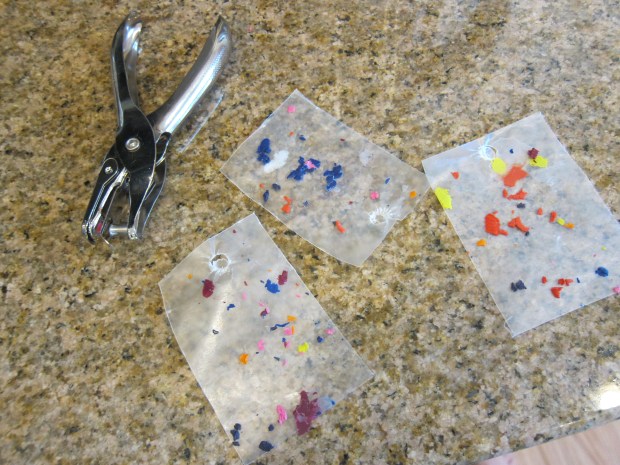
To turn it into a suncatcher, cut the wax paper into rectangles or other shapes, and punch a hole in the top of each piece.

Crayon Suncatcher (6)

Thread them onto a dowel (or attach with string), and hang up in the window to catch the sun.

Crayon Suncatcher (7)

What beautiful sunshine!

Crayon Suncatcher (9)


Sunshiny Art, Three Ways

Sunshine Art (11)

Baby it’s hot outside! But instead of lamenting the fact, Travis and I are using the sun as our accomplice in art.

First, we made suncatchers. This is a craft we’ve done before but it never loses its luster. Use markers to color over coffee filters – the more colors the better! Spritz with water to bleed the colors together.

Sunshine Art (2)

Once dry, we made paper frames by cutting rectangles out of white paper and taping around the filters. Place them in the window to catch the sun!

Sunshine Art (9)

Then we headed outside with a long roll of craft paper to make shadow portraits. Have your child stand so that the paper catches their shadow (you might have to lay it down a few times before you get the right angle). Trace around the shadow.

Sunshine Art (3)

Travis filled in his outline with a smile and clothes – all orange today!

Sunshine Art (5)

I challenged him to draw my shadow next. This task was tough, especially because he lost his place when the sun went behind a cloud, but it was great tracing practice.

Sunshine Art (7)

Finally, we returned to another oldie-but-goodie: sun prints. Place toys or other items on a piece of dark construction paper. Travis liked placing the items just so.

Sunshine Art (10)

Wait a few hours, then check and see if the image of the items remains on the paper. The longer the sun bleaches your paper, the more pronounced the effect will be.

Sunshine Art (13)

Thanks for helping out, Mr. Sun!

Mr. Moon

Mr. Moon (4)

This cute and dramatic game helps teach your baby about the sun and the moon. There’s a reason this pair is a staple of nursery rhymes; sun/moon and day/night are one of the first concepts your baby will notice and learn in life!

To bring the sun and moon to life, you’ll need two paper plates and craft sticks.

Mr. Moon (1)

On the first plate, I drew a sun with a nice smiling face. Use markers, watercolor markers, or any other preferred medium to color in. On the second plate, I drew a crescent moon and added a nose, mouth, and smile.

Mr. Moon (2)

Attach a craft stick to each with tape. Now have these cross the “sky” in front of your baby, alternating day and night. This was fun for Veronika just for the visual!

Mr. Moon (5)

Then I recited this cute poem as I traveled the plates in front of her:

Mr. Moon, Mr. Moon

You’re up too soon.

The Sun’s still high in the sky.

So go back to your bed, 

and cover up your head,

and wait for the day to go by.

Veronika loved reaching for the plates. She continued to play with them long after the rhyme-time was done.

Mr. Moon (7)

A great first sun and moon game!

Mr. Moon (3)

Make Your Own Raisins

Grapes to Raisins (5).JPG

Ok, you’re melting in a heat wave and hot sunshine… But that will be cause to rejoice if you harness the power of that sun and show your kids how you can turn grapes into raisins.

Two years ago, we actually tried a similar trick using an oven, and I’d been waiting for the chance to make a sun-dried version. Boil a bunch of whole green grapes for 30 seconds, then immediately transfer to a bowl of ice water. Travis loved helping me make the ice water bowl!

Grapes to Raisins (2)

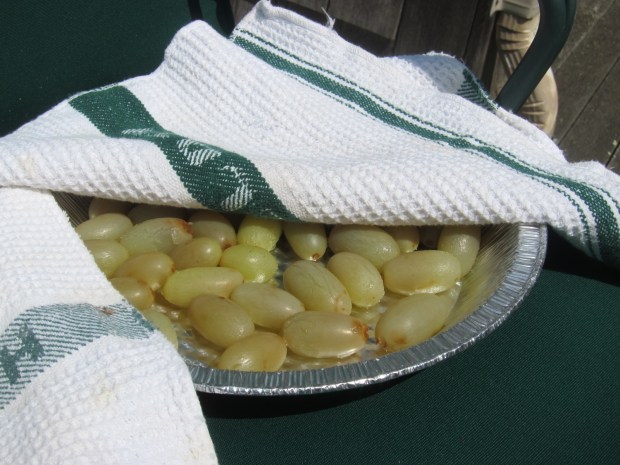
Place the grapes on foil pans, then cover with a breathable cloth and place somewhere outside that gets direct sunlight. Bonus points for weather that’s 85 degrees or above. Let the grapes stand for 3 to 5 days, then see how you’ve shriveled them into raisins.

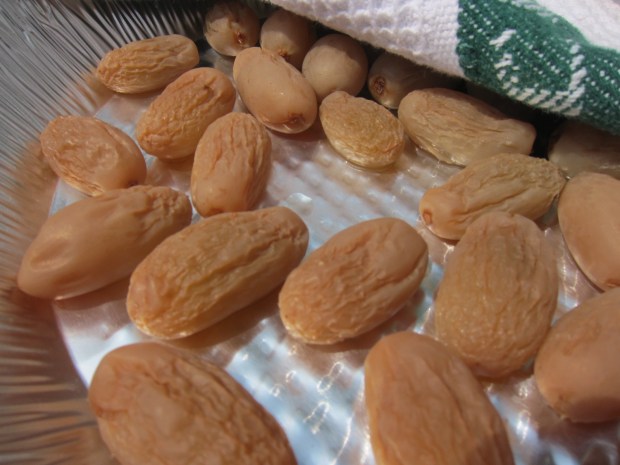
By day 1, the grapes were definitely shriveled and wrinkly on the outside, although still the same size as regular grapes.

Grapes to Raisins (3)

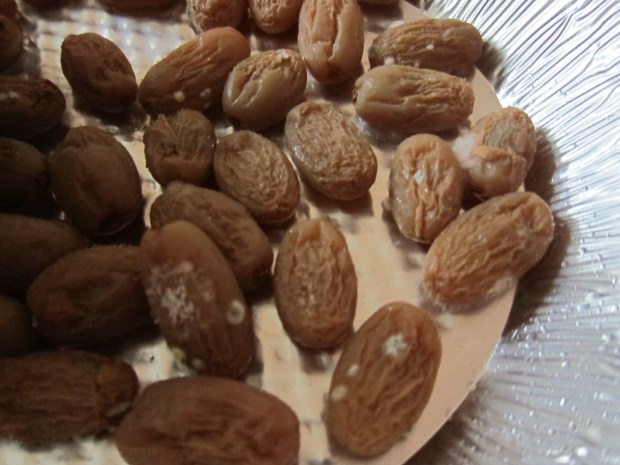
As the days went on, they got smaller and wrinklier but – oh no! A bout of rain caught us by surprise, and our raisins turned moldy before we had a chance to try them.

Grapes to Raisins (6)

So even though we weren’t entirely successful, I can’t wait to hear your stories about sun-dried goodies in the comments.

Early Explorers Weather

LP Weather (22)

I remain half-convinced that there is a spy working between our Kiwi Co. and Little Passport’s subscriptions because once more they are sync. Having recently received Koala’s crate all about the wind, we found the more broadly themed Early Explorer’s Weather package waiting in our mailbox. No complaints here; there wasn’t too much overlap, and we love anything that continues our learning of a topic.

LP weather (3)

As usual, we received a booklet of activities to fill out, stickers for our map and suitcase, flashcards, and a “flashlight adventure.” Matching up peas and pennies to see various hail stone sizes was particularly fun!

LP Weather (8)

Weather Craft:

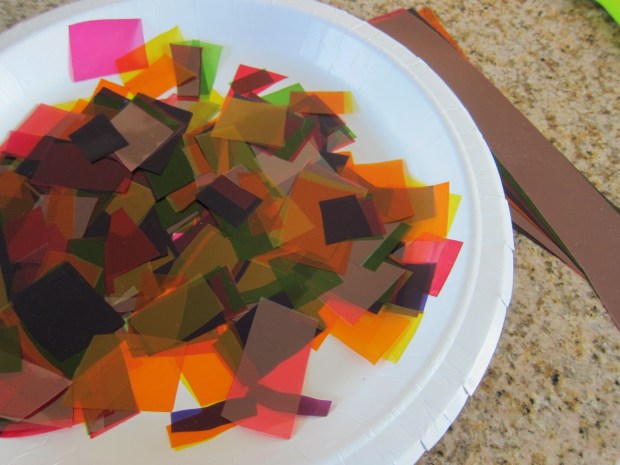
It’s easy to forget that “sun” counts as weather, since it can seem like the default, but these gorgeous suncatchers are a great way to appreciate the sunlight. Place a piece of contact paper, sticky side up, on a large work surface. Give your child pieces of colorful cellophane to put all over the paper.
LP Weather (11)

Note: I recommend purchasing small sheets of craft cellophane, which you can then easily cut into squares. Large rolls of cellophane (sold for wrapping gifts) would be a huge pain in this case.

Travis started out placing each piece deliberately.

LP Weather (12)

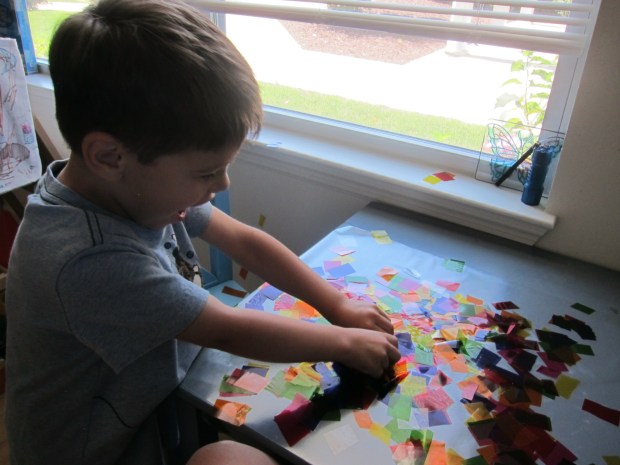
But then dumped on the whole plateful!
LP Weather (13)

Cover with a second sheet of sticky paper to seal in your child’s design, then cut to desired size and hang in a sunny window.

LP Weather (10)

Weather Science:

The booklet included a great experiment to showcase the water cycle and evaporation on a small scale that kids can grasp. Plus any experiment with food coloring is always fun.

LP Weather (5)

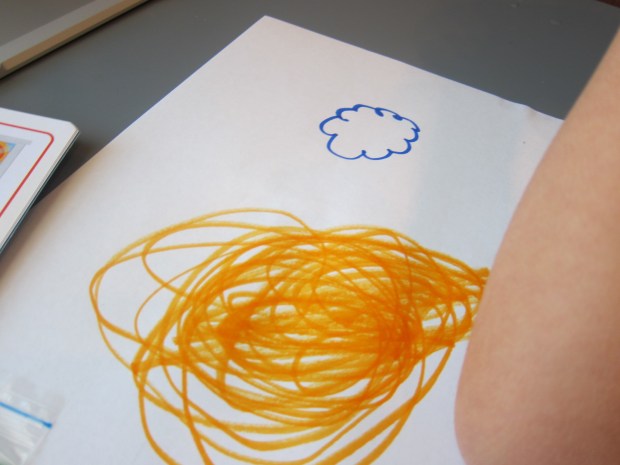
Add two drops of blue food color to 1/4 cup water, then pour into a zip-top plastic bag. Color a sun and cloud (Travis drew a huge sun, which I then cut down to size), cut out, and attach to the bag.
LP Weather (4)

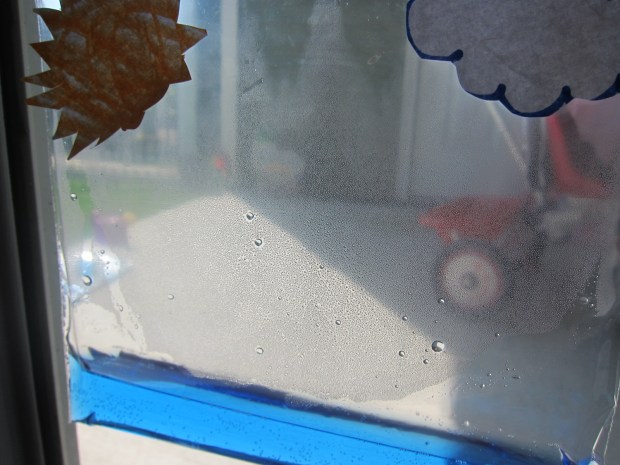
Now hang the bag in a door or window of your house that gets direct sunlight. Soon we could see evaporation at work!
LP Weather (7)

Weather Keepsake:

The weather wall calendar was the closet overlap with our Koala Wind Crate, but we loved the ease of attaching the felt pieces on this one.

LP weather (2)

There’s also a handy pocket for storing all the pieces that are not in use. Simple, but fun for kids each morning.

Weather Field Trip:

For this one I had to get creative. Where could we best observe the weather? I decided a lighthouse would be great fun, both for the novelty of it, and because lighthouses were meant to protect ships in all sorts of stormy weather. We headed off on a slightly unsettled day to visit one about an hour away.

Travis loved the climb.

summer 44 (i)

And the beacon up top!

summer 44 (l)

Make sure you do your research before you go, as many lighthouses have age and height requirements for those hoping to ascend to the top.

And sometimes, weather field trips are unplanned. We just happened to be at the beach when this ominous thunderstorm rolled in. Travis loved watching from a nearby cafe window!

summer 40 (b)

Weather Further Activities:

As always, there were suggestions for lots more activities, and we had fun ticking them off (weather permitting!) over the course of a couple weeks.

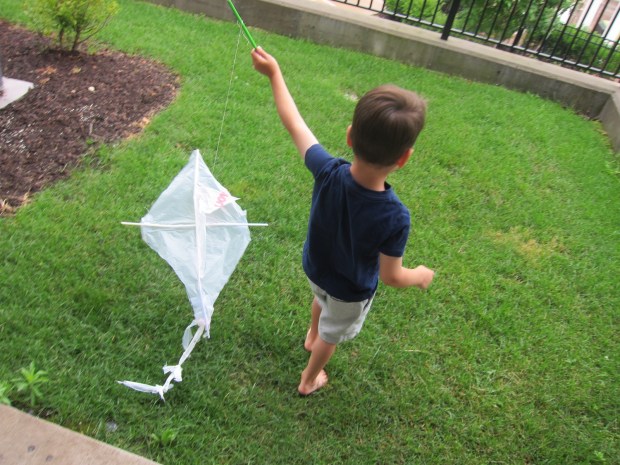
Take advantage of a windy day (and a trusty plastic bag kite) and watch the wind make your kite soar.
LP Weather (21)

Then cook up some cloudy day fun in the kitchen. Tint your favorite vegan jel dessert with a few drops of blue food coloring and prepare according to package directions.


LP Weather (17)

Once it sets, top with SoyaToo whipped cream, and eat the clouds out of the sky!

We then repeated an old activity, collecting rain in a jar for a homemade rain meter. We had an absolute downpour, and I was sure we’d have at least an inch, but later discovered the wind had knocked our jar over. We learned that the storm had dumped nearly 5 inches of rain in some parts of the state, and about 1.5 inches in our area.

LP Weather (9)

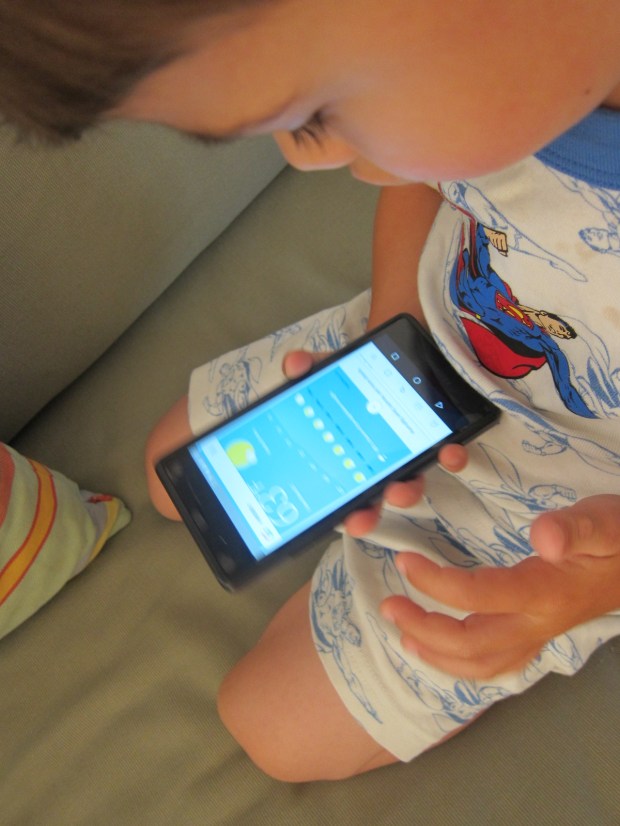
Finally, we took the exploration online. Travis loved learning how I check the weather on an app each morning.
LP Weather (18)

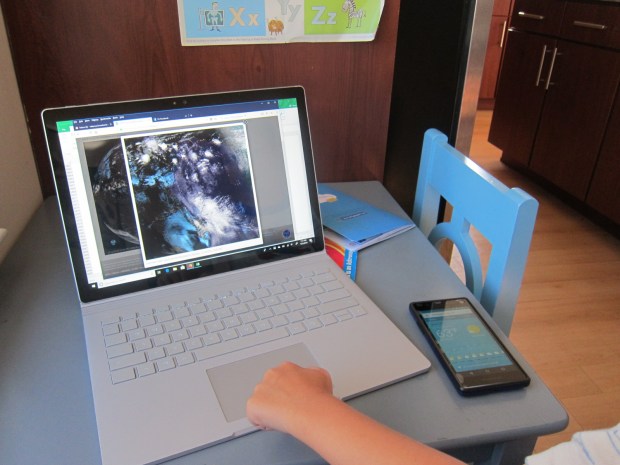
Then we looked at the Virtual Weather Museum (or go to one, if you have a good museum near you!) where he loved the available satellite images on everything from cloud formations to ocean currents.
LP Weather (19)

Leave a Trace

Trace (2)

It may be the middle of summer now, but fall is just around the corner, and I’m already thinking ahead to when Travis will start pre-K in September. One of the skills that pre-K teachers emphasize is tracing, great for learning pen control and pre-writing. How to make that fun in the summertime? Use the sun!

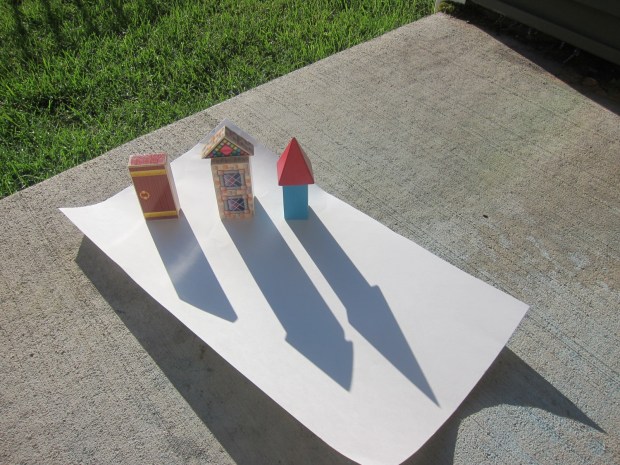
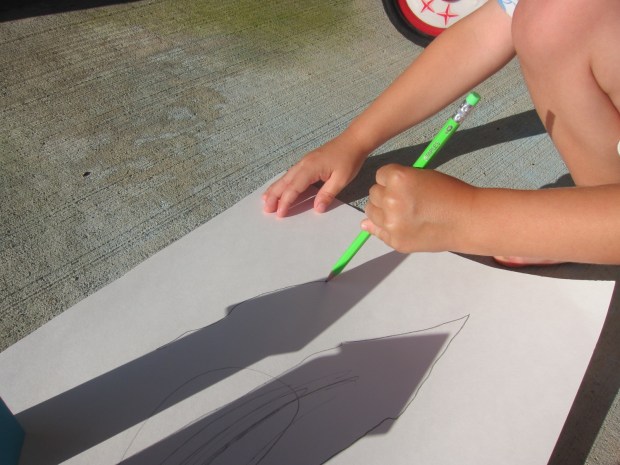
Set a large piece of poster board or craft paper in a sunny spot, and arrange your child’s toys on the paper. For beginning tracers, keep shapes simple.  Building blocks are great, in rectangles, squares, and triangles. Older kids might enjoy the challenge of tracing around complicated objects, like animal figures, cars, or dinosaurs.

Trace (1)

Encourage your child to follow the lines of shadow that the sun casts on the paper. This was tricky for Travis and he didn’t have the patience for it that I hoped on this particular morning, but we got in a little practice!

Trace (3)

If your kids are into it, try coming back to the activity over the course of the day; the shadows will shift (shortest at noon), which is a neat little lesson on the Earth’s rotation.


Sun-Melted Crayons

Sun Crayons (6)

You probably know that you can melt old crayons in the oven – but in the summer, you can also let the sun do the work!

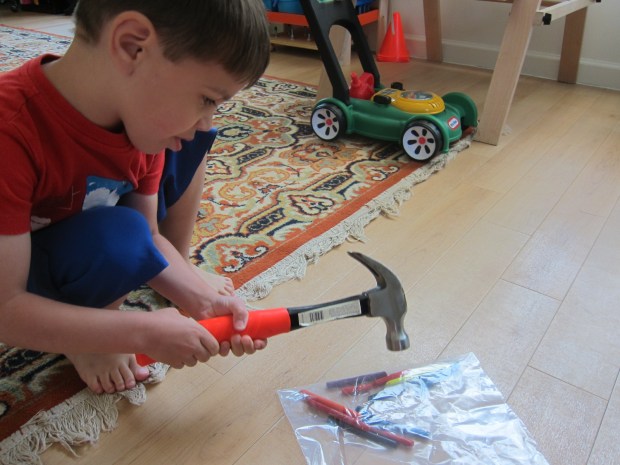
This craft is the perfect use for all those old or broken crayons in your house. Remove the paper liners and place the crayons in a zip-top bag. Smash into pieces with a hammer.

Sun Crayons (2)

Travis couldn’t believe he got to use the grown-up hammer!

Sun Crayons (1)

Select cookie cutters and place on a baking sheet lined with foil or parchment paper. Fill with the crayon pieces to about 1/2-inch deep.

Sun Crayons (3)

Place in a sunny spot for at least 6 hours, or until melted.

Sun Crayons (4)

Although our crayons got very soft, they never did melt together all the way (we ought to have taken advantage of last week’s 95 degree heat wave, instead of our 85 degrees today!) so we ultimately popped them in the oven to finish the process. This only took 5 minutes (at 170 degrees F) since they were already so soft.

Let cool before popping out of the cookie cutters.

Sun Crayons (7)


S Week!

s-week-14

Welcome to our S week of play! As always, thanks to Letter of the Week for some of the ideas below. Travis was funny about the letter, since my prompts that a word began with a “sss” sound made him think we were in C-week for soft c words. It turned into a joke, me pointing to our S poster, and him still saying “C!” Confusion aside, here’s some of the fun we had.

shadow-dancing-4

Shadows: We kicked off the week with shadow dancing! It was such a magical moment that it merited a blog post all its own, so please check out the link above. Shadows are also great for making animal shapes against the wall, or just observing as you walk outside in autumn sunlight.

s-week-7

Sun/Sail/Sand: A few Summer-y words made it a beach-y week here in the fall. Cute sun projects included making a sun on a stick (a yellow painted paper plate with orange construction paper for the center)…

s-week-6

… and magic sun prints.The result was cool even for me as a grown-up!

We then set up an indoor beach day with blankets for water and sand (with our sun on a stick of course!) and pulled out sand toys for make believe inside. To add to the s-themed fun, we turned one of his blankets into a “sailboat” and sailed around the room.

s-week-4

Meanwhile, there was so much to do with sand that I devoted a blog post to it. For simple sand play, just fill an indoor bin with a layer of sand and set out cars and street signs, then have your child draw roads through the sand with a stick or spatula.

s-week-10

Soccer: This word was perfect for our gross motor play of the week. Get outside and kick around a ball!

s-week-9

Shaving cream: As simple as can be; have some good old goopy fun and finger paint with shaving cream. Your toddler will thank you.

starry-starry-night-2

Stars: We had fun making a starry starry night painting, using both cookie cutters and sponges in the shape of stars to stamp onto construction paper. Travis added moons too, making for a very creative night sky! To continue the star fun, put together a toddler-sized pair of binoculars and head outside to spot the real thing before bed.

A few other things we did this week:

Fine art: Make a sand anthill! You could do this by sprinkling sand onto glue and pressing down, but we used sandpaper for our hill, and added thumbprint ants. Travis had so much fun that our anthill was soon teeming with denizens.

s-week-15

Food: Lots to choose from… we enjoyed both whole strawberries and strawberry pancakes for breakfast, and had soup one afternoon for lunch.

s-week-2

Books: It wasn’t the right time of year to play games in the snow, but we talked about the word with the help of two books: The Snowy Day by Ezra Jack Keats and Cat and Mouse in the Snow by Tomek Bogacki. Travis also enjoyed Sea, Sand, Me! by Patricia Hubbell and No Sleep for the Sheep! by Karen Beaumont.

Song: It was a no-brainer to introduce Travis to the Snowman, one of the most magical videos from my own childhood! More properly an instrumental video than a song, this classic hasn’t lost any of its beauty. Travis’s smile when the snowman came to life was priceless.

Math: I gently introduced the concept of subtraction with the help of a few more stars. Cut out paper stars and have your child make “shooting stars” flutter away one by one, counting how many remain. I promise it’s a coincidence that Travis was in his star pajamas!

s-week-12

There’s always lots we can’t get to of course. You might also want to play with snakes or go on a safari, or have soapy fun with dish soap. Please add your other S ideas in the comments!

Magic Sun Prints

sun-prints-3

I have to say, this little project was cool even for the adult in the room! All you need is a sunny day and dark construction page to make magic happen.

Arrange several items on a sheet of construction paper, preferably with interesting silhouettes. Travis helped me select a key, button, block, and CD case.

sun-prints-4

Now leave the paper out in the sun for at least a few hours. When you’re ready, remove the items and voila! The sun will have faded the paper, leaving darker shadows wherever your items were on top.

sun-prints-5

A neat little way to show the power of the sun…