Paper Bag Village

Bag City (6).JPG

There was a bonus activity in Travis’s latest issue of High Five magazine: doors, windows, and awnings to cut out and affix to paper bags to make a whole paper bag town. All you need to supply are the paper lunch bags.

This was quite similar to a little village Travis and I put together recently, but oddly this time he was way more into it – I think because the doors and other building details came ready-made and he loved the way they looked!

Bag CIty (1)

Cutting along the dotted lines is great practice for little hands, though I had to help with some of the trickier shapes like awnings.

Bag City (2)

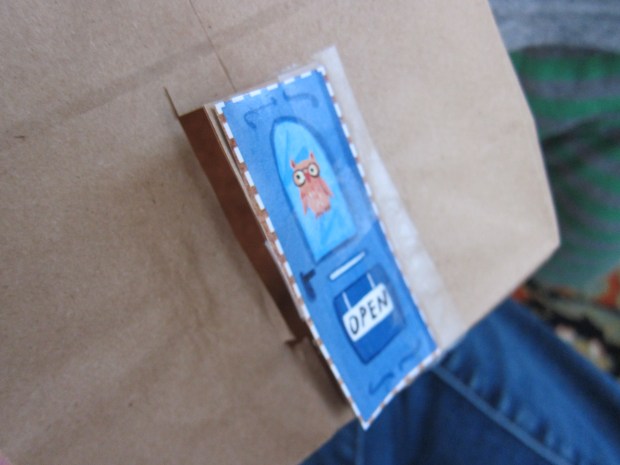
Travis preferred taping on the features rather than gluing, so that we could play right away.

Bag City (5)

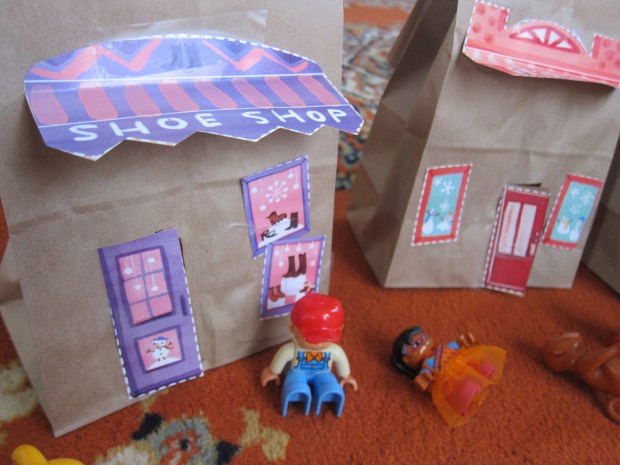
Pretty soon we had: a library; a shoe store; a school; a toy store; and a bakery.

Bag City (4)

The instructions recommend stuffing with newspaper so the buildings hold their shape, before taping closed, but Travis insisted that he be able to open and close the doors. I made a cut out in the bag around each taped door so that he could swing them open and closed, and let Duplo people go inside.

Bag City (3)

This meant we left the bags un-stuffed, so they were a bit flimsier, but he had such a blast it hardly mattered!

Bag City (8)

Cute idea, thanks High Five!

Bag City (7)

Little Tree Crate

Little Tree final.JPG

We loved our Swirly Ornaments holiday crate from Kiwi Co., and the kit for Little Tree turned out to be just as wonderful. The project set the stage for a festive mood inside our apartment on a drizzly December morning. Read on!

To start making the tree, we first needed to do some math, dividing the kit’s green pipe cleaners into two equal piles. This was a neat way to introduce Travis to counting out two sets of something, just as you would for dealing out cards in a game, for example.

Little Tree (15)

Cut the pipe cleaners from one pile in half, and leave the others long.

Insert the provided wooden stick into the round wooden stand.

Little Tree (16)

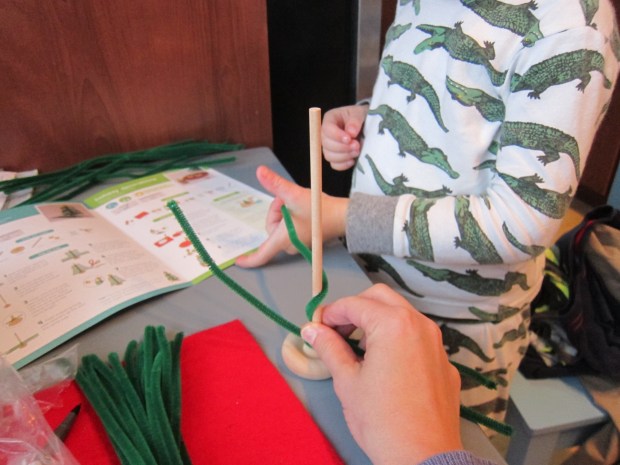
Starting with the long pipe cleaners, wrap around the stand.

Little Tree (17)

Repeat with the short pipe cleaners. Travis loved the wrapping, and insisted on doing so himself for each one.

Little Tree (4)

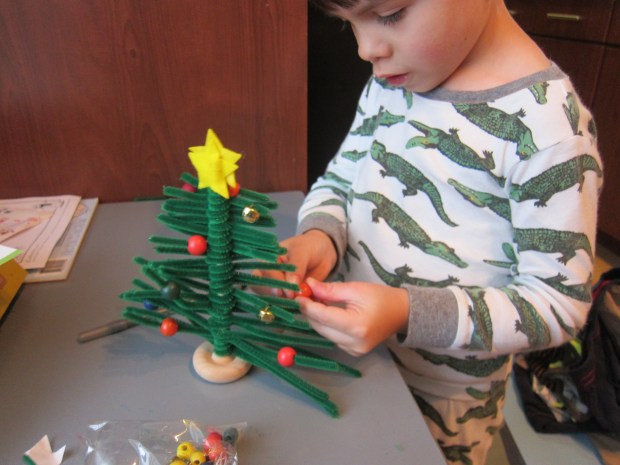
Adult step: snip the pipe cleaners at an angle, so your tree is a triangle shape. Travis was really psyched to see our fake tree in the same tapered shape as our real tree.

Little Tree (5)

Peel the backing off a provided star sticker, and attach at the top of the tree.

Little Tree (6)

Next up, thread on the provided beads and bells as ornaments. “Which are ornaments and which are lights?” Travis wanted to know.

Little Tree (9)

Good question, but either way, all beautiful!

Little Tree (10)

To make the base, use any round bowl to trace a circle onto the provided red felt.

Little Tree (11)

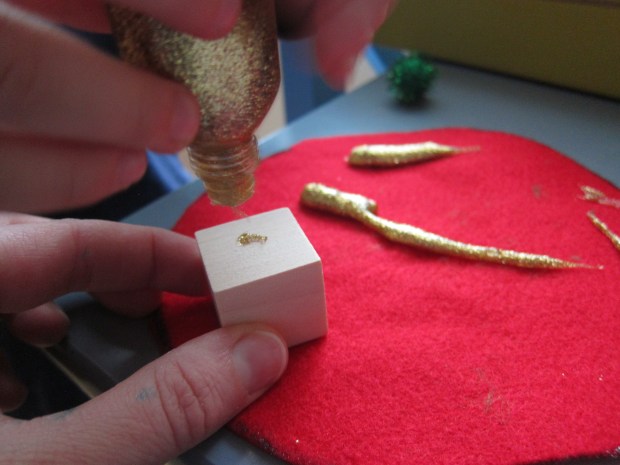
Cut out and decorate with the provided gold glitter glue.

Little Tree (14)

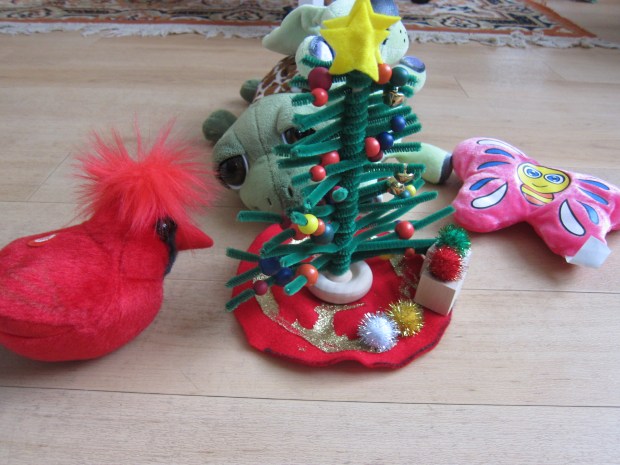
Travis was equally delighted by the “presents” that can go under the tree – two wooden cubes, onto which we glittered-glued pom poms.

Little Tree (13)

You can set your tree out as a pretty decoration, and we also plan to leave it alongside cookies and non-dairy milk for Santa on Christmas Eve! It’s also the perfect size to be a play tree for your child’s stuffed animals.

Little Tree alt.JPG

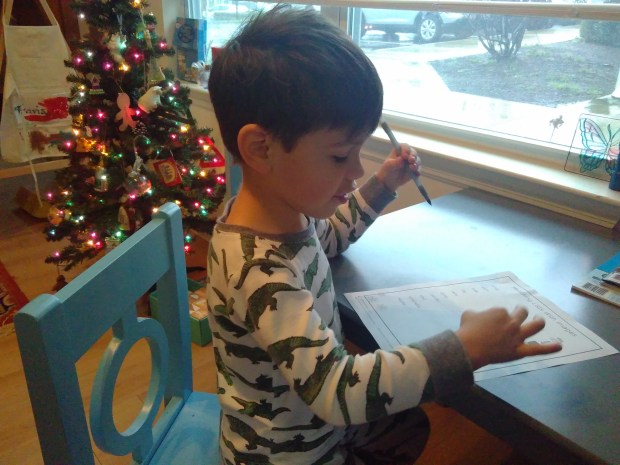
To round out our festive morning, we made hot cocoa and added in a cute Snowman-themed spelling lesson from Education.com.

Little Tree (1)

This fun picture word match was a great way to cuddle up inside during the cold winter months and practice Travis’s spelling skills. For more spelling activities and printables like this check out Education.com!

Little Tree (2)

In sum, we had all the makings of a cozy winter morning.

Little Tree (3)

Embossed Metal Coins

Embossed Coins (7)

Wrapping up some pirate fun, today Travis and I made treasure.

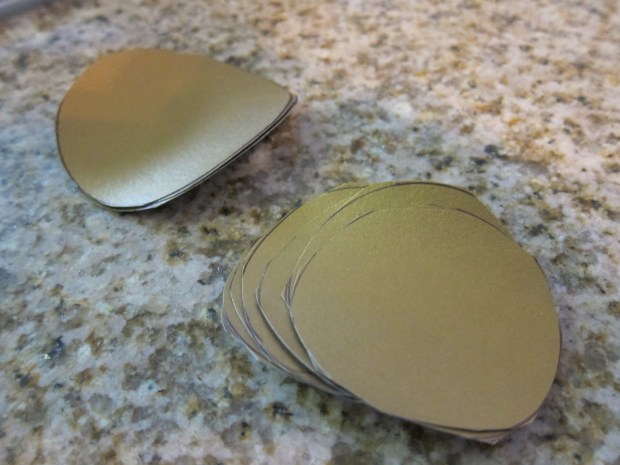
To make the coins, I traced two sizes of circles onto cardstock, and cut out.

Embossed Coins (1)

This project can be as involved as your patience is willing to make it. If you have the time and inclination, go ahead and make piles of coins! This is a more viable option if your kids are old enough to cut out the circles themselves. I confess we only had about 10 coins, but that was more than enough for my little pirate.

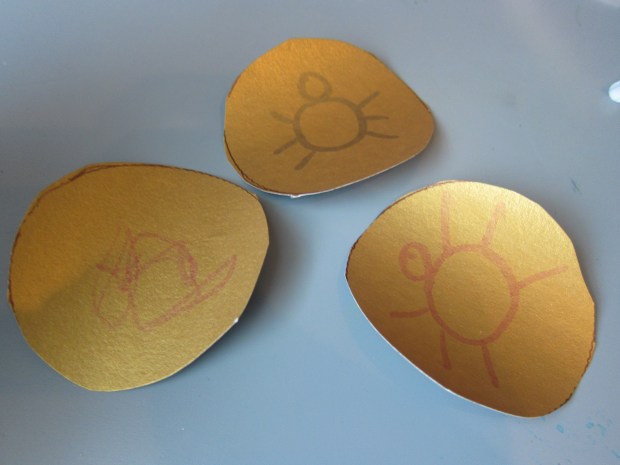
I asked Travis what image should go on the coins, and he suggested bugs.

Embossed Coins (2)

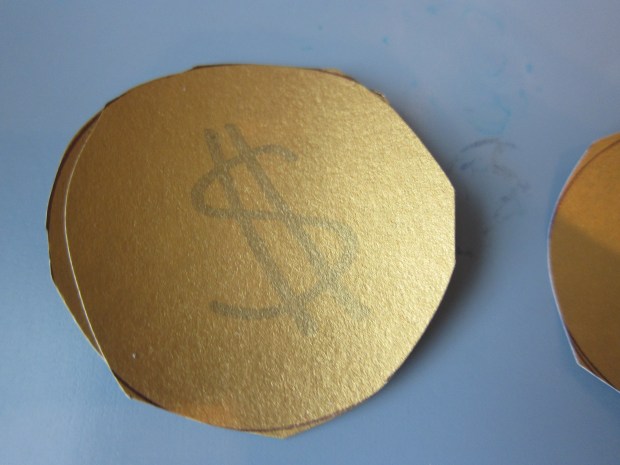
We did a large “beetle” on the bigger coins, and a dollar sign on the smaller.

Embossed Coins (3)

Go over your designs with hot glue. Once it cooled, Travis loved feeling the bumpy effect.

Embossed Coins (4)

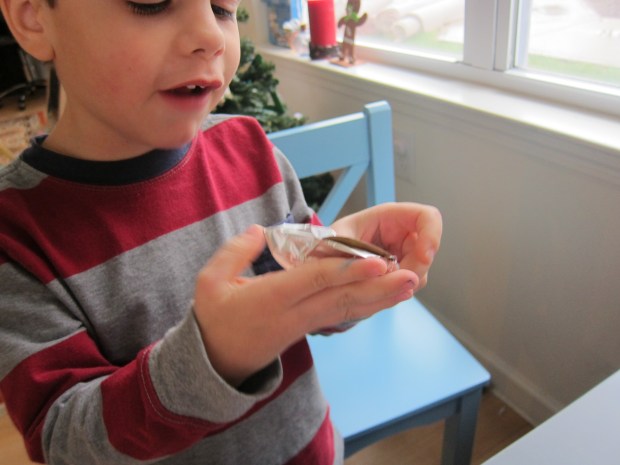
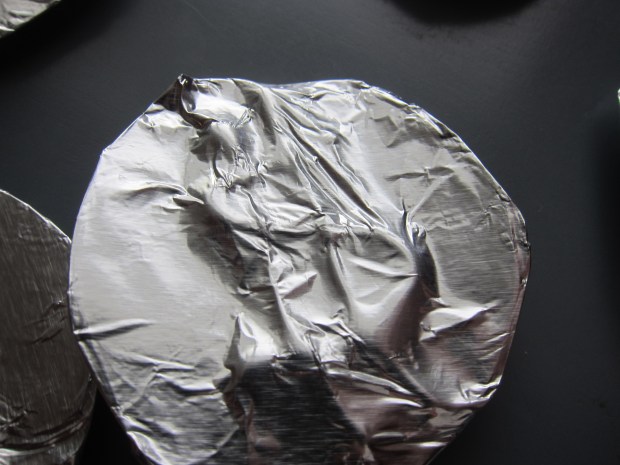
Now wrap in foil, pressing so the image comes through.

Embossed Coins (5)

Our pictures weren’t quite as clear as we hoped, but still neat to feel.

Embossed Coins (6)

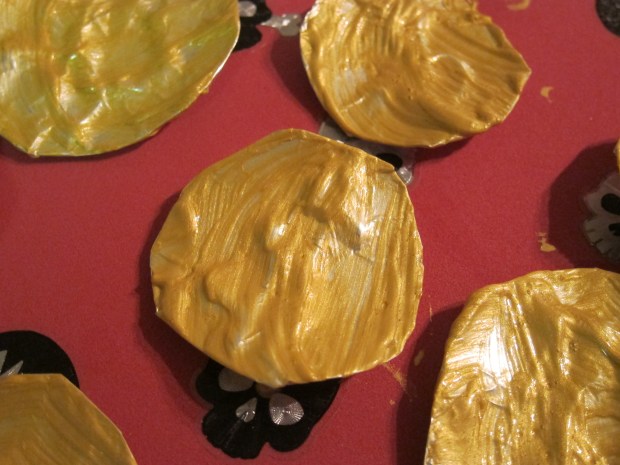
For the final step, we needed gold coins, of course. A little gold paint, some time to dry, and it was time for a treasure hunt.

Embossed Coins (9)

I hid them around for Travis to find, and he loved collecting them in a treasure chest.

Embossed Coins (10)

Even better, he loved hiding them from me!

Swirly Ornaments Crate

Swirly Ornament (8).JPG

Kiwi Company occasionally puts out special holiday-themed crates, and we’ve been holding on to this one since last December! Reading the title on the box, I imagined the final product would be ornaments with beautiful swirls. Little did we know the method to make the ornaments was swirly, too!

Travis was so excited seeing the three plastic globe ornaments, since we had just set up our tree. Add two of the provided watercolors (in primary colors) to each globe for a quick lesson in color mixing. You’ll be able to make one orange, one green, and one purple ornament. Next squirt in a drop of the glittery silver paint.

Swirly Ornament (1)

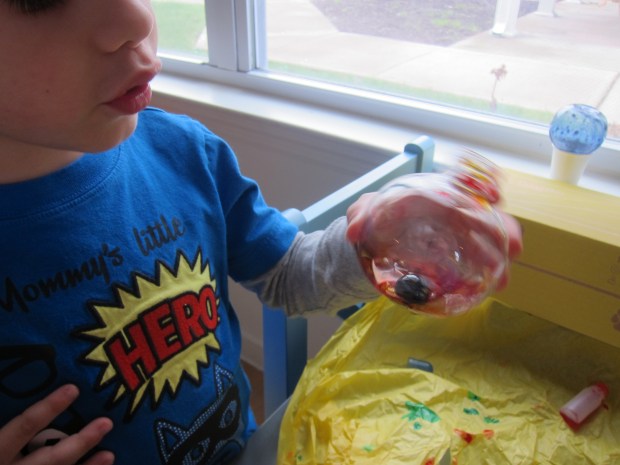
Add a marble, and get swirling! As you swirl, the marble will help the paint coat the entire globe.

Swirly Ornament (3)

As a parental aside, this was very precarious proposition with a four-year-old. Of all the Koala projects we’ve ever done, this was by far the messiest! It was quite hard for Travis to swirl enough to coat the inside of the ornament without also spilling paint, so step in if you need to.

He loved the drying method that came next though; upend the ornament over a provided paper cup. The marble and any excess paint will fall out.

Swirly Ornament (2)

We set ours aside to dry for about an hour.

Swirly Ornament (4)

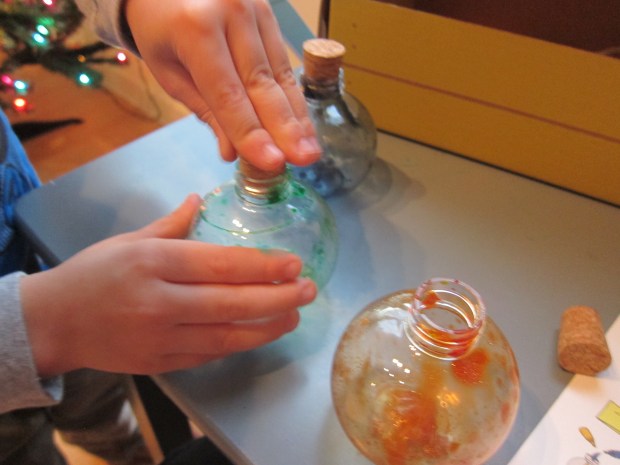
Ideally, flip the ornaments at this point and allow to dry on the inside, too, overnight. Travis was too impatient though and wanted to pop in the provided corks and seal them up!

Swirly Ornament (5)

To finish each ornament, we wrapped a sparkly pipe cleaner around the neck.

Swirly Ornament (6)

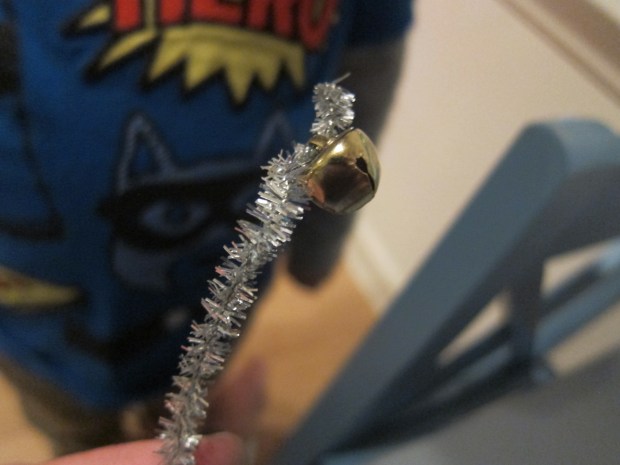
Add a silver ribbon (a great chance to practice tying a bow), then thread a provided bell onto the pipe cleaner. Hook the end.

Swirly Ornament (7)

Now it’s ready to hang on your tree!

Swirly Ornament (9)

The kit also suggested gifting the ornaments (just slip on a gift tag and it’s ready to go)…

Swirly Ornament var

…or attaching one to your stocking as a sparkly decoration.

Swirly Ornament alt

Let the holiday season begin!

Swirly Ornament (10)


Juice Box Pirate Ship and Flags

Juice Boat (6).JPG

This is likely the last of the boats Travis and I will make for a while, but a few lemonade juice boxes in the fridge made us decide to construct one last version before we put our pirate games to rest!

First, enjoy a juice box of course.

Juice Boat (2)

Once it’s empty, I recommend taping over the hole where the straw was, to avoid juice leaking out (or your boat filling with water in the tub).

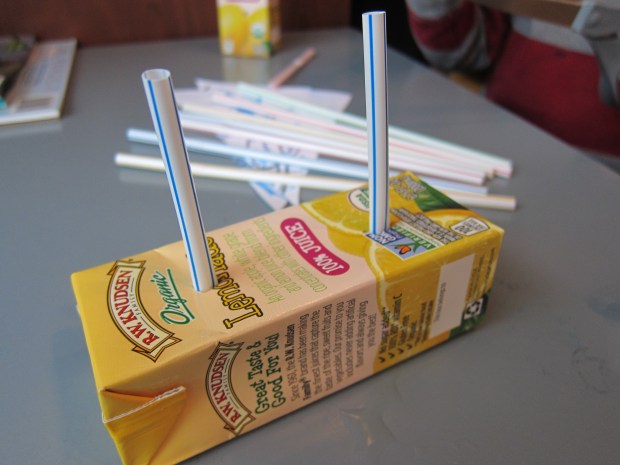
Pierce two holes in the top of the juice box for the masts (grown-up step!).

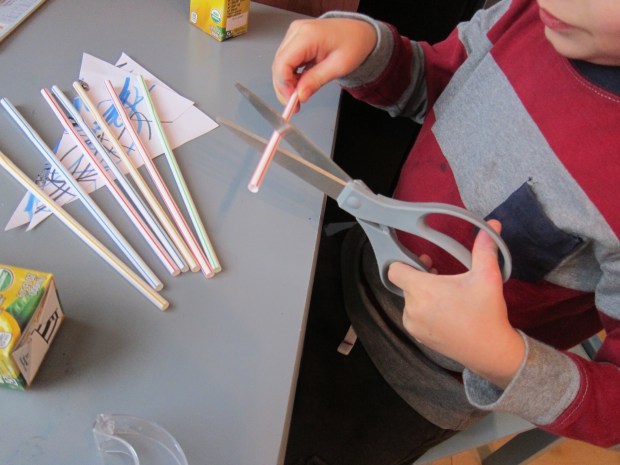
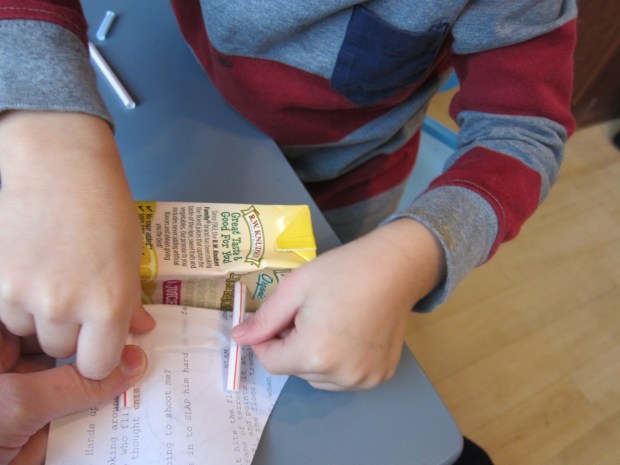
You can use the juice box straw for the mast, but we found that thicker, regular plastic straws were sturdier. Snip these into thirds, and use two of the pieces for this project.

Juice Boat (4)

Travis loved snipping the straws so much, I had to redirect him for the rest of the boat!

Juice Boat (3)

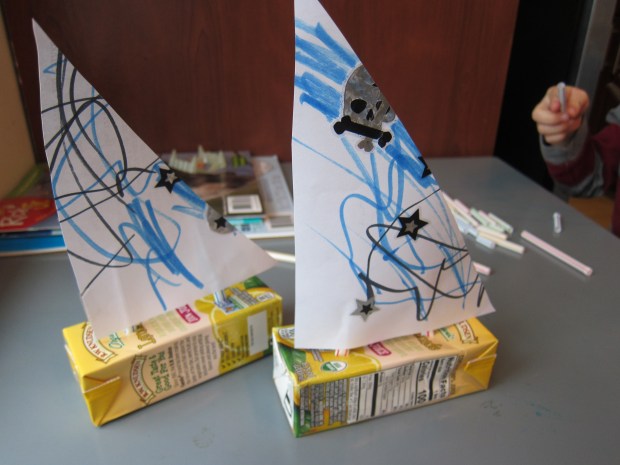
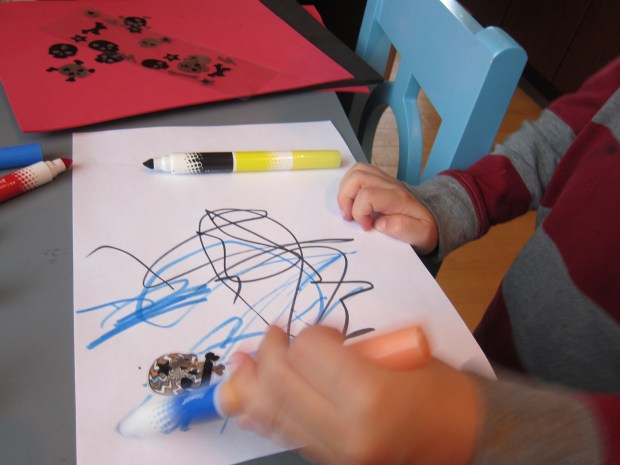
Decorate a piece of paper with markers or stickers to make your sail, then cut into a triangle shape.

Juice Boat (1)

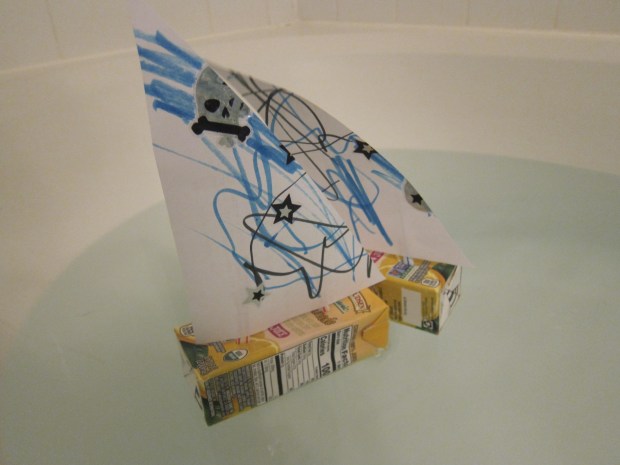
Tape onto the two masts, and you’re ready to set sail on the seven seas.

Juice Boat (5)

These are perfect little boats for bathtime, although they won’t hold up very long – the paper sails especially are only good for a short while.

Juice Boat (7)

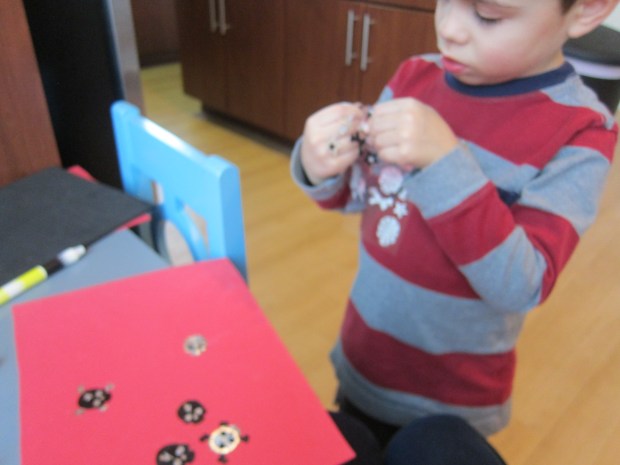
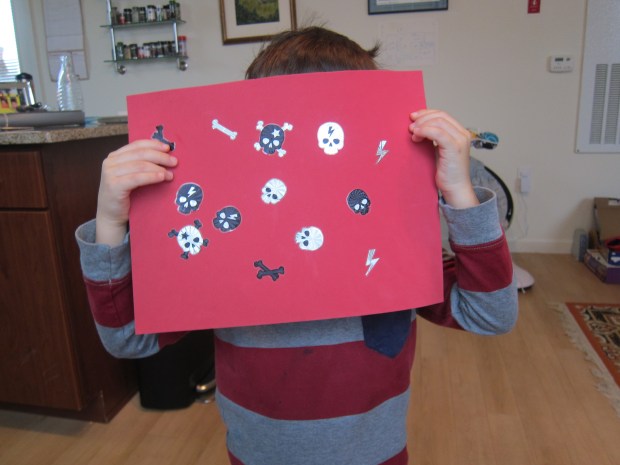
Travis decided the paper sail was too flimsy. We had leftover pirate stickers, so decorated a big piece of red foam instead.

Pirate Flags (2)

Although not attached to the ship, he loved doing this, and waving it around. You could even teach a bit of the history behind pirate flags, often flown to scare merchant ships so they could take them over without ever having to fight.

Pretty scary!

Pirate Flags (4)


Fruit Boats

Fruit Boat (3).JPG

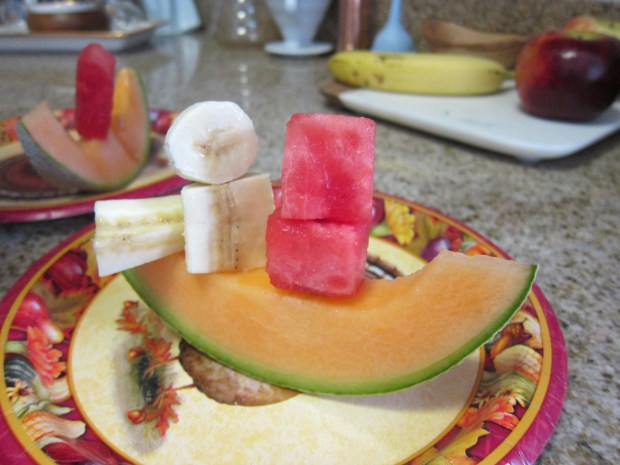
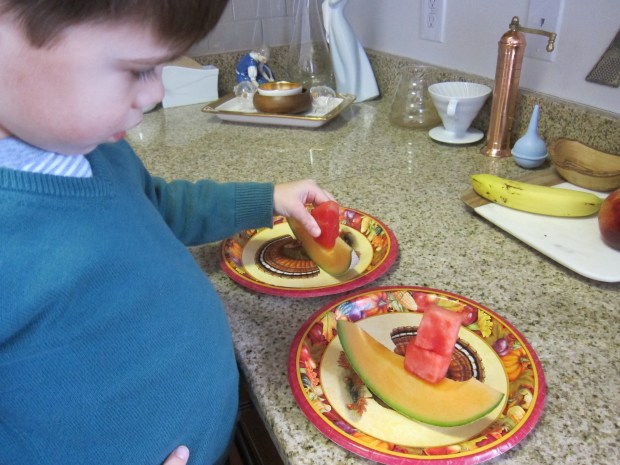
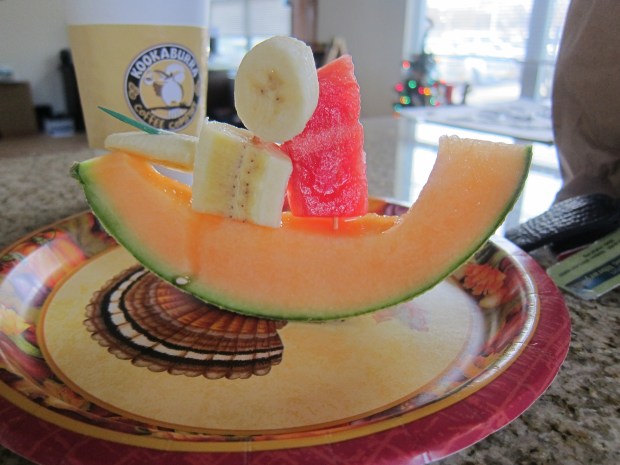
Origami boats might be fun to play with, but fruit boats are even bettert\ to eat! After a busy school day, Travis helped me create these adorable boats for snacktime.

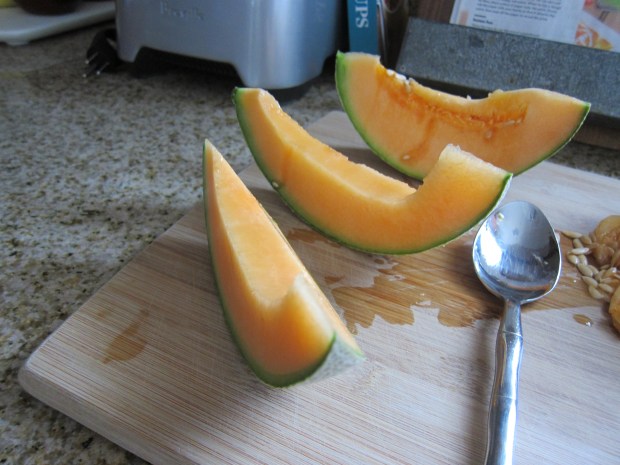
First, cut a whole cantaloupe into wedges. Travis asked at first if it was mango – it’s amazing how we forget that kids can be disconnected from food, when it’s served to them already cut up. He loved discovering that the big fruit in front of us was his favorite melon.

Fruit Boat (1)

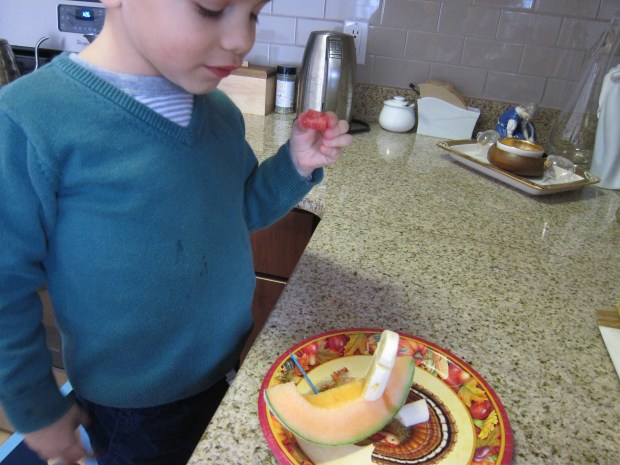
Put a toothpick in each wedge, and add watermelon pieces as the sails.

Fruit Boat (2)

For the pirate, cut a circular piece of banana as the head. Cut the banana lengthwise into pieces for the torso and arms. Use toothpicks to stick your pirate man together, and then another toothpick to affix him to the boat. We made a boat and pirate for Daddy, too!

Fruit Boat (5)

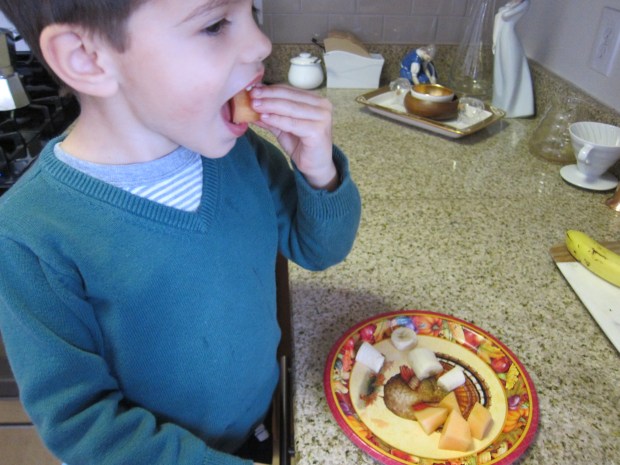
Travis loved it, and delighted in pulling apart the pirate ship piece by piece. There goes your hull, matey!

Fruit Boat (6)

A super cute and fun snack for pirate lovers.

Fruit Boat (4)


Origami Boat

Origami Boat (10)

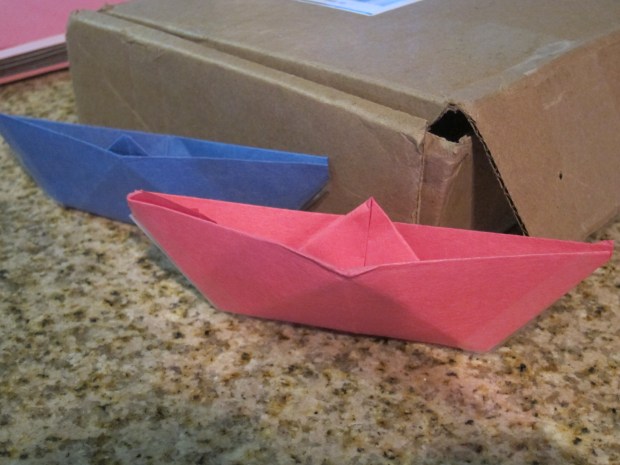
Travis and I have been finding neat materials from which to make boats, now that we’re on a bit of a pirate kick. I found the instructions for this origami boat online, and thought it looked fun. It turned out to be quite tricky, but Travis and I had a ball, laughing at our gaffes, and cheering when we got it right!

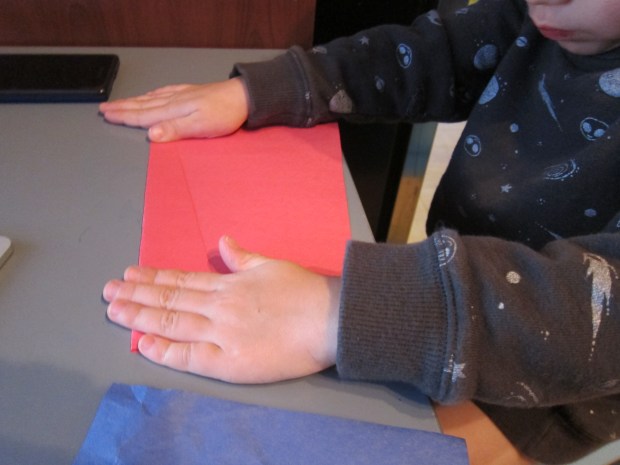
Ideally use origami paper, but construction paper works in a pinch. Either way, begin by trimming into a rectangle. Fold the paper in half horizontally, and open back up. Fold in half down vertically and leave folded.

I was so proud Travis wanted to do his own folding!

Origami Boat (2)

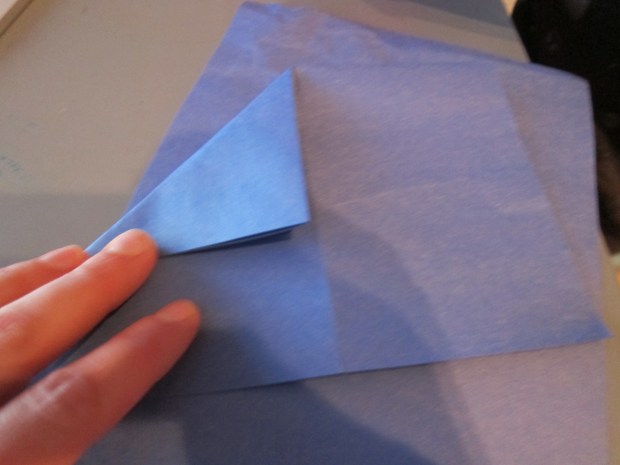
Next fold the upper two corners into the center crease, forming two triangles.

Origami Boat (3)

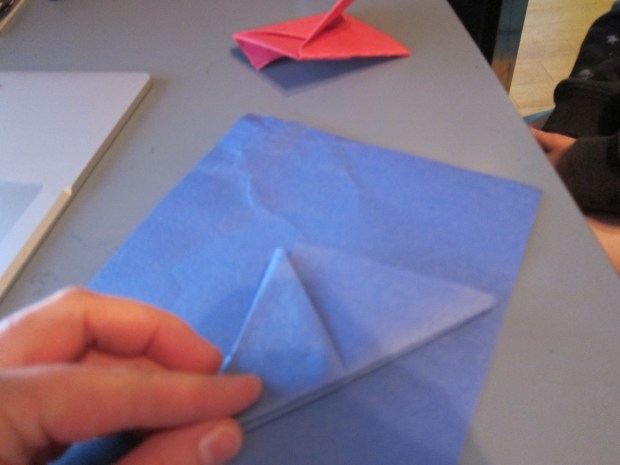
Fold up the bottom of the paper on both the back and front – now it looks like a pirate hat!

Origami Boat (4)

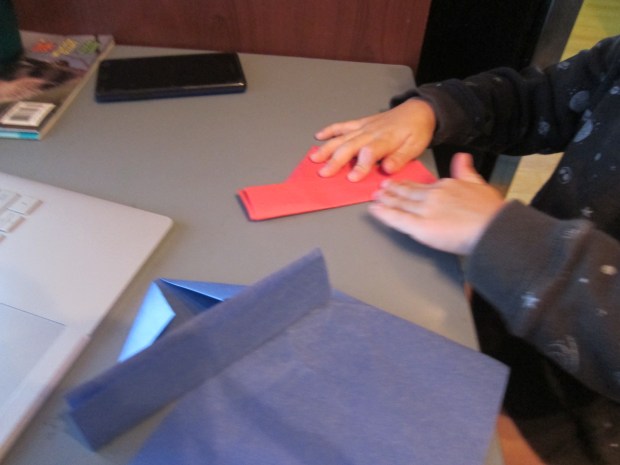
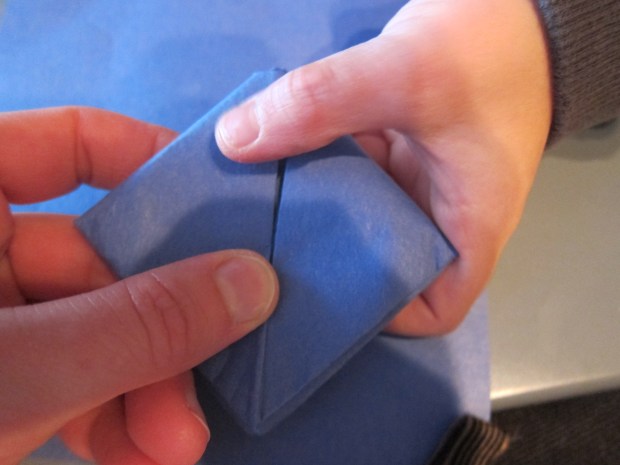
But don’t stop there. Now you’re going to push the bottom two corners toward each other, a process that really only makes sense once you feel it intuitively. It will make the paper into a square that folds flat (hint: tuck in the excess flap on the front and back).

Origami Boat (5)

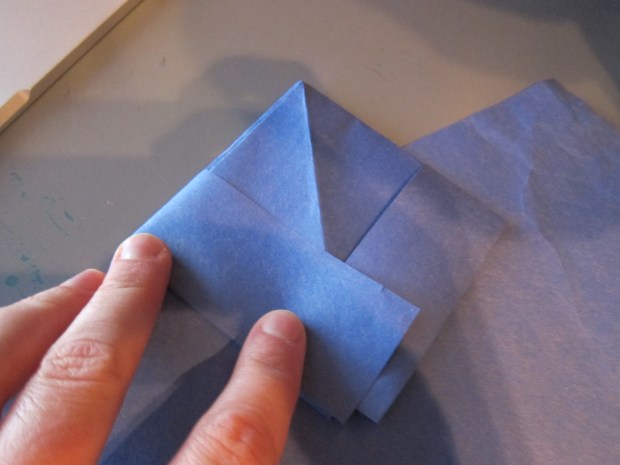
Now fold up the bottom of this diamond on both front and back, pressing flat.

Origami Boat (6)

Take the edges of this triangle toward the center – another tricky step! You’ll form another square. We had a good giggle over this one as we figured it out!

Origami Boat (7)

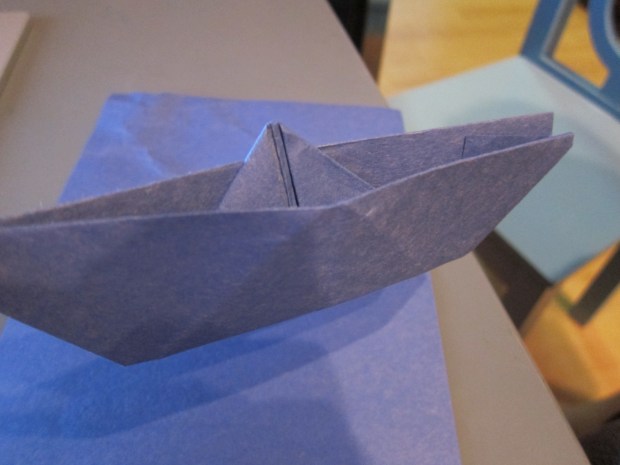
Finally, pull the top corners out, and press flat – now you have a boat!

Origami Boat (8)

It should hold pretty well, but for a little added security, I stuck masking tape on the edges.

Origami Boat (9)

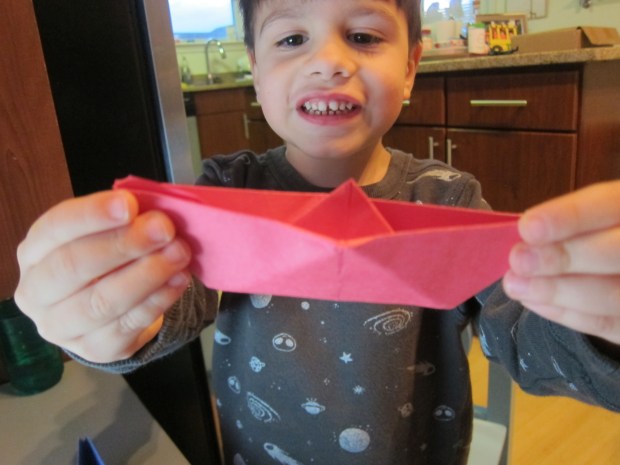
Travis was SO proud, an loved his boats so much that he requested a fleet. I soon became pretty adept at making them, so he had lots of boats to fly around the apartment.

Happy folding!

Pirate Telescope Spotting Game

Telescope Game (6).JPG

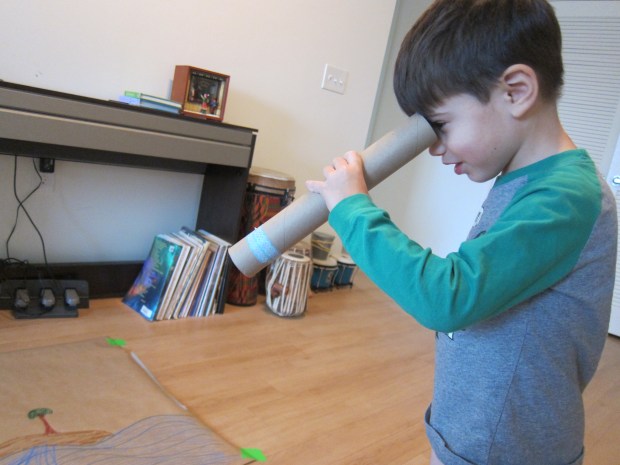
Travis and I can’t get enough of pirate games these days, and this fun activity engaged us on multiple levels – as an artistic craft to start, and then as a competitive game. If you have enough kids, it would be perfect to play at a pirate-themed birthday party!

First, we needed to set the scene. We originally intended to paint on a big piece of craft paper (a large piece of cardboard would work, too), but we were out of blue paint – you can’t have an ocean scene without blue!

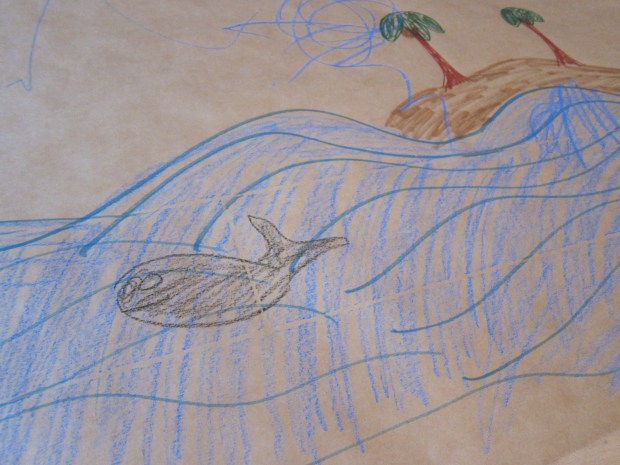
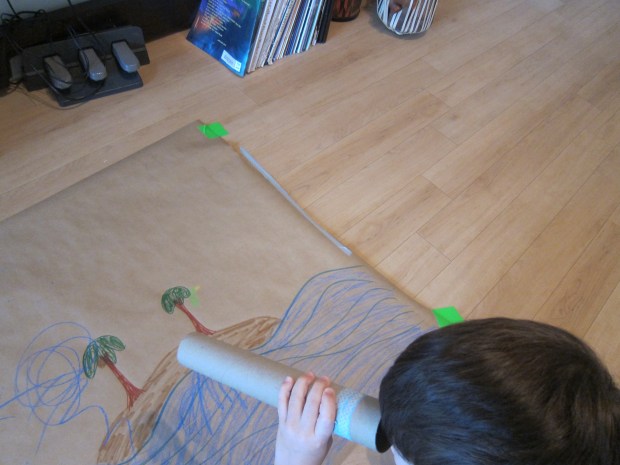
Thinking quickly, we switched to markers and crayons. I drew Travis a basic scene: ocean, pirate ship, desert island. Big kids may want to take charge of this part themselves!

Telescope Game (2)

Next we needed a couple of telescopes. Some decorative washi tape and an empty paper towel tube made one quite quickly.

Telescope Game (1)

We tried to make a stacked telescope by layering cups together. This might have worked more easily with paper cups, since we had to tape two plastic ones together (and work carefully to snip out an eye hole), but the tape sort of ruined the look.

Telescope Game (3)

This image is way more what we were going for.

maxresdefault

But there wasn’t time to be fussy! (We fit this game into baby sister’s nap), so now it was time to test our pirate spotting skills.

Telescope Game (5)

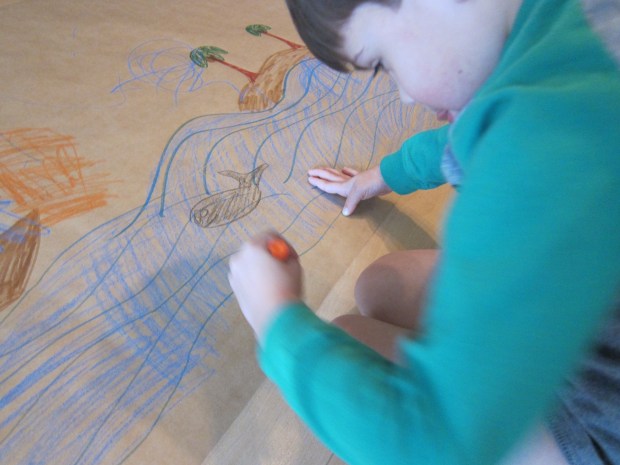
Taking turns, one person added something to the ocean landscape, and the other pirate looked through the telescope to discover what was new.

Telescope Game (4)

This was a great challenge for Travis’s budding art skills. He had fun drawing me a treasure chest, a starfish, and more.

Telescope Game (7)

And he loved spotting the items that mommy pirate drew, like a whale and a parrot.

Telescope Game (8)

As mentioned, you could have a whole group of kids play this at a party, and turn it into a competition for who spots the new item first!

Enjoy, landlubbers!


Sunken Treasure

Sunken Treasure (4)

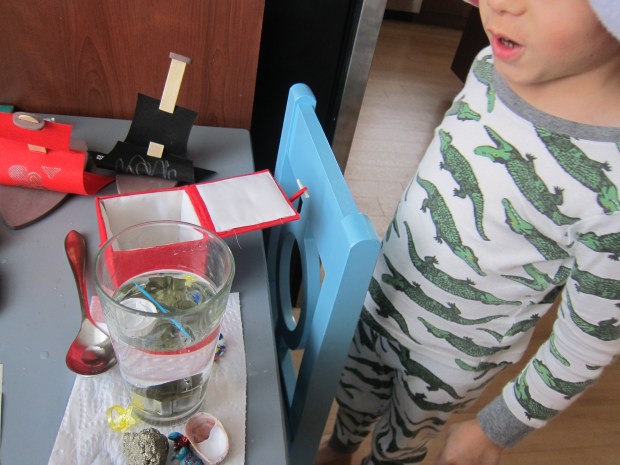
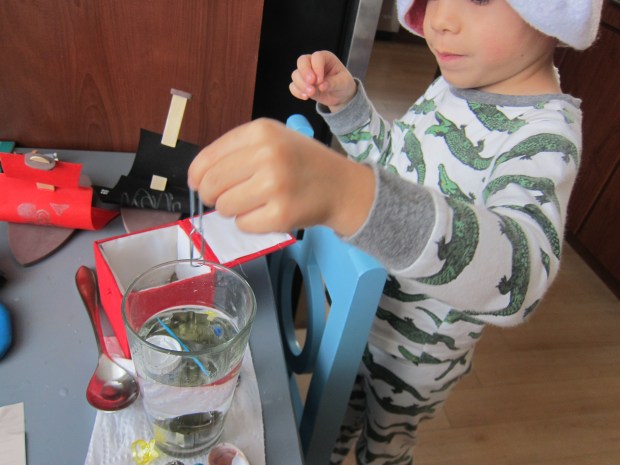
After lots of fun dressing up as pirates, Travis and I needed to head off on a treasure hunt for “booty.” I involved a little STEM learning in the game by turning it into a test – which treasure will float, and which will sink to the bottom of the ocean?

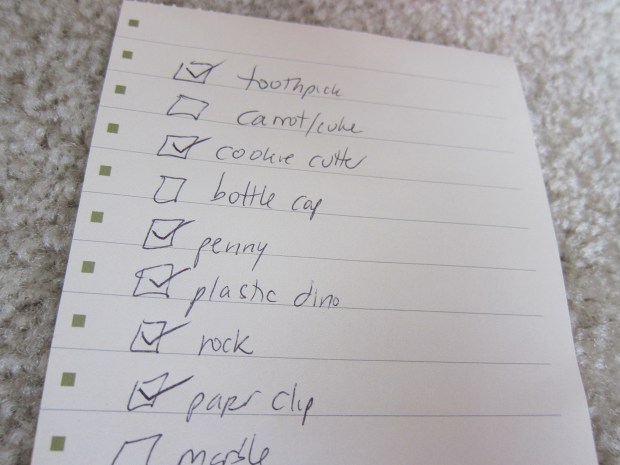
First, I made a list of items to find around the house, and Travis helped check them off as we went.

Sunken Treasure (2)

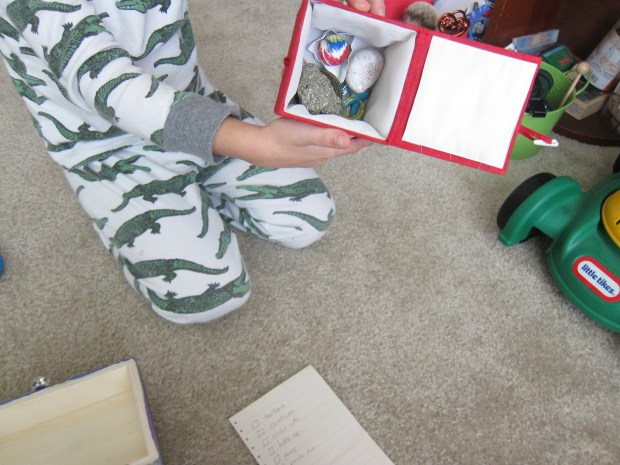
He found a little box to gather his treasures into, and already loved the game!

Sunken Treasure (1)

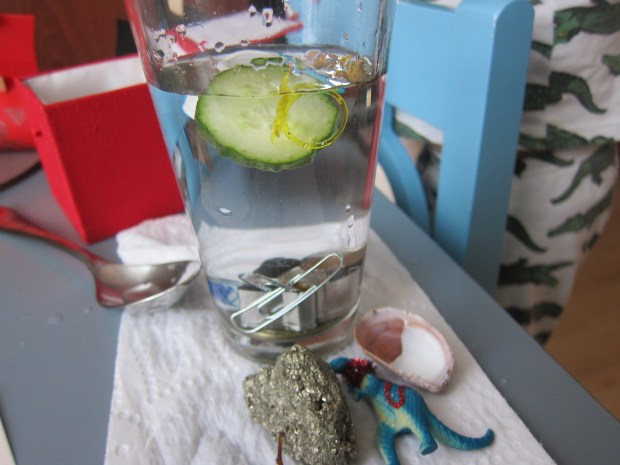
Items included: things from the kitchen like cucumber slices, toothpicks, and cookie cutters; things from his room like toy dinosaurs, marbles, and bouncy balls; and things from outside like leaves, rocks, and sticks.

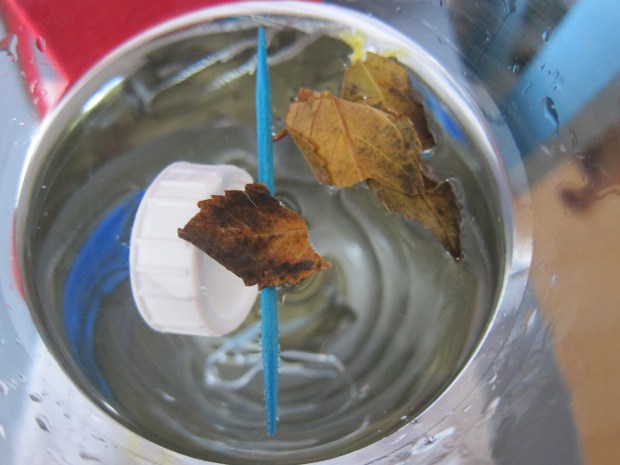
Next we filled a glass of water and set about testing all of our items.

Sunken Treasure (6)

Travis loved dropping things in the glass!

Sunken Treasure (5)

We soon detected a pattern – metal objects tended to sink and wooden ones tended to float. The rubber bouncy ball surprised us by sinking! When we were done, I fished the objects out of the glass, and “Pirate Travis” had to dry and polish all his treasures.

Sunken Treasure (7)


Pirate Crate

Koala Pirate (21)

Ahoy matey! With just a couple months left in our Koala subscription, Travis was eager to see what the Pirate Crate was all about, and dove right in to all 3 projects! As always, you can replicate these projects with materials from a craft store, more or less.

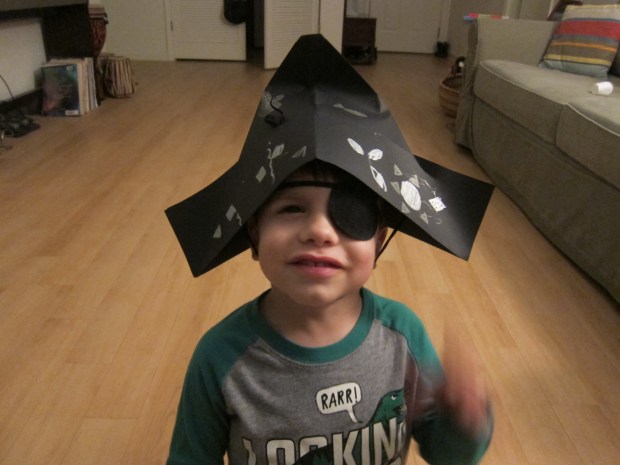
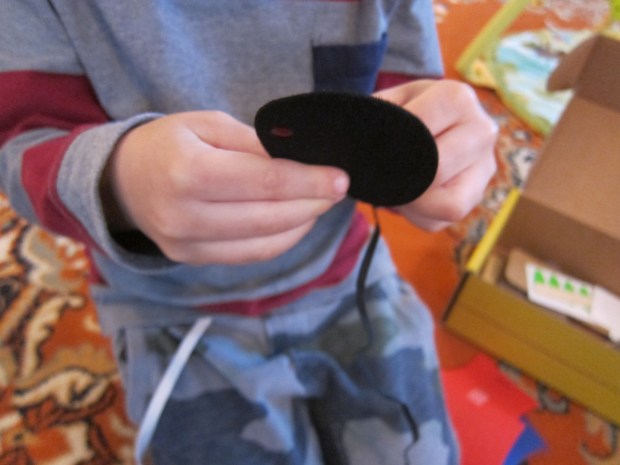
First up was Pirate Dress-Up – a paper hat to fold, and a felt eyepatch. The eyepatch was an instant hit – wow, he felt like a real pirate!
Koala Pirate (1)

Simply thread the provided patch onto a bit of black elastic, and tie a knot to secure it.

Koala Pirate (2)

Next we added the pirate hat, a large piece of black construction paper with dotted lines to fold. These were nicely labeled by both number and color, making it easy for kids.

Koala Pirate (3)

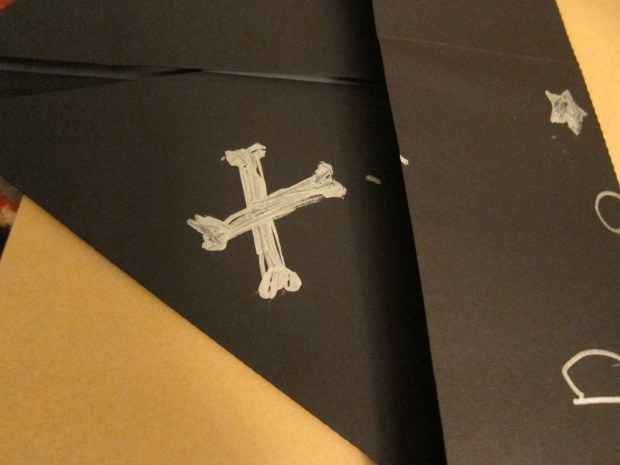
To decorate the hat, use the provided stencils and magic markers. Travis really enjoyed stenciling in shapes (“Look, I made a diamond!”).

Koala Pirate (5)

I helped show him some of the suggested overlapping shapes to make pirate-themed decorations (rectangle + heart = crossbones) but mostly he was content just to scribble and make his own designs.
Koala Pirate (6)

Avast, matey!

Koala Pirate (7)

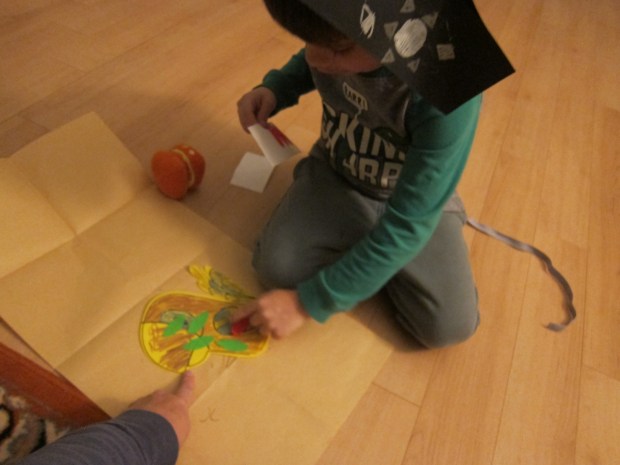
He eagerly asked if we could make the Parrot Puppet immediately after. Color in the provided template with magic markers. There are also feather stickers to adhere.
Koala Pirate (9)

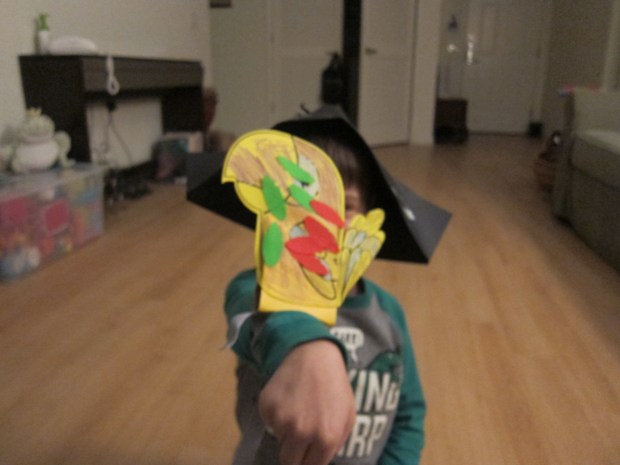
To make the puppet stand, thread elastic through a cardboard base and secure the elastic on with tape, letting the ends dangle down. Fold the cardboard in half and tape again – now the parrot figure slips right on.

When the parrot is not on the stand, the elastic can cleverly be tied around the wrist – a parrot pal just like every good pirate needs!
Koala Pirate (10)

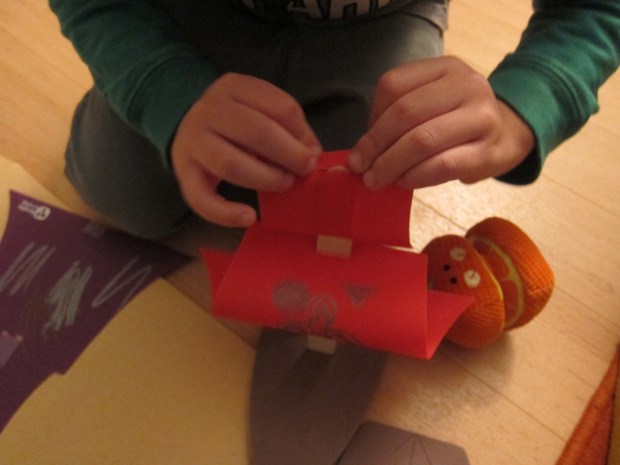
The third project, a real floating Pirate Ship, was a big hit! Insert a craft stick into a brown foam base, and thread one of the 4 provided sails onto the stick.
Koala Pirate (13)

Kids can decorate the sails with stencils, too, but Travis only gave the decoration a cursory thought. He much preferred to see the sails on the masts, and was delighted he could raise and lower them like a real sail.

Koala Pirate (15)

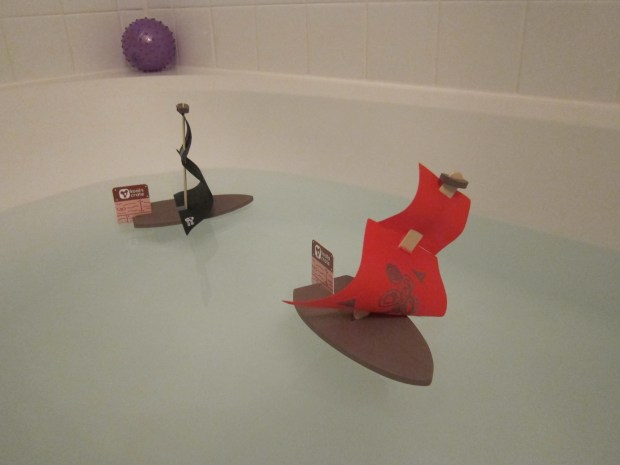
A cardboard “rudder” inserted into a slit at the back of the foam base allows your boat to go straight, left, or right, depending which slot it’s in. So of course we had to test them in the bathtub!
Koala Pirate (16)

Have fun playing around with the rudder’s position, or racing the boats against one another. Travis also loved “flying” the boats in the air.

Koala Pirate (17)

To round out Travis’s costume, we also put together the suggested Pirate Hook. Roll a piece of aluminum foil tightly – Travis insisted on doing so himself!

Koala Pirate (18)

Adults, poke a hole in the bottom of a plastic cup. Insert the wrapped foil, curling the end into a hook shape. Pop the cup over your child’s hand and ahoy there – it’s Captain Hook!

Koala Pirate (20)

Shiver me timbers! Thanks for a great time, Koala Crate.