Dancing Turkeys

Dancing Turkey (10)

If you’re starting to get in the mood for all things turkey in advance of Thanksgiving, these silly turkey puppets will kick things off on a lighthearted note.

To make the turkeys was quite complicated, and truth be told ours looked a  bit more like a chicken since I had white yarn, not brown, for the steps that follow.

For the body, wrap a ping-pong ball or golf ball in double-sided tape and then wrap with yarn. Tuck the final strand under to secure.

Dancing Turkey (1)

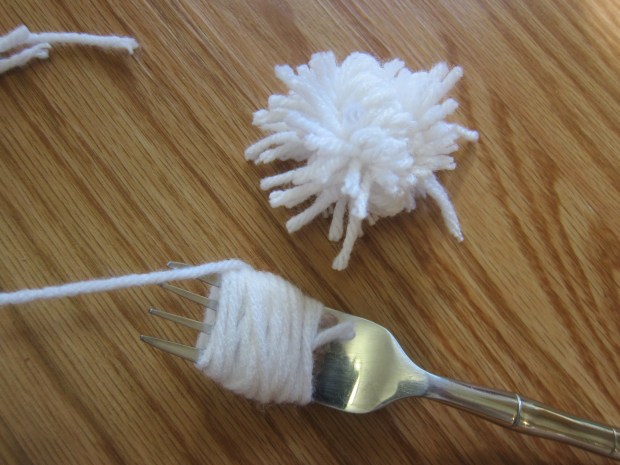
Next, you’ll need to make three pompoms, two for feet and one for the turkey’s head. For an easy at-home pompom, wind yarn around the tines of a fork, then tie a string tightly around the middle in the other direction. Slip off the fork and snip the loops to make pompom fringe. Make sure to leave one long strand on each pompom foot.
Dancing Turkey (2)

Cut a beak from felt and hot glue onto the head pompom, along with 2 wiggle eyes.

Dancing Turkey (3)

Now put it all together! I hot glued a length of craft boa onto the back of the body, then curved a half-length of pipe cleaner into an S shape. Hot glue the top of the S to the head, and curve the bottom of the S around the body, securing with a little extra hot glue.

Dancing Turkey (5)

Tie the long strands from each pompom foot onto the body. Finally, hot glue feathers along the boa in back for the turkey’s tail feathers.

Now to make it dance! Cross two Popsicle or craft sticks into an X and secure with yarn around the middle.

Dancing Turkey (6)

Cut three lengths of stretchy jewelry cord; you’ll need two 12-inch pieces and one 6-inch piece. Tie the long ones to the legs, and the short one to the head, and then secure them all to the Popsicle sticks.

Dancing Turkey (8)

Break out the Thanksgiving tunes and make it dance! We loved kicking off this holiday in celebration of these beautiful birds.

Dancing Turkey (9)

Popcorn Reef

Popcorn Reef (2)

If your kids like to play with their food, permission is granted with this fun food-art-meets-snack.

To start, pop 4 cups plain popcorn; set aside in a large bowl.

Meanwhile, melt 1 tablespoon Earth Balance butter in the microwave. Add 1 and 1/2 cups mini marshmallows (such as Dandies) to the bowl. Microwave for 1 minute until the marshmallows are melting, and whisk to combine.

Pour the marshmallow mixture over the plain popcorn. Add a few drops of food coloring for pink coral! Once the mixture cools enough to handle, turn out onto wax paper and shape into mini coral reefs. We had some big blobs that looked a bit like brain coral, and some that was more like branched coral!
Popcorn Reef (1)

For fish, place an orange slice on each plate. Add slices of carrot for tail fins and a mouth, and blueberries for the fish’s eye (plus a few extra bubbles!).
Water Bottle Fish Mobile

Water Bottle Fish Mobile (7)

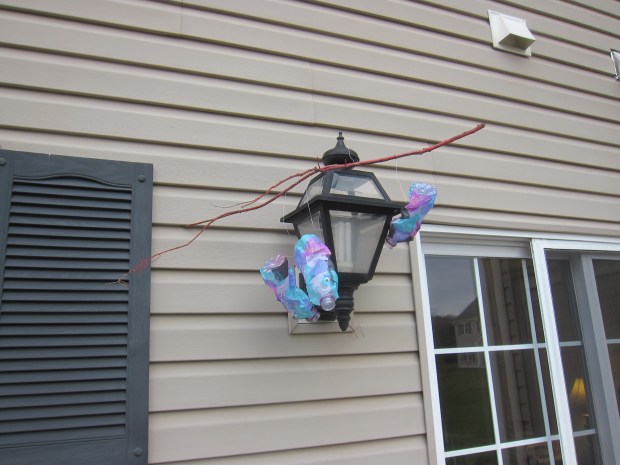
We brought home a neat stick from a recent nature hike that was just begging to be incorporated into a mobile of some kind. Plastic bottles soon turned into little fish (to continue our recent theme of under the sea) to round out the project.

First we wanted to spray paint the branch, so I set it outside on newspaper and applied two coats of red and sparkly silver. This gave it such a a neat magical forest look.

Water Bottle Fish Mobile (3)

We had empty water bottles in the recycle bin, so we twisted each slightly near one end to make fish “tails”. Now decorate all over your fish with glue and tissue paper. Finally, glue wiggle eyes to each fish and then let dry completely.

Water Bottle Fish Mobile (1)

Note: If we were to repeat the project, I would water down the glue and paint it over the squares of tissue paper, to more securely affix them to each water bottle.

Water Bottle Fish Mobile (4)

To suspend the fish from your branch, you can use fishing line and a needle if your crafting skills are more advanced than mine. Instead, I simply used floral wire, twisting the wire around the branch at intervals and then around the middle of each “fish”.

Water Bottle Fish Mobile (5)

Suspend with additional fishing line or floral wire any place outdoors. The fish theme makes this a nice reminder of summer days, since now our forest branch looked almost like driftwood!

Water Bottle Fish Mobile (6)

Under the Sea Play Scene

Under the Sea Play (6)

Here’s a fun sticker art project that turns into a game at the end!

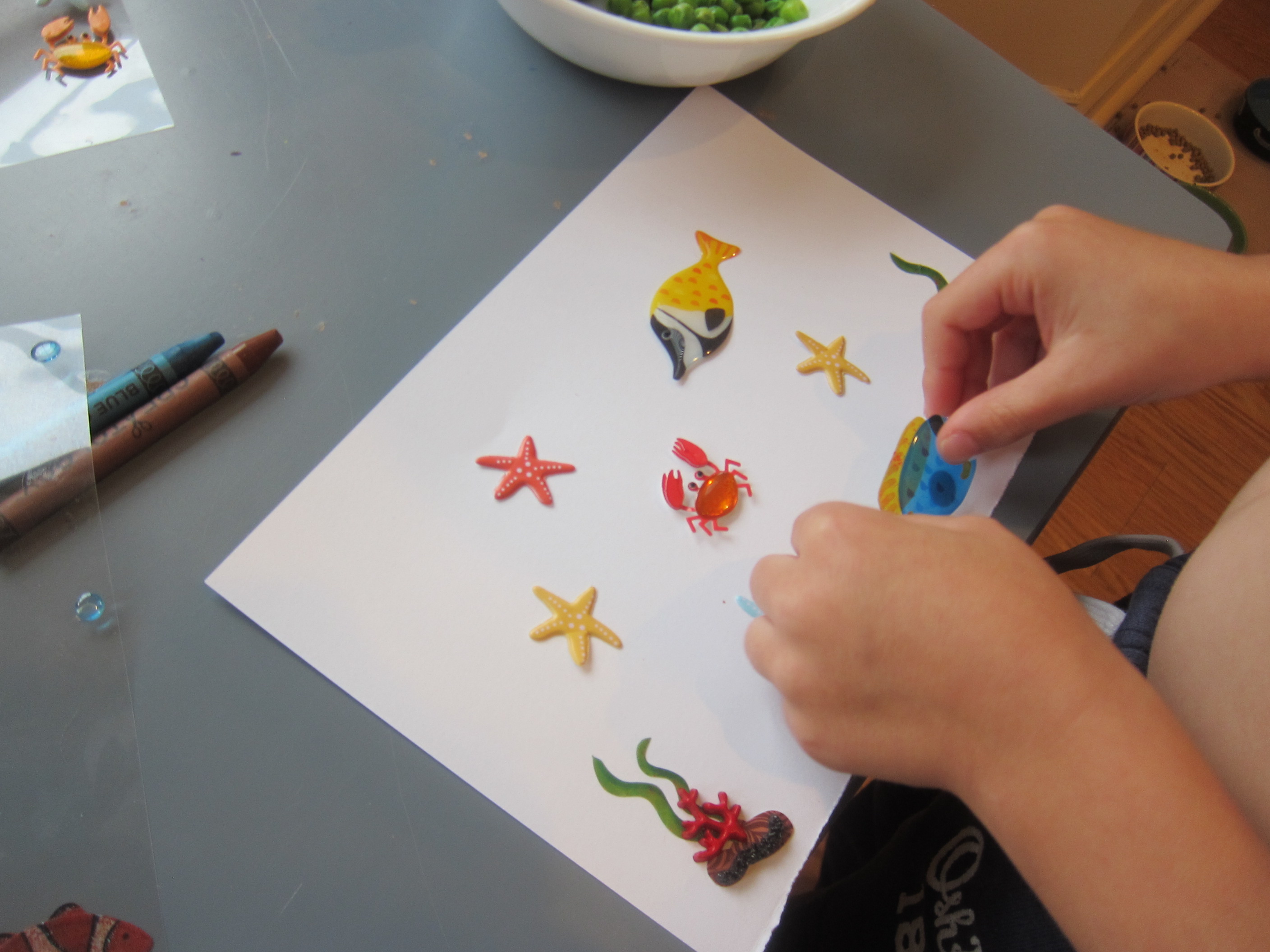
First, I told Travis we were simply making underwater scenes. He’s been learning about coral reefs, which made this a neat extension. We added stickers to thick white paper featuring coral, sea stars, fish, and more.

Under the Sea Play (3)

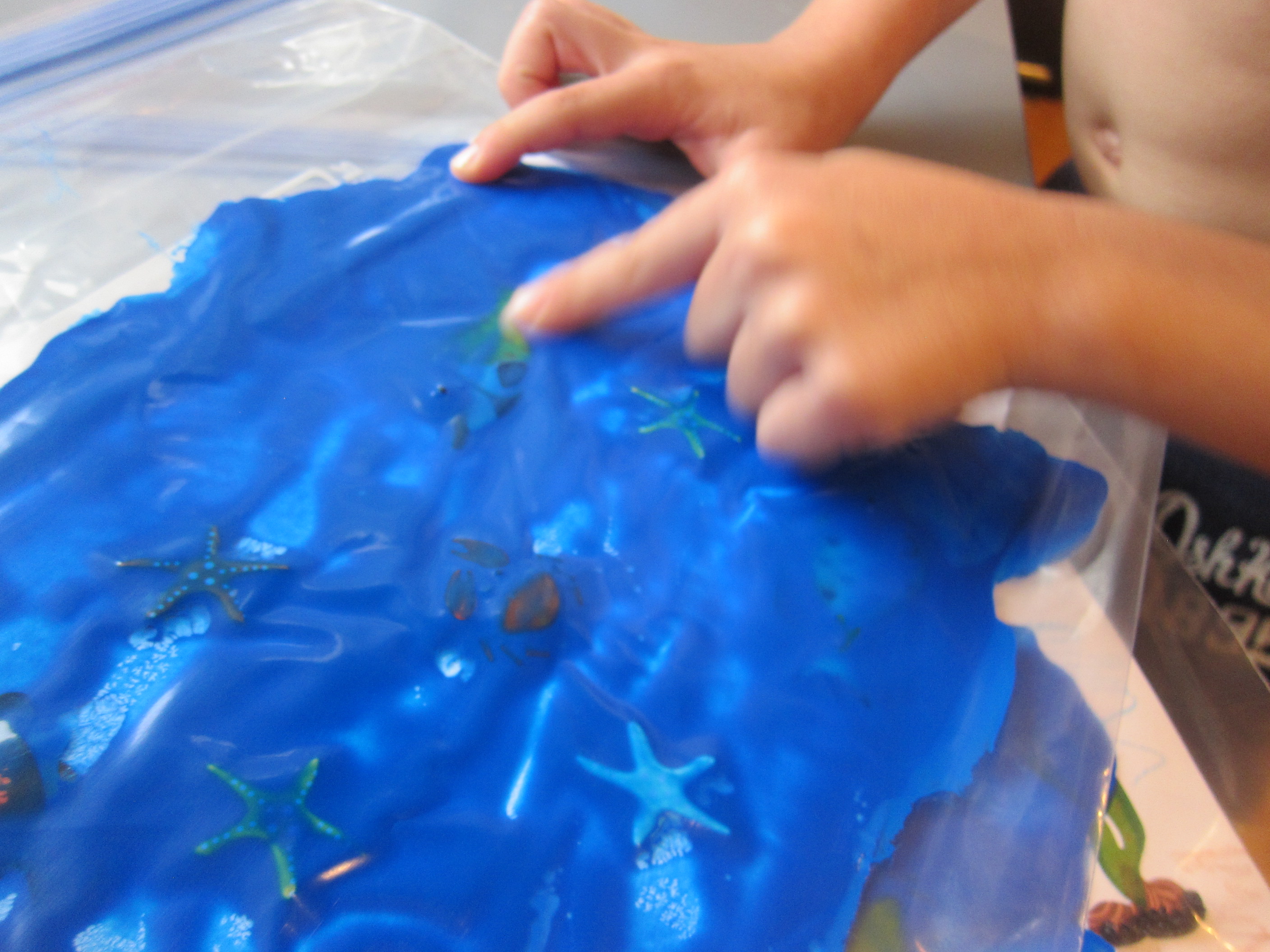
I also added a background with crayons to show sand, water, and extra seaweed. Next, fill zip-top bags with blue paint. Insert your sticker scenes, and seal tightly.

Under the Sea Play (4)

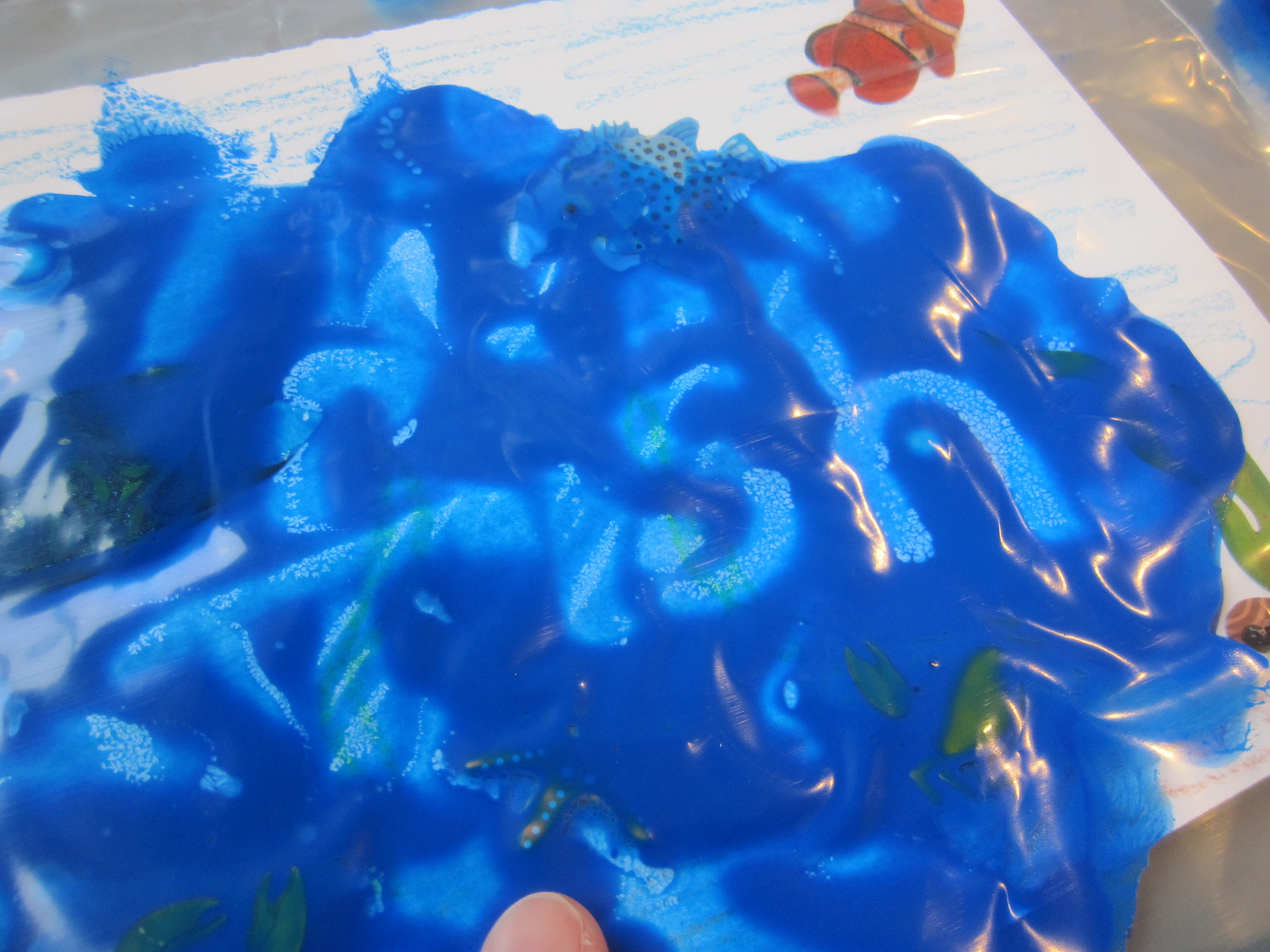
I showed Travis that now he could uncover his ocean scene beneath the waves! In addition to the cool tactile feel of this, it was fun to watch the crabs and fish appear on the “surface”.

Under the Sea Play (5)

If your child is learning to spell, the paint is great for practicing: F-i-s-h, fish!


Under the Sea Play (7)

Note: I would use a lot more blue paint next time, since I didn’t have much and ours barely covered the paper, which sort of spoiled the “reveal” of the scene beneath. But Travis still enjoyed it!

What will go in your ocean scene? Please share in the comments!

Sandy Play Dough

Sandy Play Dough (10)

This sand-laced play dough requires only 4 ingredients, comes together in moments, and works just like kinetic sand!

To make the “sand”, combine 3 cups flour and 4 cups play sand in a large container. Add 1 and 1/4 cups hot water and 1/4 cup vegetable oil. Stir to mix and then knead with your hands until the mixture comes together like play dough.

Sandy Play Dough (1)

That’s it! I set out this sandy beach with lots of sea shells and let the kids go to town. We could construct sand castles…

Sandy Play Dough (8)

…which needed sea shell decorations of course!

Sandy Play Dough (9)

Veronika loved sorting through the shells and arranging them over the play dough best, even more so than working with the dough itself.

Sandy Play Dough (5)

For Travis, meanwhile, it was soon a landscape to play with Lego figures!

Sandy Play Dough (3)

The play dough molds together so easily, so we could make sea snakes or little sand structures, and so much more.

Sandy Play Dough (7)

No matter how they engaged with it, I loved watching brother and sister have fun with this hands-on bin together.

Sandy Play Dough (11)

Make Your Own Diving Fish

Diving Fish (2)

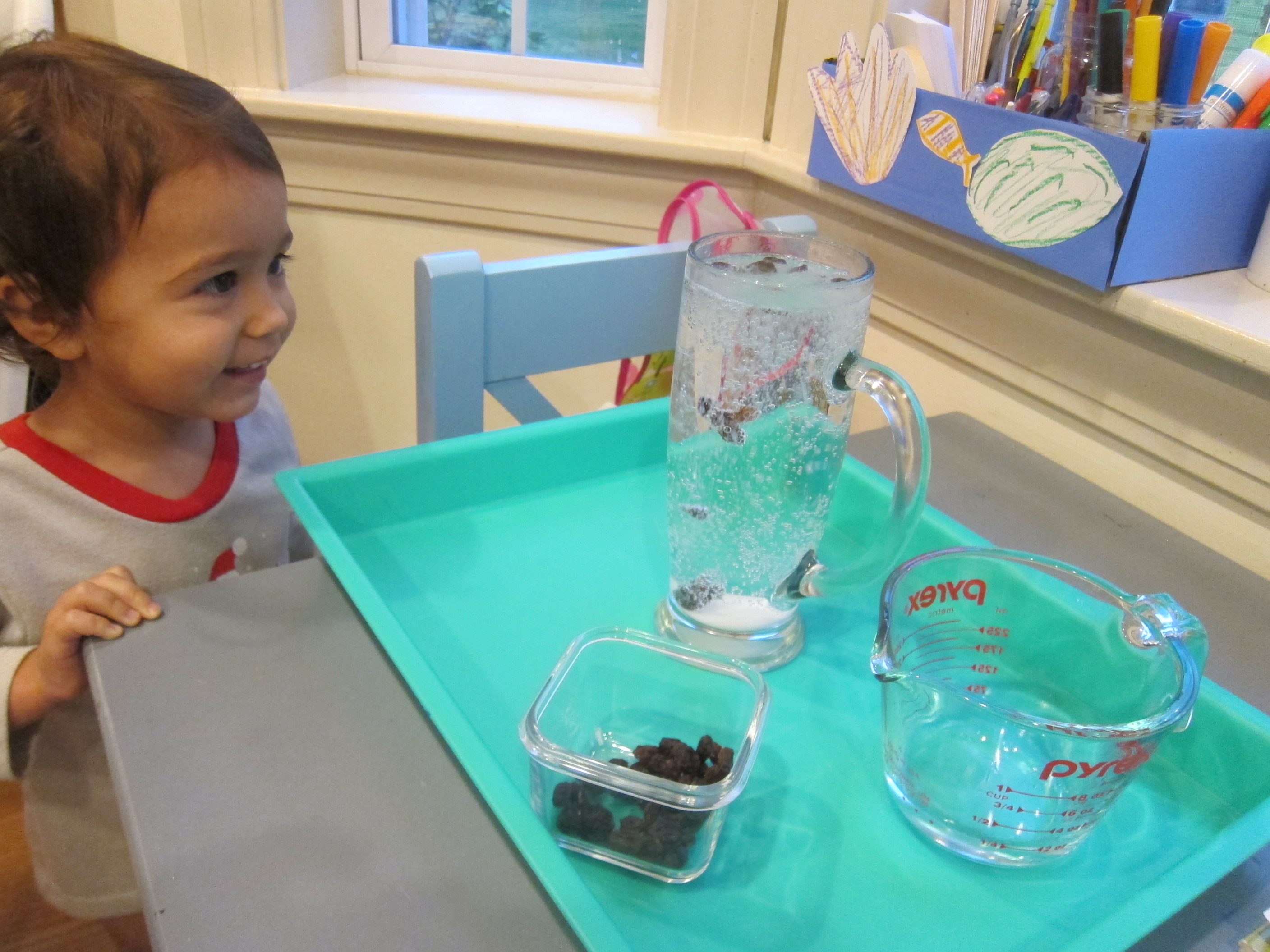
This quick STEM project was intended as an extension of recent coral reef play for Travis, but it turned out that little sister Veronika loved it even more! There’s nothing like a good reaction of baking soda and vinegar to bring smiles in the morning.

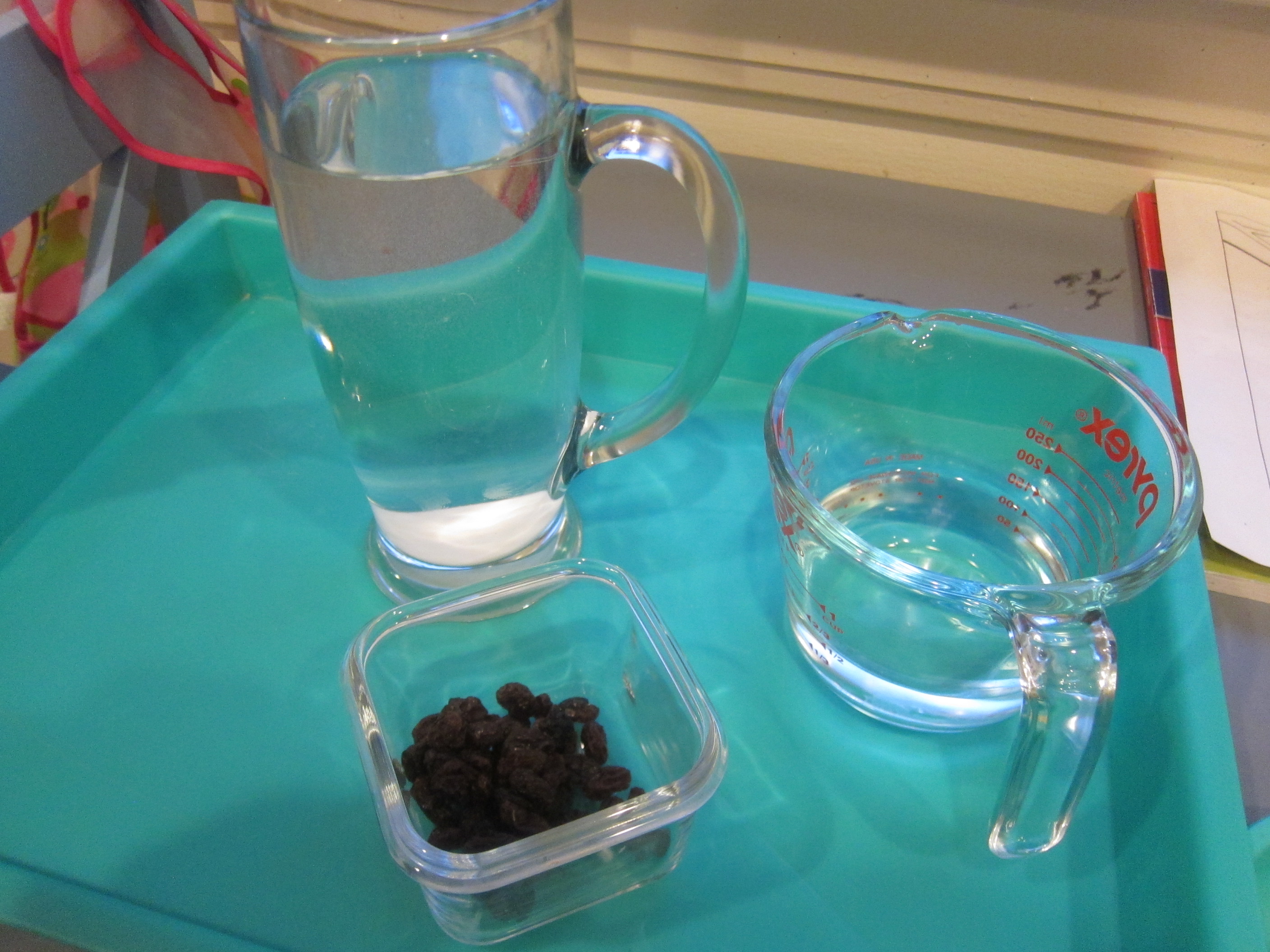
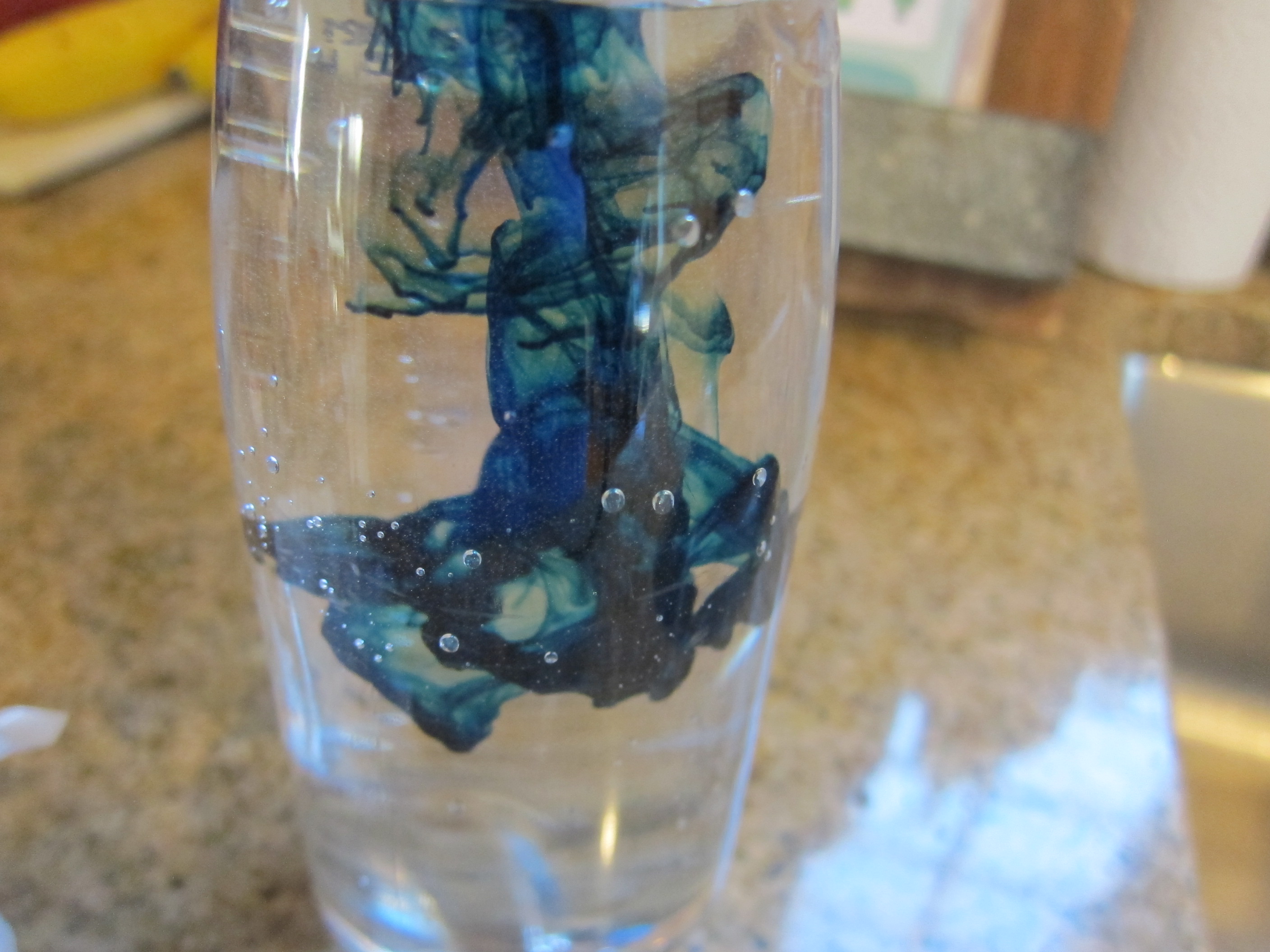
Fill a tall clear container with 2 cups water. Make sure there is still room at the top of the container to add more liquid (e.g. a flower vase might work better than a drinking glass, unless you have very tall ones).

Diving Fish (1)

Add 1 tablespoon baking soda to the glass and then pour in 1/2 cup vinegar.

Working quickly, start adding “fish”. These can be just about anything light and small from the kitchen. We used raisins, but dried beans or rice would work, too!

“They’re swimming!” Veronika exclaimed with delight. We added the vinegar in increments, so each time our little fish would be set swimming anew.

The magical work of producing carbon dioxide!

Coral Reef Creation Station

Coral Reef Creation Station (6)

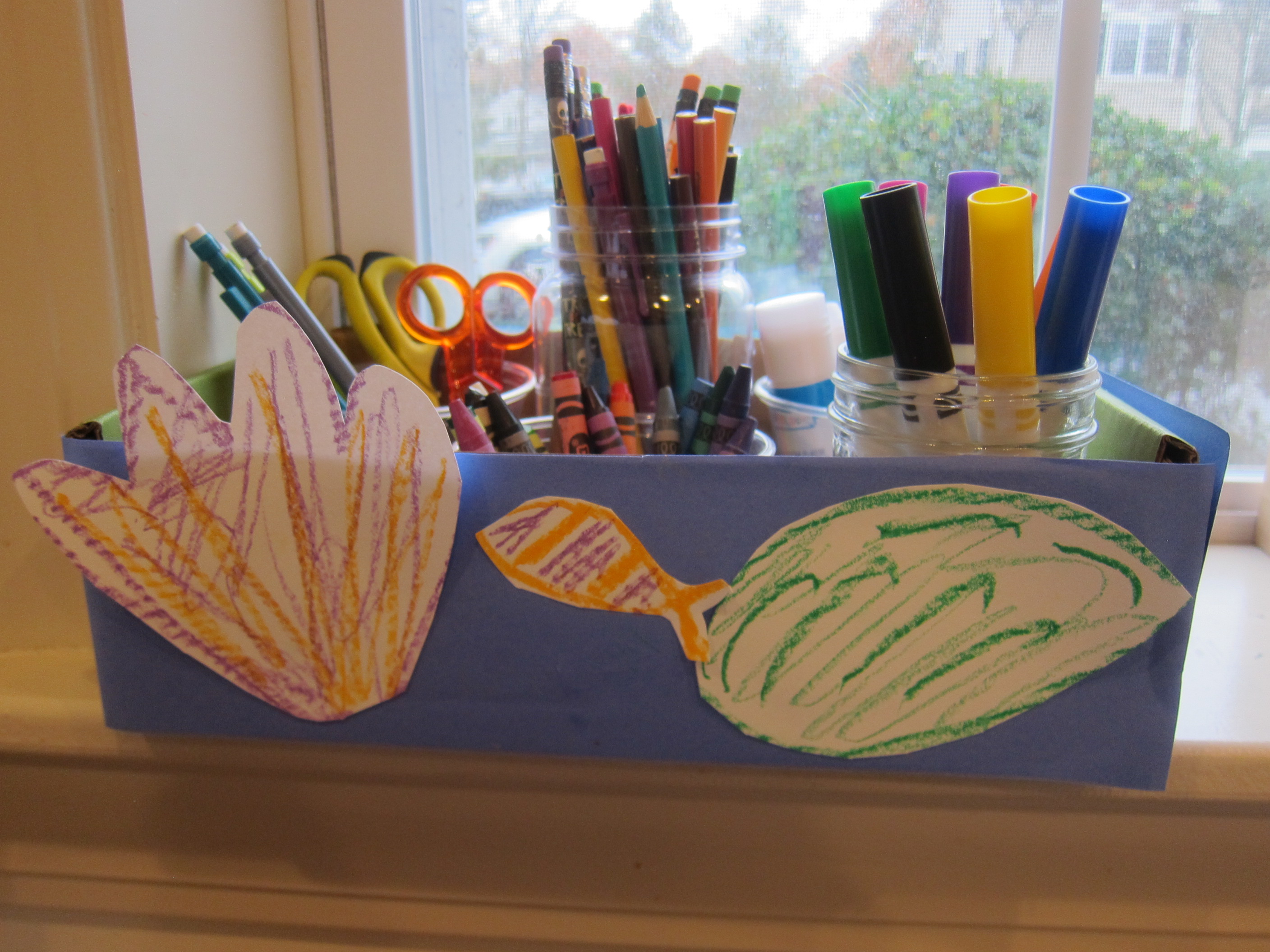
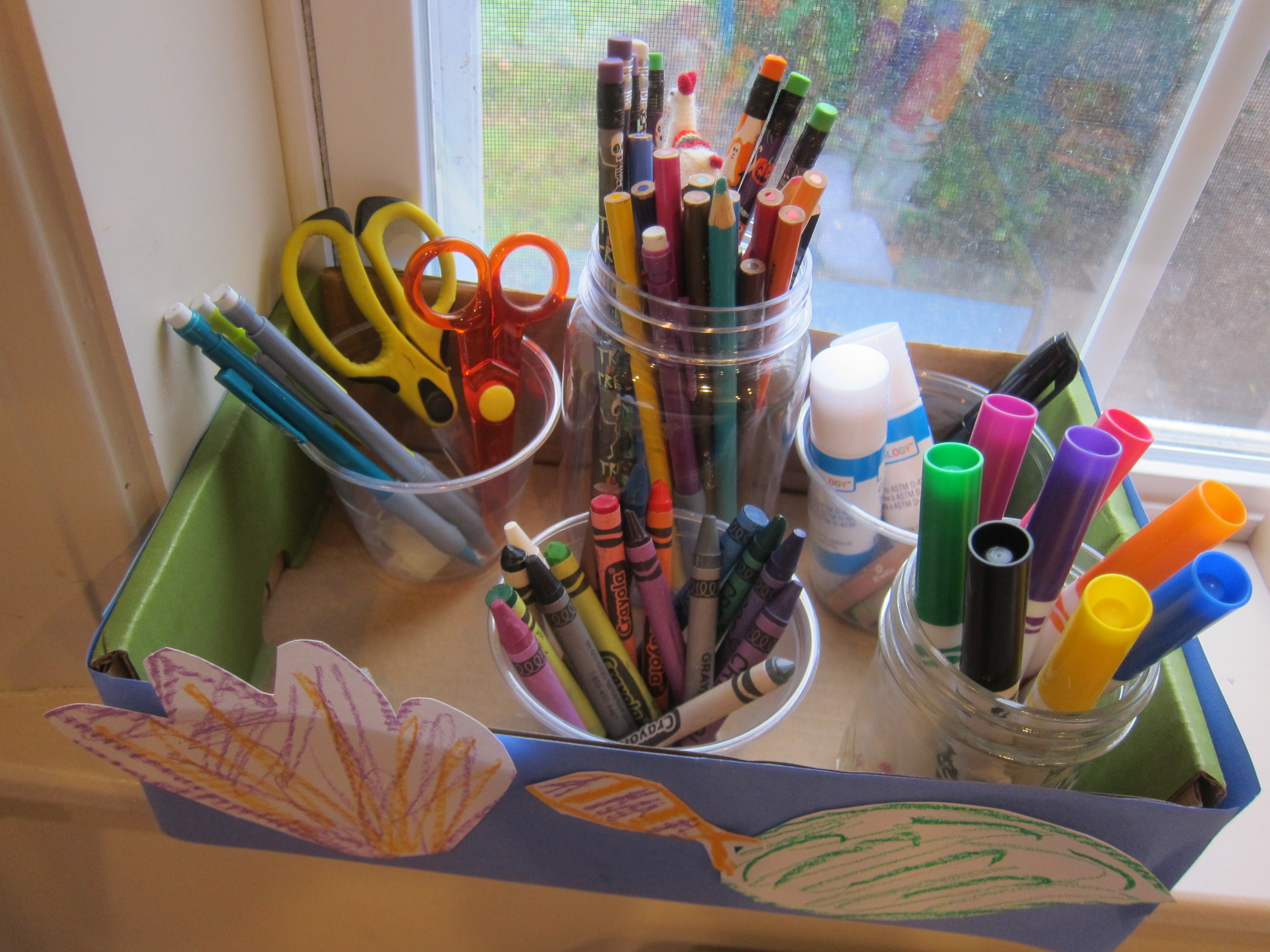
Here’s a fun way to make a pretty catch-all for art or school supplies, particularly if your child needs to keep everything handy for remote learning sessions this year.

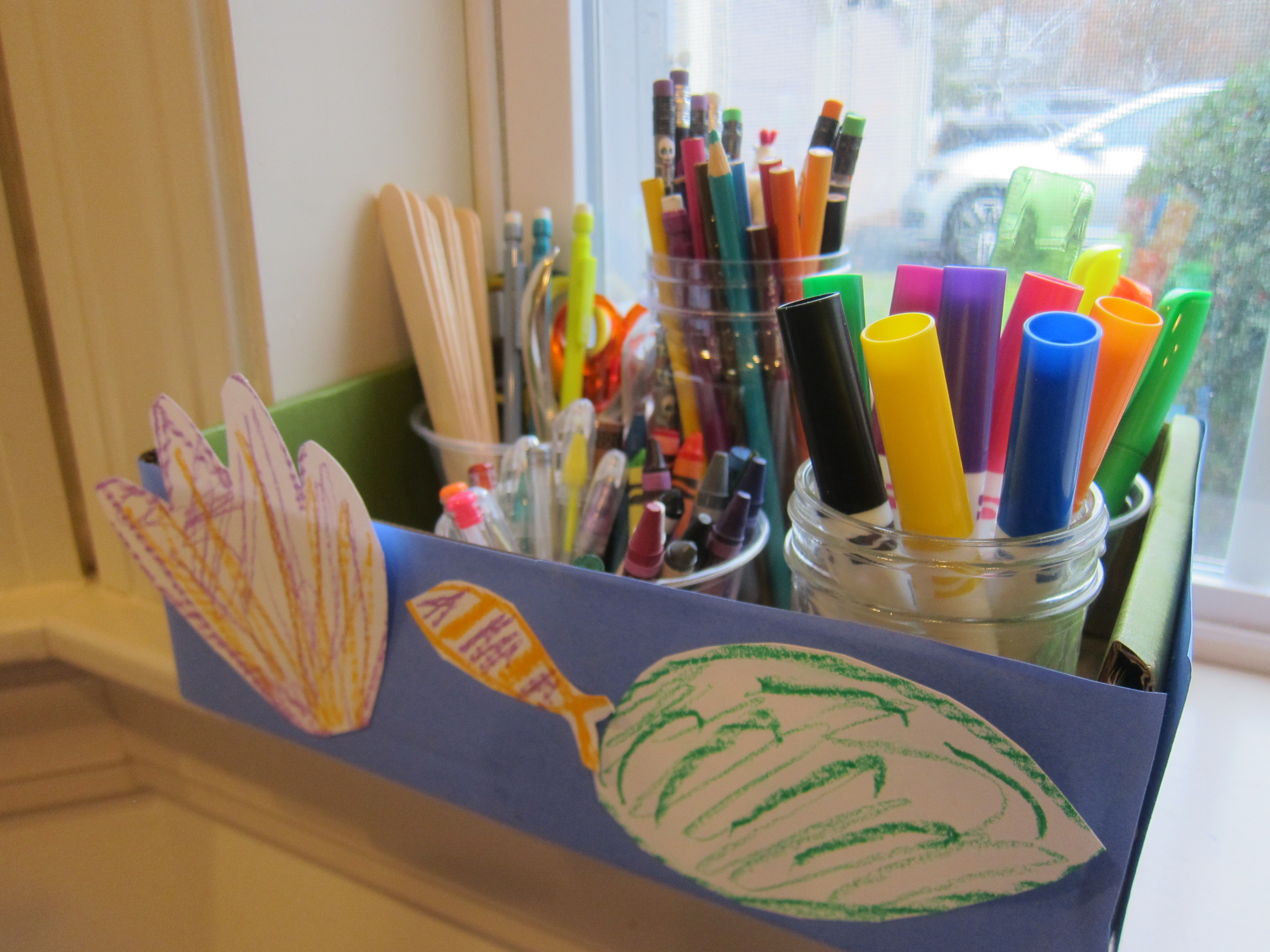
To start, you’ll need any small box or shoebox; we recycled a Kiwi Crate. First, we lined it with blue construction paper to make an ocean background, adhering with a glue stick.

Coral Reef Creation Station (2)

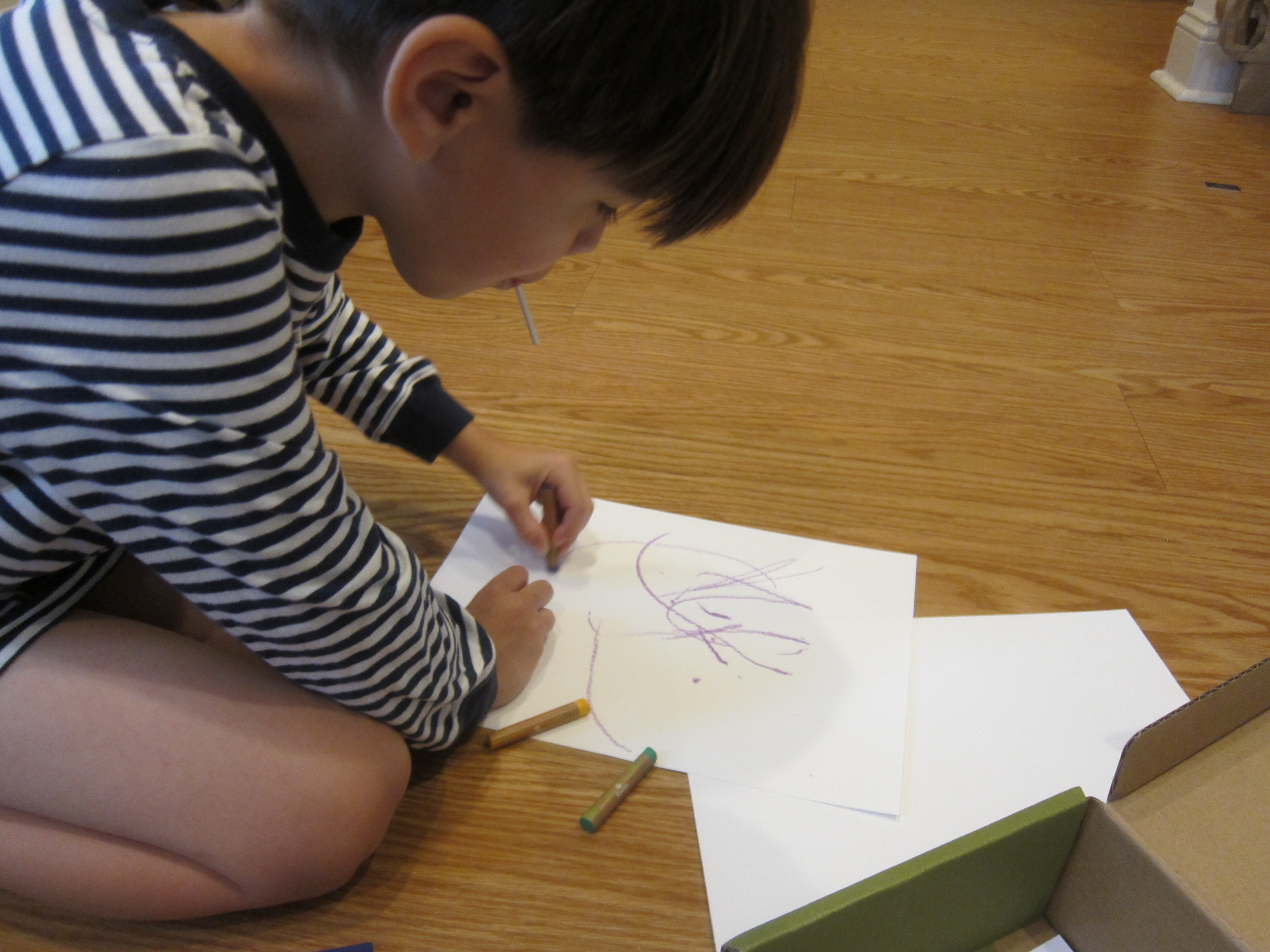
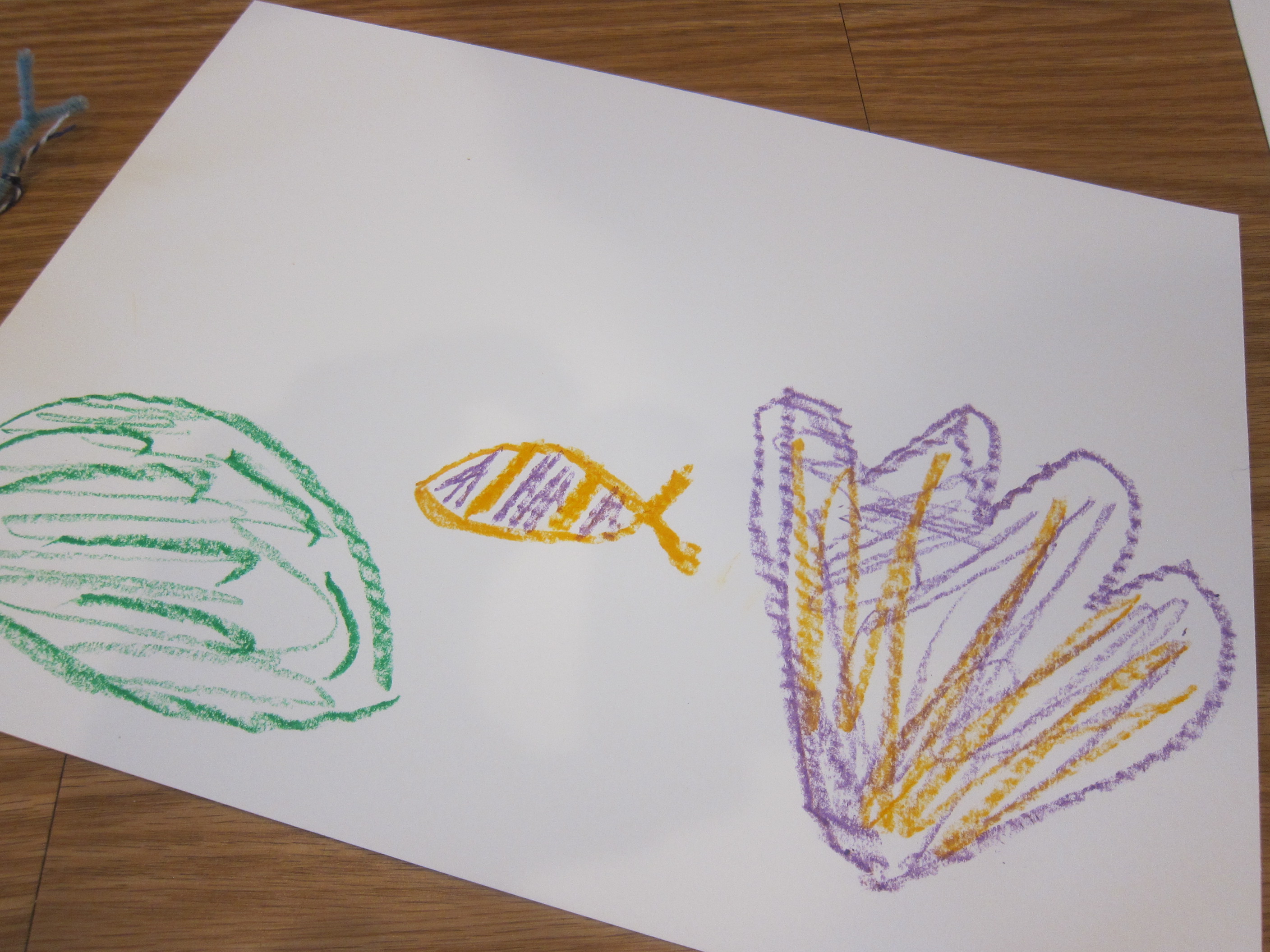
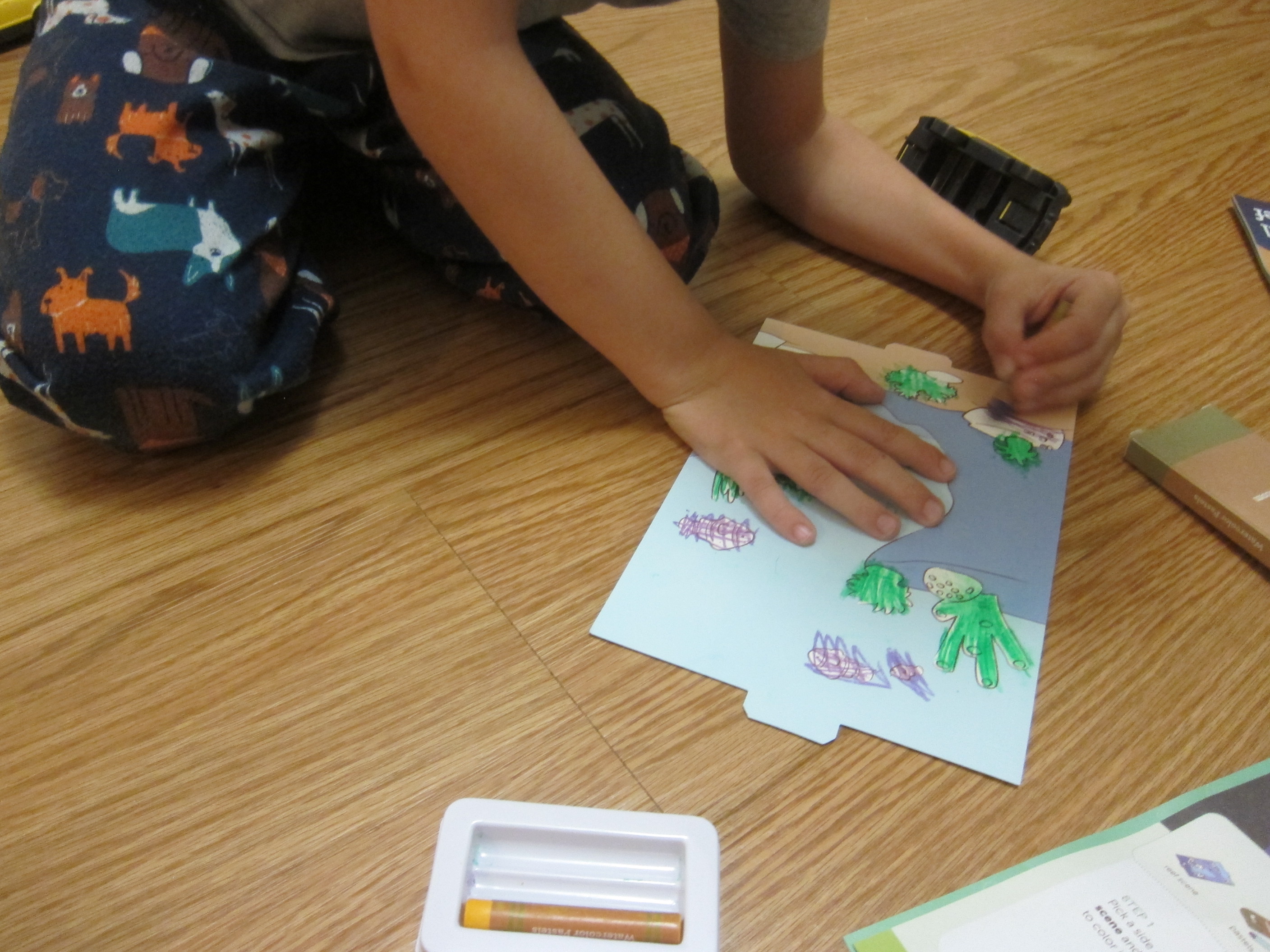
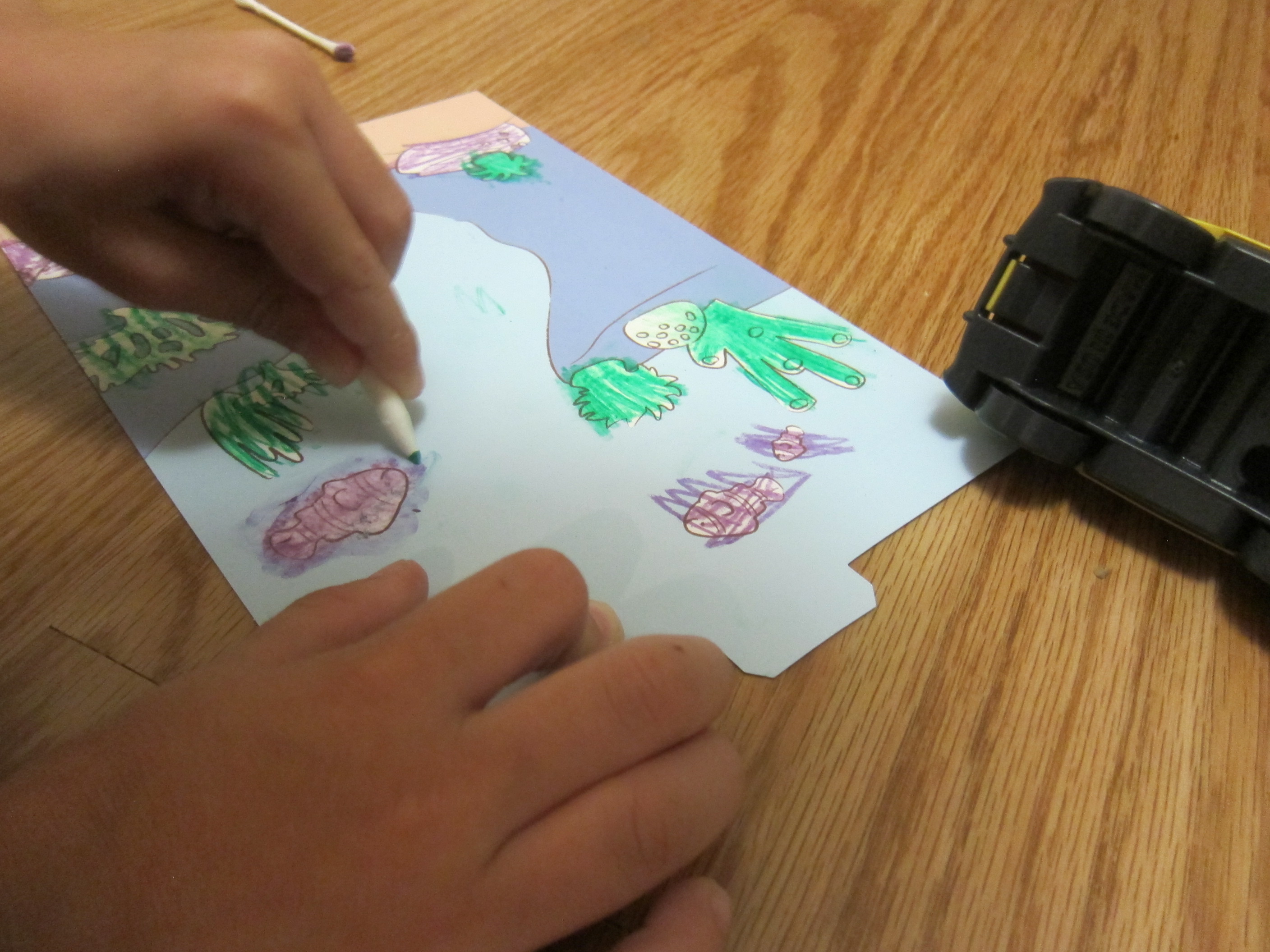
Next, draw coral reef features on thick white paper. Travis enjoyed using pastels, but crayons or markers would also work.

Coral Reef Creation Station (1)

We soon had a few pieces of coral and one friendly-looking fish to cut out and glue to our blue backdrop.

Coral Reef Creation Station (3)

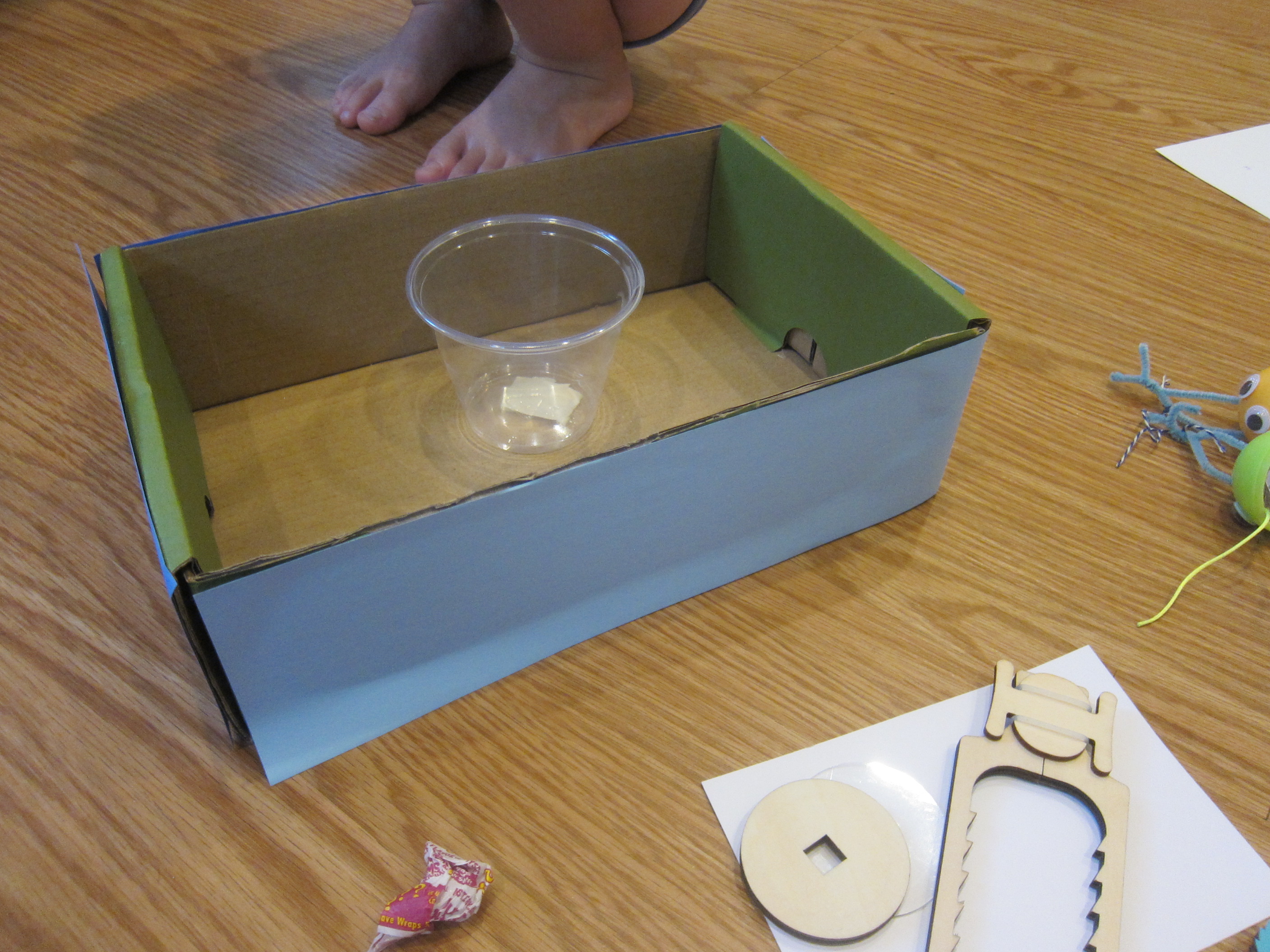
On the inside of the box, tape down plastic cups or similar containers (such as recycled yogurt containers). Fill up with all those supplies!

Coral Reef Creation Station (4)

Now everything under the sea is right where Travis needs it.

Coral Reef Creation Station (5)

Coral Reef Kiwi Crate

Kiwi Coral Reef (9)

Travis kit from Kiwi Co this month was all about Coral Reefs. The focus was primarily on the science of a coral reef’s ecosystem, with a little bit of art and engineering (ratchets!) thrown in for good measure.

First up was the art component: to color in a Reef Scene.

Kiwi Coral Reef (1)

Travis loved the pastels that came with the kit for this step. There was also a blending stick to mix colors or make scratch-art, so kids can really have fun with this step if they’re feeling artsy.

Kiwi Coral Reef (3)

Next up he needed to Assemble the Jellyfish. The pastels are used again, this time to color the tentacles of the provided jellyfish shapes. Fold down these tabs of paper, then add strings as additional tentacles for wonderfully wavy creatures.

Kiwi Coral Reef (5)

A plastic cap (which looks like the top of an Easter egg) sits on top as the jellyfish’s bell. Thread a pipe cleaner through the holes in the plastic head and twist to make a loop. Wiggle eyes completed each wiggly fellow.

Kiwi Coral Reef (6)

Finally, it was time Build the Race Frame. Kids add a disc and ratchet to each of two bolts, which then screw into a spool on either side of the wooden race frame.

Kiwi Coral Reef (7)

When we came to the next step, it turned out we were missing the long strings to thread through the spool and onto the pipe cleaner loop of each jellyfish. Luckily this was an easy material to replace, and I grabbed twine from the craft bin.

Travis then attached the handles (pieces of wood which will hitch onto the teeth of the jagged ratchet). As we raced our jellyfish, we learned that whether you push or pull on a ratchet, it will always turn in only one direction; the left side grabs when you push, and the right side grabs when you pull . Once Travis got the hang of it, he loved having jellyfish races with me!

Kiwi Coral Reef (8)

For some final fun, Travis read facts in Explore magazine, solved a brain coral maze, and then made a quick Pet Jellyfish:

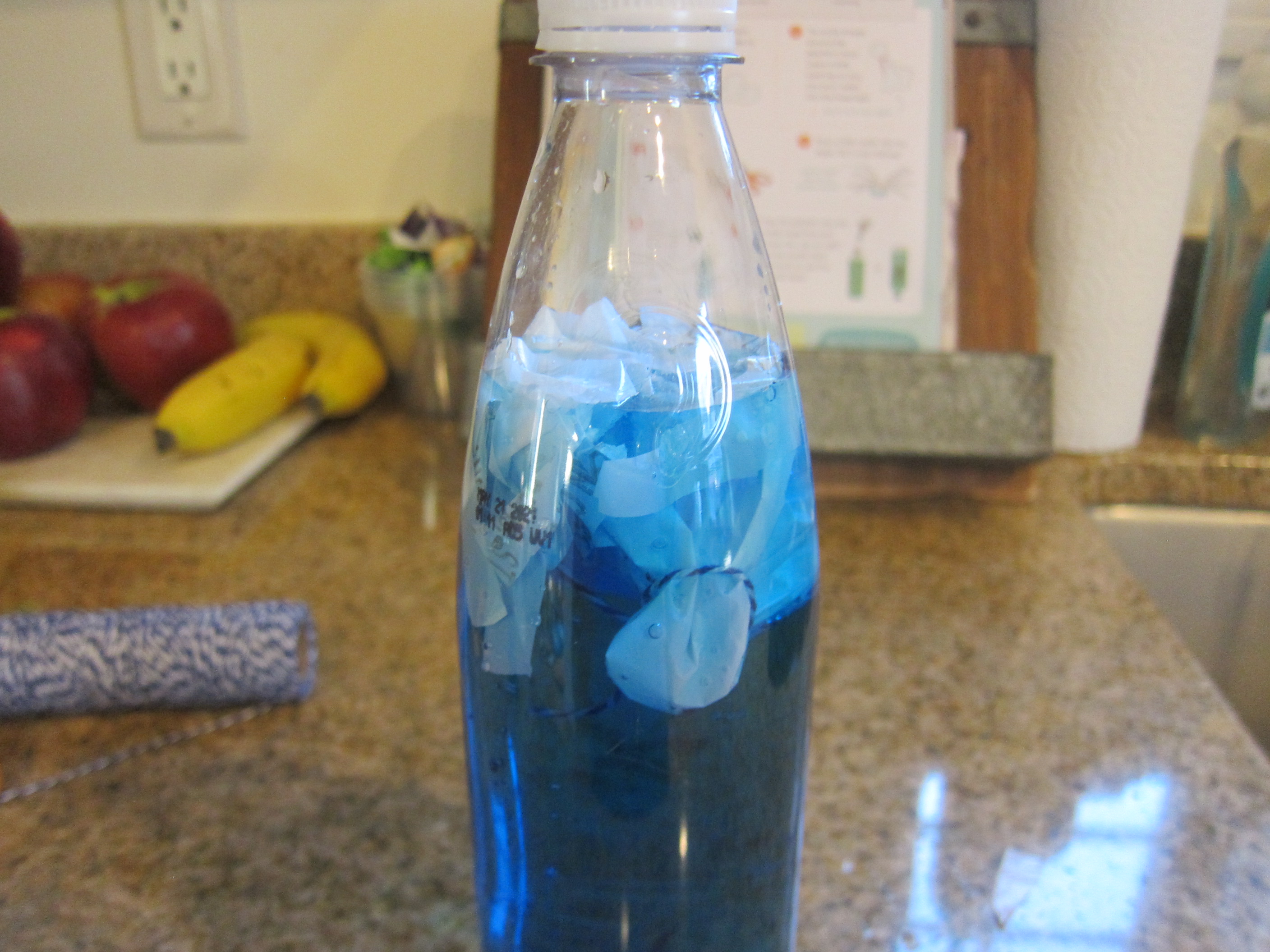
Cut a circle from a plastic bag and gather the center of the plastic to form a head; tie loosely with string. Snip the edges of the circle to make the tentacles.

Pet Jellyfish (2)

Fill a clear plastic water bottle with water and add a few drops of food coloring to turn it into a blue ocean.

Now fill the jellyfish’s head about halfway with water; you need enough room for an air bubble to form as well. Insert into the bottle and tilt it back and forth to watch your new “pet” swim.

Pet Jellyfish (3)

This didn’t work perfectly for us, but the kids liked the wavy tentacles in the bottle!

Pet Jellyfish (4)

Chase the Rainbow

Chase the Rainbow (7)

Here’s a great activity whether your goal is to encourage siblings to work together, or whether you just need to occupy your child the next time you hear: “I’m bored.” Task them with making a rainbow!

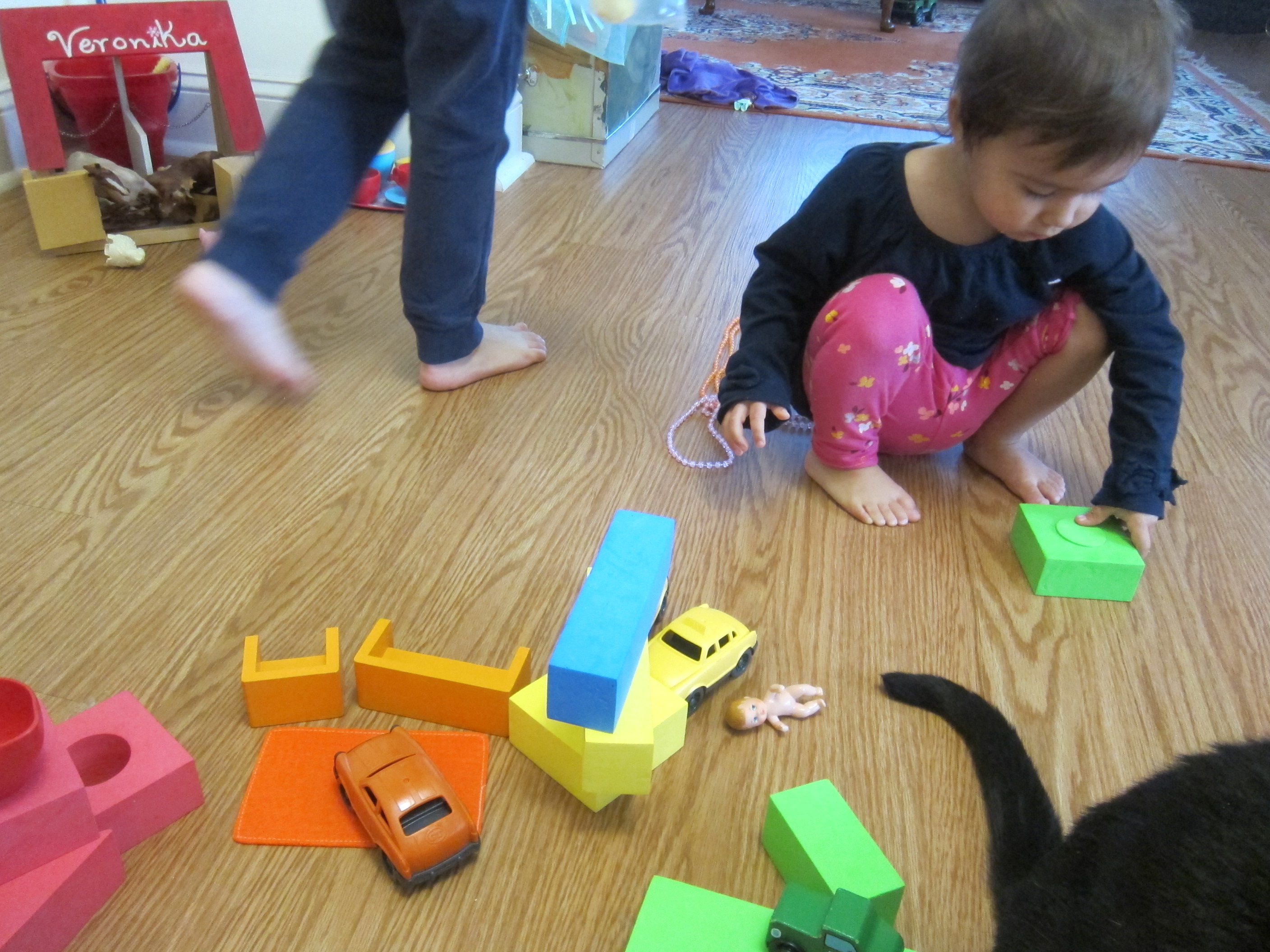
I laid out a few blocks to set the kids on the right track, arranging a few of each color in a circle, and then they were off and hunting for other items around the room that fit our rainbow.

Chase the Rainbow (2)

Veronika was so proud when she could add an item to the right color segment of our circle.

Chase the Rainbow (5)

There’s the green pile!

Chase the Rainbow (6)

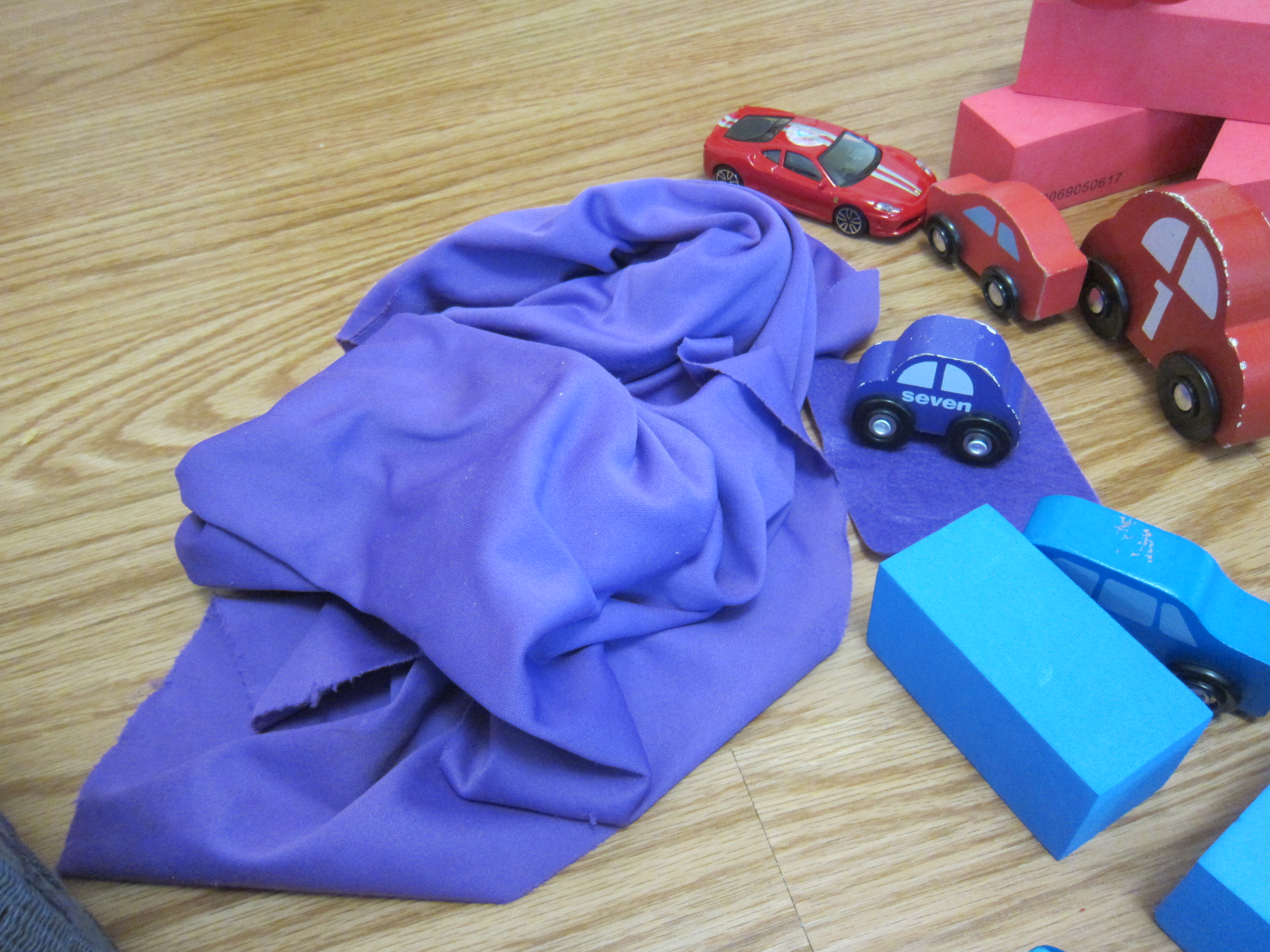
Big brother Travis was very proud every time he could fill in where we needed a color the most, like a purple cape from the dress-up bin to beef up the purple pile.

Chase the Rainbow (3)

Soon we had a varied group of blocks, cars, animals, dollhouse furniture, and more.

Chase the Rainbow (4)

This was a great way for a toddler to see the various shades of a color, too, as opposed to standard bold primary colors. So go ahead and tell your kids to chase after the rainbow!

Butterfly Migration Map

Butterfly Migration (1)

As a final component of Travis’s Raddish Kids about the Day of the Dead in Mexico, he learned about the connection between the festival and the annual arrival of monarch butterflies. This made for a neat lesson on a day off from school.

We started with a read-aloud of Uncle Monarch and the Day of the Dead, helping Travis understand how the festival and butterflies were linked.

Butterfly Migration (2)

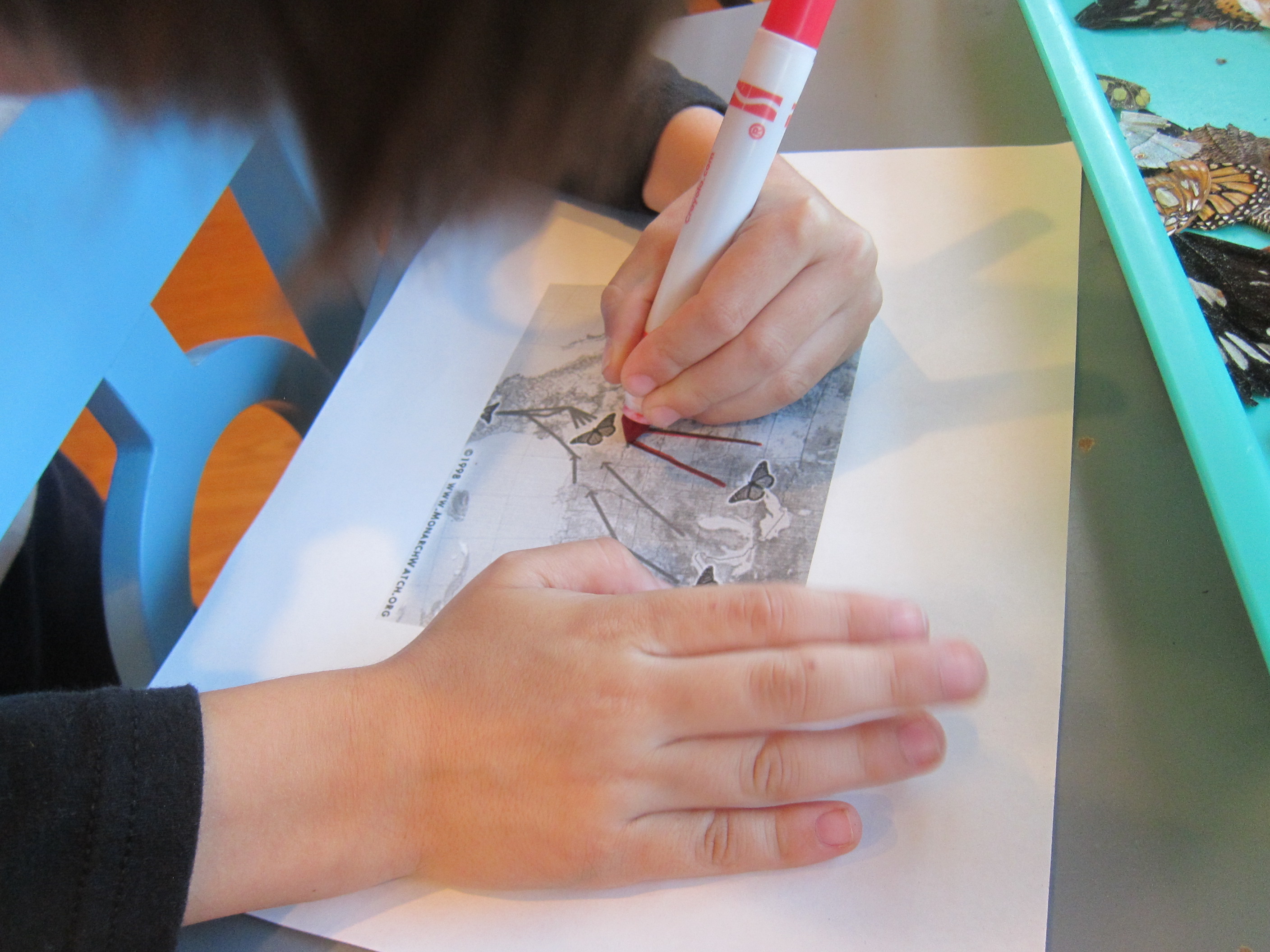
We then printed a map of the migration paths and Travis drew red arrows for the different flight routes. Older children can draw their own map showing the United States and Mexico, rather than simply coloring a template from online. You might also consider watching a nature show or Wild Kratt’s episode on the monarch migration to help kids appreciate the dangers undertaken on the journey!

Butterfly Migration (5)

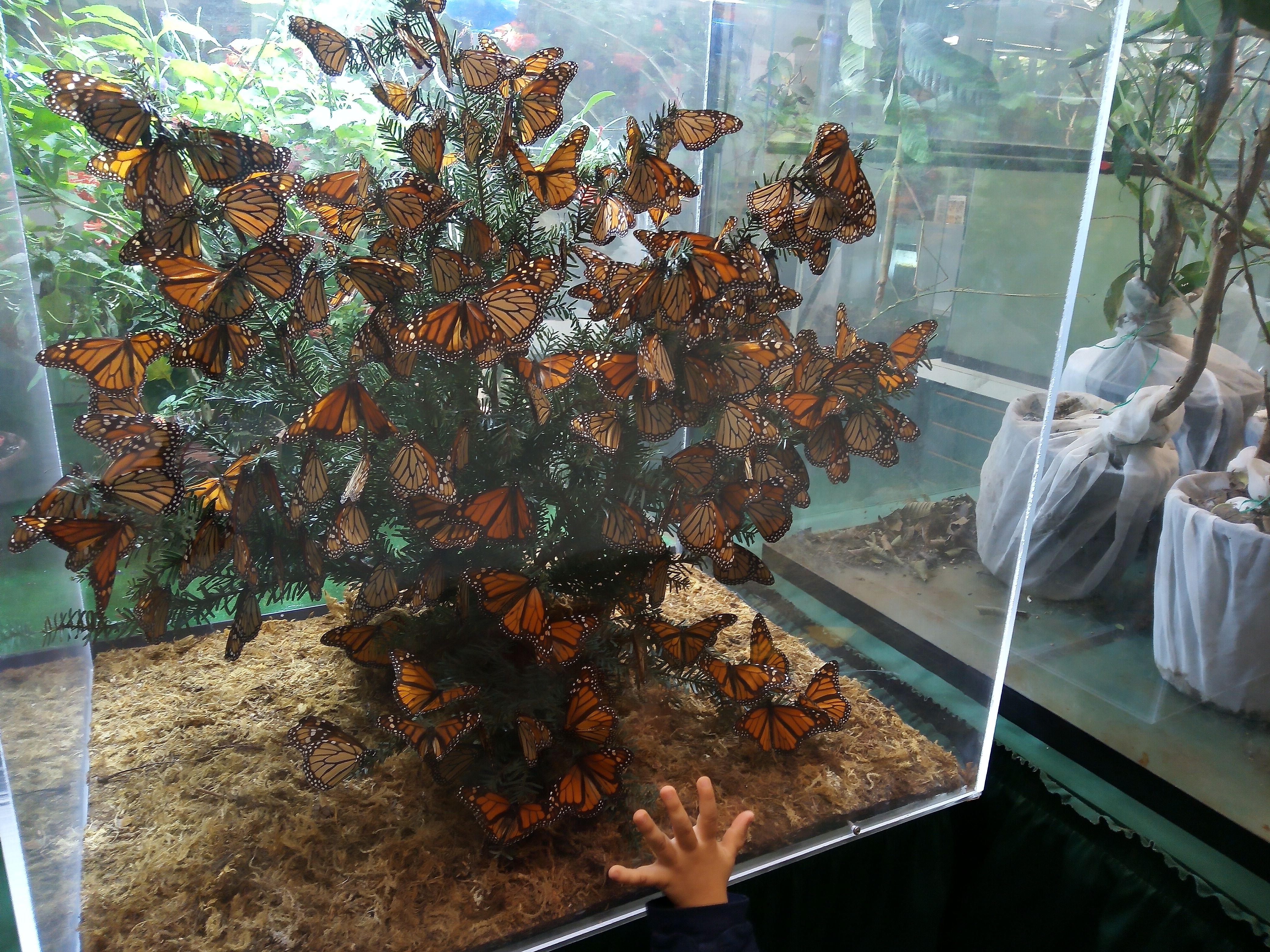
Of course there was no better way to explain the migration than to make it hands-on. We’re lucky enough to live not far from a butterfly garden, so we took a special trip!

butterflies (2)

The kids marveled as they watched the delicate wings of the butterflies, or paused to see them sip nectar from flowers and soft fruit.

butterflies (8)

Travis’s favorite was whenever a butterfly landed on him!

butterflies (9)

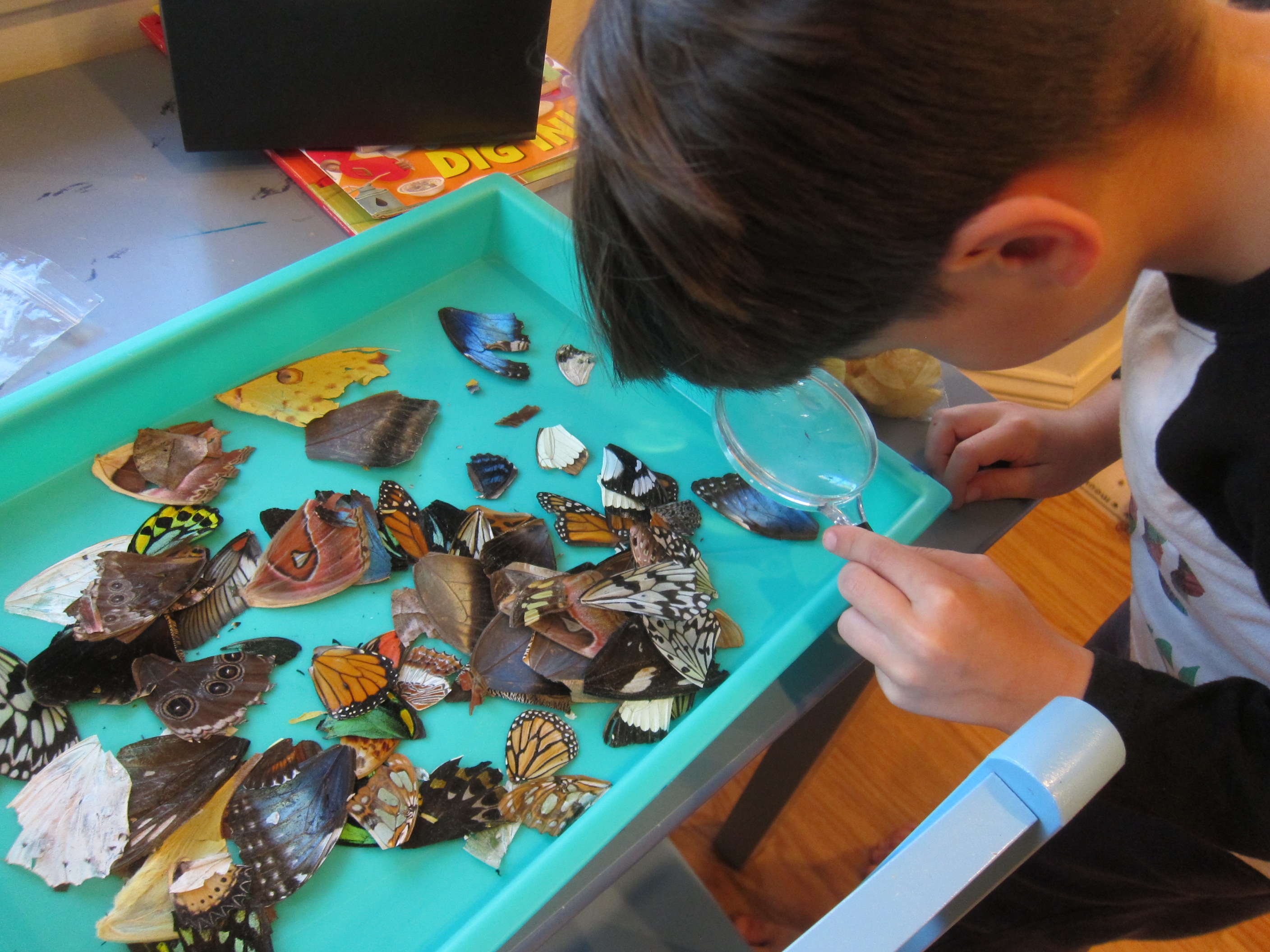
He even brought wings home from the gift shop for further exploration  under the magnifying glass!

Butterfly Migration (3)

Now he could really appreciate what it meant for this delicate wings to fly 3,000 miles.