National Pizza Day

National Pizza Day (1)

Today is National Pizza Day and Travis’s latest issues of Highlights magazine had lots of fun topping ideas to help us celebrate the day. It seemed such a shame to choose just one that we made it more of a pizza week, testing out the following over a few days.

Of course we also celebrated by learning a little pizza history (Google the story behind the margherita pizza, for example, for some fun trivia facts).

For all of the following pizzas, we used the premade crust from Banza; the crust is vegan and gets a nice protein boost from chickpea flour! I didn’t bother to measure the quantities of ingredients for any of Highlights’ suggested toppings; just add as much of each as feels right for your family!

Bright and Early: For this breakfast spin, we spooned pesto onto the crust in place of tomato sauce, then sprinkled with a little of our favorite scrambled tofu (1 block of crumbled firm tofu sauteed in oil with 2 tablespoons nutritional yeast, 1 teaspoon garlic salt, and 1 teaspoon turmeric). Sprinkle on a little chopped red bell pepper. After baking according to pizza crust directions, top with avocado slices.

National Pizza Day (6)

Tasty Taco: This time we spooned salsa on top of the crust in place of tomato sauce. Layer that with cooked meatless crumbles, a sprinkle of shredded vegan colby jack, and sliced black olives. Bake according to pizza crust directions, then add a little shredded lettuce and a drizzle of non-dairy sour cream before serving.

National Pizza Day (2)

Bold Barbecue: Spoon on a little barbecue sauce in place of tomato sauce. Arrange torn slices of vegan Gouda over the sauce, then sprinkle with chopped and cooked Gardein chick’n, thinly sliced red onion, and chopped cilantro. Cook according to pizza crust directions.

National Pizza Day (4)

Keen on Green: Leave the pizza crust white and sprinkle with lots of vegan cheddar. Add chopped steamed broccoli florets and drizzle with olive oil. Sprinkle with oregano… or add red pepper flakes if your kids like a little heat!

National Pizza Day alt

The final night was a return to the classic margherita in the colors of the Italian flag: red tomato sauce, white mozzarella, and green fresh basil leaves.

National Pizza Day var

Which does your family like best? Please share in the comments!

National Pizza Day (5)

Mustache Pops

Mustache Pops (7)

This Valentine’s card idea from Highlights magazine was so adorable we just had to make it, not only for Travis’s classmates but a few extra for ourselves, too!

To start, find any mustache template online and print out. Mustaches range from very simple to the very curved and curly, and I would caution against the latter unless you really enjoy fine scissor work. We found a mustache with a nice country western vibe and I traced it onto sparkly sticky-back foam (available at craft stores), one for each member of Travis’s class.

Mustache Pops (1)

Cut out and then adhere the sticky side to a regular sheet of craft foam (we used red). I needed 2 large sheets to fit 18 mustaches total, 9 per sheet. Cut out around the mustache shape again, this time leaving some of the red visible as trim. Set aside.

Mustache Pops (4)

Meanwhile, cut rectangles from pink or red cardstock. I printed out the message “I mustache you to be my Valentine” on regular paper and then glued to the top of each piece of cardstock. If you have a printer that can handle thick cardstock, print directly onto it instead!

Mustache Pops (5)

Next, I poked a hole in the center of each mustache with a pin, and then inserted a lollipop stick. Fold the cardstock in half horizontally just slightly and make two snips with scissors near the bottom; this creates slits that the lollipop stick can slot through. Finally, have your child write in each recipient’s name and the mustache pops are ready to go!

Mustache Pops (6)

These were adorable on paper, but of course the best part was taking them off the cardstock to sport a lollipop ‘stache. Travis loved looking quizzical and grown-up in his.

Mustache Pops(9)

Little sister Veronika was skeptical at first…

Mustache Pops (8)

But one lick of watermelon lollilop made her a mustache convert!

Mustache Pops (10)

Secret Flower Messages

Secret Flower Messages (3)

With Valentine’s Day just a few days away, roses are everywhere. Well, it turns out that roses are red, violets are blue… and roses can make acids look blue, too! Silly rhymes aside, this is a fantastic STEM lesson on acids and bases and pH indicators for elementary school kids.

To start, Travis needed to write a few secret messages. We filled one cup with a base solution (1 teaspoon of baking soda mixed with just a splash of water) and one cup with an acid (lemon juice).

Use a q-tip to write secret messages or pictures with each solution on plain white paper, making sure to use a separate q-tip for each. Let dry for at least 1 hour. Travis made a few designs his own, but I also left some secret hidden messages for him.

Secret Flower Messages (2)

Now it was time to reveal those secrets! Travis rubbed a rose petal from our bouquet over the acid message I’d left behind to reveal this Valentine’s Day-themed word: love!

Secret Flower Messages (4)

Yup, the rose petals act as a pH indicator and truly will turn the acid a bright blue, such a neat reveal!

Unfortunately, we weren’t able to clearly see the messages we’d left behind in the base, so perhaps our baking soda mixture was too watery. I had hoped for him to reveal a smiley face.

Secret Flower Messages (5)


Wonder Wheel Valentines

Wonder Wheel Valentine (5)

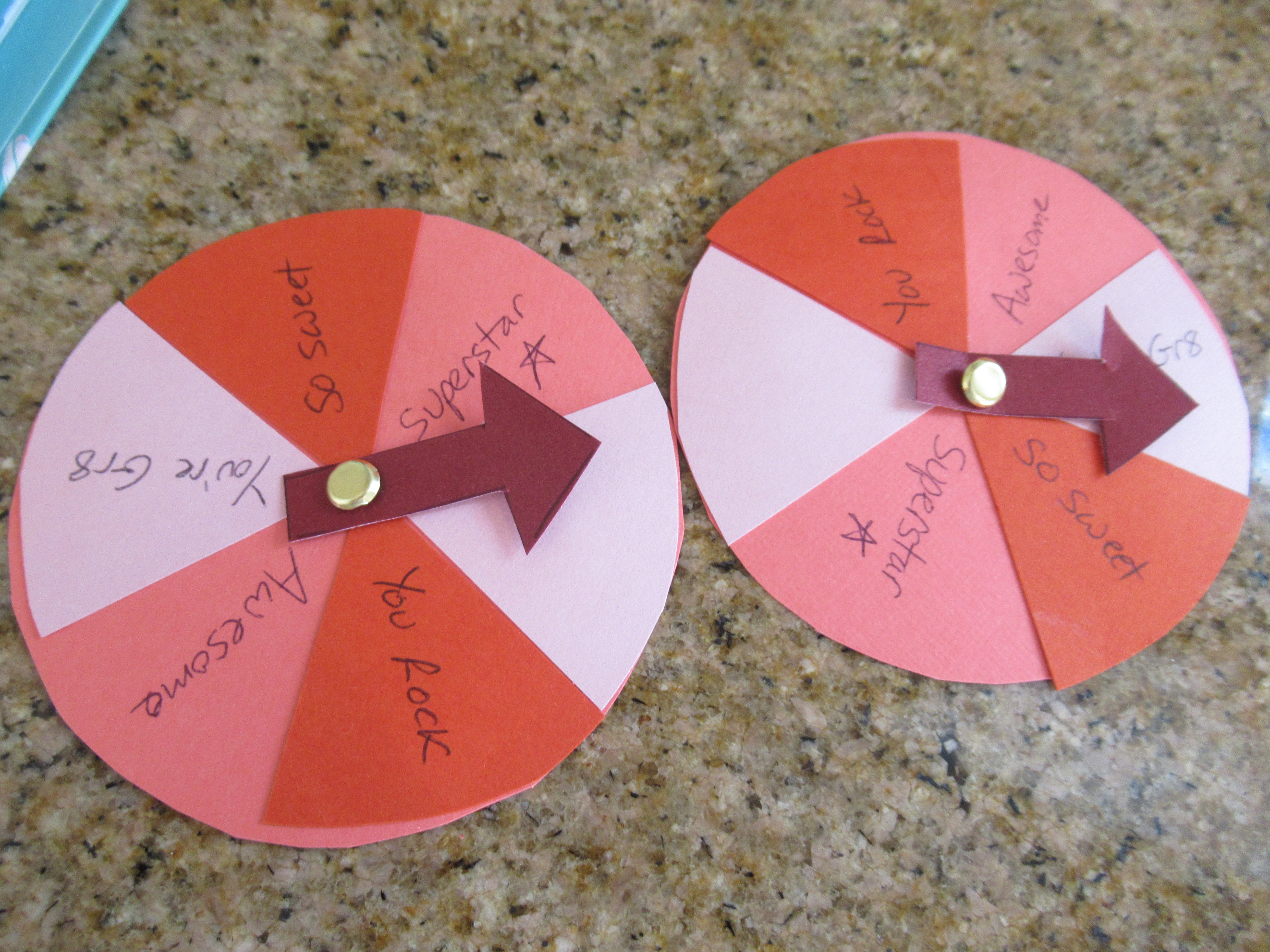
These sweet Valentine’s (thanks Parents magazine!) are sure to give every one of your kid’s classmates an ego boost. No matter where the spinning arrow points, a compliment is waiting!

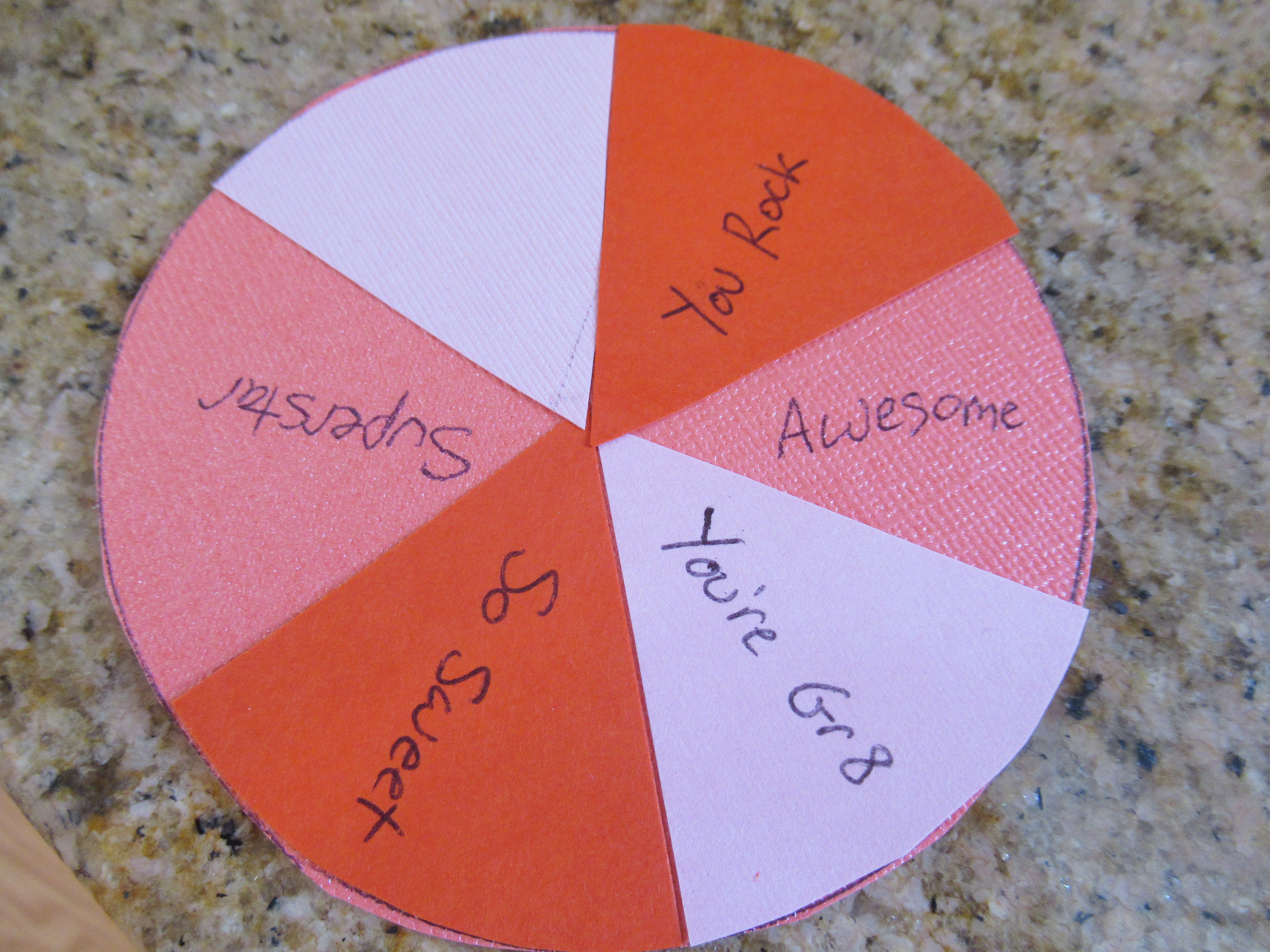
To start, trace a 3-inch round cookie cutter onto cardstock, making enough circles for each recipient. Next, trace additional circles on two different colors of cardstock (we used shades in the red and pink family). Divide each of these circles into 6 segments and cut out. You’ll need double the number of segments as you have classmates (so for Travis’s class of 15 kids, I needed 30 red segments and 30 pink segments).

Wonder Wheel Valentine (1)

Using a glue stick, attach these segments onto your base circles, alternating colors. Such a pretty tricolor effect!

Wonder Wheel Valentine (3)

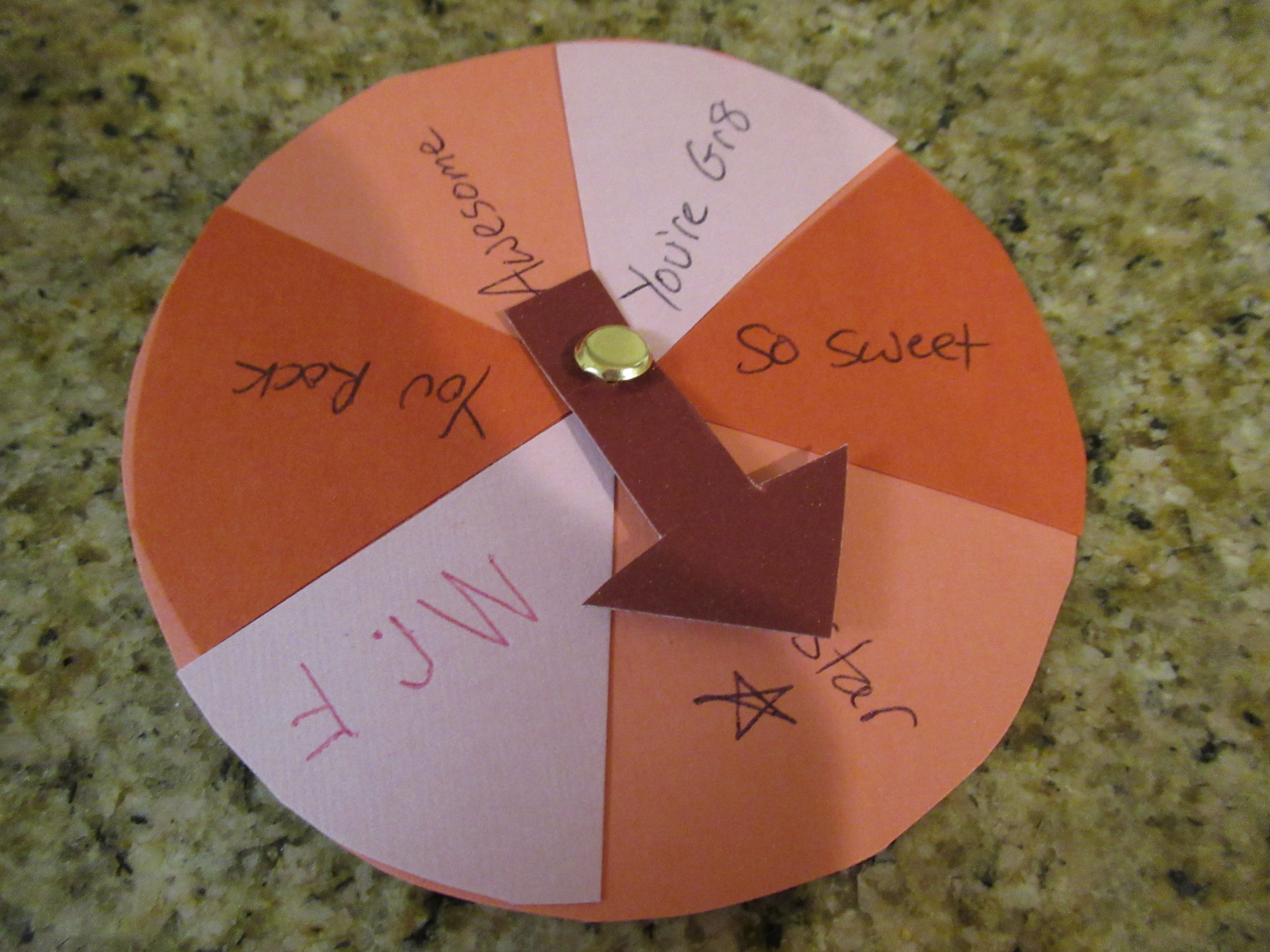
Next, write in sweet and empowering messages on each wedge of the wheel. Older kids can take charge of this step, but I knew it would be overwhelming for Travis to do so much handwriting. Instead, I wrote 5 of the wedges for each card (with statements like “You’re Gr8!” or “Superstar!”) and left the final wedge blank for him to write in the classmate recipient’s name.

Wonder Wheel Valentine (4)

For the arrow spinner, I traced an arrow on a fourth color of cardstock, then traced and cut out 15 of them. Poke a brad fastener through the arrow and then through the center of the wheel, folding down to secure in place.

Wonder Wheel Valentine (2)

Give that wonder wheel a spin!

Wonder Wheel alt

Little Passports: Thailand

LP Thailand (6)

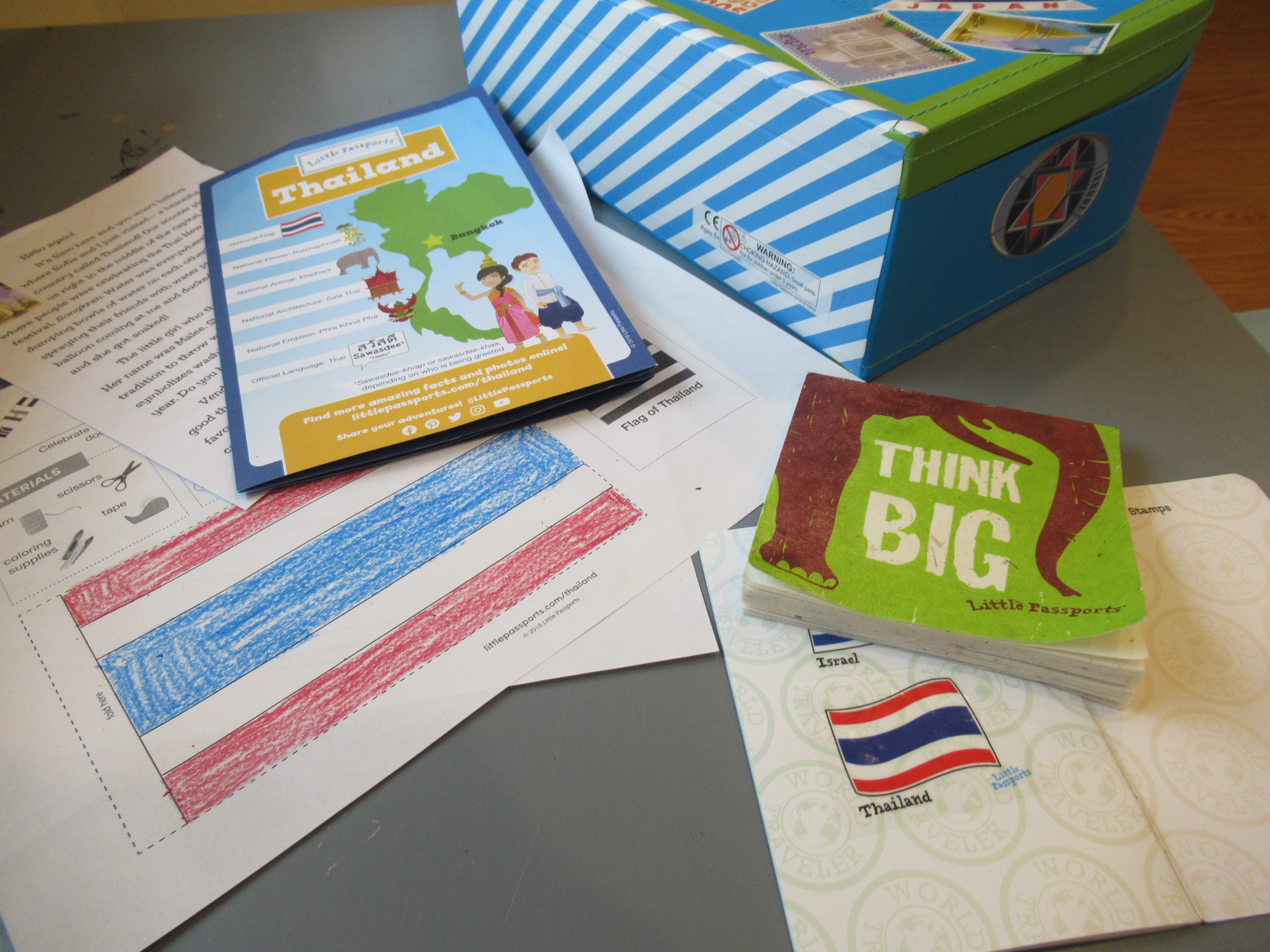
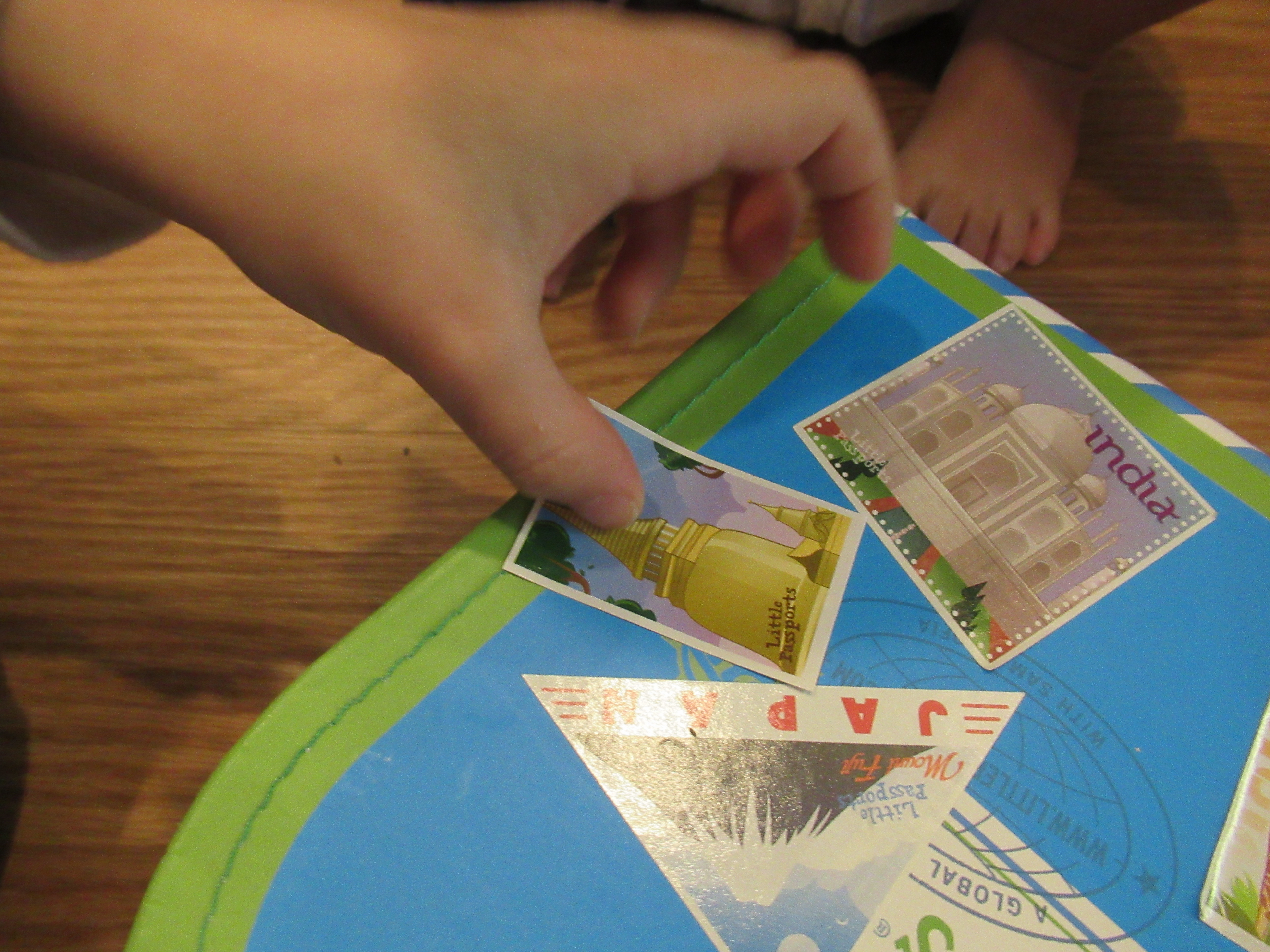
Travis’s latest package from Little Passports was a welcome find on a winter afternoon, taking him across the world to tropical Thailand. As always, he loved to locate the country on his world map and add a pin sticker, and to place the flag stamp in his passport.

LP Thailand (1)

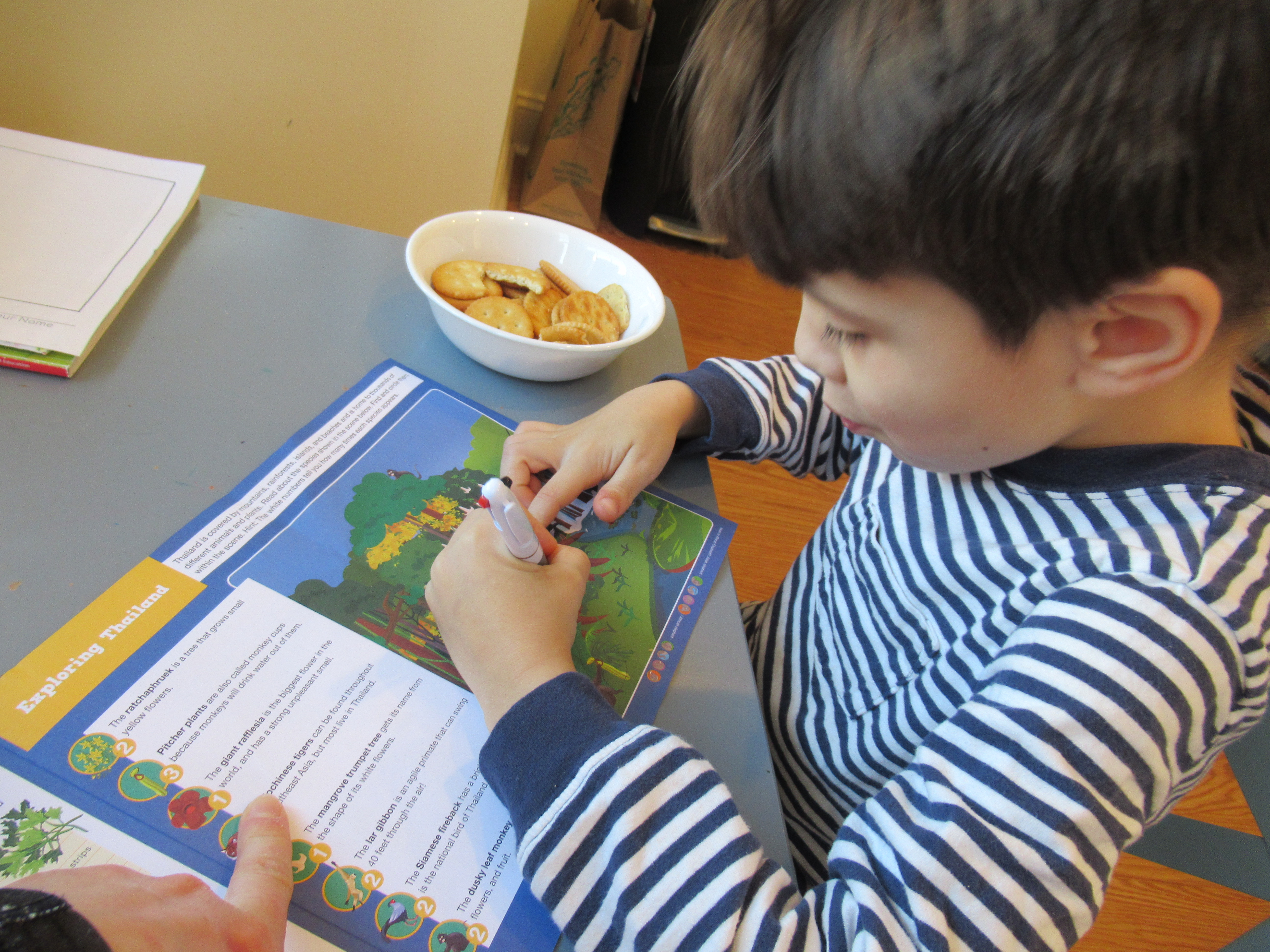
The booklet this month taught Travis lots about Thailand’s flora and fauna, especially elephants. The only activity too advanced for him as a 1st grader was a fill-in-the-blank about Thailand’s tuk-tuk vehicles.

LP Thailand (3)

Souvenir:

The biggest hit was the souvenir and no wonder because it involved… )Poop. Yup, a pad of paper made from recycled elephant poop, which was an idea so wacky and brilliant that the whole family loved it.

LP Thailand (2)

Further Activities:

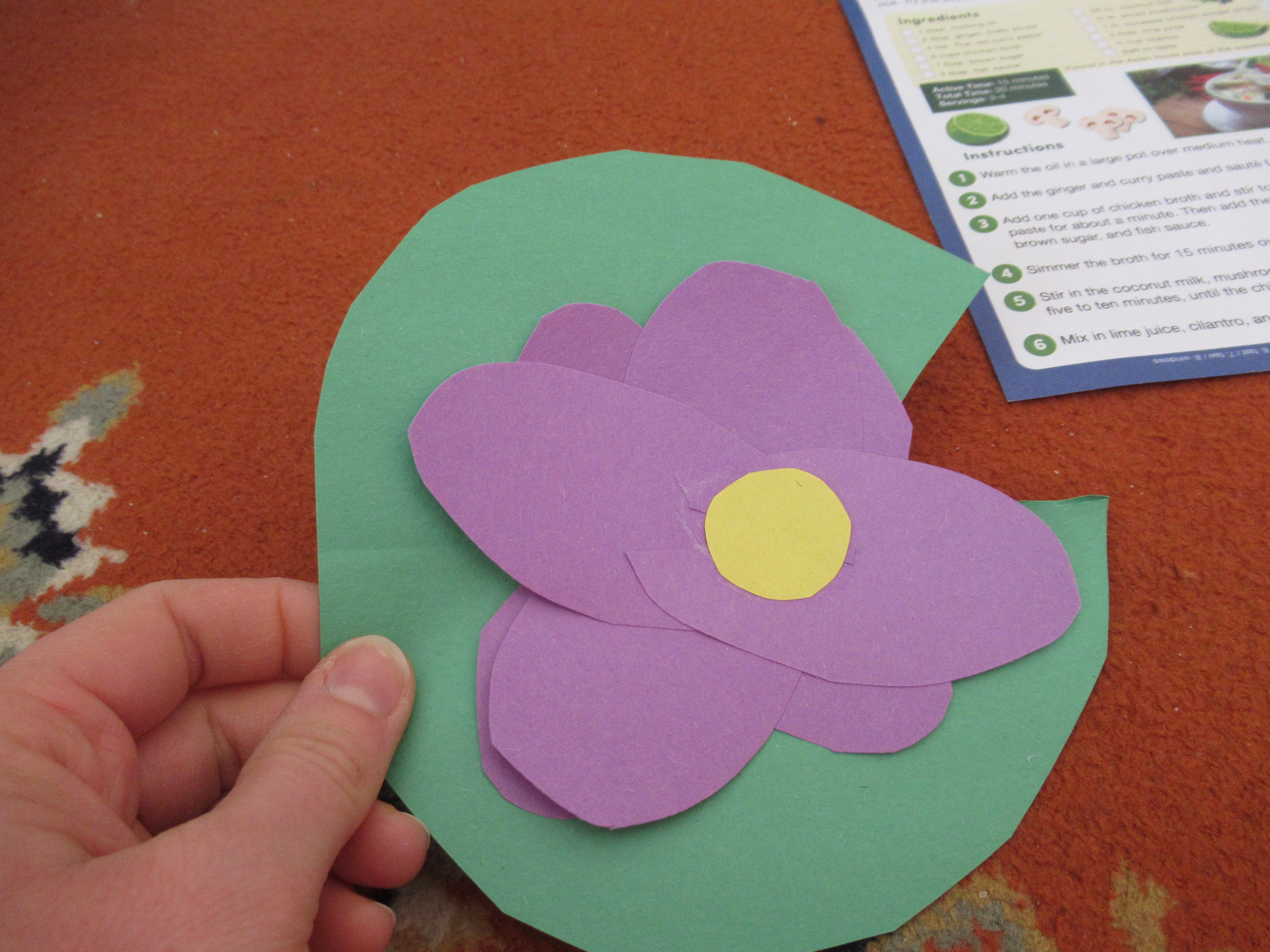
His booklet featured a nice hands-on craft to make Paper Lotus Flowers, following along with the instructions that involved only green, purple, and yellow construction paper. They turned out quite pretty!

LP Thailand (4)

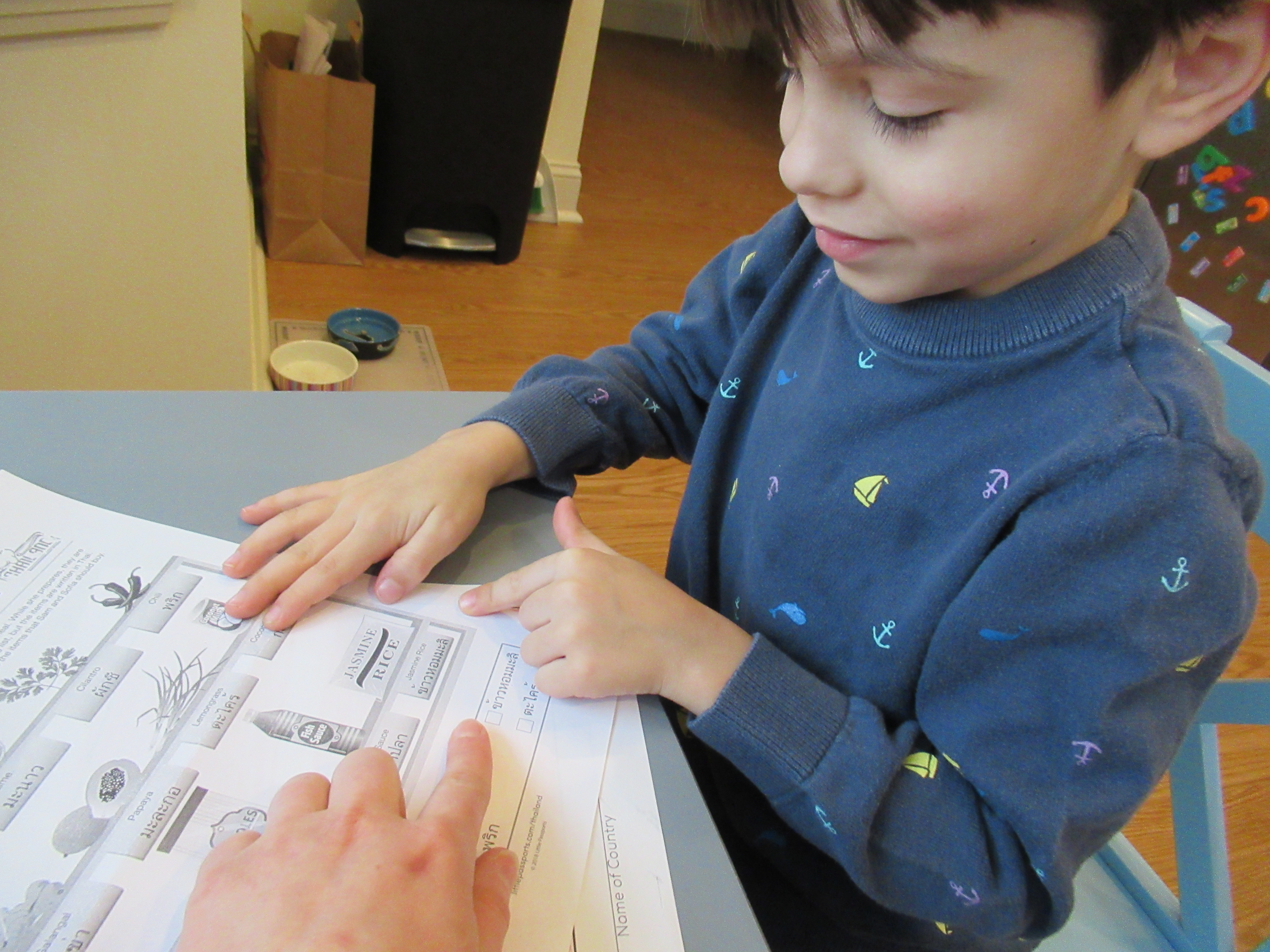
There was also a Thai grocery list activity that was a neat introduction to the beautiful characters of Thailand’s alphabet. Travis helped find each ingredient by matching up the words.

LP Thailand (5)

Some of those very ingredients were needed for a dessert recipe we whipped up for Mango Sticky Rice, which was declared a big hit!

Recipe:

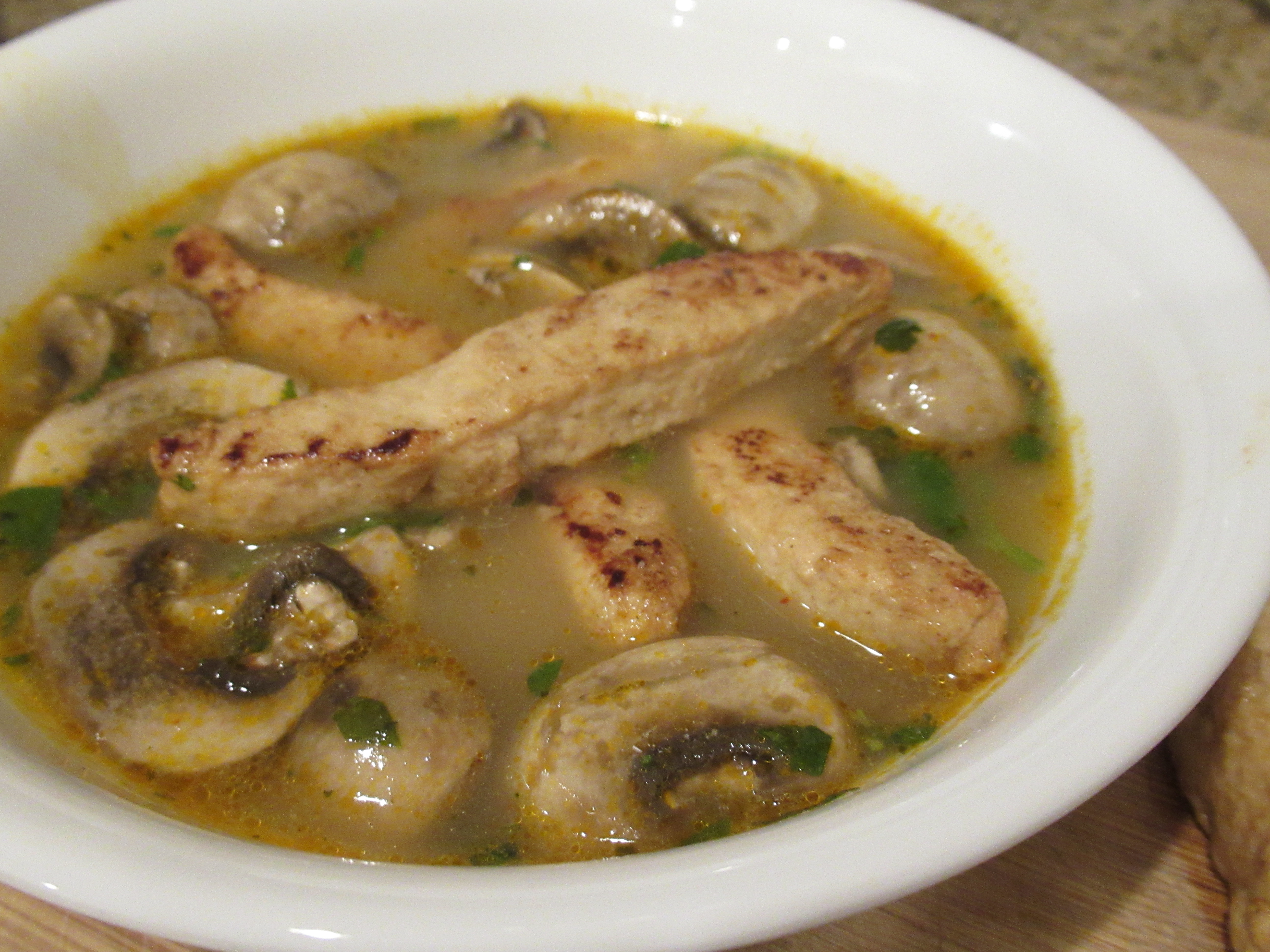
The recipe in this month’s booklet was for a chicken soup called Tom Kha Gai, which we made vegan with a few easy swaps. Travis loved smelling and savoring the myriad ingredients that we don’t use often, including cilantro and ginger.

Tom Kha Gai alt

Ingredients:

  • 1 tablespoon vegetable oil
  • 2 tablespoons thinly sliced fresh ginger
  • 4 teaspoons Thai red curry paste
  • 4 cups vegetable broth
  • 1 tablespoon brown sugar
  • 3 tablespoons soy sauce
  • 3 and 1/2 cups coconut milk
  • 1 (8-ounce) package mushrooms, sliced
  • 1/4 cup chopped fresh cilantro
  • 2 tablespoons fresh-squeezed lime juice
  • 1 (9-ounce) package cooked Gardein chick’n strips
  1. Heat the oil in a large pot over medium heat. Add the ginger and curry paste; cook for 1 minute.
  2. Add 1 cup broth and whisk to combine, then add the remaining broth and brown sugar. Simmer for 15 minutes.
  3. Add the coconut milk and mushrooms; simmer for an additional 5 minutes.
  4. Just before serving, add the cooked chick’n, along with the cilantro and lime juice.

Tom Kha Gai

Not only did Travis eat up a full bowlful of this, but my toddler ate two!

Fizzy Chemistry Kiwi Crate

Kiwi Chemistry alt

Travis’s latest crate from Kiwi Co had him hands-on with bubbly potions and concoctions! We mixed up one cup with an acid (the provided packet of citric acid) and one with a base (the provided packet of baking soda), and from there, there was a whole host of experiments to try.

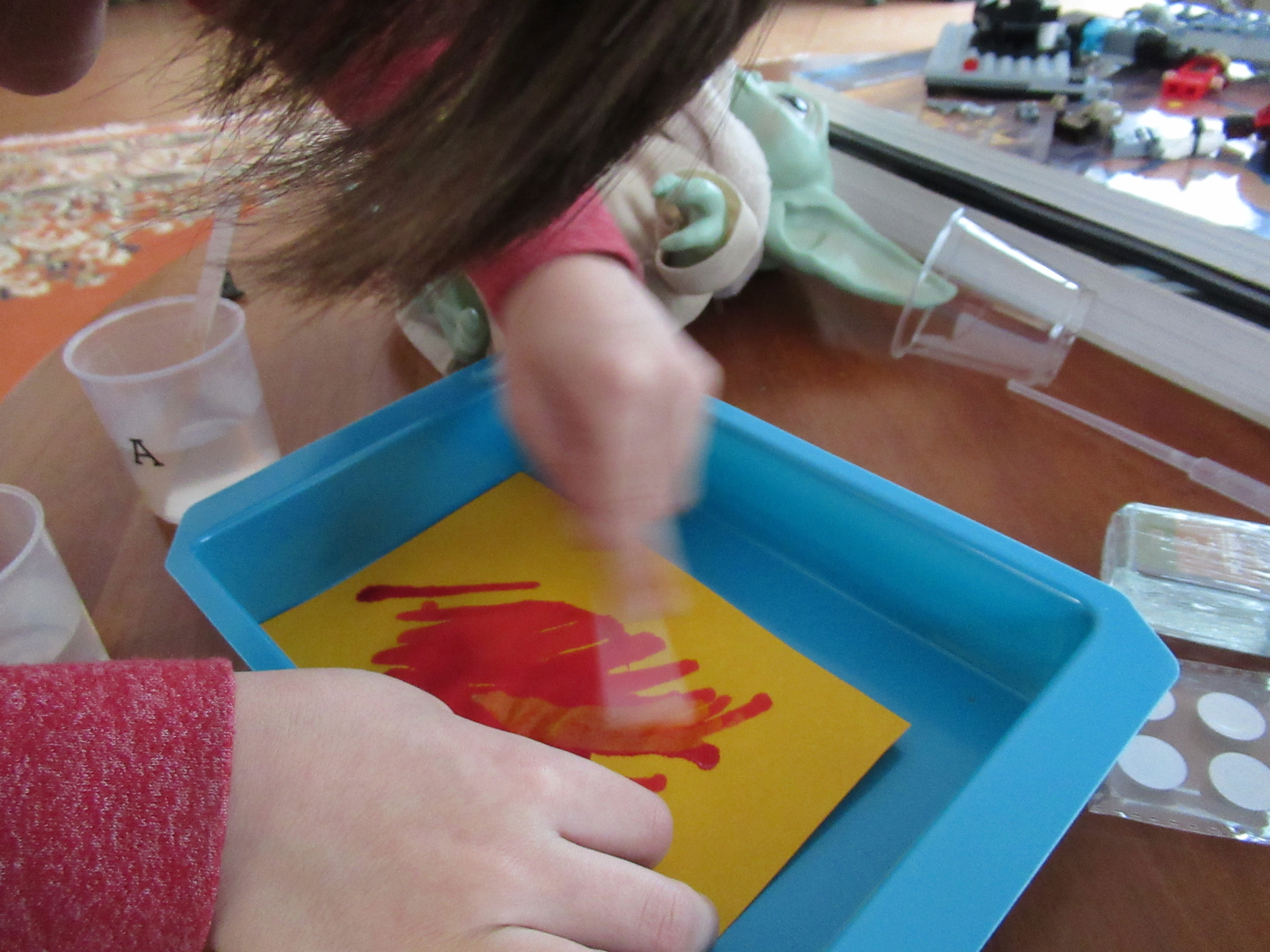
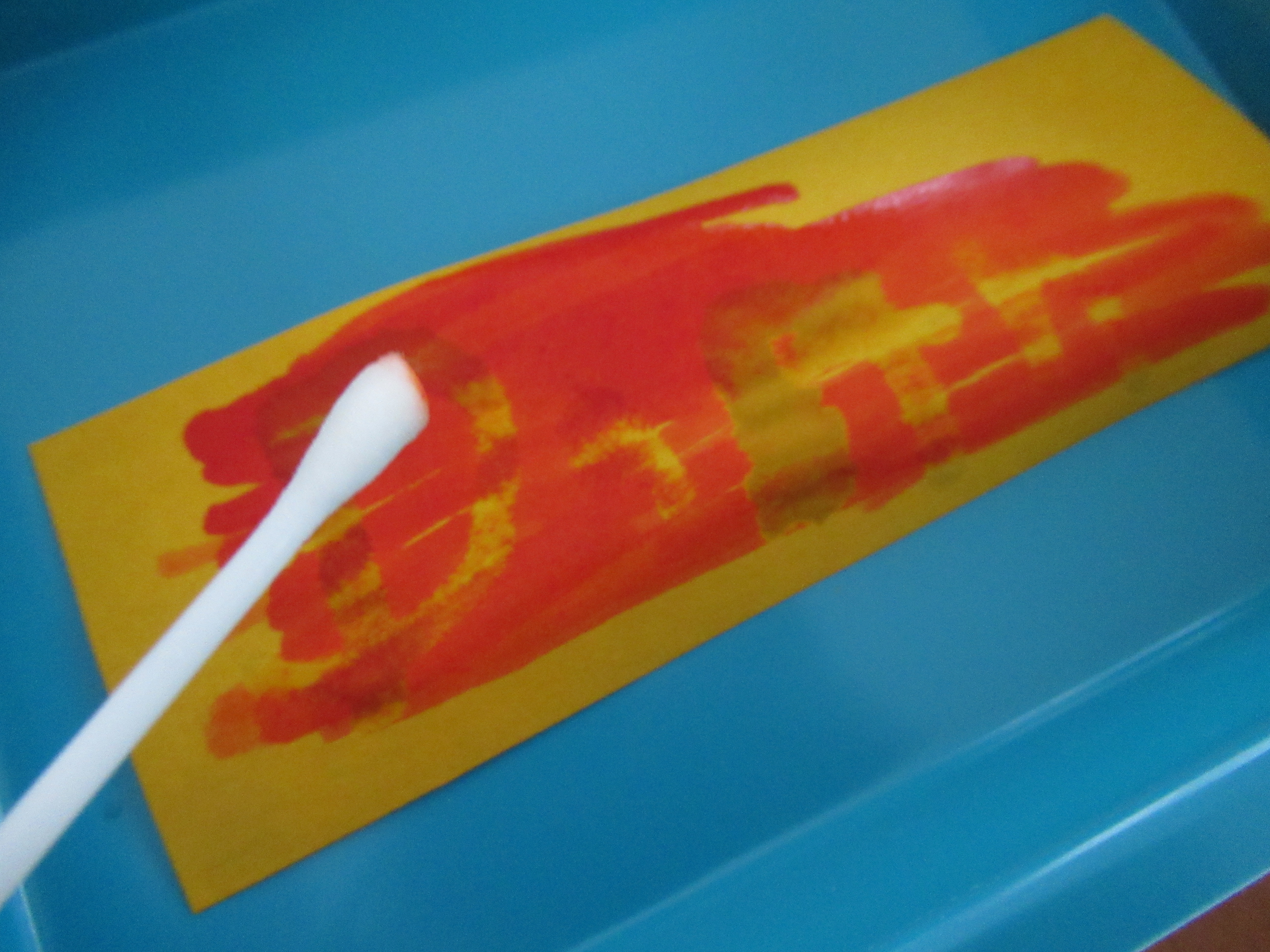
First up was to make Color-Changing Doodles. Travis dipped a q-tip in the base solution first and made designs on the provided gold paper. (Hint: This is really litmus test paper). Surprise – the paper turns red!

Kiwi Chemistry (2)

We let it dry and then dipped a second q-tip in the acid solution. The paper turns “back” to gold. Note: Through trial and error we discovered that designs with thin lines worked better for this activity than thick doodles.

Kiwi Chemistry (3)

The reverse experiment was to use the acid first, leaving a “secret” message the blends in with the yellow. Rub over with the base using a second q-tip after the solution dries, and your secret code is revealed!

Kiwi Chemistry (5)

Travis also tested a few alternate ideas from the booklet, including dipping a toy in the base and then on the paper (dinosaur footprints!)…

Kiwi Chemistry (6)

…or adding a little of the provided bubble solution to the base. Blow bubbles with a straw and press onto the litmus paper for fun reddish outlines.

Kiwi Chemistry (7)

The version that didn’t work great for Travis was adding some base solution to a spritz bottle and spraying at the paper, which resulted in only a weak wash of red.

The second project, Multicolored Monsters, also relied on the litmus paper, but this time cut into fun monster shapes. Travis was less interested now that he knew how the paper would react, but he attached the provided wiggle eyes.

Kiwi Chemistry (12)

Then he could make the monsters yellow- or red-striped, depending whether he used the base or acid mixture.

Kiwi Chemistry (14)

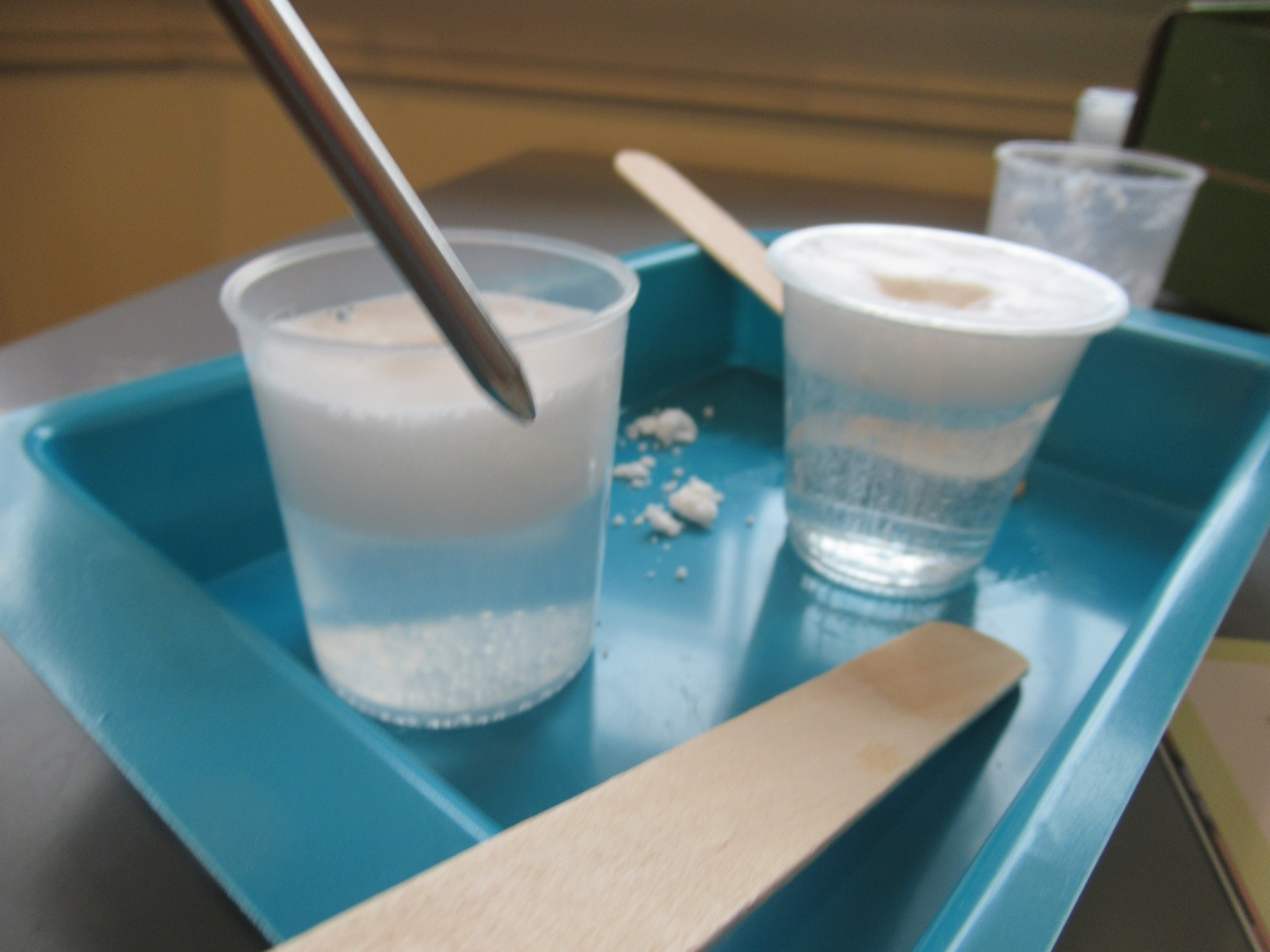
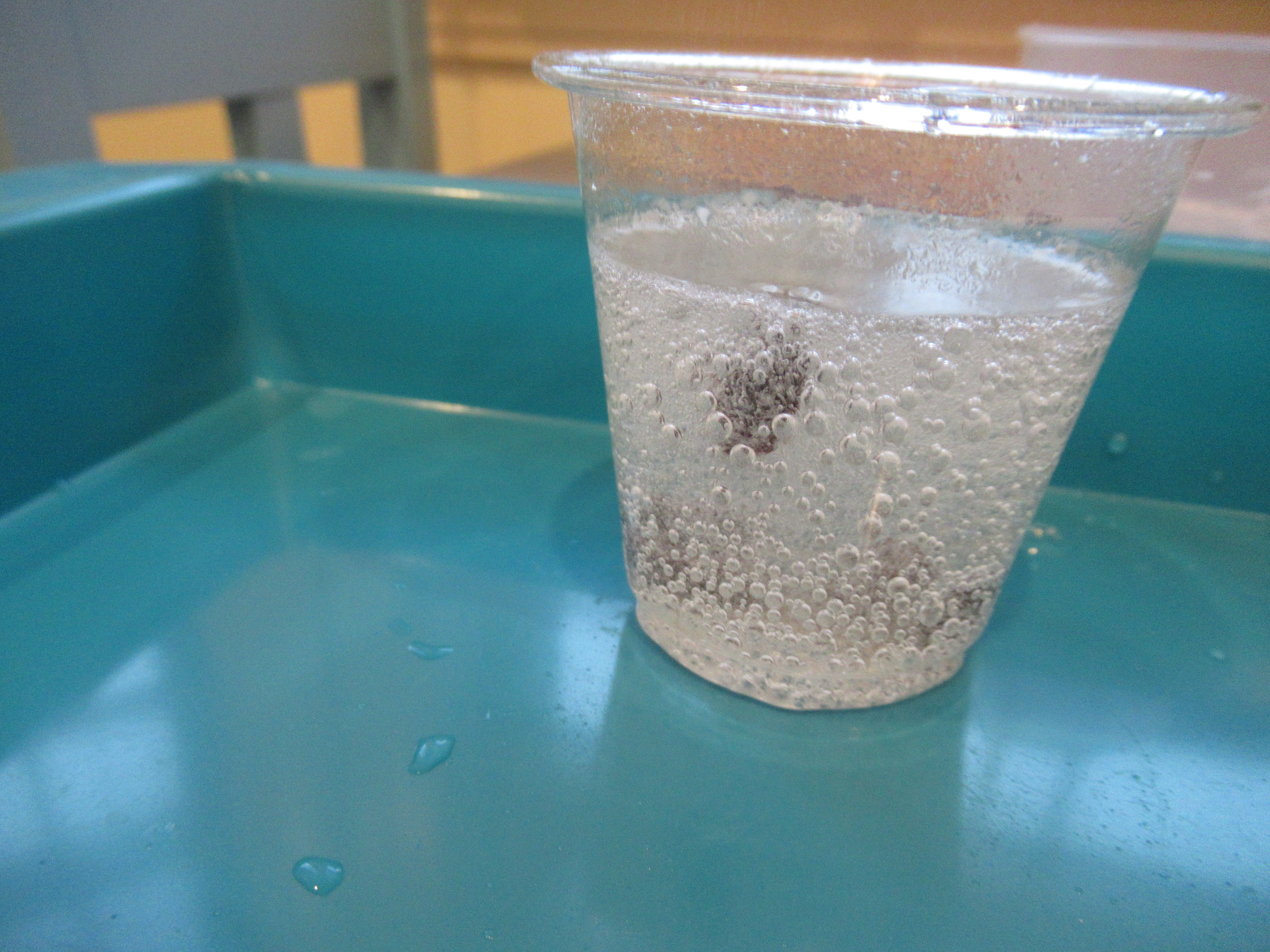
It was definitely time for some Bubbly Reactions! We filled both cups A and B with 1 scoop of citric acid, then made a paste from the baking soda and bubble solution which could roll up into little “snowballs”. One cup of citric acid received cold water and the other gets warm. Travis dropped in the snowballs, and observed the differences! Kids can get nicely scientific here, drawing their observations in the booklet, testing different amount of citric acid, or measuring the temperature of each cup before and after the reaction!

Kiwi Chemistry (10)

For us, unfortunately, both our cups fizzed but the warm water cup not appreciably more so than the cold water one. Luckily, there was entire Chemistry Lab Booklet in Travis’s crate, full of further experiments! Some of these were repeats of games we’ve enjoyed at home before, but a few were entirely new.

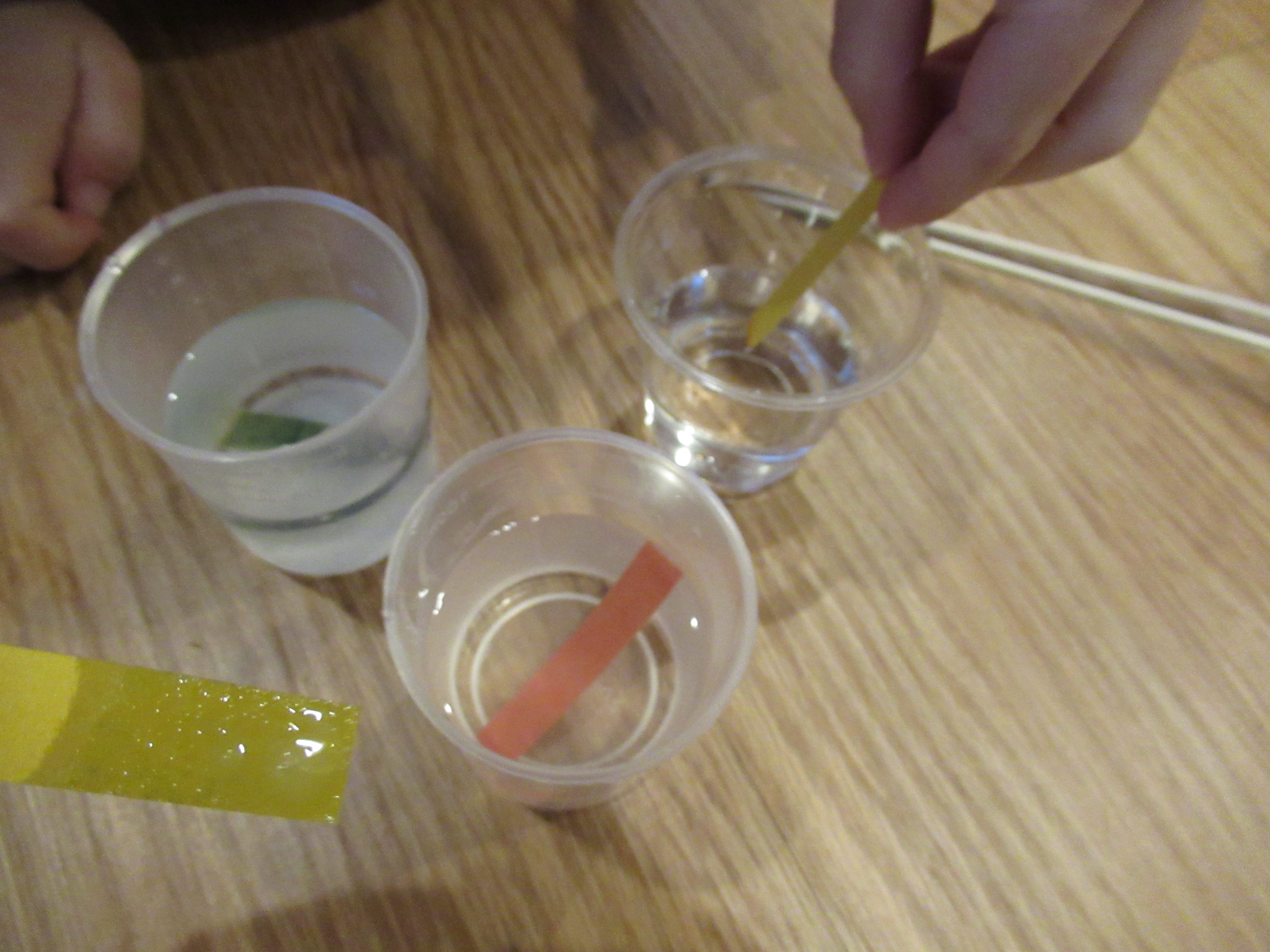
First, he did a quick repeat to reinforce the idea of Acid or Base, using provided litmus test strips on liquids around the house. We tested vinegar, coffee, and almond milk!

Kiwi Chemistry (25)

Next came a Blow-Up Bag; spoon citric acid and baking soda onto a square of tissue paper and fold up. Add water to a zip-top bag, then place your tissue paper solution inside. Seal and watch the bag expand!

Kiwi Chemistry (27)

Homemade Snow Dough was similar to versions we’ve made recently, this time a combination of citric acid, baking soda, bubble gel, and water. This stuff was particularly neat because it felt cold just like real snow!

Kiwi Chemistry (23)

Dancing Raisins are an oldie but goodie: place raisins and 1 teaspoon baking soda in a cup with a little water. Squirt in the citric acid solution, and the raisins “swim” like little fish.

Kiwi Chemistry (21)

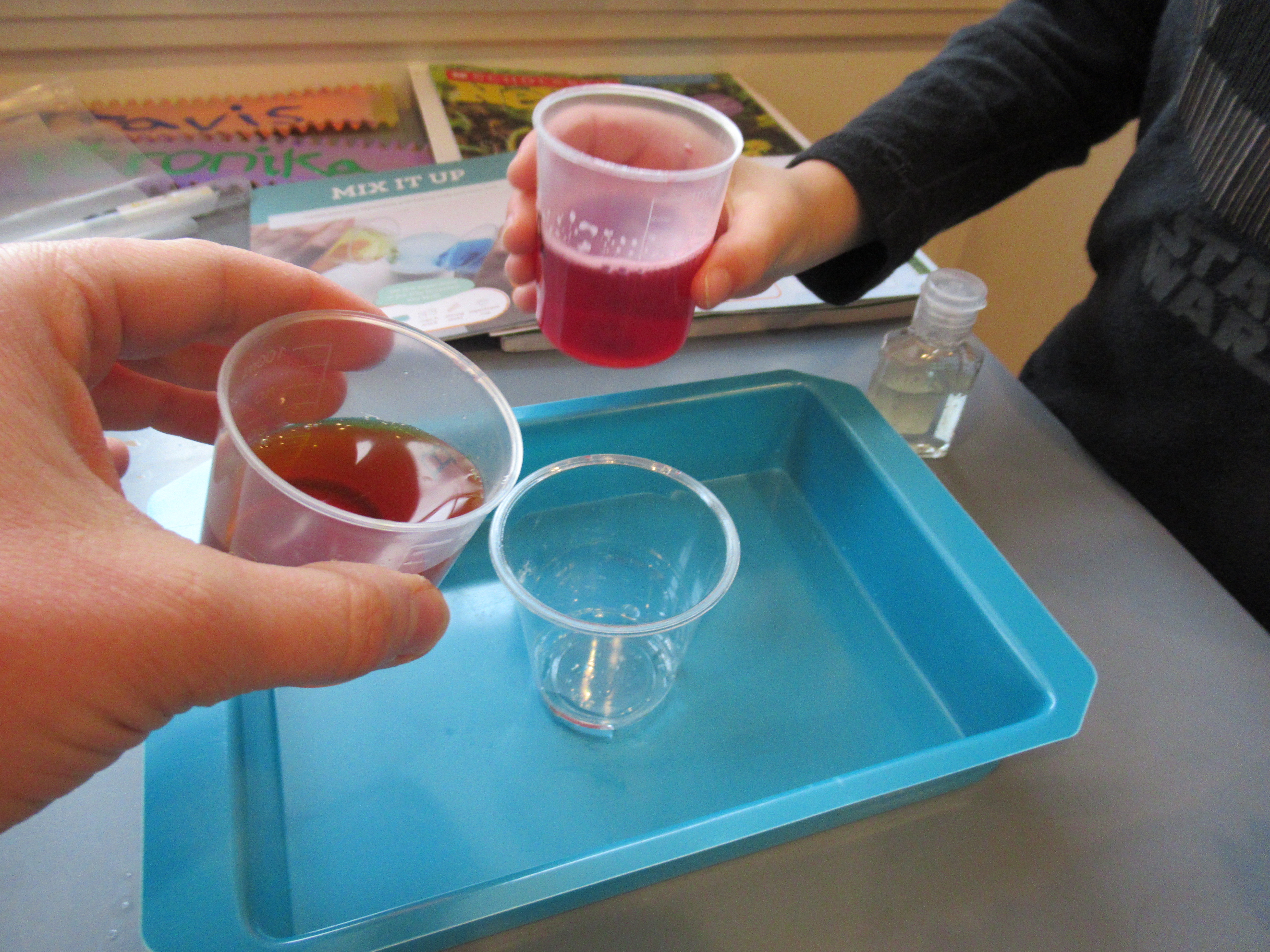
We also tried out Mix It Up, which involved pouring an acid (tinted with red food coloring) and a base (tinted yellow) into a center cup at the same time.

Kiwi Chemistry (18)

Fizzy explosions like this never get old!

Kiwi Chemistry (19)

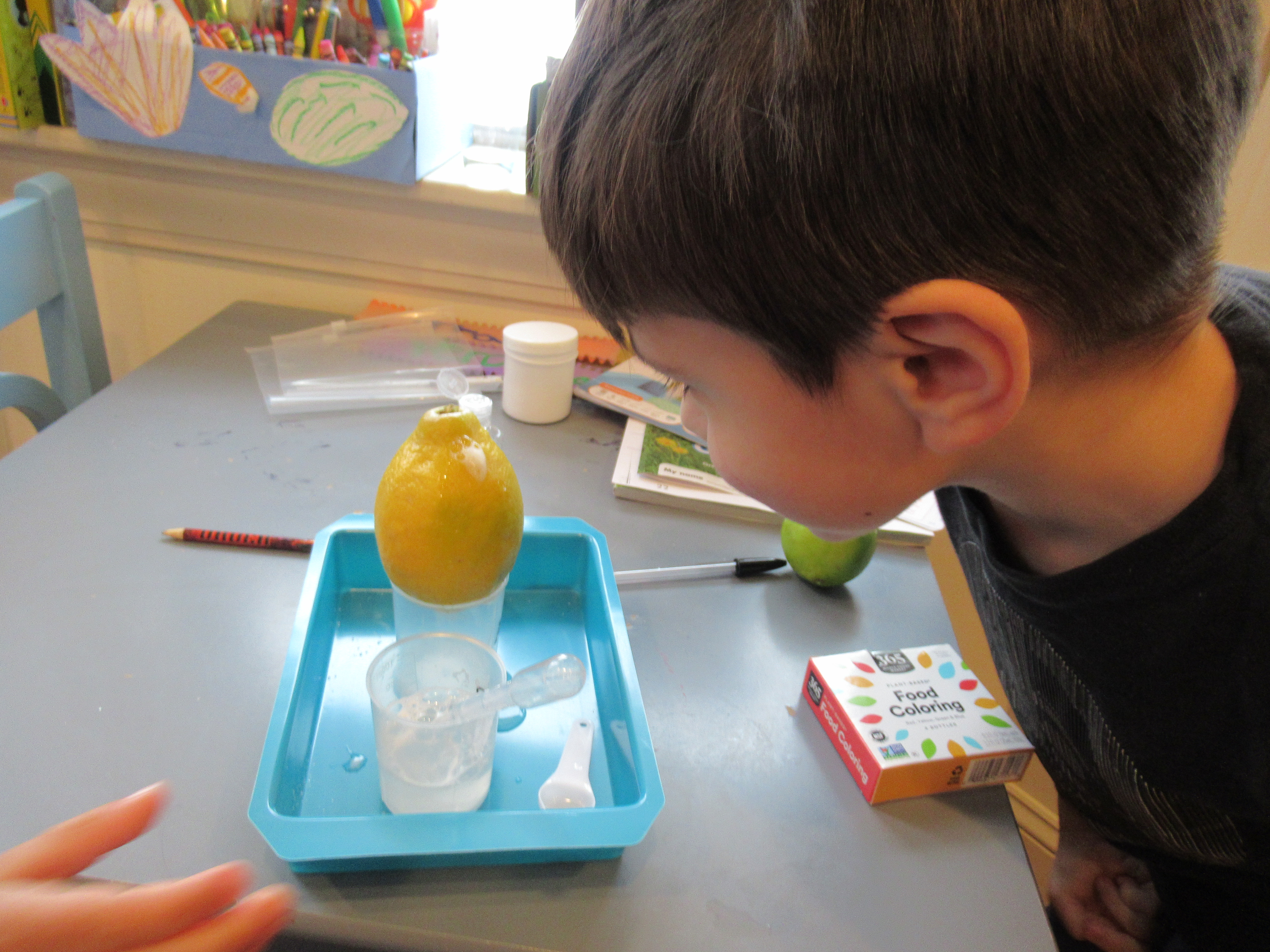
The biggest hit by far was a Citrus Volcano. For this one, poke a pencil into a lemon and mush it around a little bit. Set the lemon in a plastic cup to hold it in place then use an eye dropper to squirt in a bit of the baking soda solution.

Kiwi Chemistry (16)

The liquid fizzes back out as it reacts with the lemon’s acid! This was an ooey gooey delight since you can squeeze the lemon to make more goo fizz out, or make a second hole so your lemon is erupting from both sides. In sum, this crate got high marks from Travis, full of activities that are sure to keep any little scientist busy.

Kiwi Chemistry (17)

Kitchen Chemistry

Kitchen Chemistry (2)

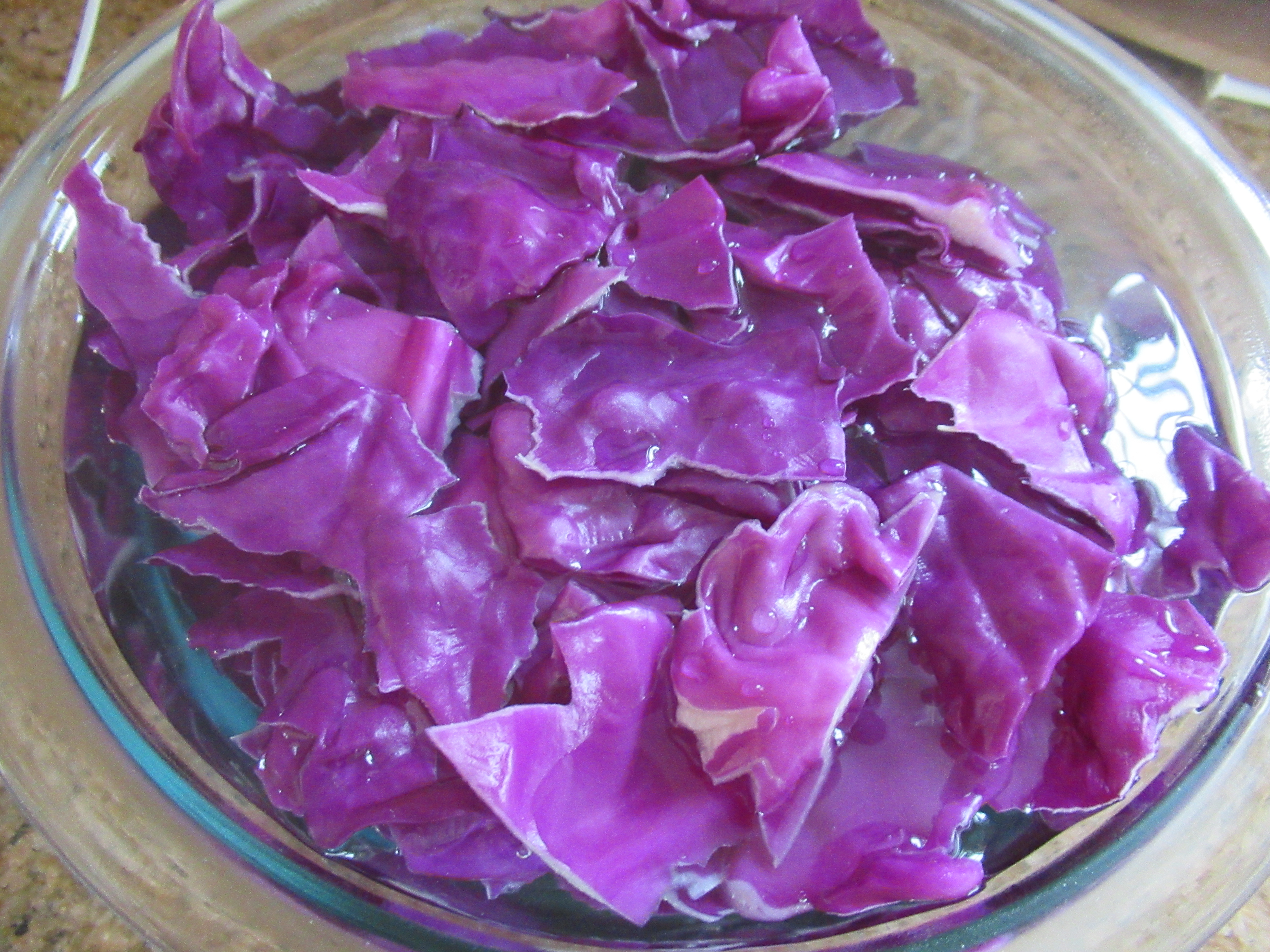
Believe it or not, a very ordinary ingredient (red cabbage!) can actually serve as a litmus indicator, just like the fancy litmus paper in a school chemistry class. Today, Travis made a batch of this purple indicator solution and we tested a few liquids around the house.

To make the indicator, rip a head of red cabbage into shreds then cover with hot water in a bowl. Let stand for about 30 minutes. Strain through a sieve over a second bowl or measuring cup and you’ll have a bright purple liquid!

Kitchen Chemistry (1)

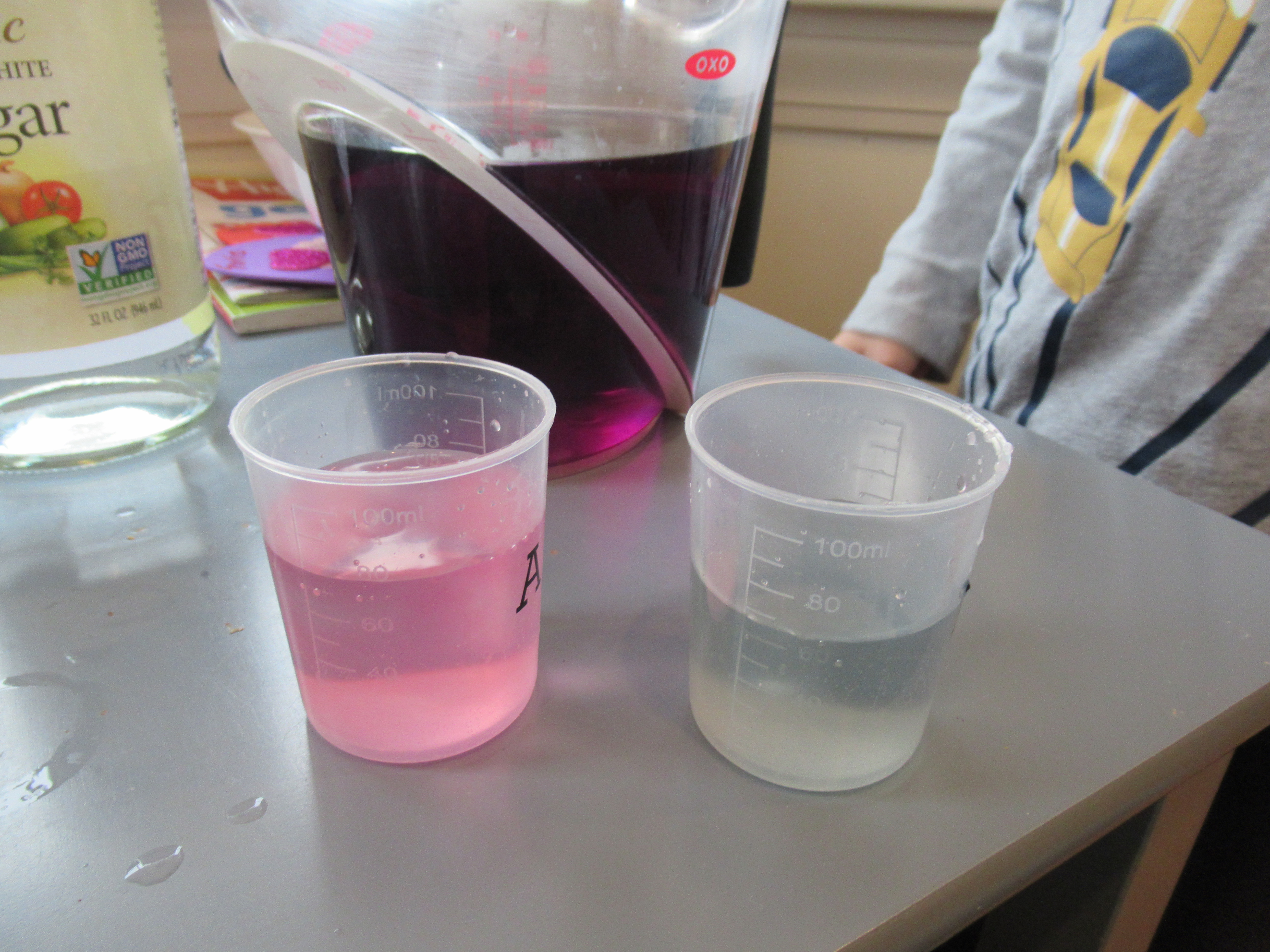
We started out with two separate solutions: the first was about a teaspoon of citric acid in 1/4 cup water, and the second was a teaspoon of baking soda in 1/4 cup water. Imagine Travis’s surprise when an eye dropper of the purple indicator solution turned the citric acid pink and the baking soda blue!

Kitchen Chemistry (3)

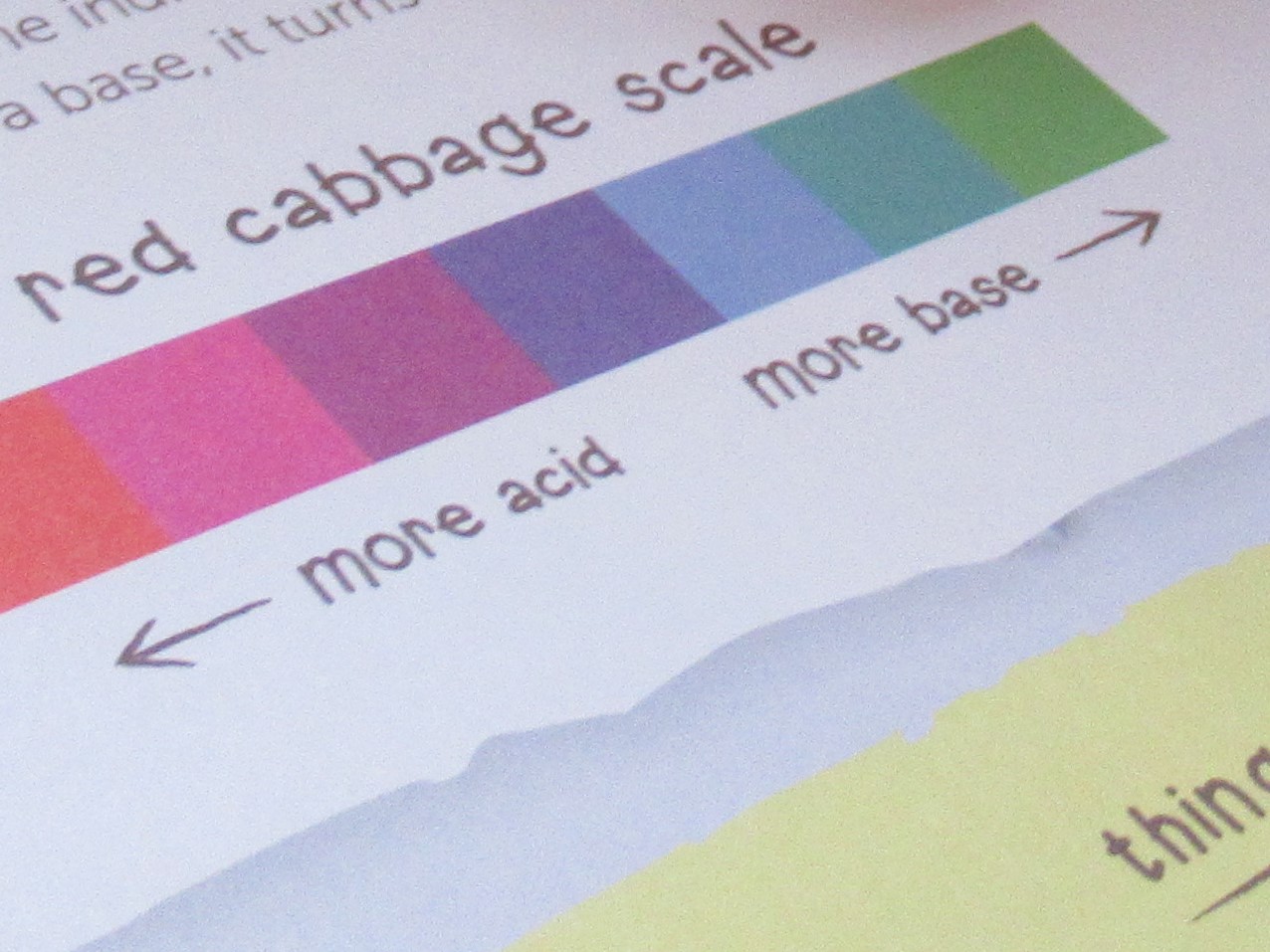
He immediately wanted to test other liquids. We tried water next, and he discovered that the indicator stayed exactly the same purple. I pointed out to him why this is so on the pH scale, with water “neutral” in the middle.

Kitchen Chemistry (5)

Vinegar turned his indicator very pink and soy milk turned it bluish, although this was a bit hard to see.

Kitchen Chemistry (6)

As a final test, he wanted to try apple juice, which turned a deep pinkish orange as well.

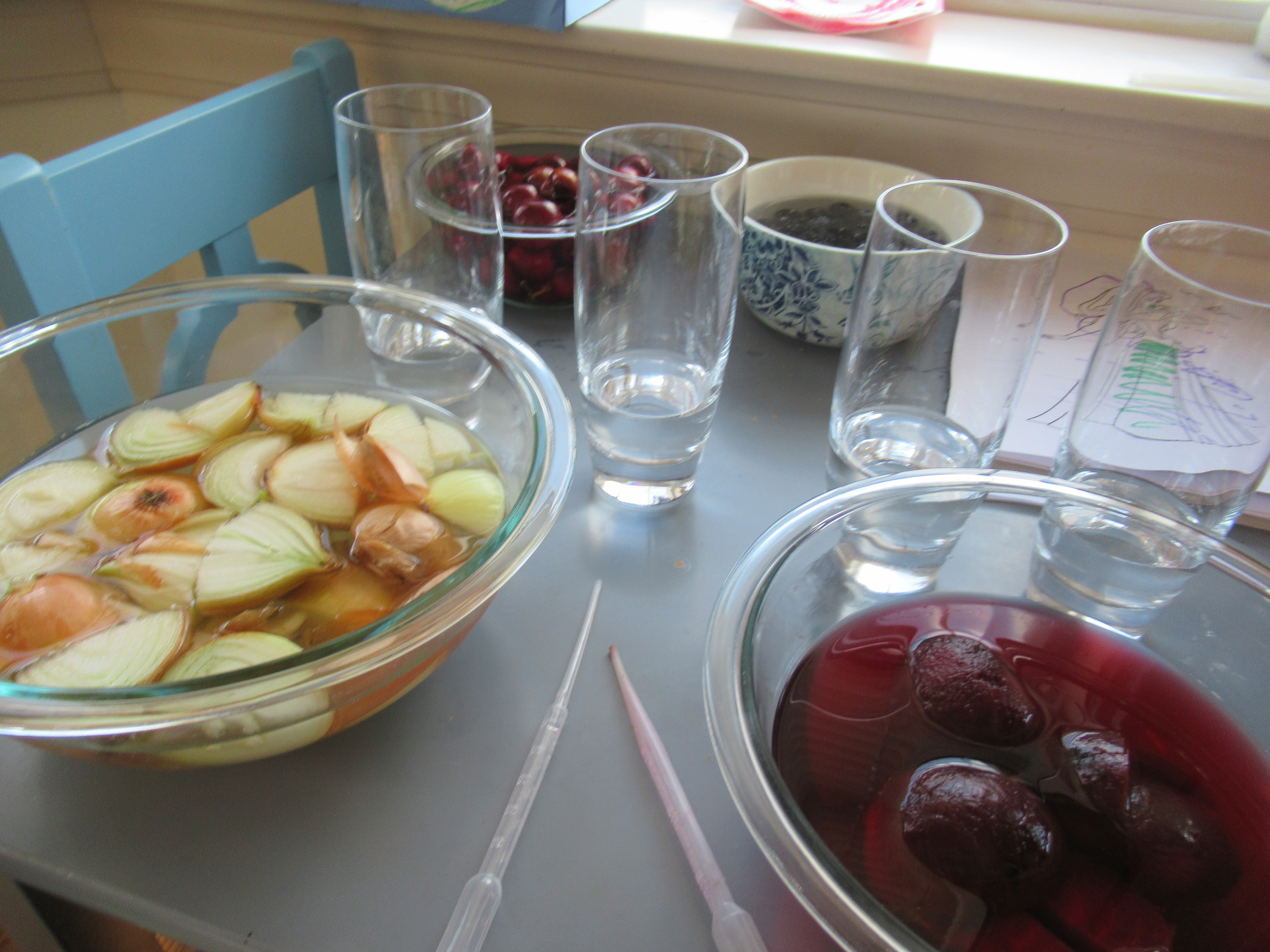
Note: We later learned that you can repeat this experiment with other fruits and vegetables, including onion, blueberries, cherries, and beets.

PH Plants (2)

Unfortunately, despite soaking these four foods in hot water just like the cabbage, we weren’t able to change the color of vinegar. Your kids can have fun testing this out, and please share any fun findings in the comments!

Kitchen Chemistry (4)

Snowball Showdown

Snowman Showdown (3)

Here’s a fun twist on a snowball fight the next time you get a big snowfall!

We had nearly two feet of snow last night, so I shoveled out an area on our patio where Travis and I could make fort walls. Each of us then lined up mini snowmen along our side of the fort. Okay, the snowmen were basically just snowballs, because we didn’t have great packing snow that allowed us to make snow figures with a separate ball for the body and head. Still, they made cute targets!

Snowman Showdown (1)

Now, we took turns trying to knock each other’s “snowmen” over!

Snowman Showdown (4)

Depending how competitive your kids want to get with this, everyone can design their own full fort to defend with the snowmen sitting atop the walls, on opposite sides of a yard or patio. If you have enough family members for teams, then a player who gets hit by the opposite team’s snowball has to join that side. If your kids have a snowman showdown, we’d love to hear about it in the comments!
Camping Pretend Play

Camping Pretend Play (8)

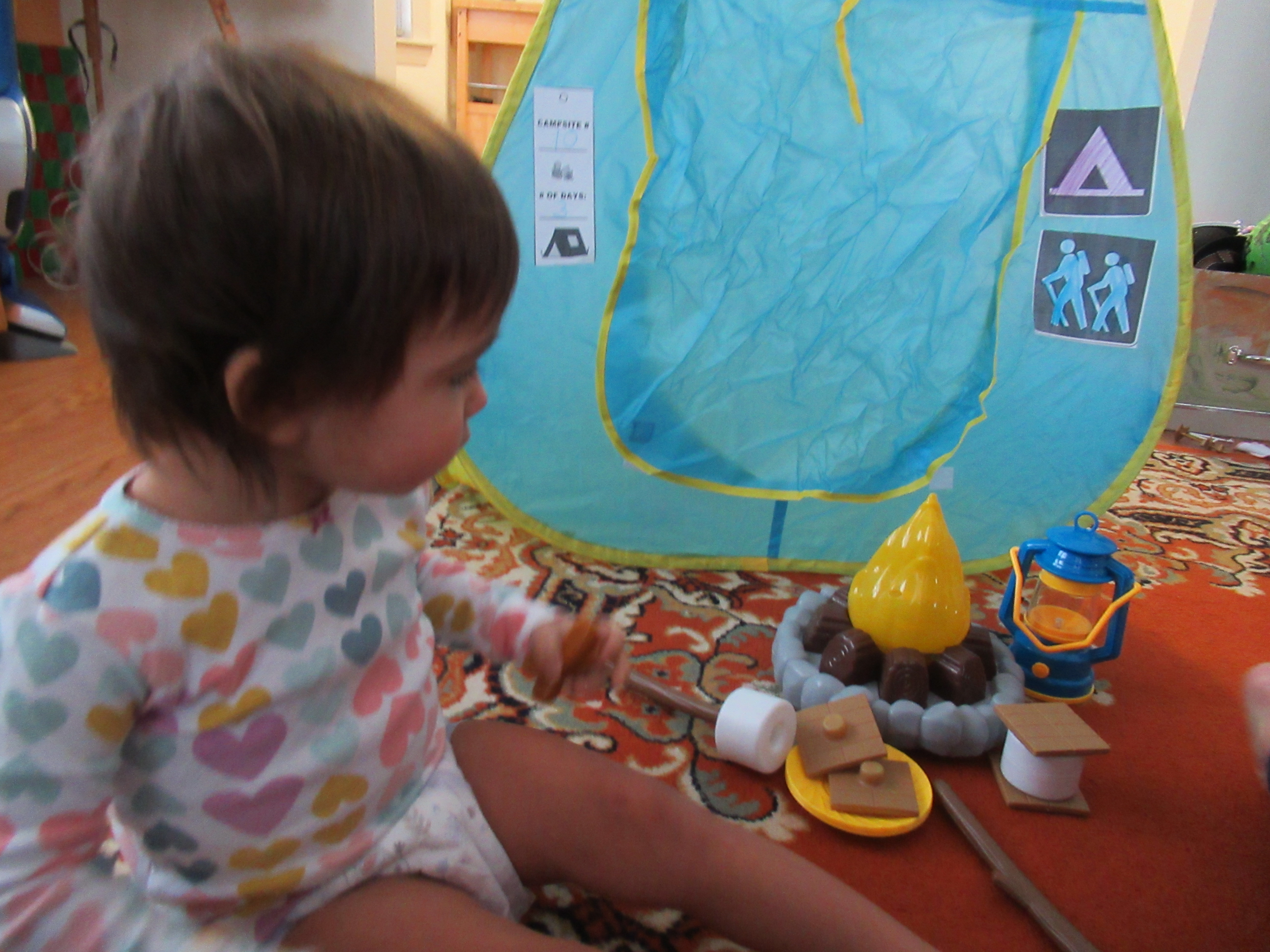
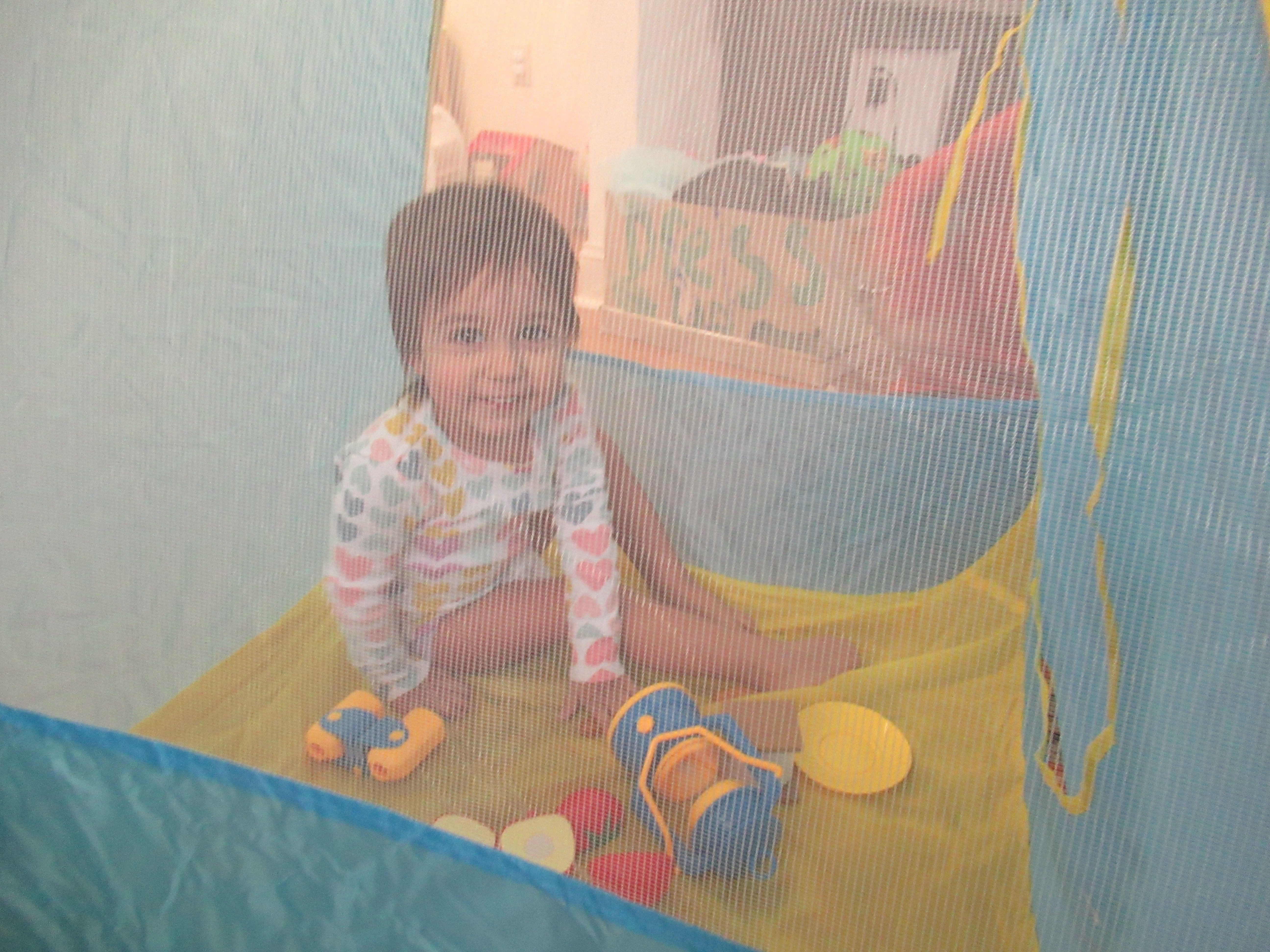
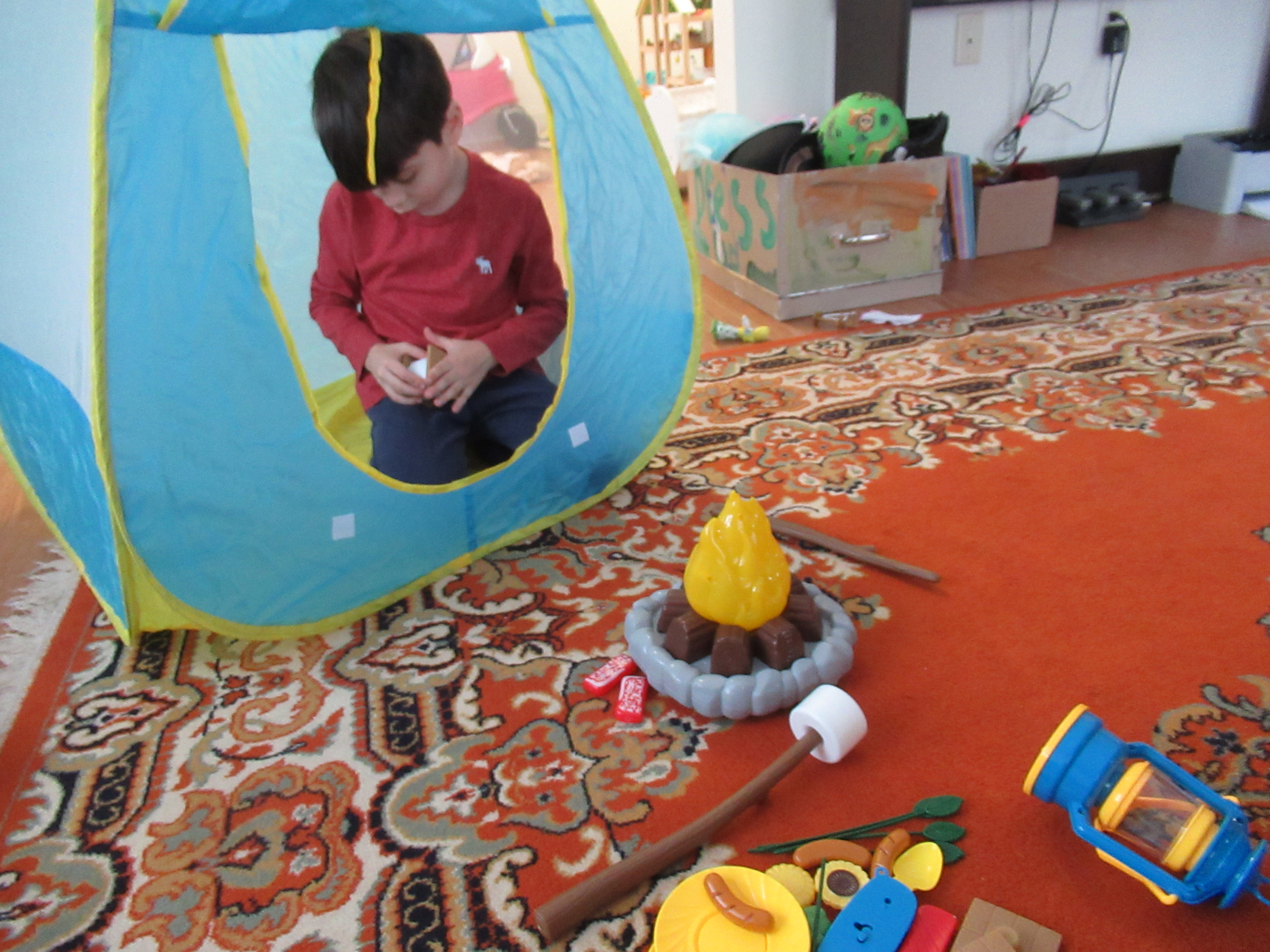
I have literally been saving this activity for a rainy day (okay, a snowy one, but basically I was waiting for any form of precipitation). I had a never-used camping play set in the closet that included a pop-up tent, fake campfire with plastic s’mores, a lantern, and binoculars. This make-believe camping is the perfect thing to occupy the kids when you have a day too blustery to get outside and camp for real!

I pulled out the set, and from here the idea really was just to let the kids engage in imaginative play. Of course they wanted to climb into the tent right away.

Camping Pretend Play (4)

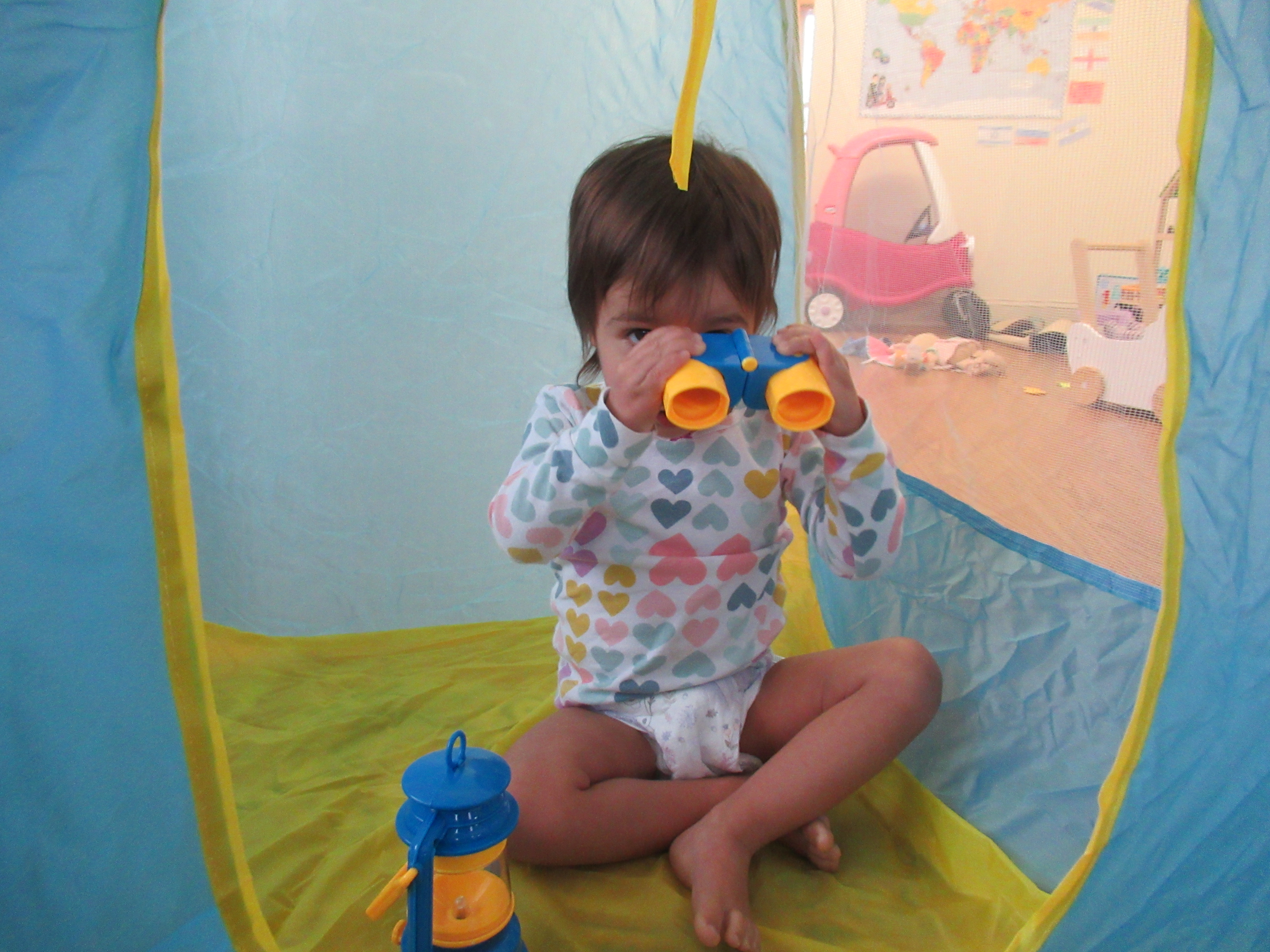
I wonder what nature treasures Veronika can see through the binoculars!

Camping Pretend Play (3)

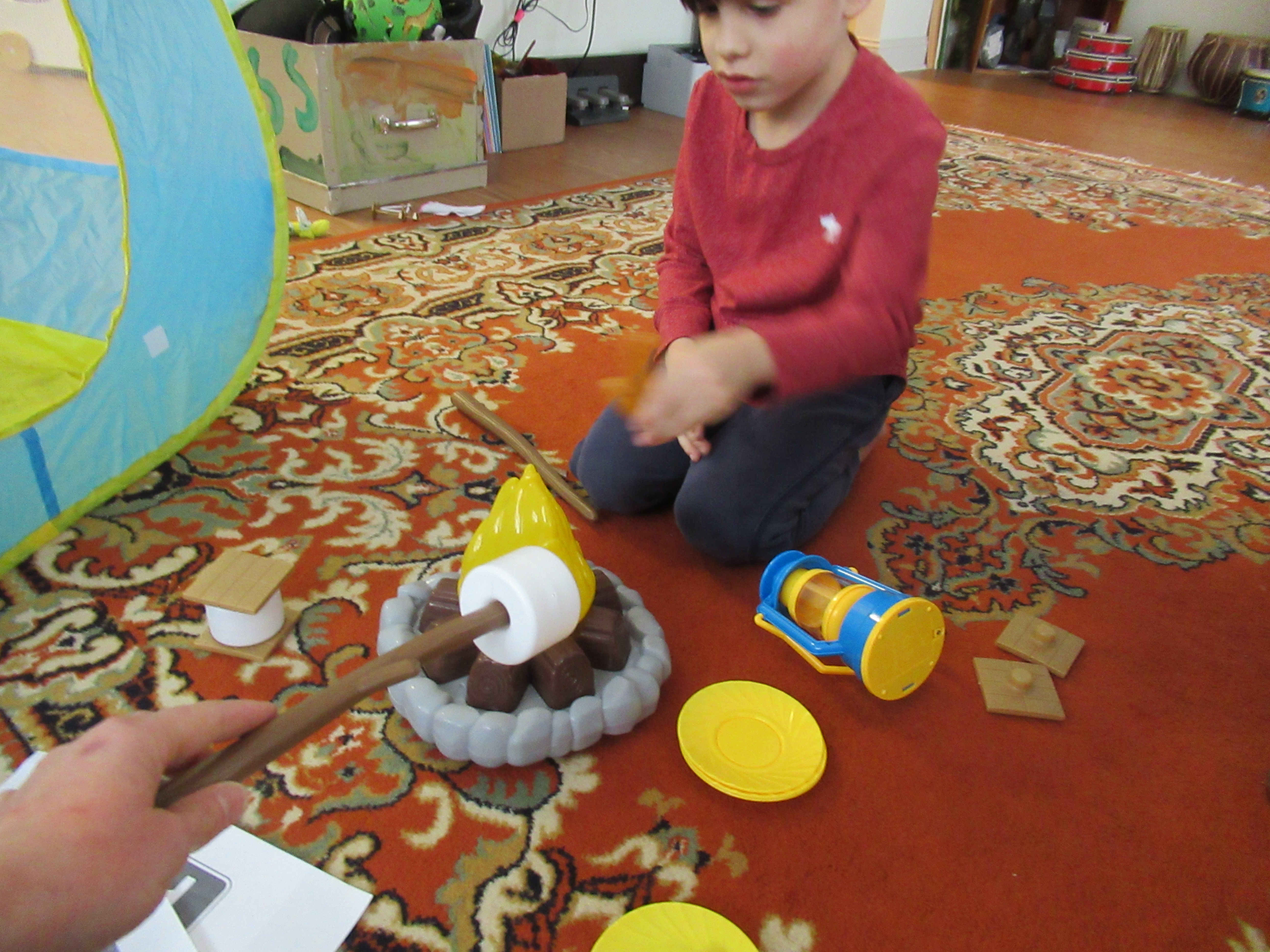
The campfire was a big hit, as was the pretend food. Veronika loved slicing at the various sausages and veggies and the kids “roasted” their marshmallows.

Camping Pretend Play (2)

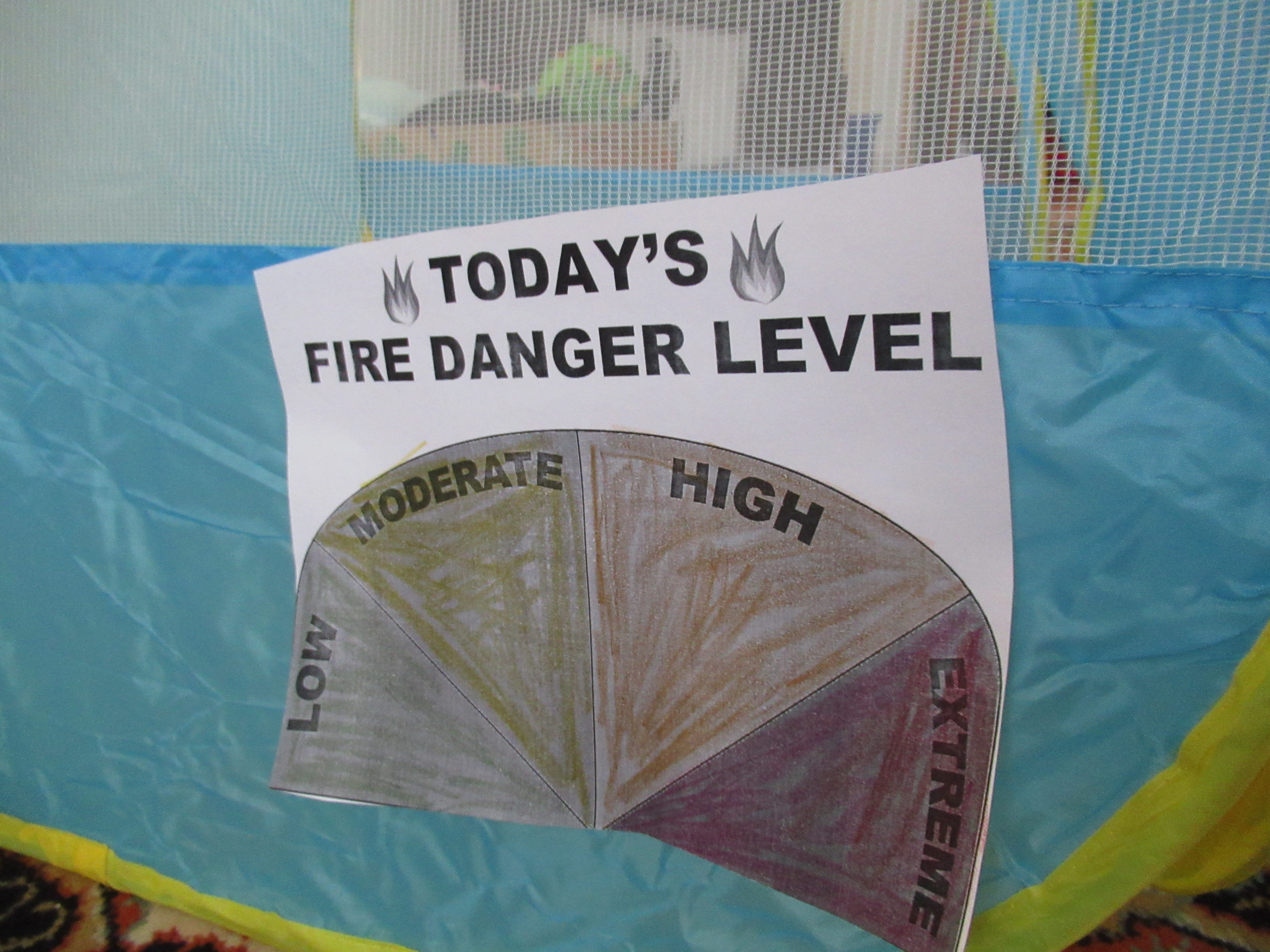
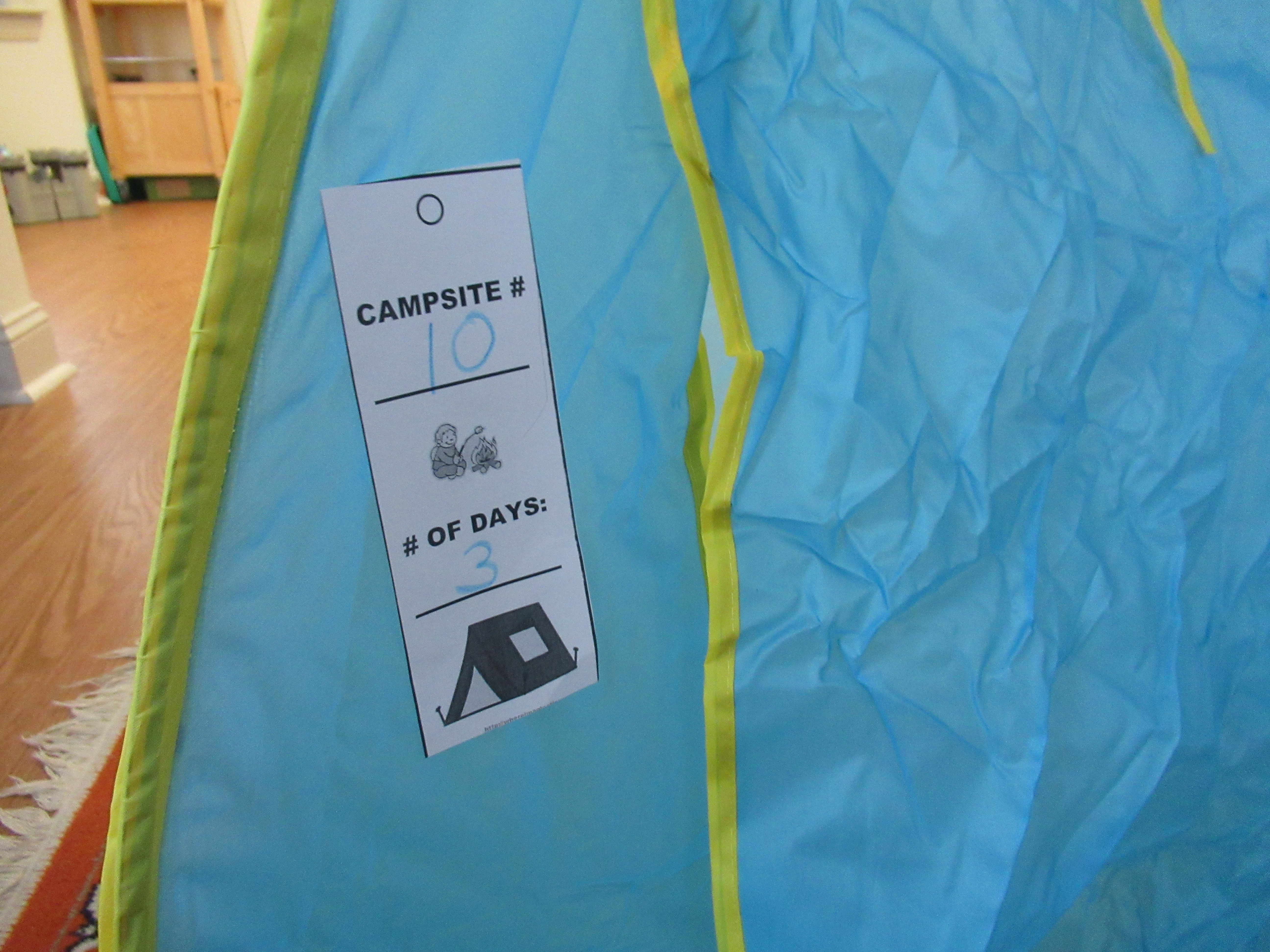
For a little arts & crafts, I printed out camping templates to color in. These featured signs of hikers, a tent label for our “campsite”, and a fire danger warning sign (you can even do a quick review of Smokey Bear while the kids color this one!).

Camping Pretend Play (5)

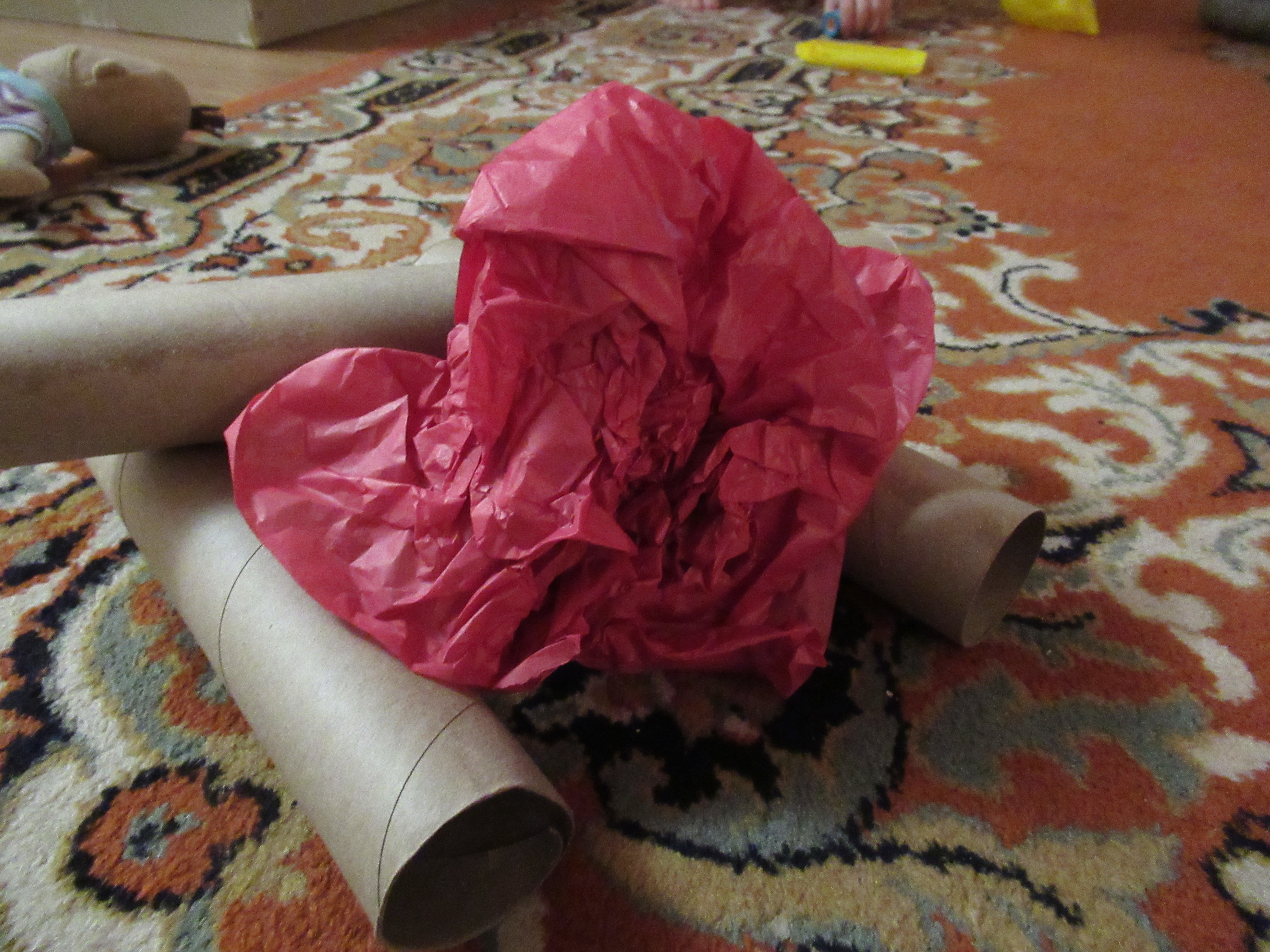
As a side note, there’s no need purchase a camping set for your kids to enjoy this activity; it just happened to be something in the closet. But any tent (or blankets over chairs!) can be your campsite. For a campfire, use paper towel tubes as the logs and red or orange tissue paper as the flames (tea lights add to the authenticity!).

Camping Pretend alt

Real sticks with cotton balls on the end can be used for s’mores, and two toilet paper tubes taped together become binoculars in an instant.

Camping Pretend Play (1)

Needless to say, this was a great way to imagine we were in the warm camping days of summer while a blizzard raged outside!

Camping Pretend Play (6)

Cat Games, 5 Ways

Cat Games (3)

On some cold winter days, it’s not just the human kids who get cabin-fever, but our four-legged kids, too! To wit, we came up with five ways the cat and kids could play together today, meaning everyone was entertained (for a little while at least!)

Fishing for Feathers

For this first game, I rigged up a homemade version of a classic cat “fishing rod” using materials from our craft bin. Tie a few craft feathers together with string, then loop the other end of the string around a dowel and secure with tape.

Cat Games (1)

I showed the kids how to dangle these “birds” for the cat.

Cat Games (2)

At first he seemed surprised to be the center of attention, but soon he was batting at the feathers with excitement. Clearly the kids thought it was a riot!

Cat Games (4)

Laser Tag

This second game is strictly for kids who are old enough to understand that a laser pointer never gets pointed into anyone’s eyes, whether human or feline. Travis absolutely loved wiggling the dot of our laser pointer for the cat (it makes him go wild!).

Cat Games (5)

Veronika, meanwhile, got to watch and laugh at the show!

Cat Games (6)

Sock It to Me

Forget the cat ball toys you can buy at the store; rolled up socks make instant balls for zero cost! Veronika in particular loved rolling a few homemade sock balls to the cat and back again. “Here’s a sock!” she would say each time.

Cat Games (9)

If you have fresh catnip, you could even sprinkle some in the socks, first. Then we tried a variation where I tied a long string around each sock. The cat loved pouncing after these if we dragged them on the floor, or batting at them if they were dangled in the air.

Cat Games (13)

Kitty Soccer

Our cat loves to play “soccer” with crinkly Mylar balls, so today we tested out a few other “soccer” toys. Great options for batting around include spring toys (try the Thin Colorful Springs from Ethical Pet) or even just a ball of crumpled paper. Gooooaaaaal!

Cat Games (12)

Two-Toy Tango

Finally, we got extra silly. I gave the kids one toy cat mouse and had them pretend to be cats, pouncing on it or batting it around with their “paws”.

Cat Games (7)

The cat received a second mouse so he could play right alongside my little humans. It’s highly debatable who had more fun with all these games, the two-legged kids or the four-legged one. Needless to say, the cat took a nice long cat nap after.

Cat Games (8)