Making Faces, Five Ways

It can sometimes feel uncomfortable to talk with toddlers about emotions. In particular, I always worry that showing angry or sad faces will make my children mirror those “negative” feelings. But it’s also incredibly important to give toddlers the emotional vocabulary to understand their own feelings, and those of others.

Here are five fun ways to play around with faces and expressions – including those sad ones – to help demystify all those big toddler emotions.

Felt Faces:

For the first game, I relied on a felt set that we own to make round faces and pieces to mix and match as facial features. If you don’t own such a set, glue felt onto cardboard circles for each face, and cut additional pieces of felt into various shapes for eyes, noses, and mouths.
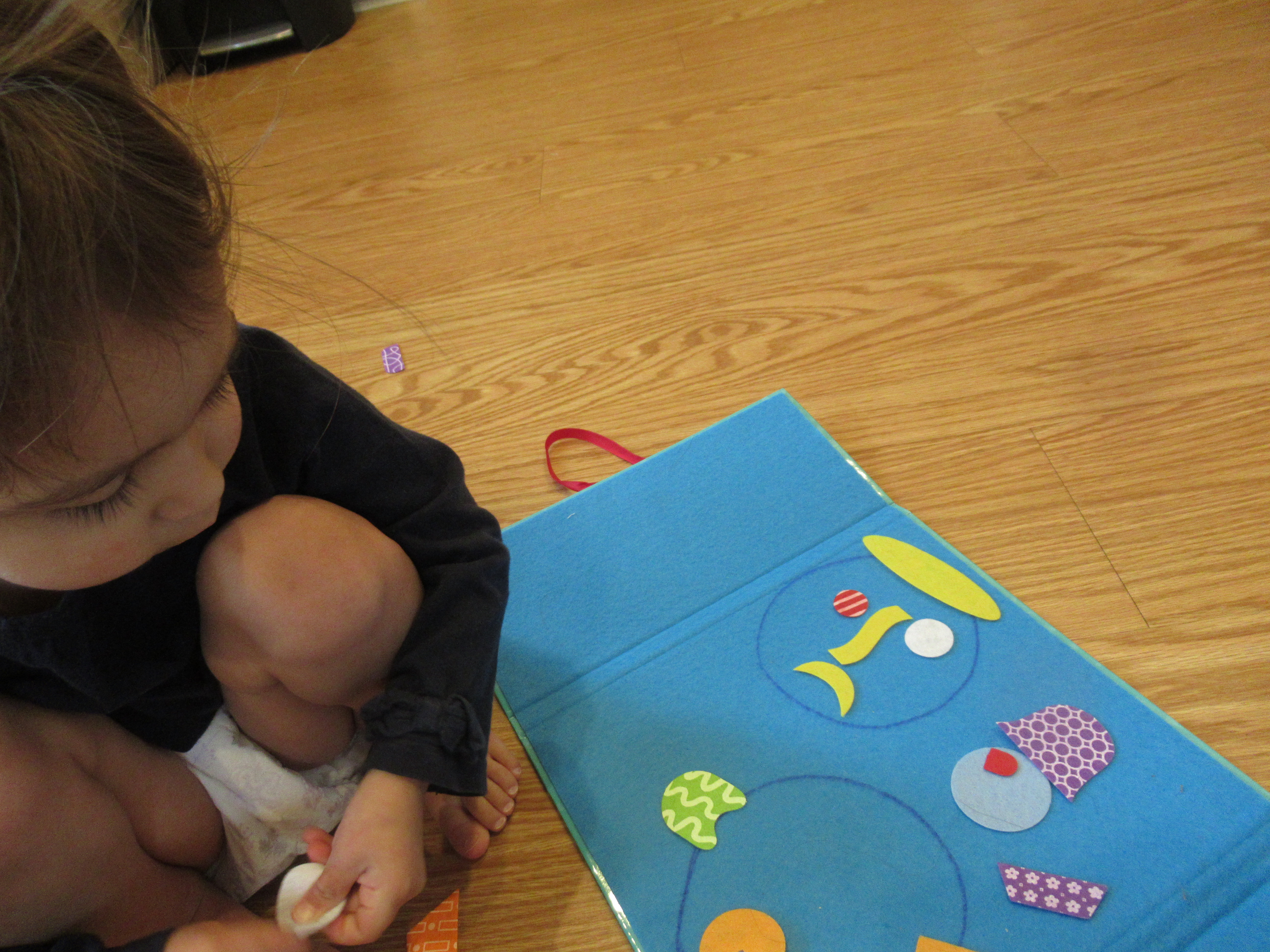
Ovals and circles were great for eyes or open-mouthed surprise. A crescent moon was a perfect smile, and then immediately became a frown once turned upside down!
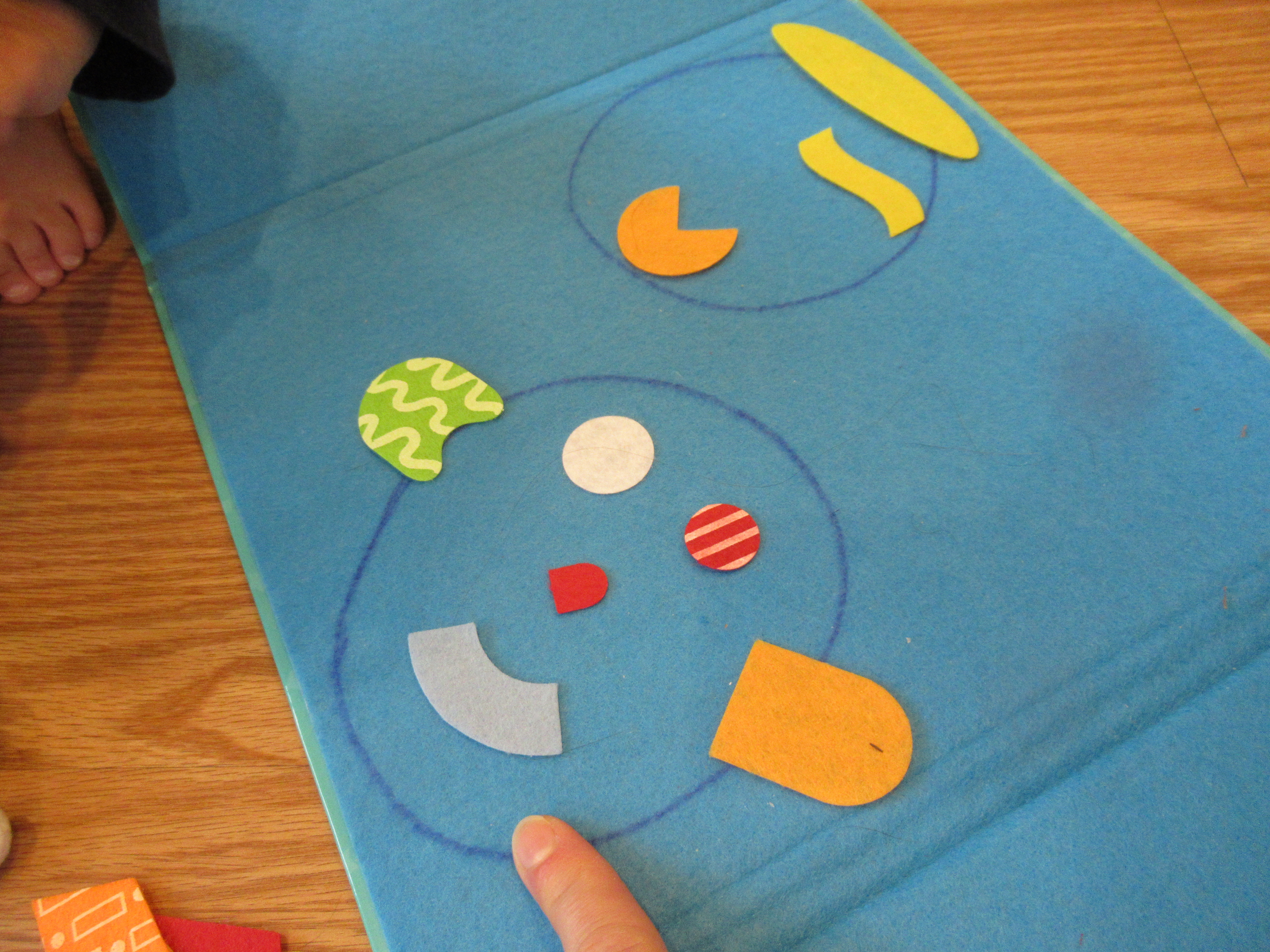
After showing Veronika a few examples, I encouraged her to design her own faces. Of course hers weren’t always recognizable, but she had the idea. She said this one was wearing a hat:

Funny Faces:

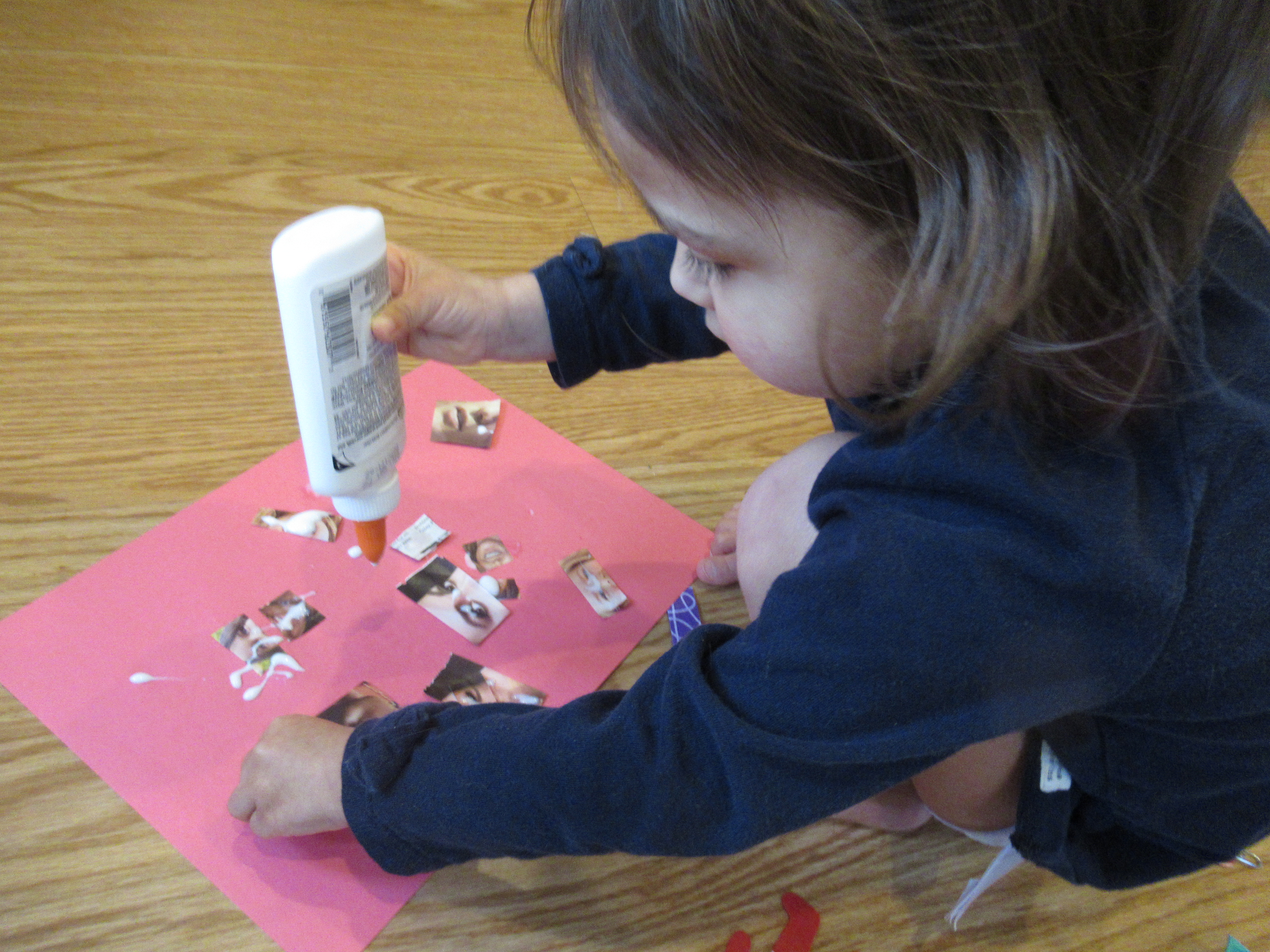
For the next version, I cut eyes, noses, and mouths from a magazine until I had a varied collection. Ideally the images would have been larger, but even with small pieces, Veronika enjoyed starting to mix and match them.

I showed her how to combine the features into faces that sometimes showed multiple emotions, often with silly results. This one looked quite surprised!

She also enjoyed turning the game into sensory play, helping glue them down and then lifting them up again for lots of sticky mixing and matching.
Nature Masks:

For the next version, we first needed to head outside to gather some nature treasures. Once home, I cut two eye holes into a paper plate and then invited Veronika to arrange her treasures any which way.

We ended up with something vaguely human (and perhaps on the spectrum between happy and creepy!). Your child might also enjoy making an animal face for this craft, instead of a human one, thanks to all those fluffy furry nature bits.

Nature Mirror:

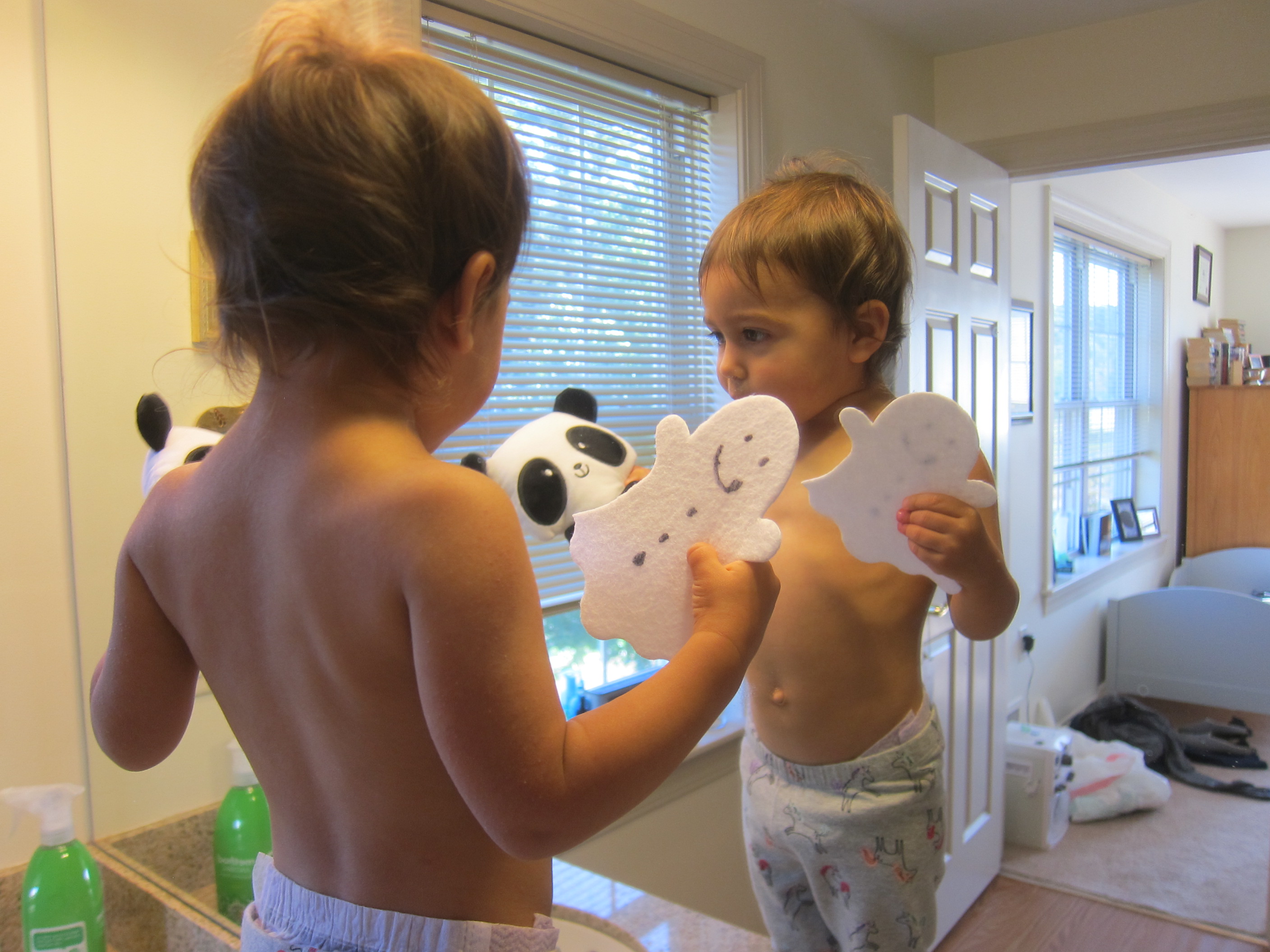
Mirrors are a fantastic way to let kids explore their emotions, so for the next round of face play we headed to the bathroom with our nature treasures. First, I invited Veronika to try out her expressions. Could she be happy and silly? Yes!

How about “slumpy” (her word for a mix of grumpy and sleepy)? Yup.

Now we made faces right over our reflections with shaving cream (you could also use washable paint). Now she could either play around with the shaving cream by hand or add a few more nature treasures to it, to alter the expressions.

Faces for the Trees:

Our final emotion game used nature, too, and this time we needed to make “forest putty” a.k.a. dirt mixed with water. We shoveled some dirt into a bucket and then Veronika watered it. Stir with a shovel or stick until your mixture looks a bit like brownie batter.

Now I asked Veronika if the trees had feelings, too! She decided yes, this tree was happy. We smeared on some of our forest putty, then gathered up treasures like dandelions and pine branches to give it a face. Our putty was a bit runny, so we had to make the face down low on the trunk, but if your mixture is more like clay, it might stick higher up on the trunk.

What expression will your favorite tree have? Please share in the comments!

Mix and Match Monsters

Mix and Match Monsters (7)

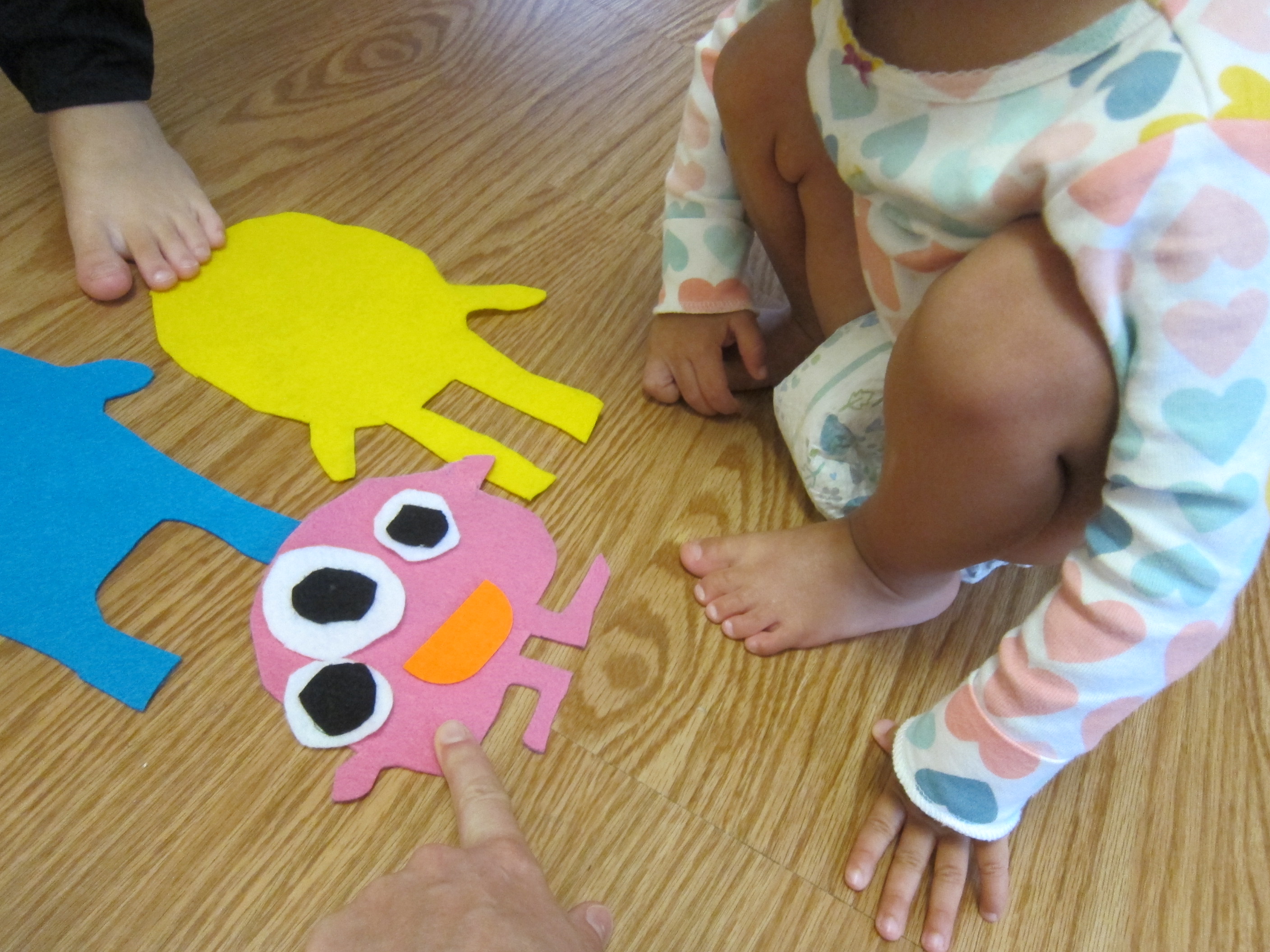
After playing with felt faces to make happy and sad people, it felt like it was time to get a little more Halloween-y and play a version with… felt monsters!

For each monster body, I simply drew free-hand on a piece of felt and cut out the shapes. My monsters were fairly cute and definitely not threatening. Think bubbly round buddies and short stubby limbs.

Mix and Match Monsters (1)

I then hot-glued black felt onto white circles for a few monster eyes, but mostly, I relied on pre-cut pieces of felt to form additional facial features.

Mix and Match Monsters (2)

Time to make some silly faces! Veronika was delighted as soon as she saw what we were up to. She loved making a three-eyed monster with a smile. “She’s happy!” she told me (happily). So this very quickly turned into a lesson on emotional learning, too.

Mix and Match Monsters (3)

We made grumpy monsters and surprised monsters.

Mix and Match Monsters (4)

Then she wanted to get them dressed. This one, according to Veronika, was wearing pants and his shirt.

Mix and Match Monsters (6)

I loved watching the way she interacted with these little creatures.

Mix and Match Monsters (5)

And nothing was too spooky!

Plate Faces & Playdough Faces

Playdough Faces (9)

Veronika and I played two different games today to learn facial features and emotions. The activities were both so hands on, and she loved them equally!

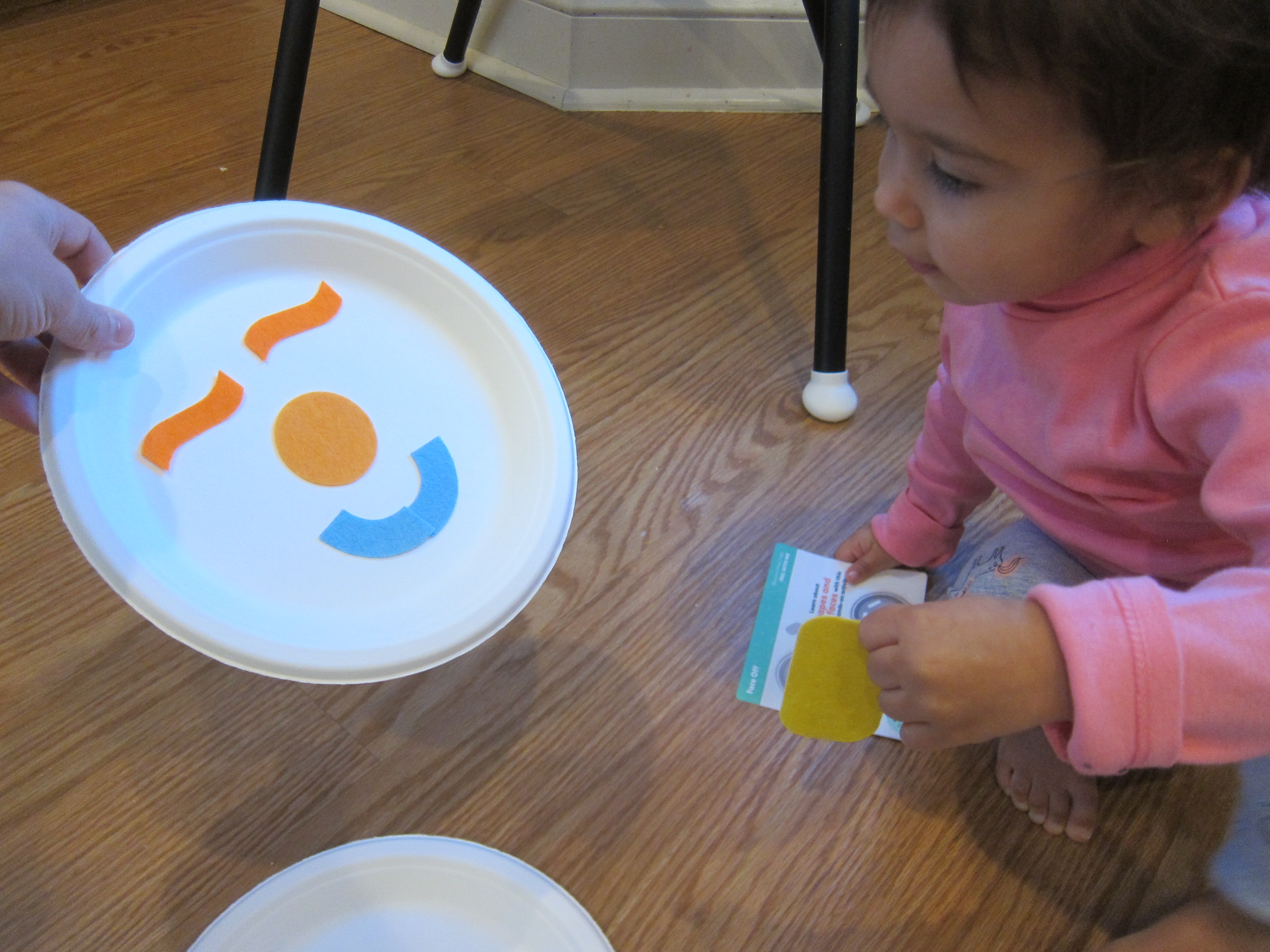
For the first version, I set out blank paper plates and used cut pieces of felt to create features. I simplified the prep work by using felt pieces from a set with pre-cut squares, rectangles, squiggles and more. You could just as easily do this activity with lots of shapes cut from construction paper.

Face Off (1)

I showed her how to arrange the pieces to quickly transform plates into faces. “What’s he feeling?” I asked her for each expression. “He’s happy!” she piped up, or, “He’s sad!”.

Face Off (3)

We could manipulate the shapes to make all kinds of variations, including surprised, silly, sleepy, angry, and more. In addition to the expressions, it was also a great chance to name individual features. “Her mouth is a circle,” I pointed out, or, “Here are her ears.”

Face Off (4)

Pretty soon she was busy designing “faces” of her own.

Face Off (6)

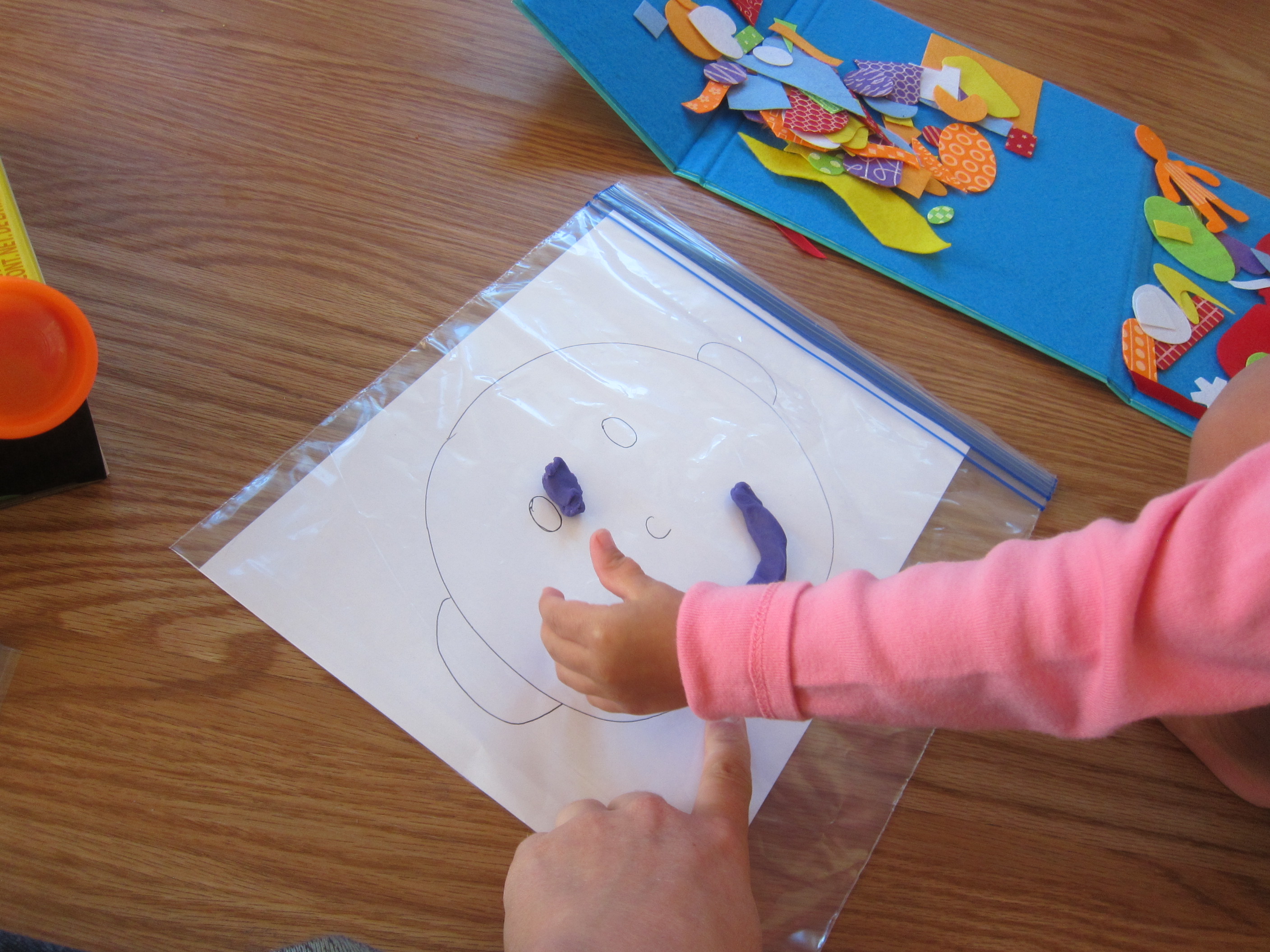
The second game was similar, except this time the sensory experience was squishy playdough instead of fuzzy felt.

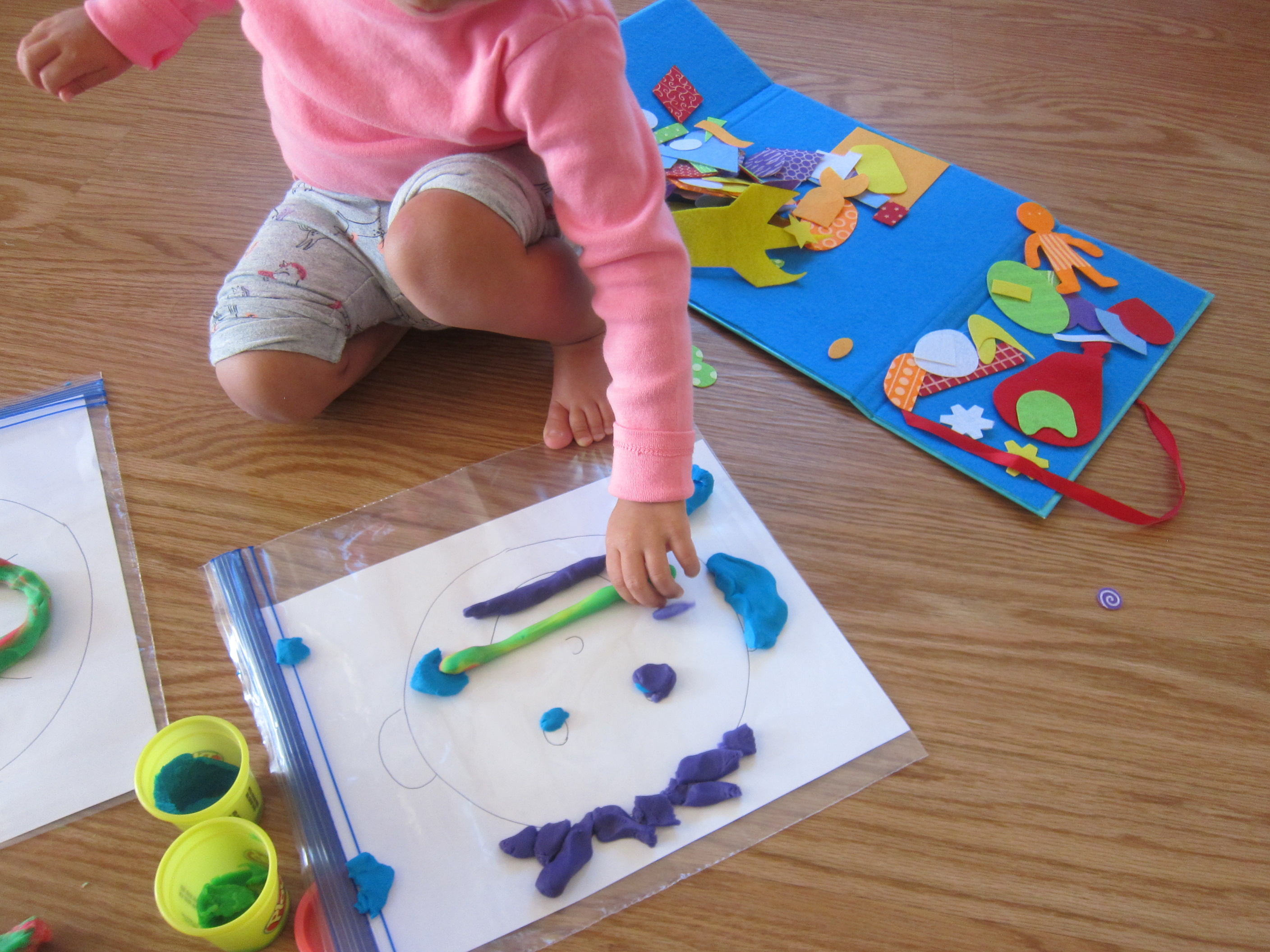
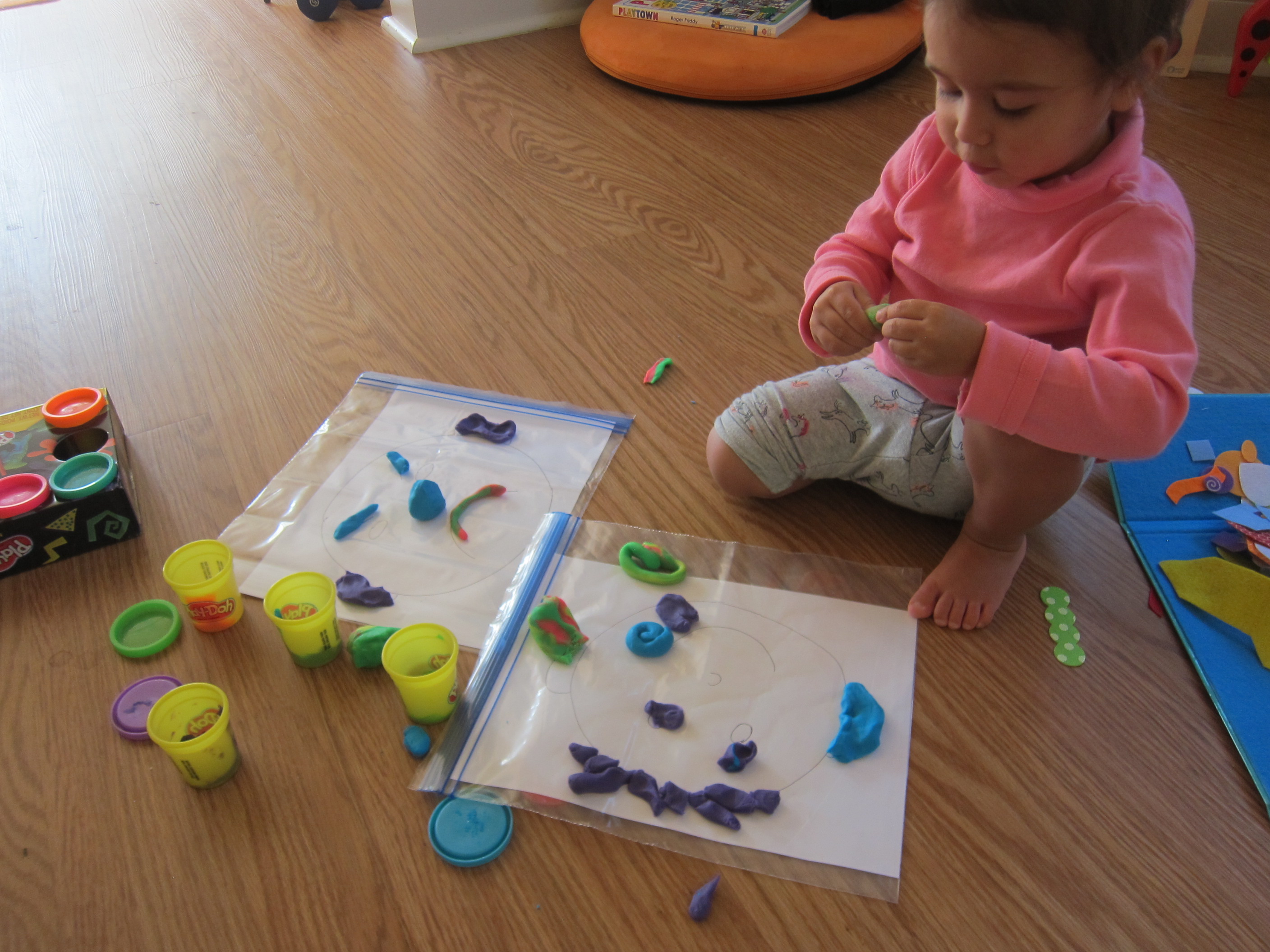
I drew two faces on plain white paper and inserted each piece into a large zip-top bag.

Playdough Faces (2)

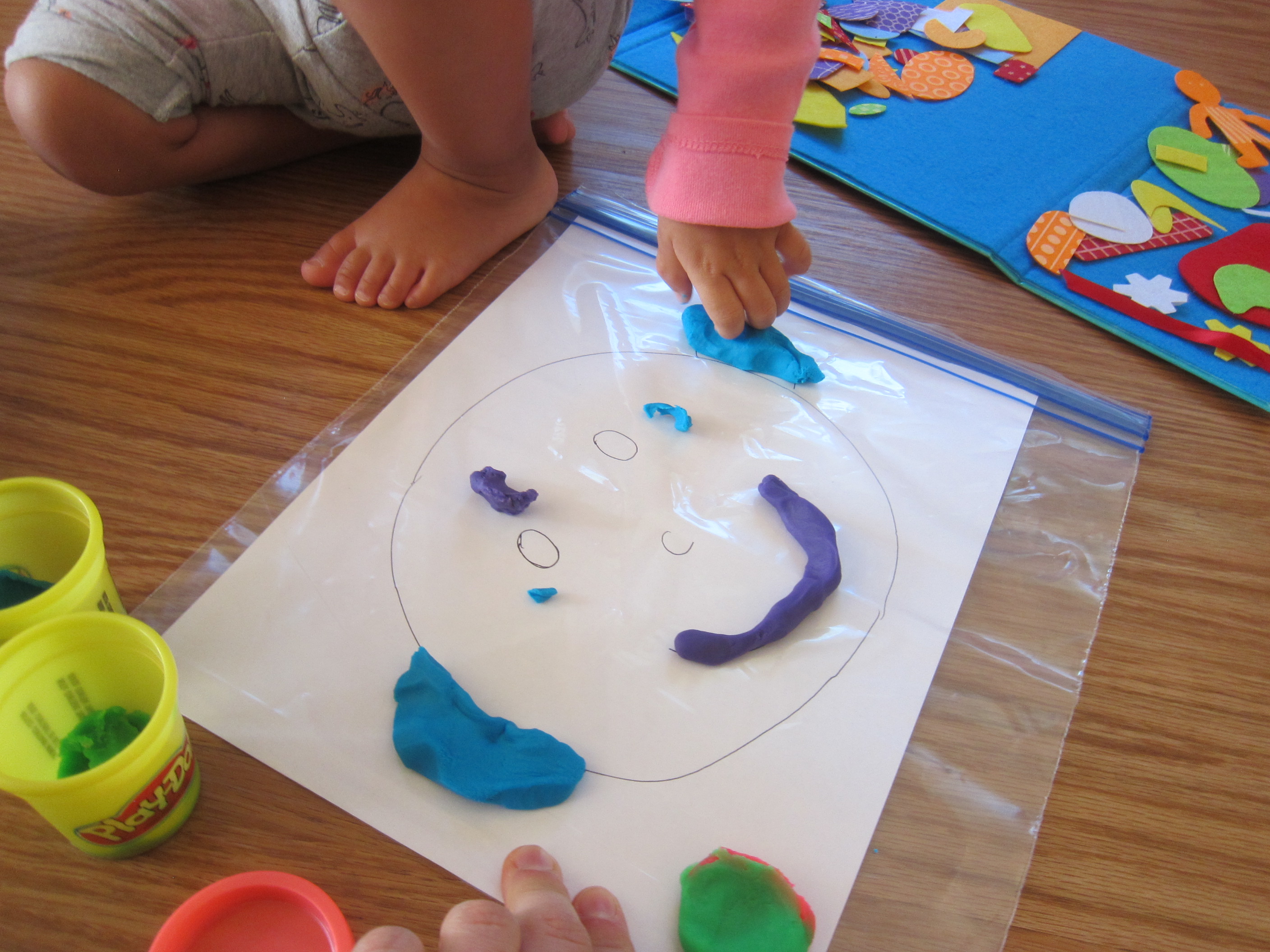
Now use playdough and squish against the bag to follow along on the facial features!

Playdough Faces (3)

Veronika got the hang of it quite quickly.

Playdough Faces (4)

Again, there was lots to talk about, including eyebrows, noses, ears, and mouths.

Playdough Faces (8)

But because this time she had to manipulate the playdough, it was great for thinking about how we shape our mouths into a frown or smile.

Playdough Faces (5)

I loved watching her move the frown from the sad face over to our happy face, and stretch it out first into a line.

Playdough Faces (6)

I helped her arc it upwards into a smile. She looked so pleased.

Playdough Faces (10)

The added bonus is that when you’re done with the games, your toddler will have lots of playdough and felt (or construction paper) pieces to play with solo for a while.

Playdough Faces (11)

Emotion Eggs

Emotion Eggs (6)

Here’s a cute way to talk your toddler through different facial expressions, as he or she learns the vocabulary and proper outlets for all our various emotions!

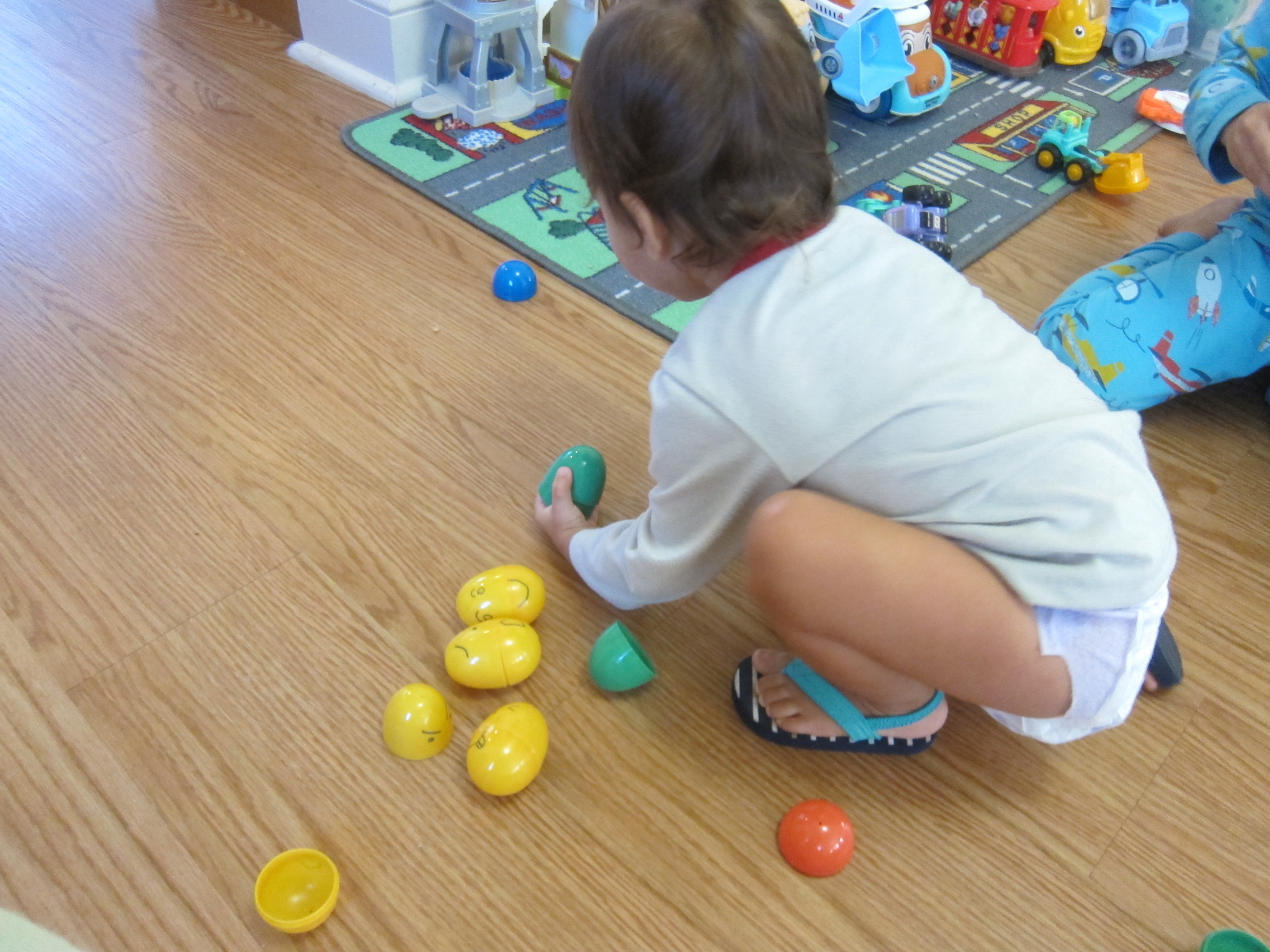
Using old plastic Easter eggs, draw mouths in several expressions on the bottom half of the eggs, and eyes and eyebrows on the top. I had one each for: happy, silly, sleepy, and angry.

Emotion Eggs (1)

We started out with the eggs in complete sets, and I helped Veronika identify each. “Angry” had turned down eyebrows with a frown, while “Silly” had winking eyes with a tongue sticking out, and “Sleepy’s” mouth was in a big O for a yawn.

Emotion Eggs (2)

I named each emotion for Veronika and she giggled at the silly ones and looked very serious for others (e.g. angry and sleep).

Emotion Eggs (4)

Next, we scrambled the eggs up! See if your toddler can mix and match to find the eyes and mouths that go together. This wasn’t always intuitive for Veronika, but she did certainly know what she wanted to find the most in our pile.

Emotion Eggs (5)

“Let’s find the angry face!” she said. As with a recent Panda crate, she’s drawn to the sad expressions, perhaps because these are the scariest for a toddler to sort through.

Needless to say, the eggs were also great fun to put together in mismatched combinations. And then of course she wanted to draw on them too. This activity made for good play and for an ever better tool in social emotional learning!

Emotion Eggs (7)

Feel with Me Panda Crate

Panda Feel alt

Veronika’s latest from Panda Crate was all about those big toddler emotions trapped inside little bodies. I loved that this was the toddler version of the Feelings Crate Travis did with the Koala line over three years ago. The package includes great ways to get your toddler talking about those big feelings… hopefully before the next tantrum hits!

One: Huggable Poppy

Veronika has a new best friend!

Panda Feelings (1)

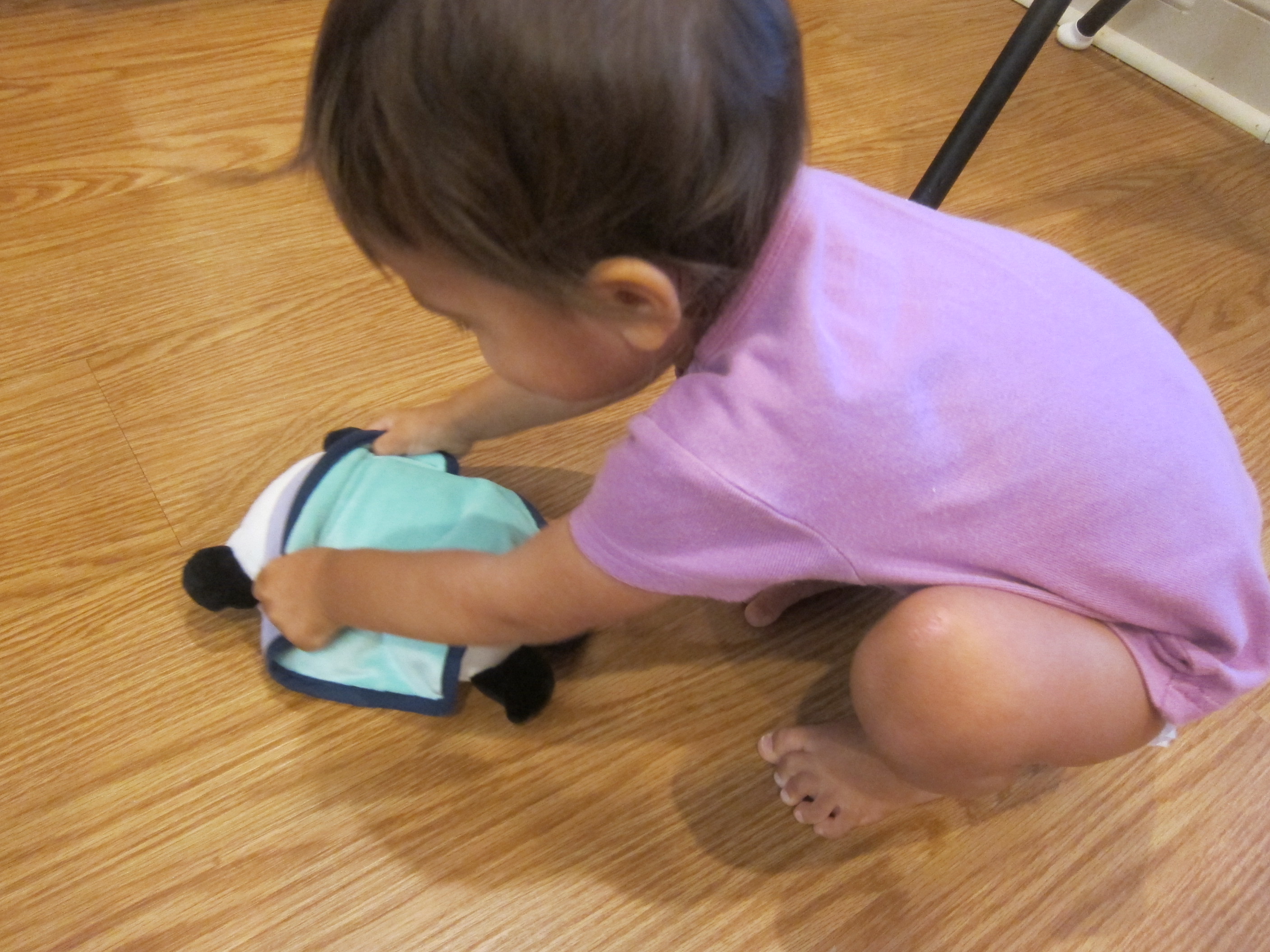
She was smitten the moment I showed her the first item in the crate, a stuffed version of the line’s mascot panda. Poppy comes with her very own lovey blanket, so it was like a nesting doll equivalent of a hug. Veronika hugged Poppy, and Poppy hugged her lovey. Everyone gets comfort!

Panda Feelings (3)

Of course little ones learn empathy and caring skills through stuffed animals, and we emphasized that by helping tuck Poppy under her blanket, or talking about what Poppy was feeling.

Panda Feelings (4)

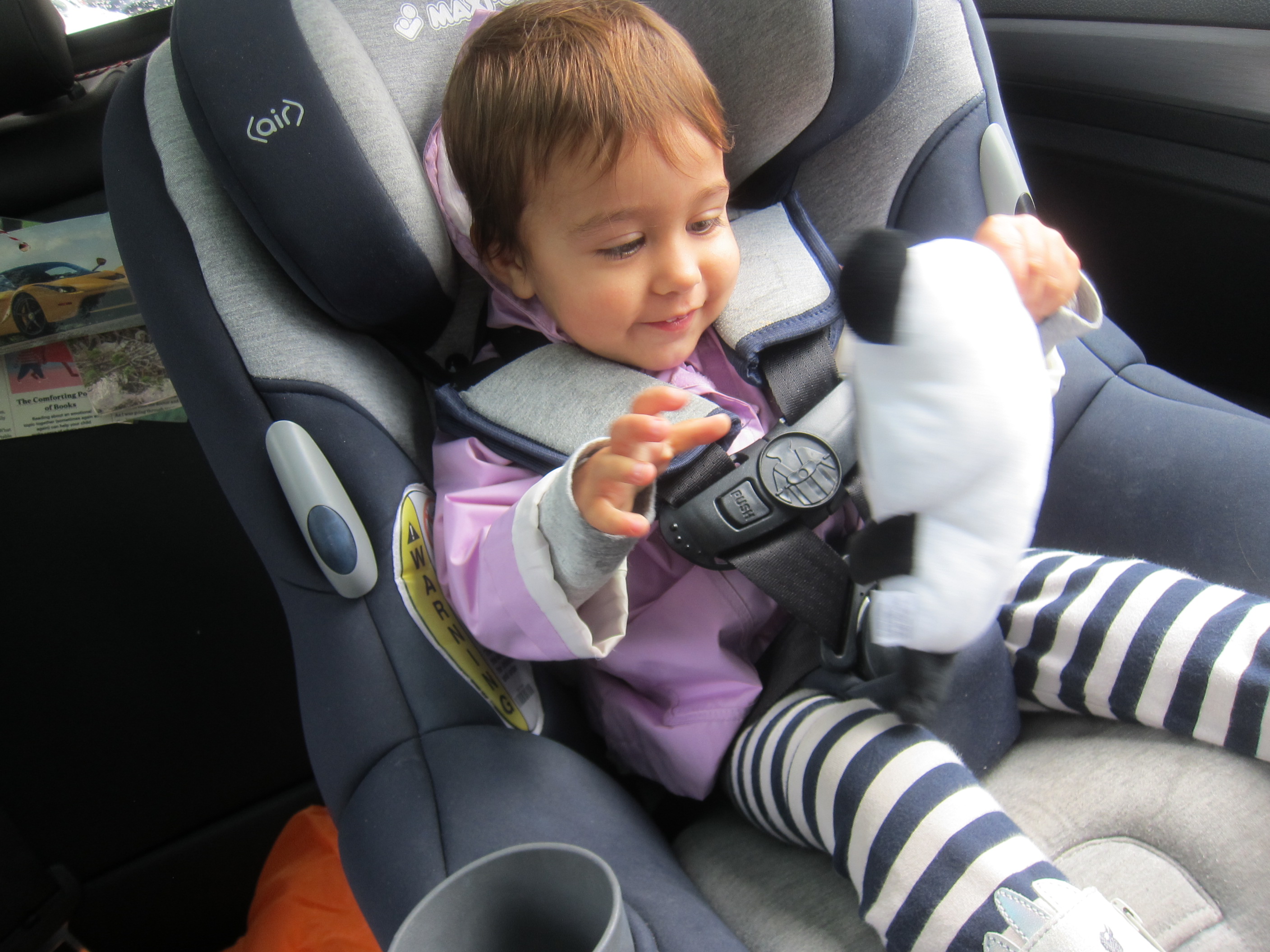
She’s fantastic for taking along on car rides, too!

Panda Feel var

Two: Mood Puzzles

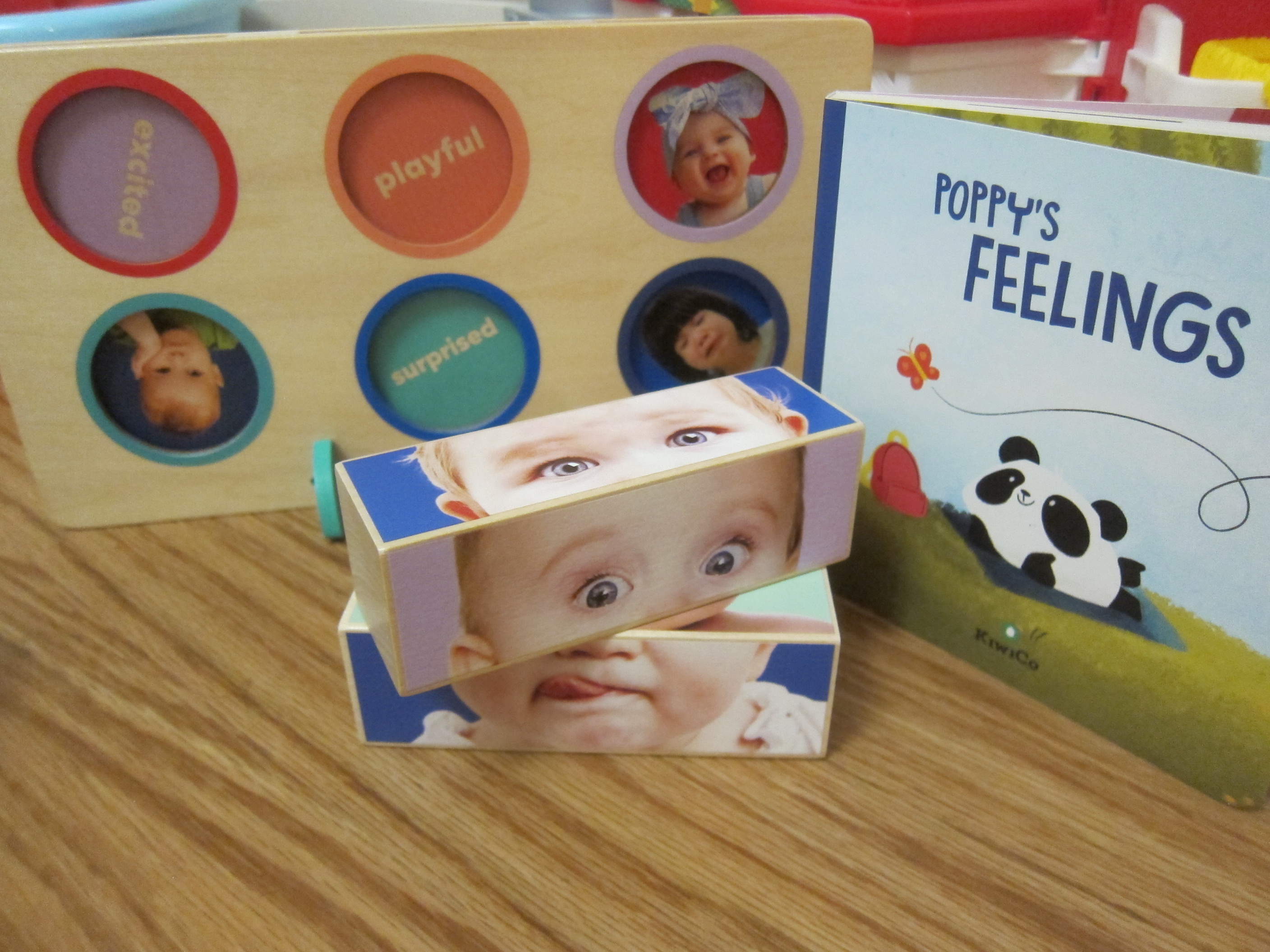
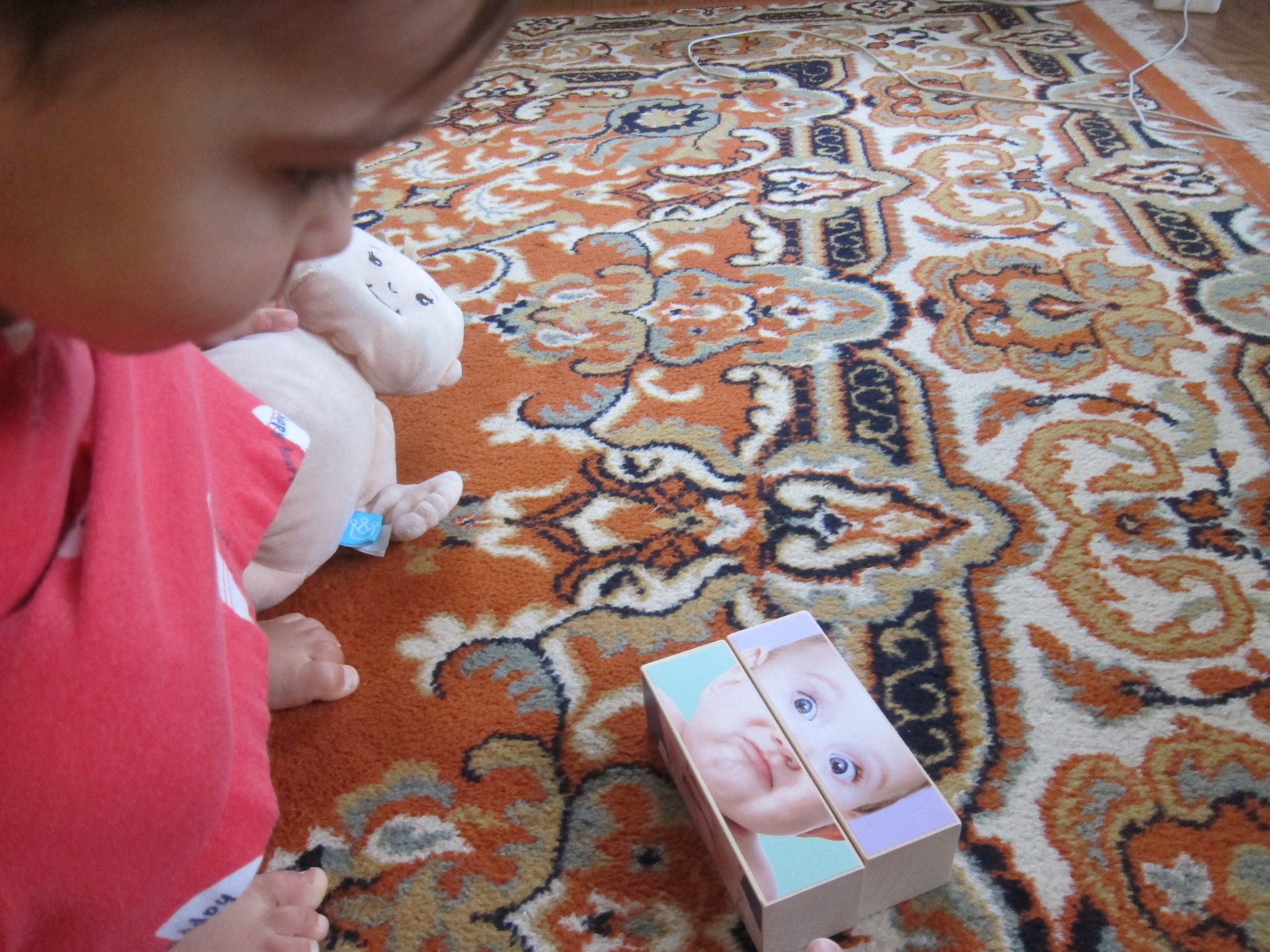
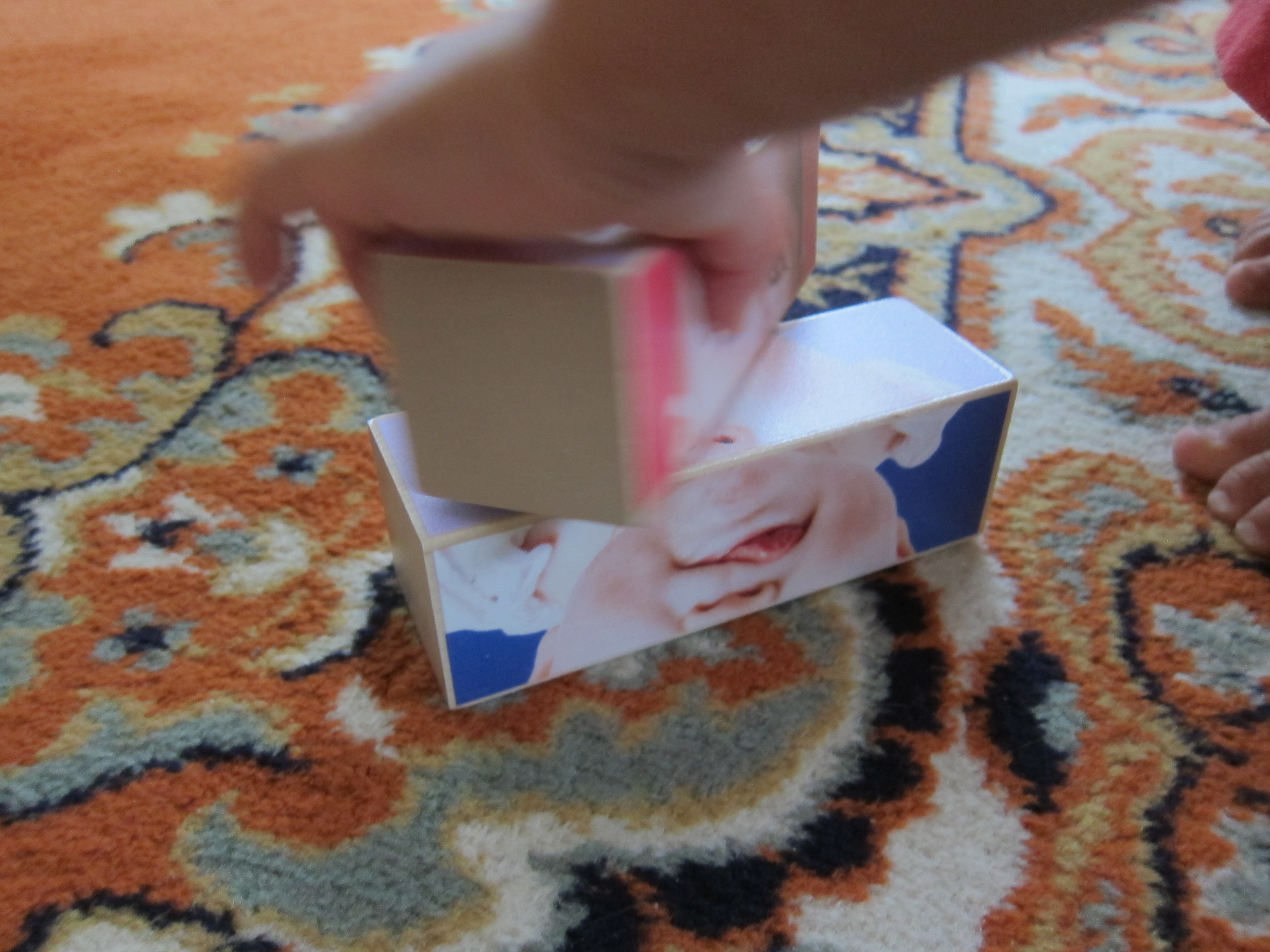
Veronika was equally smitten with the next item in the crate, two wooden blocks that are printed with 6 emotions on baby faces, in the eyes and lips. Mix and match to talk about what the baby is feeling!

Panda Feelings (6)

She could stack them up like regular blocks of course, which is always great for fine motor development.

Panda Feelings (5)

But even better was lying them on the ground. We talked through the emotions, naming each one and a scenario in which she has felt it. It was fun to ask her to copy the babies, too. Could she stick out her tongue like playful baby? Yes!

Panda Feelings (7)

I also did the reverse; if we mixed up the cubes, could she find me a frown? “Frown” was a new vocabulary word, though we’ve talked plenty about smiles. In fact, she seemed particularly drawn to the frowning or sad images, which makes sense since these emotions can be scary for a toddler.

Panda Feelings (8)

Three: Emotion Stacker

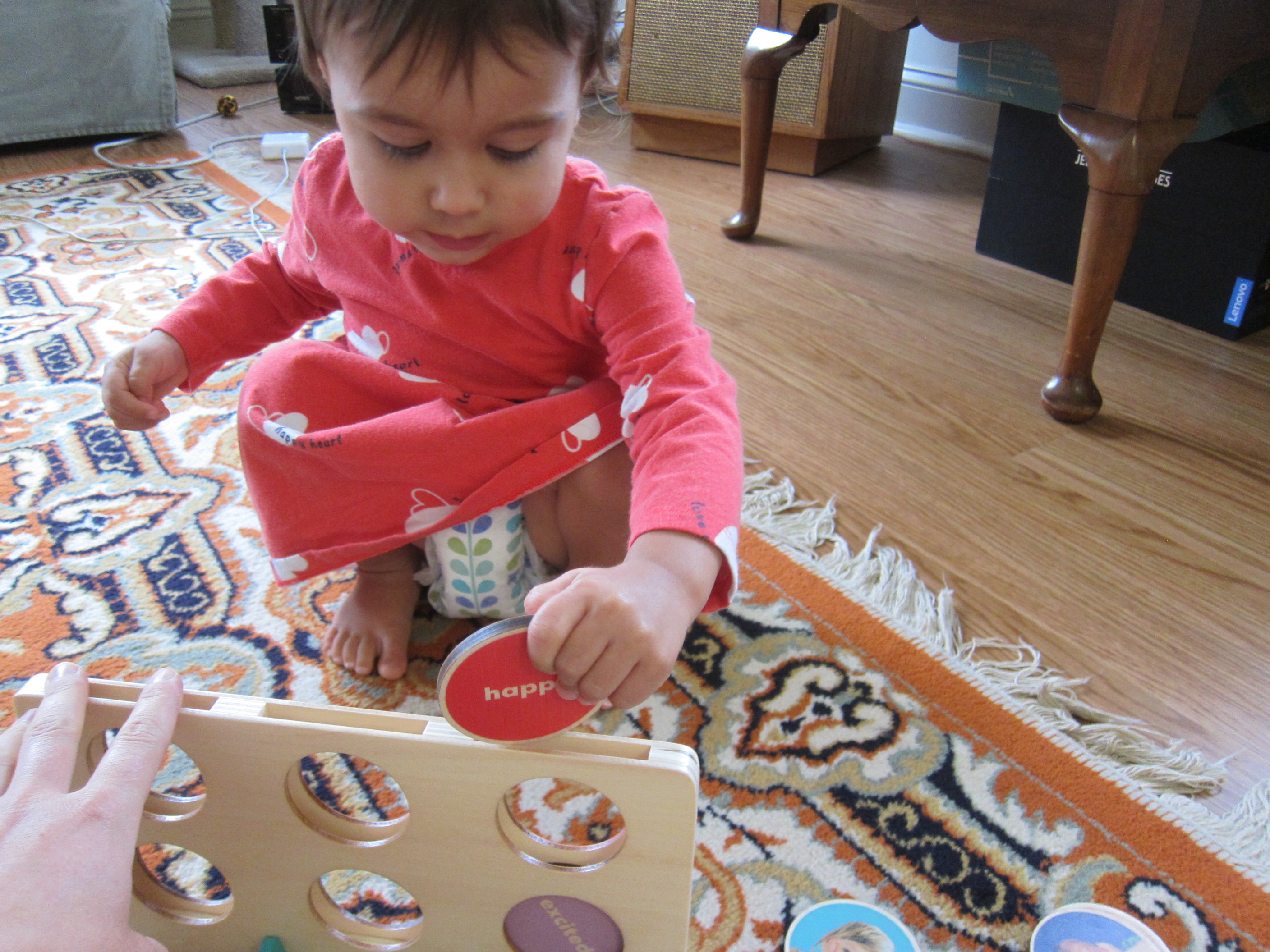
The next toy continued the theme of babies and expressions. For fine motor skills, it’s a stacking frame almost like the game Connect 4, and Veronika quickly mastered the skill of slotting the circles inside.

Panda Feelings (12)

As she popped in each one, I named the emotion.

Panda Feelings (13)

We then lined up the babies in order from happiest to saddest.

Panda Feelings (15)

Panda also suggests using this toy for a color match, but it wasn’t intuitive for Veronika since there were three shades of blue, but no orange, green, etc. For a better color toy, I would have preferred rainbow colors.

Panda Feelings (16)

Four: Emotions Place Mat

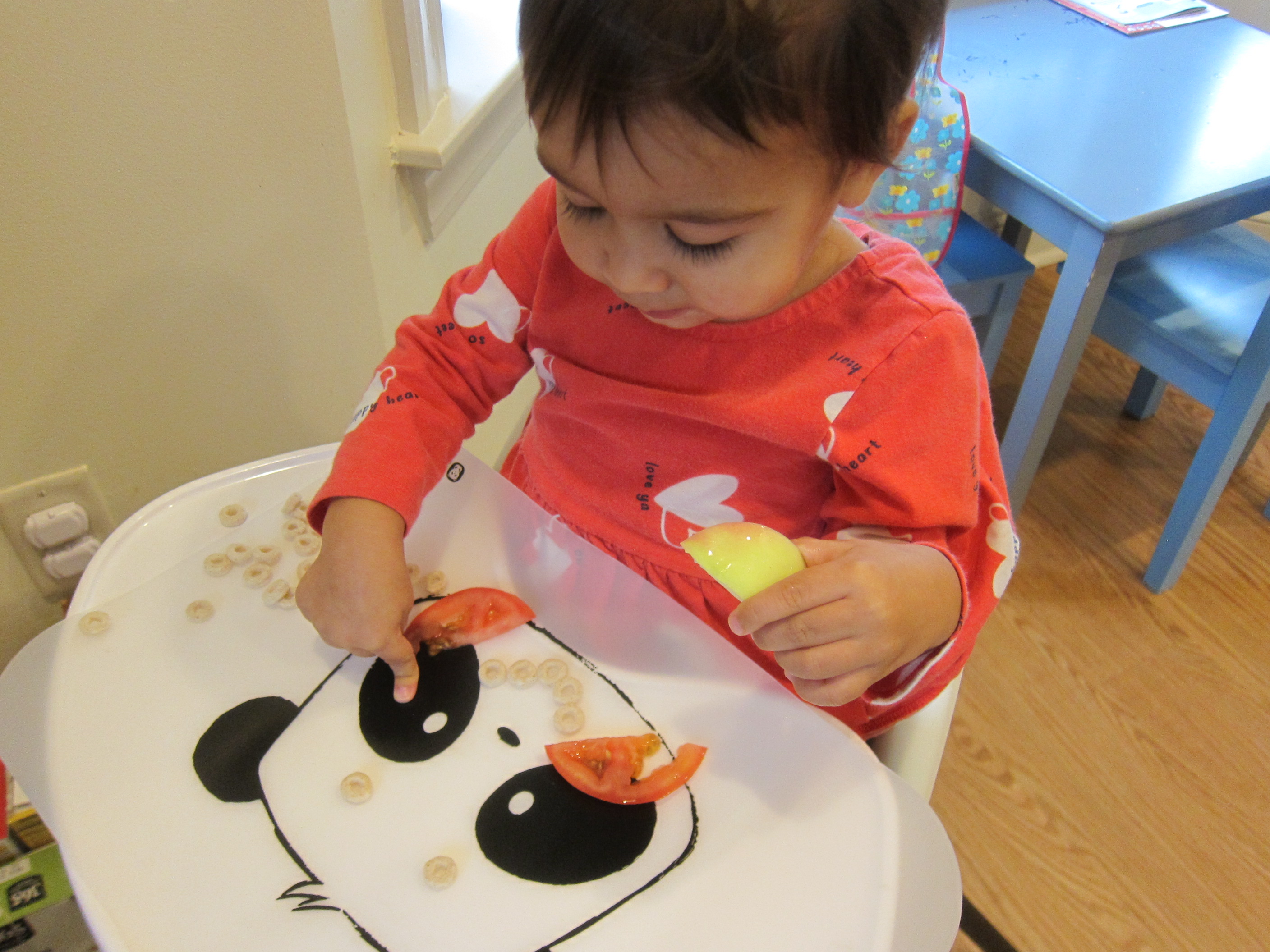
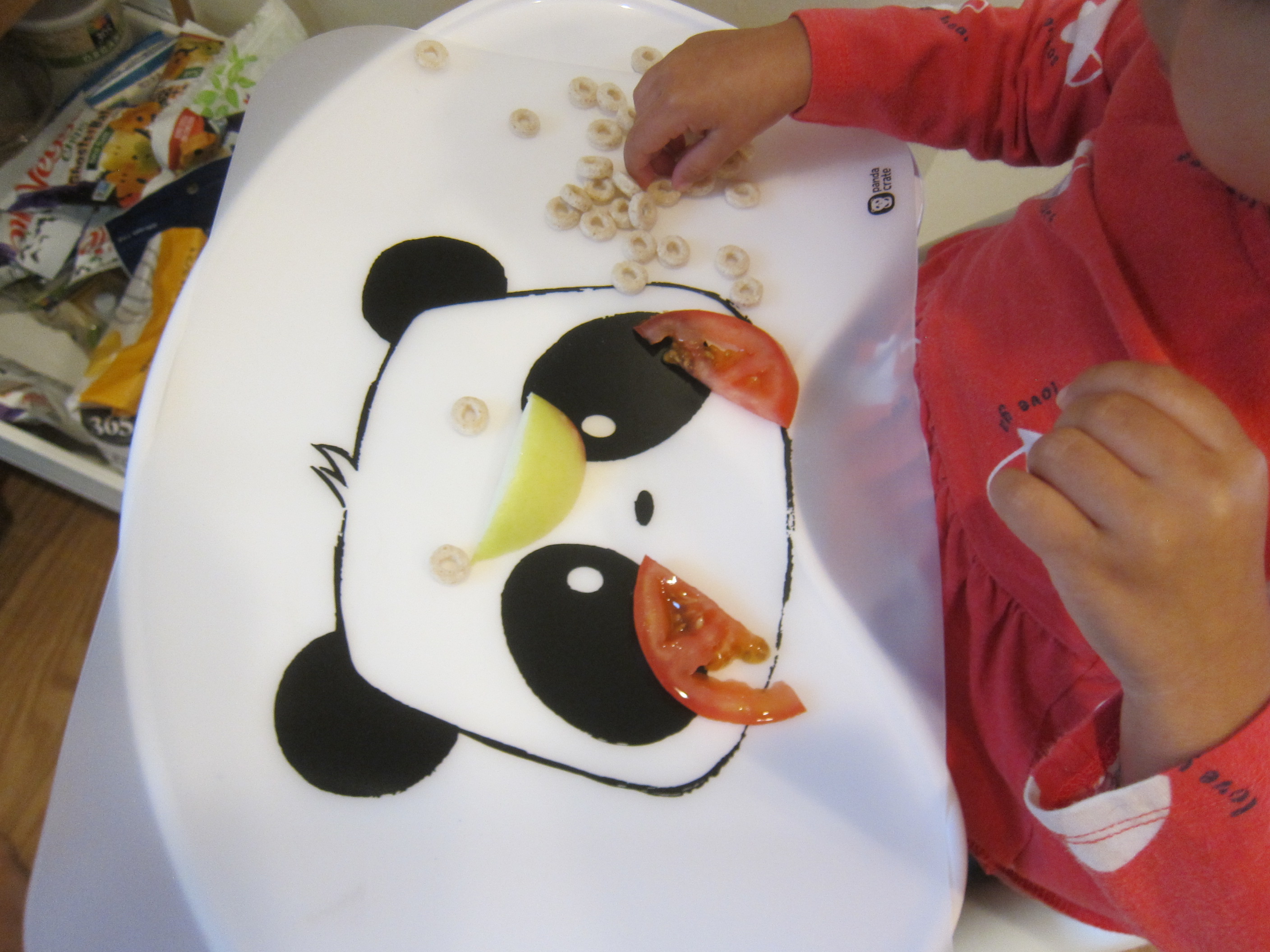
The fourth item was a food-grade silicone place mat with the outline of panda’s face but no emotions. We used food to add features! An apple wedge could be a smile, and we added blushing red tomato cheeks.

Panda Feelings (18)

Then we lined up o-shaped cereal, first in a smile, and then in a frown.

Panda Feelings (17)

Veronika giggled when I said she was eating the panda’s mouth! So the mat is not only practical (we’ll keep using this at meal time!), but also fun for food play and for more serious emotional learning.

Panda Feelings (18)

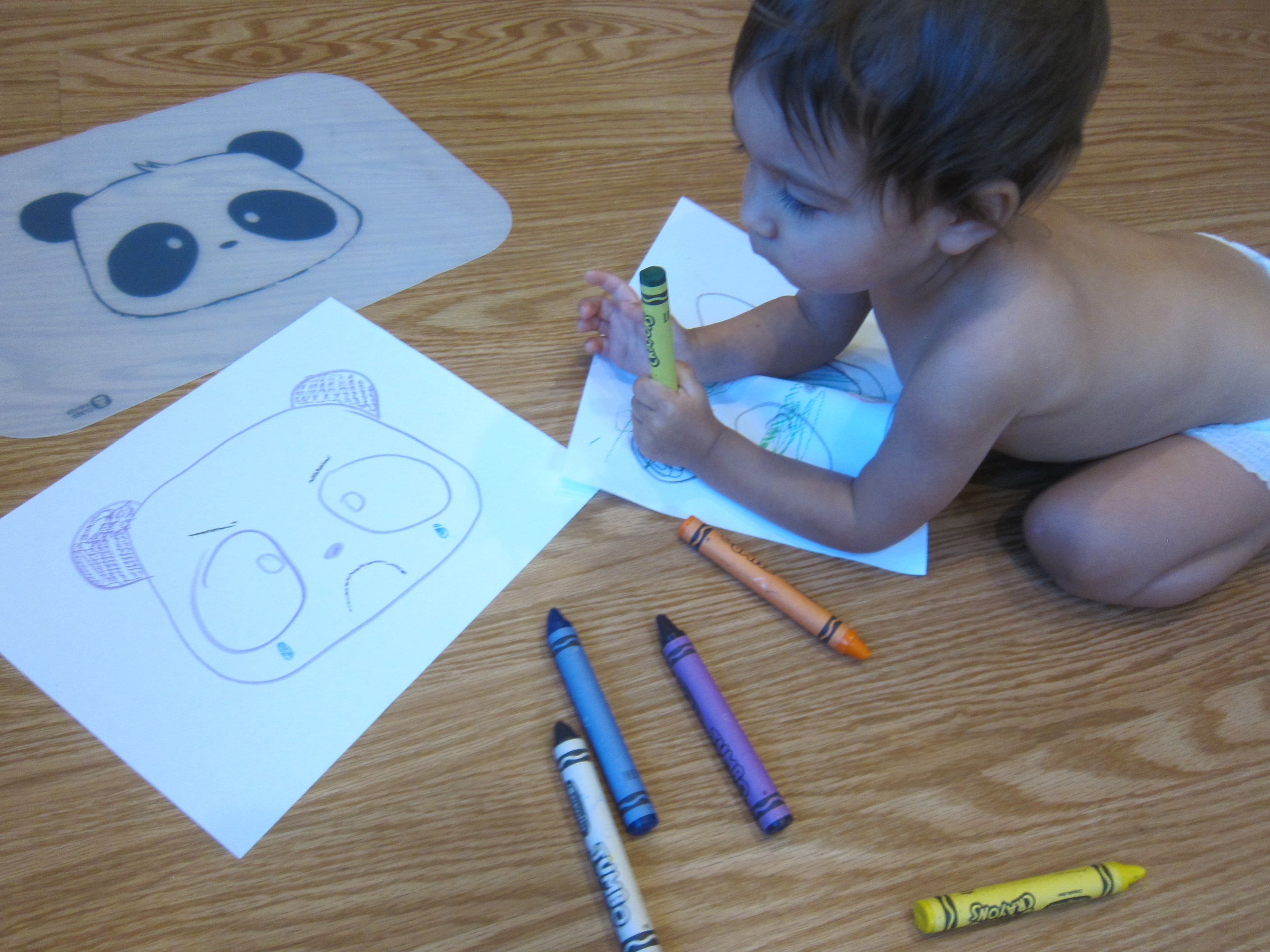
I also placed the mat against the window so I could trace panda’s face onto paper. Now Veronika could draw on the features. Again, she seemed very focused on the sad frown.

Panda Feelings (21)

She definitely was feeling empathy, so I quickly turned that frown upside down!

Panda Feelings (22)

Six: Board Book

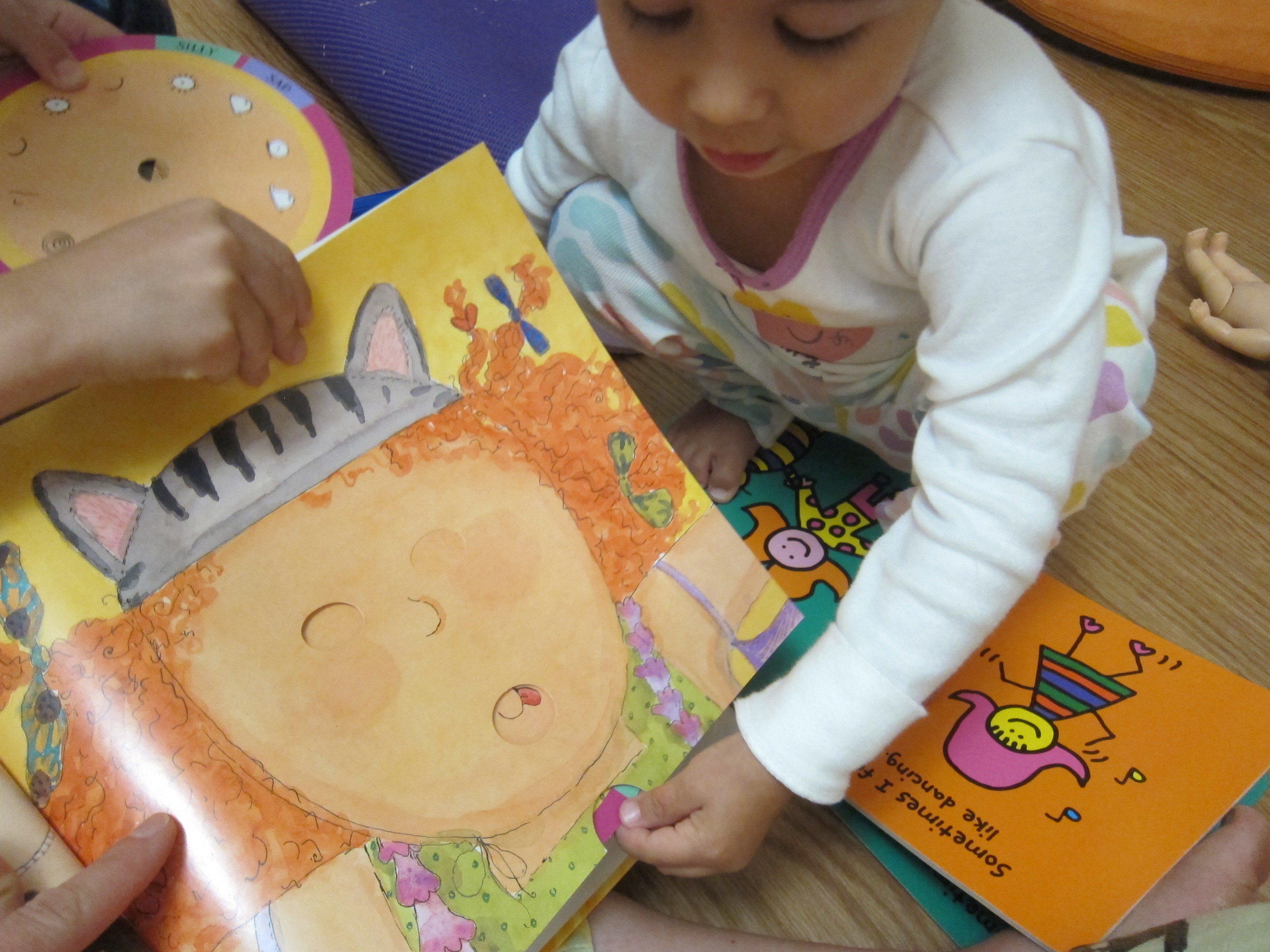
The book this month was Poppy’s Feelings. I was again underwhelmed by the book, feeling that the company could have done more to make it interactive, but Veronika enjoyed the pictures.

Panda Feelings (9)

We then played one of the Beyond the Crate suggestions, an old favorite of practicing emotions in front of the mirror. While you’re there, test whether your child is fully aware of the mirror by placing a toy next to him or her. Veronika reached for the real toy, not the mirror version, so she’s got it!

Mirror Mirror

We also watched a sing-along of “If You’re Happy And You Know It”, pretty much the perfect song about emotions.

Finally, we checked out the following 3 books at the library:

  • Today I Feel Silly, by Jamie Lee Curtis
  • In My Heart: A Book of Feelings, by Jo Witek
  • The Feelings Book, by Todd Parr

Panda Feel var

Learn from Sesame Street

Learn from Sesame Street (4)

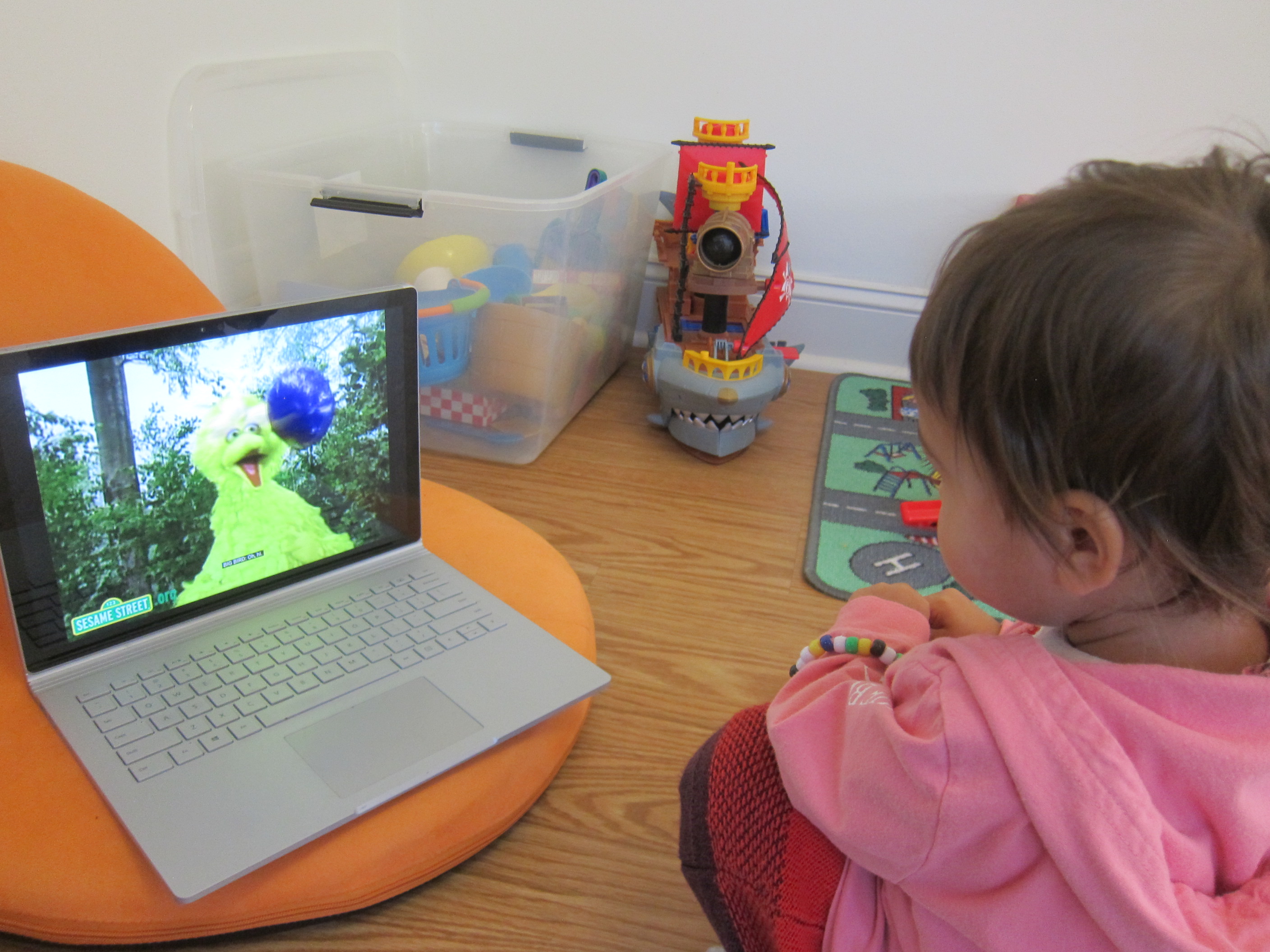
Believe it or not, my kids have never seen Sesame Street, even though I remember enjoying it as a child. I thought I would test out a few clips with Veronika today and see what she thought. We added an activity to each clip, too, to make the play hands-on.

Learn from Sesame Street (1)

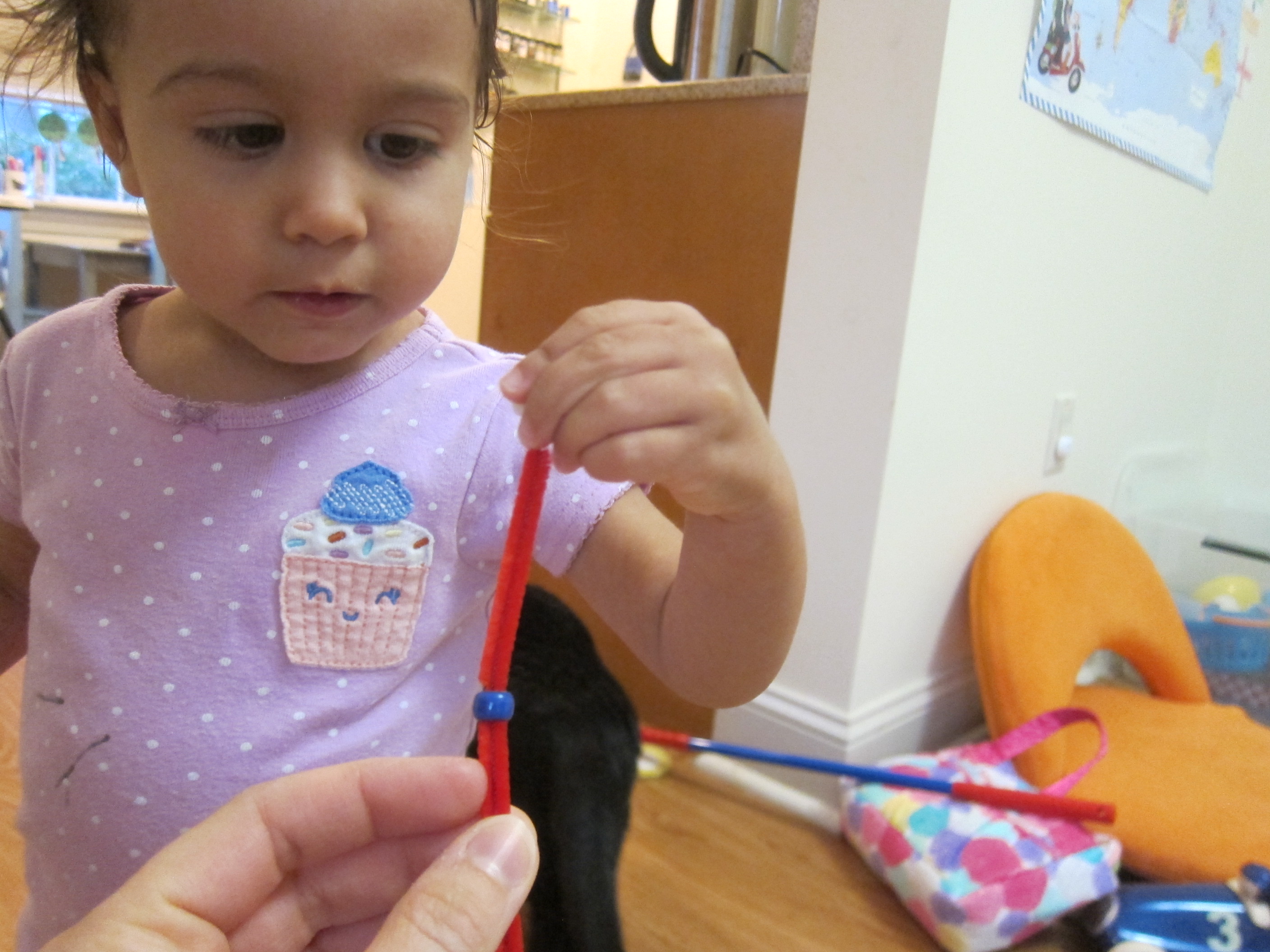
First up was the theme of friendship. We watched Sesame Street‘s “What is a Friend“, and then we made very simple friendship bracelets, threading pony beads onto pipe cleaners.

Learn from Sesame Street (2)

Veronika loved the activity, and even lovingly helped me put a bangle on my wrist. Toddlers can make these for siblings or friends, too!

Learn from Sesame Street (3)

Next up was a clip about emotions. Try “Happy/Sad Balloons“, featuring Big Bird. To help Veronika further understand the concept, I repeated an old craft, Feeling Friends.

Learn from Sesame Street (5)

For healthy eating, head over to the clip “Hurray-Hurrah for Broccoli“. After watching this one, Veronika helped polish a shiny tooth with white paint. Your toddler might also enjoy making a happy tooth/sad tooth food collage.

Learn from Sesame Street (7)

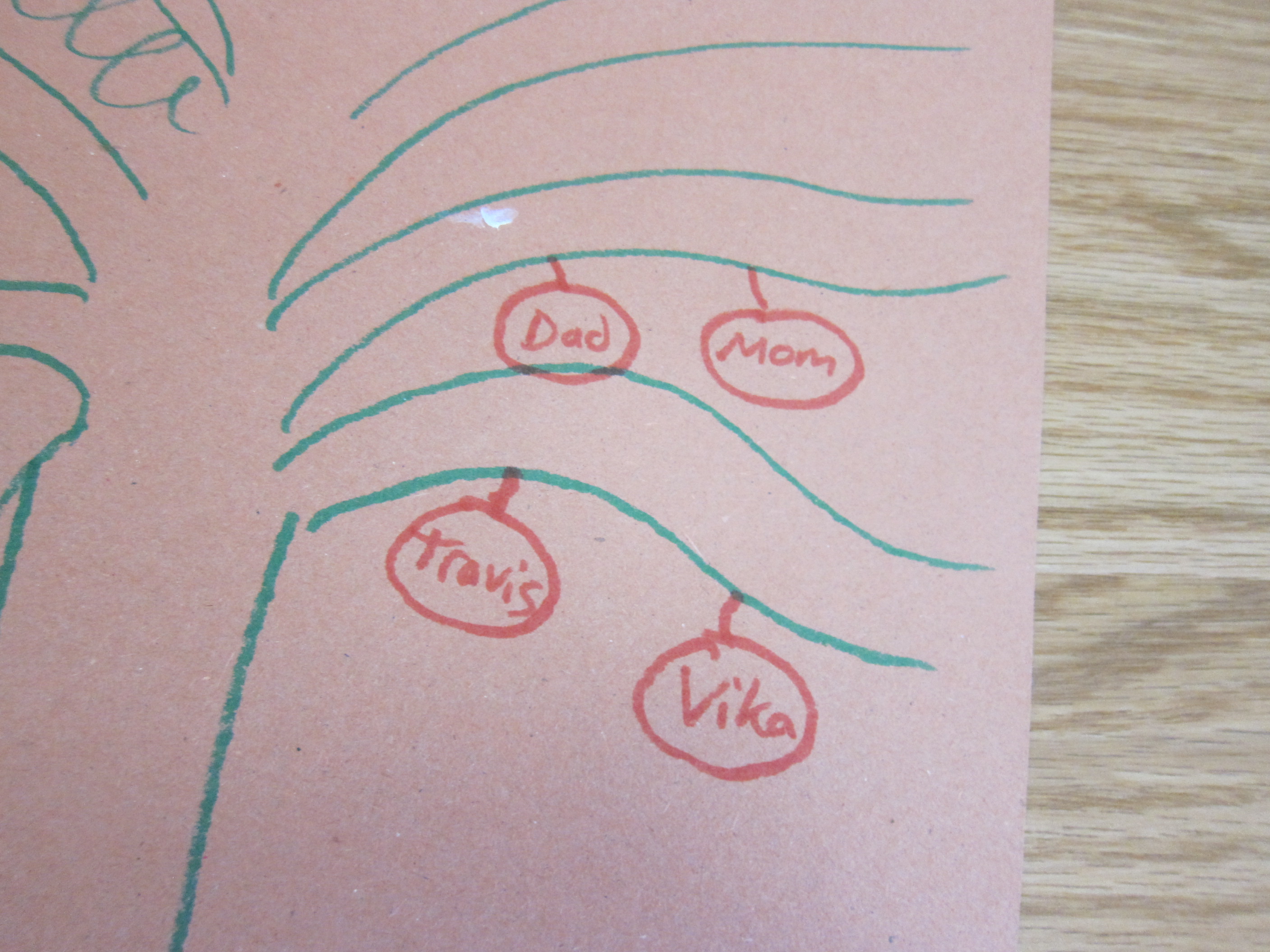
For a quick video about family, try “Five People in my Family“. We then drew a family tree and talked about everyone in it. For a more intricate version, try a photo family tree.

Learn from Sesame Street (8)

For a Sesame Street segment on recycling, try “Mayonnaise Jar“. If you have an old mayonnaise jar on hand, you can quickly make the lesson a reality! Lacking that, I wanted to show Veronika the value of recycling, so we made a quick recycled box guitar!

Learn from Sesame Street (10)

The verdict after all that? Veronika does not like Sesame Street any more than big brother Travis. I think both of my children are afraid of the puppets and voices. “I not like the video,” she said each time. So… a lesson learned for mommy, too!

Doll Washing

Doll Washing (8)

Veronika loves to mother her baby dolls, and frets intensely whenever one gets dirty (a spot of glue, dirt from outside, etc.). So I’ve wanted to give her a chance to wash her dolls in a “bath” for a while now, but all of the ones we own have soft cloth bodies.

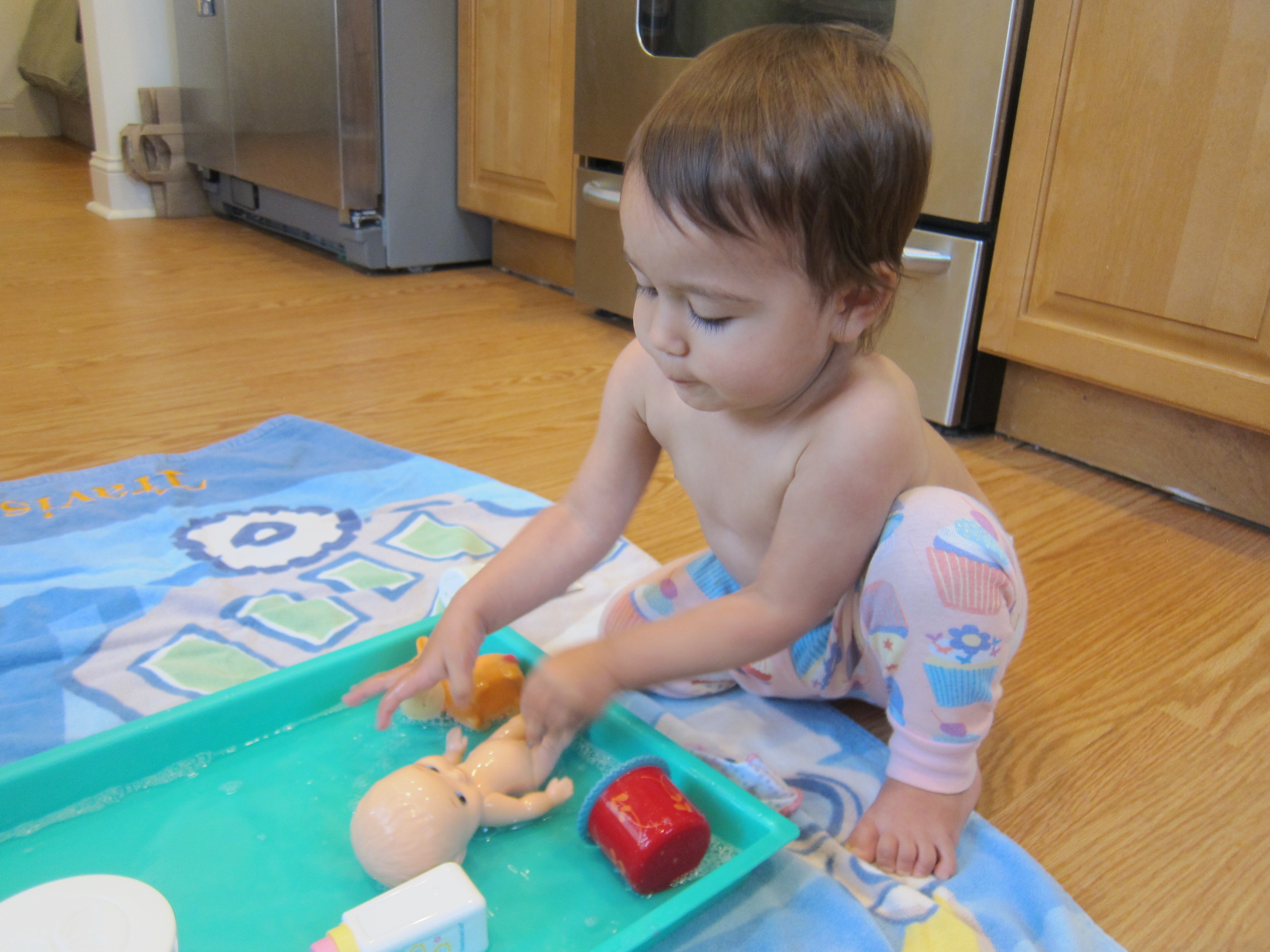
When I spotted a tiny all-plastic doll at the toy store, I knew it would be worth the purchase. Sure enough, Veronika wanted to carry”new baby” around all day, and that was before I even trotted out the big surprise. It was New Baby’s bath time!

Doll Washing (1)

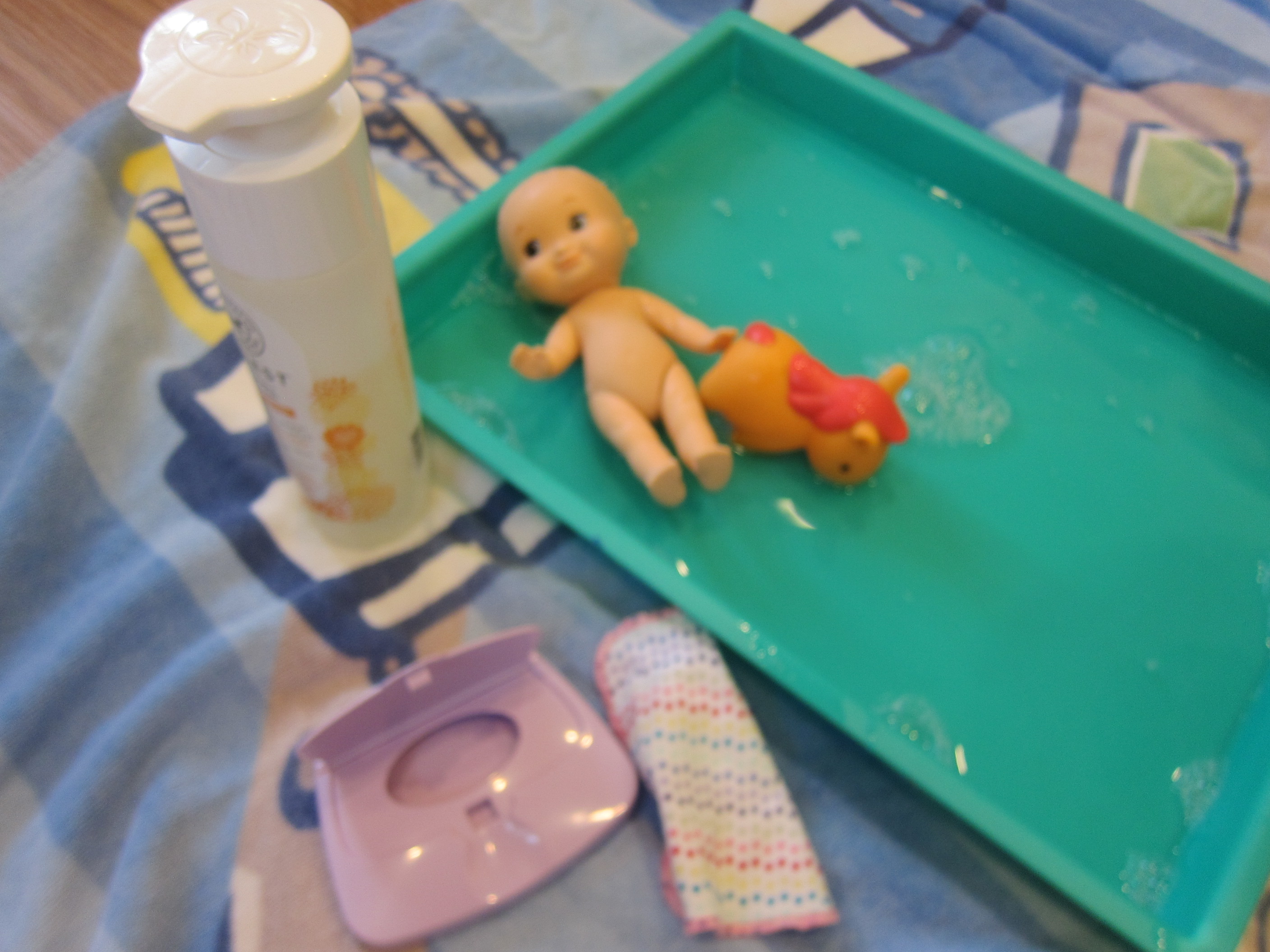
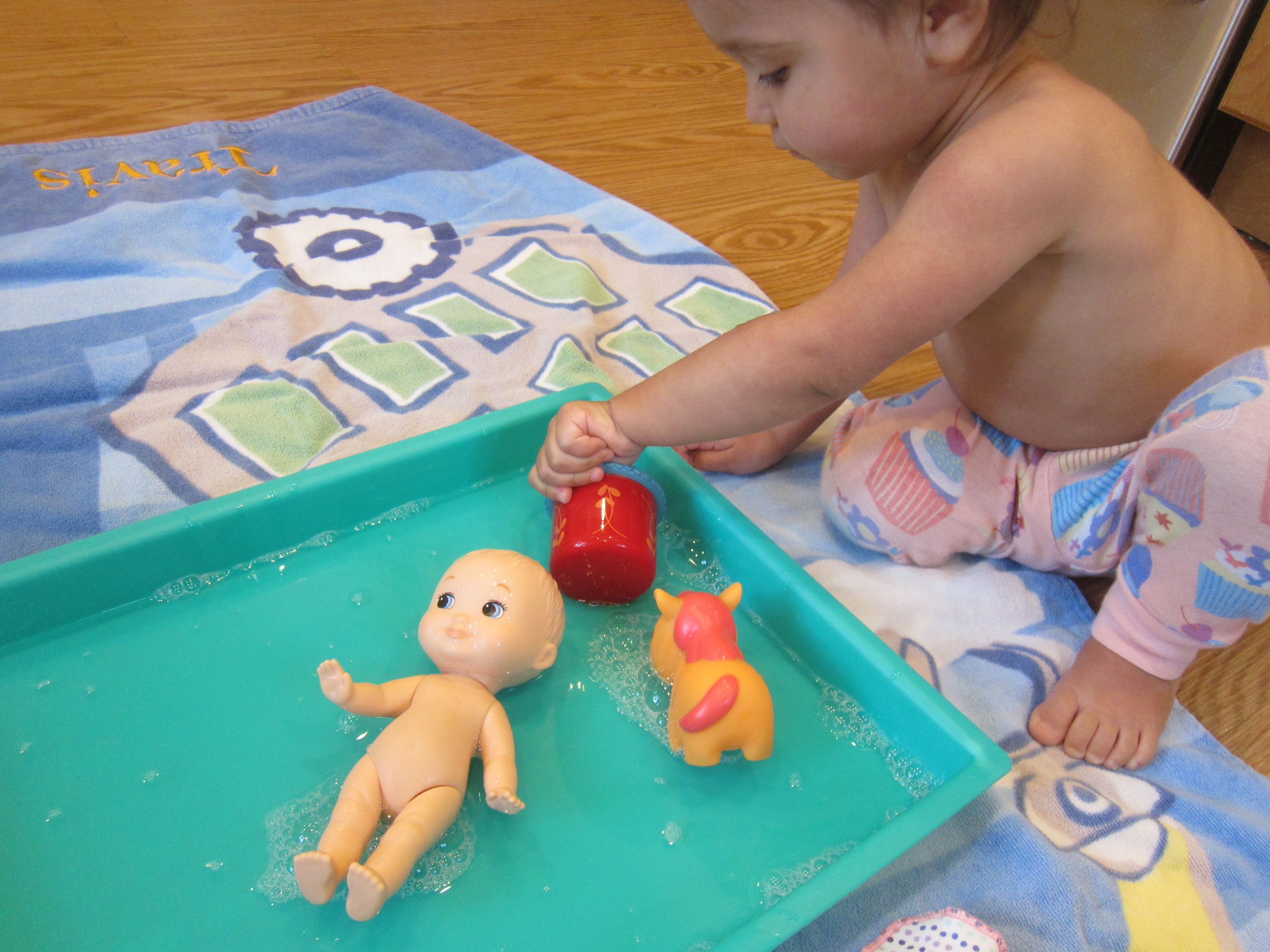
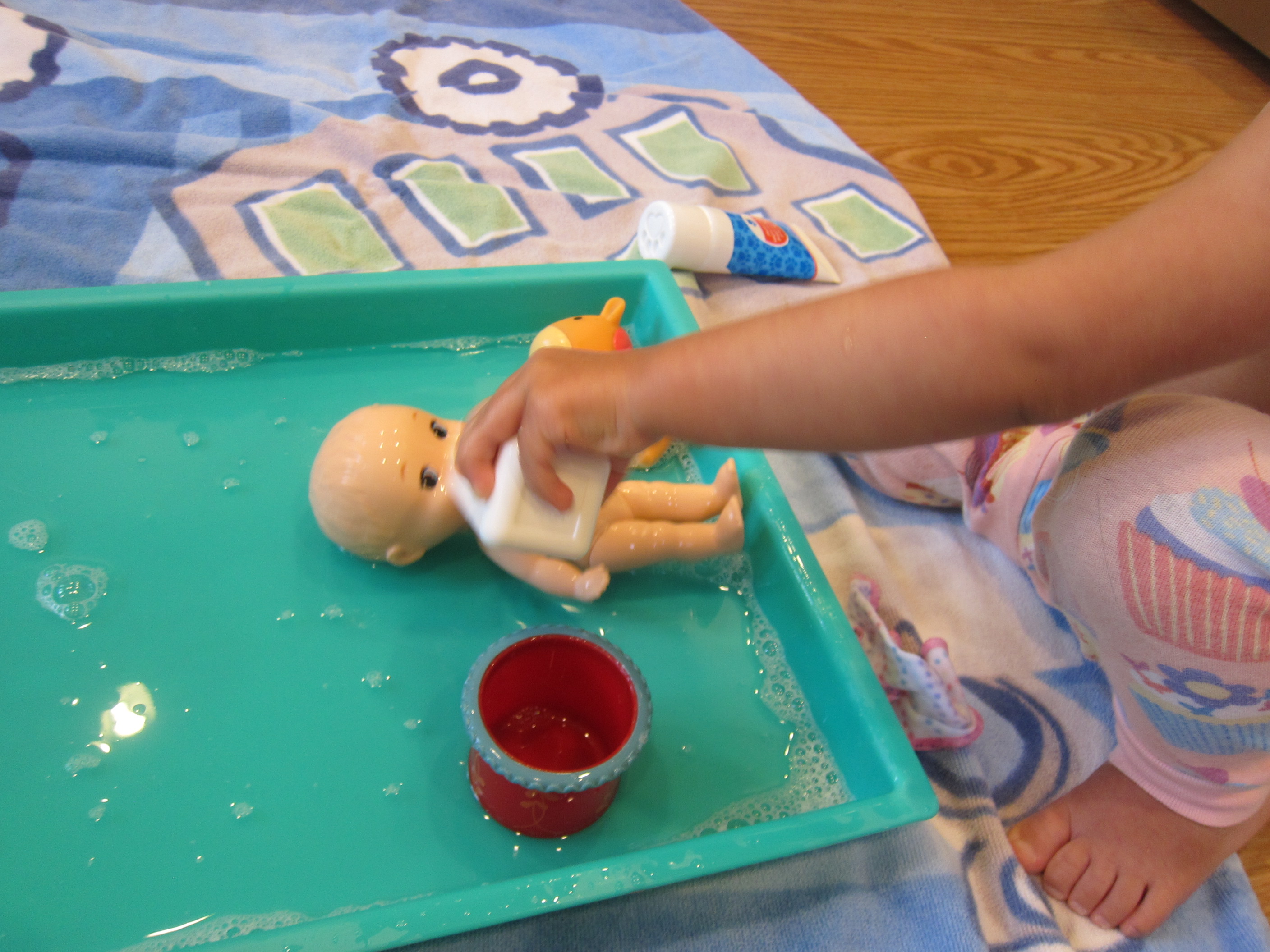
I set out a basin of shallow soapy water (use baby shampoo for a tear-free activity), along with a small cloth, a bath toy, a cup for pouring, and some pretend creams and lotion. (Note: Depending on your toddler’s age, feel free to provide real baby powder or lotions for the game).

New Baby was ready for her bath! Veronika so lovingly and carefully attended to this task. She scrubbed New Baby with the cloth, poured water over her head (“shampoo!”), made her jump and splash in the water, and more.

Doll Washing (2)

Midway through the bath, New Baby needed a sip of milk, of course!

Doll Washing (7)

I also used the opportunity to name all of the doll’s body parts, including less common ones like wrists, ankles, and elbows. Mostly, though, I sat back and let Veronika dictate the way that bath time would go.

Doll Washing (5)

Your child can learn so much from this game, whether the above-mentioned body part vocab, the mechanics of washing, and social/emotional learning as well.

Doll Washing (9)

Plus water is fun to splash with!

Doll Washing (10)

When she seemed about to tire of the game, I declared it was time for the doll to get “warm and dry”, which is exactly what I say to her when she needs to towel off. She was so proud to handle this task.

Doll Washing (12)

Take a look at the hug and snuggle that followed! This is exactly how I carry her to warm up after a bath, and it pretty much made my heart explode.

Doll Washing (14)

Homemade Potato Man

Homemade Potato Man (2)

We don’t own a classic Mr. Potato Head doll, but the toy is great for so many reasons. Of course there’s the pure silliness of mixing and matching the facial features, but Mr. Potato is also a teaching tool for the names of facial features and for emotions. With an extra potato in the fridge, today I made Veronika this silly homemade version!

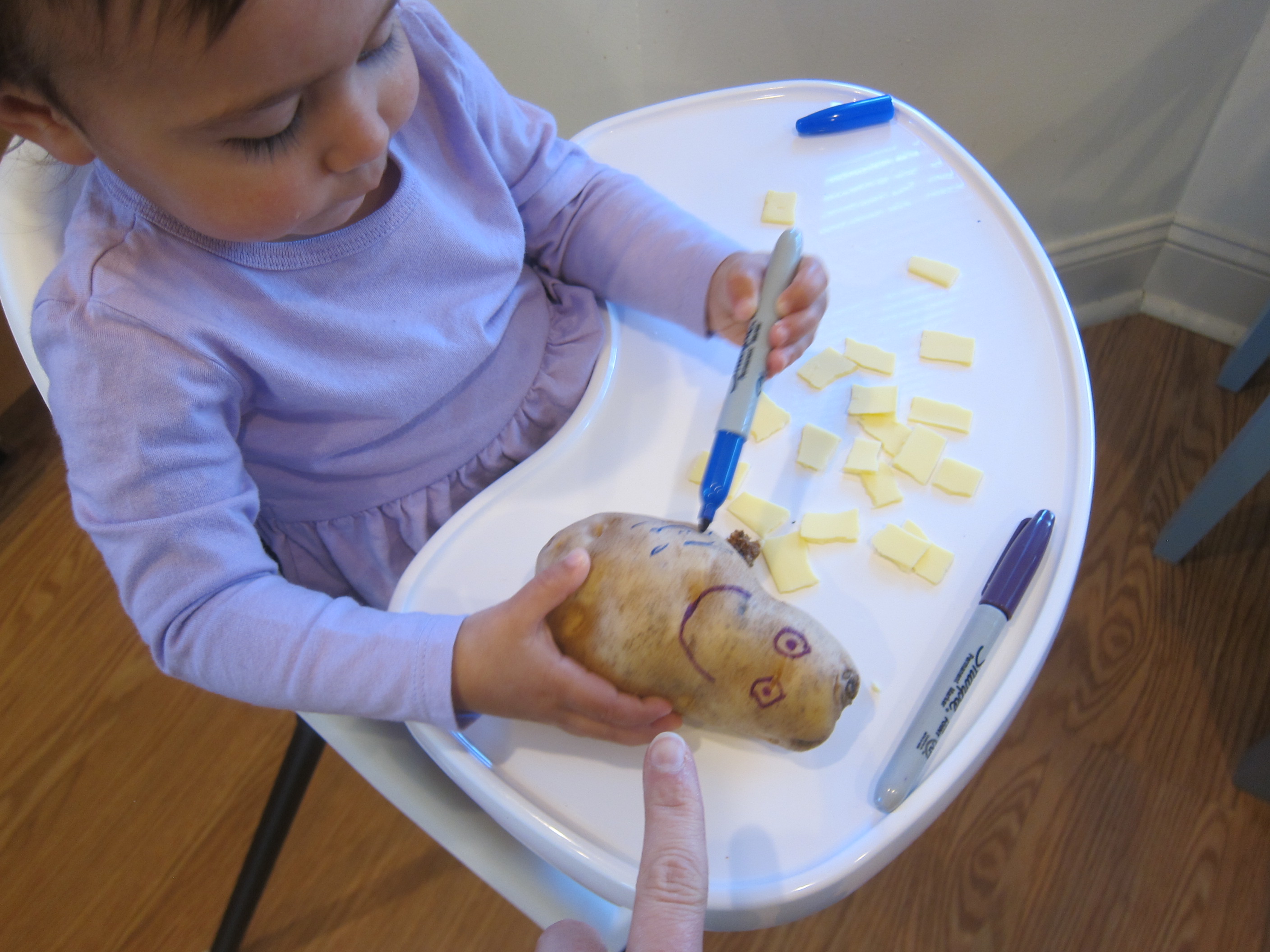
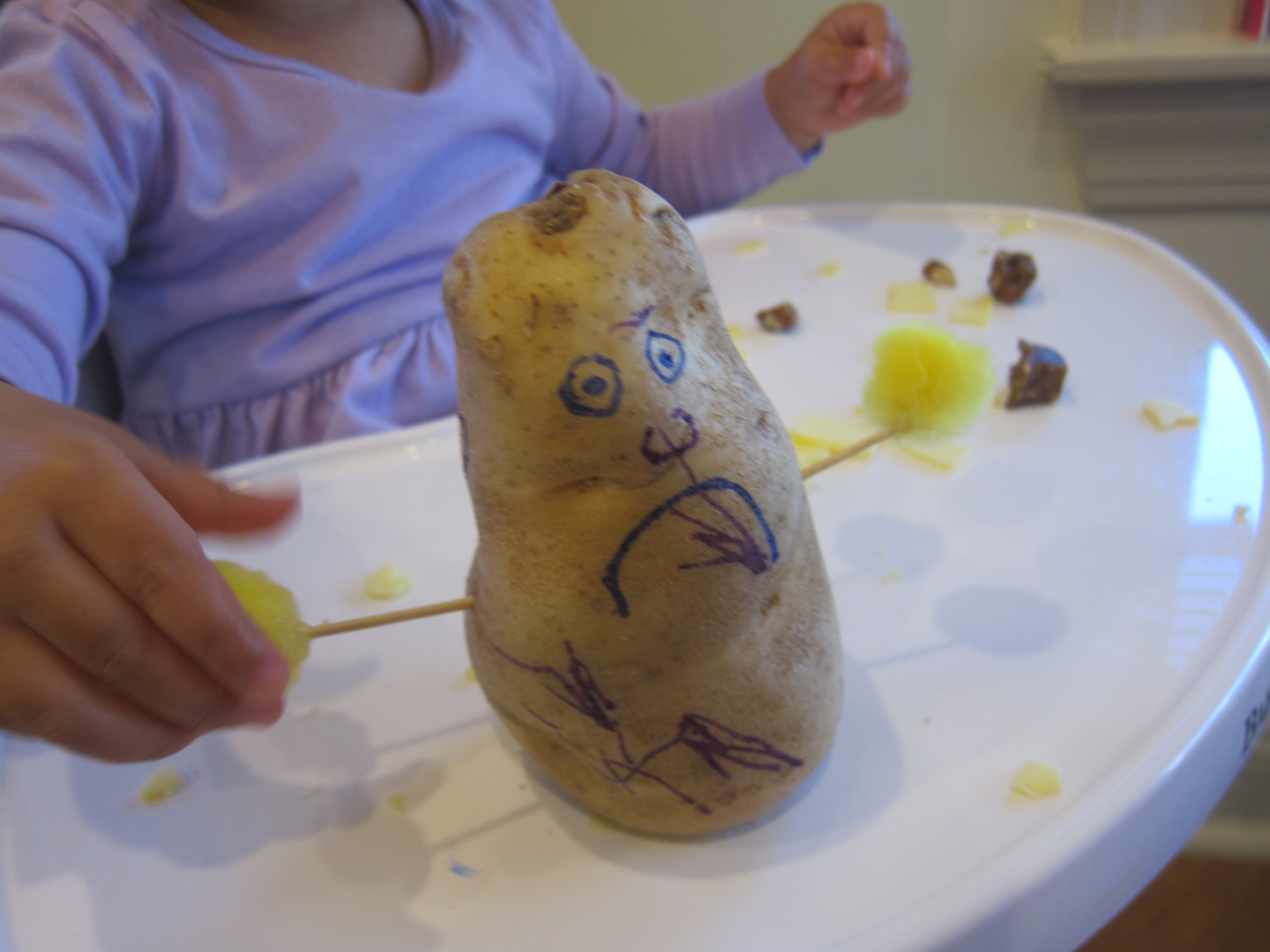
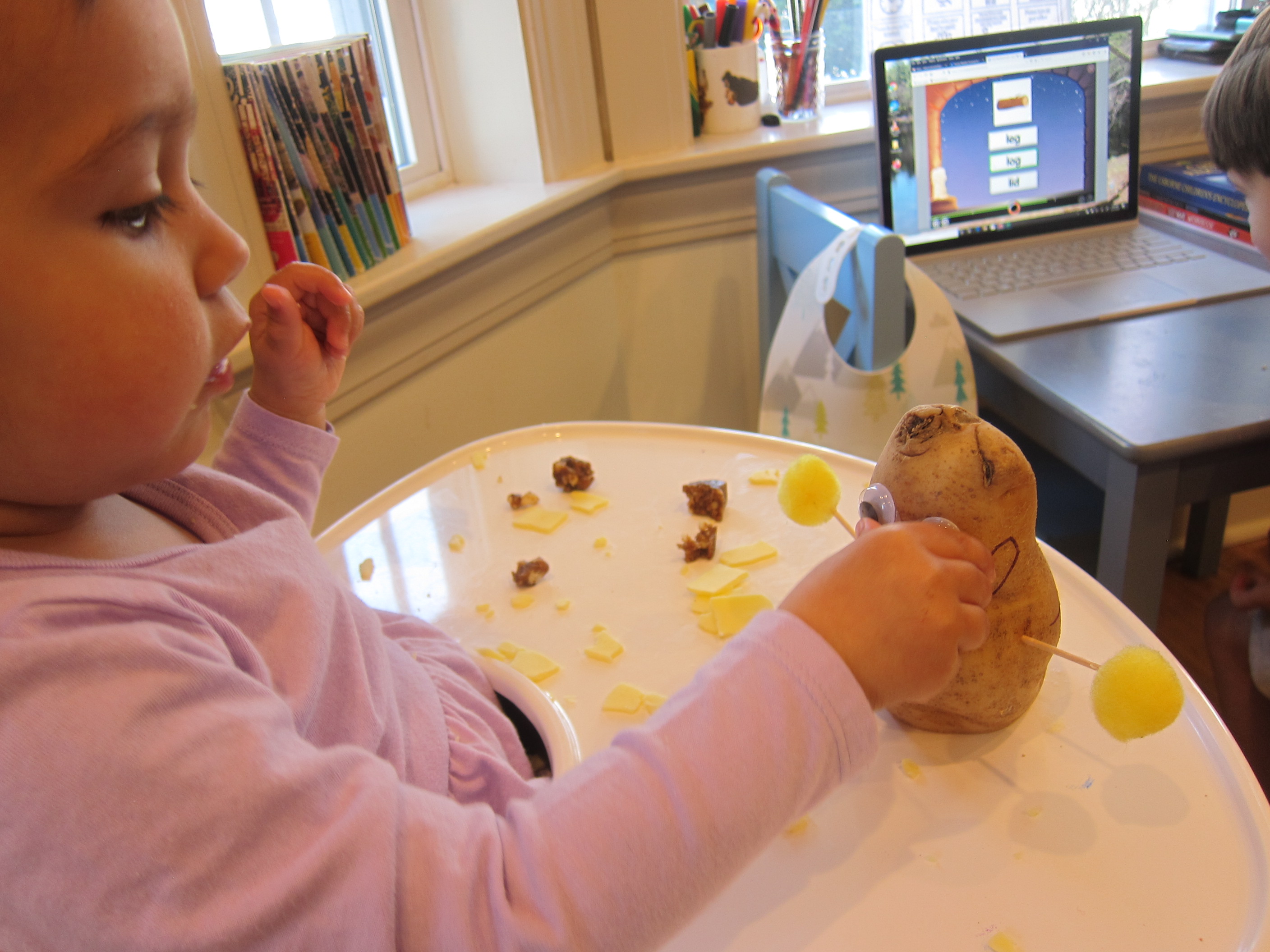
To start, I drew two faces on the potato with permanent marker: one side of his face was happy and the other was sad. Veronika wanted to add a few pen marks of her own.

Homemade Potato Man (1)

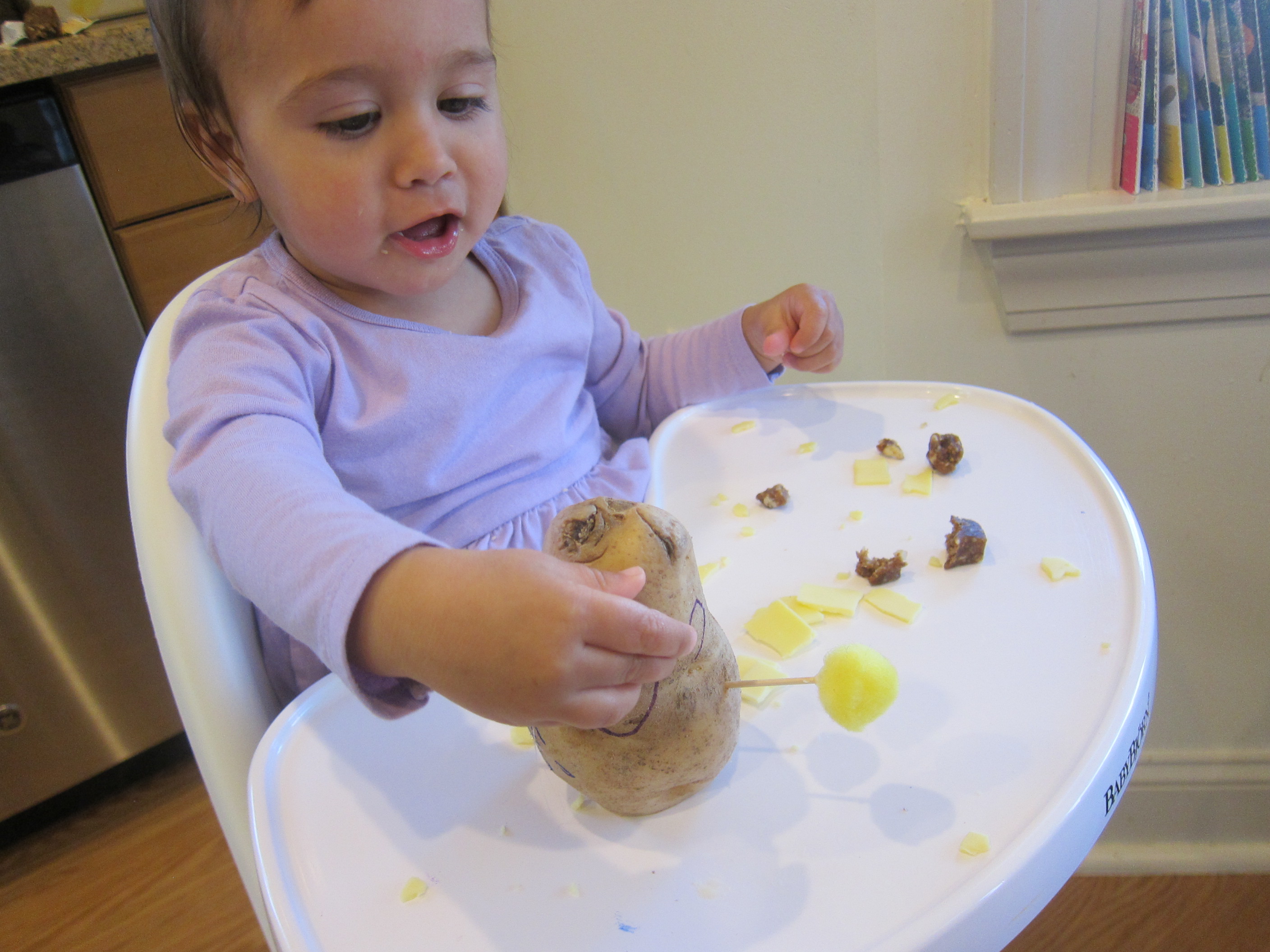
Poke two toothpicks into the sides of the potato as arms, then use hot glue to add pom poms to the tips, covering up the sharp points. You can also add pom poms or even buttons on top for a hat! Two wiggle eyes completed the look.

Homemade Potato Man (3)

If you want to get more detailed, draw other features with permanent marker, too. Finally, I sliced a bit off the bottom so Mr. Potato could stand upright. Now I presented him to Veronika, and she was smitten!

Homemade Potato Man (5)

She loved that his expression changed whenever she turned him around, and this was a great way to talk about emotions. “Mr. Potato is feeling sad,” I told her… and oh no she pouted her lip in sympathy until we turned him to his smile.

Homemade Potato Man (4)

We also pointed to all his features, rattling off a vocab list of eyes, nose, mouth, and ears. She loved finding these and then touching the corresponding part on me.

Homemade Potato Man (6)

And then she just loved playing with him as an “action figure”! Have you ever made toys out of food? Please share in the comments!

Homemade Potato Man (7)


How Music Moves Us

Musical Mood (5)

With social/emotional learning at the forefront of my mind in our new era of social distancing, I was glad to see that Travis’s latest Raddish Kids crate included a lesson on how music effects our moods. (All of the recipes this month have musical themes: stay tuned!). Being able to connect words to emotions is key, now more than ever, and we liked the can-do focus on how music can change or improve your mood.

As he came to the table I asked him: “How are you feeling right now?” He answered that he was feeling tired, but also silly.

Musical Mood (6)

We watched a quick explanation of how music can affect the brain and mood, which had him giggling.

Musical Mood (7)

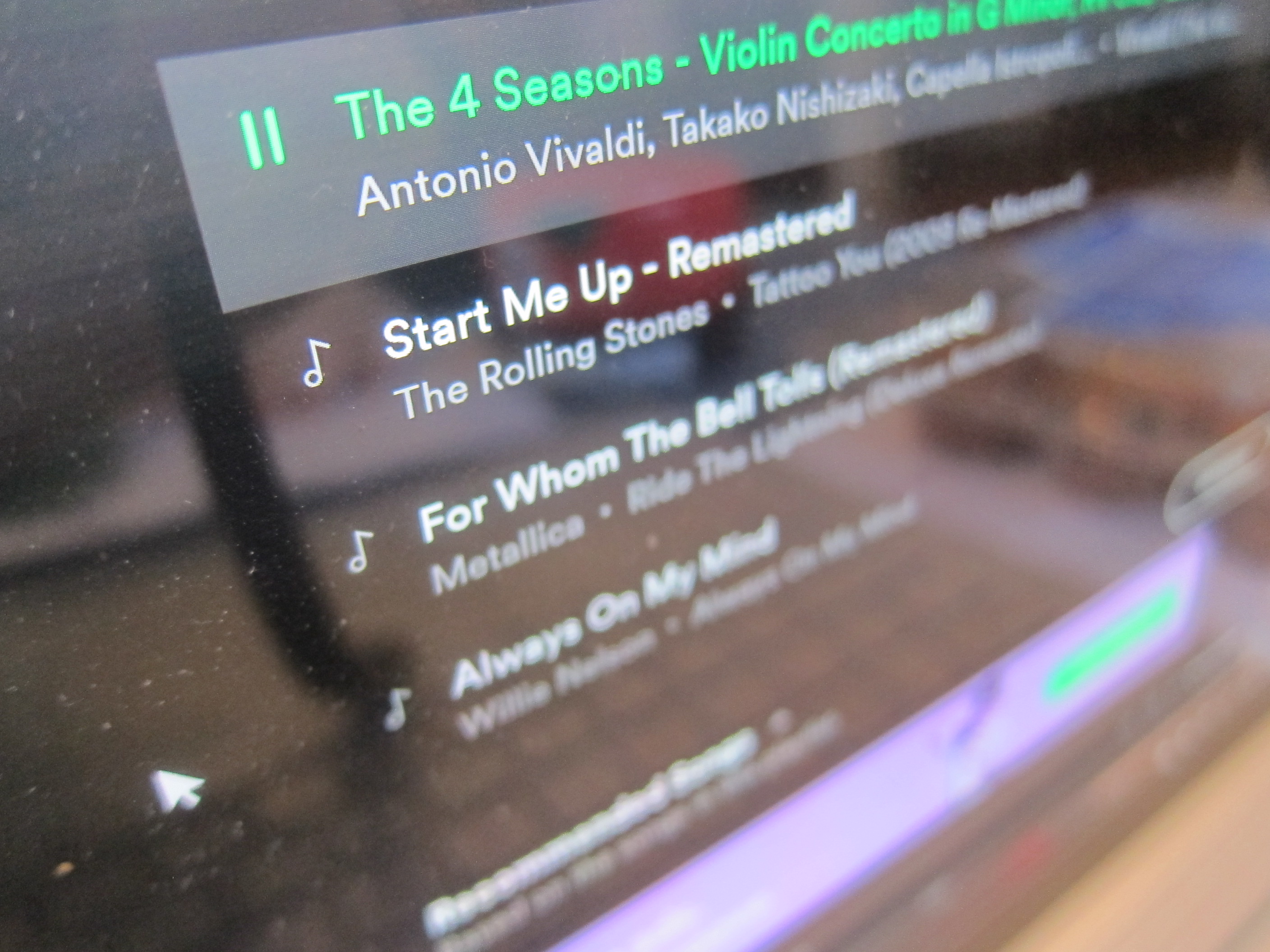
Next I played him four samples of music, choosing:

  • Classical
  • Rock ‘n’ Roll
  • Heavy Metal
  • Folk

Musical Mood (1)

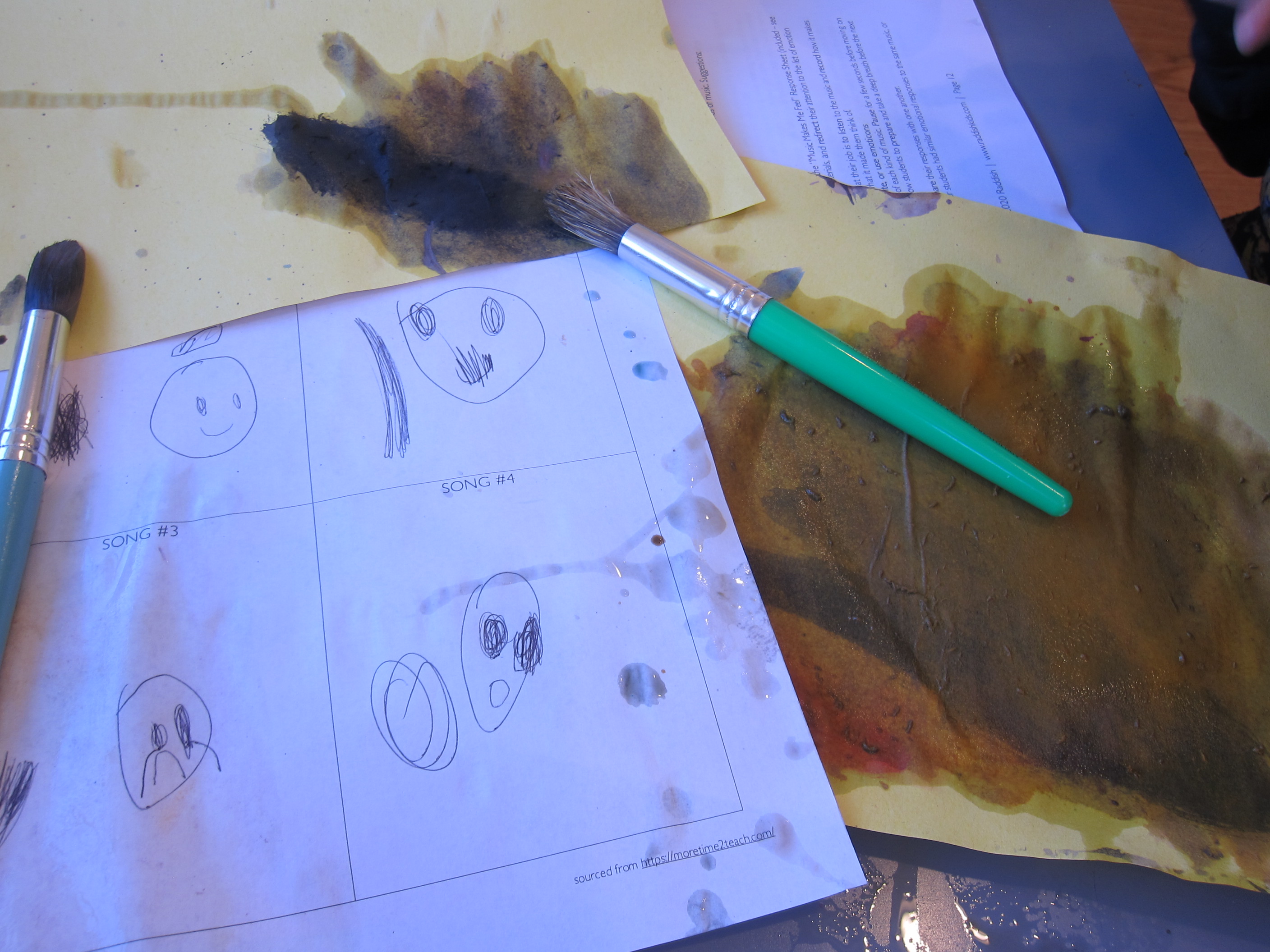
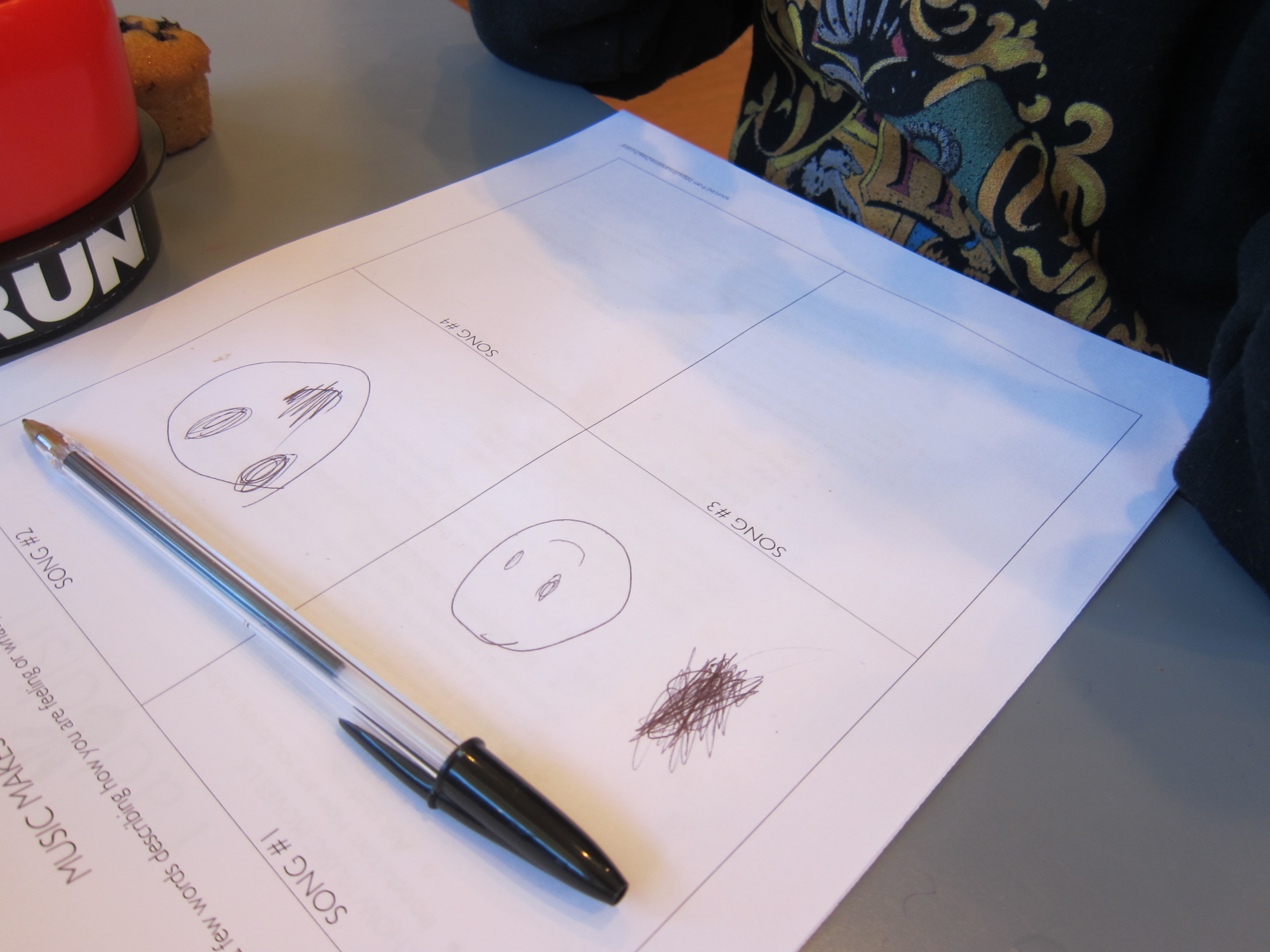
For each one, he drew a simple face on the provided worksheet that showed how it made him feel. I knew he was goofing off a little, but he decided the classical made him happy, the rock ‘n’ roll made him angry, the heavy metal made him excited, and the folk made him sad. Whether or not this was all true, it was nice to give him vocabulary to think about emotions.

Musical Mood (2)

Now it was time to experiment! First we played the heavy metal, and I let him have at a piece of paper with a paintbrush and watercolors. Then we switched to the classical, to see if there was a difference. Again, it was a little harder for a kindergartner to take this activity seriously. First he just liked making big dark puddles on the paper.

Musical Mood (3)

But then I noticed during the classical he was choosing brighter colors and his brush strokes were slowing down. So perhaps the music had a subconscious effect after all!

Musical Mood (4)

Older kids can explore further, perhaps making a playlist intended to make a family member feel a certain way, or creating a soundtrack to amcertain part of their day. To test this out subtly, we played some energizing songs (i.e. Can’t Stop the Feeling) for clean-up time, and it had everyone in a great mood at a time when the kids normally feel a bit grumpy.

Expressing Emotion

Expressing Emotion (2)

Anyone who has a toddler knows that those little bodies have big emotions. That’s why today I focused on putting words to feelings whenever Veronika had an emotion coursing through her. This is a helpful tactic for dealing with toddler tantrums, not just for your child (who learns to put words to feelings) but also for caregivers who might feel at a loss witnessing a full meltdown.

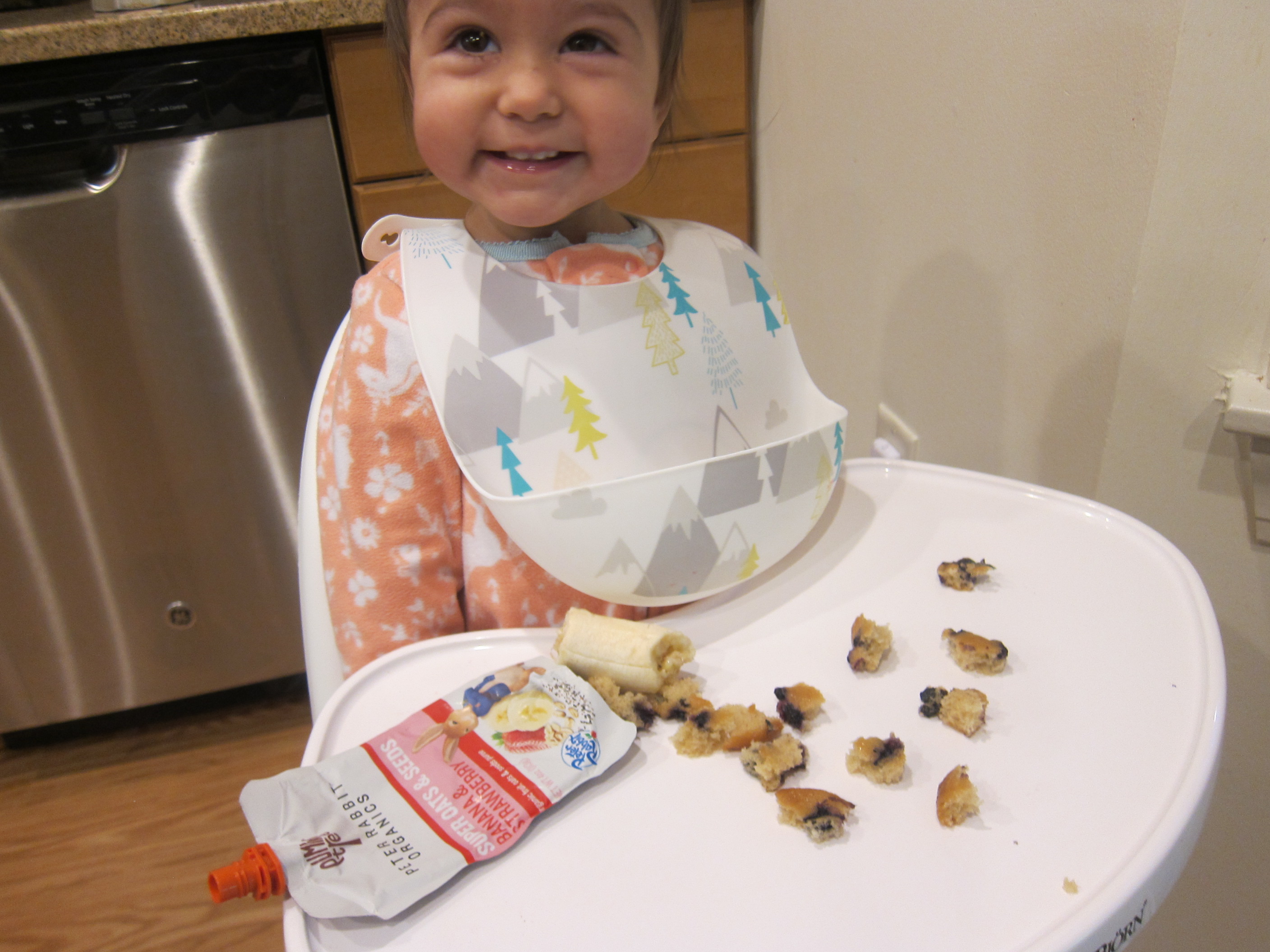
I’m always glad to point out a good mood, of course, so don’t forget to do so. At breakfast, I told a smiling Veronika, “You’re feeling happy!”

Expressing Emotion (1)

Later in the day, it was her big brother who was feeling sad, and Veronika looked worried. I named the emotion for her so it was less scary: “Brother is feeling a little sad right now, but he’ll feel better soon.”

Expressing Emotion (3)

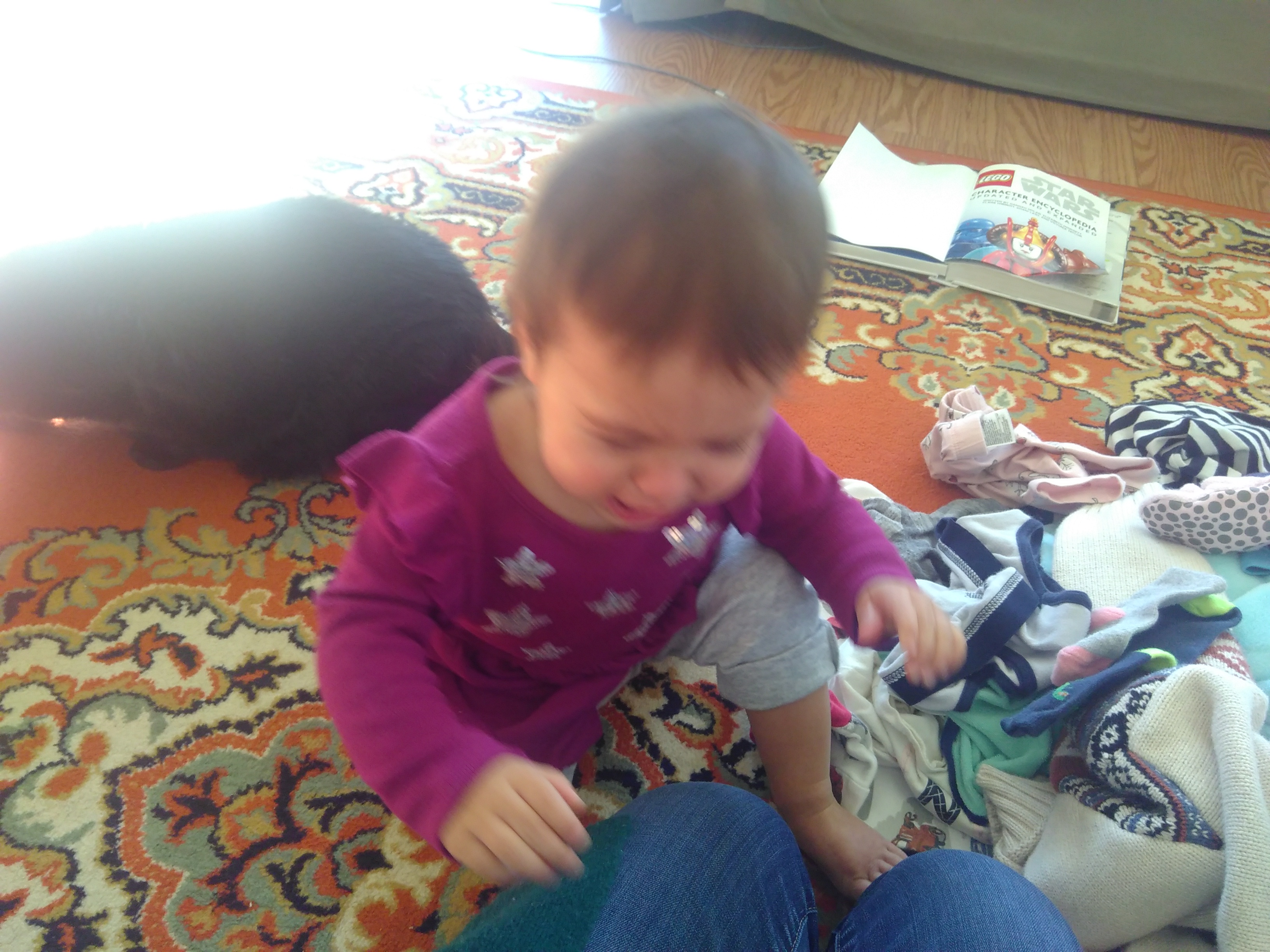
And then of course, there’s the tantrum. “I can see that you’re angry, I understand,” I told her when she wanted me to hold her but the laundry needed folding.

Expressing Emotion (4)

Follow this up with a big hug. Sometimes just that physical touch will be enough to circumvent tantrum mode.

Do you have any tricks to curb a toddler meltdown? Please share in the comments!