Toddler Chore Jars

chores-4

Is your little one at an age where they reflexively say “no” to every request? If you’re having trouble getting a toddler or preschooler to complete the little tasks each day – brushing teeth, cleaning up toys, putting on shoes – these cute little chore jars might just trick them into it!

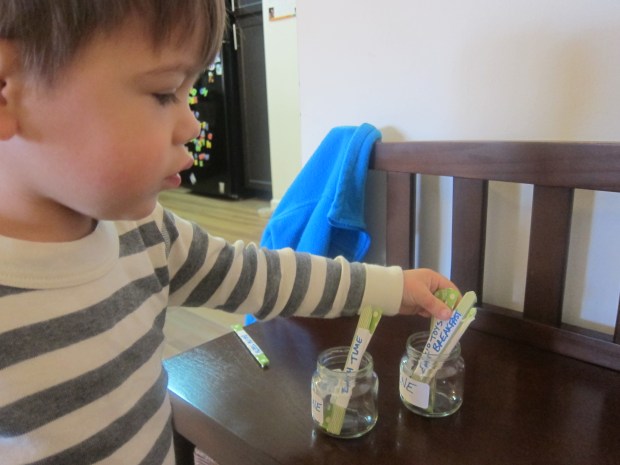
Cover popsicle sticks with colorful craft tape, and label each with a chore. For kids who can’t read yet, you might consider an illustration as well (of, say, a toothbrush), but Travis simply liked having me read him what each stick said.

chores-2

Now label two clear jars, one marked “Not Done” and one marked “Done.” Clean baby food jars are the perfect size. As each element of the day gets accomplished, your child gets to move the popsicle stick proudly from one to the other.

I tested out the system for the first time this week, now that Travis likes to give me a stubborn “no!” sometimes just for the sake of it! But he was so eager to move the sticks, it turned recalcitrance into excitement. When he initially didn’t want to put his toys away, but then learned he’d get to transfer a stick at the end, he jumped off the couch to help.

chores-3

Let’s hope he doesn’t catch on to my secret agenda any time soon!

Marshmallow Straw Buildings

marshmallow-2

What better way to introduce engineering and building design than with marshmallows? We use the large marshmallows from vegan brand Dandies, for great gooey fun.

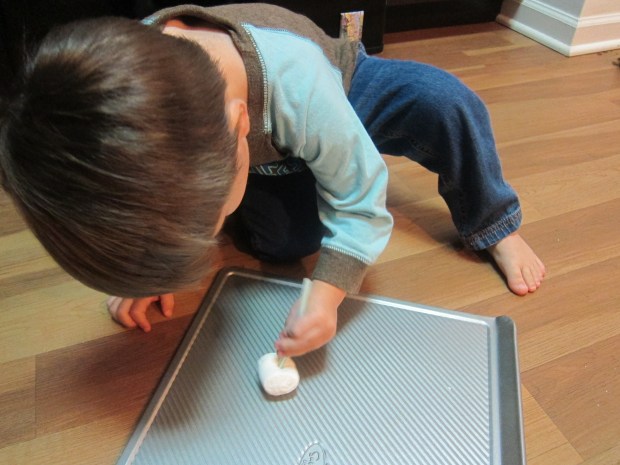
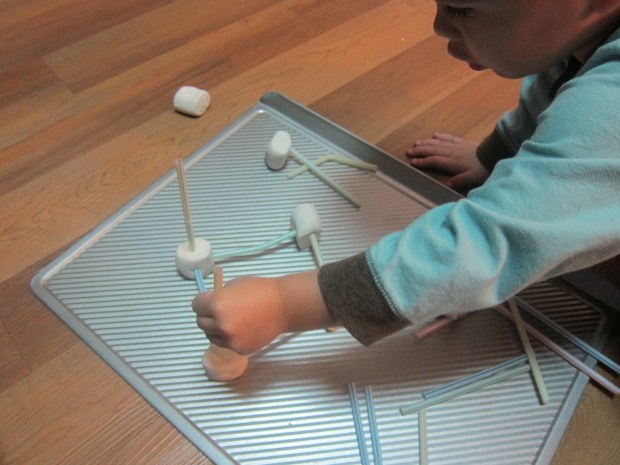
Simply provide your toddler with marshmallows and straws cut in half, and let the building begin! I didn’t even need to show Travis what to do before he speared the first straw into a marshmallow base.

marshmallow-1

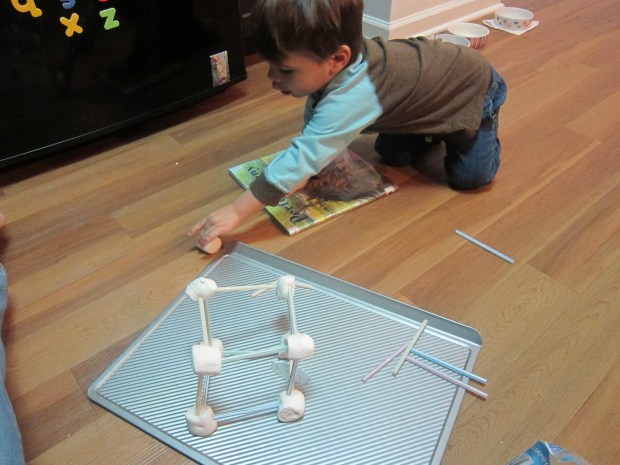
Young toddlers will likely need to connect flat constructions, but older kids can aim for 3-D structures, making their straws and marshmallow several layers tall.

marshmallow-3

I demonstrated a tall version for Travis which he loved…

marshmallow-5

…especially when our marshmallows sagged over and crashed!

marshmallow-4

Don’t be surprised if the game ends with a request for an ooey gooey marshmallow snack.

marshmallow-6

Thanks for the idea, Parents magazine!

P Week!

p-week-16

This week was all about the letter P, as Travis and I continue our journey through the Letter of the Week curriculum. The timing was perfect for fall-themed favorites like pumpkin pie, so consider holding your P week in the autumn, too, if you can!

puppet-s16

Puppets: We had so much fun making various puppets that I devoted a separate blog post to it. Whether you make puppets or use those you already own, pull them all out for a great big puppet show. Travis especially loved returning to our penguin puppet all week – another perfect P word.

p-week-7

Pigs/Ponies: I combined these two animal words for fun with our Little People barn set, giving Travis only the pigs and ponies to play with. To take things a step further, we set up a great farm sensory bin, filled with yellow split peas (a.k.a. “corn”), tractors, pigs, and ponies. Travis loved “feeding” corn to the animals and raking through the box with a fork. Great for sensory play and imagination!
p-week-8

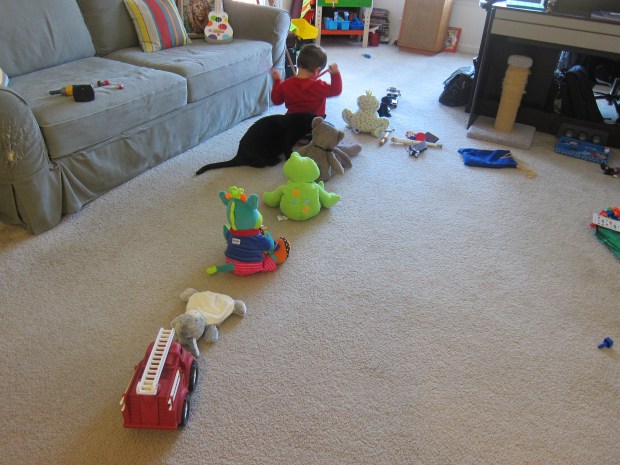
Parade: Put Sousa marches on your computer, line up all your stuffed animals, give them each an instrument, and have a parade! If stuffed animals aren’t your child’s thing, line up cars or trucks instead.

p-week

We added a policeman as parade marshal.

p-week-15

Picnic: Far and away the most magical moment of our week, we took advantage of the warmest day to head to the park. A picnic basket, blanket, and beach ball are the only ingredients you need for a beautiful picnic. Travis loved having a snack outside before playing in the fall leaves!

pumpkin-patch-5

Pumpkin: Halloween is past but fall is still pumpkin season! We baked mini pumpkin pies early in the week, a great hands-on experience. We also made a pumpkin patch: Stuff brown paper sandwich bags with crumpled newspaper, leaving a little room. Tie off the end with ribbon to be the stem, and then use orange paint to cover your pumpkins. We ran out of orange midway, which was the perfect opportunity to show Travis how red and yellow combine to make orange. Once the paint dries, play with your pumpkin patch!

pumpkin-patch-6

(Hint: Add your pigs and ponies here, too).

p-week-13

Puzzle: An obvious one: Pull out all your puzzles and leave them out all week so your child has ample time to puzzle over them.

p-week-12

Piano: Whether you have toy pianos or a real one at home, this is likewise a great opportunity to leave it out so your child can return to it over the course of the week.

After those theme words, here are a few more ideas:

Fine art: Work those fine motor skills by crafting toy food from playdough. But not just any playdough… Pumpkin Pie Playdough! To make this easy at-home batch, combine the following in a saucepan over low heat:

2 and 3/4 cups flour

1 cup salt

4 teaspoons cream of tartar

2 tablespoons pumpkin pie spice

6 tablespoons vegetable oil

2 cups water

Orange food coloring

Cook until the mixture thickens and looks like mashed potatoes. Let cool before kneading and giving to your child for play.


p-week-17

The dough smells fantastic, and is technically edible, but you’ll want to discourage any salty bites! Travis made mini pumpkin pies and cookies for his toy oven.

pumpkin-dough-3

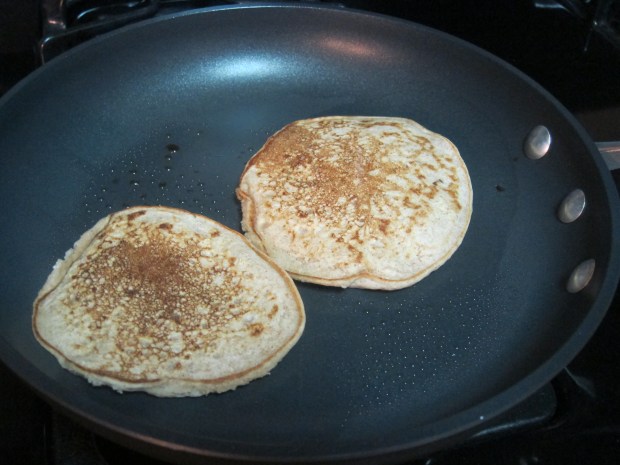
Food: We had to start one morning with pumpkin pie-spiced pancakes of course! There are so many P foods you could probably eat P items and nothing else all week if you wanted to. In addition to pancakes we had: peaches, pickles (which got a surprised and firm “no!”, pretzels, parsnips, pizza, pudding, pears, and pineapple.
p-week-2

Books: The clear favorite from the library this week was The Perfect Pony, by Kimberly Brubaker Bradley. Travis also enjoyed Clifford and the Big Parade, by Norman Bridwell, Penguin Says Please, by Michael Dahl, and The New Puppy, by Laurence Anholt. And of course, read any potty books you have!

p-week-18

Song: A cute one to listen to is Way Down Yonder in the Paw Paw Patch. I also set Pachabel’s Canon to play in the background while we were home one afternoon; Travis barely noticed, but it’s one of my all time favorites and osmosis can’t hurt!

Math: Introduce patterns. Children’s peg boards with pattern cards are a great skill-builder. Your child can copy the pattern cards that come with the peg board, or you can demonstrate something simpler, like a row of red-green-red-green. These toys are fantastic to have around anyway, so consider investing in one.

p-week-4

That’s all for this week!

Puppet Fun!

puppets-10

There are dozens of ways to make puppets at home, many requiring only simple items you likely already have on hand. To wit, below are three kinds of puppets that we tried out this past week. Don’t forget to have a puppet show at the end!

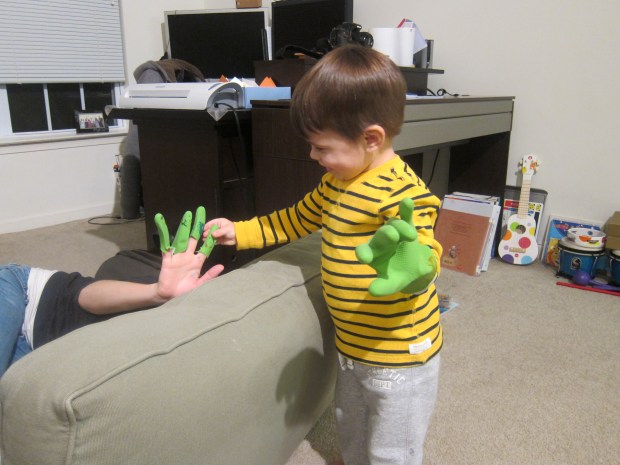
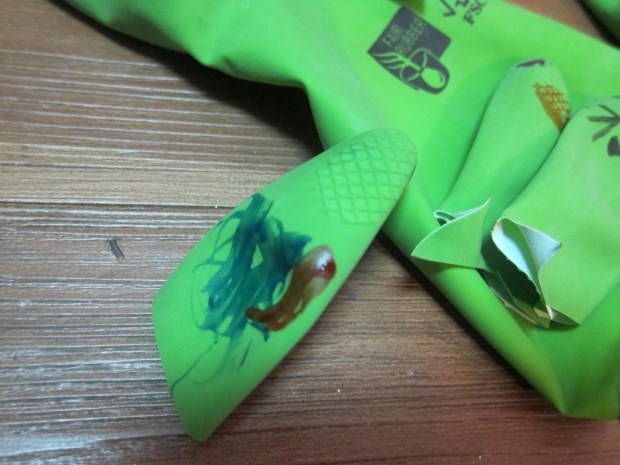
Perhaps the easiest puppets ever, snip the fingers from rubber gloves, and let your child decorate with markers. Travis told me this was a girl and her smile!

puppets-4

I added animal faces to a few of the other fingers to spark his imaginative play. He was equally delighted by the glove that I left intact, which became a puppet and toy all of its own, no decoration required!

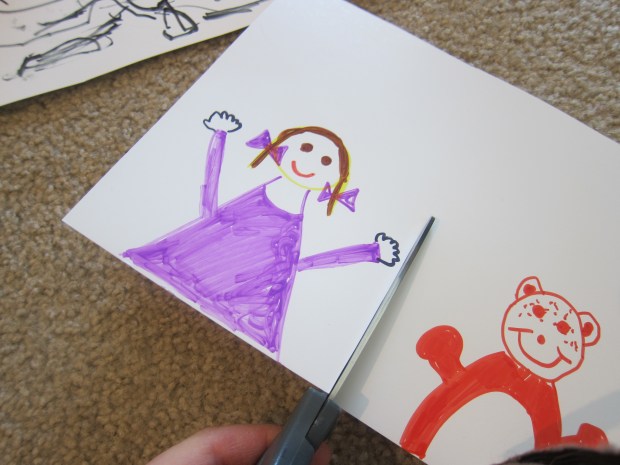
Next, we made “walking finger puppets.” Draw the head and torso of people or animals on poster board, then cut two slits near the bottom big enough for your child’s fingers to fit through.

puppets-7

The fingers become the “legs” to walk about. Travis was initially hesitant at this new idea, but once he got the hang of it, he loved walking his puppets everywhere.

puppets-11

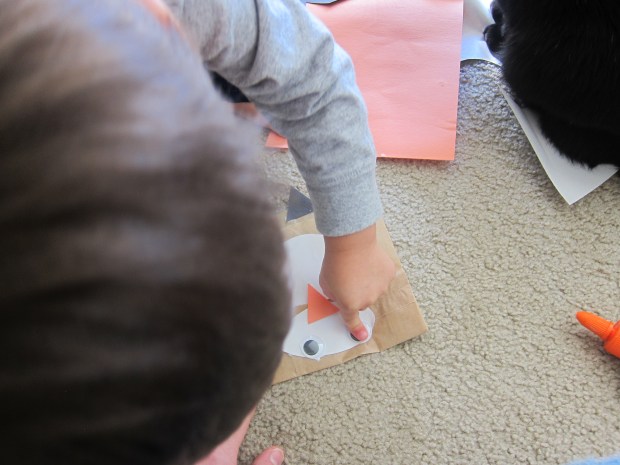
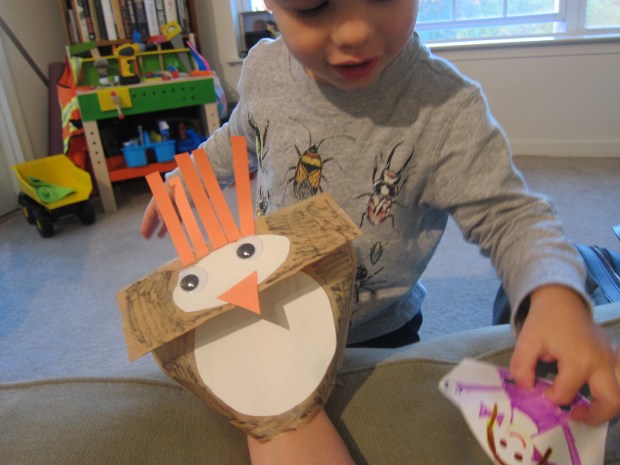
Finally, we made a paper bag penguin puppet (how’s that for alliteration!). I mostly put the craft together myself, but Travis and I discussed the shapes as I cut them out: white ovals for body and face, an orange triangle for the beak, orange rectangle strips for the hair, and two black triangles for the feet.

puppets-13

Next, he helped glue on two googly eyes. Once the glue dried, we colored over the brown bag with black marker.

puppets-14

Although he was least interested in the preparation of this puppet, it was far and away his favorite to play with. He loved “talking” with the penguin while it was on my hand, telling it stories and asking for more.

puppets-17

I’d love to hear about any other easy puppets you’ve made at home in the comments!

Mini Pumpkin Pies

mini-pumpkin-pies-6

We gave this mini pie recipe, adapted from High 5 magazine, a pre-Thanksgiving trial run today. Kids can help with almost everything, from rolling and cutting the dough to mixing the batter and filling the pie shells! Look for prepared vegan pie crusts from Whole Foods or Wholly Wholesome in the freezer aisle; let the crusts thaw about 15 minutes at room temperature, then remove from the aluminum pie tins and use as directed below.

Roll 2 (9-inch) prepared pie crusts to about 1/16-inch thick on a floured surface. This was Travis’s first time standing on his stool to reach the kitchen counter, and he loved it!

mini-pumpkin-pies-1

Using a 5-inch bowl or glass, cut 3 circles from each pie crust, and place in large muffin cups coated with cooking spray.

mini-pumpkin-pies-2

To prepare the filling, mix together 1 (15-ounce) can pumpkin puree, 14 ounces sweetened condensed coconut milk (from Let’s Do Organic), 2 Ener-G eggs, 2 teaspoons pumpkin pie spice, and 1/2 teaspoon salt.

mini-pumpkin-pies-3

At this point, Travis discovered what batter tastes like – cue the happy smile.

mini-pumpkin-pies-4

Spoon the batter carefully into the prepared pie shells. Preschoolers can definitely help with this step, although toddlers will likely need you to do most of the work.

mini-pumpkin-pies-5

Note: You’ll have a bit of filling leftover – might I recommend a pumpkin pie smoothie for breakfast one morning?

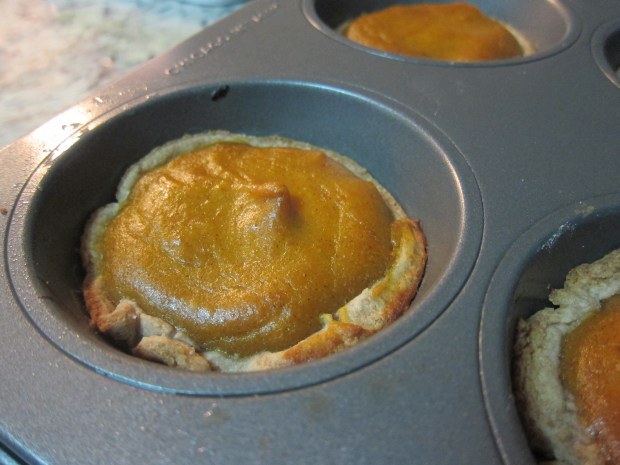
Bake the pies at 375 degrees F for 25 minutes, until the filling is set.


Story in a Bag

story-in-bag-3

You can engage your child’s imagination and storytelling ability long before he or she can read – you just need a few props to help along the way! This delightful game engages multiple senses, and helps foster storytelling.

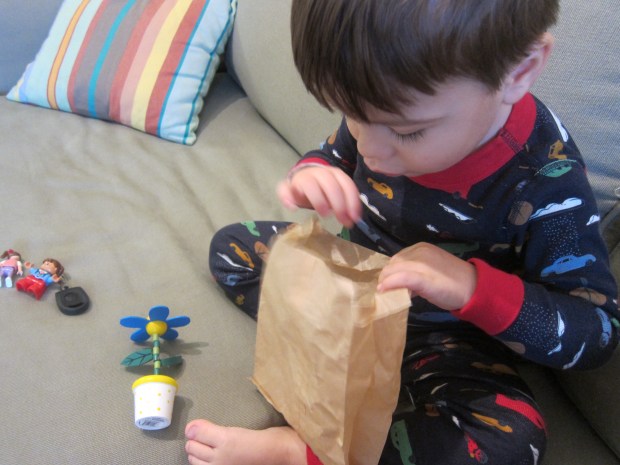
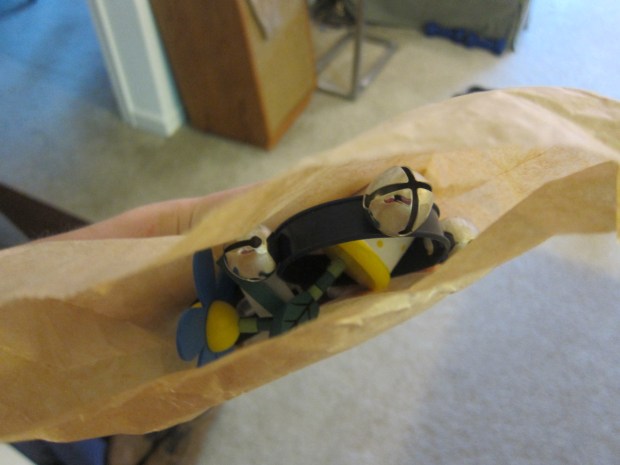
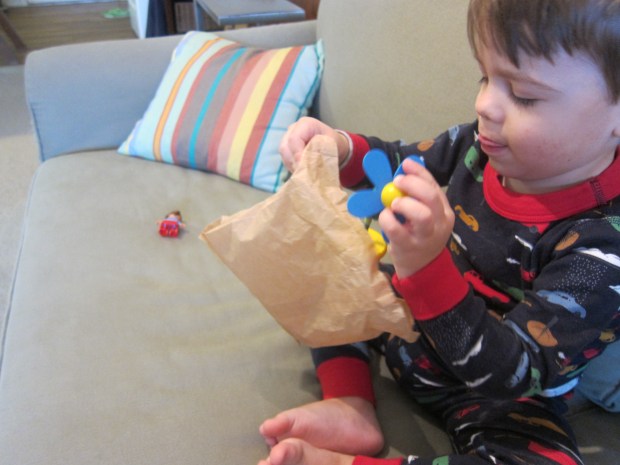
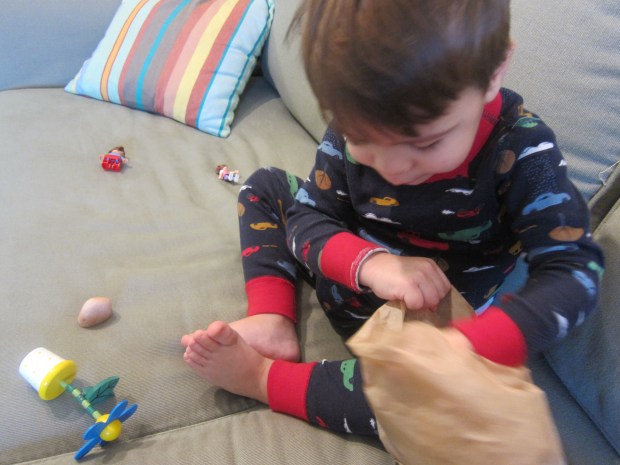
Fill a brown paper bag with 5 or 6 simple objects from around the house. I used a bell, toy flower, candle, car key, and rock, filling the bag when Travis wasn’t looking so that the items would be a surprise.

story-in-bag-1

Prompting him to close his eyes, he reached in and selected one object at a time. We used the item to begin a story. After introducing the first item, he would select a second item, and so forth, each leading to the next action or character in the story.

story-in-bag-5

Admittedly I had to do a lot of the making up on this first go, but Travis was very into the idea and played with the items while we fabricated our tale. No sooner done than he started stuffing the bag and said, “Let’s do it again!”

story-in-bag-4

Water Art

wet-art-7

Need to add a dose of novelty to your child’s art projects? Simply add water and stir to see new results!

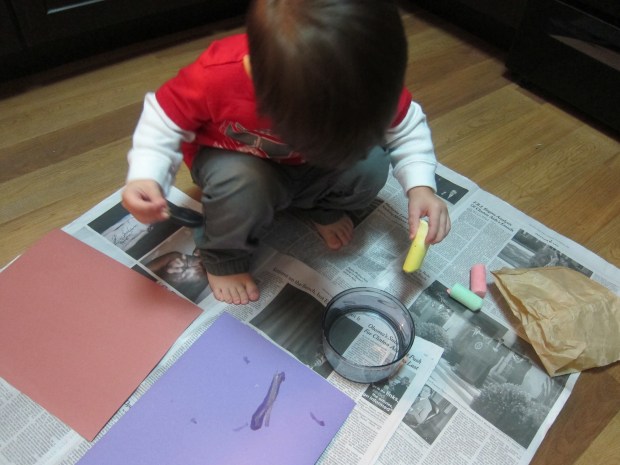
First, Travis and I tested out water on chalk. Have your toddler dip chalk into water before scribbling on dark-colored construction paper. Travis was very interested in the way the chalk darkened when wet…

wet-art-1

…although not as interested in the result on paper, which, admittedly, dried quickly.

wet-art-2

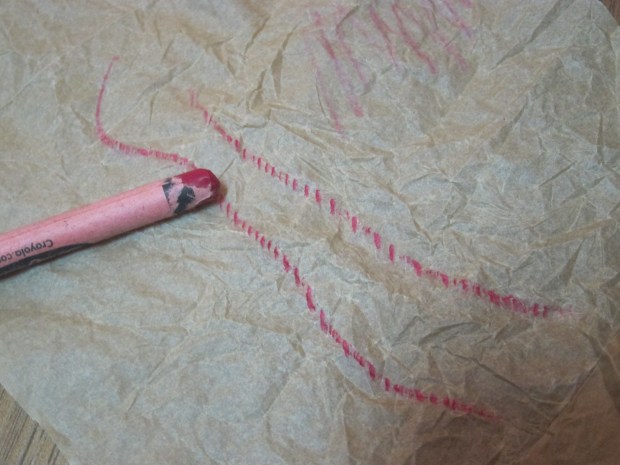
Next we added salt to our water, resulting in a cloudy mixture that Travis loved. Scribble with crayons on dark construction paper, and then use a paintbrush to apply the salt water solution over the paper – don’t let it get too soggy!

wet-art-3

The crayon will show through because the wax resists the water, and the paper will become somewhat sparkly where the salt is left behind after it dries… although the result was not as sparkly as I hoped it would be.

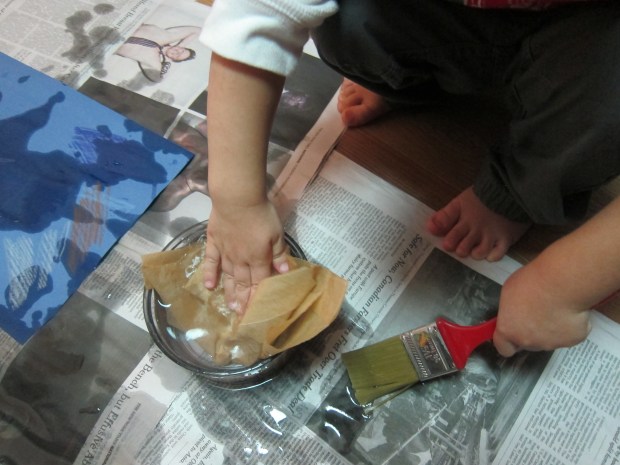
Finally, we made a paper bag “batik”. Travis loved dunking a brown paper bag in his bowl of water (cut the bag open so it can dry flat), and then crumpling it and squeezing out the excess water. This step was easily his favorite part of our entire water-arts endeavor.

wet-art-5

Once the bag dries, color with crayons any way you like.

wet-art-8

What other art projects have you and your toddler added water to? Please share in the comments!


Q Week!

Q week (12).JPG

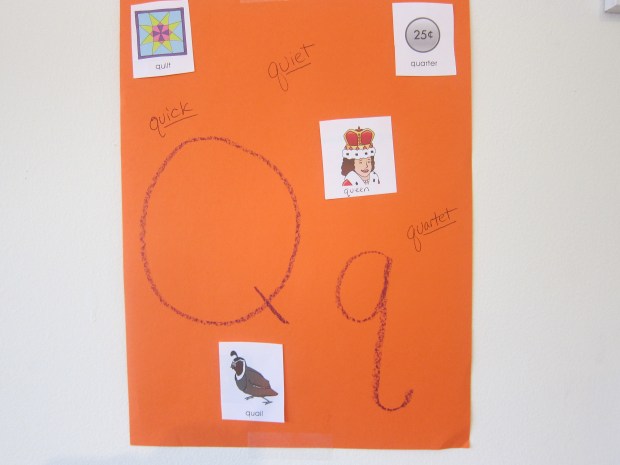
Admittedly, there aren’t as many words that begin with Q, but we still had quite a week! Consider holding Q week when you know you have an otherwise busy schedule, or – in my case – a broken computer that leaves you scrambling most of the week!

q-week-4

Quilt: If you have special family quilts at home, you might take a nice moment to discuss them with your child. Then, for some good old-fashioned fun, turn those quilts into a fort! Travis had great solo play crawling through the structure we made, and hiding toys among the folds of the quilts.

q-week-8

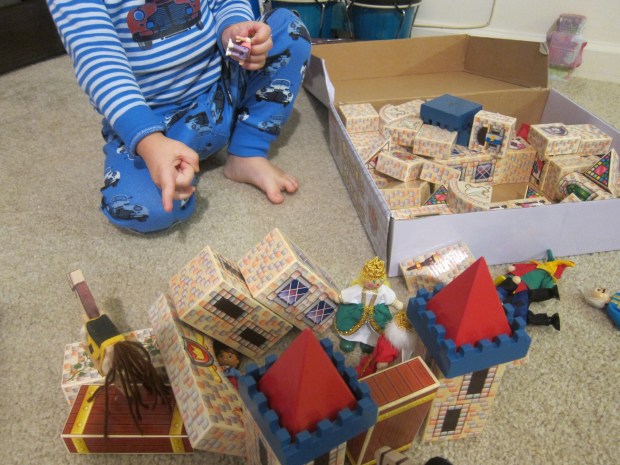
Queen: Have a royally good time building castles of course! We pulled out our castle blocks and a little toy set of king, queen, and knights for building and making believe.

q-week-1

Next up was the dress up box to be kings and queens in crowns and capes!

q-week-5

Quick: We tested out which toys were the quickest in the house, having car races on our town mat. Travis also experimented with other items that moved quickly, like marbles through a tube. As you drive or walk around this week, look for what is moving quick and what is moving slow.

q-week-10

You can also try this neat painting game: Select music that varies between quick and slow, and have your child paint along to the tempo!

After those Q key words, we did the following:

Fine art: It was time to make our own quilt! This cute introduction to patchwork is simple; cut squares from fabric (or wrapping paper and tissue paper will work, in a pinch), and make a grid on poster board. Have your child squeeze glue onto the poster board and then arrange the scraps in the grid in any pattern he or she likes.

q-week-13

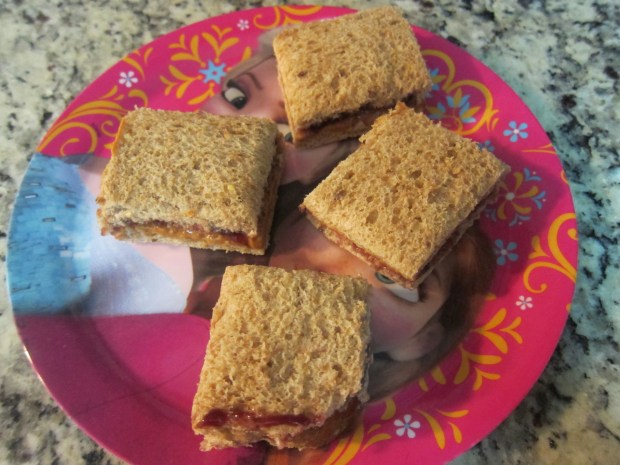
Food: If you can find quince at the market, make quince jam! Alas, my store did not have them in stock, so we divided lots of foods into quarters this week – sandwiches and quesadillas to name a few.

q-week-6

Books: Quiet is a great word to focus on for books this week, as in Quiet, Loud by Leslie Patricelli and The Very Quiet Cricket, by Eric Carle. Travis loved the latter so much it became a nightly read all week.

Song: Rather than a song title, I showed Travis YouTube clips of string quartets, but he wasn’t much interested. For something more toddler-friendly, the chorus of Five Little Ducks (quack quack quack!) lends itself nicely to Q week.

Math: Give a gentle introduction to different denominations of coins, including of course, the quarter! Travis loves putting coins into and out of his piggy bank, so this week I challenged him to sort out the quarters first. For older preschoolers, you can also discuss how quarters are one-fourth of a dollar.

q-week-3

We’ll be much busier next week for P – stay tuned!