Track the Moon

track moon (5)

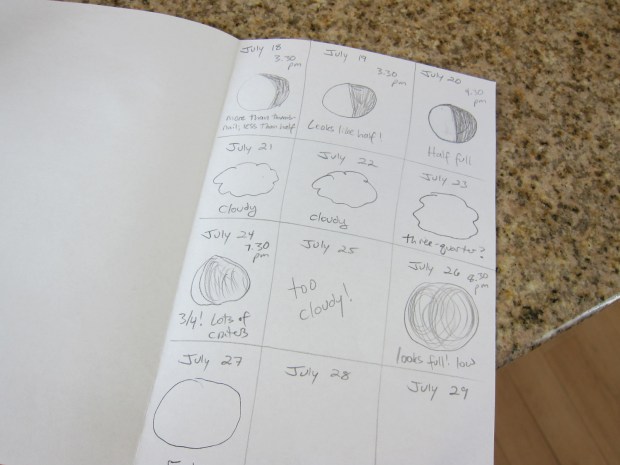
Although we weren’t in the path for July 27th’s remarkable eclipse, it got us thinking about the moon… That and the suggestion from High Five magazine to track the moon over a few days of its cycle.

We began about ten days out from the full moon, noting it as thumbnail-sized and high in the sky in the mid-afternoon. It grew for a few days before we lost it to a string of cloudy days – oh no!

Track Moon (1)

Luckily the clouds parted by the time we had a three-quarter moon, and then a gorgeous full moon rise on July 26/27.

Track moon (2)

Each day, have your child tell you what they’ve observed, and then draw a picture or words to accompany it (older kids can, of course, draw the moon themselves!). This is a great way to show kids how the moon changes in a cycle. Travis loved spotting craters, too, and noticing how much brighter the moon is by night than by day.

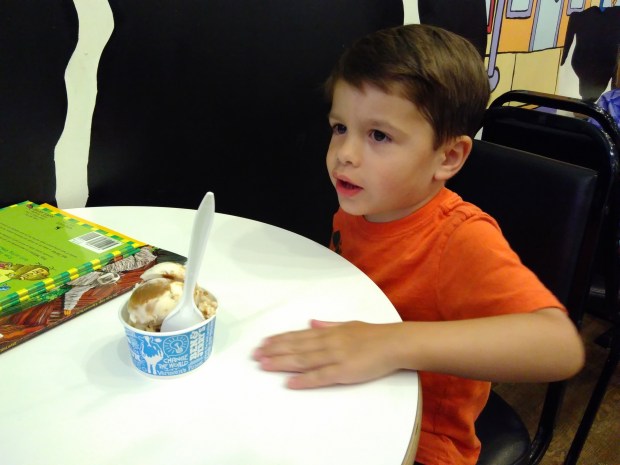
Moon rise can be late (8.20 pm for the full one in our area!) but it’s one of those perfect summer excises to stay up late. Why not make a night of it? Go out for ice cream (thanks Ben&Jerry’s non-dairy!), have story time right in the ice cream parlor, and watch the moon rise before heading home to bed.

Track moon (3)

The next full moon will be August 26, giving you one more chance before summer’s out (hint hint!).

Summer Smoothie Bonanza

smoothies (2)

We’ve been having fun this summer testing lots of fruit-and-veggie combo smoothies. Some have been bigger hits than others, but the following all got the seal of approval from my preschooler.

Banana-Pea Smoothie

  • 2 cups sliced banana
  • 1/2 cup frozen peas
  • 1 tablespoon sunflower butter
  • 1 and 1/4 cups coconut milk

Strawberry-Spinach Smoothie

  • 2 cups frozen strawberries
  • 1 cup fresh baby spinach
  • 1 and 1/4 cups vanilla almond milk
  • 1/2 teaspoon vanilla extract

Smoothies (4)

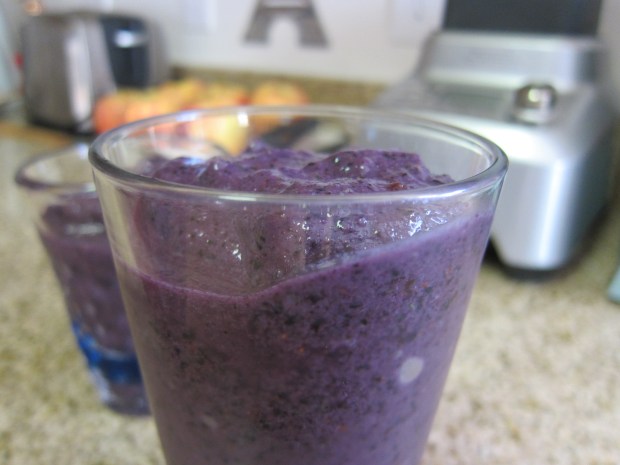
Blueberry-Broccoli Smoothie

  • 2 cups frozen blueberries
  • 1/2 cup broccoli florets
  • 2 to 3 chopped, pitted dates
  • 1 and 1/2 cups vanilla almond milk

(This was the best one yet, earning a “delicious!”)

Smoothies (5)

Peach-Carrot Smoothie

  • 2 cups frozen peaches
  • 1/2 cup cooked carrots
  • 1 and 1/2 teaspoons cinnamon
  • 1 and 1/2 cups vanilla almond milk

The grown-ups liked this one best!

Smoothies (7)

Cantaloupe-Cauliflower Smoothie

  • 2 cups cubed cantaloupe
  • 1/2 cup frozen cauliflower florets
  • 1 tablespoon chia seeds
  • 1 and 1/2 cups vanilla soy milk

Smoothie (8)

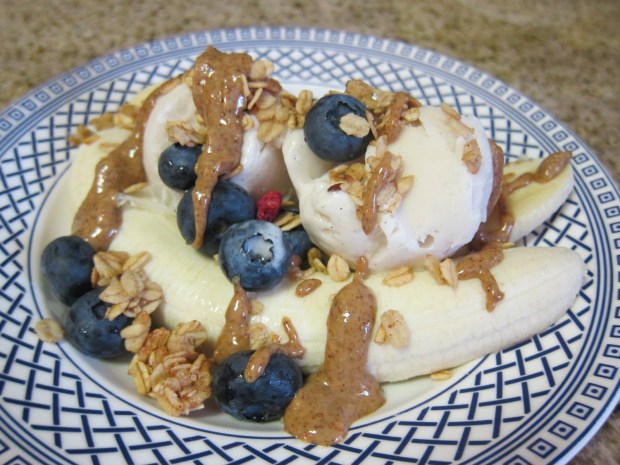
Breakfast Banana Split

Banana Split

It’s my boy’s fourth birthday, and that calls for something a little extra special at breakfast. Ice cream sundaes for breakfast? Why not, if it’s summer and you’re turning 4! If you want to make this dish a little more everyday-friendly, replace the ice cream with your favorite non-dairy vanilla yogurt.

Ingredients:

  • 1 banana
  • 2 scoops non-dairy vanilla ice cream
  • 1/4 cup blueberries
  • 2 tablespoons granola
  • 1 tablespoon almond butter, warmed
  1. Cut the banana in half lengthwise, and arrange on a plate.
  2. Top the banana with the ice cream, blueberries, and granola. Drizzle with the almond butter.

Now that’s a sweet start to the day!

Early Explorers Weather

LP Weather (22)

I remain half-convinced that there is a spy working between our Kiwi Co. and Little Passport’s subscriptions because once more they are sync. Having recently received Koala’s crate all about the wind, we found the more broadly themed Early Explorer’s Weather package waiting in our mailbox. No complaints here; there wasn’t too much overlap, and we love anything that continues our learning of a topic.

LP weather (3)

As usual, we received a booklet of activities to fill out, stickers for our map and suitcase, flashcards, and a “flashlight adventure.” Matching up peas and pennies to see various hail stone sizes was particularly fun!

LP Weather (8)

Weather Craft:

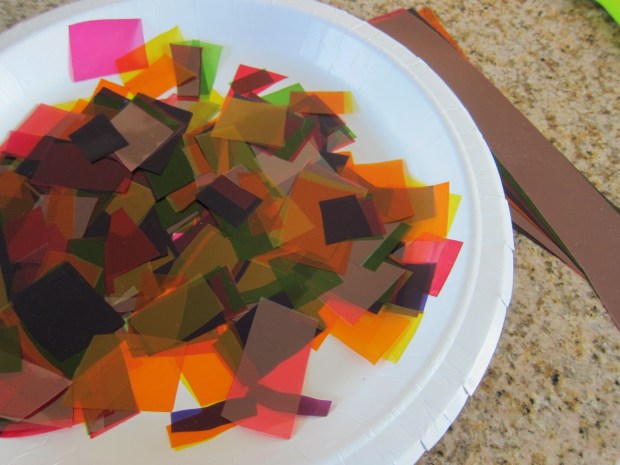
It’s easy to forget that “sun” counts as weather, since it can seem like the default, but these gorgeous suncatchers are a great way to appreciate the sunlight. Place a piece of contact paper, sticky side up, on a large work surface. Give your child pieces of colorful cellophane to put all over the paper.
LP Weather (11)

Note: I recommend purchasing small sheets of craft cellophane, which you can then easily cut into squares. Large rolls of cellophane (sold for wrapping gifts) would be a huge pain in this case.

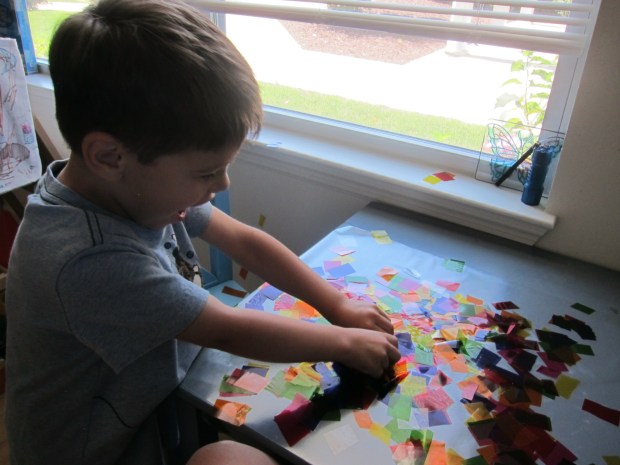
Travis started out placing each piece deliberately.

LP Weather (12)

But then dumped on the whole plateful!
LP Weather (13)

Cover with a second sheet of sticky paper to seal in your child’s design, then cut to desired size and hang in a sunny window.

LP Weather (10)

Weather Science:

The booklet included a great experiment to showcase the water cycle and evaporation on a small scale that kids can grasp. Plus any experiment with food coloring is always fun.

LP Weather (5)

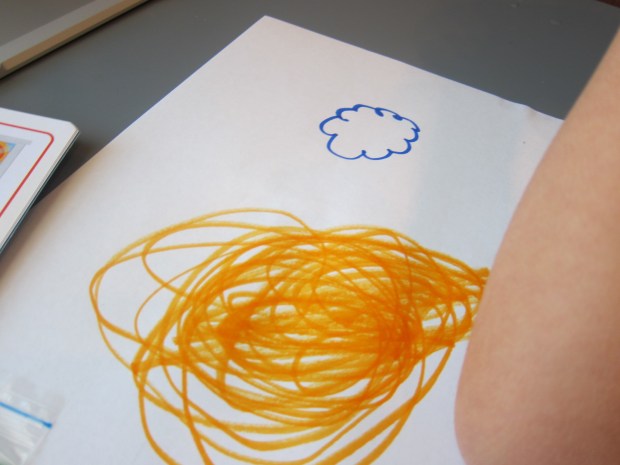
Add two drops of blue food color to 1/4 cup water, then pour into a zip-top plastic bag. Color a sun and cloud (Travis drew a huge sun, which I then cut down to size), cut out, and attach to the bag.
LP Weather (4)

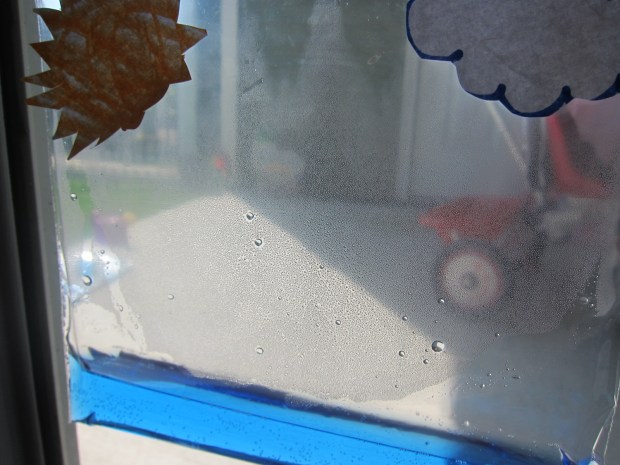
Now hang the bag in a door or window of your house that gets direct sunlight. Soon we could see evaporation at work!
LP Weather (7)

Weather Keepsake:

The weather wall calendar was the closet overlap with our Koala Wind Crate, but we loved the ease of attaching the felt pieces on this one.

LP weather (2)

There’s also a handy pocket for storing all the pieces that are not in use. Simple, but fun for kids each morning.

Weather Field Trip:

For this one I had to get creative. Where could we best observe the weather? I decided a lighthouse would be great fun, both for the novelty of it, and because lighthouses were meant to protect ships in all sorts of stormy weather. We headed off on a slightly unsettled day to visit one about an hour away.

Travis loved the climb.

summer 44 (i)

And the beacon up top!

summer 44 (l)

Make sure you do your research before you go, as many lighthouses have age and height requirements for those hoping to ascend to the top.

And sometimes, weather field trips are unplanned. We just happened to be at the beach when this ominous thunderstorm rolled in. Travis loved watching from a nearby cafe window!

summer 40 (b)

Weather Further Activities:

As always, there were suggestions for lots more activities, and we had fun ticking them off (weather permitting!) over the course of a couple weeks.

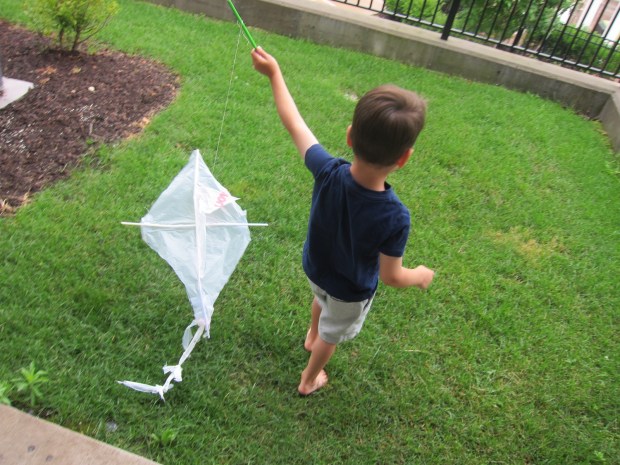
Take advantage of a windy day (and a trusty plastic bag kite) and watch the wind make your kite soar.
LP Weather (21)

Then cook up some cloudy day fun in the kitchen. Tint your favorite vegan jel dessert with a few drops of blue food coloring and prepare according to package directions.


LP Weather (17)

Once it sets, top with SoyaToo whipped cream, and eat the clouds out of the sky!

We then repeated an old activity, collecting rain in a jar for a homemade rain meter. We had an absolute downpour, and I was sure we’d have at least an inch, but later discovered the wind had knocked our jar over. We learned that the storm had dumped nearly 5 inches of rain in some parts of the state, and about 1.5 inches in our area.

LP Weather (9)

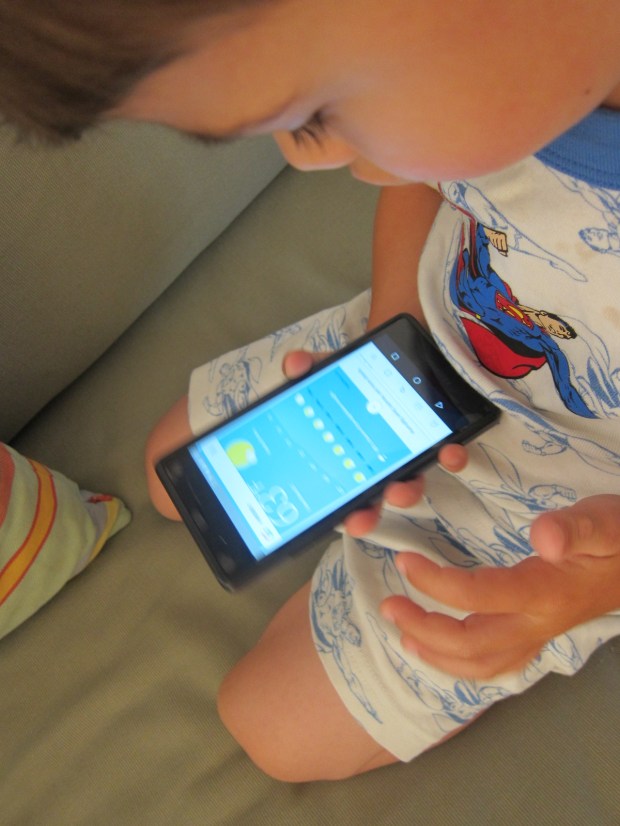
Finally, we took the exploration online. Travis loved learning how I check the weather on an app each morning.
LP Weather (18)

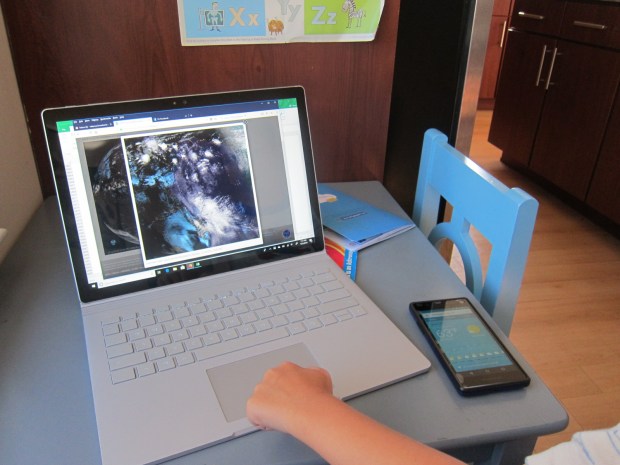
Then we looked at the Virtual Weather Museum (or go to one, if you have a good museum near you!) where he loved the available satellite images on everything from cloud formations to ocean currents.
LP Weather (19)

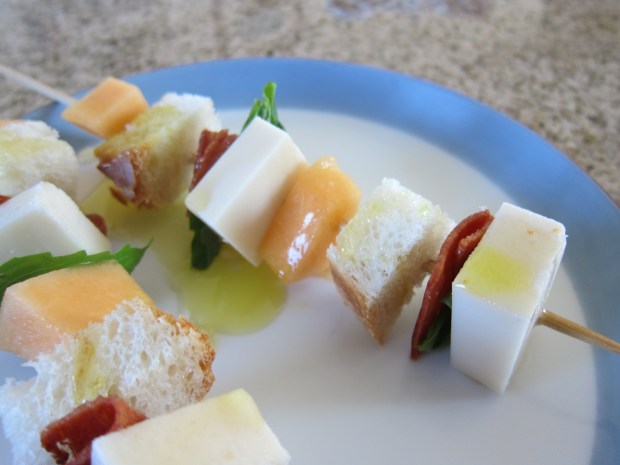
Cantaloupe Skewers

Cantaloupe Skewers (1)

These skewers feature all the best flavors of summer on a plate, and are great as a side dish, appetizer, or even a non-cook main course if you eat enough for them! For the closest vegan mozzarella to a fresh one like buffalo, you can’t go wrong with Follow Your Heart’s mozzarella block. Cook your bacon slices ahead of time and cut into pieces that are roughly the size of the other ingredients.

Repeat the process below with all the ingredients to make as many skewers as you need to feed your family or a summer party crowd.

Per skewer you’ll need:

2 cantaloupe chunks

2 fresh basil leaves

2 cubes “fresh” vegan mozzarella

2 pieces vegan bacon (homemade or store-bought)

2 cubes French bread baguette.

Thread the ingredients onto long skewers in a pattern.

For every two skewers, drizzle with about 1 teaspoon olive oil and 1 teaspoon agave nectar.

Cantaloupe Skewers (2)

Which little tidbit will you eat first?

Leave a Trace

Trace (2)

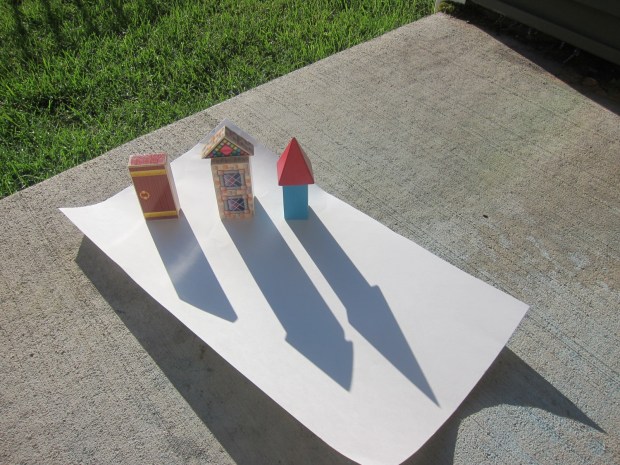
It may be the middle of summer now, but fall is just around the corner, and I’m already thinking ahead to when Travis will start pre-K in September. One of the skills that pre-K teachers emphasize is tracing, great for learning pen control and pre-writing. How to make that fun in the summertime? Use the sun!

Set a large piece of poster board or craft paper in a sunny spot, and arrange your child’s toys on the paper. For beginning tracers, keep shapes simple.  Building blocks are great, in rectangles, squares, and triangles. Older kids might enjoy the challenge of tracing around complicated objects, like animal figures, cars, or dinosaurs.

Trace (1)

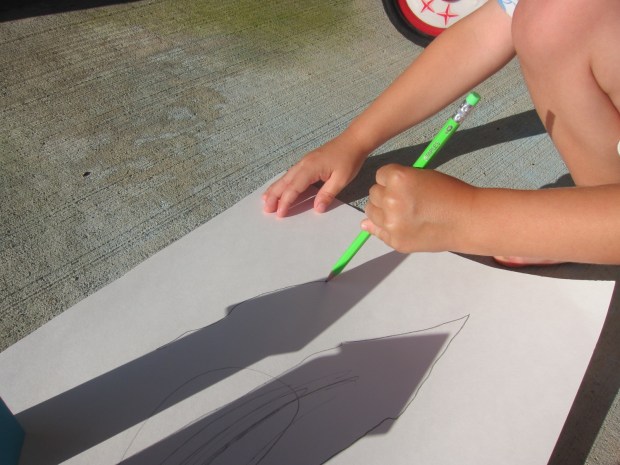
Encourage your child to follow the lines of shadow that the sun casts on the paper. This was tricky for Travis and he didn’t have the patience for it that I hoped on this particular morning, but we got in a little practice!

Trace (3)

If your kids are into it, try coming back to the activity over the course of the day; the shadows will shift (shortest at noon), which is a neat little lesson on the Earth’s rotation.


Color Wheel Gecko

Color Gecko (12)

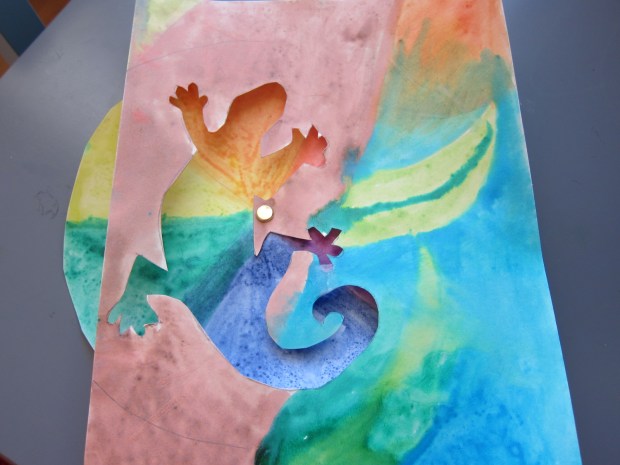
This project requires a bit more adult set-up usual, but is so worth the effort for the learning and beautiful final product! It’s a fun way to introduce the concept of primary and secondary colors to kids and has a fun animal theme thrown in.

Geckos or chameleons are the perfect creature to illustrate the color wheel because they can camouflage, or change their color to reflect their surroundings. If you want, start off this project with a read of Leo Lionni’s A Color of His Own – then get crafting!

As mentioned, a lot of the set-up here will be for grown-ups only, unless your kids are 1st grade or above. But Travis pretended he was a teacher giving a lesson on geckos while I worked!

Color Gecko (2)

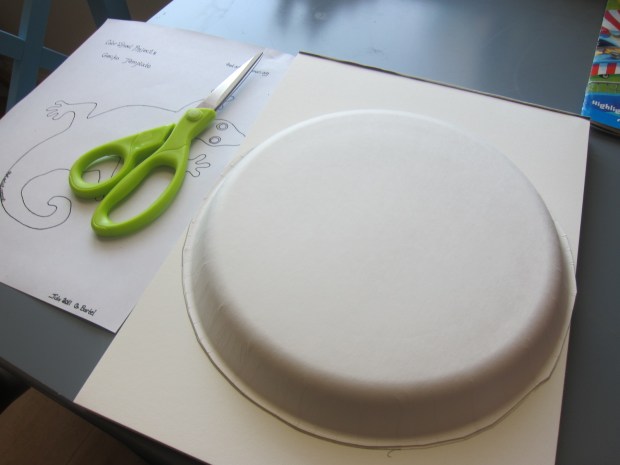
First, trace a circle onto watercolor paper using a paper plate as a guide. Cut out.

Color Gecko (1)

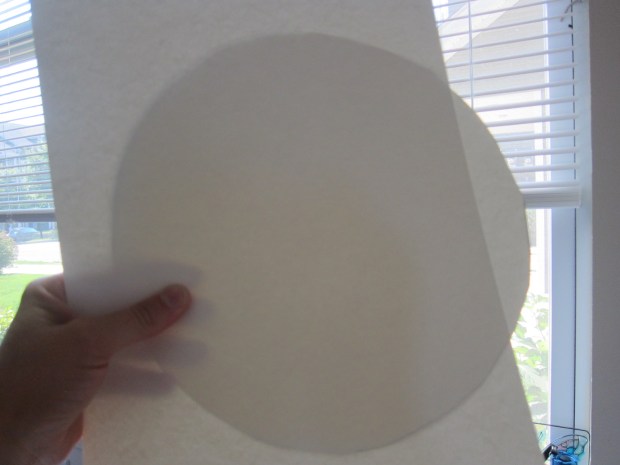
Place the circle over a second piece of watercolor paper, leaving a bit of the circle hanging off the edge (this is the handle that kids will spin later on). Use a pencil to mark where the center of the circle is on the circle itself and on the background paper. If you hold the paper up to the light, you can mark the back as well. Trust me, you’ll want this point as a guide later!

Color Gecko (3)

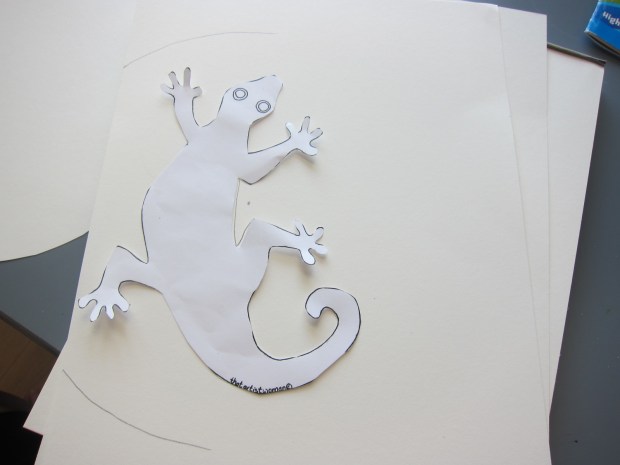
Cut out the gecko template, and trace onto the background paper, making sure he doesn’t cover that center mark you’ve made.

Color Gecko (4)

Now you need to cut out the traced gecko. Grown ups can pierce a hole with scissors and cut out, but if your kids want to do this step themselves, it may be easier to cut in half along the gecko, cut him out, and then tape the paper back together with painter’s tape. See this link for a full demo.

Now it was time to paint! Grab your circle and a set of watercolors. Travis watched as I divided the wheel into six segments and we discussed the primary colors: red, yellow, and blue. Meanwhile, he couldn’t want to start painting his own scene, talking about what colors he chose.

Color Gecko (5)

As I filled in each secondary color on the wheel, I had him guess what we’d make first. “If I have red and add yellow, we get…” “Orange!” he predicted.

Color Gecko (6)

Looks like those art classes are paying off! You can mix up your own version of each secondary color on a paper plate, or just cheat and use watercolors from your set – I won’t tell!

Color Gecko (8)

While Travis continued to paint watercolor masterpieces on blank paper, I painted a background scene for our gecko, a little tree with green leaves, blue sky, and a bit of peachy sunset (on Travis’s request). We left our watercolors to dry overnight.

Color Gecko (7)

In the morning, poke a paper fastener through the color wheel and your background page, so the ends of the fastener are on the back. Fold over to secure.

Color Gecko (10)

Travis was so excited by the way the colors could spin and how he could watch his little gecko change color. “Now he’s blue! Now he’s green!”

Color Gecko (11)

This project was an absolute delight.

Garden Rock

Garden Rock (8)

A beach near us has great big rocks scattered all over the sand – not just your typical beach pebble finds, but large heavy ones to collect and take home. We decided they would make the perfect final addition to our little patio garden as decorative labels.

Note: If you can’t collect large rocks near you, check your local gardening store.

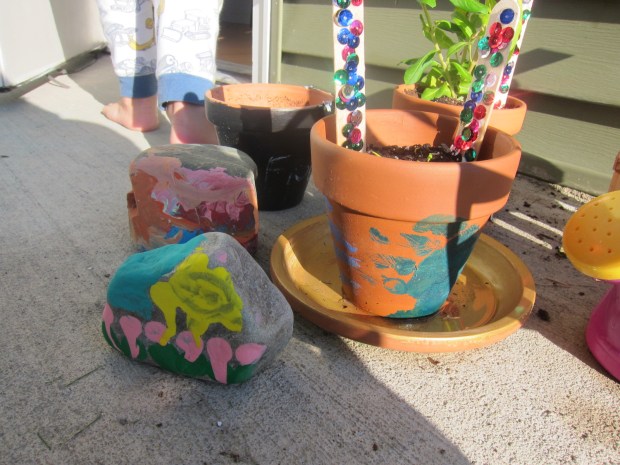
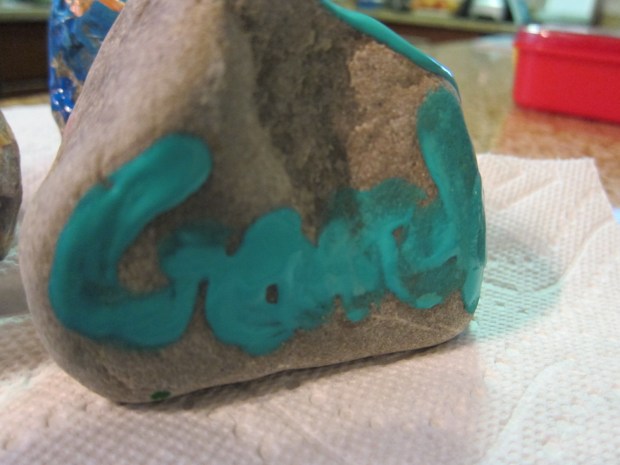
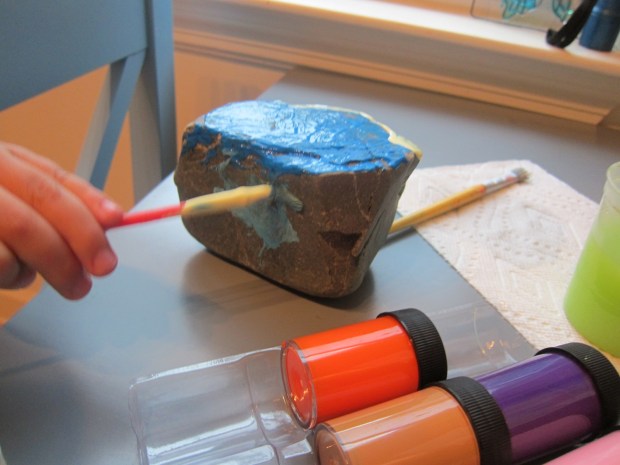
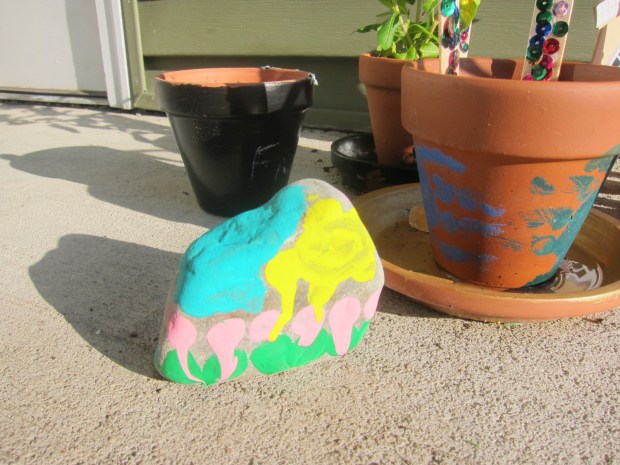
Travis was thrilled with the size of our rock canvas. I painted one rock with a garden scene (sun and flowers, although the colors later bled together; I also attempted to paint on the word Garden.

Garden Rock (6)

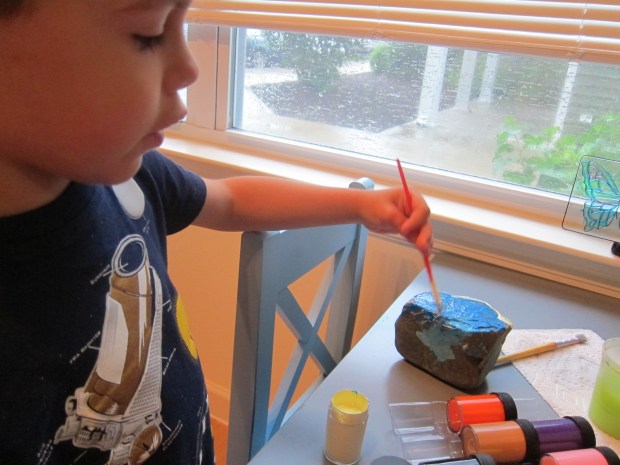
Meanwhile, he had fun swirling colors all over another.

Garden Rock (2)

I loved watching his concentration as he worked!

Garden Rock (3)

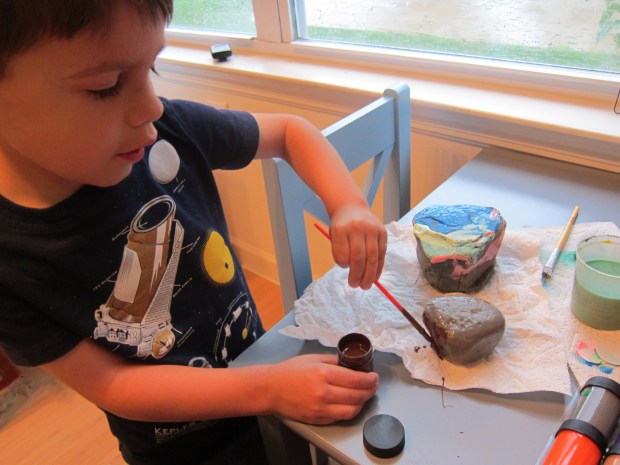
So much fun that he needed to paint a second rock.

Garden Rock (4)

We left them to dry overnight, then settled them among our pots on the patio the next morning, taking care to find each rock the perfect spot.

Garden Rock (7)


Zucchini Pizza Snacks

Zucchini Pizza (2)

Pizza for snacktime? Kids will be thrilled when you announce that’s what’s on the menu, and hardly disappointed at all when they learn there is no crust involved.

Cut 1 large zucchini into long diagonal slices (about 1/2-inch thick) and arrange in a single layer on a baking sheet.

Spoon a little tomato sauce over each slice, and add your favorite vegan cheese on top. Cheese shreds would work great, but we also like the Chao slices from Field Roast.

Zucchini Pizza (3)

Broil for 2 to 4 minutes, until the cheese is melty and the zucchini is tender.


Create Your Own Constellation

Constellations (8)

Late summer nights are the perfect chance to star gaze, look for shooting stars, and teach your kids a little about the constellations (although my own knowledge pretty much ends at the Big Dipper and Orion!).

We took the fun inside the next day with this cute idea from High Five magazine, using some recent rocks from a day of collecting at the beach. Wash and dry your rocks before beginning.

Constellations (2)

Paint the rocks black, and let dry completely.

Constellations (3)

Once dry, we painted on white stars. Although Travis didn’t quite master the shape of a star, it was fun to teach him how to draw one.

Constellations (4)

We let the white paint dry, then added a layer of glow-in-the-dark puffy paint.

Constellations (6)

Leave your rocks in the sun to activate the paint.

Constellations (7)

At night, move your rocks to the darkest spot in your house (that meant our bathroom, away from any windows!) to see them glow. I encouraged Travis to arrange them in fun shapes and make his own constellation.

Constellations (9)

A cute new way to “star gaze.”