Rainbow Science

Make a Rainbow (8).JPG

With all the talk about rainbows this month, whether cooking or crafting, it was time to get scientific. What exactly makes a rainbow appear? Today Travis and I answered the question in two ways, one more scientific, and one more artsy!

First, following the lesson plan provided by Raddish Kids, we did a visualization exercise. This was a first for Travis, but with a few prompts he got the idea. I told him to close his eyes and imagine and rainbow. He said he could see his rainbow through the trees in the morning, and it was star-shaped! Guide your child through this: what does the air feel like? Where is the rainbow? What time of day is it?

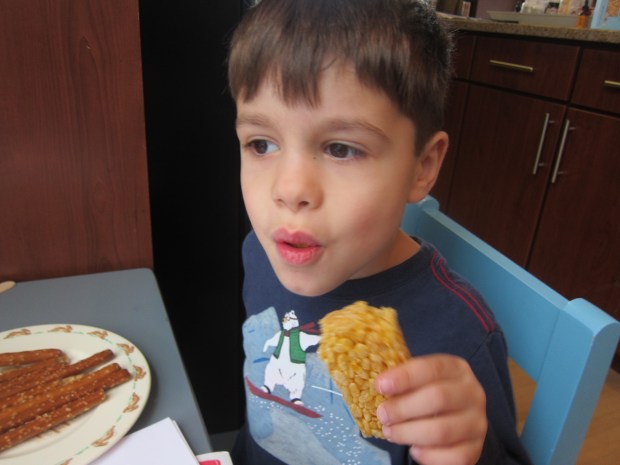
Next we did the quick run-down on the science. Raddish Kids provided two great video links to add some visual fun to hte science.
Make a Rainbow (1).JPG

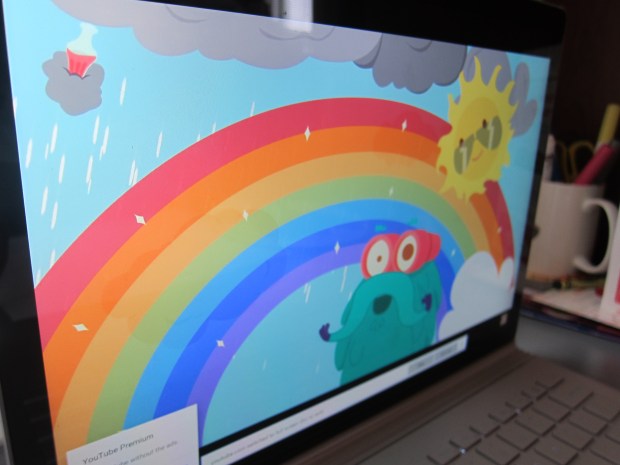
We watched a few suggested video clips, to understand the science behind refraction. Raddish provides a very detailed write-up that older children can study, too.
Make a Rainbow (2)

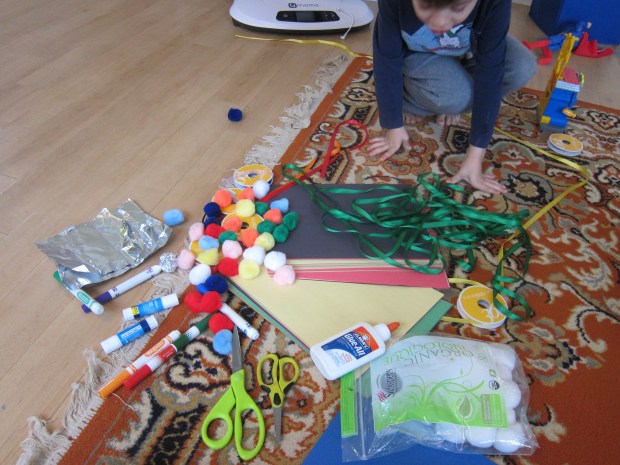
Next up was a challenge: Could Travis make a visual of a rainbow that not only showed all the colors, but also showed how the rainbow is formed? It turns out this is called process art, and I laid down lots of material for Travis to choose from but provided little direction beyond that.
Make a Rainbow (3)

He decided he wanted a ribbon rainbow, so used lots of glue to adhere the lengths.

Make a Rainbow (4)

I was so proud when he realized he was gluing in the wrong order, and fixed things with his red placed first!

Make a Rainbow (5)

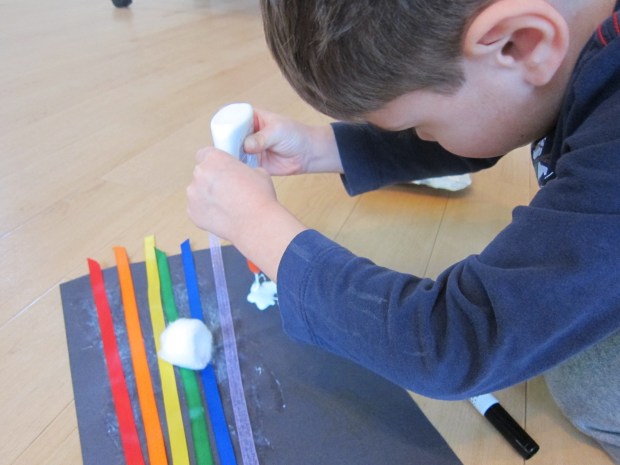
Next he needed to add the science part. He chose to use marker for sun and rain drops, and cotton balls for clouds. Now he had all the ingredients necessary for a rainbow to form!
Make a Rainbow (7)

I made a second version alongside him to show him how open-ended this project is: cotton ball clouds, tin foil raindrops, and pom poms for my sun and rainbow.

Make a Rainbow (6)

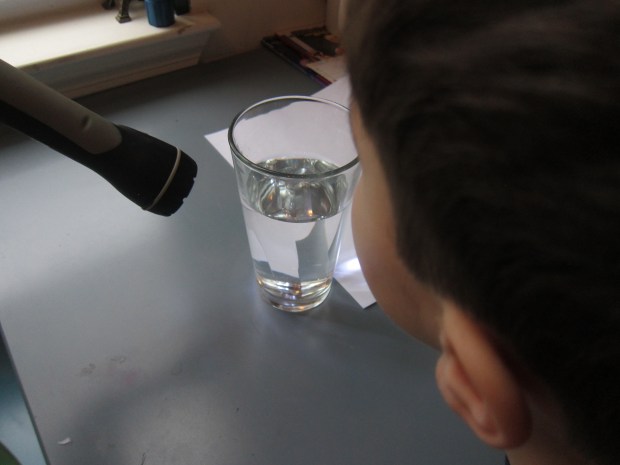
Finally, we formed a rainbow with science! Place a prism in a glass of water. Shine a flashlight or other light source on it.
Make a Rainbow (9)

Hold up a piece of white paper behind the glass, and you should see a rainbow reflected on the paper. It’s a bit tough to see in the photograph, but it was there!

Make a Rainbow (10)


Play the Pots and Pans

Play Pots (7)

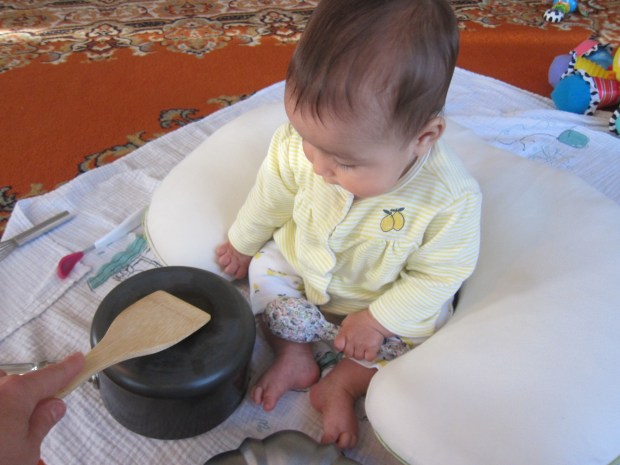
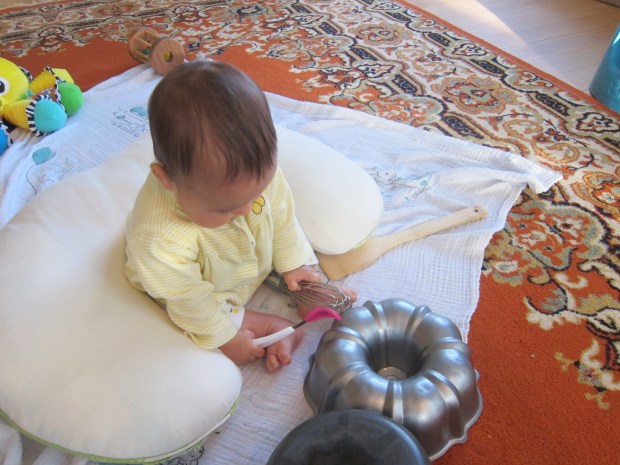
A few days ago, the family formed an impromptu band and entertained Veronika. Today it was her turn to play! Make sure your child is sitting comfortably for this game; if he or she can’t sit unsupported yet, add a pillow so there’s no falling over near the “drums”!

Play Pots (1)

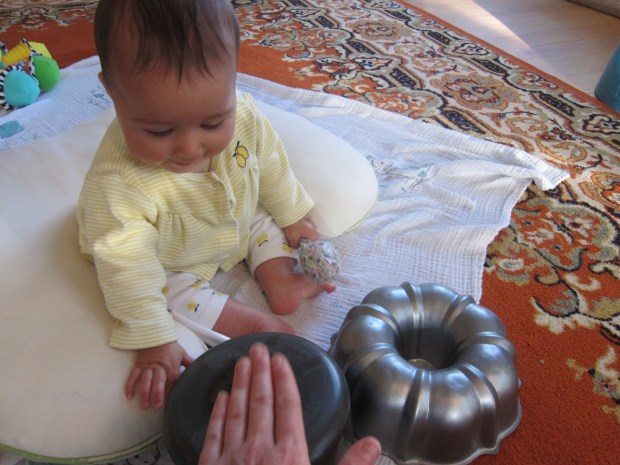
I set out a few small pots, and gave her a variety of tools with which she could make percussive sounds. We had fun testing the differences between each one.

The whisk was soft but very metallic.

Play Pots (3)

The wooden spoon made a fun boom boom.

Play Pots (2)

You can even hit the pans with a baby rattle or plastic spoon! And of course I demonstrated simply drumming with my hand.

Play Pots (8)

In all honesty, Veronika had way more fun putting each item in her mouth than drumming with them.

Play Pots (6)

But she looked so pleased every time she made a sound by accident.

Play Pots (9)

Drum drum drum!

Play Pots (5)


Invisible Graffiti

Invisible Graffiti (5).JPG

Let’s face it: Kids are sometimes drawn to things that are taboo, and sometimes it’s good to have an outlet for that naughtiness…but without the consequences!

That’s where this adorable game fits in, allowing kids to have the thrill of painting “graffiti,” but without any visible evidence.

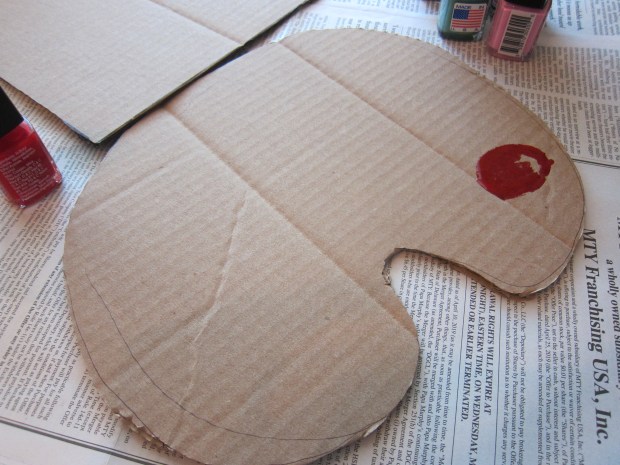
First, I cut an artist’s palette for Travis out of cardboard.

Invisible Graffiti (1)

Paint on circles of color (ideally in as many colors of the rainbow as you can) using nail polish. This will make the “paint” look shiny even once it dries.

Invisible Graffiti (4)

I let Travis have a second piece of cardboard and permission to paint with the nail polish, because this was an added element of fun.

Invisible Graffiti (11)

(Note: I love the shades from the No Miss brand, which are free of all the yucky stuff like formaldehyde and also cruelty-free.

Invisible Graffiti (3)

Now it was time to set my graffiti artist loose! We headed out in the morning sunshine to make trouble. Here he is heading over to paint the fence.

Invisible Graffiti (6)

Travis “painted” all over the bushes, and the patio.

Invisible Graffiti (7)

Can’t you just see the glee?

Invisible Graffiti (8)

He loved finding places to add his graffiti.

Invisible Graffiti (9)

Uh oh, littering!

Invisible Graffiti (10)

In sum, he had a blast getting his naughtiness out with this game. And the best part is that there is no mess left over.


Easy Backyard Spy Fort

Backyard Fort (4).JPG

Travis has been into being either a secret agent or a ninja lately – so we needed a proper screen from which he could spy on the goings-on about the neighborhood, of course!

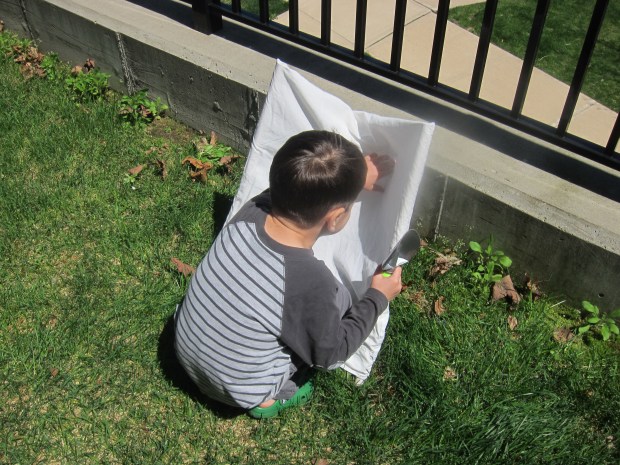
Plant two lengths of PVC pipe into the ground, spaced wide enough apart for an old pillowcase to drape over both. I bought pre-cut lengths of pipe at Home Depot that were two feet long, but wish I had opted for longer – we really had to crouch behind our fort!

Backyard Fort (1)

Cut an eye hole in the pillow case, then slip over the PVC frame.

Backyard Fort (2)

You can now camouflage your fort with paint. If you want to be sneaky, make sure to paint in shades of brown and green. Mostly though, we just had fun painting on this novel canvas, so our colors were perhaps a bit too bright for any actual hiding.

Backyard Fort (3)

Now see what you can see!

Backyard Fort (6)

As mentioned, our fort was quite low to the ground, which made spying tough. But Travis liked peeking through at all the activity going on down below. This fort would also work great for games of hide and seek, at least with younger kids!

Backyard Fort (5)

Teach Your Cat to High-Five

Cat High Five (4).JPG

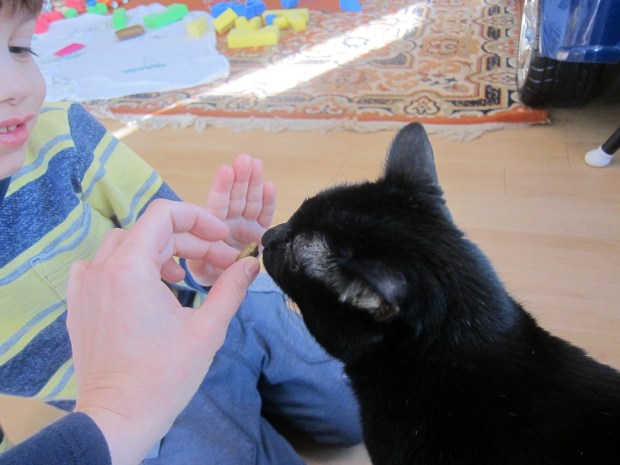
Here is an adorable challenge from Travis’s Highlights magazine: Can you teach your cat a trick? Travis was gamely up for trying, and although we didn’t exactly succeed, our cat was an eager participant! It was a great way to engage my son with our companion animal in a new way – cat and boy both enjoyed it!

The goal was to teach our cat, Krishna, to high-five with his paw touching our hand.

Hold a cat treat in your right hand.

Cat High Five (6)

Hold your left hand up just slightly above the cat’s head, as if you’re waiting for a high-five. Now hover the hand with the treat in front of that. The cat will (hopefully) paw for the treat.

Cat High Five (2)

We gave praise, and then tried again, over the course of a few days!

Cat High Five (5)

Okay, so we never got a paw to palm, since Krishna wanted to go in each time with his nose. But it was fun to have his nose nuzzle up to the palm.

Cat High Five (3)

In sum, what great inter-species play! Has your child ever taught the family dog or cat a trick? Please share in the comments.

Carbon Footprint Calculator

Carbon Footprint (1)

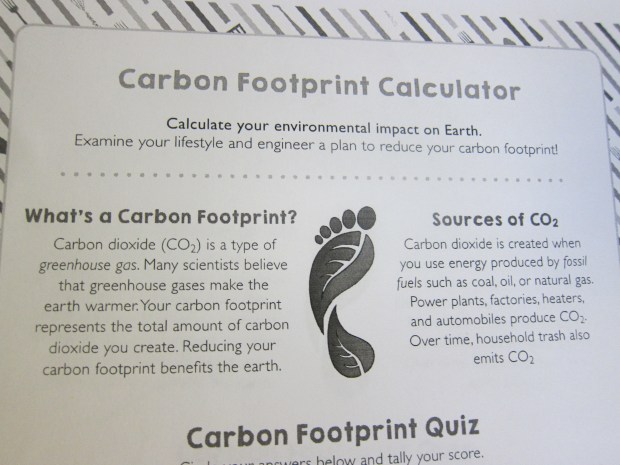
We have a family tradition of heading out on Earth Day to pick up trash, whether just as a family or by joining a group, as we did today at a local preserve. I’ve posted the details in the past, so here’s just a quick blog today on a quiz we received from Raddish Kids.We loved the way this made us think about how we can do even better for the Earth in the future.

First, Travis learned what a carbon footprint is, and how carbon dioxide contributes to the warming of the planet. We went through the quiz and answered questions like how we get to school (a car – our worst answer, at 4 points!) and what we mostly eat at home (vegetables – yay, we scored a 1).

Carbon Footprint (2)

After tallying your score, you can zero in on areas for improvement as a family. For example, our new goal is to reduce the number of trash bags we take out each week.

What will your family do for the Earth this year? Please share in the comments!

Eggheads

Eggheads (5)

Got leftover plastic Easter eggs? We’ve got you covered! This cute little gardening project will use up any spares you have lying around.

We borrowed a real egg carton from the festivities at a relative’s house, and took it home to set up the project.

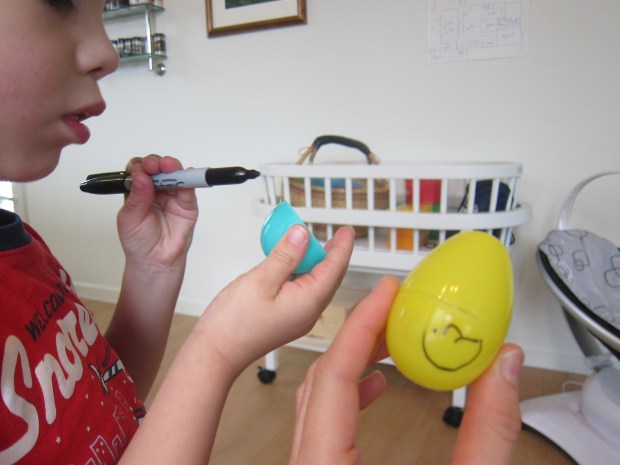
Twist plastic eggs until the top breaks off. Discard the tops and draw faces on the bottom. I gave Travis free reign for this part, and loved seeing the “expressions” he came up with.

Eggheads (1)

Next, we scooped potting soil into each egg. Cover your work surface because this part might get messy!

Eggheads (2)

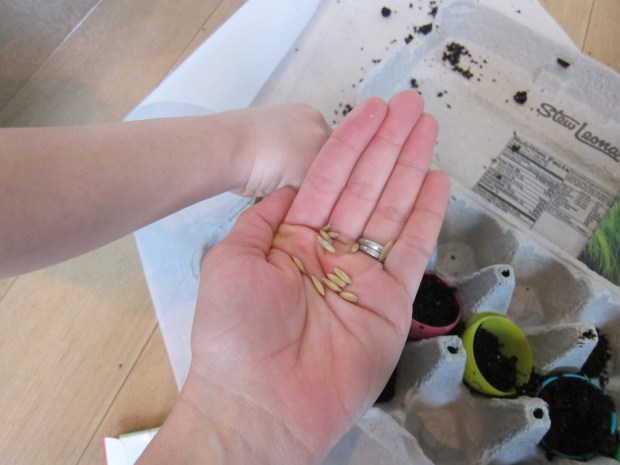
Sprinkle a little grass seed into each egg.

Eggheads (3)

Now place them somewhere sunny and wait! Be sure to water daily. I’ll update this post when our “eggheads” sprout “hair”!

Eggheads (4)

Update: Our heads have hair! How adorable are these little eggheads?

Eggheads alt.JPG

Inertia Kiwi Crate

Kiwi Inertia (7)

Although Kiwi Co. titled Travis’s crate this month as the “Disk Launchers” crate, really it’s all about inertia, so that’s how I’m styling it here. Nomenclature aside, what fun we had with this one!

First Travis had to Build a Disk Launcher. As always, the step-by-step here is more complicated than in a Koala Crate, so I will simplify. It was great to sit back and let Travis deal with the fine motor skills of attaching sticky-backed foam pieces to the wooden pieces in the right order.

Kiwi Inertia (1)

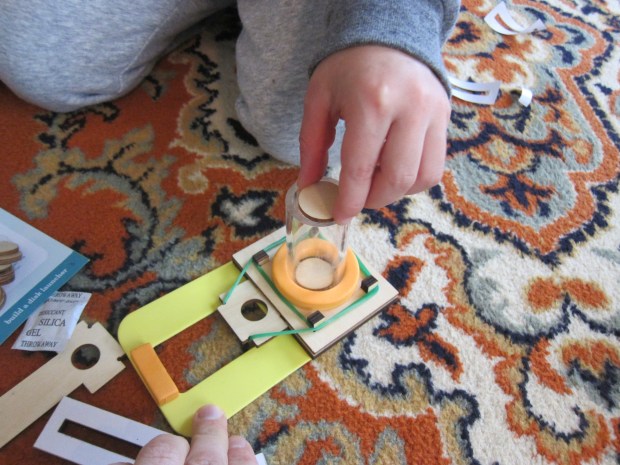
Elastics help hold it together.

Kiwi Inertia (2)

And then a tube slots into place.

Kiwi Inertia (5)

Fill the tube with the provided disks (which look like wooden tiddlywinks). Pull back on the pin and – zing! A disk launches out. Travis was unsure what we had been building up toward, and looked so astonished and delighted when he realized how the launcher worked!

Kiwi Inertia (6)

Needless to say, soon some ninja turtles were lined up to be our targets.

Kiwi Inertia (8)

Next we needed to Create Clay Obstacles from the provided air-dry clay. These will become props in games in a moment, so the instruction manual suggested figures like goal posts or even little goalie people.

Kiwi Inertia (12)

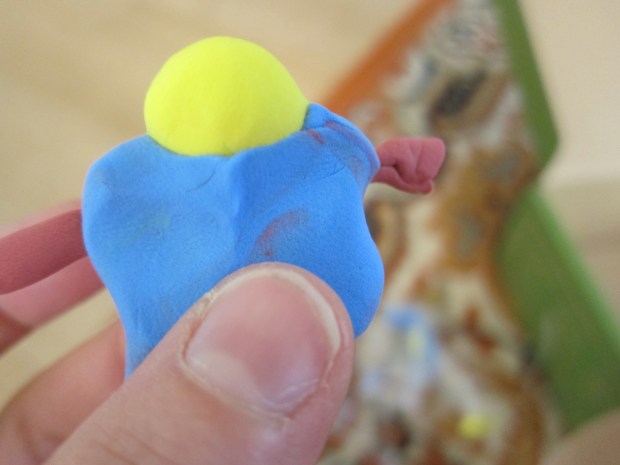
There were also tips on how to make specific artistic touches. We mashed together the blue and yellow clay and made a green clay! Then we tried twisting two colors together for a braided look.

Kiwi Inertia (10)

Three colors rolled together made stripes.

Kiwi Inertia (11)

Travis was mostly content to go his own artistic way with this one, making little blobs. But we especially liked rolling circles that looked like marbles or little planets.

Kiwi Inertia (13)

Leave the clay out to air dry, preferably overnight.

Kiwi Inertia (14)

Now it was time to play Disk Launcher Games.

For the first, we unrolled the provided mat for a spin on “curling.” Secure the mat between your Kiwi Crate box and a book.

Kiwi Inertia (15)

Take turns aiming at the target with your launchers, and see who gets the most points!

Kiwi Inertia (16)

Then we tried bowling.

Kiwi Inertia (17)

Travis was thrilled seeing the provided pins get knocked down.

Kiwi Inertia (18)

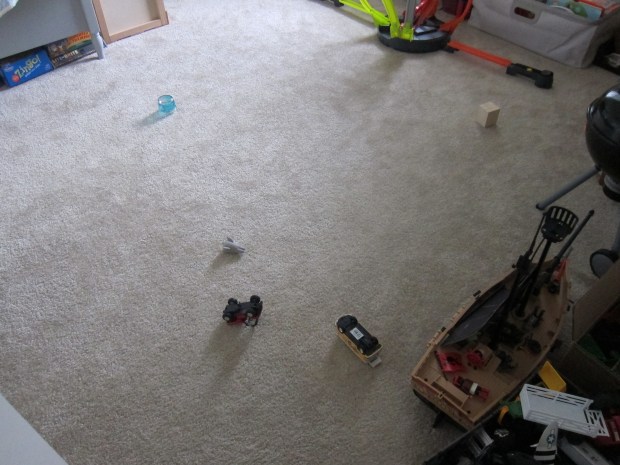
Now it was time for the final challenge: create your own game! We just went wild, putting up all our clay figures and the bowling pins and seeing if we could knock everything down.

Kiwi Inertia (19)

Older kids may want to get more sophisticated in their game rules, such as actually scoring through one of the clay goal posts, or knocking over a specific type of target. But Travis loved our mayhem, and we needed to play many rounds.

Kiwi Inertia (20)

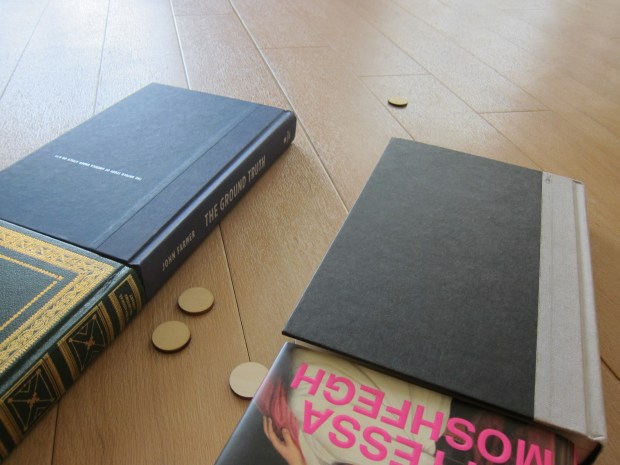
To bring it back to the science of inertia for a moment, I showed him a quick Disk Physics Experiment: Set up three disks (touching each other) between a set of books and then launch another disk at them. Have your child guess which disk is going to move forward!

Kiwi Inertia (21)

The answer is the furthest disk, which Travis correctly surmised.

Kiwi Inertia (22)

We talked about how the energy transferred from the launched disk all the way to the furthest one. He thought this idea was neat.

To cap it all off, we explored further with two suggested books: Newton and Me by Lynne Mayer, and Oscar and the Cricket by Geoff Waring.

Upside-Down and Backward Fun

Upside Fun (4).JPG

We started the day with candy for breakfast (it is Easter, after all!) which had us thinking about all the other silly ways we could have an upside-down or backward day. Here are a few ideas we managed to sneak in throughout the morning!

First, I challenged Travis to turn five things in his room upside down. Admittedly he was a little simplistic about it, but it was adorable to round the corner and find this!

Upside Fun (2)

Then he closed his eyes while I turned five things upside down.

Upside Fun (3)

He was gleeful finding the silly things I’d turned over.

Upside Fun (5)

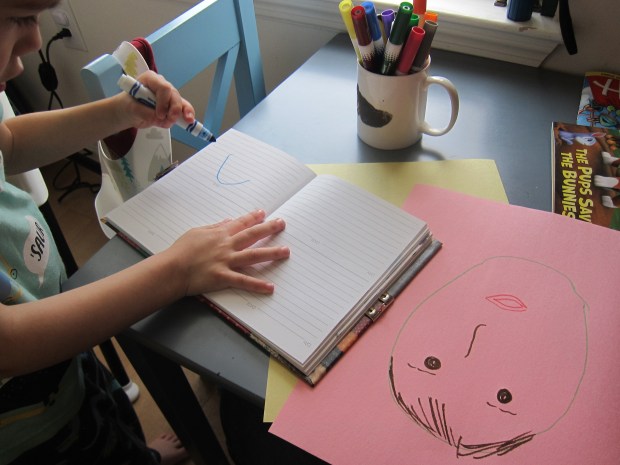
Next we tried drawing upside down portraits of ourselves. Travis had to think hard about which way his smile should face.

Upside Fun (6)

Next up was a round of backwards hopscotch. Kids can count the numbers backwards (great math practice!) or jump backwards, or both!

Upside Fun (1)

What other ways can you think of to have a backwards day? Backwards secret messages perhaps? Whatever it is, please share in the comments!

Write Your Own Storycube Myth

Myths (6).JPG

This DIY storycube idea is a cute way to help kids understand what a myth is, and then write their own! You can purchase storycubes, but we had fun making our own simply using slips of paper with little pictures.

First, Travis and I played a game of telephone. I whispered a word to him, and he whispered back what he heard. Obviously “telephone” works best with multiple people, but even in our phone call for two, we went from “Firetruck” to “A truck.” It set the stage perfectly to talk about myths: how they are stories told from person to person, but ones that get changed or garbled over time!

We ran through the four basic types of myths:

  • Creation myths
  • Nature myths
  • Hero myths
  • Gods and goddesses myths

Then we talked about some purposes of myths:

  • Explaining the origin of something
  • Teaching a moral lesson
  • Explaining a historical event
  • Revealing common feelings or hopes

For an example, you can watch a read of Anansi the Spider on YouTube!

Myths (2)

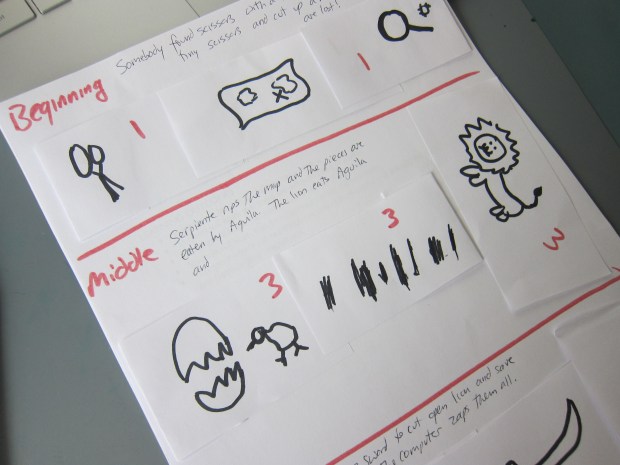
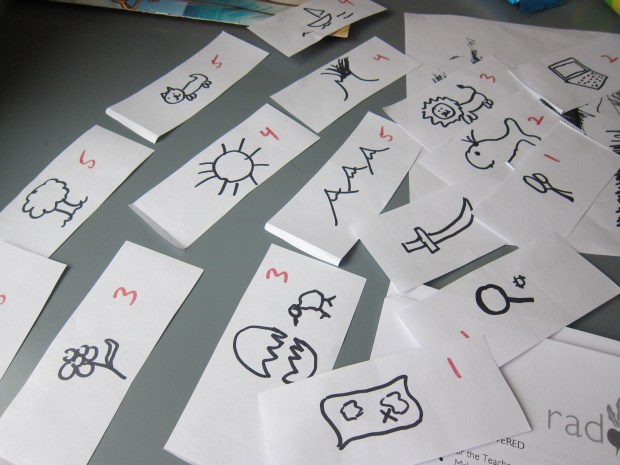
Now it was time to write our own myth. I set out slips with simple pictures for Travis. We had 18 strips, which I numbered 1 through 6 (so there were three slips corresponding to each number). Then we divided a piece of paper into three parts, and I had Travis talk me through the basic parts of a story: beginning, middle, and end.

He rolled a dice for the beginning, getting a number 1. We taped on the three slips with the number one. Repeat for the middle and end of the story.

Myths (4)

Now it was time to write our myth. Our 1s were: a magnifying glass, scissors, and a map. I was so proud of Travis leaping in. He told a story of how someone use the scissors to cut the map and so the pieces were lost! Already we had intrigue and a problem to solve.

It did get a little sillier from there (working in characters from his most recent favorite cartoon movie), but for a 4 year old, I was impressed he picked up on the nuance of what we were doing. Big kids can really have fun with these myths, or even complete each other’s stories to highlight the way myths change over time.

Myths (5)

All of this was in connection with a Raddish Kids recipe about the pot of gold at the end of the rainbow – a timely myth, since we’re on the lookout for rainbows this rainy April! We finished up the lesson with a few myths from the library, which made for great bedtime stories.

Myths.JPG