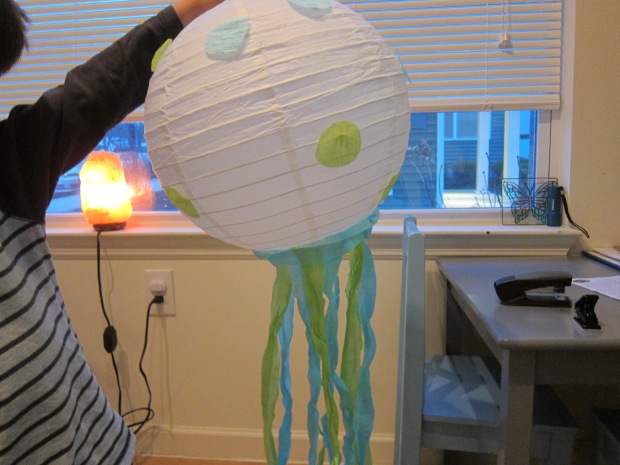
Jellyfish Lantern

jellyfish lantern (8)

It’s getting hard to impress Travis with crafts these days; let’s be honest, we’ve done a lot of them! It seemed like time for new materials – hence this awesome paper lantern jellyfish. It is by far the coolest jellyfish we’ve made together, and we’ve done a few in the past.

Travis remembered seeing paper lanterns from a summer festival back in August, and was so excited when I announced I had one for our craft. He needed to play with it first, of course!
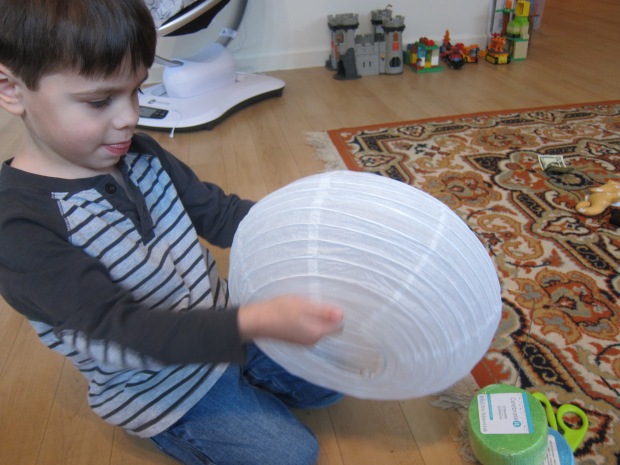
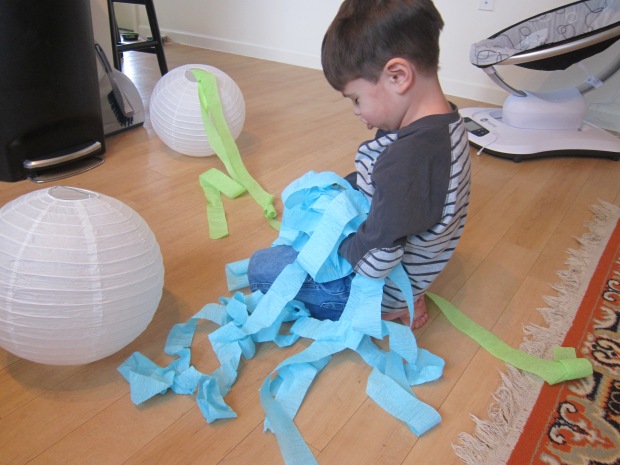
jellyfish lantern (1)Next we needed crepe paper for the tentacles… It wasn’t long before we had crepe paper madness in the house, too!
jellyfish lantern (2)

I was happy to see him have so much fun, while I made sure to save enough pieces of equal length to be the tentacles.

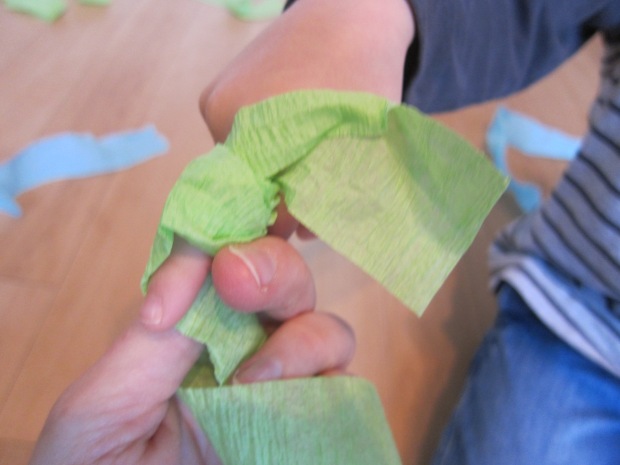
Next I showed him how we could change the look of the crepe paper by wrapping around a finger. This gave the tentacles great texture!
jellyfish lantern (3)

Glue the tentacles around the bottom rim of the lantern. Add a final piece of crepe paper in a circle around the rim, to hide all the edges. Let dry.
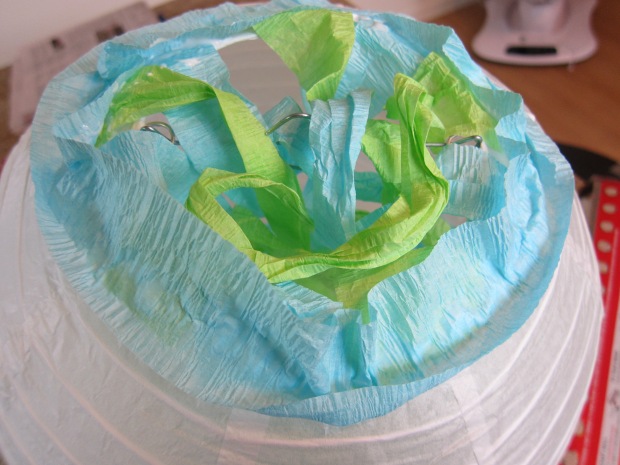
jellyfish lantern (4)

We also cut a few circles from additional crepe paper to be spots on the jellyfish. So pretty!
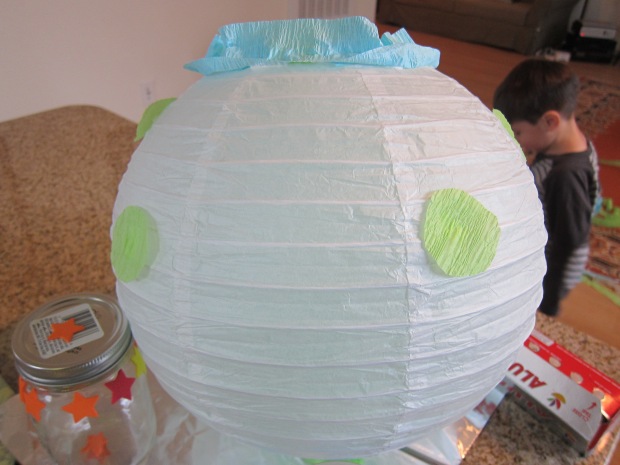
jellyfish lantern (5)

Travis couldn’t wait for it to dry, after which the jellyfish was instantly a prop in his games.
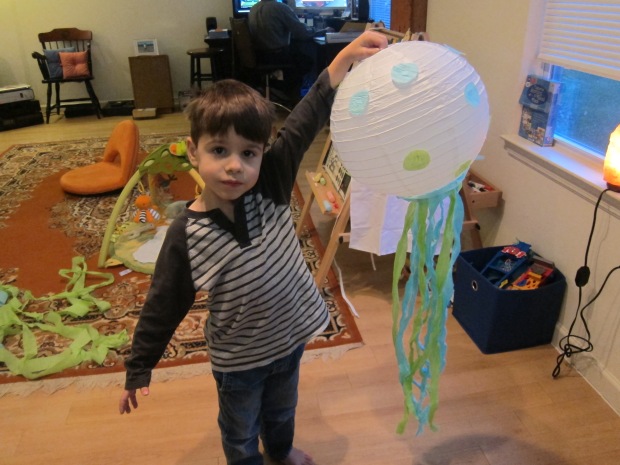
jellyfish lantern (7)

Once he lets go, we’ll hang it from the ceiling for a beautiful ocean corner of his bedroom.

jellyfish lantern (6)

Fluffy-Paint Collage

Fluffy Paint (13).JPG

We tend to think of sensory art projects as toddler games, but sometimes, even four-year-olds just need to get messy! Queue this shaving cream paint project, a great suggestion from High Five magazine, that absolutely delighted Travis.

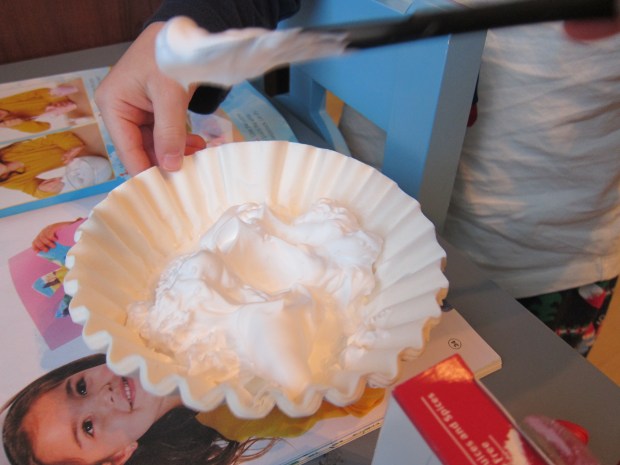
To make our fluffy paint mixture, we first mixed 1/2 cup white glue with 1/2 cup shaving cream (thanks Daddy!) in a bowl.

fluffy paint (2)

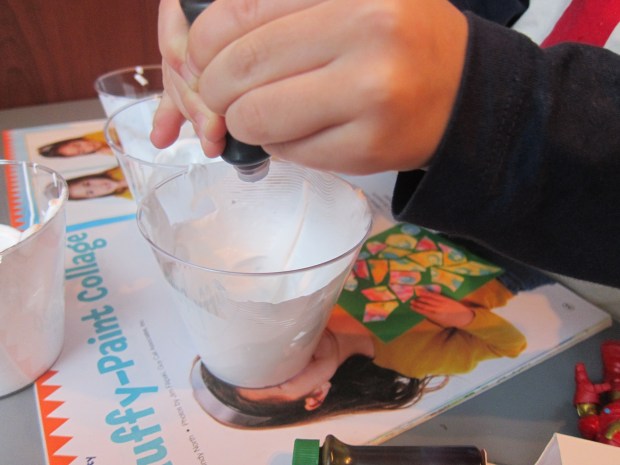
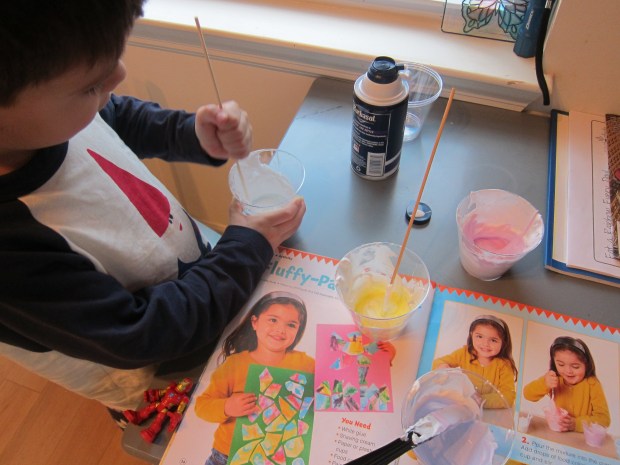
Stir until combined. Divide the glue into cups (as many different ones as you have colors). Add drops of food coloring, and stir until mixed.

fluffy paint (3)

Travis loves to play mixologist like this!

fluffy paint (4)

We smeared our puffy paint over two thick pieces of watercolor paper (card stock would work, too). Let dry completely.

fluffy paint (5)

Travis loved this step so much he requested extra cups of shaving cream to stir and tint with color. I was happy to oblige!

fluffy paint (6)

Later in the afternoon, it was time for some fine motor skills. First, we had to check out how the dried paint felt. Very puffy!

fluffy paint (9)

We cut the puffy pictures into pieces.

fluffy paint (10)Travis was proud to cut his paper any which way, and I made a few more exact shapes – circles, squares, triangles etc.
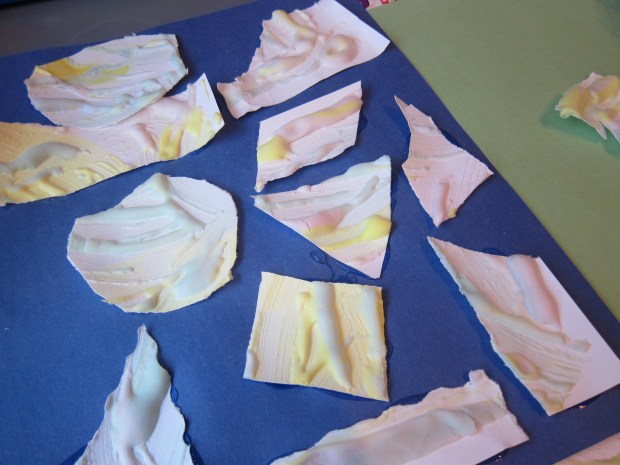
fluffy paint (11)

Choose a piece of colored construction paper for a background, and glue down the pieces with clear glue for a creative collage. Older children may want to be very deliberate, and design flowers or other motifs. Travis just loved making piles of clear glue!
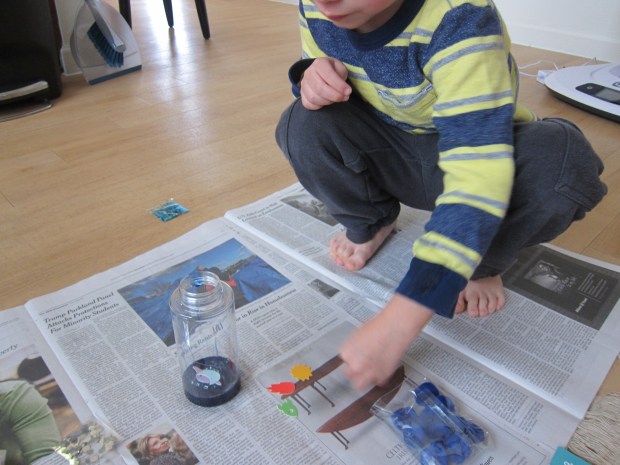
fluffy paint (12)

Once again, he loved this step so much that when we were done, he asked for extra paper to cut up and glue down. I loved seeing him so busy!


Painted Star Jar

painted star jar (4)

The quest to quell Travis’s fear of the dark continues, and today we put together this great nightlight. Agency over the project and final product hopefully will help a four-year-old (or a child of any age!) feel safe in their room at night.

painted star jar (1)

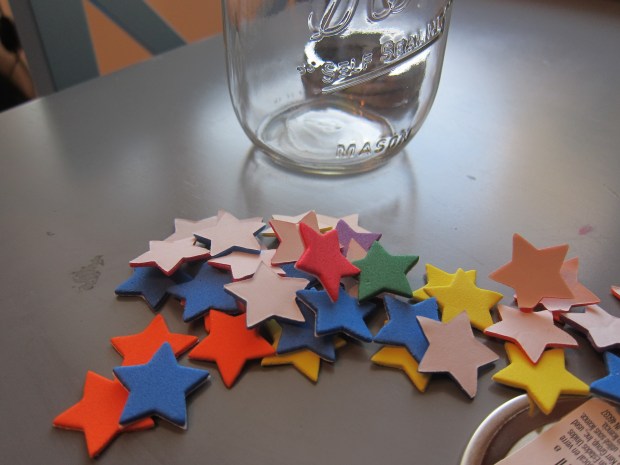
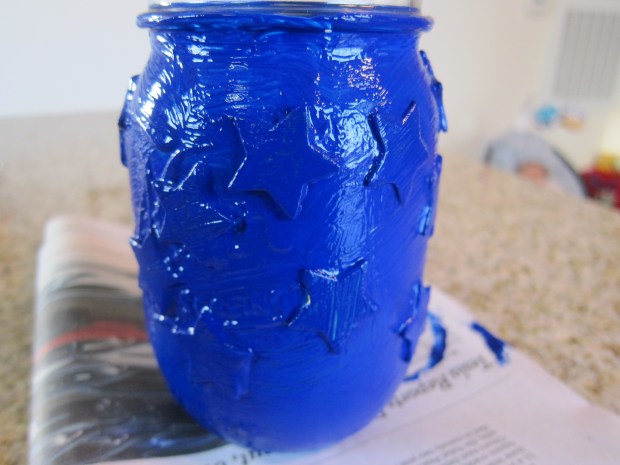
First, we covered a mason jar with star stickers. Foam star stickers worked great, and peeled off easily when the time came. I’m not sure how well other stickers would work.

painted star jar (2)

Travis enjoyed this step so much that he insisted on covering a second jar in stickers, even though that one wasn’t going to be a nightlight!

We then covered the jar in a coat of pretty blue paint. We used tempera paint; make yours acrylic if you hope it will last a long time.

painted star jar (3)

Let dry completely, then peel off the stickers to reveal beautiful star shapes left behind.

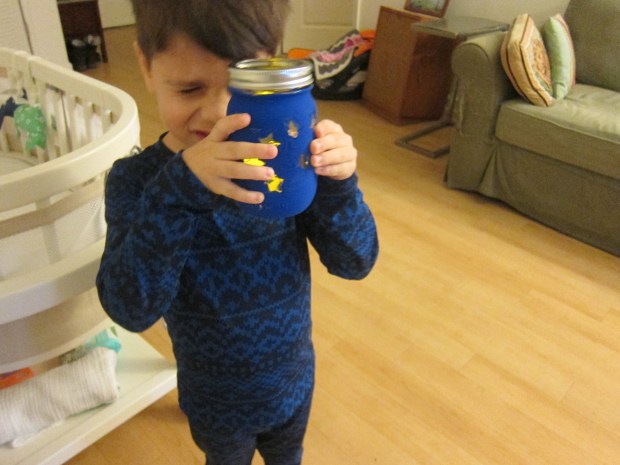
At bedtime, slip a battery-operated tea light into the jar for a beautiful glow. Here’s to a good night’s sleep!

painted star jar (5)

Map the Stars

Map the Sky (3).JPG

Travis has been a bit afraid of the dark lately, and we’re working on making his room feel safe at night. These glowing star pictures were the perfect activity to make the dark less scary!

First, we needed to paint backgrounds for a night sky, on sturdy watercolor paper. I suggested a mix of blue and black, but Travis insisted on using only black for his backdrop. “Because I made it too late, Mom! It’s not twilight, it’s pitch black.” I couldn’t argue with that!

map the sky (1)

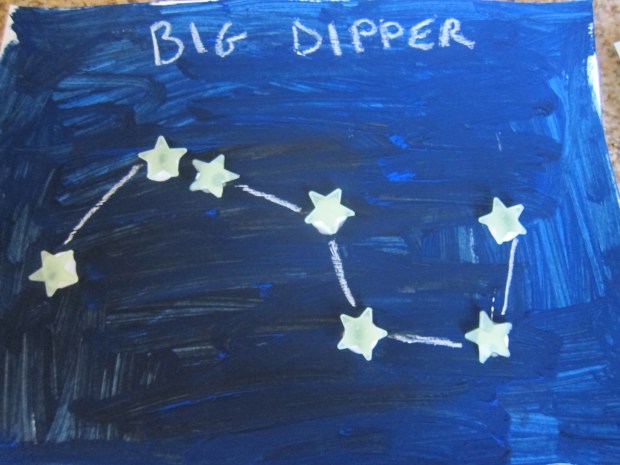
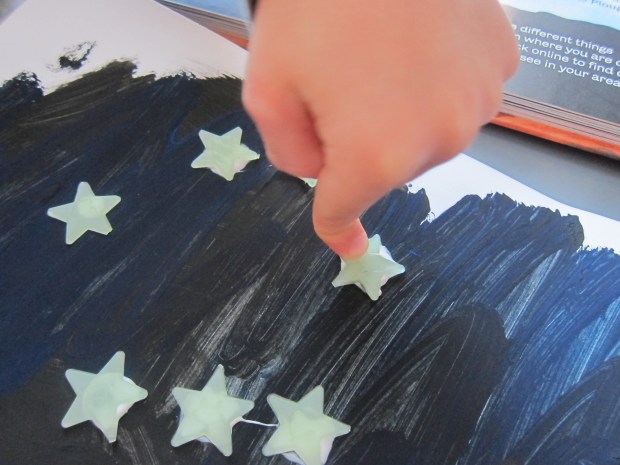
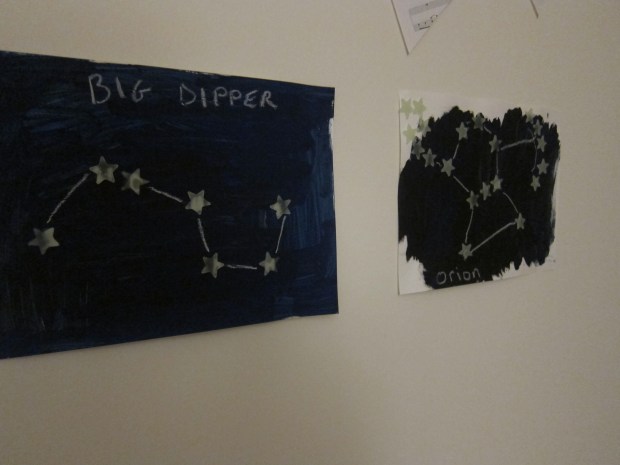
We left our backdrops to dry while he was at school. When he returned, I set up a page from Usborne’s Big Book of Stars and Planets showing constellations. We selected Orion, and I had him count the stars in each portion (the belt, the shoulders) as I added a drop of glue for each.

Affix a glow-in-the-dark star to correspond to each point.

map the sky (2)

To finish each picture, we drew lines in white chalk connecting the stars.

map the sky (4)

Now we had beautiful starry pictures for his wall! Make sure to leave a bright light source near the pictures until just before bedtime, then turn them off and watch the room glow.

map the sky (5)

Cardboard Tube Star Garland

Star Garland (8).JPG

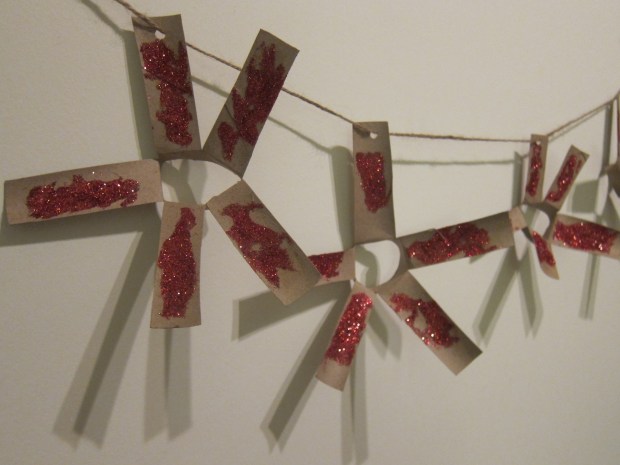
January always feels so sad after the holiday decorations come down – so why not leave some sparkle up in your home to brighten the dark winter days? To wit, this glittery star garland added shimmer and shine to the wall that held our holiday cards, up until a few days ago. Enlist your kids and you’ll have a fun afternoon project before school starts back up again!

Star Garland (4)

You’ll need paper tubes to make the garland, either toilet paper rolls or paper towel rolls; for the latter, cut the tube into thirds.

Travis helped use grown-up scissors to make five slits in each tube, nearly to the edge. Fan out the slits and you have a star shape.

Star Garland (2)

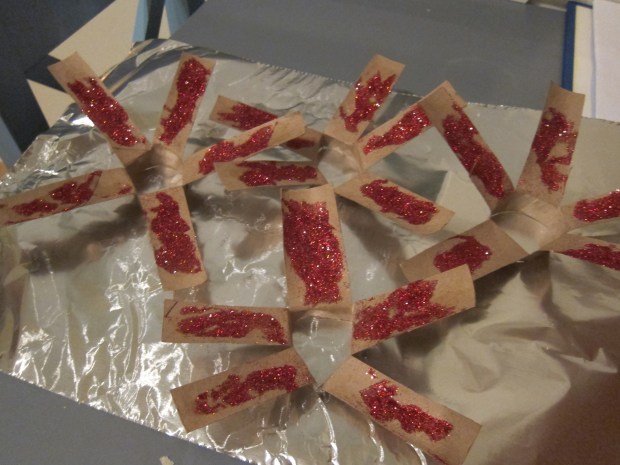
We smeared a glue stick on each of the five arms, and pressed into a plate of glitter, one at a time.

Star Garland (3)

Set aside to dry. Because we used a glue stick instead of white glue, it dried fairly quickly.

Star Garland (5)

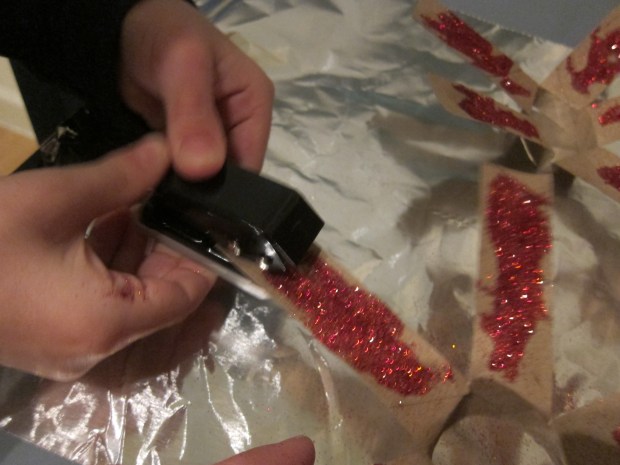
Travis got to use his new one-hole punch on one arm of each star.

Star Garland (6)

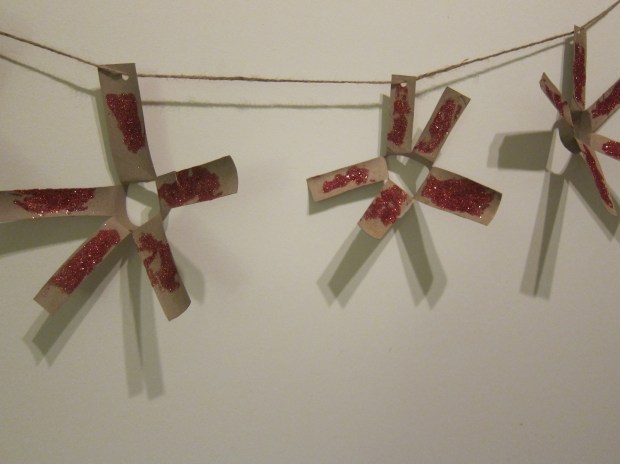
Thread a string or twine through the holes, and mount on a doorway, window, or wall for sparkly decoration.

Star Garland (9)

Happy January!

Star Garland (7)

Edible Constellations

Edible Constellations (4)

Travis and I put together this super smart snack on the heels of fun starry night exploration. Your kids get a sweet treat plus an astrology lesson – a win-win!

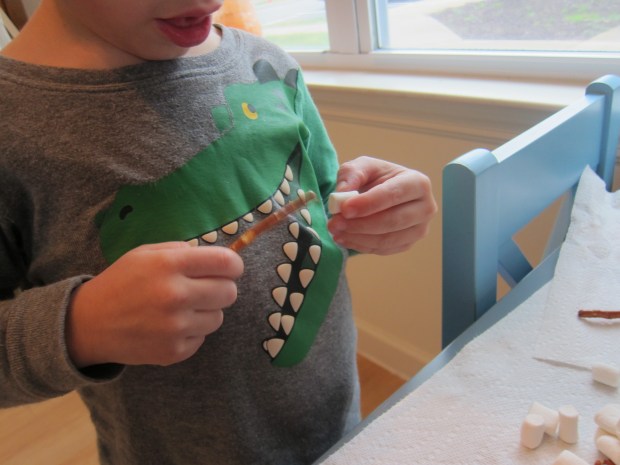
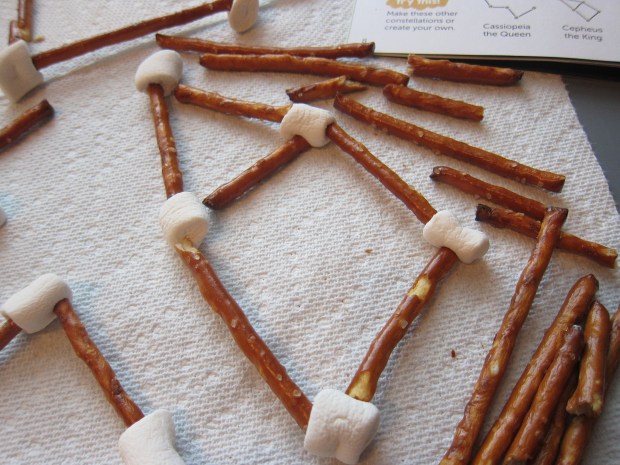
Using Dandies mini marshmallows and pretzel sticks, we mapped out what the Big Dipper would look like. Attach 1 marshmallow to the end of a pretzel stick for each star.

Edible Constellations (2)

Repeat three times to make a square.

Edible Constellations (3)

Stick a fourth “star” into the marshmallow at the upper right corner to begin the Dipper’s tail.

Break a pretzel stick in half, and add two smaller pieces of pretzel + marshamllow to complete the constellation.

Travis watched as I tested out a couple of others, too, including Cassiopeia (the Queen)…

Edible Constellations (5)

… and Cepheus (the King). These didn’t last long before they were gobbled up!

Edible Constellations (6)

I noticed he wasn’t eating the Big Dipper, and asked if he wanted more of his snack. He said he didn’t want to ruin our constellation!

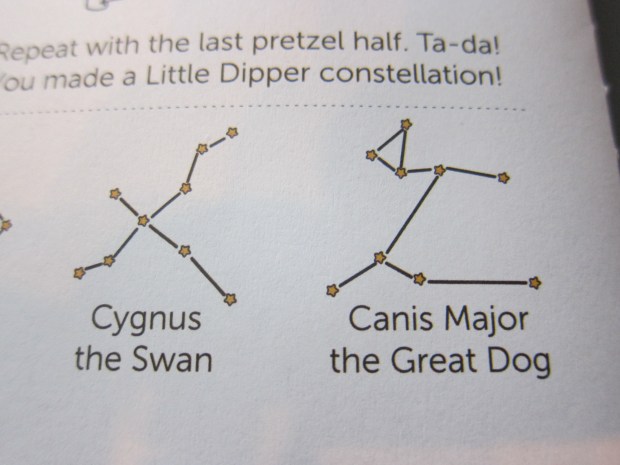
If your kids want to get even more creative, test out Cygnus (the Swan) or Canis Major, too.

Edible Constellations (7)

Travis wanted to know if we could make Orion (which he calls Bow Hunter), next, and I was so proud he remembered that constellation without any prompting.

Edible Constellations (1)

Happy snacking!

Starry Night Crate

Starry Night Crate

The Starry Night crate will be Travis’s very last Koala Crate; I can’t believe my baby is going to be a “graduate”! I considered this crate a real test, then, to make sure he’s mastered the Koala and is ready for Kiwi (aimed at 5- to 8-year-olds).

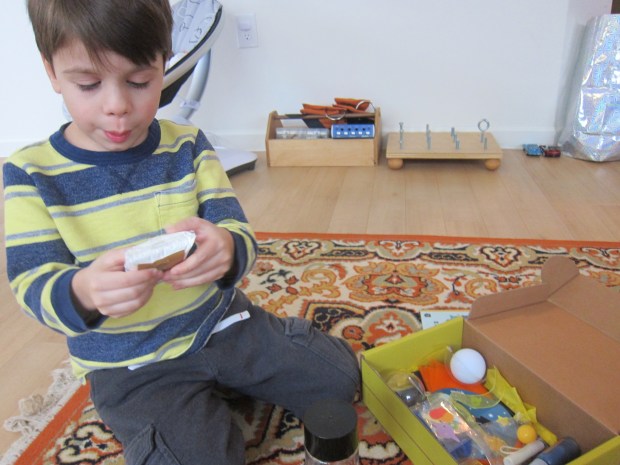
He immediately knows when a crate has arrived, and needs to get his hands on the materials. When I told him the air-dry clay inside was for the moon, he noticed bubbles in it and declared, “Look, craters!”

Starry Crate (1)

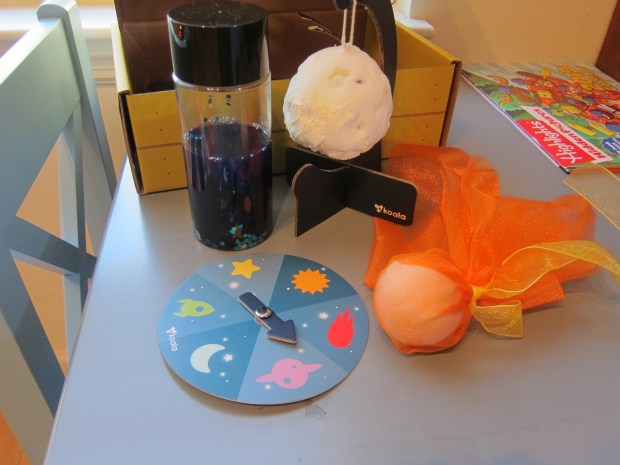
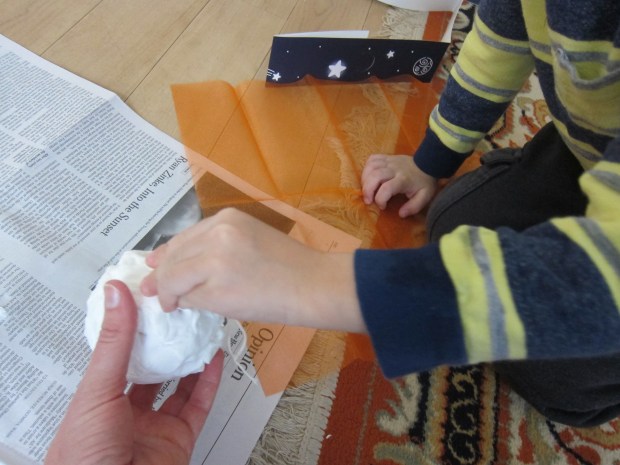
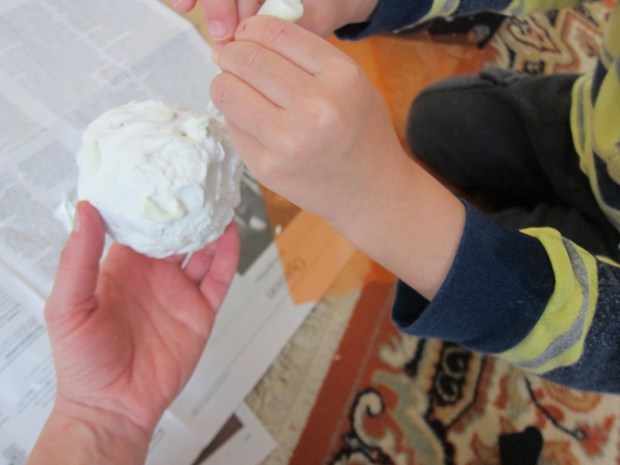
So along those lines, first up was the Glowing Moon. Press the air-dry clay over the surface of a provided ball, until it’s as even as you can get it. As a slight flaw, the clay was very sticky. I’m not sure it was supposed to be – Travis may have warmed it up in his hands through the package! But it made the spreading quite difficult. We did then use the provided hard ball to make “craters.”

Starry Crate (3)

This was a neat science lesson for kids, since real space debris hitting the moon makes real craters, in imitation of their miniature version.

Next dab on glow-in-the-dark paint.

Starry Crate (4)

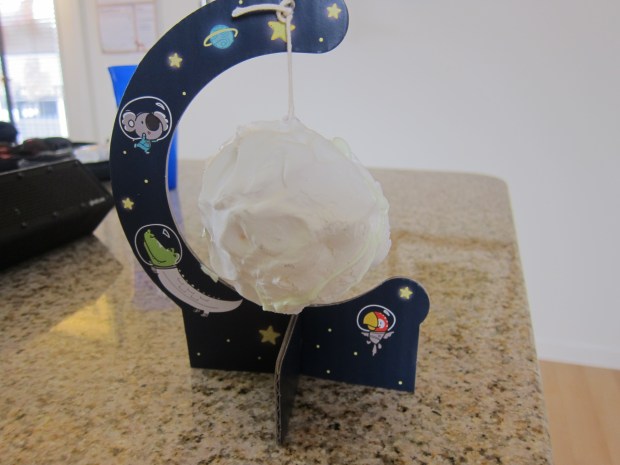
We waited for the moon to dry, then hung it on the provided cardboard stand and watched it light up in his room. Very neat!

Starry Crate (9)

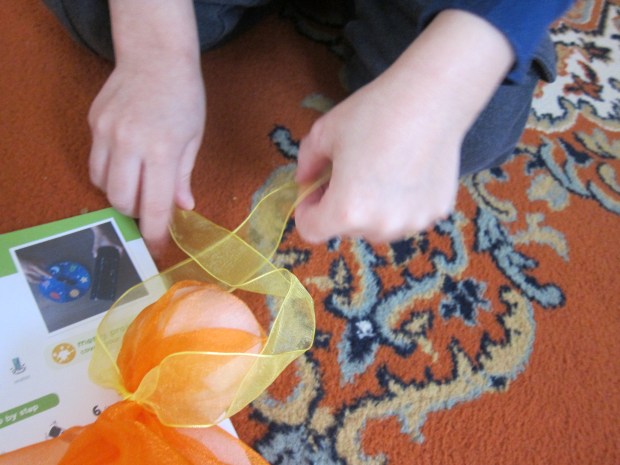
The second activity was a Meteor Toss; Travis was super excited to learn there was a game in this crate, not just crafts. All you need to do is drape the provided fabric over a small ball, gather it up, and tie with a ribbon.

Starry Crate (6)

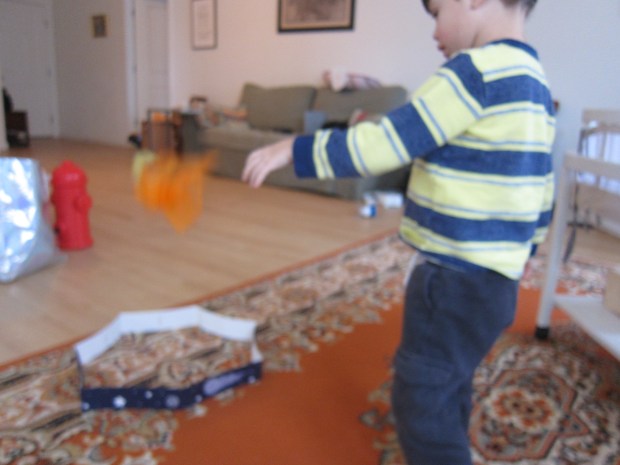
Travis has just recently begun lacing up shoes, so proudly did this step alone. Now set up the cardboard “galaxy” and take aim.

Starry Crate (7)

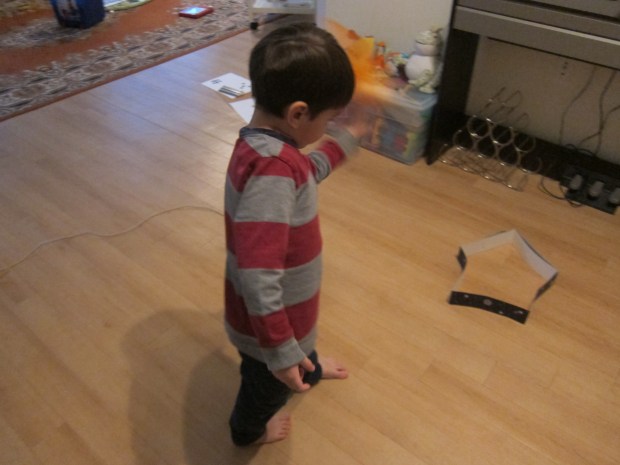
Travis enjoyed the challenge of making the universe successively smaller, or standing further away. If you like, keep score!

Starry Crate (17)

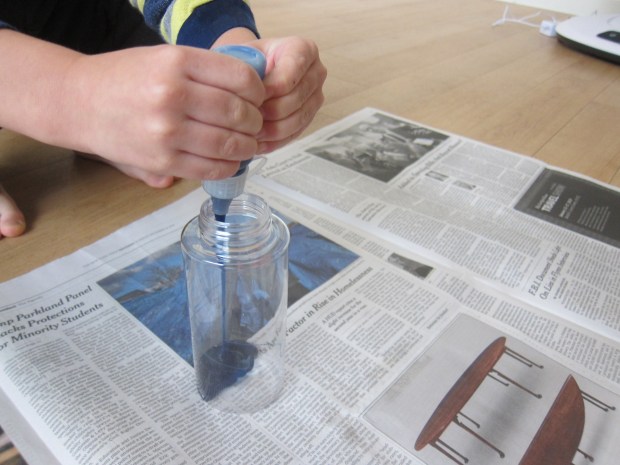
Finally, we put together the Galaxy Bottle. First, squirt blue glue into the bottom.

Starry Crate (10)

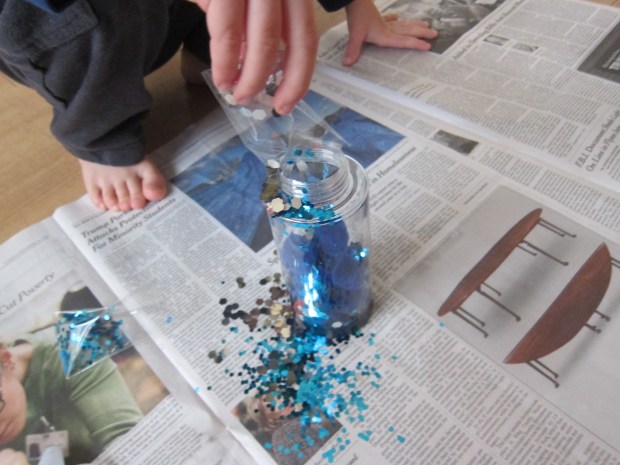
Next add pom poms and space objects (planets, stars, etc.). Then it’s time to add two colors of glitter, which Travis loved.

Starry Crate (12)

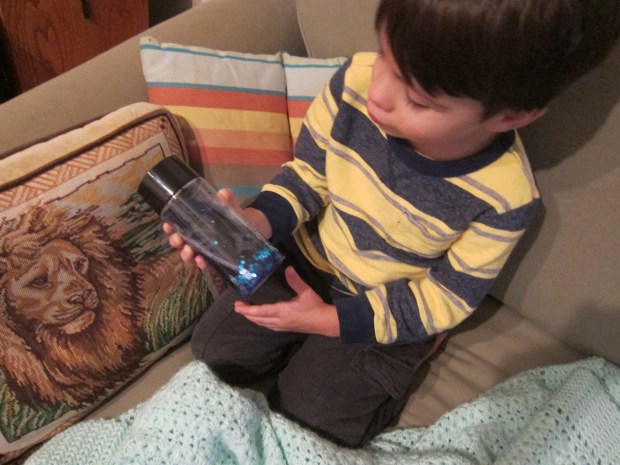
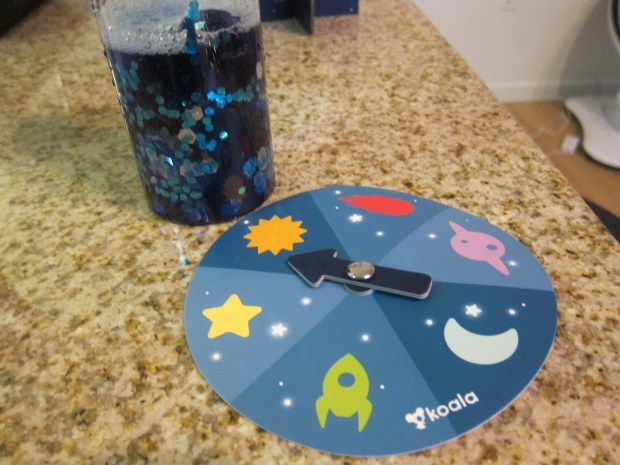
I filled the bottle about two-thirds full with water, and we could play the suggested activity. Use the spinner, then tilt the bottle to find the objects floating in space.

Starry Crate (15)

This was another neat science lesson, since I pointed out to Travis how hard an astrologist’s job is, to locate far off things like galaxies and supernovae among all the black of outer space.

Starry Crate (14)

As a cautionary note, you may want to glue the lid on the bottle – it is very brave of Koala to assume kids won’t try to unscrew the cap!

Starry Crate (11)

Again, this was our farewell crate. Stay tuned for the first post on Kiwi Crate in the new year!

Magic Reindeer Food

Reindeer Food (6).JPG

It’s Christmas Eve! Reindeer might like carrots, but you can also try this magical mix to guide Rudolph and his team right to your home. Kids will love the sparkle and magic of the project.

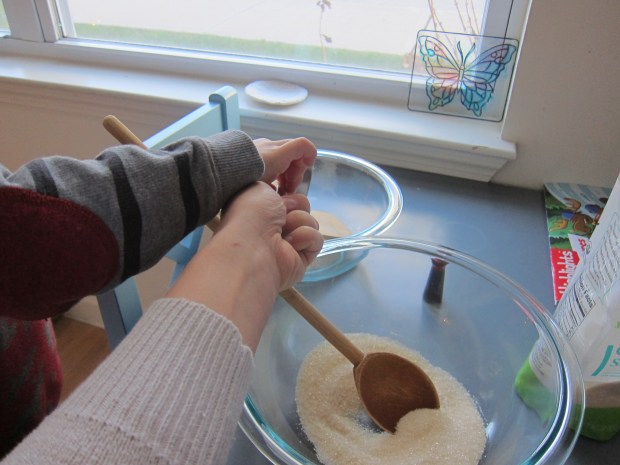
Travis and I set out two bowls, and added 1/2 cup sugar to each.

Reindeer Food (1)

In one, we added drops of red food coloring, and we turned the other green.

Reindeer Food (2)

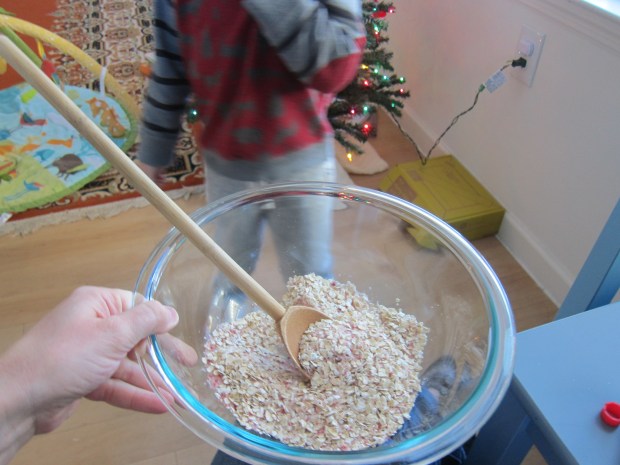
Stir in 1/2 cup oats to each bowl. Look at that sparkle!

Reindeer Food (5)

Your kid can taste the reindeer food if they want to, although Travis declined! It’s not that this version is perfectly edible, as opposed to using glitter, since any animals who nibble won’t be harmed.

Reindeer Food (3)

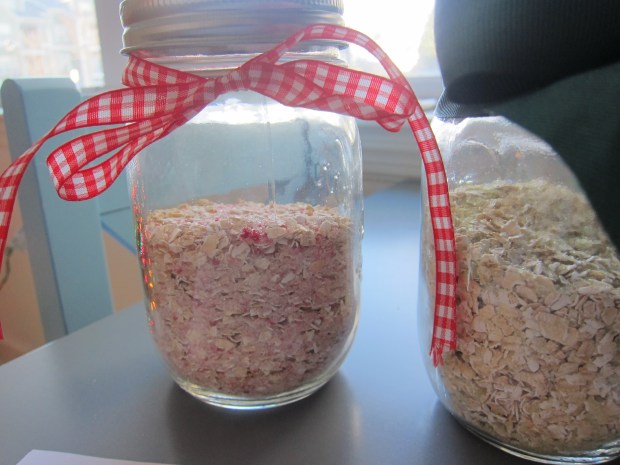
Pour the reindeer food into jars, and add a holiday ribbon for a nice touch.

Reindeer Food (7)

If you want to share the fun with friends or cousins, put some of the mix in a zip-top bag, along with instructions. We printed out this little rhyme:

Sprinkle this reindeer food outside tonight

The moonlight will make it sparkle bright

As the reindeer fly and roam

This will guide them to your home

Reindeer Food (9)

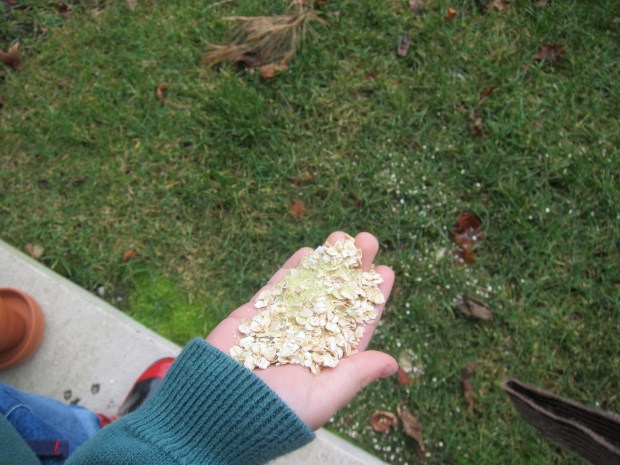
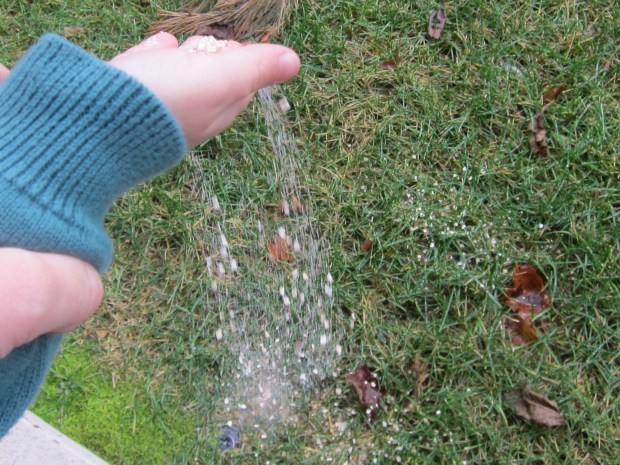
Before bed, we sprinkled some on our lawn. Travis loved shaking out big handfuls of it!

Reindeer Food (12).JPG

Now we wait for St. Nick!

Reindeer Food (10)


Feed the Frog

Feed Frog (7)

Ha, this activity is probably more suited to a creepy-crawly time of year like Halloween, but how do you keep a 4-year-old busy on the day before Christmas? With some good, spider fun, it turns out!

Travis spotted an old trove of spider rings in our craft bin, so we set up this game.

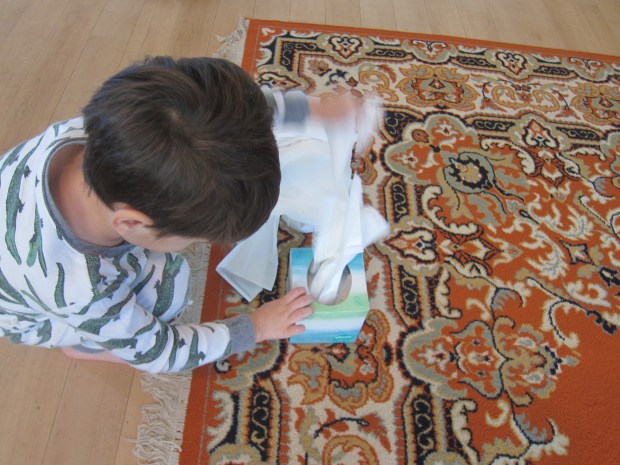
We needed a tissue box, and I let Travis go to town emptying the box and playing with the leftover tissues – something I wouldn’t normally encourage, but every once in a while, you need a sacrificial tissue box.

Feed Frog (2)

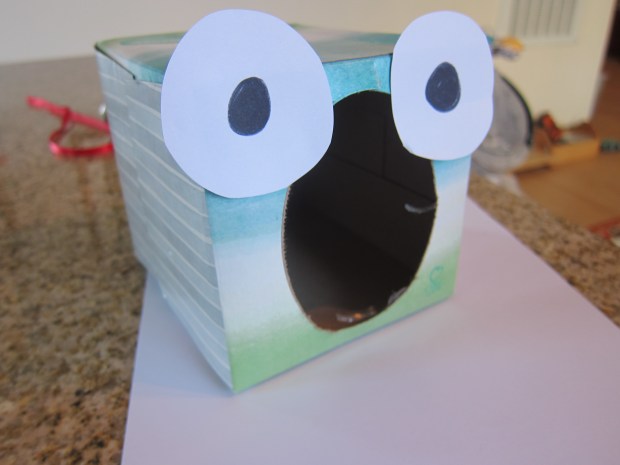
Ideally, use a green box. Ours had streaks of green as well as other colors, so I guess looked more like one of those tropical bright frogs – why not!

Feed Frog (3)

I made two big eyes for the frog, simply drawing black circles onto white paper and taping to the frog. Cut out the plastic around the hole of the tissue box, and your frog is ready to eat.

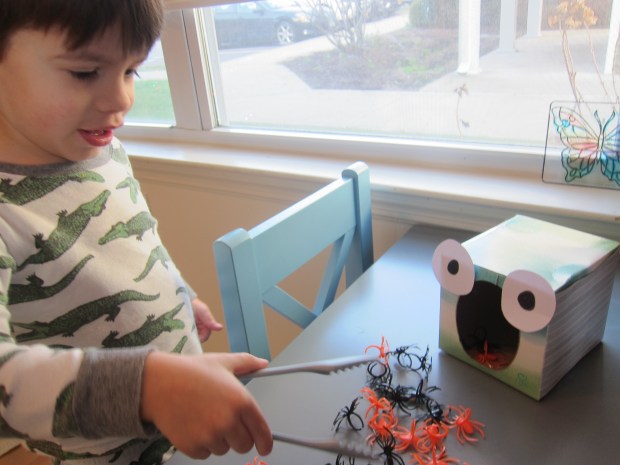
Present your child with the “frog”, a pair of tongs, and a set of spiders, and challenge him or her to feed the frog. Tongs are great for fine motor skills!

Feed Frog (4)

Travis would happily have done this all day. To throw in a little education, I asked if he could think of a pattern to feed the frog. “Black, orange, black, orange,” he suggested. Yes!

Feed Frog (5)

Next we tried rolling a dice, taking turns and feeding the frog the appropriate number of spiders.

Feed Frog (6)

When our frog got full, we simply dumped him out and started over.

Travis wanted other things for froggie to eat, so we found red pom poms, which he decided were poisonous bugs.

Feed Frog (8)

He even suggested we make a little mouth for froggie that could open and close, to keep all the food inside.

In sum, a great way to keep your kids entertained!

Host a Cookie Swap

Cookie Swap (7)

Travis doesn’t know it yet, but he’s about to receive a subscription to Raddish Kids as a gift this holiday season. Having gotten a sneak peak, I’m already impressed with the company. A suggested further activity from his upcoming December package was a holiday cookie swap. I instantly knew I wanted to make this happen, but it had to be quickly, even before he opens up his first box on Christmas morning. Could we pull off a cookie swap in just a few days? Yes!

First, we decided on a date for the party, then downloaded the invitation template and sent off to a few buddies. Come to Travis’s cookie party!

Cookie Swap (16).JPG

The day of the party, we set our computer to play holiday tunes…

Cookie Swap (2)

…and added festive decorations around a cookie table, including garlands, pinecones, and various crafts we’ve made this holiday season.

Cookie Swap (5)

We offered 4 kinds of cookies to our guests:

Classic Thumbprints

Peppermint Chocolate Brownie Cookies

Caramel Cracker Bark

and Snowball Cookies

Cookie Swap (10)

Now it was time for guests to arrive, each bearing their own plate of cookies!

Cookie Swap (6)

I recommend keeping things manageable – 3 to 8 friends, depending on your child’s age and the size of your home. Older kids may want to do an organized tasting, sitting down and rating each cookie. Little kids just loved running around and occasionally stopping to chomp a cookie! Meanwhile grown ups got to sit around, enjoy sweet treats, and chat.

As a couple of extras, we also added gingerbread men ice cubes to fruit punch for the kids, and I provided gift bags for everyone to take home the cookies they wanted.

Cookie Swap (14)

This was an absolutely perfect afternoon – I’m so thankful to Raddish for a suggestion I’d never have come up with otherwise, and can’t wait to see what Travis receives in his official first December kit. You can be sure there will be a blog post about it!