Simple Costume Design

Simple Costume (5)

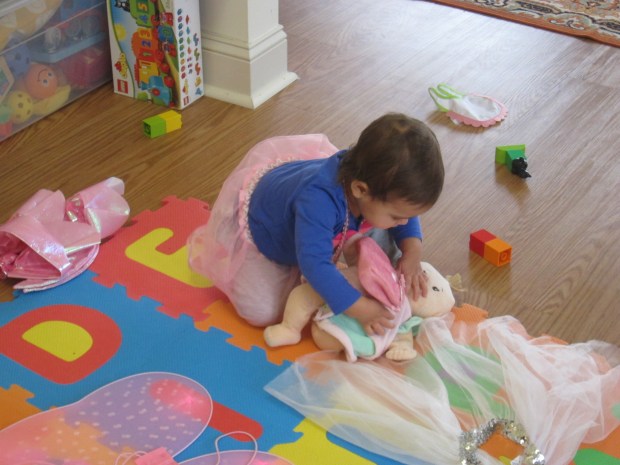
As someone who dresses purely for comfort, it has been a source of endless amusement to me that Veronika loves to accessorize. A spare sock, a random belt; whatever she finds lying around the apartment she immediately drapes over herself and strikes a pose. So today we had some costume fun, starting out with the simplest prop: scarves!

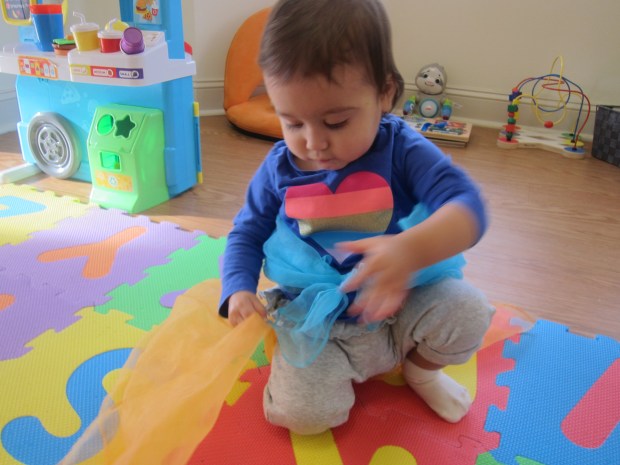
Play scarves can be so many things. I tied one around her waist for an instant “tutu”. You could tell she felt glamorous!
Simple Costume (1)

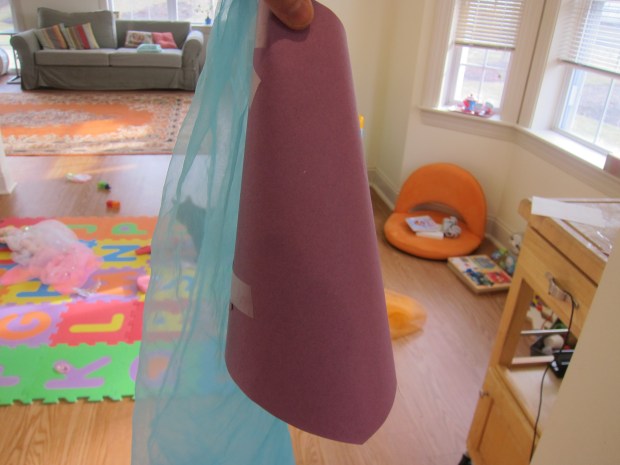
Then I made a simple medieval hat by twisting a piece of construction paper into a cone and taping a scarf on the top. It was a little wobbly, but she still loved it.
Simple Costume (8)

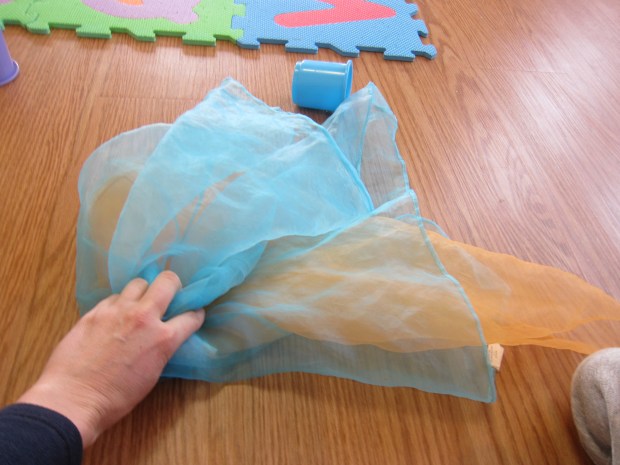
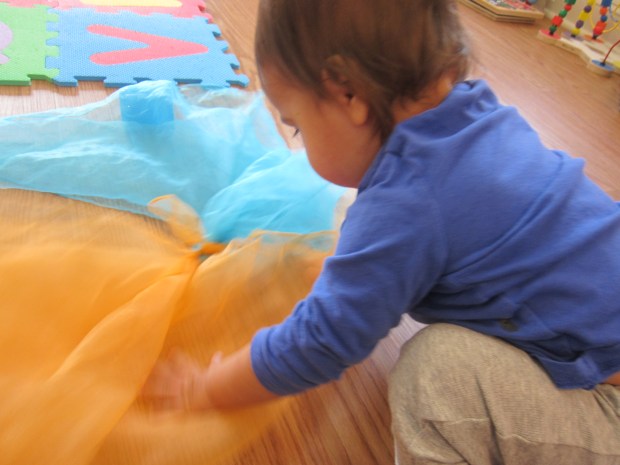
Scarves are great for further make-believe while your child is in costume. We tied two together and “swam” them through her noble court as fish.
Simple Costume (3)

She recently watched real fish in a tank, so loved saying the word as the scarves swam around us.
Simple Costume (2)

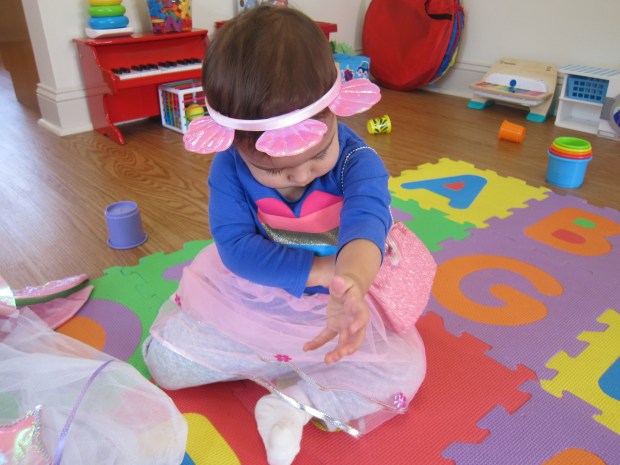
To further engage her imagination, we did then play dress-up with a kit. I stayed away from named characters, knowing that she would love draping herself in lace, beads, and fancy headgear from a generic boxed set. And did she ever!
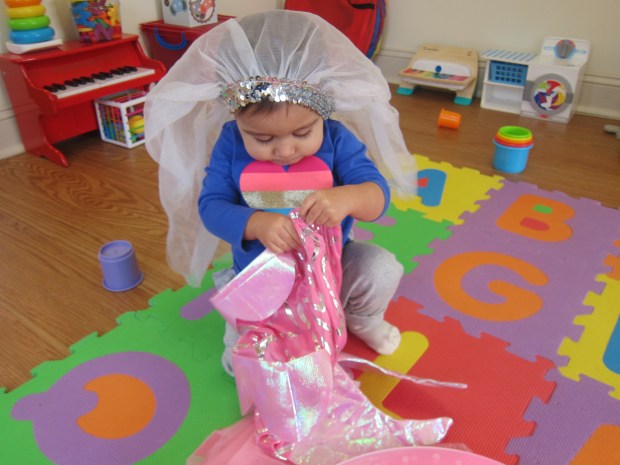
Simple Costume (4)

Whether it’s as simple scarves or more complicated like purchased dress-up, play clothes are great fuel for the imagination.
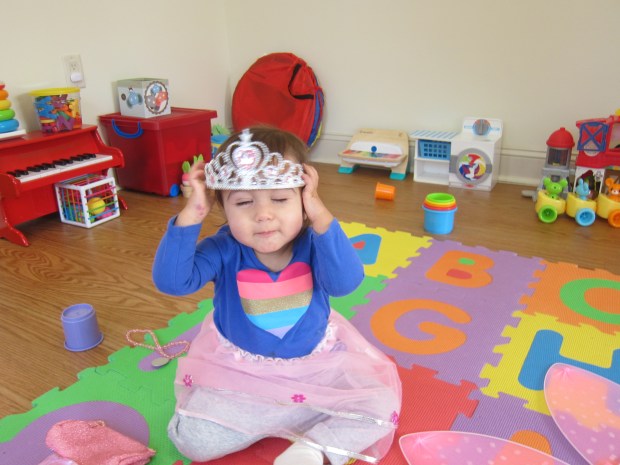
Simple Costume (6)

She wanted to dress “Baby” up, too!
Simple Costume (7)


Northern Lights Illuminated

Northern Lights (8)

With a few Swedish recipes to prepare from Raddish Kids this month, Travis and I sat down to learn about the Northern Lights, a neat STEAM lesson alongside the Swedish cuisine.

I started be asking him to picture dancing lights in the sky, and he immediately got very silly imagining twirling reds, greens, and blues. But I told him this really exists! An informative website and video helped him visualize and understand the concepts further. Help your child walk away with new vocab, like solar flare and solar wind.

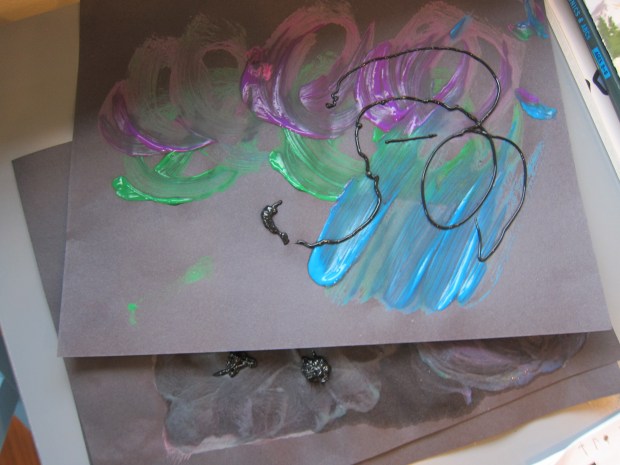
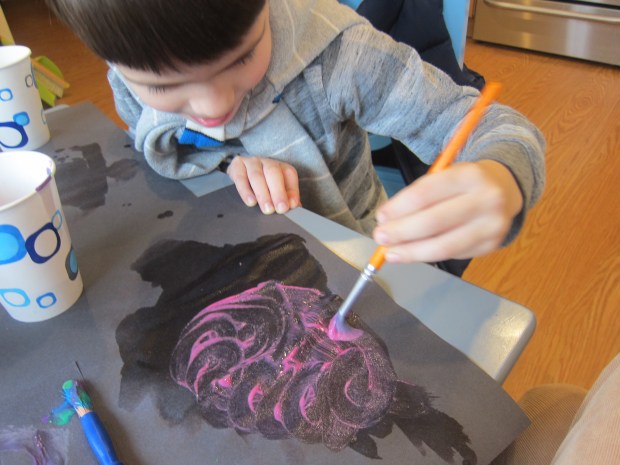
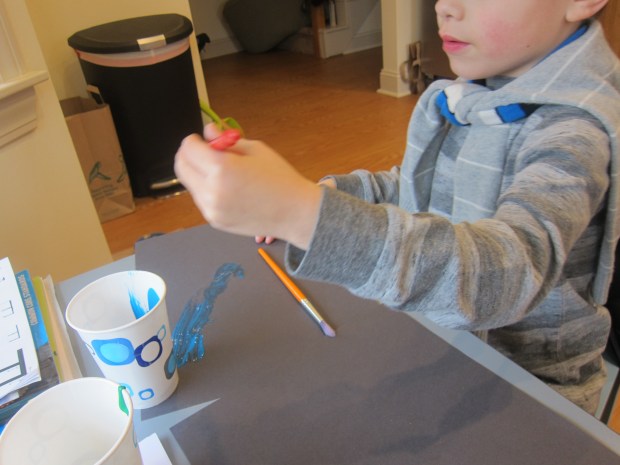
So now it was time to paint the northern lights! Using black construction paper as our background, I invited Travis to craft the lights however he felt inspired. He started with blue paint…

Northern Lights (3)

…but soon liked the way that just water looked when swirled on the black page.

Northern Lights (5)

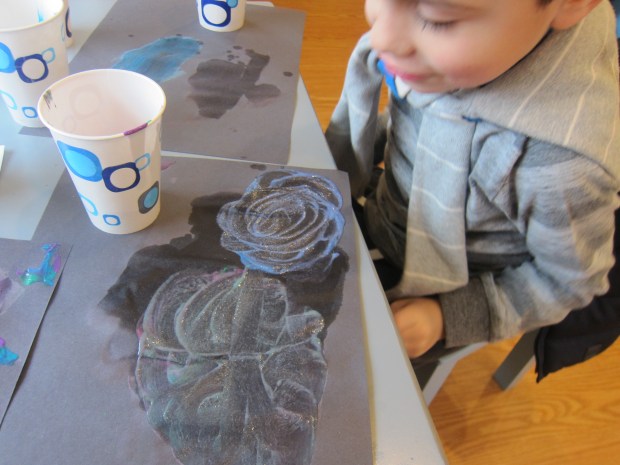
He added in a bit of color, then more water, for a very ethereal effect.

Northern Lights (6)

As we painted, we listened to ambient music from Mannheim Steamroller. Once he finished painting, it was time to dance and be the auroras.

Northern Lights (1)

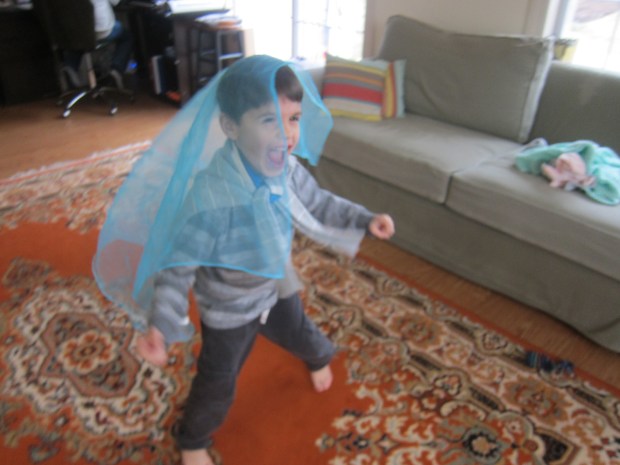
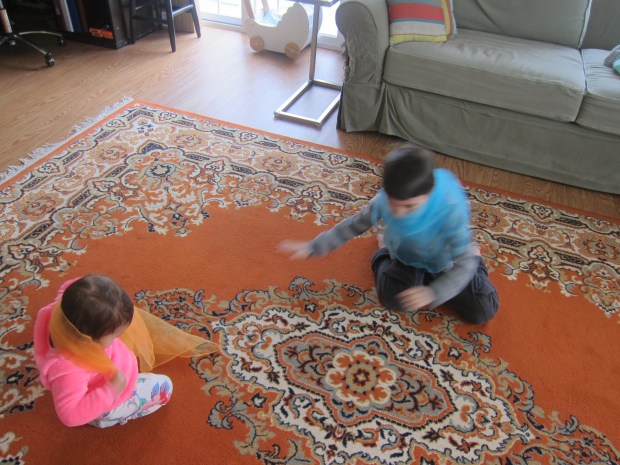
With scarves as props, he got really into his swirly, twirly, silly dance moves. And so did little sister!

Northern Lights (7)

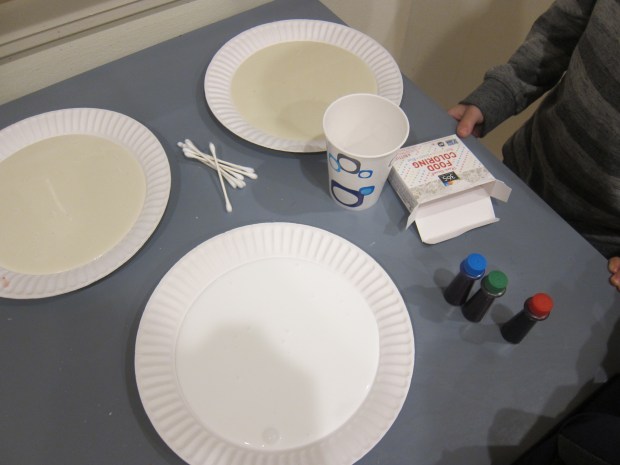
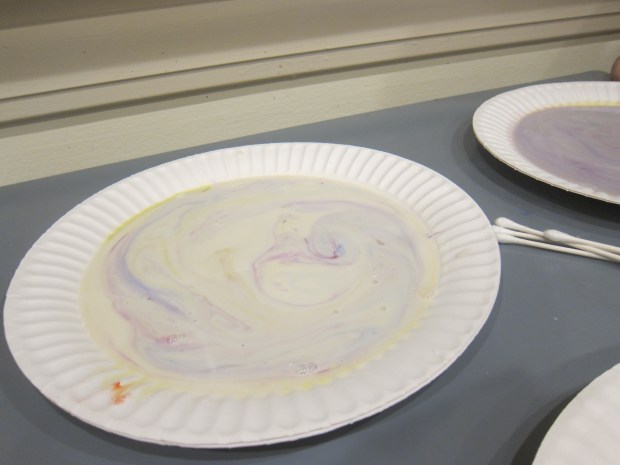
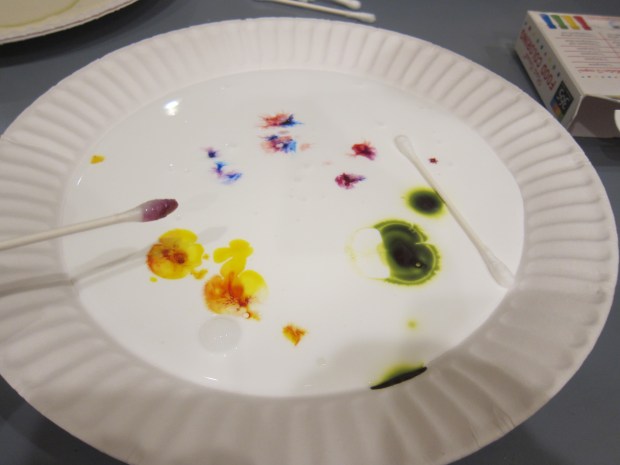
For a final scientific component, we made the “Northern lights” in food coloring and oat milk. Set out paper plates filled with the milk and add a few drops of food coloring to each.

Northern Lights (9)

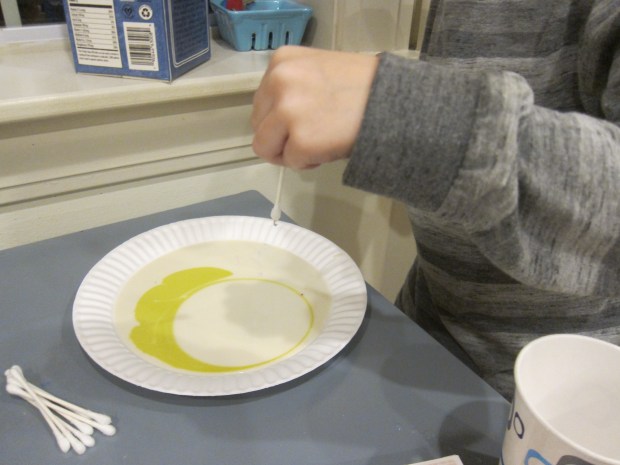
Dip a q-tip into dish soap, then touch this to the milk. The food coloring will dance and skitter and mix.

Northern Lights (10)

This had a big wow factor. I had hoped for it to be a little bit of a science lesson, thinking there might be a difference between our full fat and low fat oat milks in the fridge, but unfortunately that wasn’t the case.

Northern Lights (12)

For variation, we tried it in glue, too. (Note: You can let a glue version dry for a full week, then pull it off the paper plate and hang as a “suncatcher.”

Northern Lights (11)

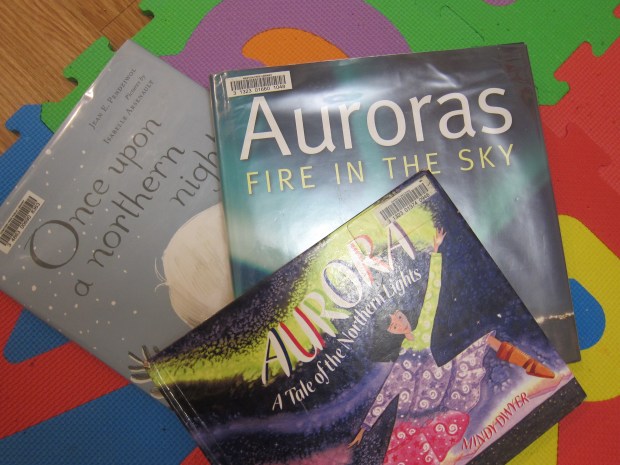
Last up was a little bedtime reading from the library. Check out Once Upon a Northern Night by Jean Pendziwol; Aurora: A Tale of the Northern Lights by Mindy Dwyer, or Auroras: Fire in the Sky by Dan Bortolotti.

Northern Lights alt

I loved that this lesson got Travis to learn, to create, and to get active!


A Magnetic Polka Dot Sensory Bag

Magnetic Dot Sensory (5)

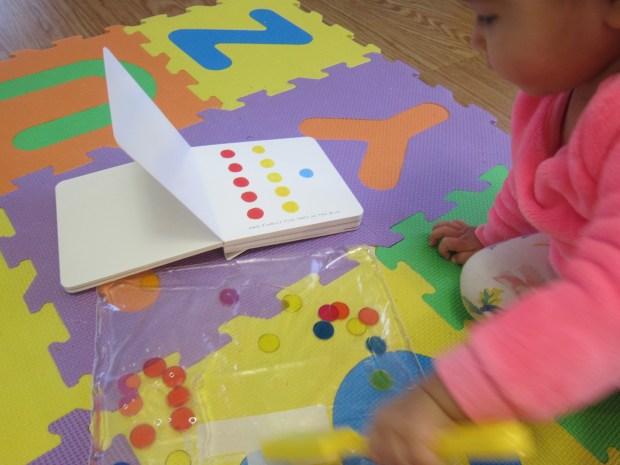
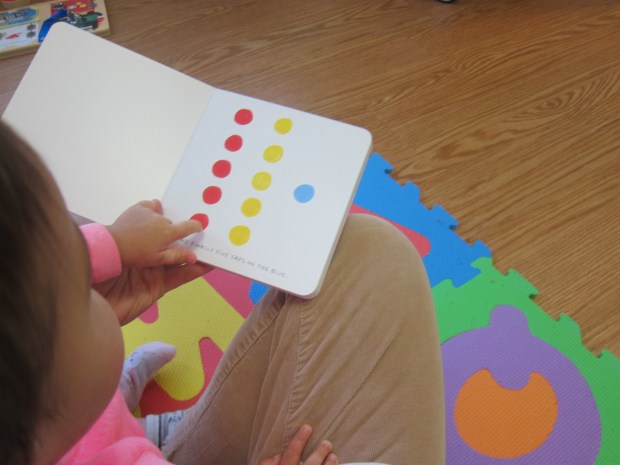
The inspiration for this sensory bag was the book Press Here, one of big brother’s favorite books from a young age, and one that never gets old.

Today I read the book with Veronika for the first time, and although she is on the young side for it, she delighted in the actions: tapping on dots, blowing on pages, and especially clapping at the end.

Magnetic Dot Sensory (1)

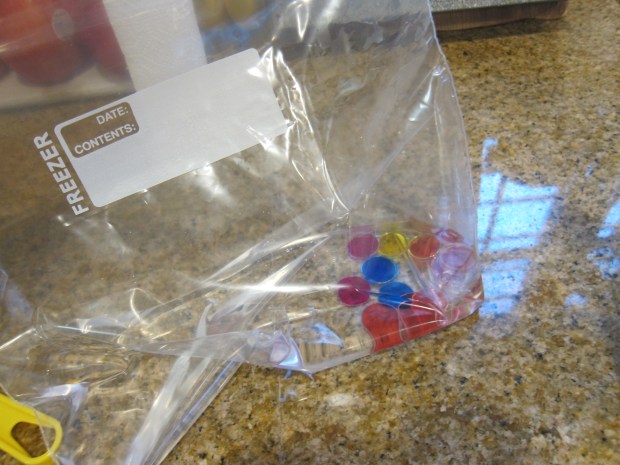
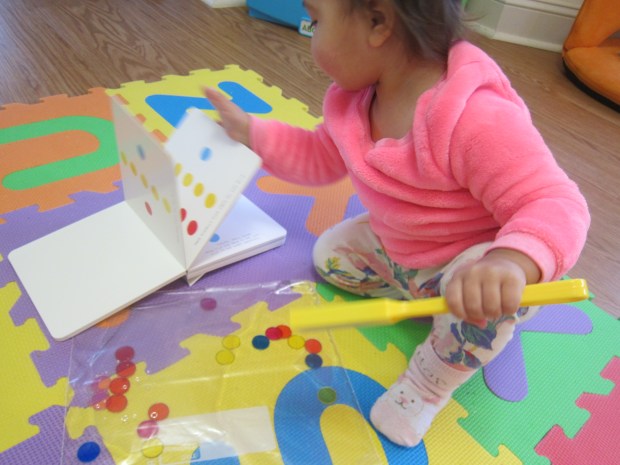
But we weren’t finished when the book was done; the fun had only just begun! Using magnetic discs and a wand from a magnet set we have, all I needed to complete the activity was a gallon-sized zip-top bag. I added just a little water to the bag, and then sprinkled in the discs. In keeping with Press Here‘s primary color scheme, I used only red, yellow, and blue ones.

Magnetic Dot Sensory (2)

Note: If you’re playing this game with a preschooler, this is a great chance to color sort, first, before adding the discs to the bag!

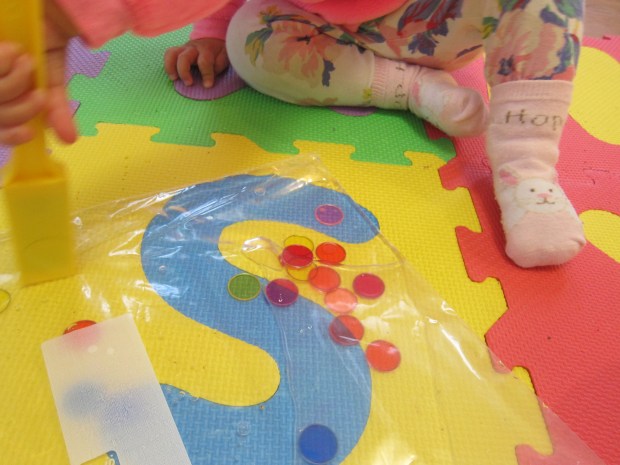
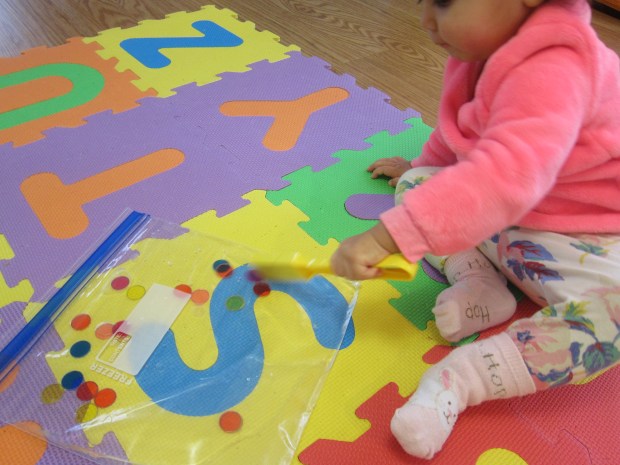
I showed Veronika how the wand attracted the magnets when waved over the bag (yes magnets work in water), and she loved the seeming magic of this.

Magnetic Dot Sensory (3)

This sensory bag interested her for much longer than previous activity bags we’ve made, and she returned to it throughout the day for more magical wand waving.

Magnetic Dot Sensory (4)

Again, you can engage big kids further with the activity. See if your child can separate the magnets by color in the bag. Or get silly by tapping them or moving them in ways that mimic the art on each page of Press Here.

Magnetic Dot Sensory (6)

This game was so simple to put together, and I know we’ll play it again as Veronika grows!

Dropping Games

Dropping Game (6)

Chances are your toddler sometimes throws a tantrum by dropping objects, a tactic that I find far more adorable than effective. It’s a good thing tantrums are so darn cute at this age! Harness that toddler love of all-things-dropping with this fun game, and you might just turn a tantrum into giggles.

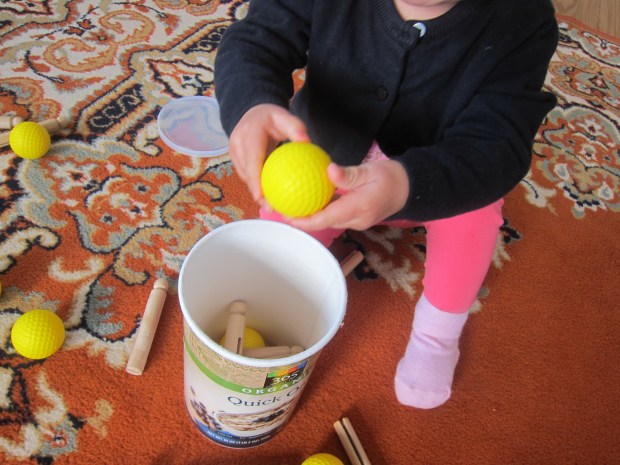
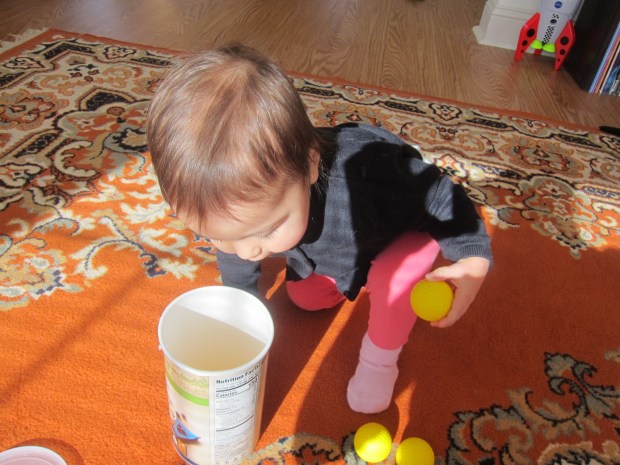
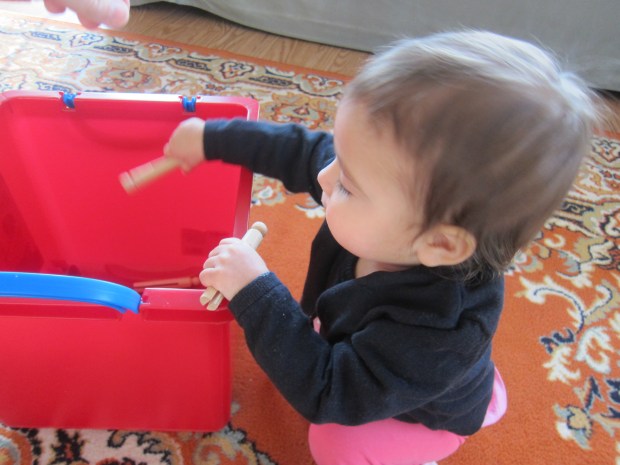
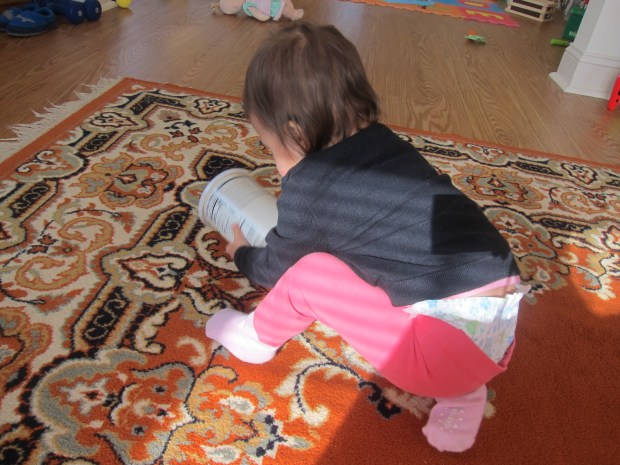
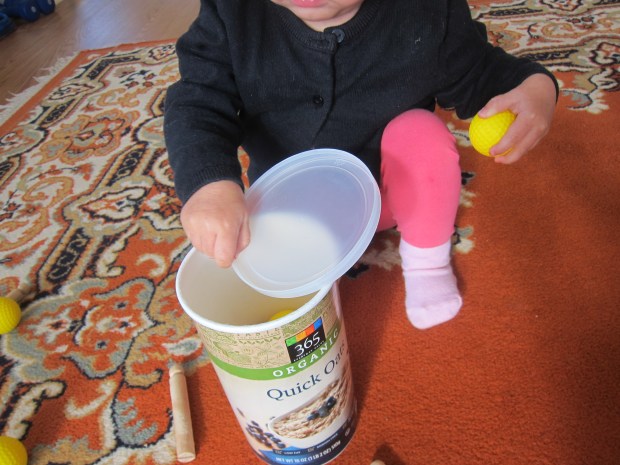
When we first played, Veronika was in a good mood. The idea was just to have fun dropping! Over an empty oatmeal canister, we dropped in clothespins (the non-pinching kind) and small golf balls.

Dropping Game (2)

Veronika loved peering inside to see where the items landed, as well as the “plink” that they made as they fell.

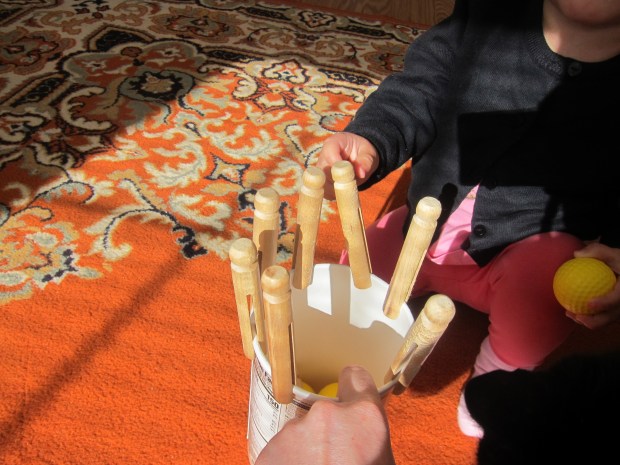
For a little extra strength-building, put the clothespins on the edge of the canister so your child has to pull them off before he or she can drop them in.

Dropping Game (3)

I also encouraged her to stand up so she could see the items falling from a greater height. This turned out to be easier using a large storage container instead of the small oatmeal one. If you’re comfortable with the idea, you could even let your child stand on a chair for greater height!

Dropping Game (1)

Returning to the oatmeal container: once it was full, we put on the lid and rolled it across the floor.

Dropping Game (4)

Then she delighted in prying off the lid to begin again.

Dropping Game (7)

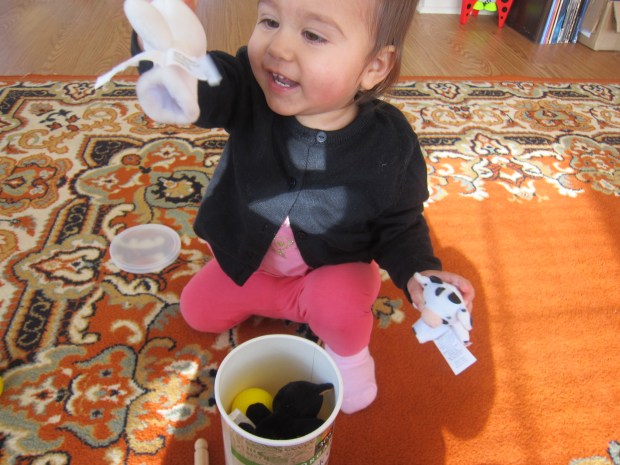
Drop anything else in the container that seems fun, too! Little stuffed toys got lots of giggles.

Dropping Game (8)

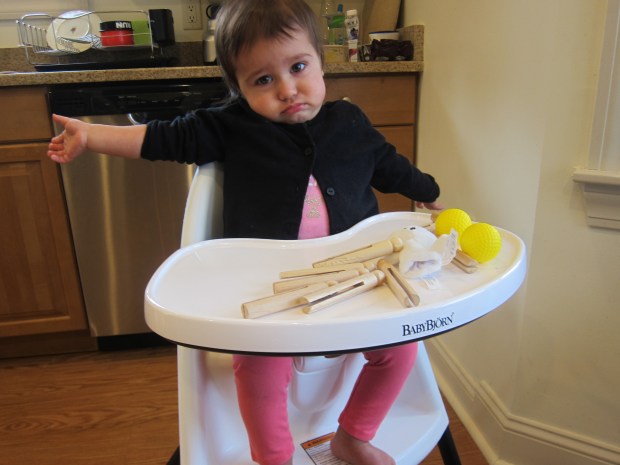
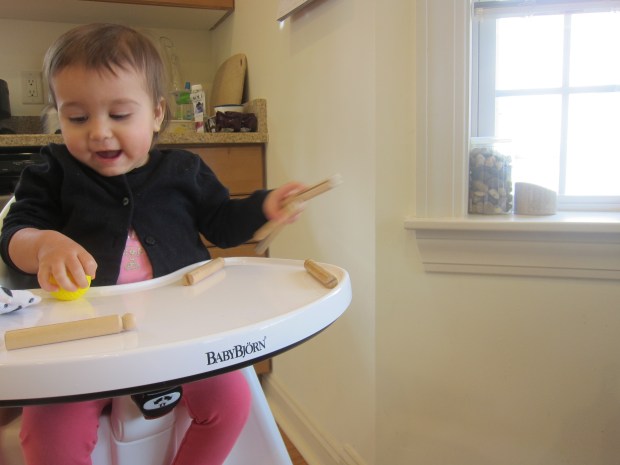
Later in the day came the real test; could a dropping game turn a tantrum frown upside down? She was quite moody in her high chair, so I set out the three items we had used earlier: the clothespins, the golf balls, and the small soft toys.

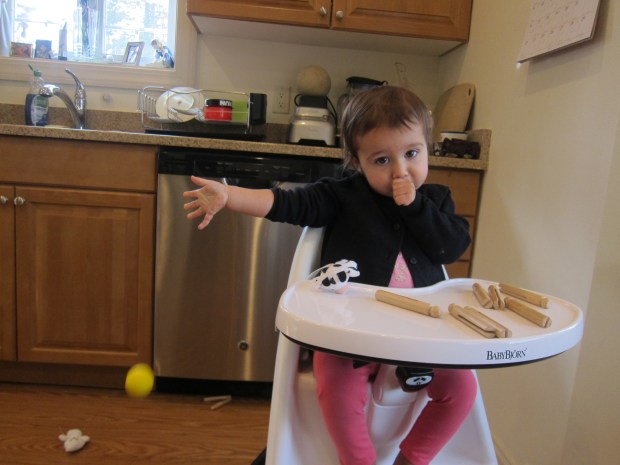
She immediately scattered some to the ground, no doubt daring me to make a stern mommy face and to say, “No”.

Dropping Game (9)

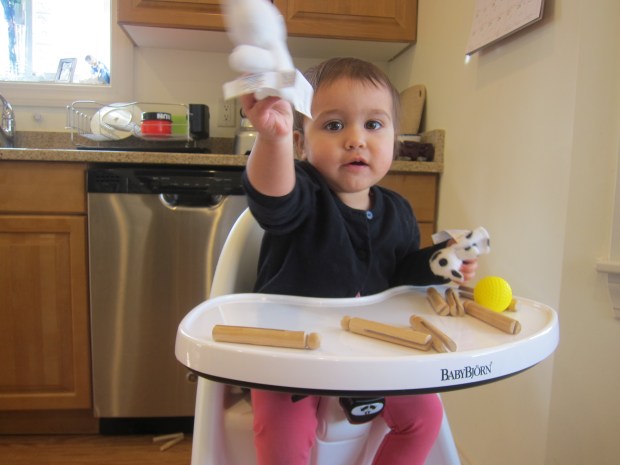
Imagine her surprise, then, when I exclaimed, “Dropsie!” and returned the items to her tray with a smile.

Dropping Game (12)

So she tried it again. Take that, mommy. “Dropsie!” I said happily.

Dropping Game (11)

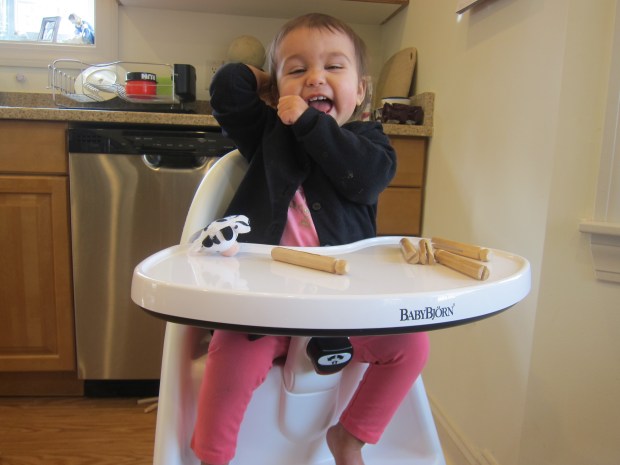
Well now she was smiling!

Dropping Game (13)

This was such a fun way to divert a tantrum, to harness her love of dropping, and to teach cause-and-effect, too. Plus toddlers will love seeing a parent scramble around to pick up the dropped items and return them to the tray.

The only note of caution here is not to play this game too often, else you’ll find yourself endlessly playing “dropsie”.

Dropping Game (14)

Hanging Instruments to Crash, Rattle, and Bang!

Hanging Instruments (5)

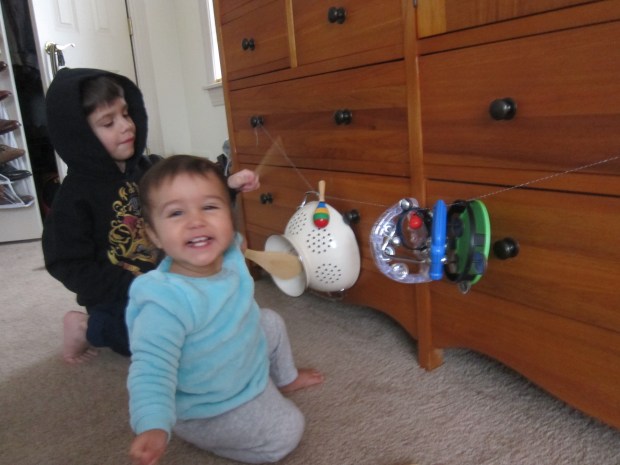
Old toys that don’t get much attention can seem novel if presented to your kids in a different way. To wit, Veronika hasn’t been very into her musical instruments lately… until I strung up a few on a cord and introduced this novel way to have musical play!

We played this game indoors against a dresser, but if it’s a beautiful sunny day and a warm time of year, it works equally well against a fence!

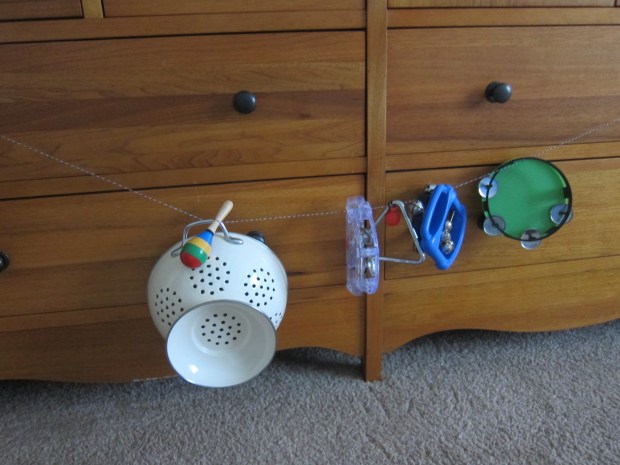
Using colored twine, I threaded instruments that could slot easily along the line, namely tambourines, bells, and a triangle. Get creative with your definition of “instrument” here, too; a colander from the kitchen added some percussion!

Hanging Instruments (1)

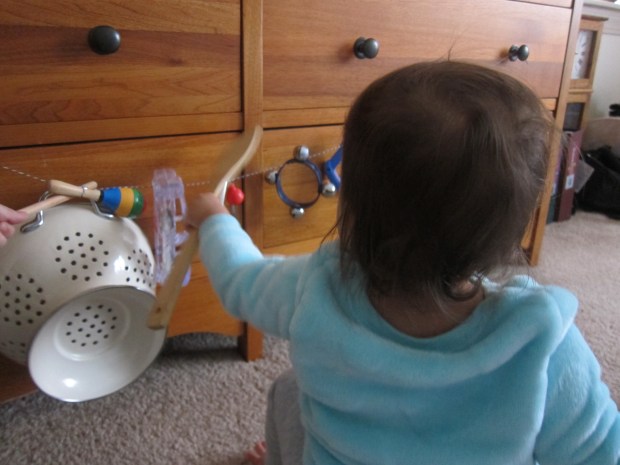
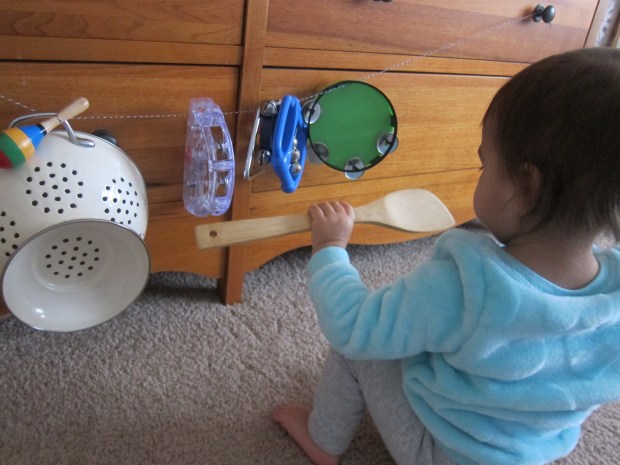
Once I had everything threaded up, I presented Veronika with wooden spoons and rhythm sticks, and it was time to make music!

She loved using the wooden spoon in particular and soon there was bashing…

Hanging Instruments (2)

…crashing…

Hanging Instruments (3)

…tapping, and jingling. She also loved reaching out with a hand to shake the bells on the cord.

Hanging Instruments (4)

This game will no doubt entice older siblings over to play, too! A great way to revive a bag of old instruments.
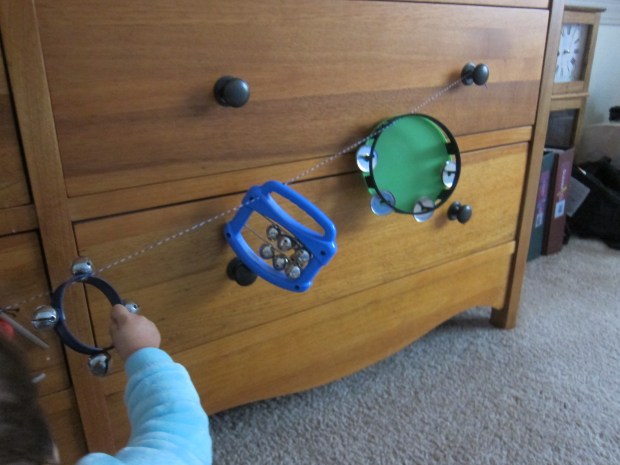
Hanging Instruments (6)

Finger Puppet Play

Finger Puppet Play (1)

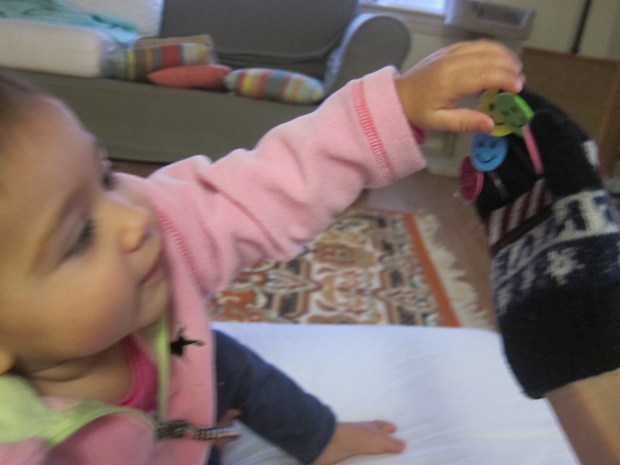
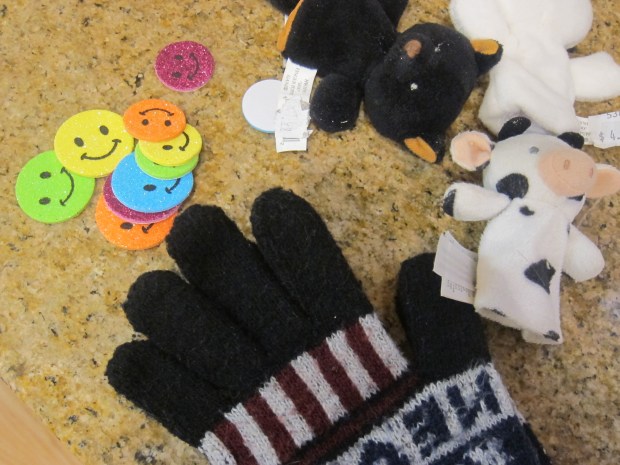
There’s an easy way to play this game and a hard way, and I definitely went with the easier for the obvious reason that I’m not a seamstress. Using an old pair of children’s gloves, I simply attached a smiley face sticker to each fingertip and these became friendly little puppets to interact with Veronika!

FInger Puppet Play (5)

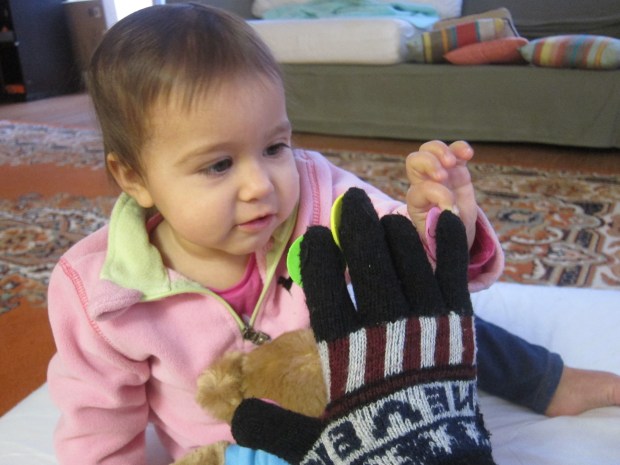
She grinned as soon as she saw the smiling stickers and loved hearing them say hello to her, give kisses to cheeks, and sing songs (like “If You’re Happy and You Know It”).

Finger Puppet Play (2)

Then they played peekaboo from behind her teddy bear!

Finger Puppet Play (3)

Of course she also loved the fact that the faces were stickers, which she soon impishly pulled off.

For a version that will last much longer, cut the fingers from an old glove instead and then sew on felt pieces to be ears, noses, whiskers, and more. Then slide these onto each finger as individual puppets.

(Note: A middle-of-the-road option might be just to draw the details on with a fabric pen instead of sewing on all that felt).

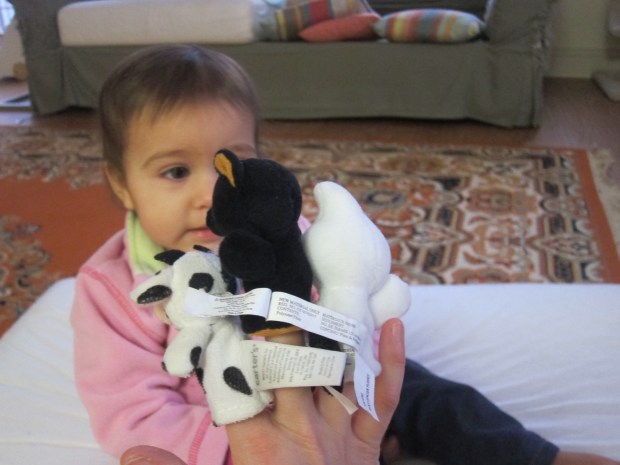
And if you don’t want to get crafty at all, just play with store-bought finger puppets! We have an assortment that includes cows, cats, Halloween ghosts, and more.

Finger Puppet Play (4)

Today I trotted them all out and they sang to Veronika, chatted with her, wiggled around, and made silly noises. These little toys are perfect for car rides, so I stash a few in my purse.

Does your child have a favorite finger puppet? Please share in the comments!

Sweet Sunflower Seed Butter Dip

Sunflower Dip (1)

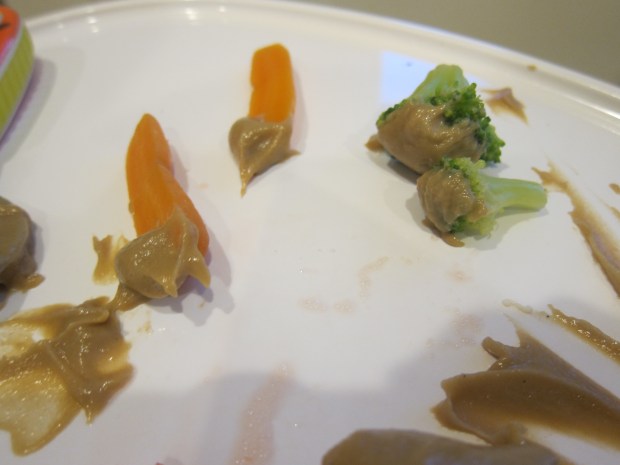
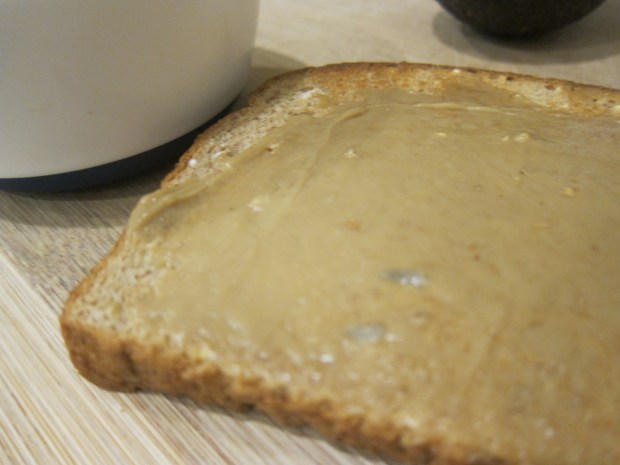
This creamy sunflower-based spread is a healthy alternative to butter or jelly on toast slices. And it’s school-safe, too! You can also use it for dipping veggies like very tender cooked carrots or steamed broccoli florets.
Sunflower Dip (2)

Ingredients:

  • 3 tablespoons sunflower seed butter
  • 3 tablespoons non-dairy vanilla yogurt
  • 1 tablespoon agave nectar
  1. Whisk together all the ingredients in a small bowl, and chill until ready to serve.

Sunflower Dip (3)

Food Exploration Station

Food Explore Station (3)

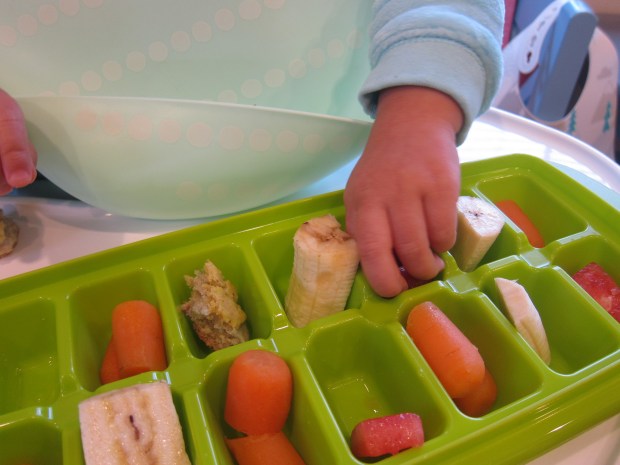
The compartments of an ice cube tray are just the right size for setting up a station that allows your toddler to touch, taste, poke at, and other wise explore food! This game is great for soon after a meal so that the emphasis is on all the senses, not just on eating.
I wanted to fill the tray with a variety, but not an overwhelming amount of different objects for Veronika. I included warm cooked carrots, chilled slices of watermelon just out of the fridge, soft chunks of room temperature banana, and a crumbly cookie.

Food Explore Station (2)

Veronika wasted no time getting her hands in there! “Hot!” she said to me, feeling the carrot, quickly follow by a surprised, “Cold!” to the watermelon. She smooshed one of the banana pieces in her hand, but mostly passed that over in favor of the watermelon.

Food Explore Station (4)

The cookie certainly got a few nibbles, too. You can use any fruits or veggies (or cookies!) for this activity, or play multiple times with seasonal fruits at different times of the year. Because all of the foods were about the same size, they are fun for stacking, too.

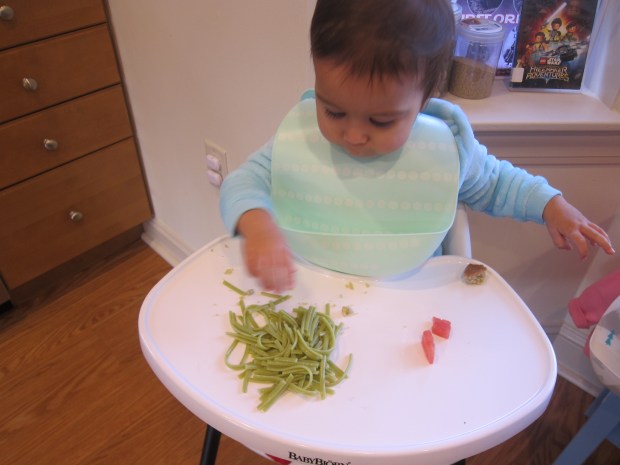
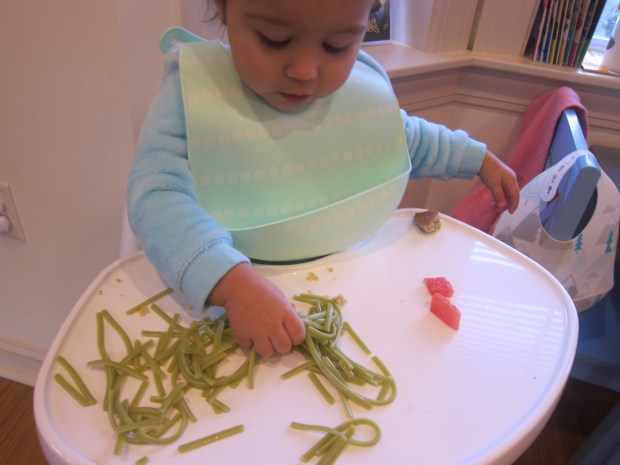
For some slipperier tactile play, I cooked up green linguine noodles. These were great both for the texture (somewhat slimy, which can take toddlers a while to get used to) and for the color.

Food Explore Station (5)

I thought she might hesitate, but she loved mushing through the noodles with her fingers. Once she took a nibble, she looked at me with recognition. “Pasta!” she said.

Food Explore Station (6)

Don’t forget, toddlers learn about food when exploring like this. So the next time this happens…

Food Explore Station (1)

…don’t scold. It’s all about the process! And kind of like an art project, too.

Pom Pom Push

Pom Pom Push (4)

This game is sort of like a DIY shape sorter, only all the shapes are circles and it’s more about dexterity than exact shape matching. Regardless, it was a huge hit with Veronika at just shy of fifteen months old.

Make holes in the lid of a large (empty and clean) yogurt container. You can use a drill for this, but I found it worked just fine to poke the initial hole with an Xacto knife and then use scissors to snip into an even circle. Just make sure you have no jagged edges, as cut plastic lids can be sharp. Return the lid to the top of the container.

Pom Pom Push (1)

I then presented Veronika with the container and pom poms. Since the pom poms were on the smaller side, you’ll definitely want to supervise this activity closely and make sure none find their way to your child’s mouth.

Pom Pom Push (3)

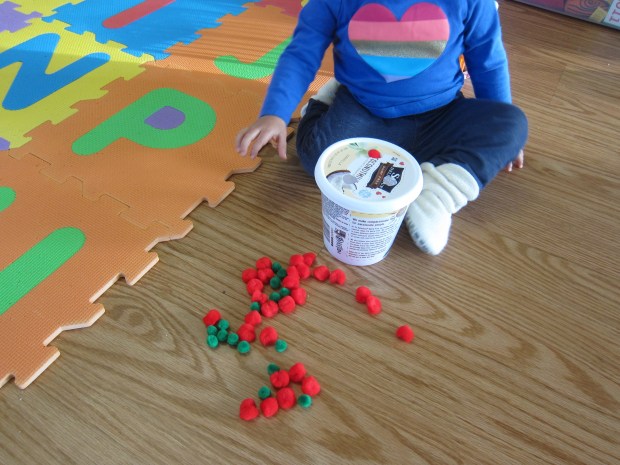
We had two sizes: tiny green ones that slipped right into the holes and slightly bigger red ones that needed a push with the thumb. She loved them both! I loved watching her dexterity as she plucked the small green ones from my palm and inserted into a hole.

Pom Pom Push (2)

Of course once the container is filled, the lid can be taken off, the pom poms dumped out, and the fun begun again!

Pom Pom Push (5)

And don’t be surprised if your toddler finds other uses for that empty yogurt container. Apparently it made the perfect seat for Veronika’s “baby”!

Pom Pom Push (7)


Muffin Tin Color Sort

Matching Muffin Tin (3)

Although a toddler at Veronika’s age (14 months old) probably won’t be able to sort colors yet, this activity introduces the idea of color matching, plus includes all sorts of fun elements to play with.

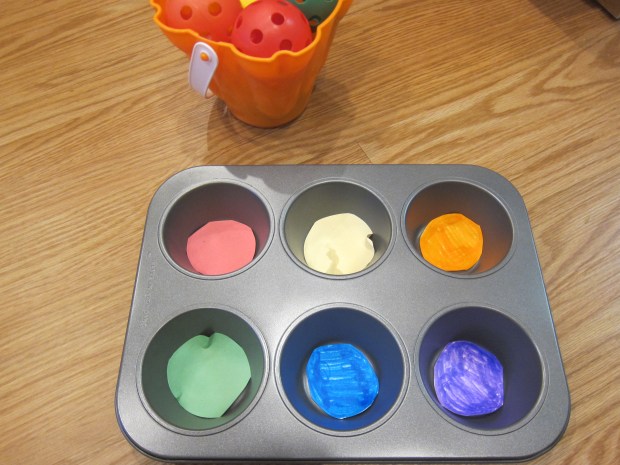
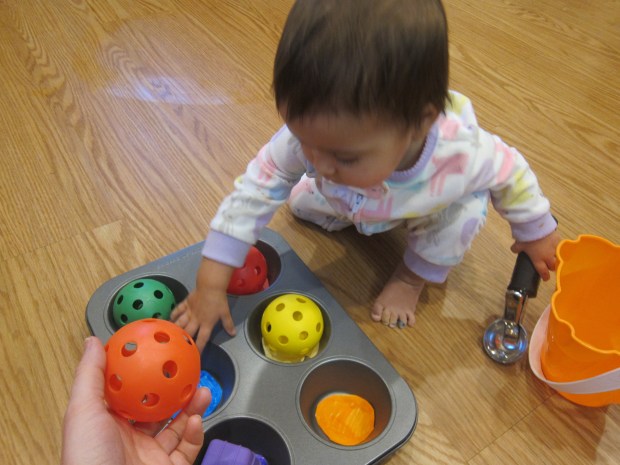
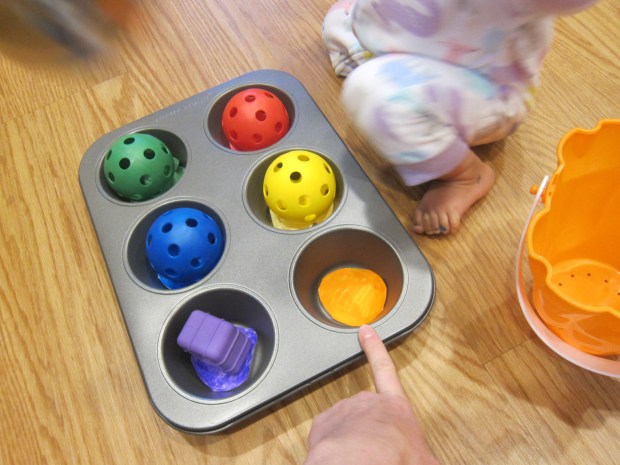
I lined the bottoms of a 6-cup muffin tin with circles of colored paper. Use colored construction paper for this (or in a pinch, you can use marker on white paper for any colors you are missing).

Matching Muffin Tin (1)

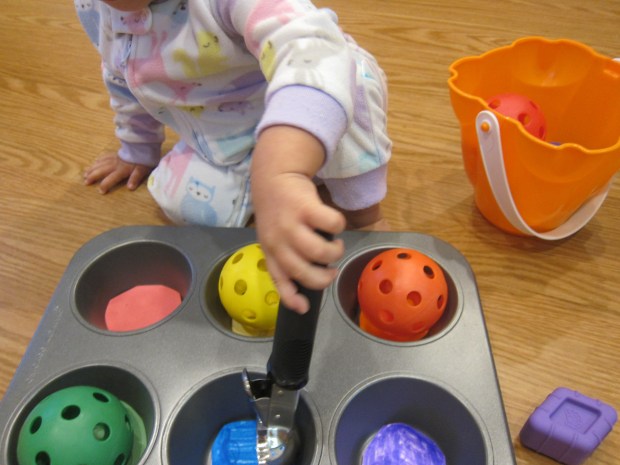
Next, I set out a rainbow assortment of colored sensory balls. I couldn’t find our purple ball (which is course turned up right after!) so substituted a small purple toy.

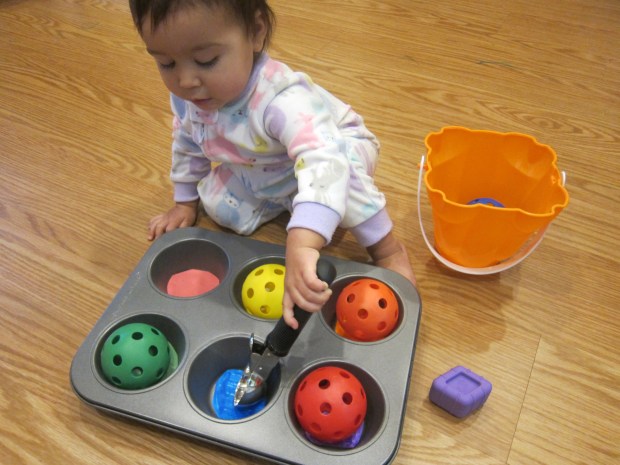
Finally, I handed Veronika an ice cream scoop with an eye towards teaching her to transfer the balls from the bucket to the muffin tins. She loved this element of the game…

Matching Muffin Tin (2)

…though needless to say her colors weren’t always right.

Matching Muffin Tin (5)

She also wanted to move the balls from cup to cup, which left ample opportunity to talk about the pieces of colored paper she revealed and where each ball “should” go.

Matching Muffin Tin (4)

Again, this was not meant to be an activity for Veronika to get correct, but rather a great chance to introduce color matching as a concept.