Board of Curiosities

Board of Curiousity (8).JPG

Although I’d never heard of them before, there is apparently a genre of Montessori busy boards featuring tactile items for toddlers to lift, open, spin, twist, turn, and otherwise manipulate, which are quite popular. These boards are not cheap (some of the more bespoke ones on Etsy run upwards of $150!) but you can purchase a relatively cheap alternative at sites like Amazon.

If you’re feeling truly crafty, make your own from upcycled items around the house – a doorbell, an old latch, a panel to lift – and attach securely to a wooden or fiberboard frame. The key is things your baby can manipulate to hone those fine motor skills.

I wasn’t feeling that crafty, so did opt for a mid-priced version from the store. And Veronika loved it! As she played, I used verb words to talk about her actions. She could spin…

Board of Curiousity (2)

…twist…

Board of Curiousity (1)

….open or unlatch…

Board of Curiousity (3)

And more! Her favorite turned out to be a little button.

Board of Curiousity (4)

Although not actually an old doorbell, every time she switched the button from one position to the other I said, “Ding dong!”

Board of Curiousity (6)

As you can tell from her smile, this was a huge hit.

Board of Curiousity (7)

The “busy” part of these boards is that they can keep your little one occupied while you do other things around the house.

Board of Curiousity (5)

A win-win!

Board of Curiousity (9)

Wooden Puzzles

Wooden Puzzles (3)

We were out and about a lot today, but I did take time to focus on one classic activity with Veronika: wooden puzzles.

For this age (11 months old), find puzzles with knobs that your little one can easily grab and lift.

There are two versions I like. In the first, a colored shape is on top, and an image is revealed underneath. When you play with these, name the image as your baby makes it appear!

Wooden Puzzles alt.jpg

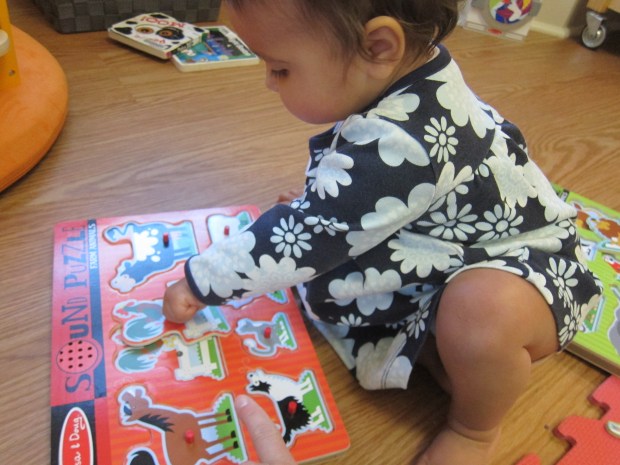
The second kind has the image visible from on top, but the fun comes when the puzzle piece goes back into the frame and makes a sound. Veronika and I played with wild animals first…

Wooden Puzzles (1)

…and then domestic animals.

Wooden Puzzles (4)

Again, point to the picture and name the object or animal while your little one puzzles.

Wooden Puzzles (2)

Veronika was so enamored with the duck piece that she made me do that shape over and over, and I think was trying to say quack!

Wooden Puzzles (6)

This is her, “Mom you better do that duck again,” face.

Wooden Puzzles (7)

Obliged!

Wooden Puzzles (5)

Wooden puzzles like these are great not just for little fingers, but for little minds, too.

Make Your Own Soft Play Area

Soft Play Area (7)

Ball pits in children’s playspaces can be intimidating for the littlest tykes; inevitably there are bigger kids splashing and jumping around, not to mention the pits are deep when you’re only 11 months old! To let her join in on the fun, I made Veronika her own “ball pit” today.

Cover a floor space with a soft blanket and line the area with pillows (or you could even recycle the baby tub for this game!).

Soft Play Area (1)

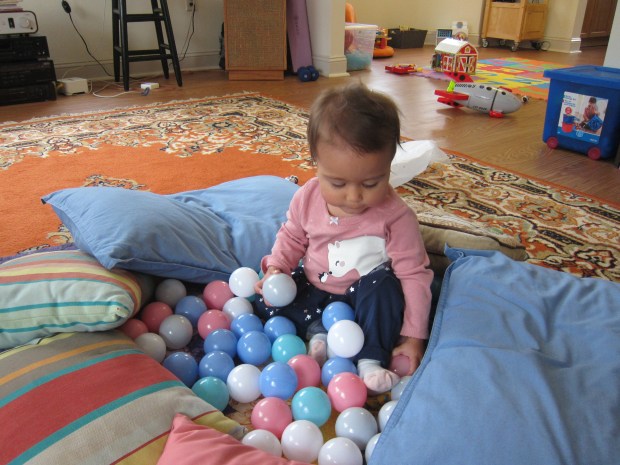
I dumped in a package of soft play balls (look for these on Amazon.com). She was delighted.

Soft Play Area (5)

I showed her how to swish her hands around in the balls…

Soft Play Area (8)

…and we buried her toes, then found them again!

Soft Play Area (4)

We added some crumpled newspaper “balls” for extra texture, but she didn’t like those as much.

Soft Play Area (10)

It turned out that this pit was also great for learning to climb up and over pillows, an inadvertent bonus.

Soft Play Area (3)

She loved crawling in, fetching out a ball, bringing it somewhere, and then heading back in again. It easily filled an afternoon of play!

Soft Play Area (6)

Playing with Puzzles Kiwi Crate

Kiwi Puzzles (27).JPG

Kids will love the puzzles and brain games in this crate from Kiwi Co, which features projects ranging from engineering to art and back again. And parents will go wild when they realize the game you build is based on classic Tetris!

Kiwi Puzzles alt

Travis was perplexed as we worked through the first project, wondering what exactly we were making, and I’ll be honest, so was I. In retrospect, I would tell him first that the goal was to engineer a dispenser that let out one playing tile at a time. That way the process of engineering would have been more inherent to the project, instead of just following the steps. But with that preamble aside…

…the first project was to make a Shape-Stacking Puzzle. To make the game board, fold the plastic stand along the line in the middle so it stands upright.
Kiwi Puzzles (1)

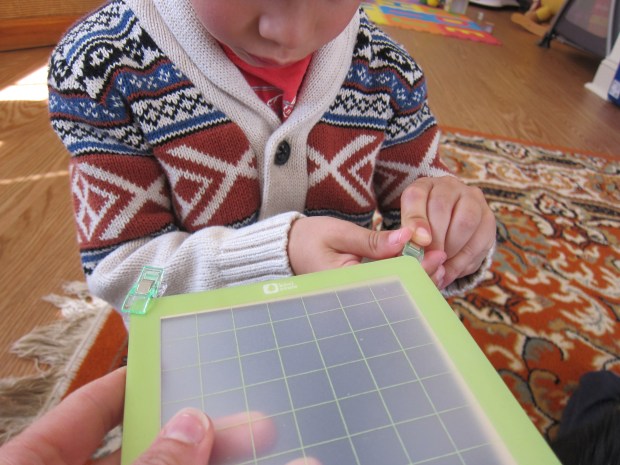
Attach the provided grid paper to the provided wooden frame using a clip in each corner. (Travis liked these clips so much he was bummed there weren’t extras!). Set the frame on the stand and set aside.

Kiwi Puzzles (2)

Preparing the shape dispenser was much more complicated and a touch delicate (our foam tore in a few places, so it didn’t always work correctly). Slot together wooden pieces as side panels and secure with elastics.

Kiwi Puzzles (3)

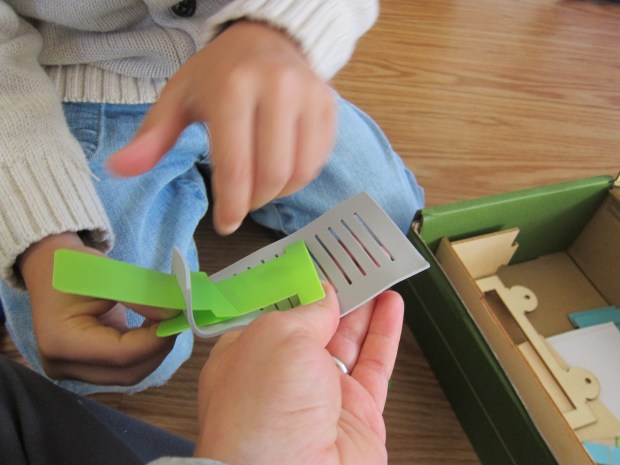
Slip the green “doors” into the slots of a foam piece. This goes into the wooden frame and is secured in place with sticky foam dots.
Kiwi Puzzles (4)

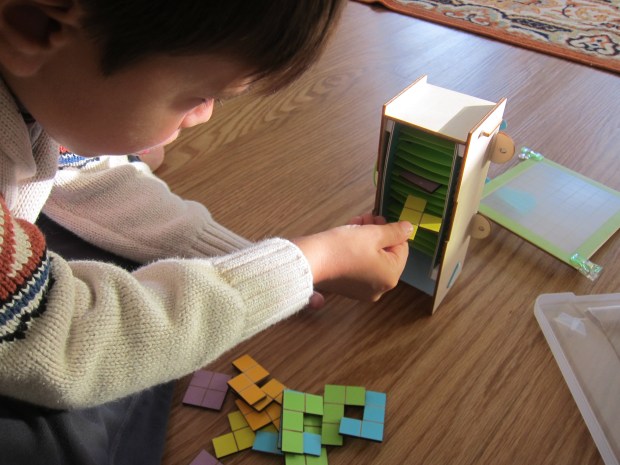
Now add one playing tile to each green door.
Kiwi Puzzles (7)

As you pull out the bottom green door (and this is key) the tile will fall (thanks to gravity). It won’t work, obviously, if you pull a door near the top, because then the playing piece would only land on the green door below.

Kiwi Puzzles (8)

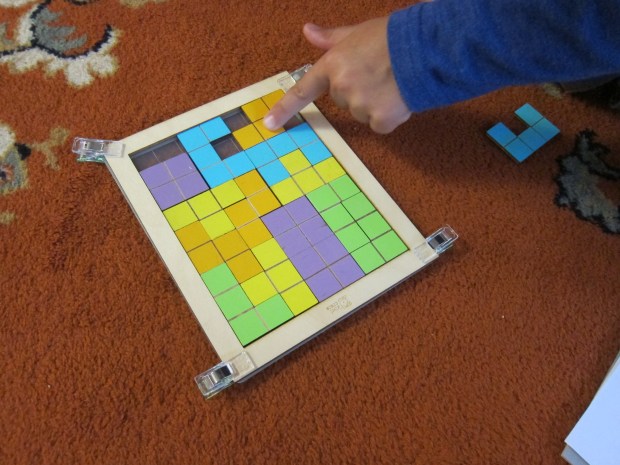
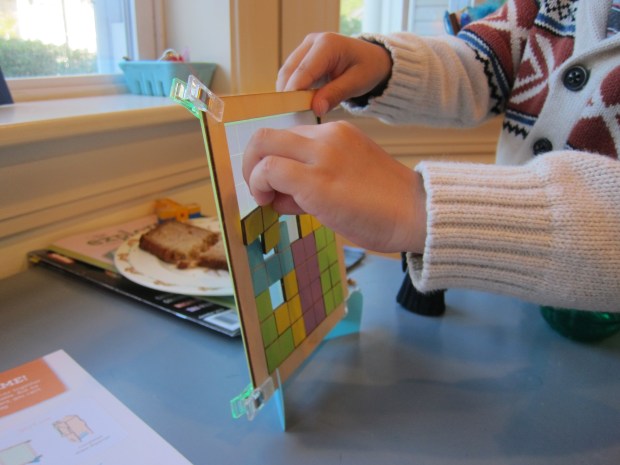
Now it was time to Play a Puzzle Game! I loved watched Travis assemble the resulting Tetris board on his game grid.
Kiwi Puzzles (12)

I remember my brain doing the same quick thinking as a child, deciphering which direction a piece could rotate so it fit just right.

Kiwi Puzzles (11)

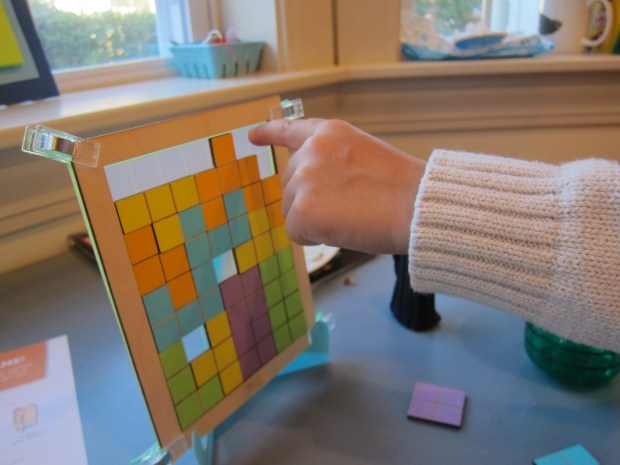
The goal is to have the least number of blank squares possible. Travis counted up his squares each time, and his record was 4!
Kiwi Puzzles (13)

With all that engineering done, it was time for the A part STEAM: making Puzzle Pictures. Arrange some of the playing tiles on the provided foam mat. You can make random designs or follow the suggested pictures. Travis chose a robot!

Kiwi Puzzles (28)

Cover with paper and rub with a crayon to reveal your image.

Kiwi Puzzles (29)

After using the tiles, we tried rubbing over other items, like yarn and coins, and testing which came out best.

Kiwi Puzzles (30)

You can also challenge your child to copy the booklet’s designs for a car, dragon, and even Steve the Kiwi, but these were tough for Travis.

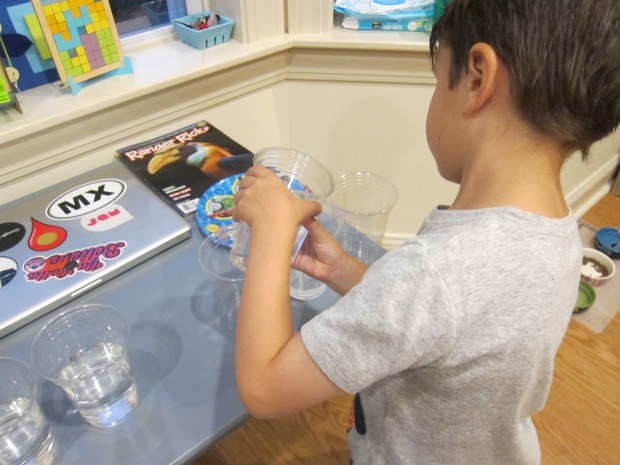
We weren’t done yet because Explore magazine had lots of brain games to test his gray matter. First up: Cup Confusion. Fill 3 clear plastic cups with water and place them next to 3 empty cups. Can you make a pattern of full-empty-full-empty-full-empty by touching only one cup?
Kiwi Puzzles (14)

I was so proud of Travis that he immediately knew to pour water, rather than shuffling cups around.

Kiwi Puzzles (16)

And clearly he was proud, too!

Kiwi Puzzles (17)

Next we did a Connect-the-Shapes challenge in which lines can’t cross…

Kiwi Puzzles (24)

…followed by Fish Sticks. Rearrange these 8 toothpicks so the fish…

Kiwi Puzzles (21)

…changes direction. The catch is that you can only touch 3 toothpicks.

Kiwi Puzzles (22)

He needed a bit of a guiding hand, but our fish turned.

Kiwi Puzzles (23)

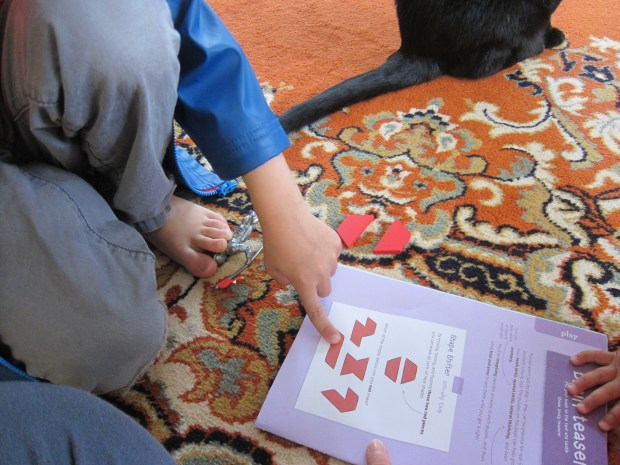
Finally, play Shape Shifter: see if your child can tell which of these pictures isn’t made with two trapezoids.
Kiwi Puzzles (25)

Travis guessed, and then we tested it out!

Kiwi Puzzles (26)

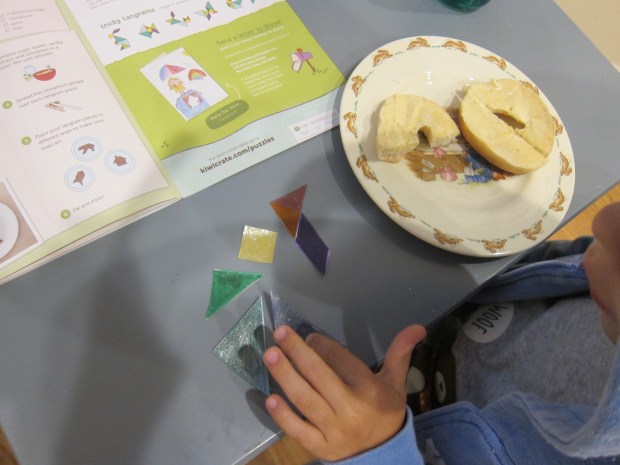
You can also print out a set of tangrams and try to fill in the outlines drawn in the magazine.

Kiwi Puzzles (20)

This task was advanced for my kindergartner, but he could look at the answer key and then build the puzzle with our set.
Kiwi puzzles (32)

A camel!

Kiwi puzzles (33)

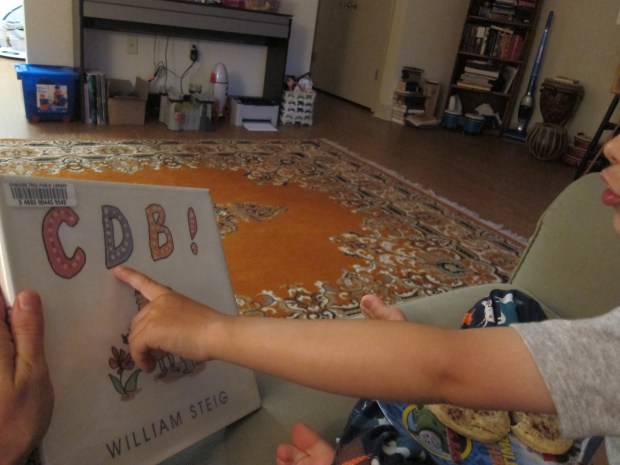
Explore magazine didn’t have any recommended reading this month, but I picked up two fantastic puzzlers from the library. CDB by William Steig had him laughing out loud as he read the letters on each page to decipher a full sentence.
Kiwi Puzzles (19)

We finished up with The Eleventh Hour, a puzzle mystery book I read in my own childhood!

Kiwi Puzzles (18)


Silly Hats

Silly Hats (3)

At 11 months old, you’ve probably noticed your baby has quite the sense of humor. So play it up with some silly “hats”!

I collected a pile of items, none of which were actually hats: a colander, a soft book, a pair of shorts, beach buckets, and a box.

Silly Hats (1)

One by one they went on my head. You can see from her expression that she knew mom was being silly. Here’s a big grin for the book.

Silly Hats (2)

She tried it on next, to lots more giggles. Oh Mom you’re so silly: there’s a bucket on your head!

Silly Hats (4)

The colander was a favorite.

Silly Hats (7)

She kept handing me this one over and over, as if demanding a repeat performance. But wasn’t so sure she wanted it on her own head…

Silly Hats (8)

The shorts got lots of laughs…

Silly Hats (9)

…as did a soft purple box.

Silly Hats (5)

She even seemed to want me to pile objects one on top of the other (because we all know moms wear many hats). What else could be a silly hat in your house? A tambourine?

Silly Hats (10)

Something even sillier? Have fun with this one!

Silly Hats (6)


Display Shelf

Display Shelf (7)

It’s hard to believe, but my baby girl is almost 1 year old! That makes this a nice time to take stock of what’s in her room, the treasures she’s accumulated in one year, and to set up a surface that can become her sort of personal “museum” moving forward.

First, I just sat down to go through a few special items with Veronika. Everything from baptism gifts…

Display Shelf (2)

…to music boxes…

Display Shelf (1)

…to heirlooms from grandparents and even great-grandparents.

Display Shelf (4)

It was a trip down memory lane for me, too, remembering back to her first few weeks and visitors. Meanwhile, Veronika just seemed delighted by all the items as I talked with her about them.

Display Shelf (3)

Up on the shelf they went for display. My goal is to add to the shelf over time, including special framed pictures of Veronika and things that she’ll make or find over the years.

Display Shelf (5)

What would go in your baby’s “museum”? Please share in the comments!

Make a Story Time Fort

Story Fort (8)

It’s hard to get Veronika to sit still with a book, especially at bedtime when we try to fit in a story between dinner and bath.

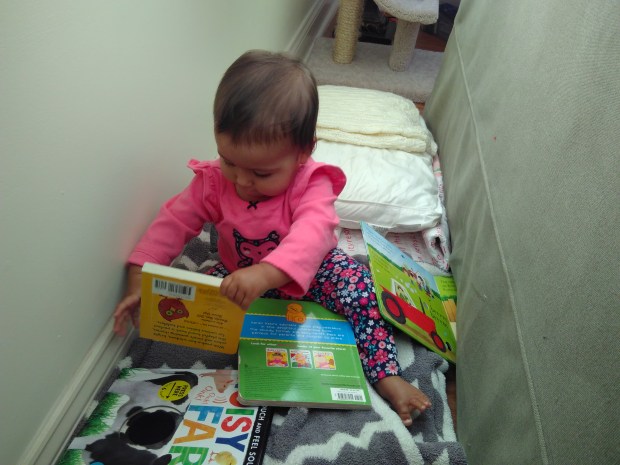
But not so when I made this fort! She was content inside for ages with a pile of books.

To make the fort, move your sofa from the wall to create a space large enough for you and your little one (alternatively, you can make the fort under a dining room table). I layered the floor with cozy blankets and pillows.

Story Fort (1)

Drape a sheet over the back of the couch and secure with shoes or books. Then head inside!

Veronika scooted it in and was immediately delighted.

Story Fort (2)

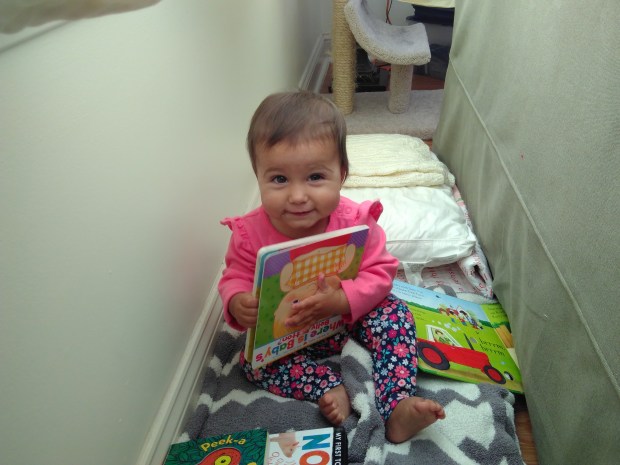
I gave her a pile of books, and soon she was thumbing through them and “reading” to herself.

Story Fort (4)

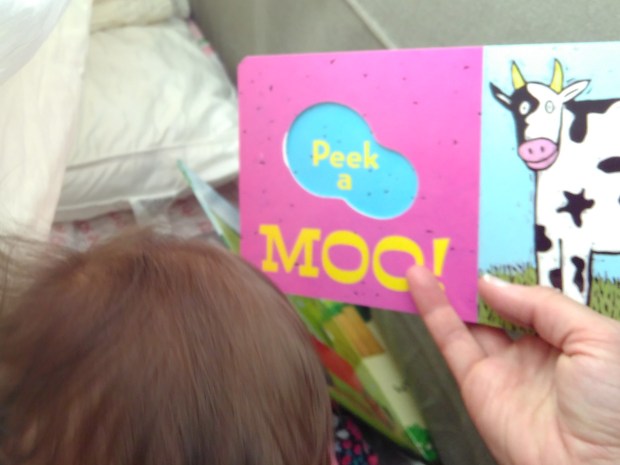
Of course then it was time to join her and read a few books for real.

Story Fort (3).jpg

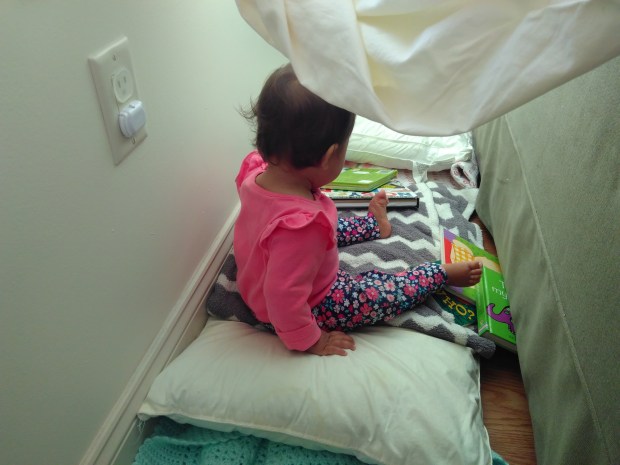
You can even add a flashlight to highlight pages or words. Once the book was through, I retreated to the side of the fort and let her take over, crawling on the pillows, enjoying her books, and reaching up for the beautifully draped ceiling.

Story Fort (7)

We probably would have stayed in longer except the cat eventually ruined the “roof”!

Story Fort (6)

Light Chaser

Light Chaser (2)

Here’s a final cute game I’ve found to play with Veronika using a flashlight, just before bed.

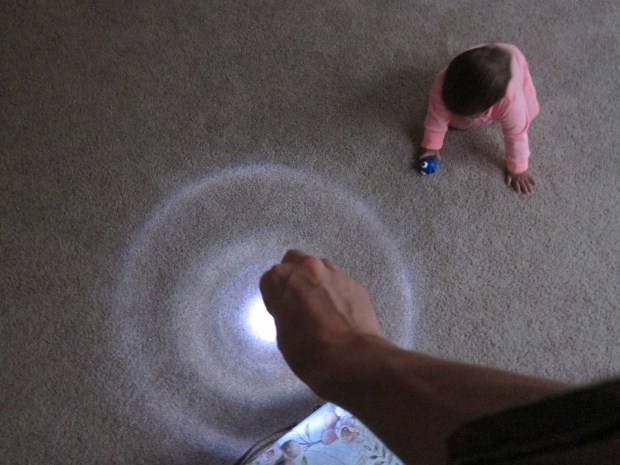
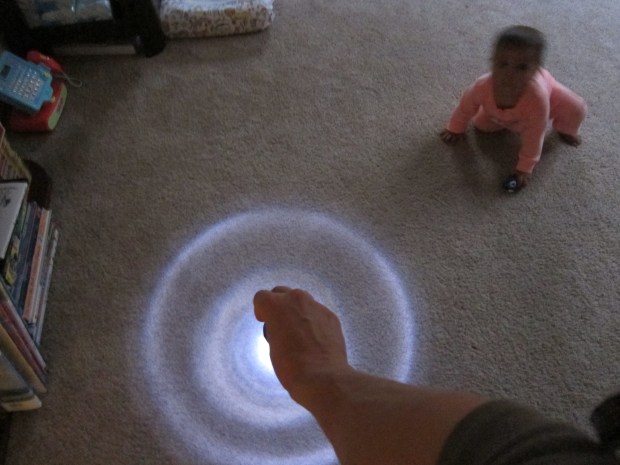
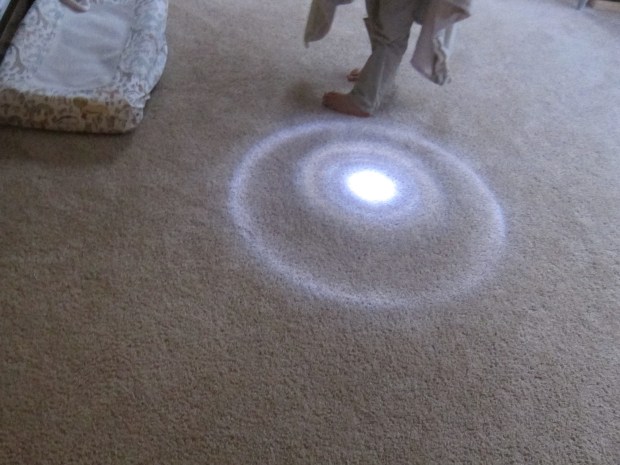
After her bath tonight, I simple shined a flashlight on the floor. Veronika was instantly intrigued with the spot of light on the floor.

Light Chaser (1)

Now drag the flashlight in a line or zig zag around the room. This game will be great for encouraging early crawlers, plus amusing for any already-fast crawlers! I shined the light in a path along the floor, and Veronika had to go chase it.

Light Chaser (3)

Almost there…

Light Chaser (4)

Caught ya! Babies will marvel that they are touchign the light but not feeling anything in their hands. The game is also a great way to engage older siblings in baby’s bedtime. Travis loved running the light around the room for her, admittedly sometimes too fast.

Light Chaser (5)

Create a Photo Scrapbook

Photo Scrapbook (11).JPG

Veronika is old enough now that she definitely has favorite places to go in our week together, especially as we settle into a routine while big brother is at school.

Some top picks? The library, the coffee shop, her music class, the playground, and toddler play time. Throughout the week, I snapped pictures of Veronika as we were out and about. Here’s music about to begin!

Photo Scrapbook (1)

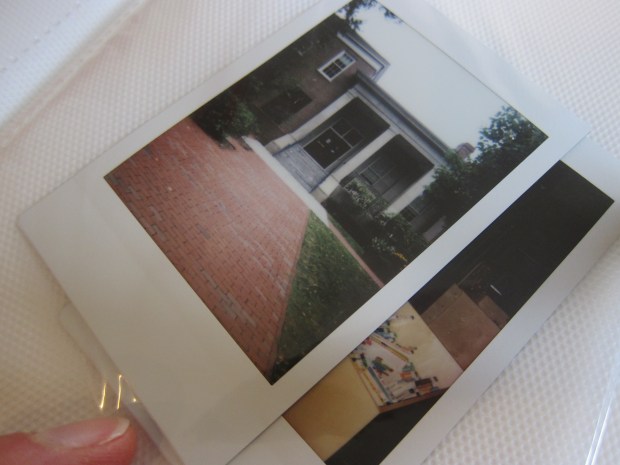
I also added a few pictures from home, places like her high chair and crib.

Photo Scrapbook (10)

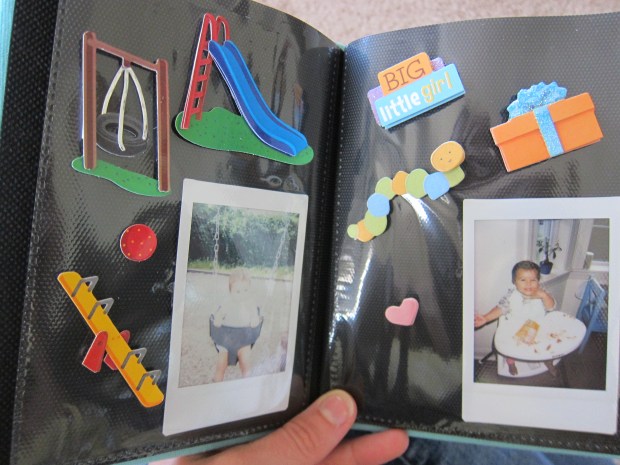
You can use a digital camera and have the pictures printed, but I love the charm of our instant camera.

Photo Scrapbook (3)

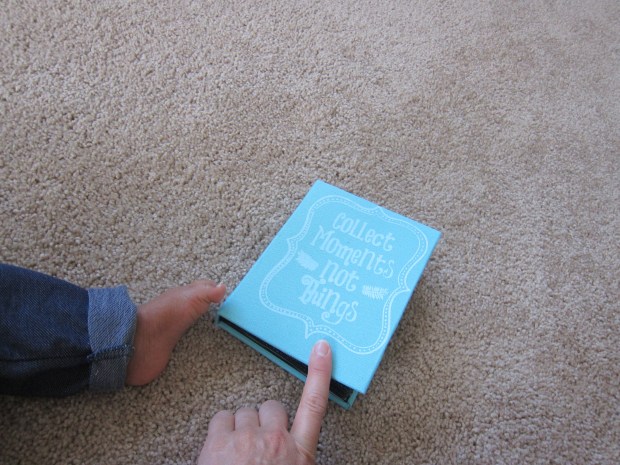
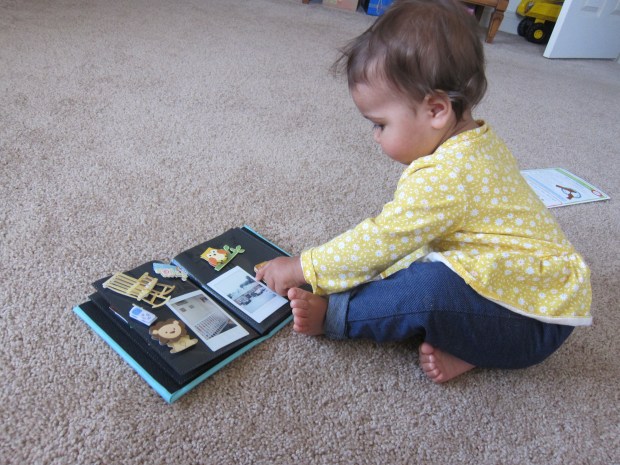
Arrange the photos in a little album or scrapbook, ideally small enough for your child to manipulate the pages.

Photo Scrapbook (8)

Veronika and I can go through and “read” about her week, or talk what we’ll be doing that day.

Photo Scrapbook (9)

Because she has no baby book chronicling her first year (second child syndrome!), I made the pictures special with the addition of scrapbook-quality stickers: look for sheets of stickers with playground themes, nursery room themes, music class themes, and other applicable subjects. These will hopefully make it special to flip through as she gets older.

Photo Scrapbook (12)

Another hope is that she can learn to point to where she wants to go, easing frustration for both parent and child in those awkward months between understanding language and the spoken word. In the meantime, she loves simply looking through her little book!


Classic Beating on Pots & Pans

Classic Pots (8)

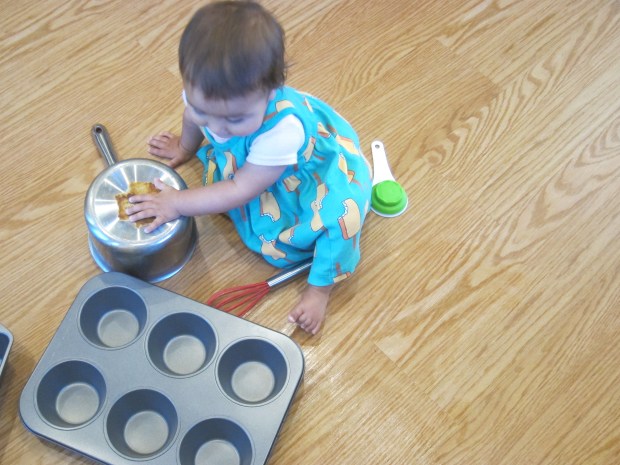
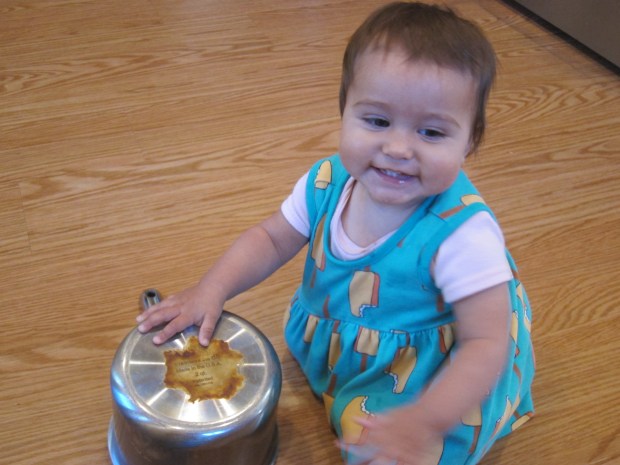
Today I needed to keep Veronika occupied while baking banana bread, so I pulled out an old classic: a kitchen percussion set made from pots and pans.

For novelty, though, I made today’s focus less about the musical element and more about sensory play. I provided her with several different types of baking ware: a saucepan, a muffin tin, and a loaf pan. We started out drumming with bare hands, and I drew her attention to the sound this made.

Classic Pots (3)

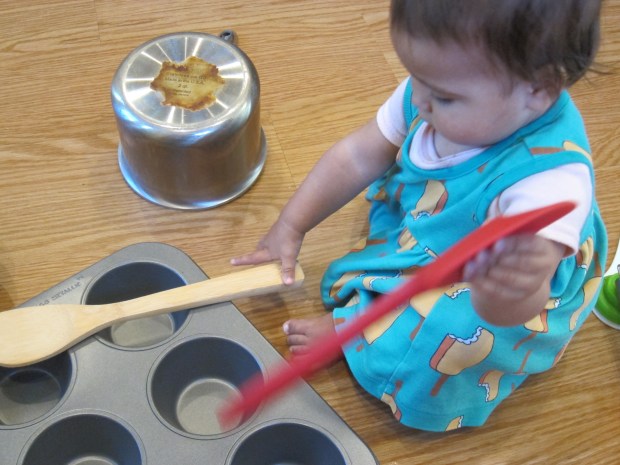
Then I set out a variety of implements to be drum sticks, everything from spatulas to wooden spoons to cookie scoops.

Classic Pots (5)

Look for a variety of materials in your kitchen; we had soft silicone, wood, metal, and more. I sat with Veronika and asked her about the different sounds she was hearing. She grinned up at me and tested them all!

Classic Pots (4)

When I showed her how to swirl the whisk in a muffin cup or saucepan, she was an eager mimic.

Classic Pots (7)

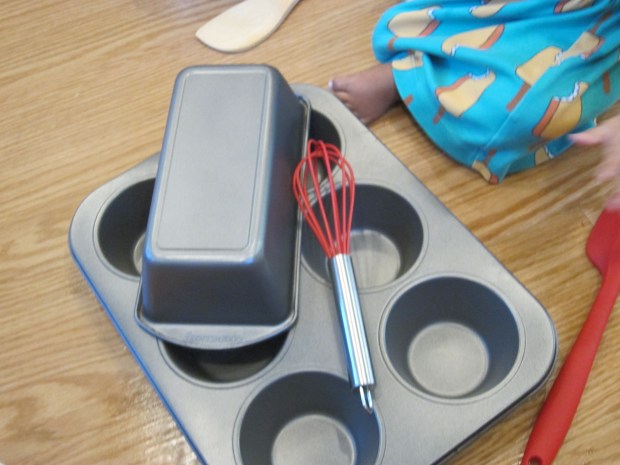
You can also make piles and see how this changes the sounds around. If the loaf pan was on top of the muffin pan, it sounded different (more metallic) than when it sat alone on the floor.

Classic Pots (6)

Once our little sensory lesson was done, Veronika kept busy by herself as mommy finished up the banana bread. A win-win!

Classic Pots (2)