Sensory Snow Safe to Taste

Safe to Taste Snow Sensory (5)

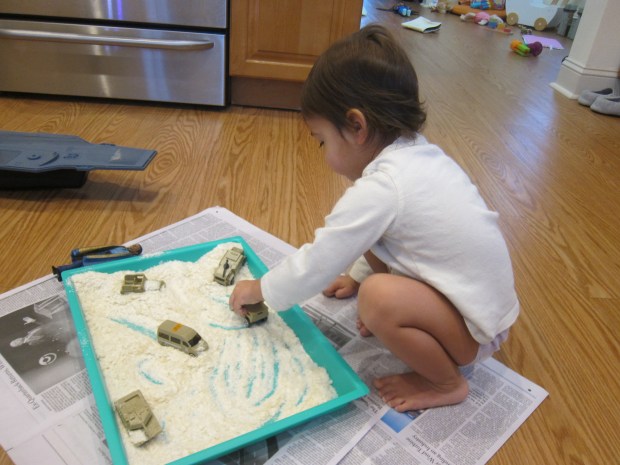
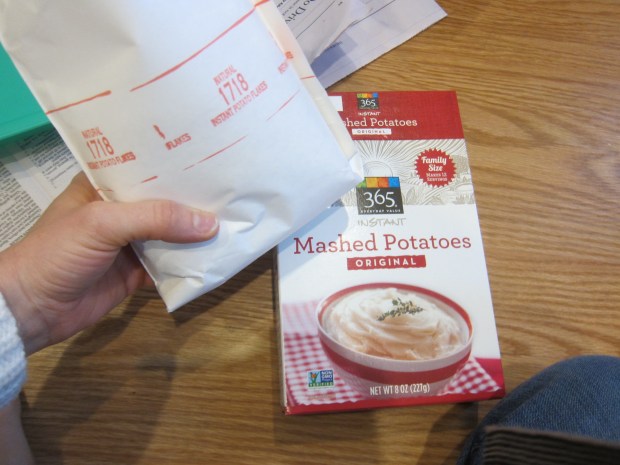
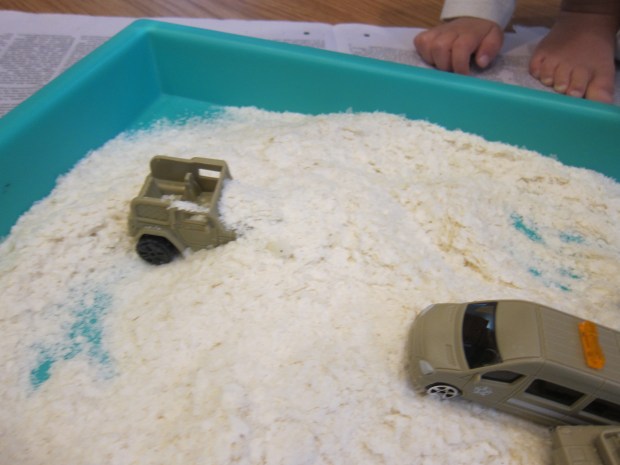
We’ve had lots of fun making pretend snow this winter, and this easy sensory bin was the simplest way yet! When Veronika requested snow this morning, I thought quickly and simply poured in an unused box of instant mashed potato flakes. “Snow!” I told Veronika.

Safe to Taste Snow Sensory (1)

To mix things up, my original plan was to add toy trains to the bin. But she started using big brother’s army trucks instead.

Safe to Taste Snow Sensory (2)

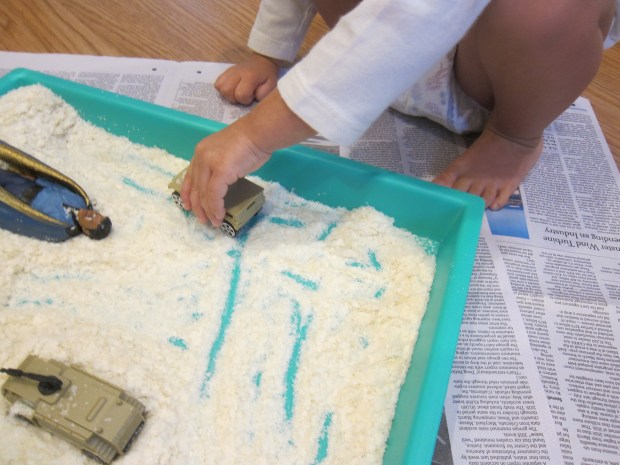
“It’s so snowy blowy!” she said as she drove the trucks around, and loved watching the tracks that the vehicles left behind.

Safe to Taste Snow Sensory (4)

Travis added aliens, so perhaps this was a snowy planet from another galaxy!

Safe to Taste Snow Sensory (6)

Then she wanted to add her ponies, and thought it was quite fun that the horses were “snowy blowy” too.

Safe to Taste Snow Sensory (8)

As long as you don’t get the mixture wet, the potato flakes will brush off quite easily at the end, making this an easy bin for clean-up, too.

Safe to Taste Snow Sensory (7)

This “snow” is perfect for a toddler how might want to take a taste. But if you have older kids who prefer colder snow that can really clump together like snowballs, there are lots of other options to try!

Create a Dramatic Play Library

Library Dramatic Play (6)

One of the things we’ve missed most during the COVID-19 pandemic is going to the library. So on a gray and rainy morning, we brought the library to us!

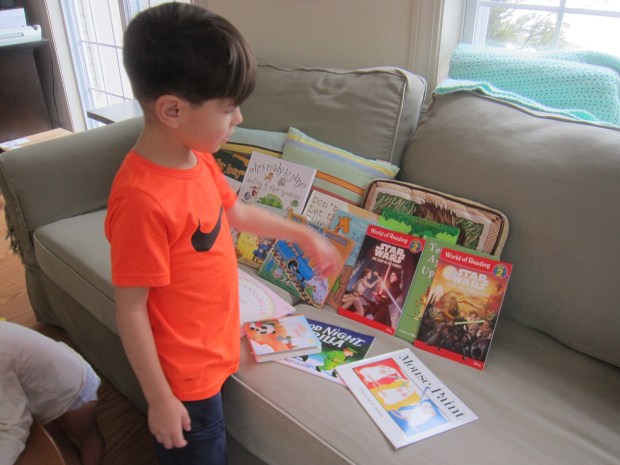
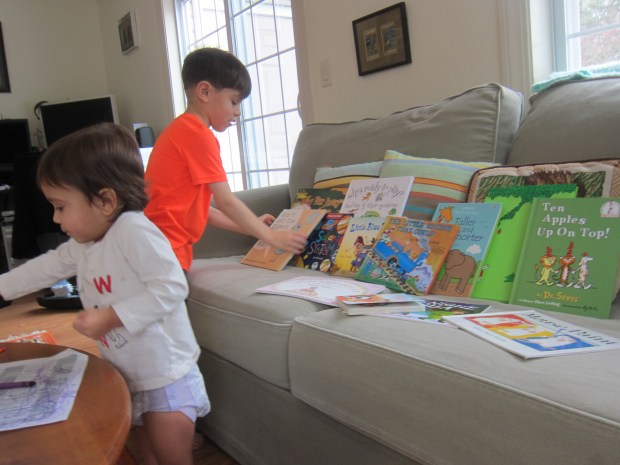
To set up, I first arranged some of the kids’ books along the couch like it was a display shelf.

Library Dramatic Play (4)

We then printed out a template for Book Return and Book Check-Out signs. The Return sign went on a blue bin, and the Check-Out went on the table along with a remote to “beep” books out (of course!).

Library Dramatic Play (2)

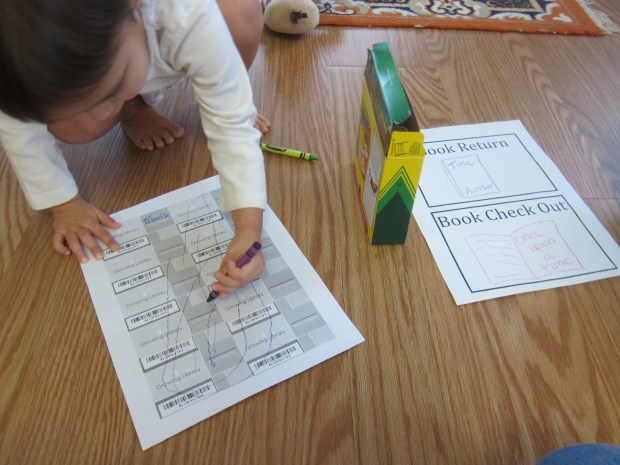
I had intended for the kids to make pretend library cards, but Veronika preferred scribbling all over the template instead of cutting out individual cards. Oh well!

Library Dramatic Play (1)

Only a few final touches were needed now; we love the puzzle corner at the library, so recreated that with some favorite puzzles on the floor, and then set out a few chairs as reading nooks. Time to open the library doors!

Library Dramatic Play (15)

The kids loved browsing.

Library Dramatic Play (8)

Beeping out books was a big highlight! Veronika was still busy coloring but would pause now and then just to “beep!” a book.

Library Dramatic Play (12)

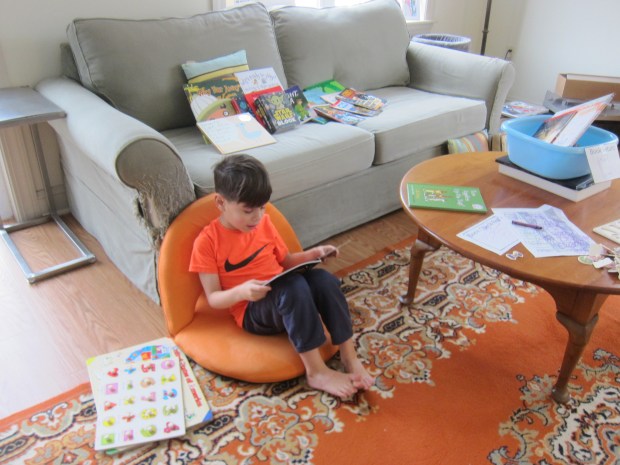
Both kids soon had a cozy nook where they could read or take a book for a picture walk.

Library Dramatic Play (14)

And then of course it was time to put books in the return bin and re-stock the shelves.

Library Dramatic Play (11)

Don’t forget to set up dolls for a storytime! First I read to the dolls…

Library Dramatic Play (9)

…and then Veronika took a turn.

Library Dramatic Play (10)

I loved that this game even inspired Travis to pause and do puzzles, an activity he usually shies away from. For a moment there, I almost could believe we were back in the real library.

Library Dramatic Play (13)

Discover with Me Panda Crate

Panda Discover (13)

Veronika sure did love discovering the goodies in Panda Crate’s Discover with Me kit that arrived. This month’s theme was all about the ways in which kids learn (hint: repetition is key), and would be great for kids aged 20 months and up.

One: Animal Puzzles

This first toy was Veronika’s least favorite of the bunch. Four tiles match up on one side to make a park-scene puzzle. The reverse side shows 4 animal faces and the numerals 1 through 4. Even for a grown up, the puzzle was frustrating because there is no way to link the pieces together!

Panda Discover (3)

That said, she loved playing “I spy” with the image in the puzzle oncce complete. “Can you find the tire swing?” I asked her. “Can you find the cloud?”

Panda Discover (5)

She also thought the animal images were quite cute, and you can arrange them in numerical order to teach early counting.

Panda Discover (6)

Two : Peek-A-Boo Base

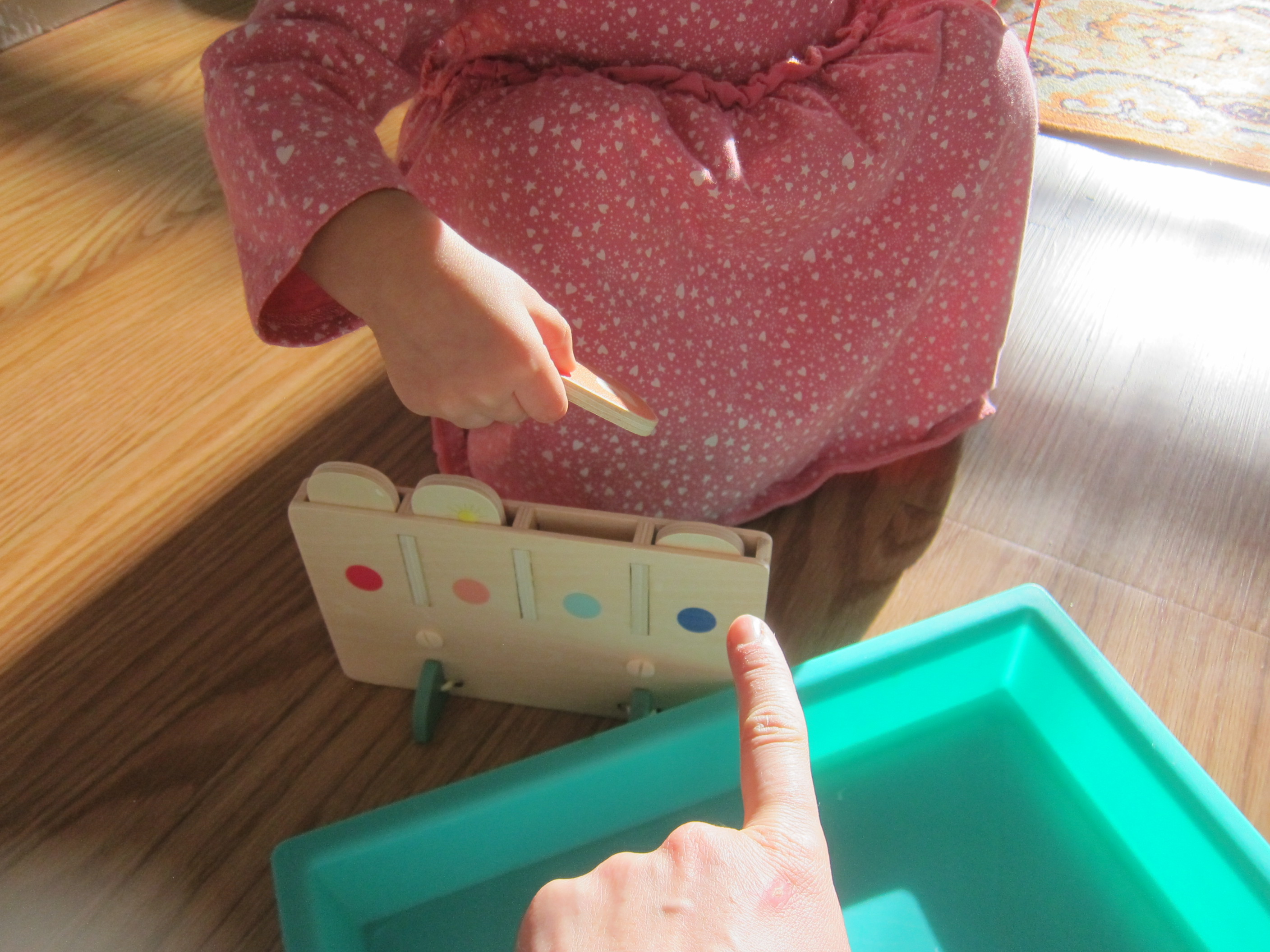
There’s another use for those animal puzzle tiles. Put them in the provided base, and when you press on the top of one, the one adjacent to it pops up to say hello. If you do this fast and hard enough, it actually pops all the way out of the base!

Panda Discover (11)

Veronika couldn’t muster up that much strength, but did enjoy pressing on them. Slotting them in and out of the base is great repetitive play, and older kids can work on adding them in numerical order.
Panda Discover (10)

Three: Hide-and-Seek Mat

This one was definitely the favorite from the crate, combining imaginative play with symbolic thinking skills. Three wooden animals can hop around the playground scene or be used for hide-and-seek behind the flaps (a gate, a bush, etc.).

Panda Discover (14)

Veronika loved narrating to herself as she played, repeatedly “finding” her puppy, cat, and bunny.

Panda Discover (15)

These three animals also match up to…

Four: Animal Match-Up

… a set of cards featuring 4 different pairs of parent and baby animals: a bird, cat, bunny, and dog. Veronika loved the cute babies and the tiles are great for vocabulary (kitten and puppy vs. cat and dog for example) and for making animal noises to match each set.

Panda Discover (17)

You can encourage your child to pair the parents with the babies, arrange them in big and little order, or even play a game of Memory!

Panda Discover (18)

Five: Pop-Up Roller

This item seemed out of place with the rest of the crate, but is meant to teach cause-and-effect. The roller has tabs on each side; when one tab pops out, the tab opposite it goes in.

Panda Discover (1)

It was good for talking about colors, and will make noises when rolled along a hard floor that likewise teach cause-and-effect. But Veronika didn’t like it as much all those cute animal toys!

Panda Discover (2)

Six: Board Book

I remain disappointed in the book included with the crate, this time called “Where’s Poppy?” What’s more, the company already sent a book with a hide-and-seek theme in the Play with Me crate! We really would have preferred a book with a new topic or with flaps to lift and encourage interaction.

Wonder magazine this month featured tips about repetitive play, ways to encourage your child to try new things, and a cute sing-along to Three Little Pandas (jumping on the bed) as opposed to those familiar monkeys. We get why they chose this song: cause-and-effect again!

We also played a toddler favorite, Lights On, Lights Off with our light switches. Simply head to any switch in the house and let your toddler press and marvel at the result (either a dark room or an illuminated one).

Lights On Lights Off (1)

Veronika loves doing this in the kitchen, in particular!

We checked out three books from the library to finish the fun:

The Rain Came Down by David Shannon

Peek-a-Moo by Nina Laden

Before, After by Anne-Margaret Ramstein

Panda Discover alt


Exploring Marshmallows with the Five Senses

Marshmallow Senses (8)

I wanted to do an early five senses activity with Veronika, and thought about the most toddler-friendly material in the house we could use. What could be better than yummy, squishy marshmallows?
We used the large marshmallows from Dandies for this activity, which were better for exploration than the small ones in this case.

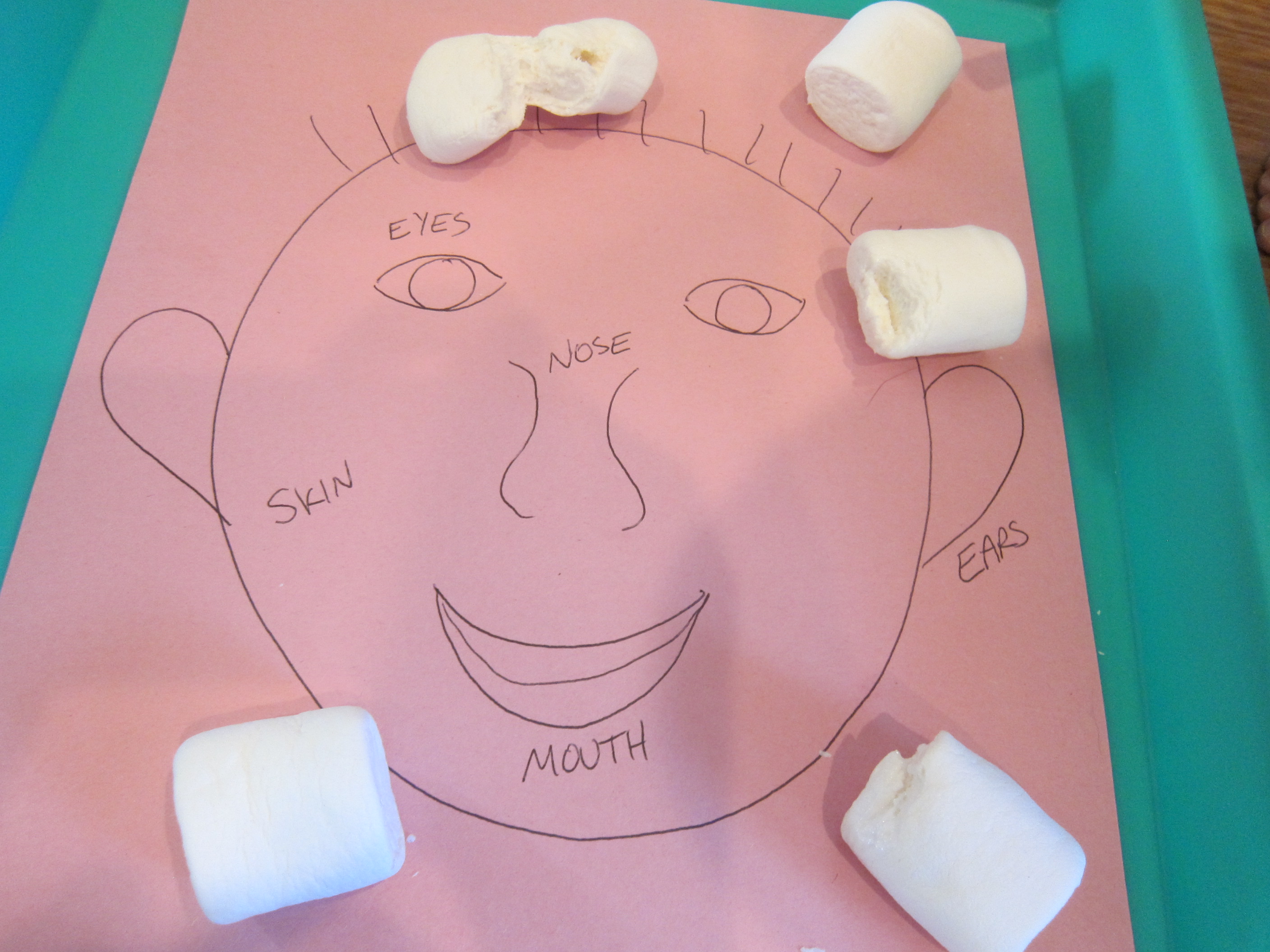
To start, I drew a cartoon face showing eyes, ears, nose, and mouth, and then labeled each one, along with the word ‘Skin’ on the cheek for the sense of touch. This wasn’t necessary, but provided a nice visual as we moved through each sense.

Marshmallow Senses (1)

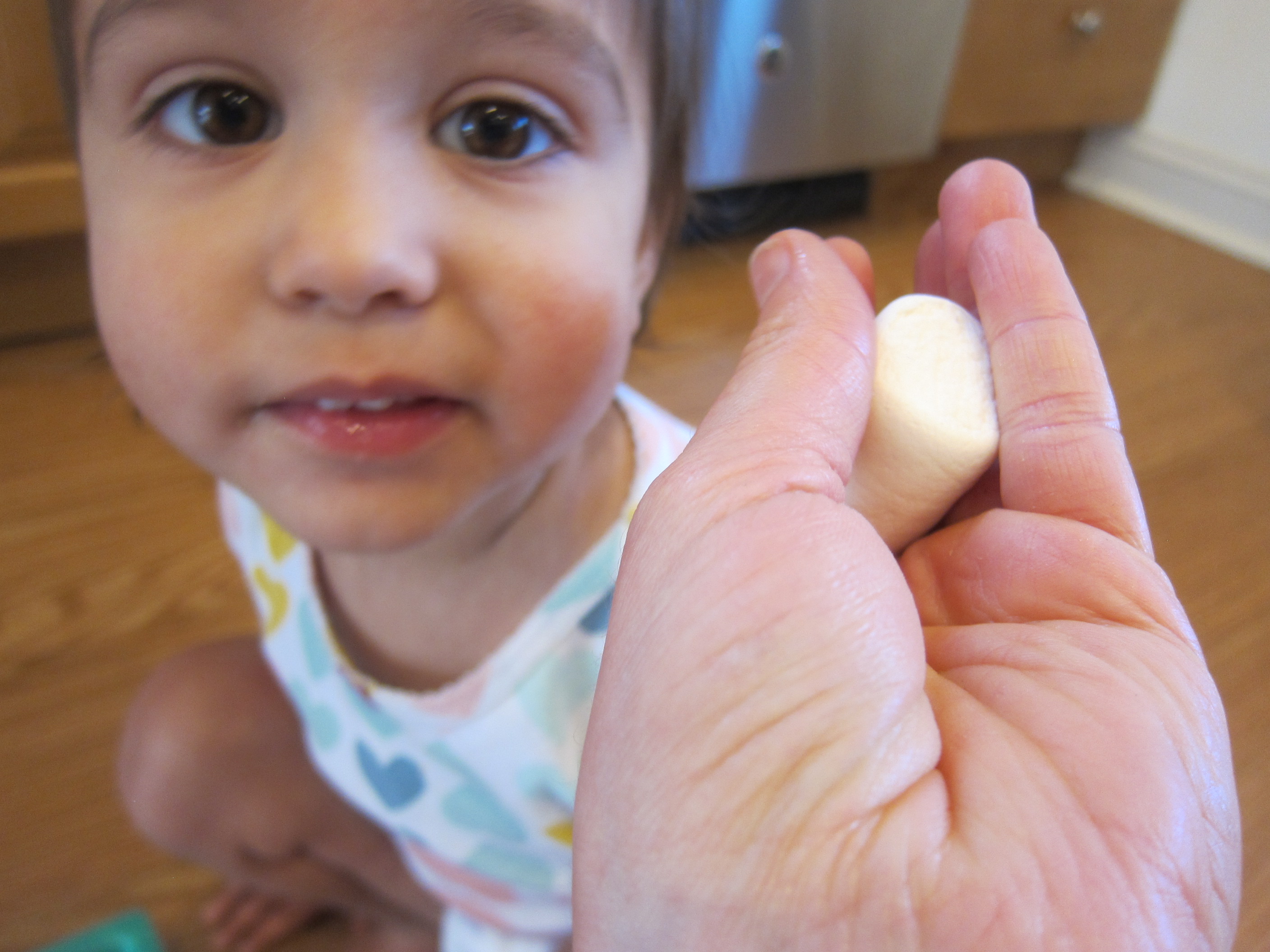
It was time to go through the senses one by one as we explored our marshmallows! First, I invited Veronika to use her eyes. She loved peering through a magnifying glass, and named the color (white). I had to laugh when my question “What does it look like?” received a very toddler-appropriate answer: “A marshmallow!”

Marshmallow Senses (6)

Next we used our nose to smell it. Sweet and sugary!

Marshmallow Senses (4)

Now, could we use our ears to discover what it sounded like? The marshmallow itself made no noise, but she liked the soft rubbing noise it produced if I ran my fingers over it.

Marshmallow Senses (12)

Time to use our hands! How did it feel? She discovered that it was squishy and plump to the touch on the outside.

Marshmallow Senses (2)

But once we broke one open, it was super sticky! “I got sticky on me!” Veronika declared.

Marshmallow Senses (5)

Now for the best part: it was time to use the sense of taste. (Ok, she might have been nibbling on another marshmallow during this whole exploration…).

Marshmallow Senses (7)

And it sure tasted sweet and yummy!

Marshmallow Senses (9)

Glue Dots and Buttons

Glue Dots and Buttons (6)

Veronika seems to enjoy art projects best when I squeeze out the dots of glue ahead of time and then she gets to press down materials on each little white blob. So today, with no other agenda or other final product in mind, that’s exactly what she got to do!

To set up, I used a piece of black construction paper as the background so that the white dots would show up clearly, and simply dotted all over it with glue. I set out a plate of buttons, pom poms, and dried beans for her. Anything else easy to glue down would be great in the mix, too.

Glue Dots and Buttons (1)

Veronika immediately began adding buttons, and wanted to name the color of each as she pressed down.

Glue Dots and Buttons (3)

For fun, I made some of the glue dots in a representation of other things, like a smiley face. She was delighted as soon as she saw what we’d made.

Glue Dots and Buttons (4)

She didn’t want to add any of the pom poms, but enjoyed pressing down the dried beans, too.

Glue Dots and Buttons (5)

This was a simple activity for fine motor skills, and would work well as a busy activity for preschoolers who can even make the glue dots by themselves.

Glue Dots and Buttons (2)

Crayon Color Sorting

Crayon Color Sorting (6)

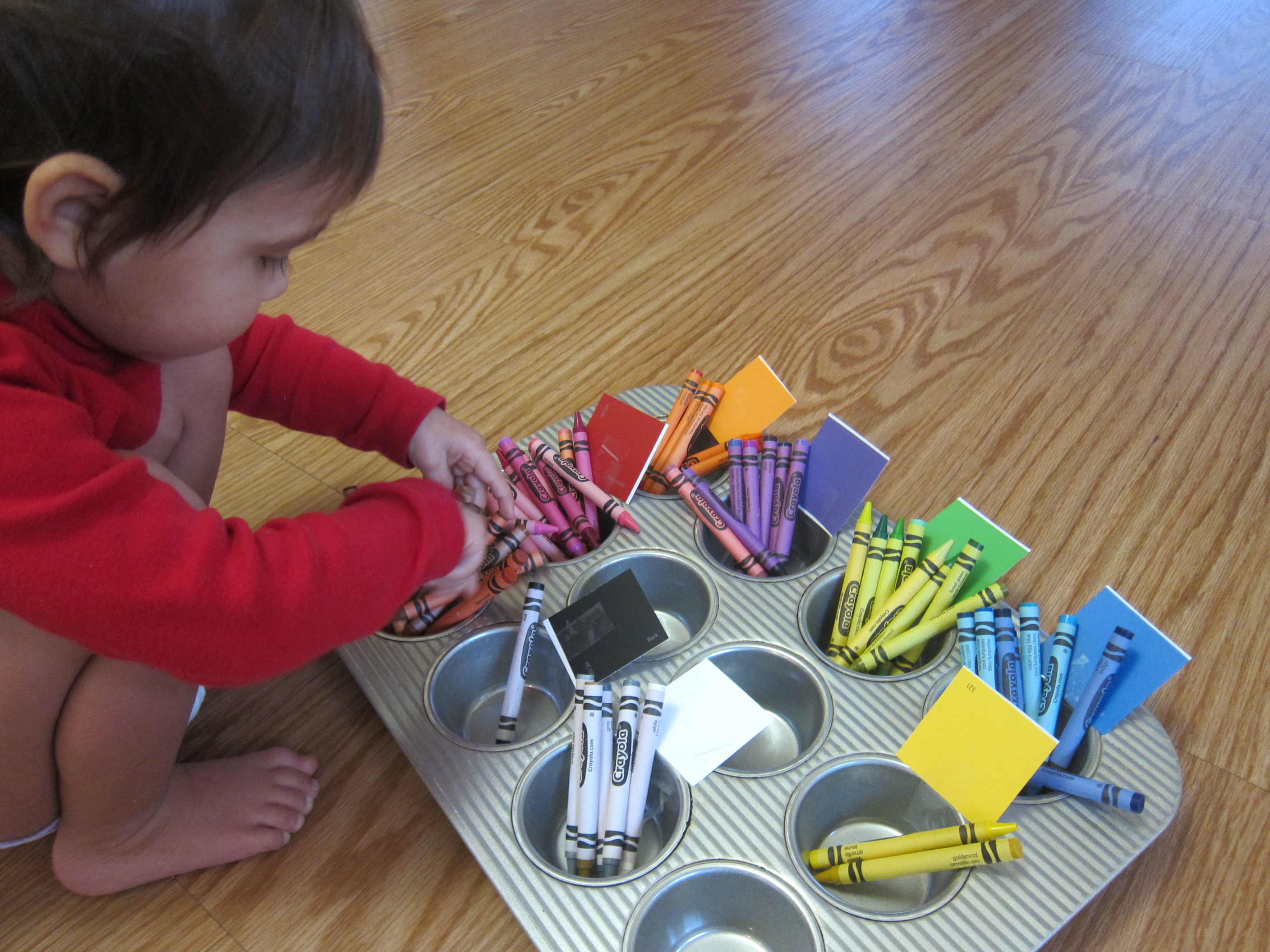
Veronika is obsessed with colors right now, not just in English but Spanish, too (thanks to big brother’s Zoom class!). So when I came home with a big new box of Crayola crayons, she immediately wanted all los colores. I seized the perfect opportunity for a color-sorting game.

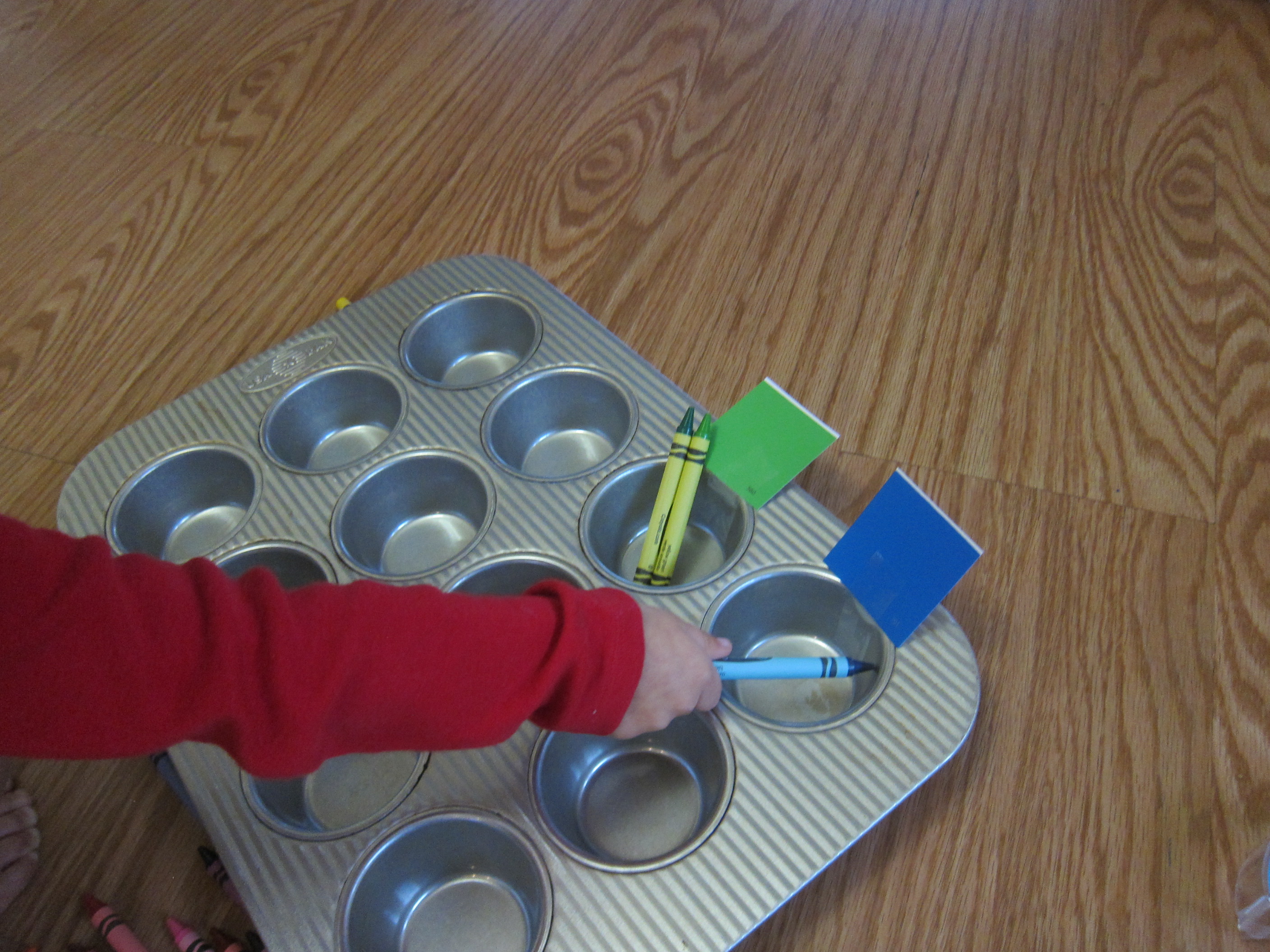
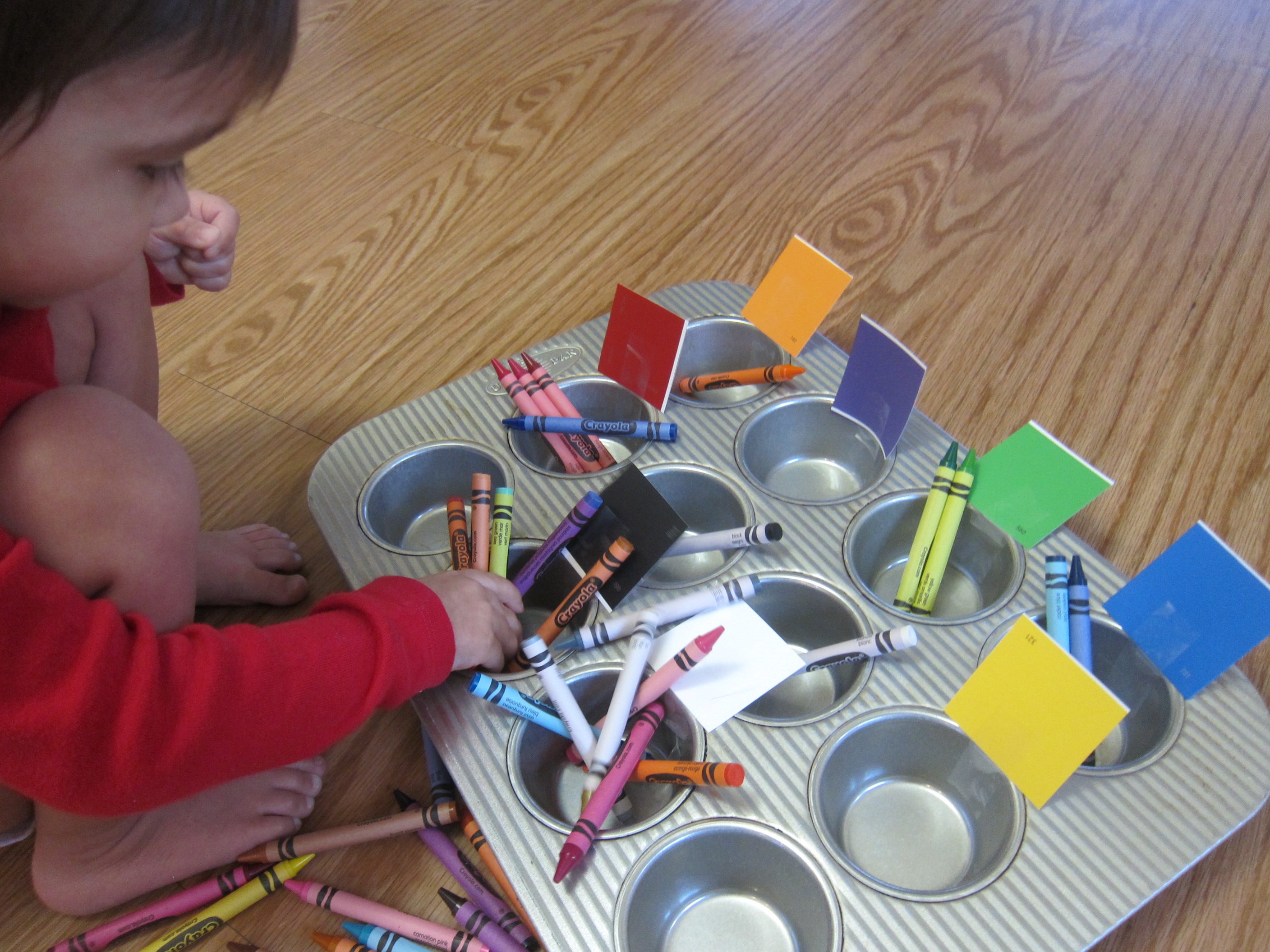
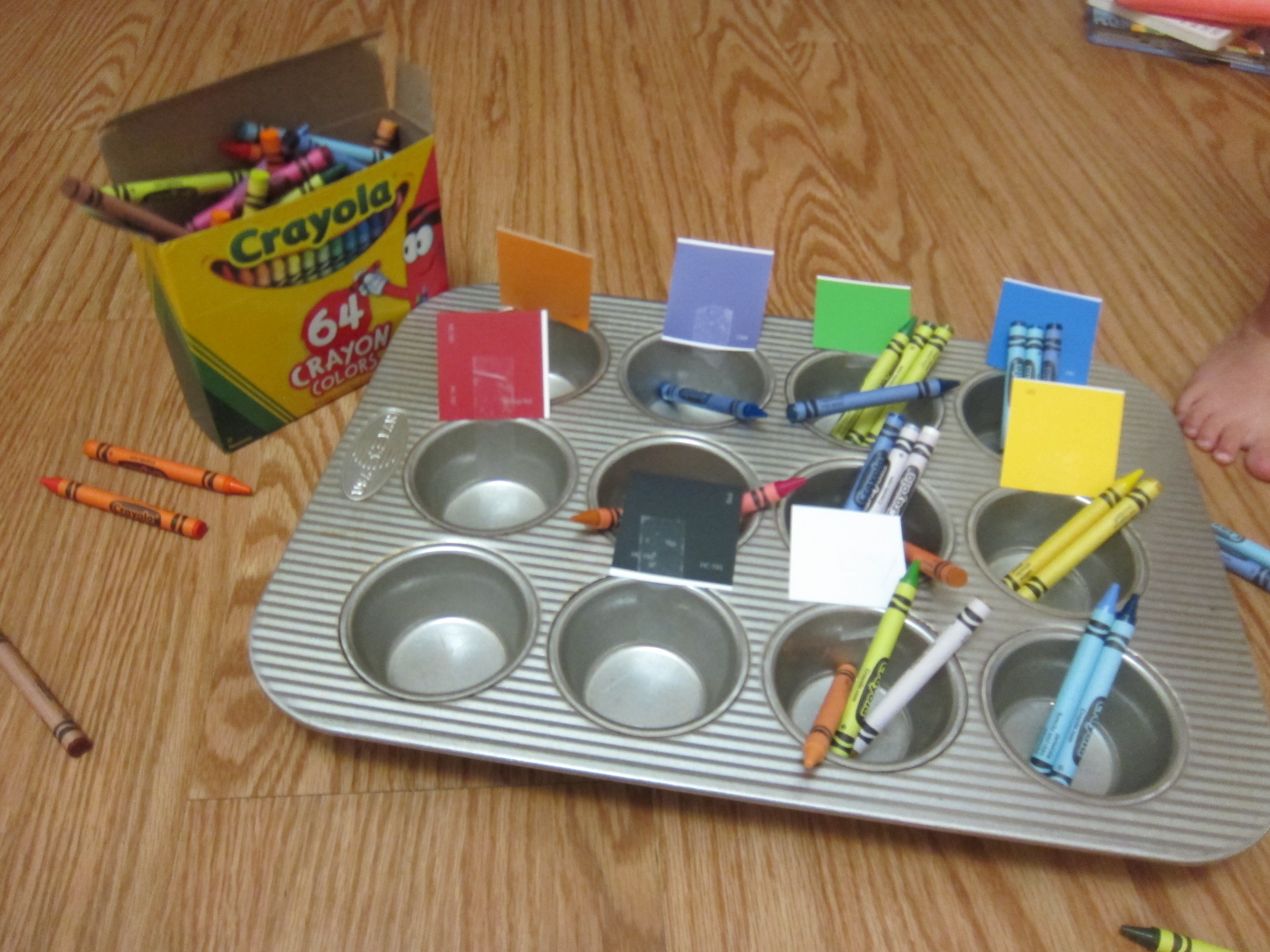
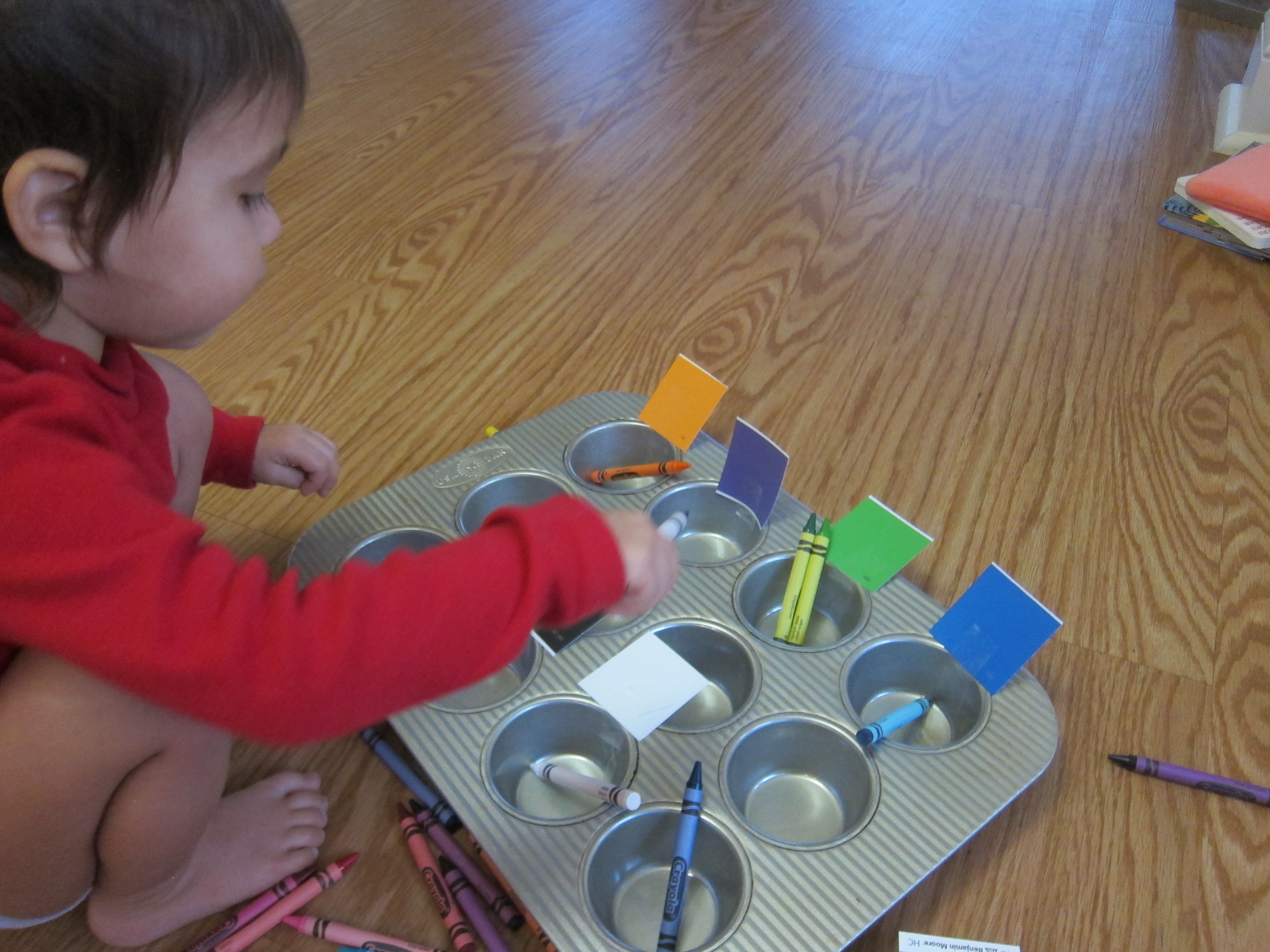
To set up, simply tape paint chips (available for free at hardware stores) to the individual cups of a muffin tin, and then encourage your toddler to add each crayon to the correct cup.

Crayon Color Sorting (2)

I pointed out the first few, using both English and Spanish words. “Where should you put verde green?” I asked her. “What about blue azul?”

Crayon Color Sorting (4)

She was great about sorting at first…

Crayon Color Sorting (7)

…though of course she soon also wanted to mix and match, or transfer the crayons back into and out of the box.

Crayon Color Sorting (5)

In sum, an easy and fun color game for toddlers.

Crayon Color Sorting (8)

Memory

Memory (6)

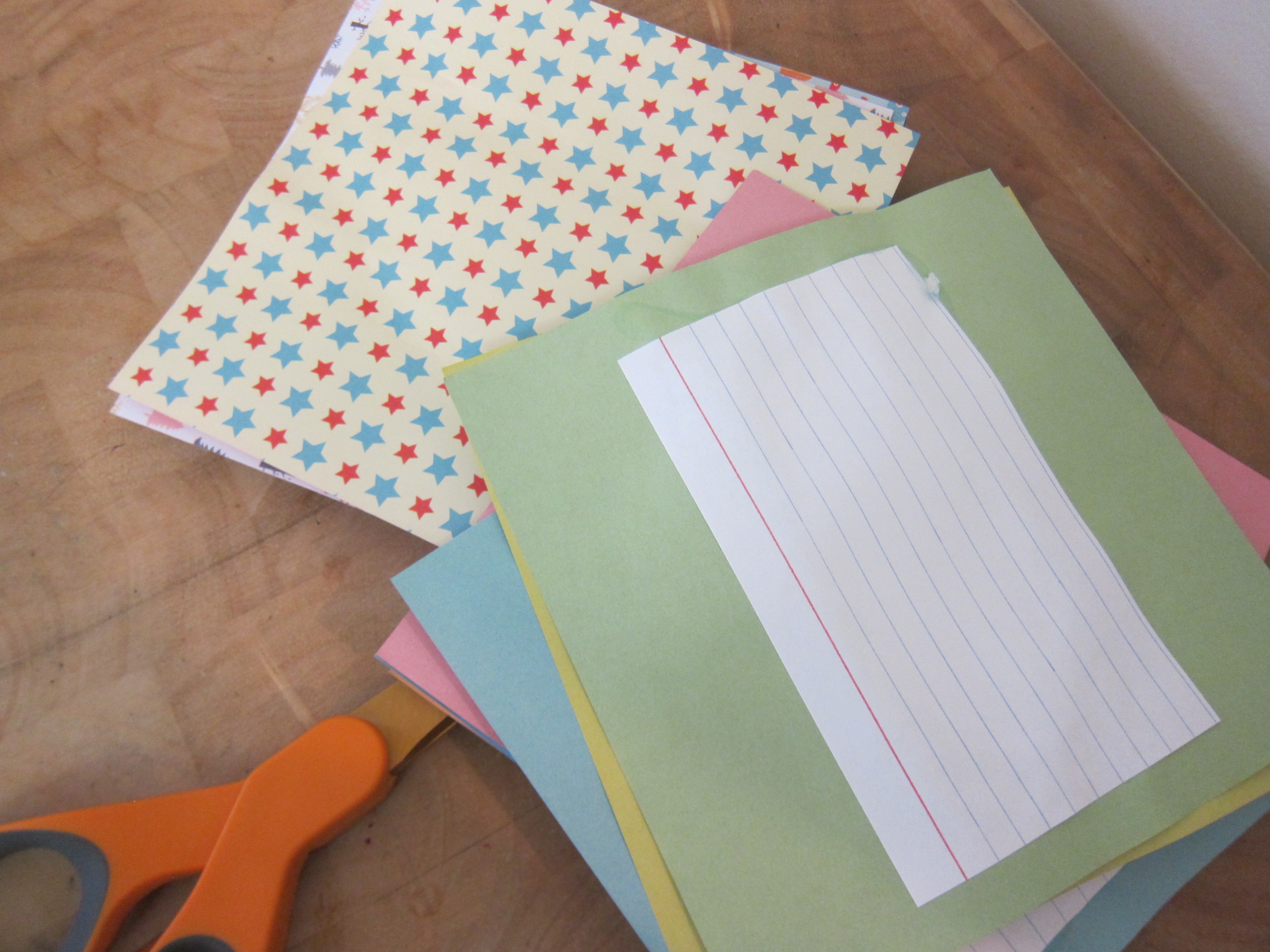
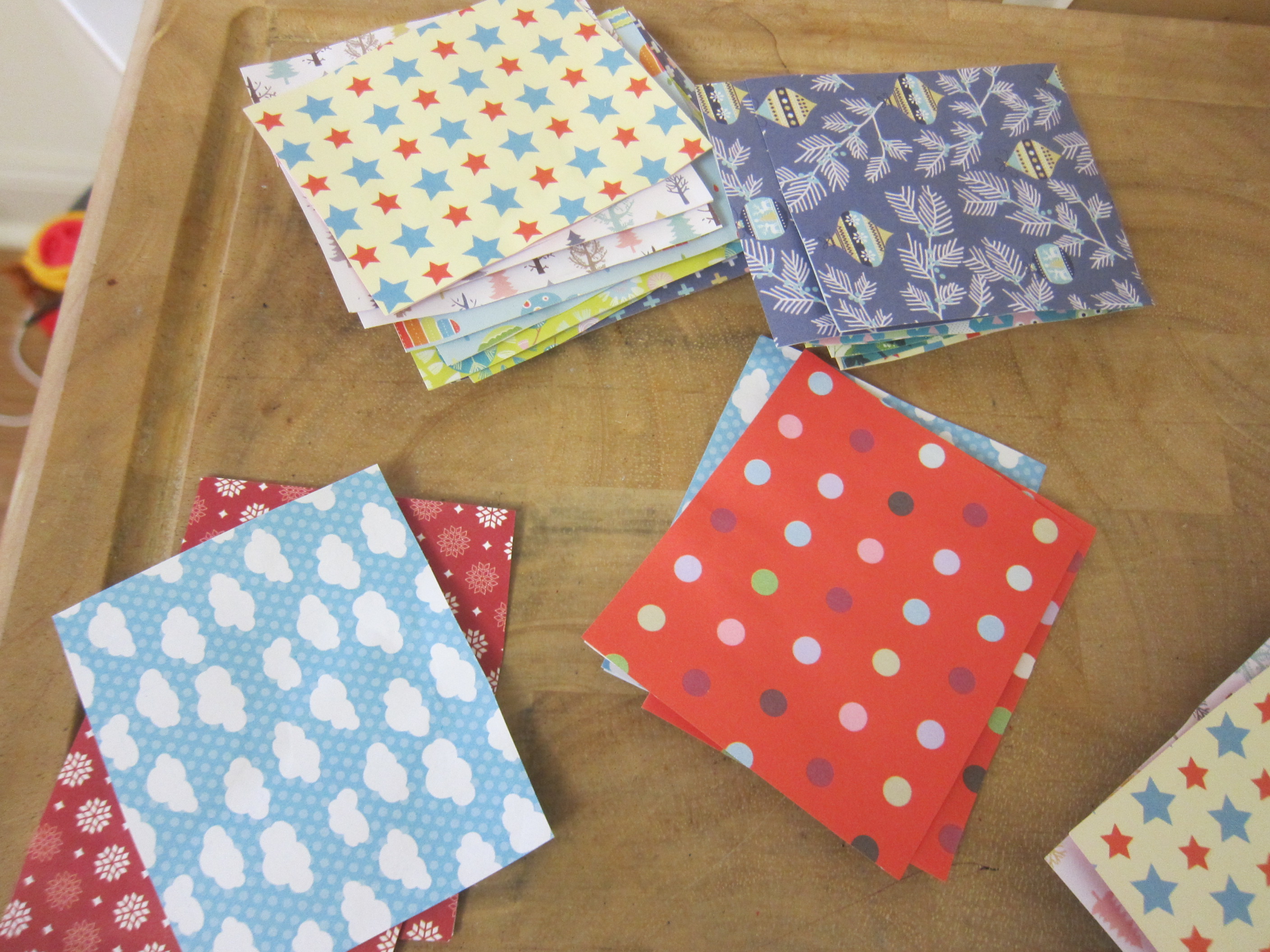
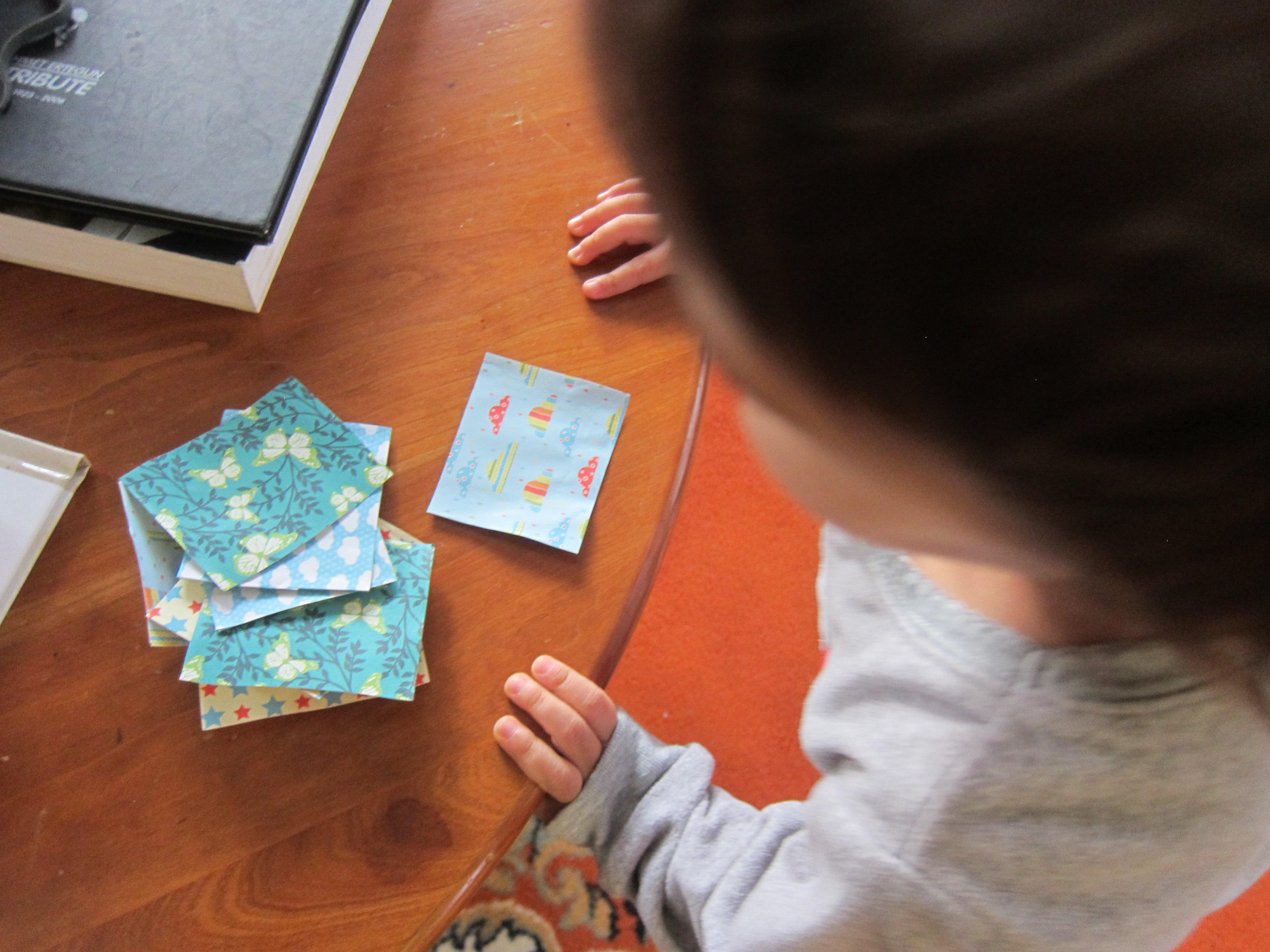
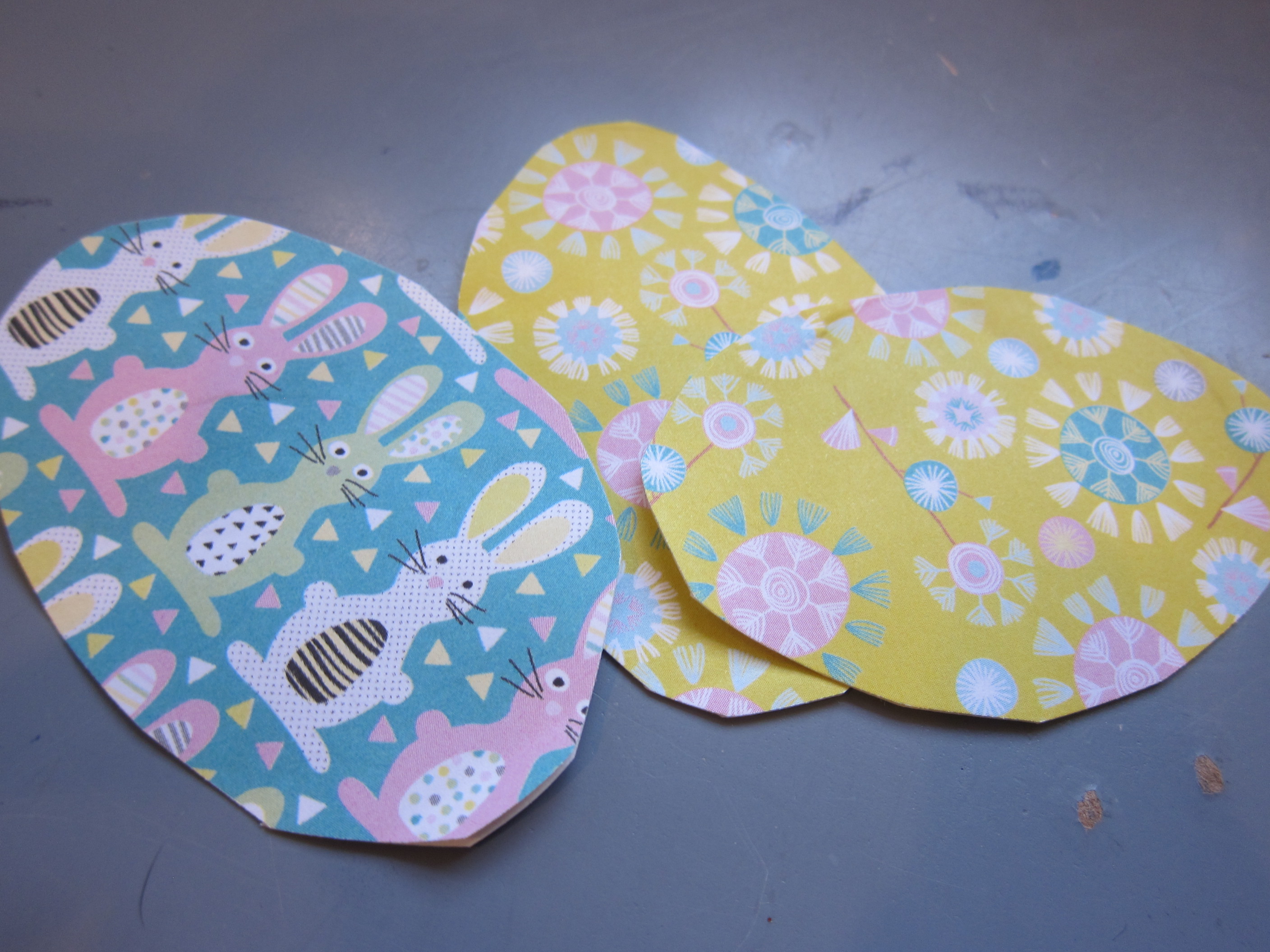
Homemade cards in a variety of prints are a fun riff on the classic children’s game of Memory, and a nice way to introduce even a toddler to the game. My original plan had been to use leftover gift wrap from the holidays for the game but… we used it all up! In a pinch, I had sheets of patterned paper that worked just as well.

Memory (1)

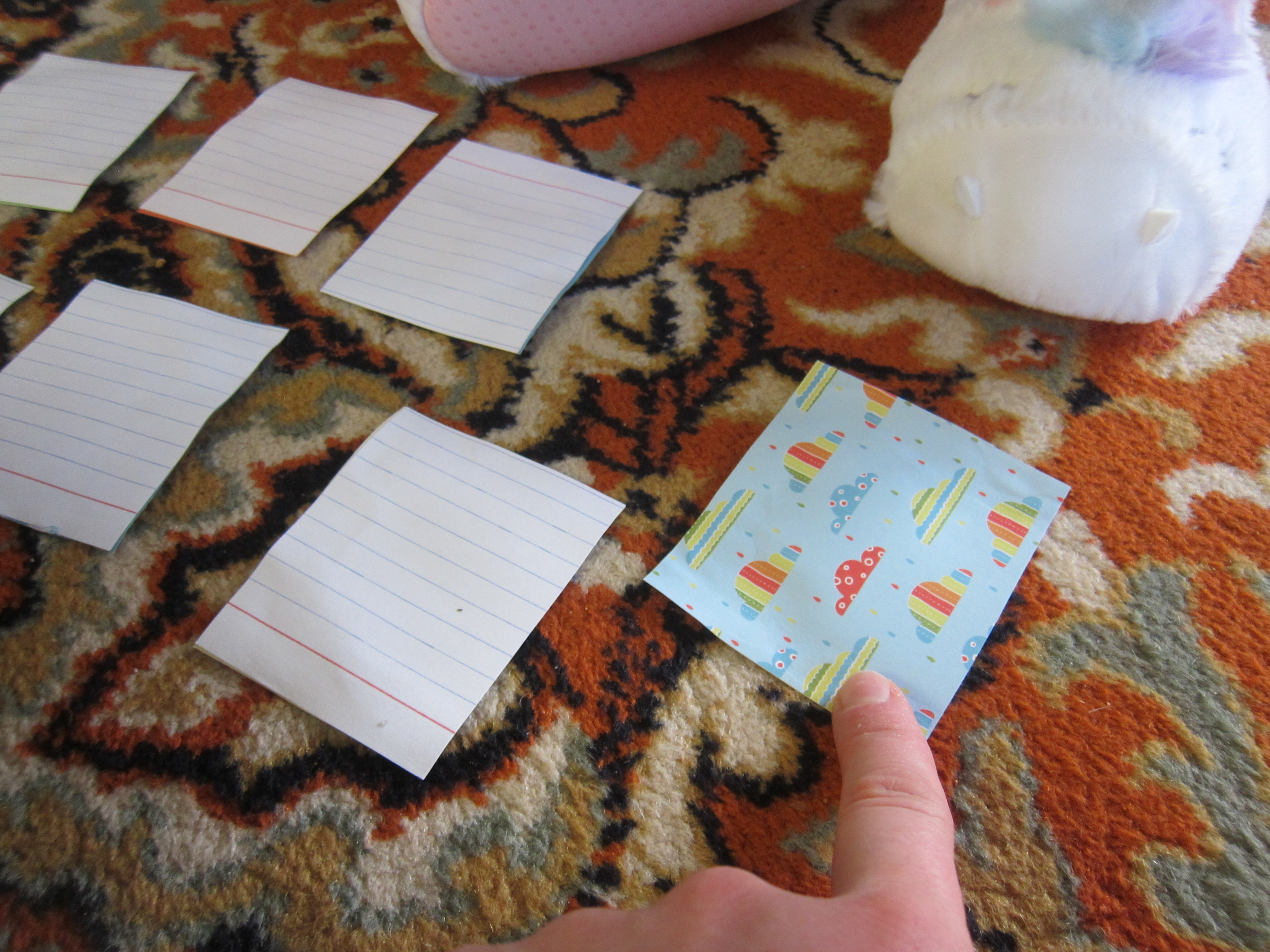
Whichever material you use, glue an index card onto each pattern for sturdiness, then cut in half so you have two of each print. For extra security, you can also cover them with contact paper.

Memory (2)

At first I simply showed Veronika the cards and she loved all the patterns. Go through them with your toddler and name any familiar objects like clouds or stars.

Memory (8)

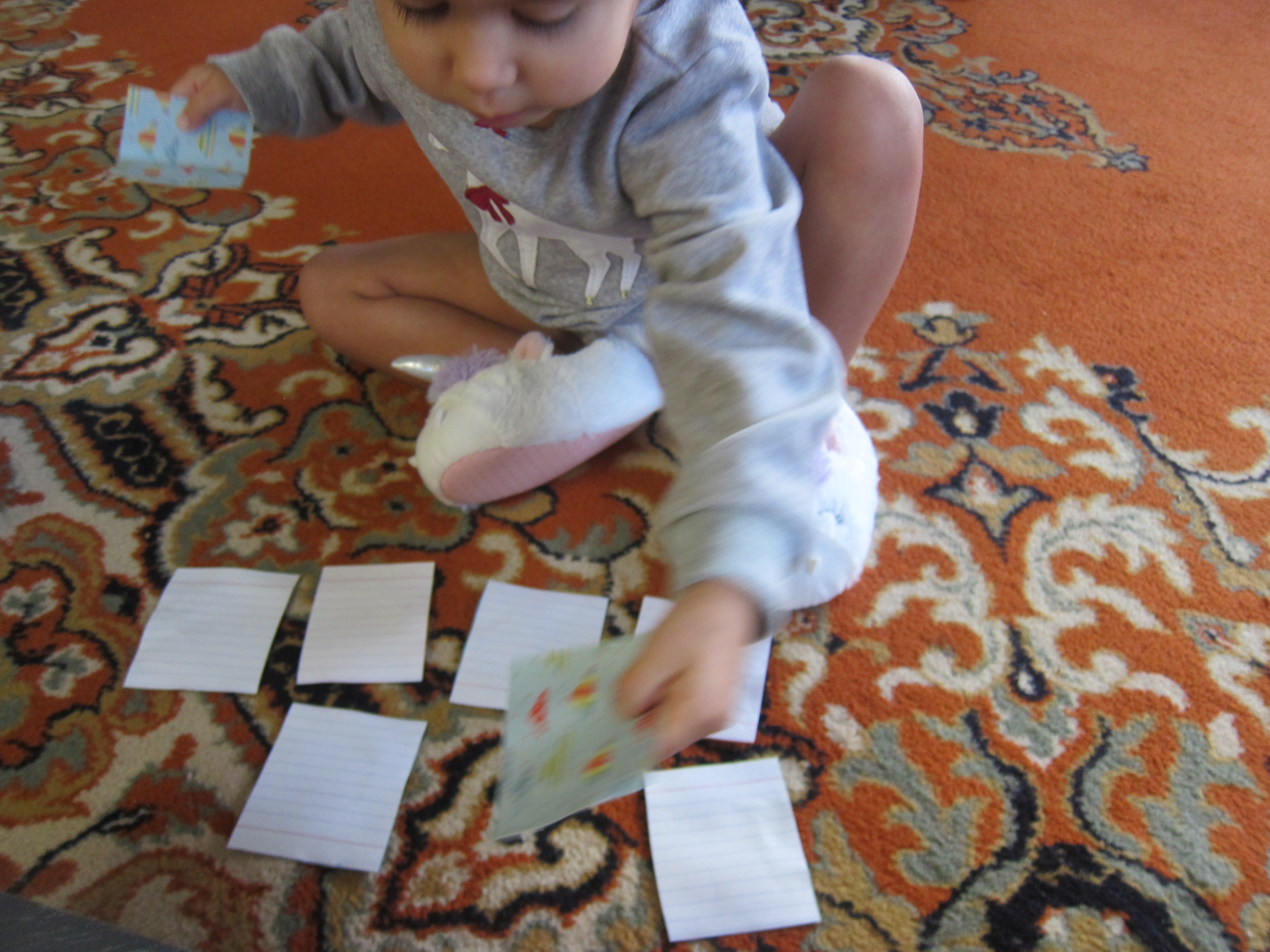
Next it was time to teach her how to play Memory! With a toddler, you’ll want to start with only 3 or 4 pairs. Flip them over and then take turns trying to find a match.

Memory (4)

She didn’t always understand the concept of taking turns, but certainly she could identify when she had two of a kind!

Memory (14)

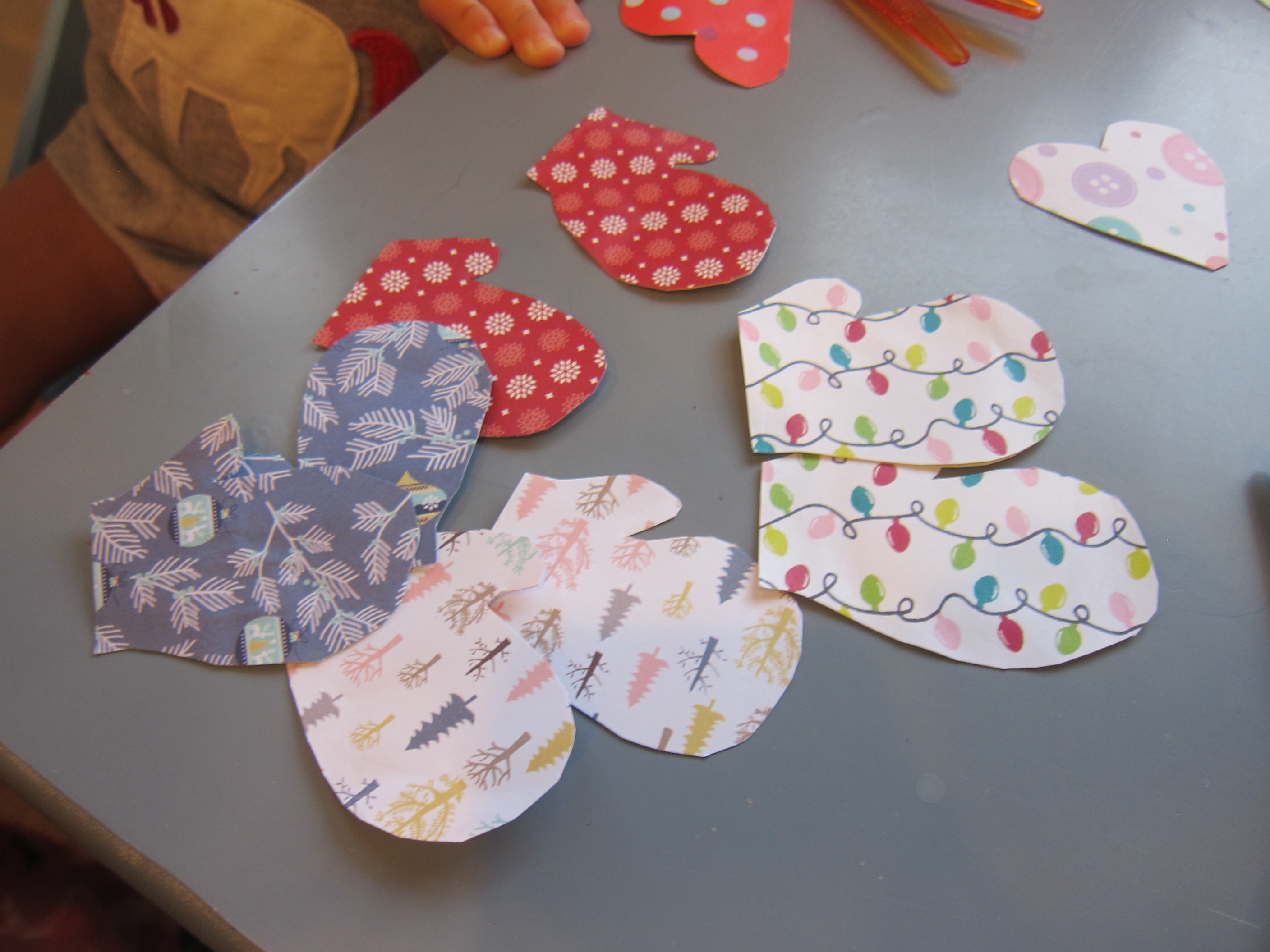
For a seasonal spin, I then cut some of the patterns into mittens and we played Winter Mitten Memory.

Memory (15)

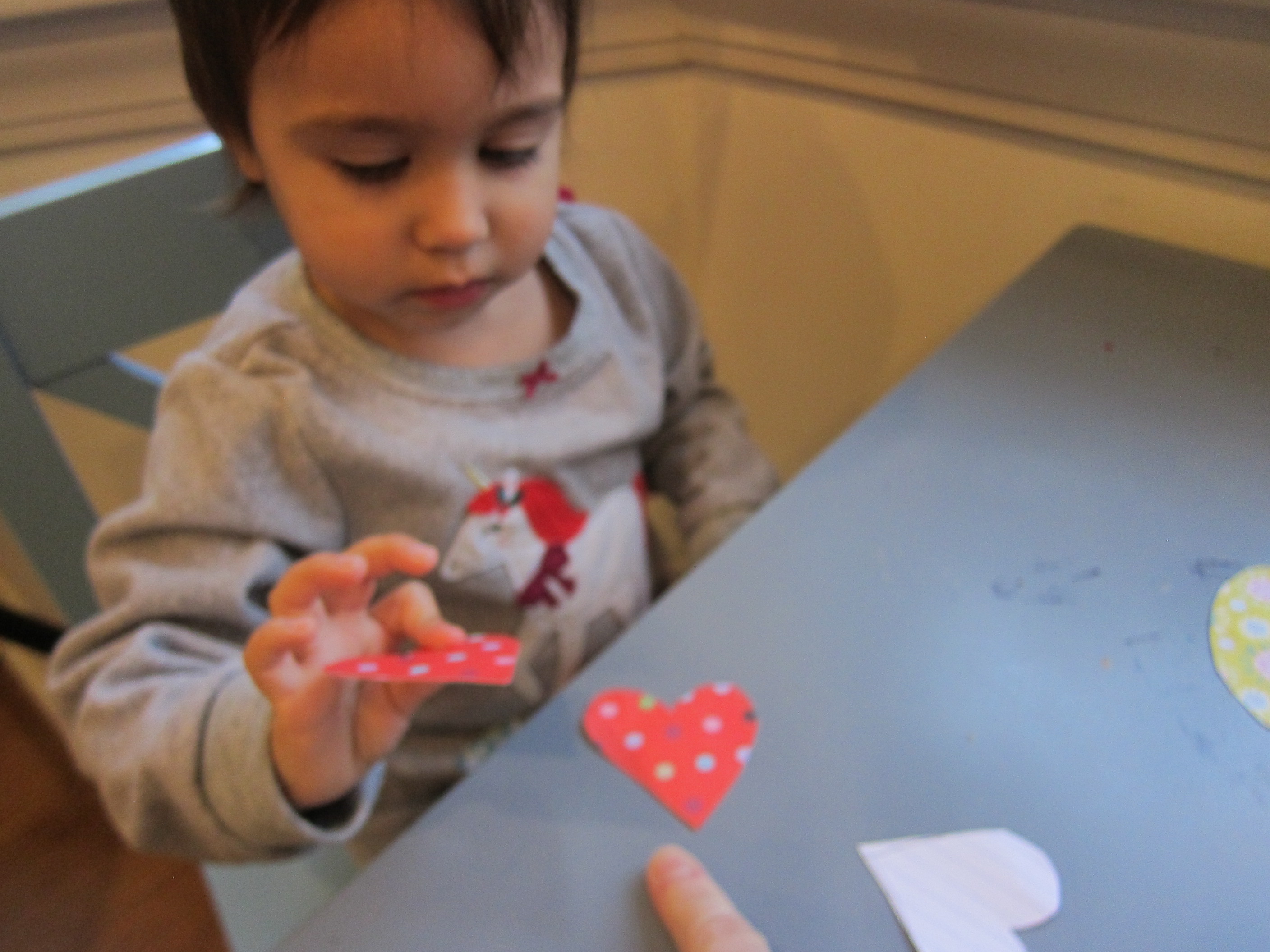
I had so many patterns that I set some aside as hearts (which we can use at Valentine’s Day) and a few as Easter Eggs for the spring.

Memory (11)

Shredded Paper Sandbox

Shredded Paper Sandbox (7)

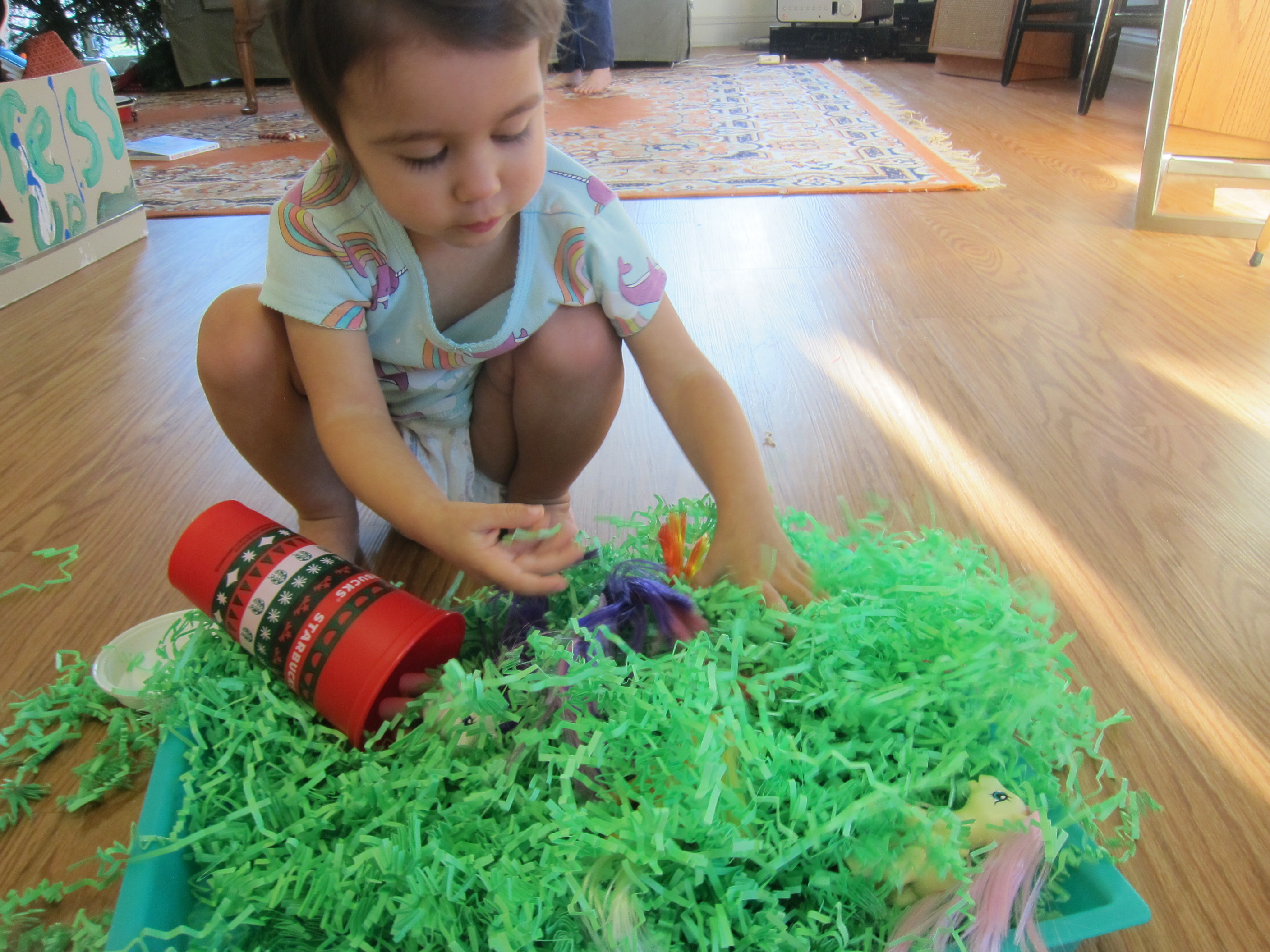
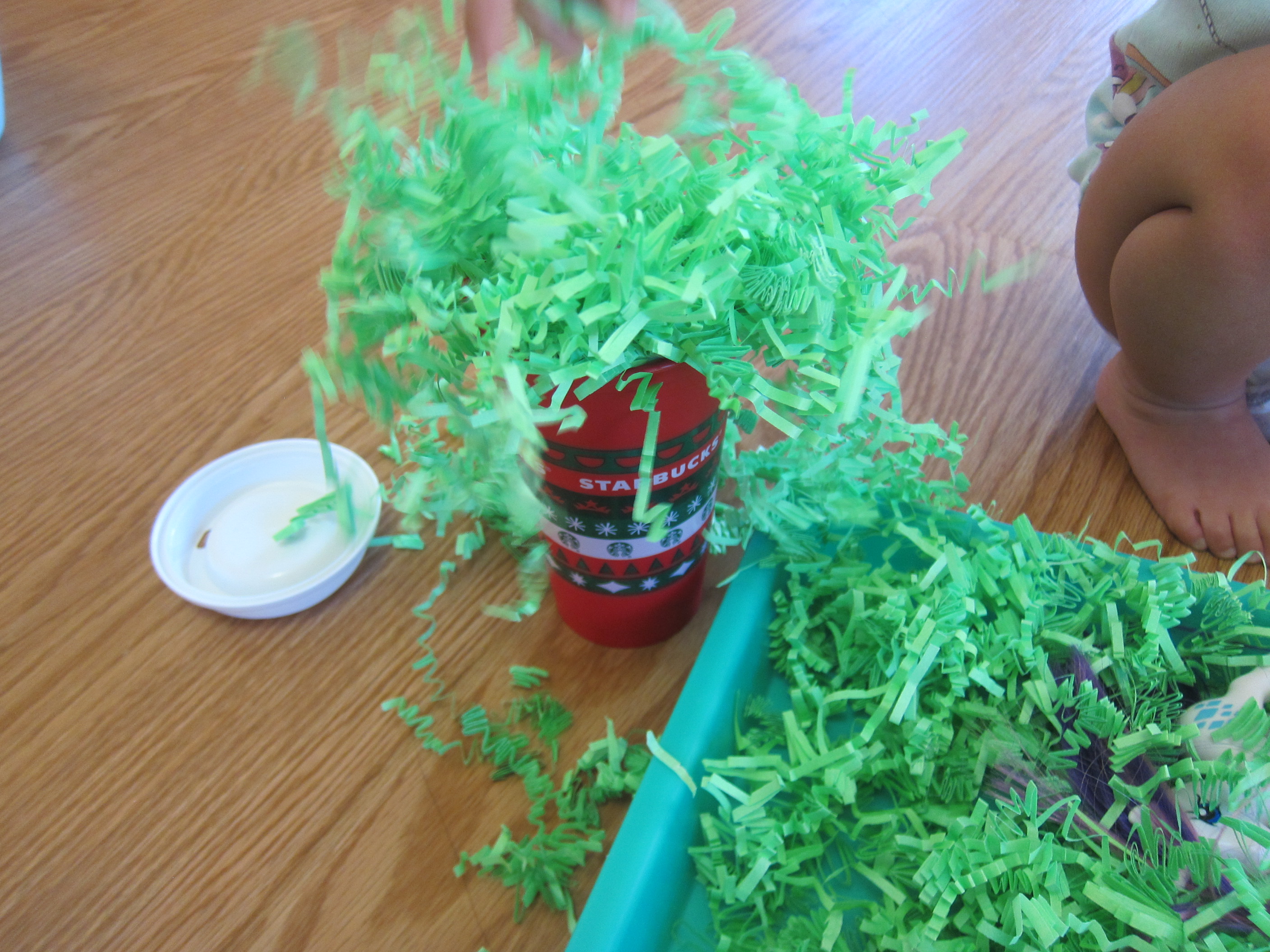
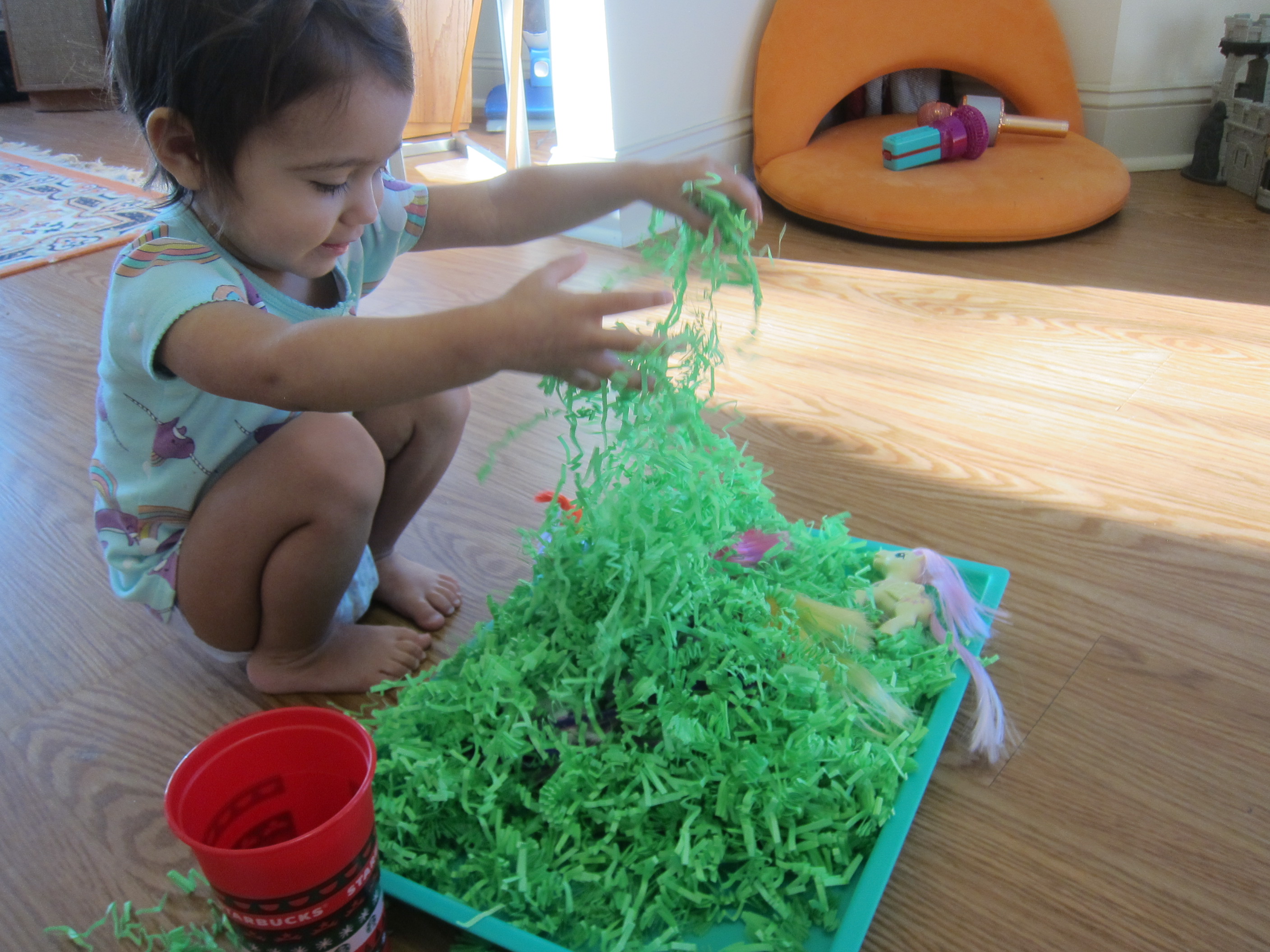
I was looking for a relatively clean indoor sandbox material for Veronika (meaning, easy to clean up!), and realized that a pack of shredded crinkle party paper would be lots of fun. If you don’t have some from the store on hand (available in the gift wrap section), you can also use shredded paper right out of your home’s paper shredder.

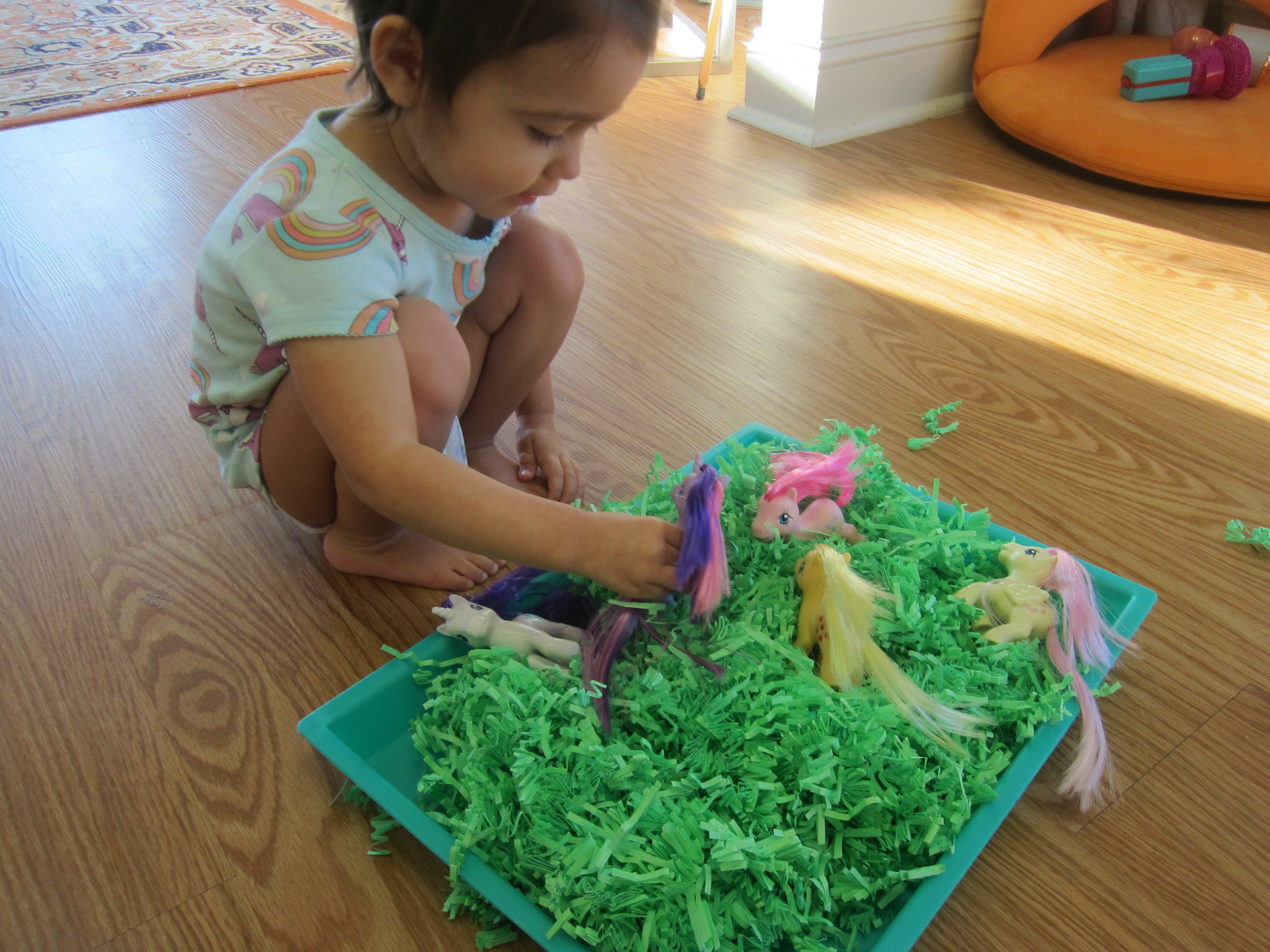
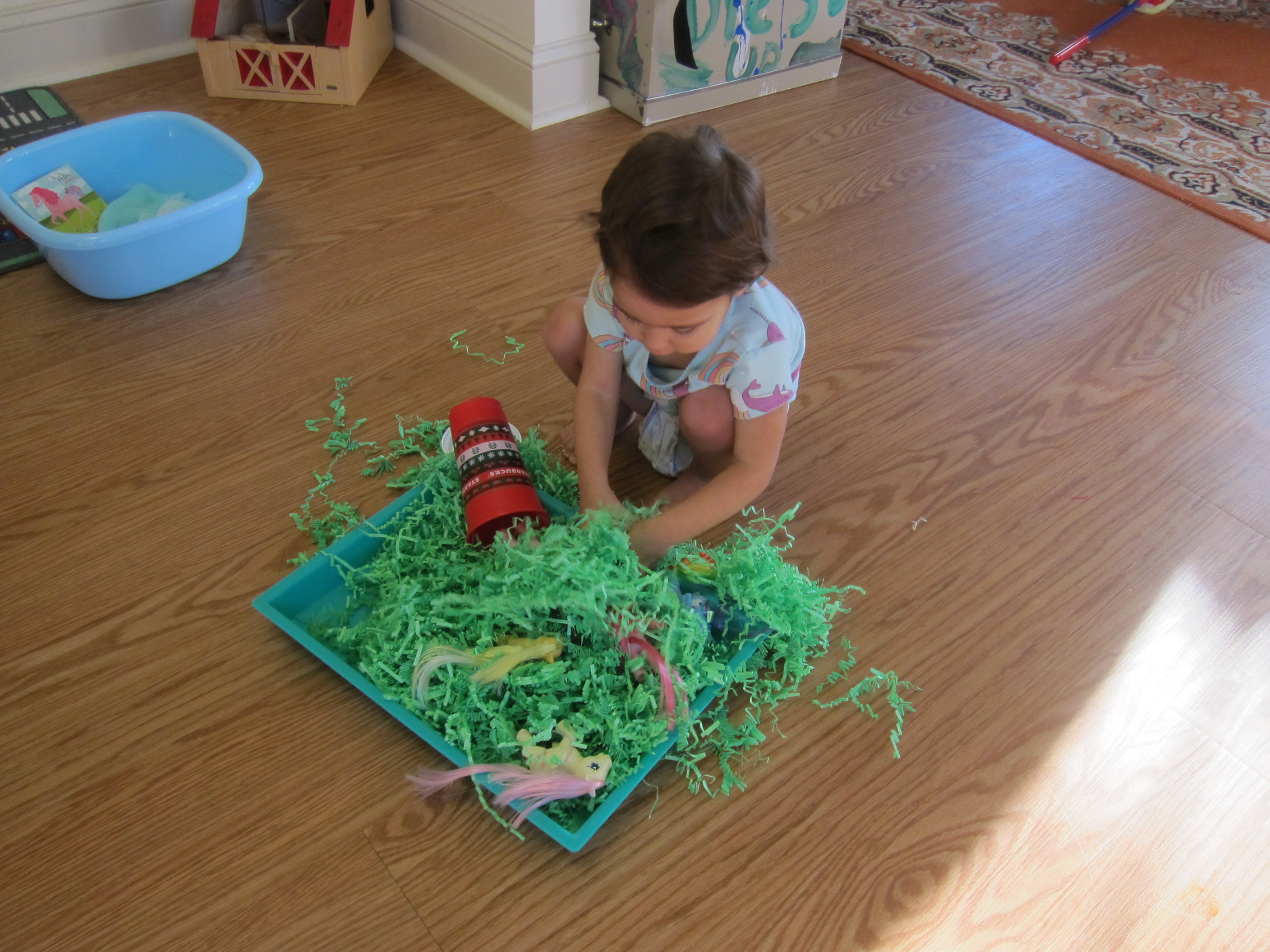
The package I had was green paper, which made me think of green grass, so I decided to add lots of little toy ponies. This had the added bonus of making it feel like springtime on a cold winter day!

Shredded Paper Sandbox (1)

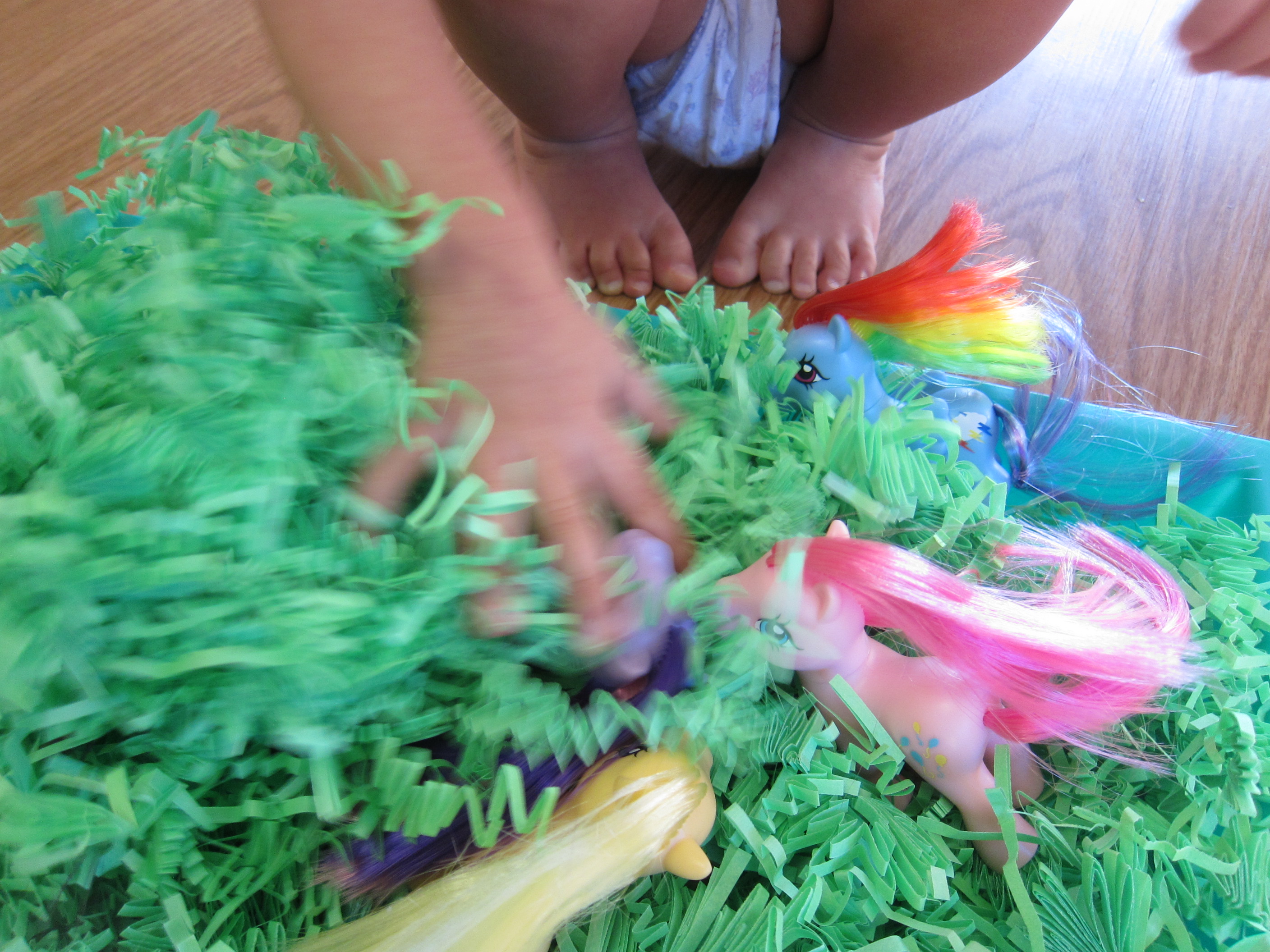
Veronika loved trotting the ponies through the “grass”…

Shredded Paper Sandbox (2)

…or burying them and then uncovering them.

Shredded Paper Sandbox (3)

I also added a cup on the side and she loved filling it to the brim with the green crinkles and then dumping it out.

Shredded Paper Sandbox (4)

This particular “sandbox” was great for auditory sensory play, too, since the paper makes great crinkling sounds as you play with it.

Shredded Paper Sandbox (5)

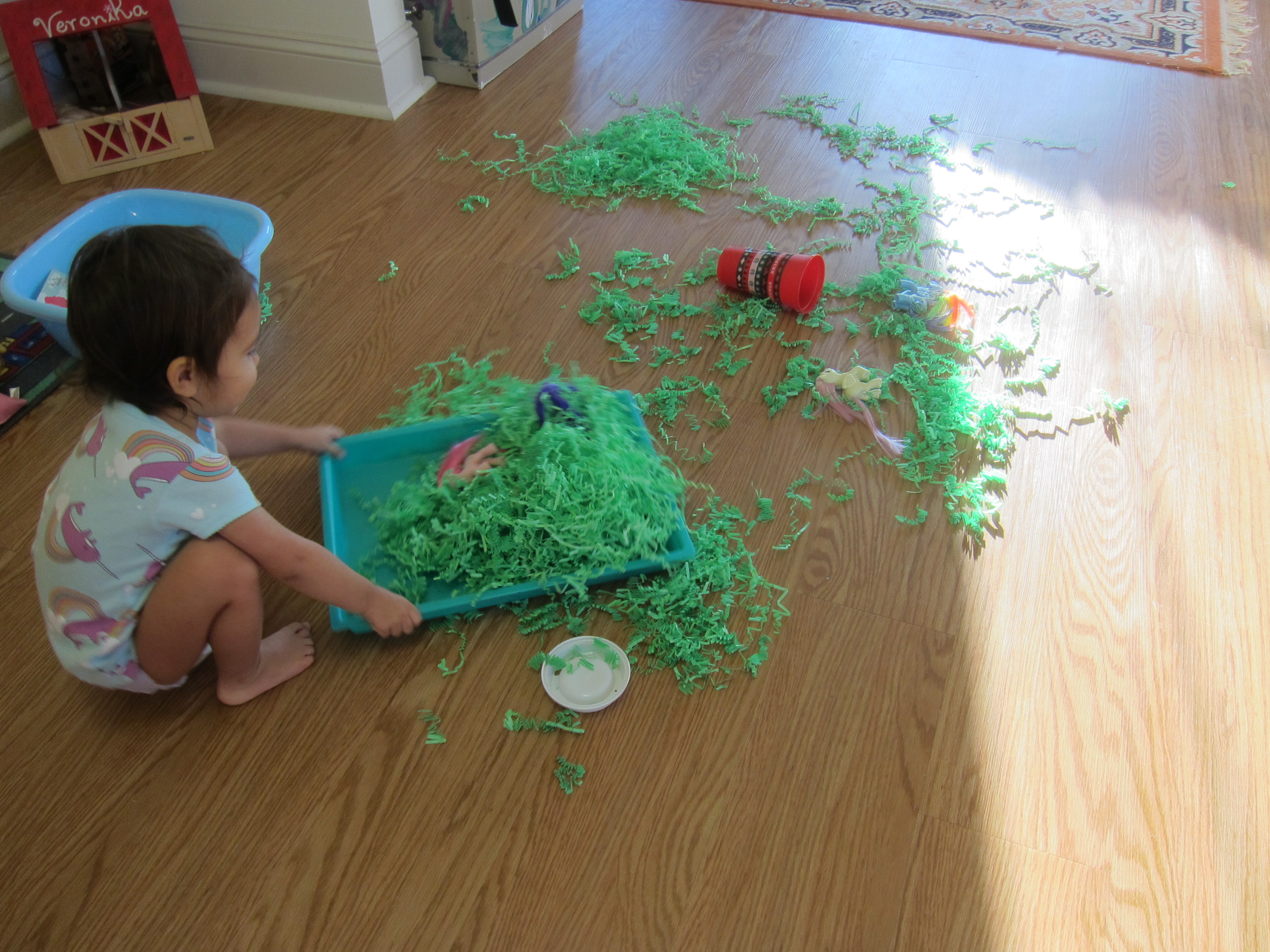
Eventually, she started spilling the “grass” beyond the tray I had set out, with ponies trotting to and fro, so it was nice to know that this material would be easy to clean up once she was through.

Shredded Paper Sandbox (8)

If you do use white shredded paper, this might be fun for a sensory box with a winter or arctic theme instead!

Shredded Paper Sandbox (6)

In sum, this was a great option for an indoor sandbox.

Dance Like a Penguin

Dance Like a Penguin (3)

If a cold winter day means your kids have extra energy to burn in the house, chances are you need some movement play. To wit, today we invented this arctic animal dancing game!

Veronika has a toy penguin that she currently loves, so I’ve been showing her how to “waddle” like a penguin. The silly movement is always good fun for toddlers. And heck, it’s fun and silly for moms and dads, too.

Dance Like a Penguin (8)

Then it was just a matter of cranking up the music and doing our best waddle along to the tunes!

Dance Like a Penguin (7)

Veronika, of course, didn’t always stick with a waddle, but that didn’t matter now that she was getting in her movement play. Soon she was marching or twirling or knee-high stepping to the beat.

Dance Like a Penguin (10)

She loved making her little penguin bounce along, too!

Dance Like a Penguin (4)

This gave us the idea to think of how other winter animals would move to the beat. Could we lumber along like a polar bear? Clap like a seal? Jump like an arctic hare?

Dance Like a Penguin (11)

No matter what we were pretending to be, there were big smiles and lots of movement.

Dance Like a Penguin (12)

Kwanzaa Decorations

Kwanzaa Chain (9)

Travis learned about winter festivals of lights in school this month, including those we don’t celebrate like Diwali and Kwanzaa. I thought it would be fun for Veronika to jump in on the lesson, and the most age-appropriate way to do so for a toddler is to introduce a holiday’s colors or themes. These two easy Kwanzaa decorations fit the bill.

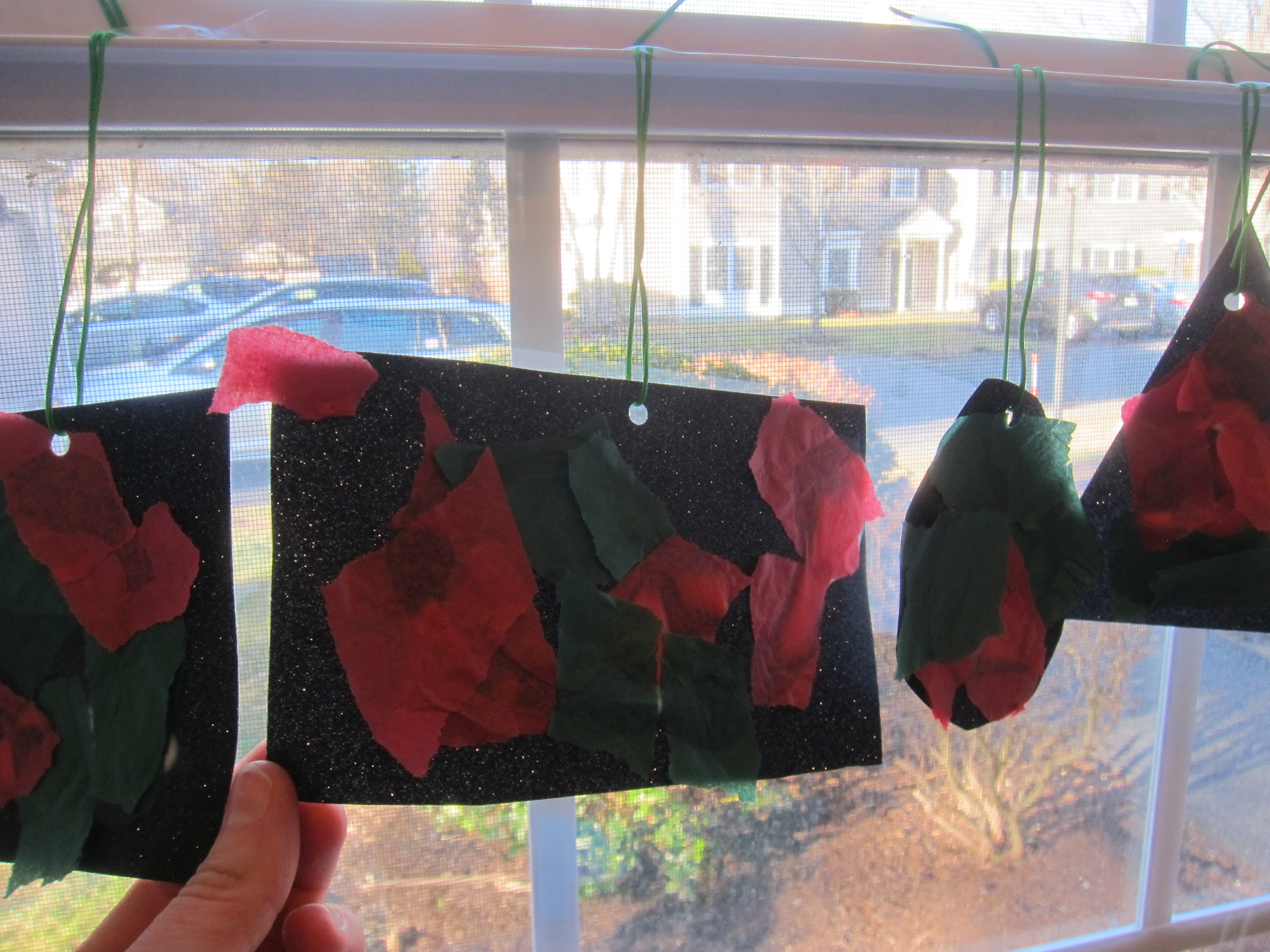
For the first, I cut shapes from black construction paper. For extra sparkle, we used construction paper that already had glitter on it, which Veronika loved! She helped dot glue all over the paper.

Kwanzaa Shapes (1)

Next, we ripped up tissue paper in traditional Kwanzaa colors of green and red, and I showed her how to stick these onto the glue.

Kwanzaa Shapes (3)

Once the glue dries, punch a hole in the top of each shape and hang up for a sparkly decoration. If your family celebrates the holiday, these would be perfect to give as gifts, too, since handmade gifts are another Kwanzaa tradition.

Kwanzaa Shapes (4)

When she saw the shapes dangling, Veronika was thrilled. “It’s the shapes! Look at the circle! And the rectangle!”

Kwanzaa Shapes (6)

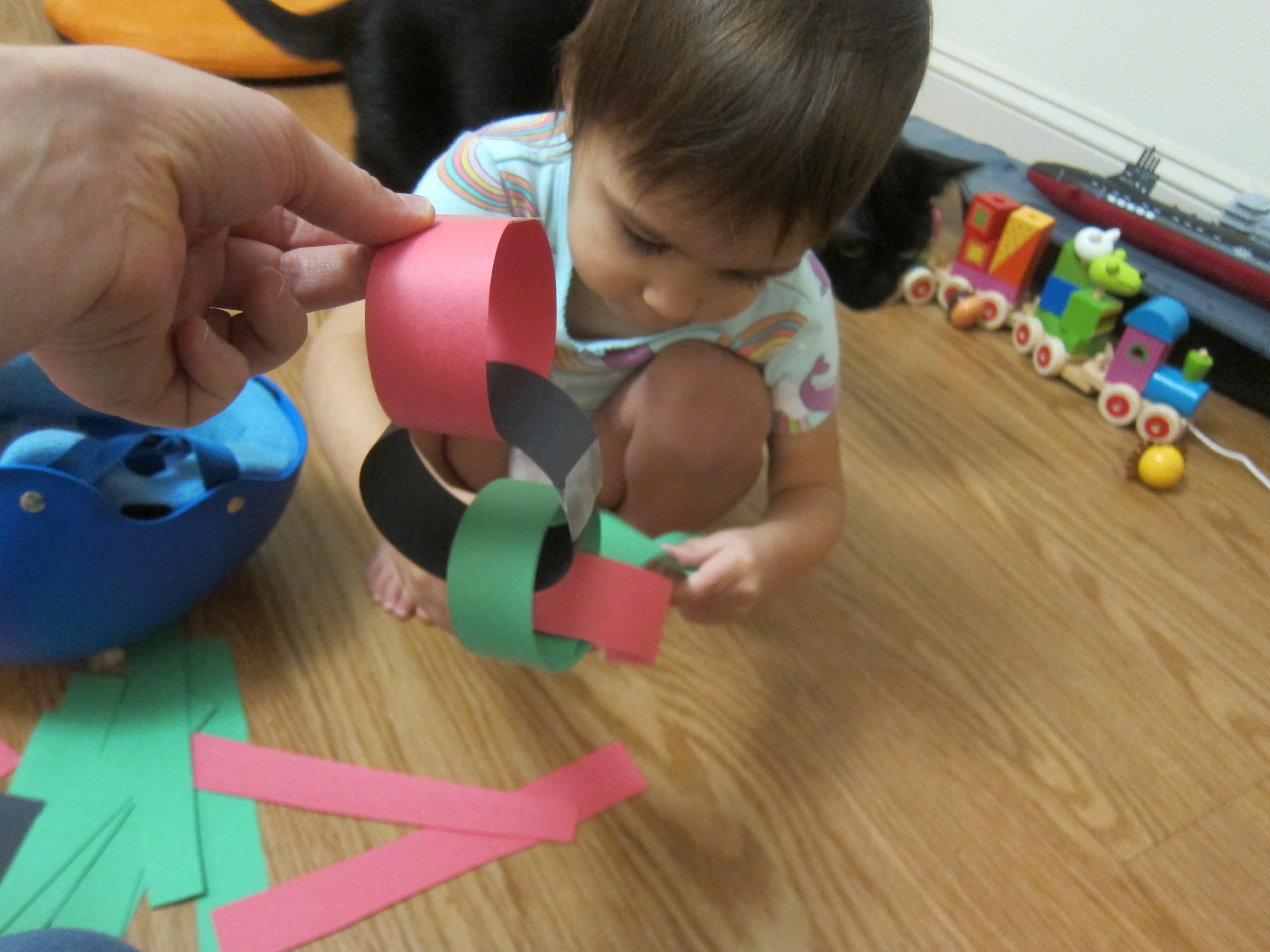
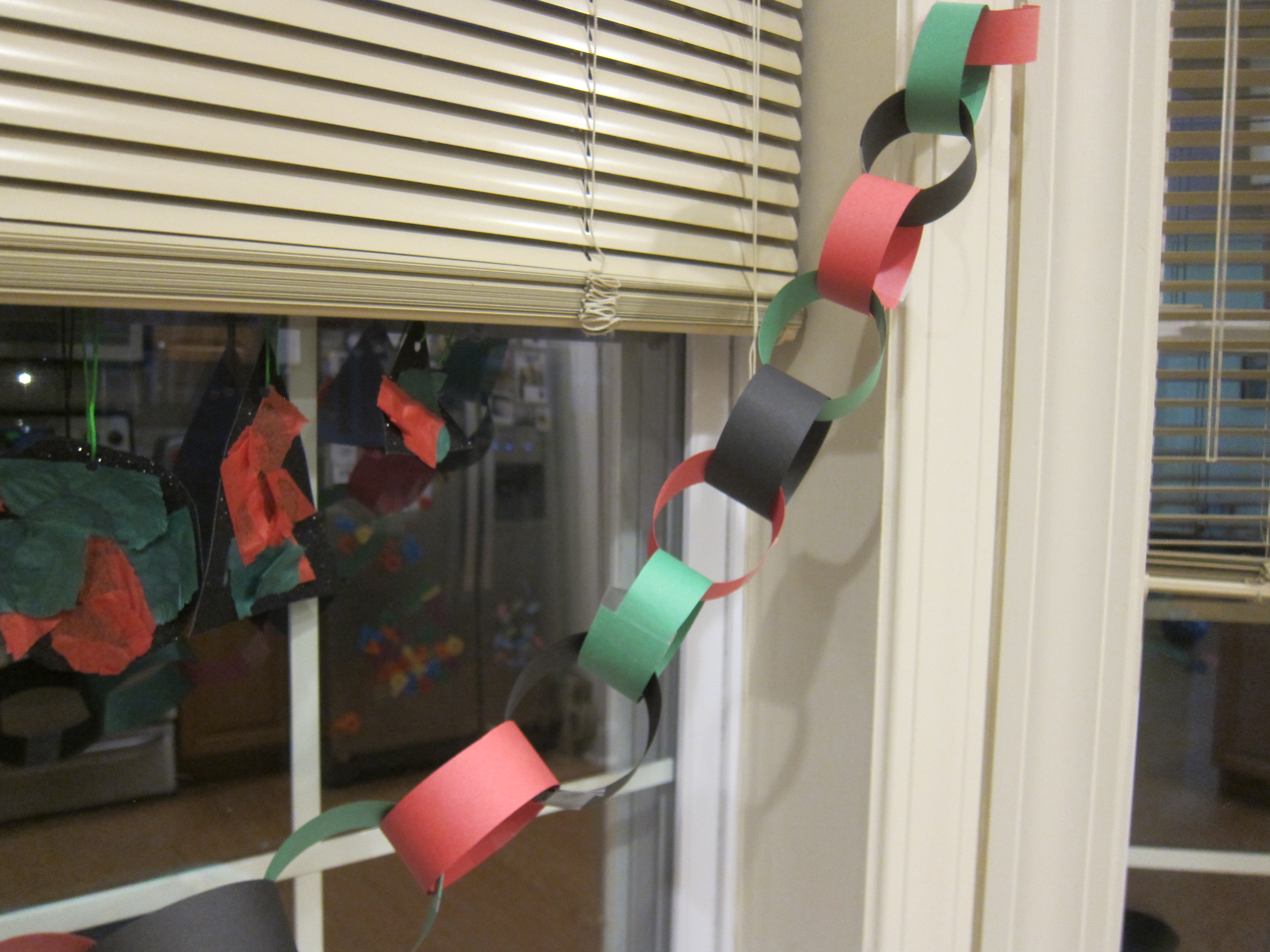
For the second craft, we once again used the traditional Kwanzaa colors, but this time to make a paper chain garland. I cut strips of red, green, and black construction paper, then looped a red piece into a circle and taped it shut. (Note: You can also staple or use glue for this step).

Kwanzaa Chain (1)

I showed Veronika how to thread a second strip through the first, and loop that one into a circle. She loved helping with this step.

Kwanzaa Chain (3)

For an early pattern lesson, I helped her arrange them in order: red, green, black, repeat! She named all the colors as we worked, and loved that we were making circles.

Kwanzaa Chain (4)

She also was a big helper with the tape!

Kwanzaa Chain (7)

Make as many of these garlands as your family likes, and hang up as decoration!

Kwanzaa Chain (6)

Happy Kwanzaa to those who celebrate!

Kwanzaa Chain (8)