4 Ways to Use Plastic Eggs

4 Ways Eggs (2)

Now that the Easter egg hunts are done, we’re left with lots of plastic eggs! Here are four ways to put them to use before packing them away until next Easter.

First, there’s the classic plastic egg maraca. Fill an egg with a little bit of uncooked rice and secure with tape around the middle to avoid any spills.

4 Ways Eggs (1)

Then shake shake shake!

4 Ways Eggs (4)

Next we made them into an afternoon snack holder. This delighted Veronika, who found cereal puffs inside hers…

4 Ways Eggs (5)

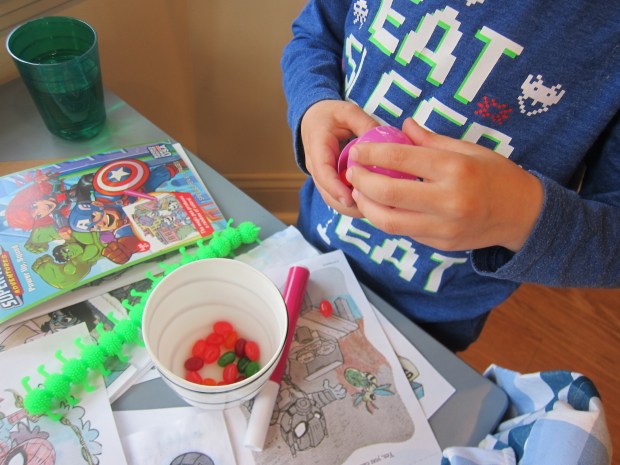
…and Travis who wanted to fill his own (with leftover Easter candy of course).

4 Ways Eggs (6)

Then we made creatures! We got crafty with wiggle eyes and pom pom legs for “creepy crawlies” that had both kids giggling.

4 Ways Eggs (7)

You can add pipe cleaners as antennae if you have them on hand, or get really detailed with one type of bug or animal.

4 Ways Eggs (8)

Finally, have one last hunt before bed, but make it a glow-in-the-dark hunt! After dark, hide some of the eggs again for older kids with lights inside.

4 Ways Eggs alt

Mini glow sticks work well for this, as do small balloon lights.

4 Ways Eggs (9)

Travis loved discovering a few just before bed!

4 Ways Eggs (10)


Ring of Love

Ring of Love (3)

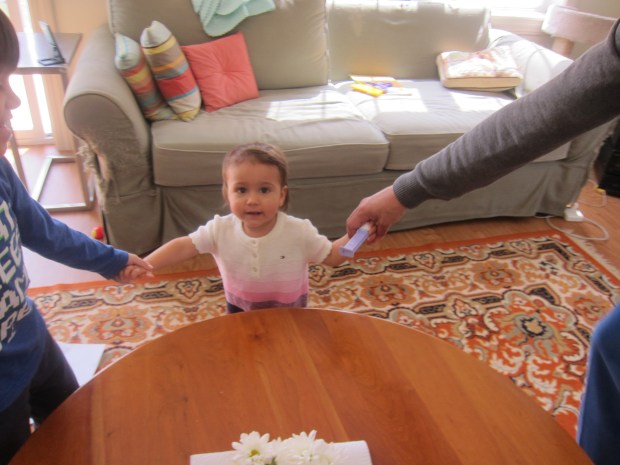
Today was a very different Easter for us, as I’m sure it was for many during Covid-19, just our family of 4 around a small table in the living room. To make it feel special for both siblings, I called everyone over before ourmeal began. We held hands and began to walk in a circle around our coffee table.

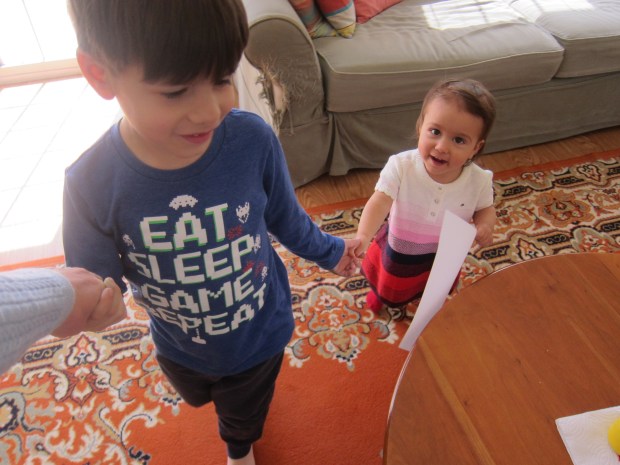
Immediately, this delighted Veronika! She no doubt loved taking us all for a “walk”, and the sight of our hands joined together. Travis felt the special nature of the moment, too, and stopped to give her a kiss.

Ring of Love (2)

As we walked around, we each shared a hope for the family: that we are happy, that we are healthy, and so forth. It was a beautiful moment, so much so I might make this a tradition!

Ring of Love (1)

You can even just have siblings join hands and spin each other around and around. Make it more of a game by having them change the way they move (walking, running, hopping), or switching directions. Either way, this one is sure to make everyone in the family feel the love.

Chicken Littles

Chicken Littles (5)

Here’s an adorable craft for your Easter table, even if your gathering is smaller than usual this year due to social distancing. Kids can get involved with several steps, including painting, cutting out shapes for the face, or helping arrange the flowers.

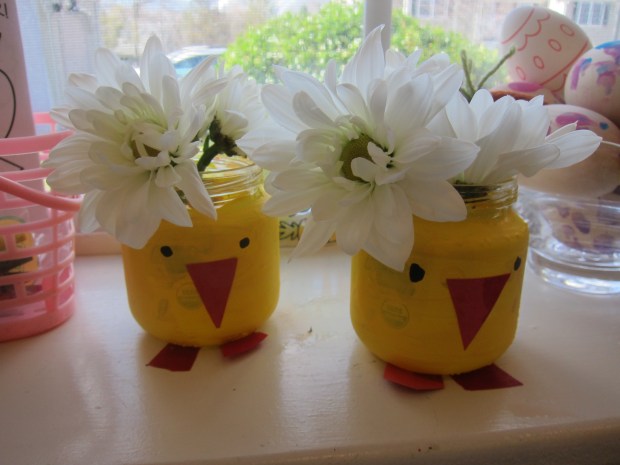
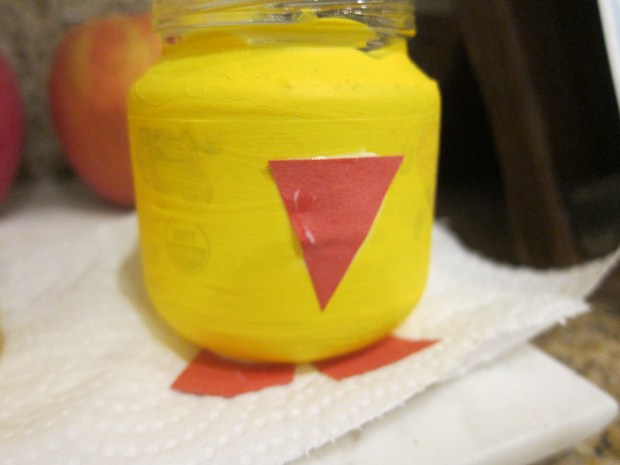
To start, paint empty baby food jars with several coats of yellow acrylic paint. Let dry completely.

Chicken Littles (1)

Cut out triangles for beaks and wedges for feet, whether from felt or construction paper. I would have preferred felt, but paper worked in a pinch!

Chicken Littles (2)

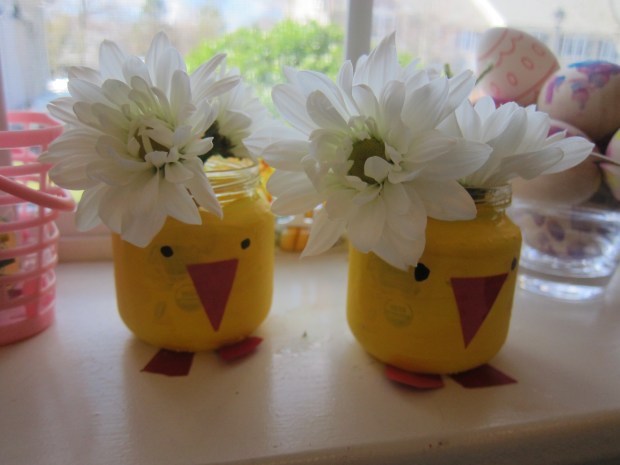
Use a black sharpie to add eyes.

Chicken Littles (3)

Now your chicks just need feathers in their caps, care of little white flowers, of course! These turned out so cute.Chicken Littles (4)

Passover Goblet

Passover Goblet (6)

Passover began yesterday, and although we don’t celebrate the holiday, we have friends and family who do. Travis enjoyed learning a bit about the holiday and making these goblets, which are traditionally placed on the Seder table to symbolize hope. The message of hope certainly felt appropriate in this Covid-19 era in which we suddenly live! You’ll need plastic goblets for the craft, which you can find at craft stores or party stores.

Passover Goblet (1)

Dab tacky glue over only half of a plastic goblet, to avoid getting fingers messy, and wind colorful yarn around that half. Let dry, then repeat with the bottom half of the goblet.

Passover Goblet (2)

We left the stems free of yarn, but you can cover completely, if desired.

Passover Goblet (3)

Once dry, we added a few pom poms for a final flourish!

Passover Goblet (5)

You could also add name tags for the prophets Miriam and Elijah, if truly celebrating a Seder this week. Travis loved the way these looked, and was so enamored of the goblets that he made sure the family drank water all day from leftover ones.


Light-Up Heart Flower

Light Up Flower (7)

After lots of experiments with circuits, not only does Travis have a good understanding of how they work, but mommy does, too! In all honesty, this was a project I put together for Travis to make home school pencils feel special, rather than one he learned from. Many of the steps were simply too advanced for a kindergartner’s dexterity. But consider it as a STEM project if you have kids aged 9 and up!

First, wrap a pencil in green tape for a flower stem. I did this against a light green pencil, giving it a nice two-tone look.

Light Up Flower (5)

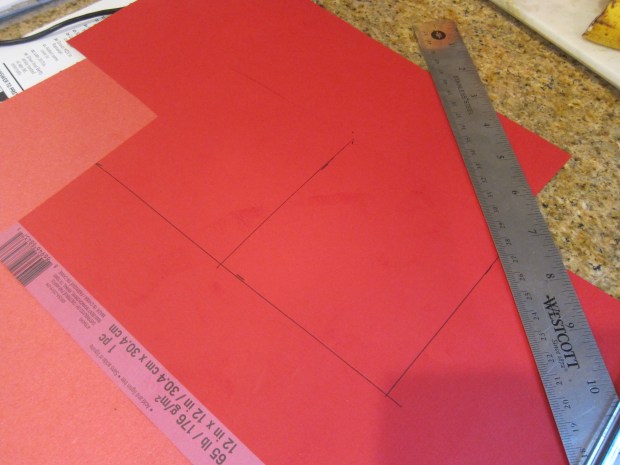
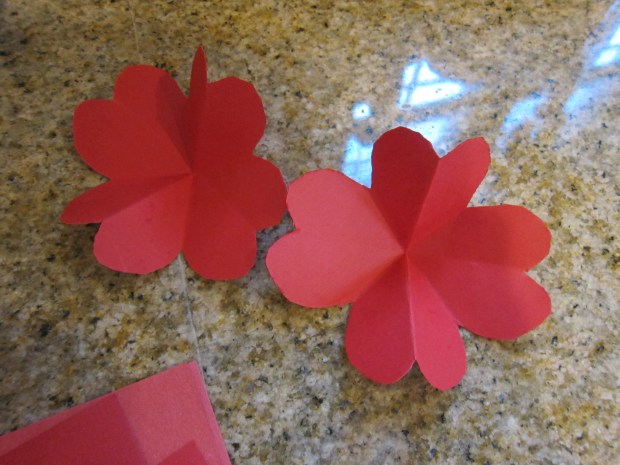
To make petals, cut two squares of red cardstock that are 4×4 inches, and one square that is 3×3 inches.

Light Up Flower (1)

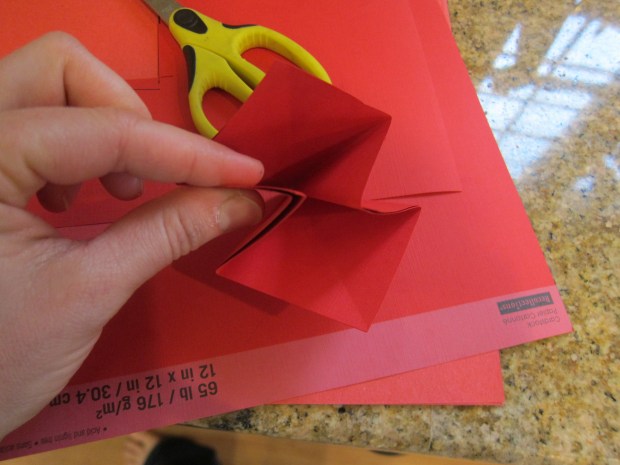
Fold the squares in half first vertically and then horizontally. Then fold diagonally in both directions. You can now tent up the piece of paper so it forms a smaller square.

Light Up Flower (2)

Draw a heart such that the bottom of it comes to the center fold.

Light Up Flower (4)

Cut out along the heart shape, and when you open the paper up, you’ll have 4 hearts! Repeat with the other pieces of cardstock.

Light Up Flower (3)

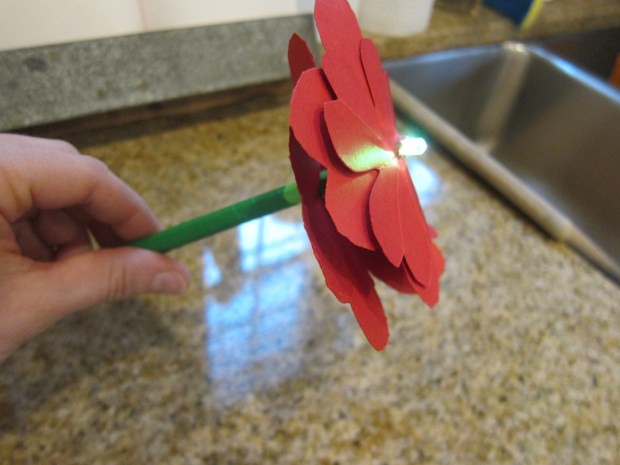
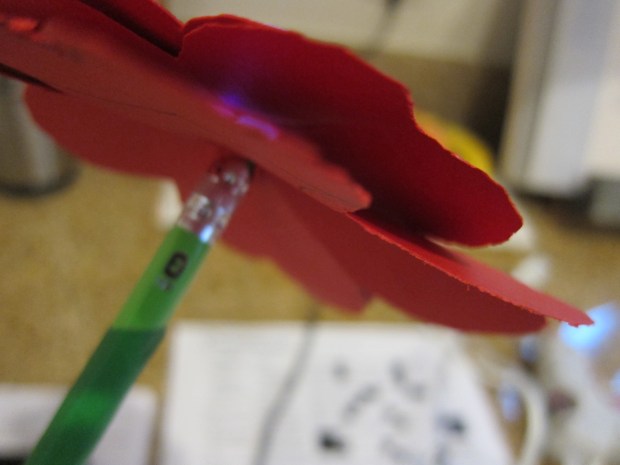
Punch a hole in the center of each of these “petals” using the sharp tip of a pencil or pen, and set aside. To put the flower together, glue an LED light to the pencil’s eraser end.

Light Up Flower (6)

Slip one large petal over the light, followed by the smaller petal, and use hot glue to secure in place. Tape a 3V battery underneath the large petal. Make sure that the negative side of the battery lines up with the negative end of the LED light, and the positive with the positive. (Hint: the positive leg is the longer one). Secure one of these connections with tape, but leave the other loose.

Light Up Flower (8)

Now push the final cardstock petal up from the lead end of the pencil. When it presses the other leg of the LED light against the battery, the circuit is complete!

You can secure this bottom piece of cardstock in place with a rubber band, if desired. Hopefully this makes all of Travis’s writing projects more exciting in the home school weeks ahead!

Lemon Battery

Lemon Battery (4)

Travis has enjoyed learning about circuits lately, and today we tried to make our own battery! This is a bit of a spin on the old potato battery experiment you might remember from elementary school.

For the set up, first we washed a penny in warm soapy water to make sure it was clean.

Lemon Battery (1)

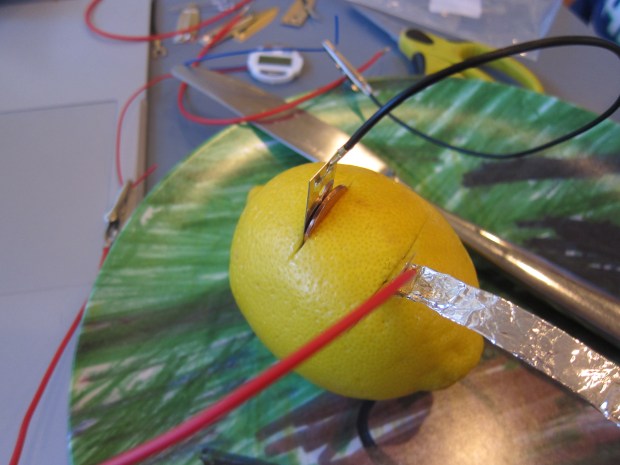
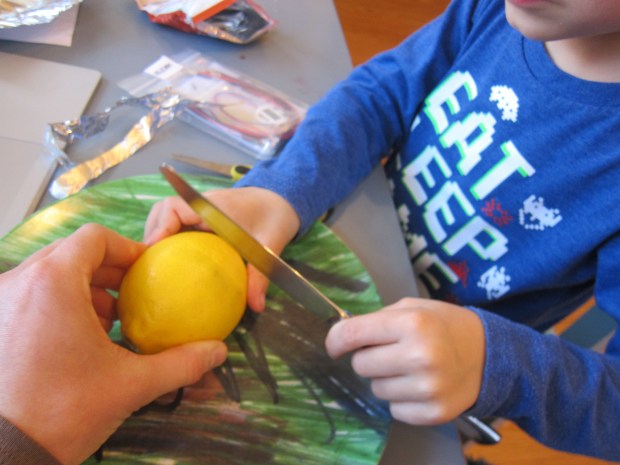
Cut two small slits in a lemon, about 3/4-inch wide and deep enough to reach the lemon juice under the pith. The juice is key!

Lemon Battery (2)

Fold a square of aluminum foil in half and then half again, so that it makes a sturdy strip. Insert the penny into one slit of the lemon and the foil into the other, making sure both touch the lemon juice.

Lemon Battery (3)

Now you can test your battery! The easiest way is to do a reading against the two nodes of a multimeter. Alternatively, try attaching alligator clips and wires to an LED light, and see if you’re able to power it up.

Lemon Battery (5)

We didn’t have fantastic success with our “battery”, which might have been because our aluminum strip was too long, or perhaps was due to a slightly faulty multimeter. If you do the project, please share your results in the comments!

Lemon Battery (6)

Kindergarten Home School Week 4: Monday

Home School 16 c

Having posted a weekly round-up of home school last week, I realized I really prefer to return to a daily post. Although the activities are fairly simple, what I’m aiming to capture is the daily ups and downs, struggles and successes. Hopefully you, as readers, can follow along on this journey as we all live through this historical COVID-19 moment.

9-10: Circle time/ELA. Circle time is quite fun now, and gets Travis in the right mindset! We sing the morning songs and baby sister claps along. We jumped right to ELA from there, today focusing on rhyming. After reading an old favorite (Frog on a Log), we all colored in rhyme flashcards, little sister, too! Travis was fussy by the time we cut them out and matched them up, so clearly we needed a break.

Home School 16 a

10-10.30: Recess!

Home School 16 b

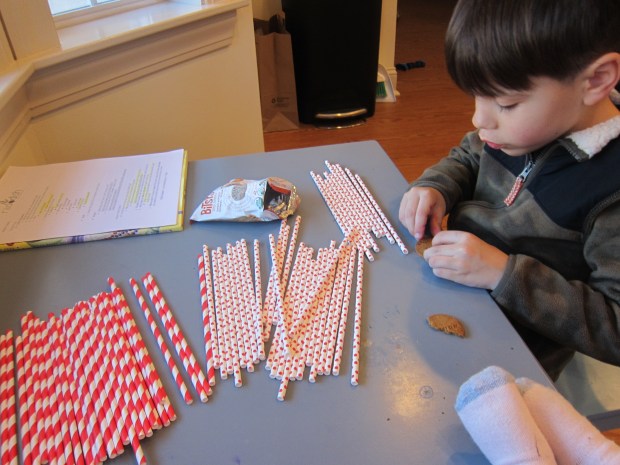
10.30-11: Math. Today’s assignment was to sort a set of things. We raided the craft bin, and Travis chose straws and pom poms. I asked him how each set of things was the same, and also how they were different.

Home School 16 d

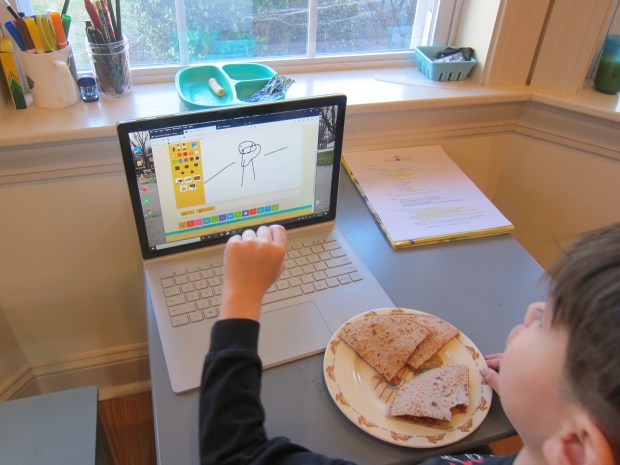
11-11.30: Social Studies. Travis watched a quick video about schools and who the members of a school community are, then drew the school nurse in an online program.

Home School 16 e

11.30-12.30: Teacher parade: This was the highlight of the day; the teachers of his school arranged a drive-by parade! This meant the chance to socialize with neighbors from a safe 6 feet, and then the thrill of waving as the cars went by, honking their horns and decked out in signs saying “We Miss You”, “We Love You” etc.

12.30-1.30: Lunch/free play.

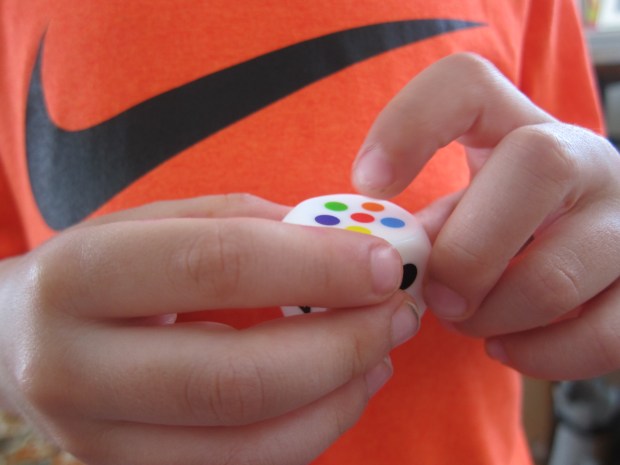
1.30-2: Spanish. Travis counted to ten in Spanish while hopping on one foot, and then we named Spanish colors as we played a board game.

Home School 16 f

2-3: We took a break from the lesson plan for our own home school lesson on Mardi Gras!

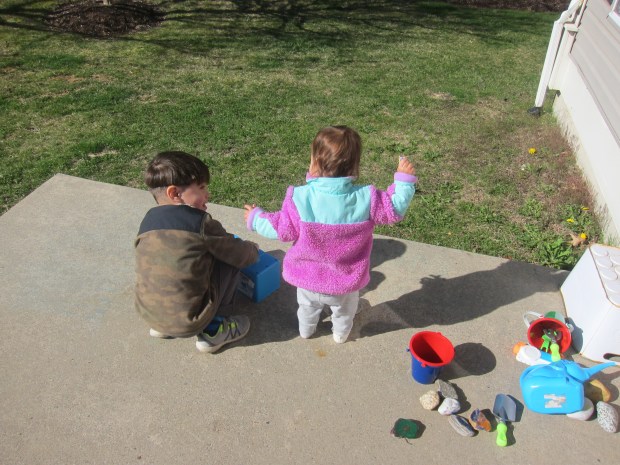
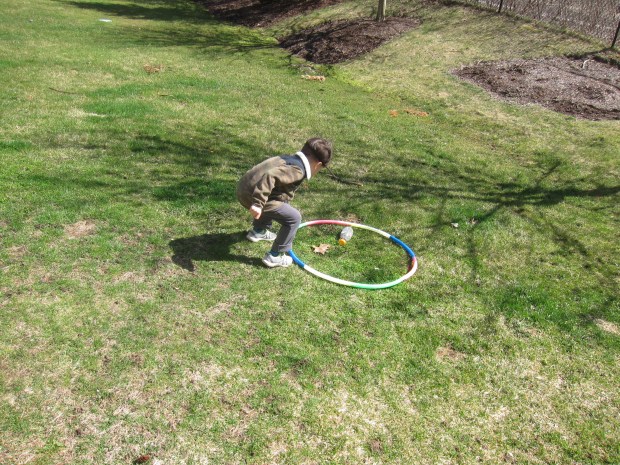
3-3.30: P.E.. His special today would have been gym so we played Flip the Yard; throw a plastic bottle filled with rocks underhand towards a target, like a hula hoop. 2 points if it lands inside, 1 point if it’s touching the rim. First player to 15 points wins! The kids just enjoyed the spring sunshine after.

Home School 16 g

We also squeezed in a few videos from the San Diego Zoo over a late afternoon snack, and Travis designed an “obstacle course” for his classroom’s hermit crabs. In sum, we did a lot. The day simultaneously felt endlessly long and really fast, is that a thing? I felt like I didn’t give my toddler enough attention, so my goal is some quality crafts or games with her in the mix tomorrow!

Mardi Gras

Mardi Gras (7)

In conjunction with a spicy, jazzy jambalaya, Travis and I did a social studies lesson today on Mardi Gras, care of Raddish Kids.

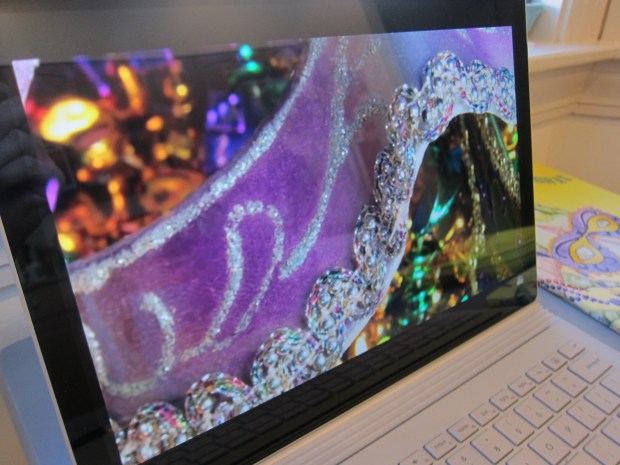
To get in the mood, fire up some Mardi Gras tunes online. As the band began to play, I read Travis some talking points about the festival. We checked out where Louisiana and New Orleans were on his U.S. map, and then discussed the party atmosphere of floats and parades. He thought it sounded neat, especially the masks!

Mardi Gras (1)

Using the traditional colors of gold, green, and purple, we “celebrated” in 3 ways. First, he drew a picture of a Carnival king; note the big purple mask.

Mardi Gras (6)

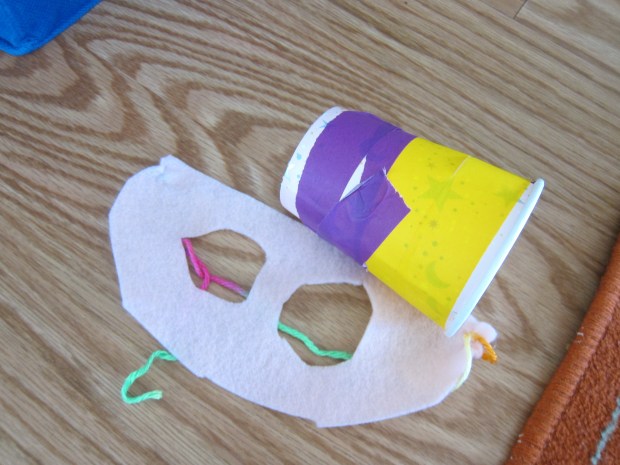
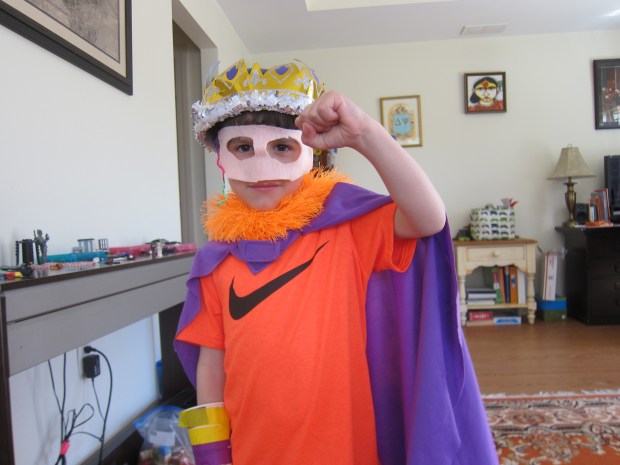
Then we made costumes! Travis helped craft a felt mask and an “armband”. The latter was a paper cup with the top cut off, which we surrounded in purple, yellow, and green masking tape.

Mardi Gras (2)

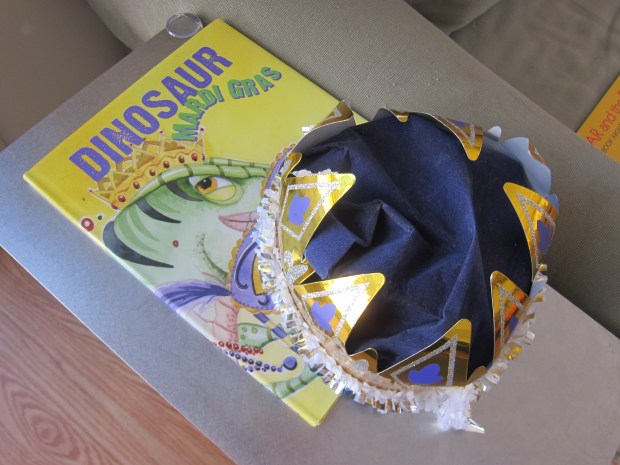
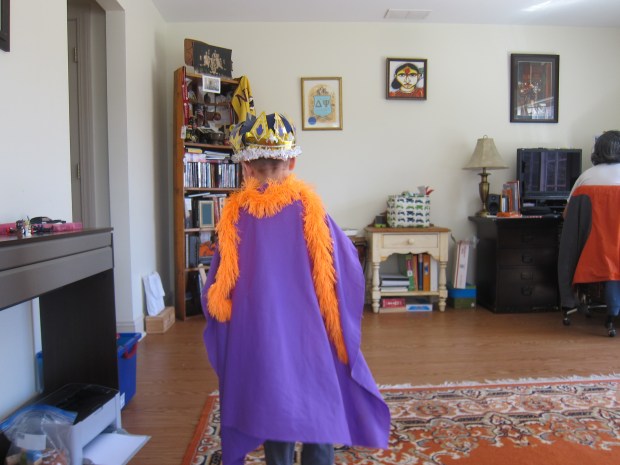
We added items from the dress-up bin, including a purple cape, a boa for sparkle, and of course a king’s crown. He’s ready to parade!

Mardi Gras (3)

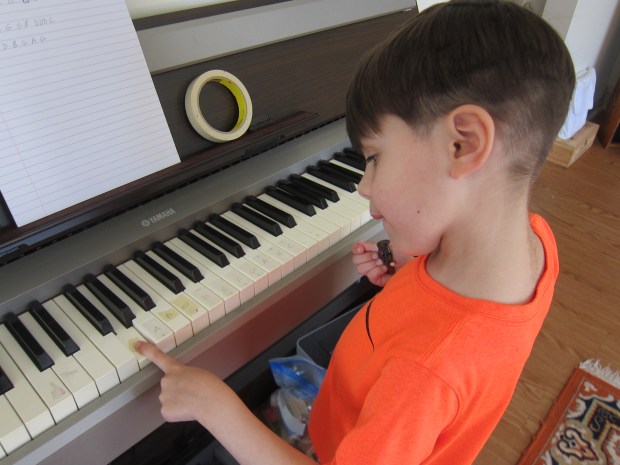
Finally, I gave him a mini piano lesson of When The Saints Go Marching In, thanks to an online tutorial.

Mardi Gras (5)

Finish up with a story about Mardi Gras. We enjoyed the silly Dinosaur Mardi Gras, by Dianne De las Casas, but you can find more serious titles at a book store or library, too.

Mardi Gras (4)

Circuit Science Kiwi Crate

Kiwi Circuits (9)

Travis’s Kiwi Crate has never been so welcome as during this period of home school and social distancing, particularly on a rainy day when we couldn’t get outside for a spring nature walk. The package literally saved the day! Sometimes Travis wants to spread out the projects, but this time he insisted we dive into the crate right away and do all three projects start to finish.

The big concept this month was electric circuits, which Travis has grown to understand recently from a few at-home projects, so I was glad the concept wasn’t foreign to him.

First up was the Lamp: A simple set-up involved attaching a lamp base and LED light holder onto a cardboard base, then inserting batteries into the provided battery pack. Travis connected red wire to red wire and black to black, and his lamp turned on!

Kiwi Circuits (1)

The second project, the Lampshade, was really the only “A” component of STEAM for this crate.

Kiwi Circuits (3)

Travis loved punching the holes along the lines of a Steve the Kiwi template, with a sheet of black paper underneath, since it was similar to punch art he does at school.

Kiwi Circuits (2)

The black paper then slips easily inside the lamp, and Steve glows!

Kiwi Circuits (4)

We put it all together with the Electric Bowler Game. This was definitely complicated, but Travis was determined to put together a circuit board that involved four brads against a wooden plate and wires that slip over the outer brads.

Kiwi Circuits (5)

He slotted the wooden frame together and held it all together with provided rubber bands.

Kiwi Circuits (7)

A wooden dowel in the middle is the switch to deactivate the circuit when needed. 3 silver balls then trigger the circuit; these need to be scuffed with scratchy pads first, although to our disappointment, the booklet did not explain why.

Kiwi Circuits (10)

To complete the game, a wooden board sits on top with a foam bumper. Take turns rolling the three metal balls towards the holes at the end. Once all three metal balls fall into place between the brads on the circuit board below, the circuit is complete, and the lantern turns on!

Kiwi Circuits (11)

Definitely play in a dim room, for the best effect.

Kiwi Circuits (13)

Travis enjoyed the Explore magazine that delved deeper, including an experiment called Let It Flow. What else could complete the circuit in our set-up, other than the three metal balls?

Kiwi Circuits (14)

Three plastic beads failed, as did three marbles. But three strips of aluminum foil did the trick!

Kiwi Circuits (15)

There was no suggested further reading this month, but I recommend Oscar and the Bird: A Book About Electricity.

Kiwi Circuits alt

We also plan to check out I Am Benjamin Franklin when the title is released in October, as there’s sure to be some fun bits about electricity in there!

Kitchen Instruments

Kitchen Instruments (6)

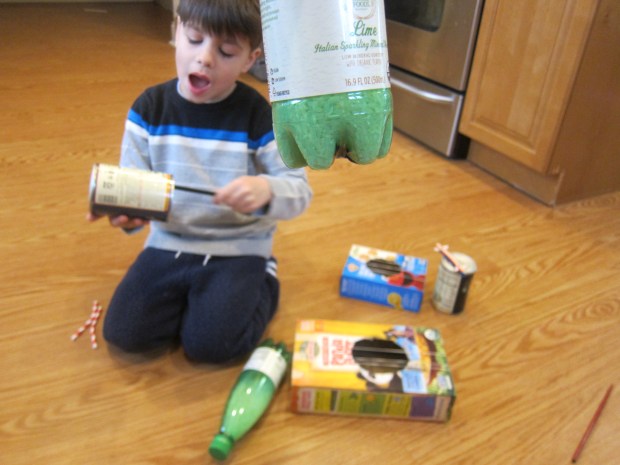
Travis and I plan to make a few “musical meals” soon thanks to his latest Raddish Kids, so this morning we made some simple instruments with kitchen objects to kick off the fun!

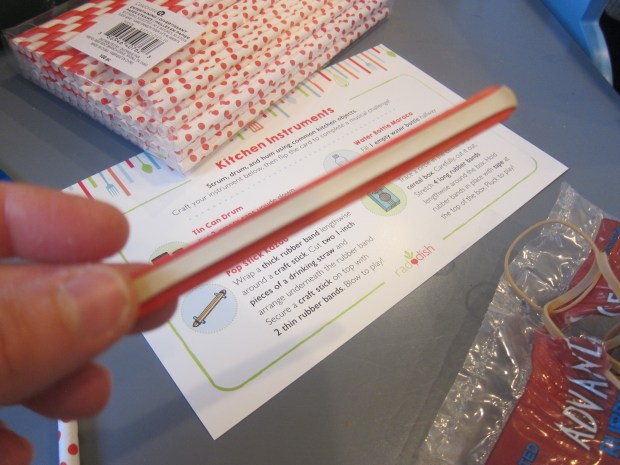
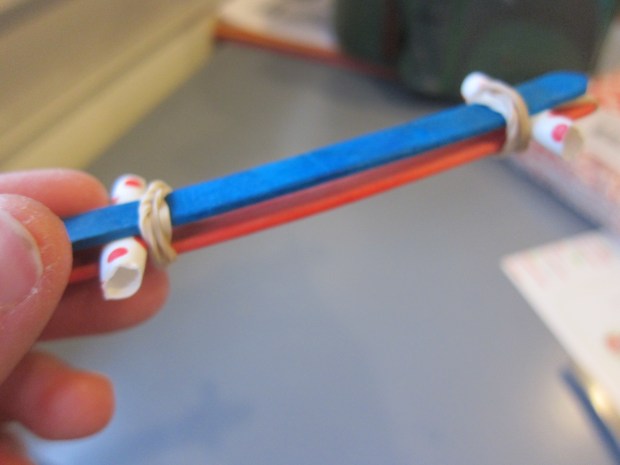
The most complicated was a Pop Stick Kazoo. You’ll need two leftover Popsicle sticks (or craft sticks) for this instrument. First, wrap one stick with a thick rubber band lengthwise.

Kitchen Instruments (1)

Cut 2 (1-inch) pieces of drinking straw and slip under the rubber band. Secure a second Popsicle stick on top using two thin rubber bands. Blow for a kazoo-like sound!

Kitchen Instruments (2)

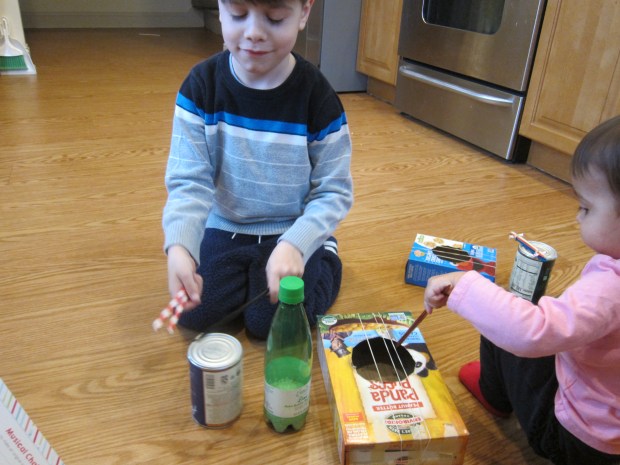
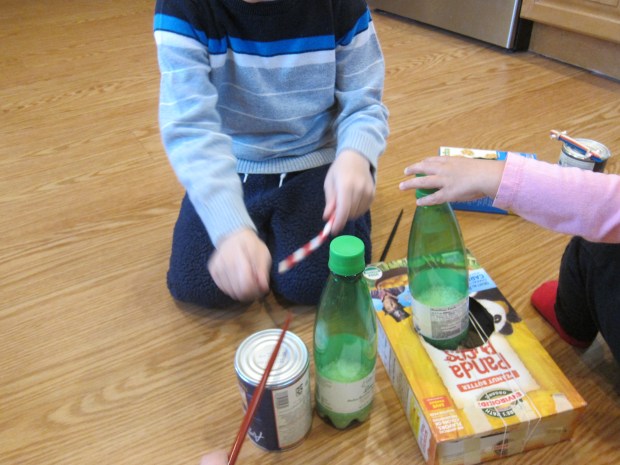
Next we made Cereal Box Guitars: Cut a circle in the middle of an empty cereal box and stretch long rubber bands over the box for the strings. We made a smaller version using a cracker box for baby sister, and decided this was her ukulele!
For Water Bottle Maracas, we filled empty water bottles about a third of the way with rice and glued on the lids.

For Tin Can Drums, simply turn empty, rinsed out metal cans upside down. Add chopsticks to play!

Kitchen Instruments alt

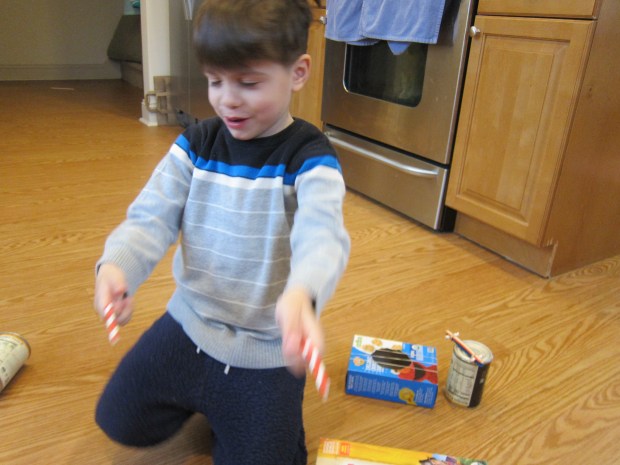
We sat down to rock with our band, and what fun the kids had!

Kitchen Instruments (5)

Travis’s favorite was the guitar, which he loved strumming with extra cut straws or chopsticks.

Kitchen Instruments (10)

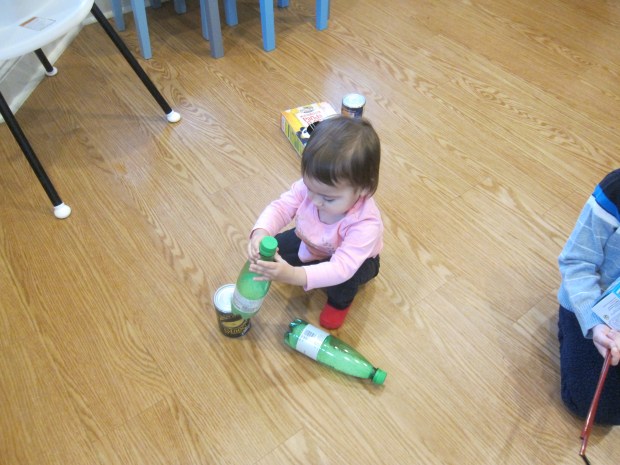
Veronika gravitated towards the shaky maracas.

Kitchen Instruments (9)

Both kids loved drumming with chopsticks. For some musical learning, we went over a few concepts. First up, Travis thought of a beat (a.k.a. rhythm, or a pattern that repeats). His was “Bo-ba, Bo-ba, Bo-ba”.

Kitchen Instruments (7)

Then we played around with speed (a.k.a. tempo). We practiced his beat super fast, and then slow on the drum.s

Next you can try making up silly lyrics, although this was harder for Travis to do on the spot. I also challenged him to add style (a.k.a. dynamics), sometimes quiet, sometimes loud.

Kitchen Instruments (12)

Don’t forget to harmonize as you all sing and play along! In sum, there’s lots of musical exploration to be had, just in your kitchen.

Kitchen Instruments var