Snow Globes

Snow Globe (5)

Our snowy themed indoor fun continues, as negative wind chills are still keeping us mostly indoors. These snow globes didn’t turn out as pretty as the kind you’d buy in a store, but we enjoyed making them!

First, you’ll need to arrange little figures or miniatures, and glue to the lid of a mason jar. We had fun sorting through cute bird-themed figures we had at home, which looked great when we affixed them (I used hot glue, a grown-up step).

Snow Globe (1)

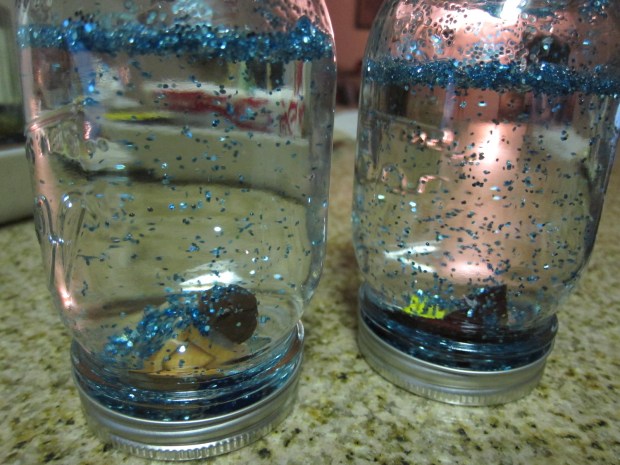
Next time though, I would use something taller, since these didn’t really stick far up enough into our swirling “snow.” But more on that later.

Snow Globe (2)

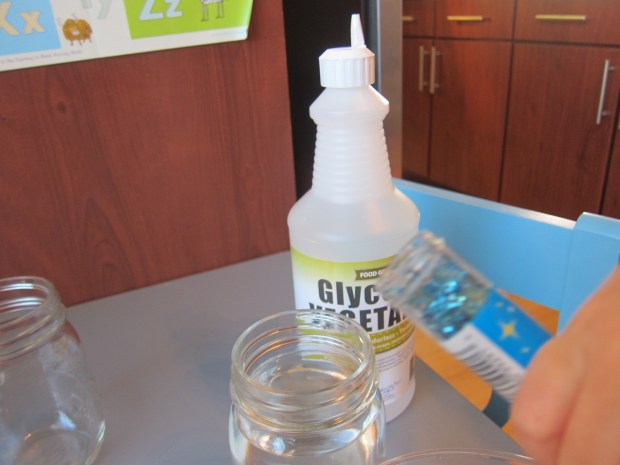
Help your child pour water into the mason jars until they are almost full. Then it’s time for the secret ingredient: vegetable glycerin. Travis loved the goopy texture. Add 1 teaspoon to each mason jar.

Snow Globe (3)

Finally, we needed to add snow…. glitter that is! Don’t overdo it, or you won’t really be able to see your figures in the jar. We might have been a little too heavy-fisted.

Snow Globe (4)

Now give them a shake to create a beautiful indoor snowfall! These would make great gifts if you want to save the idea for the holidays.


Snow Globes alt.JPG

Here it is snowing on our little birdhouse:

Snow Globe (6)

Borax Snowflakes

Borax Snowflake (1)

I’ve avoided Borax as a crafting tool until now because it can be a potential skin irritant, and of course hazardous is if ingested… but snowy days inspire snowy projects, and for this one we really needed the Borax. Luckily Travis was very responsible using it as an ingredient in our craft.

Borax Snowflake (2)

The goal was to make sparkly crystal snowflakes, but first we needed to do some mixing. Under careful supervision, have your child pour 1/3 cup Borax into a mason jar.

Borax Snowflake (4)

I added 3/4 cup boiling water, and then monitored carefully as Travis stirred to dissolve the Borax; make sure your child doesn’t touch the glass jar, as it will be hot at this point. Travis loved the slightly taboo nature of all this!

Borax Snowflake (5)

To make your “snowflakes”, bend pipe cleaners into a roughly snowflake-like design. Ours were really more like stars, with five points instead of six. Of course you could also make other shapes, including circles, squares, triangles, or just freeform.

Borax Snowflake (3)

Tie the pipe cleaner shapes onto jumbo craft sticks, and then dangle into the Borax solution. Now we needed to wait overnight!

Borax Snowflake (6)

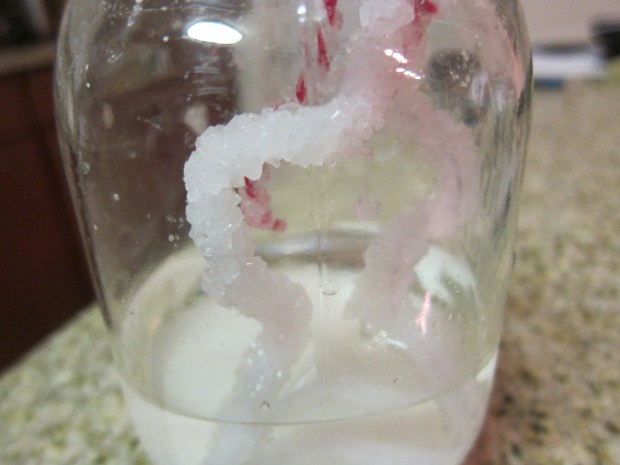
In the morning, on yet another day of polar weather, we were rewarded with sparkling icy snowflakes.

Borax Snowflake (8)

We’re going to set these aside to make them ornaments next Christmas!

Borax Snowflake (7)


Science… Meets Art

Science Meets Art (3)

This project (from our latest High Five issue) exemplifies the STEAM acronym: a little bit of scientific discovery paired with a nifty art creation at the end. You can do both components of the project, or just the science part, or just the art part… but I recommend the whole thing because we enjoyed it from start to finish!

First up, use some science (the S part of STEAM) to make at-home paints. Fill 6 large muffin cups with 1/4 cup baking soda each.

Science Meets Art (1)

Next, add about 15 drops of food coloring to each muffin cup. We only had powdered food coloring at home (from Color Kitchen), so sprinkled about a 1/2 packet of powder per compartment.

Science Meets Art (2)

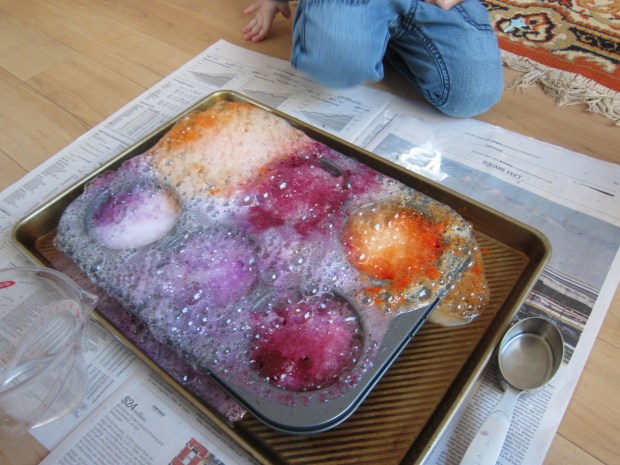
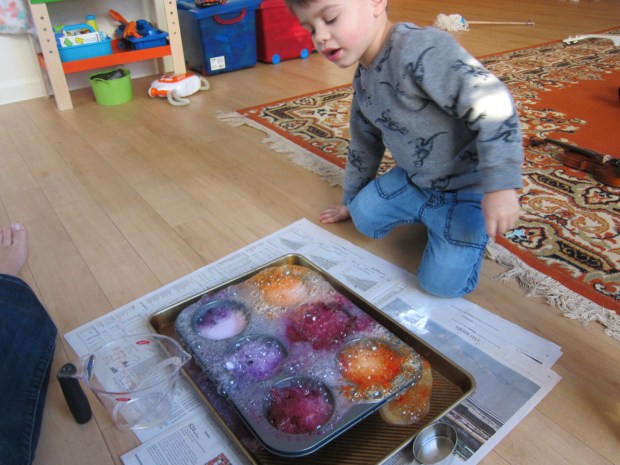
Now you’re going to quickly pour vinegar into each muffin cup, and watch the colorful explosion!

Science Meets Art (4)

Of course this is similar to many baking soda and vinegar projects we’ve done in the past, talking about how the gas created when the two substances touch makes all that foam and bubbles. But this time, we were left with a new product… paint!

Science Meets Art (5)

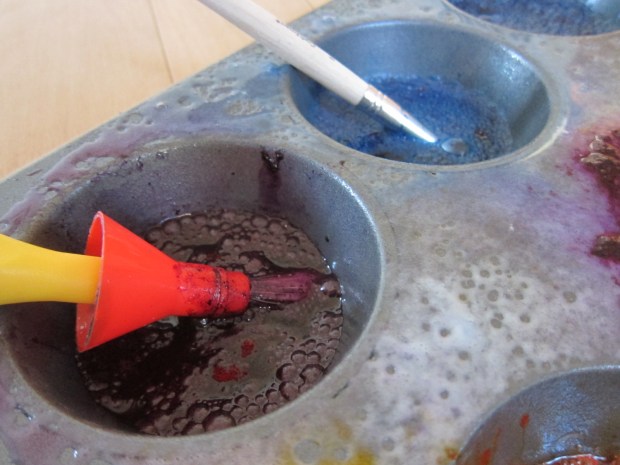
Now it was time to use the paint for the A part of STEAM. We painted white coffee filters, and Travis had a blast, mixing colors and stirring each paint very carefully – a petit artiste!

Science Meets Art (7)

Set the filters aside to dry; these are going to be your flower blossoms.

Science Meets Art (8)

As a small gripe, you’re going to have undissolved baking soda left in each paint mixture, which leaves the coffee filters a bit grainy after they dry. I found it helpful to rub off the excess baking soda over the trash can before Travis and I moved on to the final steps of the project.

Meanwhile, make the flower stems by painting jumbo craft sticks green. The only green paint we had in the house was a dot marker, but this worked in a pinch. Let dry.

Science Meets Art (9)

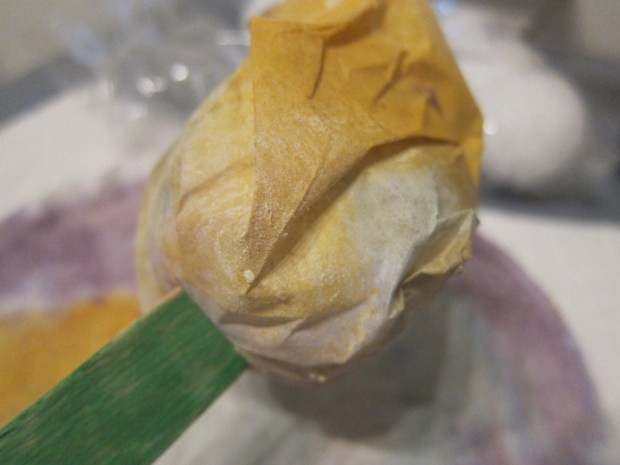
To finish the flowers, wrap each painted filter around a medium-sized Styrofoam ball. Poke one of the green “stems” up through the filter and into the Styrofoam.

Science Meets Art (12)

Glue the tips of the filter together so the ball inside is no longer visible and voila – flowers!

Science Meets Art (11)

We set them in a vase, where we got to enjoy the fruits of our labor: beautiful flowers in the middle of a snowy winter.

Science Meets Art (13)

Thanks High Five!

Science Meets Art (6)

Pinecone Snow Owl

Pinecone Owl (8).JPG

These cute owls were the perfect craft to put together on a day with two-foot-high snow drifts outside our window!

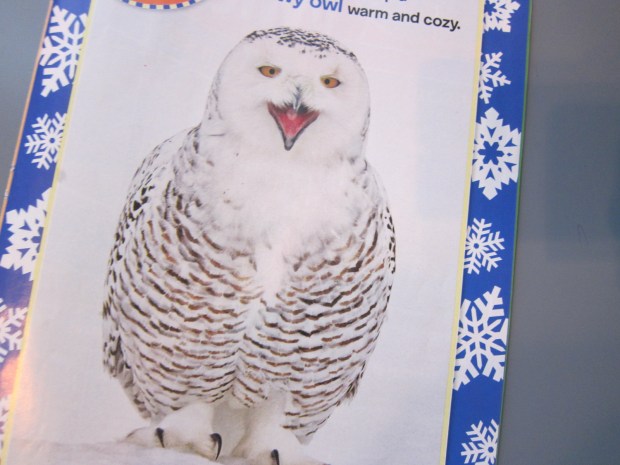
Our inspiration came from the picture of this adorable little guy.

Pinecone Owl (1)

All we needed were pinecones and cotton balls to recreate him indoors, and luckily I had both on hand.

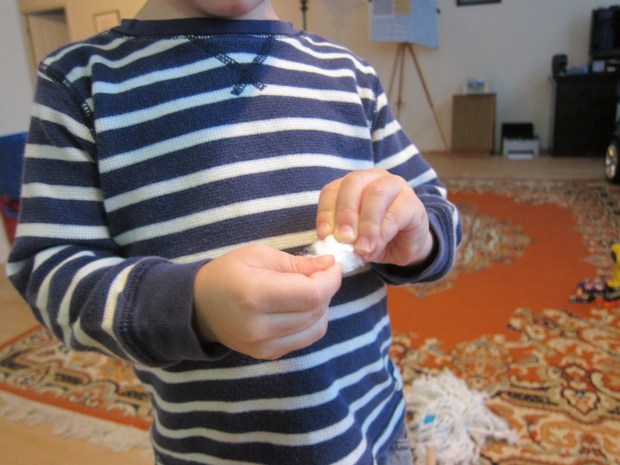
Tearing apart cotton balls always feels so fluffy and fun!

Pinecone Owl (3)

Travis helped push the cotton into the pinecone, until we had mostly filled it in with white.

Pinecone Owl (4)

As an alternative, we tried using a white feather boa for an even fluffier look, winding it in between pinecone sections.

Pinecone Owl (2)

These owls turned out so fluffy though that they looked more like snow gerbils!

Pinecone Owl (5)

To finish our owls, we added googly eyes and little beaks cut from brown felt.

Pinecone Owl (6)

They’re nice and warm inside and away from the snow!


Build a Scrapbook

Scrapbook (5)

If kids love books, then kids adore books about themselves. This cute scrapbook idea came from Ranger Rick Jr., and was the perfect indoor activity for a cold winter afternoon!

First we needed to take pictures, which was by far the most exciting part of the whole project for Travis. An instant camera is so great to have on hand for moments like this; we love the Instax instant mini camera.

Scrapbook (2)

Travis proudly helped load up the film, decide which items around the house needed to be captured on film, and of course pointing and shooting.

Scrapbook (1)

Once we had about 20 photos, we sorted them into categories, such as family members, daily activities, and favorite things.

Scrapbook (3)

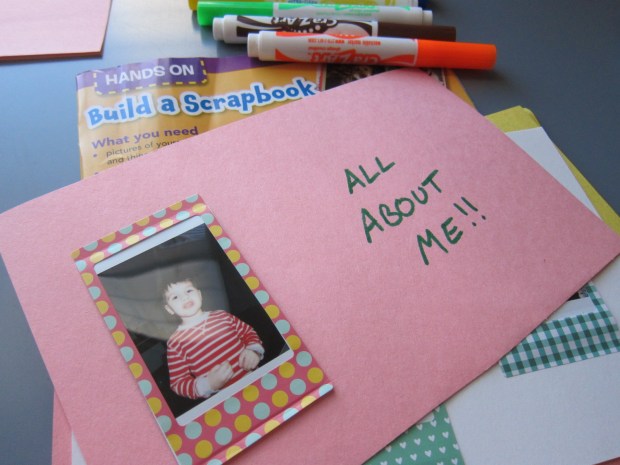
How you arrange your scrapbook from here is up to you! We affixed pictures onto colorful construction paper (cut in half, an easier size for little hands to turn the pages). You could also decorate plain white paper with wrapping paper scraps, or marker and crayon designs.

Scrapbook (4)

I helped with the layout and writing on each page, and Travis added stickers.

Scrapbook (7)

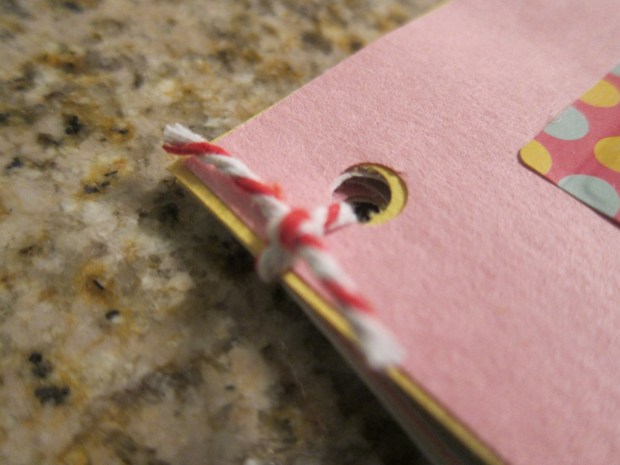
To bind your scrapbook, punch out holes with a hole puncher and tie together with colored ribbon.

Scrapbook (8)

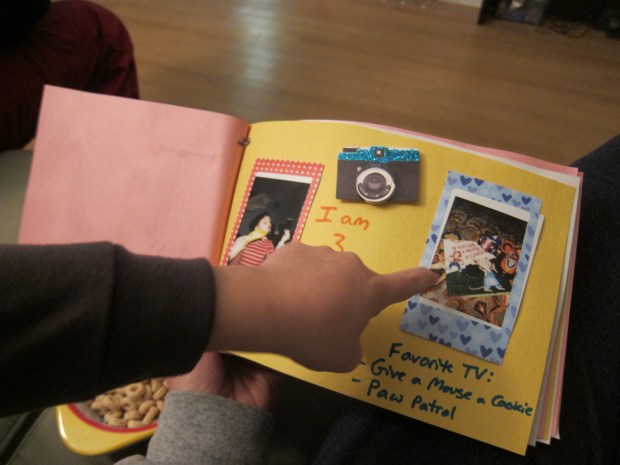
The best part was curling up for a nighttime read of the book. Travis was so proud pointing to the pictures he’d taken! Definitely a treasure that we’ll leaf through again and again.

Scrapbook (9)

What pages would you include in your child’s scrapbook? Please share in the comments!

Scrapbook (10)


Early Explorers Science

LP Science alt.JPG

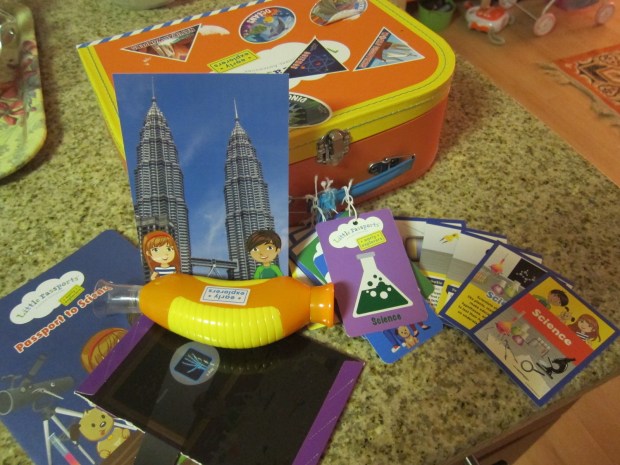
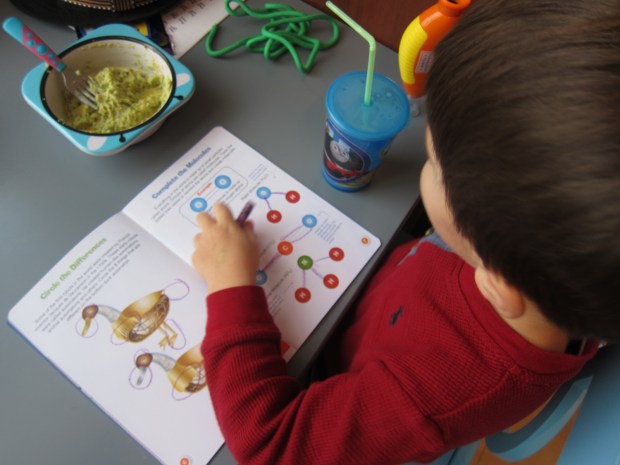
We were thrilled to discover our packet from Little Passports this month was all about science around the world. This topic lined up perfectly with Travis’s interests, so I knew it was going to be a big hit. As always, we received stickers for our world map, trivia cards, a flashlight game, and a tag for his suitcase. The Science activity booklet was so enjoyable to go through together, touching on everything from atoms to x-ray bones to historical figures like Einstein and Marie Curie. 
LP Science (4)

Science Craft:

 “Craft” is a misnomer here; every suggestion in our booklet this month was more science-y than artsy! Still, it was a neat project to put together to learn about how clouds form. I told Travis the pointers from the booklet: warm air cools quickly and misty water vapor forms – think of your breath on a cold winter day. Then I asked Travis if he’d like to recreate cloud formation at home.

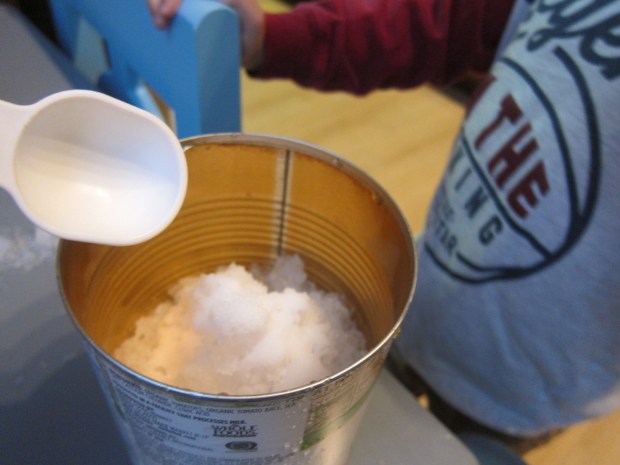
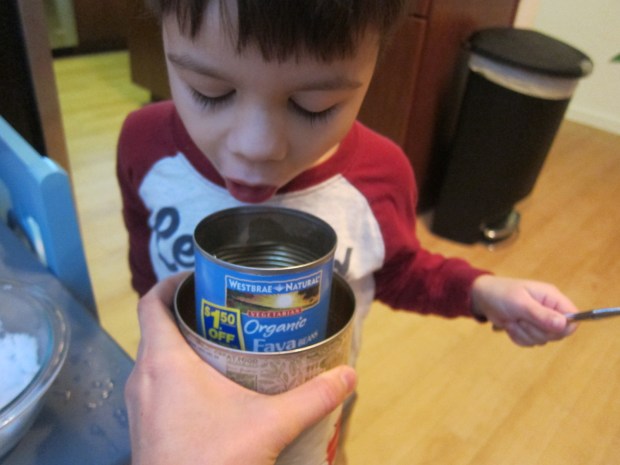
To do so, fill a large aluminum can halfway with crushed ice. Sprinkle with about 1 tablespoon salt.
LP Science (16)

Place a small aluminum can inside the large one and let it get cold. Now blow into it. Ideally, you’ll see steam (water vapor) appear as your hot breath hits the cold can and cools down instantly.
LP Science (18)

Alas, as is sometimes the case following Early Explorer’s instructions, we didn’t have much luck. But Travis loved spooning around leftover salt and ice.

Science Science:

The next suggestion was a much bigger hit, investigating the make-up of milk (which is part of what helped Louis Pasteur invent his famous pasteurization method). Vegans: Look for a fatty non-dairy option or this experiment won’t work. We chose hemp milk, with a nice 5 grams of fat per serving.

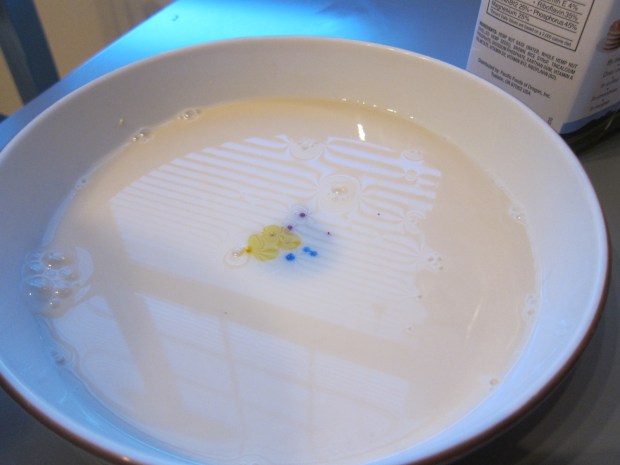
Pour 1/2 cup milk in the bottom of a shallow bowl. Add drops of food coloring in three or four different colors all together in the center of the bowl.
LP Science (10)

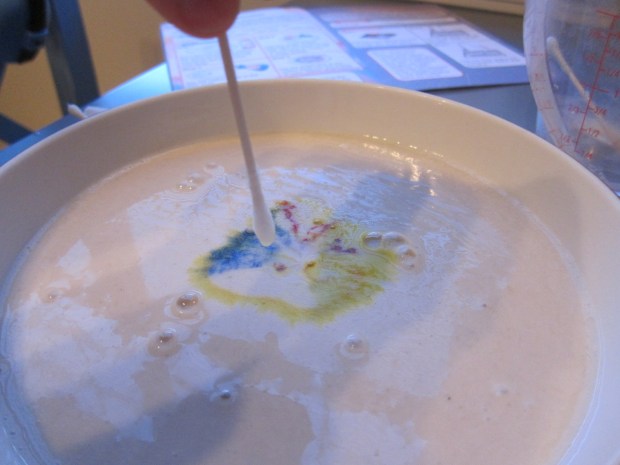
Dip a cotton swap in dish soap, then simply hold the soapy end into the food coloring (don’t stir!). The color will run away from the soap and disperse through the bowl, as the molecules in the soap move to bind with fat molecules. 
LP Science (13)

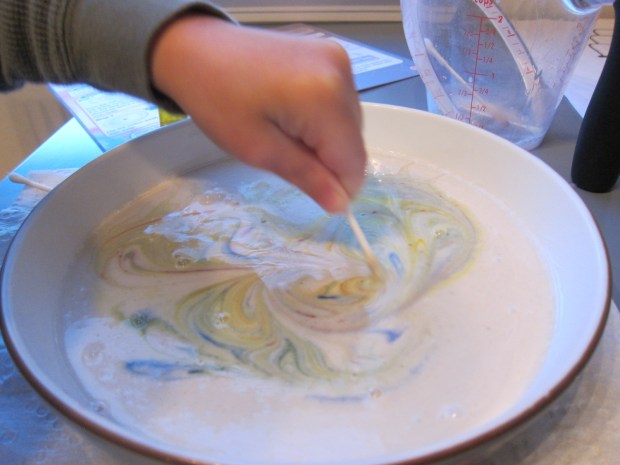
Okay, maybe mama thought this was way cooler than Travis, who had equal amounts of fun just stirring and making beautiful swirls through the milk with the cotton swabs. But we had to repeat the experiment about 4 times before he’d had his fill!
LP Science (14)

Science Keepsake:

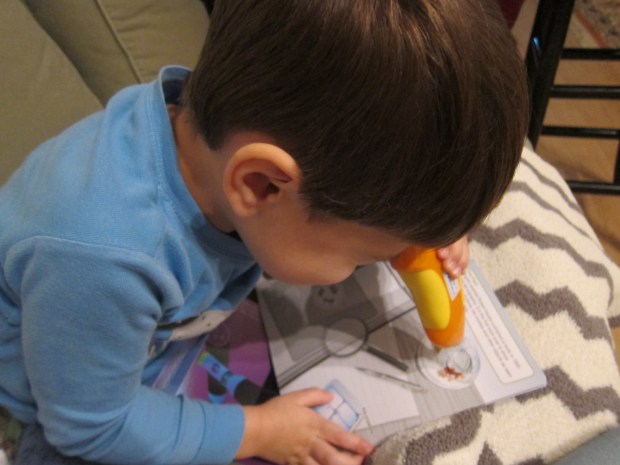
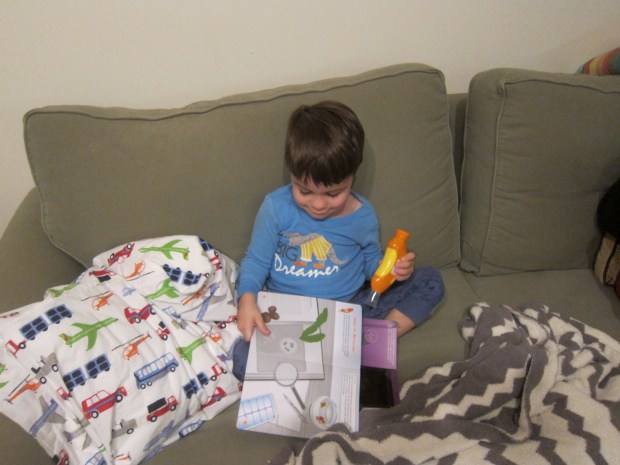
Our gift from “Max and Mia” this month was a microscope, pretty much Travis’s dream item! There was a page in the booklet designed just for it, to peer closely at images of seaweed and fish scales.
LP Science (3)

We tried it around the house and outside, where unfortunately it didn’t work quite as well. Travis loves it though, and it saved the day when we had to lie low with a stomach bug.
LP Science (2)

Science Field Trip:

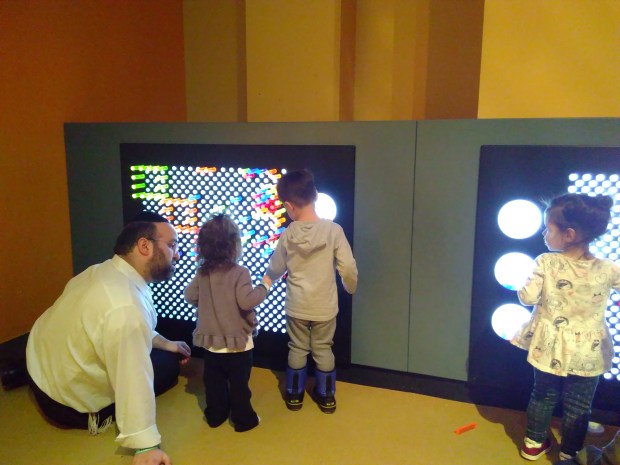
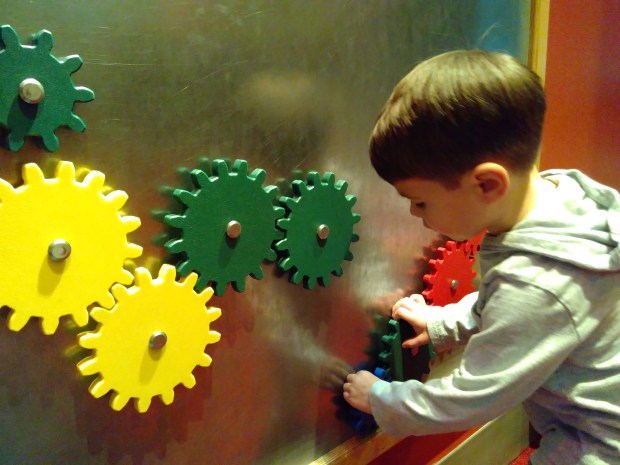
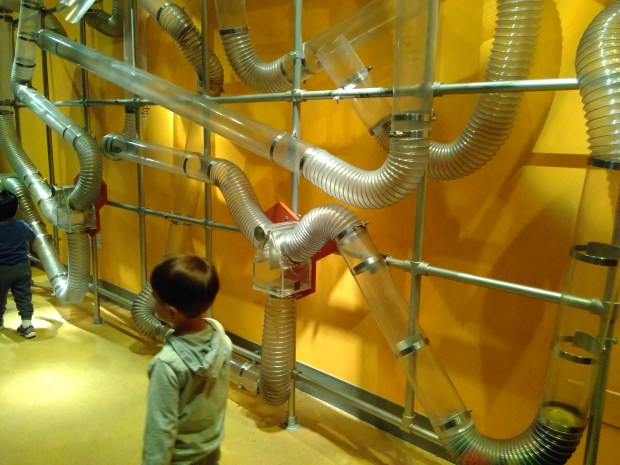
We had to head to a science museum of course! I wanted to visit one which Travis had never been to before, so we made it a special event, driving a bit out of our way one afternoon over winter break. Science museums introduce kids to so many topics that it’s hard to tell if they’re learning or just overwhelmed in the chaos, but Travis loved so many stations at the museum including: gears;
LP Science (21)

Light pegs;

science (5).jpg

A giant air vacuum tube; and so much more.
science (1)

Science Further Activities:

The booklet included one final science experiment that unfortunately didn’t work for us: Generating static electricity to move a thin stream of water.

LP Science (7)

This sounded so neat, but whether we rubbed a comb on a sweater or in our dry hair, we didn’t generate enough electricity to make any difference to the trickle from our faucet…

LP Science (8)

We were so into the Science topic, though, that I trolled Little Passport’s blog for other experiments. A few we had done before, but oldies can be goodies. First we repeated the old trick of invisible ink made from lemon juice. Squeeze half a lemon into a bowl and add 1 spoonful water. Use cotton swabs to make secret invisible messages on white paper.
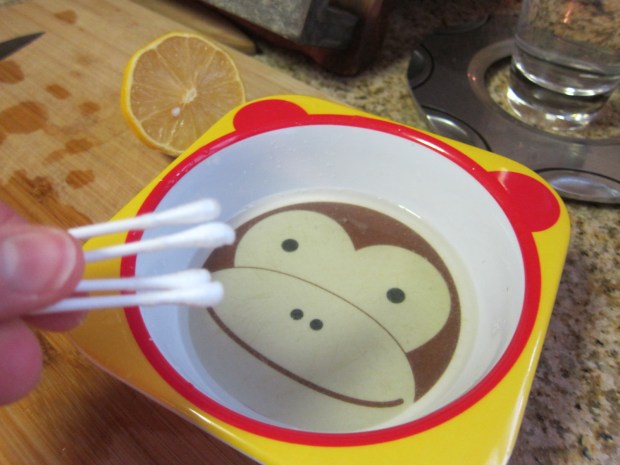
Invisible Ink (1)

Let dry, then hold up to a light source like a candle (be careful if using a real flame) or lightbulb.
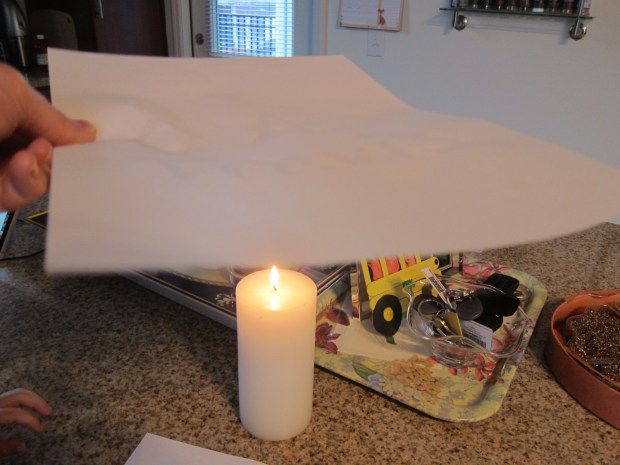
Invisible Ink (3)

This works because the lemon juice leaves acid behind, which browns faster than the rest of the paper when held near a heat source.

Meanwhile, other activities were so awesome they merited blog posts of their own, such as a leak proof bag:

Leak Proof (3)

Dancing raisins:

Dancing Raisins (5)

And turning pennies green.

Pennies Green (9)

Finally, we pretended to be like DaVinci, who (apparently!) had all the same obsessions as my son – helicopters, scuba gear, airplane wings, and clocks. So we sat down to sketch “inventions” such as those four featured in our booklet. Travis said he was designing a parachute with ten handles – he’s got the right idea! 
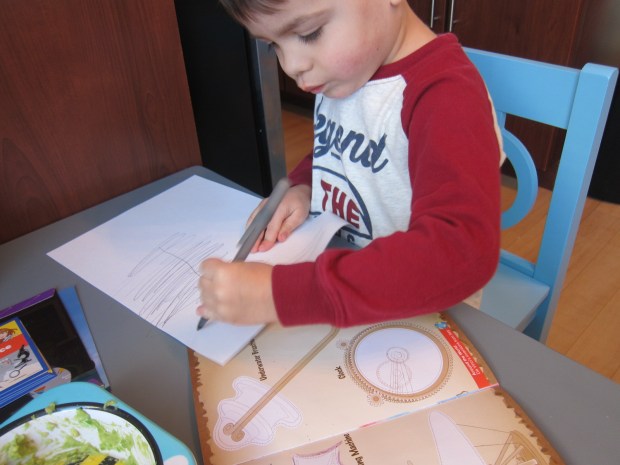
LP Science (20)

Overall, definitely the best packet we’ve received in our Early Explorer’s journey thus far. Can’t wait for the next!


Confetti Toast

Confetti Toast.JPG

This is the perfect breakfast to keep the party going after all the confetti-filled balloons and fun on New Year’s Eve. Delight your little ones the next morning with confetti on their toast! For the sprinkles, my favorite are the rainbow starfetti from Supernatural.
Ingredients:

  • 1/4 cup Kite Hill ricotta
  • 2 slices whole wheat bread, toasted
  • All-natural sprinkles
  1. Spread the ricotta evenly over the two toast slices.
  2. Top with sprinkles to taste, as many as desired!

Happy 2018!