Little Passports: Brazil

LP Brazil (9)

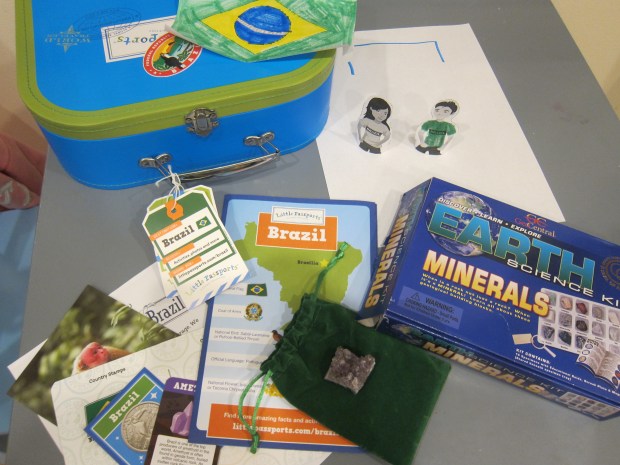
On the heels of his welcome package from Little Passports, Travis was thrilled to receive his first country package in the mail, all about… Brazil!

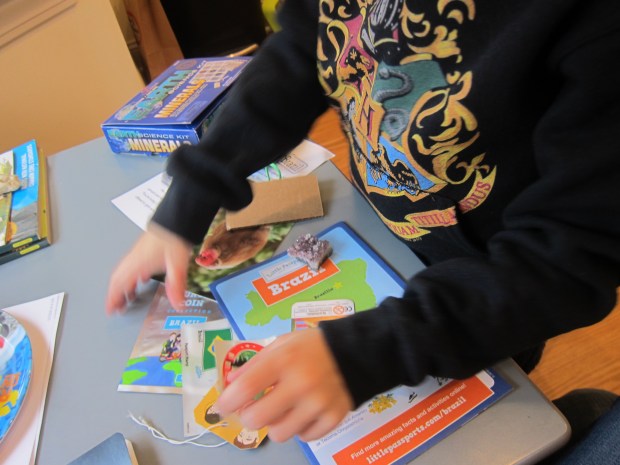
There was lots of similarity to the format of his Early Explorer’s envelopes, making me glad I started him off with that subscription. But it was immediately evident that now he’s in a higher age bracket (ages 5 to 8), particularly with the booklet activities. The booklet was chock full of interesting facts about Brazil, and the Amazon Rainforest in particular.
LP Brazil (1)

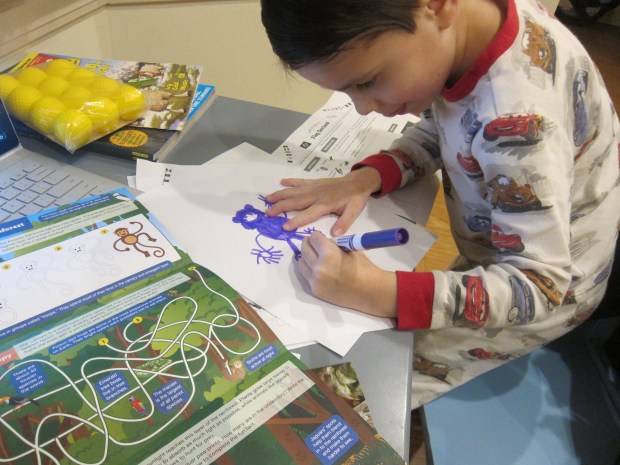
Although he needed some help with the more word-heavy activities (a word scramble, a word find), he gamely wrote all the letters and loved the art activities, including drawing a spider monkey, following mazes, and uncovering hidden animals among blue morpho butterflies.
LP Brazil (5)

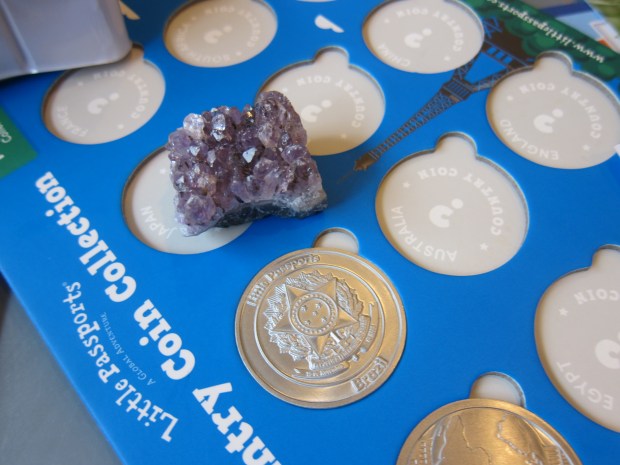
There was a new coin to add to his coin chart, a new sticker and luggage tag for his suitcase, a stamp for his passport, and a “push pin” for his world map.
LP Brazil (2)

We were quick to discover that Little Passports has many bonus features online. Travis loved the vibrant photographs of Brazil to scroll through, 3 samples of Brazilian music to hear, and Portuguese words to learn.

Souvenir:

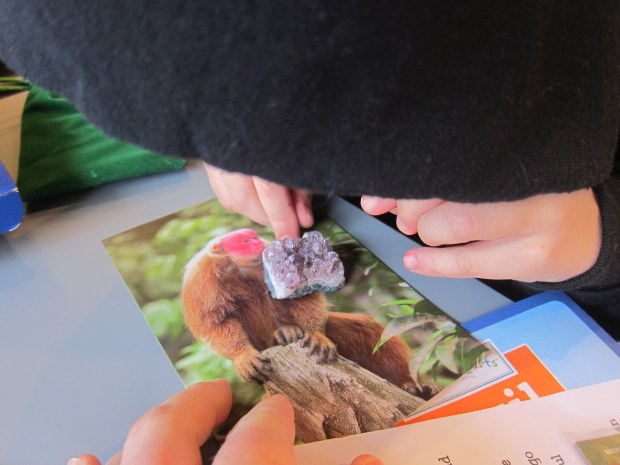
The gift this month was an amethyst, with a card explaining how Brazil is one of the top producing countries for amethyst worldwide. I knew he would love it, and for this reason had opted for a full Mineral Kit add-on. Travis adored peering at all of the minerals with the provided magnifying glass.
LP Brazil (3)

Activities:

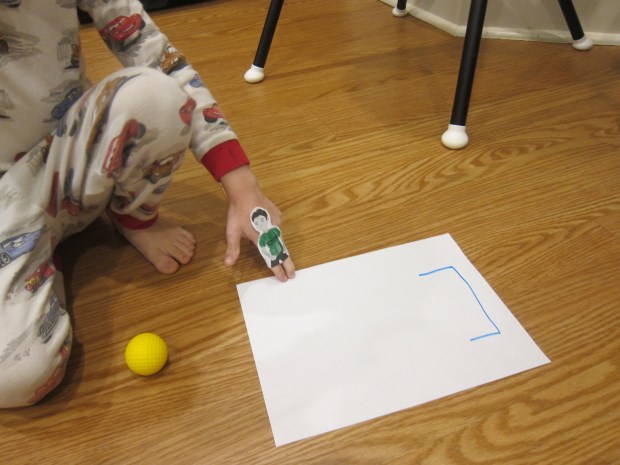
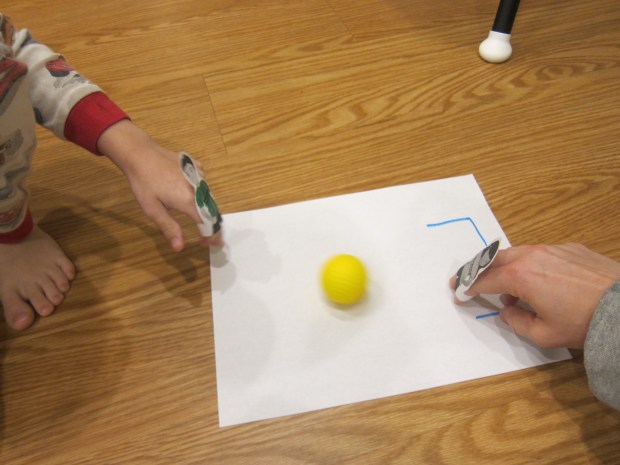
First up, futebol puppets! This adorable game was to highlight the popularity of Brazil’s favorite pastime: soccer. We printed out the template of a boy and girl soccer player. Cut these out and secure the strap with tape. Your pointer finger and middle finger become the legs.
LP Brazil (7)

It was Travis versus mommy for a shoot-out!
LP Brazil (8)

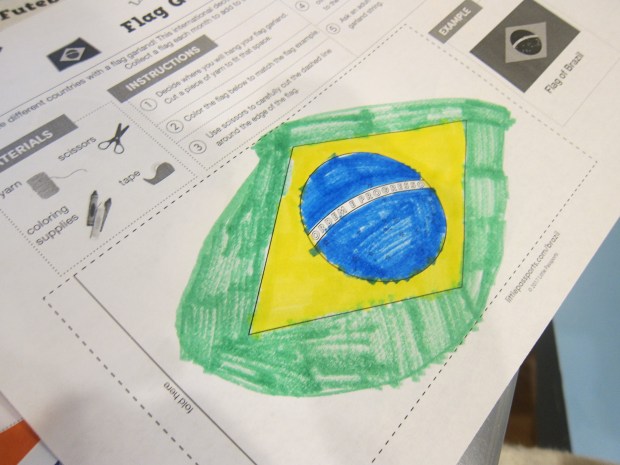
He also loved coloring in a Brazilian flag for a flag garland (we’ll be adding to this in the future with later countries!), very carefully following an image online.
LP Brazil (6)

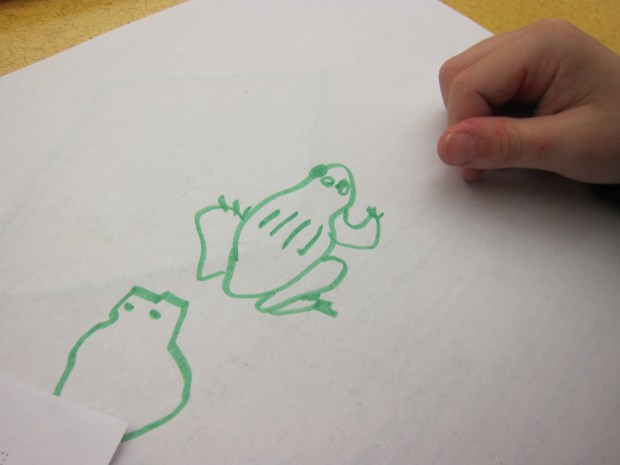
Finally, he followed the online instructions to draw more rainforest creatures. He was so proud of his tree frog!
LP Brazil (4)

Recipe:

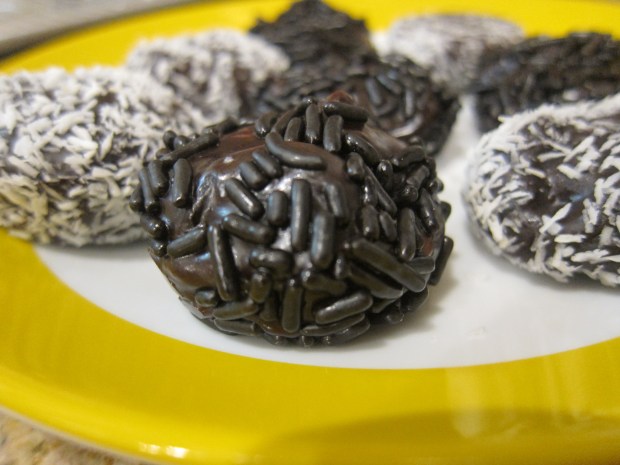
A trip to a new country isn’t complete without sampling the food of course. This month’s recipe was for brigadeiros, a Brazilian sweet popular at parties. Both Nature’s Charm and Let’s Do Organic make canned condensed coconut milk; look for it in the baking aisle.

Ingredients:

  • 1 tablespoon Earth Balance butter
  • 1 (11-ounce) can sweetened condensed coconut milk
  • 3 tablespoons cocoa powder
  • Shredded coconut to taste
  • Chocolate sprinkles to taste
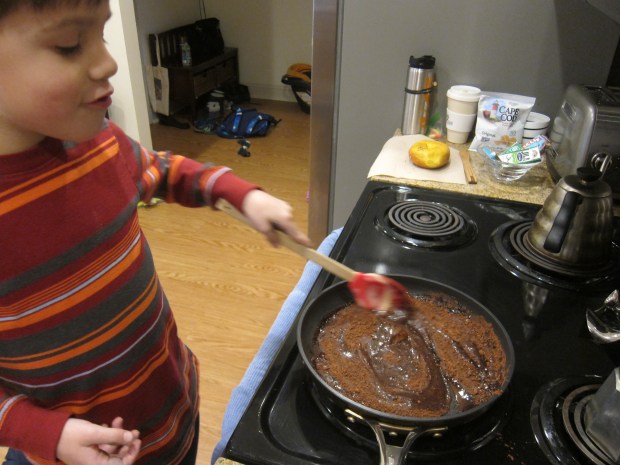
  1. Melt the butter in a saucepan over medium heat.LP Brazil (10)
  2. Add the coconut milk and cocoa powder. Cook for 10 to 15 minutes, stirring frequently, until the mixture is thick. If you drag a spoon through it, the mixture should take a moment before it runs together again.
  3. Pour onto a cookie sheet and let cool for about 20 minutes.
  4. Now scoop up the “dough” and roll it into small balls. Having buttered fingers helps! LP Brazil (11)
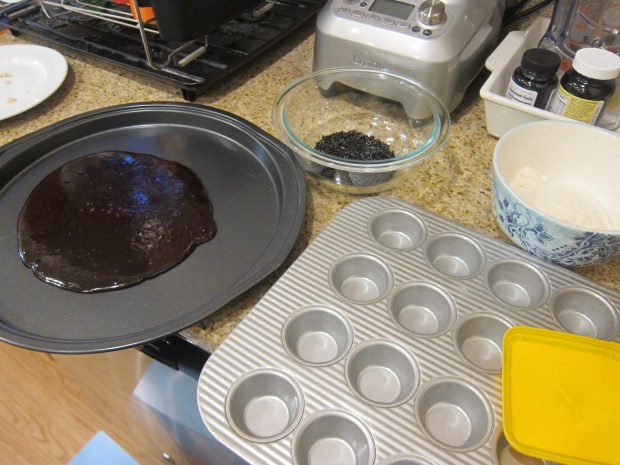
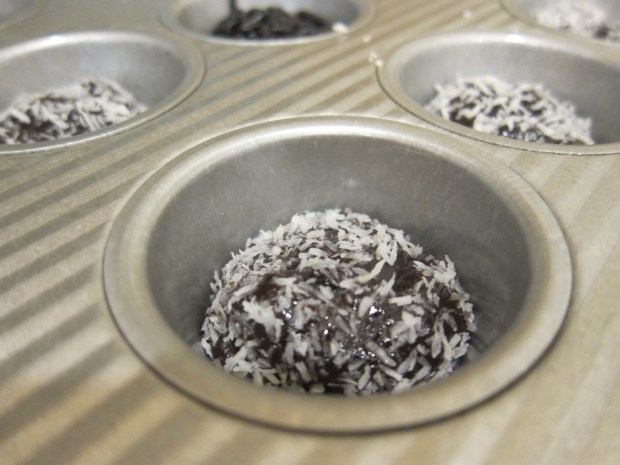
  5. Alternate rolling the balls in the coconut and chocolate sprinkles. Transfer to the cups of a mini muffin tin and chill for at least 15 minutes before serving.
LP Brazil (12)

These were a big hit for dessert. And Travis can now proudly say, “Obrigado“.
LP Brazil (15)

Drum Time

Drum Time (7)

We had a rainy day today, which made it the perfect moment for an impromptu drum session with Veronika!

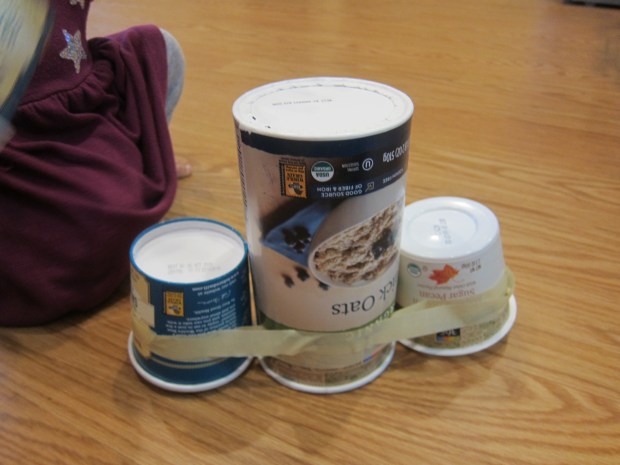
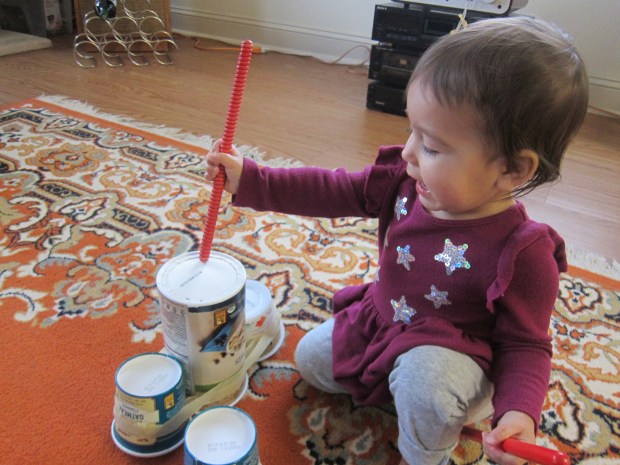
I had three different sized oatmeal containers in the recycle bin, including a full-sized oatmeal canister and two smaller servings of instant oatmeal. So first I made her a set of bongo drums! If you don’t have different sized oatmeal containers, use three that are all the same but cut them to different heights. Use masking tape to secure them together, and voila!
Drum Time (1)

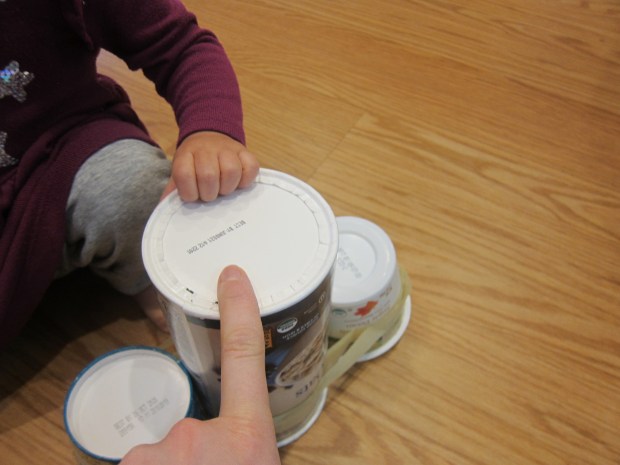
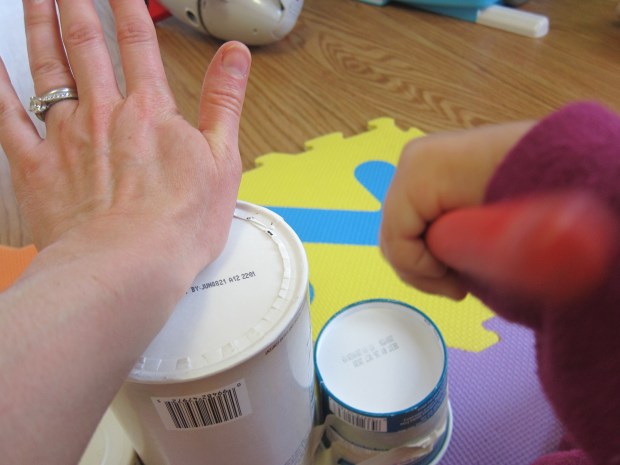
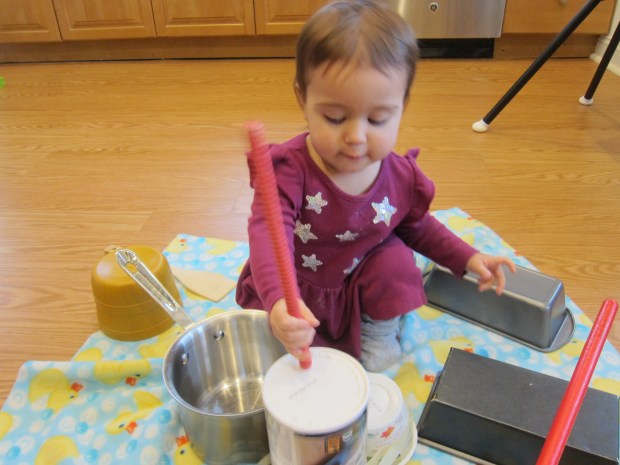
A wooden spoon and a few rhythm sticks were all we needed to start drumming. I also showed her the different ways we could drum with just our hands. We explored with our fingertips, our palms, our knuckles, and more.

Drum Time (2)

This was great for letting her explore all the different ways we can use our hands and fingers.

Drum Time (5)

But she liked the sticks best, and soon was giving lots of proud taps.

Drum Time (3)

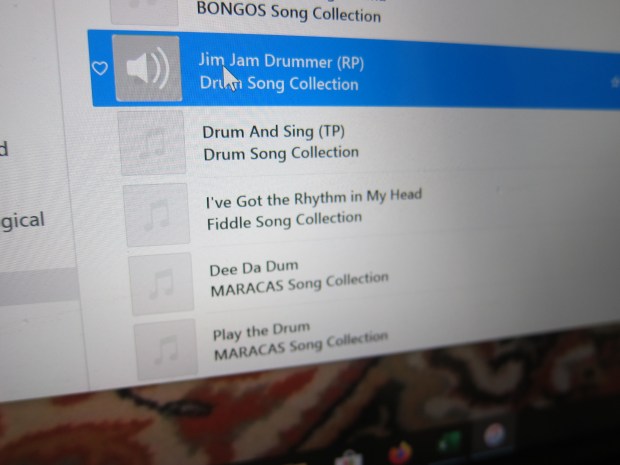
We added a soundtrack of favorite songs (heavy on drum beats of course), and started up a jam session.

Drum Time (4)

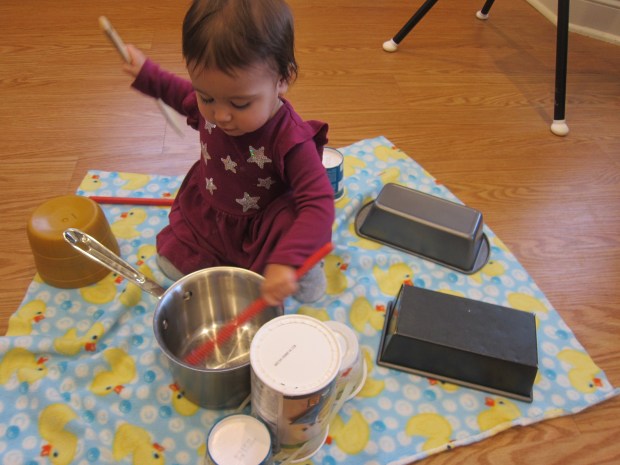
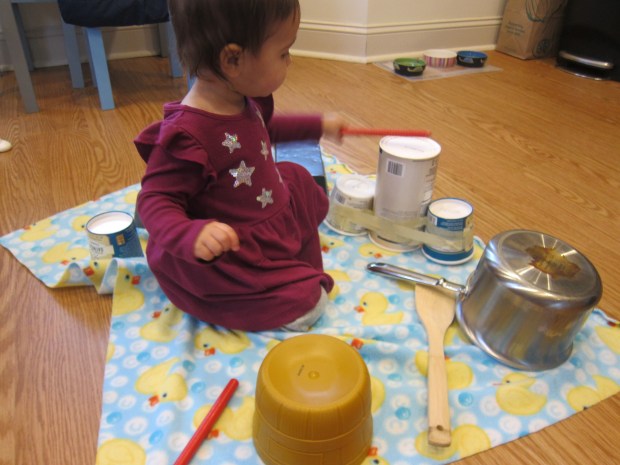
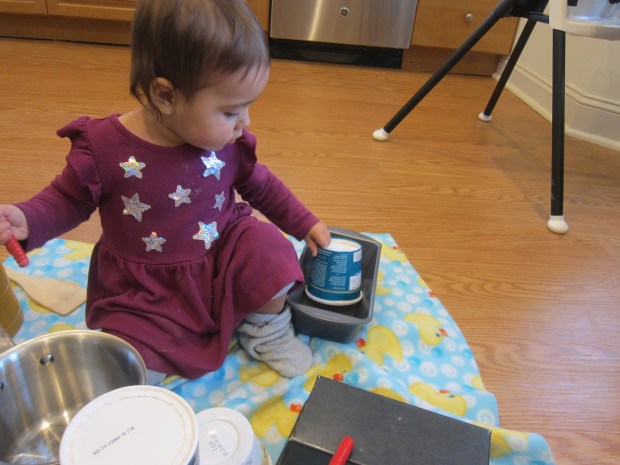
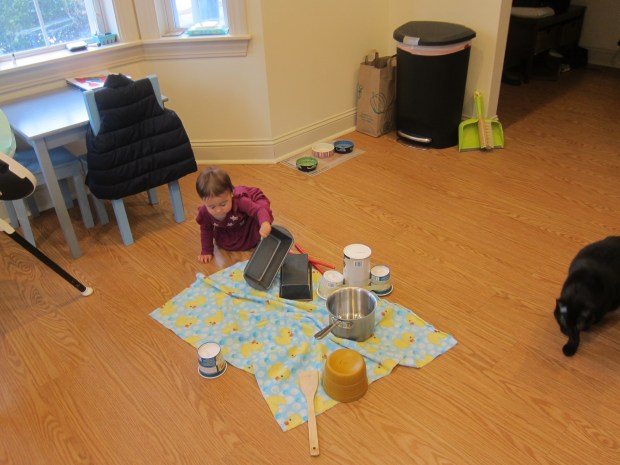
Later in the day, I set up her up with a “drum circle” of bowl and pot drums. On a soft blanket, I arranged a sauce pot, a few loaf pans, a plastic bowl, and another empty oatmeal container. I sat her in the center with her mallets and put the music back on.

Drum Time (6)

Let the drumming begin!

Drum Time (8)

Don’t worry if your toddler drums in unconventional ways. Veronika enjoyed turning the vessels right side up so she could swirl the rhythm sticks around the inside, which made a fun clanging sound.

Drum Time (7)

She also loved piling the “drums” one inside the other, turning it into a stacking game and drum session all in one.

Drum Time (9)

When she discovered that the loaf pan made a spectacularly loud clang on the wooden floor, this had to be repeated several times.

Drum Time (10)

I didn’t reprimand her, since it’s not drum play until it gets a little loud! In sum, this was a fun way to explore volume, dynamics, rhythm, and so much more.

Where Is Your Nose?

Where is Nose (4)

When Veronika was still a baby, I introduced body parts through fun games, sometimes focusing on one body part for a whole day, but not expecting her yet to know what was what!

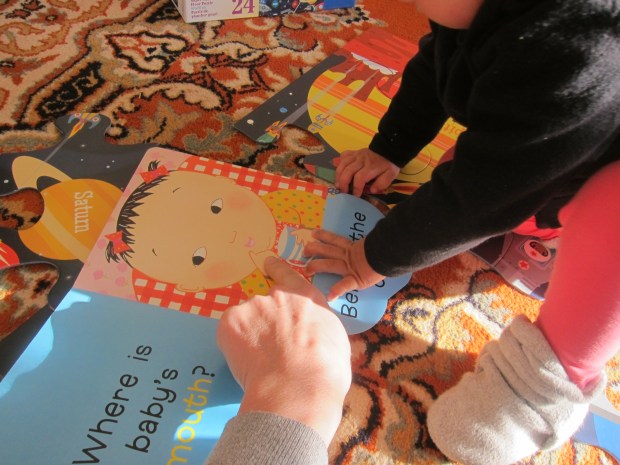
Here’s an update on that game now that she’s a toddler; today we made it more of a ‘Simon Says’. For each body part, I would first point to the one on my body. “Here are my fingers,” I said, wiggling them. Then I posed the question: “Where are your fingers?”

Where is Nose (1)

Over the course of the game, she proudly wiggled her fingers, pointed out her own toes and knees, touched her shoulders, and tapped her head, following my lead each time.

Where is Nose (2)

Her favorite body part is her belly. “Where is your belly? I asked. She loves to share it, and then she needed to see mine!

Where is Nose (6)

You can reinforce the game with any book that focuses on body parts.

Where is Nose (4)

Although she’s young for it, we read through Head to Toe by Eric Carle, with an action to accompany each body part. She loved seeing Baby act it out!

Where is Nose (9)

It was a delight to see how many of these words she now knows, recognizes, and says.

Soap Crayons and Bath Paint

Soap Crayons Bath Paint (4)

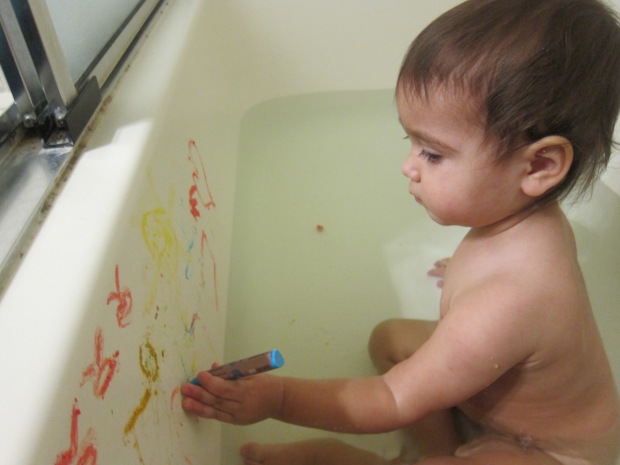
Some baths are for getting clean, but sometimes a bath is meant for playing! To wit, this afternoon I treated Veronika to an extra long bath just so she could enjoy some arts and crafts in the tub.

The bath is a perfect place for your toddler to experiment with art. What’s easier than a mess that can literally be washed down the drain?

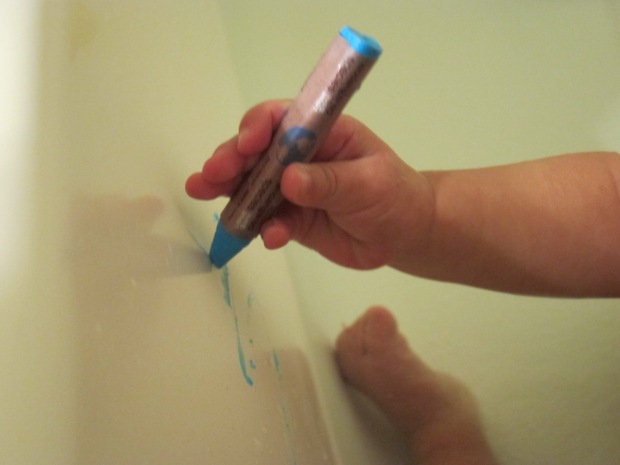
We started out with soap crayons. You can make your own, but I skipped the labor of love and instead purchased a set from Sud Smart Bath Toys.

Soap Crayons Bath Paint (2)

Unfortunately they snapped into small pieces easily, but that didn’t deter Veronika from having a blast.

Soap Crayons Bath Paint (3)

Imagine her delight that she could scribble everywhere without being reprimanded!

Soap Crayons Bath Paint (5)

I made lots of squiggles and swirls for her, too, since you have to press hard with these crayons and her efforts didn’t always produce much color. Since we’re working on her budding vocabulary and object recognition, I drew simple shapes that she knows the word for, like the sun and birds.

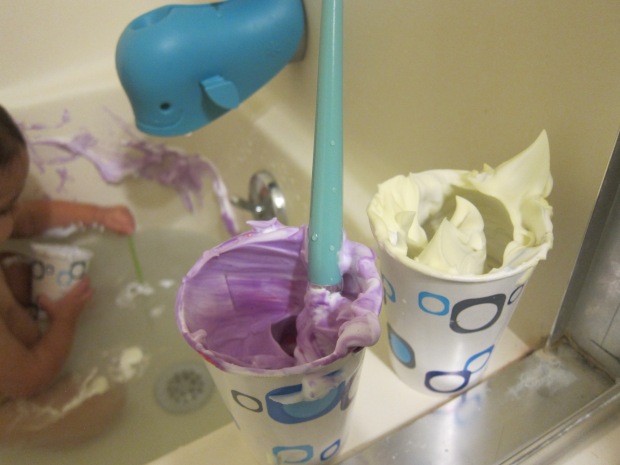
Next up, we swapped out the crayons for paint! For an easy bath paint, look no further than the medicine cabinet: foamy shaving cream.

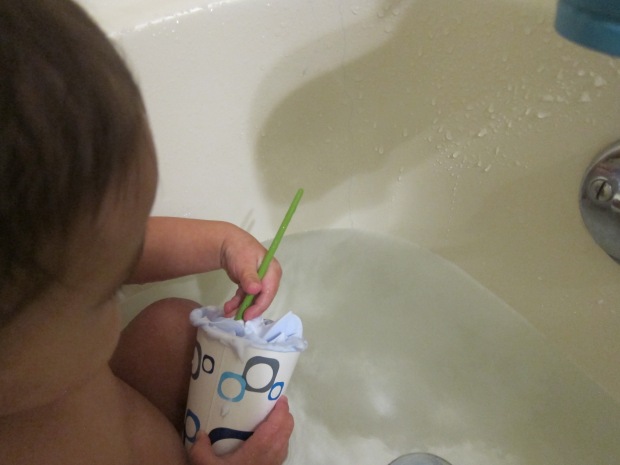
I squirted a generous amount of shaving cream into each of three cups and added a few drops of natural food coloring to each, resulting in pretty pastel colors. Insert a paintbrush into each color.

Shaving Cream Paint (1)

As with a recent edible paint, Veronika first just loved plunging the paintbrush up and down in the mixture.

Shaving Cream Paint (2)

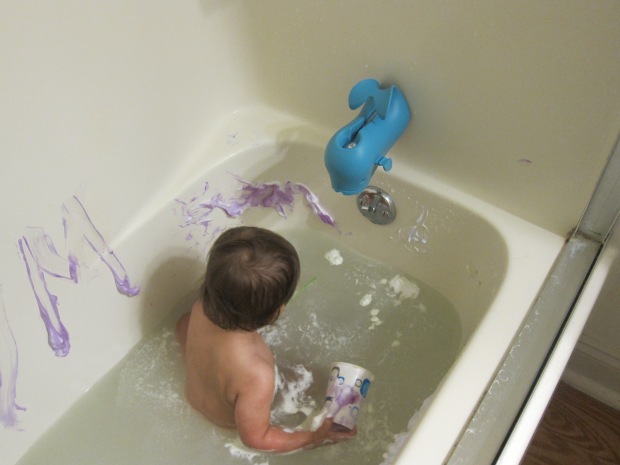
Once I showed her how to smear it on the tub walls, she was game!

Shaving Cream Paint (6)

I also lathered some on one wall in a thick canvas, hoping she would run the paintbrush through.

Shaving Cream Paint (5)

She was more into the fact that she could paint it on her hands, though. Look mommy!

Shaving Cream Paint (4)

Throw in a little education if you want, writing letters (your child’s initials are always fun) or shapes. And when it’s done, just rinse it down the drain.

Shaving Cream Paint (3)

Valentine’s Day Marbled Messages

Marble Messages (8)

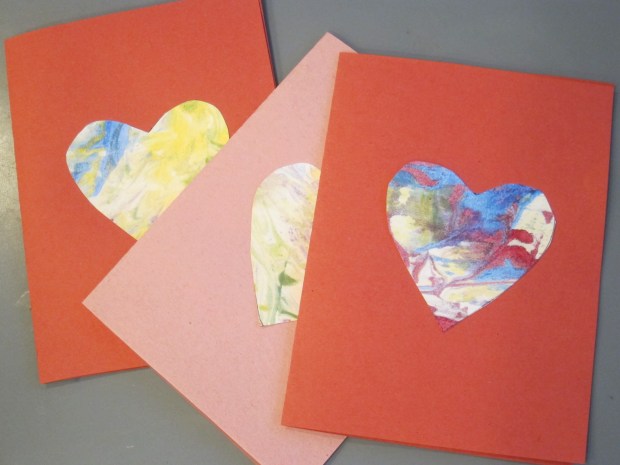
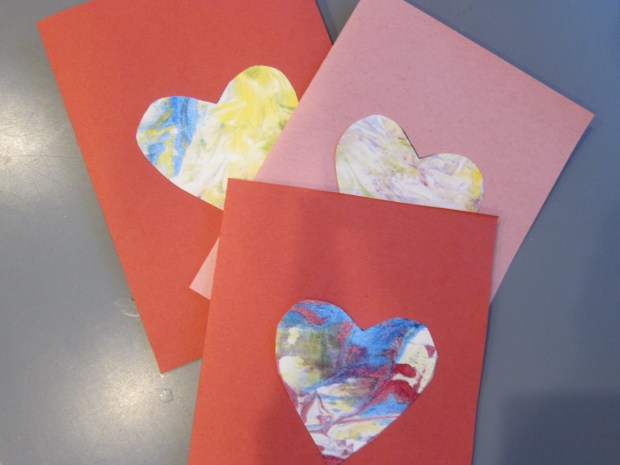
Your kid can wow the class this year with these swirled heart cards. Classmates will love learning that the marbled colors were made with shaving cream paint!

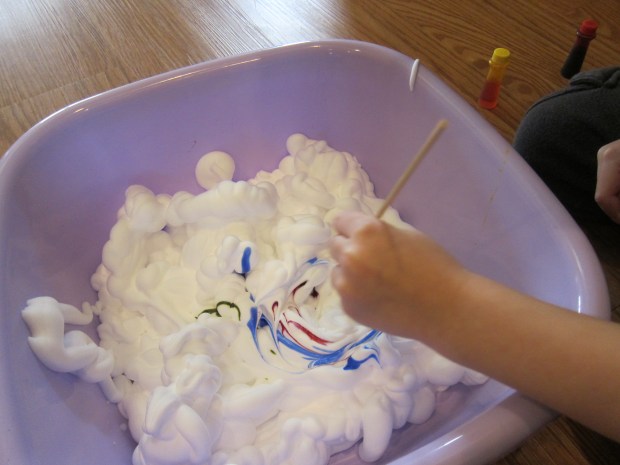
To set up, Travis and I filled a shallow craft bin with a thick layer of shaving cream. Add generous drops of food coloring in multiple colors and stir with a skewer.

Marble Messages (1)

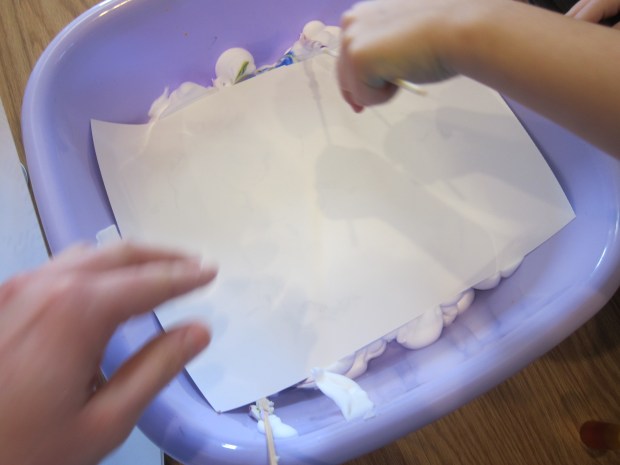
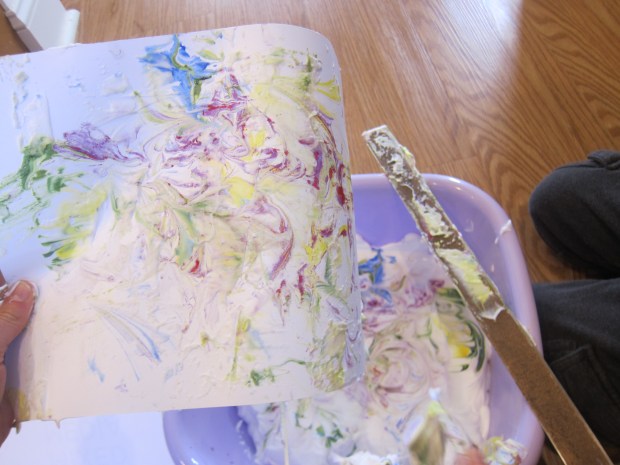
Press a thick piece of white paper firmly onto the surface of the shaving cream.

Marble Messages (2)

Lift up and scrape off the excess shaving cream with the side of a ruler. Travis loved the big blobs of shaving cream this produced!

Marble Messages (3)

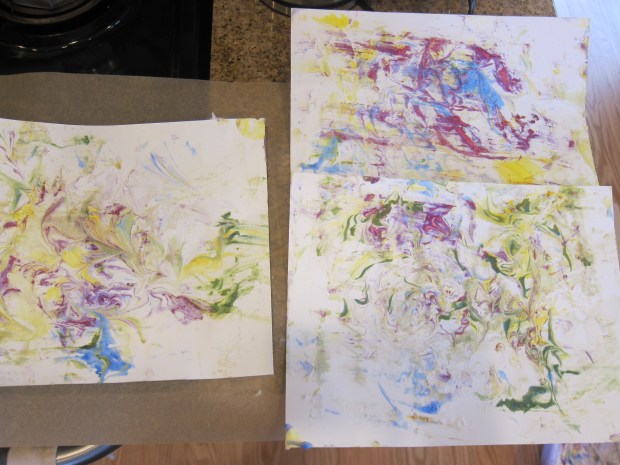
Repeat as needed for the desired amount of Valentines. We found we needed to add more food coloring to the shaving cream base after pressing in 3 sheets of paper. Let dry completely.

Marble Messages (5)

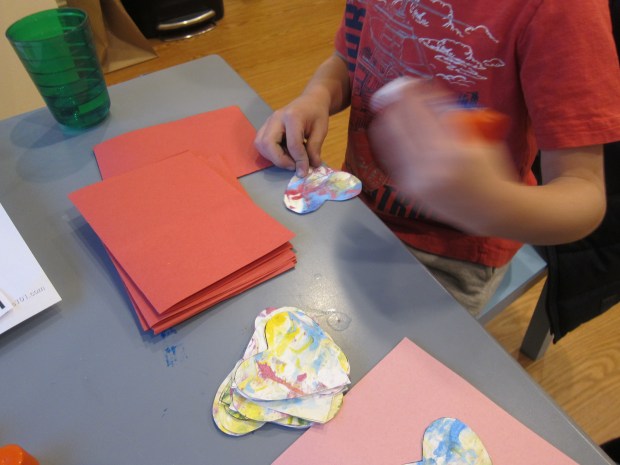
Once dry, we traced hearts onto the paper with a cookie cutter and cut out. Cut red and pink construction paper into 8×5-inch rectangles and fold in half. Glue one heart to the cover of each card.

Marble Messages (6)

Don’t forget to write a sweet message inside! Prefer your class Valentines with a little less mess? Check out past ideas for necklaces, bookmarks, and even “tacos“!

Marble Messages (7)

Flower-Power Pendants

Flower Pendants (7)

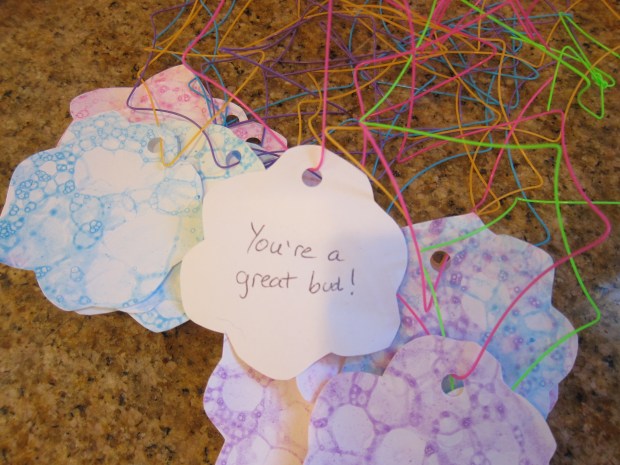
Kids will love this novel bubble-based painting method. The resulting pendant necklaces are perfect for class Valentines!

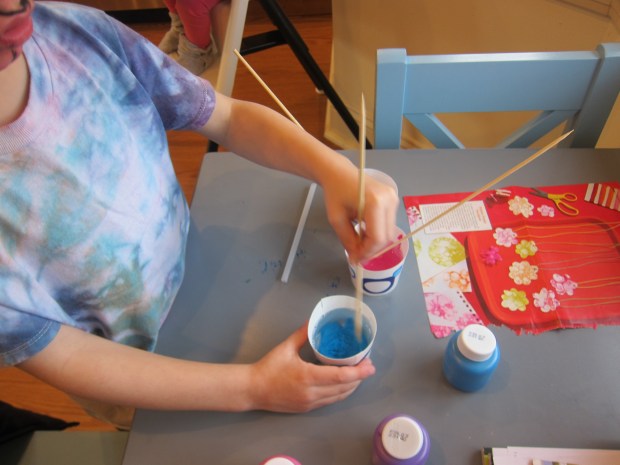
To create the bubble paint, fill a short cup with 3 tablespoons dish soap, 1 tablespoon water, and 2 tablespoons paint. In order to make our cups short enough, I snipped the top half from regular 8-ounce paper cups.

Flower Pendants (1)

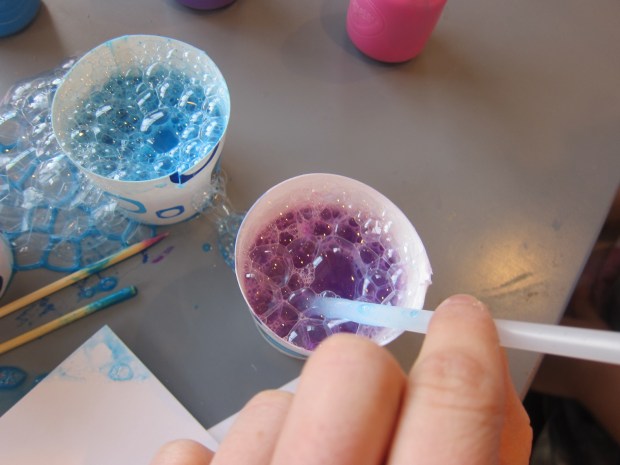
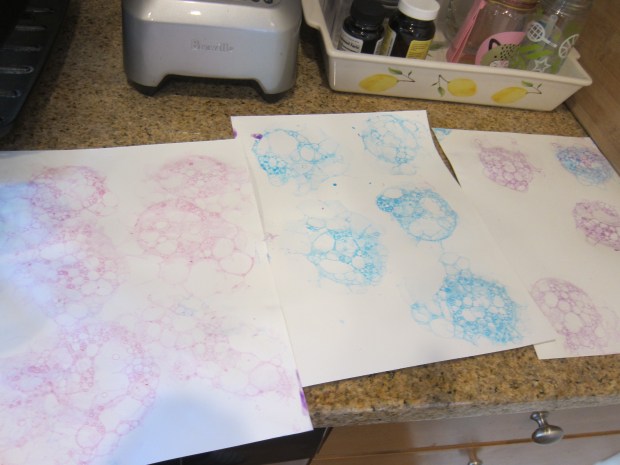
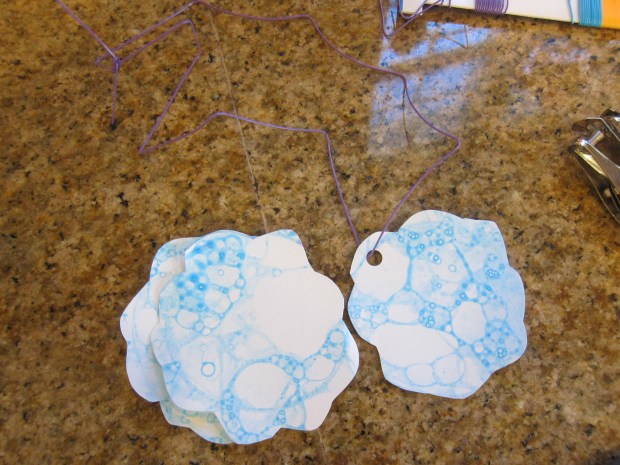
Use a straw to blow into the mixture and you’ll create colored bubbles that rise to the surface. Press a piece of thick white paper firmly over the top. Repeat with more bubbles and more pressing until you’ve covered the sheet of paper, then let dry.

Flower Pendants (2)

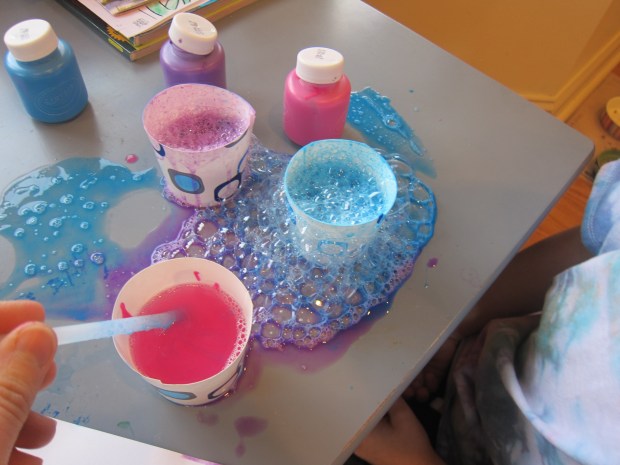
Travis loved that the bubbles toppled over the edge of our cup each time; needless to say, this is a bit of a messy project! We repeated with three different paint colors.

Flower Pendants (3)

Once dry, cut the pages into flower shapes, repeating for the desired amount of Valentines.

Flower Pendants (4)

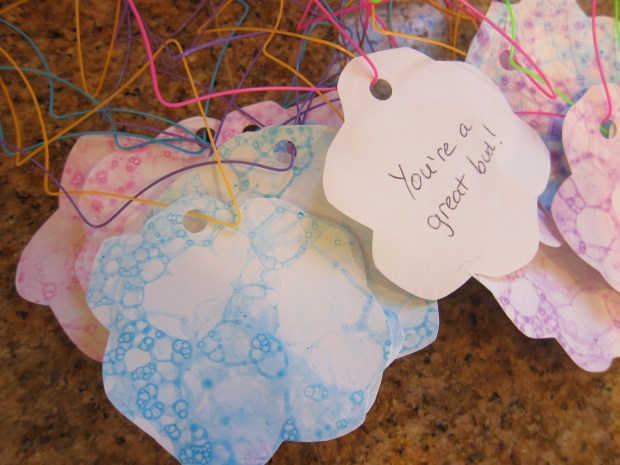
Punch a hole in each flower and thread with cord (available at craft stores), to complete each necklace.

Flower Pendants (5)

On the back, we wrote the sweet message, “You’re a great bud!”

Flower Pendants (6)

Happy New Year, Trees!

New Year Tree (8)

Who knew? Trees get to celebrate new years too! The Jewish holiday of Tu B’Shevat, which falls on February 9th this year, is all about honoring trees. Travis helped mark the occasion with this craft from Highlights magazine.

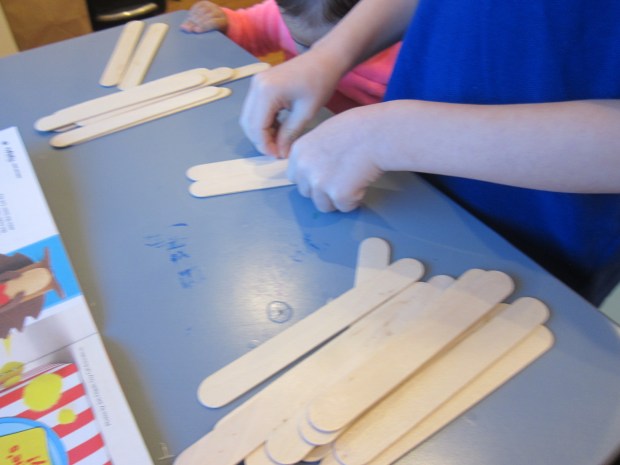
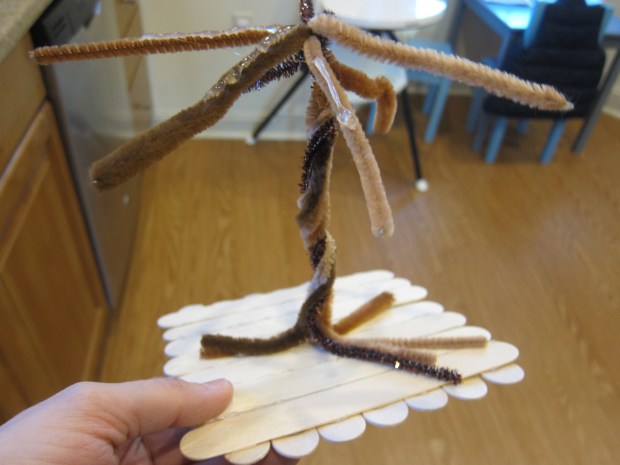
First we needed a base. I challenged Travis to think of how he might arrange craft sticks to make a sturdy foundation for our tree.

New Year Tree (1)

A double-layer of craft sticks proved best, and because he didn’t want to wait for craft glue to dry, I made quick work of it with a hot glue gun.

New Year Tree (4)

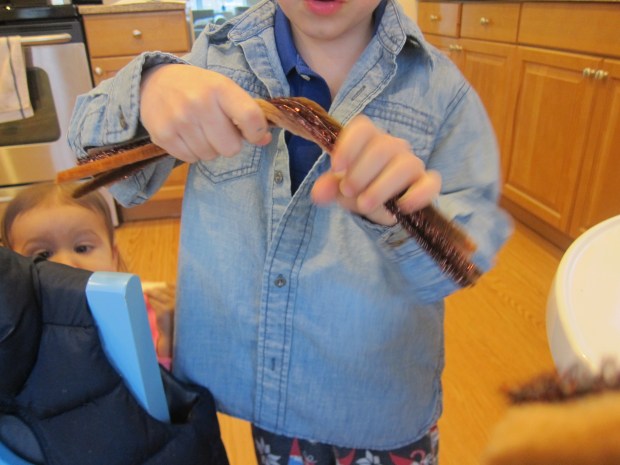
For the trunk of the tree, twist together brown pipe cleaners. We had some that were sparkly, as well as varying shades of brown and tan, which gave the trunk a pretty, mottled look. Travis got the hang of twisting after I demonstrated!

New Year Tree (2)

Spread out the tops and bottoms to be the branches and roots. I hot glued this to our base.

New Year Tree (5)

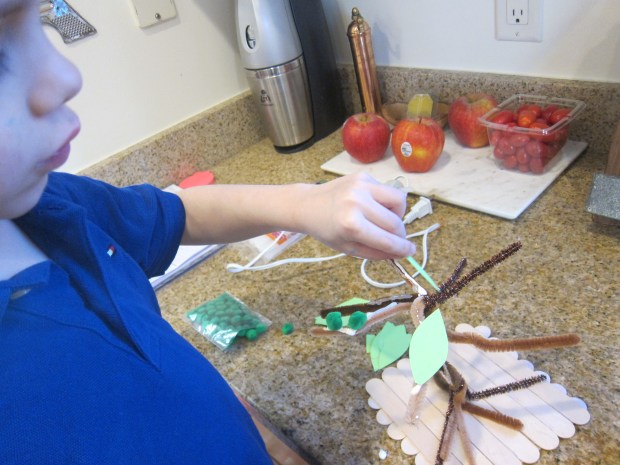
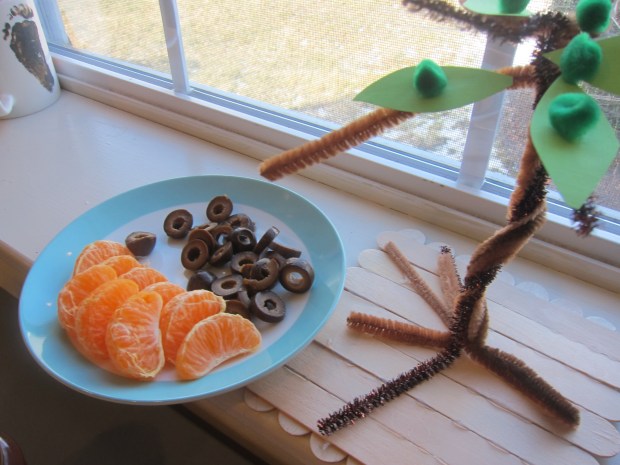
For the leaves, Travis helped cut shapes from green cardstock (great scissor practice). These were then glued onto the branches, along with little green “olive” pompoms.

New Year Tree (6)

All in all, this was a cute craft. Travis enjoyed olives and oranges (two fruits from trees!) as a snack to finish our celebration of the holiday.

New Year Tree (9)

Homemade Bath Shapes

Simple Bath 2 (2)

Here’s a fun variation on foam sheers in the tub that Veronika has enjoyed lately at bath time.

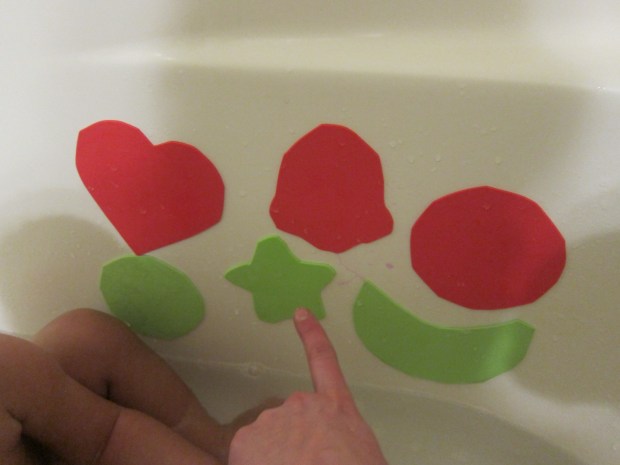
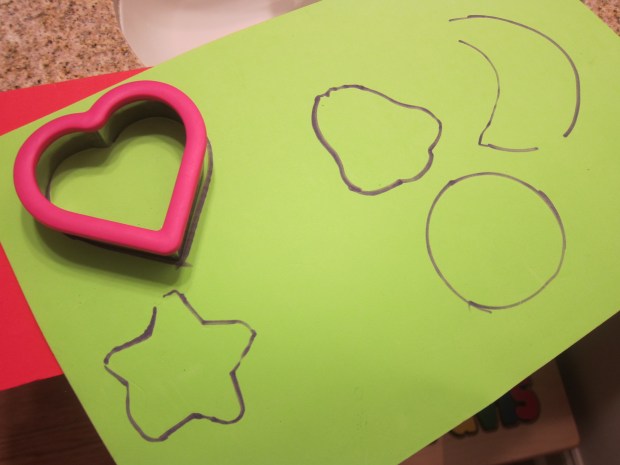
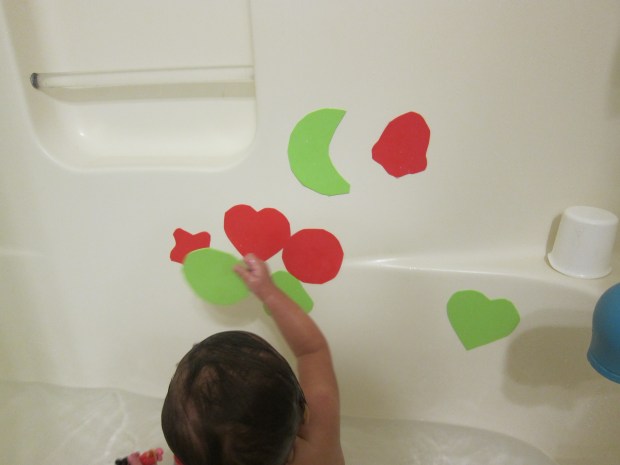
This time, I used cookie cutters to trace shapes that are becoming identifiable to her, including stars, moons, basic shapes like circles, and a few fun ones like bells.

Simple Bath 2 (1)

I cut them out and then lined them up on the bathtub walls so she could see how they stuck right to the tub. She loved taking them off and on again.

Simple Bath 2 (5)

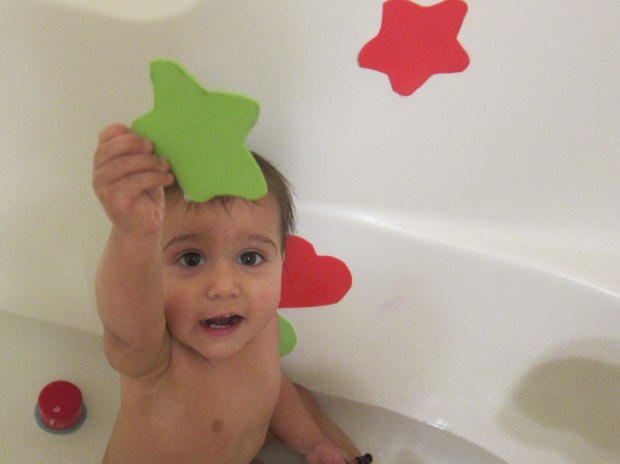
The star was a fast favorite. With no prompting, she held it up high every time I sang the “up above the world so high” line of Twinkle, Twinkle!

Simple Bath 2 (3)

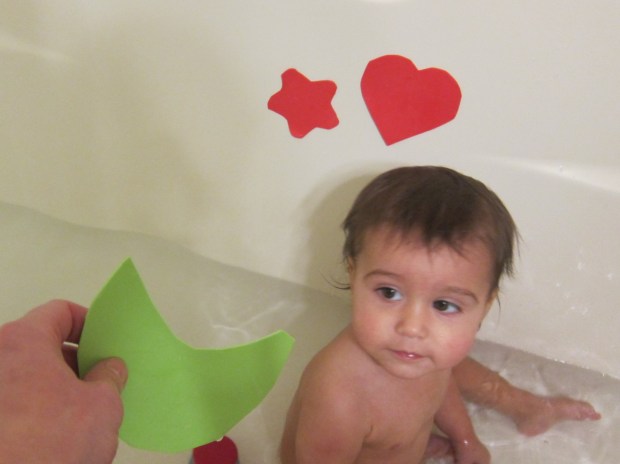
The moon likewise received big smiles when I recited a favorite poem about the moon.

Simple Bath 2 (4)

This was a great way to combine tub fun with object recognition as your toddler begins adding more and more words to his or her vocabulary.

After School Routine Clock

After School Clock (4)

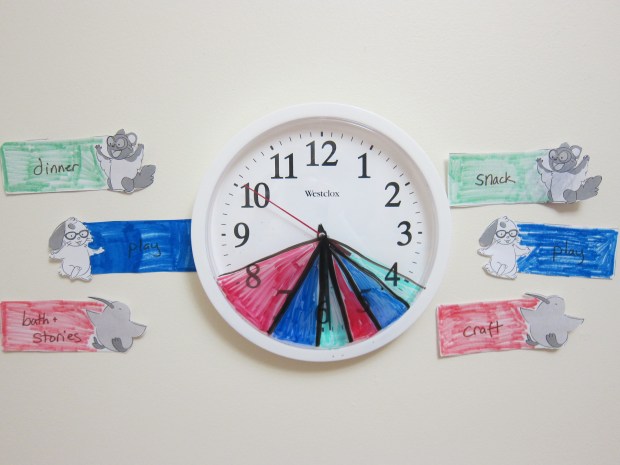
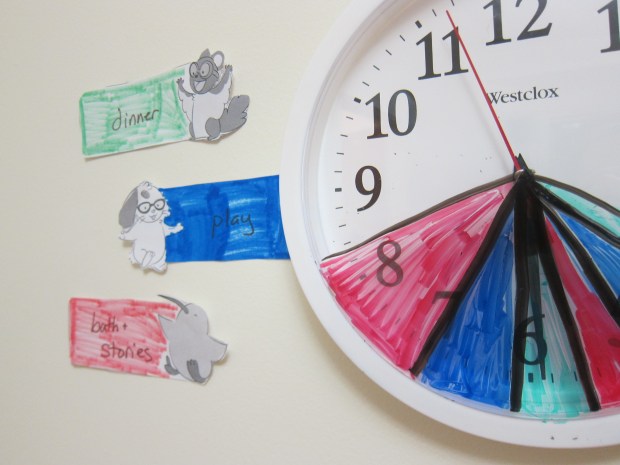
Travis has struggled lately at clean-up time, requesting more and more time to play. We made this cute clock in hopes of keeping things on track in the future! It helped him to visualize how much time was left for current favorite activities, like action figure play and coloring, and helped cut down on protests.

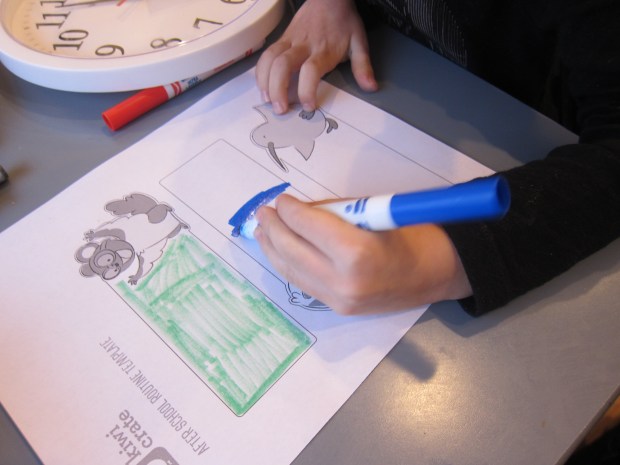
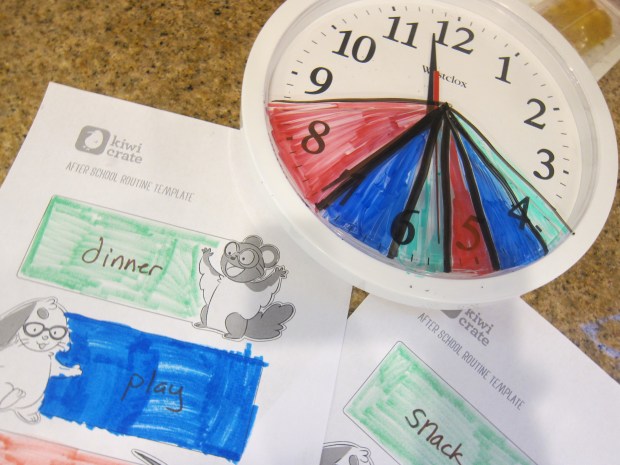
To start, we printed out two sheets of a template from Kiwi Co. Color in with crayon or marker, making sure to use colors that match any dry erase markers you have at home. That limited us to blue, red, and green, but you can use many colors if you have a full rainbow of dry erase. On each rectangle, write in a part of your child’s evening routine with dark marker.

After School Clock (1)

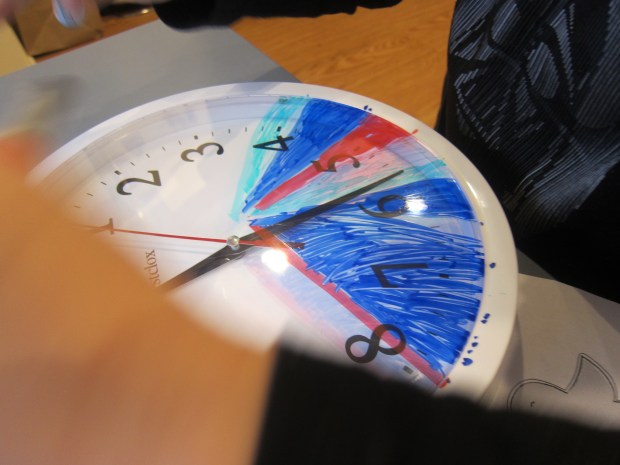
For each slot of time, we colored a corresponding triangle on a white wall clock that I purchased from Amazon. Travis loved being allowed to color directly on the clock!

After School Clock (2)

I outlined his triangles in black for a clearer visual, and then mounted the clock on the wall next to the Kiwi templates.

After School Clock (3)

What a great way for him to see how the evening is divvied up! I also love that this project can be adapted as his schedule changes in the future, especially once homework is part of the equation.

After School Clock (5)

Kitchen Boxes

Play Kitchen (1)

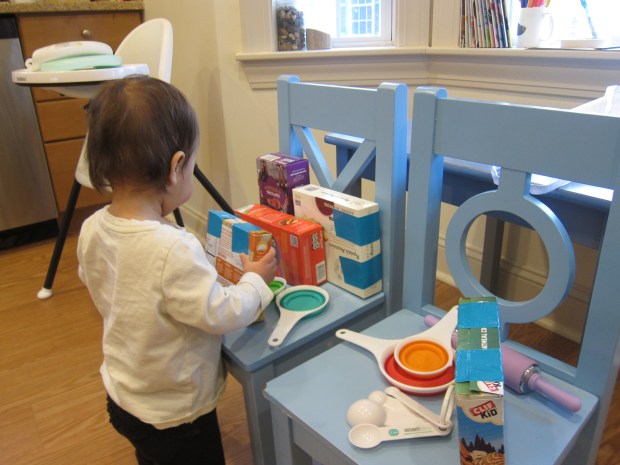
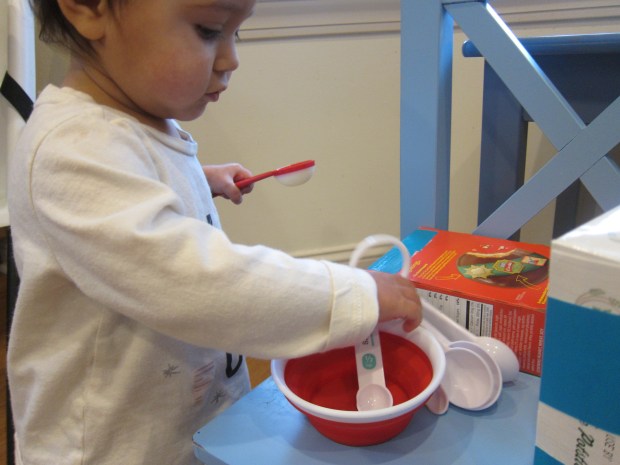
Toddlers love to be your helpers, which can be adorable, but which also sometimes places them squarely under foot and in the way… like when you’re cooking in the kitchen! Encourage their eager need to be involved by setting up a play kitchen right alongside yours.

There’s no need to buy a fancy store-bought kitchen; chances are you have everything you need right at home for this game.

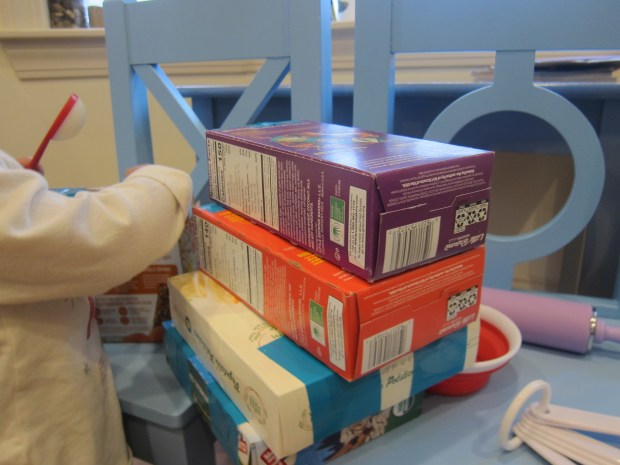
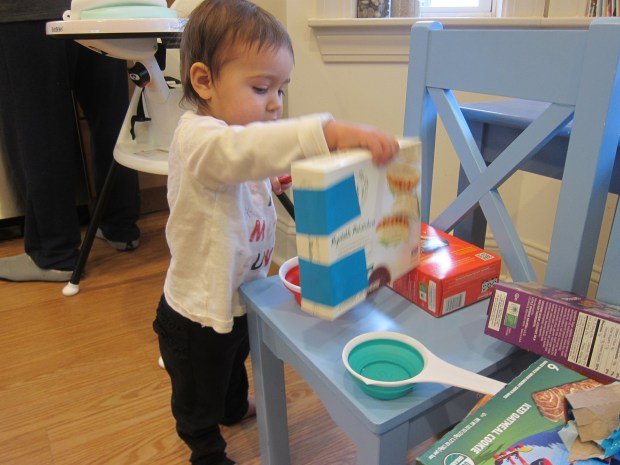
I saved up empty snack boxes over the course of a week and taped them shut to be Veronika’s pantry staples and “groceries”. (Note: The youngest toddlers might be happy just with these boxes and nothing else! They make great towers).

Play Kitchen (2)

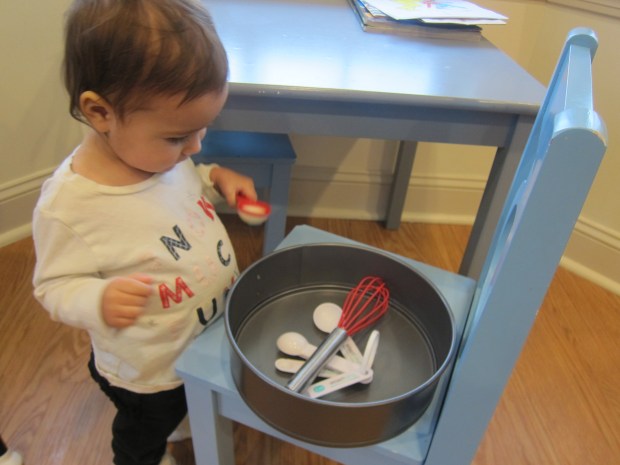
Then I set up two toddler chairs side by side as her kitchen counter. Use empty large boxes if you don’t have chairs that are the right height. Her kitchen was soon outfitted with brightly colored measuring cups, a set of measuring spoons we use just for play, and other accessories like whisks and rolling pins.

Play Kitchen (3)

Soon she was very busy “cooking”!

Play Kitchen (4)

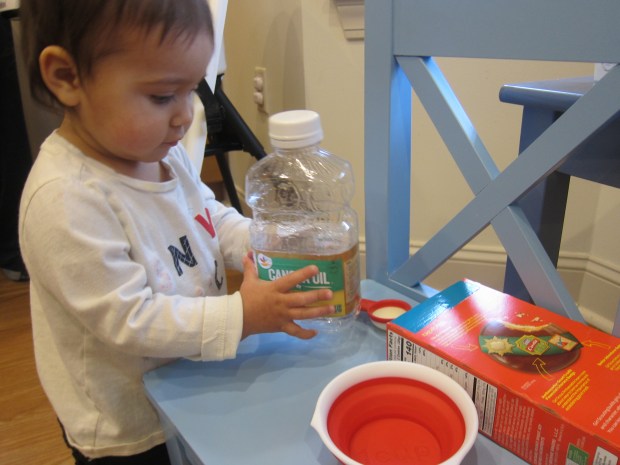
Veronika was in luck today because I finished up a bottle of vegetable oil making my recipe. This was quickly added to her kitchen. Build up a similar stock for your little one over time, adding old aprons, dish cloths, empty bottles, spare utensils, and more.

Play Kitchen (7)

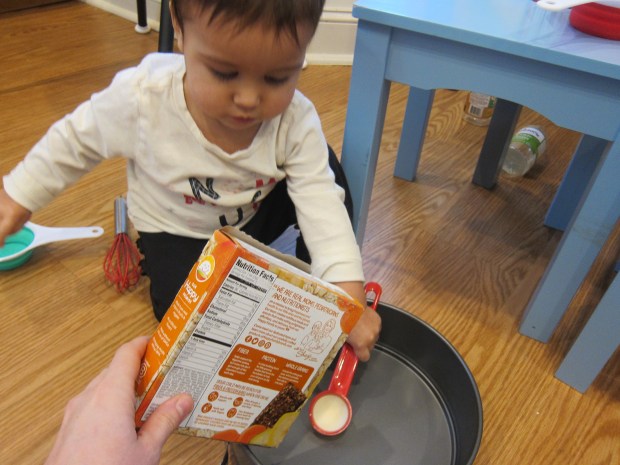
As I filled muffin tins with real batter, I gave her an old cake pan to “bake” her recipe in.

Play Kitchen (10)

She was so busy and happy by my side playing this game, and never in the way!

Play Kitchen (11)