Carrot Footprints

Carrot Footprint (5)

This cute little craft feels just right for springtime, particularly close to Easter as we’re thinking about bunnies! The resulting footprints make a sweet memento, too.

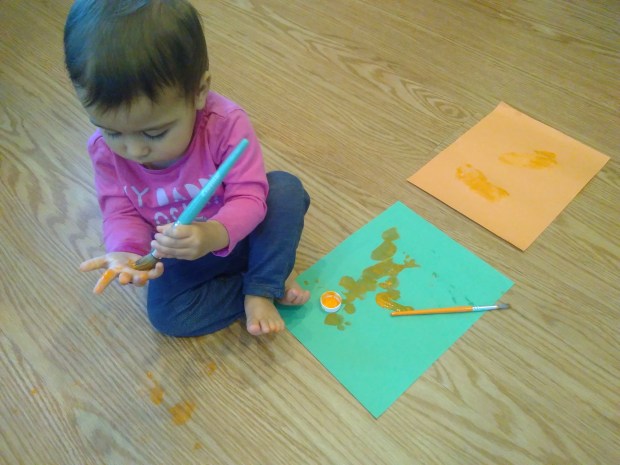
I sat Veronika down and painted the bottom of one foot orange with washable paint. She loved the way this felt, eagerly saying “foot” and imitating me with a second clean paintbrush.

Carrot Footprint (1)

Firmly press your child’s foot to paper. Wipe clean, then repeat with the other foot. I thought the orange paint might show up on orange construction paper as the background, but in retrospect I would have done this on white cardstock.

Carrot Footprint (6)

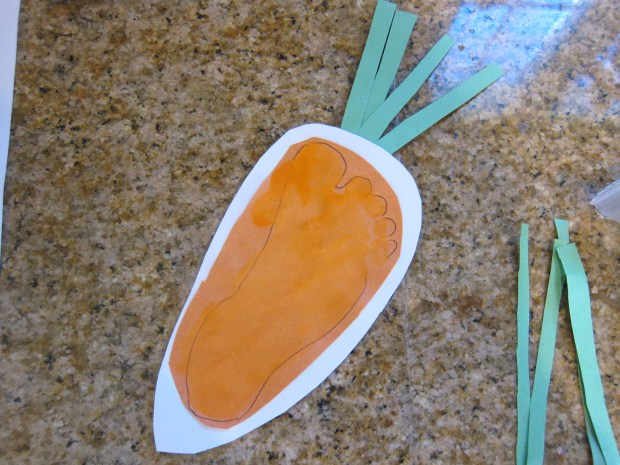
As it was, I ended up cutting out the orange paper, drawing pen around the footprints to make them clearer, and then gluing them down to to white cardstock.

Carrot Footprint (7)

For the fronds of the carrots, cut strips of green construction paper and tape them to the back so little fronds stick up.

Carrot Footprint (2)

If you want the fronds to be sturdier, consider cutting up green paint chip samples! Still, these turned out to be quite adorable.

Carrot Footprint (3)

Caribbean Baked Risotto

Caribbean Risotto (1)

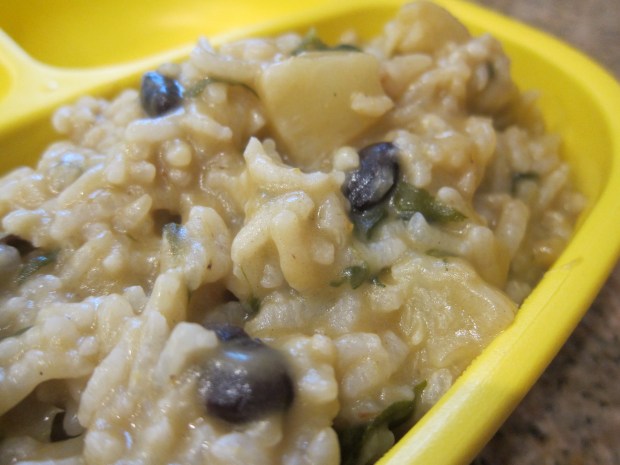
There are so many flavors for kids to love in this easy one-pot dish, whether the coconut, the pineapple, or the sweet note of pumpkin. It bakes in the oven, taking all the guesswork out of risotto.

Ingredients:

  • 1 cup medium-grain rice
  • 1 cup full-fat coconut milk
  • 3 cups vegetable broth
  • 1/2 cup canned pumpkin
  • 1 cup chopped pineapple
  • 1/2 cup canned black beans, drained and rinsed
  • 1 minced garlic clove
  • 1 cup chopped baby spinach
  1. Combine all of the ingredients in a casserole dish.
  2. Cover and bake at 325 degrees F for 1 hour. Let cool slightly before serving.

Kindergarten Home School Week 4: Monday

Home School 16 c

Having posted a weekly round-up of home school last week, I realized I really prefer to return to a daily post. Although the activities are fairly simple, what I’m aiming to capture is the daily ups and downs, struggles and successes. Hopefully you, as readers, can follow along on this journey as we all live through this historical COVID-19 moment.

9-10: Circle time/ELA. Circle time is quite fun now, and gets Travis in the right mindset! We sing the morning songs and baby sister claps along. We jumped right to ELA from there, today focusing on rhyming. After reading an old favorite (Frog on a Log), we all colored in rhyme flashcards, little sister, too! Travis was fussy by the time we cut them out and matched them up, so clearly we needed a break.

Home School 16 a

10-10.30: Recess!

Home School 16 b

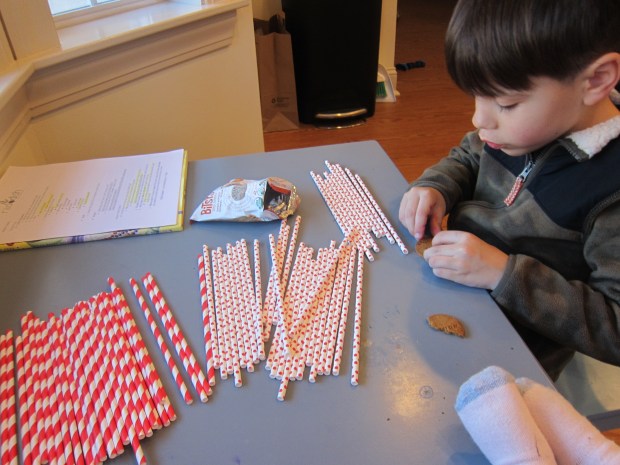
10.30-11: Math. Today’s assignment was to sort a set of things. We raided the craft bin, and Travis chose straws and pom poms. I asked him how each set of things was the same, and also how they were different.

Home School 16 d

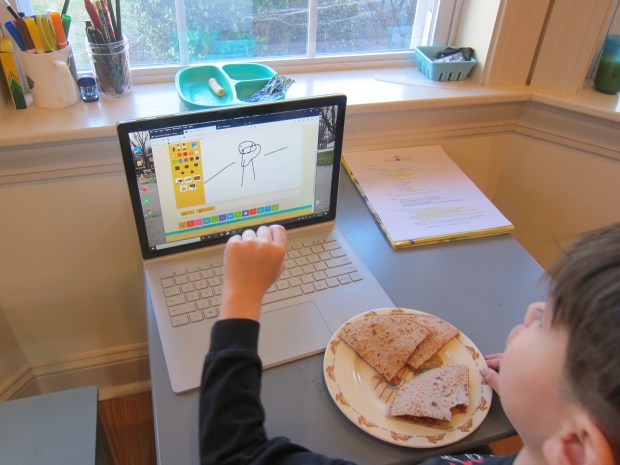
11-11.30: Social Studies. Travis watched a quick video about schools and who the members of a school community are, then drew the school nurse in an online program.

Home School 16 e

11.30-12.30: Teacher parade: This was the highlight of the day; the teachers of his school arranged a drive-by parade! This meant the chance to socialize with neighbors from a safe 6 feet, and then the thrill of waving as the cars went by, honking their horns and decked out in signs saying “We Miss You”, “We Love You” etc.

12.30-1.30: Lunch/free play.

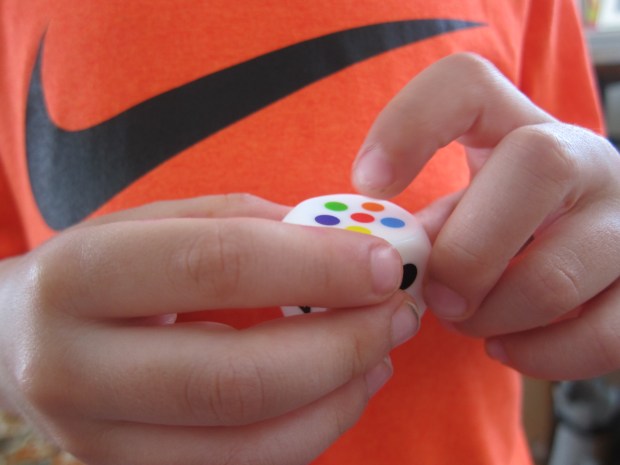
1.30-2: Spanish. Travis counted to ten in Spanish while hopping on one foot, and then we named Spanish colors as we played a board game.

Home School 16 f

2-3: We took a break from the lesson plan for our own home school lesson on Mardi Gras!

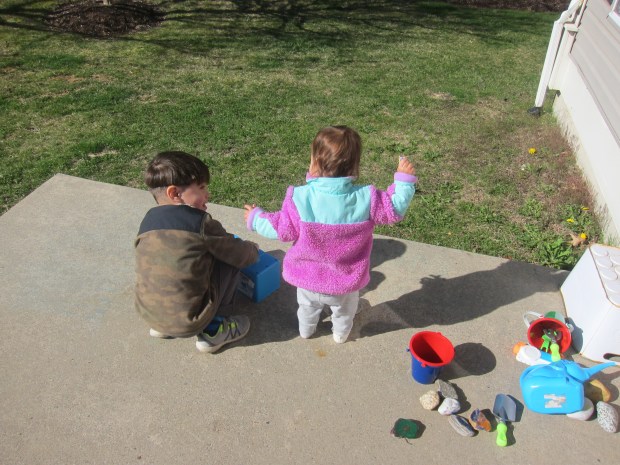
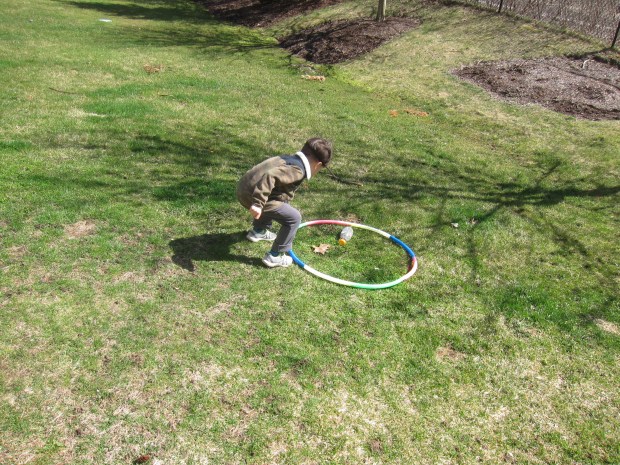
3-3.30: P.E.. His special today would have been gym so we played Flip the Yard; throw a plastic bottle filled with rocks underhand towards a target, like a hula hoop. 2 points if it lands inside, 1 point if it’s touching the rim. First player to 15 points wins! The kids just enjoyed the spring sunshine after.

Home School 16 g

We also squeezed in a few videos from the San Diego Zoo over a late afternoon snack, and Travis designed an “obstacle course” for his classroom’s hermit crabs. In sum, we did a lot. The day simultaneously felt endlessly long and really fast, is that a thing? I felt like I didn’t give my toddler enough attention, so my goal is some quality crafts or games with her in the mix tomorrow!

Mardi Gras

Mardi Gras (7)

In conjunction with a spicy, jazzy jambalaya, Travis and I did a social studies lesson today on Mardi Gras, care of Raddish Kids.

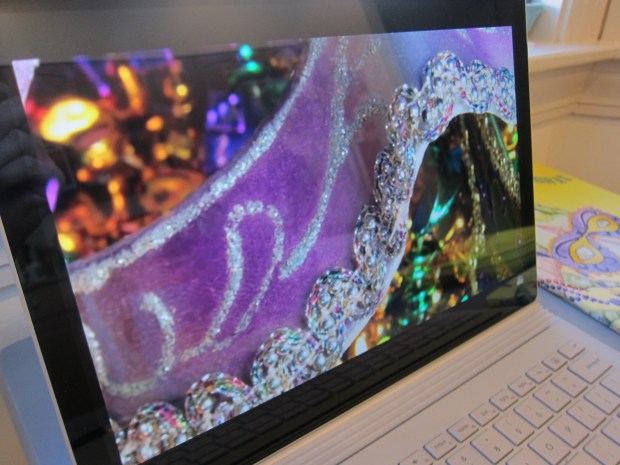
To get in the mood, fire up some Mardi Gras tunes online. As the band began to play, I read Travis some talking points about the festival. We checked out where Louisiana and New Orleans were on his U.S. map, and then discussed the party atmosphere of floats and parades. He thought it sounded neat, especially the masks!

Mardi Gras (1)

Using the traditional colors of gold, green, and purple, we “celebrated” in 3 ways. First, he drew a picture of a Carnival king; note the big purple mask.

Mardi Gras (6)

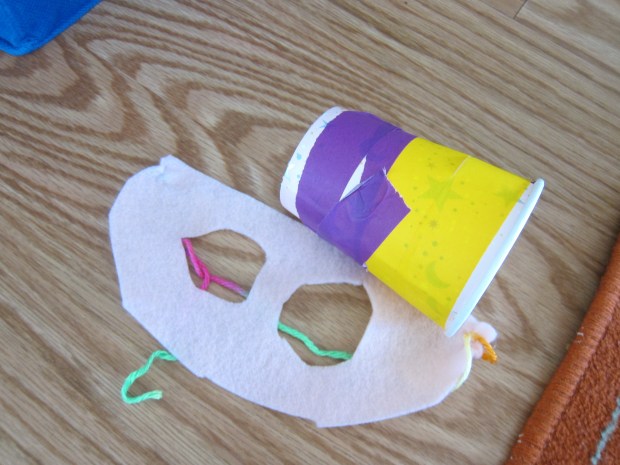
Then we made costumes! Travis helped craft a felt mask and an “armband”. The latter was a paper cup with the top cut off, which we surrounded in purple, yellow, and green masking tape.

Mardi Gras (2)

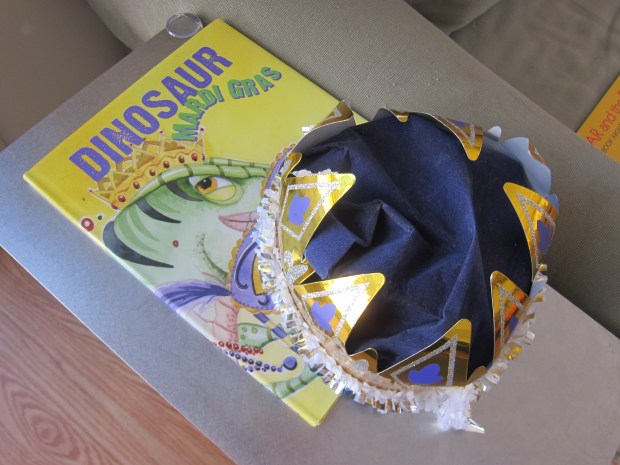
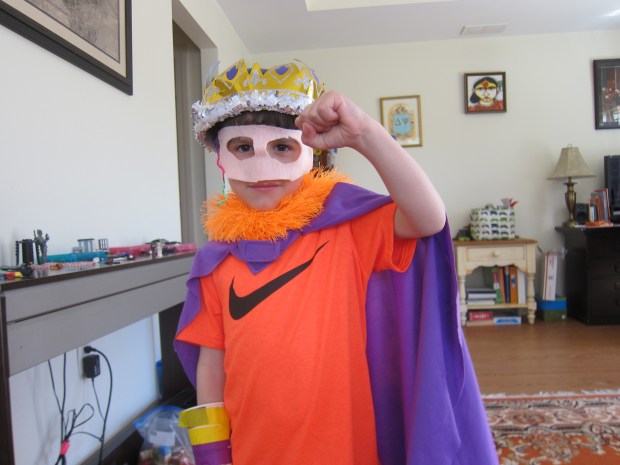
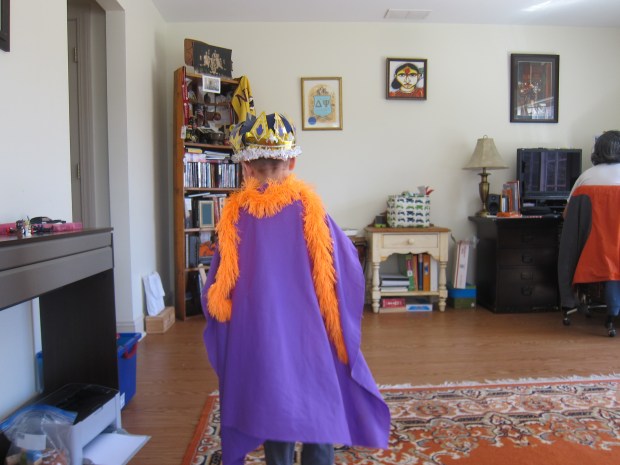
We added items from the dress-up bin, including a purple cape, a boa for sparkle, and of course a king’s crown. He’s ready to parade!

Mardi Gras (3)

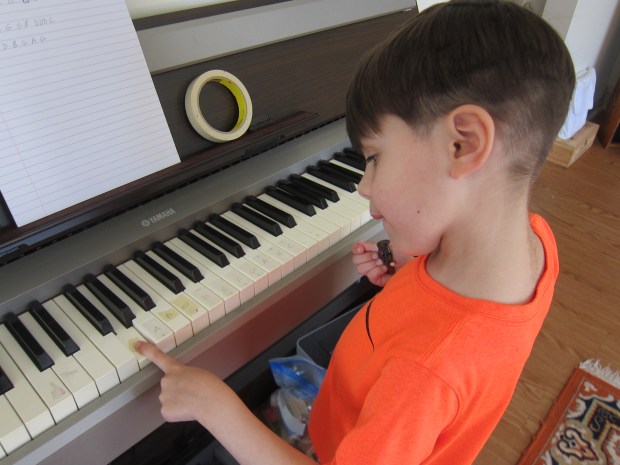
Finally, I gave him a mini piano lesson of When The Saints Go Marching In, thanks to an online tutorial.

Mardi Gras (5)

Finish up with a story about Mardi Gras. We enjoyed the silly Dinosaur Mardi Gras, by Dianne De las Casas, but you can find more serious titles at a book store or library, too.

Mardi Gras (4)

Finger Paint Easter Egg

Finger Paint Easter Egg (6)

On the heels of her first Easter craft, Veronika made an equally easy toddler-friendly Easter egg today. This one requires only poster board and finger paint.

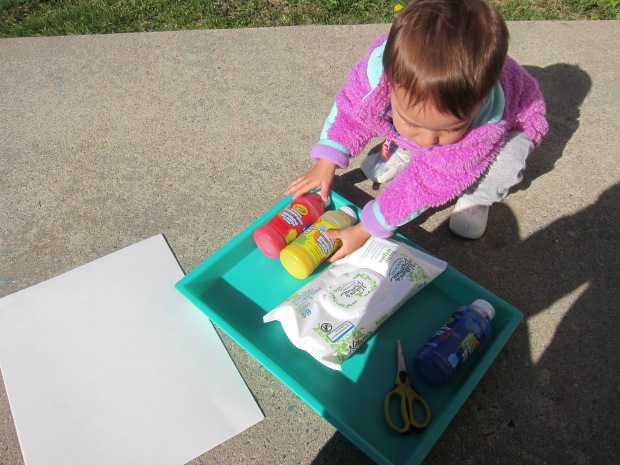
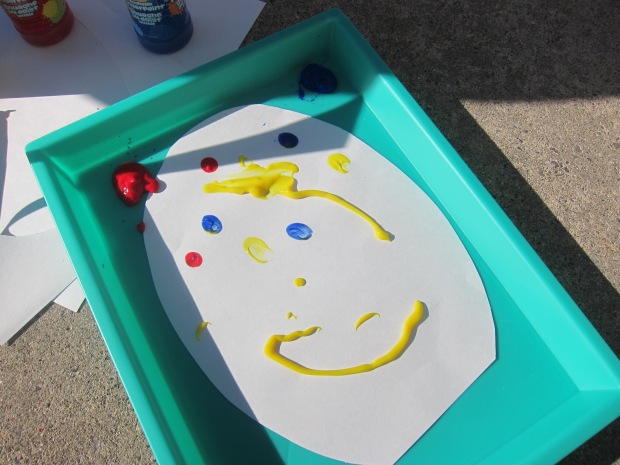
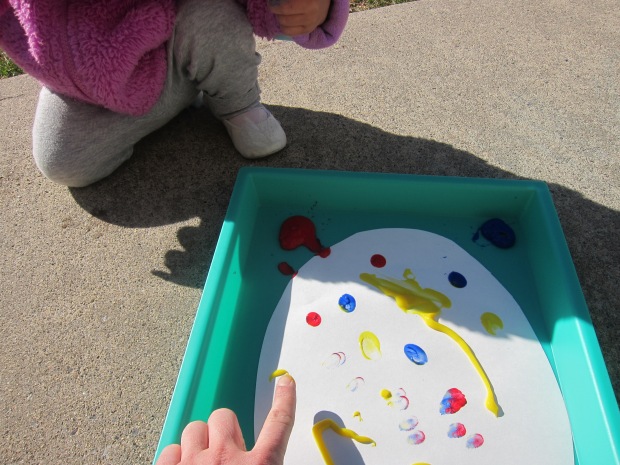
I initially thought to set up the activity outside, given a nice day of sunshine. You’ll notice the pack of wipes on hand for easy clean-up, a must whenever you use finger paint!

Finger Paint Easter Egg (1)

After cutting an egg shape from white poster board, I squirted a few colors of finger paint out onto at ray and briefly demonstrated how she could dip a finger in the paint, and then press on the egg.

Finger Paint Easter Egg (2)

I also squirted some of the paint directly onto the egg shape, thinking she might want to swirl it around with her whole palm. But after a moment to check it out, the outdoors proved far too distracting!

Finger Paint Easter Egg (3)

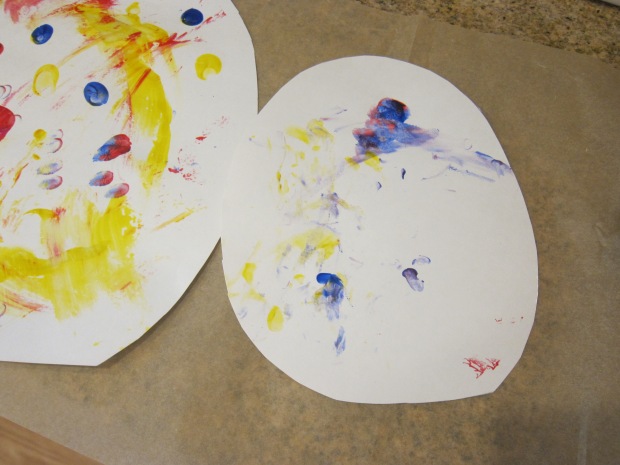
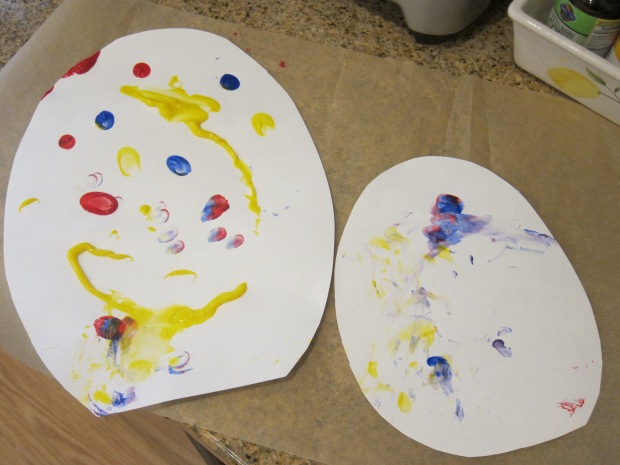
So we moved the activity inside, where she was able to pay more attention. This time she dipped her fingertips into the paint. I can’t say she loved the craft, but she did make enough markings on a full sheet of poster board that I could cut out a smaller egg shape around it.

Finger Paint Easter Egg (5)

So we ended up with mommy-and-me Easter eggs, which I think are pretty cute! For preschoolers, have fun making deliberate lines or patterns with the finger paint, to add a little education into the mix.

Circuit Science Kiwi Crate

Kiwi Circuits (9)

Travis’s Kiwi Crate has never been so welcome as during this period of home school and social distancing, particularly on a rainy day when we couldn’t get outside for a spring nature walk. The package literally saved the day! Sometimes Travis wants to spread out the projects, but this time he insisted we dive into the crate right away and do all three projects start to finish.

The big concept this month was electric circuits, which Travis has grown to understand recently from a few at-home projects, so I was glad the concept wasn’t foreign to him.

First up was the Lamp: A simple set-up involved attaching a lamp base and LED light holder onto a cardboard base, then inserting batteries into the provided battery pack. Travis connected red wire to red wire and black to black, and his lamp turned on!

Kiwi Circuits (1)

The second project, the Lampshade, was really the only “A” component of STEAM for this crate.

Kiwi Circuits (3)

Travis loved punching the holes along the lines of a Steve the Kiwi template, with a sheet of black paper underneath, since it was similar to punch art he does at school.

Kiwi Circuits (2)

The black paper then slips easily inside the lamp, and Steve glows!

Kiwi Circuits (4)

We put it all together with the Electric Bowler Game. This was definitely complicated, but Travis was determined to put together a circuit board that involved four brads against a wooden plate and wires that slip over the outer brads.

Kiwi Circuits (5)

He slotted the wooden frame together and held it all together with provided rubber bands.

Kiwi Circuits (7)

A wooden dowel in the middle is the switch to deactivate the circuit when needed. 3 silver balls then trigger the circuit; these need to be scuffed with scratchy pads first, although to our disappointment, the booklet did not explain why.

Kiwi Circuits (10)

To complete the game, a wooden board sits on top with a foam bumper. Take turns rolling the three metal balls towards the holes at the end. Once all three metal balls fall into place between the brads on the circuit board below, the circuit is complete, and the lantern turns on!

Kiwi Circuits (11)

Definitely play in a dim room, for the best effect.

Kiwi Circuits (13)

Travis enjoyed the Explore magazine that delved deeper, including an experiment called Let It Flow. What else could complete the circuit in our set-up, other than the three metal balls?

Kiwi Circuits (14)

Three plastic beads failed, as did three marbles. But three strips of aluminum foil did the trick!

Kiwi Circuits (15)

There was no suggested further reading this month, but I recommend Oscar and the Bird: A Book About Electricity.

Kiwi Circuits alt

We also plan to check out I Am Benjamin Franklin when the title is released in October, as there’s sure to be some fun bits about electricity in there!

Sticker Easter Egg

Sticker Easter Egg (5)

It seems strange even to think about the upcoming Easter holiday, knowing we’ll be celebrating with family at a distance… but that’s all the more reason to decorate here at home! This simple-as-can be sticker project allows even little toddlers to have egg decorating fun.

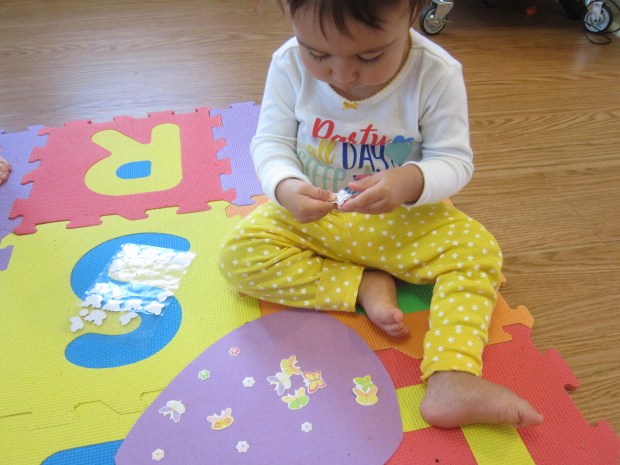
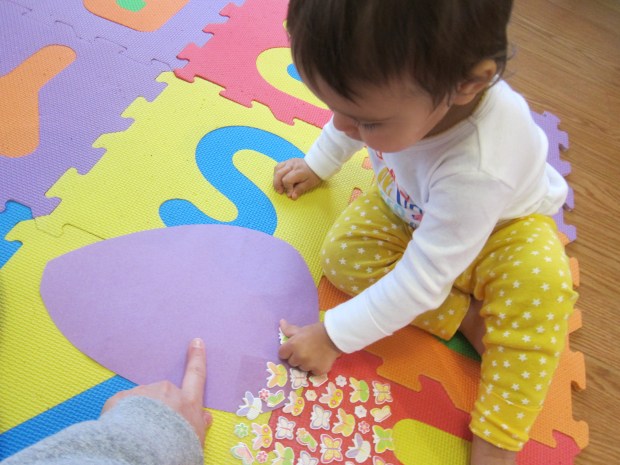
I cut an egg shape from construction paper, choosing purple for the background. and then gave Veronika a sheet of stickers. Knowing we wanted a springtime feel, I chose stickers of butterflies and flowers.

Sticker Easter Egg (1)

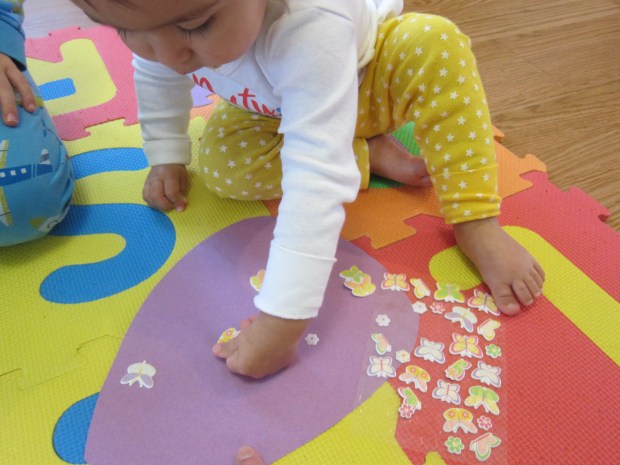
These were puffy stickers, which are the perfect type to help toddlers learn to peel stickers off the sheet. If I folded the sheet ever so slightly, the puffy edge of a butterfly would stick up and Veronika could pull it up.

Sticker Easter Egg (3)

In the past, she’s loved just adorning herself with stickers, which I worried might be the case today.

Sticker Easter Egg (2)

But when I said, “Veronika, can you put the sticker on the purple paper?” she followed directions perfectly!

Sticker Easter Egg (4)

She had started to pile a lot of them in one place on the paper, which was just fine; it’s her art work!

Sticker Easter Egg (6)

But when I pointed to other areas of the “egg”, she moved her stickers over to that area. Again, this project turned out to be great for following directions.

Sticker Easter Egg (7)

If big siblings want to join in on the project, challenge them to be more deliberate with their stickers, making rows or patterns.

Happy Helper: Floor Mopping

Happy Helper Floor (6)

At around a year and a half, toddlers love to copy everything you do around the house. This makes them the perfect participant for any household chores, but sometimes their “help” can feel more like a hindrance. To wit, Veronika has really wanted to help me mop, but that means dropping toys or brooms into the mop bucket. So today I turned floor mopping into a game to get it out of her system!

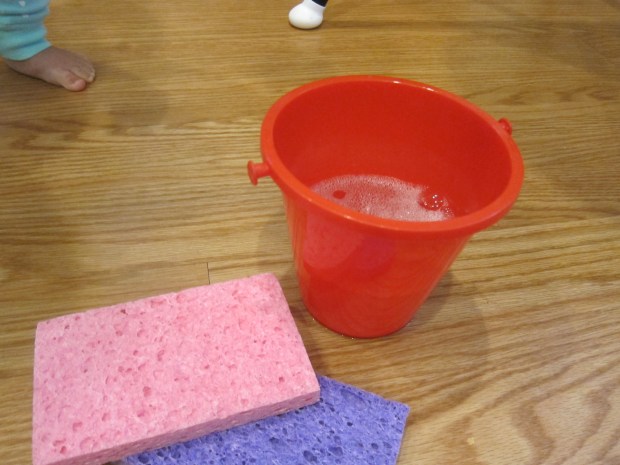
I filled a small beach pail with just a little warm water and a few drops of dish soap. Then I gave her a sponge and showed her how to dip it in the water, squeeze out the extra, and start to wash the floor.

Happy Helper Floor (1)

Squeezing excess water is great for muscle development, plus it’s fun to do!

Happy Helper Floor (2)

The idea was to have her work alongside me while I mopped for real, but Veronika had other plans. She upended the bucket, which immediately soaked through her pajamas. Both my kids thought this was hilarious.

Happy Helper Floor (3)

Soon they were eagerly scrubbing the entire kitchen floor – my happy helpers!

Happy Helper Floor (7)

They wanted to play for so long, and when the fun was done, it was immediately upstairs for a change of clothes. And my floor was sparkling!

Happy Helper Floor (5)

Kitchen Instruments

Kitchen Instruments (6)

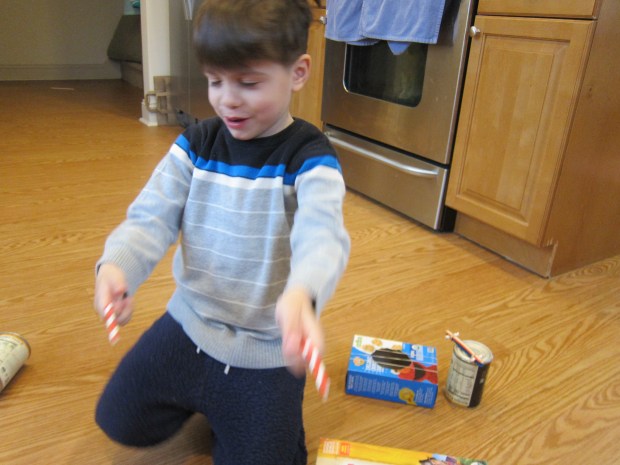
Travis and I plan to make a few “musical meals” soon thanks to his latest Raddish Kids, so this morning we made some simple instruments with kitchen objects to kick off the fun!

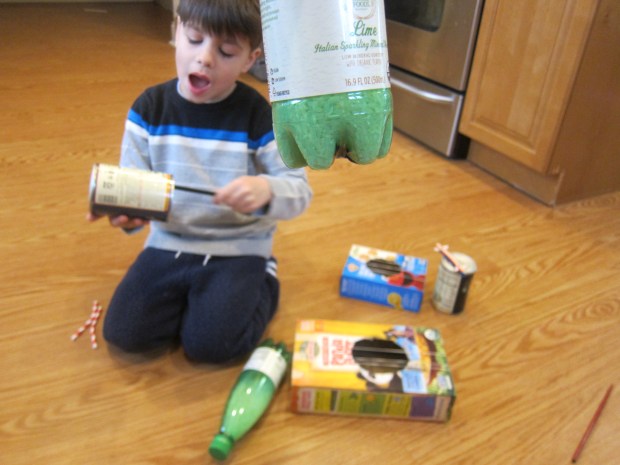
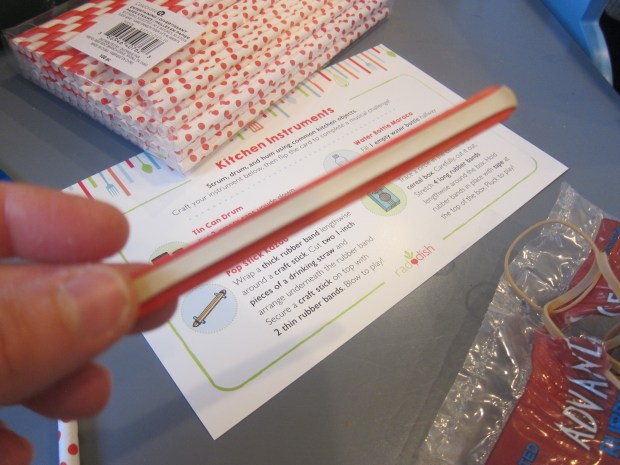
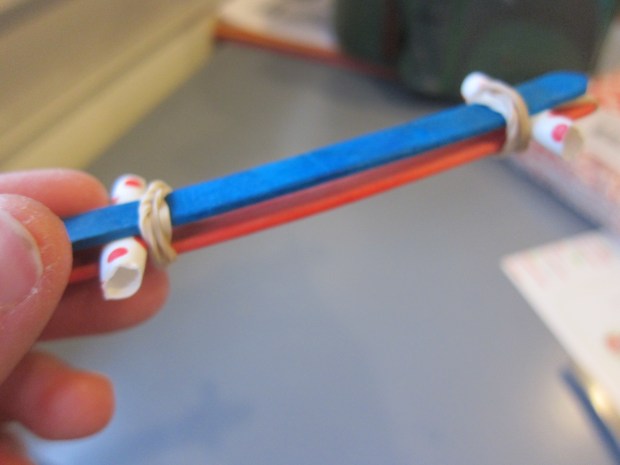
The most complicated was a Pop Stick Kazoo. You’ll need two leftover Popsicle sticks (or craft sticks) for this instrument. First, wrap one stick with a thick rubber band lengthwise.

Kitchen Instruments (1)

Cut 2 (1-inch) pieces of drinking straw and slip under the rubber band. Secure a second Popsicle stick on top using two thin rubber bands. Blow for a kazoo-like sound!

Kitchen Instruments (2)

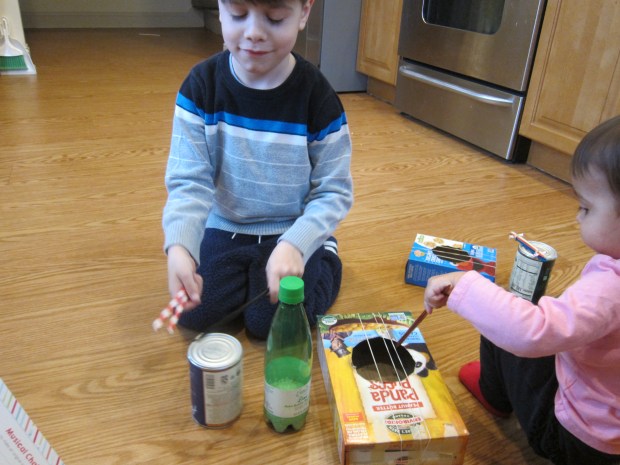
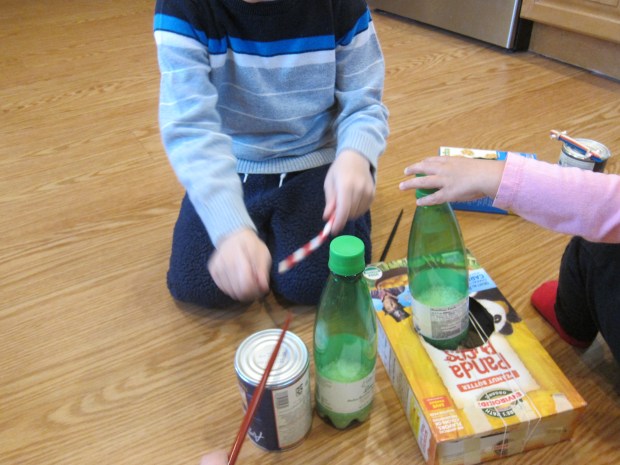
Next we made Cereal Box Guitars: Cut a circle in the middle of an empty cereal box and stretch long rubber bands over the box for the strings. We made a smaller version using a cracker box for baby sister, and decided this was her ukulele!

For Water Bottle Maracas, we filled empty water bottles about a third of the way with rice and glued on the lids.

For Tin Can Drums, simply turn empty, rinsed out metal cans upside down. Add chopsticks to play!

Kitchen Instruments alt

We sat down to rock with our band, and what fun the kids had!

Kitchen Instruments (5)

Travis’s favorite was the guitar, which he loved strumming with extra cut straws or chopsticks.

Kitchen Instruments (10)

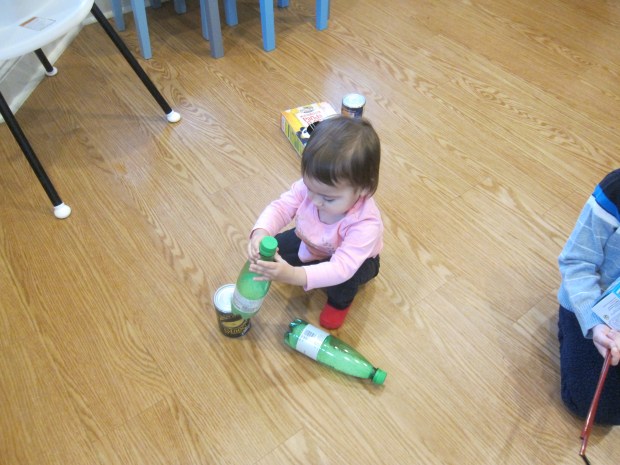
Veronika gravitated towards the shaky maracas.

Kitchen Instruments (9)

Both kids loved drumming with chopsticks. For some musical learning, we went over a few concepts. First up, Travis thought of a beat (a.k.a. rhythm, or a pattern that repeats). His was “Bo-ba, Bo-ba, Bo-ba”.

Kitchen Instruments (7)

Then we played around with speed (a.k.a. tempo). We practiced his beat super fast, and then slow on the drum.s

Next you can try making up silly lyrics, although this was harder for Travis to do on the spot. I also challenged him to add style (a.k.a. dynamics), sometimes quiet, sometimes loud.

Kitchen Instruments (12)

Don’t forget to harmonize as you all sing and play along! In sum, there’s lots of musical exploration to be had, just in your kitchen.

Kitchen Instruments var


Homestyle Stuffing

HomeStyle Stuffing (2)

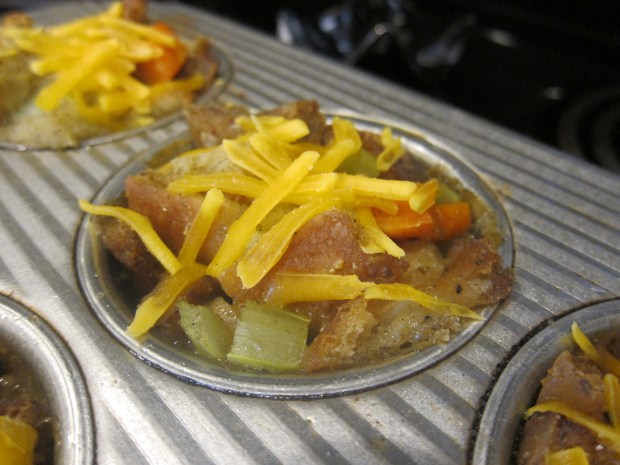
This cozy stuffing is baked in individual muffin tins, which make the perfect single-size servings for kids!

Ingredients:

  • 4 cups (1-inch) cubed ciabatta bread
  • 3 tablespoons olive oil
  • 1 package Field Roast apple sage sausage
  • 1 cup carrots, chopped
  • 1 cup celery, chopped
  • 1 tablespoon poultry seasoning
  • 1 tablespoon ground flaxseed
  • 3 tablespoons water
  • 2 Ener-G eggs
  • 1 and 3/4 cups vegetable broth
  • 1/4 cup Earth Balance butter
  • Shredded non-dairy cheddar
  1. To make croutons, arrange the ciabatta bread in a single layer on a baking sheet and drizzle with the olive oil. Bake at 375 degrees F for 10 to 15 minutes, until crisp and lightly browned. Transfer to a large bowl.
  2. Meanwhile, chop the sausage and cook in a skillet over medium heat until browned on each side, about 8 minutes. Add to the croutons.
  3. Steam the carrots and celery until tender; add to the crouton mixture. Sprinkle with 1 tablespoon poultry seasoning and toss to combine.
  4. In a small bowl, whisk together the flaxseed, water, and Ener-G eggs. Pour over the crouton mixture.
  5. Meanwhile, combine the broth and butter in a saucepan over low heat and cook until the butter melts. Pour over the crouton mixture. Divide evenly among 12 muffin cups and sprinkle with shredded cheddar to taste.
  6. Bake at 375 degrees F for 20 minutes.


Homestyle Stuffing alt