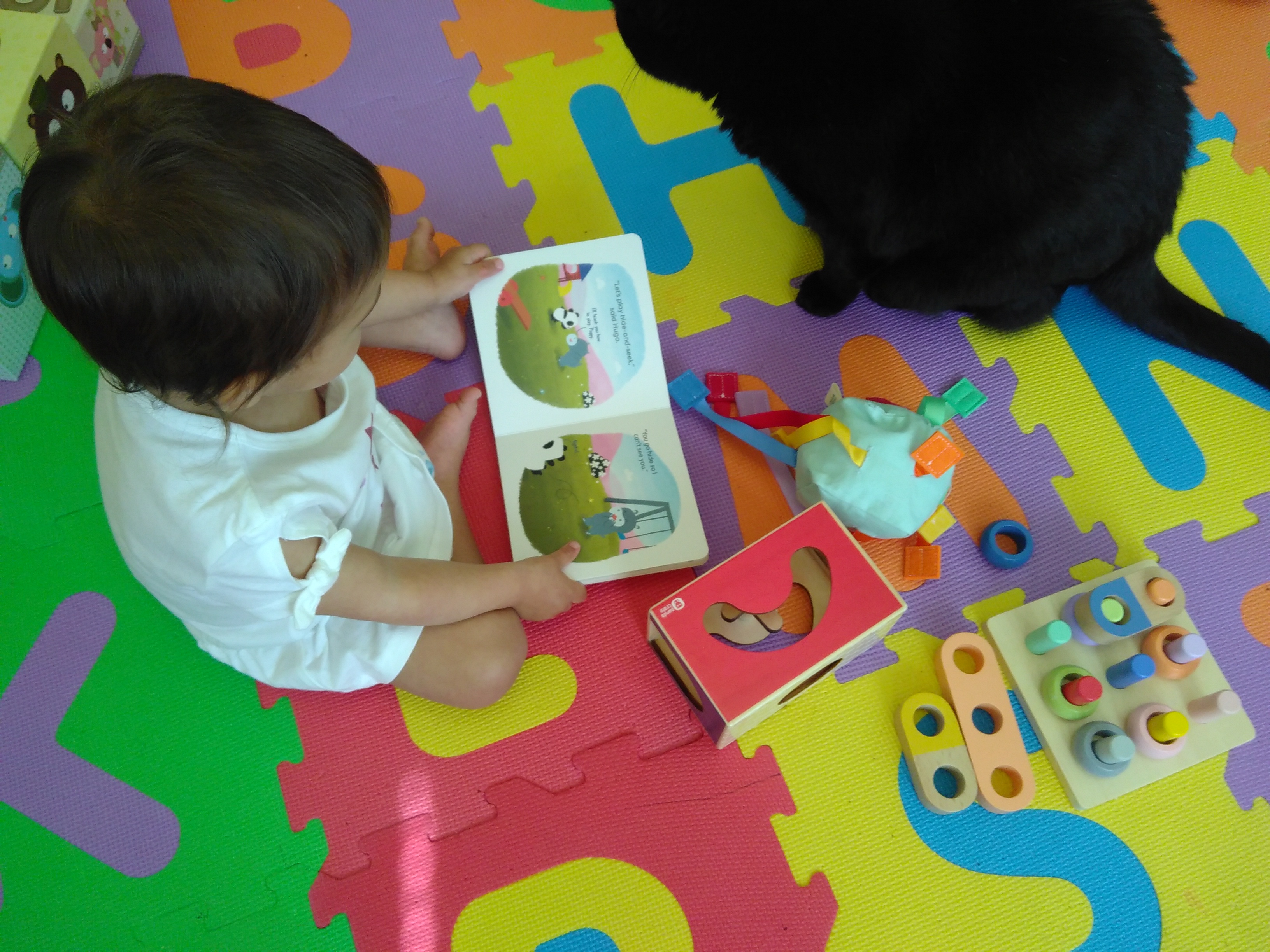
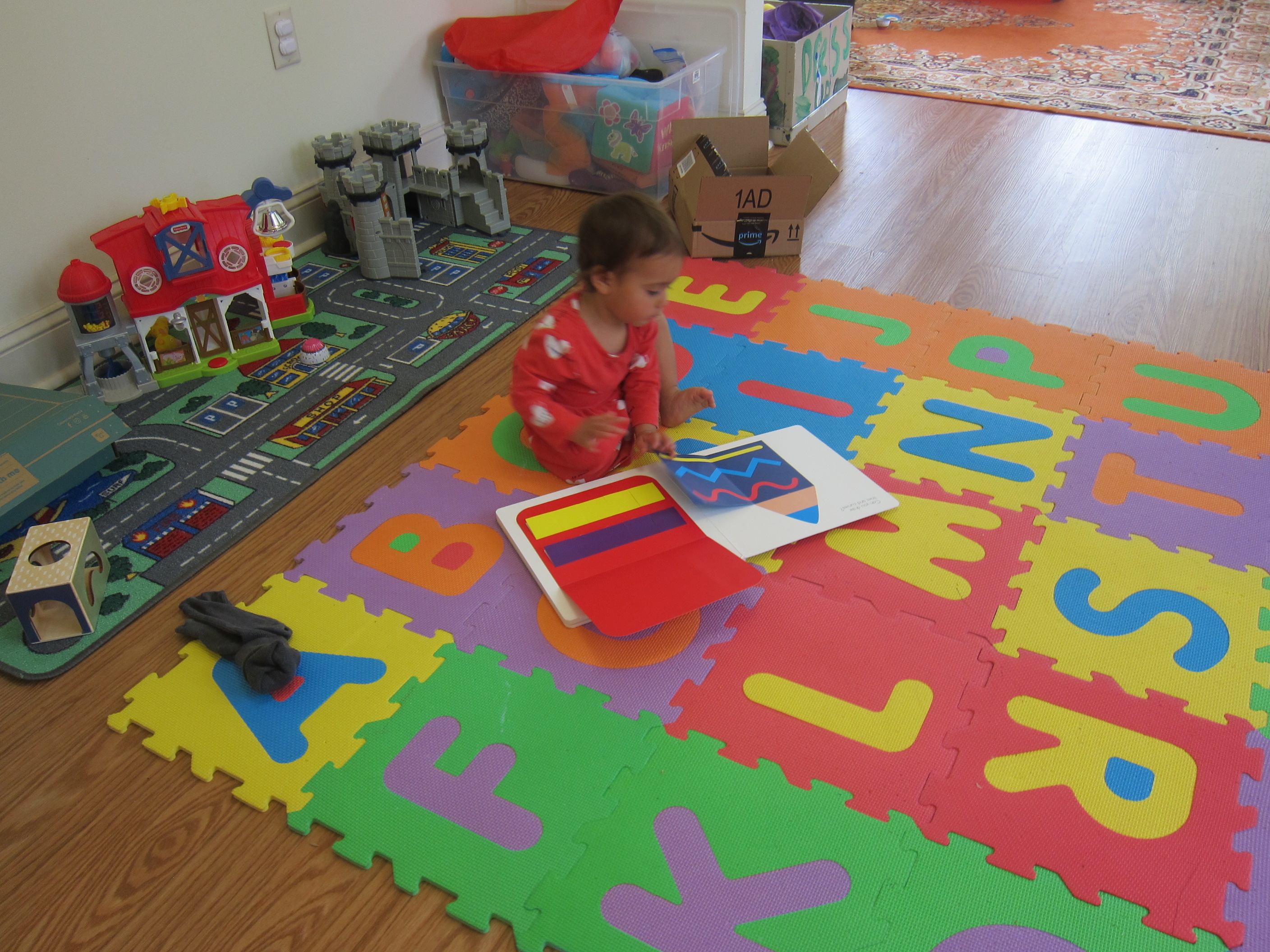
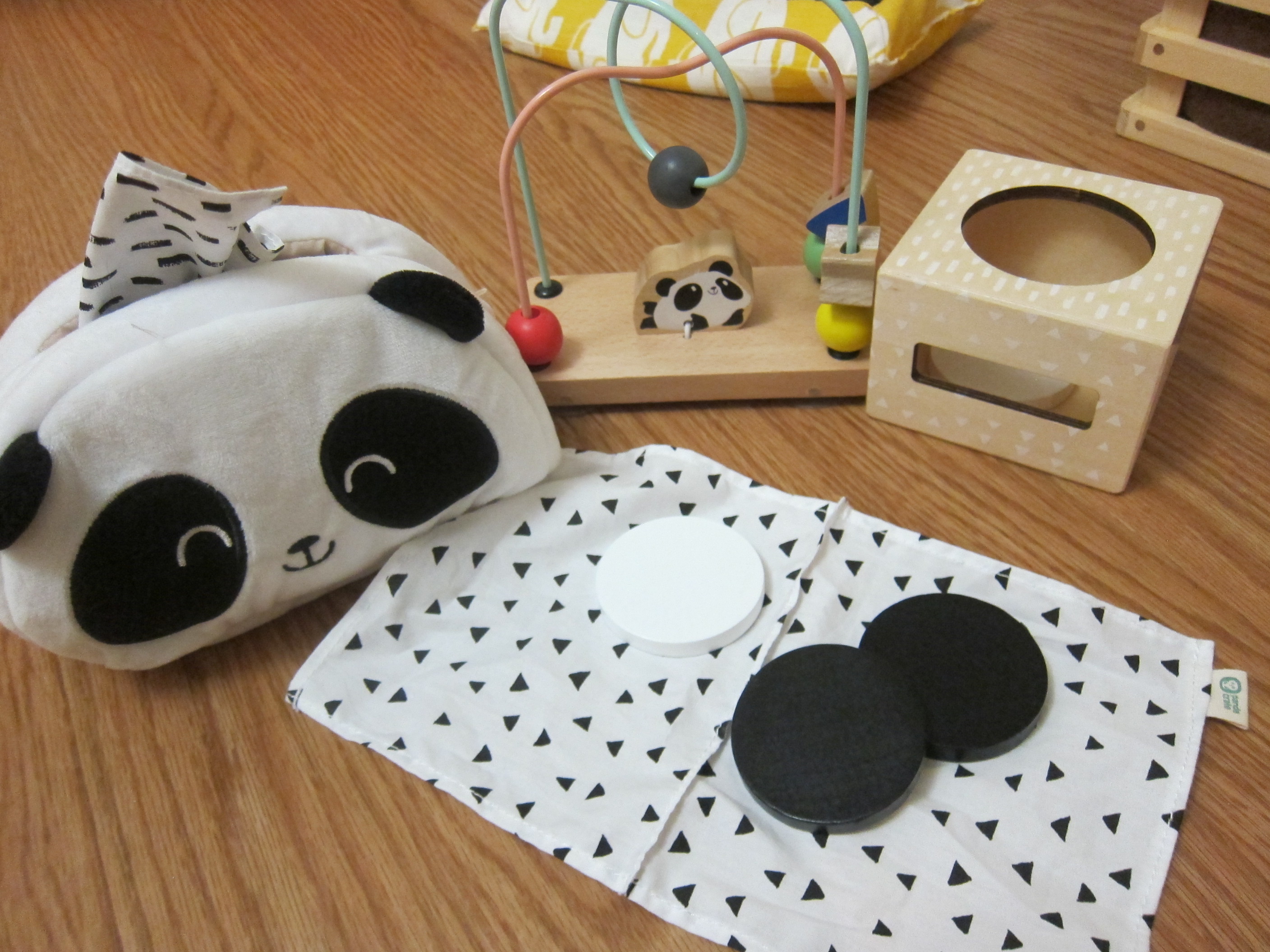
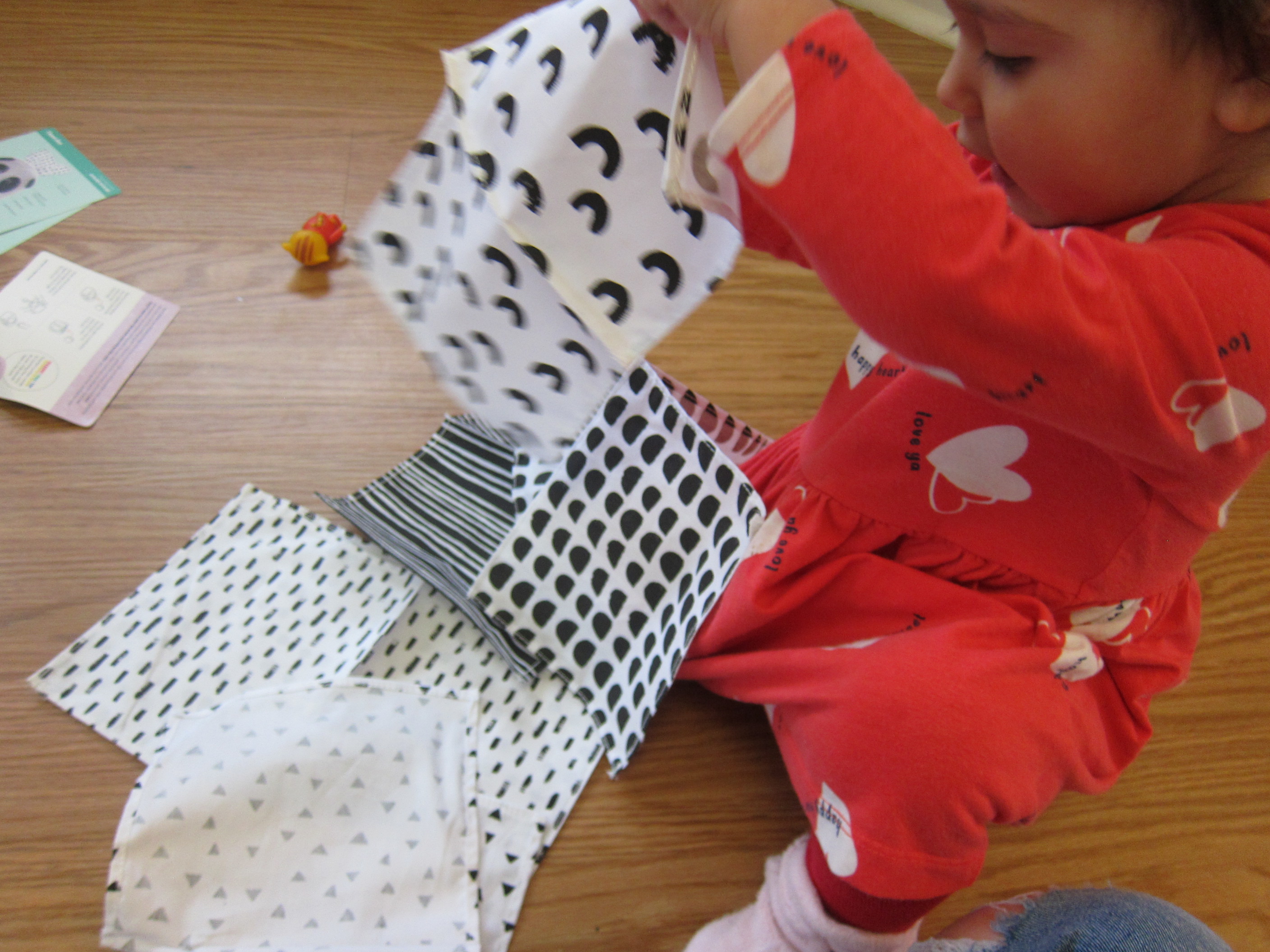
Look with Me Panda Crate

Panda Look alt

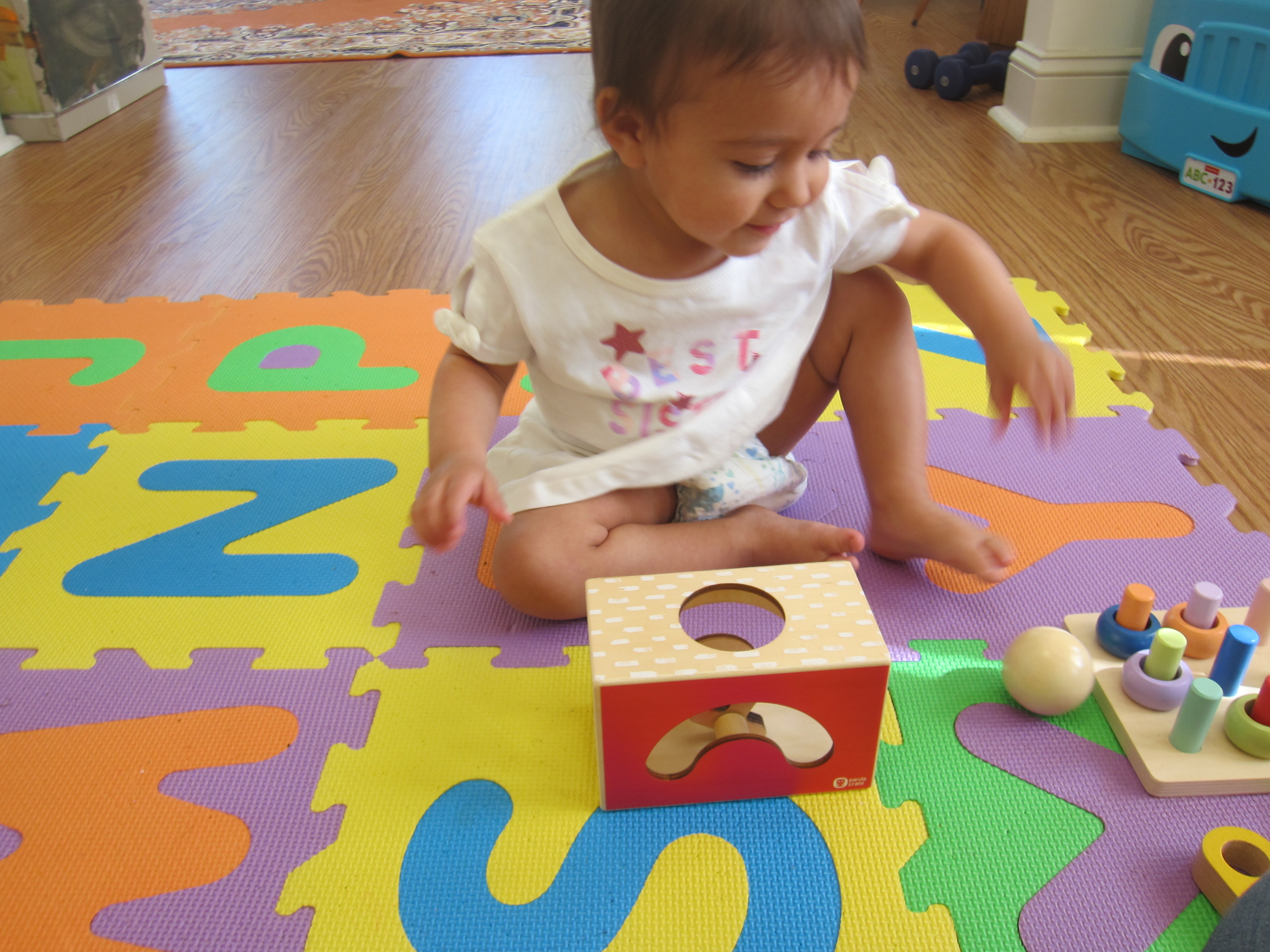
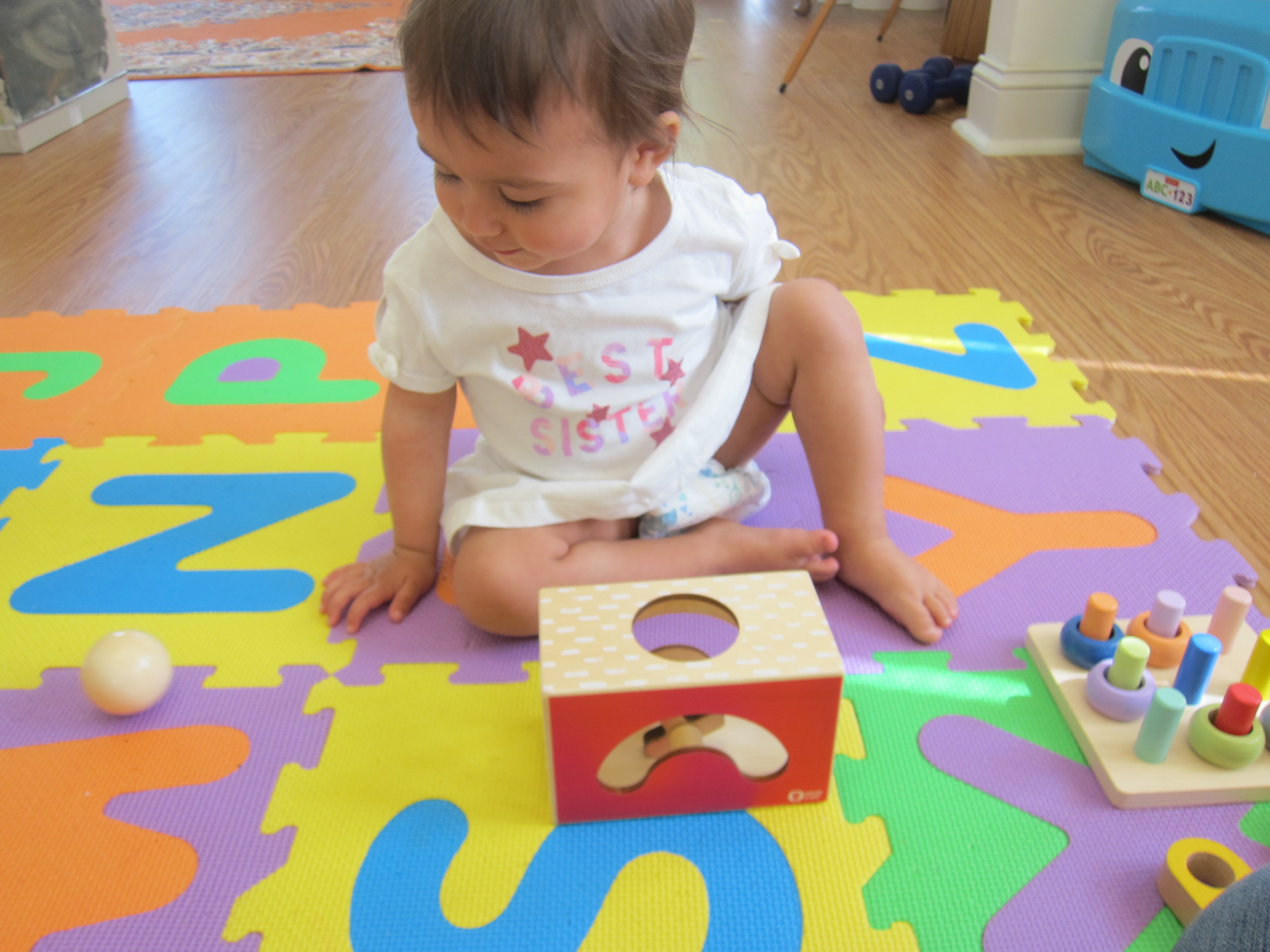
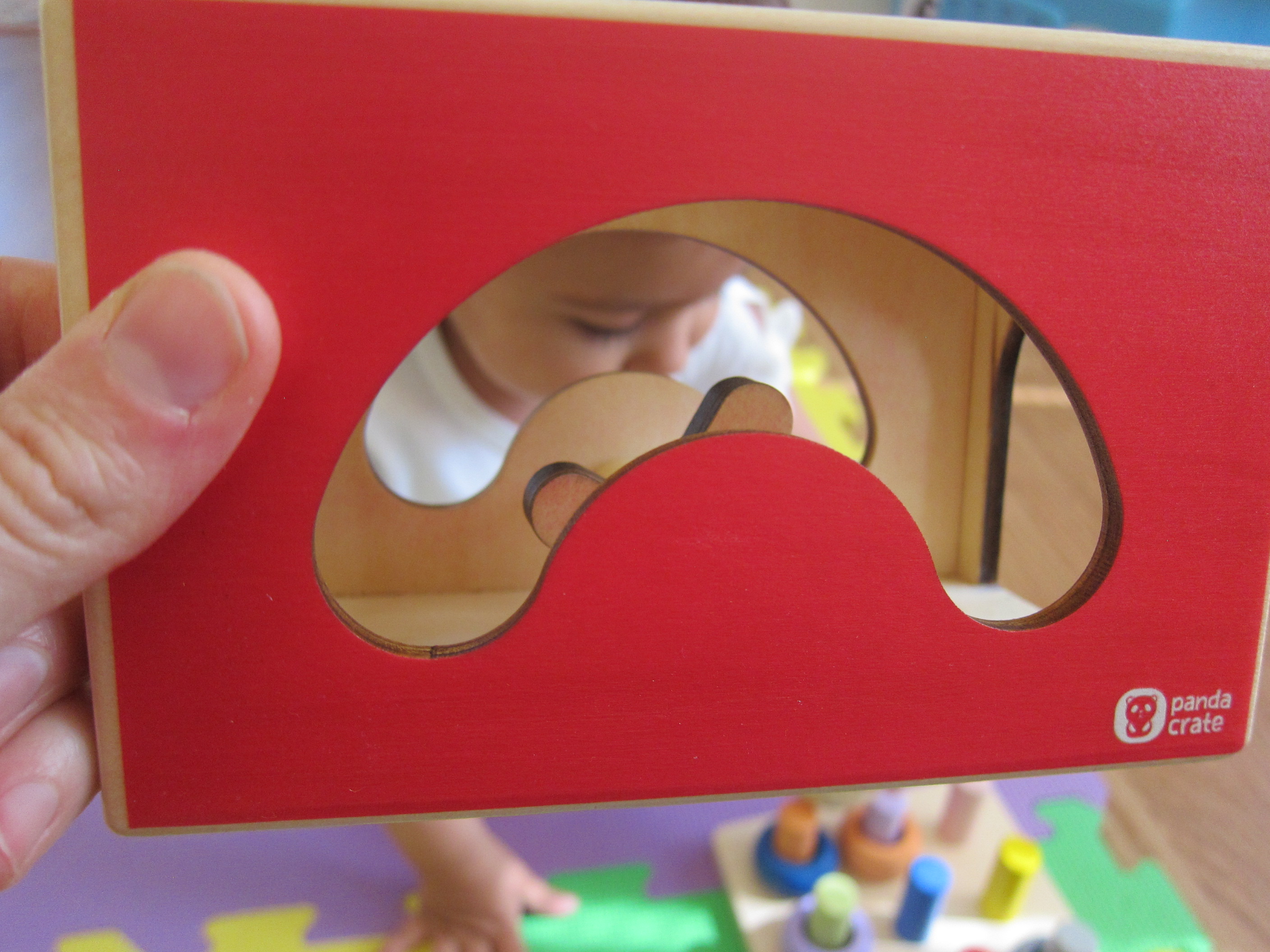
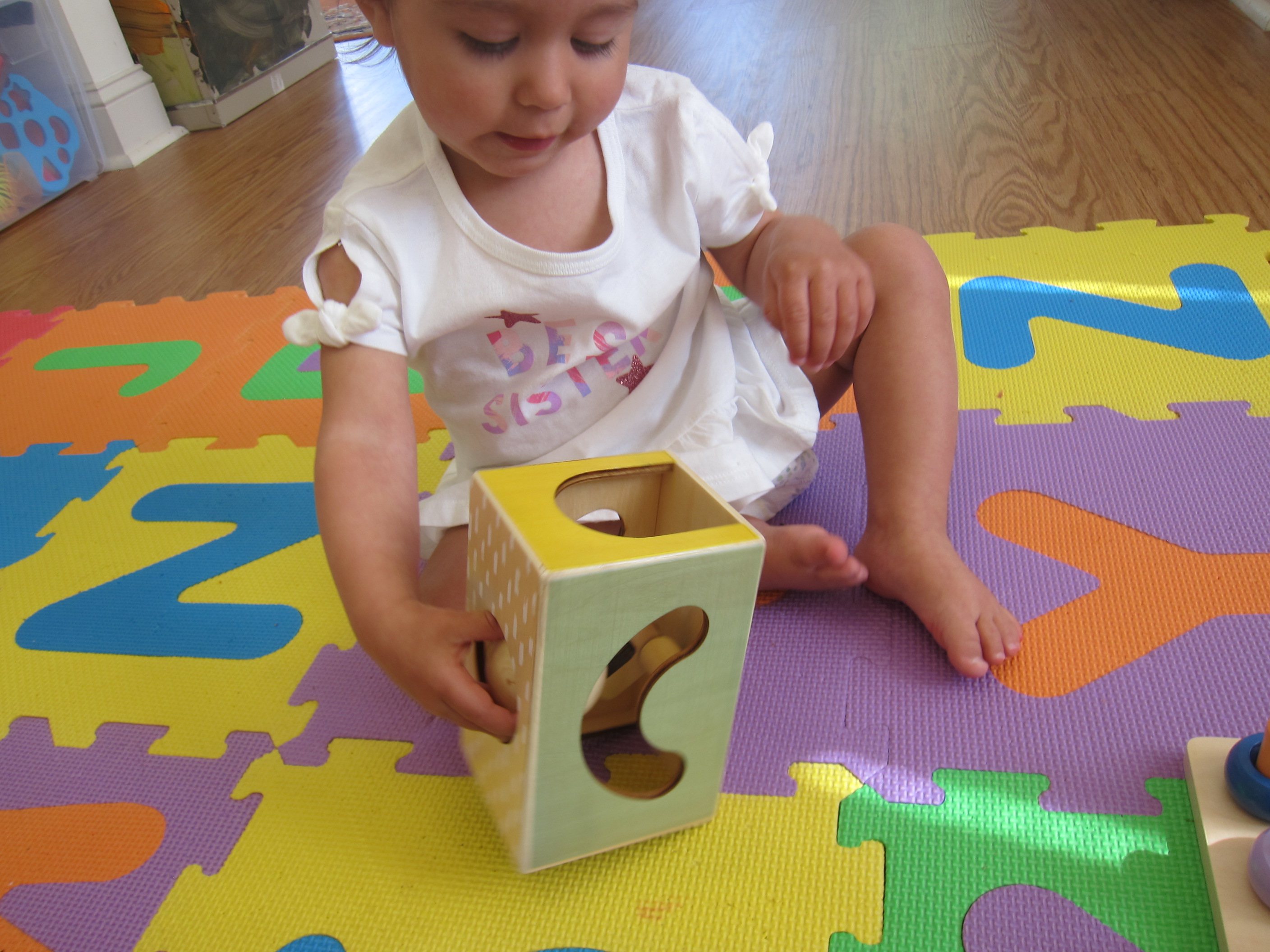
Veronika’s latest box from Panda Crate was about the way toddlers learn hand-eye coordination, as well as visual tracking skills, visual discrimination, and more. In other words, there are so many ways to learn to use our eyes! I would recommend this crate for toddlers aged 22 months and up.

One: Wood Rainbow

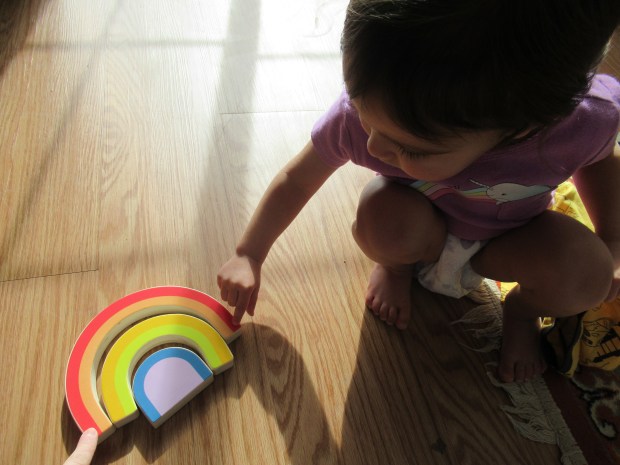
The first item was a beautiful 3-D puzzle of three interlocking pieces that formed a rainbow. First, we placed it on the ground and I encouraged her to trace the smooth arced shape. It was easy for her to fit the pieces together lying flat…
Panda Look (1)

…but could she do so once they were upright? She could!

Panda Look (2)

It’s fun to sing any rainbow song you know as your toddler makes it all come together. You can also talk about bigger and smaller, with regards to the various arcs. Veronika invented her own way to play with the pieces, too, building little forts and houses for her toy figures, and I loved seeing her imagination at work!

Panda Look (5)

Finally, there is a wooden ball in the crate and she could bowl this at the rainbow and knock the pieces over for some classic cause-and-effect.

Panda Look (6)

Two: Spin-and-Slide Board

This was a busy board in miniature, and let me first say that it is perfect for car rides and I give Panda huge props for it! One side features a scene with a bird and pinwheels, and the reverse had a caterpillar and ladybug, all with gears that spin and knobs that slide.

Panda Look (13)

Veronika was enamored with the images, which were great for counting (1 bird but 2 pinwheels) or playing “I spy”. This is going to be in the diaper bag for car trips from now on!

Panda Look (15)

Three: Ramp Racer

Back to that wooden ball; it also paired with a wooden ramp in the crate. Your toddler can simply have fun rolling the ball down, or aim it at a tunnel made of the rainbow puzzle pieces. Next, Veronika practiced rolling the ball up, or rolling it on different surfaces (rug vs. smooth floor) for an early lesson on big concepts like friction.

Panda Look (11)

She loved using it as a playground “slide” for toy figures, too!

Panda Look (14)

Four: Butterfly Drop

This item was a fast favorite, and I was so glad to see it included because it was a mini at-home version of an activity she loves at our local children’s museum.

Panda Look (7)

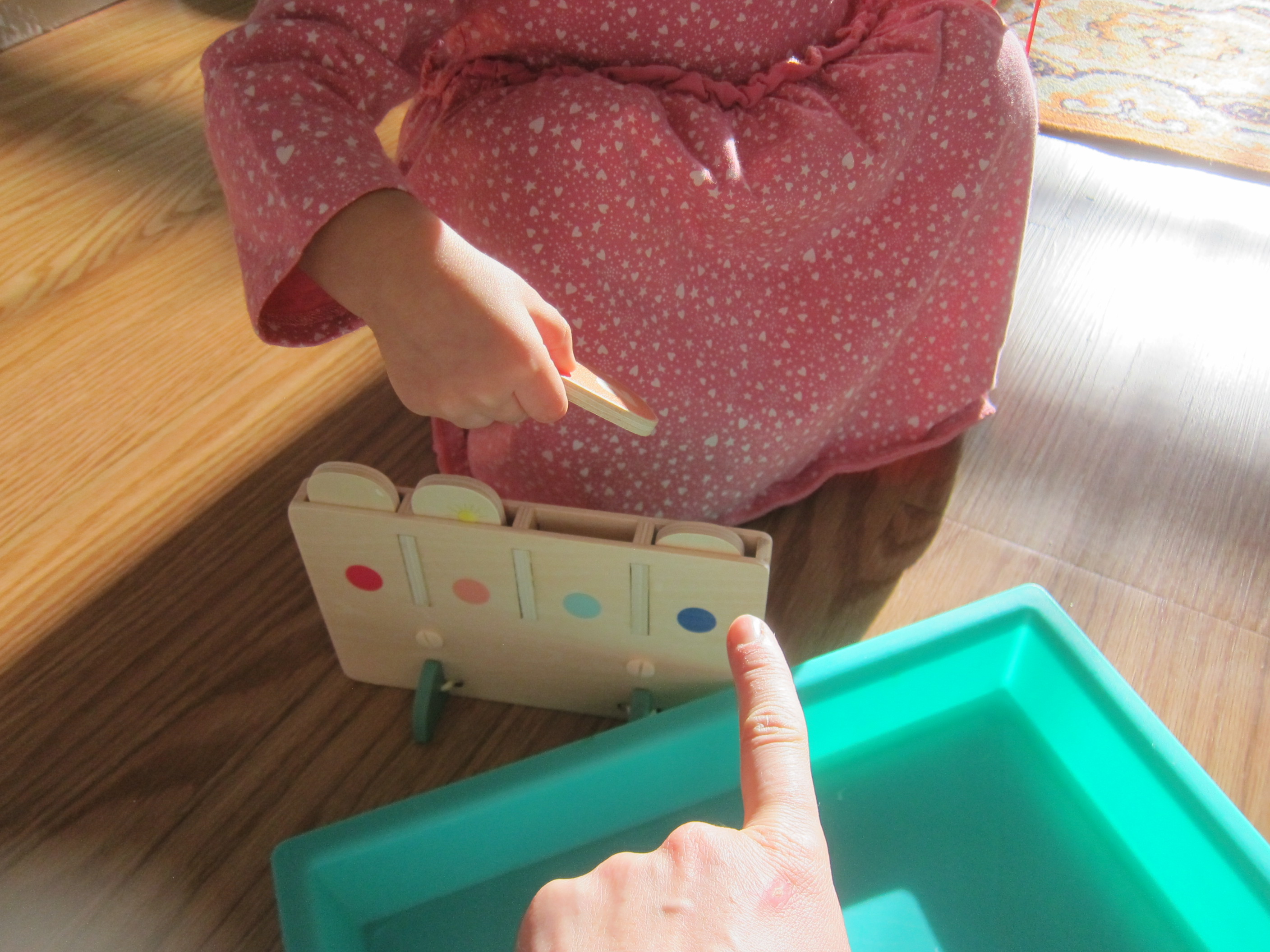
Toddlers drop the provided wooden butterfly into the frame and watch it bounce down on the pegs. Of course those toddler eyes are honing their visual tracking skills, while mesmerized! I challenged her to catch the butterfly at the bottom, to insert it right side up or upside down, and more.

Panda Look (8)

Plus we talked about the great noise it made on the pegs: plunk plunk plunk!

Panda Look (9)

Five: Board Book

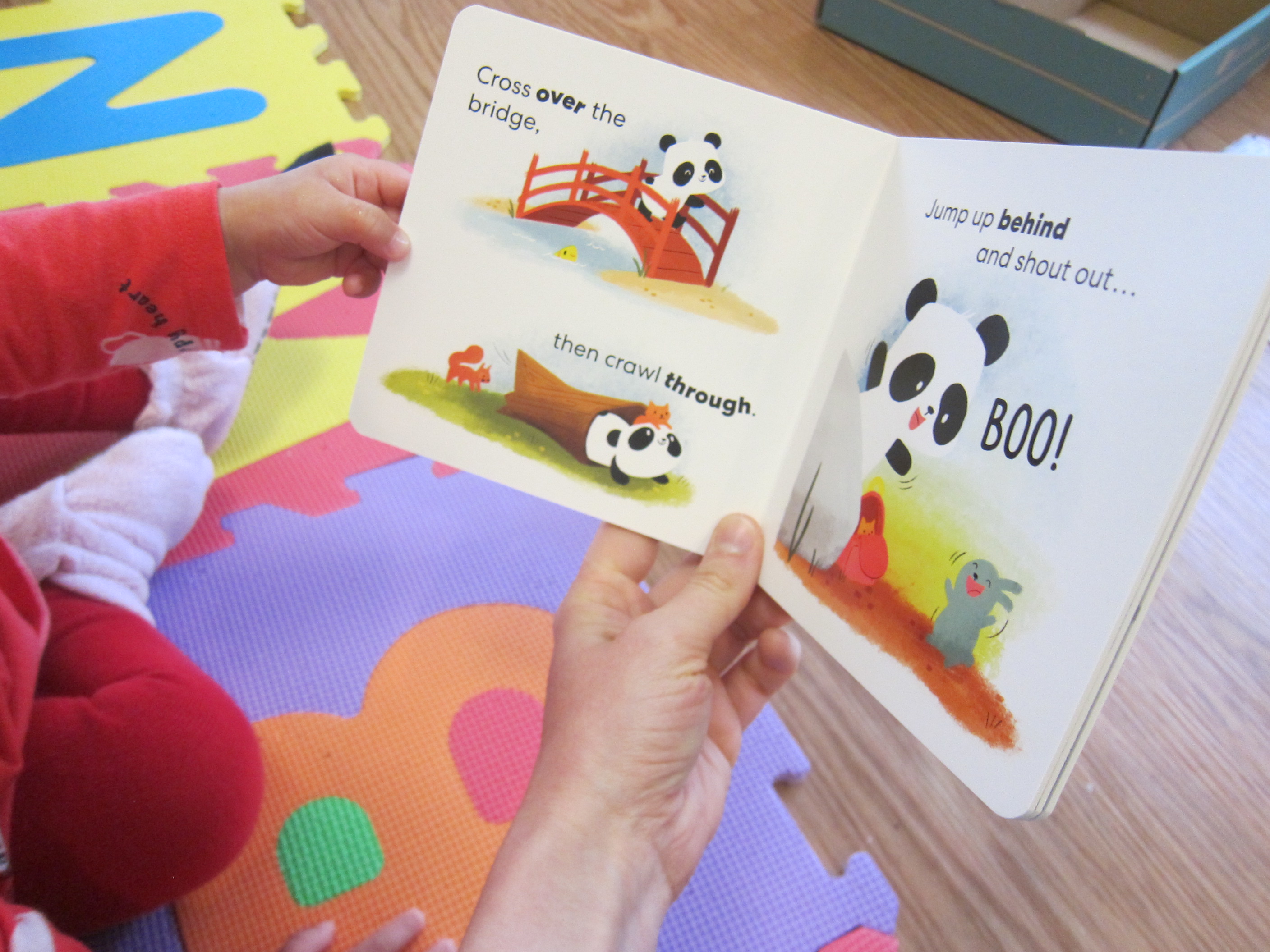
The book this month featured Poppy Panda giving chase to a duckling. Veronika loved the story, demanding many reads and reading it solo, so I can’t complain!

Panda Look (17)

The Wonder booklet featured lots of helpful parental info, like playful ways to hone visual tracking (think: trains on tracks, ramps, balloons, and threading), and pediatric advice on children and glasses.

We followed up with a few Beyond the Crate activities:

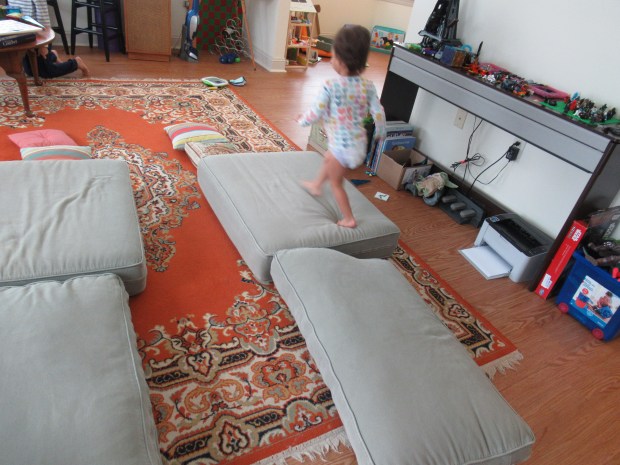
Pillow Path: This classic way to build a toddler’s gross motor skills and spatial awareness never gets old. I lined up our couch pillows in two lines with an empty “corridor” between and held her hand as she ran through.

Panda Look (21)

For more of a challenge, next she walked on top of the pillow bumpers! Of course then she wanted to play on the pillows and roll around for quite a while.
Panda Look (23)

Bubble Burster: Bubbles also never grow old!

Panda Look (19)

To tie in with the Look theme of the crate, this time we focused on tracking the bubbles with our eyes and popping them with fingers.

Panda Look (20)

On a Roll: This suggestion was exactly like a recent rolling game Veronika and I played; we made a diamond with our feet and rolled a ball back and forth.

Panda Look (18)

The sing along this month was a shortened version of Five Little Ducks, an old favorite. Act it out and pretend to be ducks: your toddler is the duckling and you give chase, or vice versa!

Feel with Me var

To round out the fun with books all about looking and noticing, we read:

Busy Firehouse by Rebecca Flynn

I Spy Little Book by Jean Morzollo

I Can Play by Betsy Snyder

Discover with Me Panda Crate

Panda Discover (13)

Veronika sure did love discovering the goodies in Panda Crate’s Discover with Me kit that arrived. This month’s theme was all about the ways in which kids learn (hint: repetition is key), and would be great for kids aged 20 months and up.

One: Animal Puzzles

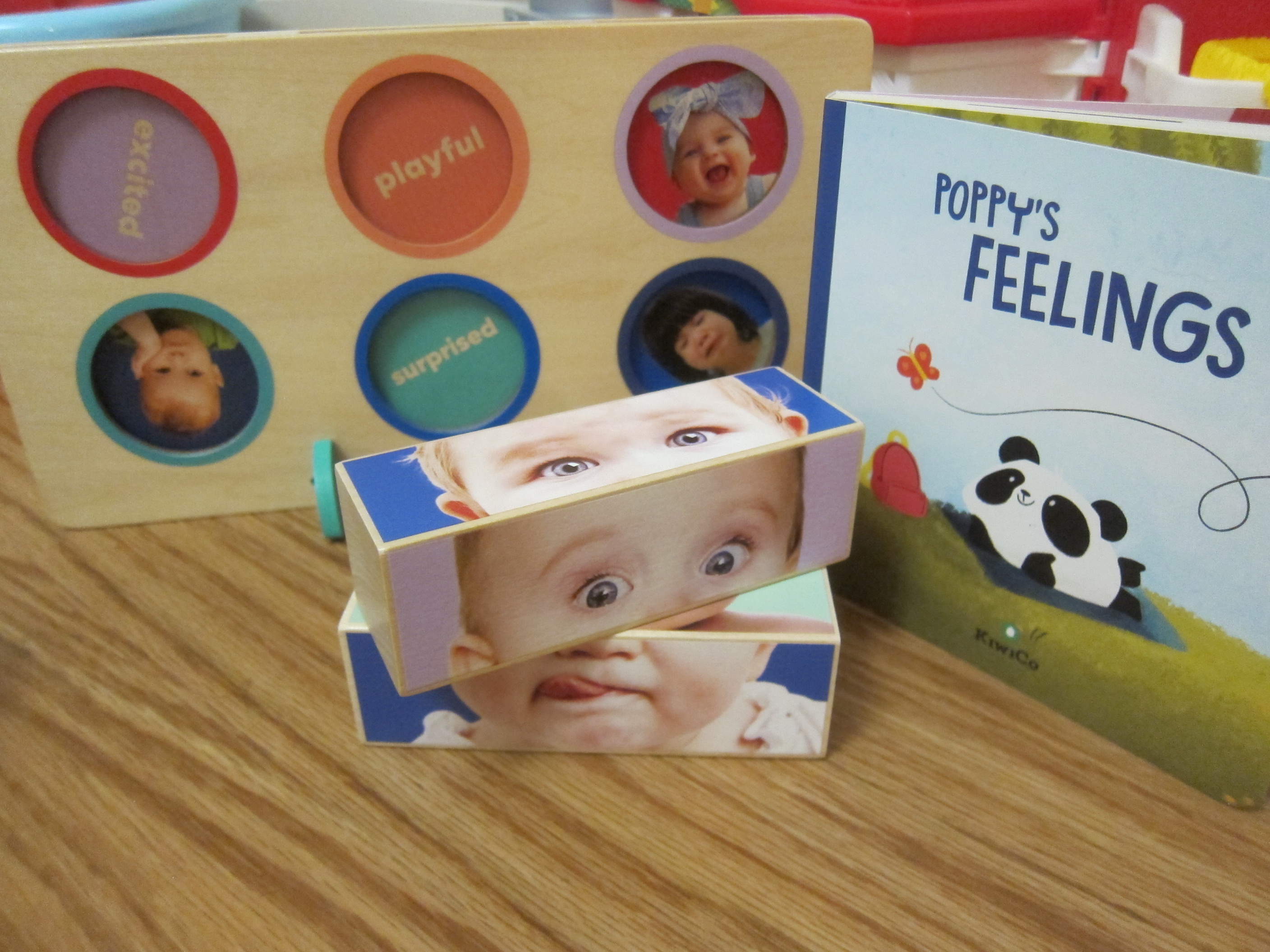
This first toy was Veronika’s least favorite of the bunch. Four tiles match up on one side to make a park-scene puzzle. The reverse side shows 4 animal faces and the numerals 1 through 4. Even for a grown up, the puzzle was frustrating because there is no way to link the pieces together!

Panda Discover (3)

That said, she loved playing “I spy” with the image in the puzzle oncce complete. “Can you find the tire swing?” I asked her. “Can you find the cloud?”

Panda Discover (5)

She also thought the animal images were quite cute, and you can arrange them in numerical order to teach early counting.
Panda Discover (6)

Two : Peek-A-Boo Base

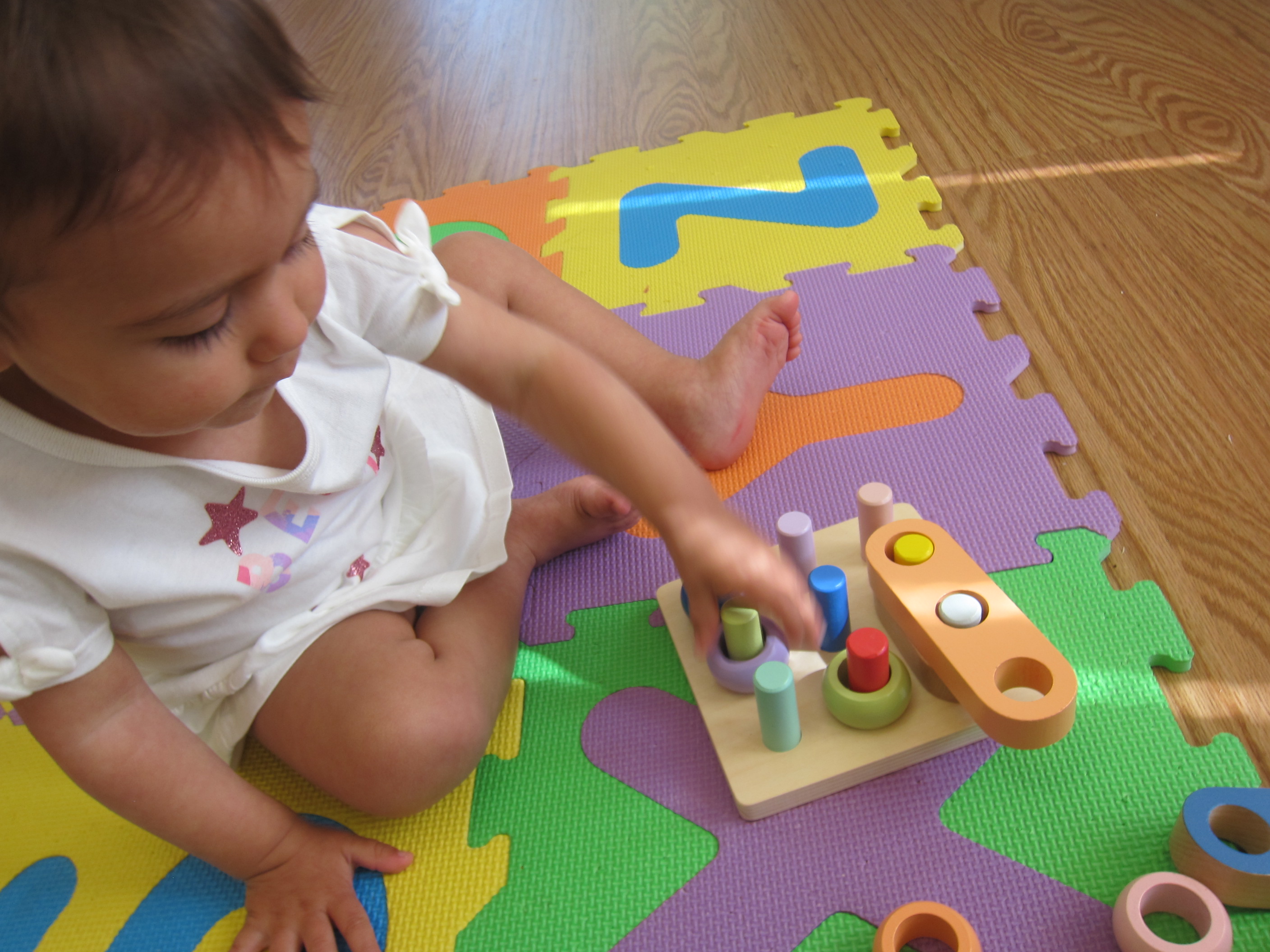
There’s another use for those animal puzzle tiles. Put them in the provided base, and when you press on the top of one, the one adjacent to it pops up to say hello. If you do this fast and hard enough, it actually pops all the way out of the base!

Panda Discover (11)

Veronika couldn’t muster up that much strength, but did enjoy pressing on them. Slotting them in and out of the base is great repetitive play, and older kids can work on adding them in numerical order.
Panda Discover (10)
Three: Hide-and-Seek Mat

This one was definitely the favorite from the crate, combining imaginative play with symbolic thinking skills. Three wooden animals can hop around the playground scene or be used for hide-and-seek behind the flaps (a gate, a bush, etc.).
Panda Discover (14)

Veronika loved narrating to herself as she played, repeatedly “finding” her puppy, cat, and bunny.

Panda Discover (15)

These three animals also match up to…

Four: Animal Match-Up

… a set of cards featuring 4 different pairs of parent and baby animals: a bird, cat, bunny, and dog. Veronika loved the cute babies and the tiles are great for vocabulary (kitten and puppy vs. cat and dog for example) and for making animal noises to match each set.

Panda Discover (17)

You can encourage your child to pair the parents with the babies, arrange them in big and little order, or even play a game of Memory!

Panda Discover (18)

Five: Pop-Up Roller

This item seemed out of place with the rest of the crate, but is meant to teach cause-and-effect. The roller has tabs on each side; when one tab pops out, the tab opposite it goes in.

Panda Discover (1)

It was good for talking about colors, and will make noises when rolled along a hard floor that likewise teach cause-and-effect. But Veronika didn’t like it as much all those cute animal toys!

Panda Discover (2)

Six: Board Book

I remain disappointed in the book included with the crate, this time called “Where’s Poppy?” What’s more, the company already sent a book with a hide-and-seek theme in the Play with Me crate! We really would have preferred a book with a new topic or with flaps to lift and encourage interaction.

Wonder magazine this month featured tips about repetitive play, ways to encourage your child to try new things, and a cute sing-along to Three Little Pandas (jumping on the bed) as opposed to those familiar monkeys. We get why they chose this song: cause-and-effect again!

We also played a toddler favorite, Lights On, Lights Off with our light switches. Simply head to any switch in the house and let your toddler press and marvel at the result (either a dark room or an illuminated one).

Lights On Lights Off (1)

Veronika loves doing this in the kitchen, in particular!

We checked out three books from the library to finish the fun:

The Rain Came Down by David Shannon

Peek-a-Moo by Nina Laden

Before, After by Anne-Margaret Ramstein

Panda Discover alt


Solve with Me Panda Crate

Panda Solve final

Veronika’s latest Panda Crate, Solve with Me, was easily her favorite yet. With an emphasis on shapes, puzzles, and problem-solving for kids (aged about 18 months and up), here’s what she received.

One: Peg Puzzle

First up was a classic shape puzzle, with a square peg for squares, triangle peg for triangles, and so on. To start I simply laid out all the pieces and she had to figure out what went where.

Panda Solve (1)

As soon as I asked, “Can you put the triangle on the triangle?” she had the idea. The puzzle is also great for colors (“How about the blue square next?”) and for counting, since it ranged from 1 circle to 3 squares.

Panda Solve (4)

Two: Lacing Beads

This was the best child’s lacing toy I’ve ever seen. The “needle” is actually made of stiff felt, but pokes easily through the wooden beads. Peek-a-boo, pull it through!

Panda Solve (5)

She loved that she could master this lacing all by herself. She also loved when I showed her a pattern (early math!): square, semi circle, triangle, repeat!

Panda Solve (6)

The thread and needle also come with two giant buttons, so you can even teach your older toddler how to make a crisscross. Parent bonus: you can store the beads right on the lace.

Panda Solve (14)

Three: Squishy Shapes

These giant shapes were Veronika’s favorite of the lot, first of all because they were just so squishy and big, like stuffed animal friends in geometric form!

Panda Solve (9)

We laid them down and first used them for gross motor skills. Give your toddler instructions like “Hop to the triangle!” or “Run to the square!” and watch him or her happily comply.

Panda Solve (12)

She had a blast with this game. Then I held her hands and helped her “trace” each shape with her feet, almost like mini balance beams.

Panda Solve (10)

Toddlers can also trace a finger along the inside of each shape, which has immediate tactile rewards and larger learning benefit for pen control later on.

Panda Solve (11)

Finally, we sorted the other items from the crate onto them, which was great for helping her categorize shapes.

Panda Solve (13)

Four: Beanbag Shapes

These classic beanbags, one each for triangle, circle, and square, extended the squishy shape play. Firstly, each one nests perfectly on the inside cut-out of the corresponding squishy shape.

Panda Solve (15)

“Let’s the put the triangle here!” Veronika proudly said, and narrated this play solo to herself for a while. Don’t forget to point out size comparisons, like how the beanbag makes a little circle and the squishy shape makes a big one.

Panda Solve (16)

Second, we played hide and seek! I tucked a beanbag under its corresponding squishy shape and she proudly found it each time.

Panda Solve (19)

Finally, it was gross motor skills time! Move the squishy shapes back a few steps and take aim with the beanbags. Veronika also adored this part, and we’ll work up to throwing from further away.

Panda Solve (17)

Five: Board Book

As with past crates, I was disappointed in the caliber of the book. There was so much more that could be done for a shape-themed book, starting with having the book come in a fun shape. Still, Wonder magazine suggested using this book for a shape hunt.

Panda Solve (22)

You can extend this idea to your child’s favorite books from home. Veronika spotted diamonds, triangles, and more in one of her go-to books!

Panda Solve (23)

In Wonder magazine, parents can read more about the benefits of letting your toddler puzzle solo, as well as tricks for when those little brains get frustrated.

We did a final activity of a Shape Scavenger Hunt in two ways. First, I drew shapes on 4 index cards in big bold colors.

Go On a Shape Hunt (2)

Time for Veronika to pick a card! As we went through each one, we made a pile of items in that shape on the floor.

Go On a Shape Hunt (4)

Rectangle was the only one not included in the crate, so I could see her brain working extra hard when it came to finding items in that shape.

Go On a Shape Hunt (5)

As a variation, I then traced several shapes onto white paper, this time including heart and star for some outliers.

Go On a Shape Hunt (6)

You can head off around the house and find one item for each shape. Or, use the paper more like a shadow-matching puzzle and have your toddler fill it in with 3-D versions of each shape.

Go On a Shape Hunt (8)

Since music always aids in learning, we sang a shape song to the tune of The Farmer in the Dell:

A circle’s like a ball,

A circle’s like a ball.

Round and round,

It never stop.

A circle’s like a ball.

Make up verses for every other shape your toddler knows, too!

Finally, it was storytime. We had fun checking the following three out at the library:

  • Shapes, by John Reiss
  • Curious Baby Everyday Shapes Puzzle Book, by H.A. Rey
  • Sweet Shapes by Juana Medina Rosas

Feel with Me Panda Crate

Panda Feel alt

Veronika’s latest from Panda Crate was all about those big toddler emotions trapped inside little bodies. I loved that this was the toddler version of the Feelings Crate Travis did with the Koala line over three years ago. The package includes great ways to get your toddler talking about those big feelings… hopefully before the next tantrum hits!

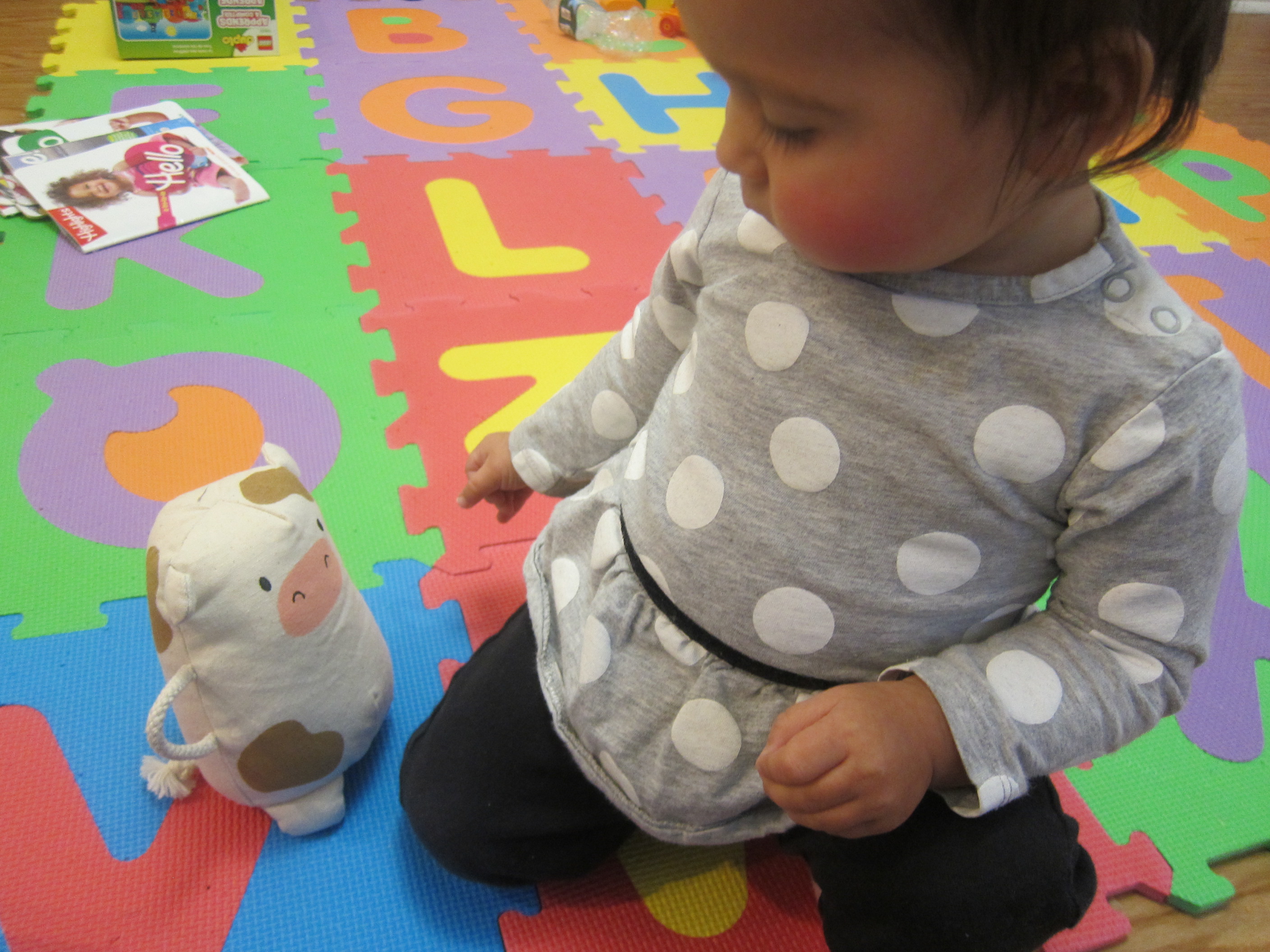
One: Huggable Poppy

Veronika has a new best friend!

Panda Feelings (1)

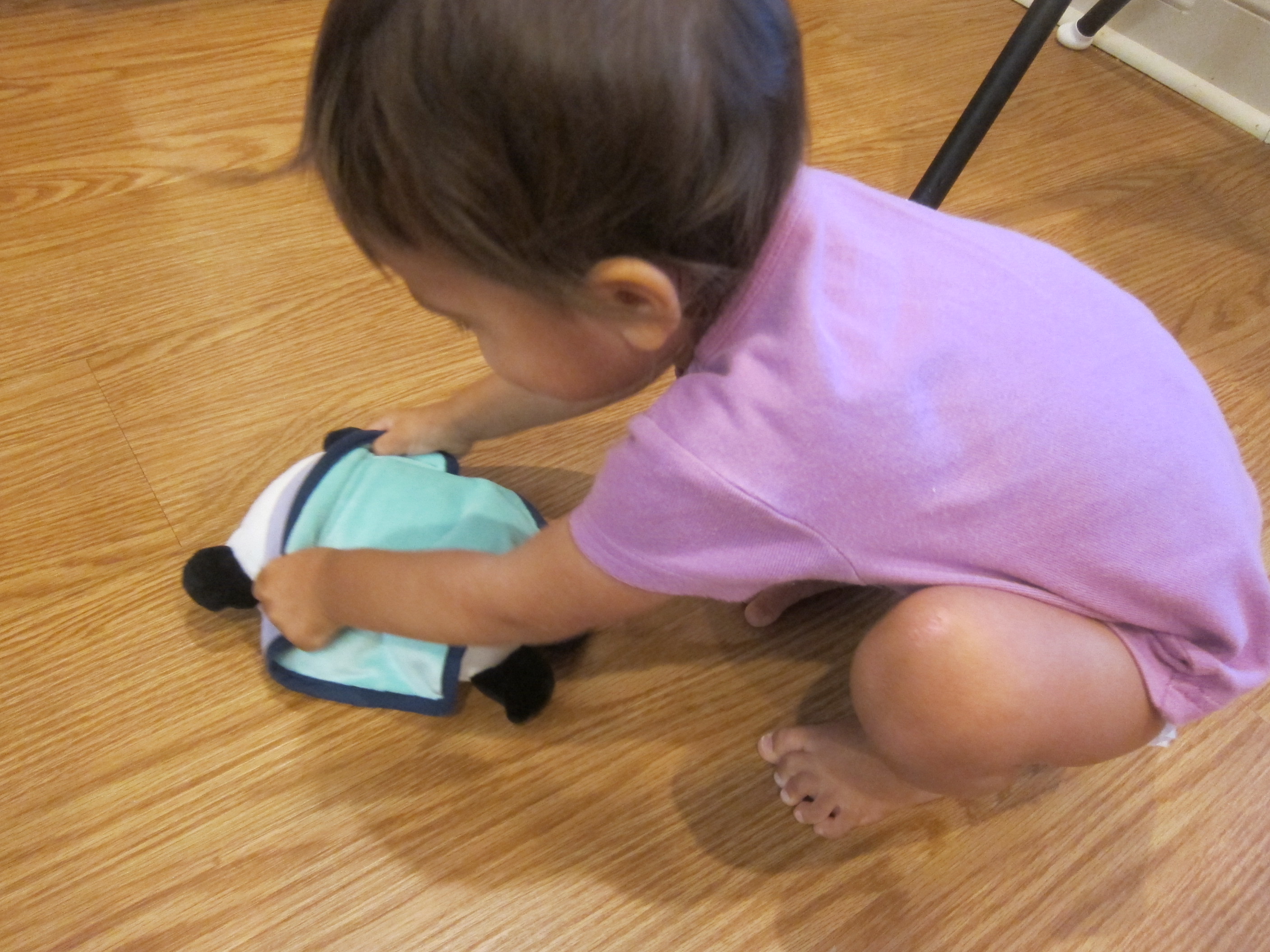
She was smitten the moment I showed her the first item in the crate, a stuffed version of the line’s mascot panda. Poppy comes with her very own lovey blanket, so it was like a nesting doll equivalent of a hug. Veronika hugged Poppy, and Poppy hugged her lovey. Everyone gets comfort!

Panda Feelings (3)

Of course little ones learn empathy and caring skills through stuffed animals, and we emphasized that by helping tuck Poppy under her blanket, or talking about what Poppy was feeling.

Panda Feelings (4)

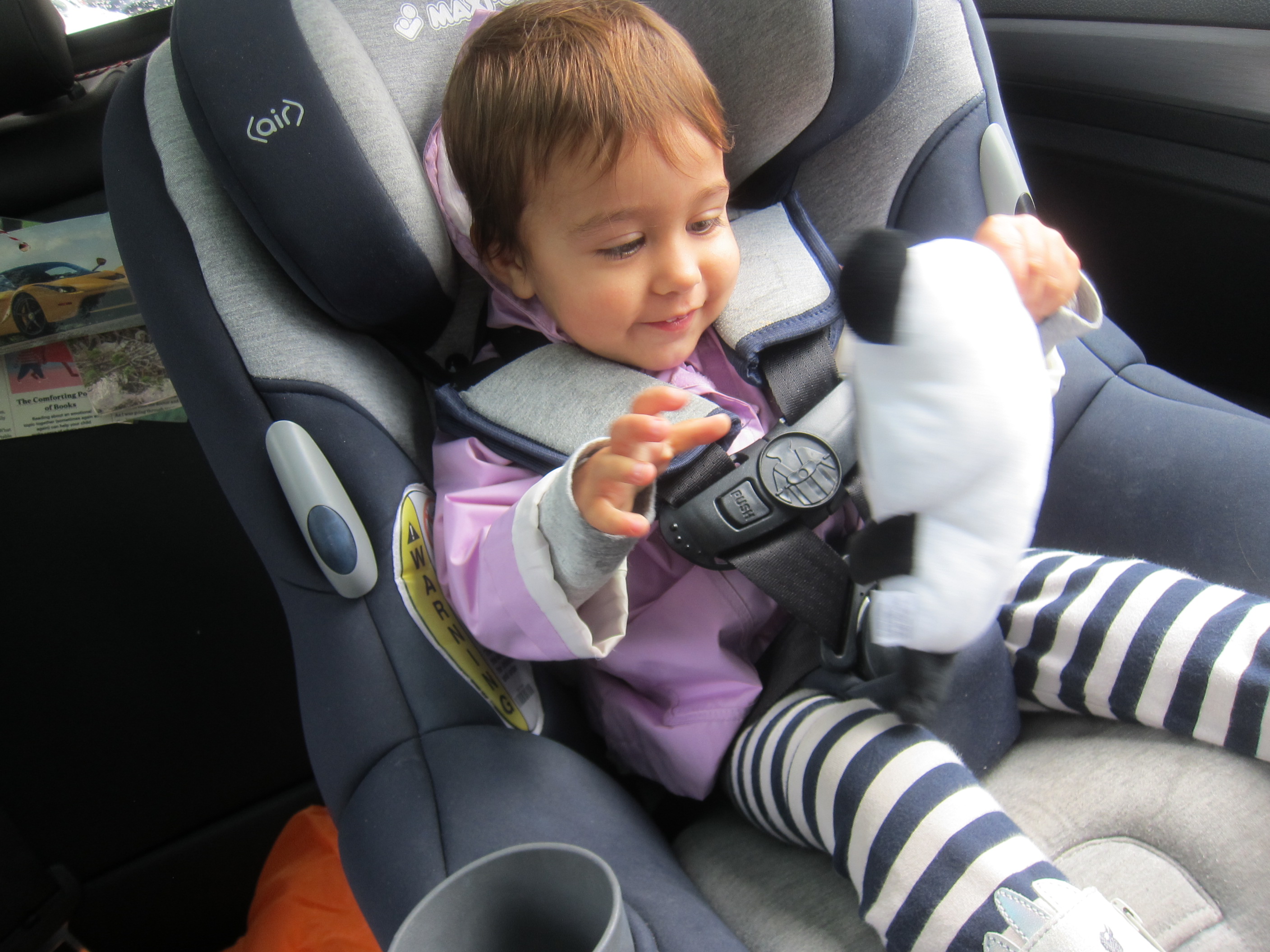
She’s fantastic for taking along on car rides, too!

Panda Feel var

Two: Mood Puzzles

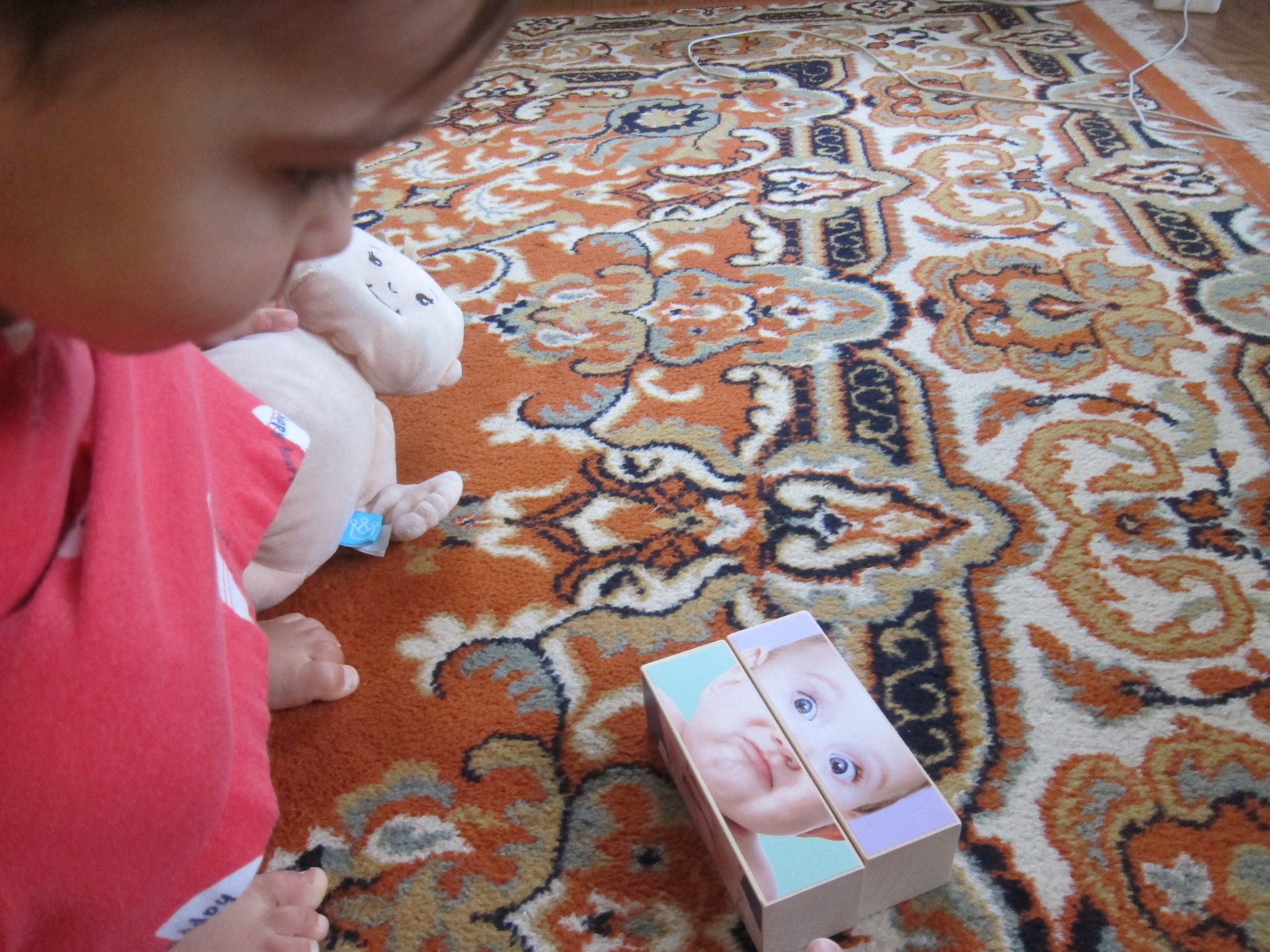
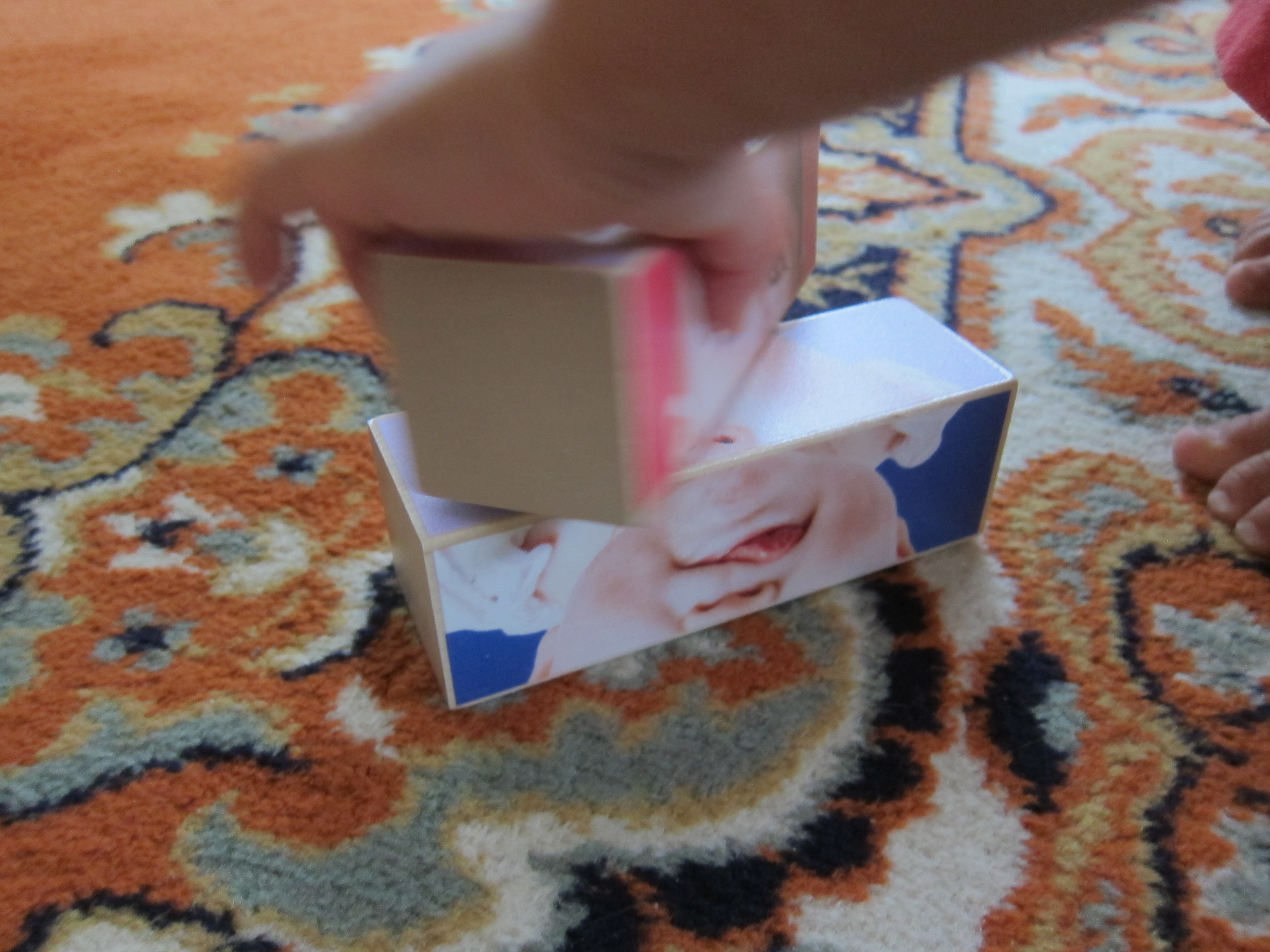
Veronika was equally smitten with the next item in the crate, two wooden blocks that are printed with 6 emotions on baby faces, in the eyes and lips. Mix and match to talk about what the baby is feeling!

Panda Feelings (6)

She could stack them up like regular blocks of course, which is always great for fine motor development.

Panda Feelings (5)

But even better was lying them on the ground. We talked through the emotions, naming each one and a scenario in which she has felt it. It was fun to ask her to copy the babies, too. Could she stick out her tongue like playful baby? Yes!

Panda Feelings (7)

I also did the reverse; if we mixed up the cubes, could she find me a frown? “Frown” was a new vocabulary word, though we’ve talked plenty about smiles. In fact, she seemed particularly drawn to the frowning or sad images, which makes sense since these emotions can be scary for a toddler.

Panda Feelings (8)

Three: Emotion Stacker

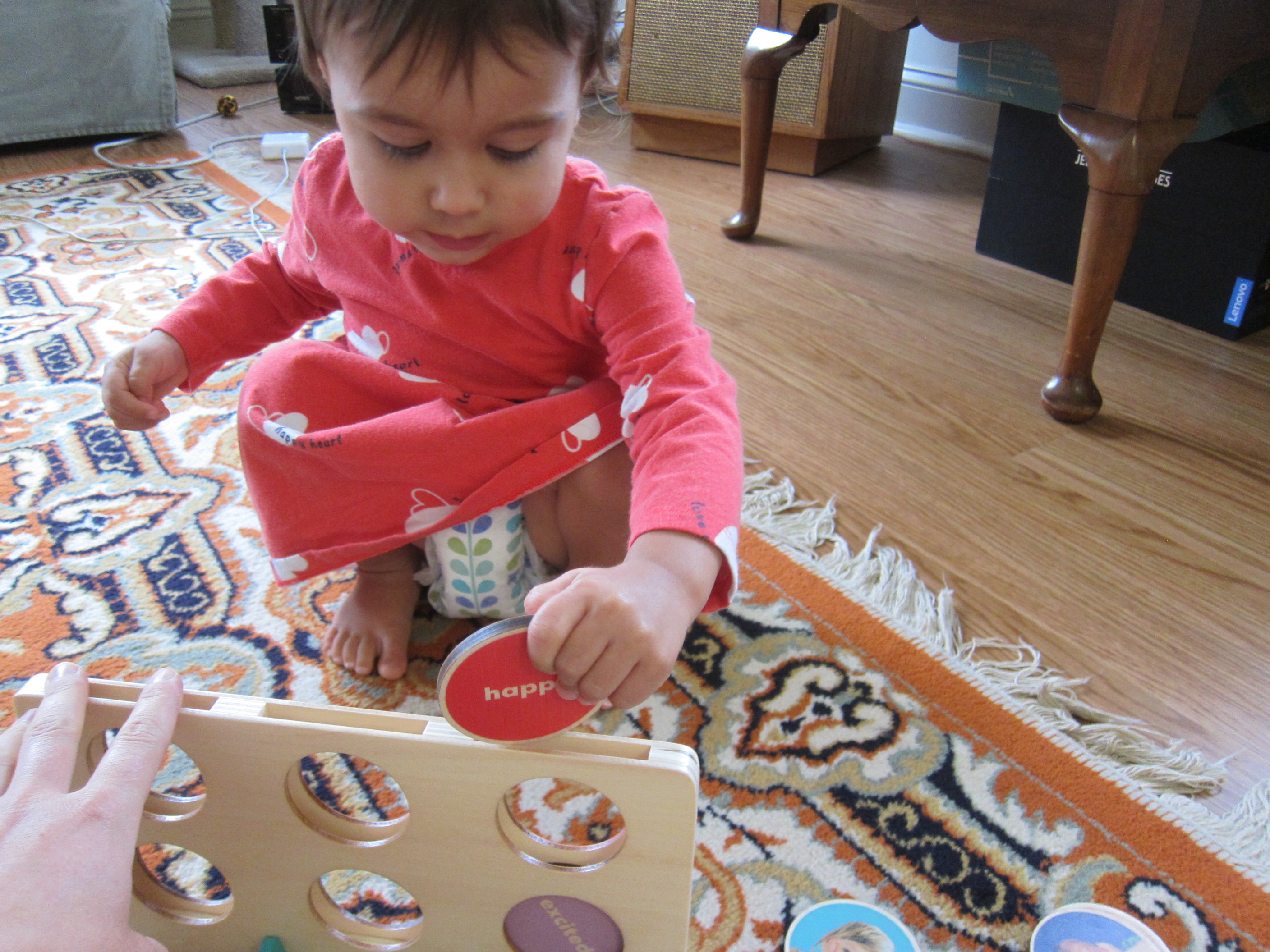
The next toy continued the theme of babies and expressions. For fine motor skills, it’s a stacking frame almost like the game Connect 4, and Veronika quickly mastered the skill of slotting the circles inside.

Panda Feelings (12)

As she popped in each one, I named the emotion.

Panda Feelings (13)

We then lined up the babies in order from happiest to saddest.

Panda Feelings (15)

Panda also suggests using this toy for a color match, but it wasn’t intuitive for Veronika since there were three shades of blue, but no orange, green, etc. For a better color toy, I would have preferred rainbow colors.

Panda Feelings (16)

Four: Emotions Place Mat

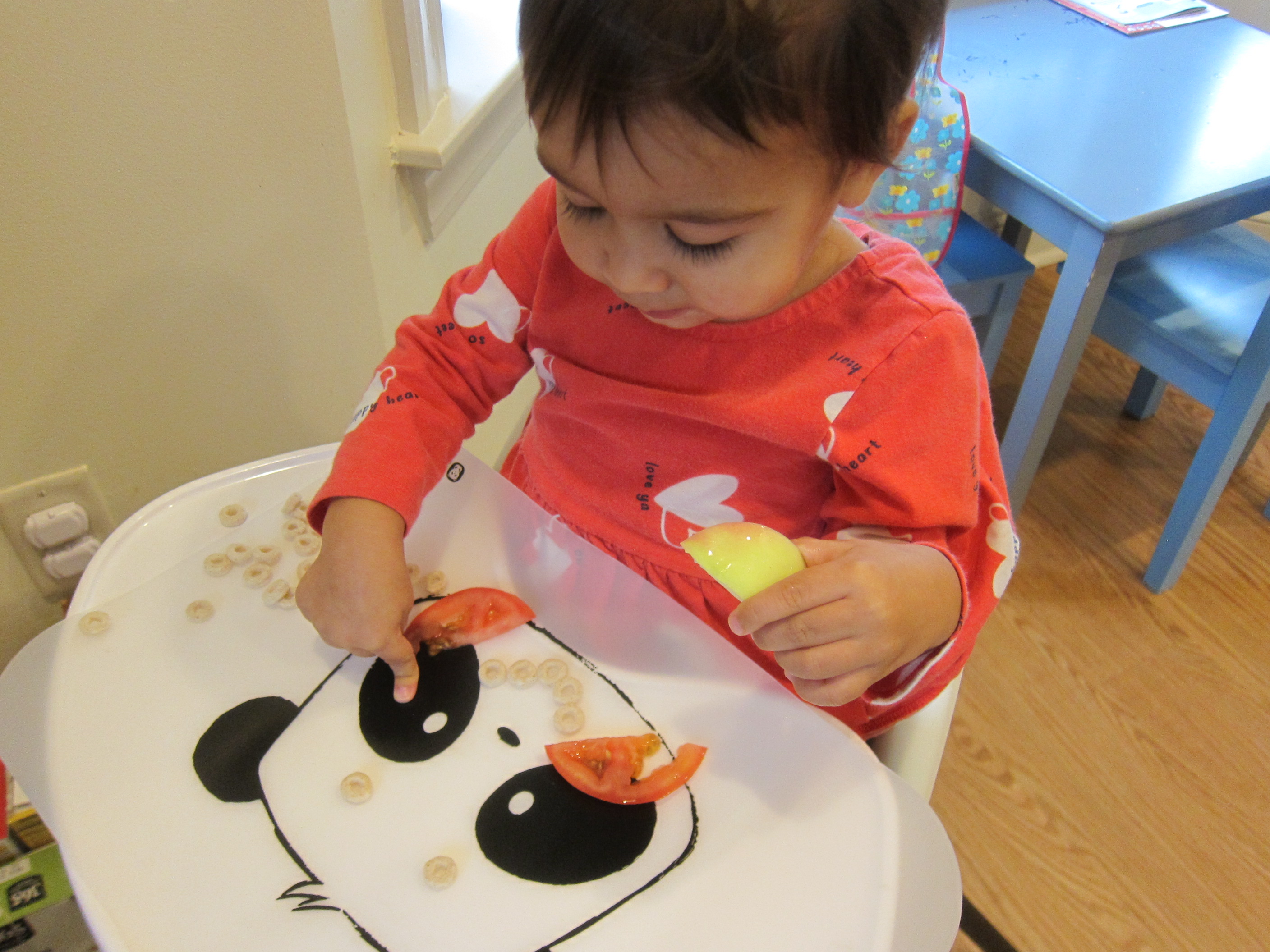
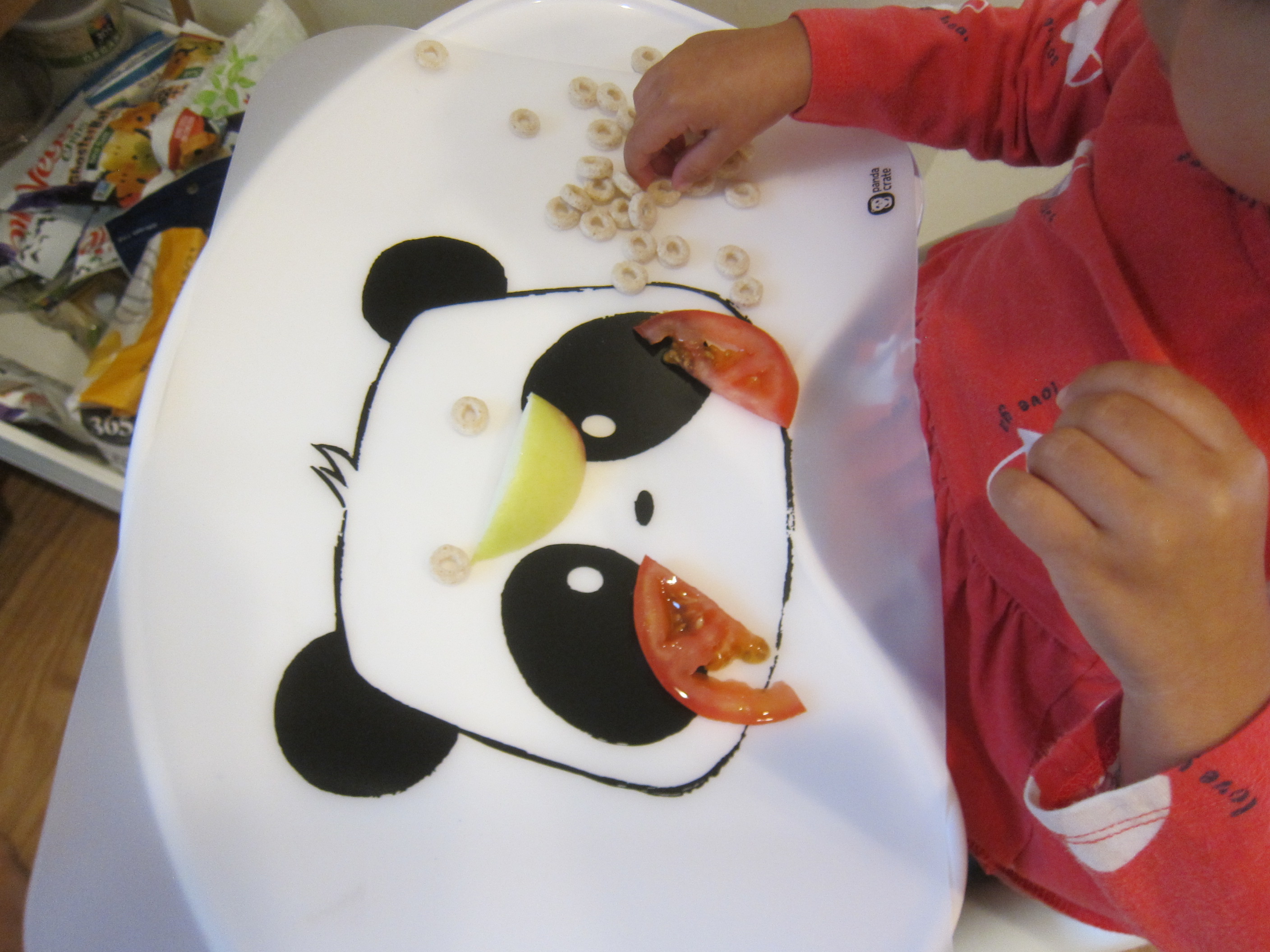
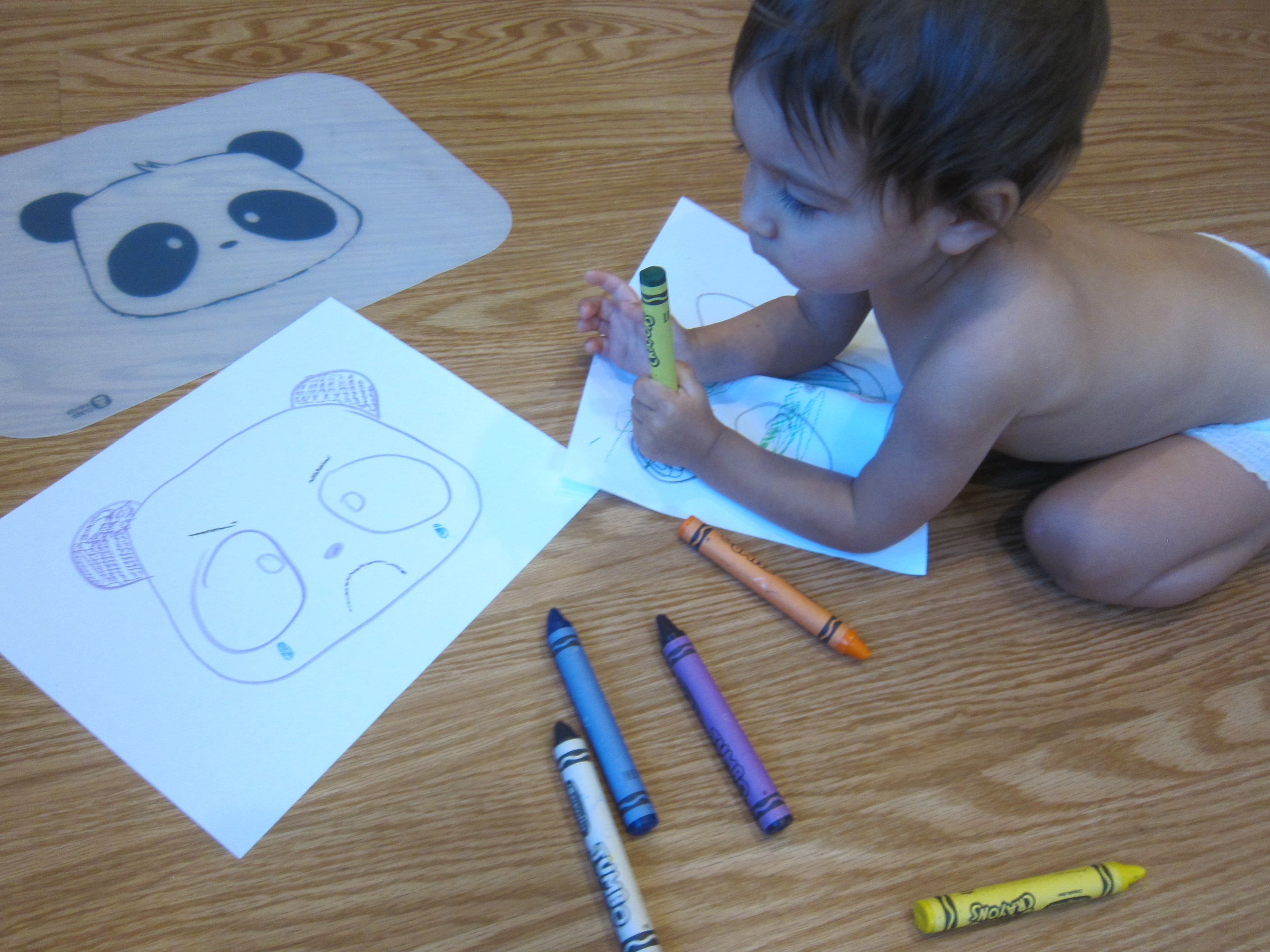
The fourth item was a food-grade silicone place mat with the outline of panda’s face but no emotions. We used food to add features! An apple wedge could be a smile, and we added blushing red tomato cheeks.

Panda Feelings (18)

Then we lined up o-shaped cereal, first in a smile, and then in a frown.

Panda Feelings (17)

Veronika giggled when I said she was eating the panda’s mouth! So the mat is not only practical (we’ll keep using this at meal time!), but also fun for food play and for more serious emotional learning.

Panda Feelings (18)

I also placed the mat against the window so I could trace panda’s face onto paper. Now Veronika could draw on the features. Again, she seemed very focused on the sad frown.

Panda Feelings (21)

She definitely was feeling empathy, so I quickly turned that frown upside down!

Panda Feelings (22)

Six: Board Book

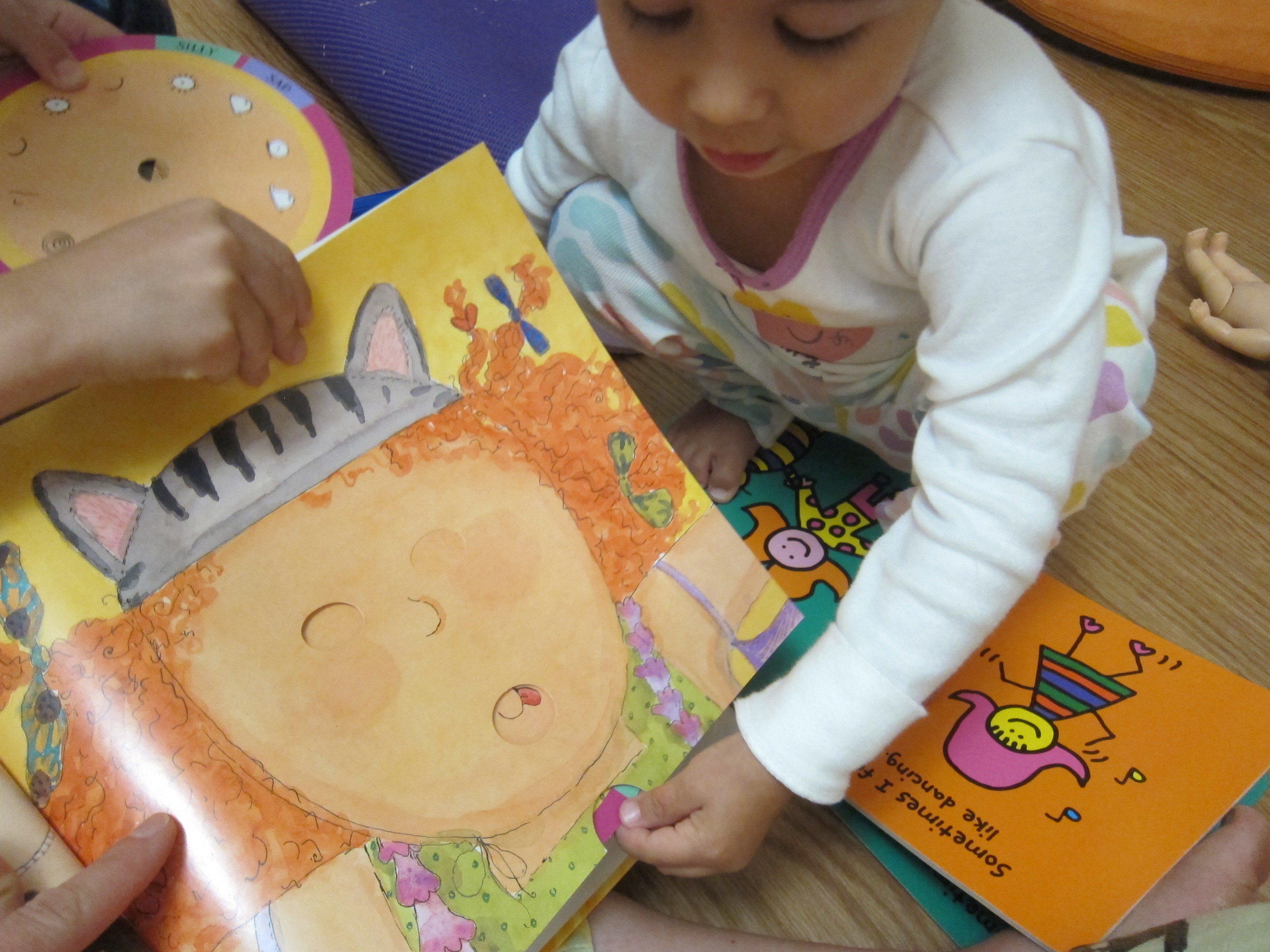
The book this month was Poppy’s Feelings. I was again underwhelmed by the book, feeling that the company could have done more to make it interactive, but Veronika enjoyed the pictures.

Panda Feelings (9)

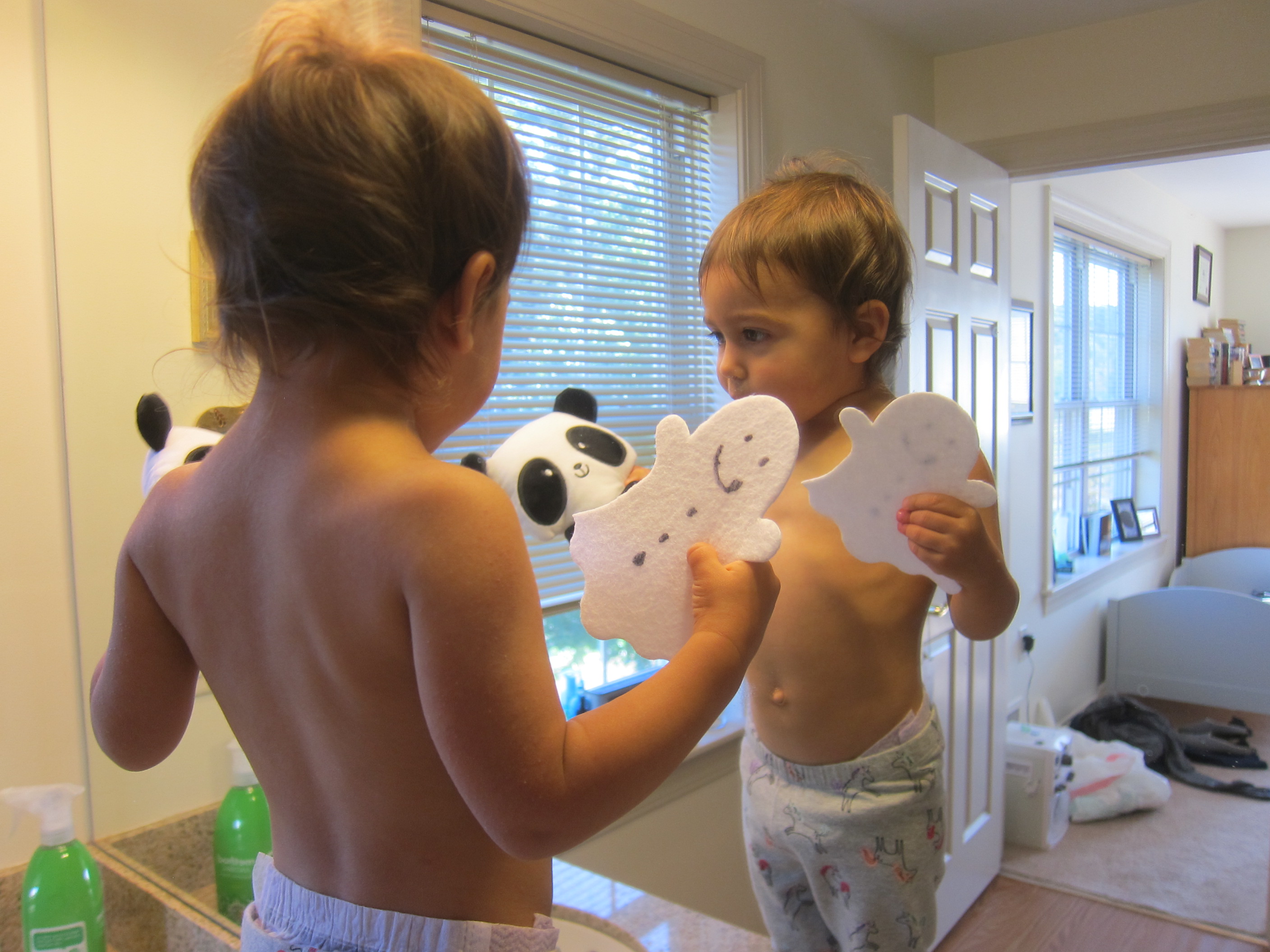
We then played one of the Beyond the Crate suggestions, an old favorite of practicing emotions in front of the mirror. While you’re there, test whether your child is fully aware of the mirror by placing a toy next to him or her. Veronika reached for the real toy, not the mirror version, so she’s got it!

Mirror Mirror

We also watched a sing-along of “If You’re Happy And You Know It”, pretty much the perfect song about emotions.

Finally, we checked out the following 3 books at the library:

  • Today I Feel Silly, by Jamie Lee Curtis
  • In My Heart: A Book of Feelings, by Jo Witek
  • The Feelings Book, by Todd Parr

Panda Feel var

Count with Me Panda Crate

Panda Count (17)

Veronika’s latest crate from Panda Crate focused on early math concepts, including counting, size, volume, comparisons, and basic geometric shapes. There was lots to like in this crate, which I would recommend for babies 1 year and older.

One: Stacking Cups

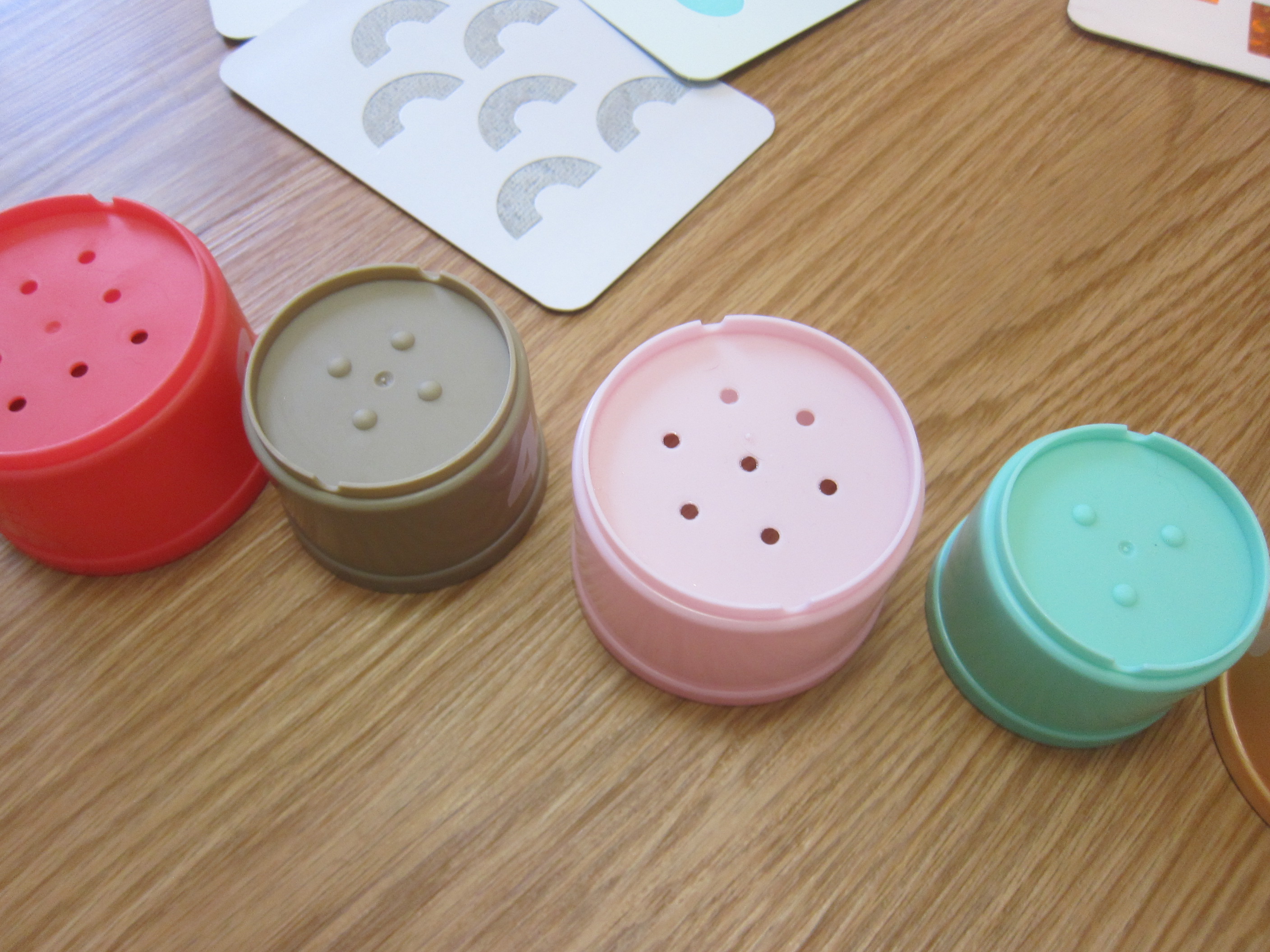
Although Veronika already owns a set of stacking cups, these were novel in several ways. First, the bottoms alternated bumps and holes, so there was a nice sensory element. We even lined them up in a pattern: bumpy, holes, bumpy, holes.

Panda Count (27)

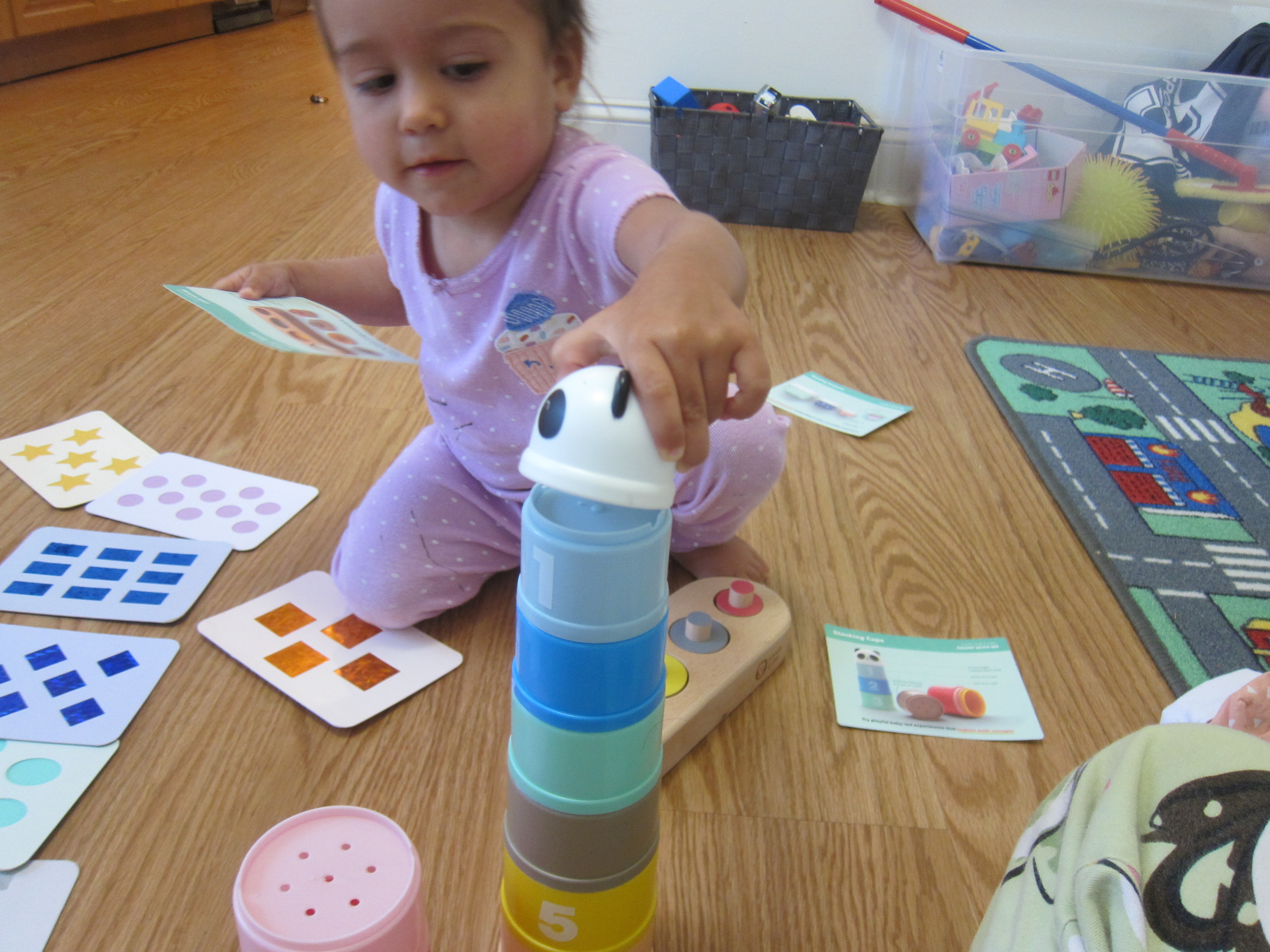
I loved how easily these cups fit in her hands, allowing her to build towers with ease.

Panda Count (25)

We also made two towers side-by-side, one taller one shorter, to highlight this comparison. “Which is short?” I asked her. She nailed it!

Panda Count (26)

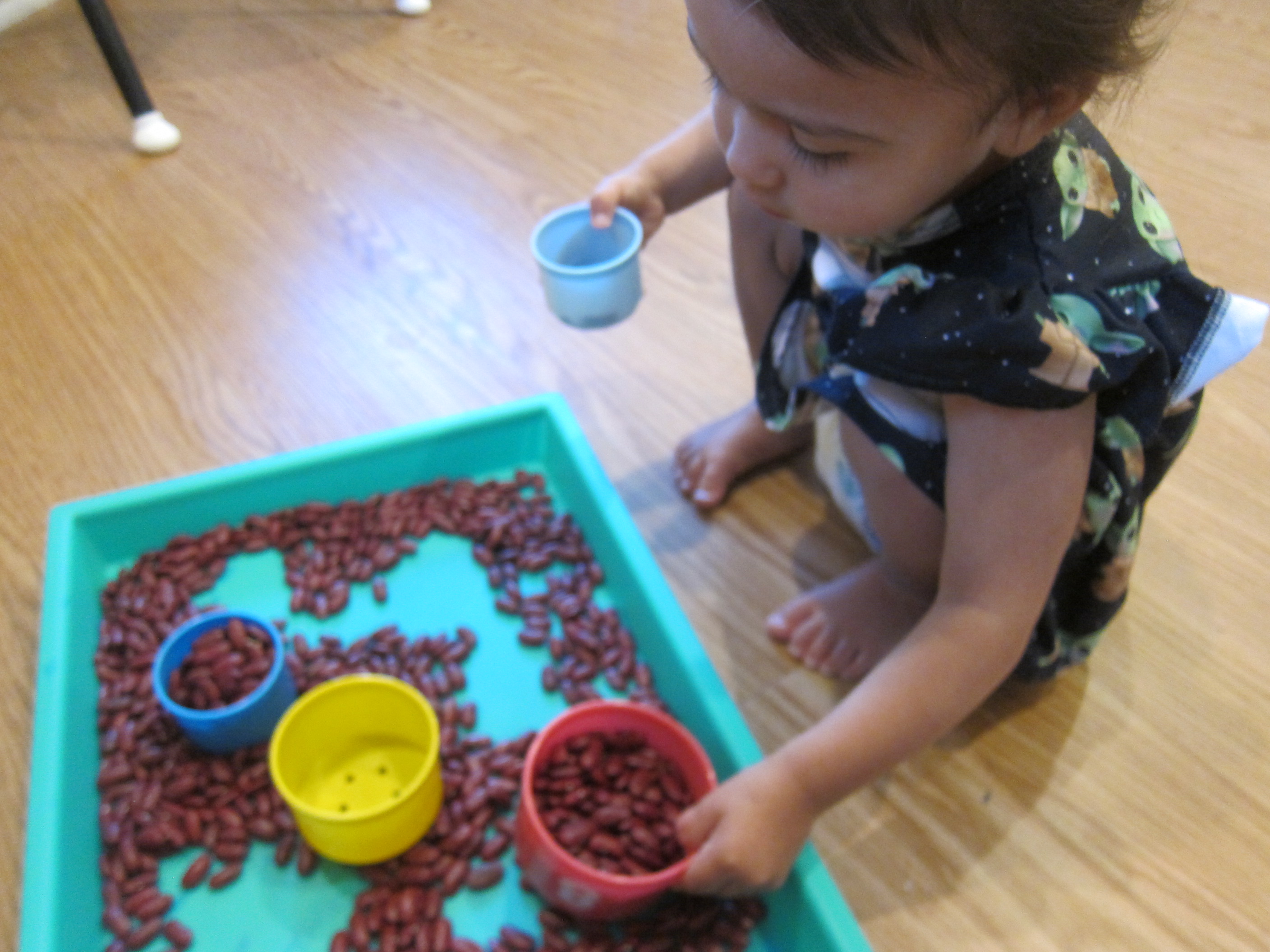
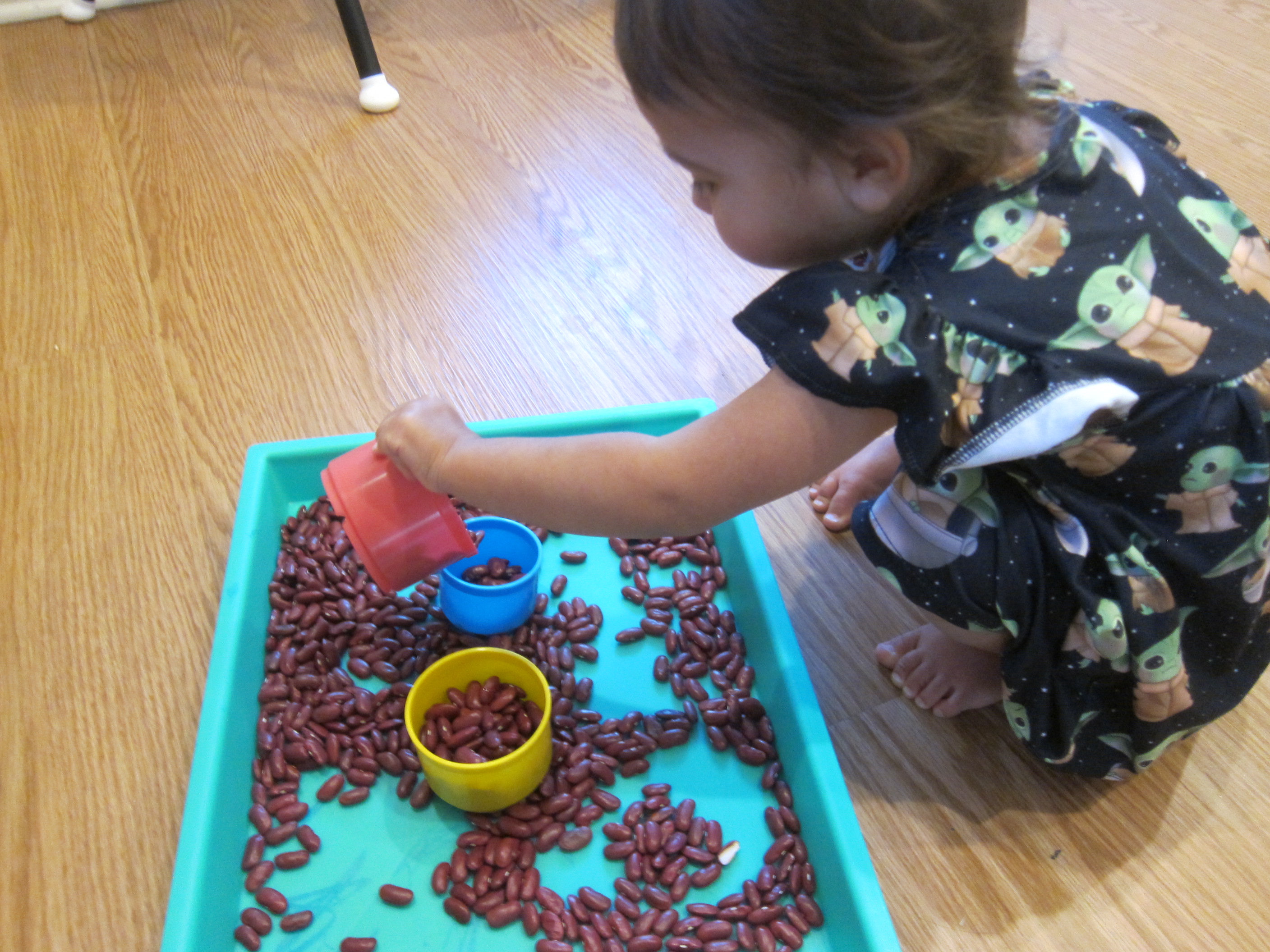
After your toddler is done stacking, use these cups to explore volume, with a Fill the Cup activity.

Fill the Cup (3)

As she scooped through a tray of dried beans, I talked about whether a cup was empty or full, or whether it had more, or less. Of course she was just having a blast with the dried beans, which occupied her for a full 30 minutes!

Fill the Cup (4)

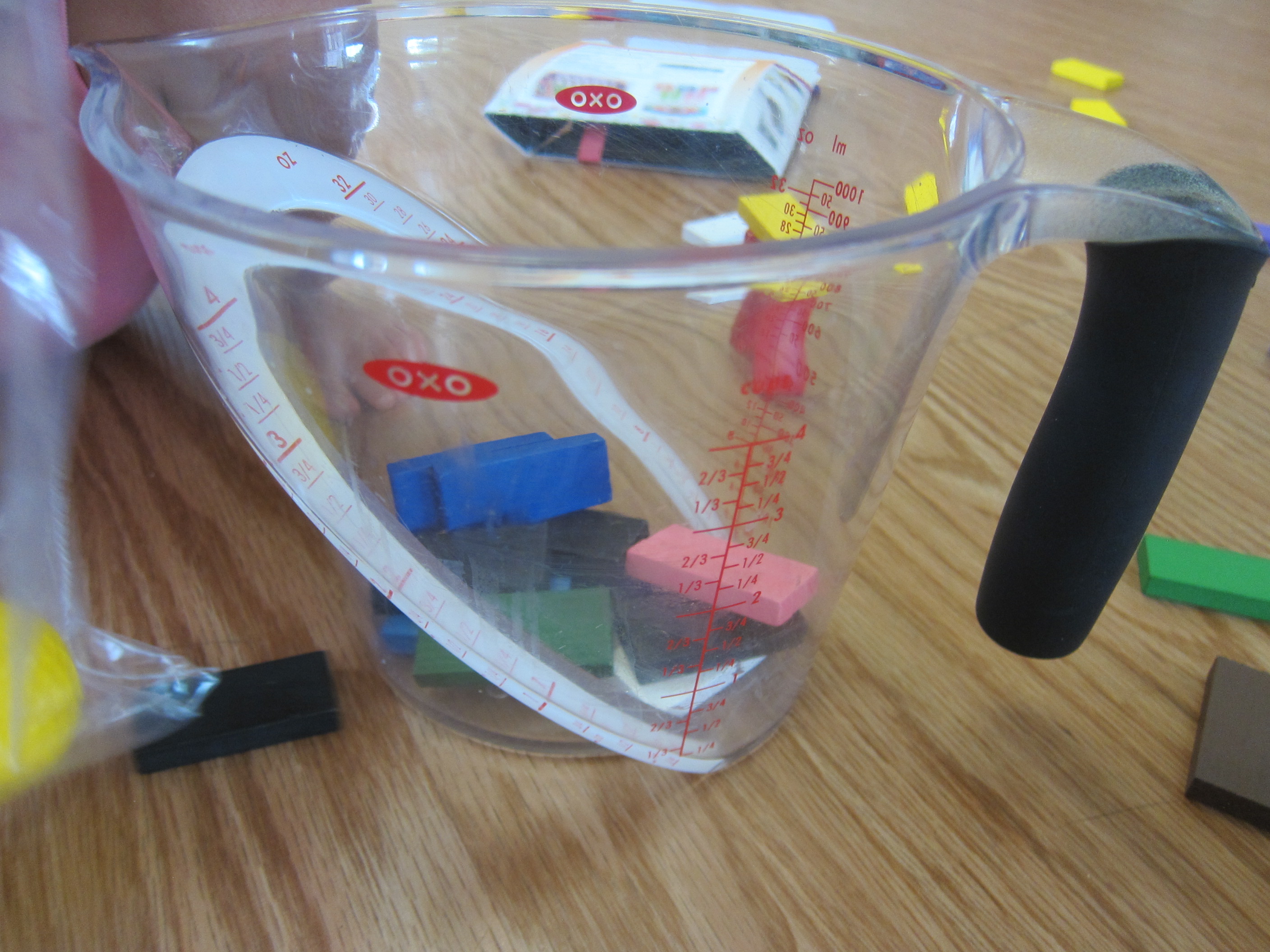
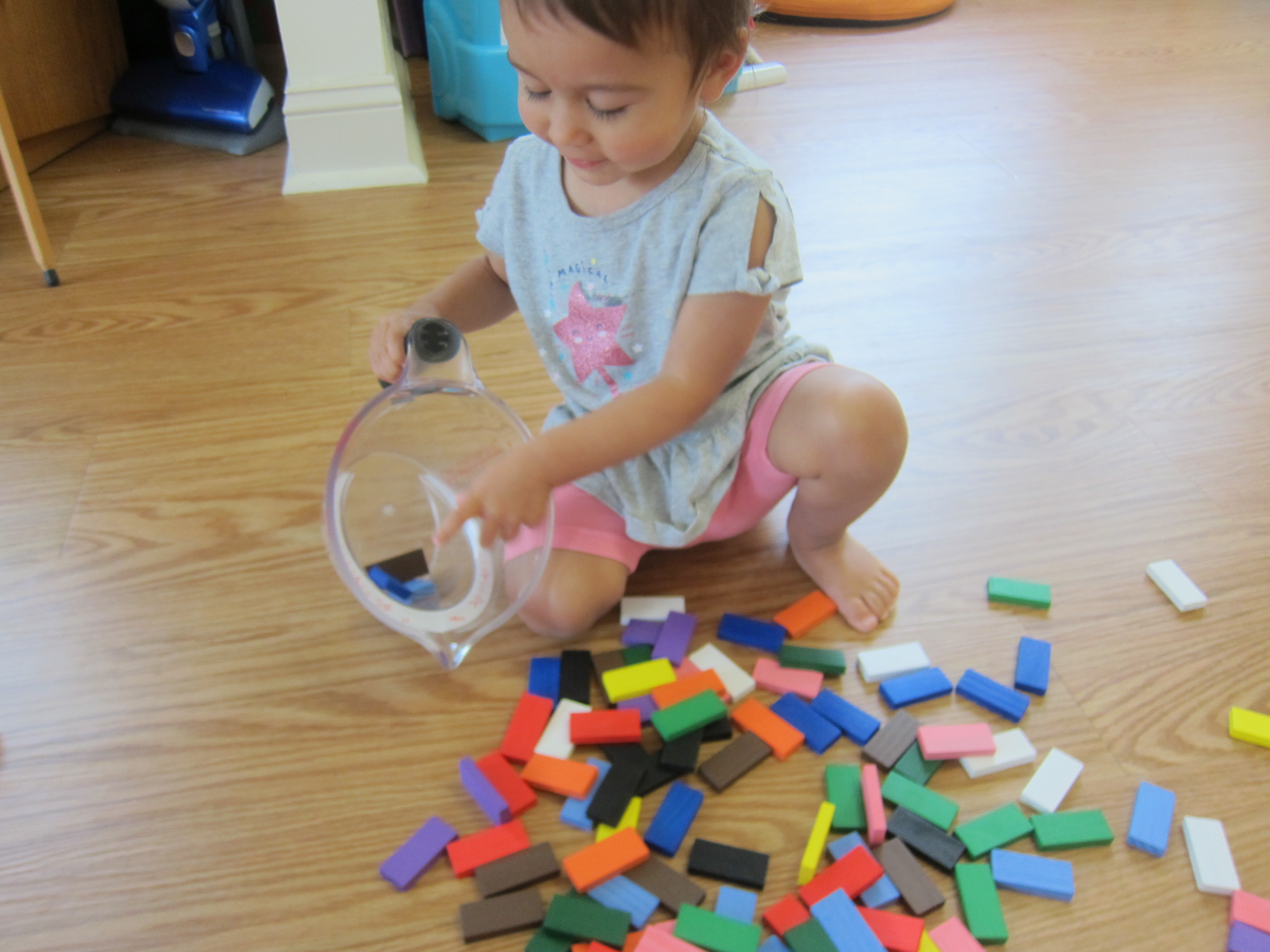
To add to the idea of volume, I gave her an empty plastic measuring cup to fill with toys.

Fill the Cup x

This was an excellent way to keep her busy while I prepped dinner, and she loved the process of adding dominoes or cars to the cup and then dumping them out!

Fill the Cup alt

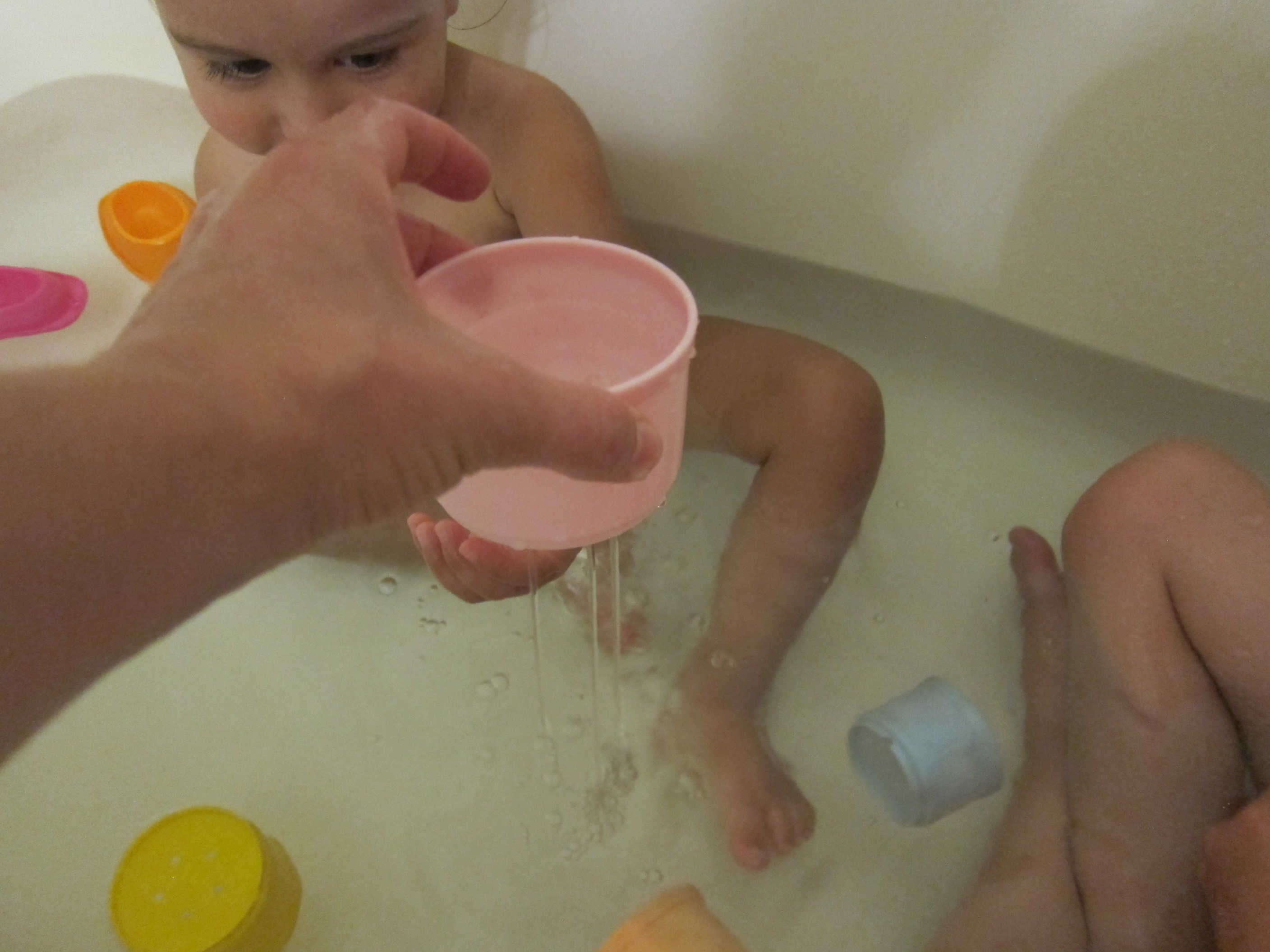
We continued the volume lesson at bathtime. Simply add the stacking cups to your toddler’s tub for Math in the Bath. The big cups hold more, the little cups less.

Panda Count (31)

Two: Shape Puzzles

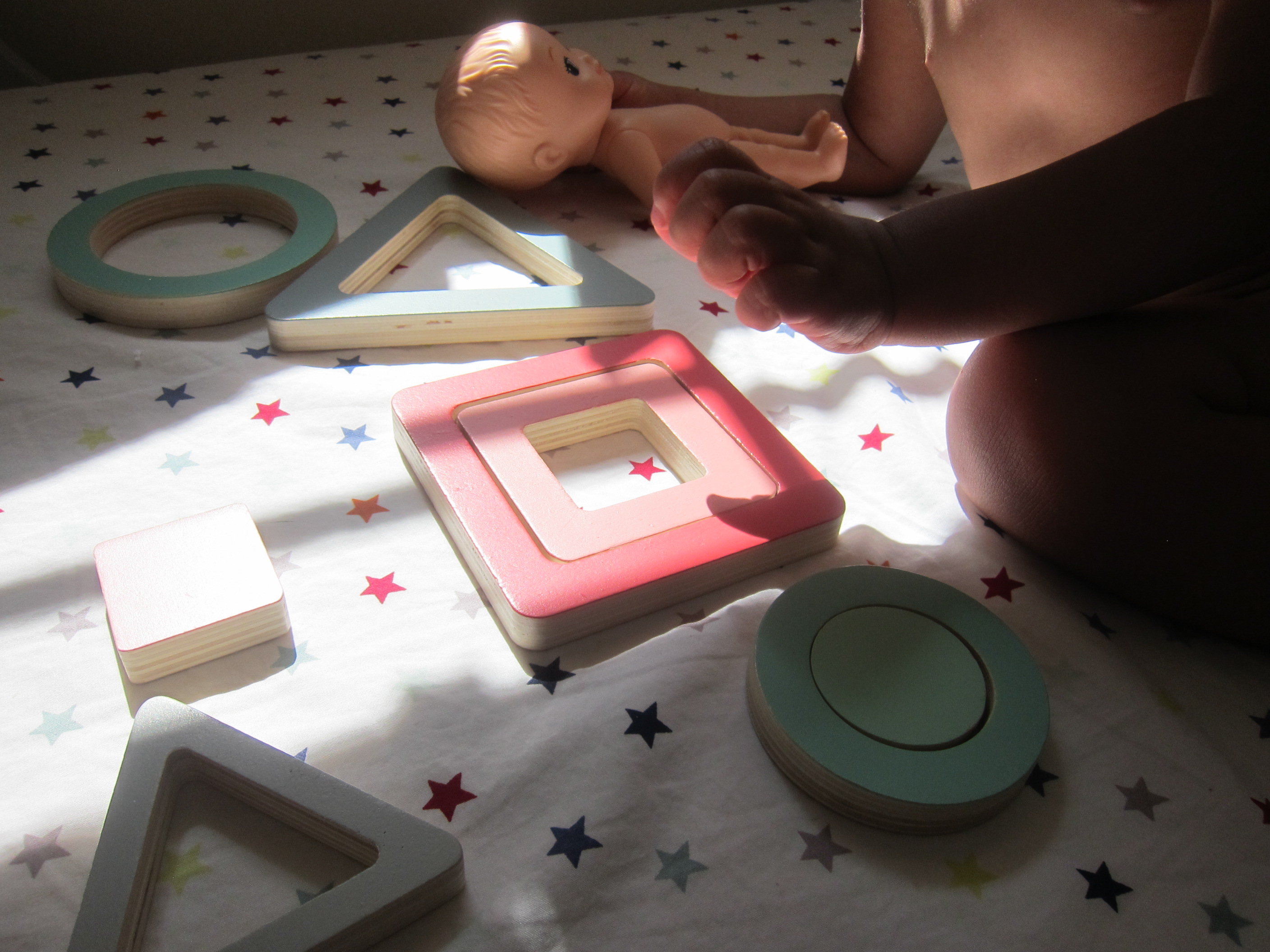
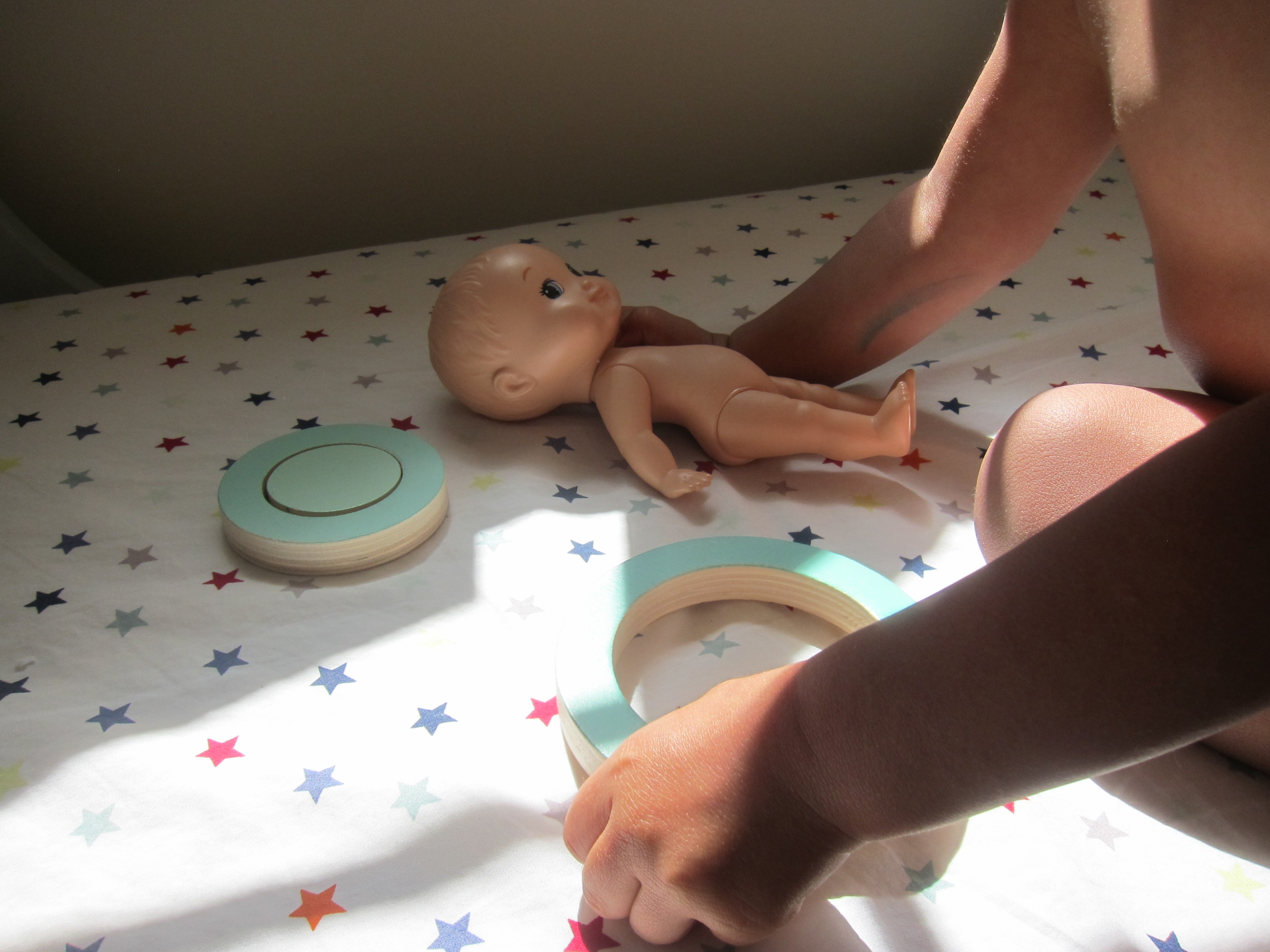
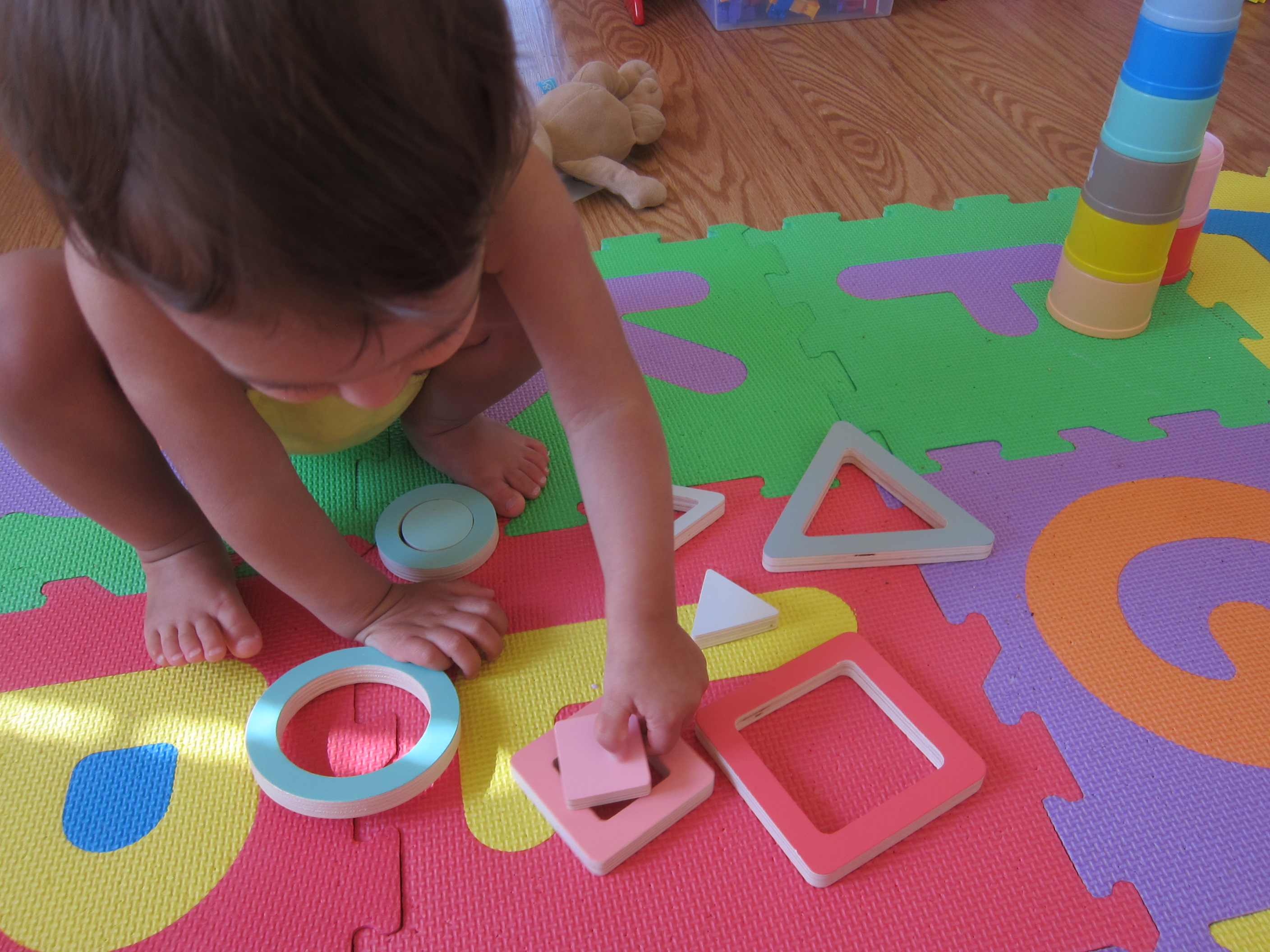
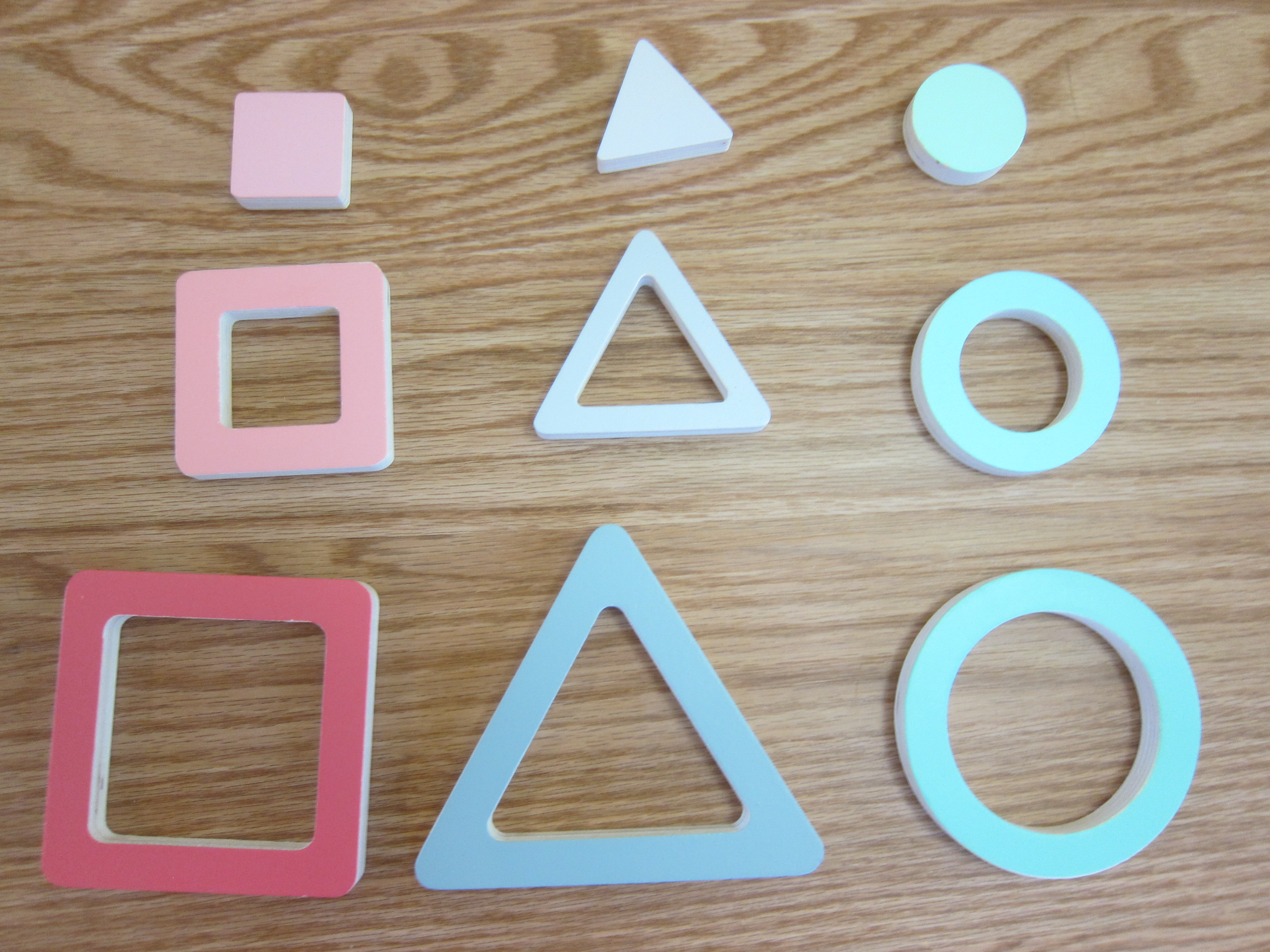
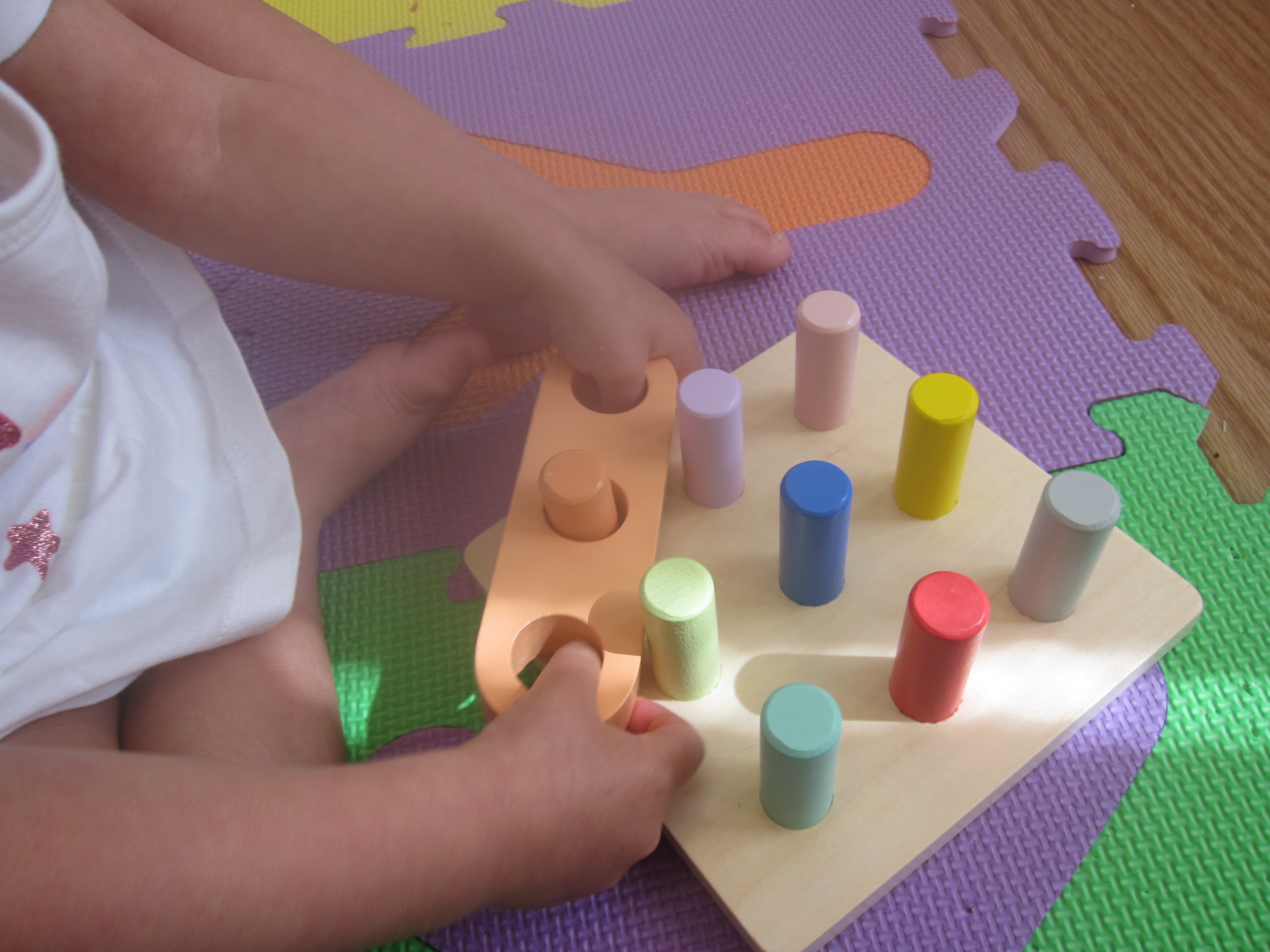
These three wooden puzzles – one each for circle, triangle, and square – are a beautiful toy. The smooth wood is fantastic for little hands, and each shape comes in a different color family with three gradations from light to dark.

Panda Count (16)

First I gave her only one shape. She puzzled through how to nest them from biggest to smallest.

Panda Count (19)

Then I upped the challenge. If I scatted all the pieces, could she sort them? The middle piece was usually the hardest for her to work her way around, but if we moved from big to small or small to big, she got the hang of it.

Panda Count (18)

Sometimes she tried to put the triangle inside the circle, etc., but she quickly realized it wasn’t possible.

Panda Count (6)

They look neat if you sort them by big and small, too!

Kiwi Count (35)

Three: Nesting Baskets

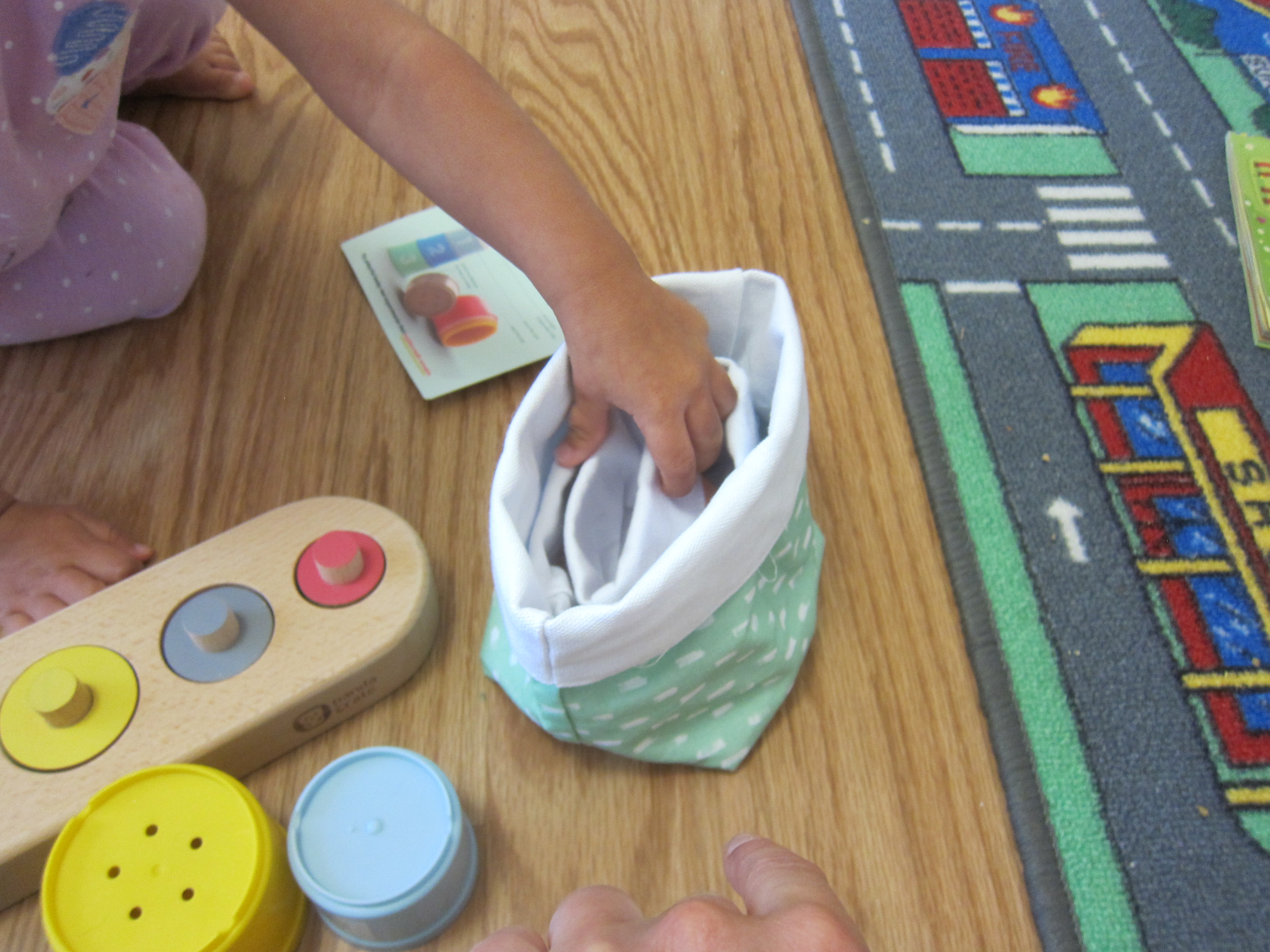
Of all the items in the crate, these were the weakest point. The three “baskets” are soft (good for toddlers), but that also makes them difficult to nest, as suggested. I would have preferred something with a bit more structure.

Panda Count (28)

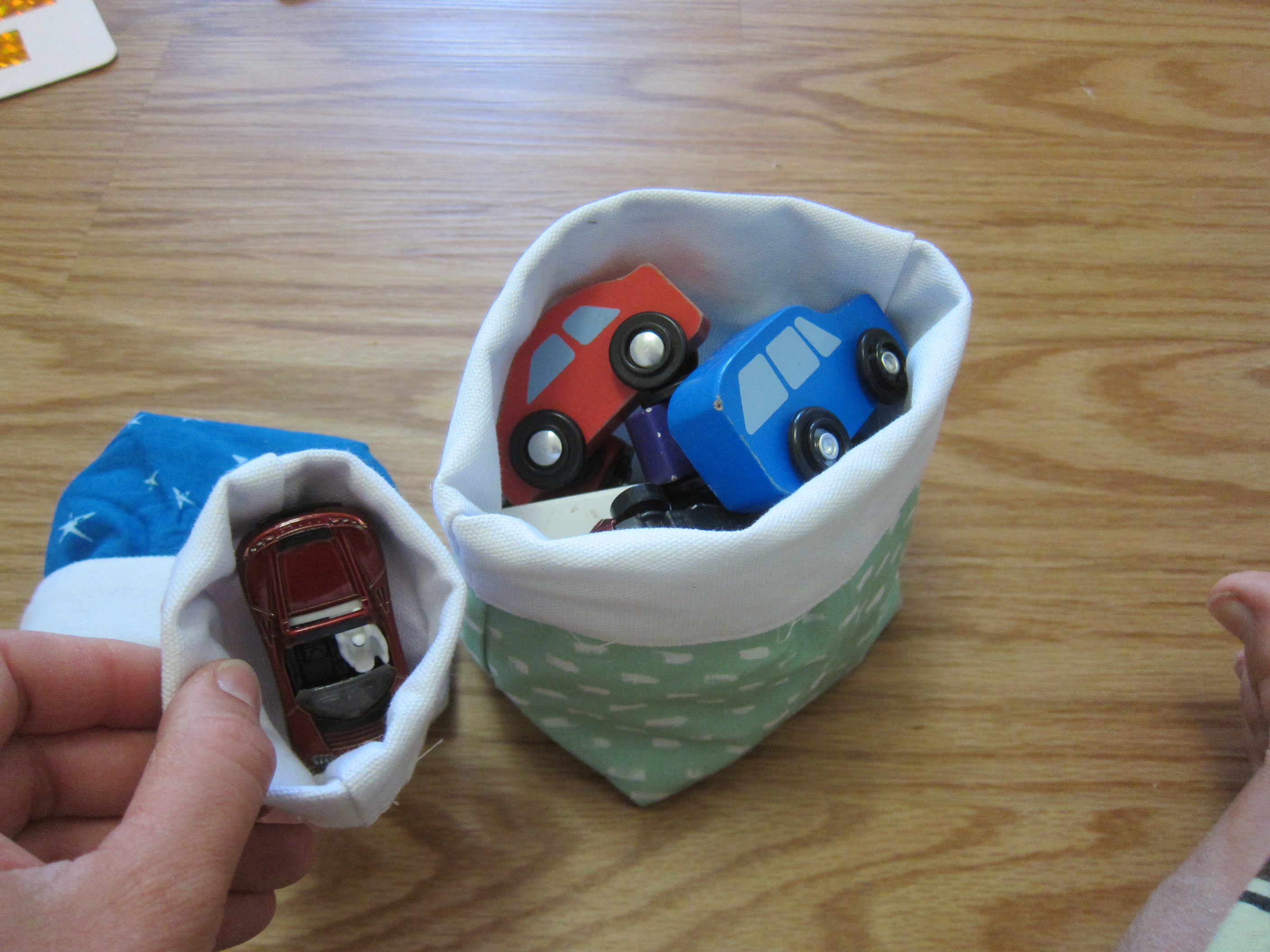
Still, the bags are great for talking about size. “Medium” was a new word in Veronika’s vocab, but she soon was piping up happily with it: Big, medium, small. You can show your child the notion of volume by putting one small toy in the small bag… but look how many toys the big bag holds!

Panda Count (29)

We also used them to store the big, medium, and small pieces of the shape puzzles, of course.

Panda Count (11)

Four: Cylinder Blocks

This toy was a cinch for Veronika at 20 months, but probably a challenge for your younger baby to work up. I could set out the four circles in any order and she could easily puzzle which went where.

Panda Count (8)

Like the stacking cups, these are great vocab builders. Which was widest? Which was tallest?

Panda Count (9)

Five: Counting Cards

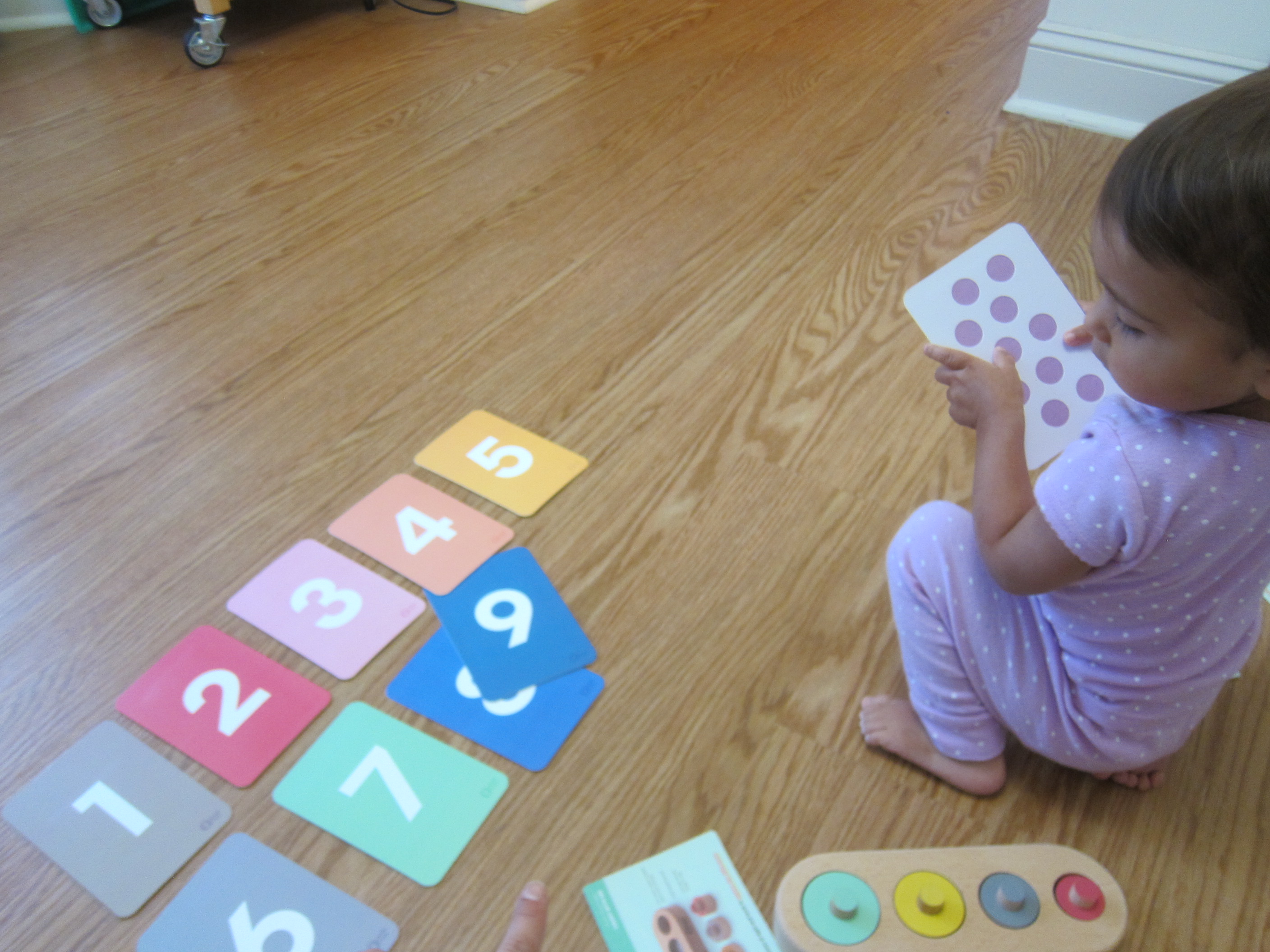
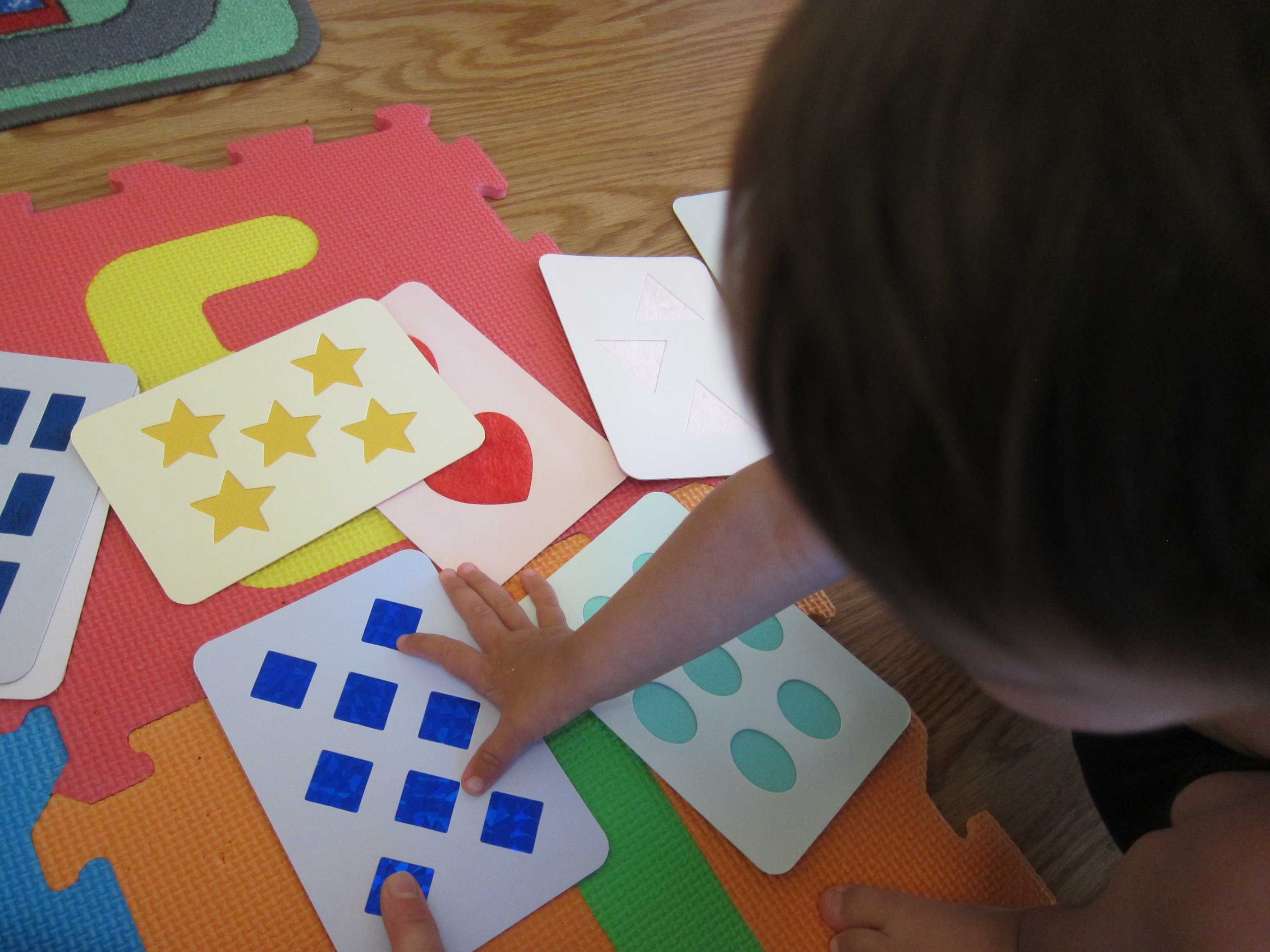
These were my favorite item from the crate, a set of 1 through 10 flash cards that featured every math concept a toddler could dream of. Lay the cards out and simply look at them first, numbered 1 through 10.

Panda Count (21)

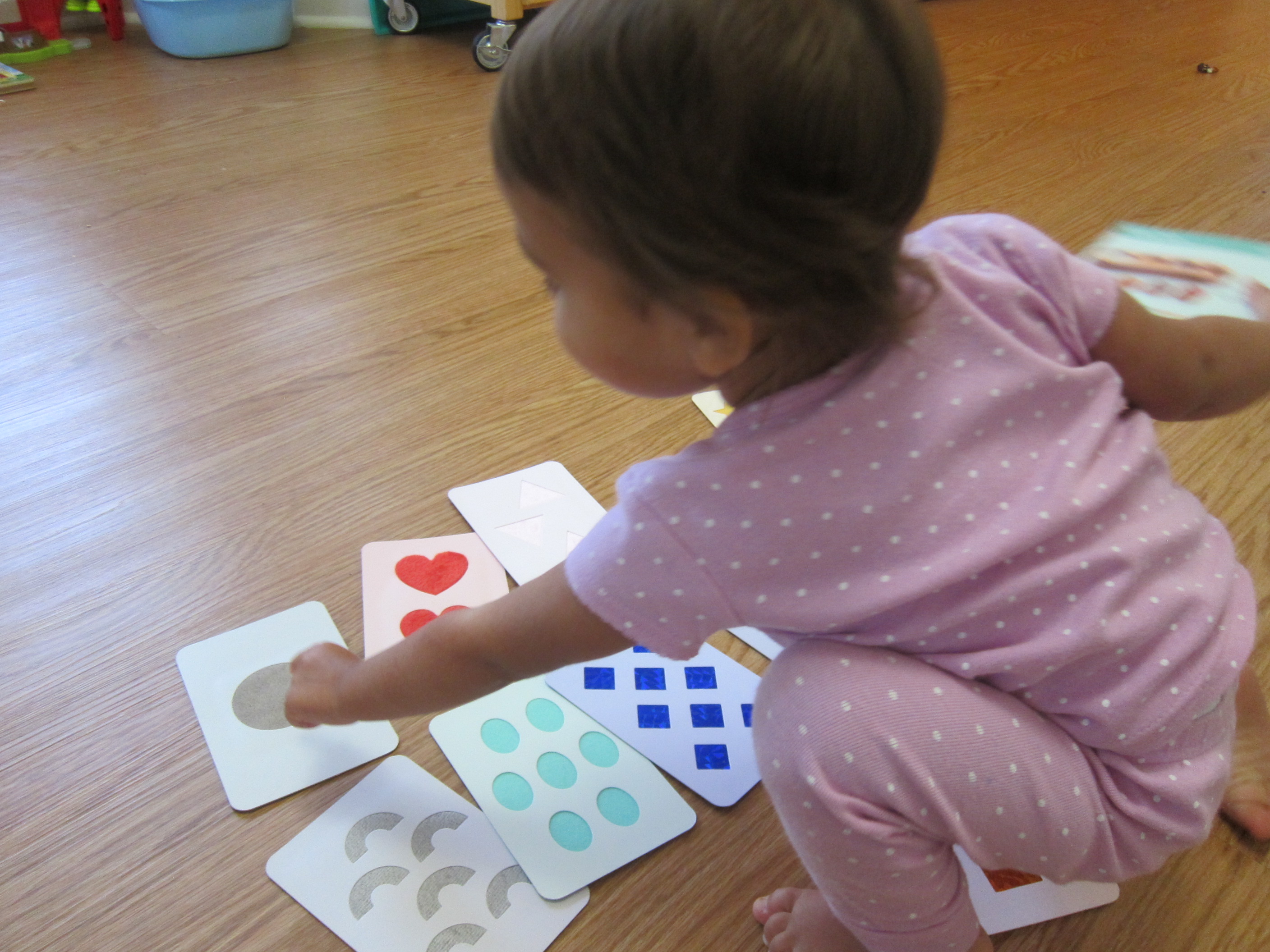
Then flip them over. Each features not just a pip of the corresponding number, but different shapes and different textures. I could ask her to show me the circle, for example.

Panda Count (24)

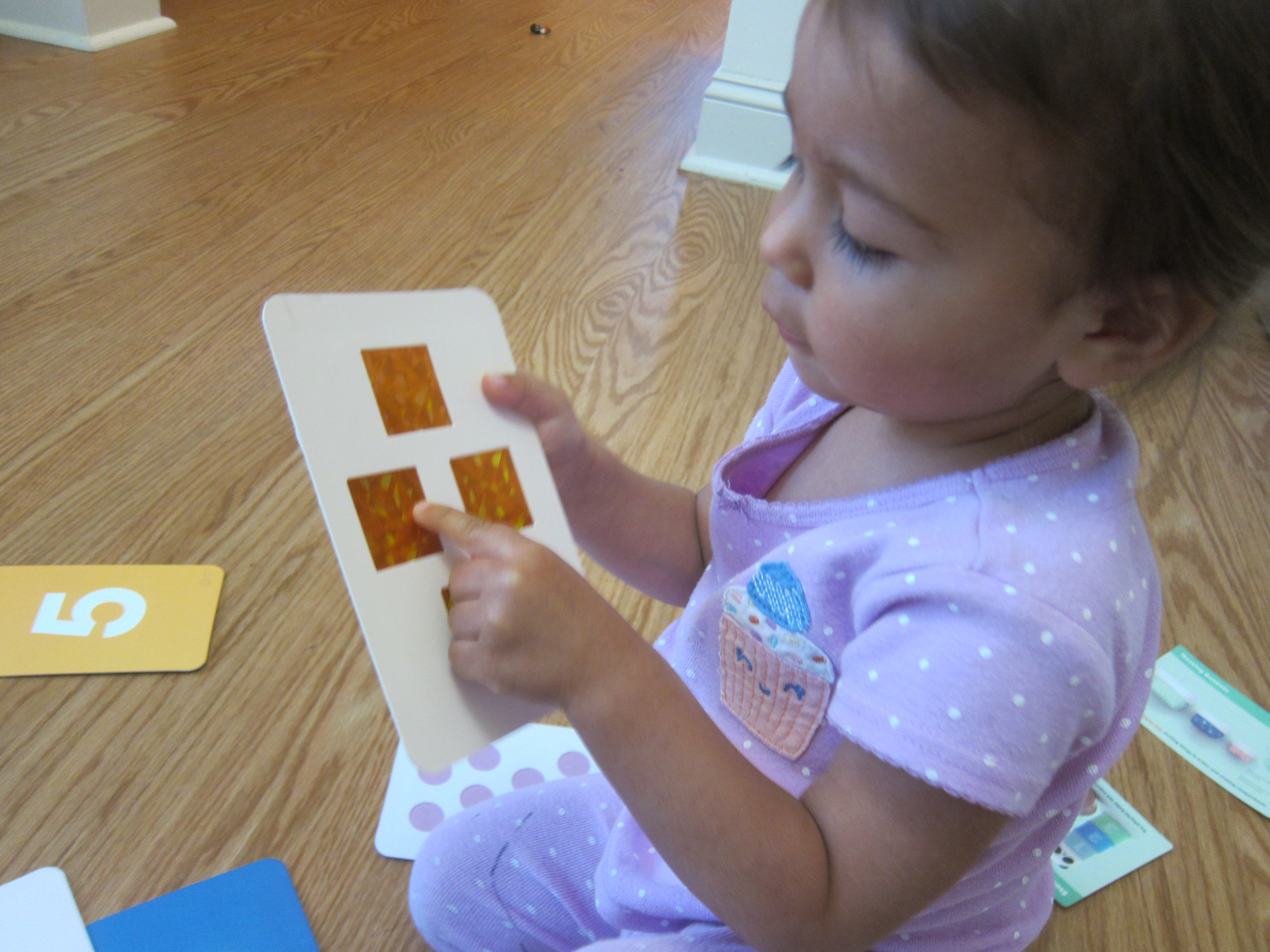
Or explain to her that the squares were shiny.

Panda Count (23)

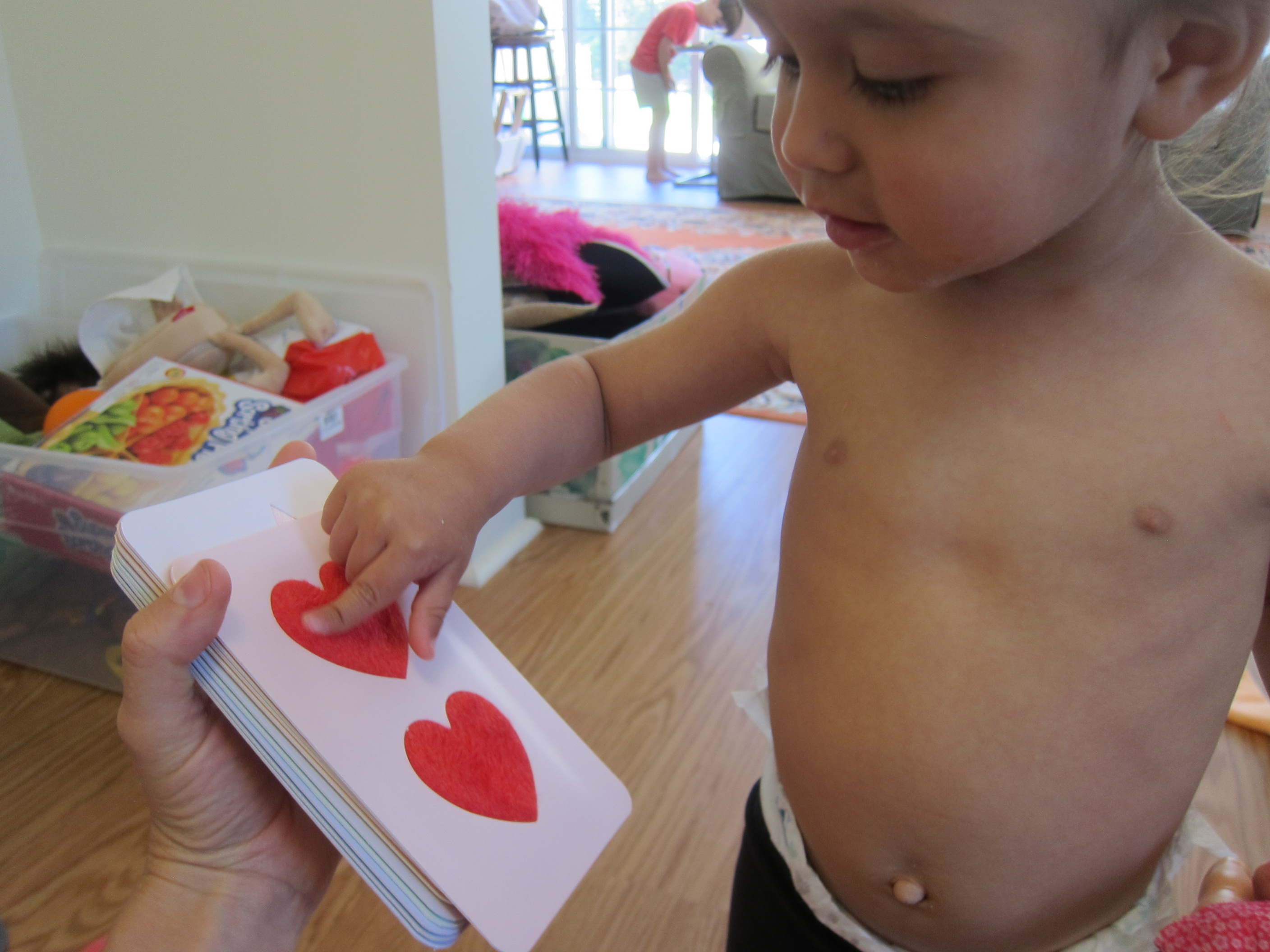
Or run her fingers over two fluffy hearts, to make counting a tactile activity.

Panda Count (15)

She loved to play with these solo, too, which is always a bonus.

Panda Count (13)

Six: Board Book

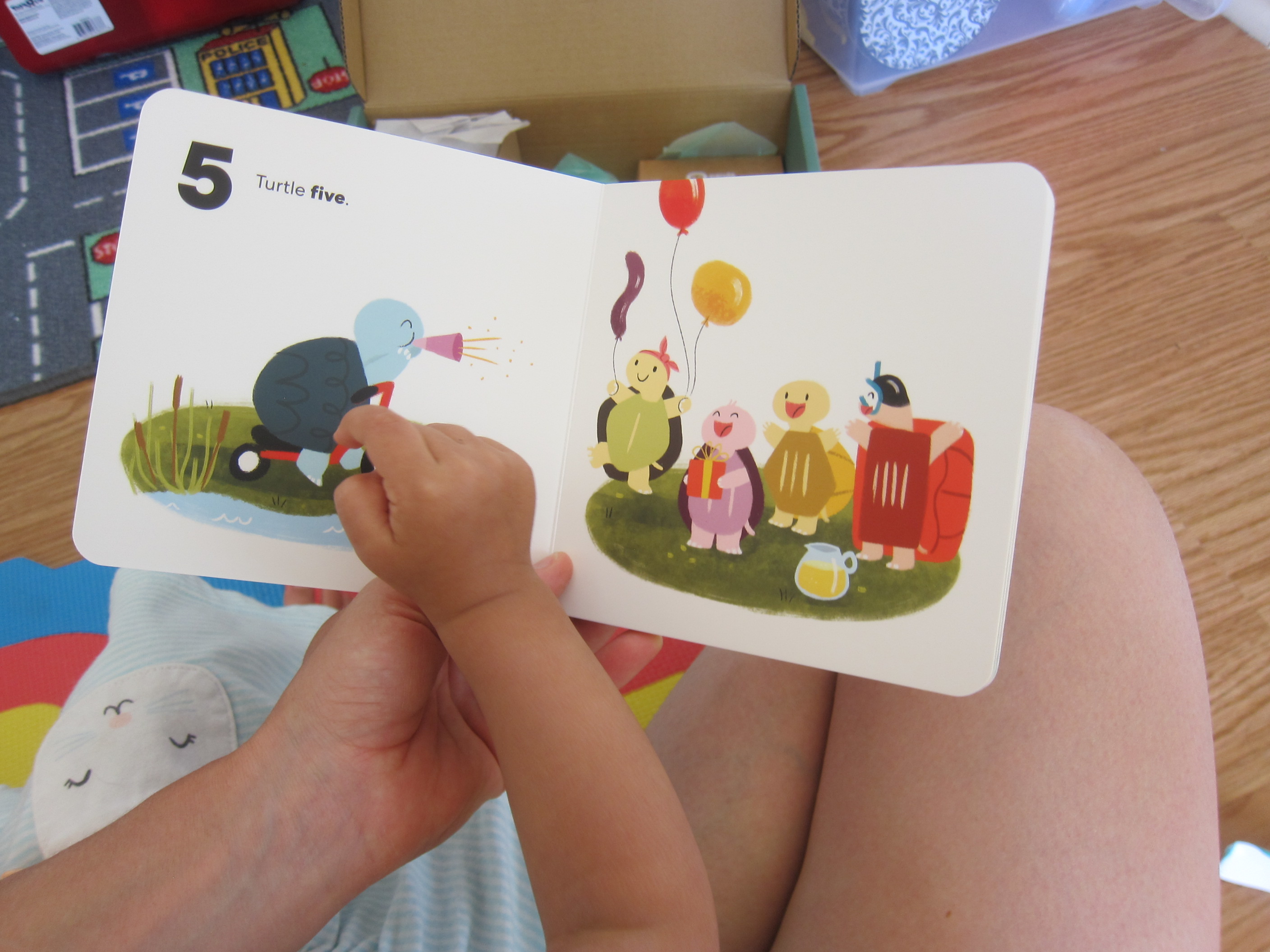
The book, titled ‘Poppy’s Surprise’ was a huge hit. Veronika loved the tale, about 10 turtles showing up for Poppy Panda’s birthday, each with a different item for the party. There was lots of vocab (lemonade pitchers, skateboards) and she soon was repeating it all.

Panda Count (7)

In terms of counting, it’s great. The numbers are on each page both as a numeral and spelled out, and each turtle as the corresponding number of dashes on its shell. She picked up on this and loved tracing the lines with a finger! I encouraged her to count the turtles on each page out loud, too. A tactile element would have been nice, to make this book even better.

There were so many suggestions for additional activities in Wonder magazine, including old favorites like “what’s different”: if I placed three red blocks in front of her…

Panda Count (32)

…and then added a blue one, did she notice the difference? Yes! The blue immediately caught her attention.

Panda Count (33)

Next up was a suggested Building Up activity.

Build Them Up (2)

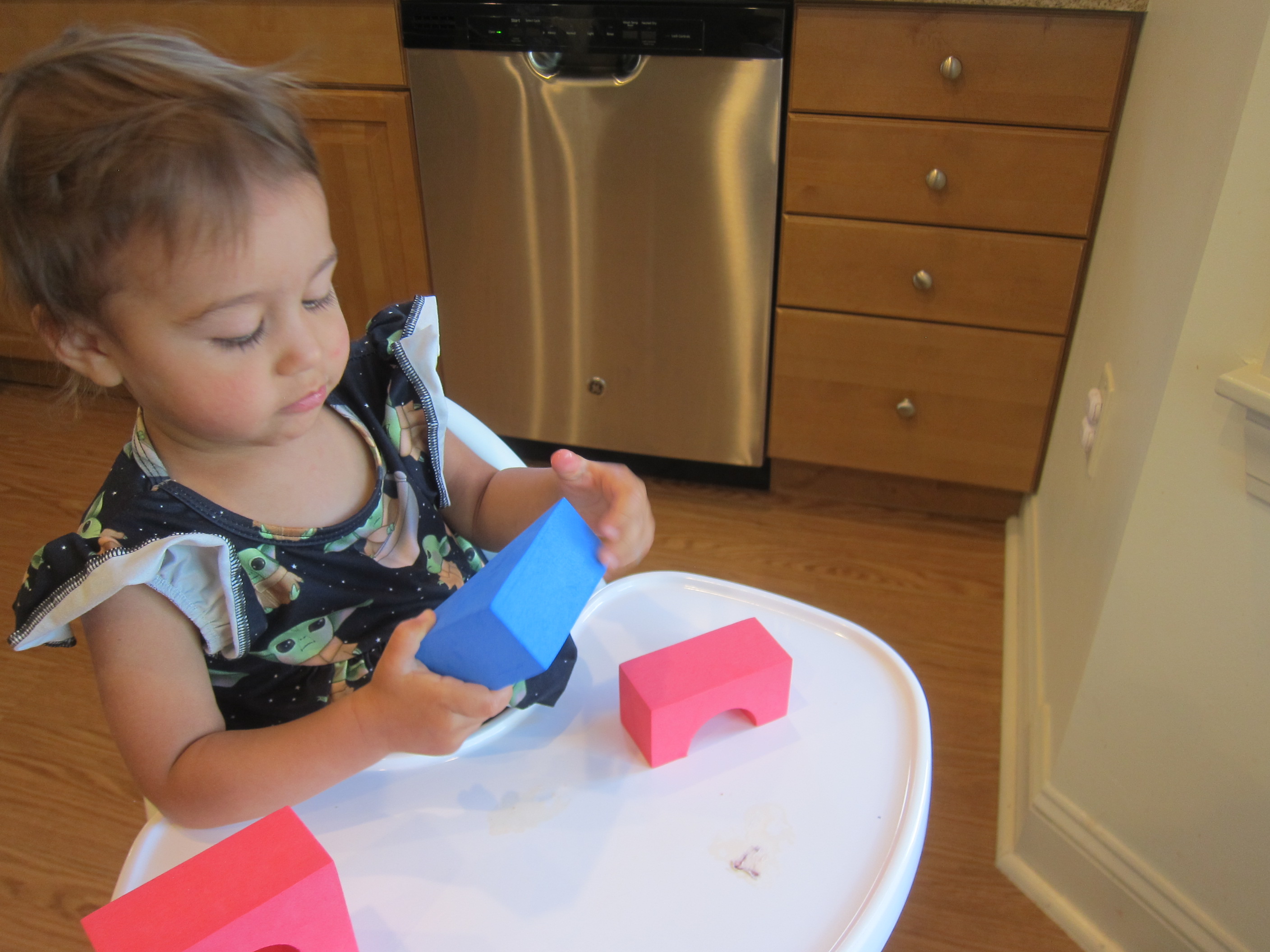
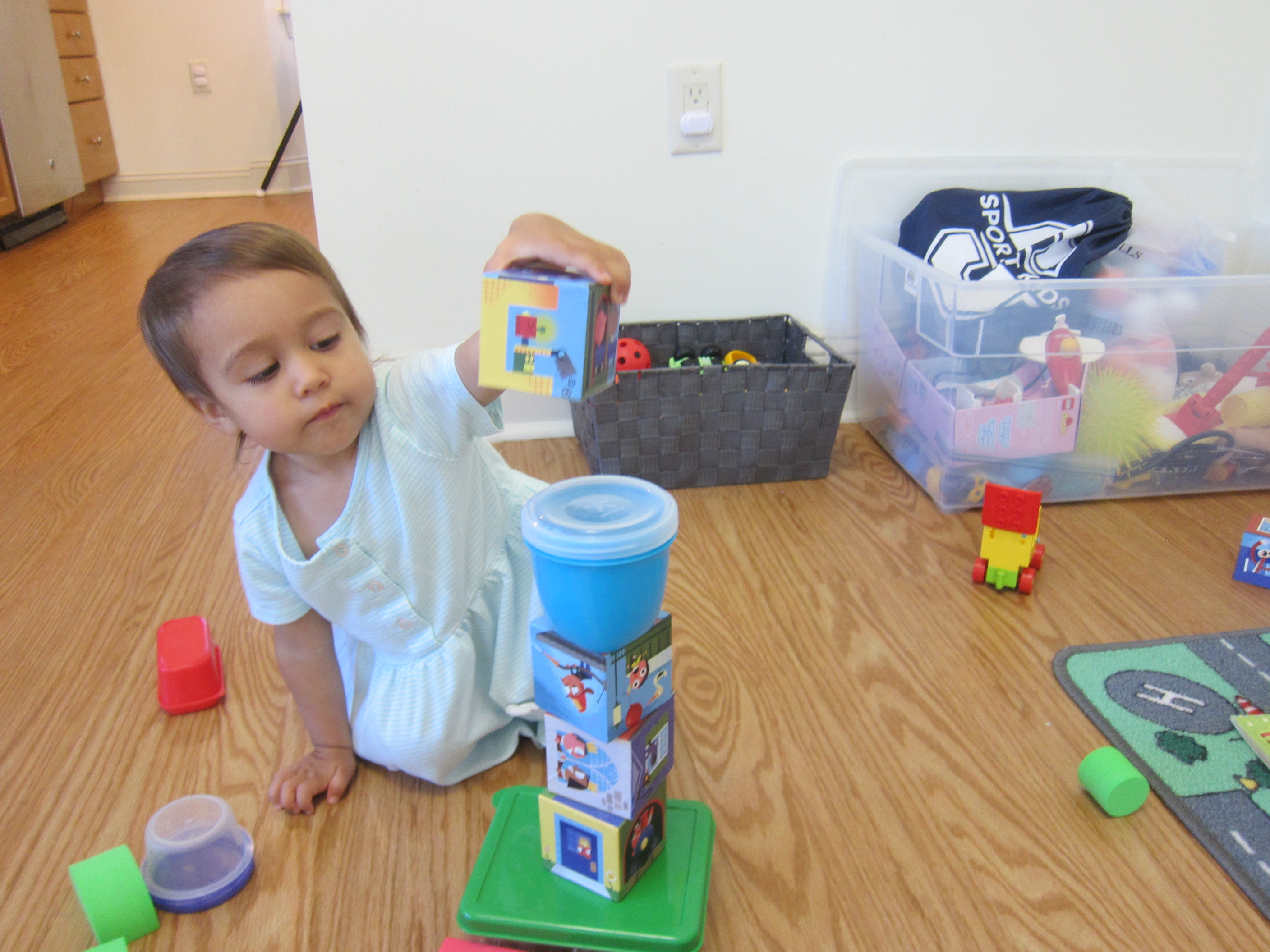
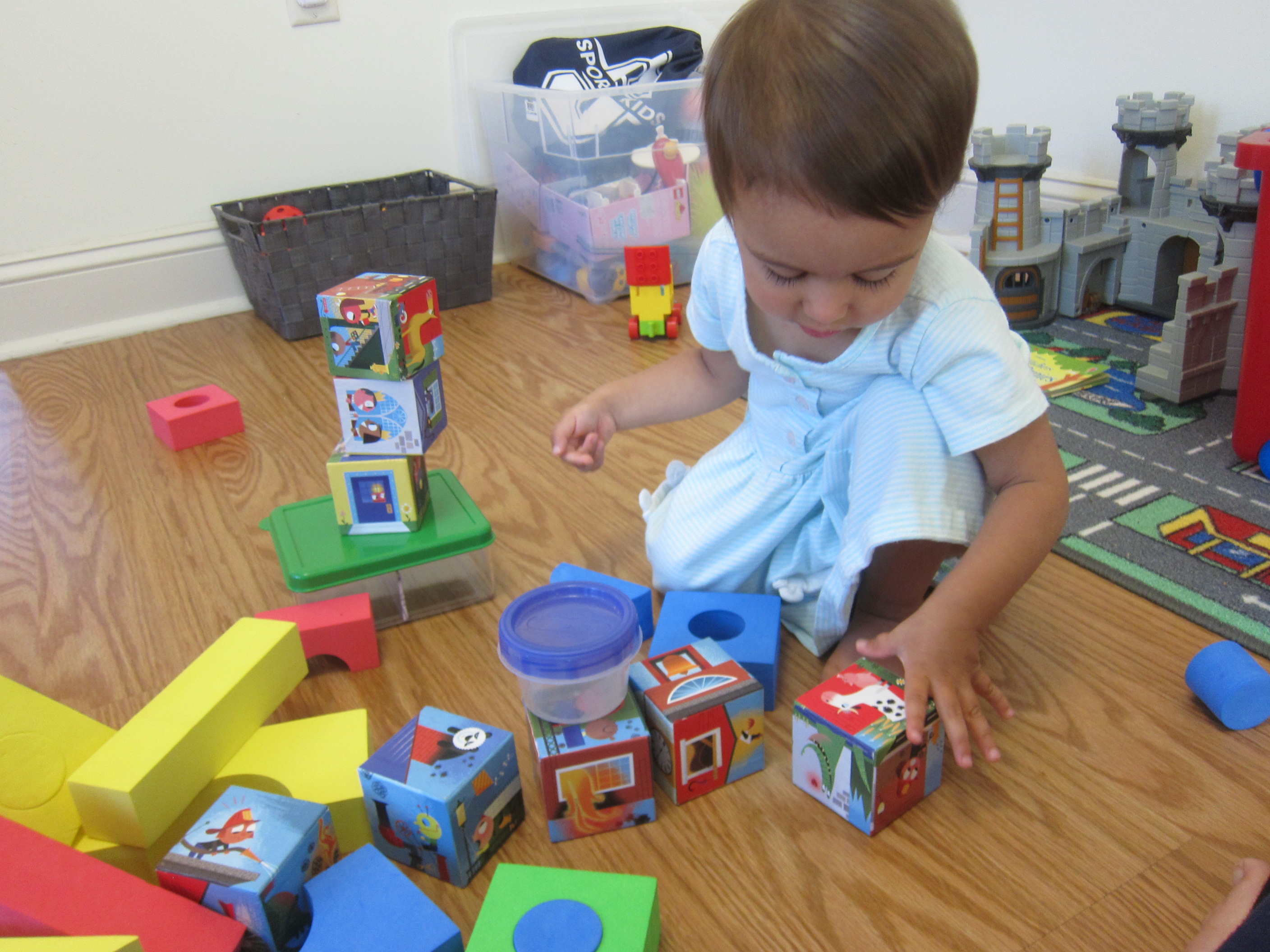
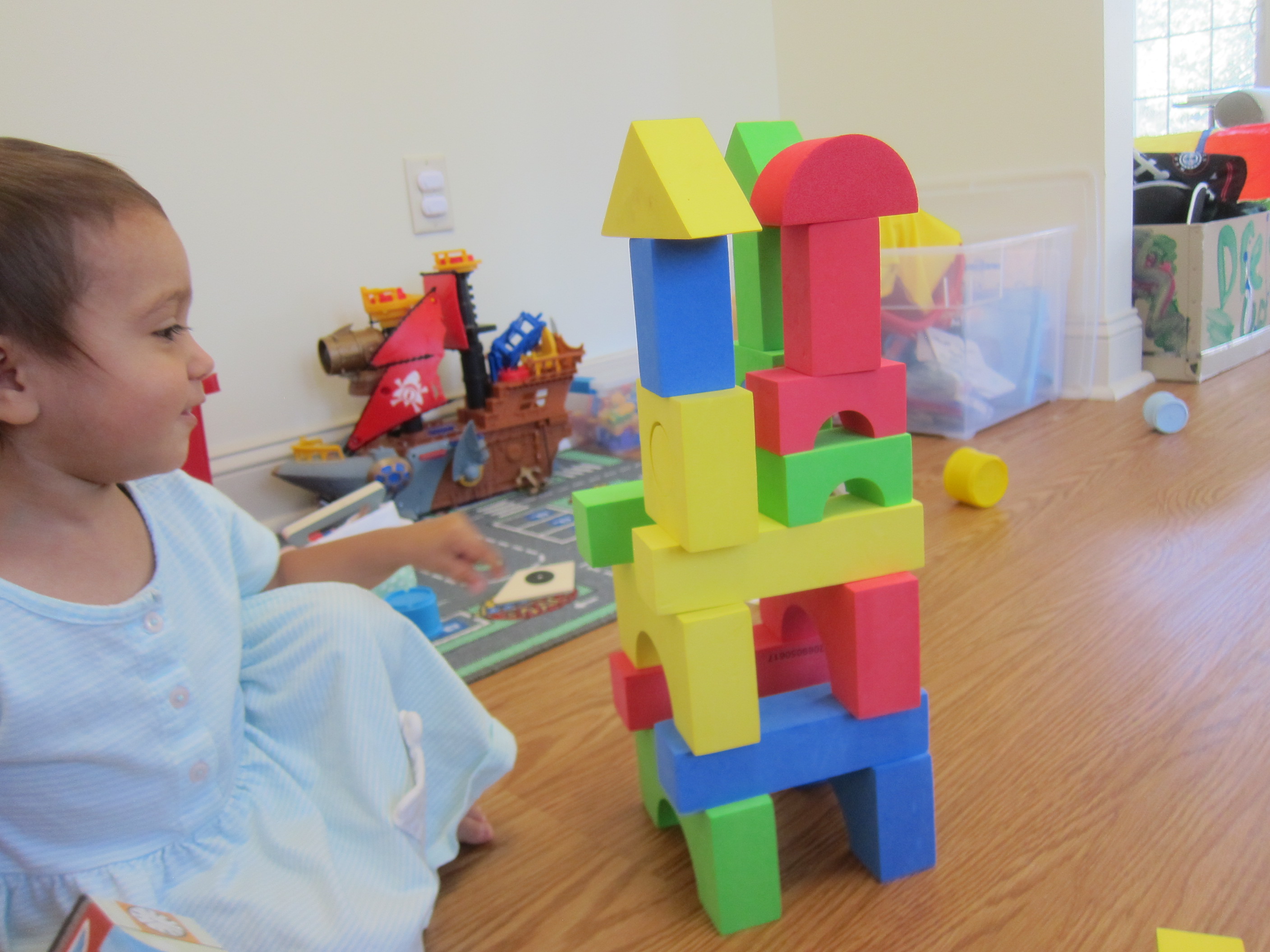
Building towers never gets old, but I love that Veronika is becoming more sophisticated in her abilities. To wit, today I gave her a mix of things to stack, including two sets of blocks plus plastic containers from the kitchen. She mixed and matched and stacked with such dexterity. “Let’s add this one!” she said proudly, as she built up up.

Build Them Up (3)

And of course she enjoyed the knock down.

Build Them Up (1)

At one point she tried a rectangle where it couldn’t balance, a great learning experience.

Build Them Up (4)

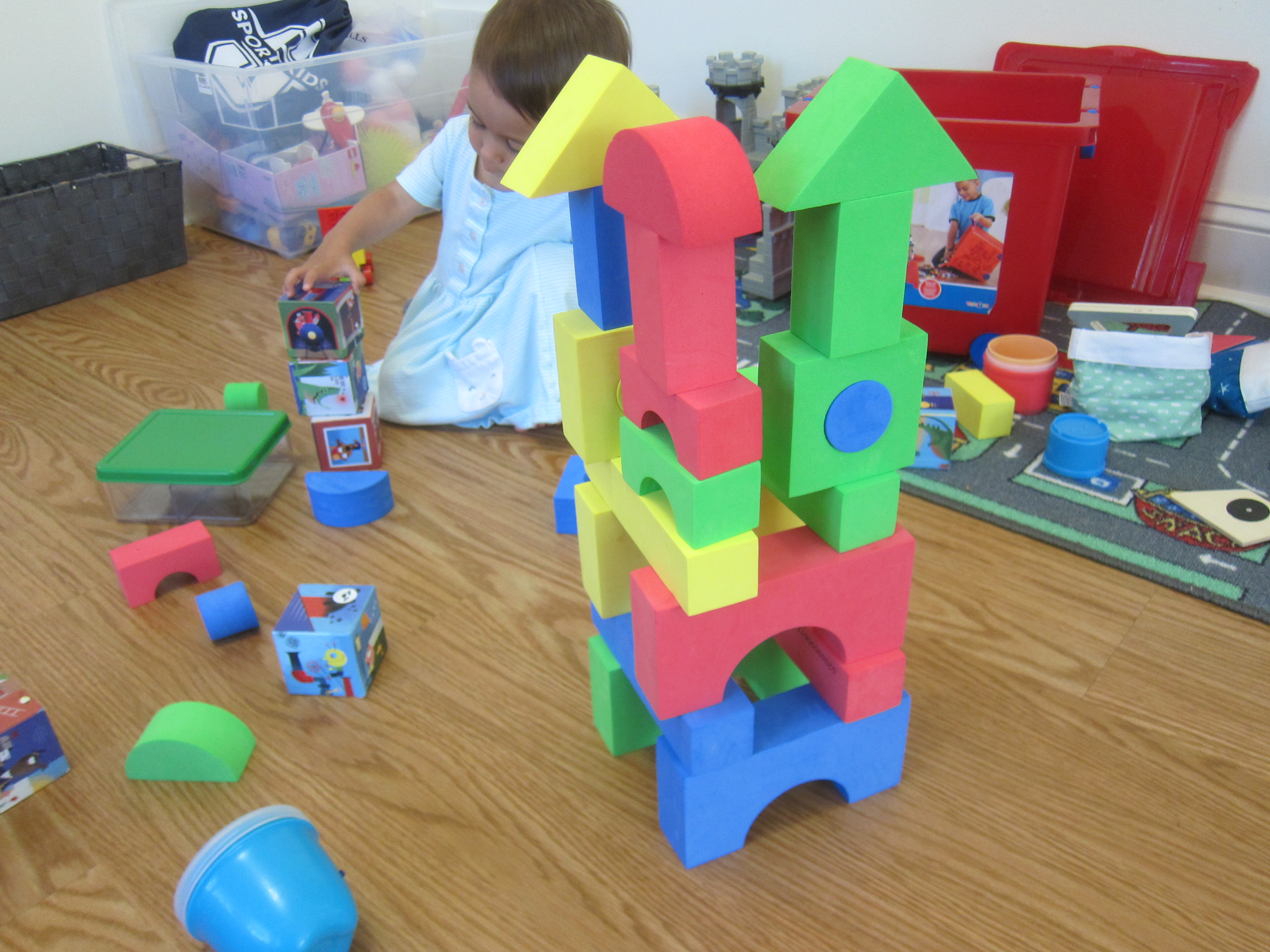
I then built her a complicated tower with multiple shapes, and she looked at it with wonder, naming each shape she noticed.

Build Them Up (6)

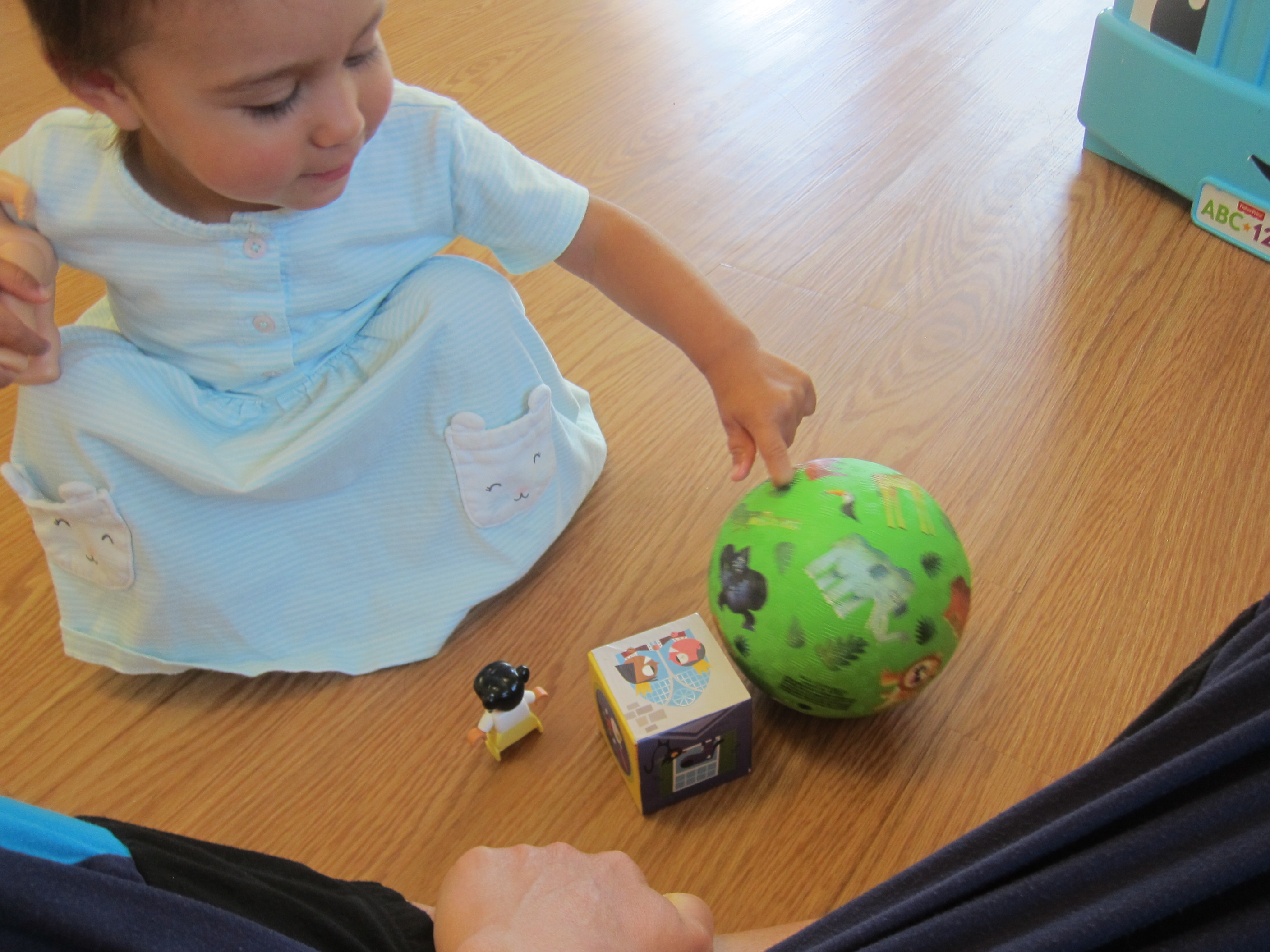
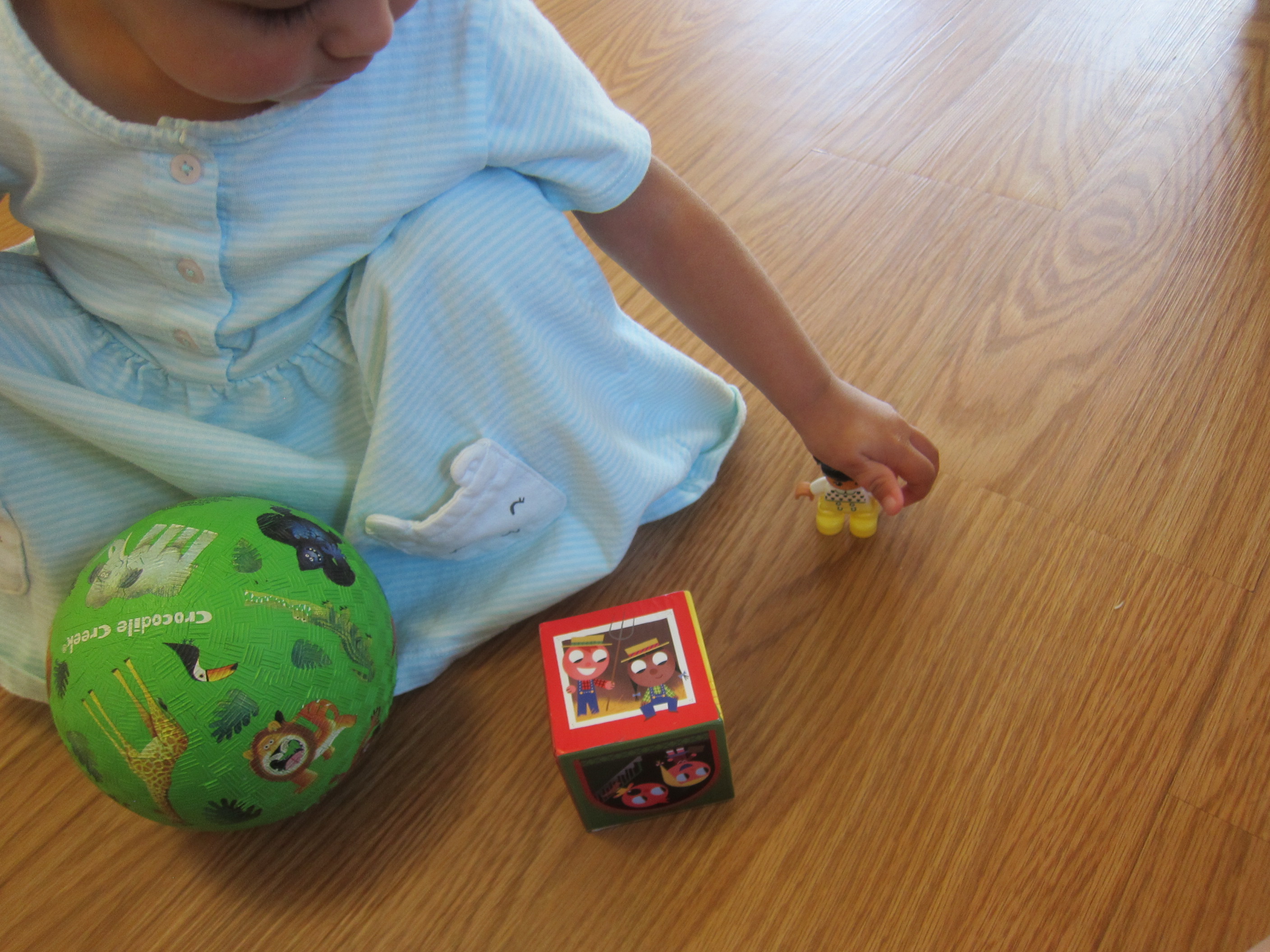
Then we played Line it Up, a classic of arranging items in size order. I used three items so we could focus on big, medium, and little. “That’s big!” she said of the ball.

Line Them Up (2)

Could she show me little? “That’s little”!

Line Them Up (3)

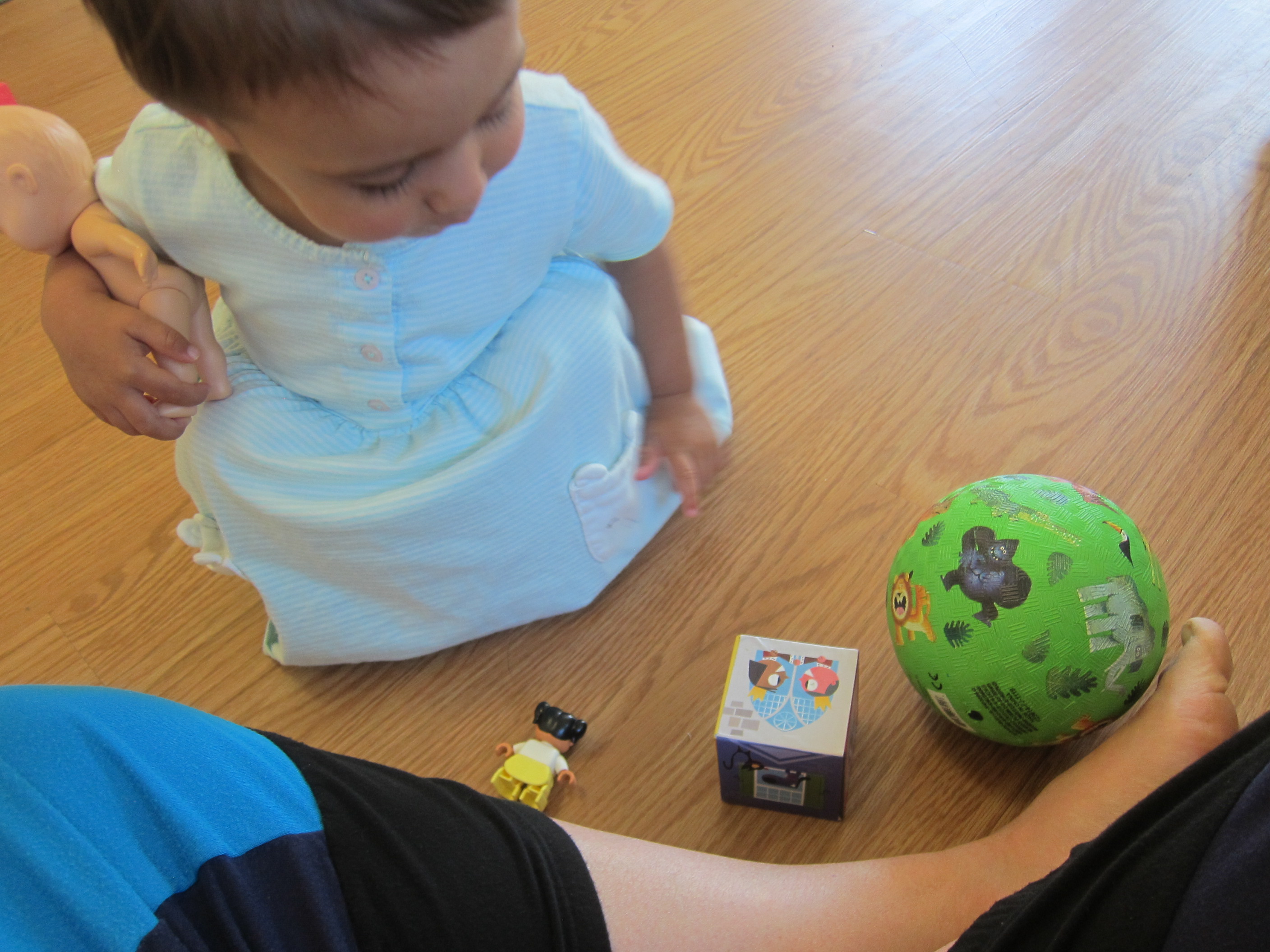
We scrambled the objects and now it was her turn to put them in size order.

Line Them Up (1)

We also followed the booklet’s suggestion to talk about routines (such as your morning routine) in terms of first, next, and last, which is the math concept of sequencing. I talked her through the day: first we eat breakfast, then we get dressed, last we brush teeth!

The perfect song for this crate? One, Two Buckle My Shoe of course.

And finally, we read three early math books. The Very Hungry Caterpillar, by Eric Carle, is a classic for a reason. Veronika loved putting her finger on the dots as the caterpillar eats his way through the week.

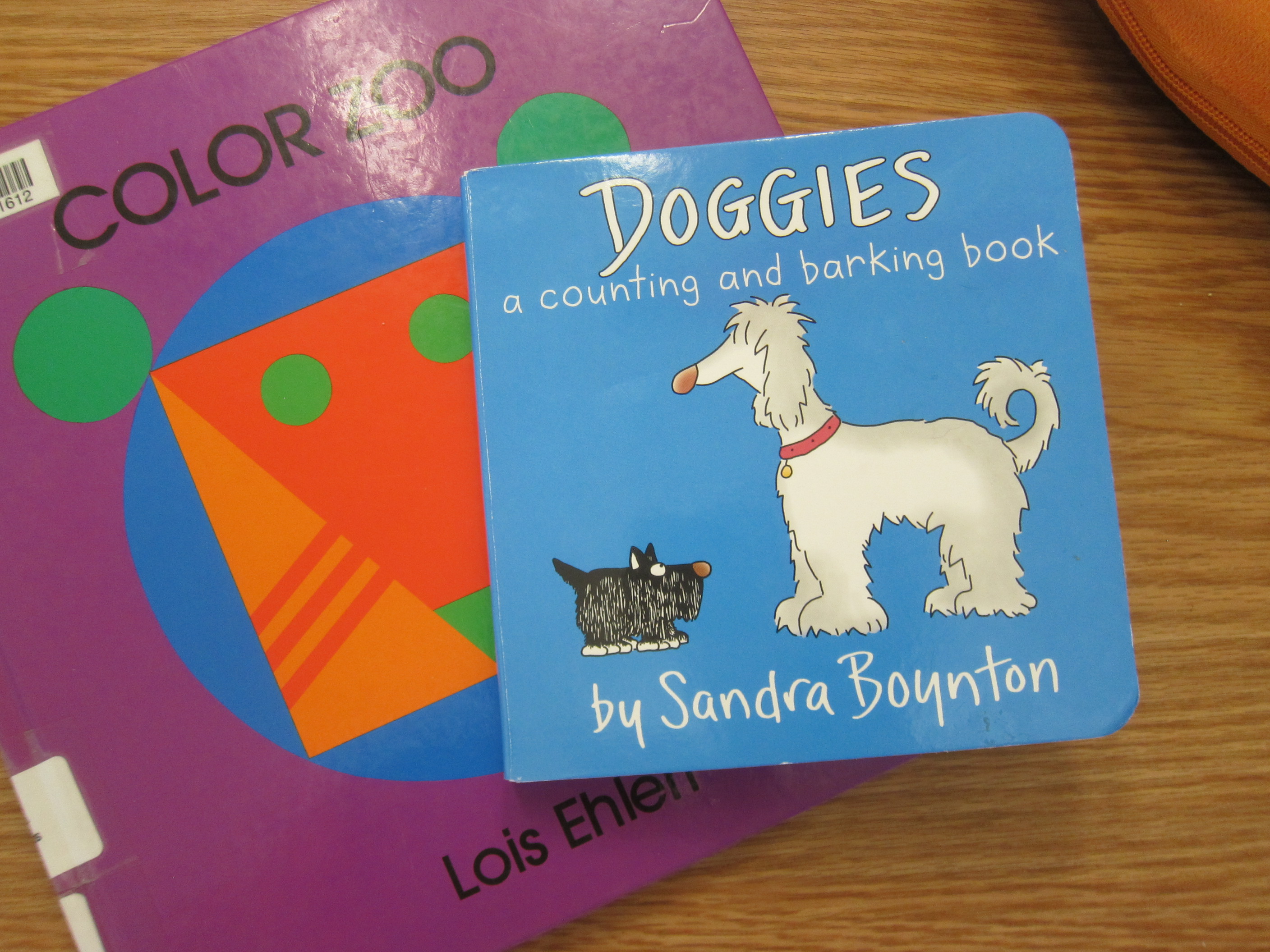
Color Zoo by Lois Ehlert features fantastic shape play and Doggies by Sandra Boynton makes counting to 10 fun each time.

Panda Count alt


Play with Me Panda Crate

Panda Play alt

Veronika’s latest crate from Panda was all about encouraging solo play, something she’s already a champ at (much more so than big brother!) but it never hurts to foster it. I would recommend this crate for babies 10 months and older.

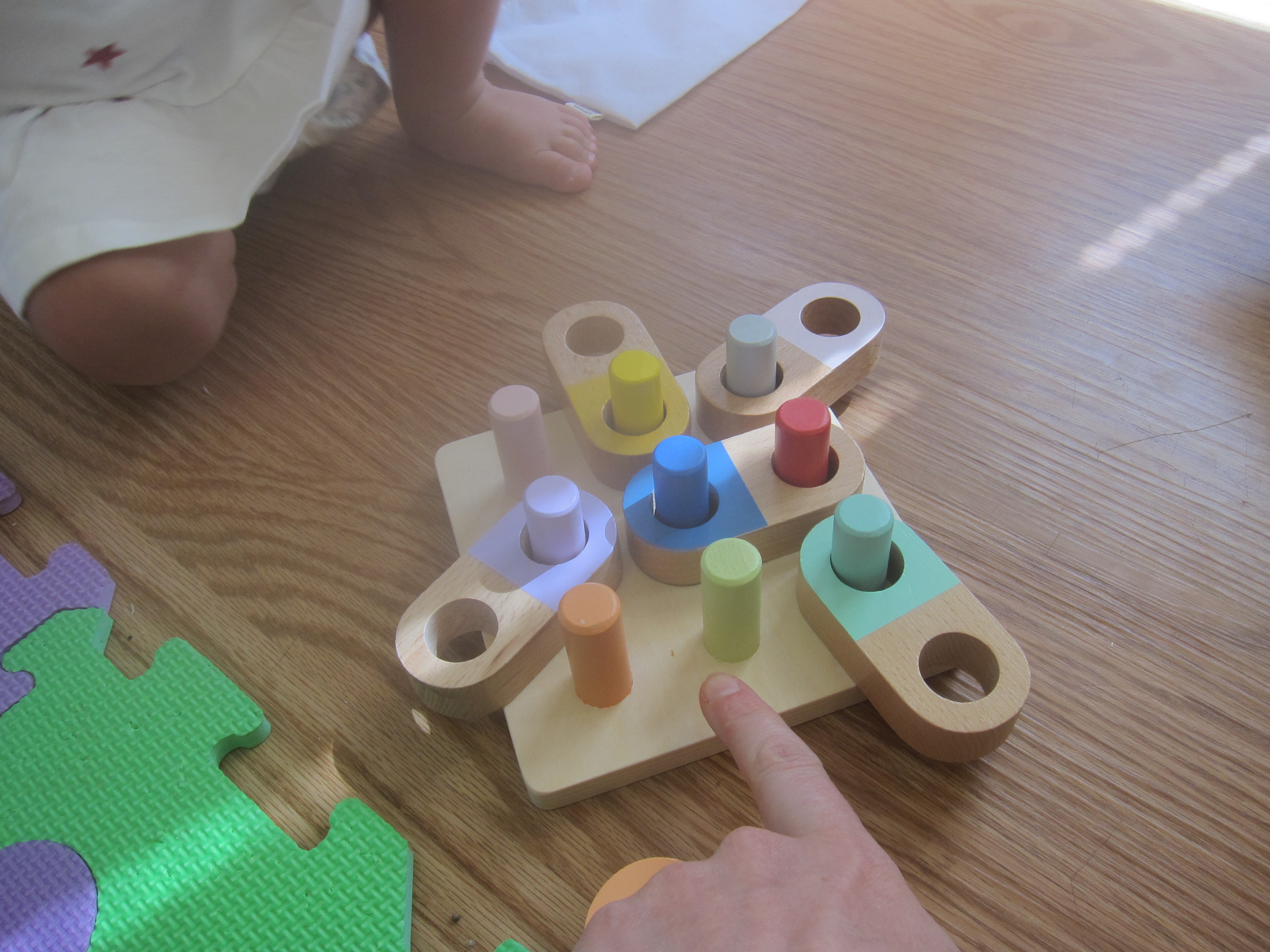
One: Wood Beads

First up was a peg board with pastel-colored pegs and corresponding wood beads. To start, we played with the set together; I encouraged her to match colors, showed her how to stack two beads atop one another, and counted them as she stacked for some early math.

Panda Play (2)

You can also make a tower of the beads off to the side, and see how high your toddler can make it go!

Panda Play (4)

She could then continue with all of these activities solo, and boy did she ever! She also loved the cloth bag that came for storage, and would pile the beads in, dump them out, and then start over.

Panda Play (6)

Two: Wood Bars

These discs also go with the provided peg board, but now there was a bit more of a challenge; could she align two holes so they slid over two pegs?

Panda Play (9)

The three-holed one was definitely a puzzle!

Panda Play (8)

As with the wood beads, she could easily continue the play solo, mixing and matching combinations of bars and beads.

Panda Play (7)

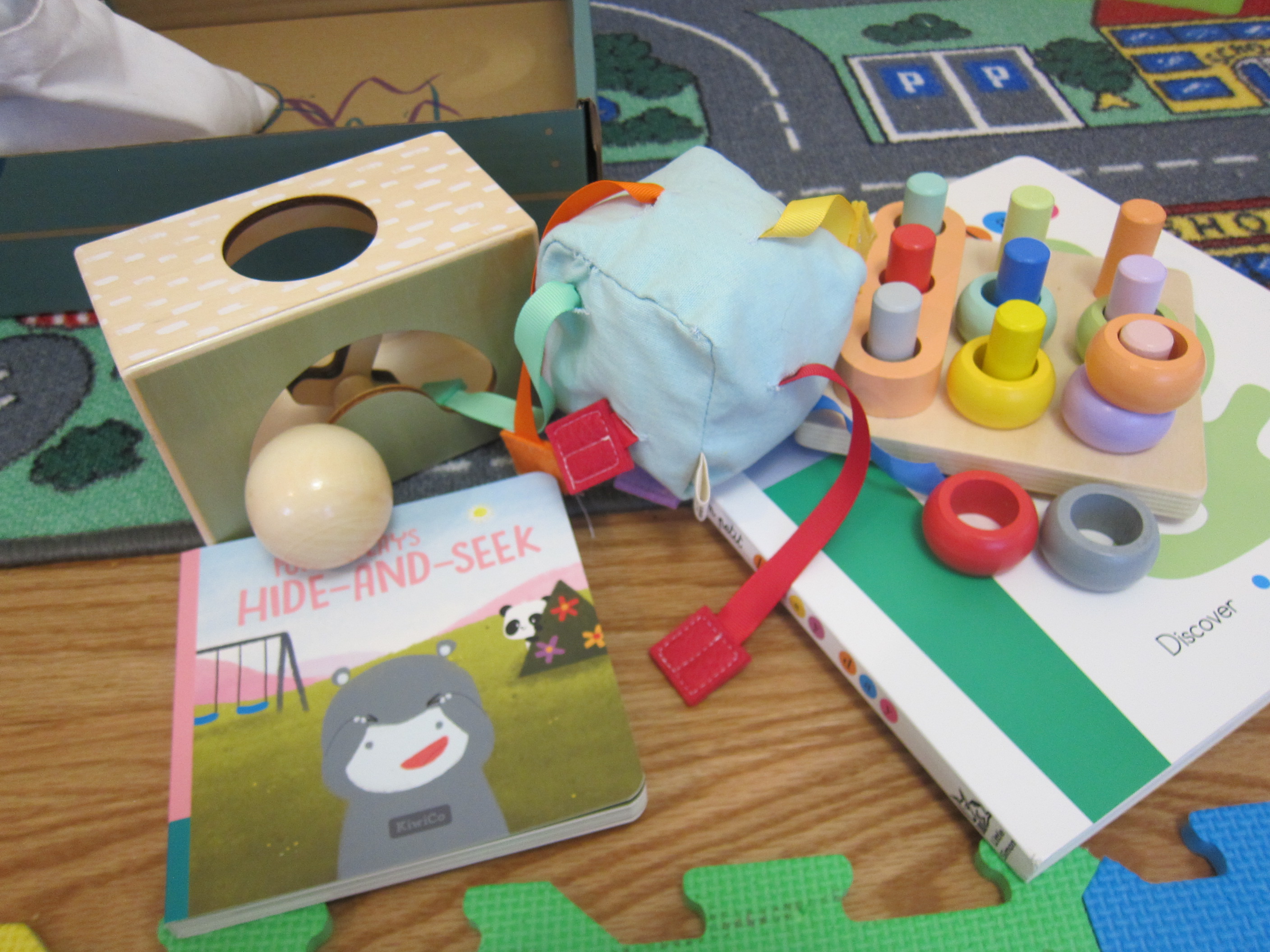
Three: Ribbon Pull

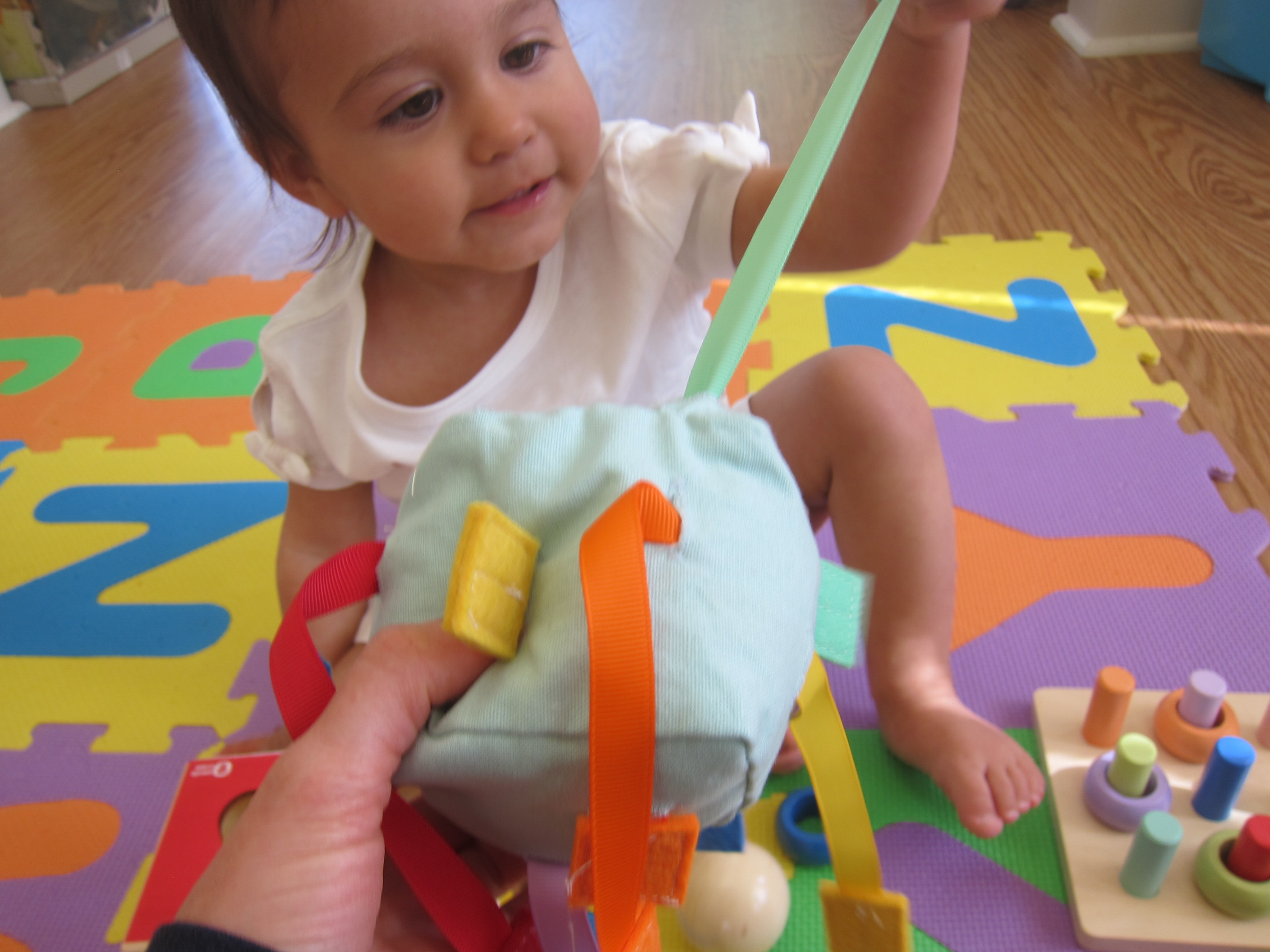
This toy is ingenious, a soft cube with ribbons that pull back and forth. First we played together in a sort of toddler tug-of-war. She pulled one end; I pulled it back. She pulled another tab; I pulled it back.

Panda Play (14)

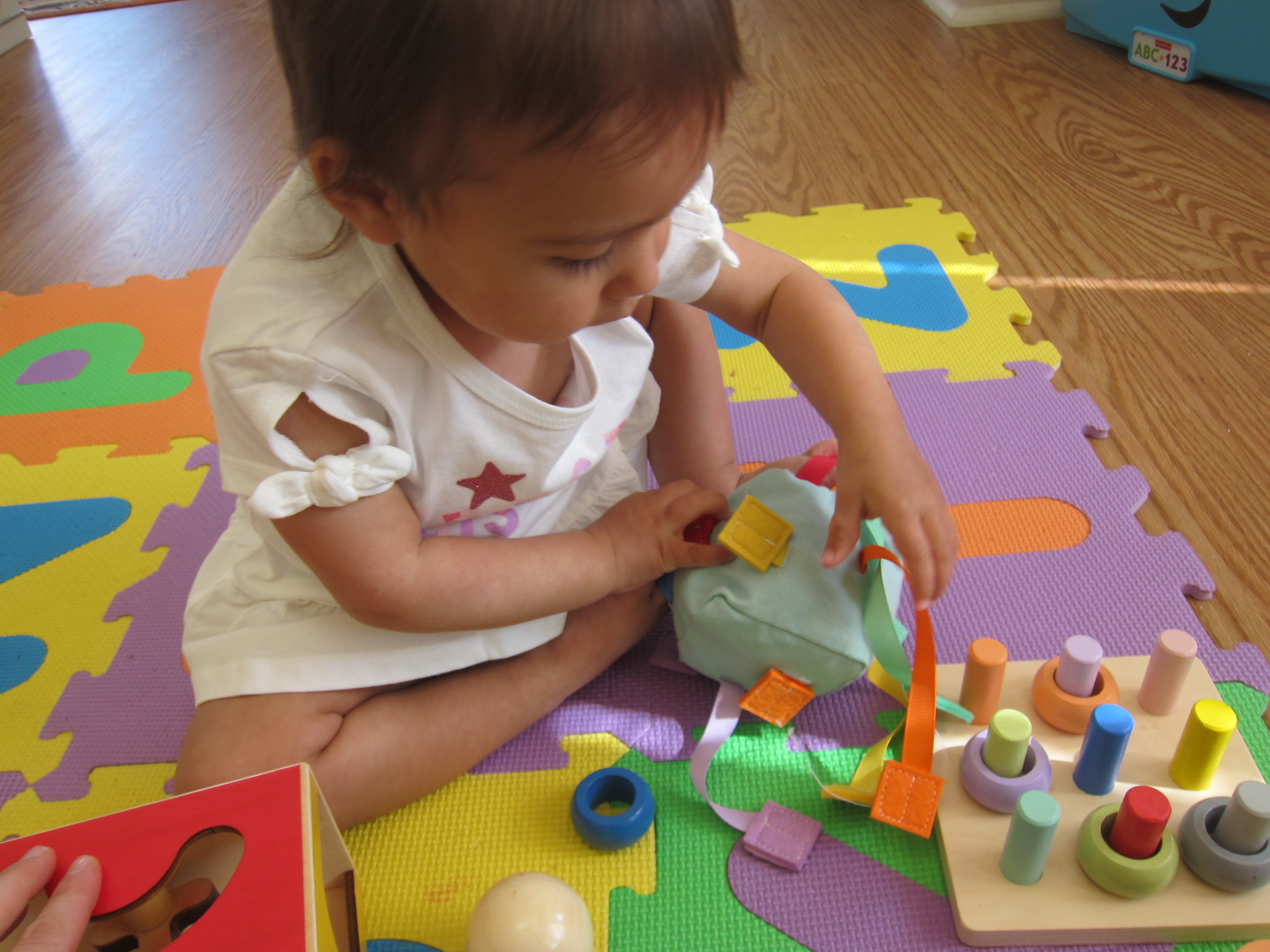
And then I handed it over. The cube is great for a child’s development to coordinate holding it steady with one hand and pulling the ribbon with the other.

Panda Play (17)

Of course she wasn’t thinking about that; she just loved pulling those ribbons! There’s also great opportunity for pointing out colors with this toy, or talking about left and right hands.

Panda Play (15)

Four: Ball Drop

This was another ingenious inclusion. As the first challenge, your toddler needs to drop the ball through the hole in the top of a wood block. As a second challenge, there’s a pattern to pick up on, since the ball alternates rolling to the right and the left.

Panda Play (11)

As she tried it, she immediately trotted over to fetch the ball from where it rolled and inserted it again.

Panda Play (12)

Roll, trot, insert. Roll trot, insert. Solo play! We never even had a chance to use this toy together, since she was immediately so busy with it by herself!

Panda Play (10)

She also loved putting the ball in and playing peek-a-boo with it, and had fun stuffing some of the wood beads and wood bars inside, too.

Panda Play (13)

Five: Board Book

This was the one weak point of the crate. In a kit devoted to occupying a toddler solo, I was disappointed to find a simple board book with no flair. Why oh why wasn’t it a lift-the-flap book? That would have encouraged greater solo reading.

Panda Play (16)

The Wonder booklet contained a wealth of information, including the benefits of solo play, ways to encourage solo play, and facts about toddlers and screentime.

We had fun watching a sing-along to This is the Way We Laugh and Play, then finished up the fun with a few suggested book:

  • Gus Explore His World by Olivier Dunrea
  • Dog & Friends: Busy Day by Emma Dodd
  • Mon Petit Busy Day by Annette Tamarkin

This last in particular is spectacular. I’ve never seen a book occupy a toddler for so long, and over multiple days.

Panda Play (18)

Explore with Me Panda Crate

Panda Explore (21)

As with her past Panda crates, Veronika is a little old for the items that arrived this month from Kiwi Co., but they could also be tailored to fit her age. This month’s topic – making sense of the spatial world around us – included fun toys and innovative game ideas. I would recommend this crate for babies 8 months and up.

One: Fabric Tissues

These black and white tissues featured fun patterns, slightly different on each one. They didn’t make any crinkly noise, which I expected, but had a nice thickness that makes them more durable than regular Kleenex.

Panda Explore (8)

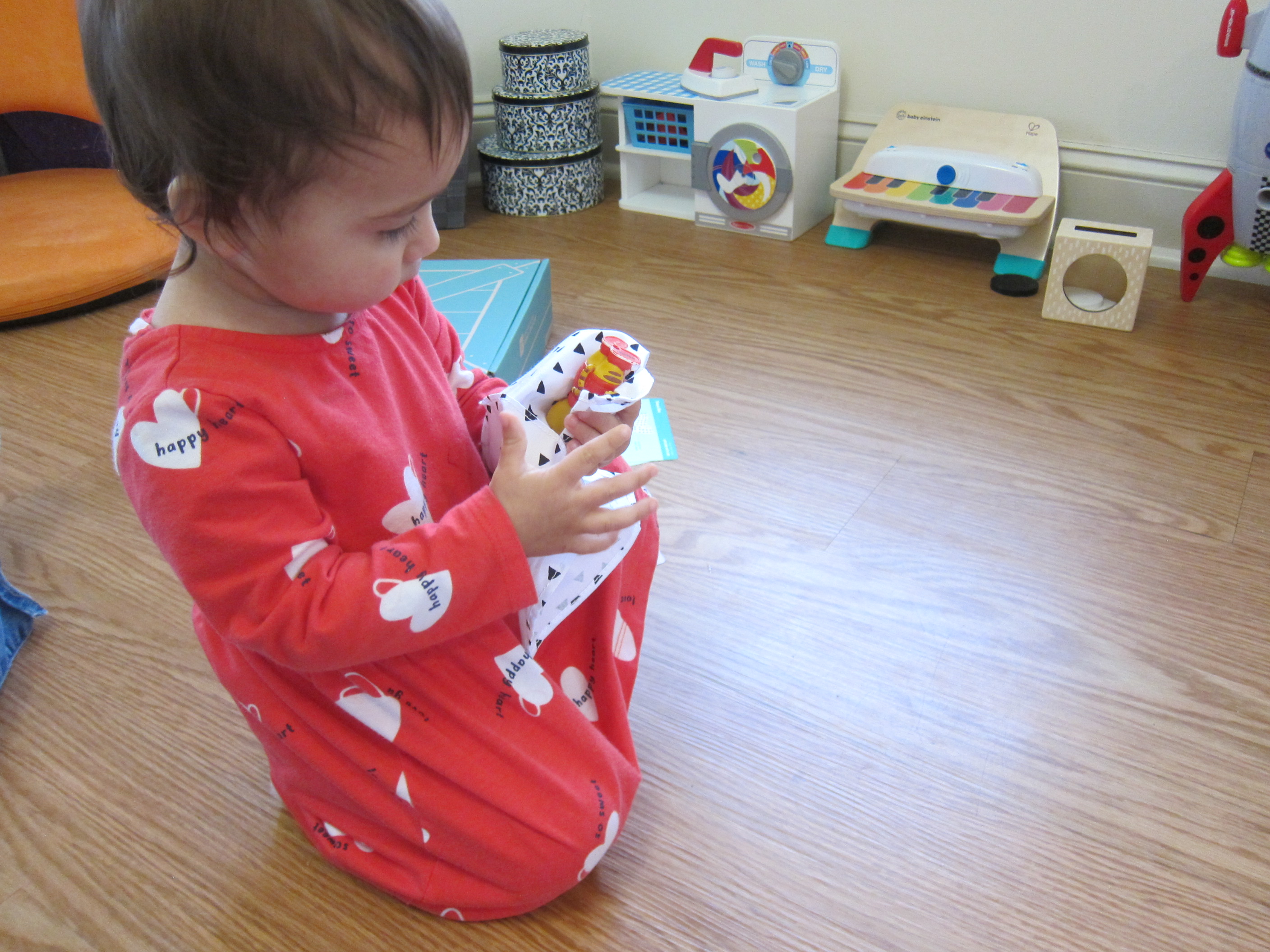
In addition to just being fun to play with, Panda intends them to help with the idea of object permanence. Although old hat for my seventeen-month-old, the concept never grows stale! We hid her favorite toy and she was so pleased when she uncovered it.

Panda Explore (7)

You can also stack the tissues, and encourage your child to lift one and reveal the one beneath.

Panda Explore (9)

In this way, they can also be used in conjunction with…

Two: Tissue Box

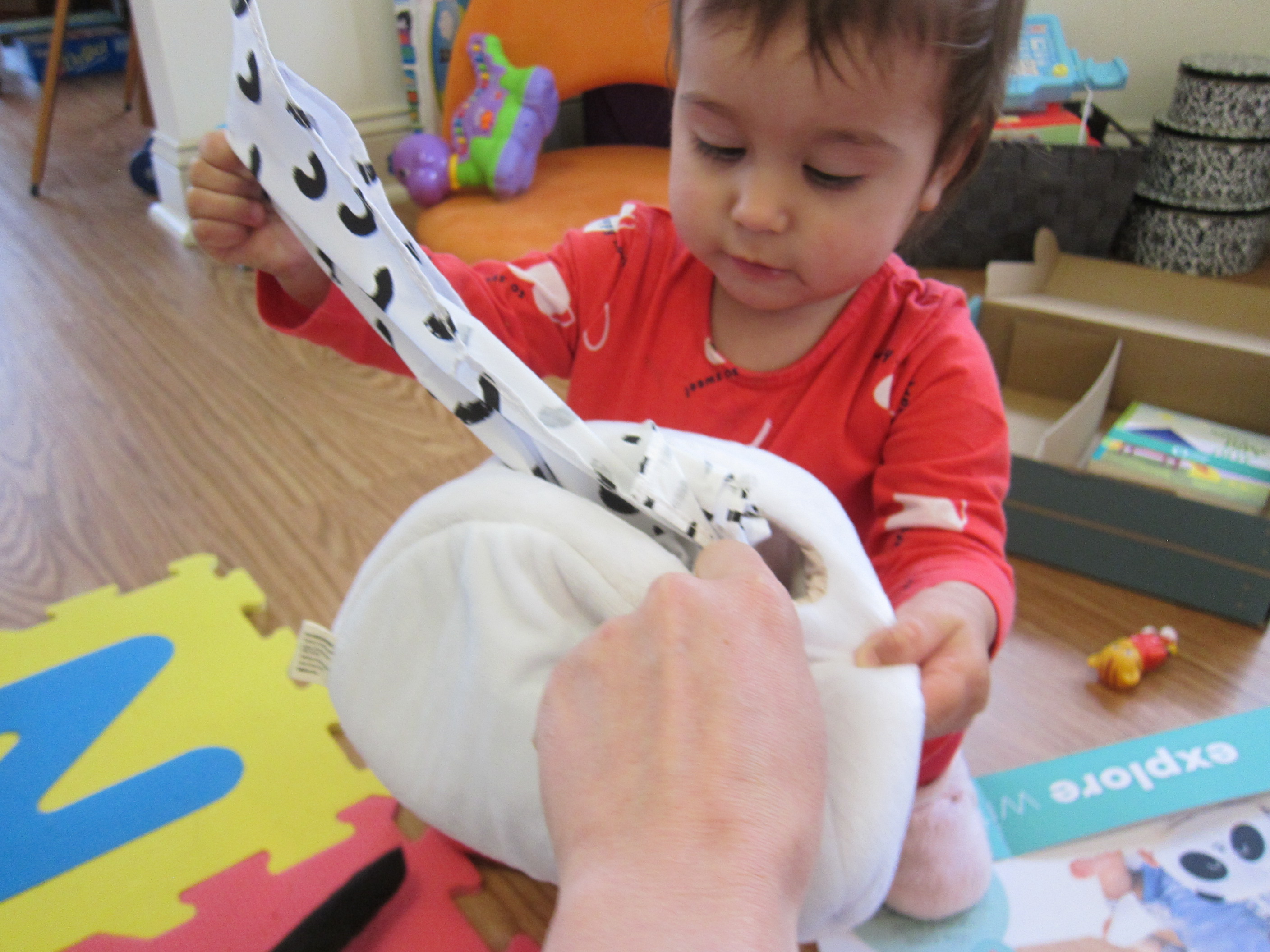
This soft “tissue box” comes in the shape of Poppy Panda, and has nice heft to it thanks to a bean bag-like filling in the bottom. You can use the box to hide any object, like a toy car, but it’s really meant for the fabric tissues.

Panda Explore (10)

Layer these in such a way that when you pull one, the next pops up.

Panda Explore (12)

Veronika recently played this game with real tissues, so I appreciated that now we can do it without the waste of paper! It’s also a great object for self-directed play since you can leave the box out with the tissues dangling tantalizingly.

Panda Explore (11)

Three: Bead Maze

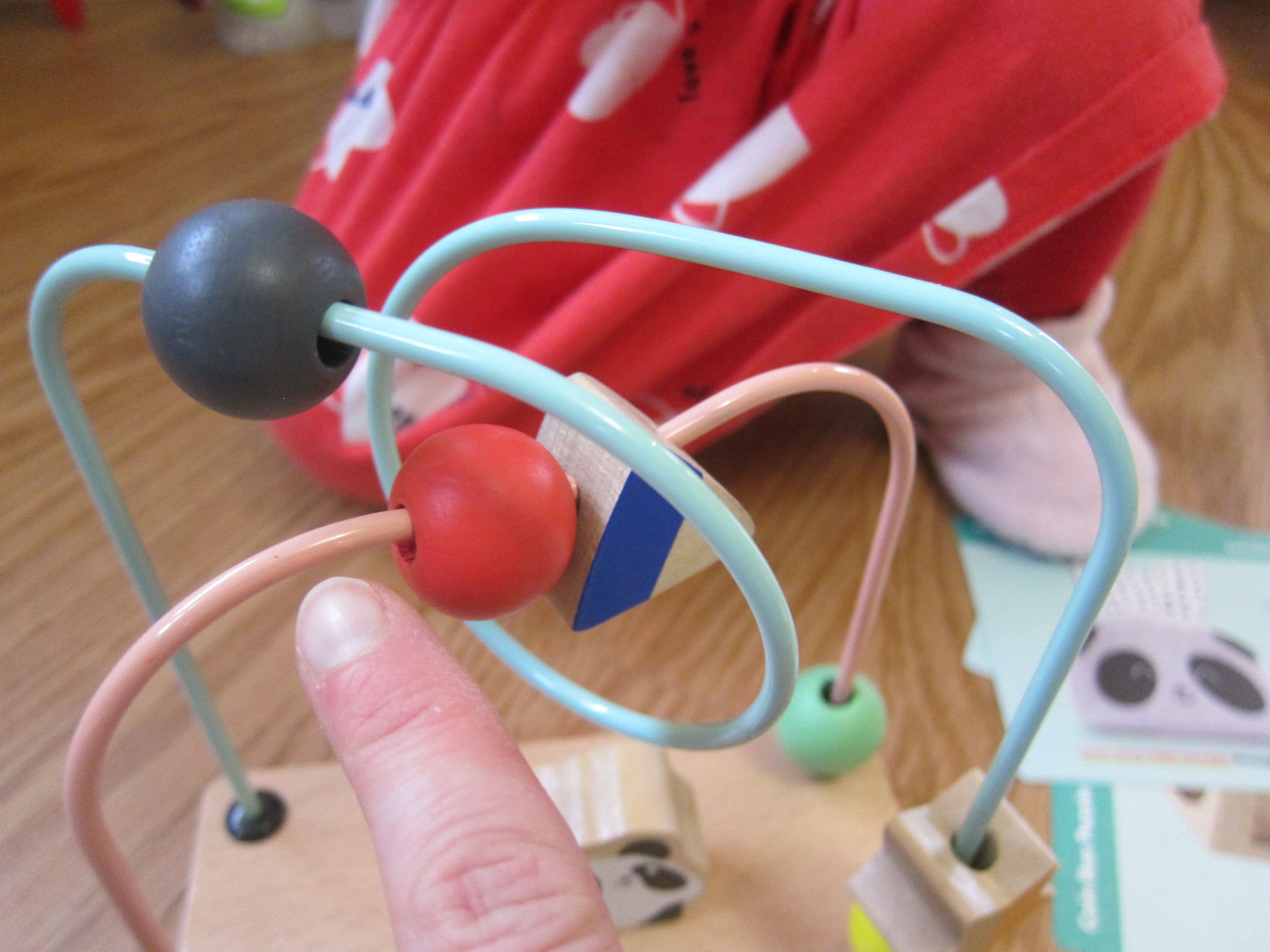
Panda’s version of this classic toy had a few fun twists. We could talk about the colors and shapes of the beads and you canuse directional words related to the little Poppy Panda at the base.

Panda Explore (3)

“The beads are above panda,” I said to her, or, “Panda is below the beads.” Since Veronika is older, I challenged her to follow directions too, like moving the yellow bead from one side to the other.

Four: Coin Box Puzzle

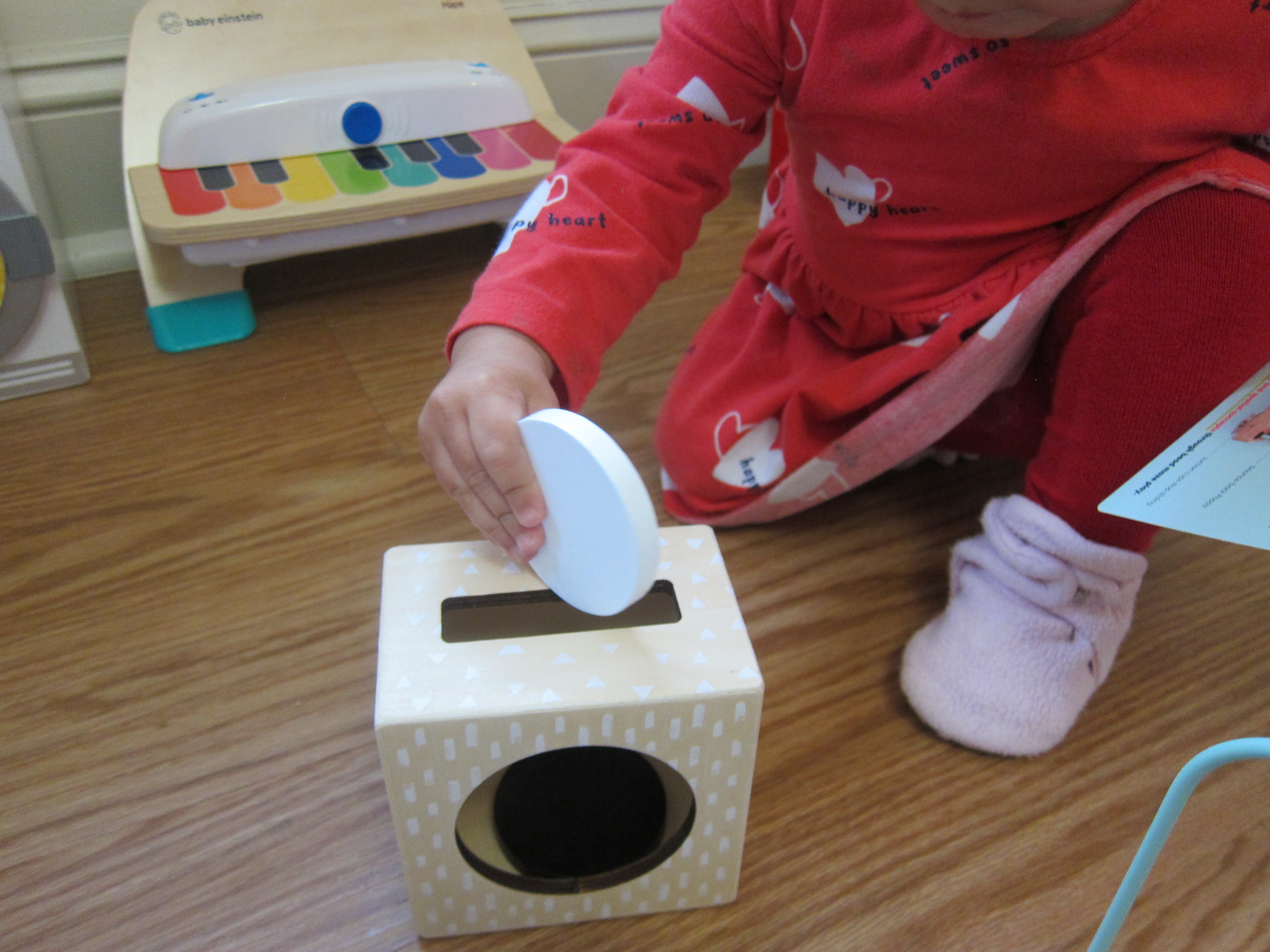
This item was the biggest hit in the crate. Veronika loved fitting the “coin” circles into the box, both through the large opening on top and the smaller slit on the side, which took a few tries.

Panda Explore (2)

Then I challenged her to get the coins out. Dump! The toy is also good for counting out up to four, as the coins go in the box.

Panda Explore (6)

Five: Board Book

The board book this month featured cute illustrations and was all about directional words (up, down, around, over). It would have been nice if the book included cut-outs and grooves to trace or flaps to lift; as it was, there was nothing really novel about the book for Veronika.

Panda Explore (13)

Wonder Magazine contained stage-by-stage developmental advice, and reminded us of past games we’ve played having to do with body awareness, spatial language, textures and spatial objects. There was a useful article about making safe spaces for little crawlers and walkers, including the idea to rotate toys and game ideas like a Tupperware drawer.

The online singalong for this crate was to Itsy Bitsy Spider, featuring lots of spatial words of course!

Beyond the Crate suggestions included those we’ve already done, like What’s In the Bag?

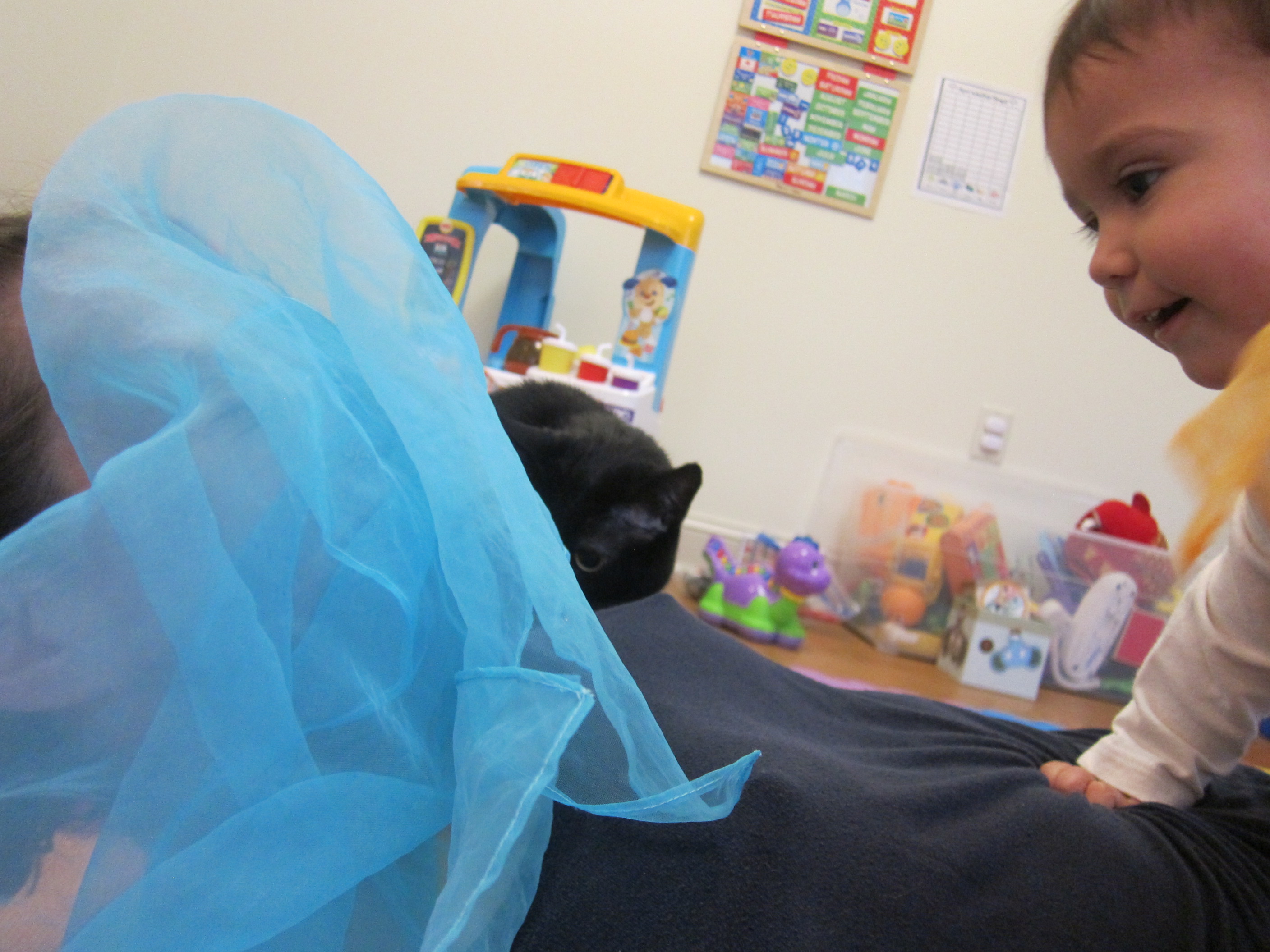
Of course we had to play peek-a-boo, but with a twist: a Peek-a-Boo Parachute! I lay Veronika down and let a scarf fall onto her head gently. Where’s Veronika?

Panda Explore (14)

Peek-a-boo!

Panda Explore (16)

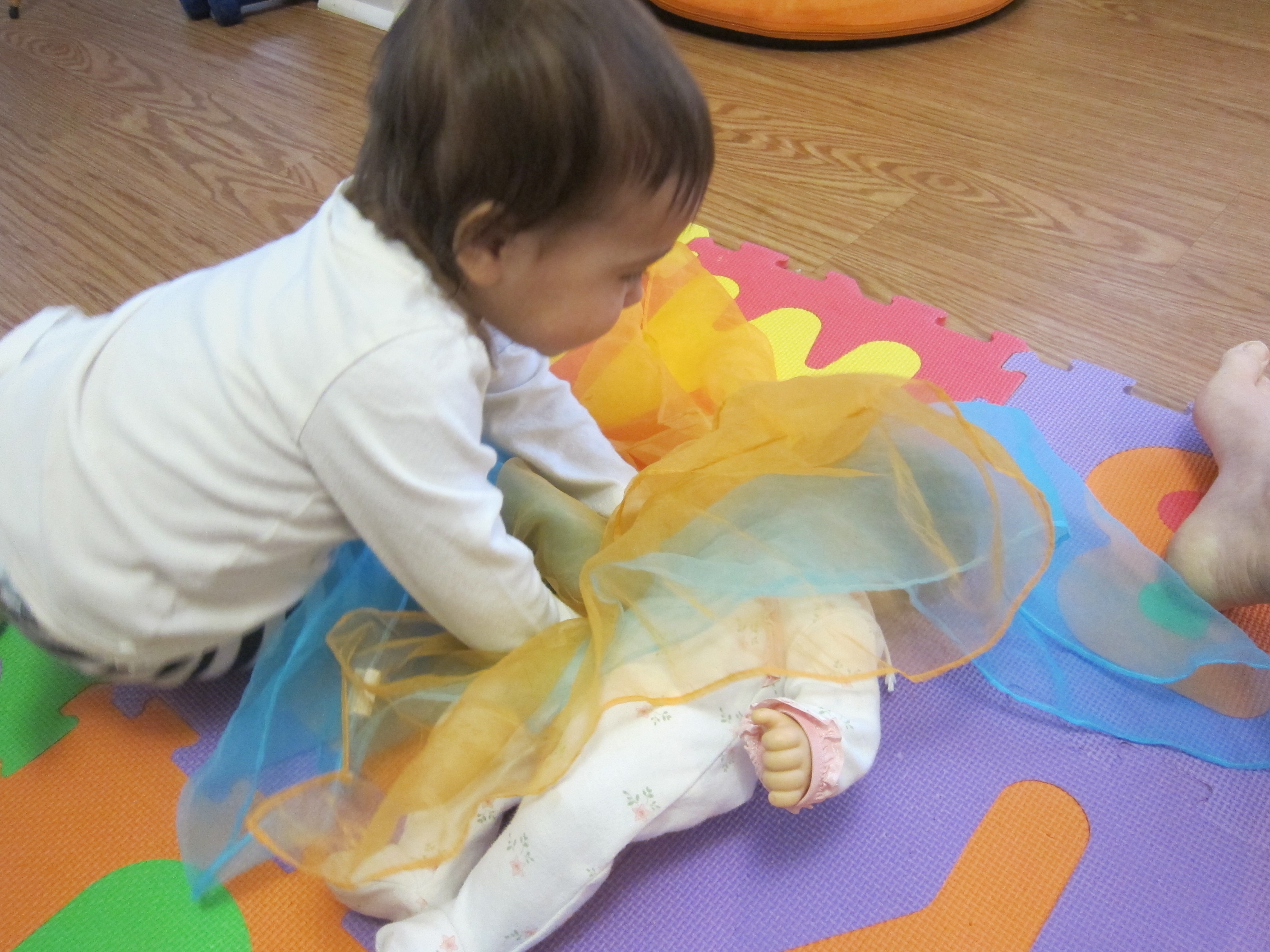
She giggle giggle giggled for this version, and then needed to cover me…

Panda Explore (18)

…and her Baby!

Panda Explore (19)

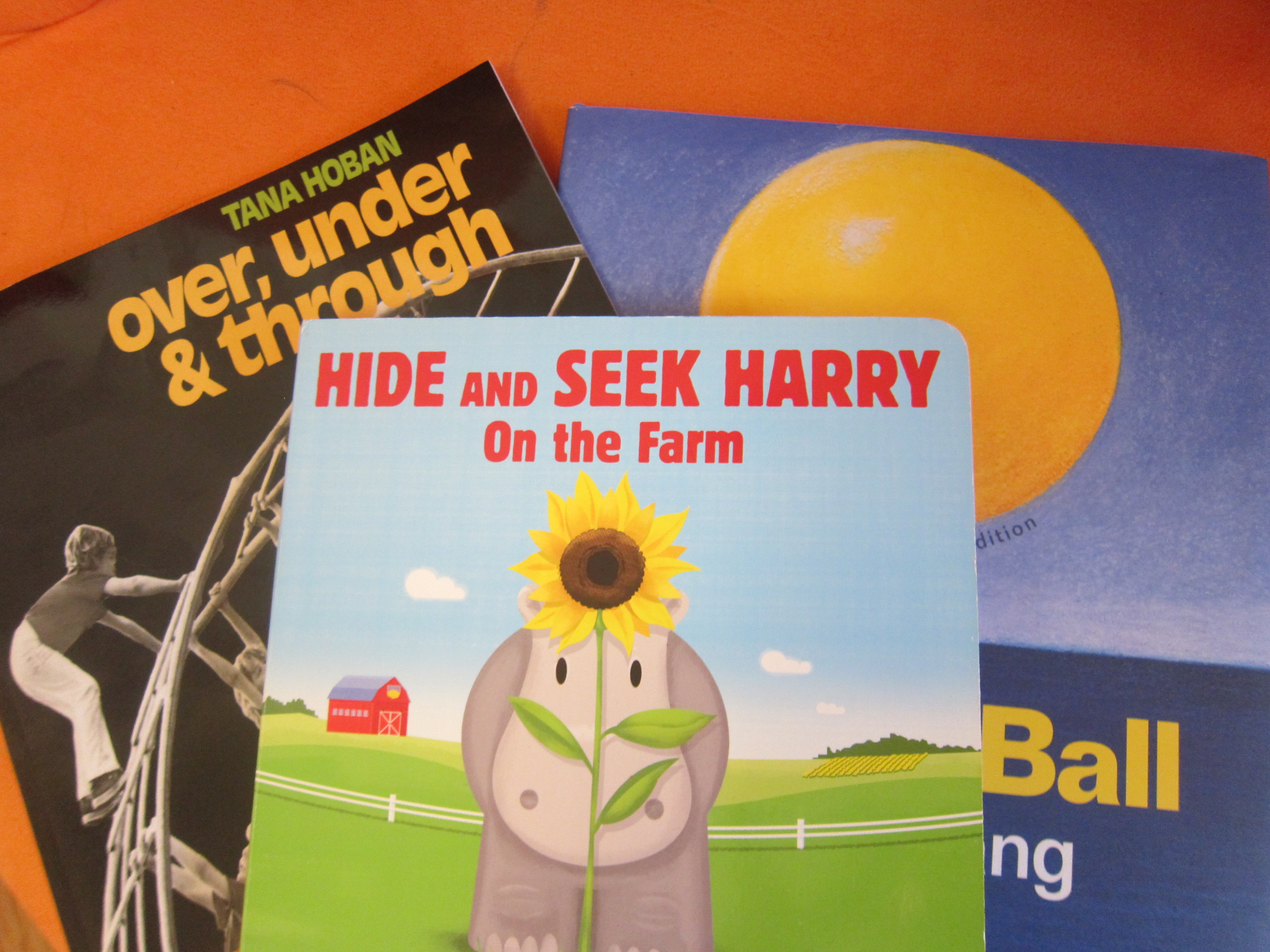
For books, we read:

  • Over, Under & Through, by Tana Hoban
  • Yellow Ball, by Molly Bang
  • Hide and Seek Harry: On the Farm, by Kenny Harrison

Panda Explore (20)

Listen with Me Panda Crate

Panda Listen var

Veronika’s latest from Panda Crate was all about listening. Panda used music as a guiding theme to highlight the developmental milestones around this topic, in a crate that would suit babies 6 months and up. At 15 months, Veronika quite enjoyed the toys and activities in this bundle!

One: Loud and Soft Shakers

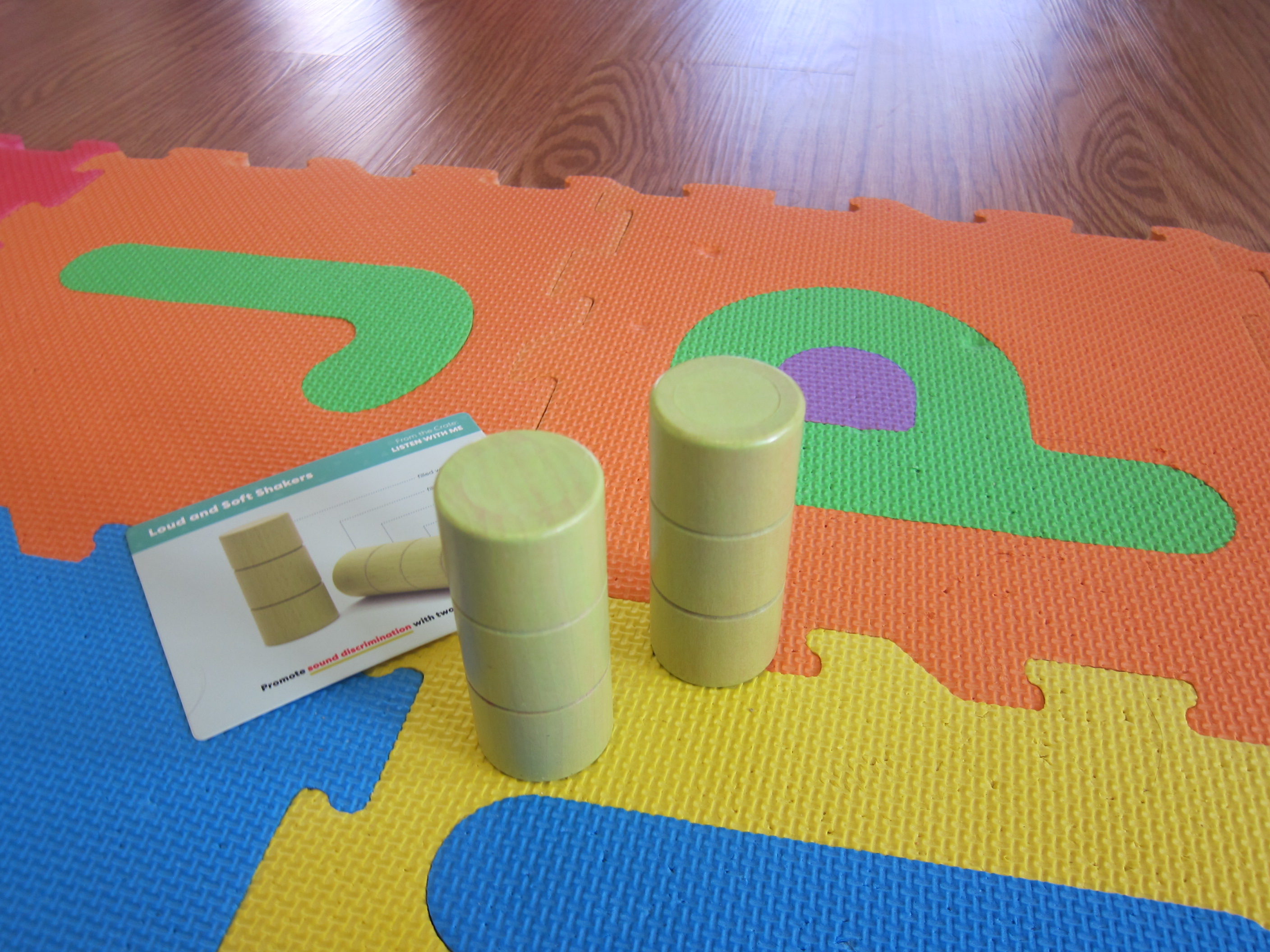
These streamlined shakers conceal what’s inside, but give a shake shake and your toddler will trot right over. One is billed as “soft” and one as “loud”, though as a small complaint I would have made the difference between them more pronounced. Still, shake them close to your toddler’s ear and talk about the dynamics.

Panda Listen (1)

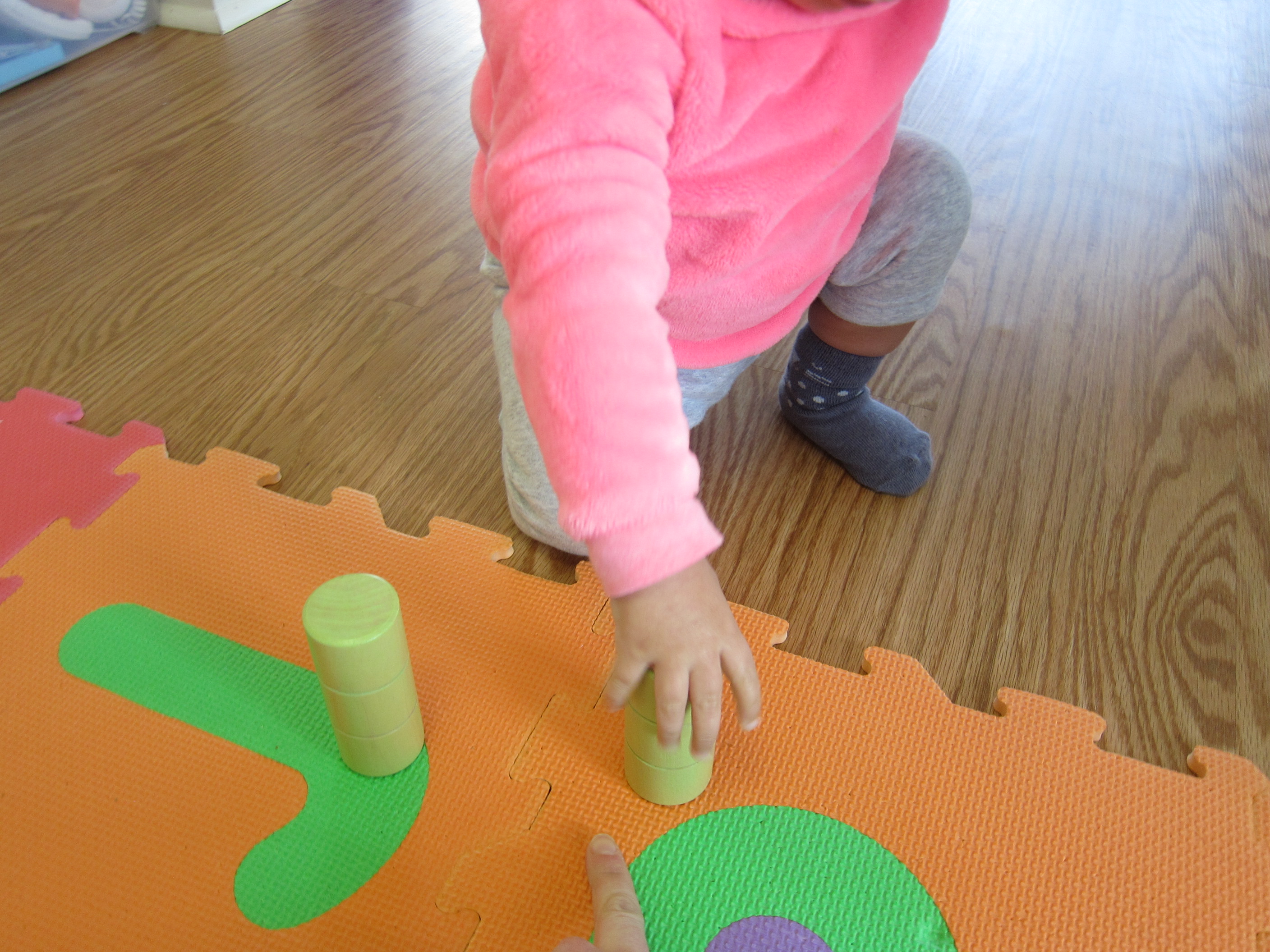
Hand them over to your little one and see how he or she plays. Veronika liked to shake them of course, but then also discovered she could roll them on the floor.

Panda Listen (21)

Or bang them on the floor and keep a beat!

Panda Listen (2)

Of course then we needed to put on some music and shake along to the rhythm. These will be a great addition to her bin of musical toys.

Two: Panda Squeakers

Squeak squeak, these two adorable panda heads that squeak when squeezed were a big hit.

Panda Listen (8)

Veronika wasn’t able to make the sound herself yet, but loved trying!

Panda Listen (9)

For babies who are still learning about object permanence, the provided bamboo “tree” will help teach the notion. Slip a panda inside, give it a squeak, and see if baby can find panda.

Panda Listen (7)

For Veronika, the trunk was more fun for putting the pandas in and out of their abode. Note: The side hole is smaller, so is a bit tricky and gives a toddler some problem-solving practice!

Panda Listen (11)

Three: Pull-Back Car

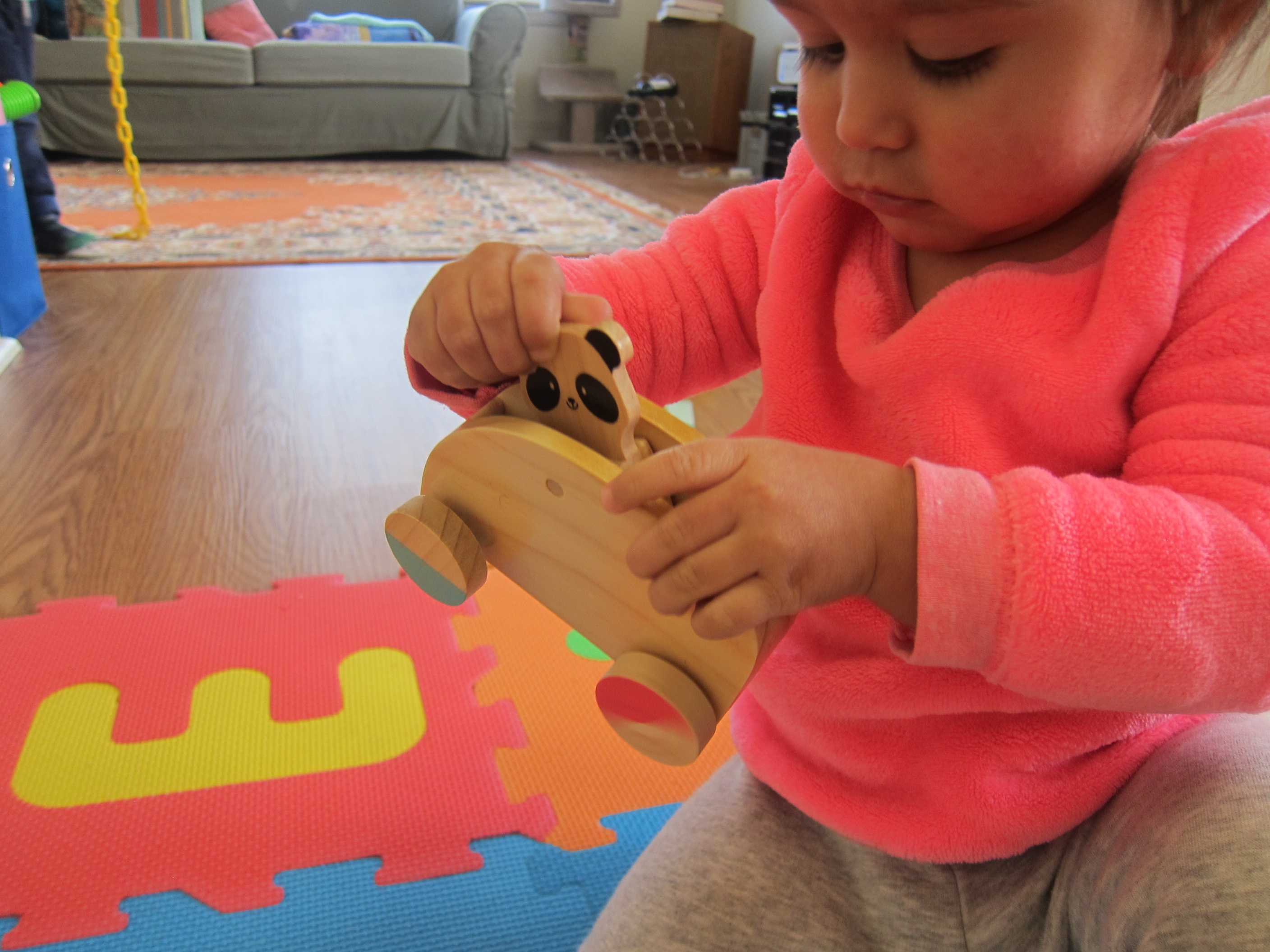
A definite favorite, this little wooden car has a wobbly panda who sits inside. Veronika was only disappointed she couldn’t pull it free!

Panda Listen (6)

Show your baby how to pull the car back then release, at which point it zooms forwards. This perplexed Veronika the first few times she had to trot after it, but soon she was loving it!

Panda Listen (4)

For the auditory purposes of this crate, make sure to lift up the car and let the wheels  whir right up by your little one’s ears. We also had fun seeing if it moved differently on different surfaces, like her alphabet mat.

Panda Listen (5)

Four: See-Through Roller

The visual aspect of the beads made this rattler Veronika’s preference over the loud/soft shakers. She could shake it…

Panda Listen (12)

…or turn it into a drum by tapping with a baby spoon.

Panda Listen (14)

It’s also great for rolling back and forth to each other on the floor.

Panda Listen (15)

Five: Chunky Board Book

Finally, we read this month’s book, Panda’s Friendship Band. As we read the rhyming words, I tapped Veronika’s hand on the pages to the beat.

Panda Listen (17)

The story features tons of fun onomatopoeia, and she was copying along with silly lines like “oompah oompah” and “roo roo roo”.

Panda Listen (18)

I always love a book that gets her to sit still and read!

Panda Listen (19)

Wonder magazine focused on listening milestones, which were a reminder of games we’ve played like special songs to go with different parts of the day, or walking around the house to name everyday sounds. Then we played a game of tempo dance, dancing along to a favorite song but mixing up the rhythm so it was slower or faster than she expected.

Panda Listen (23)

We also loved singing along to Panda Bear, Panda Bear, (to the tune of Teddy Bear, Teddy Bear, Turn Around) with Veronika mimicking the gestures!

Panda Listen alt

One of the Beyond the Crate suggestions happened to be a recent hit (pun intended!) around here: a Jam Session on pots and pans. If you haven’t done this recently, try it out, whether on pots or on oatmeal canisters. You can also drum a rhythm and see if your baby will copy.

For some reading fun, we read the following three recommendations:

  • Quiet, Loud by Leslie Patricelli
  • Toot, Toot, Boom! Listen to the Band by Surya Sajnani
  • We Are Music by Brandon Stosuy

Panda listen alt

Chat with Me Panda Crate

Panda Chat main.JPG

Veronika’s third Panda Crate, which seems to be aimed at a baby aged 5 to 6 months, is about language development and babble. To tie this idea into a theme, the crate focused on farm animals and animal sounds, which are often easier for babies to say than actual words. Certainly Veronika fits this trend, with “meow” “woof” “quack” and “baa” in her proud repertoire.  So without further ado, here’s what she received in this crate!

One: Mooing Cow

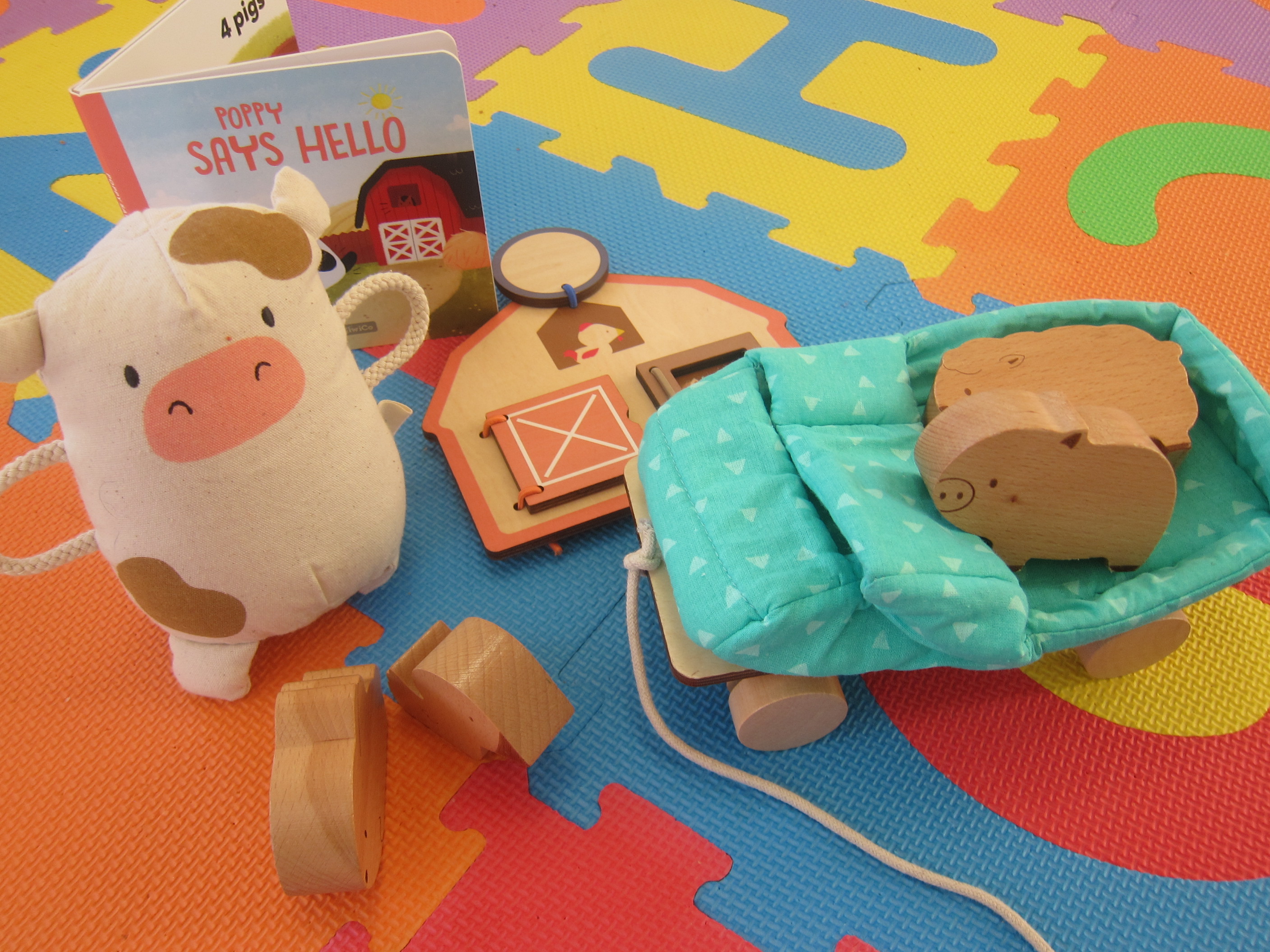
This was a very silly cow stuffed animal that moos when you turn it upside-down. Veronika wasn’t quite sure what to make of this little fellow!

Panda Chat (1)

I tried playing pass back and forth with her, but she was a little scared of the cow! Instead, I encouraged her to moo along, and brought the cow back for later books and games (read on).

Two: Stacking Animals

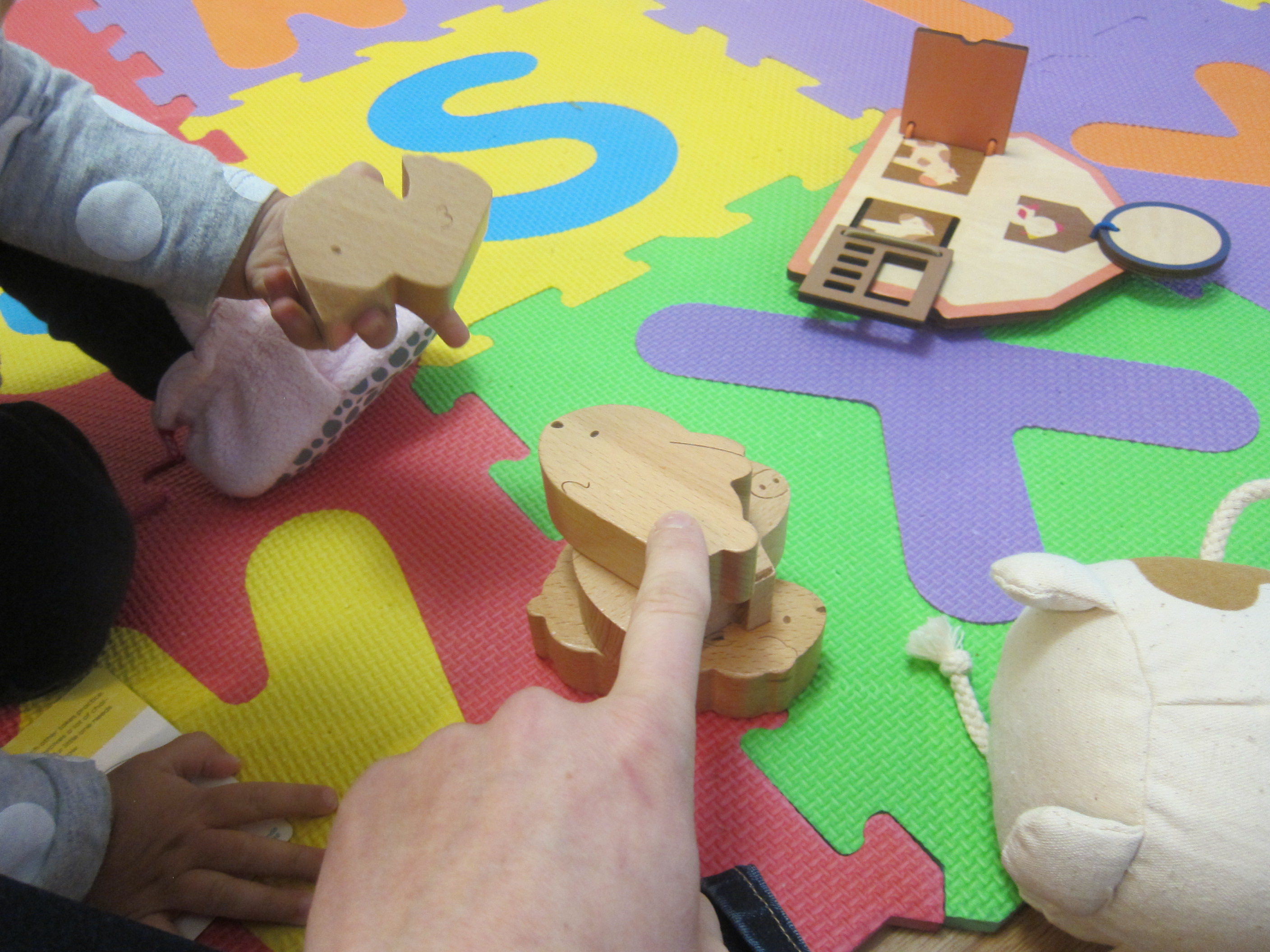
These wooden animals – a pig, a sheep, a duck, and a bunny – are fantastic. They are just the right size for little hands, lightweight but sturdy, and lend themselves to numerous games. We lined them up in a row…

Panda Chat (5)

…and then I showed her how to stack them flat on their sides, easier than standing them upright.

Panda Chat (6)

When I stacked them atop one another, she was eager to topple the animal tower over! I can definitely see how this toy will grow with her, once she’s able to stack them herself.

Panda Chat (7)

Three: Peek-A-Boo Barn

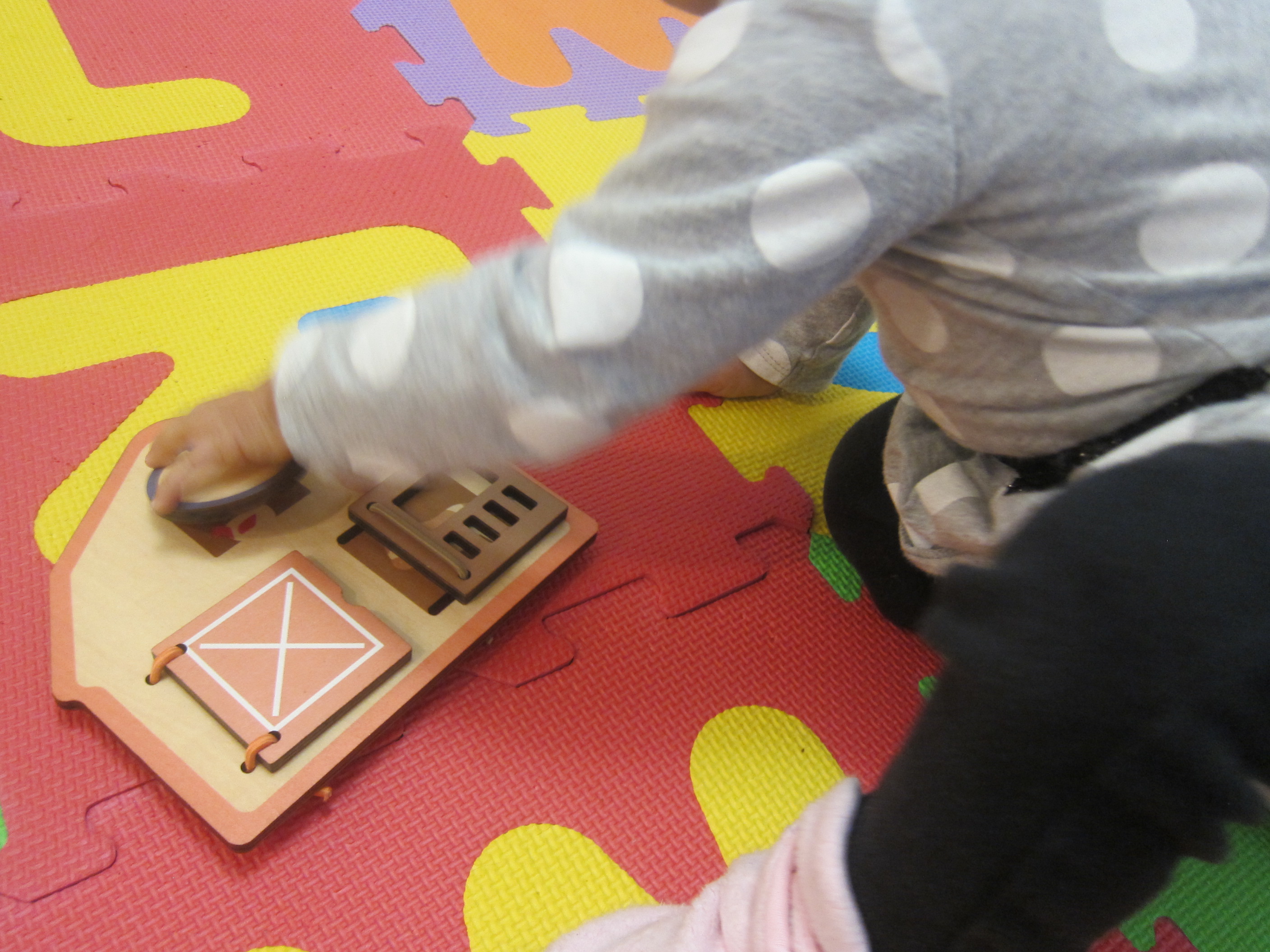
The farm fun continued with this neat vocab-building toy. Because each of the three barn doors opens in a different way (twist, lift, or slide), you can emphasize these verbs while your little one plays. Certainly Veronika didn’t waste any time getting her hands busy with it.

Panda Chat (4)

She even played peek-a-boo with the duck up top!

Panda Chat (2)

We returned to the theme of animal noises as she played, and I asked prompting questions like, “Where is the horse?” to build her animal vocabulary.

Panda Chat (3)

Four: Pull-Along Truck

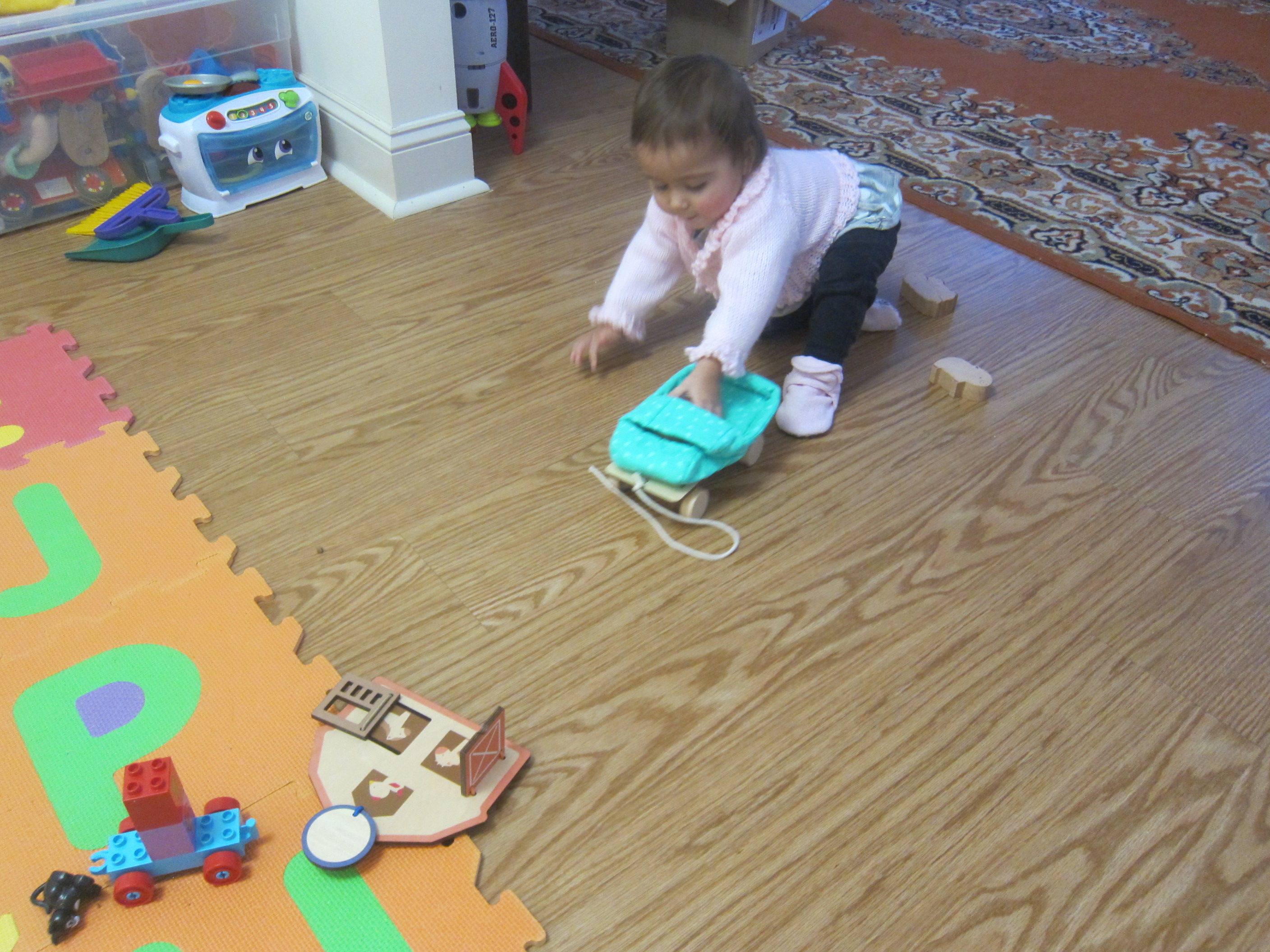
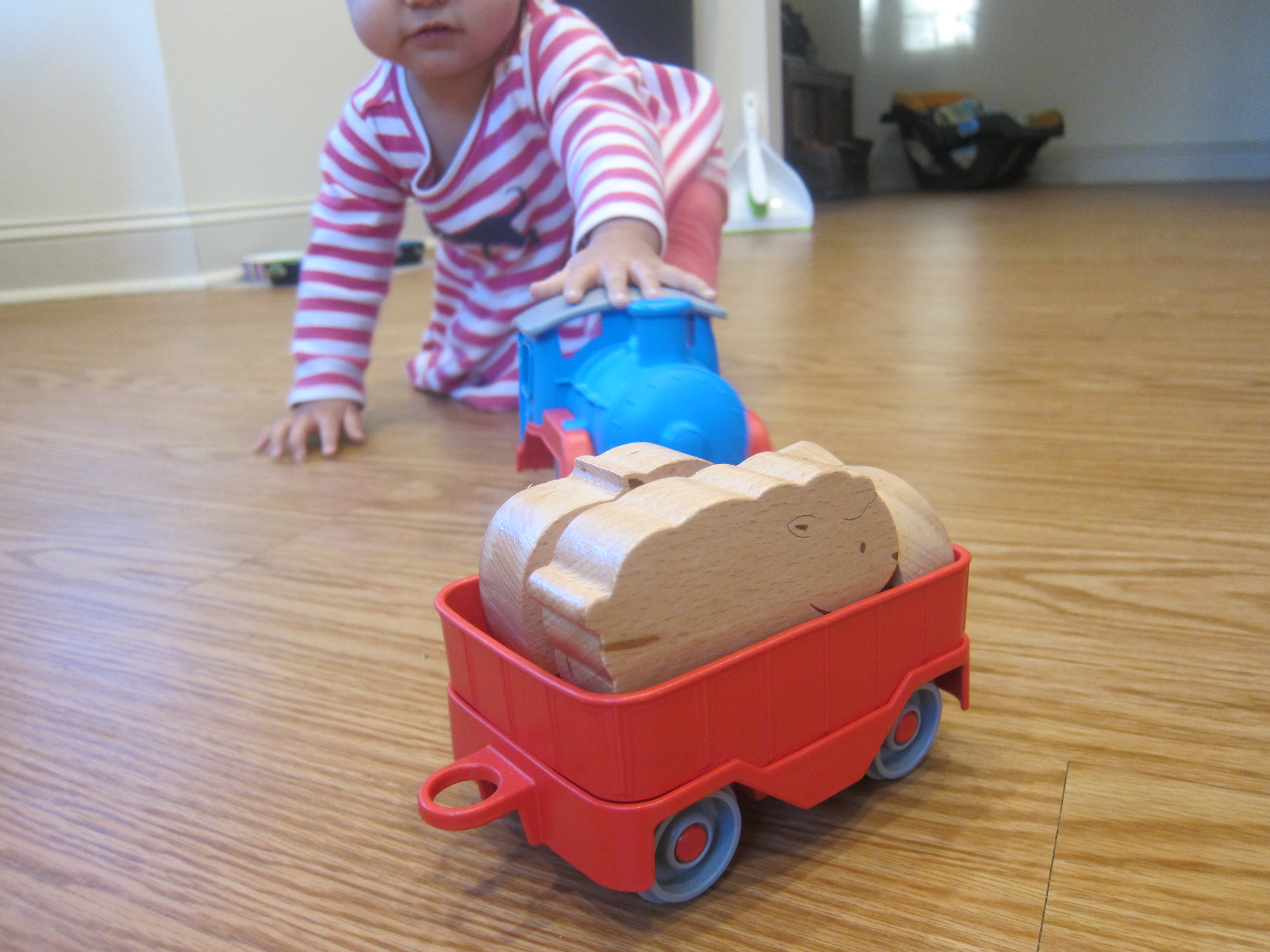
This gross motor toy was a welcome addition to the crate. The fabric upper body Velcros around the wooden wheel base, although ours was a bit droopy. That didn’t deter Veronika from zooming it everywhere!

Panda Chat (8)

There’s room for onomatopoeia here, making truck sounds like vroom vroom and beep beep as you play. It’s also just right for loading in the wooden animals and giving them a ride.

Panda Chat (9)

I can’t wait until Veronika is old enough to pull it as she walks, but for right now she was more than happy to push it along at a crawl.

Five: Board Book

As with every crate, this one featured a book about our friend Panda. In this one, Panda says hello to different animals on the farm.

Panda Chat (10)

The book features numbers as well as animal sounds, and we recruited our new friends (the mooing cow and the wooden animals) to act out the story!

Panda Chat (11)

Now it was time to check out this crate’s Wonder magazine. There were linguistic tips for every age, including activities we did when Veronika was 0 to 3 months old (sitting close and cooing back), 4 to 6 months old (repeating single-syllable sounds) and 7 to 12 months old (narrating the day). I liked the tip about praising language use instead of correcting it, which we’re prone to do as parents.

Wonder also had a page about baby signing, featuring 6 signs that Veronika already knows: milk, eat, more, all done, play, and help.

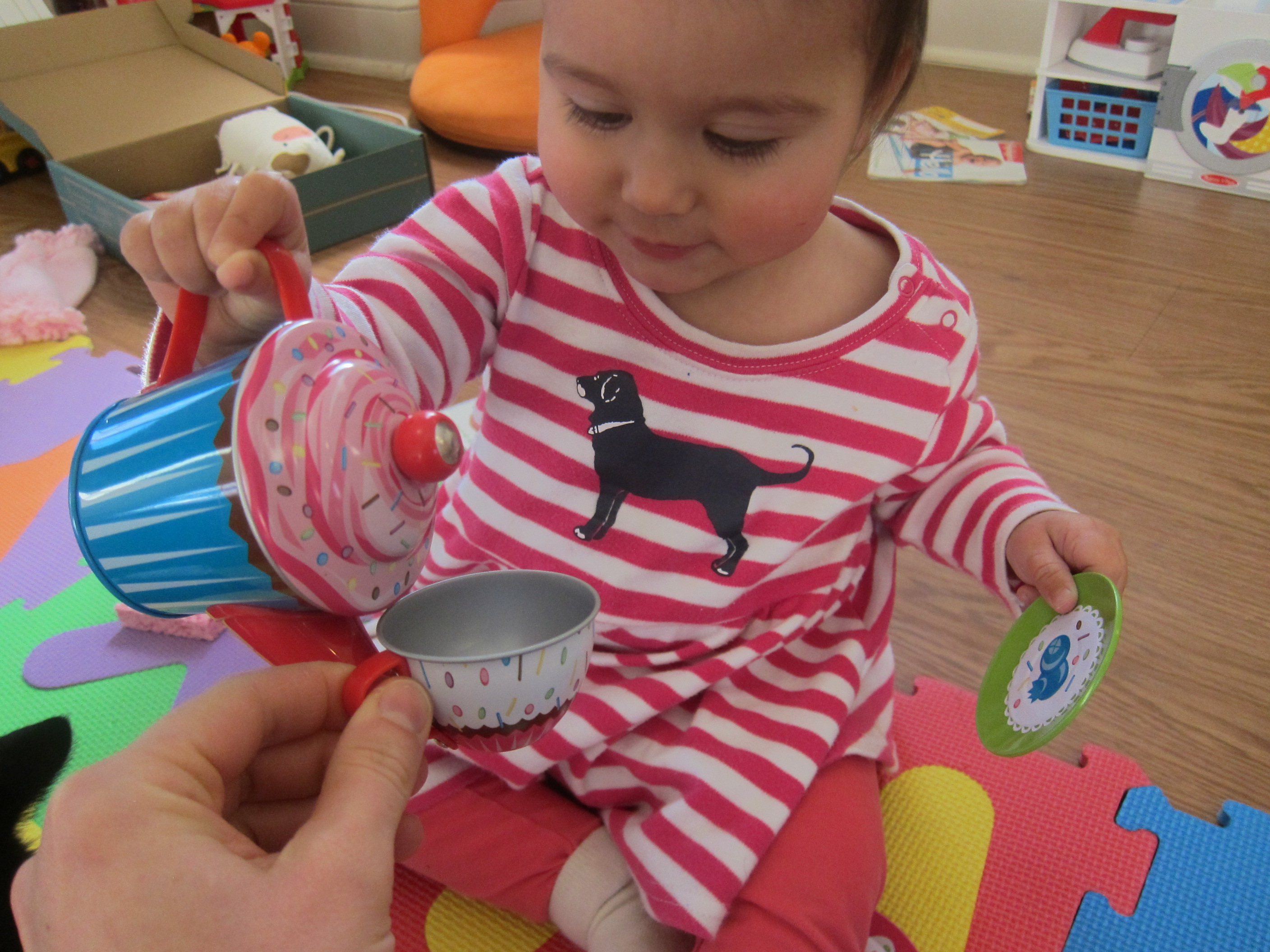
The suggested “Beyond the Crate” activities were mainly ones Veronika and I have done before. First up: Sounds All Around i.e. playing with onomatopoeia. She loves to copy sounds, so I thought of some fun new ones. While playing with her tea set, I added a  “pssssh” pouring sound.

Onomotopeia (1)

She was soon eagerly pouring for our tea party and shoving the cup in my face for a “sluuurp!” We also love to “beep boop” our light switches and to “choo choo” our trains.

Onomotopeia (3)

And of course, animal toys are ripe for onomatopoeia play, so we circled back to the new wooden ones.

There was also a recommended game of Tot Talk (responding to your baby’s babble as if having a real back-and-forth conversation). We do this often, and Veronika loves to monologue at me!

Onomotopeia (2)

Lastly, we played In Full Swing, a cute way to teach hello and goodbye as you push your baby on a swing. Veronika is just starting to wave and say hi to other babies, so she loved this game. Add other words like “forward” and “backward”, too.

Hello Goodbye Swing

For musical fun, the natural song to sing with this crate is Old Macdonald Had a Farm.

Finally, we checked out three recommended books:

  • Farmyard Beat by Lindsey Craig
  • Listen to the Pets by Marion Billet
  • Who? A Celebration of Babies by Robie Harris

Travel with Me Panda Crate

Panda Travel (1)

Veronika received her second crate from Panda Crate today. As I reminder, she’s receiving crates meant for babies a few months younger than her actual age, since I wanted to be sure we didn’t miss a single thing. Read my full explanation here.

So, adapting “Travel with Me” slightly, we still had fun with the following crate items at 11 months old!

One: Travel Play Mat

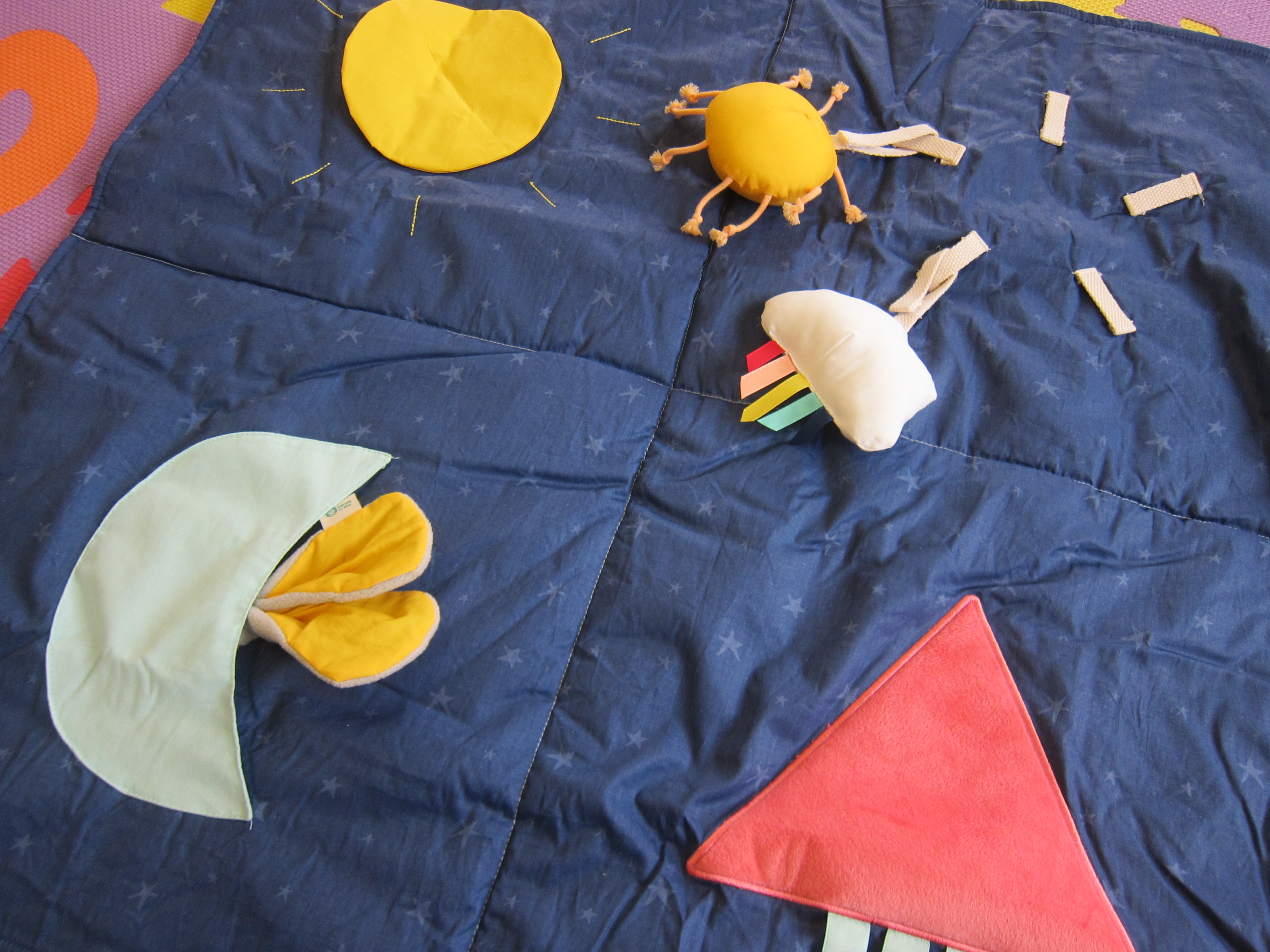
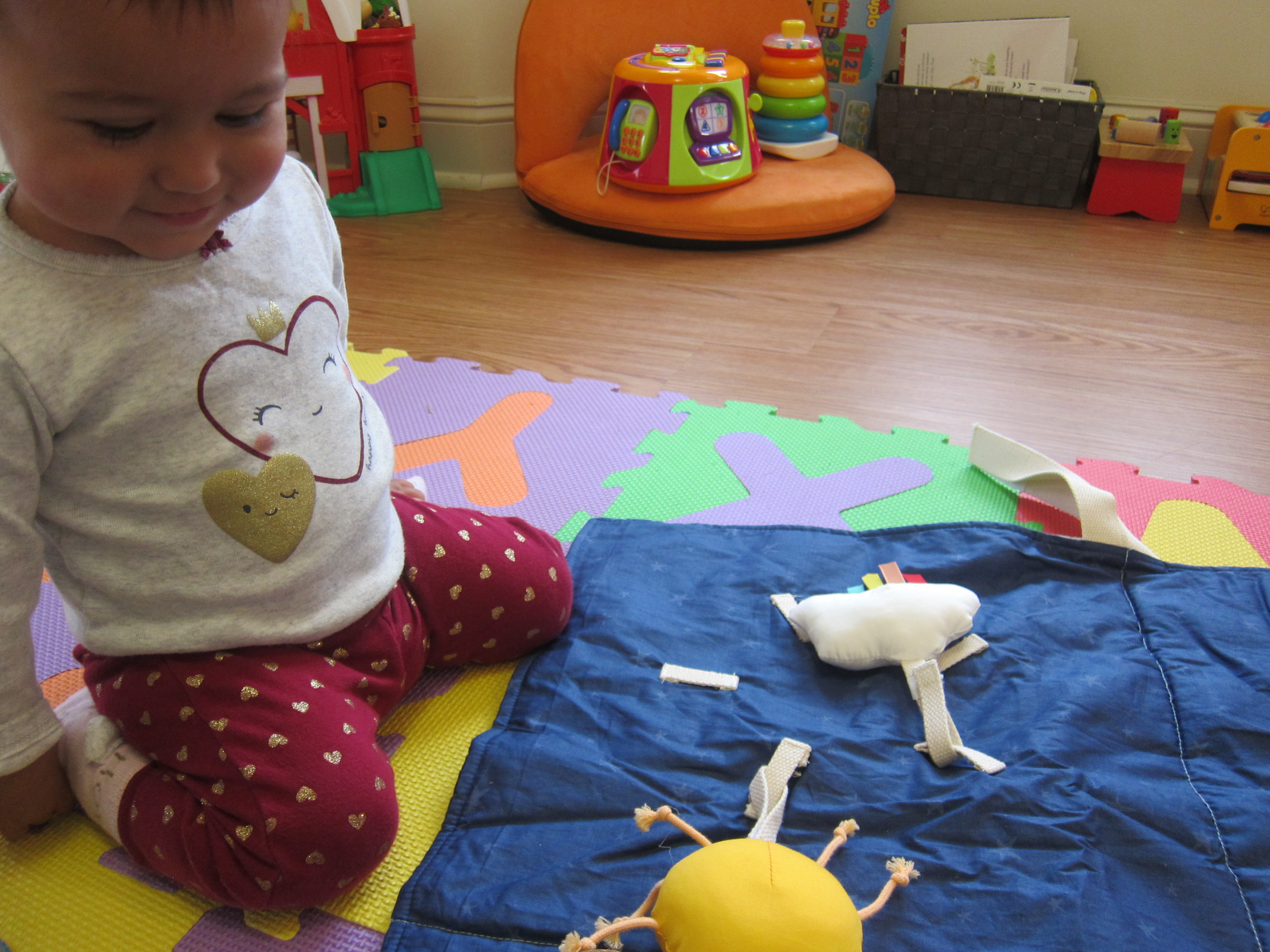
This item is truly meant for those still doing tummy time, with tactile elements galore. The handy roll-up-and-velcro feature means you can take it anywhere in those early days when you don’t want your newborn on the floor (germs!).

Panda Travel (4)

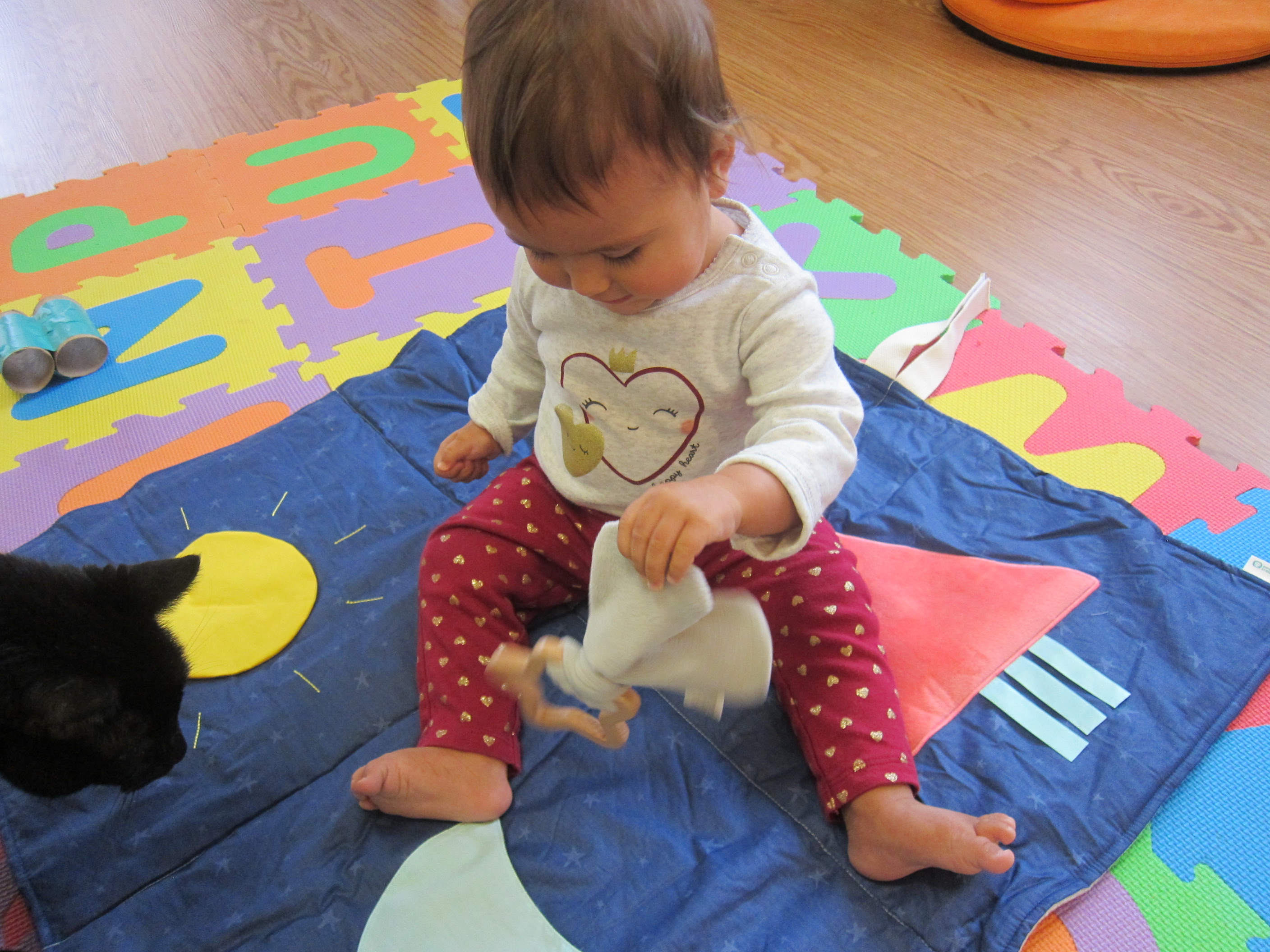
The reverse is a nice fluffy fabric, which makes it a cozy blanket for chilly fall days even now that Veronika is bigger. The one element she loved as an eleven-month-old was the pocket; hide toys in here for your bigger baby to find and you’ll get great smiles of delight.

Panda Travel (5)

Two: Star Grasping Toy

Speaking of hidden toys, this is the one I secreted away in the pocket. The crinkly elements will be catnip for little babies’ hands. Because so many baby toys are round or square, the shape was also fun to talk about with Veronika.

Panda Travel (10)

I touched each of the 5 points of the star, counting them out as we went.

Panda Travel (2)

Three: Hanging Rattles

These two rattles attach to the loops of the blanket for any babies doing tummy time.

Panda Travel (3)

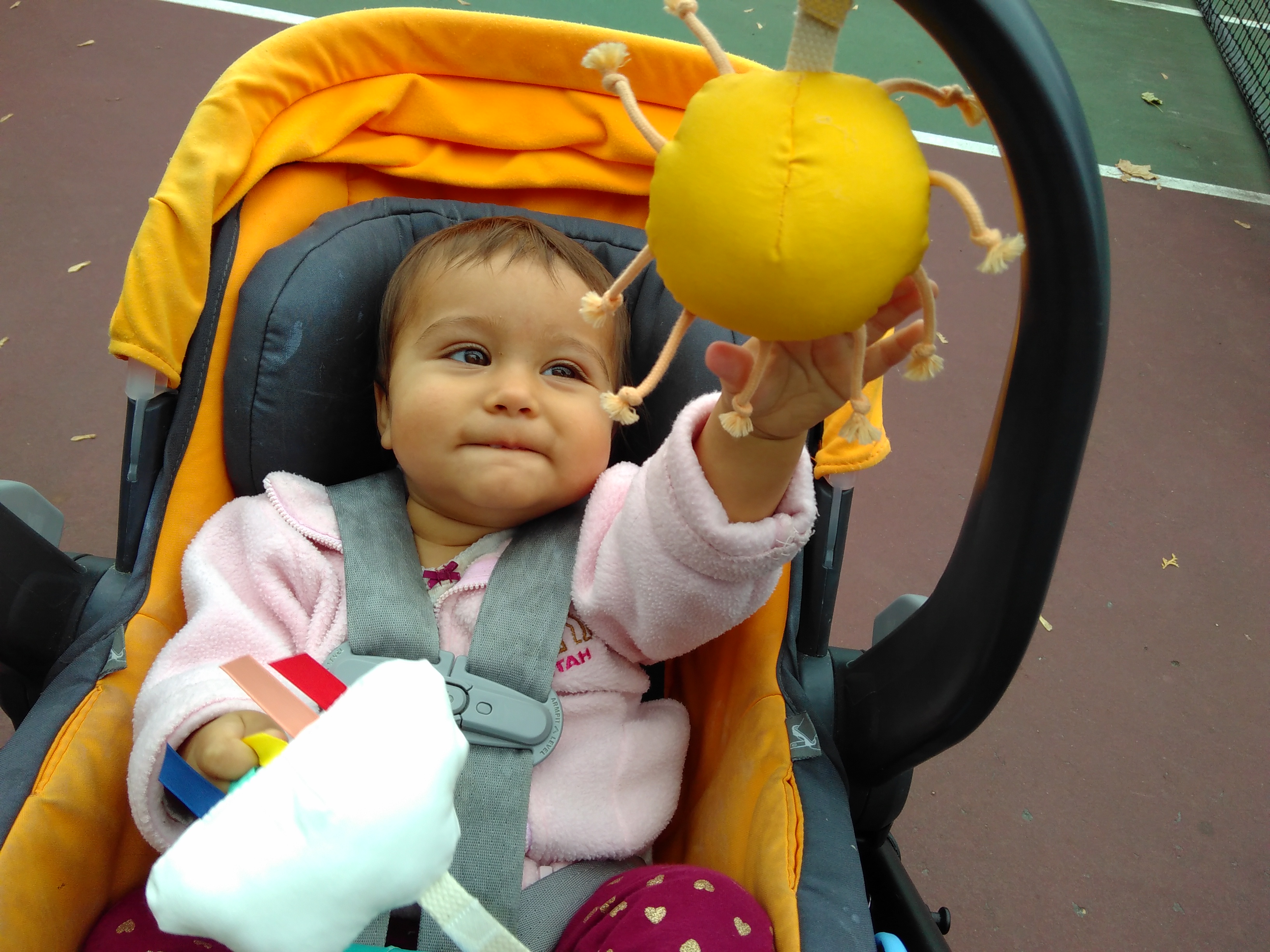
I appreciated that they work great as travel toys even for older babies, since they fasten easily onto the handle of a car seat. My big girl didn’t let them dangle for long; she loved snatching them down!

Panda Travel (8)

You can also of course use them to talk about the weather (cloudy, sunny). Best of all was using them more like maracas together, shaking along to songs in the car.

Four: Fabric Book

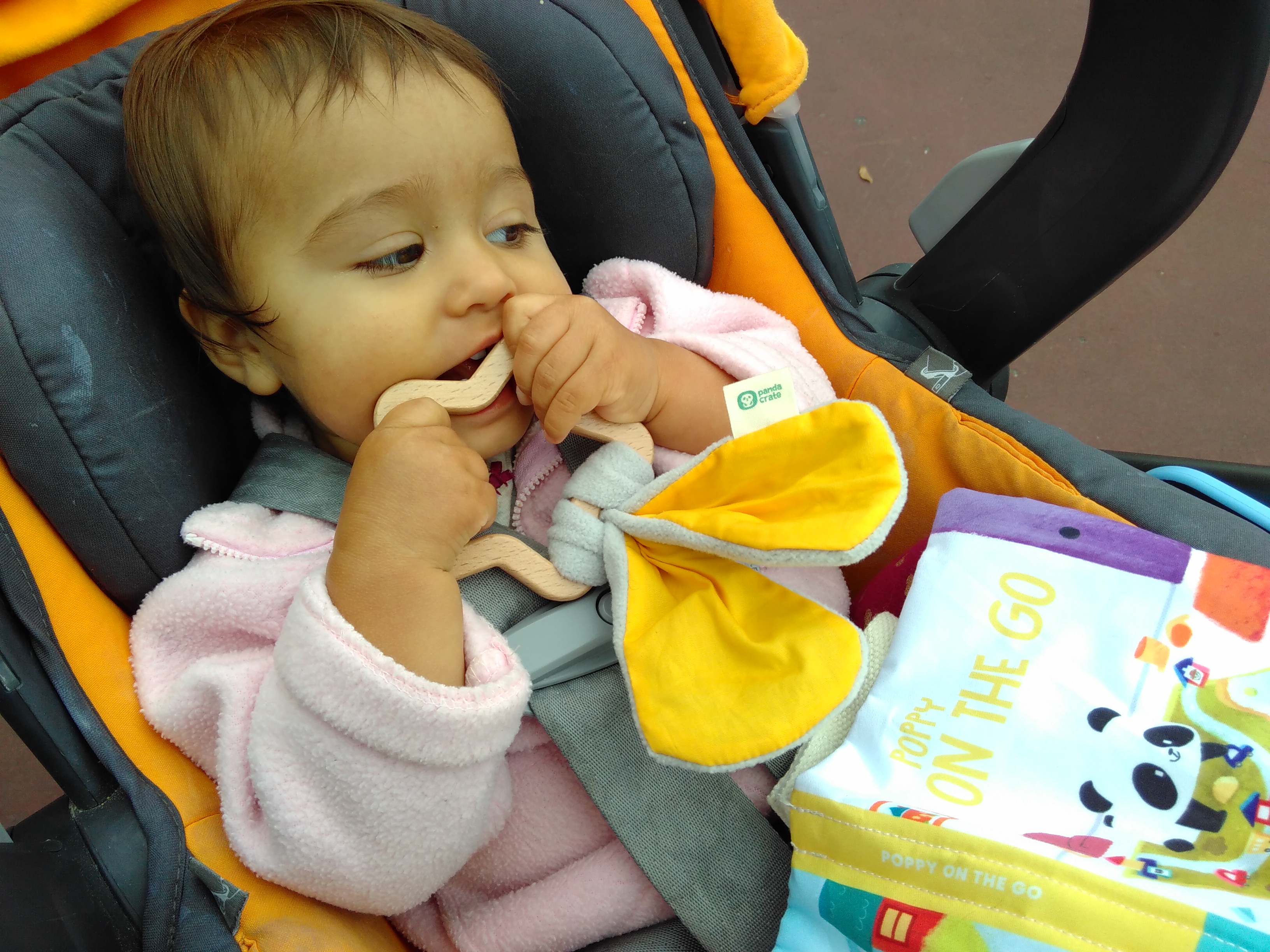
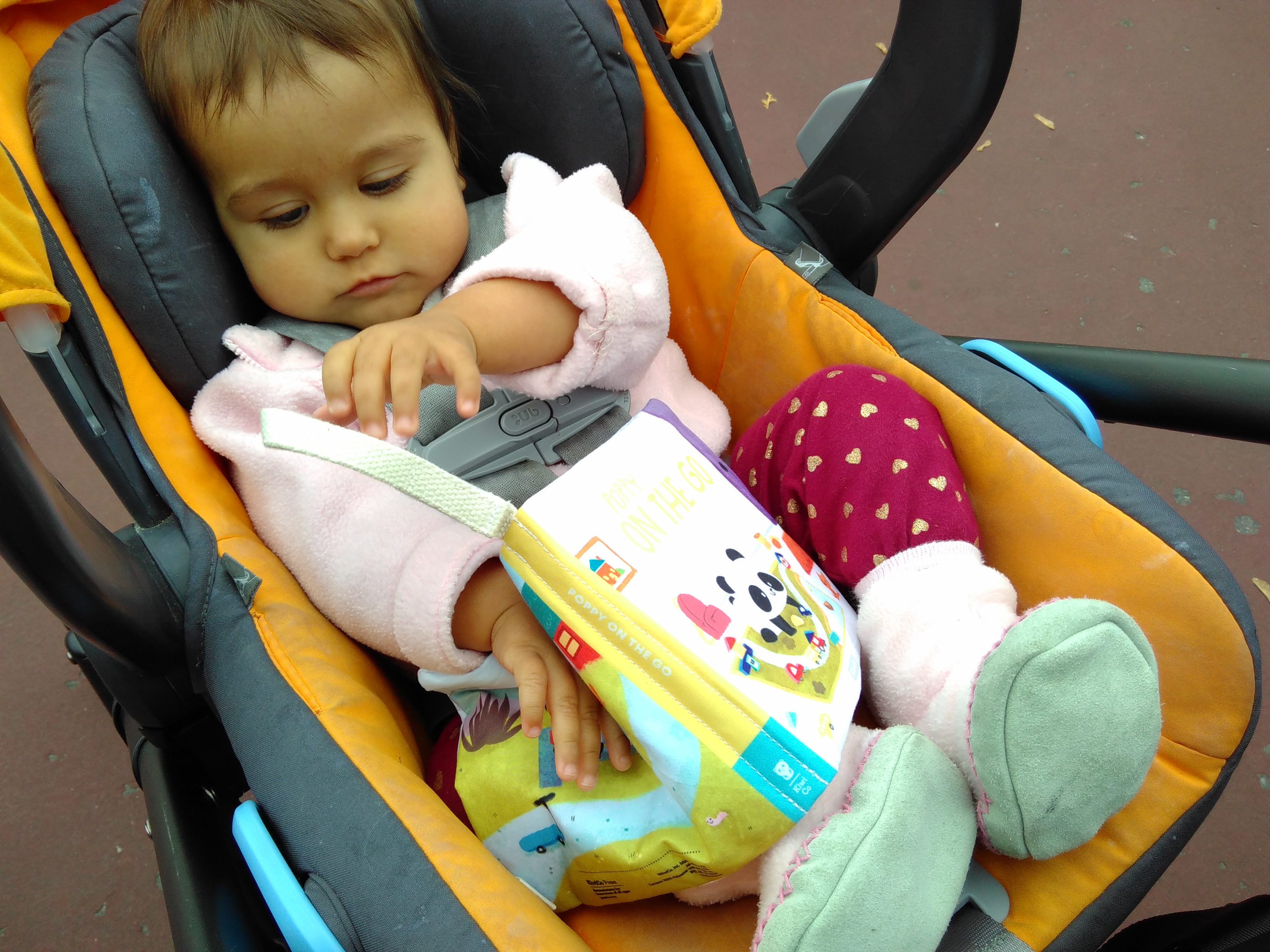
Last month, Veronika received a bath book about Panda, now it was time for a crinkly book. It’s super lightweight, making it perfect to pack as a travel toy. This one was fun because we could name vehicles and Veronika is old enough to imitate the sounds each makes (the vroom vroom of a car, the choo-choo of a train). The book has very few words, which encouraged me as a parent to narrate what we saw on each page, talking about all the details.

Panda Travel (9)

Once again, I perused Wonder magazine, including a Grow section on muscle and movement development. The Learn section was a trip down memory lane: we hit all the suggested activities back in the day, whether tummy time skin to skin as a newborn, reading board books during tummy time at 4 months old, placing toys just out of reach at 5 months old, and encouraging rolling at 6 months old.

The Play section was also a nice reminder of ways I enriched Veronika’s experience as a younger baby: outings like going to a coffee shop, arranging a mommy play date, picnicking in the park, strolling outdoors, or going to the aquarium. If you receive the crate when your baby really is four-months-old (or thereabouts), you’ll love the suggested “Beyond the Crate” activity of Ribbon Play.

For travel-themed musical fun, I sang Veronika Wonder‘s version of “Wheels on the Bus” with cute new verses:

The baby on the bus goes on a trip,

On a trip, on a trip.

The baby on the bus goes on a trip,

All through the town.


The baby on the bus looks all around,

Up and down, what’s that sound?

The baby on the bus looks all around,

All through the town.

Finally, we checked out these three books at the local library:

  • Baby Touch: Tummy Time by Ladybird
  • Go! Go! Go! by Nicola Bird
  • Red Wagon by Renata Liwska

The Ladybird book in particular is fantastic, actually an accordion that folds open and can keep Veronika entertained for hours.

Panda Senses alt

We’re looking forward to more Panda crates, especially as the toys become more appropriate for Veronika’s true age.