Swirly Pound Cake

Swirly Pound Cake (3)

This cake is true to its name, with a full cup (pound) of vegan butter, but it’s well worth the indulgence. Consider this your family’s social distancing reward of the week!

Ingredients:

  • 1 and 1/3 cups cake flour
  • 2 teaspoons baking powder
  • 1/4 teaspoon salt
  • 1 cup Earth Balance butter, softened
  • 1/2 cup sugar
  • 2 teaspoons vanilla extract
  • 2 Ener-G eggs
  • 3/4 cup sweetened condensed coconut milk
  • 1 tablespoon cocoa powder
  • 2 tablespoons hot water
  1. To prepare the batter, mix the flour, baking powder, and salt in a large bowl. Set aside.
  2. In the bowl of a stand mixer, beat the butter, sugar, and vanilla until creamy. Add the Ener-G eggs and beat until combined.
  3. Add the flour and condensed milk, beating just until combined.
  4. In a small bowl, whisk together the cocoa powder and hot water. Spoon 1 cup batter into a clean bowl and add the cocoa mixture, whisking until combined.
  5. Alternate adding the vanilla and chocolate batters to a greased 9×5-inch loaf pan, beginning and ending with the vanilla. Use the tip of a knife to swirl through a few times for a marbled effect.
  6. Bake at 350 degrees F for 60 minutes; a wooden pick inserted in the center should come out clean. Transfer to a wire rack and cool completely.

Swirly Pound Cake (1)


Food-Coloring Fingerpaint

Food Color Fingerpaint (9)

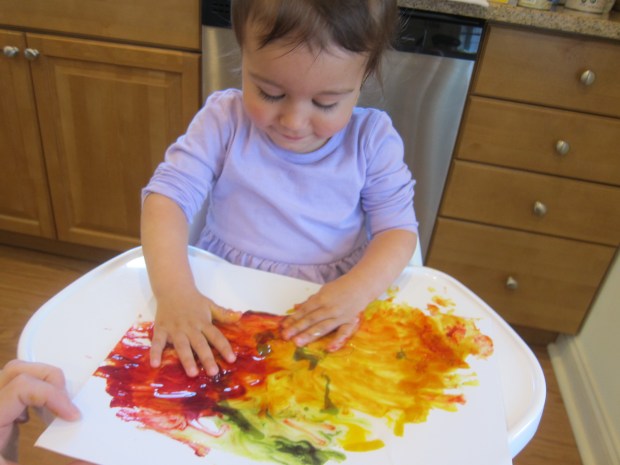
Go figure! I’ve been trying method after method to encourage Veronika to keep her fingers out of the paint, but when I tested out this neat idea that actually encourages finger painting, she wanted to use a brush! Luckily she did switch to hands eventually, and I was glad she did. This is goopy glorious toddler art at its best.

Food Color Fingerpaint (7)

To start, I set a thick piece of white paper on her highchair tray and drizzled on a little corn syrup. Squirt a few different colors of food coloring into the corn syrup blobs; the colors will instantly run and bleed in a beautiful way!

Food Color Fingerpaint (2)

Veronika began cautiously dabbing at this with a paint brush. She was so intrigued as she lifted up a drop of colored syrup, then transferred her brush over to another section of paper to press down.

Food Color Fingerpaint (3)

I love watching when she concentrates on art this way.

Food Color Fingerpaint (4)

Well, eventually it was up to me to get my hands dirty first! I showed her how she could rub a finger through the mixture, swirling the color and corn syrup together for a glossy paint-like effect.

Food Color Fingerpaint (6)

At last! The fingers went into the finger paint.

Food Color Fingerpaint (8)

“Goopy!” she squealed with delight. “Squishy!” This girl is not afraid to get her hands dirty. She loved smearing it, rubbing sticky hands together, and watching the colors mix.

Food Color FIngerpaint (12)

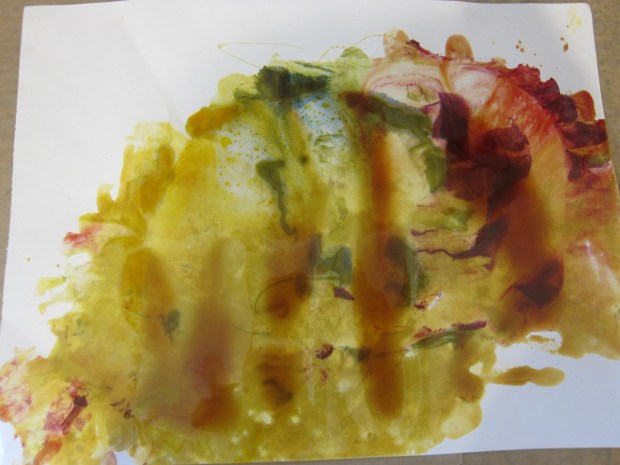
The painting looks quite shiny and pretty once the corn syrup dries! Definitely one to display.

Duplo Printing

Duplo Printing (11)

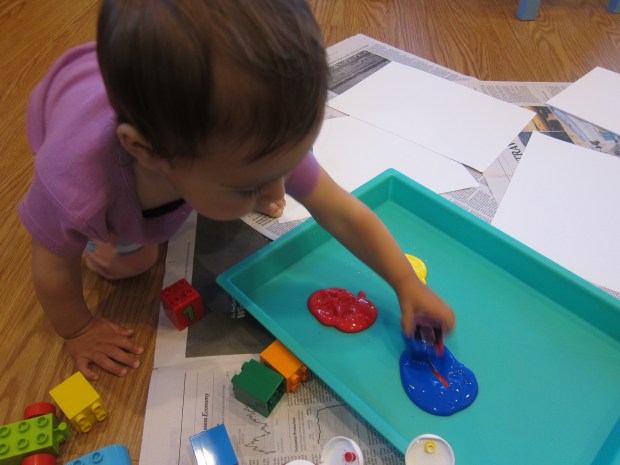
This novel painting method is an easy way to mix up art projects with a toddler. It’s also an ideal introduction to the process of “stamping”, since Duplo fit perfectly in those toddler-sized hands.

I squirted a few blobs of paint into a shallow tray, and set out some of Veronika’s Duplo pieces, along with sheets of thick white paper. I showed her how to dip the Duplo into the paint (ideally with the bumps down) and press on to the paper.

Duplo Printing (7)

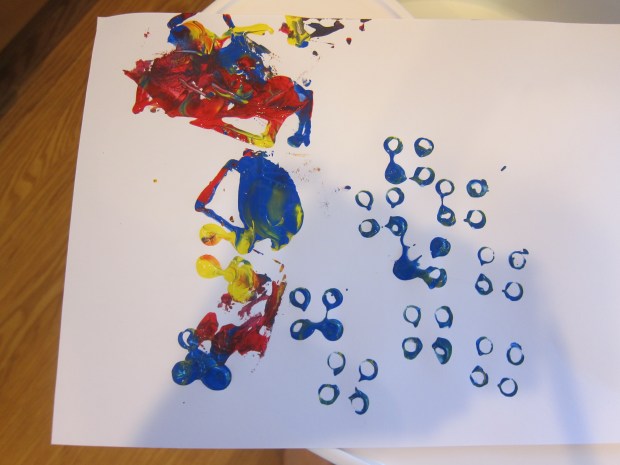
The first mark will probably come out splotchy but as you continue to dot, the bumps become clearer. “Bump bump bump!” she said with excitement.

Duplo Printing (8)

She grabbed for a piece, and – not surprisingly – didn’t quite get the bumps in the paint on her first try, so I assisted a little bit.

Duplo Printing (5)

Instead, her prints tended to be of the sides, bottoms, or edges of the Duplo pieces, but this gave nice variety to our pages. She looked so proud of herself, and at the process of making this art!

Duplo Printing (10)

Meanwhile, I continued to dot the bumpy side of Duplo pieces more clearly around her work, to show her the effect. A full length “train” piece gave nice variety.

Duplo Printing (3)

You can let the paint colors overlap for subtle color mixing, or just let your toddler run wild with the project.

Duplo Printing (1)

One note of caution: Be sure to wash the paint off soon after ending the project, especially if your child will be upset at favorite Duplo pieces being soiled.

Duplo Printing (9)

We knew we were done when she dipped in her hands, not the Duplo pieces!

Louder, Softer Please

Louder Softer (5)

At around a year and a half old, your toddler probably has one volume these days, and that volume is set on loud. Whether playing excitedly or having an epic meltdown, toddlers sure do know how to make noise. So here are a couple ideas for playing with dynamics, and teaching them when to be quieter!

First, we pulled out a variety of instruments that naturally lend themselves to dynamics. Drums were for loud, and soft maracas were for quiet noises.

Louder Softer (1)

A fun song to sing for this game was Yankee Doodle because, well, he rides away on his horse! Starting loud, I drummed along during the first line:

“Yankee Doodle came to town riding on a pony!”

Then I dropped my voice to a whisper and shook a gentle maraca; Yankee Doodle was riding away.

“Stuck a feather in his cap and called it macaroni.”

Louder Softer (6)

She joined in on the dynamics with sticks on the drums, and even shouted out “Loud!”

Louder Softer (3)

Beyond just learning vocabulary, there are many benefits to teaching your toddler dynamics. Because we’re inside so much these days, I talked with Veronika about how we have two voices, just like she has two arms, two legs, two eyes, etc. The outside one can be loud!

We headed outside to find examples. Loud trucks! Loud birds! Loud airplanes! Veronika happily squealed along.

Louder Softer (8)

Inside, I demonstrated a whisper instead. This was perfect for the “good night!” game my kids have taken to playing (which simply involves lying down on a pillow and saying “good night!” to each other.

Louder Softer (9)

So Veronika is definitely starting to get the concept of loud vs. soft, and when to use each. Bonus points: if you teach these lessons now, you might just trick your kids into whispering while adults work from home during the coronavirus!

Kindergarten Home School Week 9: Friday

Home School 45 c

Life threw us a curve ball today with baby sister under the weather. Honestly I’m amazed any school work got done with Travis at all, but we squeezed in a little.

9-9.15: Social Studies. After a workbook page about different stores in a neighborhood, I invited Travis to set up the store of his choosing. He opted for a toy store, and loved setting up baby sister’s toys to “sell”.

Home School 45 a

9.15-9.30: Math. He did one math workbook page that skip-counted Ewoks, so then of course we needed to play skip-count hopscotch. (Simply make a hopscotch board where each jump is worth 2 points).

Home School 45 b

9.30-10: Snack/free play.

10-10.15: Science. After an encyclopedia page and QR link about dinosaurs, we repeated an old favorite activity: visualizing how big dinosaurs really were with masking tape. Because we played indoors, we had to cap ourselves at the 30 foot stegosaurus.

Home School 45 g

10.15-11: ELA. Following his teacher’s recommendation, we listened to two versions of the Three Little Pigs: one from the pigs’ point of view and the second from the wolf’s!

Home School 45 d

Travis did a compare and contrast (what was the same, what was different). We then sequenced the story and made little puppets to act it out.

Home School 45 f

For a little STEM extension, the idea was to build the house of bricks from Legos….though you may notice he veered off into Star Wars direction. Finally, Travis also did about 10 minutes on Lexia.

Home School 45 i

That was it for the day; Travis enjoyed a movie, which was well-earned. He also had the special treat of an online session with a local high school student through a new town initiative. This was fantastic, and we were so thankful to our new buddy!

Home School 45 h

Creamed Spinach

Creamed Spinach (2)

This creamed spinach recipe manages to have all the creaminess kids love without relying on lots of butter or heavy cream. We particularly like it spooned atop a baked potato!

Ingredients:

  • 1 (16-ounce) package fresh baby spinach
  • 1/2 dinner roll
  • 2 tablespoons olive oil
  • 2 minced garlic cloves
  • 2 tablespoons flour
  • 4 tablespoons plain almond milk
  1. Chop the spinach, then add to a dry skillet over medium heat and cook for about 2 minutes, or until wilted.
  2. Transfer the spinach to blender or food processor, along with the dinner roll. Process until finely chopped.
  3. Meanwhile, heat the olive oil in a large skillet over medium-high heat. Add the garlic; cook for 1 to 2 minutes. Stir in the flour, followed by the milk and the spinach mixture. Cook an additional few minutes until heated through.

Creamed Spinach (3)

A Tape Road

A Tape Road (3)

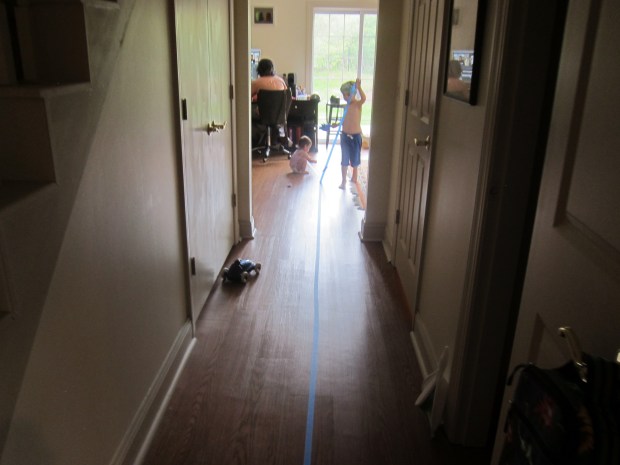
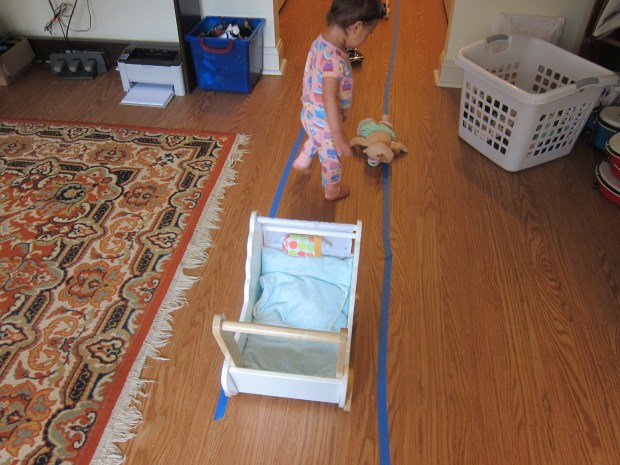
I’ve designed lots of little roads made from tape for the kids before, but this one was different: one big tape road that inspired all sorts of different ways to play!

For starters, Veronika loved watching me lay down long strips of tape, and loved running along them as I did so!

A Tape Road (1)

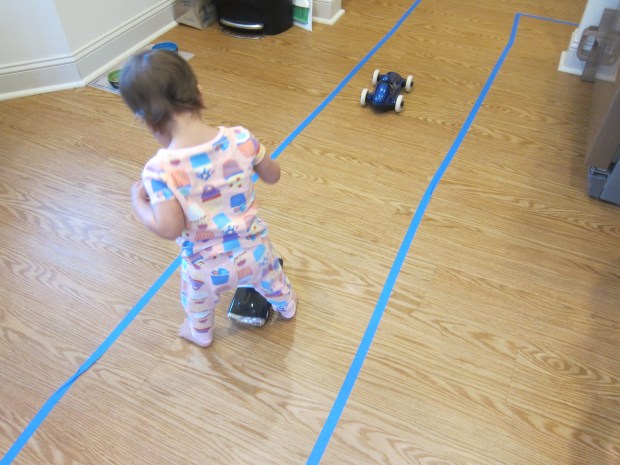
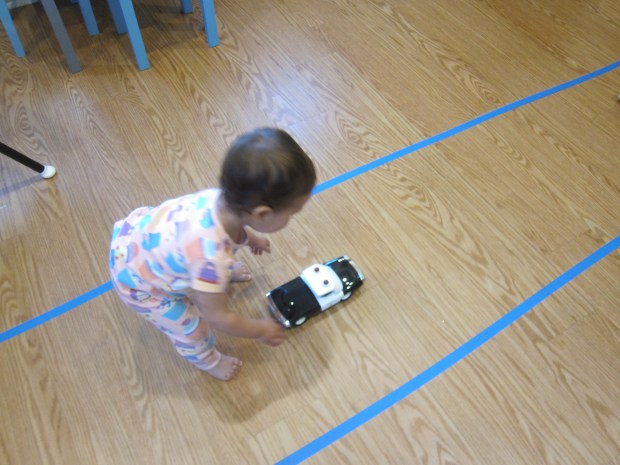
Now she had a grand avenue that was just begging for our biggest toy cars to drive along it.

A Tape Road (2)

Although smaller cars were fun, too!

A Tape Road (8)

I added two stop signs at one “intersection” for a little early learning about road safety, though of course I didn’t expect Veronika to understand this part.

A Tape Road (9)

These wide boulevards were also fantastic just for running along, a me-sized road!

A Tape Road (4)

She then was busy driving her dolly stroller down it. It would be the perfect size for any ride-on kid cars, too. In sum, an easy and fun way to play indoors.

A Tape Road (6)

Kindergarten Home School Week 9: Thursday

Home School 44 f

I actually had to rein Travis in today! He was eager to forge ahead on his 1st grade writing and math books that arrived, but I really intended to use these in the late summer and early fall on the off-chance school is still not in session (sob!). Once I brought him back to age-appropriate Kindergarten materials, we had a productive day.

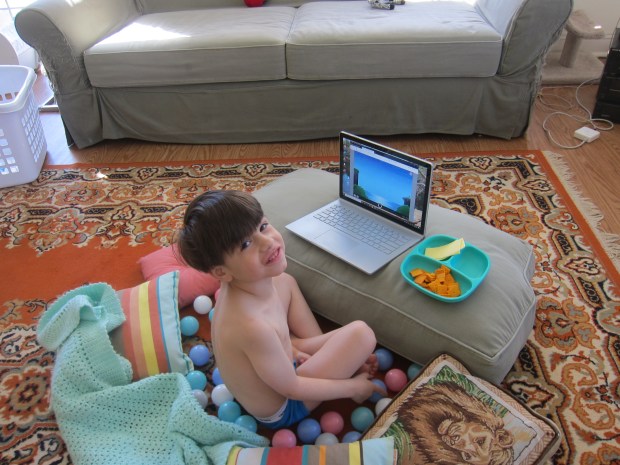
9-9.30: ELA. His summer workbook page focused on letter I. To extend beyond the handwriting, I had him name a rhyming word for each “i” word on the page. He also did 20 minutes on Lexia. Yes, in the living room, in a “ball pit”.

Home School 44 c

9.30-10: Math. The summer workbook page featured adding 10 soccer balls + X more balls, for a number in the teens. We knew how to make this hands-on!

Home School 44 b

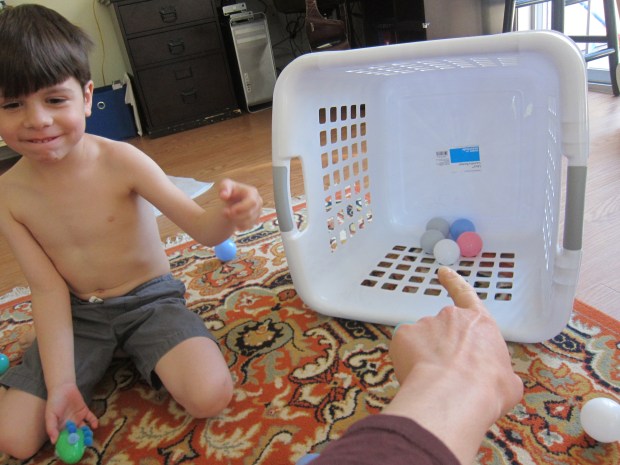
First we made up math problems with our bag of ball pit balls, and then of course just enjoyed silly play with the balls. Then…

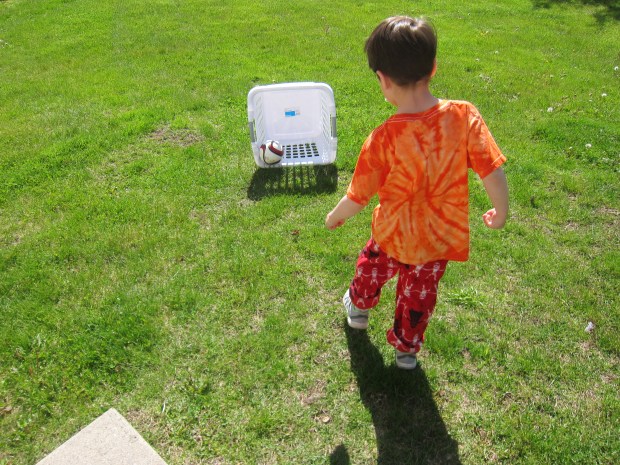
10-10.30: Recess. We extended the soccer theme with real soccer outside. A laundry basket made a handy goal.

Home School 44 d

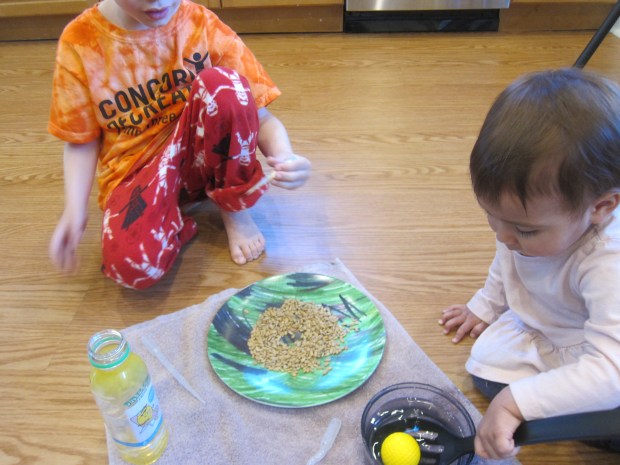
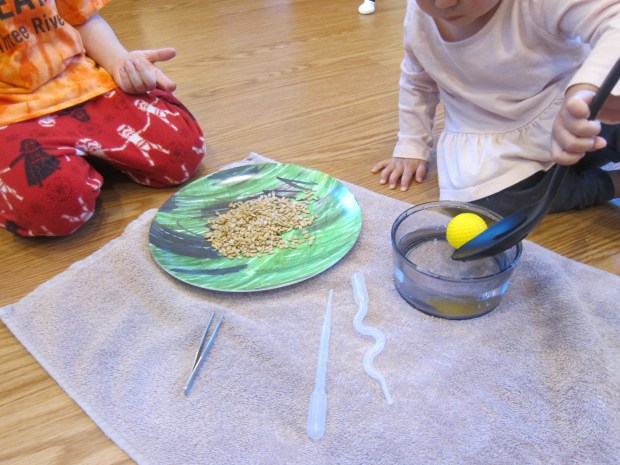
10.30-11: Science. We read Travis’s encyclopedia pages about birds, and watched three QR video links in conjunction. I made things hands-on with a simplified version of an old bird beak experiment. Which bird beak was meant for which food if I gave him: tweezers, a pipette, and a slotted spoon. (Answers: the tweezers are for a sparrow to eat seeds, a hummingbird uses the “pipette” to drink up flower nectar, and a pelican is the slotted spoon for scooping up fish.

Home School 44 e

11-11.30: Spanish. This week’s video was about counting fruit. Travis was disappointed it wasn’t very silly and lost interest quickly.

Home School 44 h

11.30-12 – Lunch/free play.

12 – Friendship Day. There was a special Zoom “assembly” on the theme, an annual event at his school. Travis lost interest quickly, which made me sad, although I understand that it was hard to feel connected via computer.

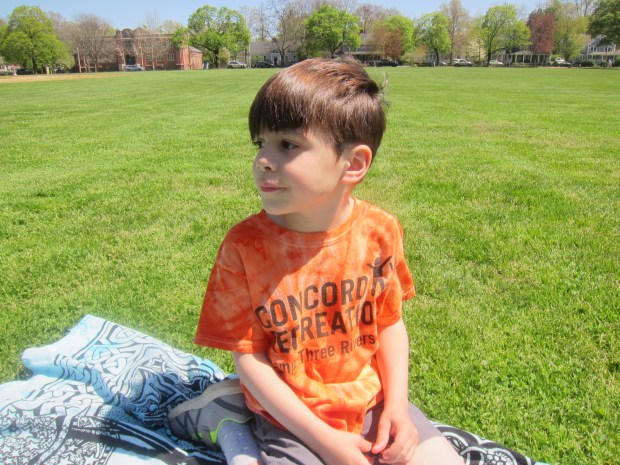
1-2: Outside. We headed to the park, both for play and a shape hunt.

Home School 44 i

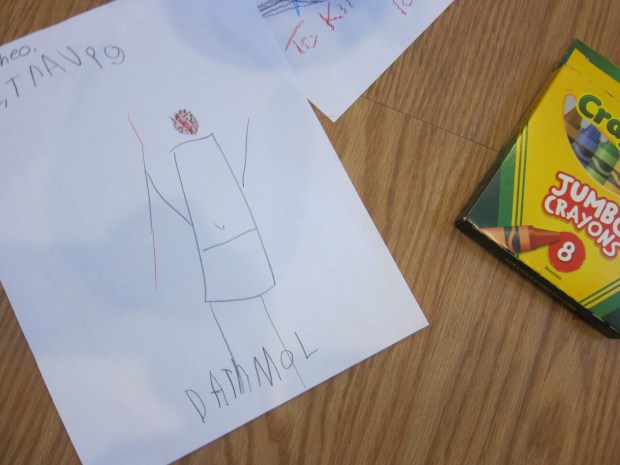
2-2.30: Specials. Travis had to record his voice for the Music teacher. We capped our day off by doing a kind deed: drawing pictures to mail to our cousins!

Home School 44 i

Tonight’s bedtime story was the fantastically illustrated What Do You Do With a Tail Like This?

Body Songs

Body Songs (2)

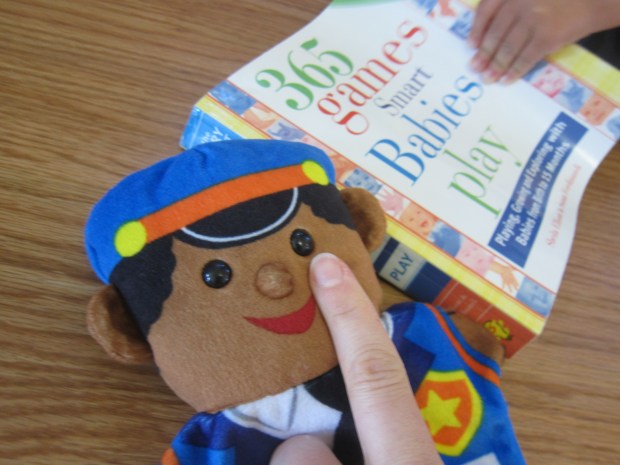
As soon as I pick her up from the crib each morning, Veronika recites my features to me, almost like she’s checking to make sure everything is still there! “One ear, two ear, nose, eyes…” she says. So today we took special time to recite lots of rhymes about body parts.

First up was a little ditty called Two Little Eyes:

Two little eyes to look around,

Two little ears to hear each sound,

One little nose to smell what’s sweet,

 One little mouth that likes to eat. 

Point to each feature on this one, of course, either on yourself, your child, or a favorite toy.

Body Songs (1)

Next up we sang Head, Shoulders, Knees and Toes, a classic that always gets big smiles!

Body Songs (3)

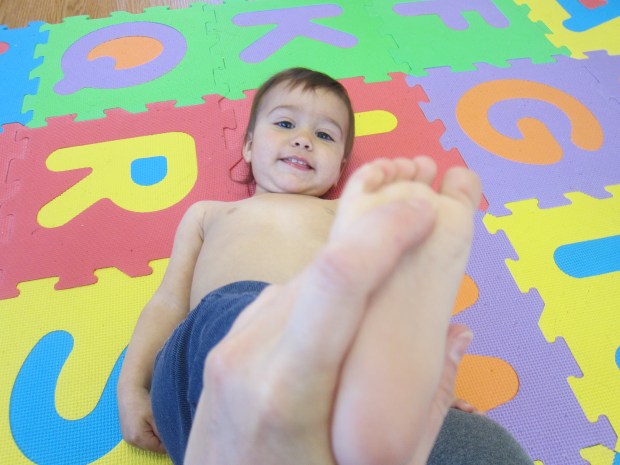
We followed this up with Twinkle Twinkle Little… Toes? Yes! To be silly, I sang:

Twinkle, twinkle little toes,

I can touch them to your nose.

Two are big and eight are small.

Count to ten you’ll count them all.

Twinkle, twinkle little toes,

I can touch them to your nose.

Body Songs (4)

With her toys already up, it was time for a round of This Little Piggy.

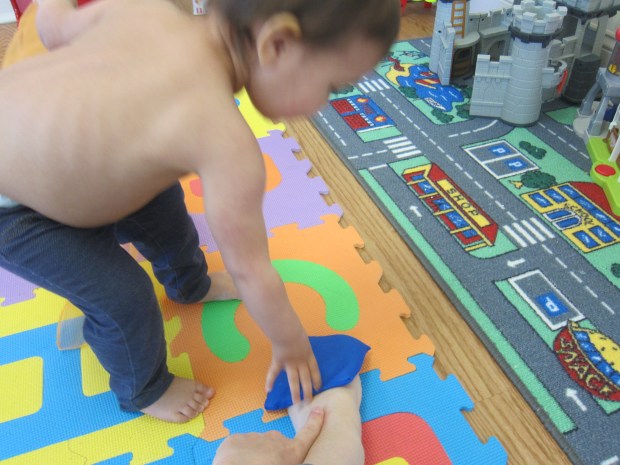
We finished with a game not of peek-a-boo, but peek-a-knees! Or peek-a-toes, or peek-a-ears, or any other body part you can cover up with a scarf or bean bag.

Body Songs (5)

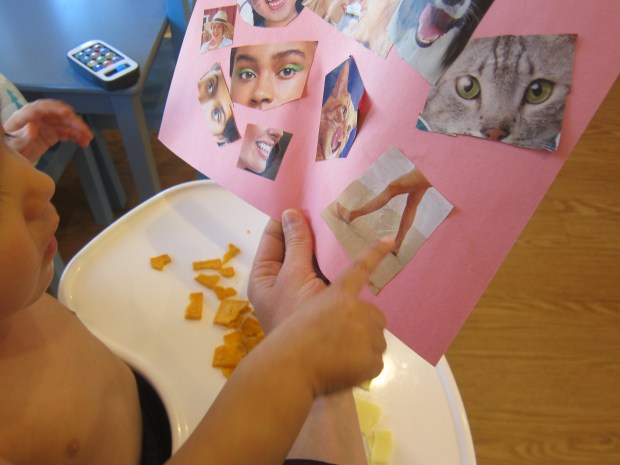
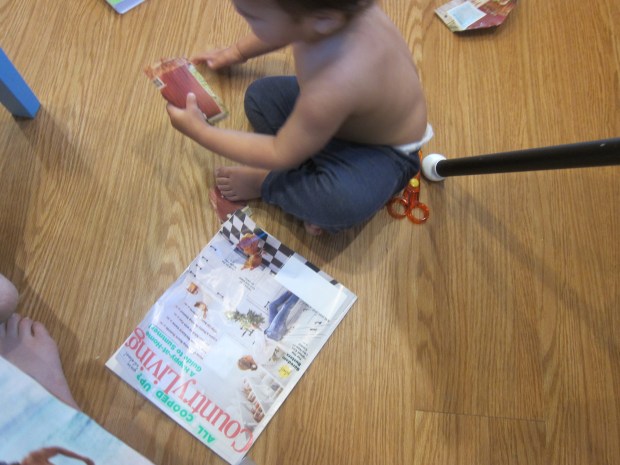
From here, I leafed through a few magazines and cut out pictures showing facial features and other body parts like knees and toes. I added in dog and cat faces, too, because she loves to point out our cat’s ears. “Leg!” she exclaimed with delight, as we looked at the finished poster.

Body Songs (7)

We glued everything down, which turned it into a mini art project, and then we could sing our favorite body songs and point along as we sang.

Body Songs (8)

Bonus points: the leftover magazine pages were great for ripping.

Body Songs (6)

Shape Search

Shape Search (4)

Chances are you’re looking for ways to keep outdoor excursions new and interesting during this period of social distancing. One easy way is to turn a walk into a shape search.

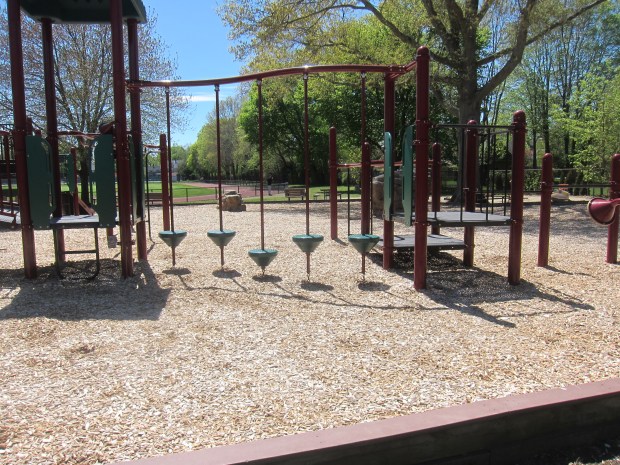
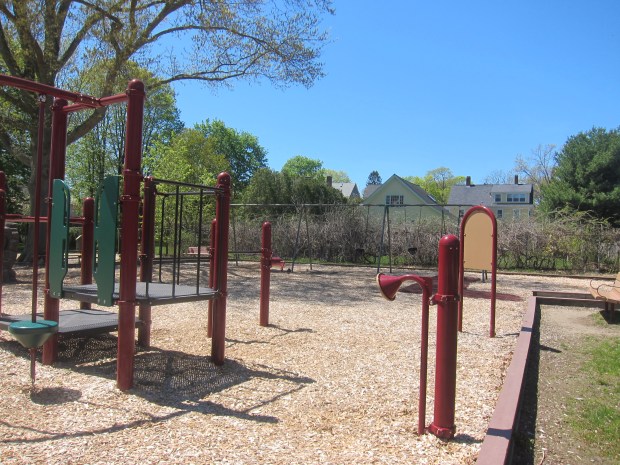
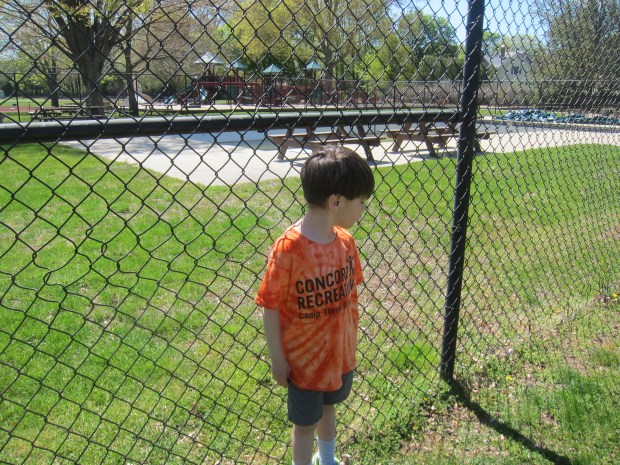
For this activity, we headed to the park. Though the playground remains off limits for play, we could at least look at it! I challenged Travis to search for simple shapes first: squares, triangles, and circles.

He found examples that ranged from the big (the circle on the ground)…

Shape Search (1)

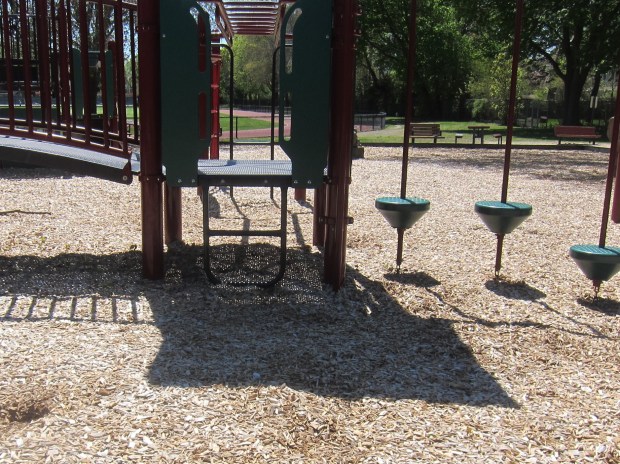
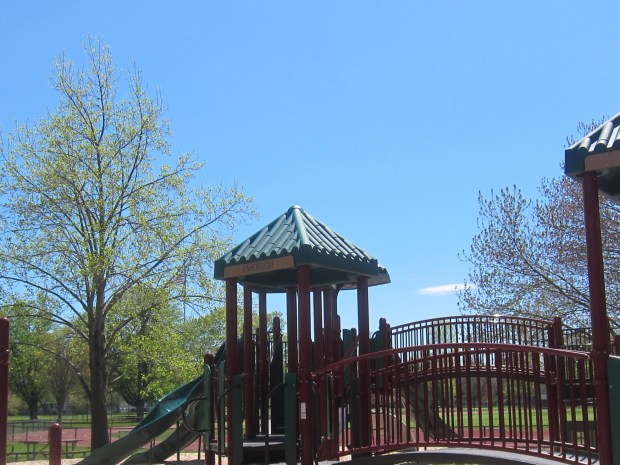
…to the small (circles incorporated into the play structure).

Shape Search (5)

Triangles formed the roofs, and squares were in the platforms and rungs of the ladder.

Shape Search (3)

Though I hadn’t intended to ask about 3-D shapes, he started to notice those, too. “Mom I see a cone!” he exclaimed. We even stopped by the diamond shapes of a fence on the way back to the car.

Shape Search (6)

How are you keeping walks different and educational? Please share in the comments!

Shape Search (2)